
Checklist · Work & business
Starting a Catering Business in Kigali: What to Buy Checklist
A checklist of pots, hot boxes, transport containers and serving ware for starting a catering business in Kigali, with tips on how to use each item.
Updated November 23, 2026 · By Isokko
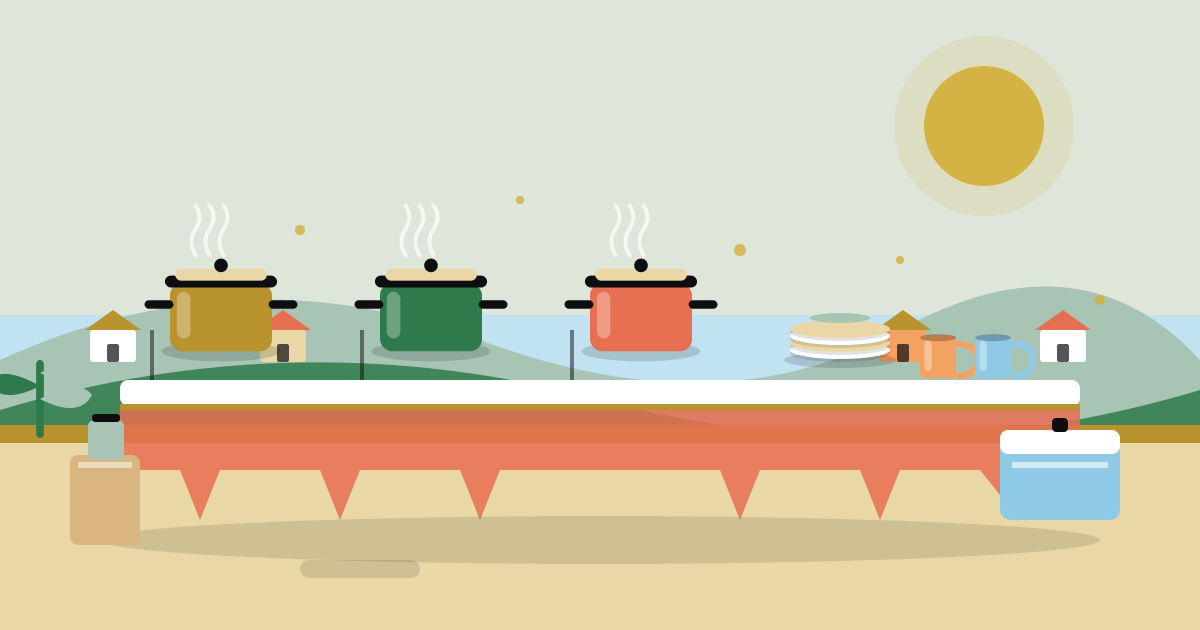
Catering is cooking, carrying and serving, all on someone else's schedule. The right gear turns a stressful event into a smooth one, and a good first event brings the next booking.
This checklist covers the big pots you cook in, the warmers and boxes that keep food safe, the containers that carry it, and the plates and cleaning items you need on site.
Rules for food businesses and permits are different for each case, so check with the right office. This list covers what you can buy.
Who it's for
Home cooks and small business owners starting to cater events in Kigali
Time needed
Shop over 2 to 3 weeks before your first booking
When to shop
Buy cooking and transport gear first, disposables just before each event
On the list
39 items, 29 must haves
0 of 39 ready
Cooking in large amounts
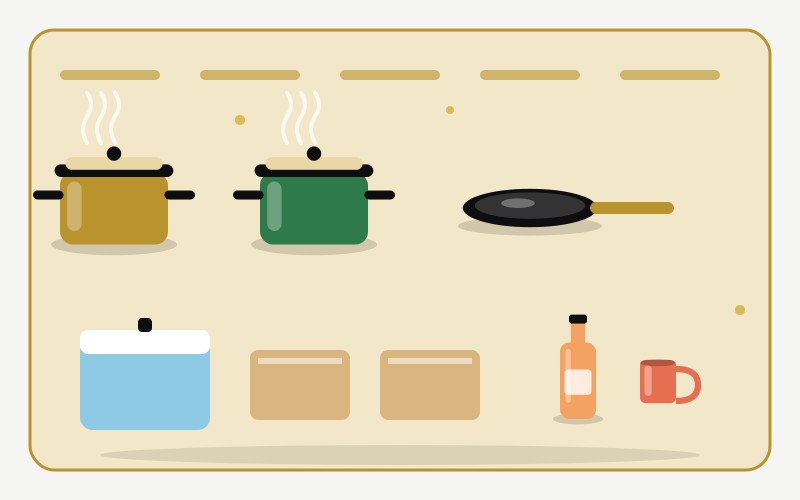
Catering means cooking for 30, 50 or 100 people at once. Think capacity first: big pots, strong heat and a safe gas setup.
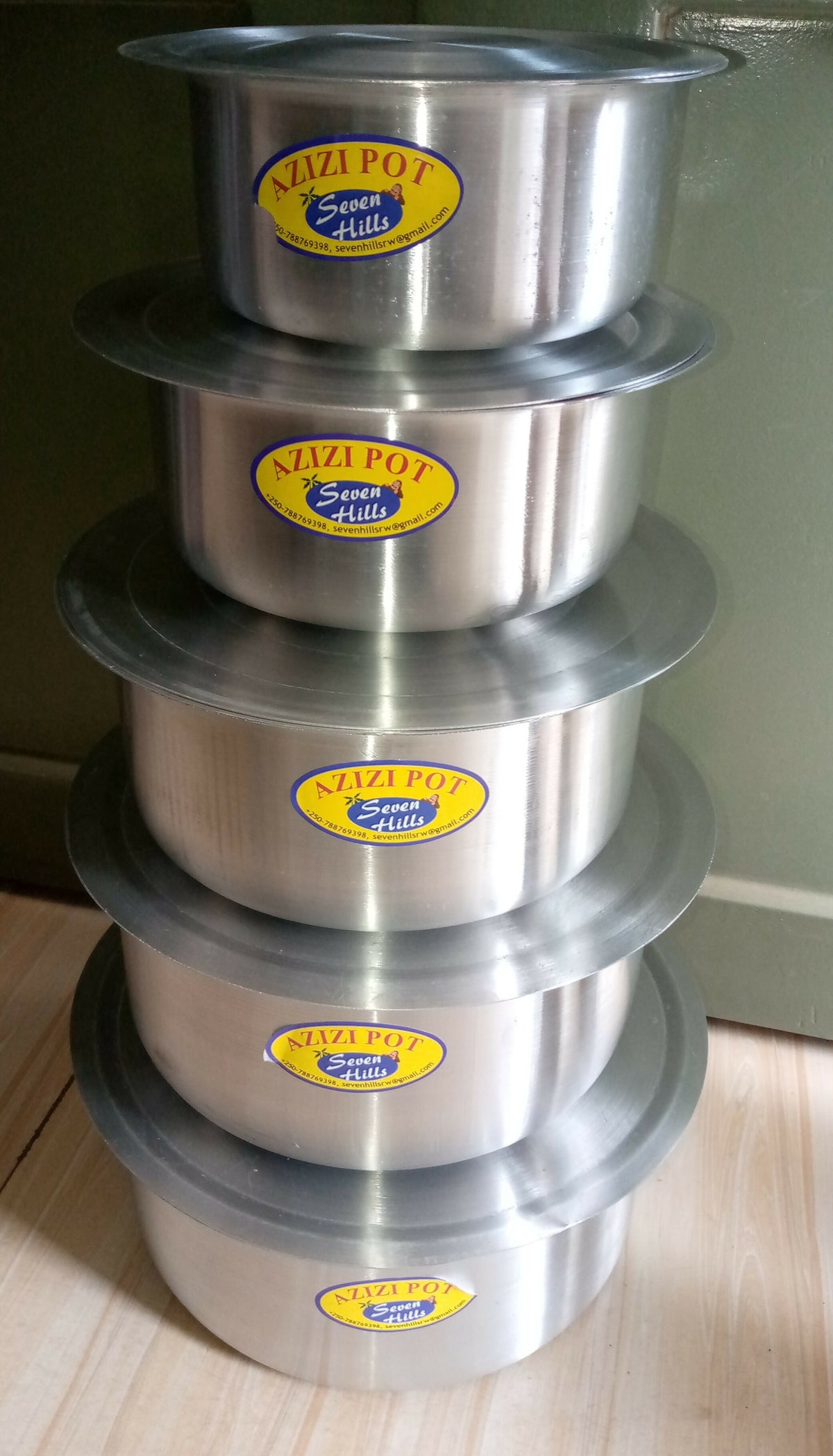
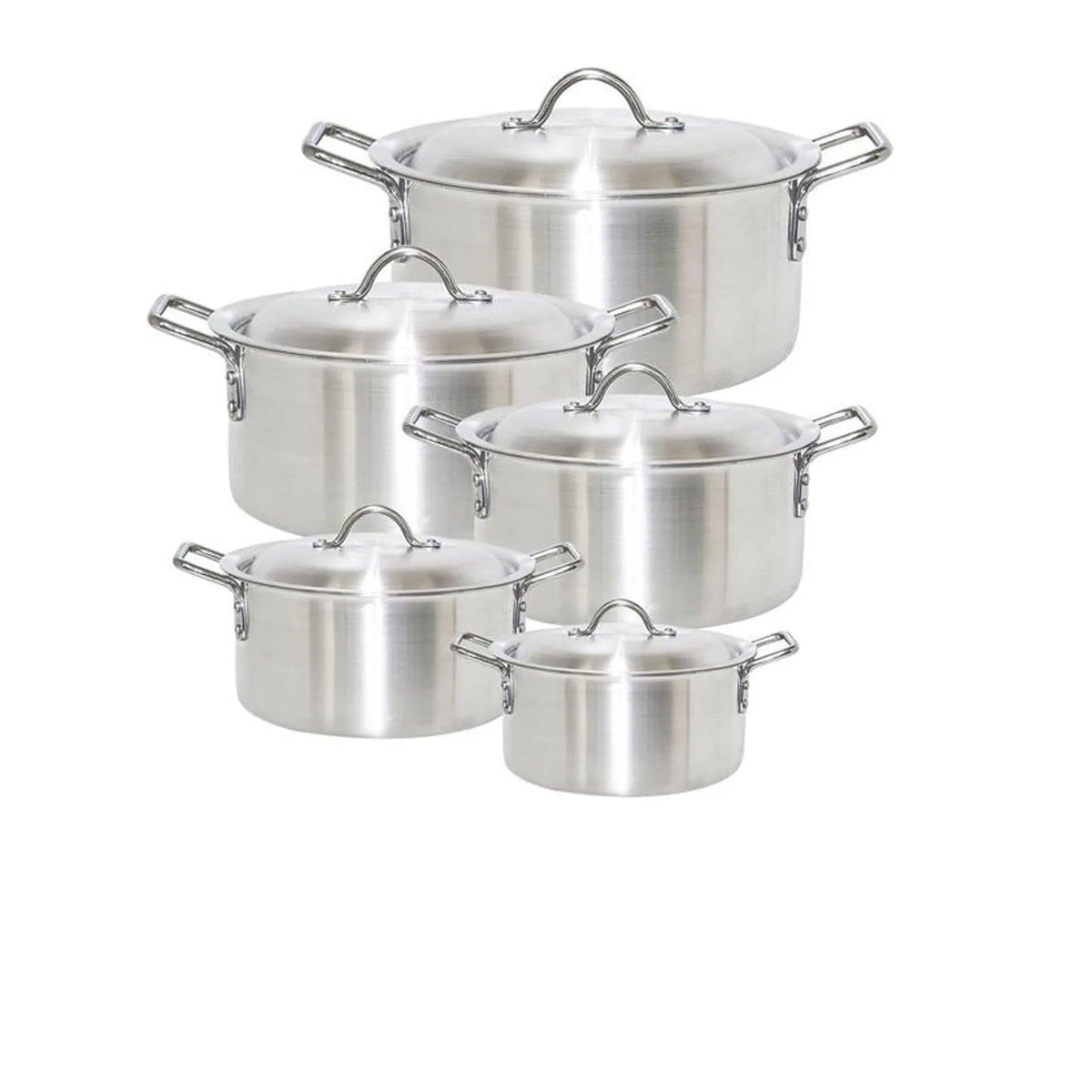
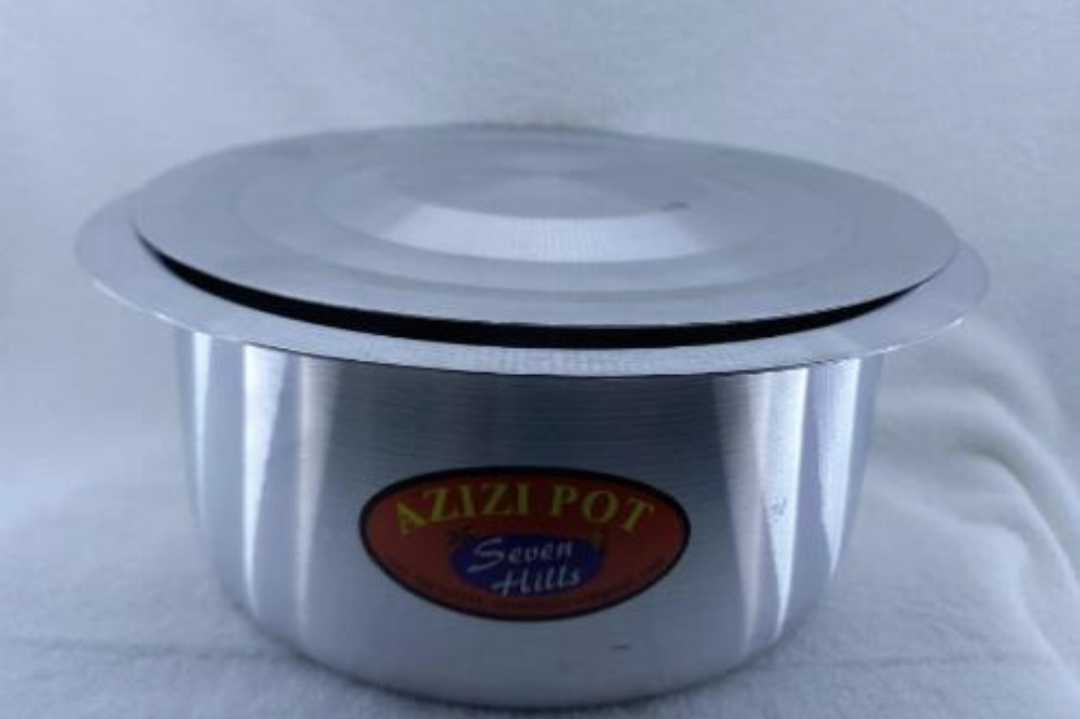
Large cooking pots with lids
4 or more Must haveRice, beans, stews and sauces for a crowd need big, thick pots. Lids hold in heat and keep dust and flies out.
How to use it: Choose pots with two handles so two people can lift them safely. Use one pot per dish.
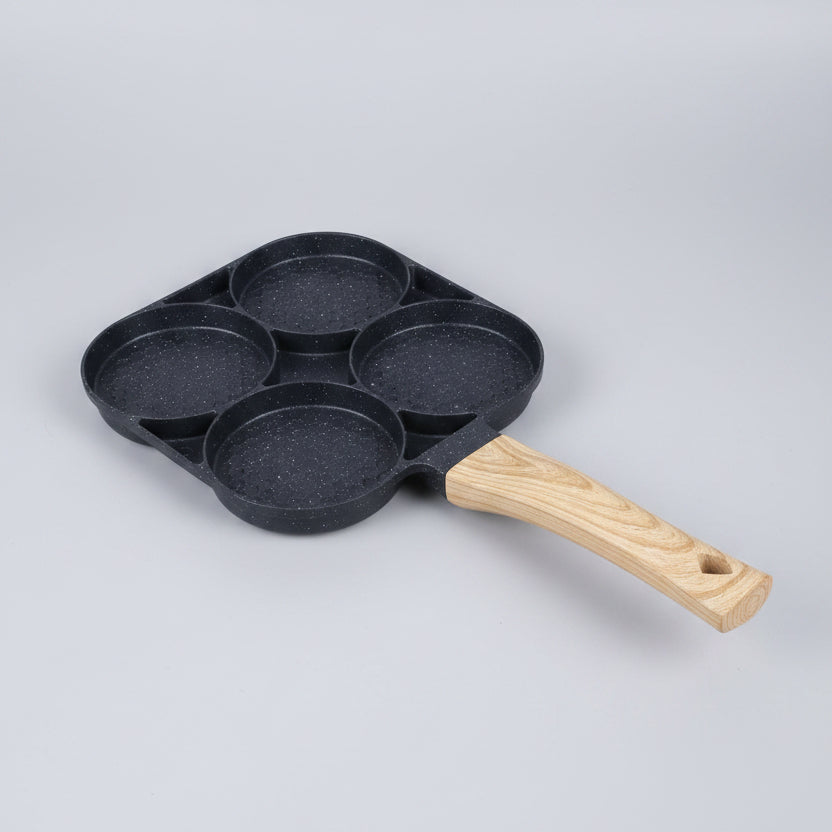
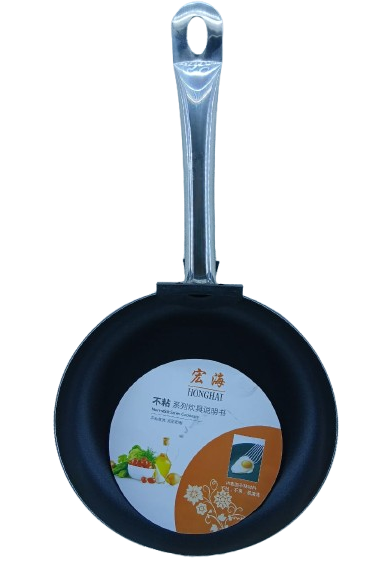
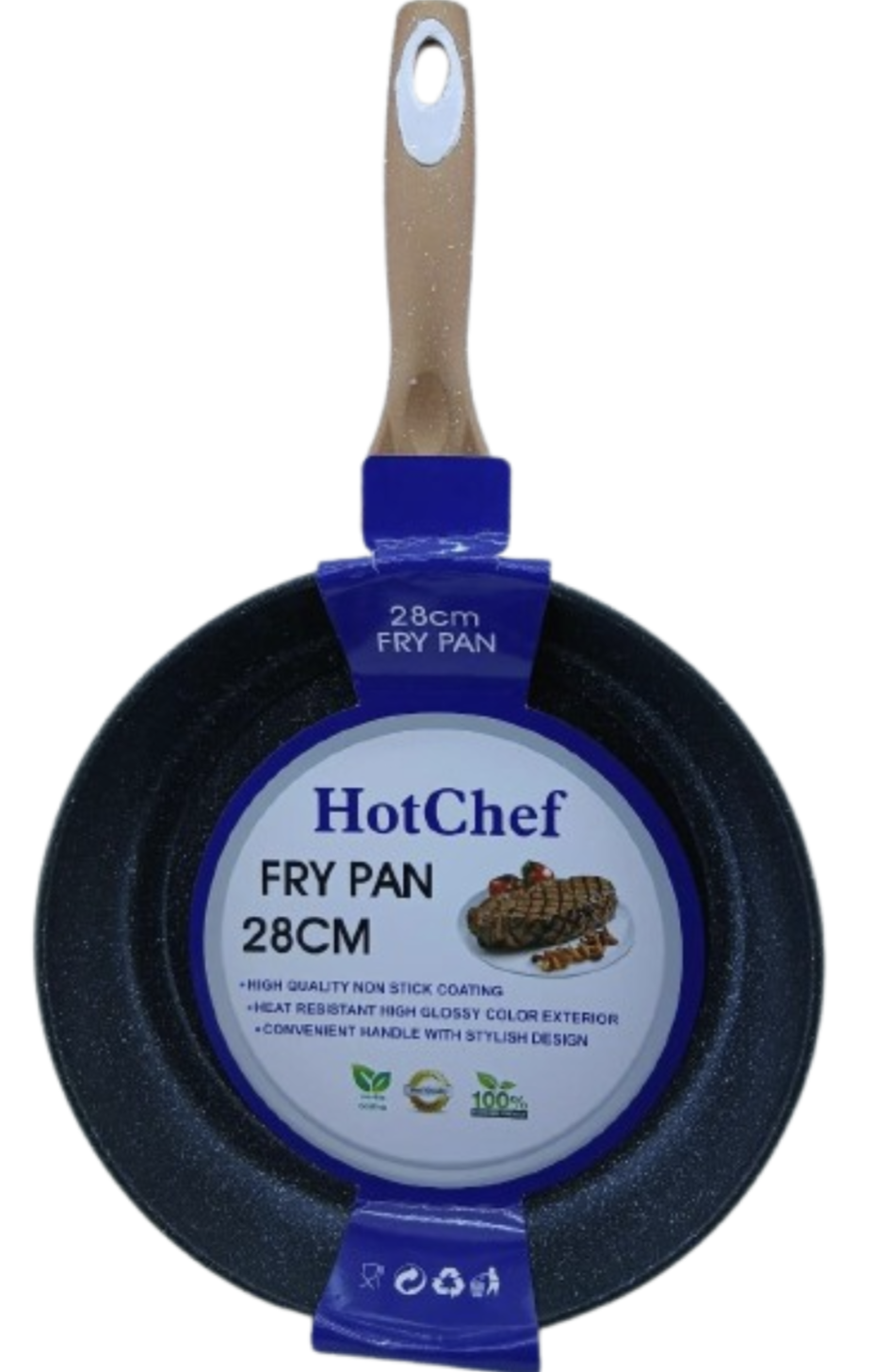
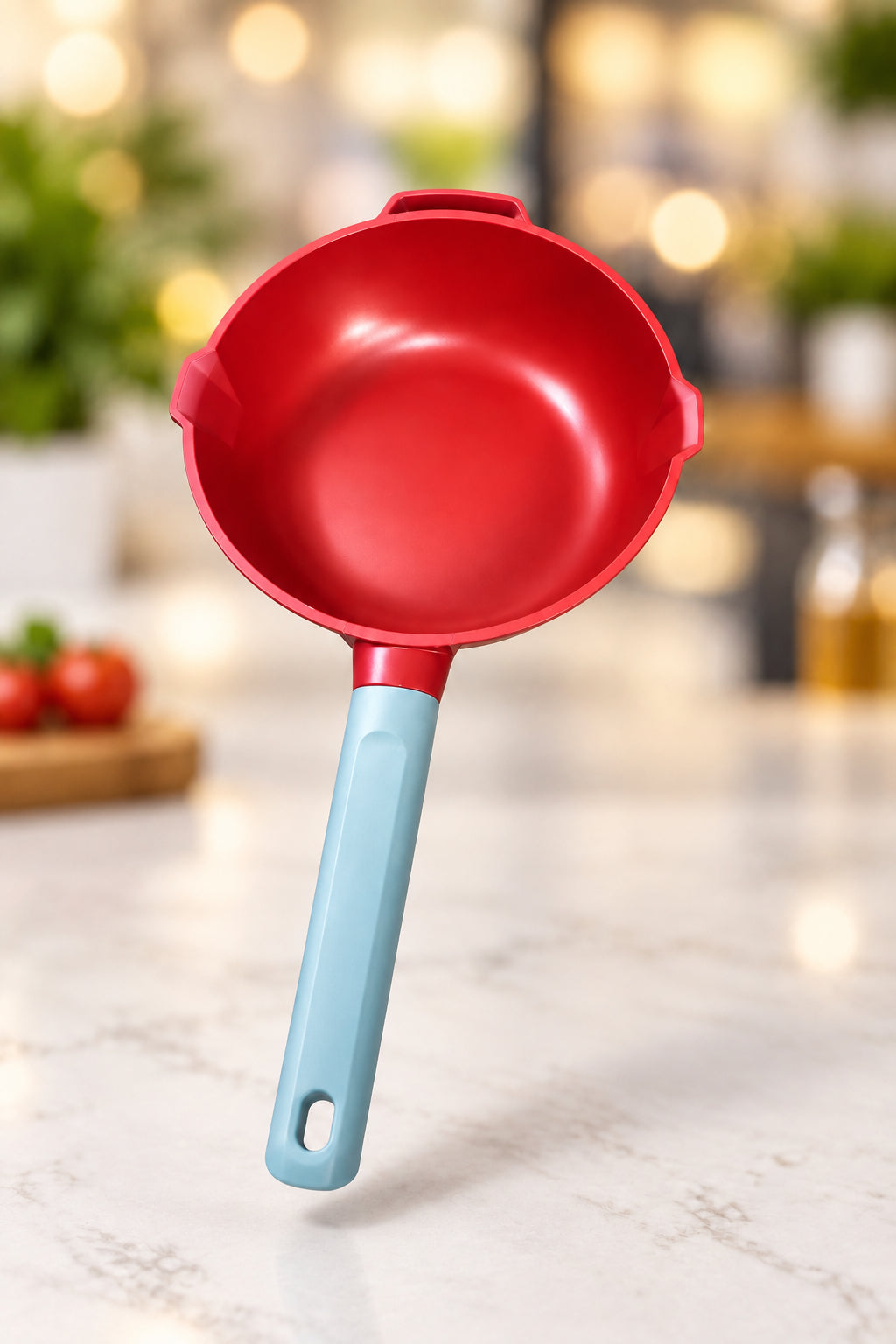
Frying pan
2 Must haveFried chicken, fish, eggs and chapati all go through a pan. A wide heavy pan handles bigger batches.
How to use it: Heat the pan before adding oil and fry in batches so food stays crisp.
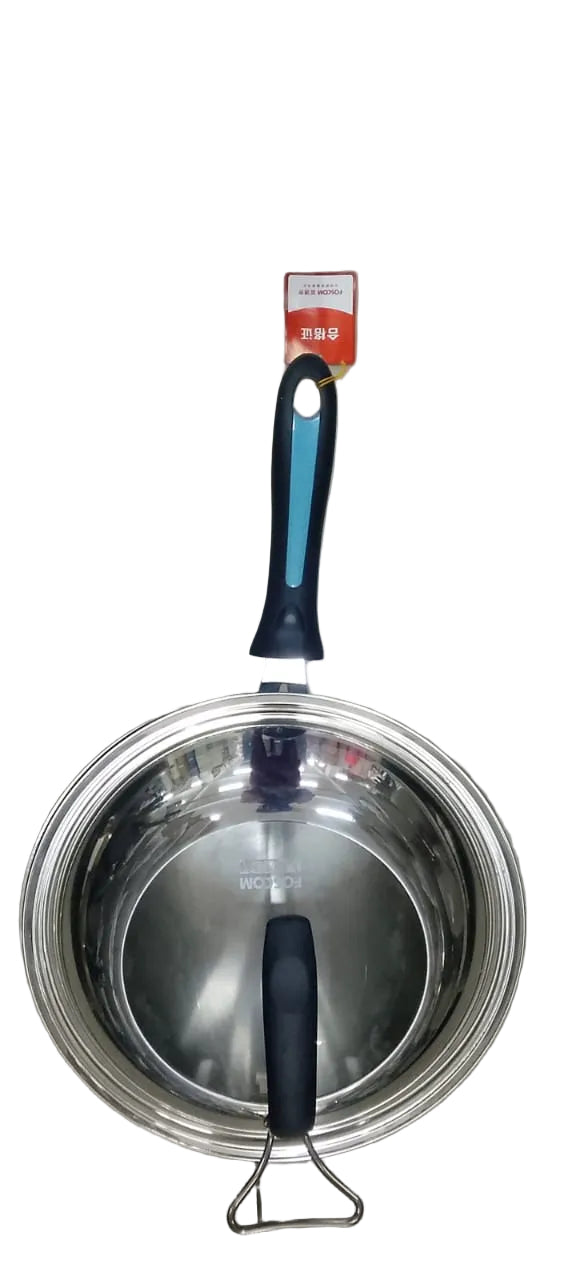
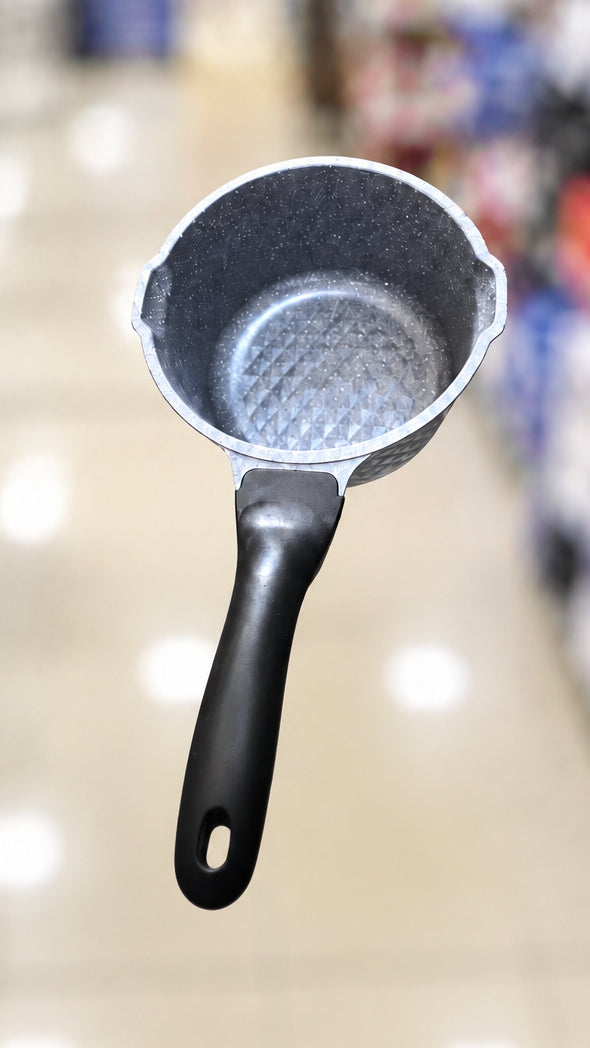
Saucepans
3 Must haveSauces, tea water and side dishes are easier in smaller pans than in your big pots.
How to use it: Keep them for sauces and sides, and mark which pan is for which job.
Gas cooker or burner
1 or 2 Must haveGas gives steady heat for long cooking days. Ask the seller how many burners suit your biggest order.
How to use it: Place it on a firm level surface, away from curtains and wood. Check with your landlord about gas rules at your kitchen.
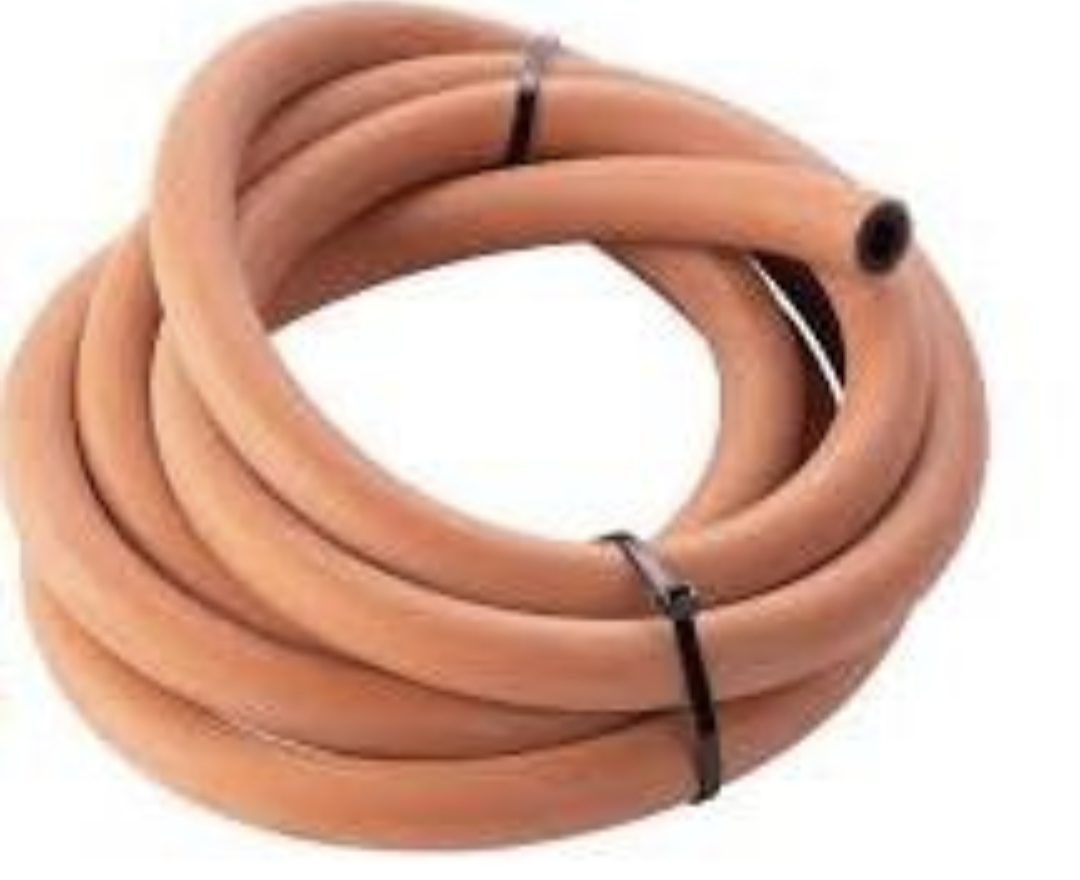
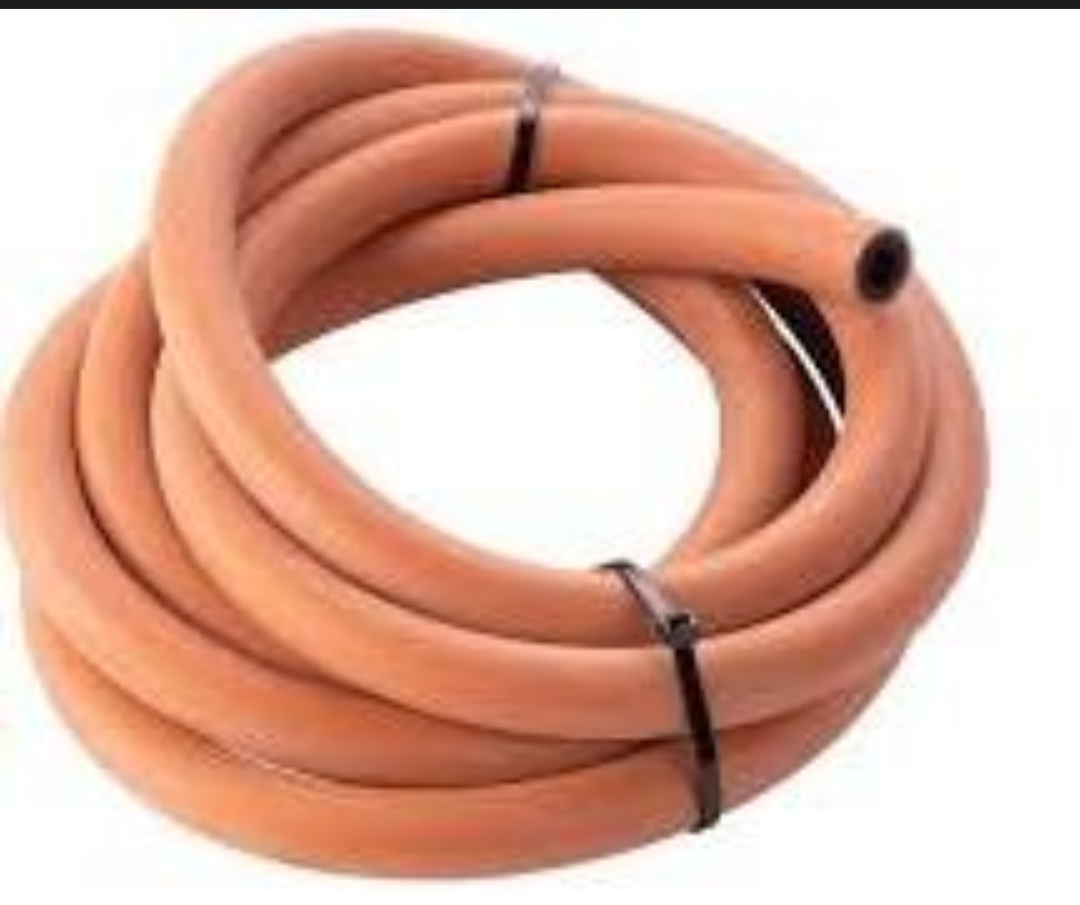
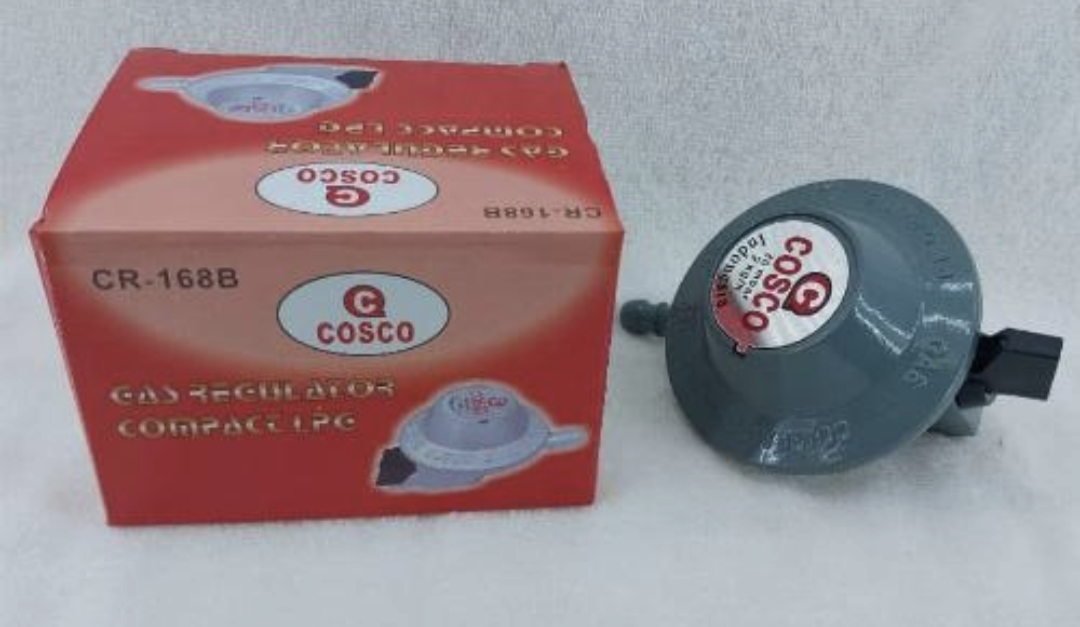
Gas regulator
1 spare Must haveThe regulator links the cylinder to the cooker. A spare avoids a cancelled order.
How to use it: Check the hose for cracks regularly and test for leaks with soapy water, never with a flame.
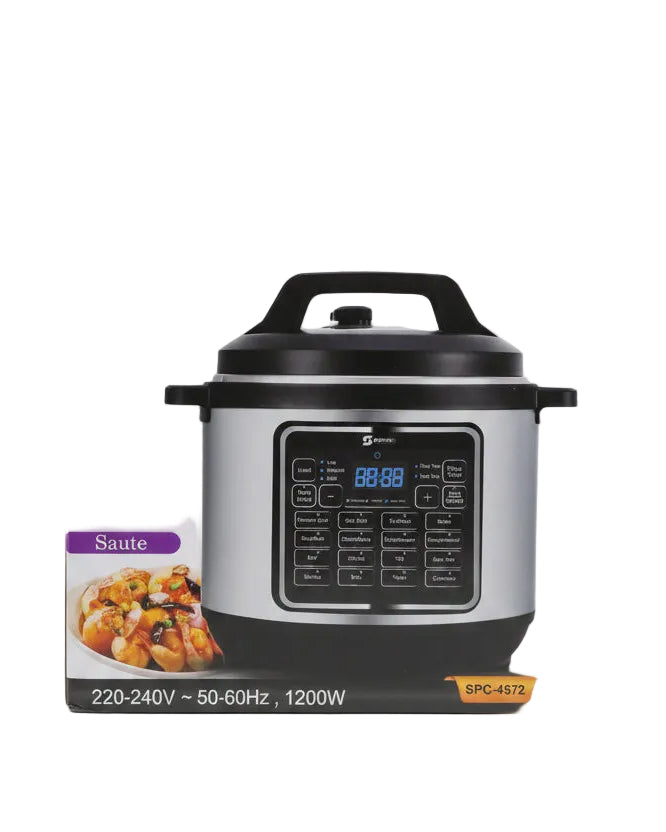
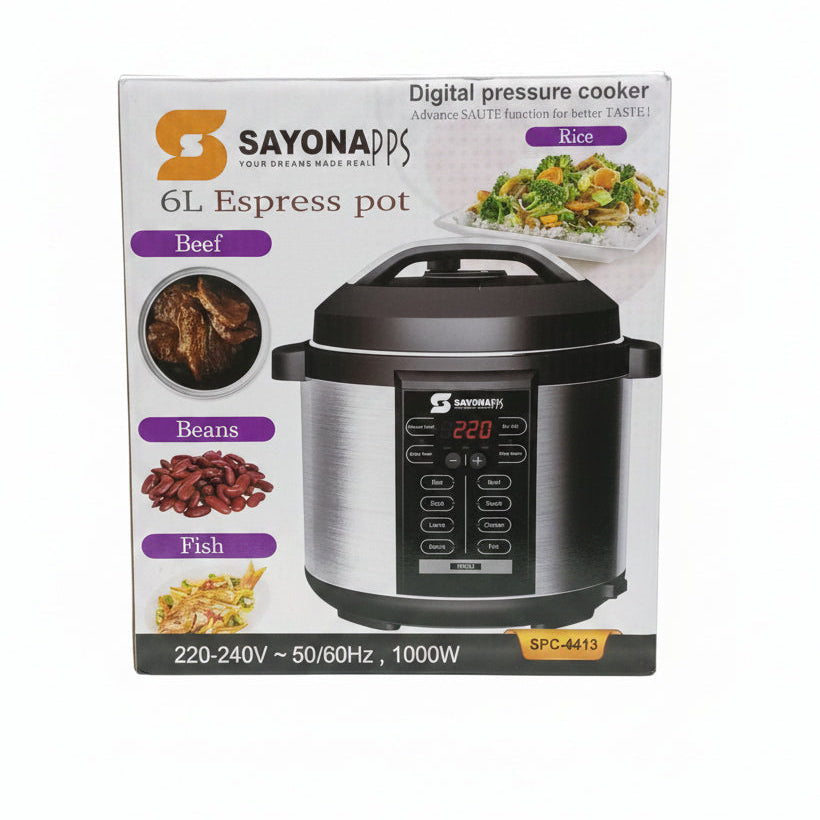
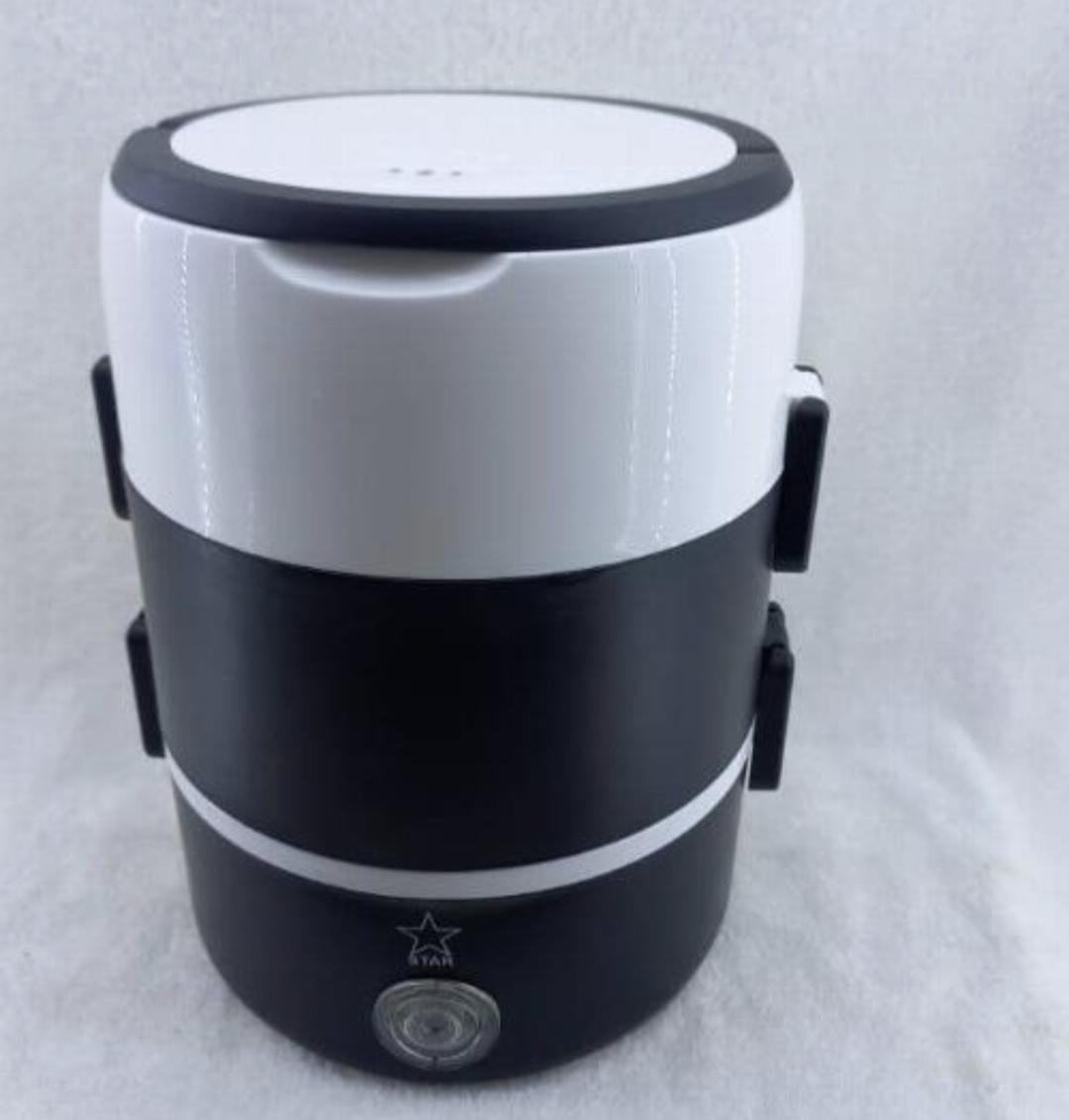
Electric pressure cooker or rice cooker
1Nice to haveBeans and rice cook faster in these, which saves gas and time on busy event days.
How to use it: Do not fill past the marked line. Follow the water measure for rice.
Keeping food hot and cold
Food sits for hours between cooking and eating at an event. Keeping it hot or cold is both about taste and about safety.
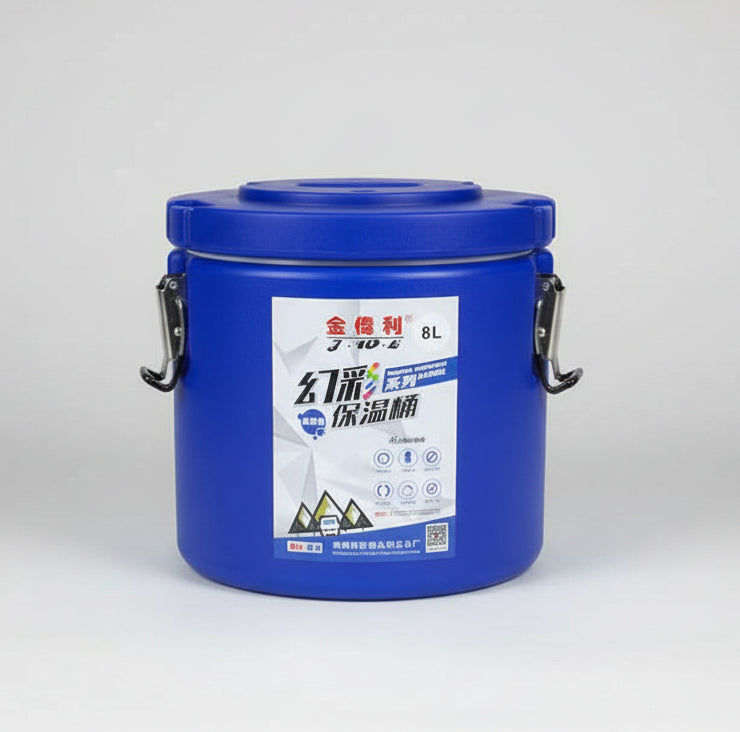
Insulated food warmer
2 or more Must haveKeeps rice, stews and sauces hot on the way and at the table.
How to use it: Fill it with food that is already hot. Do not keep food in it for many hours.
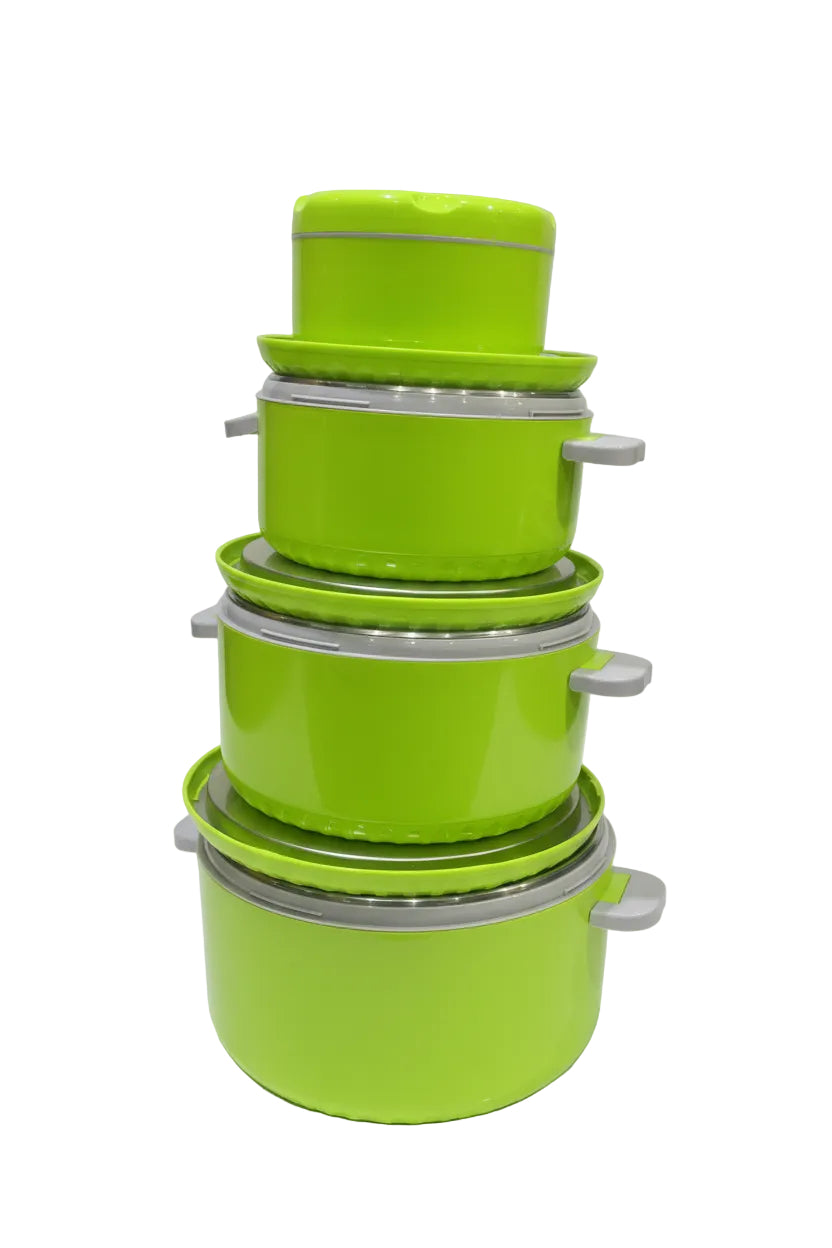
Hot pot casserole dishes
3 or moreNice to haveHot pot dishes look good on a buffet and hold heat longer than an open pan.
How to use it: Preheat the dish with hot water before filling it with food.
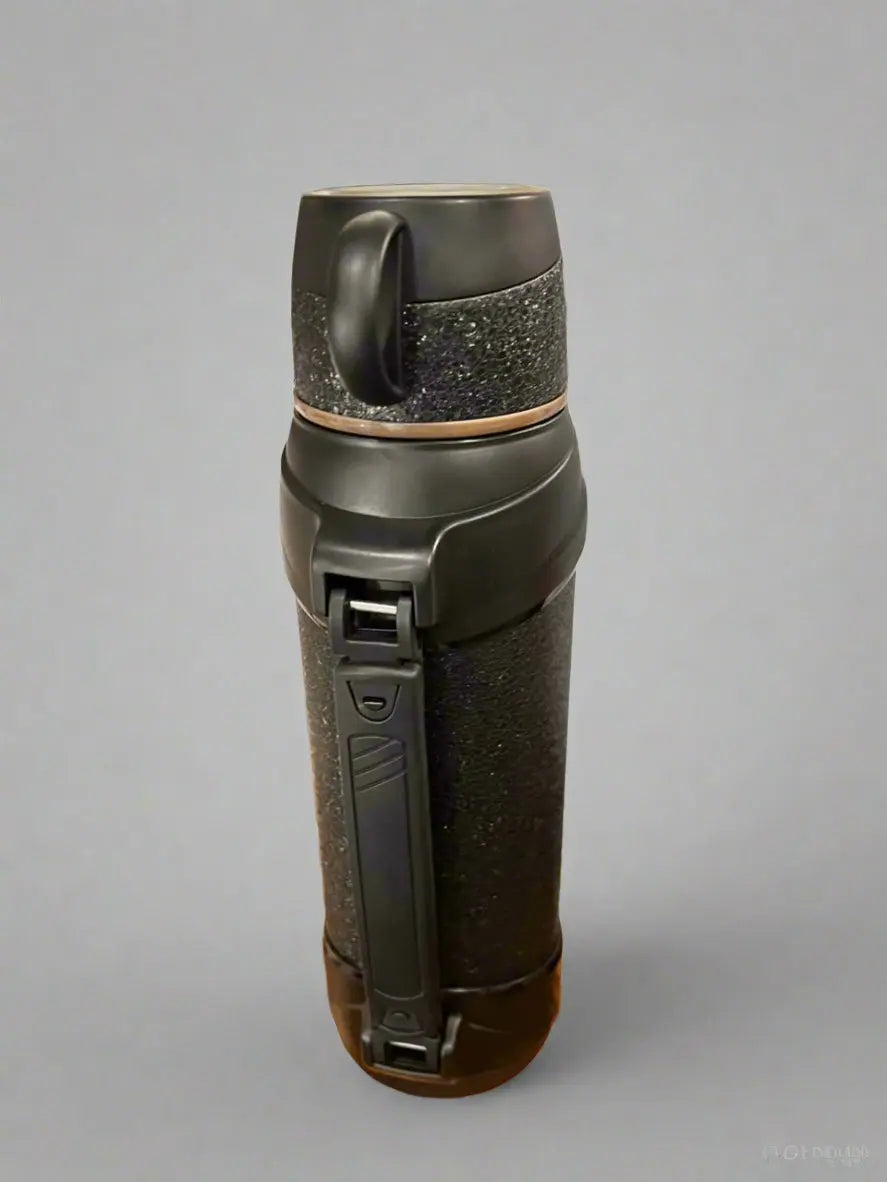
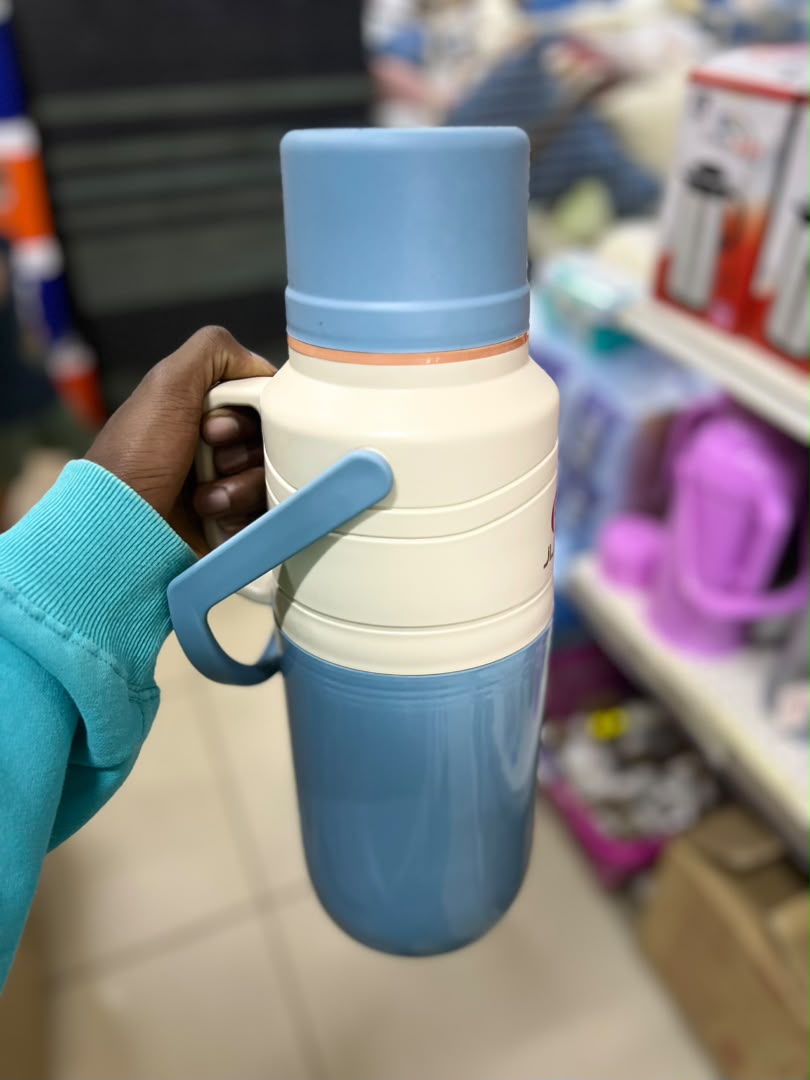
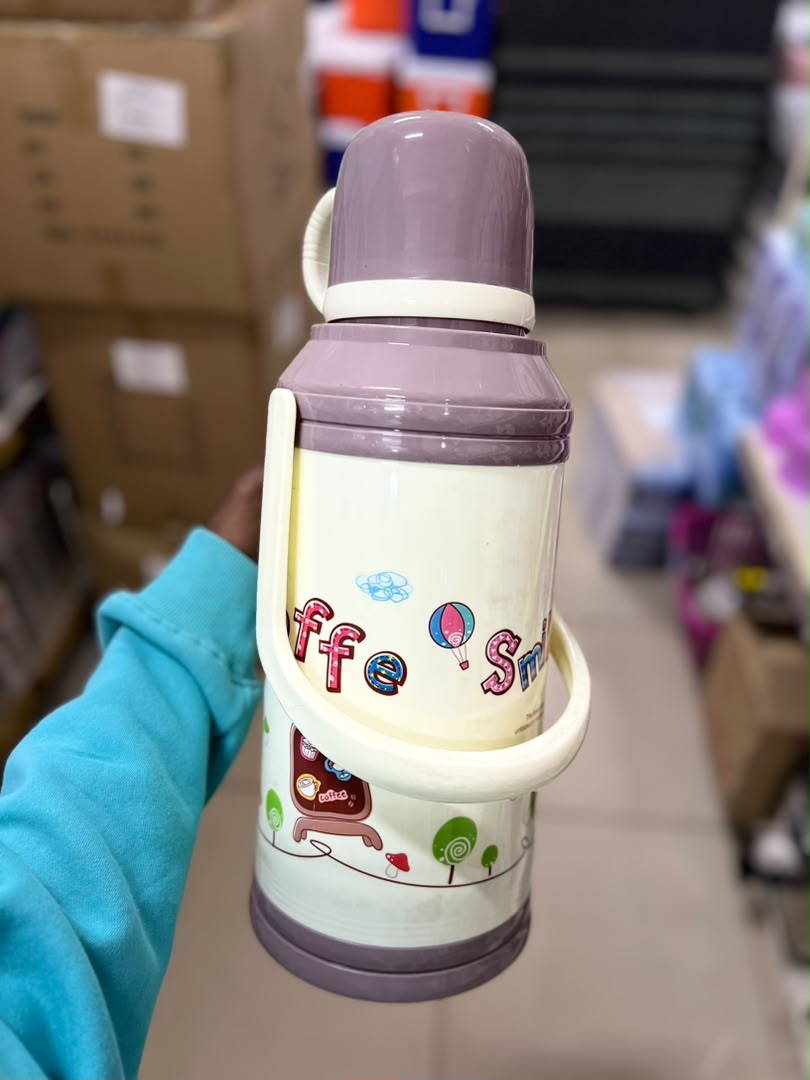
Thermal flasks
2 to 4 Must haveTea, coffee and soup stay hot for hours. A flask or two is a must for a morning event.
How to use it: Rinse with hot water before filling. Keep lids tight on the road.
Cooler box
1 to 2 Must haveSalads, drinks, milk and dessert need to stay cold on a warm day or a long moto ride.
How to use it: Pre-chill the box and pack it full. Keep it closed and in the shade.
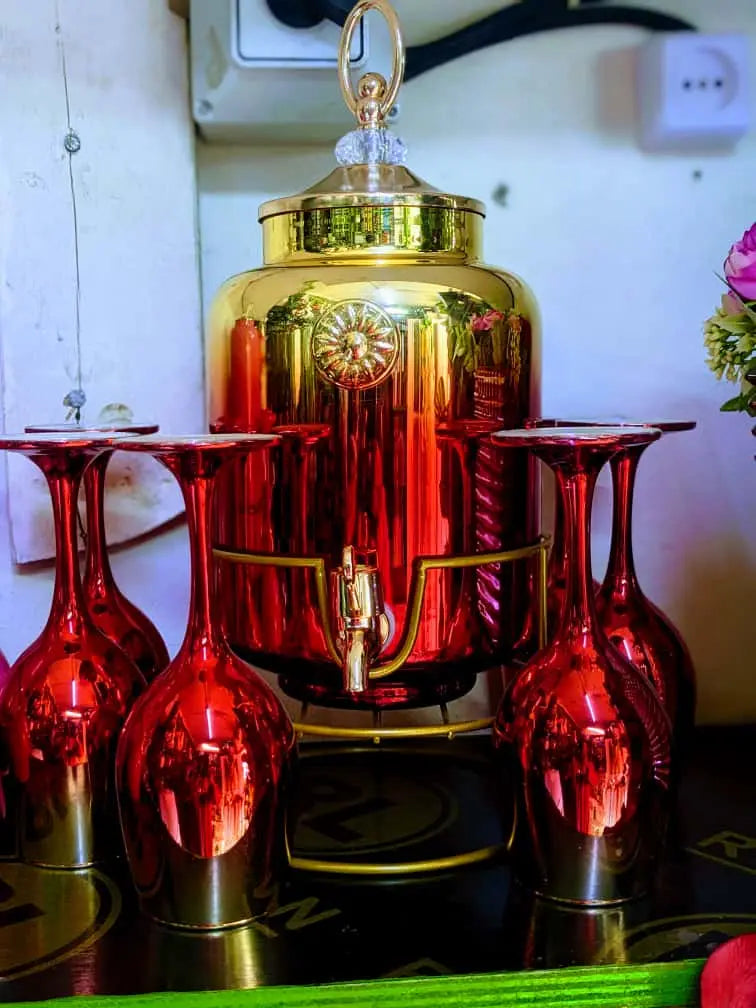
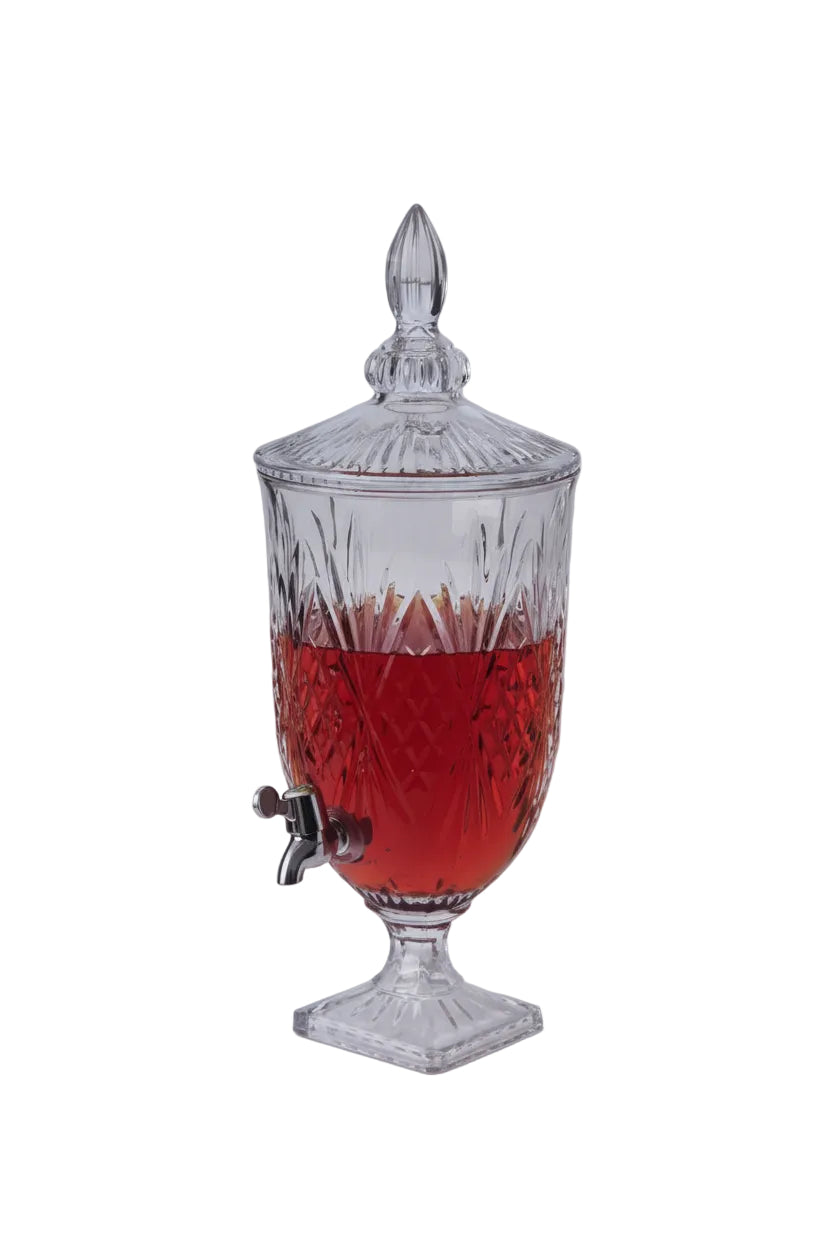
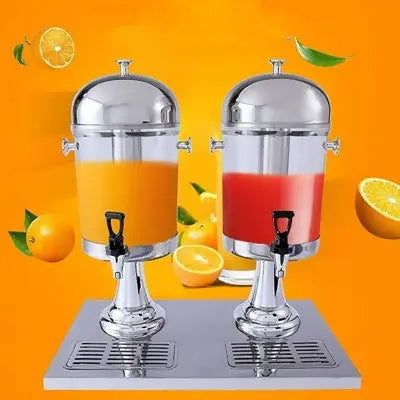
Beverage dispenser
1Nice to haveServes juice or water to a crowd without a queue and without spills.
How to use it: Wash and rinse well after each event. Fill with cold drinks only.
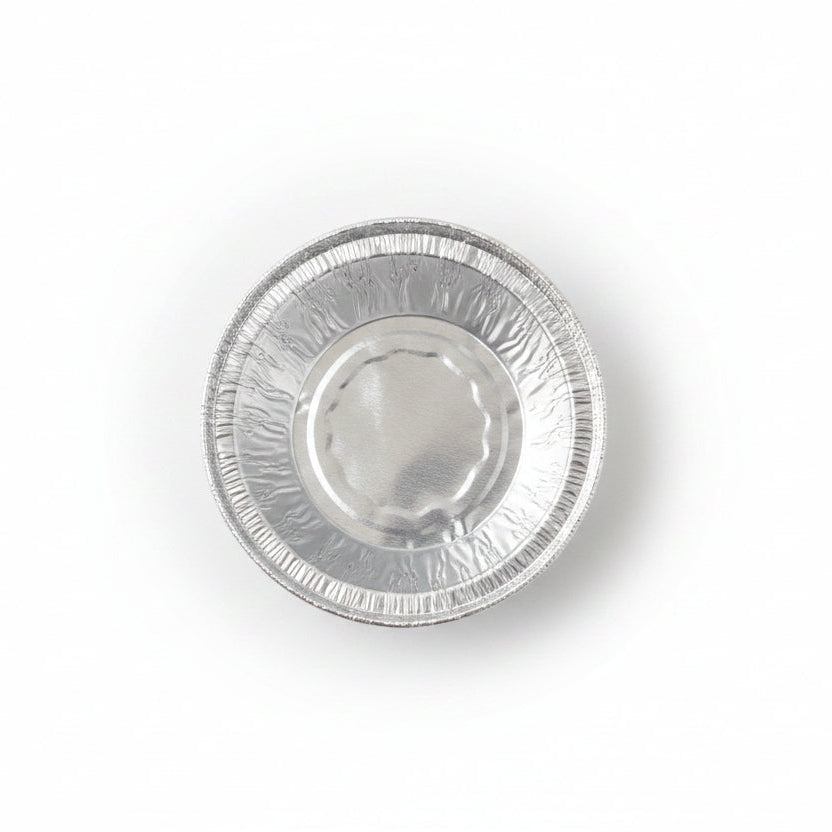
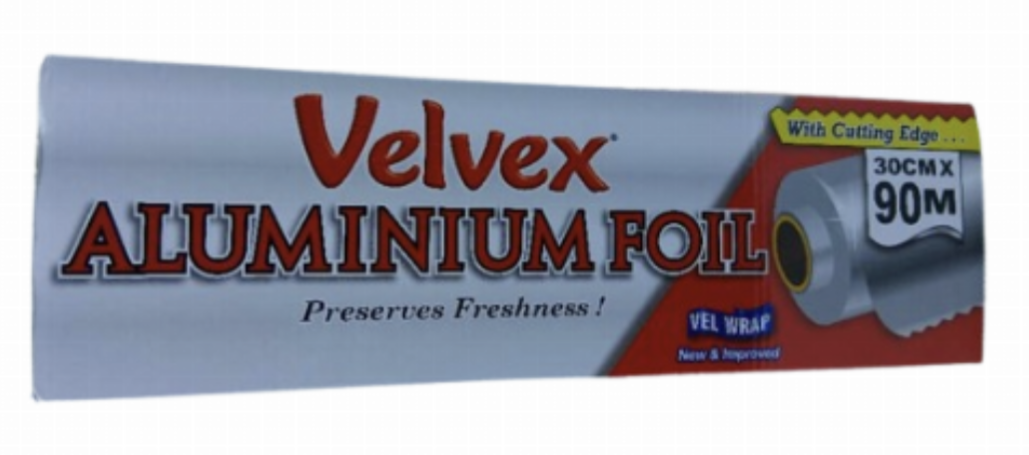
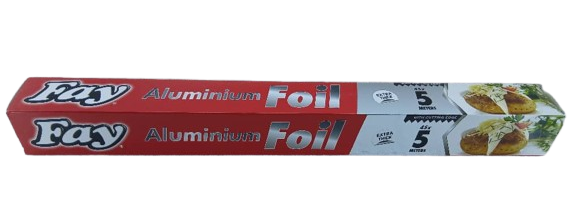
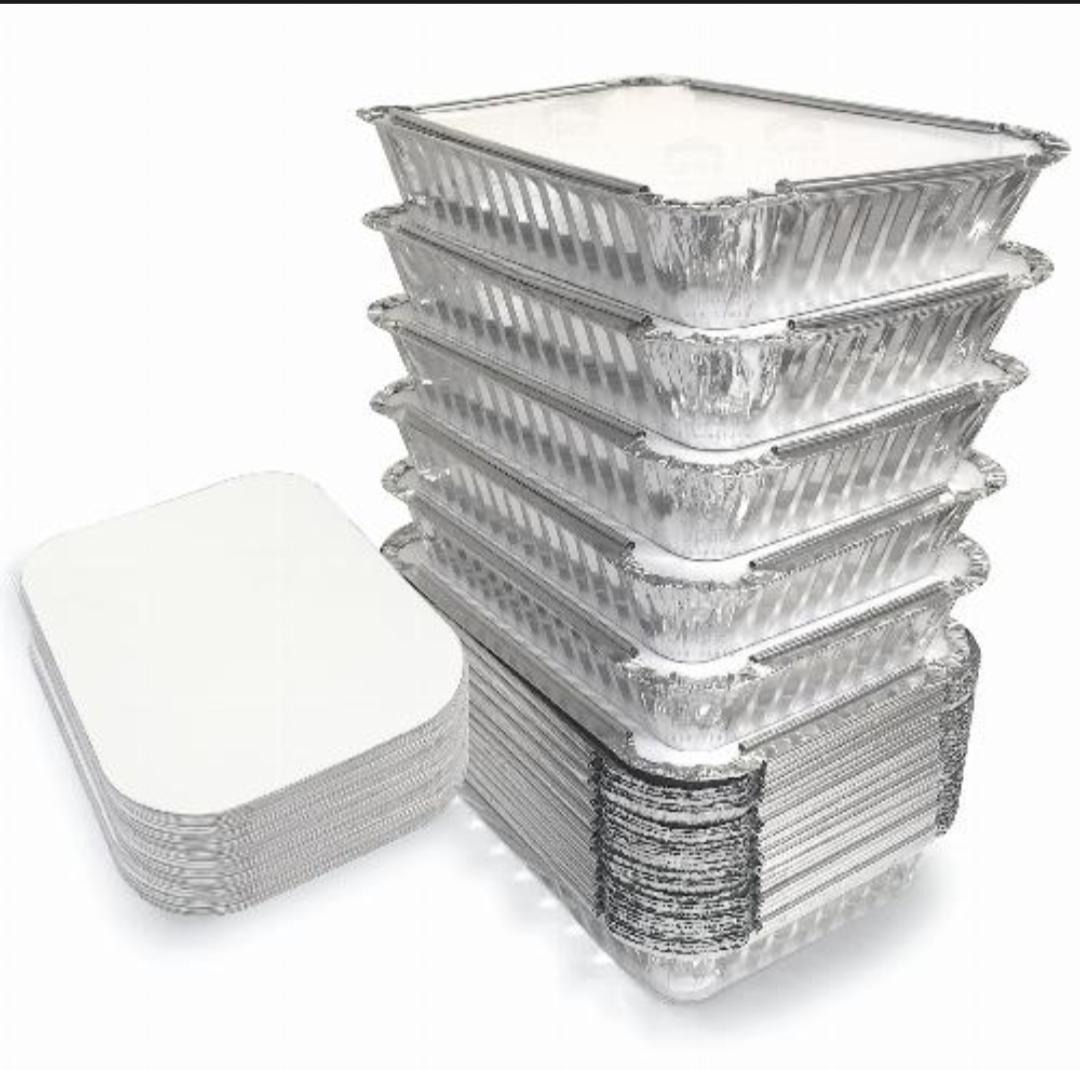
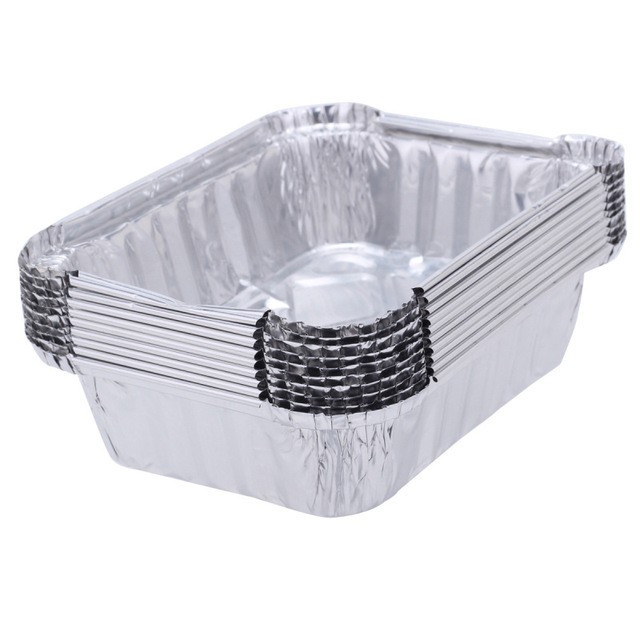
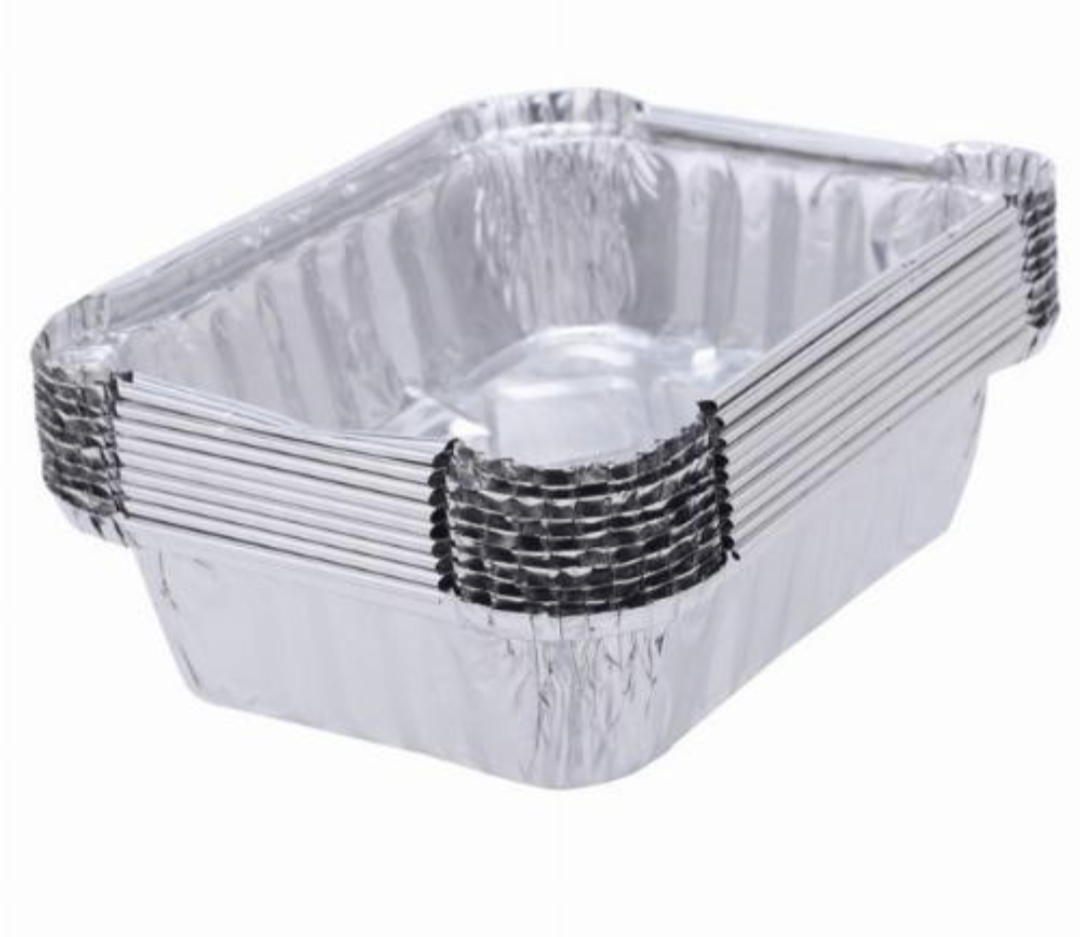
Aluminium foil
2 rolls Must haveCovers trays, wraps grilled meat and keeps food warm for a short time.
How to use it: Cover trays tightly. Use a new sheet each time for food safety.
Transport containers
Most catering problems happen on the road. Good containers keep your food safe, your car clean and your customer happy.
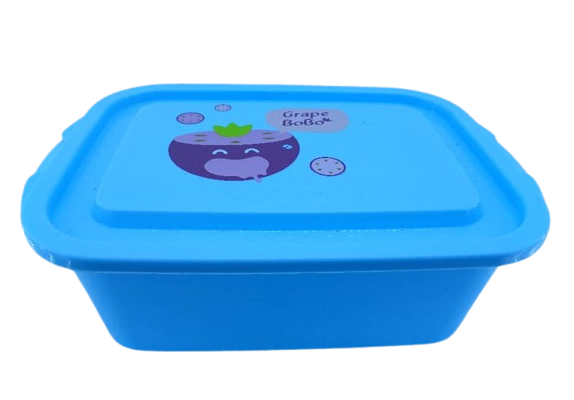
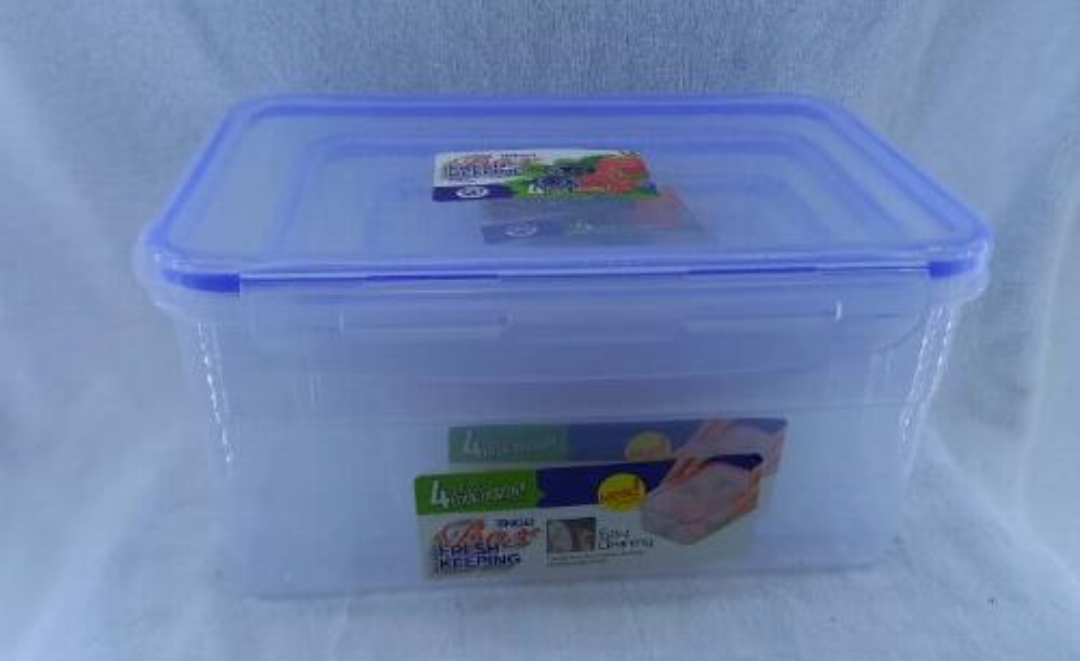
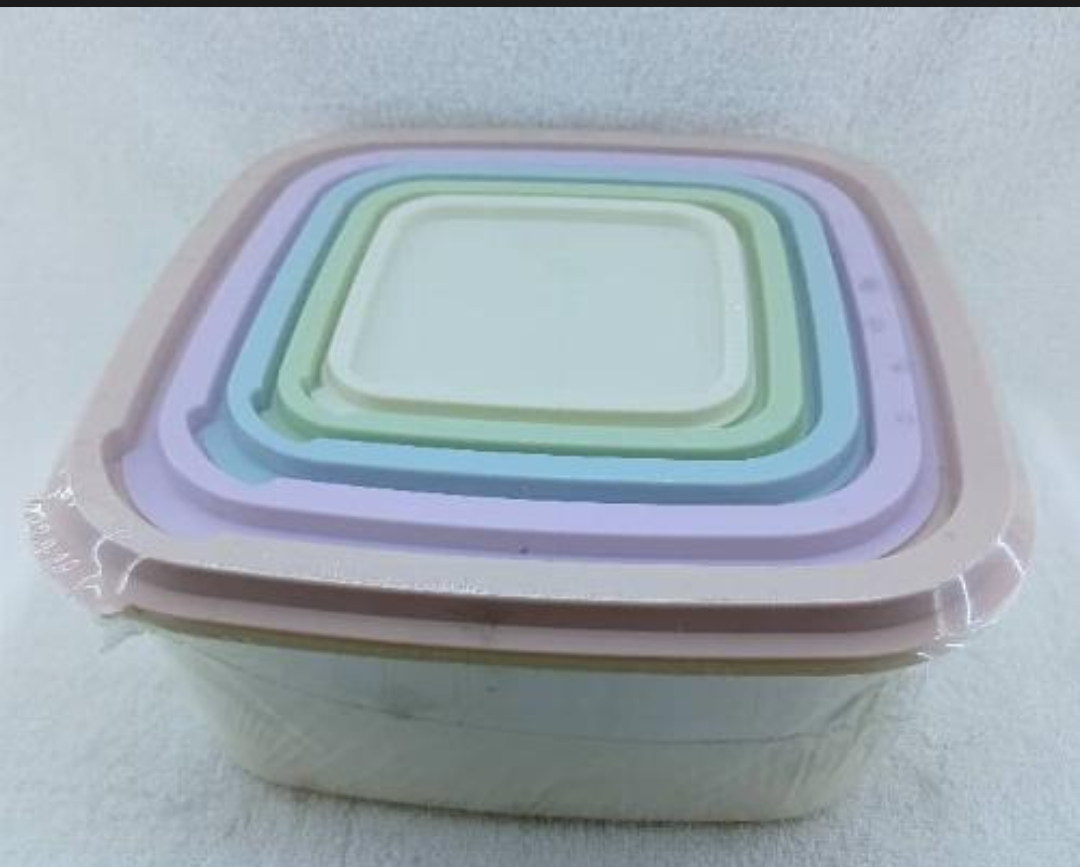
Food containers with lids
10 or more Must haveSealed boxes carry salads, sauces and cut food without spills.
How to use it: Choose boxes that stack. Label them so the team can unpack quickly.
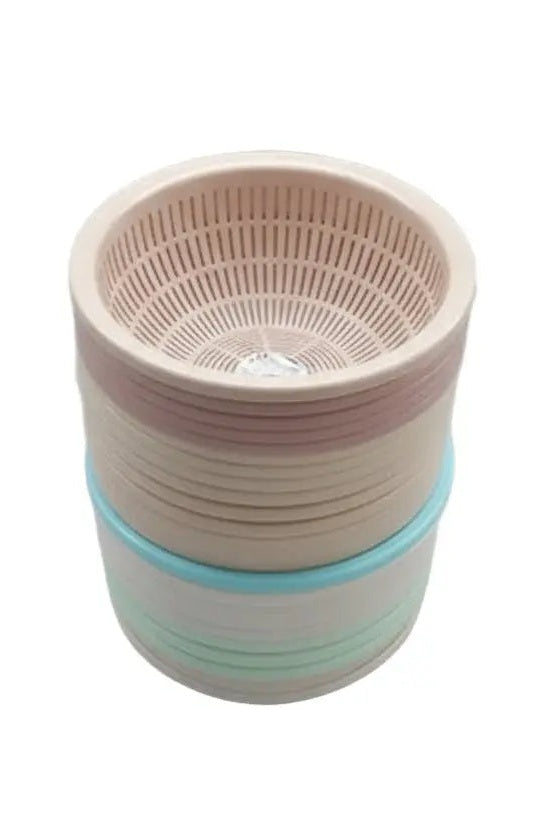
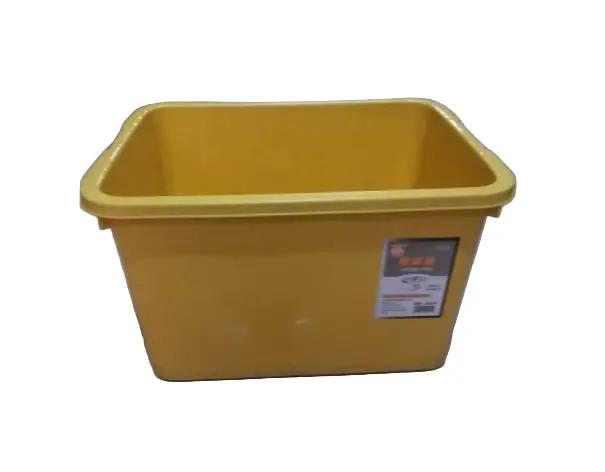
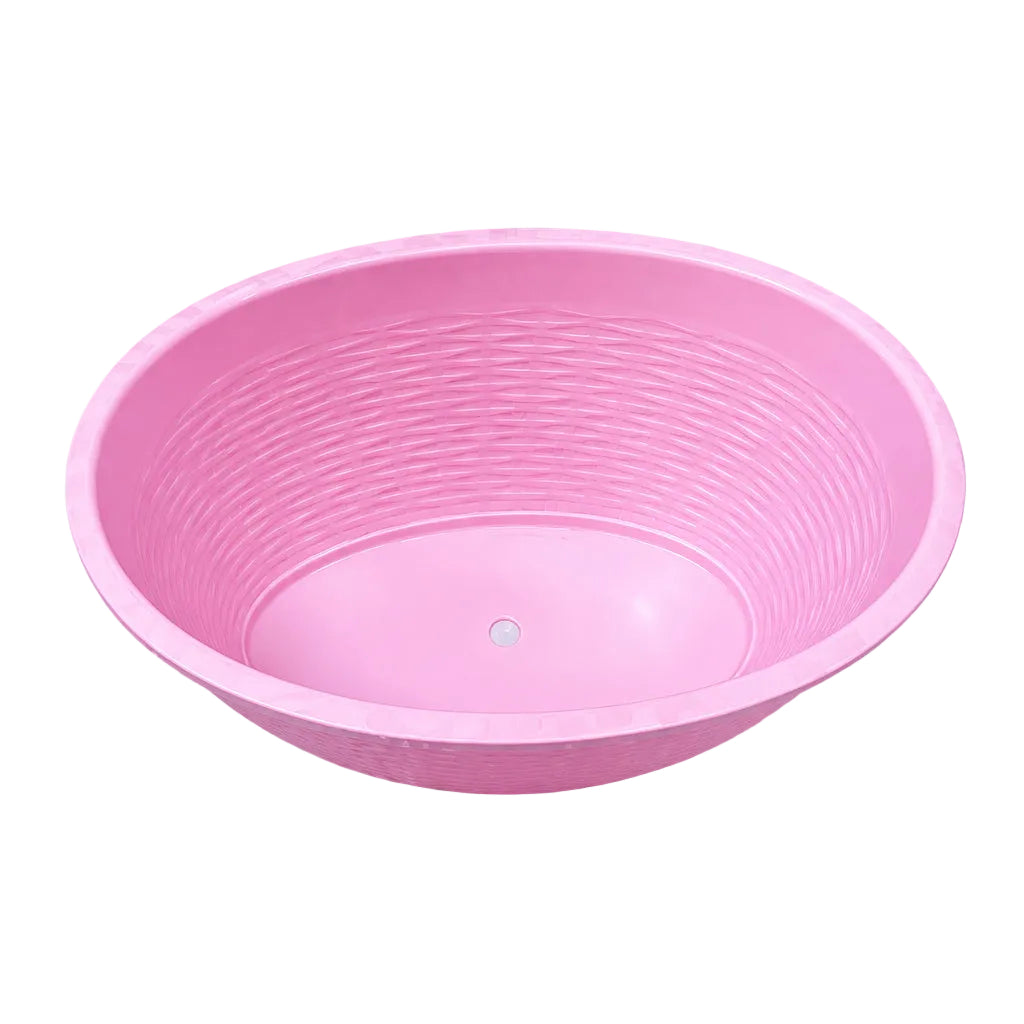
Large basins with lids
3 to 4 Must haveBasins carry bulk rice, mandazi, samosas or fruit, and double as washing basins on site.
How to use it: Cover with a clean cloth or lid. Wash well after each event.
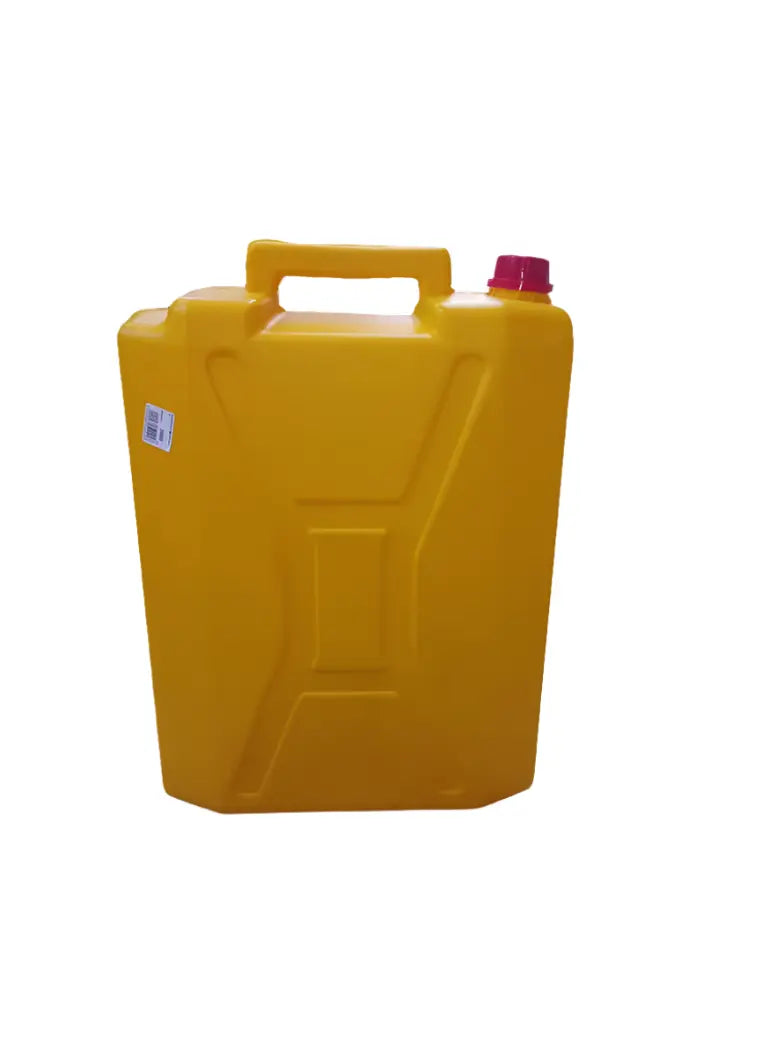
Jerrycan for water
1 to 2 Must haveSome venues have no safe water. A clean jerrycan gives you water for cooking and washing.
How to use it: Use it only for water. Rinse it well before each event.
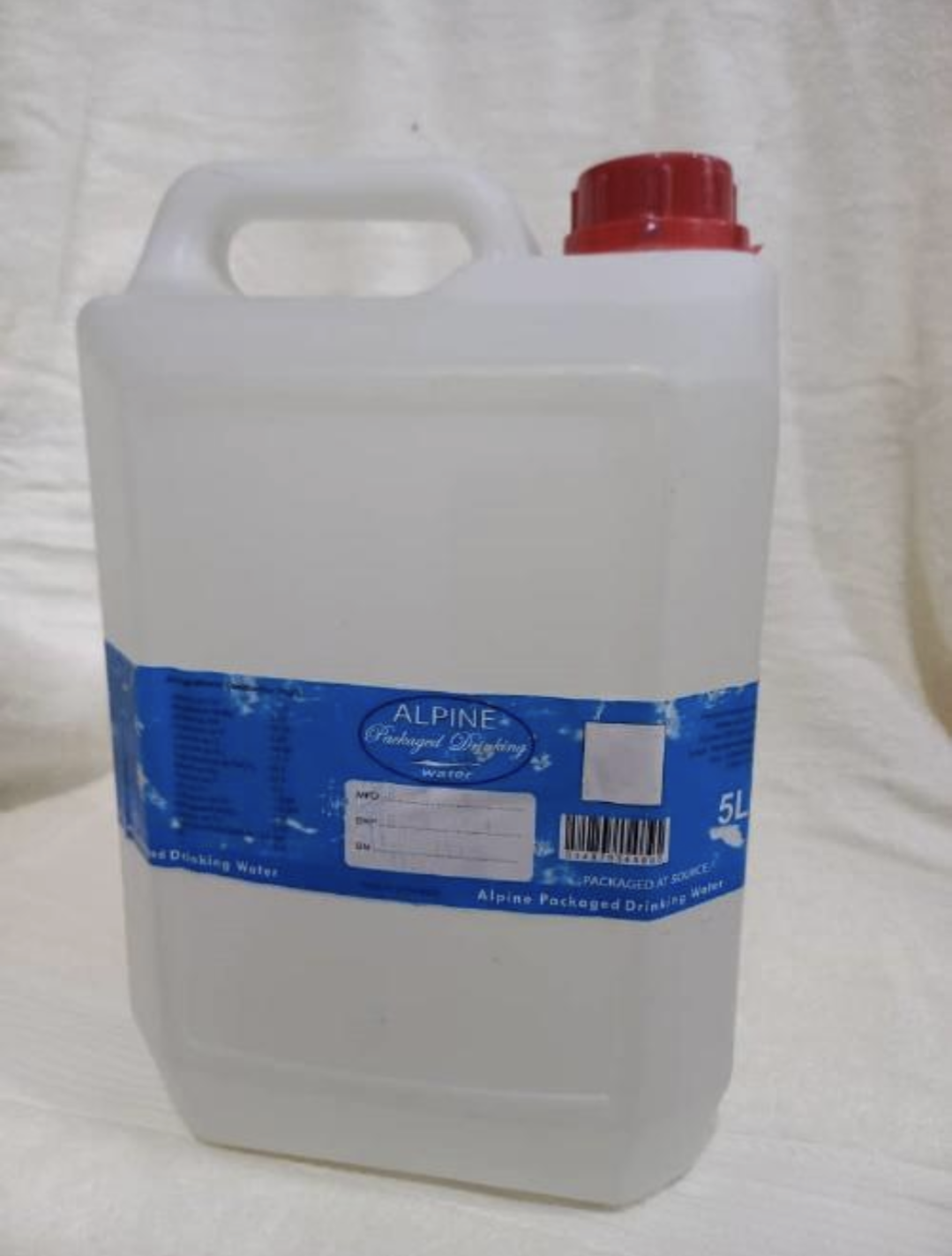
Drinking water 5L
as needed Must haveGuests, cooks and washing up all need clean water.
How to use it: Store in the shade. Check seals before use.
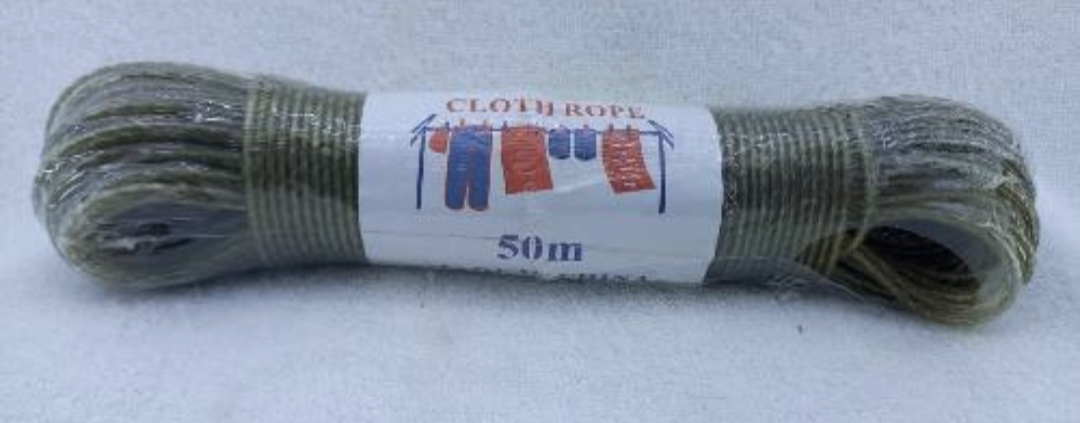
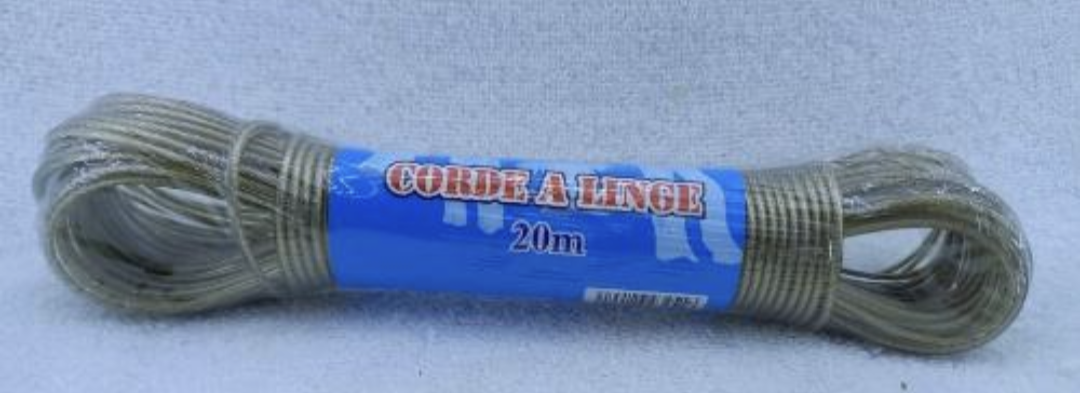
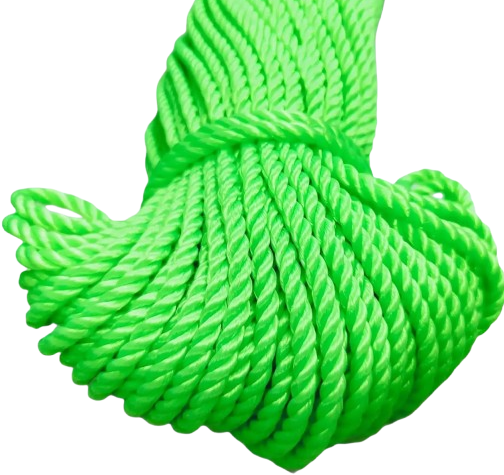
Rope or strap
1Nice to haveStops boxes from sliding on a moto, truck or van seat and spilling your hard work.
How to use it: Tie heavy boxes low and tight. Check the knots after the first few minutes.


Serving at the event
These tools help your team serve neatly and fast. A tidy buffet looks professional and sells your next job.
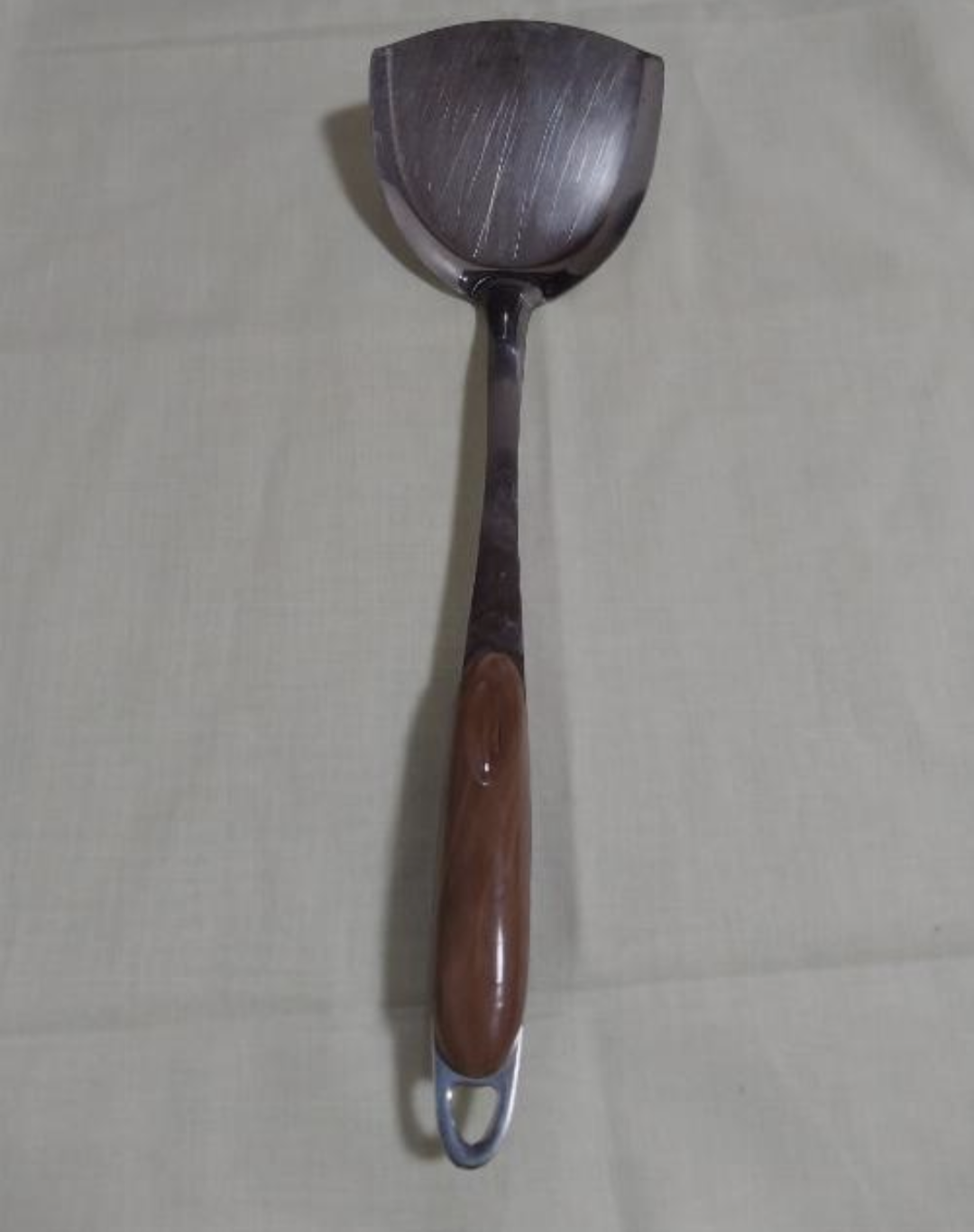
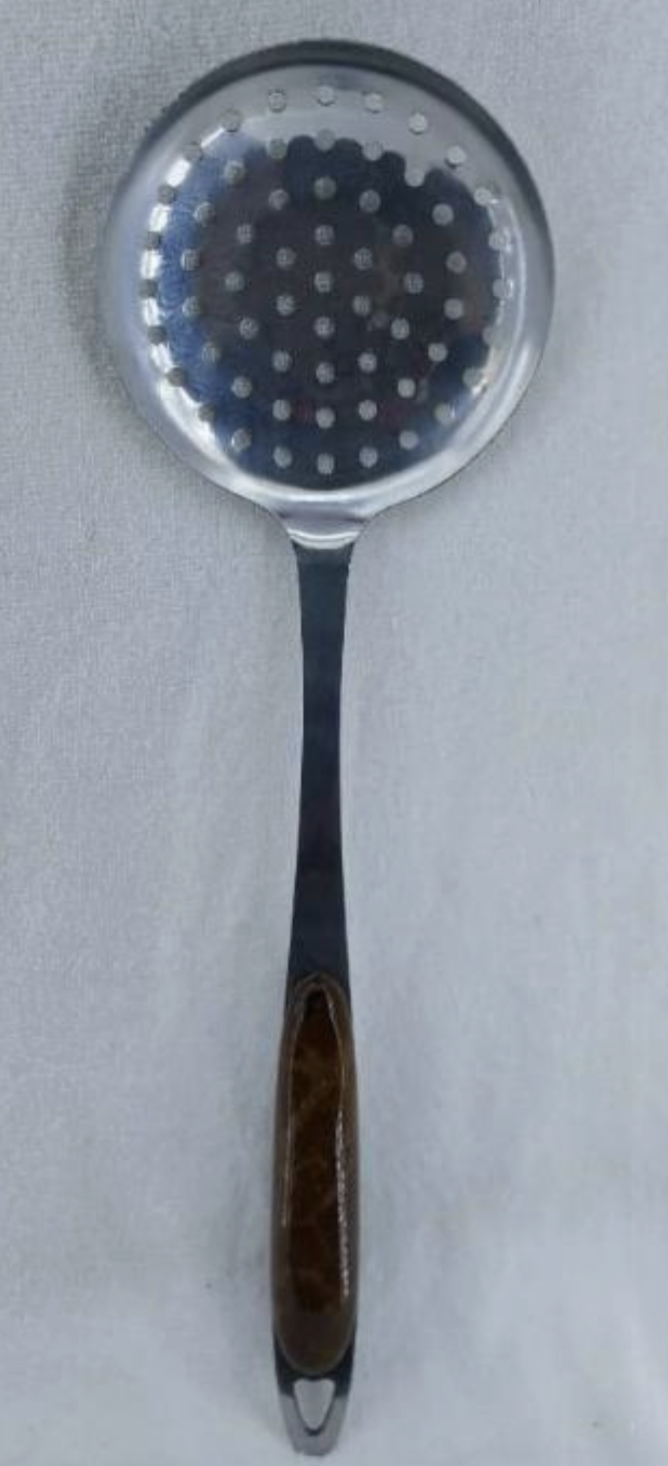
Serving spoons and ladles
8 or more Must haveEach dish needs its own spoon. Ladles make serving soups and stews easy and clean.
How to use it: Keep a spare spoon for each dish in case one falls.
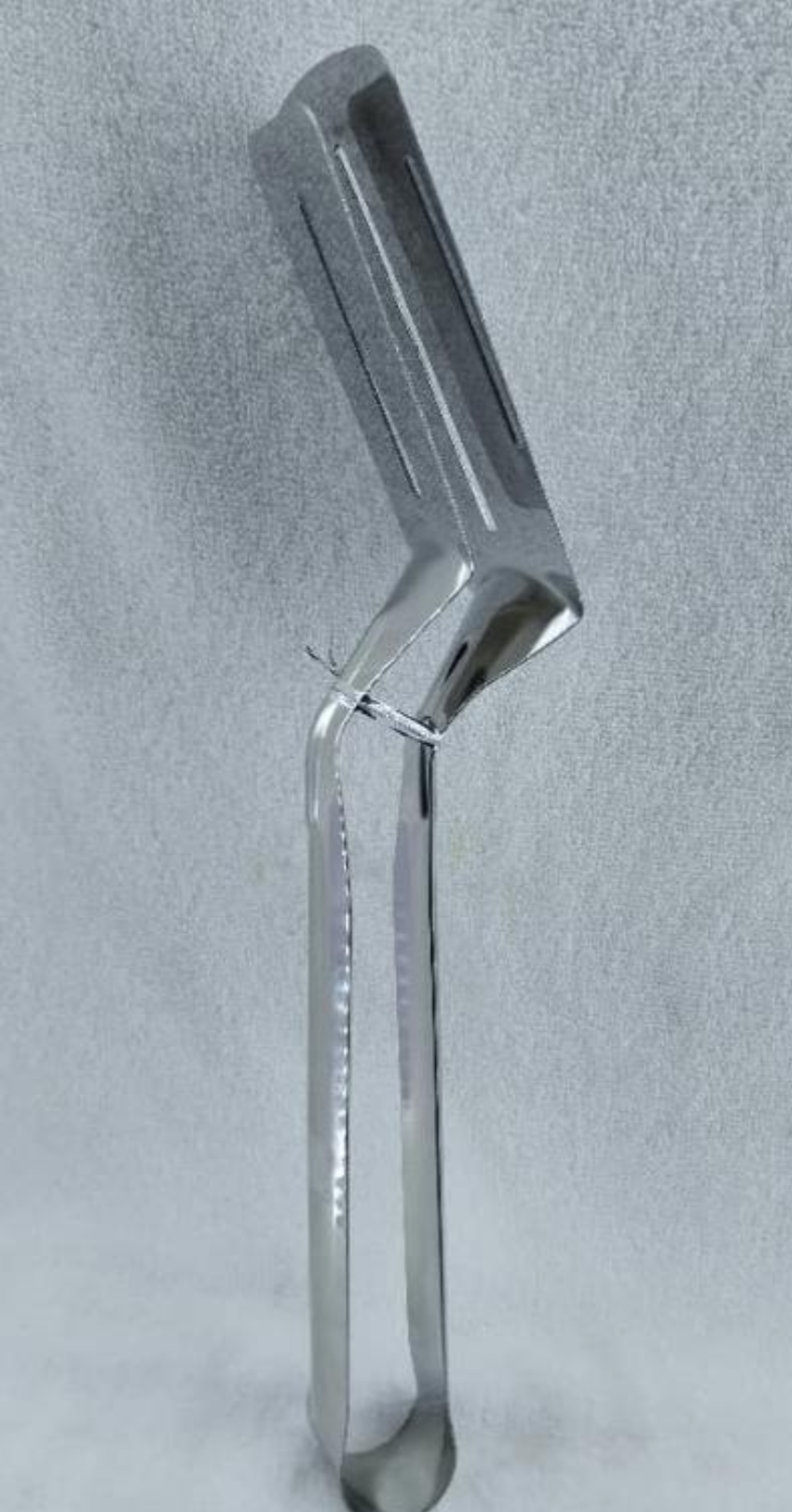
Tongs
4 or more Must haveTongs let your team serve salad, bread and meat without using hands.
How to use it: Use separate tongs for raw and cooked food.
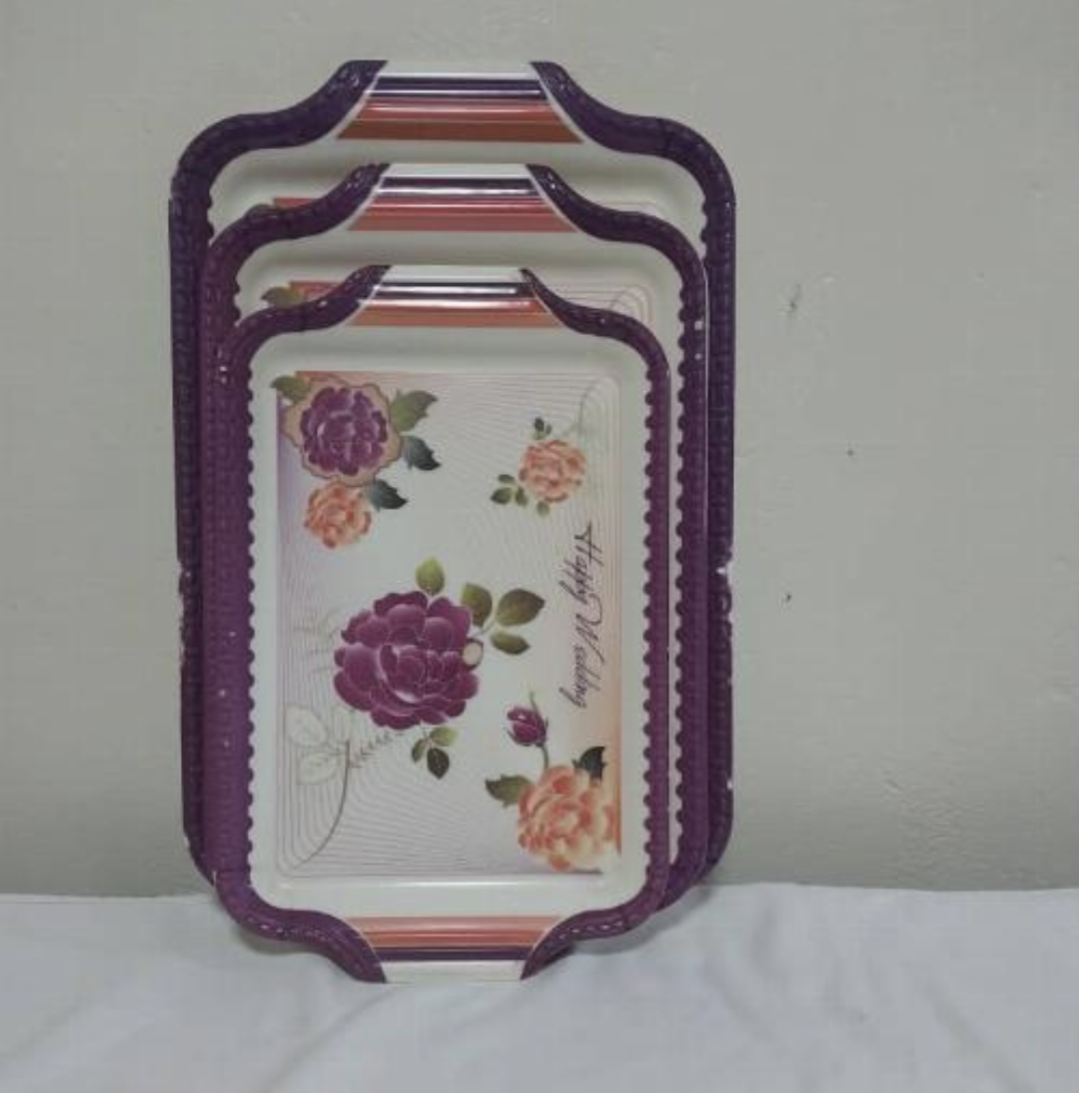
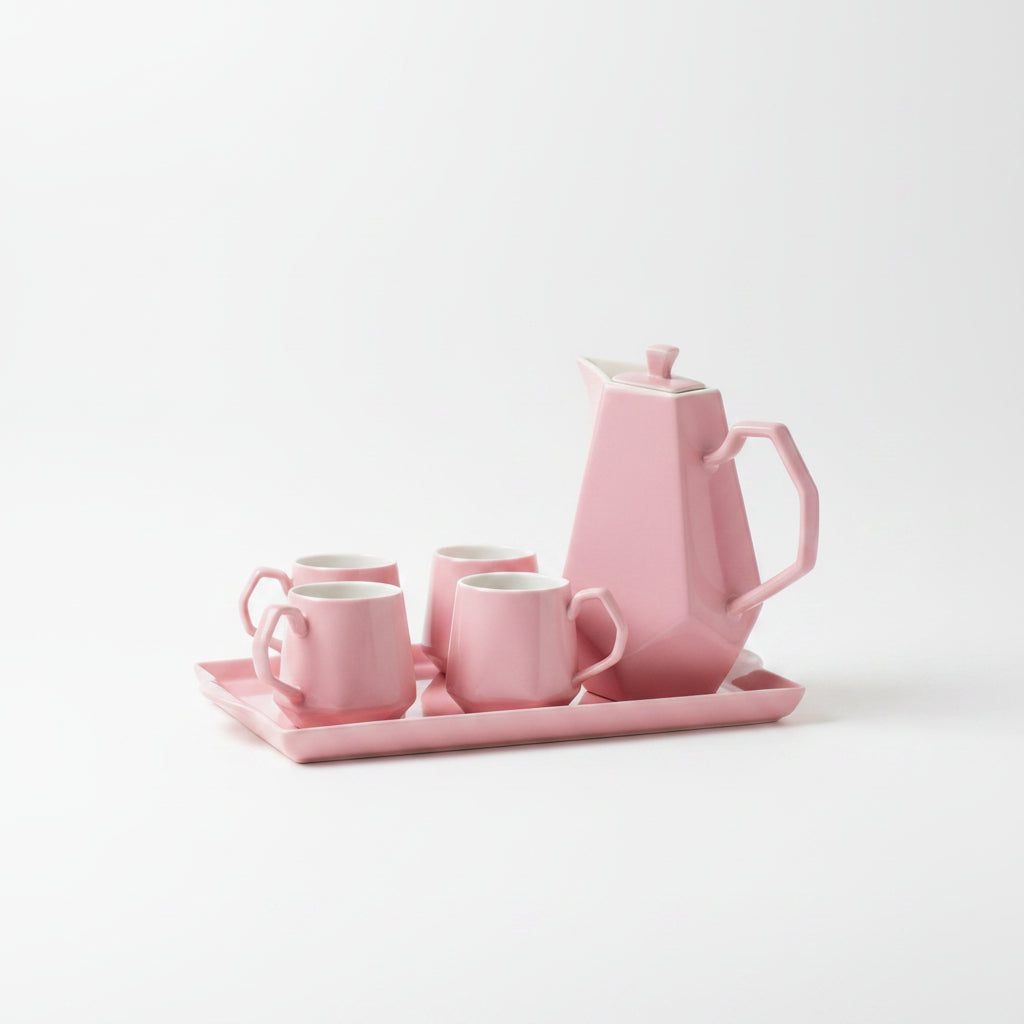
Serving trays
3 to 4 Must haveTrays help serve drinks and snacks and carry plates back to the kitchen.
How to use it: Choose non-slip trays and wipe them often.
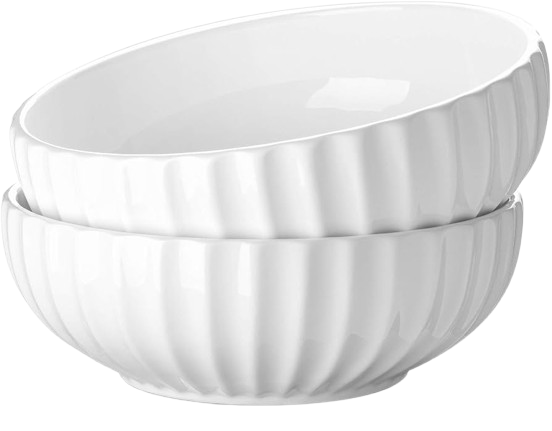
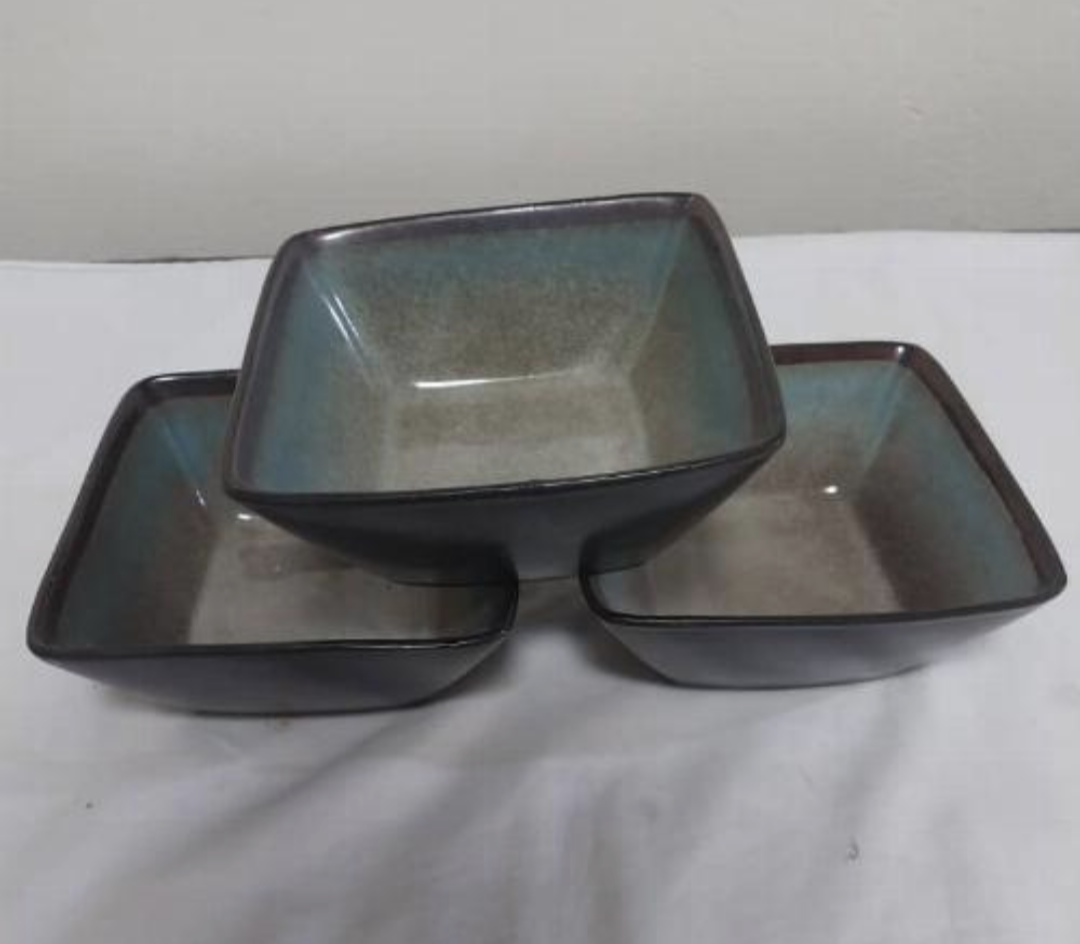
Serving bowls
6 or more Must haveSalads, sauces and side dishes look better in a bowl than in a cooking pot.
How to use it: Pick bowls that stack so they pack small.
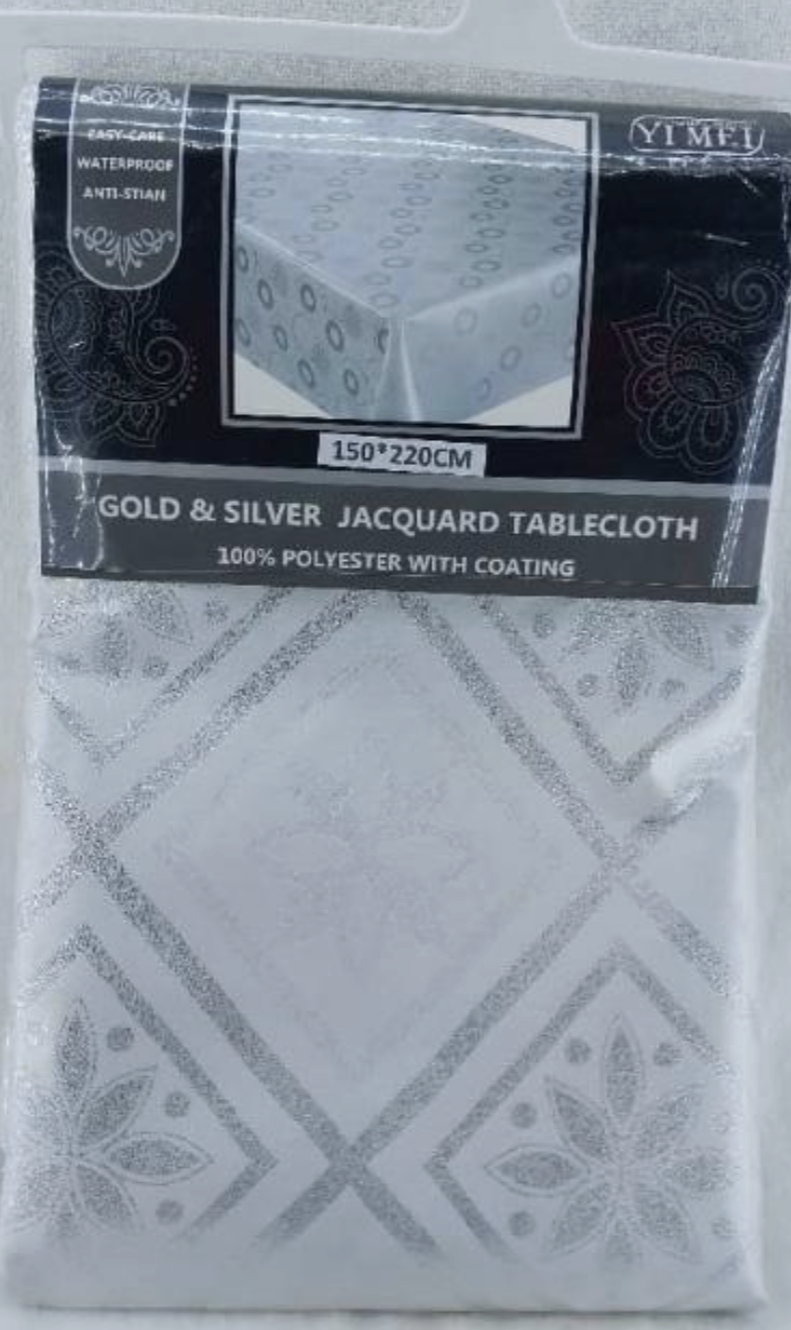
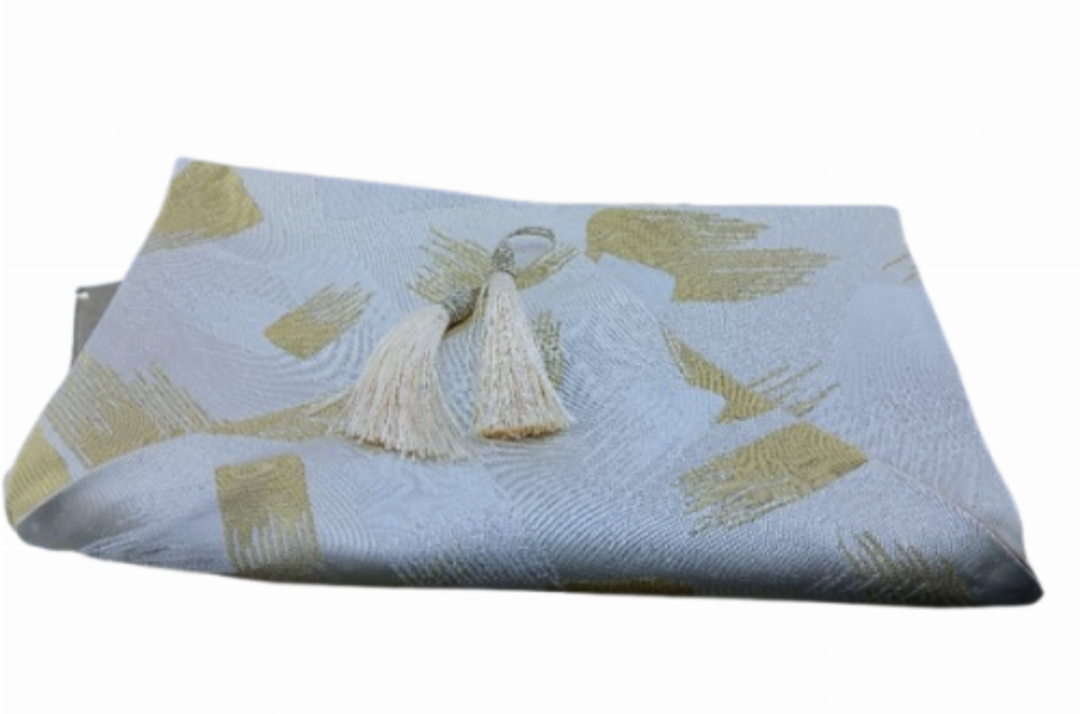
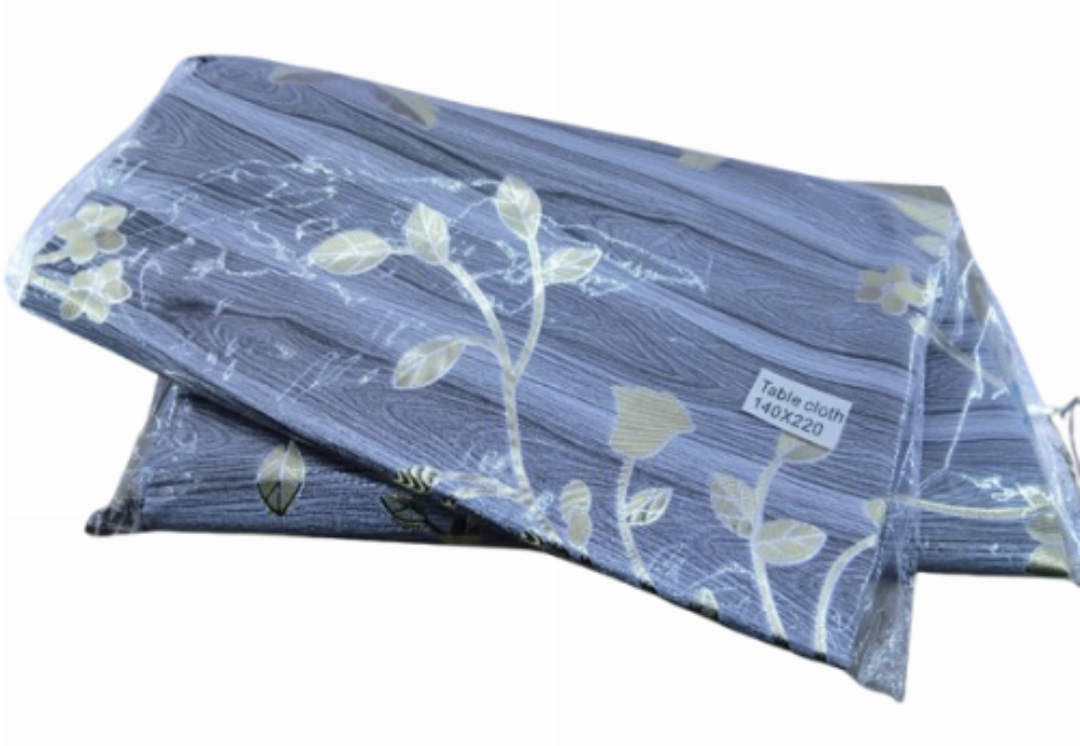
Tablecloths
1 per tableNice to haveA clean cloth makes any table look like part of the event.
How to use it: Bring spares and tie or clip the cloth if the wind is strong.
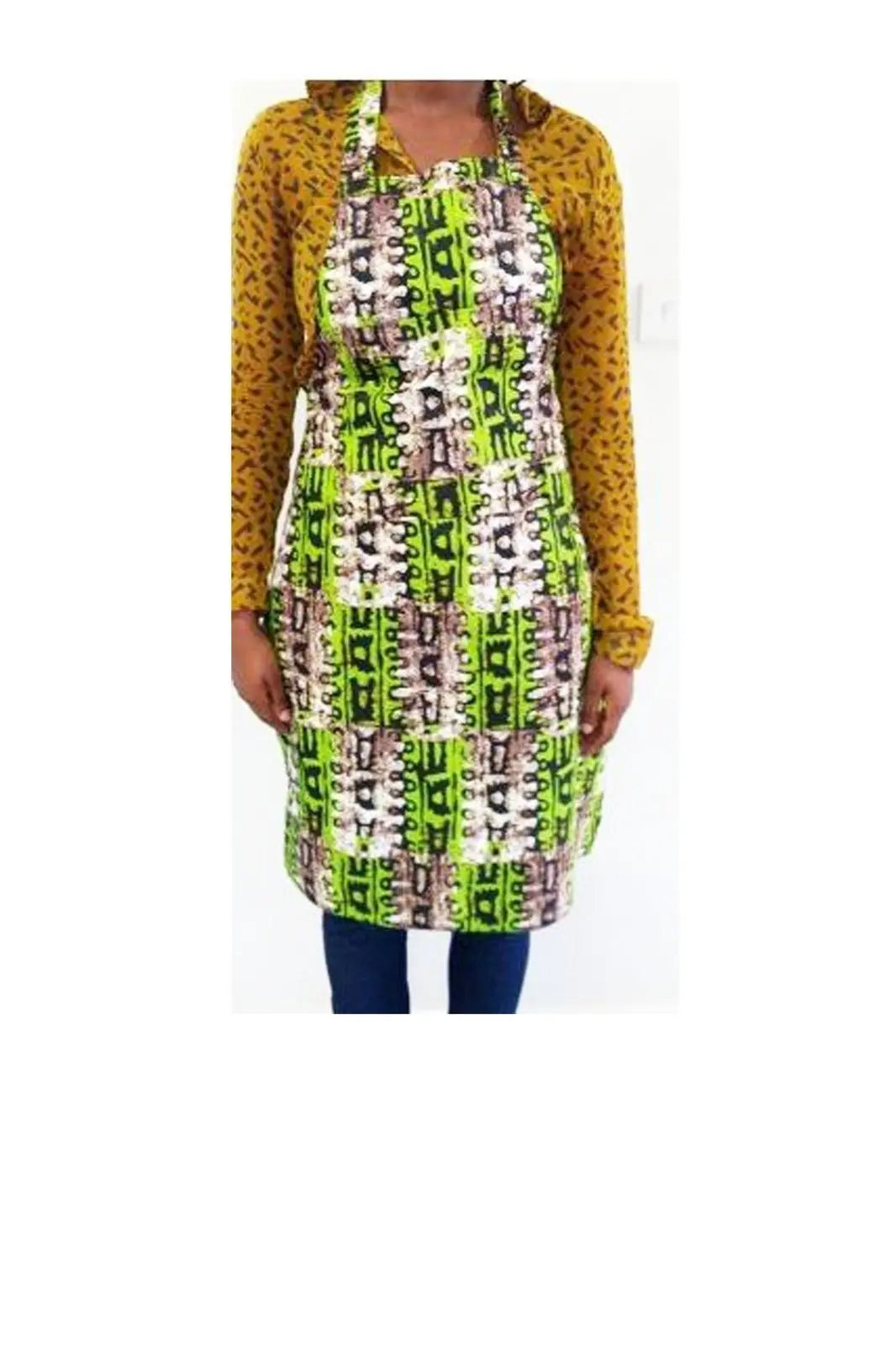
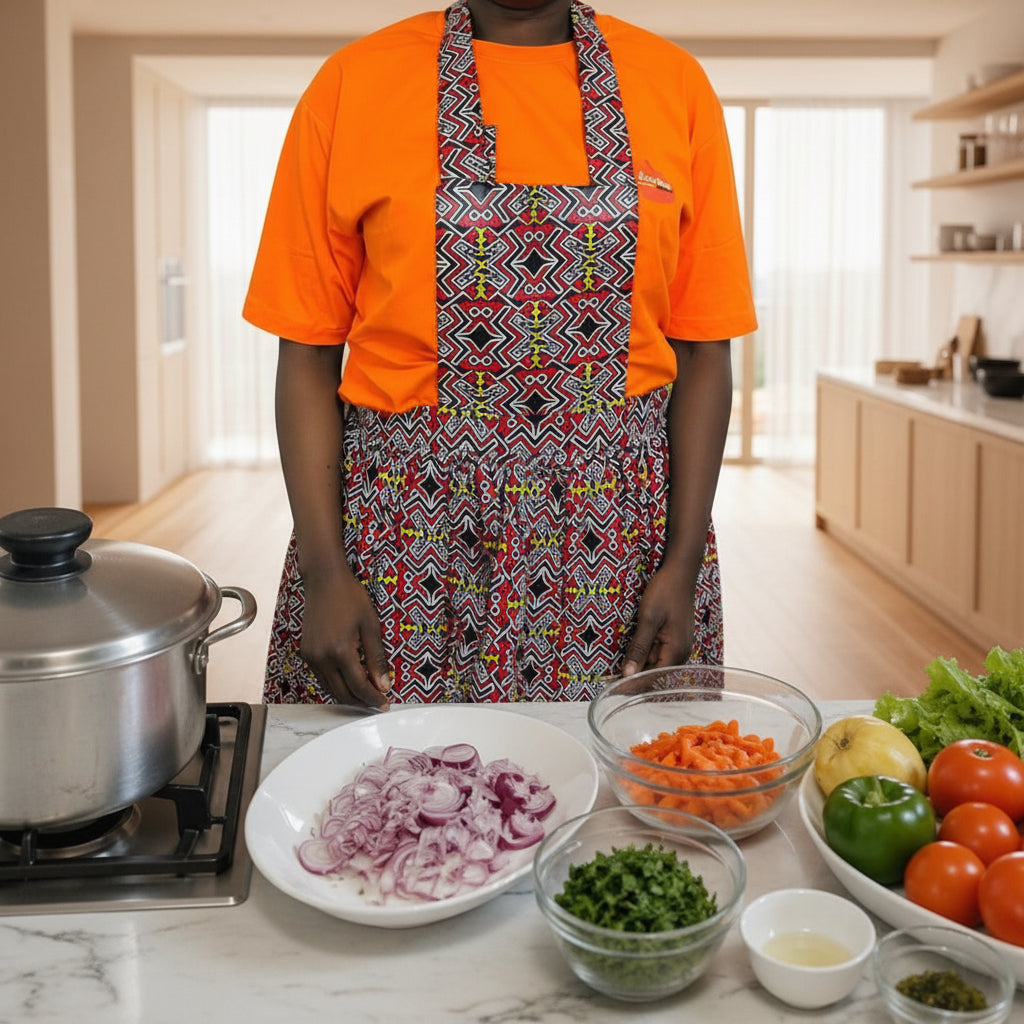
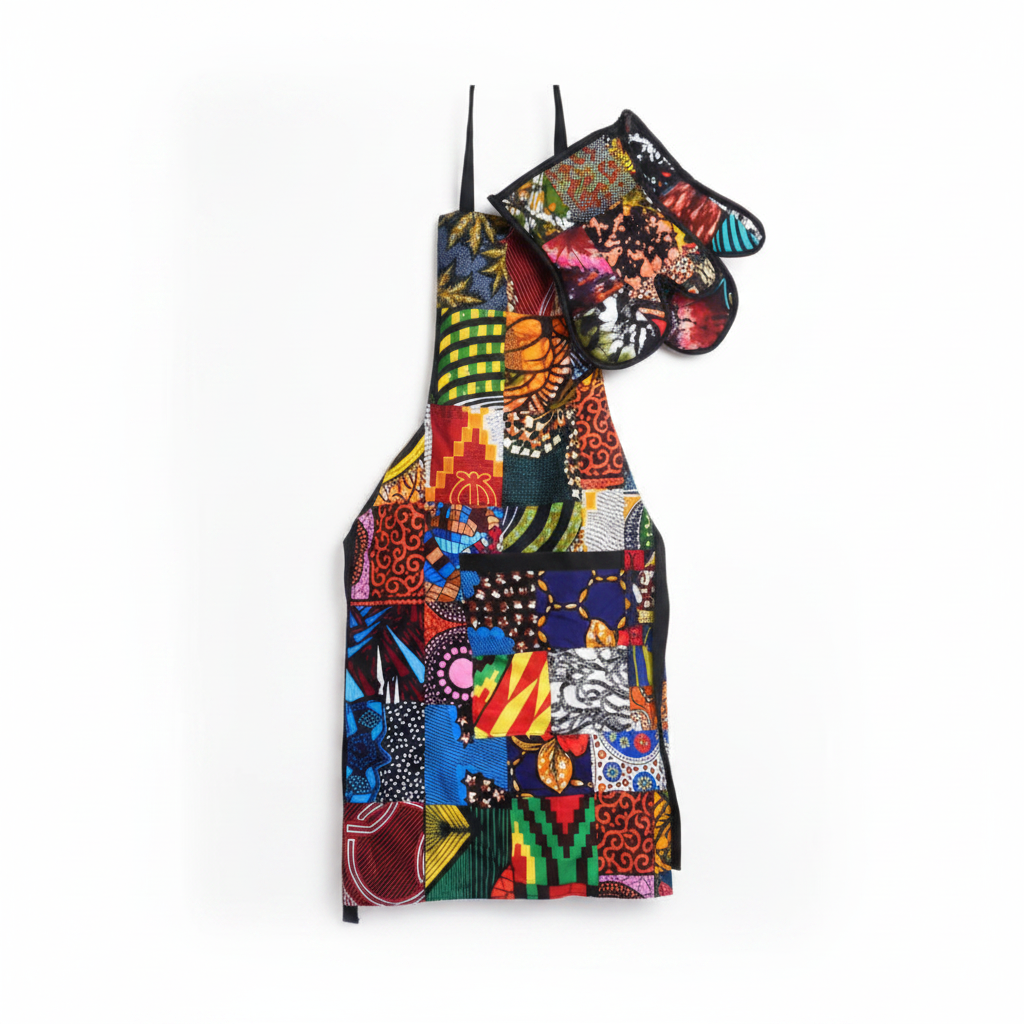
Kitchen aprons
1 per personNice to haveAprons keep your team clean and look professional.
How to use it: Wash them after each event and keep a spare per cook.


Plates, cups and disposables
For events with no washing area, disposables save time. For smaller events, mix reusable and disposable items.
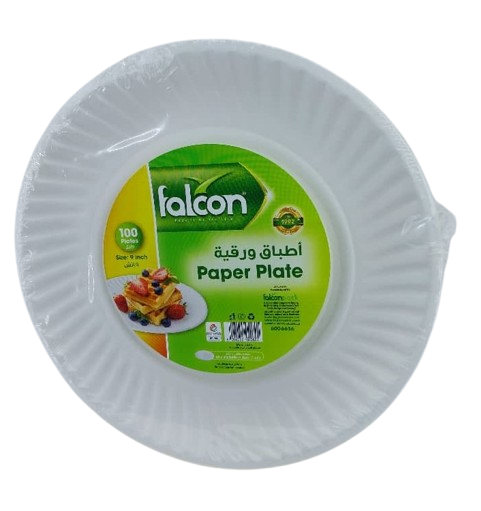
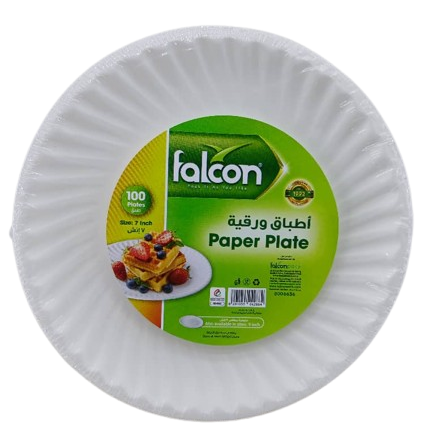
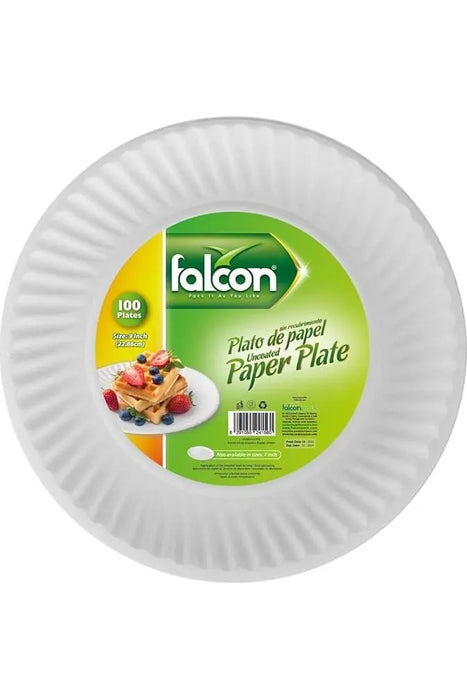
Paper plates
100 or more Must haveEasy to hand out and no washing needed, which is helpful at venues with no kitchen.
How to use it: Buy sturdy plates for heavy food like rice and stew. Double up if needed.
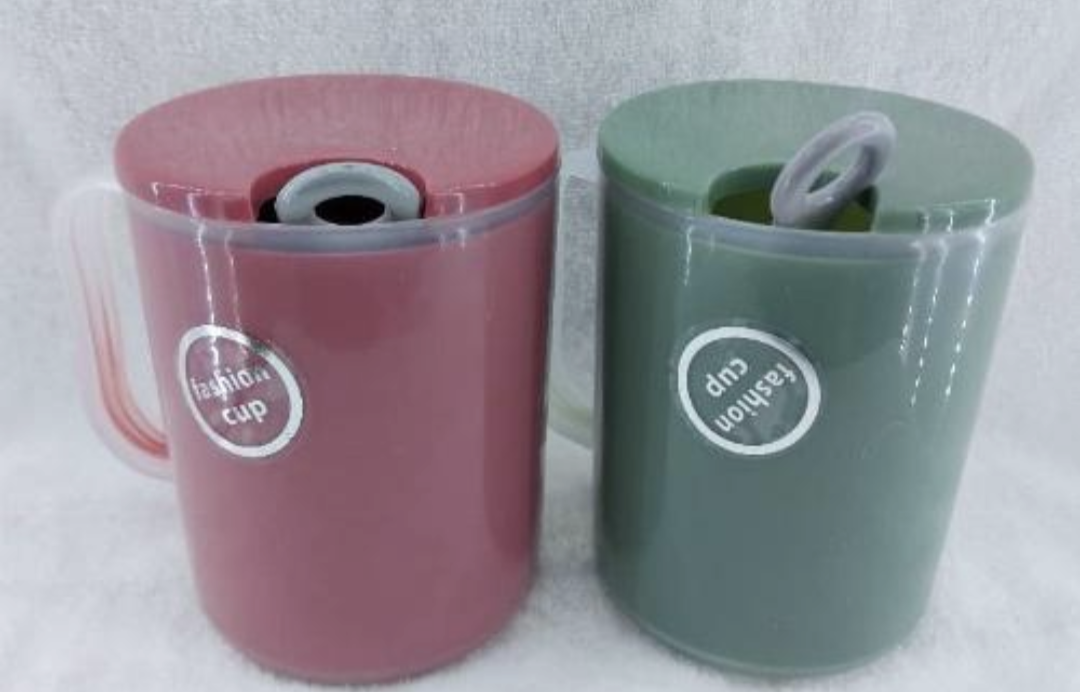
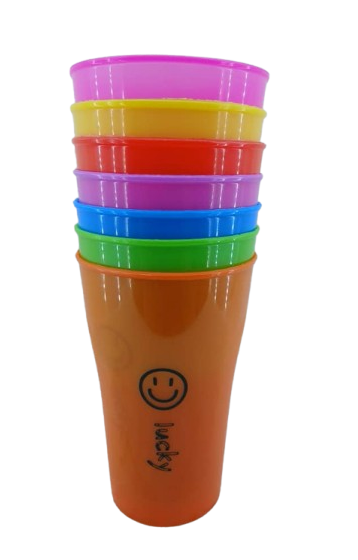
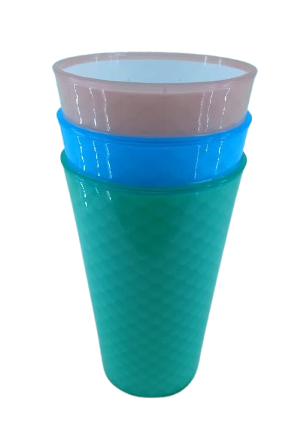
Plastic cups
100 or more Must haveWater, juice and soda need cups. Cups help you keep track of drinks and save breakage.
How to use it: Buy a few extra, since cups are lost or dropped.
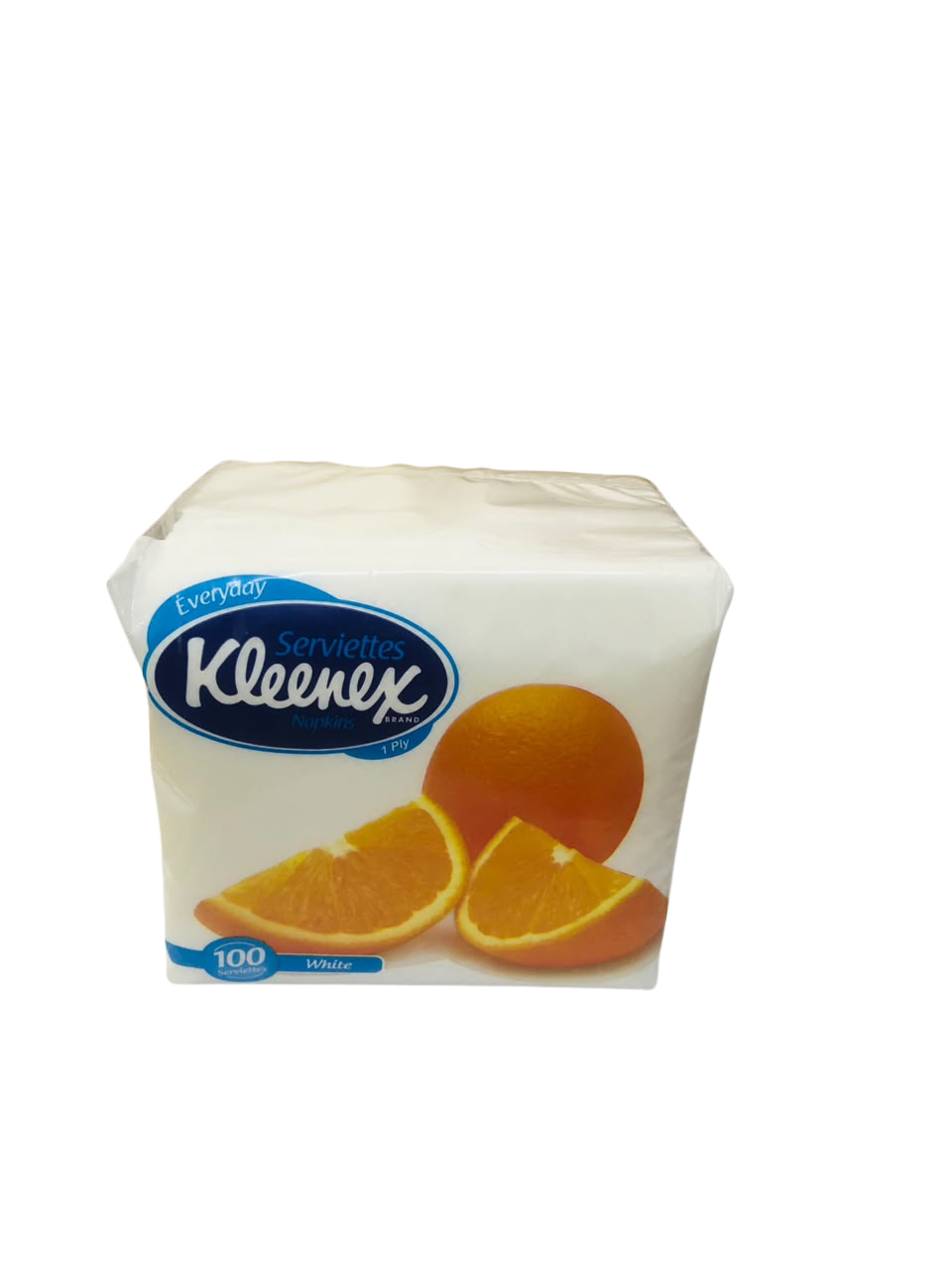
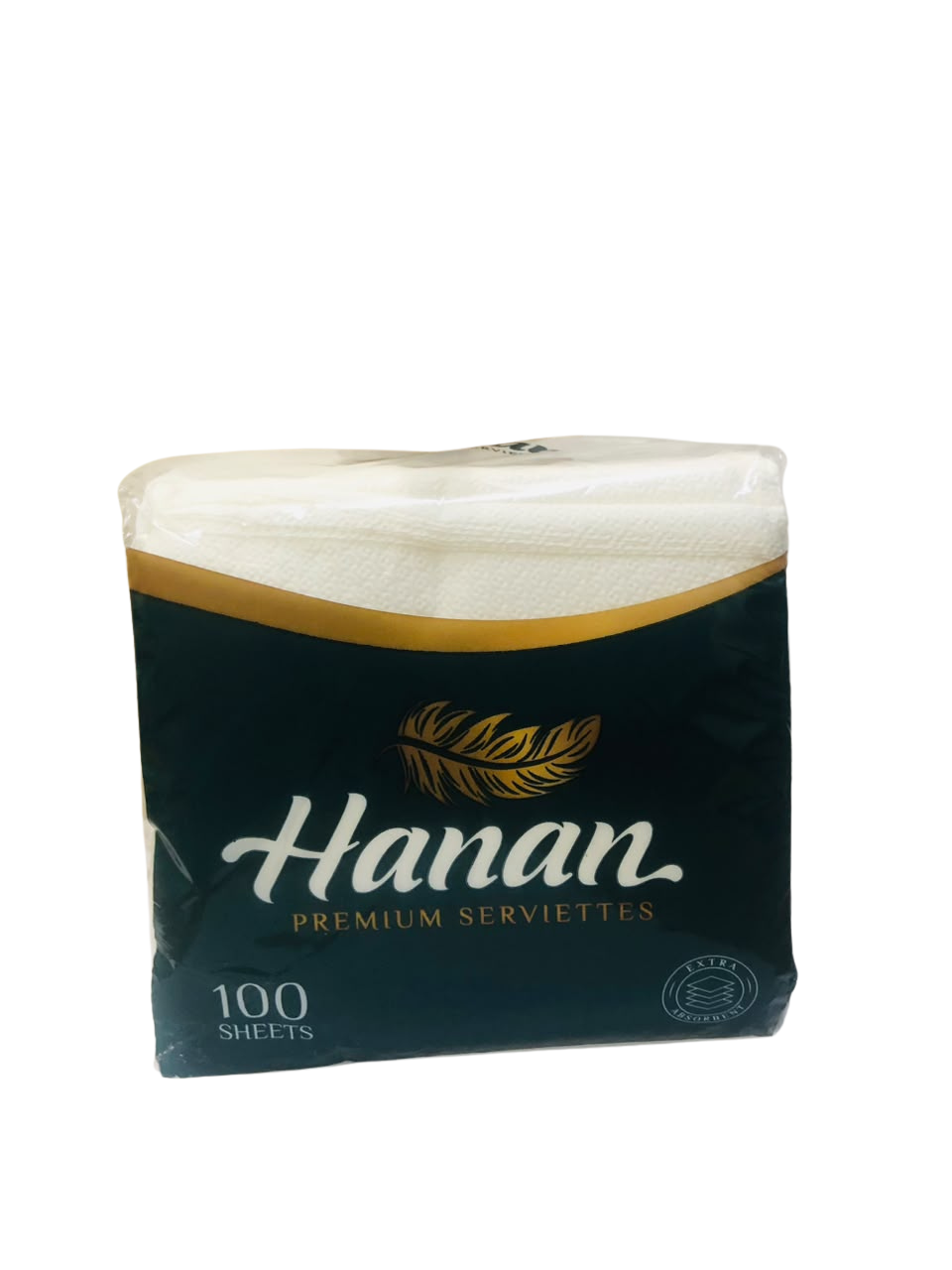
Serviettes
4 packs or more Must haveGuests need something to wipe their hands with.
How to use it: Place stacks on each table and keep a spare pack.
Takeaway boxes
as needed Must haveMany guests take food home, and corporate events often need boxed lunches.
How to use it: Match box size to portion size. Test with hot food before buying many.
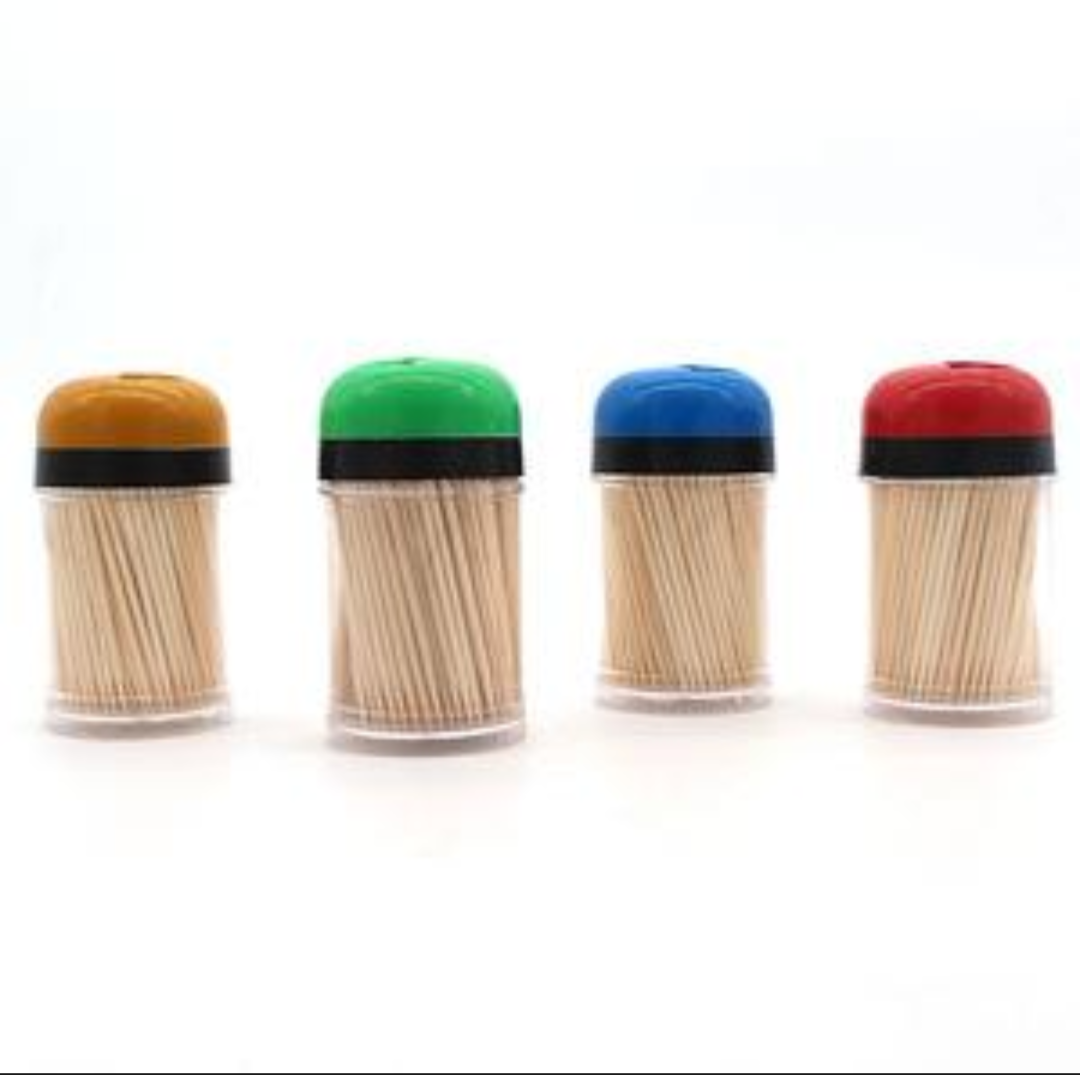
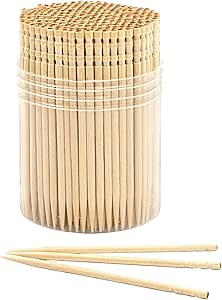
Straws and toothpicks
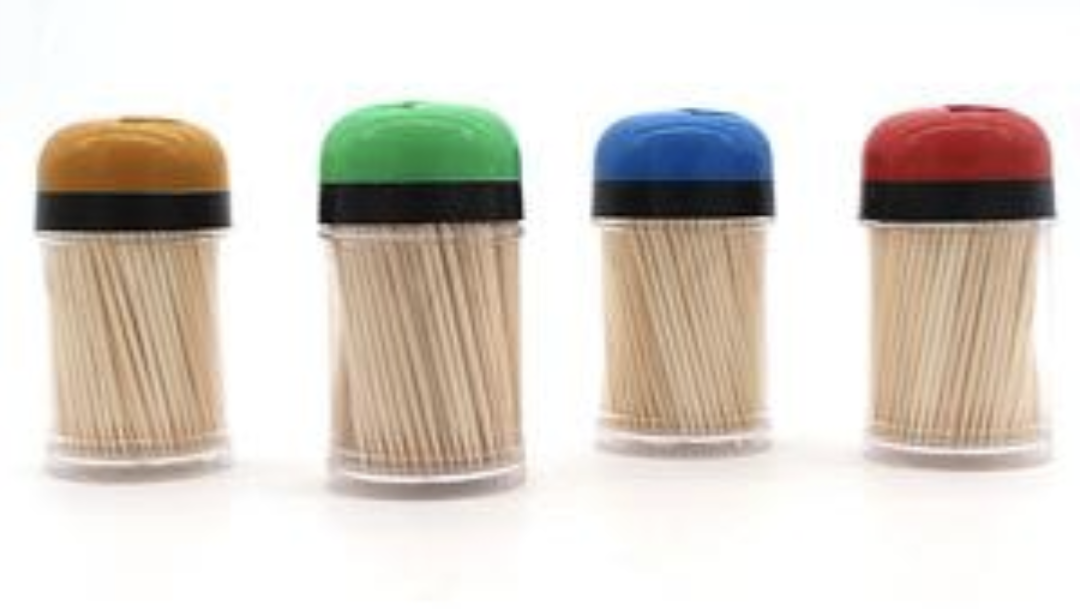
1 pack eachNice to haveSmall items that guests expect. Toothpicks help serve bites and finger food.
How to use it: Keep in a covered container.
Hygiene and cleanup
A clean team and a clean site protect your guests and your reputation. Bring your own soap and bags in case the venue has none.
Disposable gloves
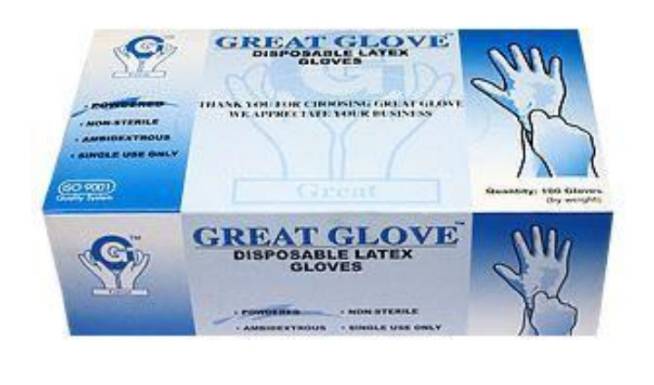
2 boxes Must haveGloves help when plating ready-to-eat food like salad or bread.
How to use it: Change them between tasks. They do not replace hand washing.
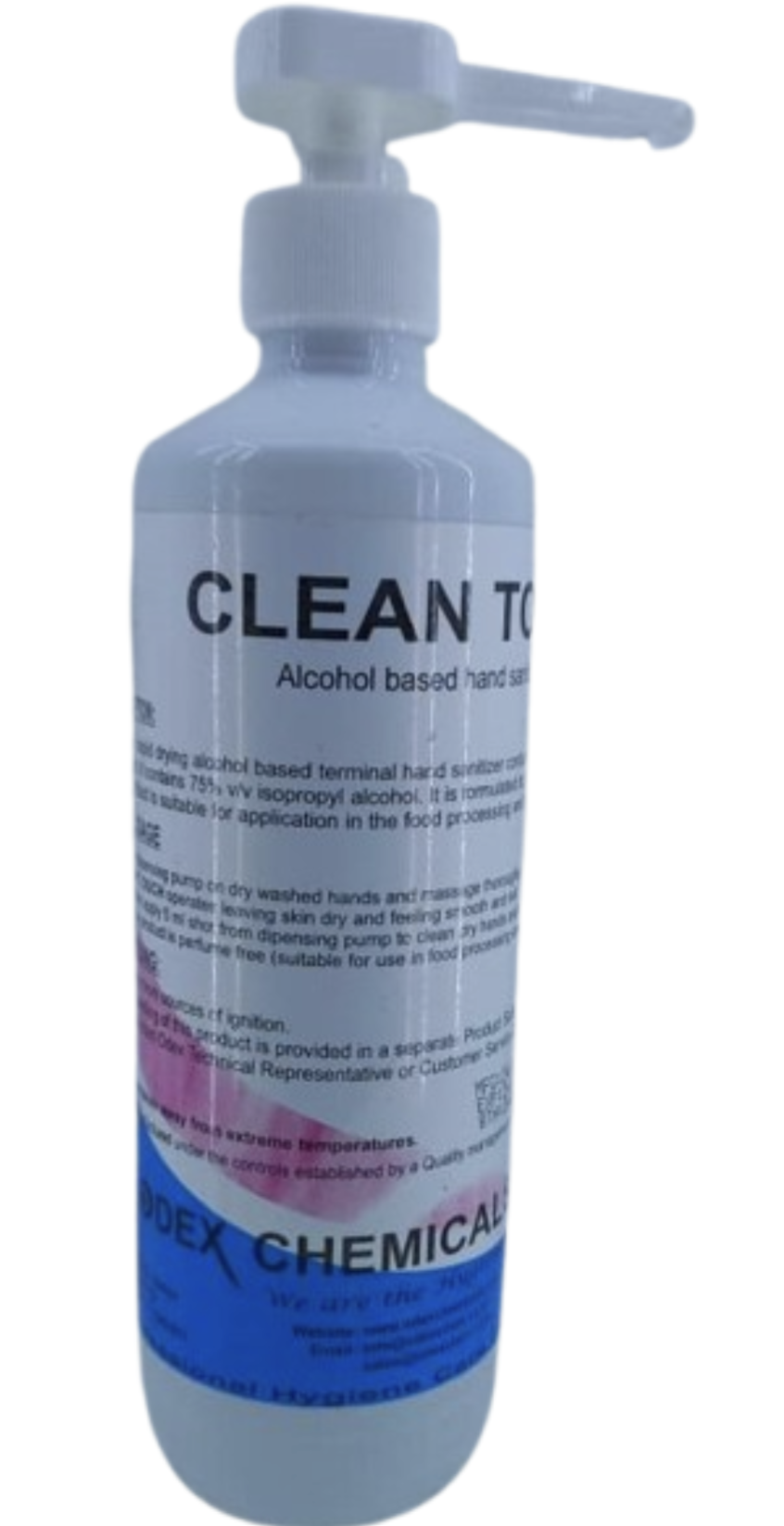
Hand sanitizer
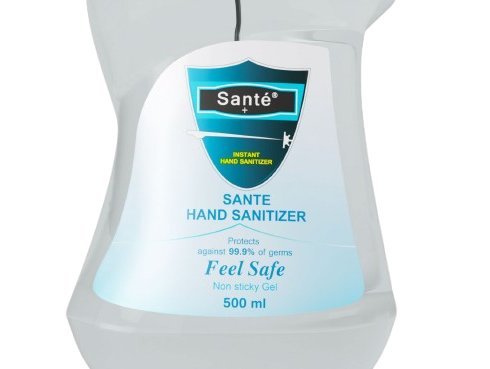
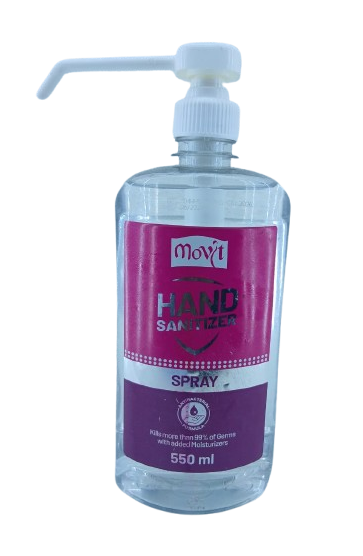
2 bottles Must haveVenues often have no handwashing station. Sanitizer helps staff and guests.
How to use it: Place it at the serving table and in the kitchen area.
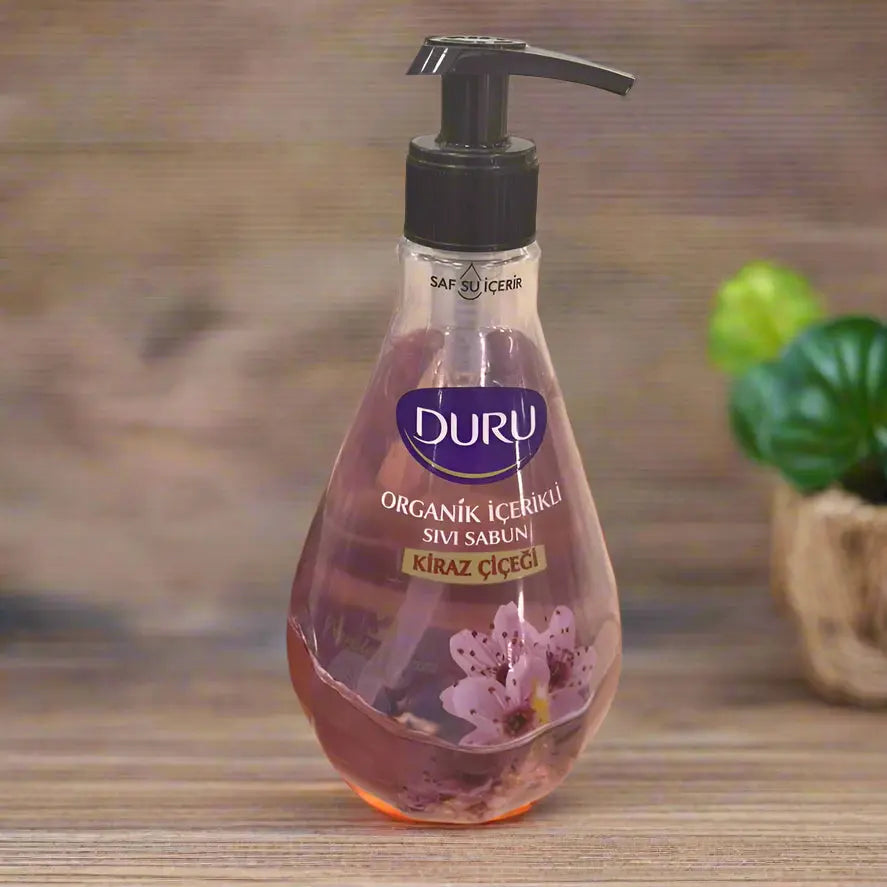
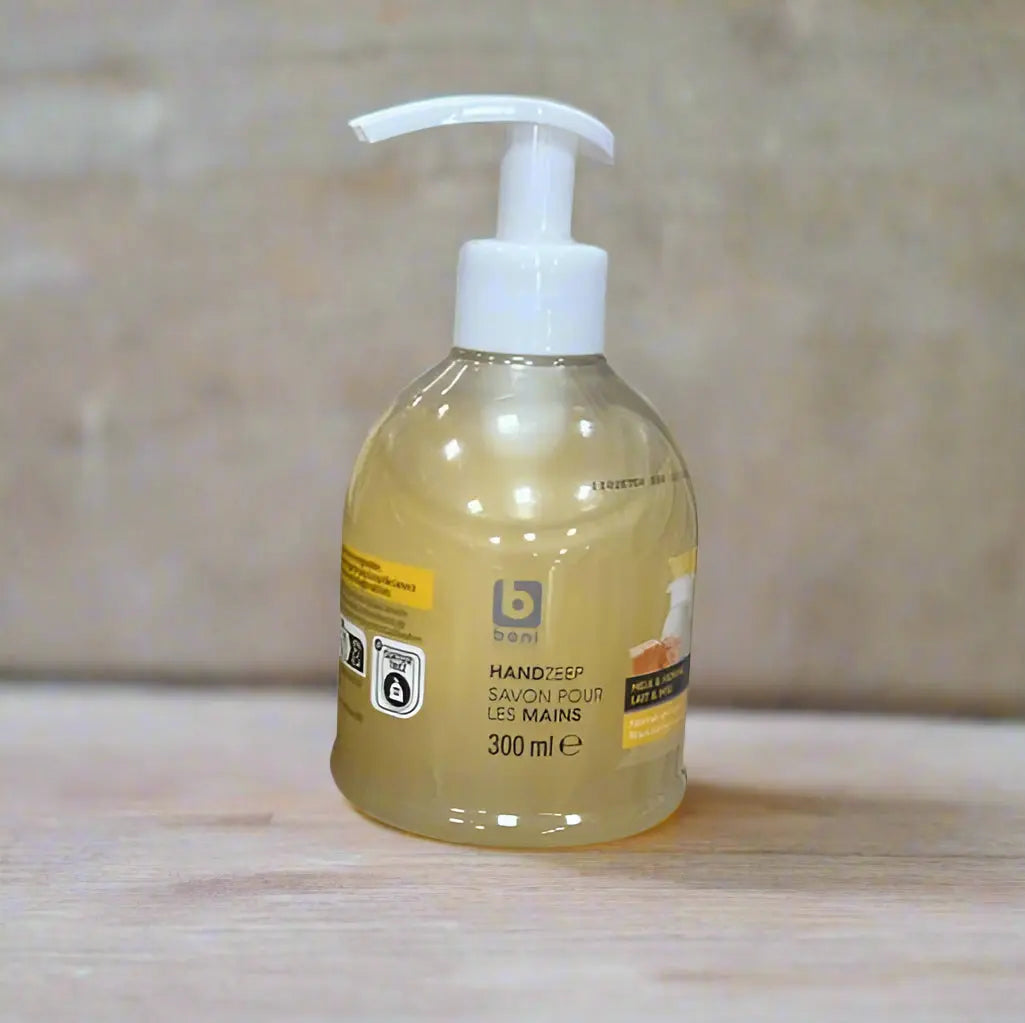
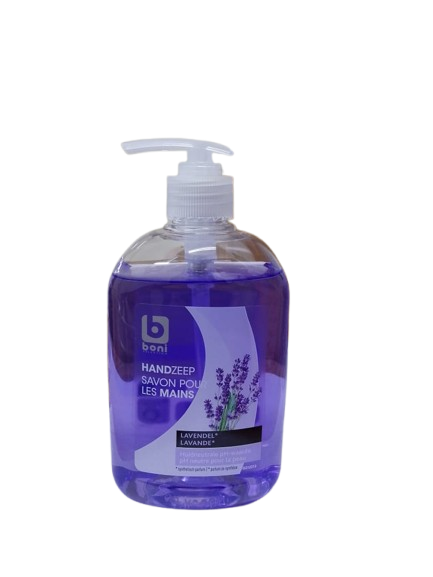
Hand soap
2 bottles Must haveFor real handwashing when water is available.
How to use it: Keep a bottle with your jerrycan.
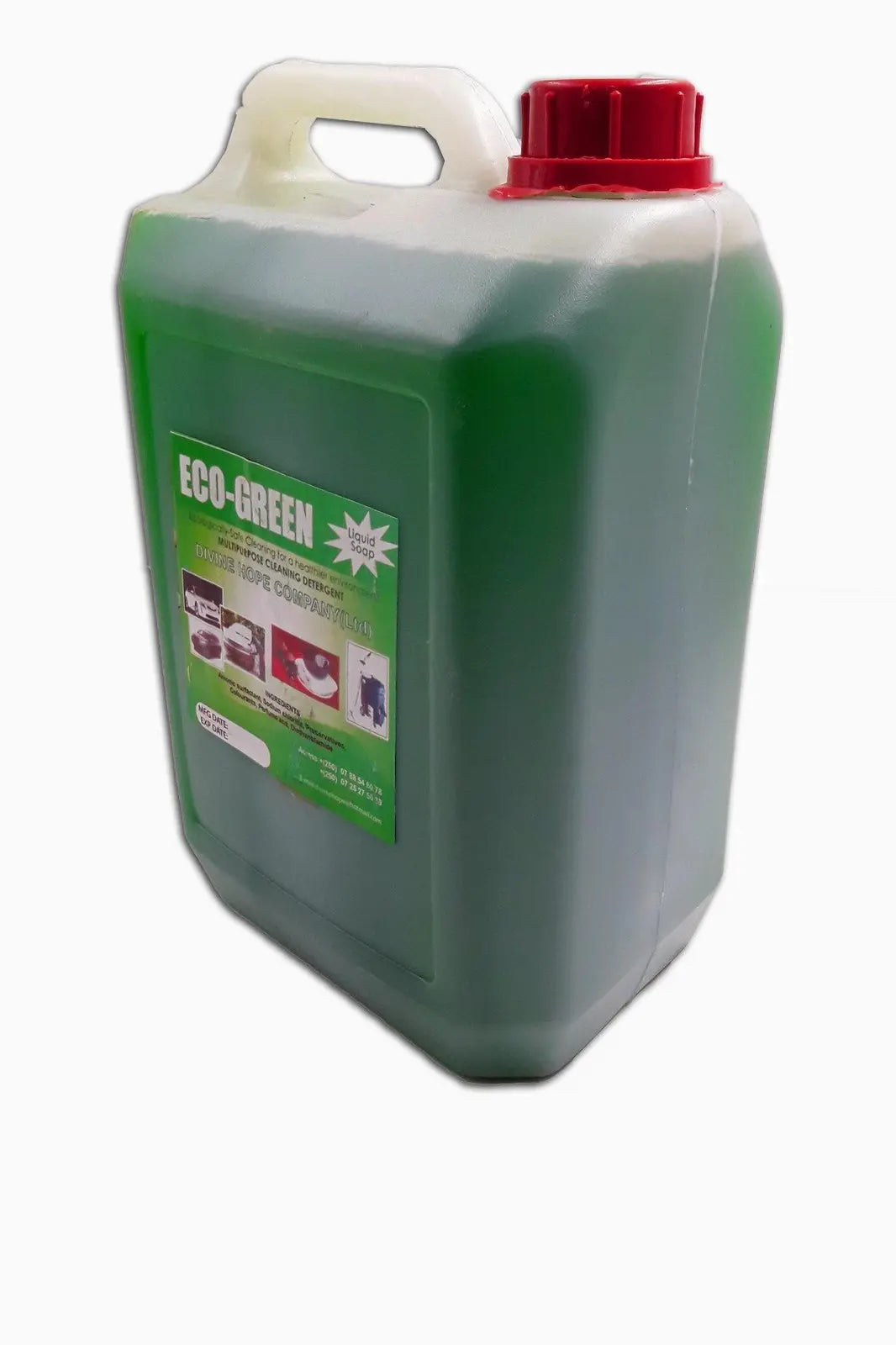
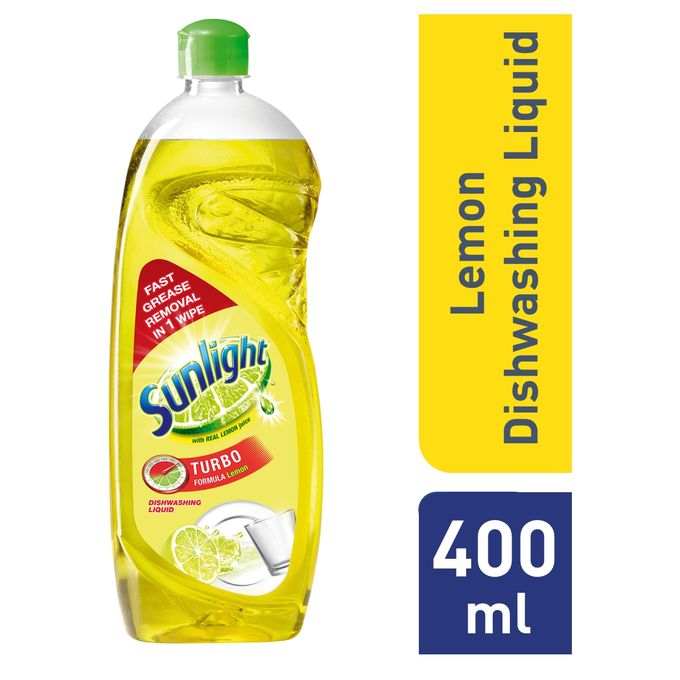
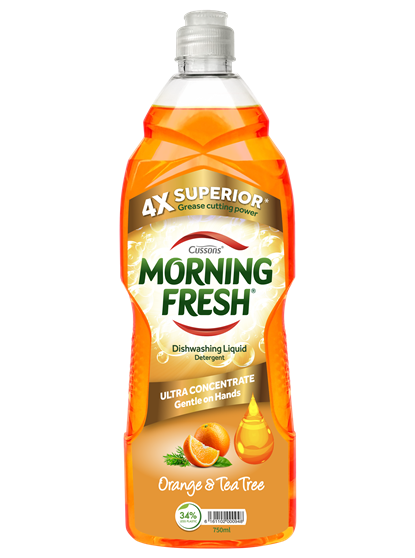
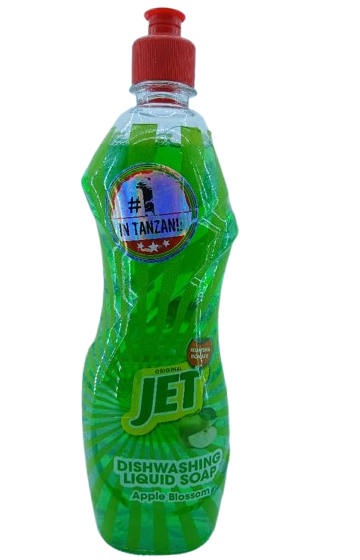
Dishwashing liquid
2 bottles Must haveWashing pots and reusable plates after the event is a big task. A large bottle saves money.
How to use it: Wash in hot water and dry fully before packing.
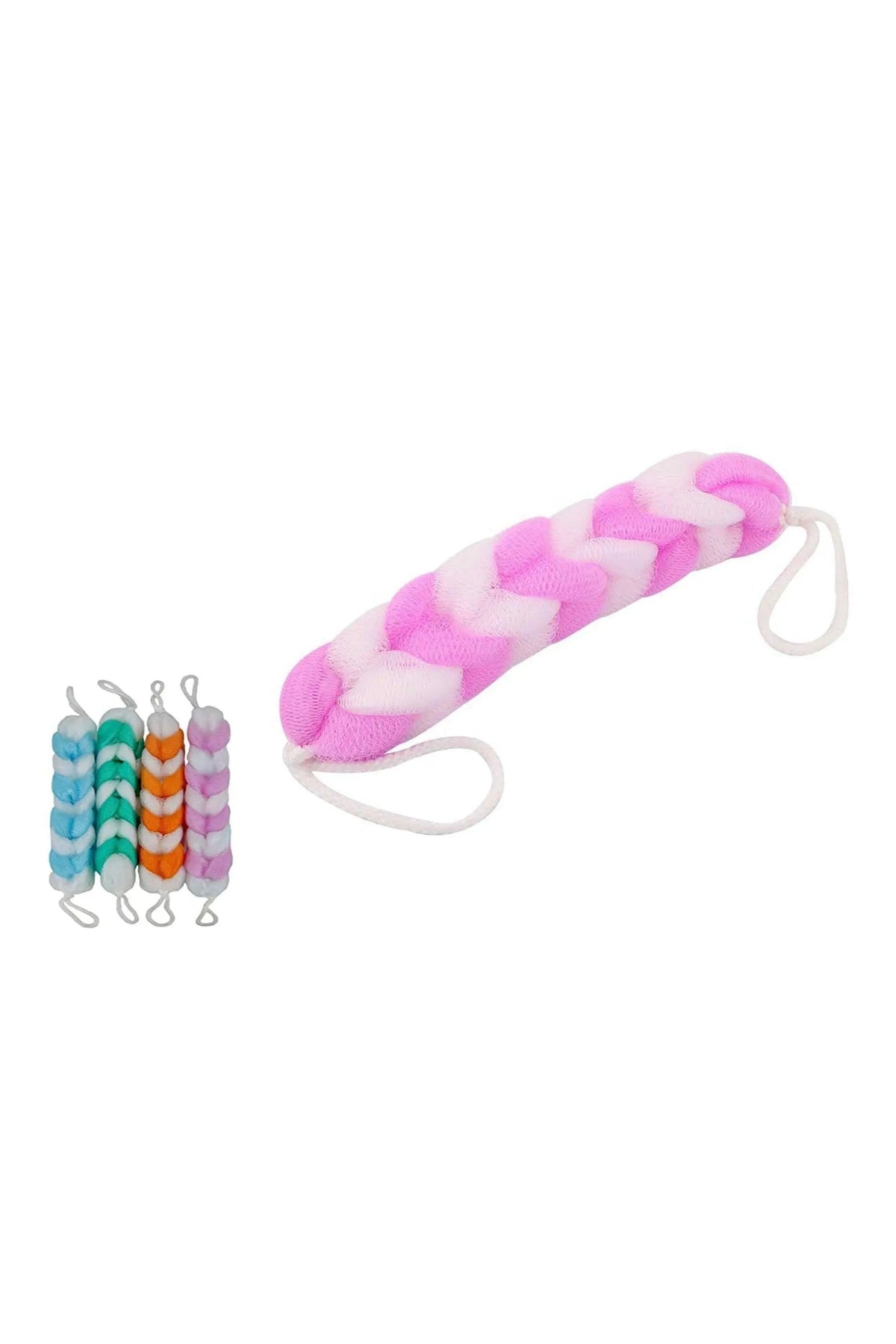
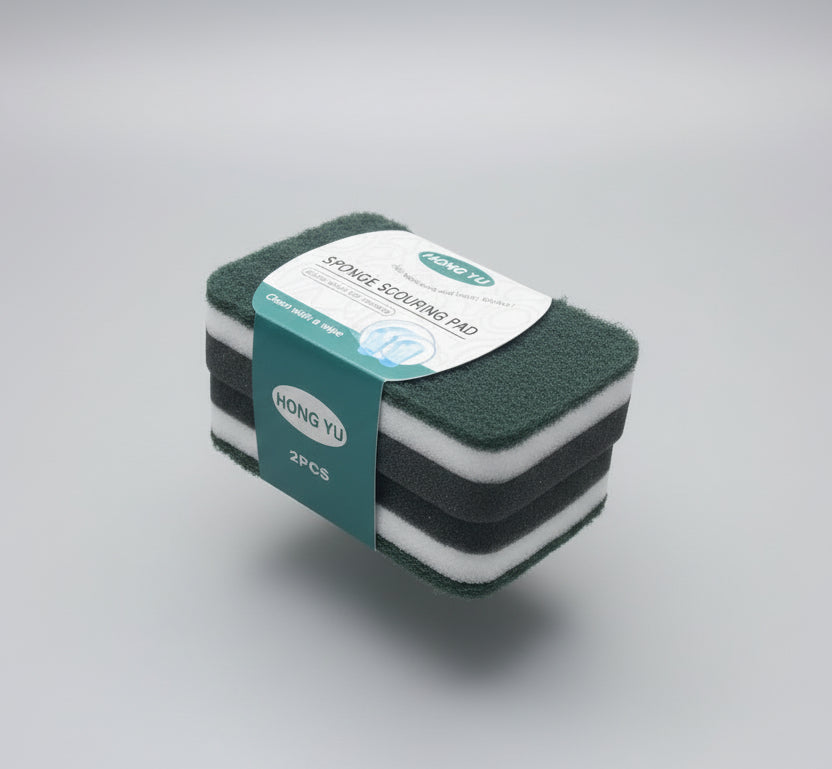
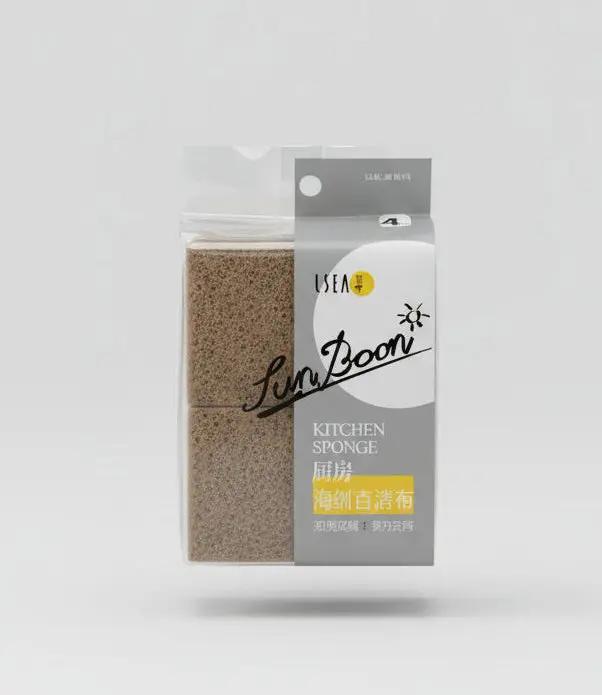
Sponges and cloths
6 or more Must haveBurnt rice and grease need scrubbers, and surfaces need wiping.
How to use it: Bring several and keep clean ones separate from dirty ones.
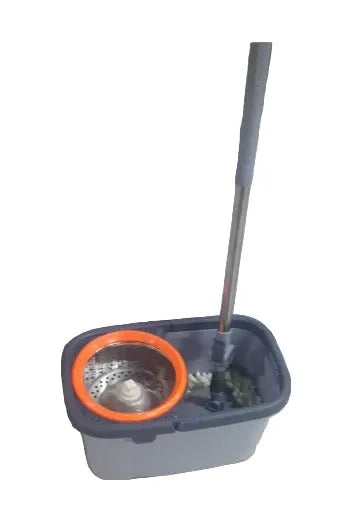
Bucket
2 Must haveFor washing, carrying water and soaking dirty pots.
How to use it: Keep one bucket for clean water and one for dirty.
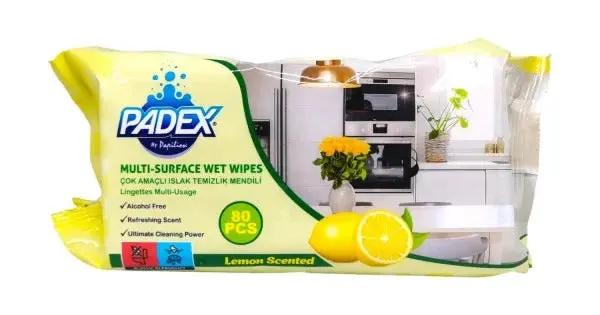
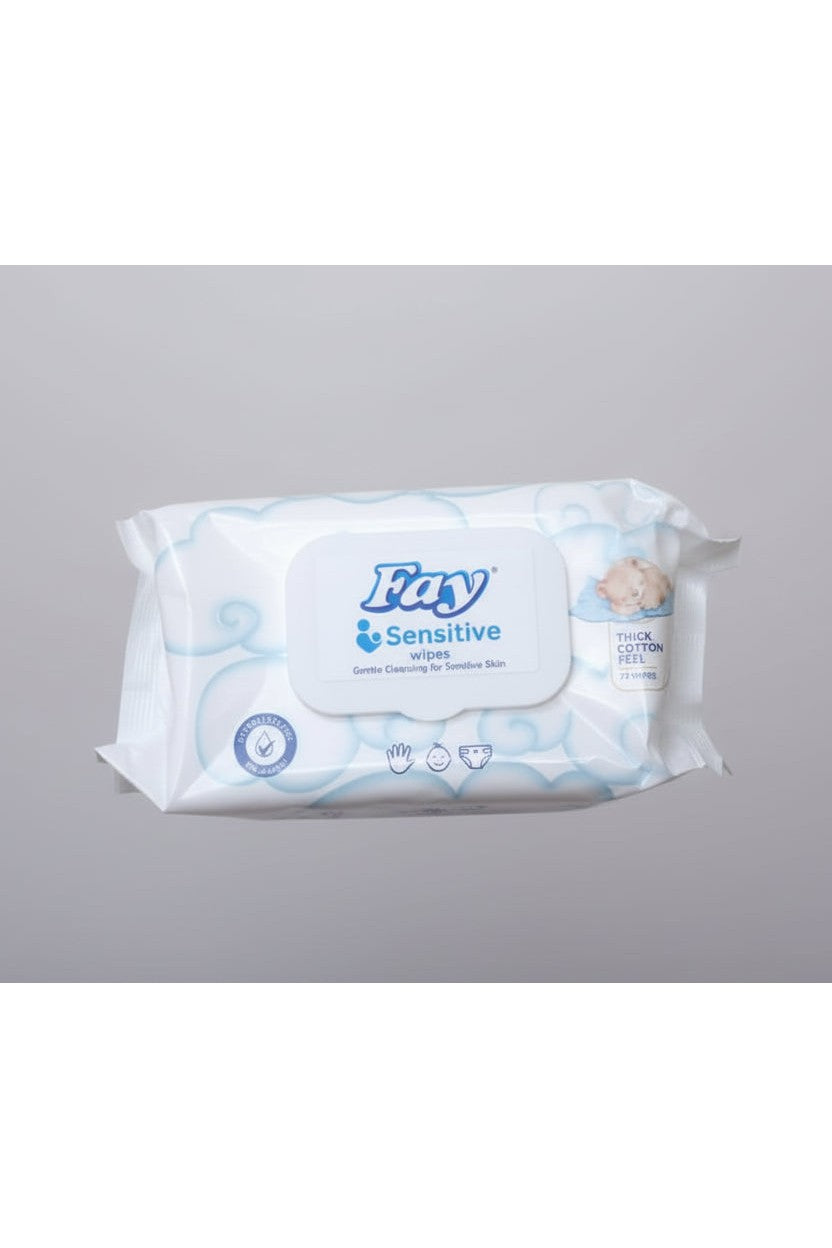
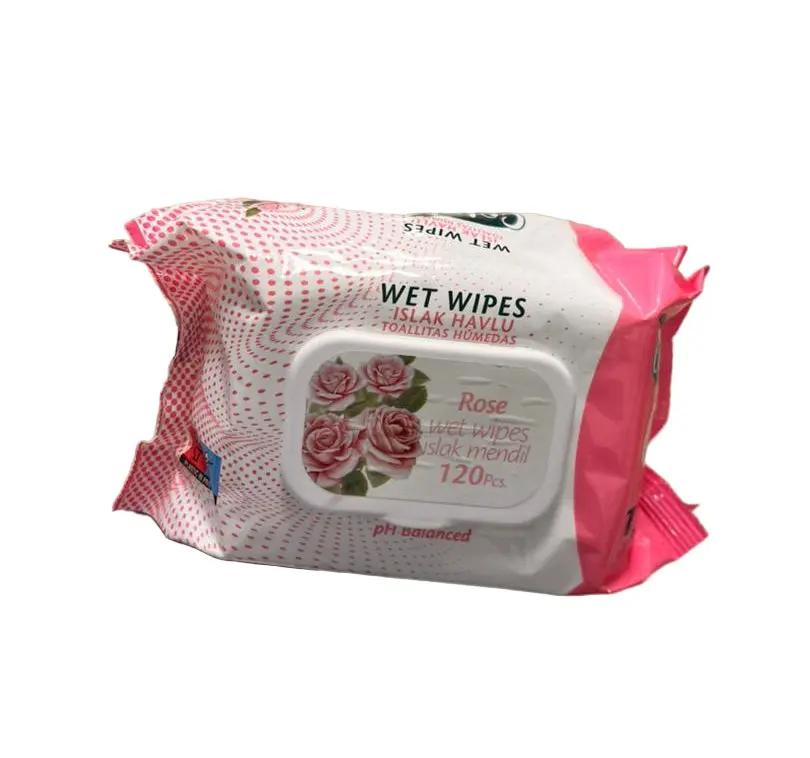
Wet wipes
2 packsNice to haveQuick cleaning for hands, tables and small spills when water is not close.
How to use it: Keep a pack in each box so they are always at hand.
Garbage bags
1 roll Must haveLeave the venue as clean as you found it. Good service means taking your waste with you.
How to use it: Bring more than you think you need and tie bags before moving.

Business basics
A small tool kit for the business side keeps jobs organized and payments clear.
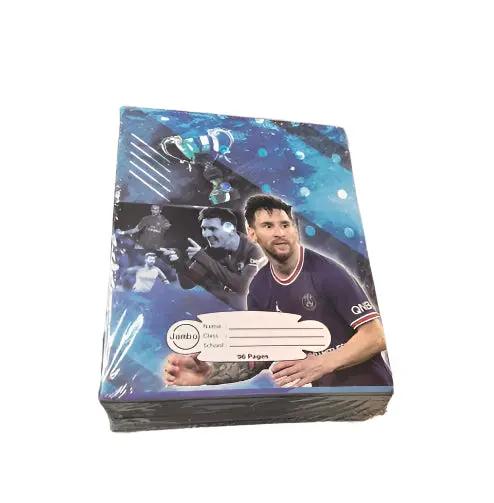
Notebook for orders
1 Must haveWrite down the date, number of guests, menu, price and deposit for each job.
How to use it: Keep one notebook for all jobs so nothing is lost.
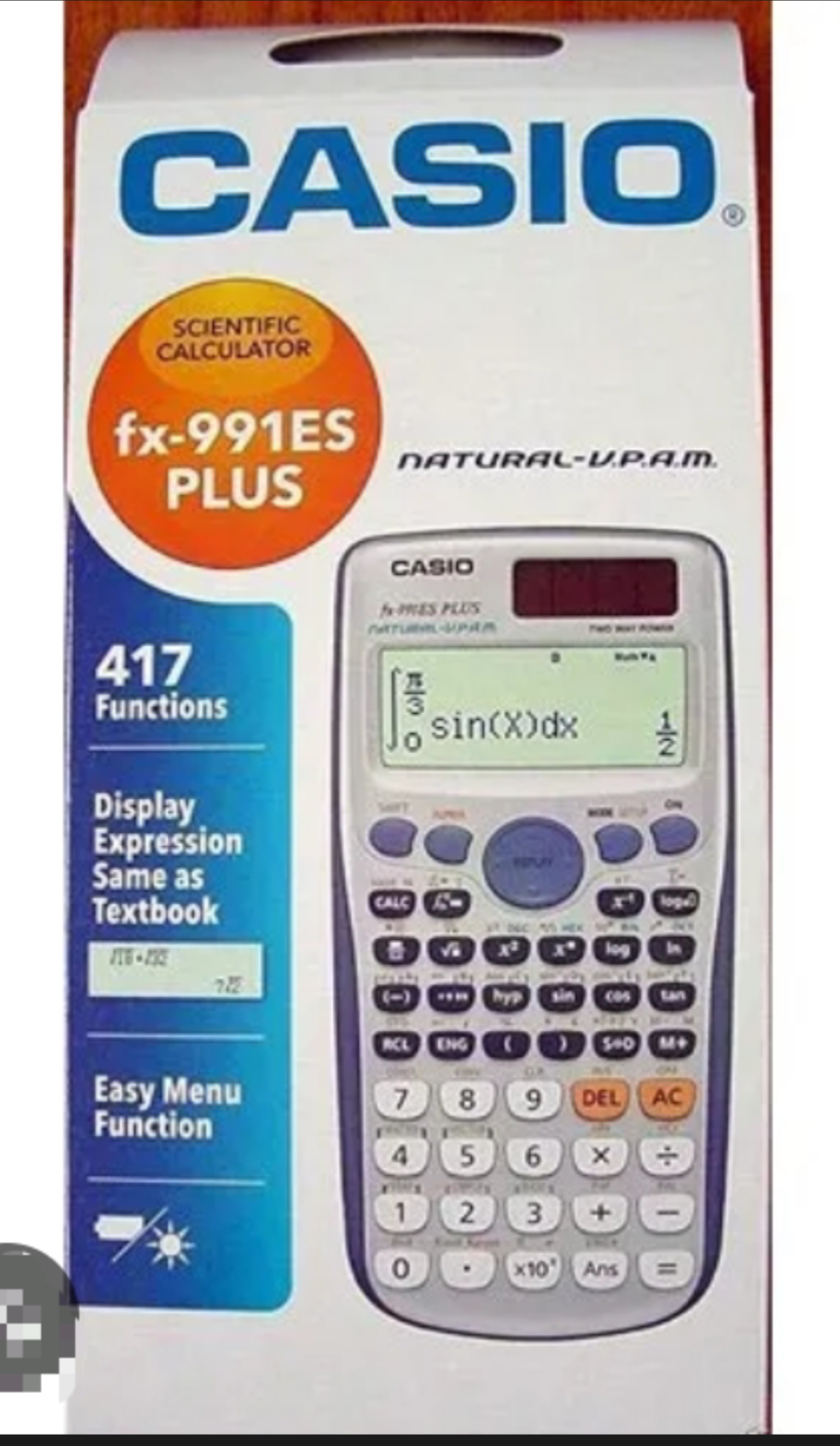
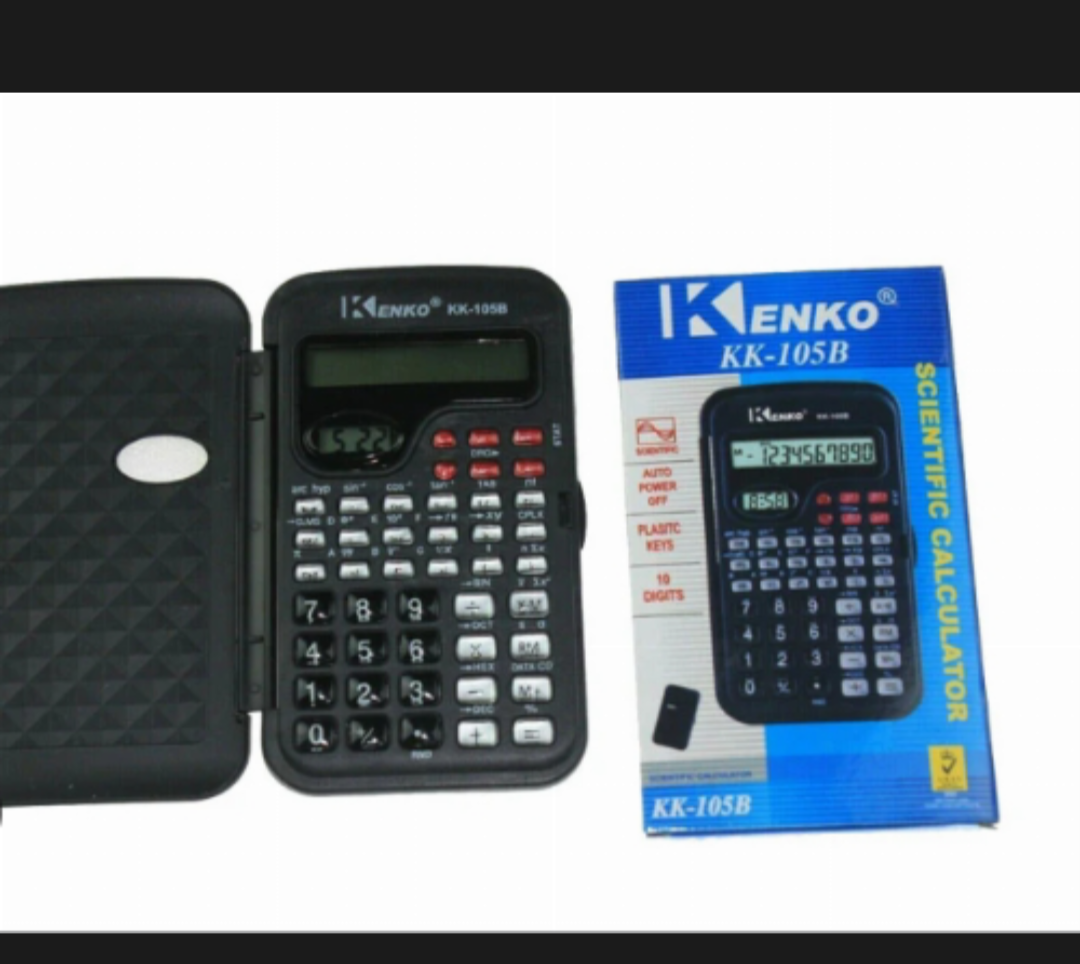
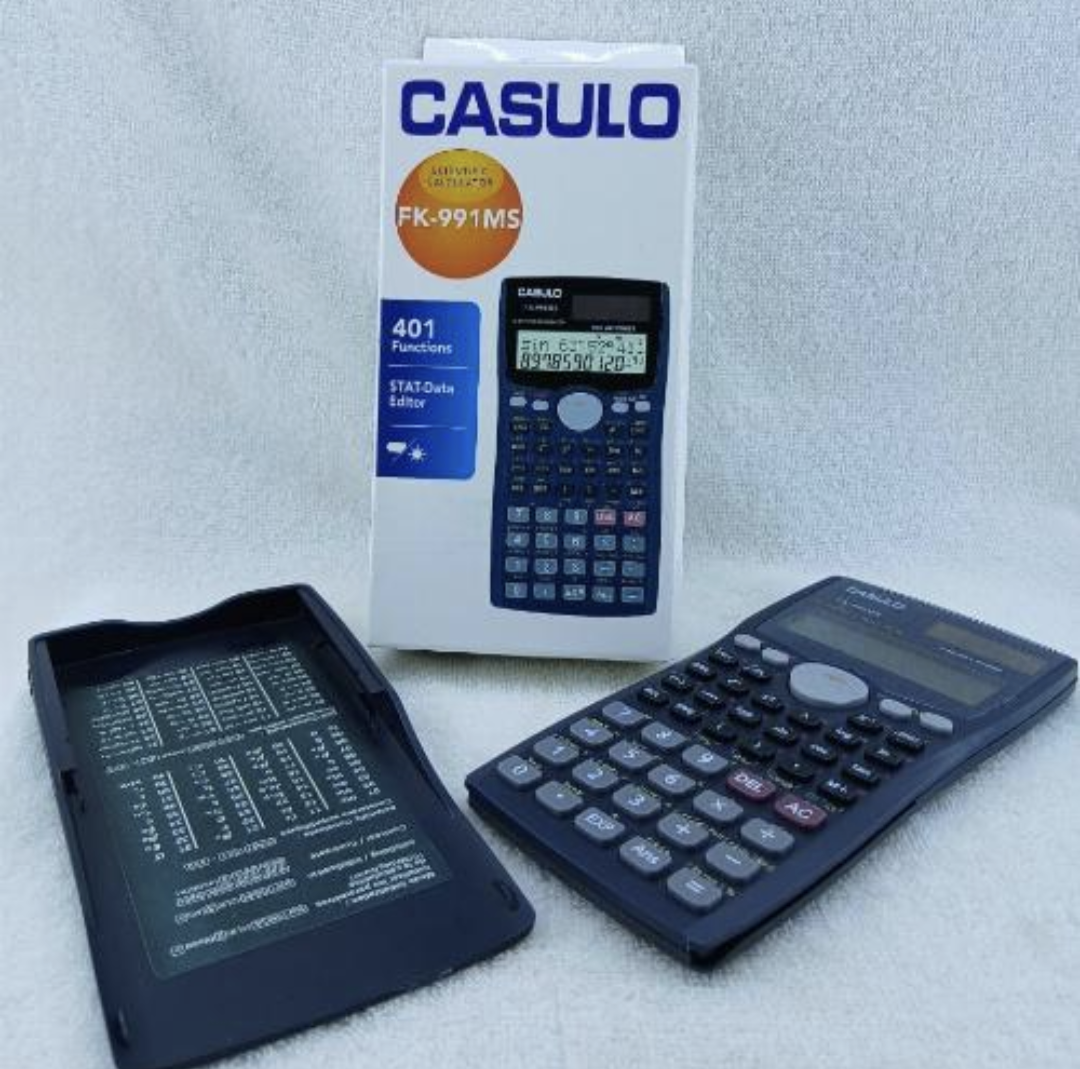
Calculator
1Nice to haveQuick quotes and cost checks happen on the spot. A calculator saves mistakes.
How to use it: Work out cost per plate for each menu, then add your profit.
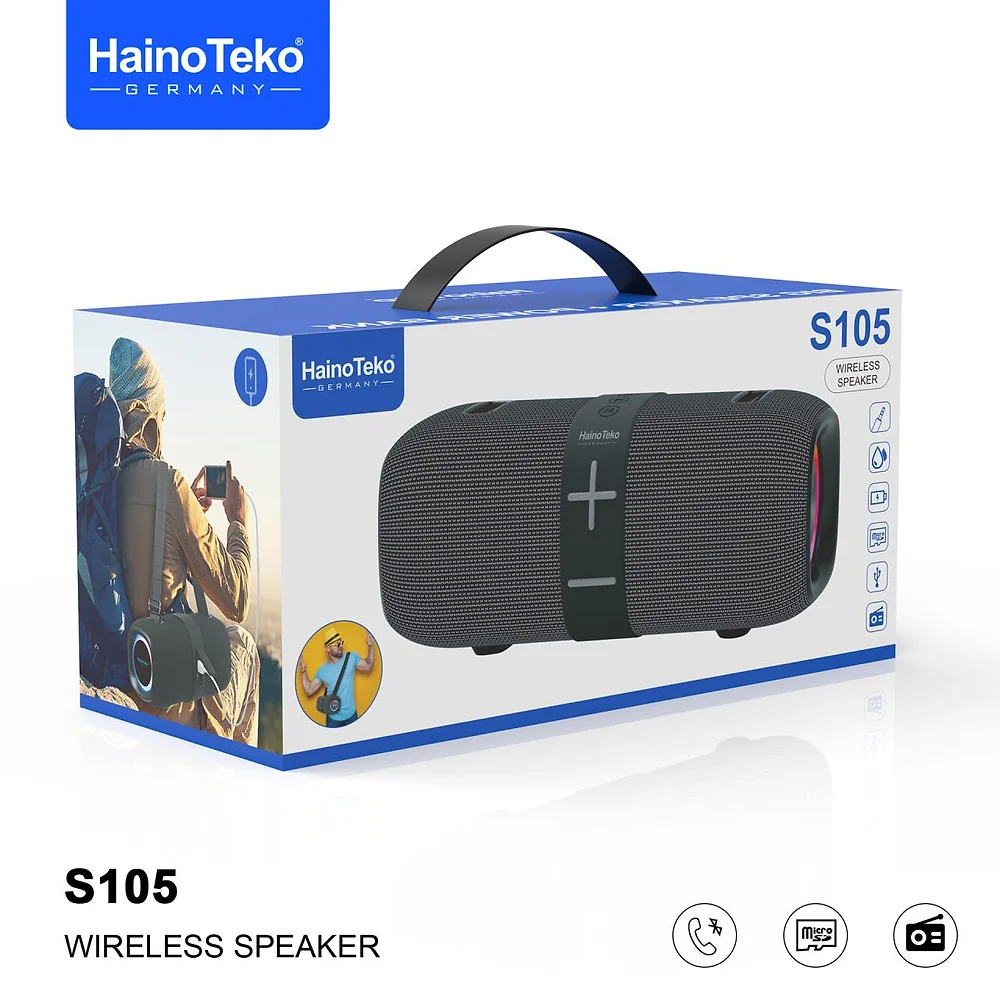
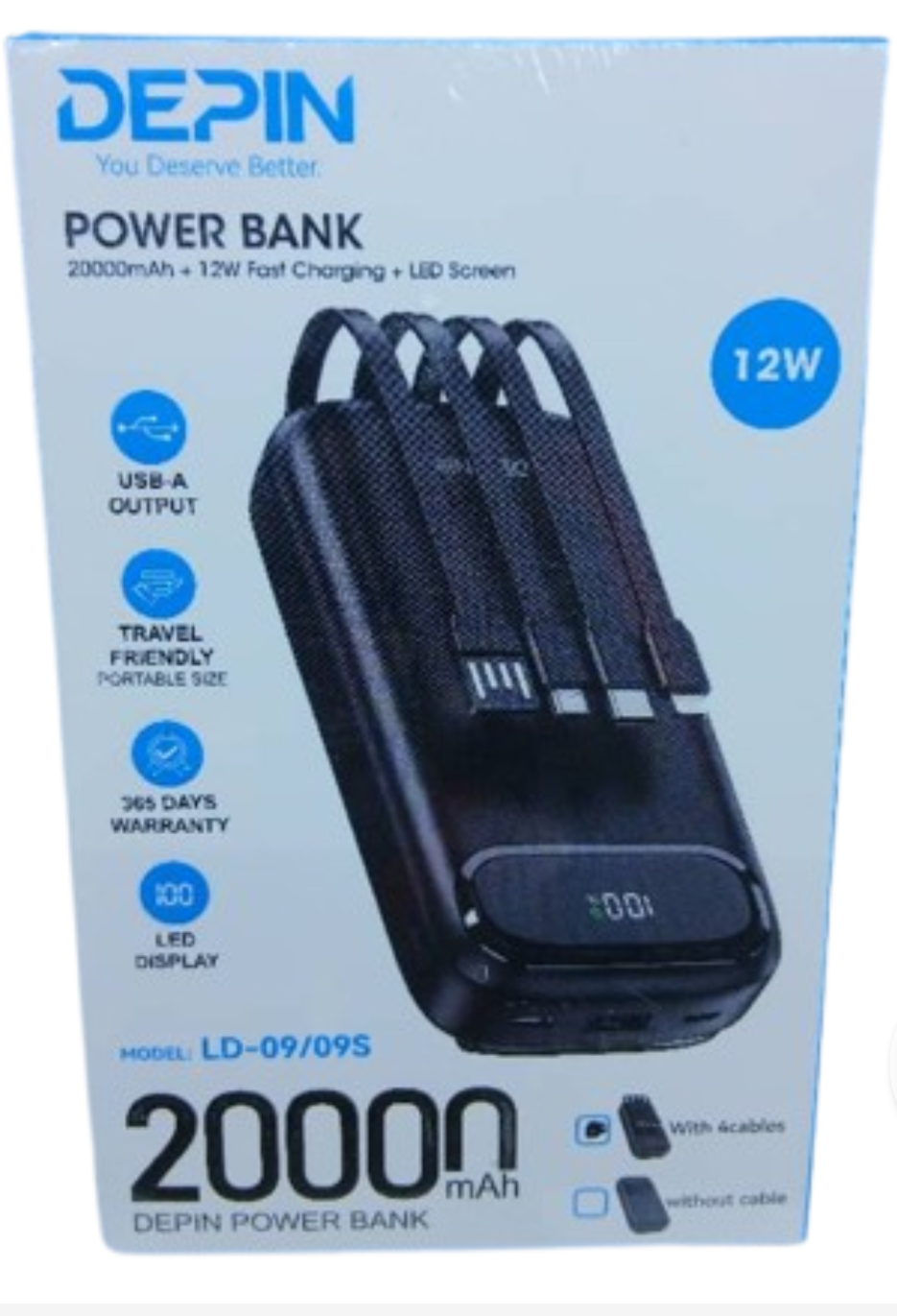
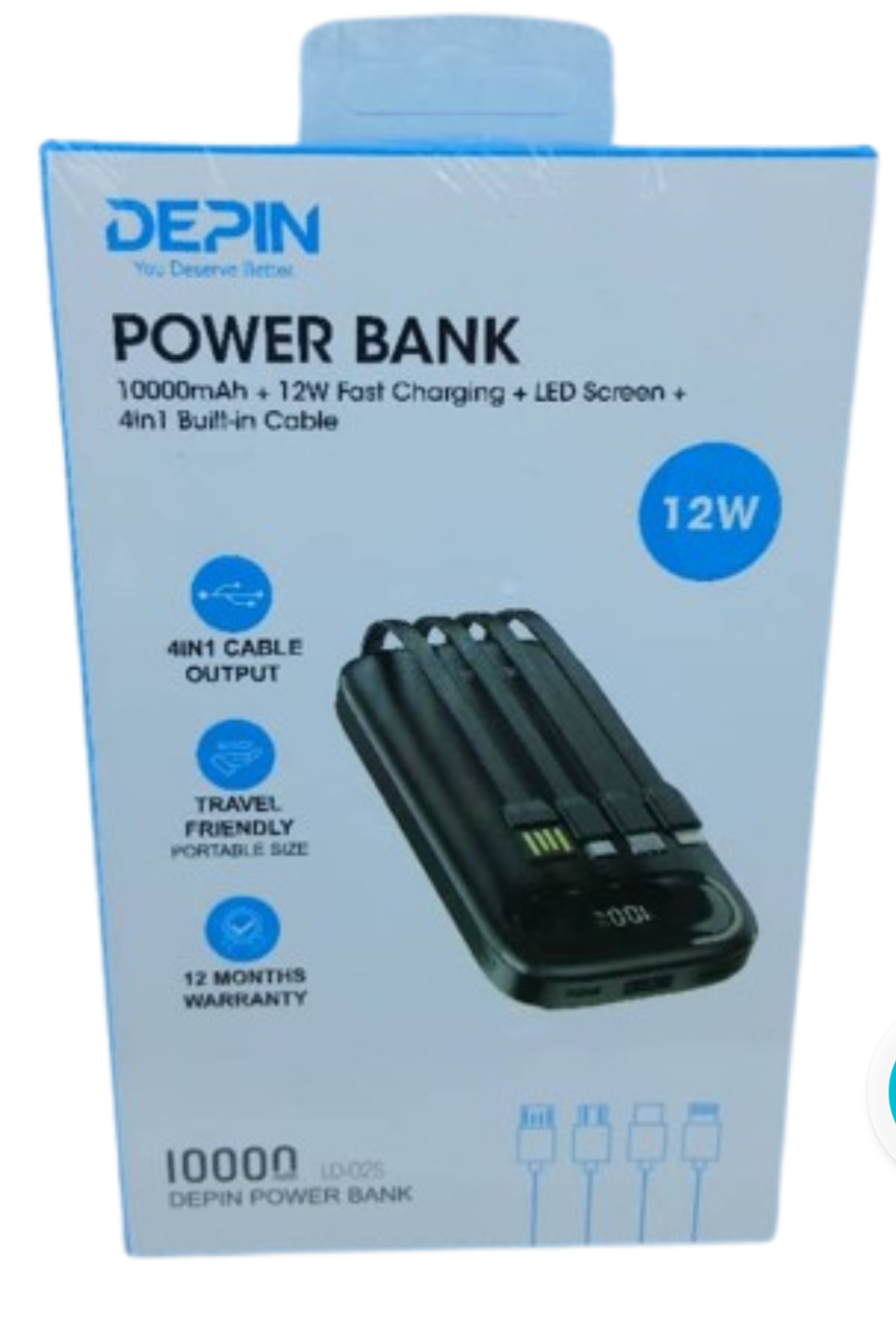
Power bank
1Nice to haveCustomers call and pay by MoMo all day. A dead phone loses jobs.
How to use it: Charge it the night before each event.

Step by step
- 1
Start with a menu
Pick two or three menus you can cook well. Count the pots and trays each one needs.
- 2
Buy cooking gear
Get large pots, a cooker with a safe regulator and a few small pans.
- 3
Buy hot and cold gear
Add food warmers, flasks and a cooler box. Test how long they keep food hot or cold.
- 4
Pack for transport
Choose containers, basins and ropes. Do a test trip with a full load before your first booking.
- 5
Before each event
Buy plates, cups and bags. Pack a cleaning box with soap, sanitizer, sponges and wipes.
Tips that help
- Test your hot boxes by filling them with hot water and checking the heat two hours later.
- Pack in the order you will use things, with the cooking gear on top.
- Bring more serving spoons than dishes, since one always falls.
- Write a checklist and tick it as you load the vehicle.
- Arrive early so you can set up before guests come.
- Ask the host about water, power and a place to wash before the event.
- Keep one clean box only for cleaning gear so soap never touches food.
Mistakes to avoid
- Cooking too late and rushing to the venue with food that is not hot enough.
- Using open pans for long transport, which leads to spills and cold food.
- Not asking if the venue has water, power or a kitchen.
- Leaving out gas safety checks. Test for leaks with soapy water, never a flame.
- Underpricing jobs without counting transport, gas and washing time.
Questions people ask
What equipment do I need to start catering in Kigali?+
You need big cooking pots, a cooker with a regulator, food warmers or insulated containers, transport boxes, serving tools, plates and cups, and cleaning supplies. A cooler box helps for cold items.
How do I keep food hot at an outdoor event?+
Pack food while it is very hot into insulated warmers or hot pot dishes, keep lids closed and serve quickly. Do not leave food out for hours.
Should I use disposable or reusable plates?+
Use disposable plates at venues with no washing area and at large events. Use reusable ones for smaller events where you can wash. Many caterers use both.
How do I carry food safely on a moto or in a car?+
Use boxes with tight lids, stack them low and tie them down. Keep hot and cold food in separate boxes.
How much should I charge for catering?+
Work out your cost per plate, including gas, transport and washing, then add your profit. Check with other caterers in your area for a fair range.
A few good tools turn a home cook into a reliable caterer. Open the Isokko app, search the items on this list and have them delivered before your first booking in Kigali.
Shop this list
Get everything delivered in Kigali
Order from local stores on Isokko and pay with MoMo, card or cash. Same-day delivery.