
Checklist · Pets & garden
Starting a Vegetable Garden in a Kigali Compound: What to Buy
Plan a backyard vegetable plot in Kigali. See which seeds, tools, soil helpers and water gear to buy first, with simple steps.
Updated November 25, 2026 · By Isokko
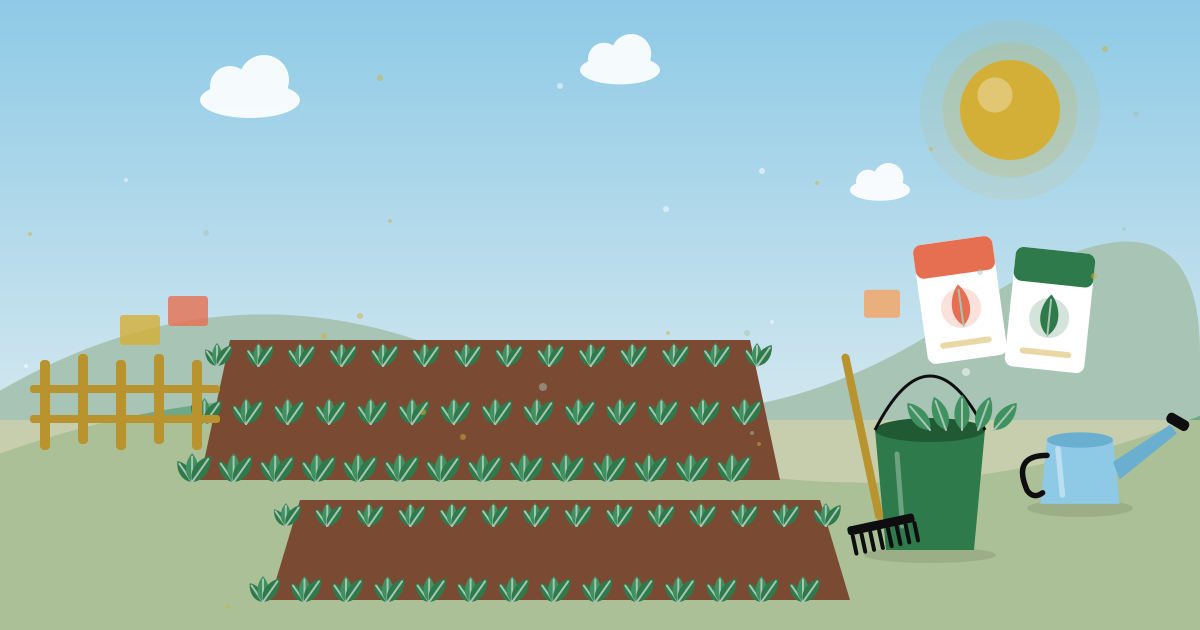
Many Kigali compounds have a corner of earth that is only used for drying clothes. With a few seeds and some basic tools, that corner can give you spinach, dodo, carrots and peppers for your own kitchen. You save a little money and you know where your food comes from.
The hard part is not the planting. It is knowing what to buy so you do not waste a season. This list covers the seeds, the digging and watering tools, ways to feed and protect the soil, and a few small things that make daily care easy.
Start small. One or two beds that you can water and weed every day will give you more food than a big plot you cannot keep up with.
Who it's for
Anyone with a small patch of ground in a Kigali compound who wants fresh vegetables at home
Time needed
Shop in one trip, then prepare the plot over a weekend
When to shop
A few weeks before the March or October rains start, so seeds go in as the soil gets wet
On the list
29 items, 9 must haves
0 of 29 ready
Seeds to start with
Choose vegetables that Kigali families eat often and that grow well in our cool hill climate.
Spinach seeds
1 packet Must haveLeafy greens are quick and forgiving, so they are a good first crop. You can pick leaves again and again.
How to use it: Read the packet for depth and spacing. Sow in rows and keep the soil damp until seedlings appear.
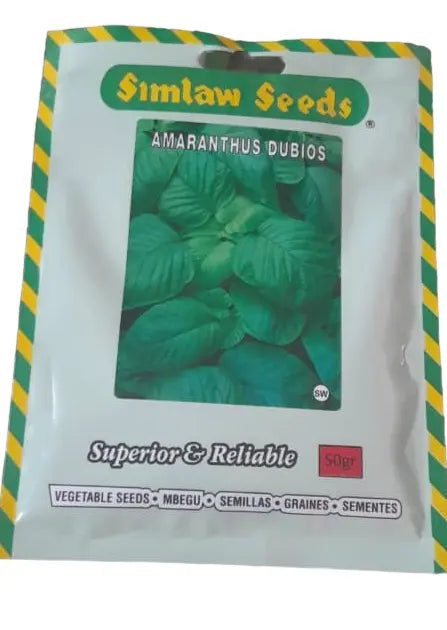
Amaranth (dodo) seeds
1 packet Must haveDodo is a daily vegetable in many homes and it grows fast in warm, wet weather.
How to use it: Scatter thinly in a shallow row, cover lightly with soil and thin the seedlings when they crowd each other.
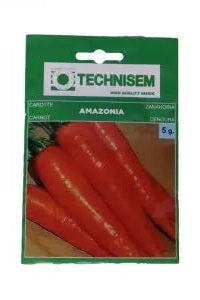
Carrot seeds
1 packetNice to haveCarrots are easy to leave in the ground until you need them, and kids love pulling them up.
How to use it: Sow in loose, stone free soil. Thin the seedlings so each carrot has room.
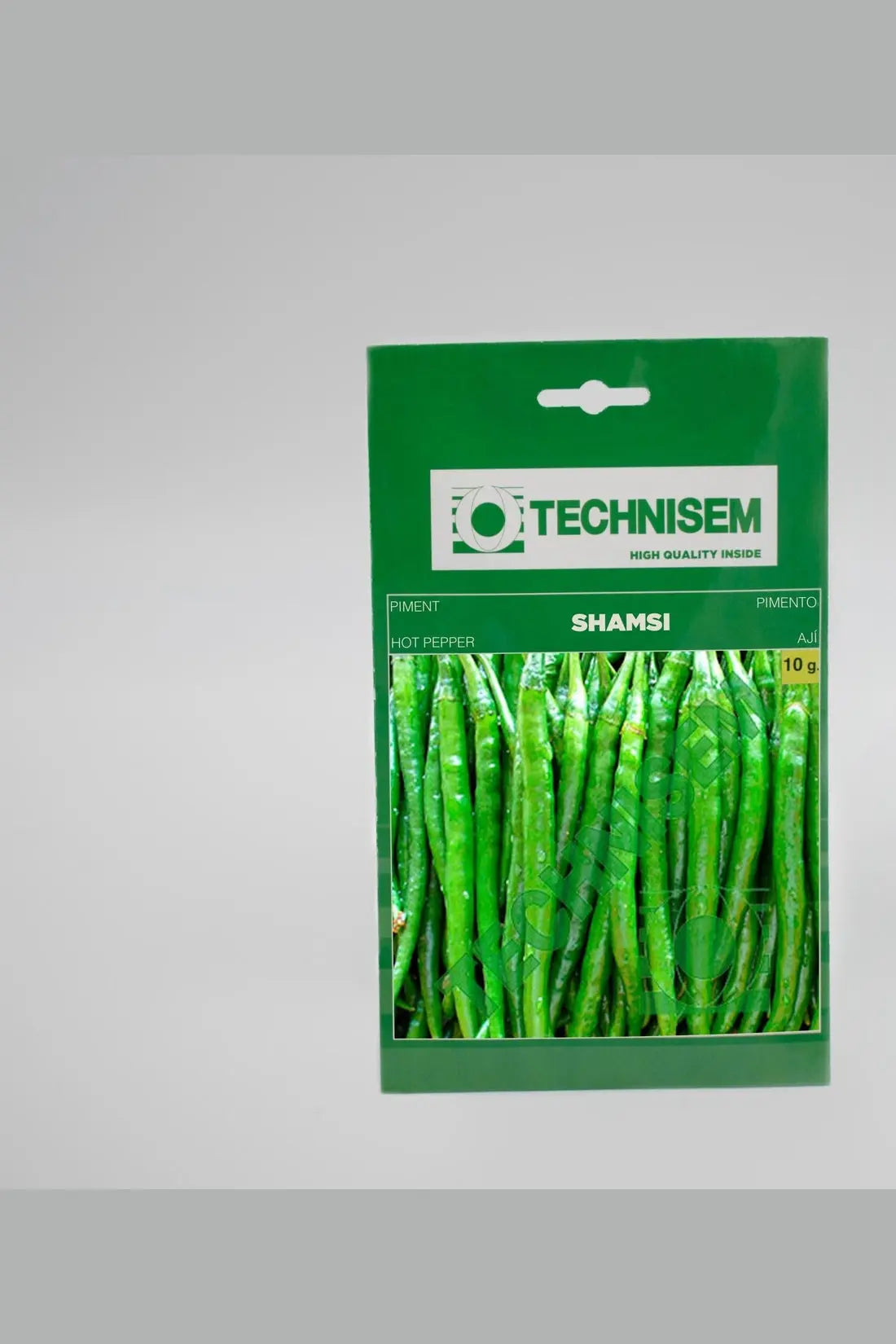
Hot pepper seeds
1 packetNice to haveA few pepper plants give you fresh pili pili for months.
How to use it: Start in a small tray or pot, then move to the bed when seedlings are strong. Wash your hands after touching the peppers.
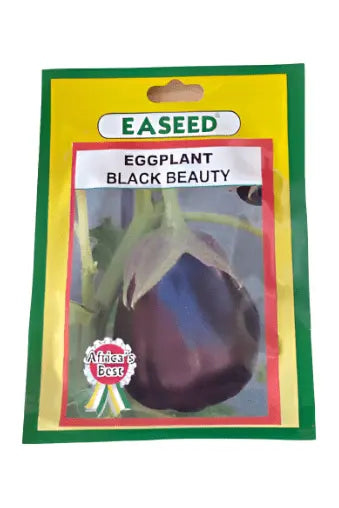
Eggplant seeds
1 packetNice to haveEggplant grows tall and gives many fruits from a few plants, which suits a small plot.
How to use it: Start in a nursery pot, then plant out with space between plants. Water at the base of the plant.
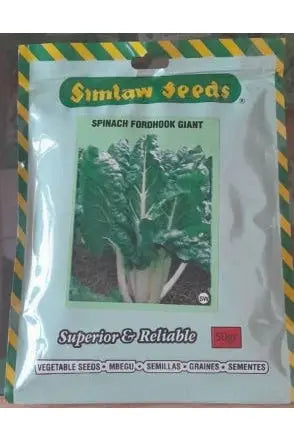
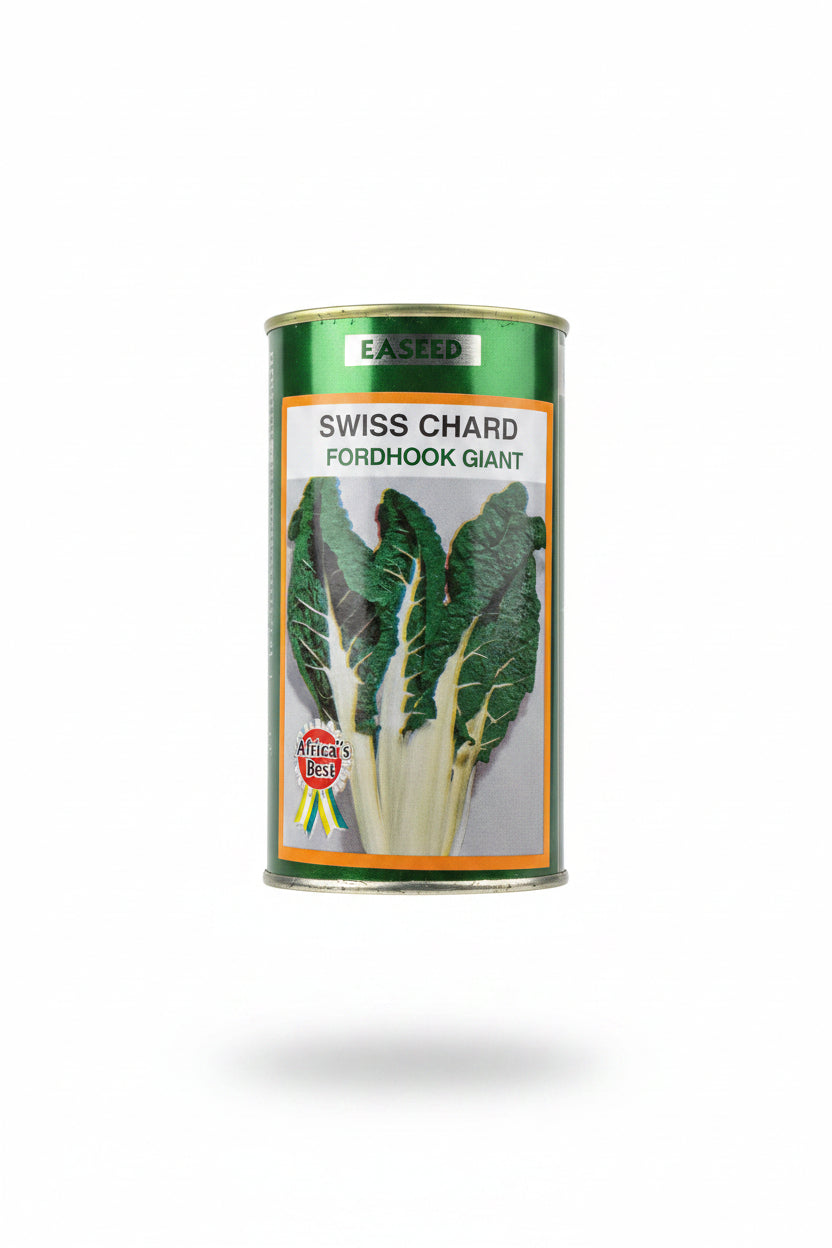
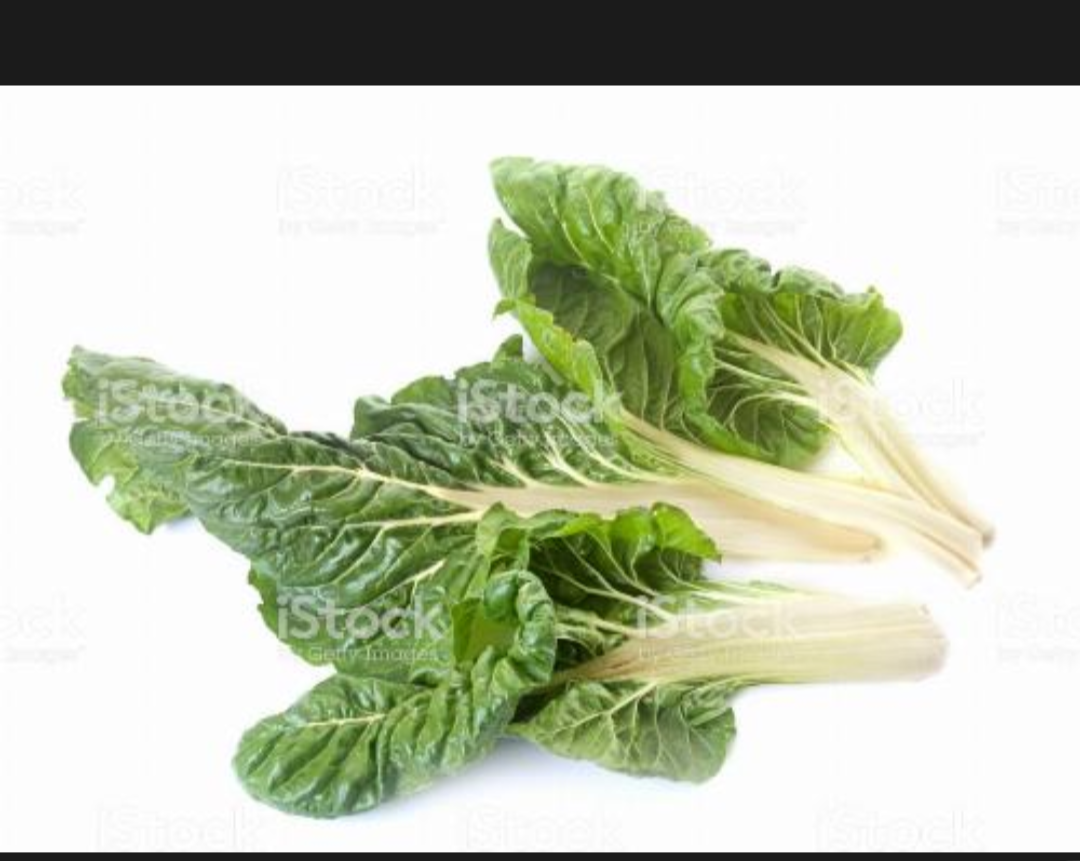
Swiss chard seeds
1 packetNice to haveSwiss chard is a leafy green you can cut for weeks.
How to use it: Sow like spinach. Cut outer leaves and let the center keep growing.


Digging and planting tools
Good tools make the first weekend much easier, especially on hard red soil.
Hoe
1 Must haveThe hoe is the main tool for breaking hard ground and making rows.
How to use it: Dig after rain when the soil is softer. Turn the soil to about the depth of your hoe blade.
Shovel or spade
1 Must haveYou need it to turn soil, mix in compost and dig planting holes.
How to use it: Keep the blade clean and dry after use so it does not rust.
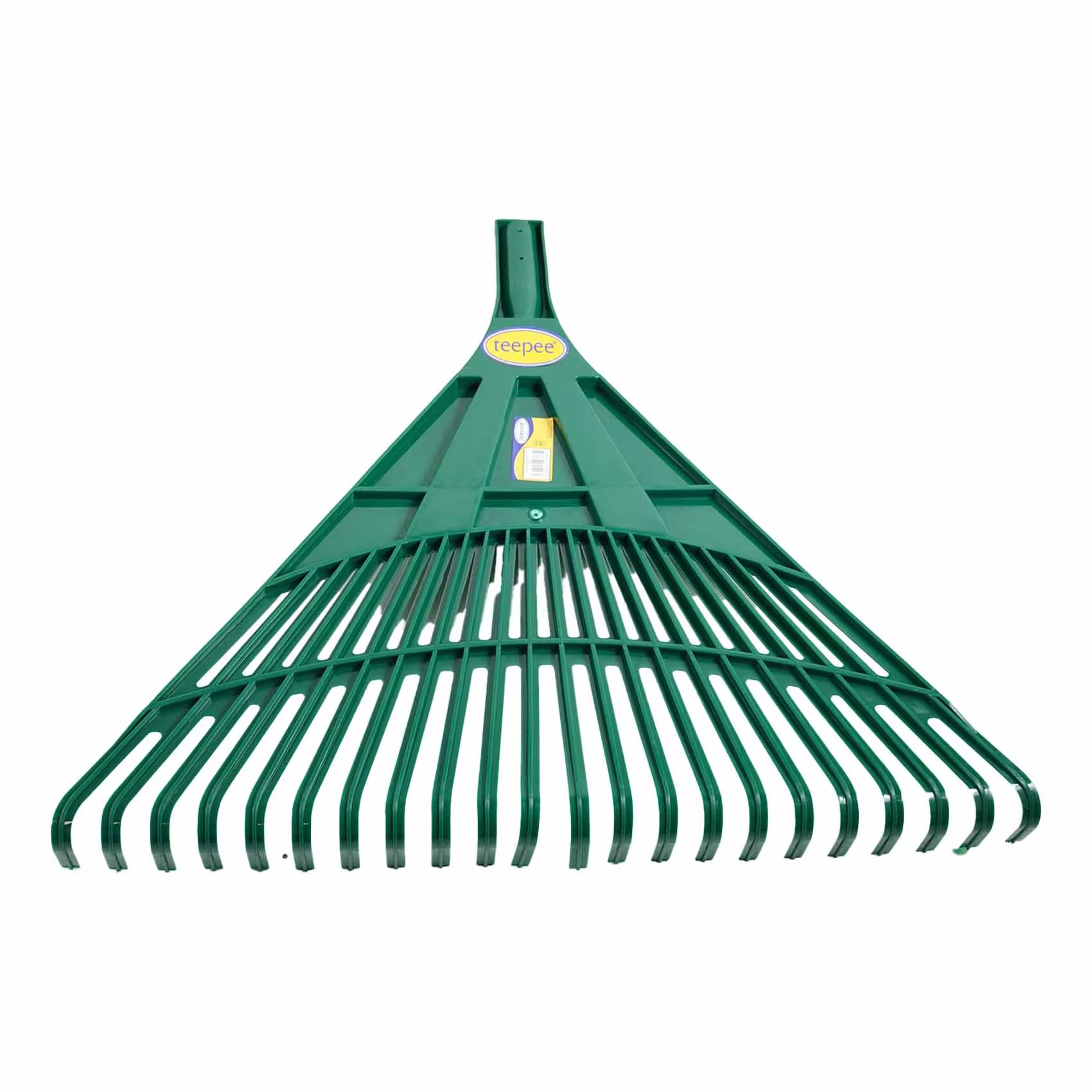
Garden rake
1 Must haveA rake levels the bed and removes stones and old roots before sowing.
How to use it: Rake in one direction, then across, until the surface is fine and flat.
Hand trowel or small garden tool
1Nice to haveA small tool is better for planting seedlings and weeding close to plants.
How to use it: Use it to dig a hole slightly wider than the seedling root ball.
Garden gloves
1 pairNice to haveGloves protect your hands from blisters, thorns and rough soil.
How to use it: Choose a snug pair so you can still pick up small seeds. Rinse and dry after use.
Wheelbarrow
1Nice to haveIt saves your back when you carry soil, compost and weeds.
How to use it: Load it with only half a bucket at a time on slopes.
Water and watering
New seedlings need steady water, and in dry weeks that means you carrying it.
Watering can
1 (9 litres) Must haveA can with a rose (the sprinkler head) gives a soft shower that does not wash seeds away.
How to use it: Water early morning or late afternoon. Aim at the soil, not the leaves.
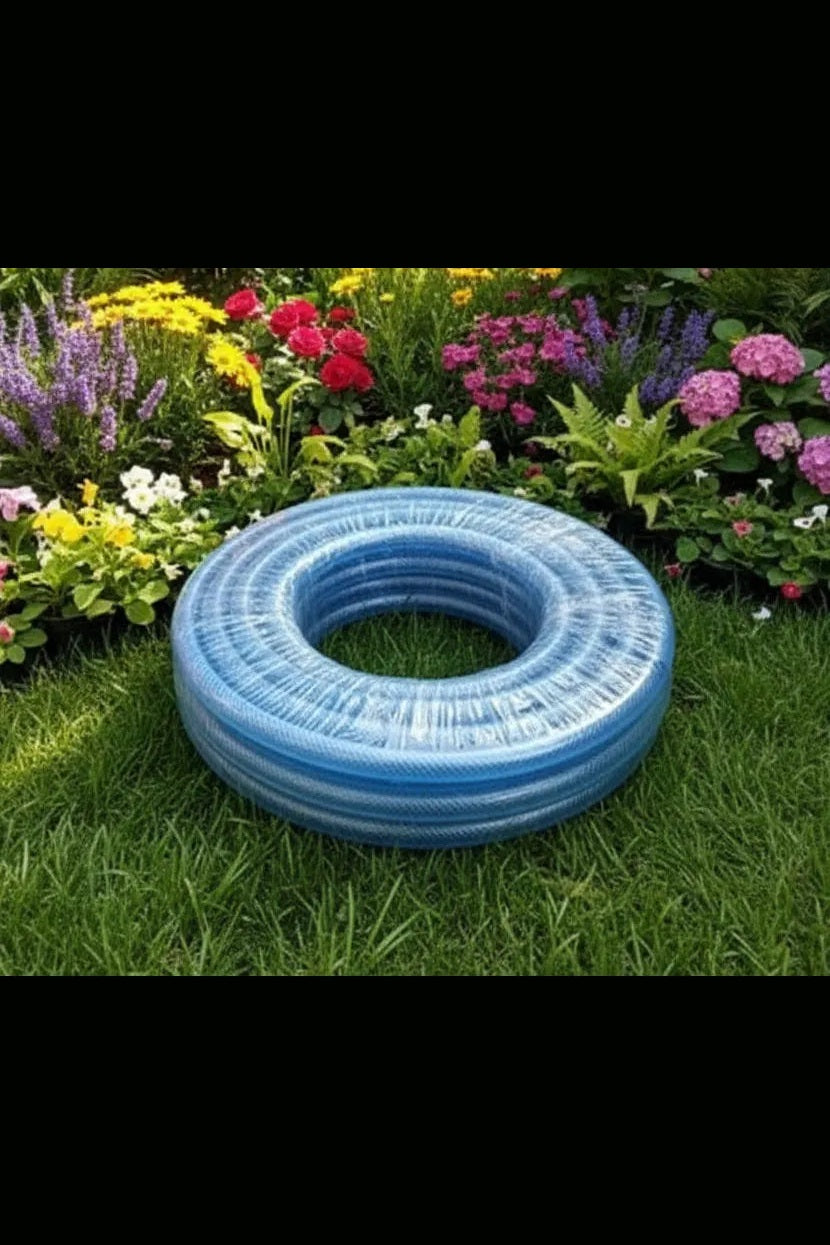
Garden hose
1Nice to haveIf you have a tap close by, a hose saves many trips.
How to use it: Check for leaks before each season. Coil it in the shade, because sun makes plastic crack.
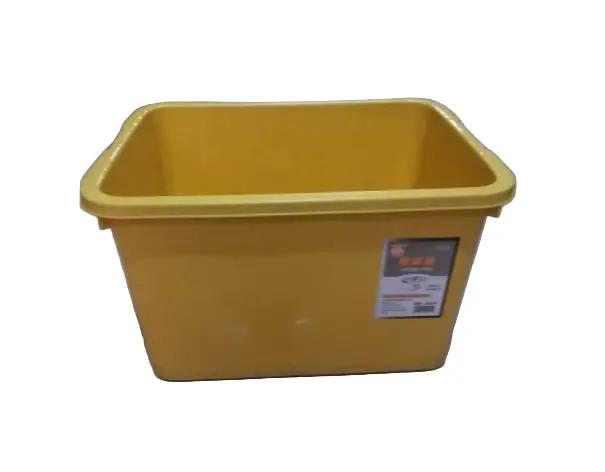
Plastic bucket
2 Must haveBuckets carry water, compost and harvest, and can also collect rain from your roof.
How to use it: Keep one bucket only for the garden. Rinse it after use.
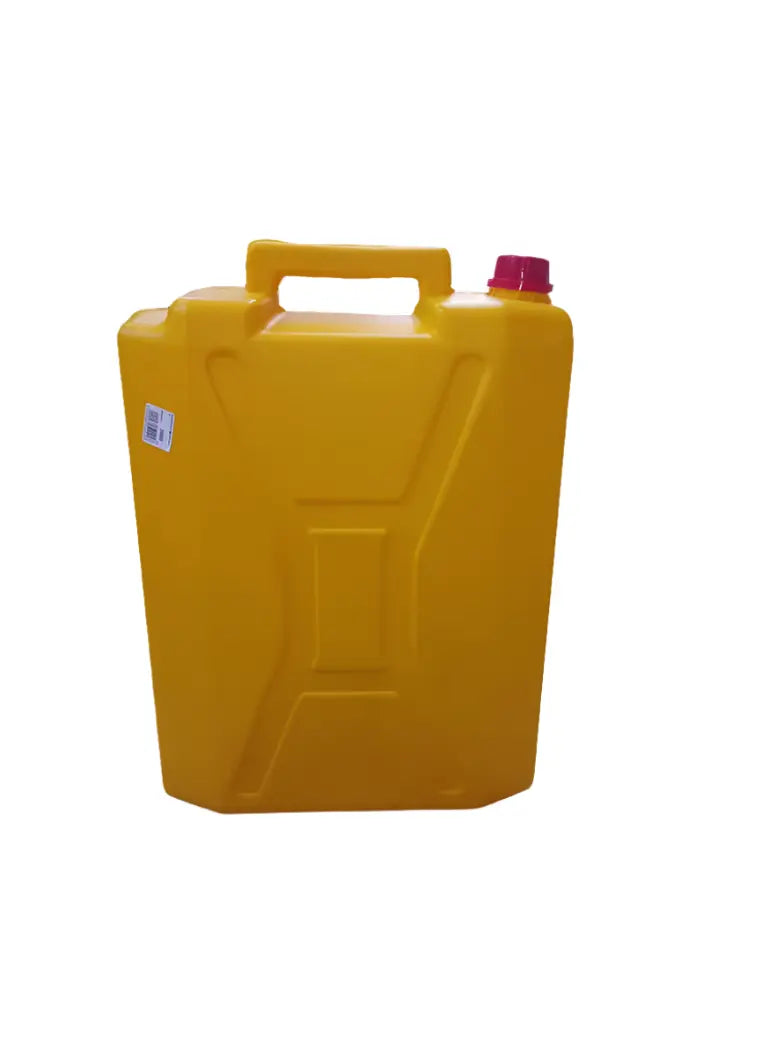
Jerrycan for storing water
1 (20 litres)Nice to haveIn dry weeks or during water cuts, a stored jerrycan keeps your plants alive.
How to use it: Fill it from the tap when water is running and keep it shaded and closed.
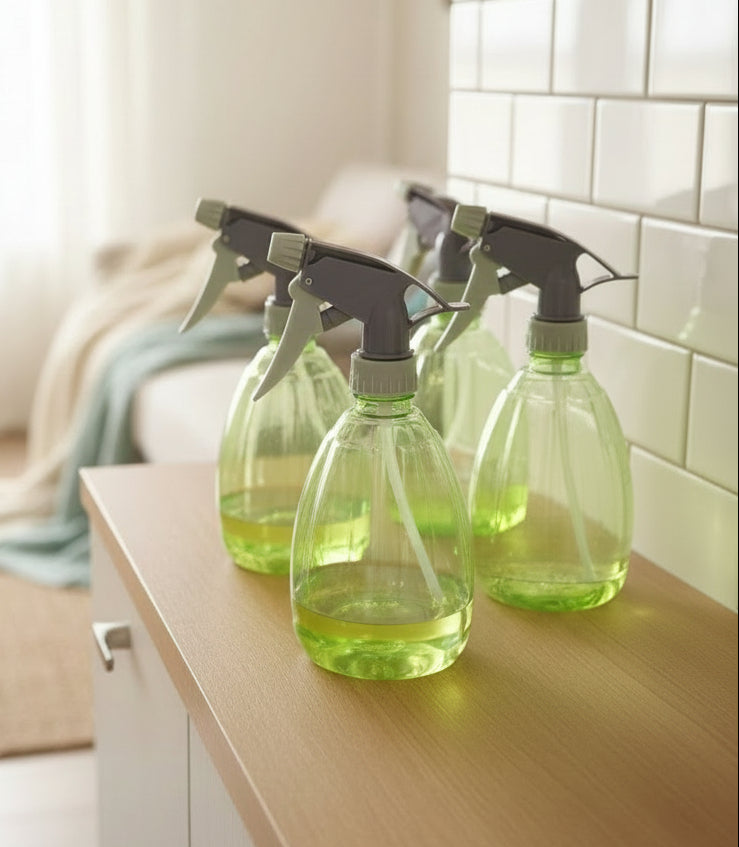
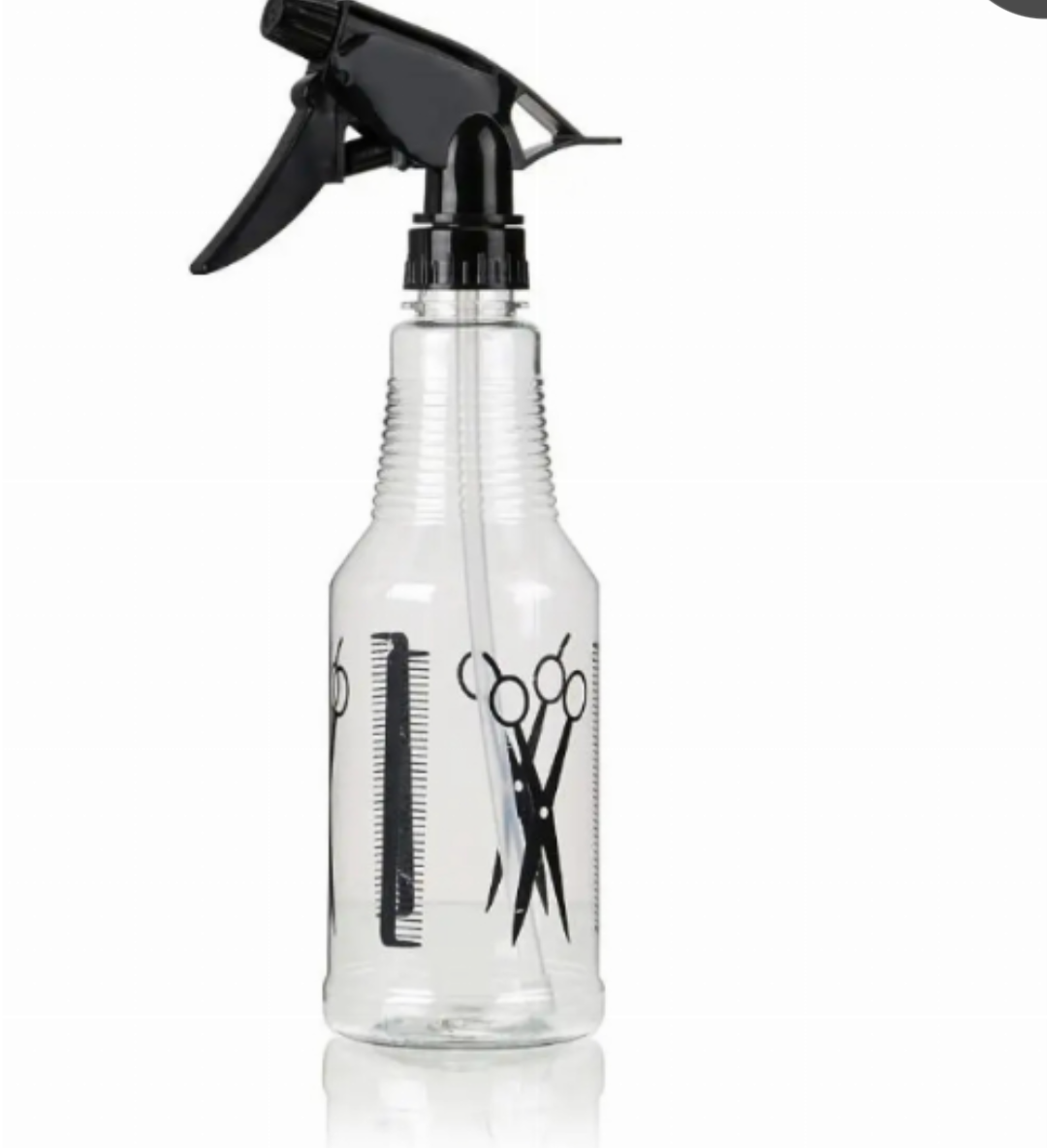
Spray bottle
1Nice to haveGood for wetting new seedlings gently without washing them out.
How to use it: Keep a separate bottle for the garden and never reuse bottles from cleaning chemicals.





Feeding and protecting the soil
Red Kigali soil can be thin. Feeding it before you plant pays you back at harvest.
Compost or well rotted manure
A few buckets per bed Must haveIt adds food and helps hard soil hold water. This is the most useful thing you can add.
How to use it: Mix a few buckets into each bed before sowing. If you cannot find it in the shop, ask neighbors or farmers nearby.
Garden fertilizer
1 packNice to haveA small amount helps leafy crops grow strong when soil is poor.
How to use it: Follow the pack instructions exactly. More is not better and can burn plants.
Mulch material such as dry grass
1 bag or bundleNice to haveA layer of dry grass on the soil keeps moisture in and weeds down.
How to use it: Spread it a few fingers thick around plants but not touching the stems.
Garden pesticide or soap spray
1Nice to haveInsects can eat young leaves overnight.
How to use it: Ask the seller which product suits your crop and read the label for safe use around food. Keep it away from children.
Small helpers and protection
These little things make daily care easier and save plants from common problems.
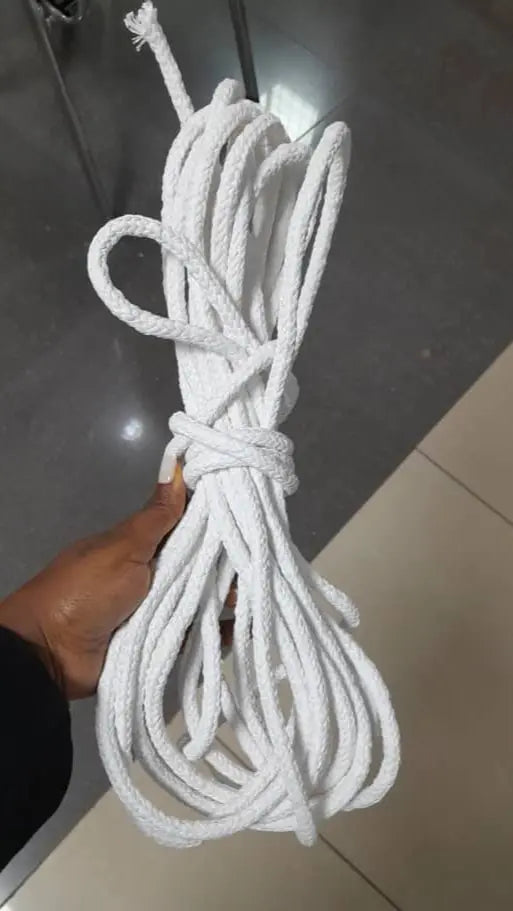
String
1 roll Must haveString marks straight rows and ties tall plants to sticks.
How to use it: Pull it tight between two sticks and sow along it.
Wooden sticks or stakes
6 or moreNice to haveEggplants, beans and other tall plants need support as they grow.
How to use it: Push stakes in when you plant so you do not damage roots later.
Shade net or old mosquito net
1Nice to haveIt shields young seedlings from strong midday sun and heavy rain.
How to use it: Hang it on sticks above the bed and remove it when plants are strong.
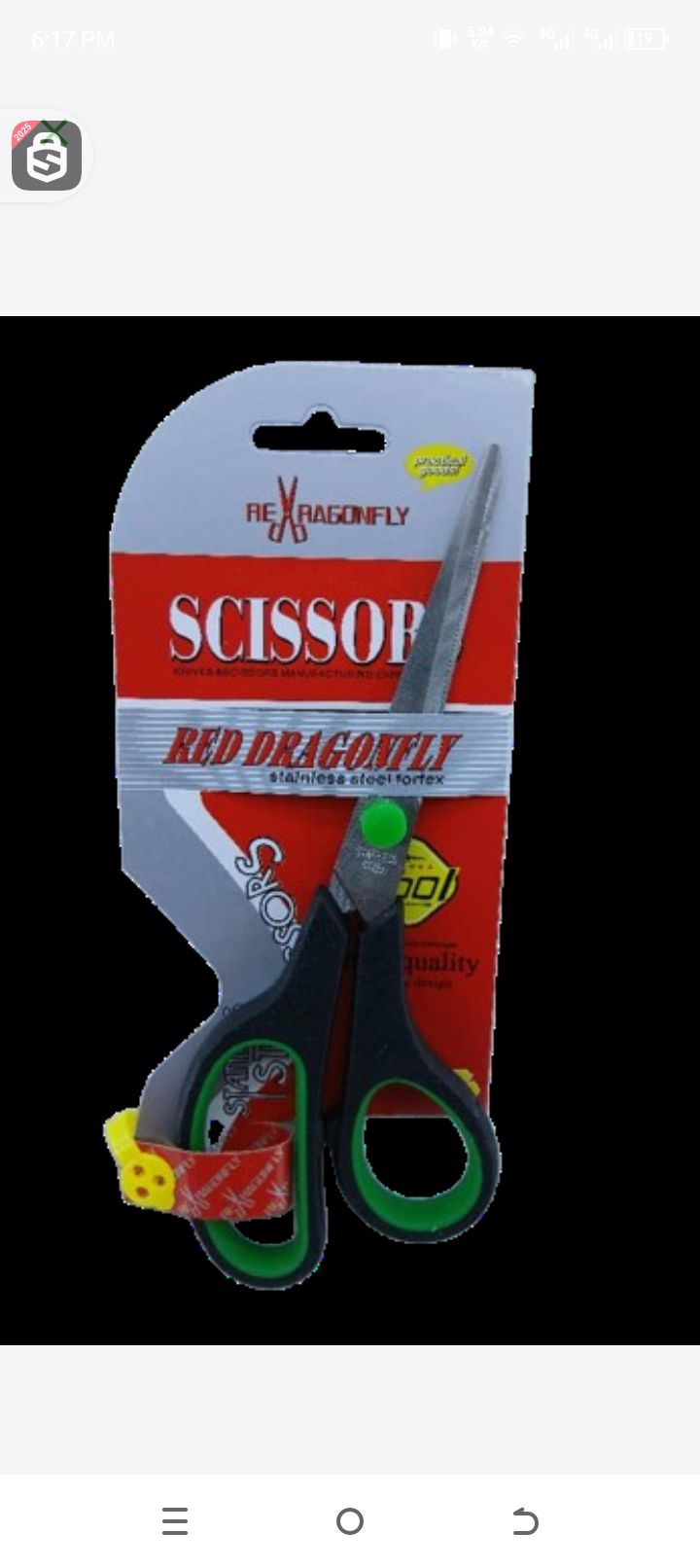
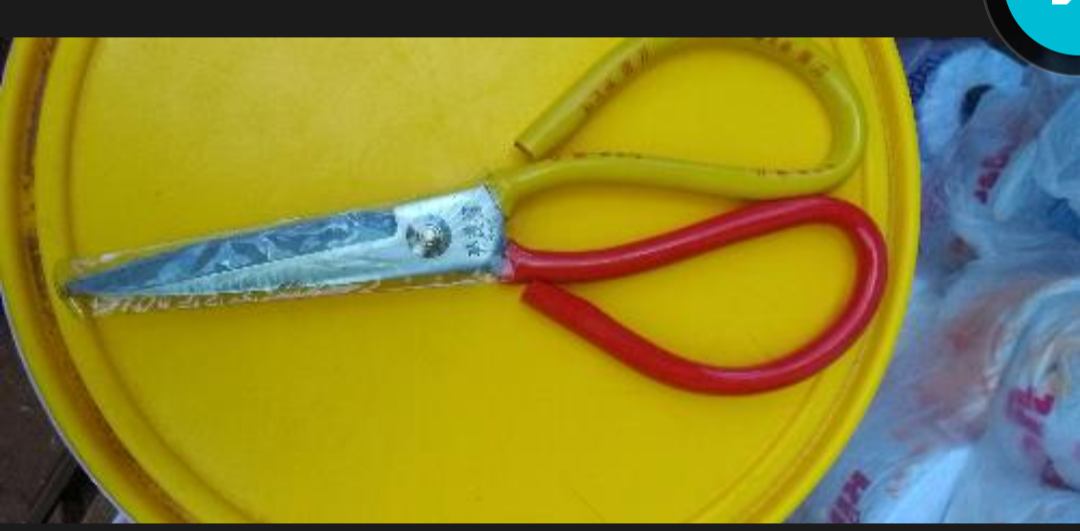
Scissors
1Nice to haveClean cuts are better for harvesting leaves.
How to use it: Wipe the blades after cutting any sick leaves so illness does not spread.
Hat for you
1Nice to haveThe sun is stronger than it feels at Kigali's altitude.
How to use it: Garden in the cooler parts of the day and drink water.






Harvest and care
Plan how you will carry, wash and keep track of what you grow.
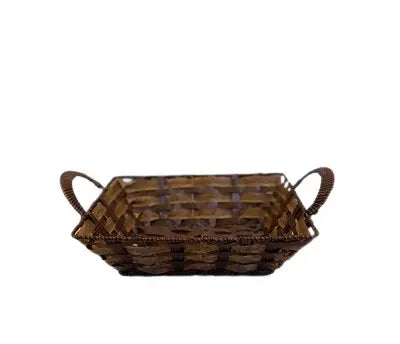
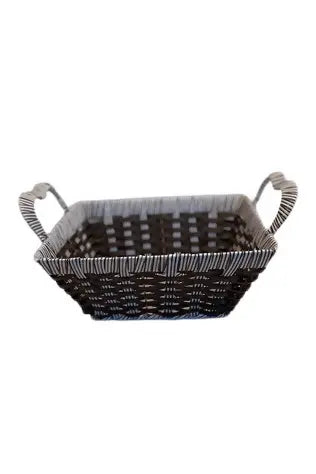
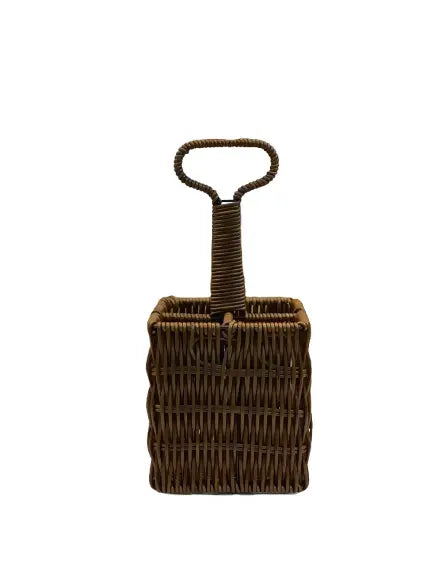
Wicker basket
1Nice to haveA basket keeps harvest airy and easy to carry to the kitchen.
How to use it: Pick in the morning and keep the basket in the shade.
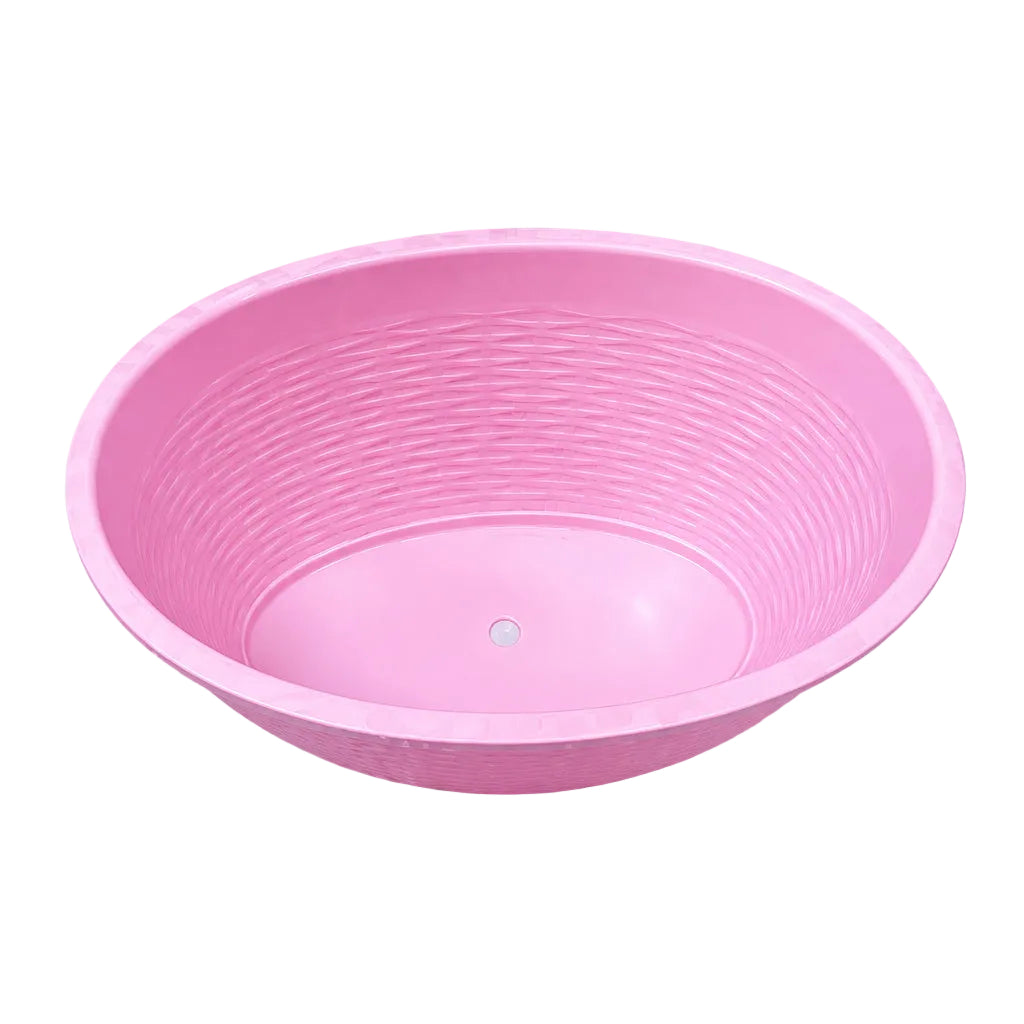
Plastic basin
1Nice to haveUse it to wash soil from your vegetables before bringing them into the kitchen.
How to use it: Wash leafy greens in clean water two or three times.
Garden notebook and pen
1Nice to haveWriting sowing dates helps you learn what grows best next time.
How to use it: Note the date, the vegetable and what happened.


Step by step
- 1
Choose the spot
Pick a place that gets sun for most of the day, is near water and is safe from goats and children. Check with your landlord if you rent.
- 2
Two weeks before the rains
Buy seeds and tools. Dig the bed with the hoe, remove stones and roots, and mix in compost.
- 3
Sow and water
Sow along string lines. Water gently every day until seedlings come up, and read the packet for how long that takes.
- 4
Weed and thin
Pull weeds each week. Thin crowded seedlings so each plant has room. Add mulch.
- 5
Harvest often
Pick leaves when they are the size you like. Regular picking keeps leafy plants producing.
Tips that help
- Start with two small beds you can reach from the sides without walking on the soil.
- Sow leafy vegetables first. They teach you quickly and feed you early.
- Time sowing with the rainy seasons, March to May and October to December, to save on watering.
- Dig on an Umuganda Saturday morning with family or neighbors if you want extra hands.
- Stand on a board if you must walk in the bed, so the soil does not get packed hard.
- Save the water from rinsing vegetables for your plants.
- Keep seeds in a cool dry place in a closed jar until you need them.
Mistakes to avoid
- Planting a big plot before you can water and weed a small one.
- Sowing seeds too deep or too thick. Always follow the packet.
- Watering a little every day on the leaves. Soak the soil at the roots instead.
- Using strong sprays without reading the label.
- Forgetting to ask permission to dig in a rented compound.
Questions people ask
When is the best time to plant vegetables in Kigali?+
Most people sow at the start of the rainy seasons, March to May and October to December, because the rain does much of the watering. You can garden in dry months too if you have water close by.
Can I grow vegetables in a small compound?+
Yes. A small bed can already feed a family with leafy greens. You can also use buckets and basins with drainage holes if you have no bare soil.
Do I need fertilizer?+
Compost or old manure is the first thing to add. A fertilizer can help later if leaves look pale, but follow the pack and ask the seller if you are not sure.
Which vegetables are easiest for beginners?+
Spinach, dodo and Swiss chard grow quickly and can be picked many times. Carrots and peppers need a little more patience.
How do I keep chickens or goats out of my garden?+
Fence the bed with sticks and string or old net, and plant it away from open gates. Ask your neighbors to keep animals tied during the growing season.
A first garden is a small, happy project that feeds your kitchen and teaches you patience. Shop the seeds, tools and water gear on Isokko, have them delivered in Kigali and get your plot ready before the rain.
Shop this list
Get everything delivered in Kigali
Order from local stores on Isokko and pay with MoMo, card or cash. Same-day delivery.