
Checklist · Sports & fitness
Starting a Weight Loss Fitness Plan at Home: What to Buy
A beginner checklist for a home weight loss plan in Kigali: simple equipment, everyday foods and ways to track your progress.
Updated November 24, 2026 · By Isokko
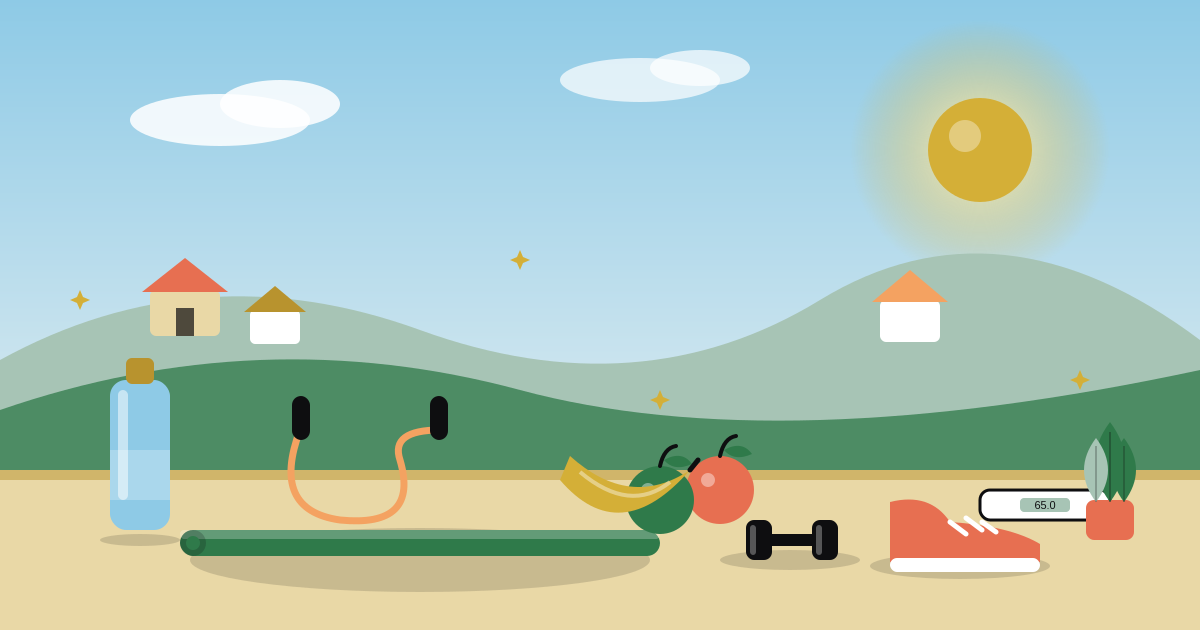
You do not need a gym or a big budget to start. A few pieces of simple equipment, good everyday food and a way to see your progress are enough to begin at home in Kigali.
This checklist keeps things small on purpose. Most items are cheap, easy to store in an apartment or compound house, and useful for months. Start with the must items and add the nice ones later.
Take it slowly. If you have a health condition, are pregnant or have not exercised for a long time, talk to a doctor or pharmacist before you start.
Who it's for
Beginners in Kigali who want to get fitter and lose weight at home
Time needed
Set up in one weekend, then build a habit over 4 to 8 weeks
When to shop
Buy equipment first, then order fresh food each week
On the list
29 items, 14 must haves
0 of 29 ready
Simple home equipment
These cost little and fit under a bed. Together they cover cardio, strength and core.
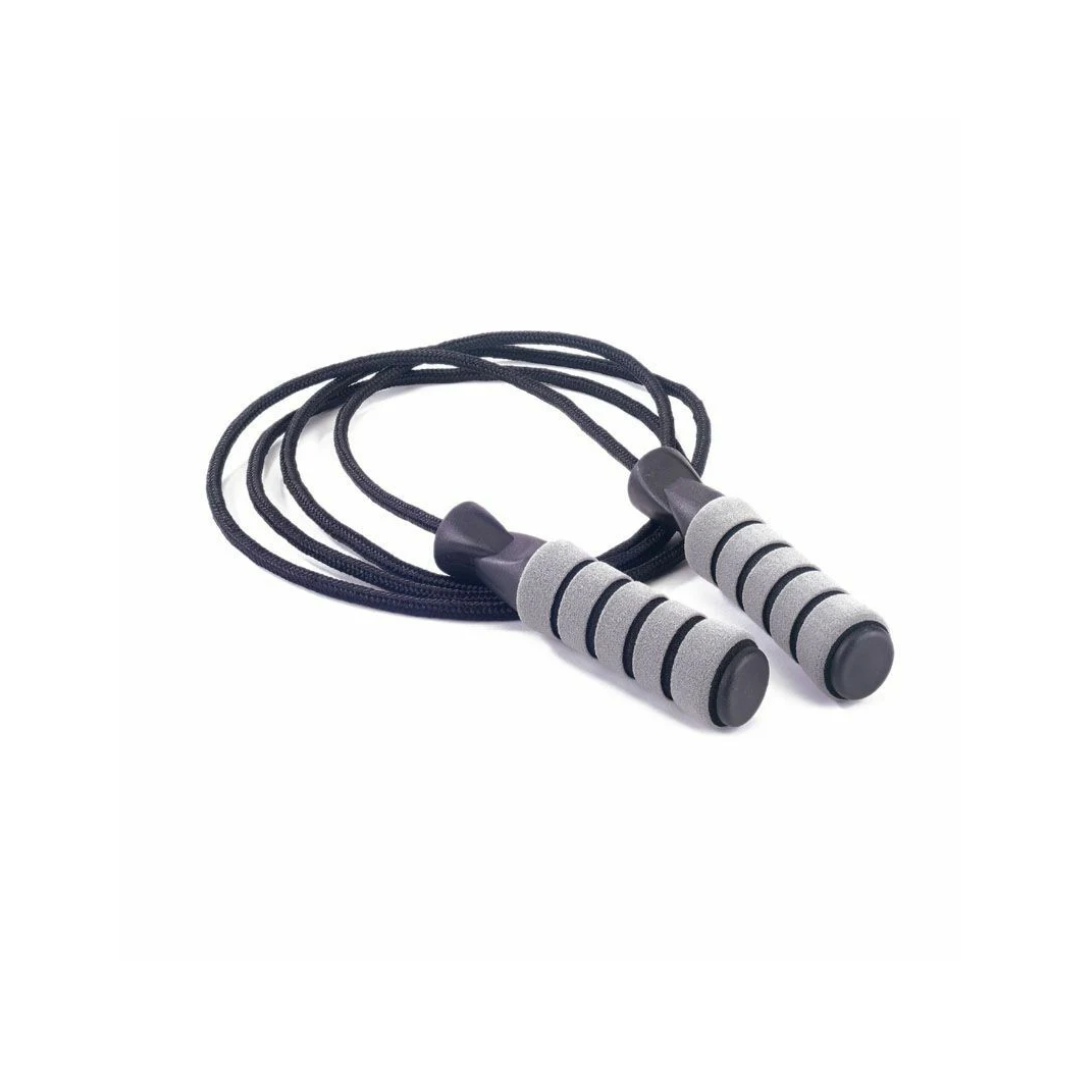
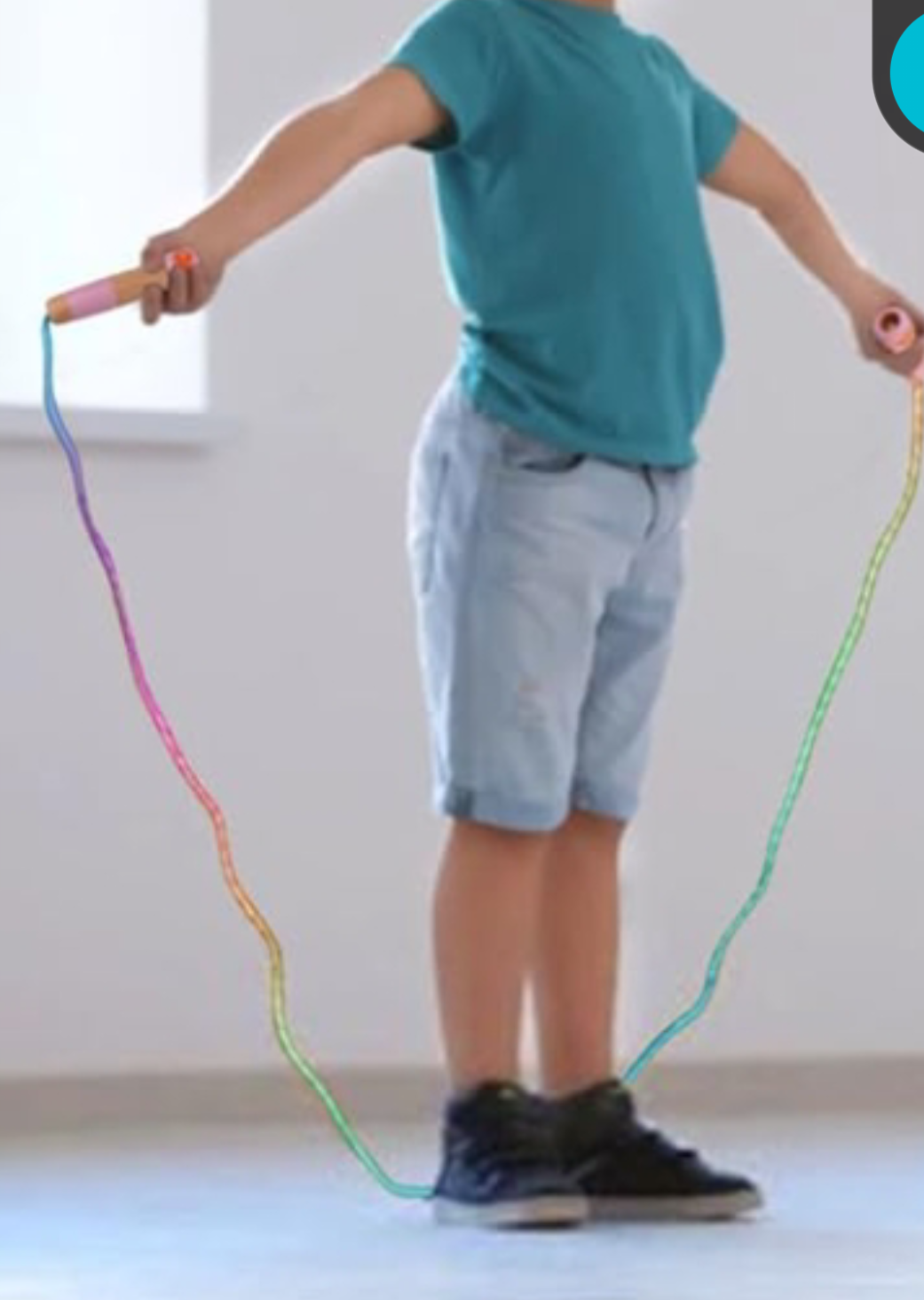
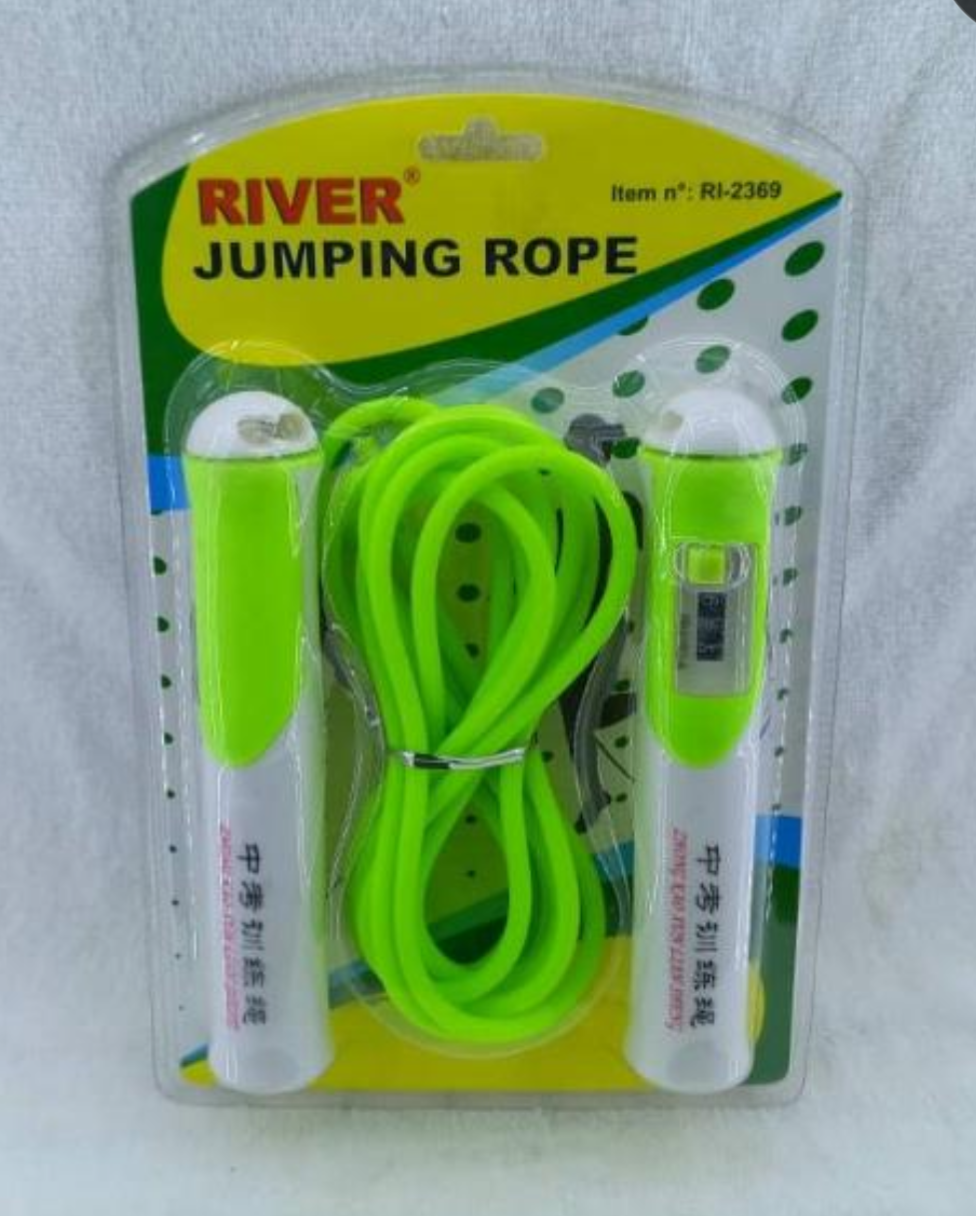
Skipping rope
1 Must haveA rope gives a strong cardio workout in a few minutes and works in a small space, even on a rainy day.
How to use it: Start with 30 seconds of jumping and 60 seconds of rest. Add a few seconds each week.
Resistance bands
1 set Must haveBands add strength work for arms, legs and back without heavy weights.
How to use it: Anchor the band under your foot or around a sturdy post. Move slowly and keep your back straight.
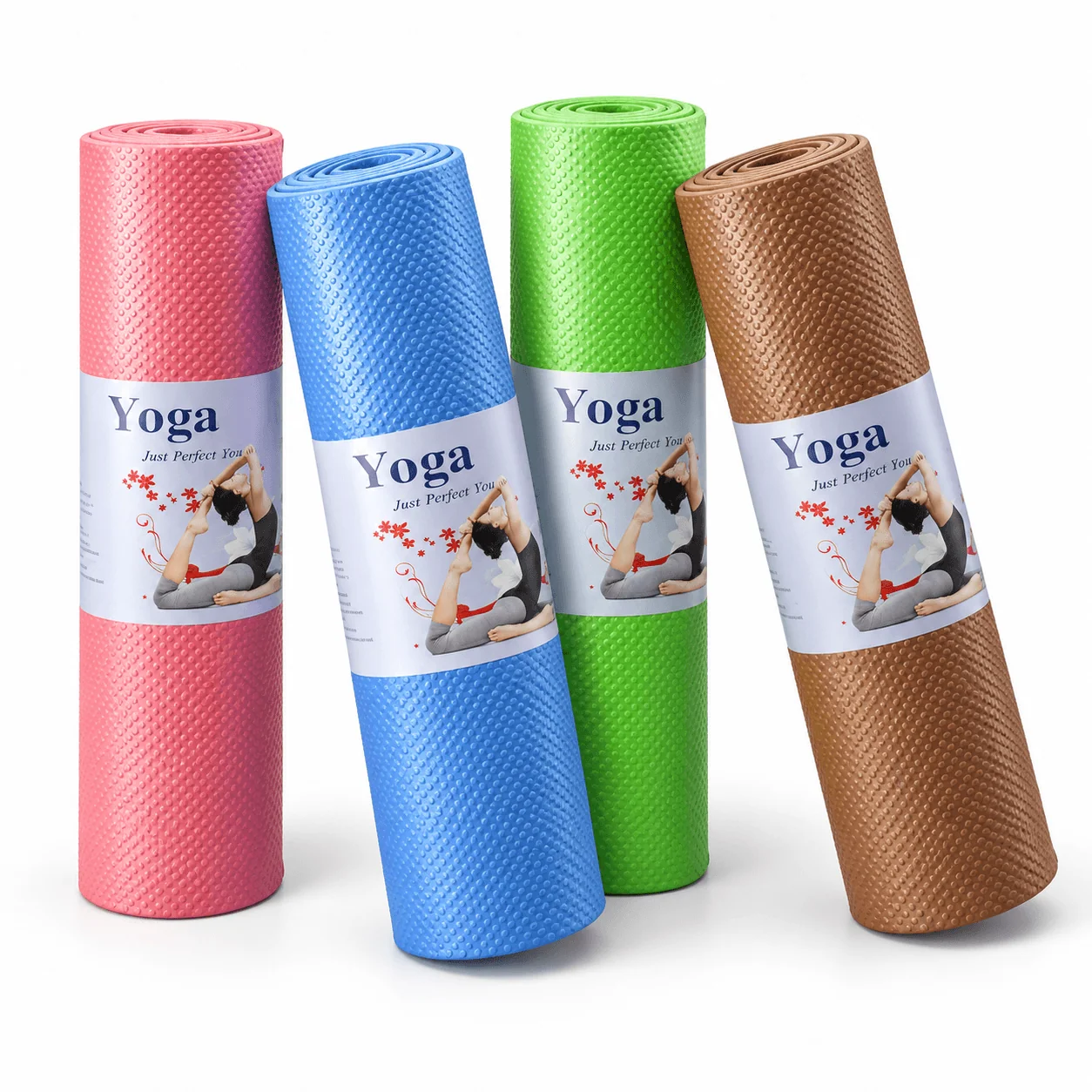
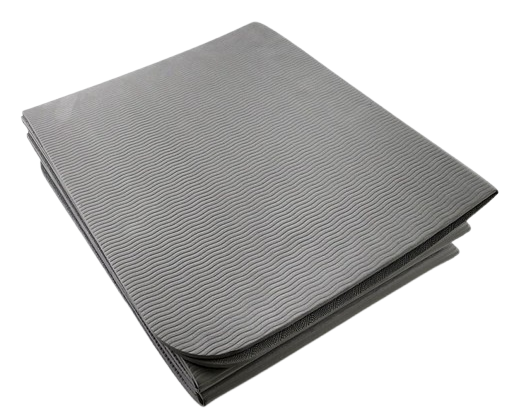
Yoga or exercise mat
1 Must haveA mat protects your back and knees on a hard tile floor and keeps you from slipping.
How to use it: Roll it out on a flat floor. Wipe it with a damp cloth after you sweat.
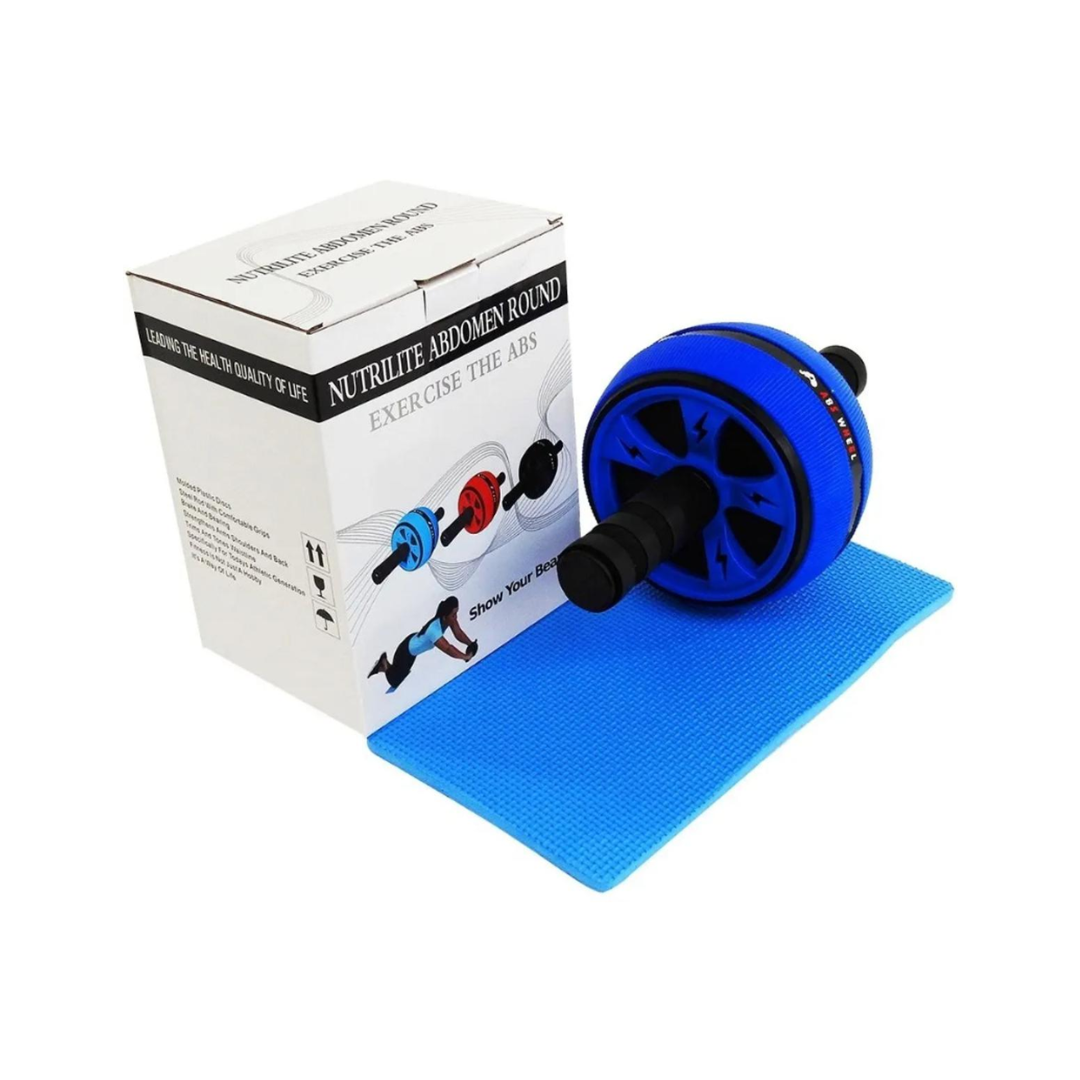
Ab roller
1Nice to haveIt trains your core and shoulders and is small enough to keep in a cupboard.
How to use it: Kneel on the mat and roll forward only as far as you can control. Go a little farther each week.
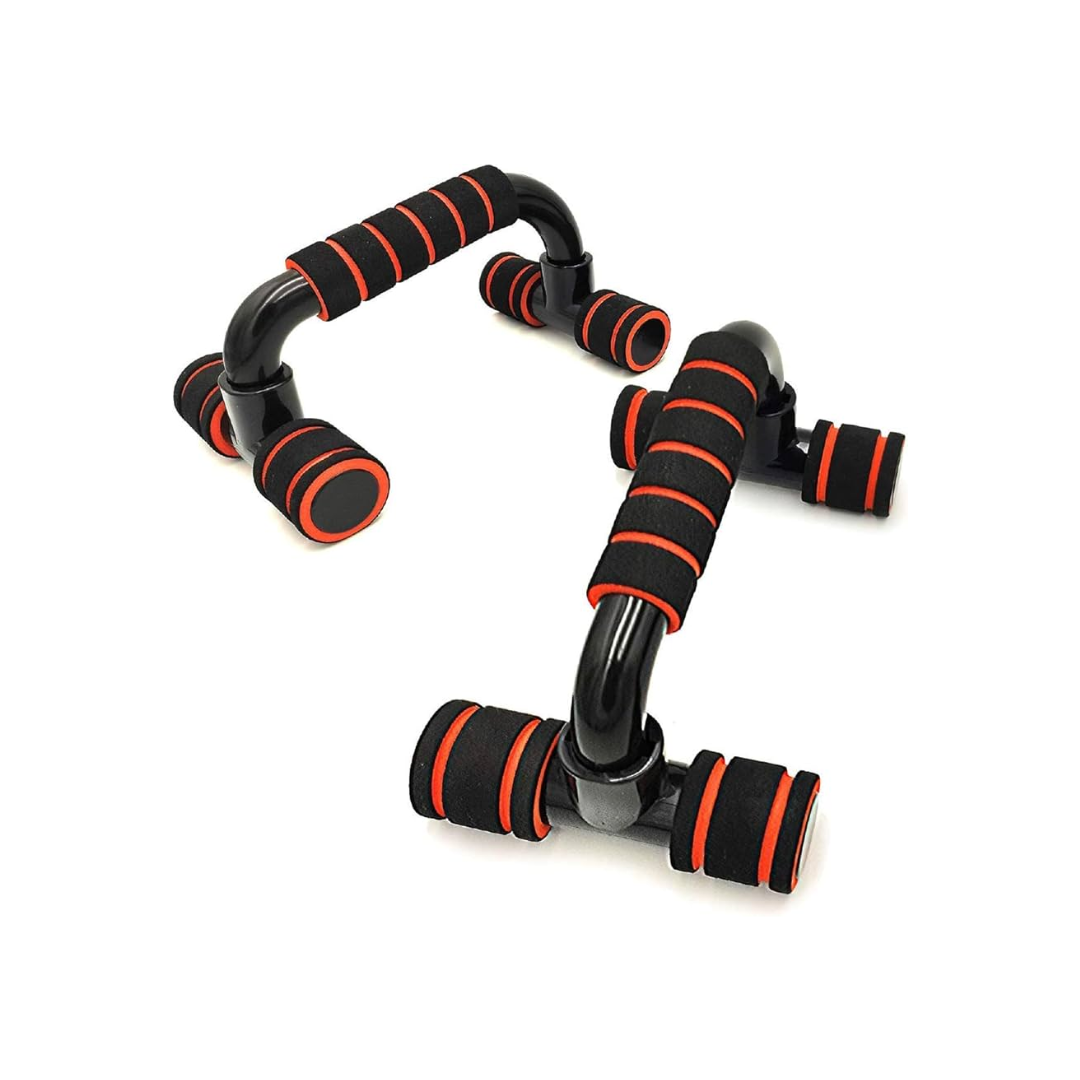
Push up stand
1 pairNice to haveThe handles keep your wrists straight and make push ups more comfortable.
How to use it: Place the stands shoulder width apart on the mat. Lower your chest slowly and push back up.
Dumbbells
1 pairNice to haveWeights let you keep progressing when body weight gets easy.
How to use it: Choose a weight you can lift 10 to 12 times with good form. Check the product page for sizes.




What to wear
Comfortable clothes and proper shoes make it easier to show up every day.
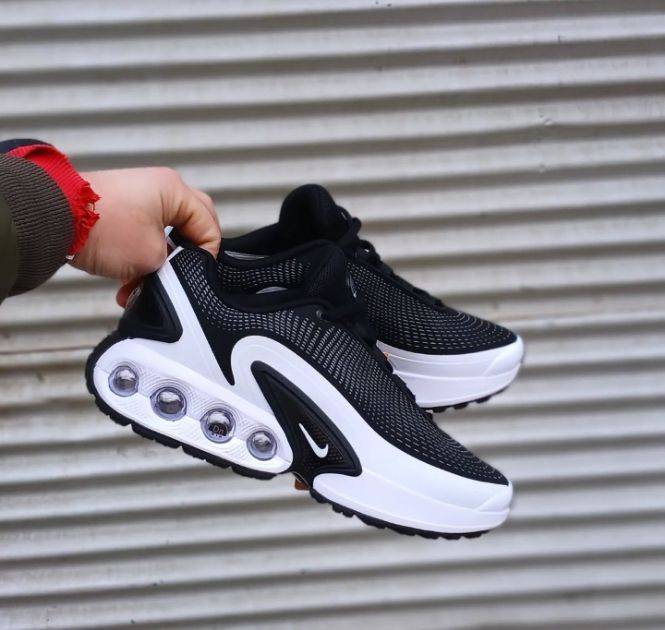
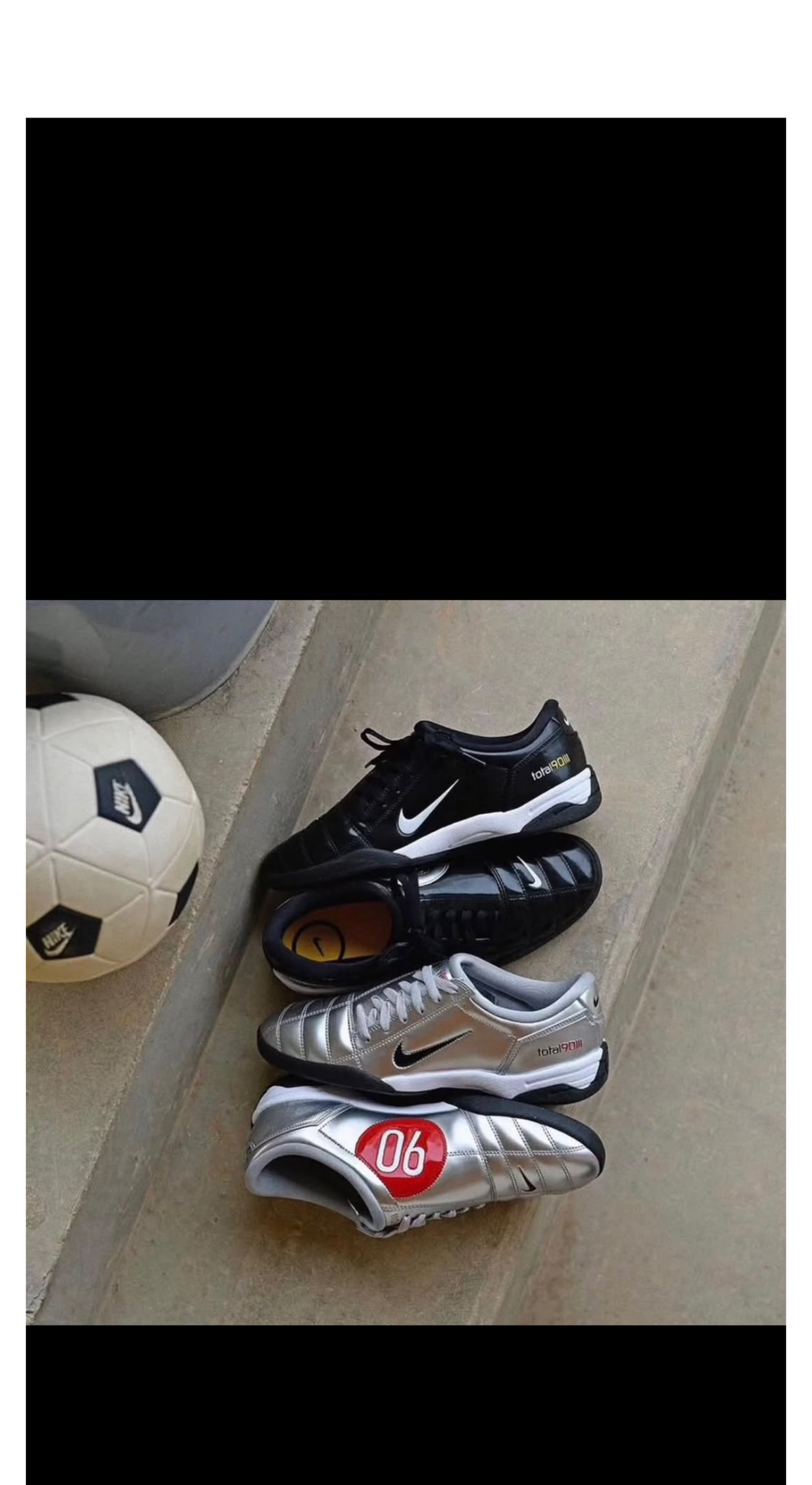
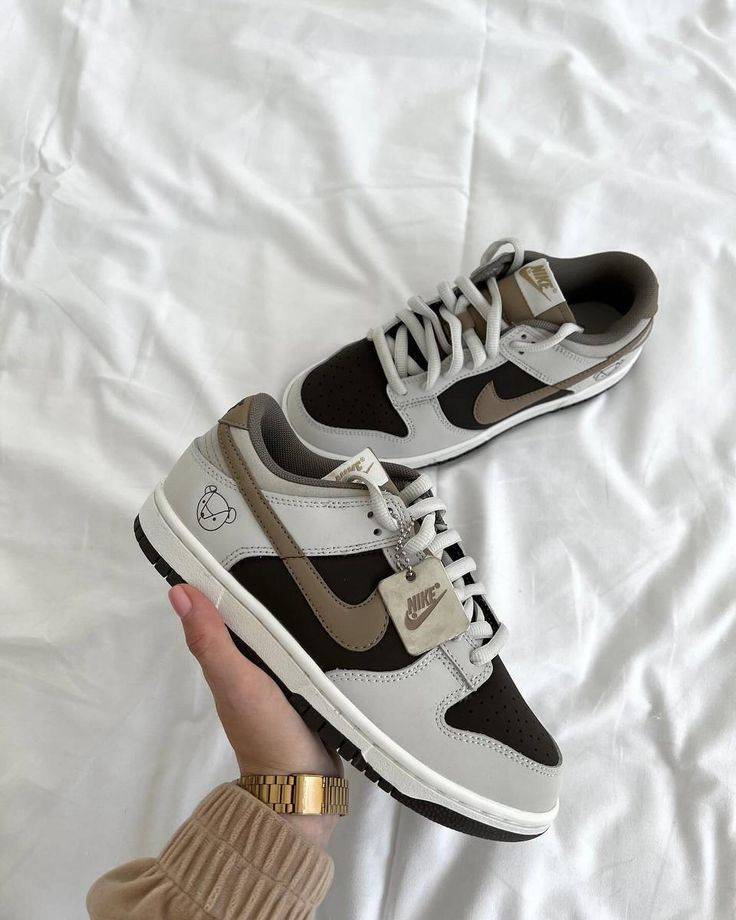
Sports shoes
1 pair Must haveGood cushioning protects your knees and ankles, especially when you jump or walk on hilly roads.
How to use it: Keep one pair just for exercise. Try them on in the afternoon, when your feet are a little bigger.
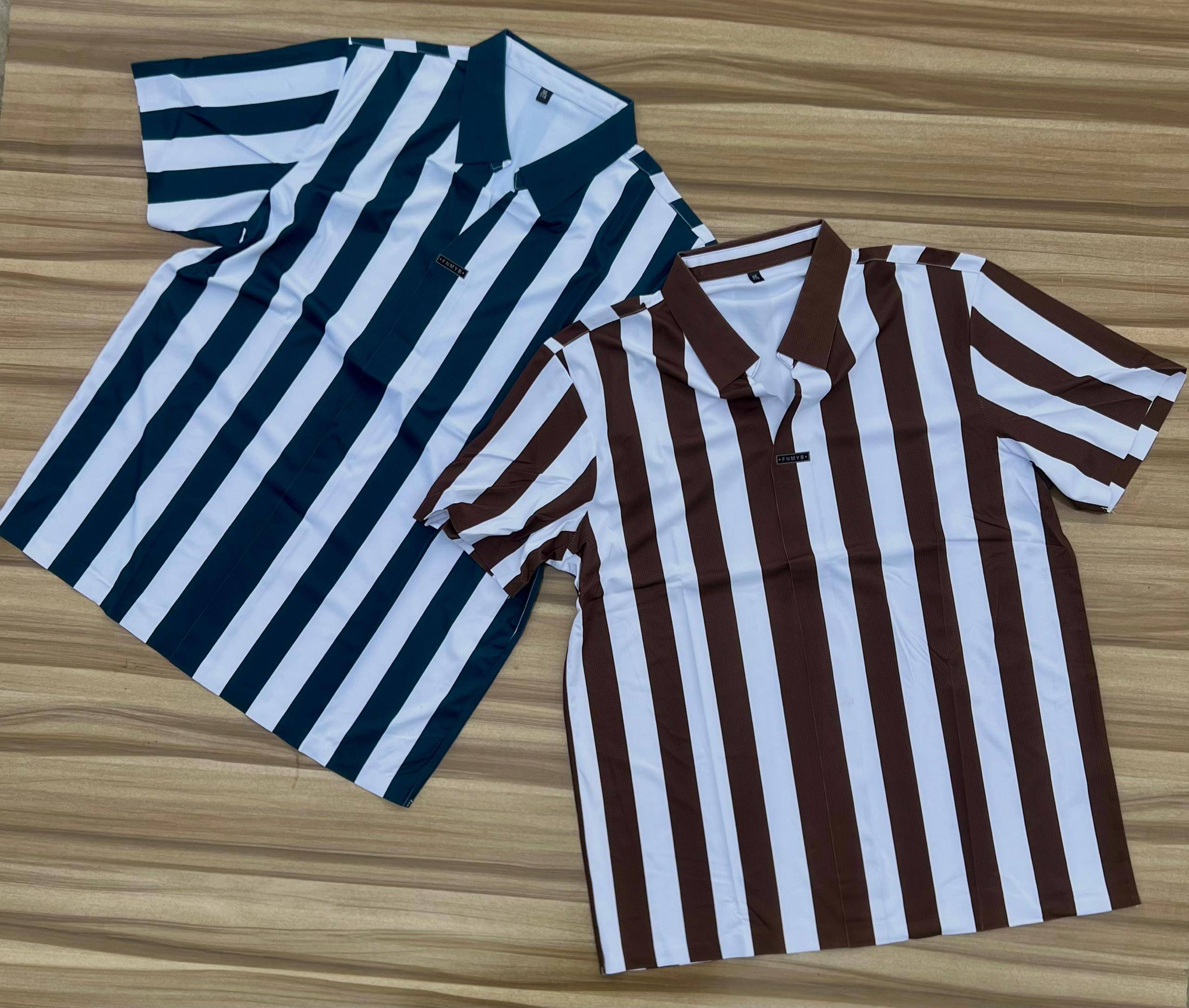
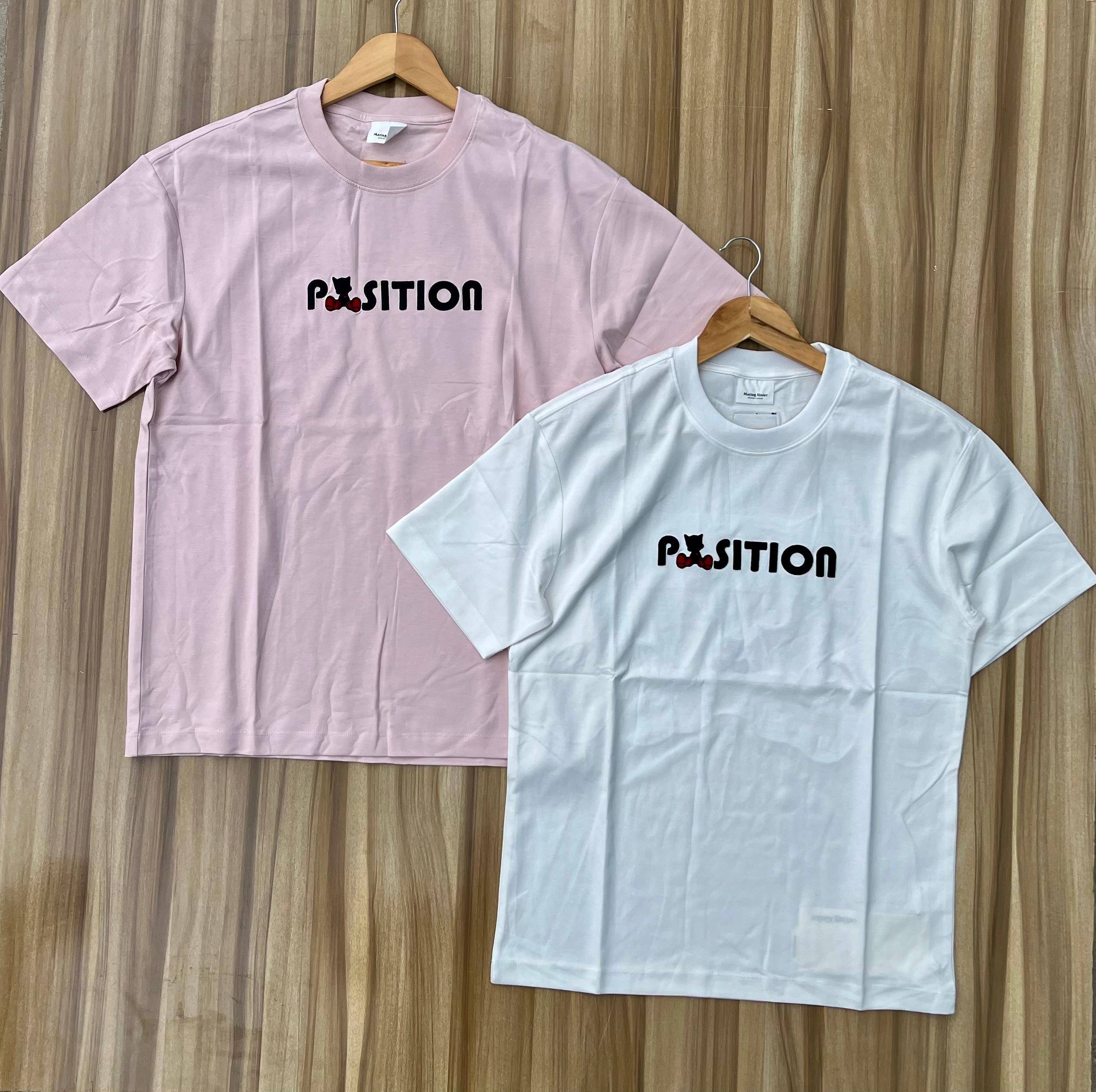
Sports T-shirts
3 Must haveLight fabric that dries quickly feels better than a heavy cotton shirt when you sweat.
How to use it: Have two or three so you always have a clean one. Wash them after every workout.
Waist support
1Nice to haveSome people like extra support around the middle during sit ups and bending. It is optional.
How to use it: Do not wear it too tight, and do not rely on it. Your own muscles are what you are training.
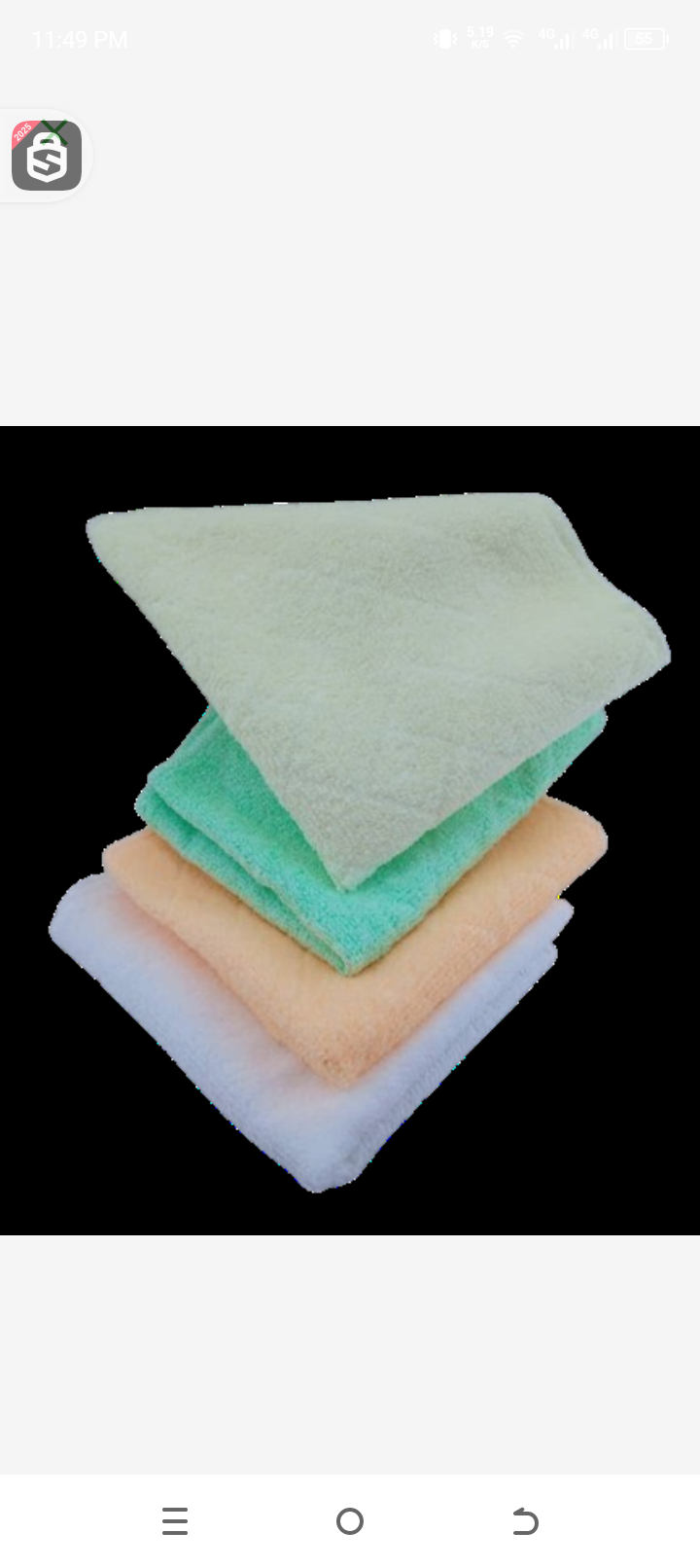
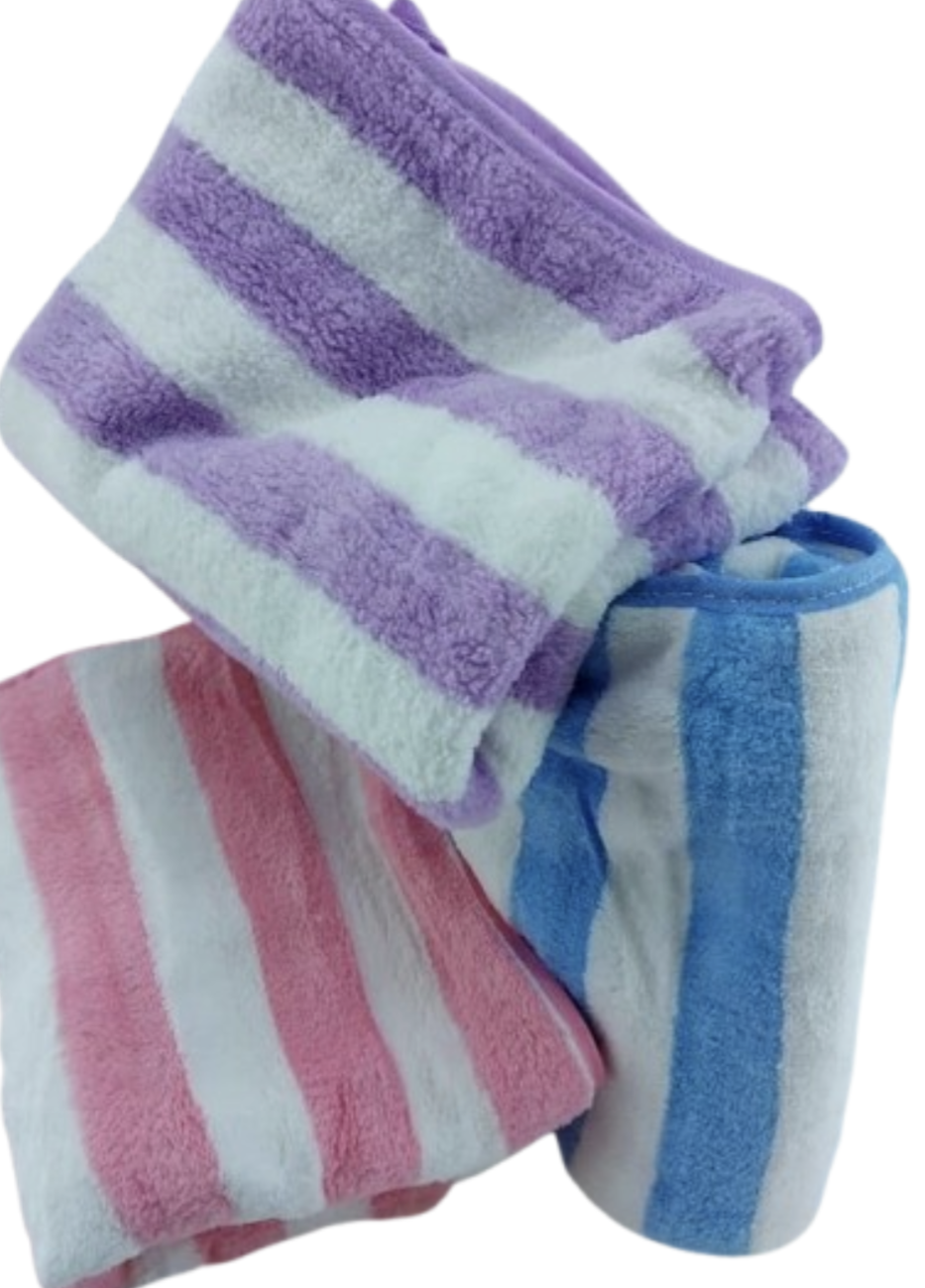
Sweat towel
2 Must haveYou will sweat, and a small towel keeps it out of your eyes and off your mat.
How to use it: Keep it near your mat and wash it after each session.

Everyday foods
Simple, filling foods you can find in Kigali markets and shops. Buy fresh items in small amounts.
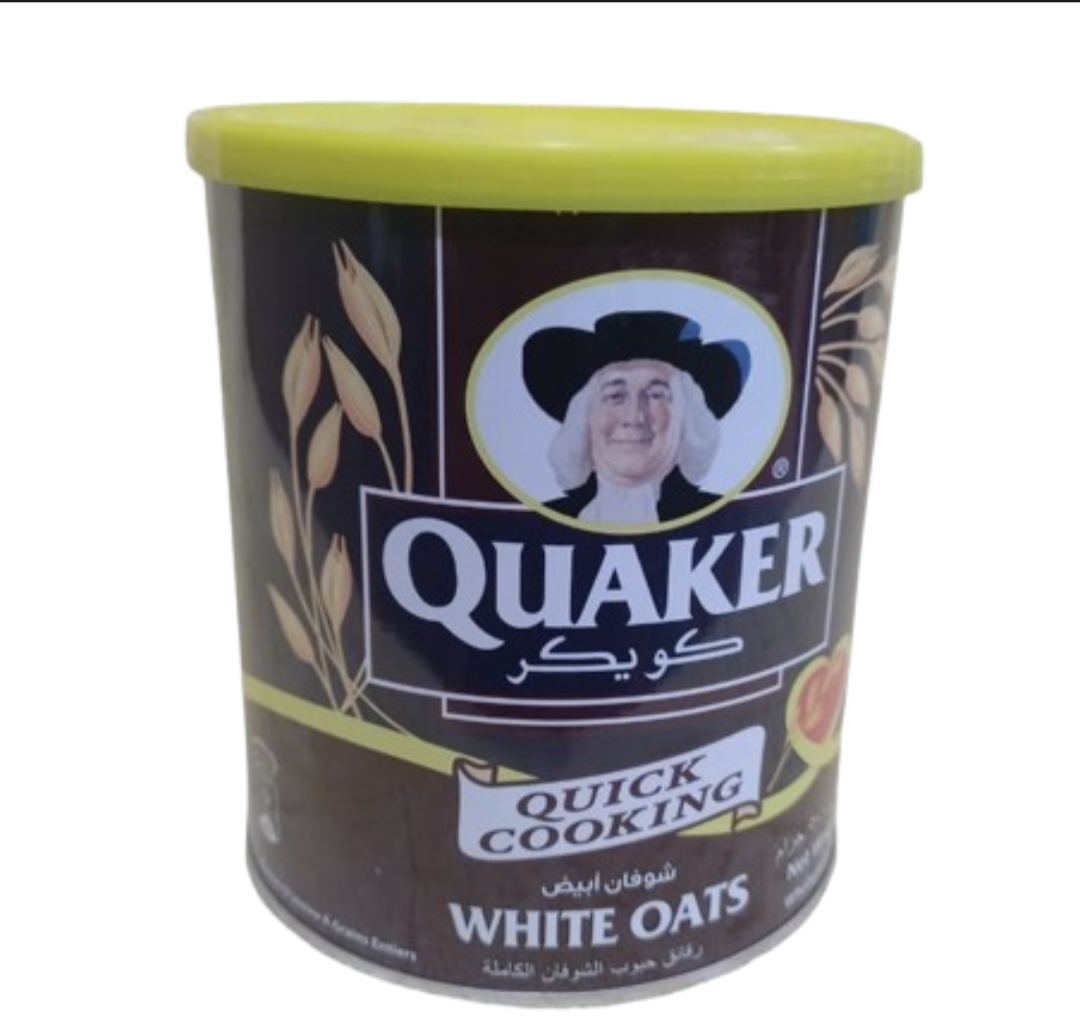
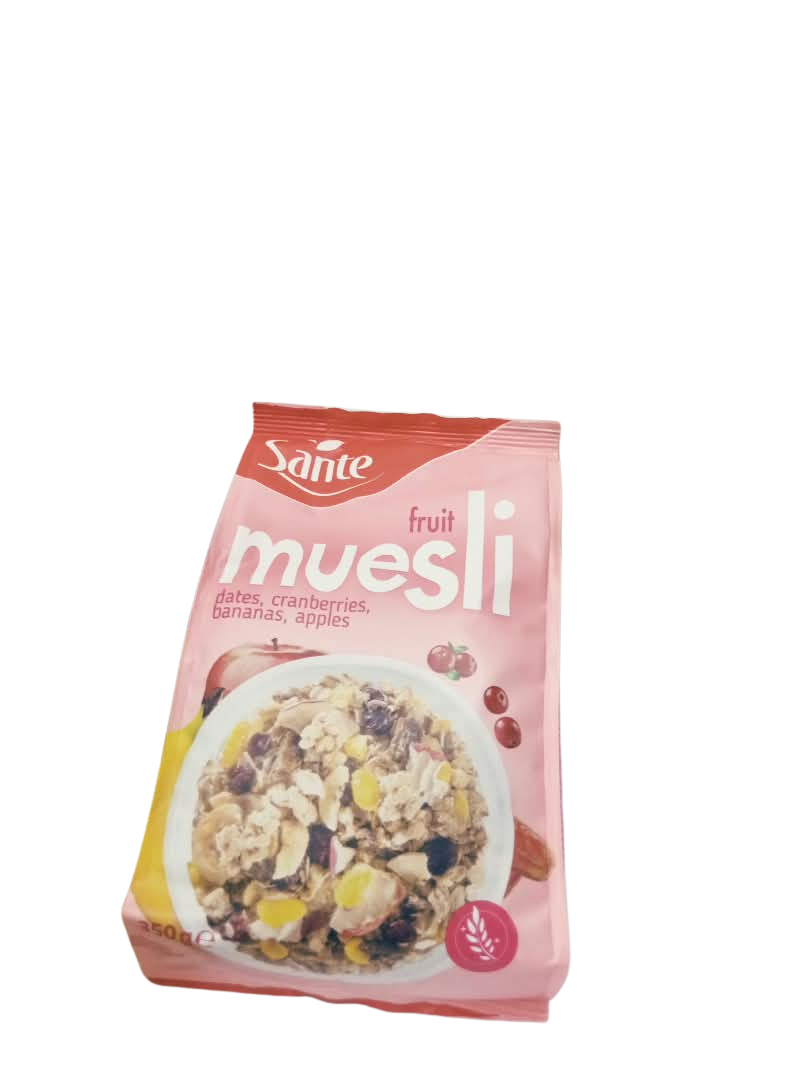
Oats
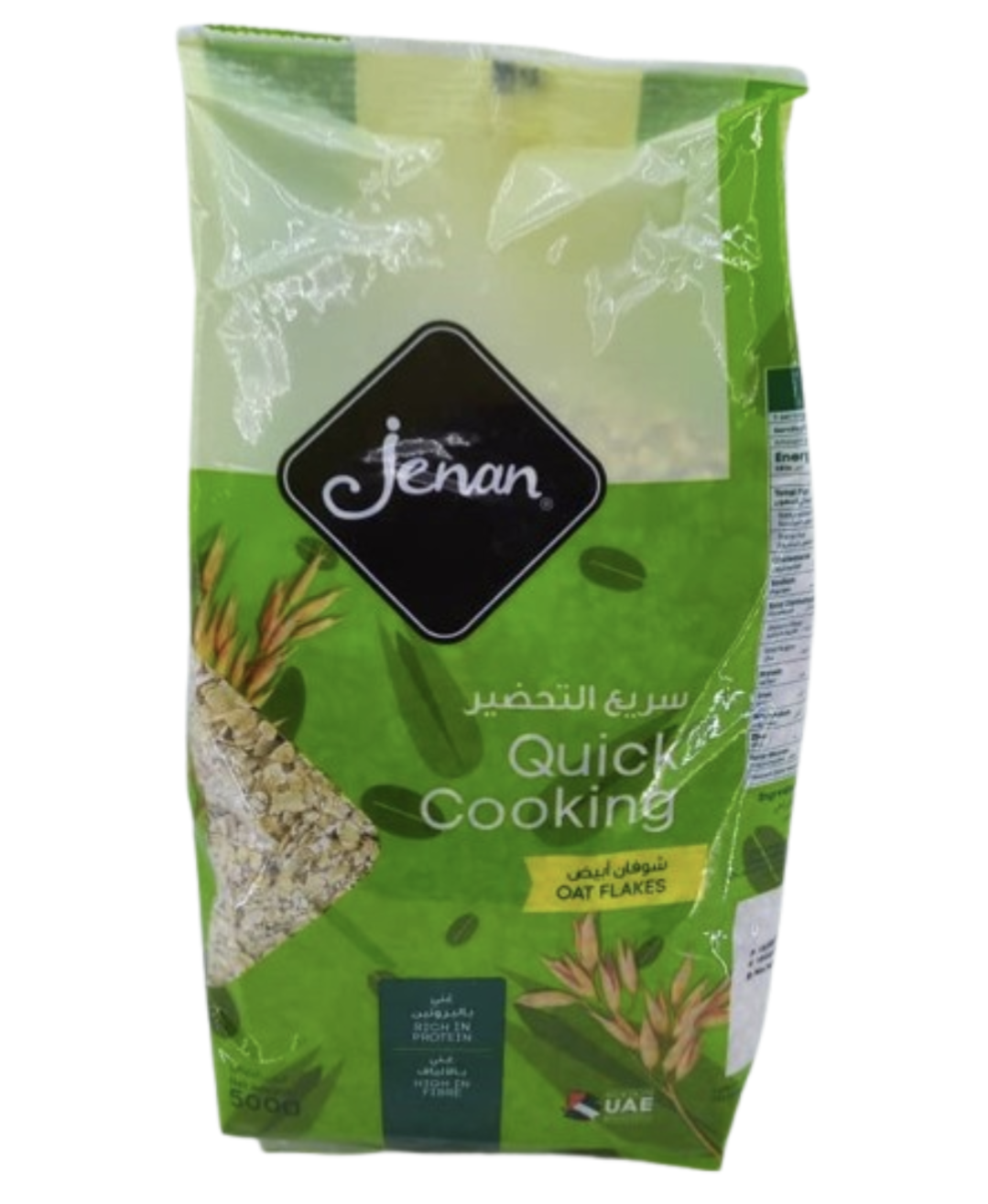
500g Must haveOats are filling and cook in minutes, which helps you avoid snacking before lunch.
How to use it: Cook with water or milk and top with banana or a little honey.
Eggs
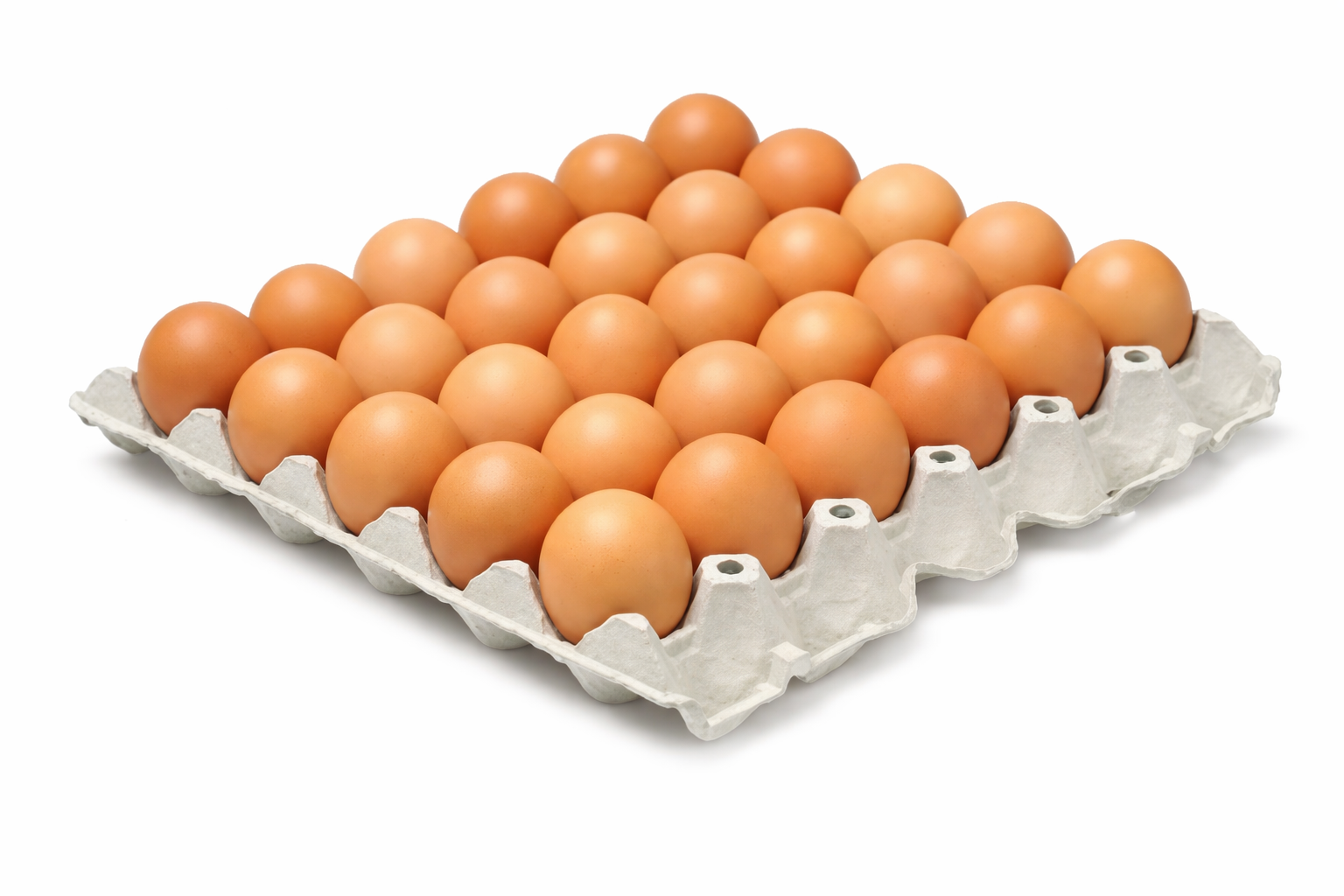
1 tray Must haveEggs are an easy source of protein for breakfast or a quick dinner.
How to use it: Boil a few at the start of the week so you have a ready snack.
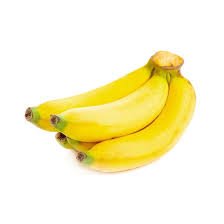
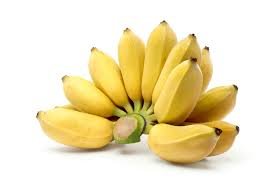
Bananas
1 bunch Must haveA banana is a quick snack before a workout and keeps you from reaching for sweets.
How to use it: Buy a mix of ripe and green so they last through the week.
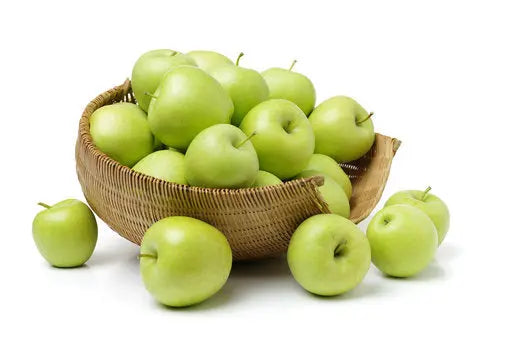
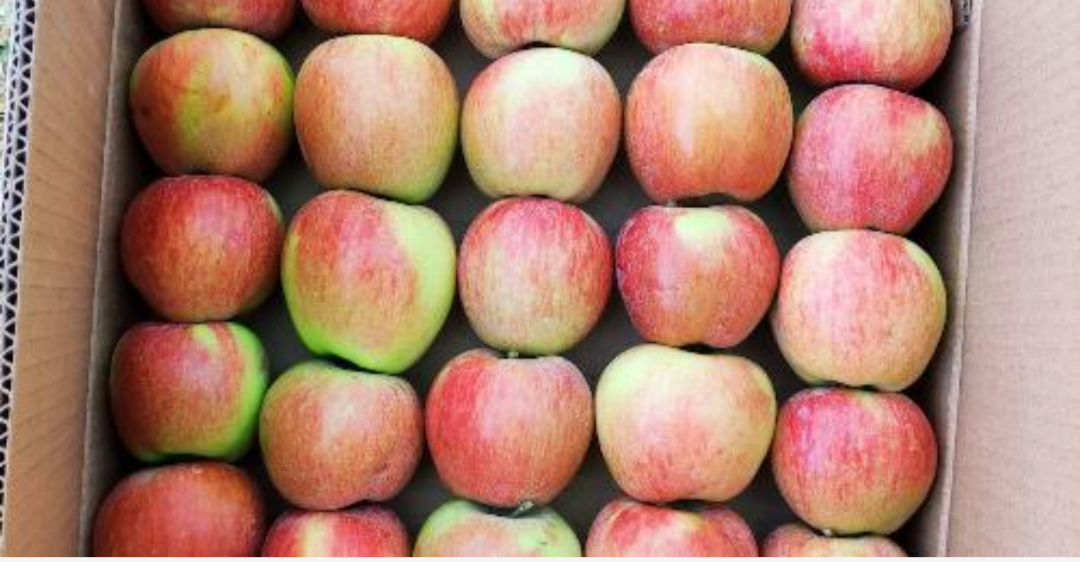
Apples
6Nice to haveApples are crunchy, filling and need no cooking.
How to use it: Keep two in your bag for a snack instead of biscuits.
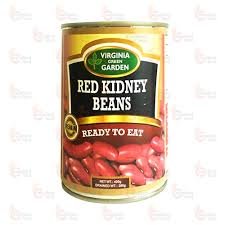
Beans and lentils
1kg Must haveBeans and lentils give you protein and fiber and are a Rwandan staple for good reason.
How to use it: Soak dry beans overnight to cook faster. Add onion and tomato for flavor instead of lots of oil.
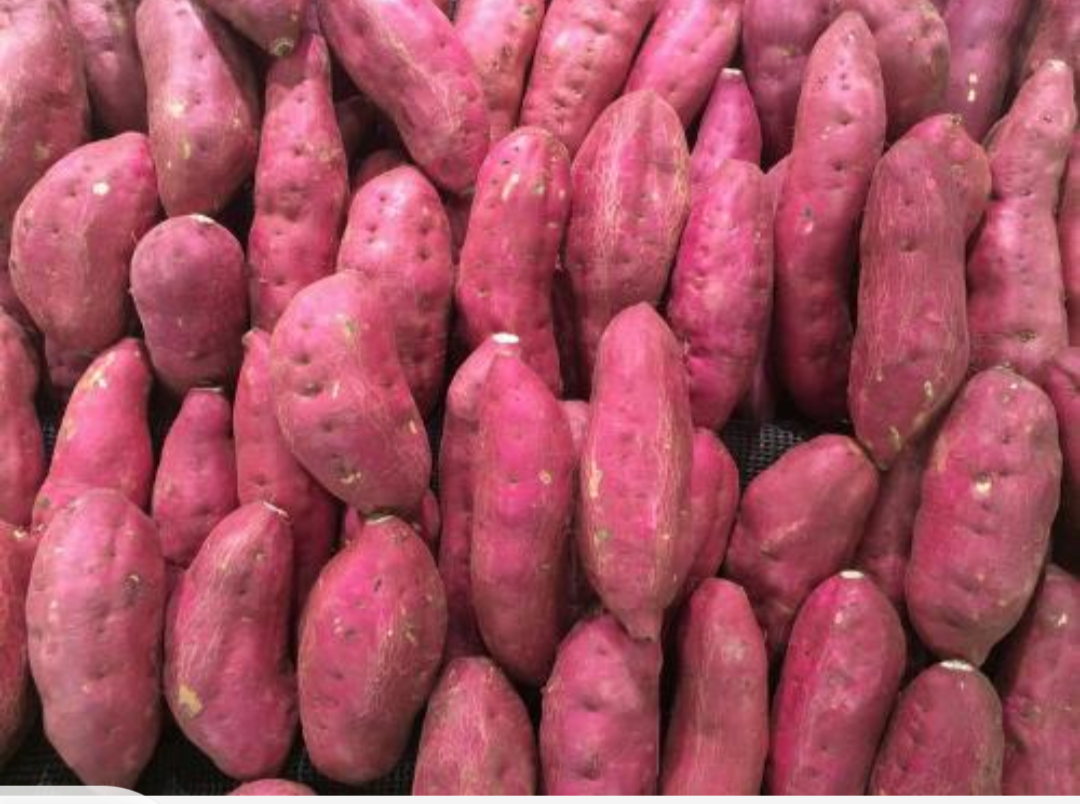
Sweet potatoes
1kgNice to haveThey are filling, cheap and a good replacement for fried foods on your plate.
How to use it: Boil or bake them with the skin on and eat with beans or eggs.
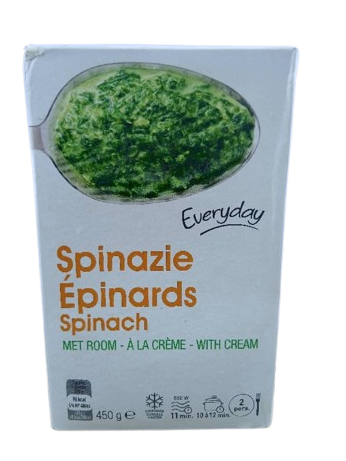
Spinach and cabbage
1 bunch each Must haveLeafy vegetables add volume to a meal for very few calories.
How to use it: Steam or stir fry lightly. Do not overcook them or they lose their color and taste.
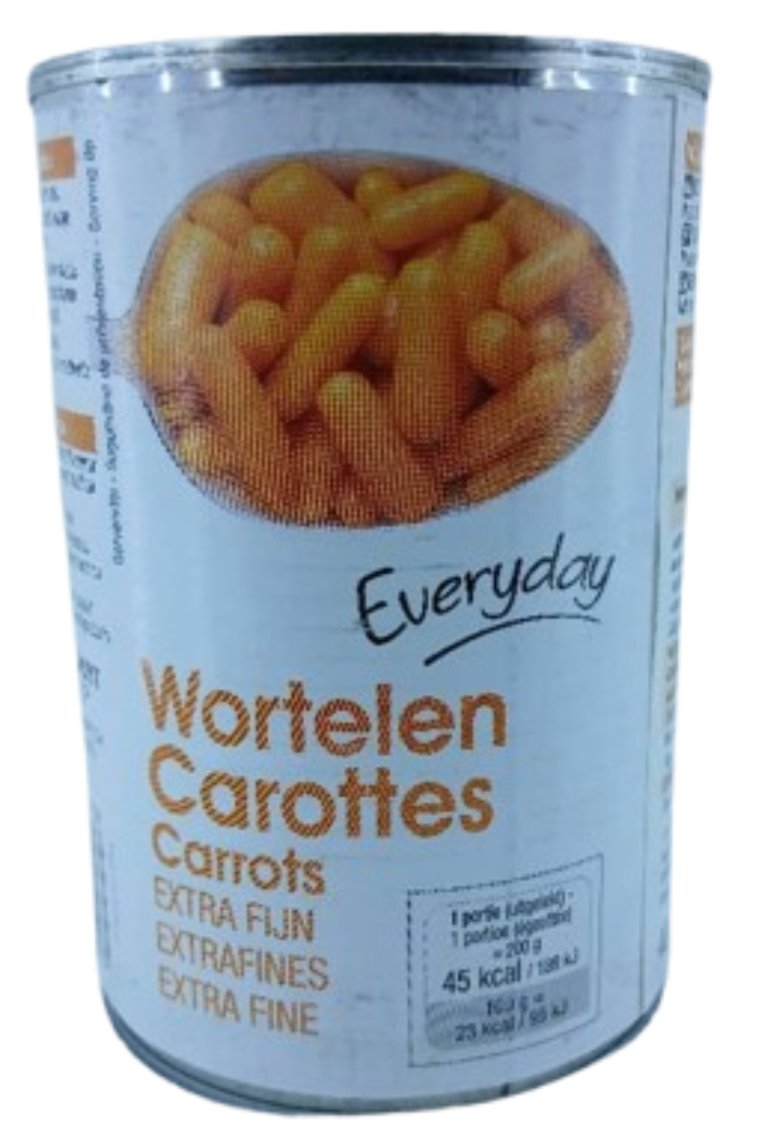
Carrots and tomatoes
1kg eachNice to haveThese are easy to snack on, cook or add to any meal.
How to use it: Wash, cut into sticks and keep in a container in the fridge for easy snacking.
Plain yogurt
1 or 2 cupsNice to haveYogurt makes a good breakfast or snack, and plain is better than sweetened.
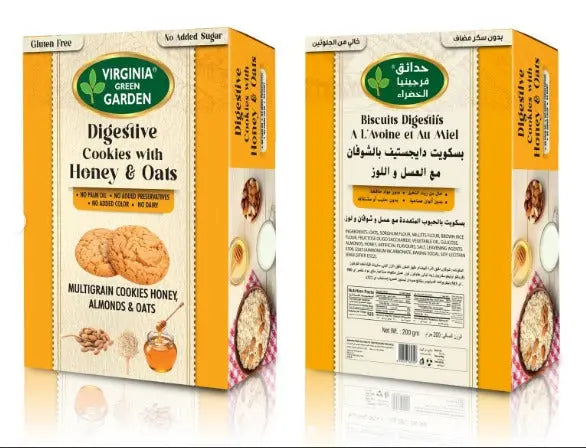
How to use it: Add fruit or oats yourself instead of buying flavored cups with extra sugar.
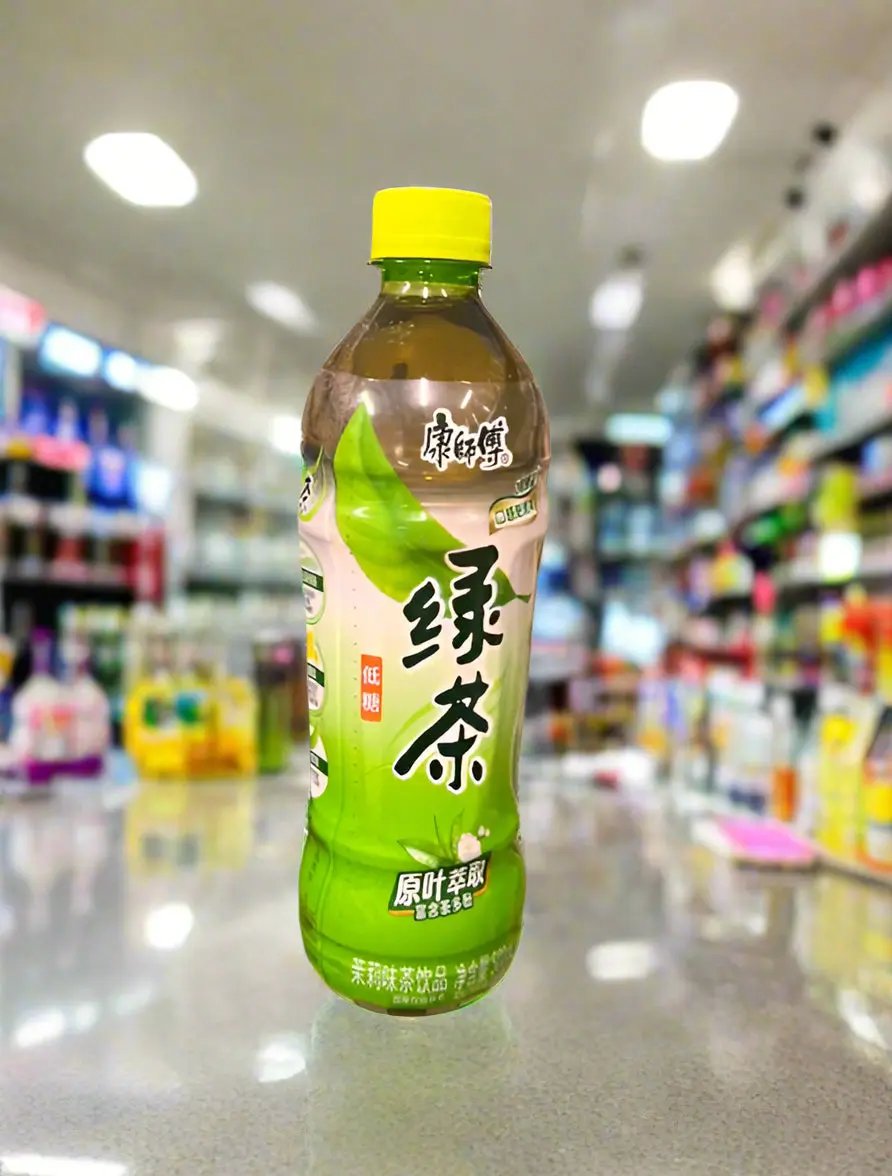
Green tea
1 boxNice to haveA warm cup in the evening can replace a sugary drink or late snack.
How to use it: Steep for 2 to 3 minutes and skip the sugar. Do not drink it too late if caffeine keeps you awake.









Track your progress
What you can measure, you can keep doing. Look at trends, not single days.
Body scale
1 Must haveWeighing once a week at the same time shows your real direction.
How to use it: Weigh in the morning, before eating, with similar clothes. Do not check every day.
Notebook
1 Must haveWriting down workouts and meals keeps you honest and shows what is working.
How to use it: Note the date, what you did and how you felt. Look back every two weeks.
Tape measure
1Nice to haveYour waist and hips can change even when the scale does not move.
How to use it: Measure once every two weeks, at the same spot, without pulling tight.
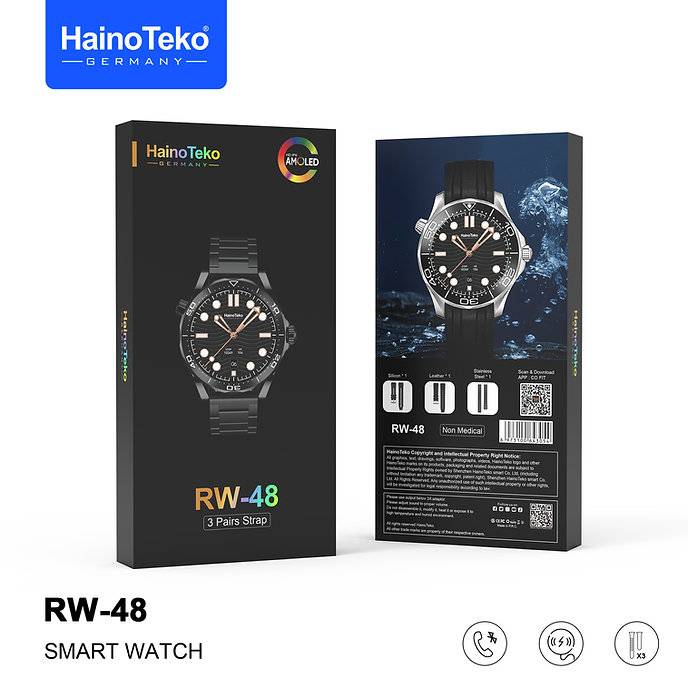
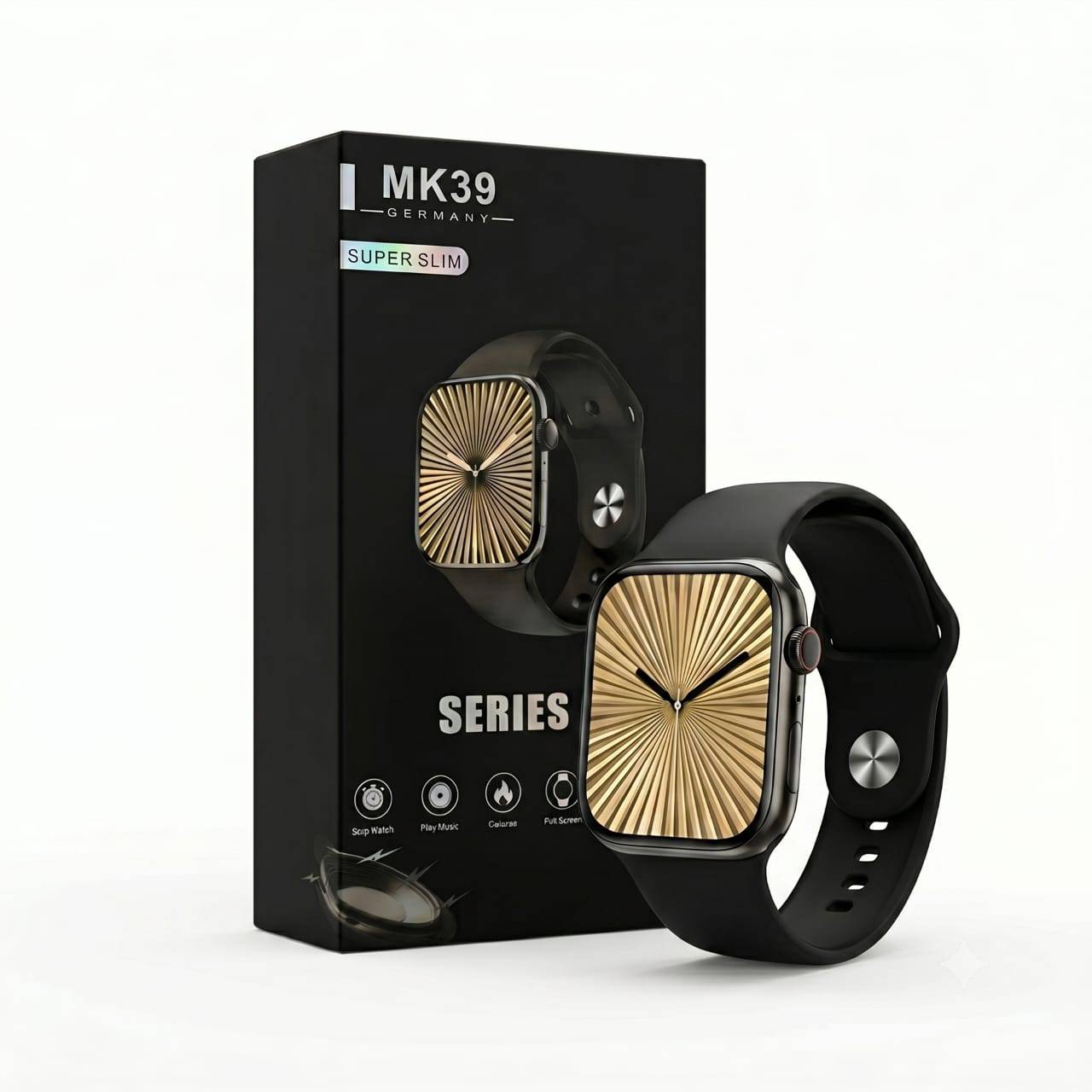
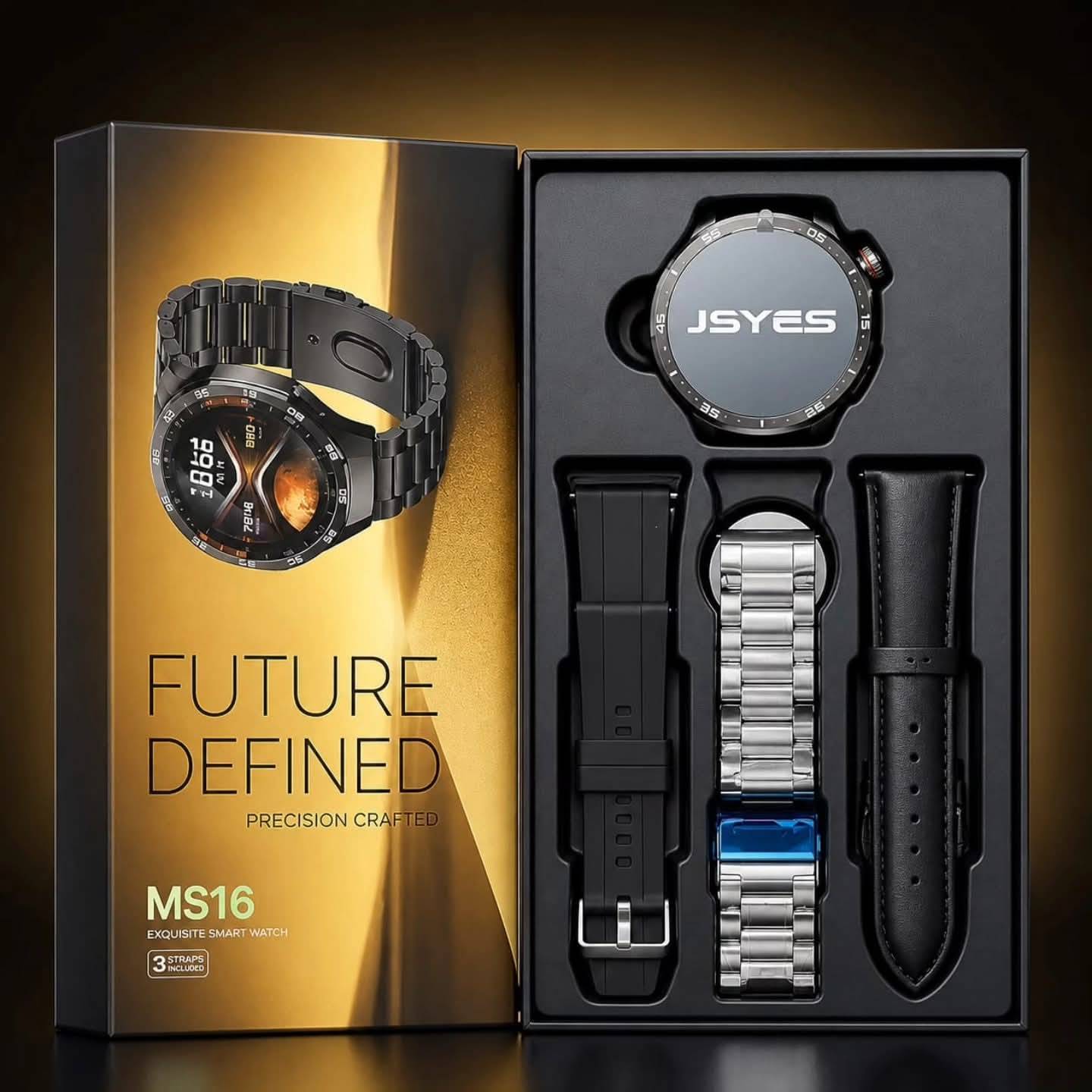
Smart watch or fitness band
1Nice to haveIt counts steps and tracks your heart rate and sleep, which can keep you motivated.
How to use it: Set a small step goal and raise it slowly. Charge it every few days.
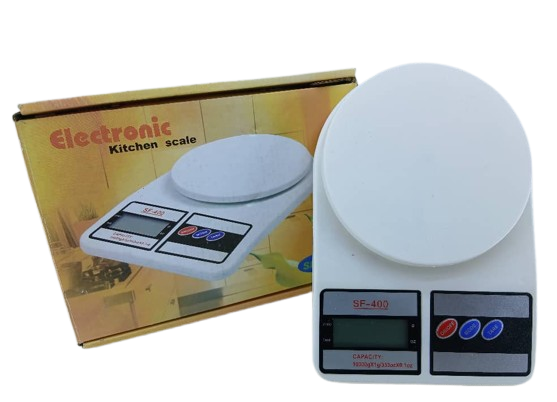
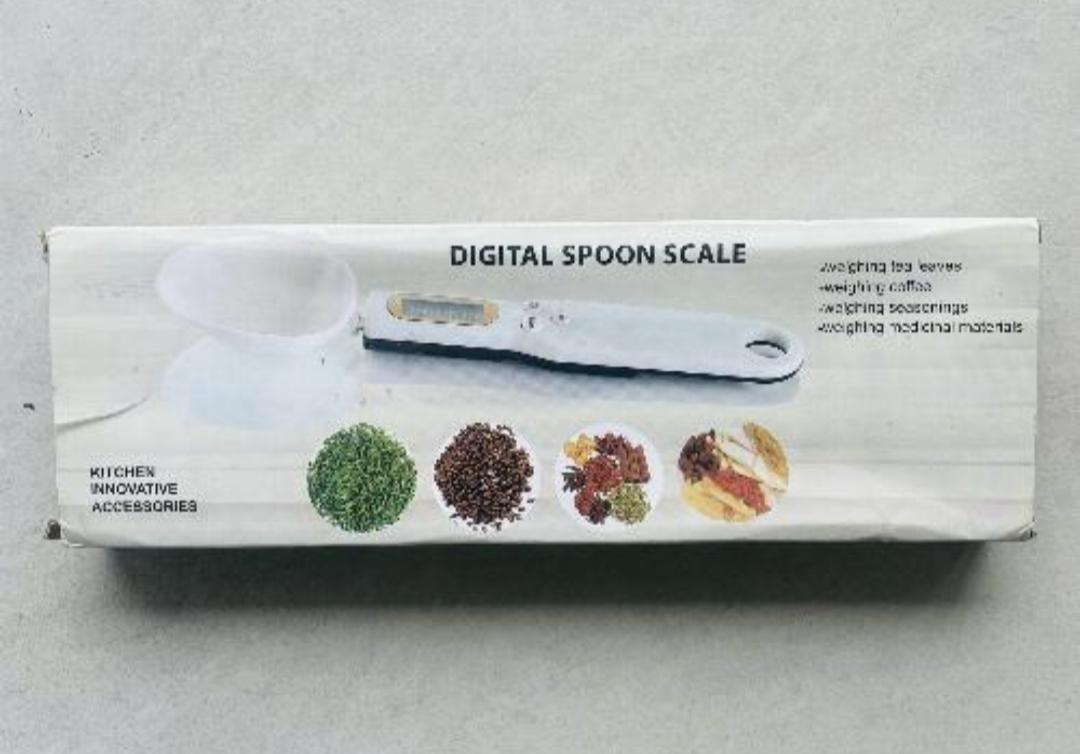
Kitchen scale
1Nice to haveWeighing portions for a week teaches you what a normal serving looks like.
How to use it: Weigh rice, oats or peanut butter for a few days, then you can judge by eye.



Water and recovery
Drinking enough and resting well help you keep going and feel better.
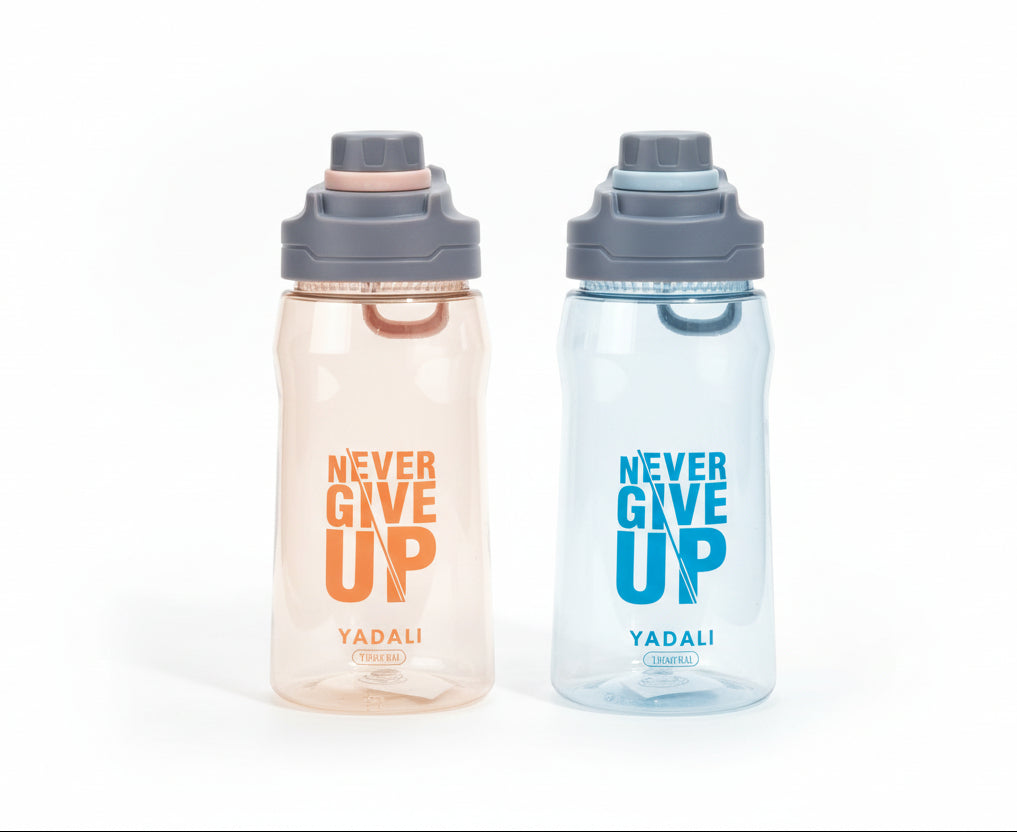
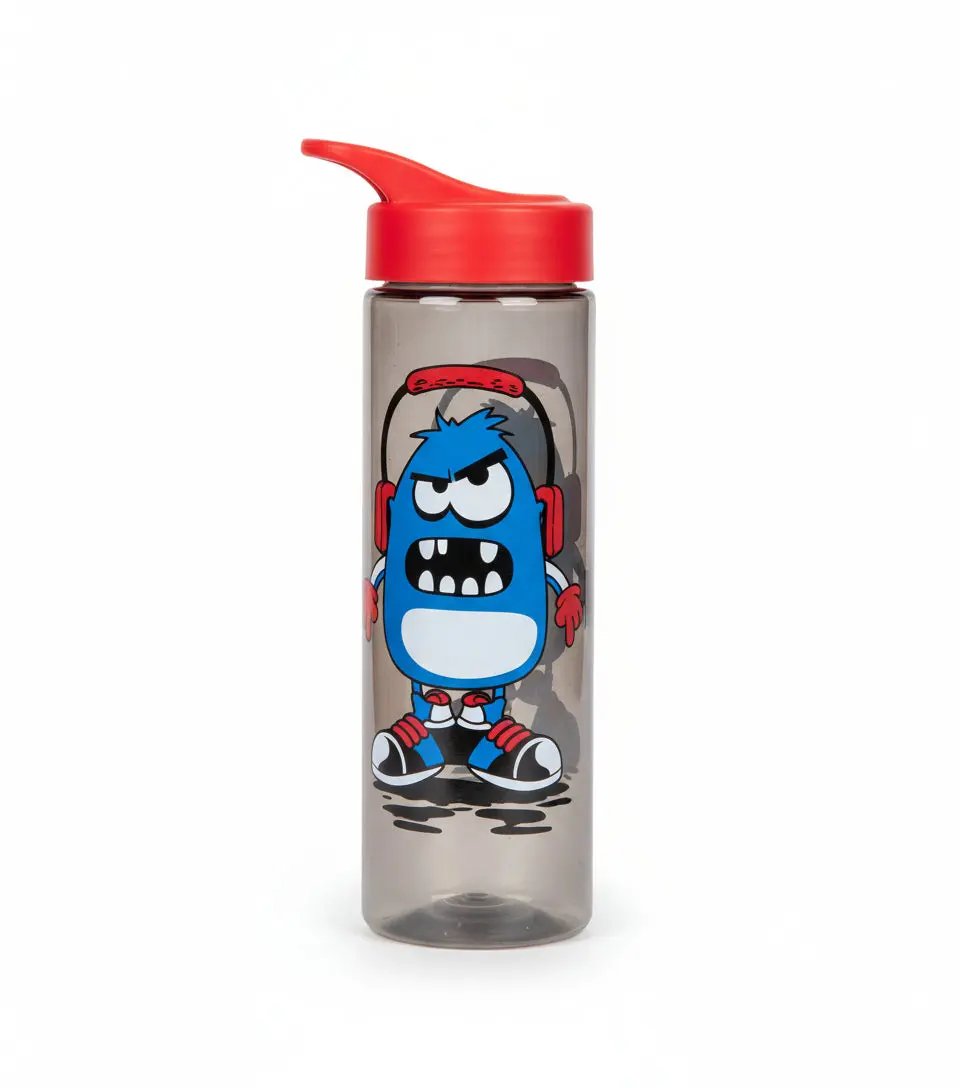
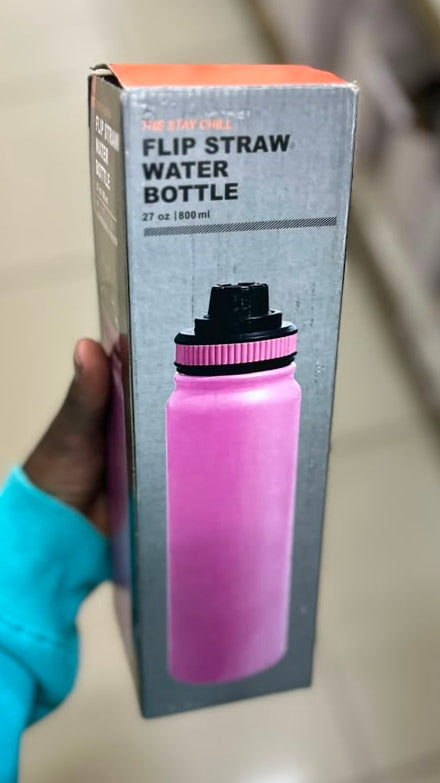
Water bottle
1 Must haveA bottle you carry everywhere reminds you to drink during the day and during workouts.
How to use it: Fill it in the morning and aim to finish it before lunch, then refill.
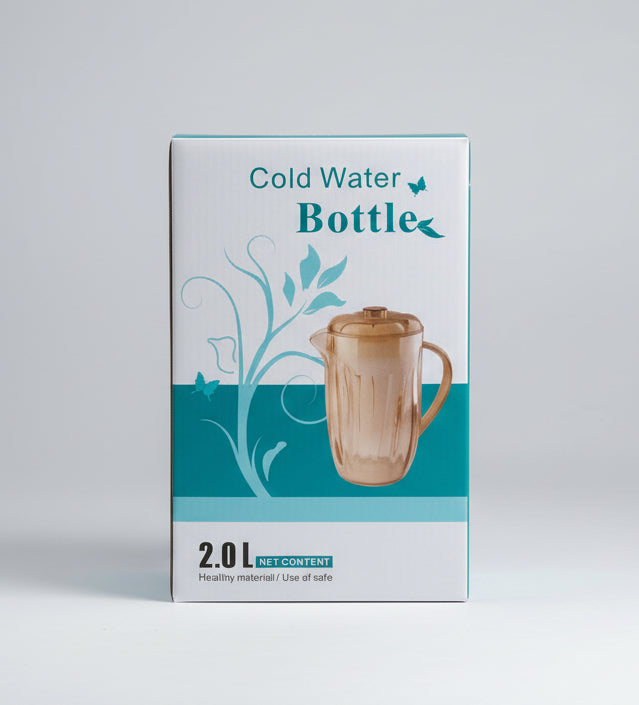
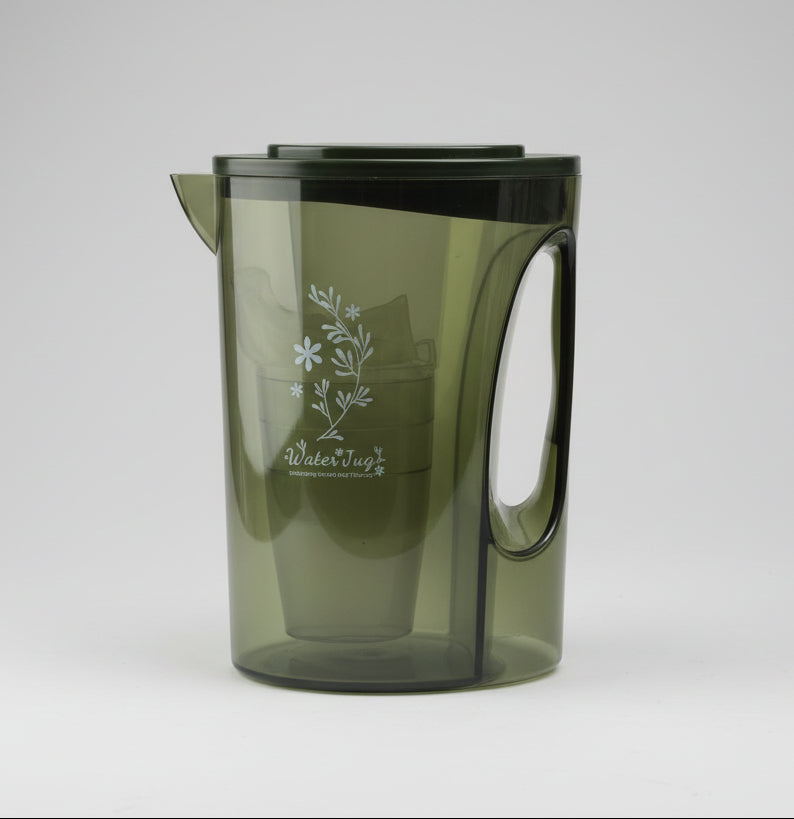
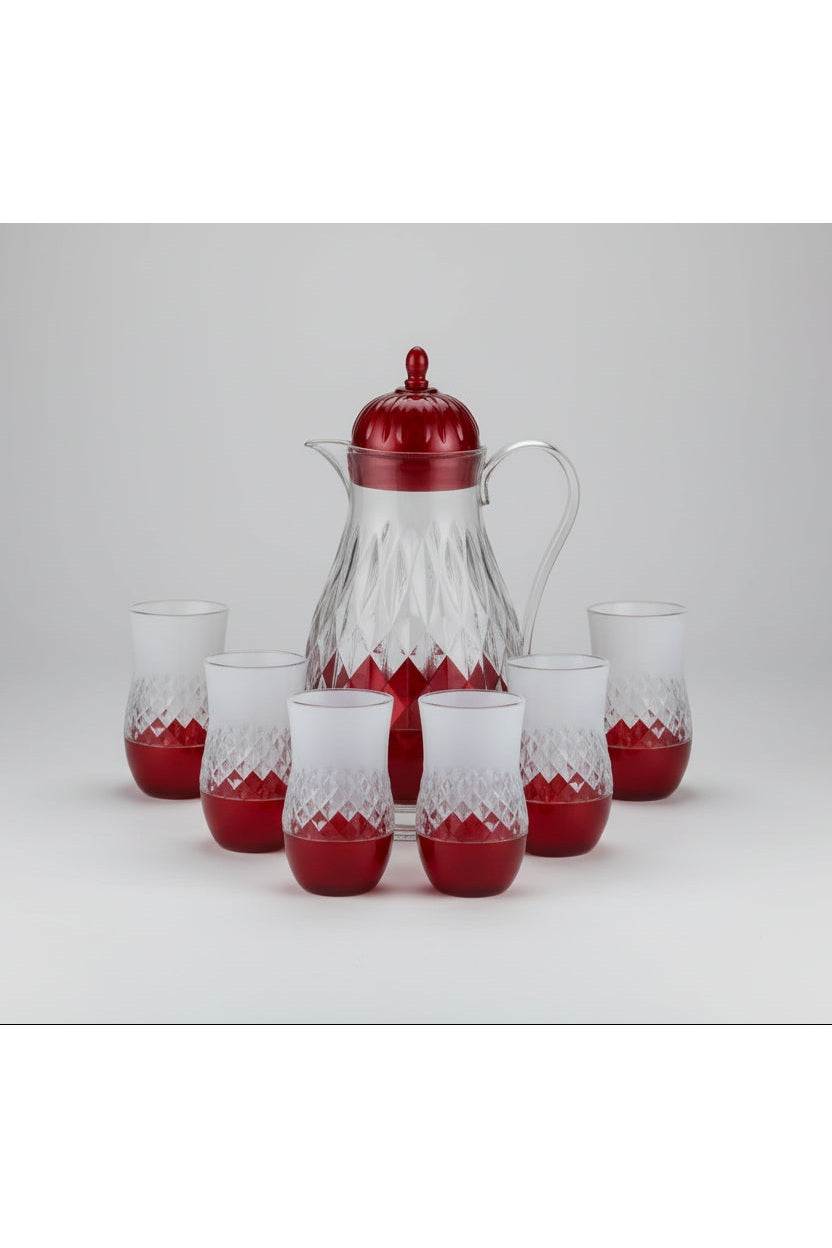
Water jug
1Nice to haveA jug on the table makes it easy to see how much you have had.
How to use it: Keep it filled with safe drinking water and add a slice of lemon if you like.
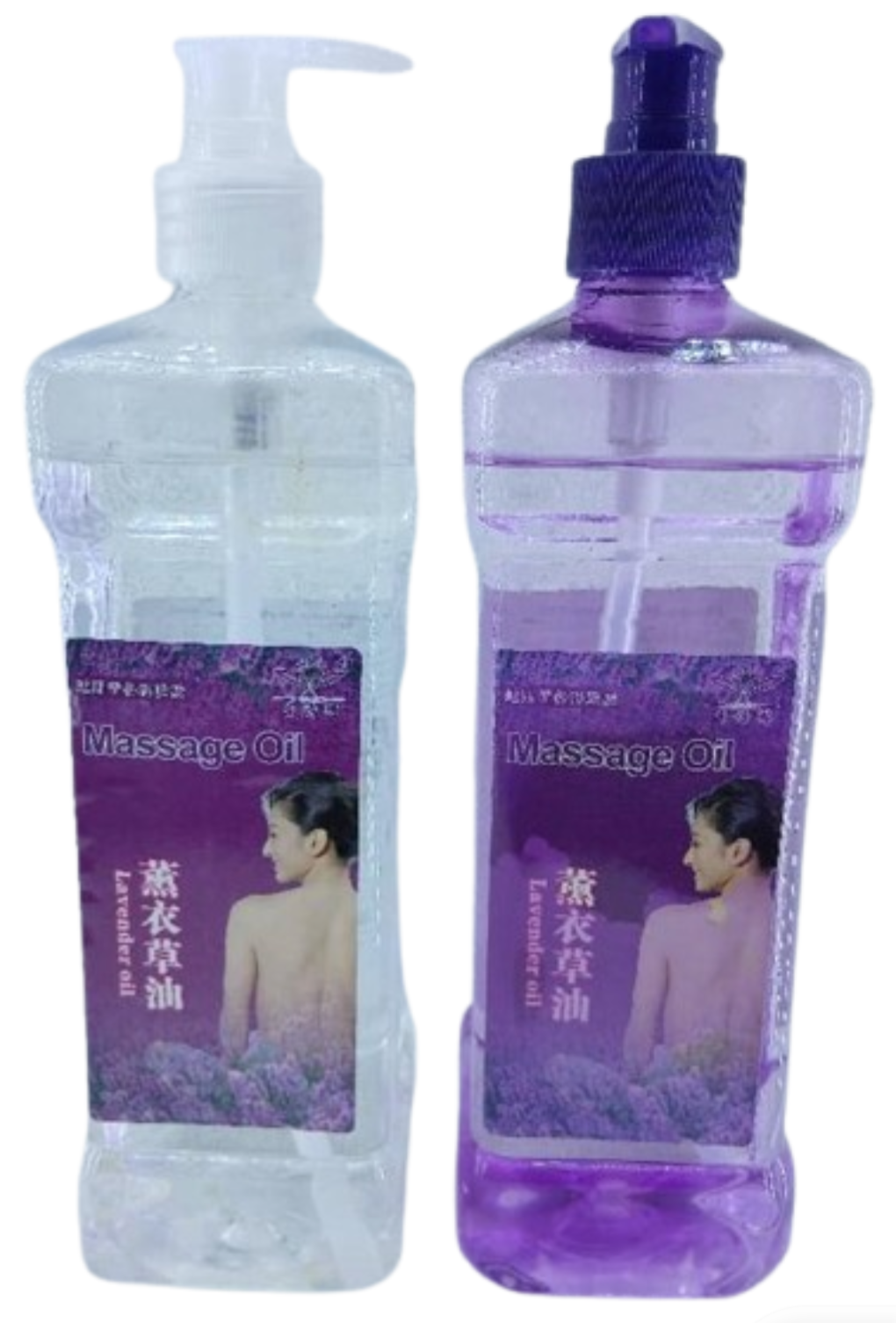
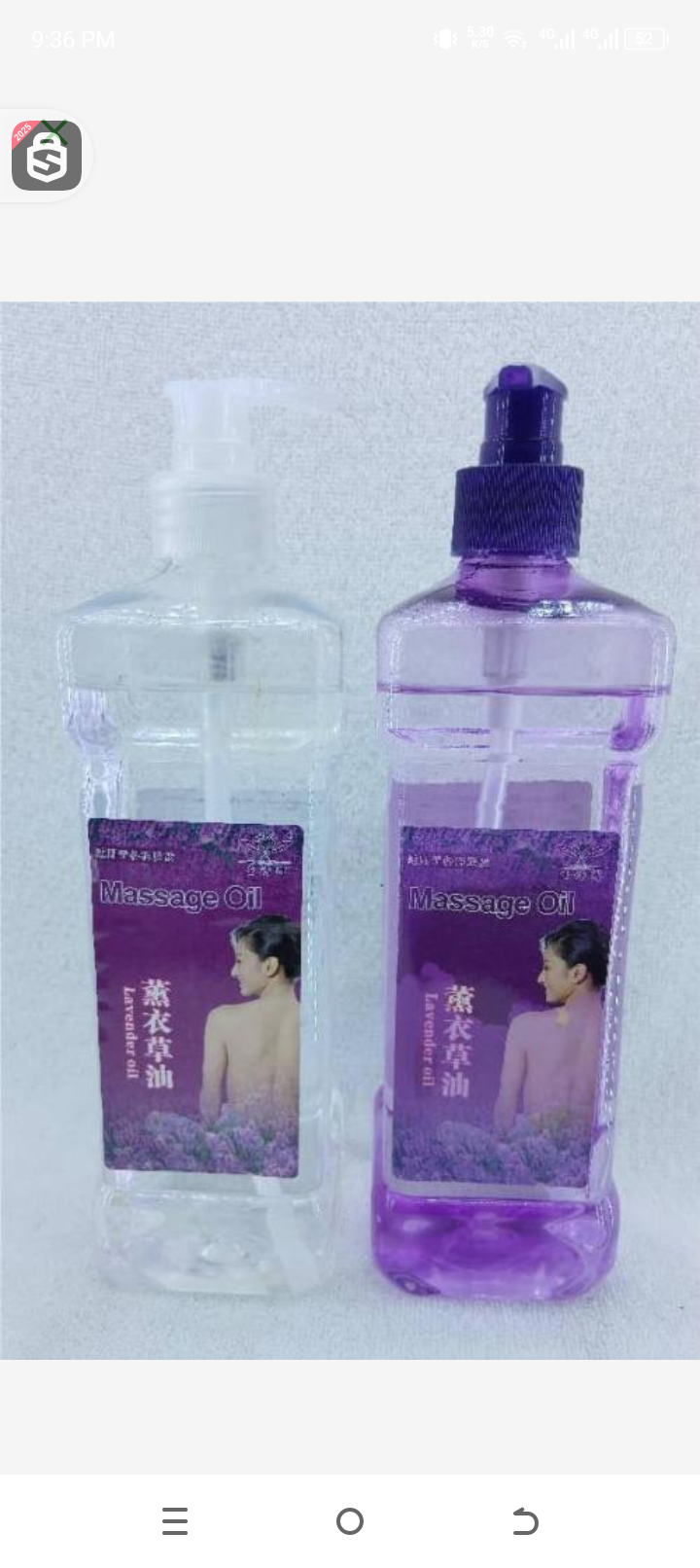
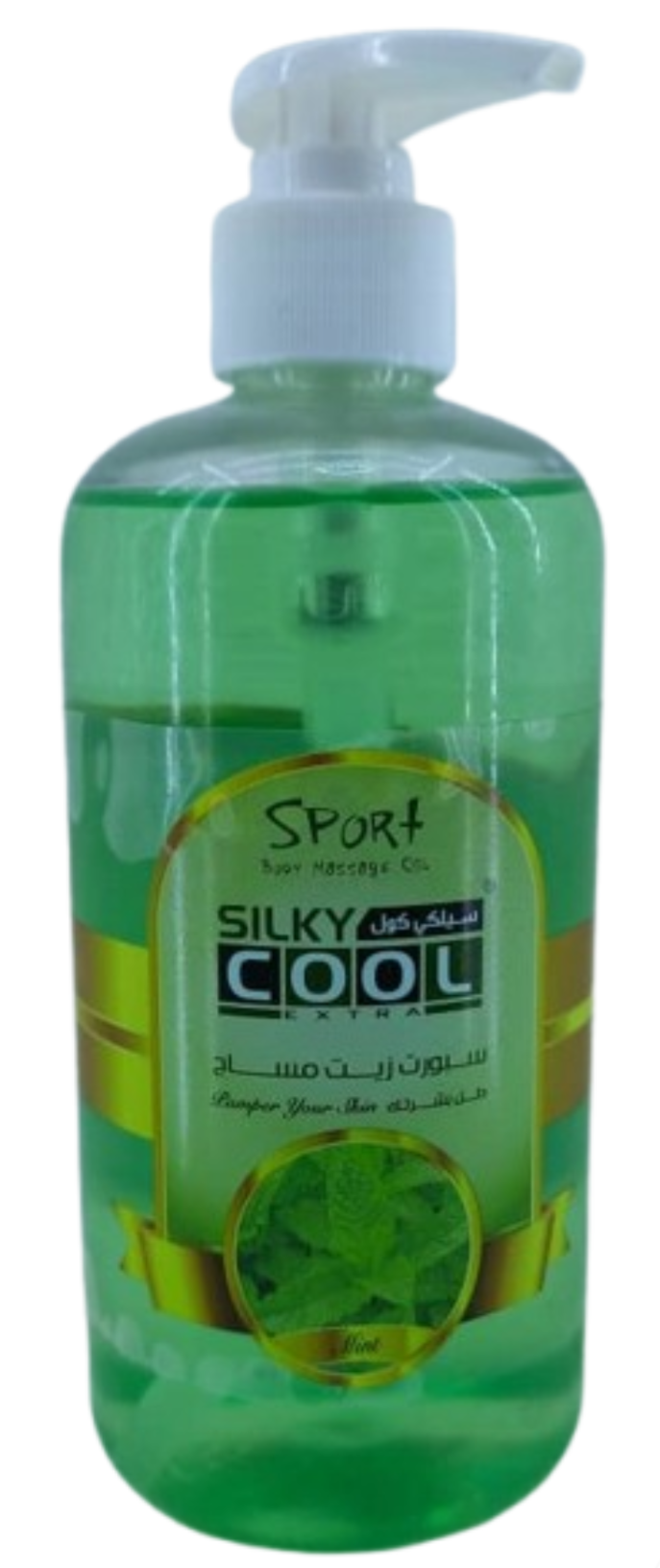
Massage oil
1Nice to haveA short rub after exercise can feel good on tired legs and shoulders.
How to use it: Warm a little oil in your hands first. Stop if your skin gets irritated.
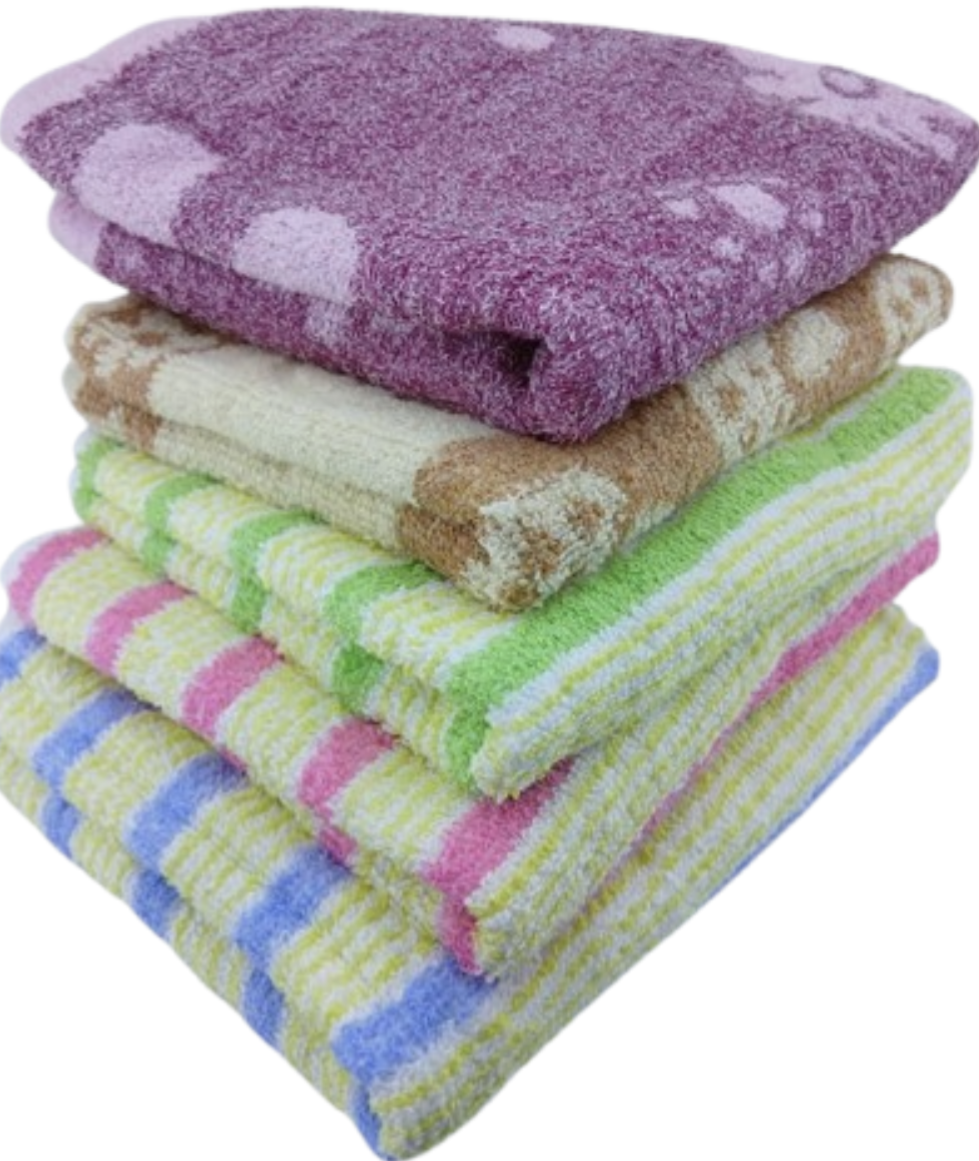
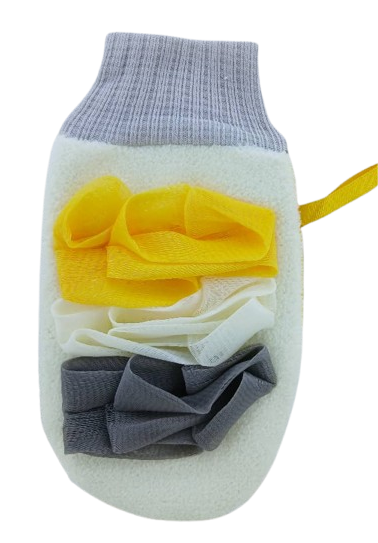
Bath towel
1Nice to haveA fresh towel and a warm shower after exercise help you relax and sleep well.
How to use it: Hang it to dry fully in the sun so it does not smell.
Step by step
- 1
Before you start
Think about your health, set a small goal and clear a space about the size of your mat.
- 2
Weekend one
Buy the must items: mat, rope, shoes, water bottle, notebook and scale. Weigh and measure yourself once.
- 3
Weeks one and two
Exercise for 20 minutes, three days a week. Add fruit and vegetables to every meal.
- 4
Weeks three and four
Add a fourth day or a few extra minutes. Try the resistance bands and walk on rest days.
- 5
Every two weeks
Review your notebook, measure again and adjust your plan. Celebrate small wins.
Tips that help
- Start with only 20 minutes a day. A habit you keep beats a hard plan you quit.
- Walk Kigali's hills on rest days. It counts as exercise and costs nothing.
- Prepare food on Sunday so busy weekdays do not push you toward fast food.
- Drink water before every meal and after every workout.
- Keep your equipment where you can see it, so you remember to use it.
- Sleep seven to eight hours when you can. Tired people feel hungrier.
- Take a photo every two weeks. Photos often show change before the scale does.
Mistakes to avoid
- Starting too hard and getting injured in the first week.
- Skipping meals. It usually leads to overeating later.
- Weighing yourself every day and getting discouraged by small changes.
- Cutting out entire food groups instead of eating smaller portions.
- Buying lots of equipment you never use. Begin with the basics.
Questions people ask
How much equipment do I need to lose weight at home?+
Very little. A mat, a skipping rope, resistance bands and good shoes are enough to begin. Walking and body weight exercises do most of the work.
Can I lose weight without a gym in Kigali?+
Yes. Many people get good results with home workouts, walking and simpler meals. What matters most is doing it regularly.
How often should I exercise as a beginner?+
Three days a week for 20 to 30 minutes is a sensible start. Add a day when it feels easy. Rest days matter too.
What local foods are good for a weight loss plan?+
Beans, lentils, sweet potatoes, vegetables, eggs, fruit and oats are all easy to find and filling. Watch portions of oil and sugar.
When should I see a doctor first?+
If you have a heart, blood pressure, joint or other health condition, are pregnant or have not exercised in a long time, speak to a doctor or pharmacist before you begin.
A home plan works when it is simple, cheap and easy to repeat. Pick your must items, add the nice ones over time, and order everything on this list from Isokko with delivery in Kigali.
Shop this list
Get everything delivered in Kigali
Order from local stores on Isokko and pay with MoMo, card or cash. Same-day delivery.