
Checklist · Health & wellness
Home Medicine Cabinet for a Family in Kigali: Checklist
What to keep in a family medicine cabinet in Kigali: first aid basics, hygiene items and organizers, plus when to ask a pharmacist or doctor.
Updated November 17, 2026 · By Isokko
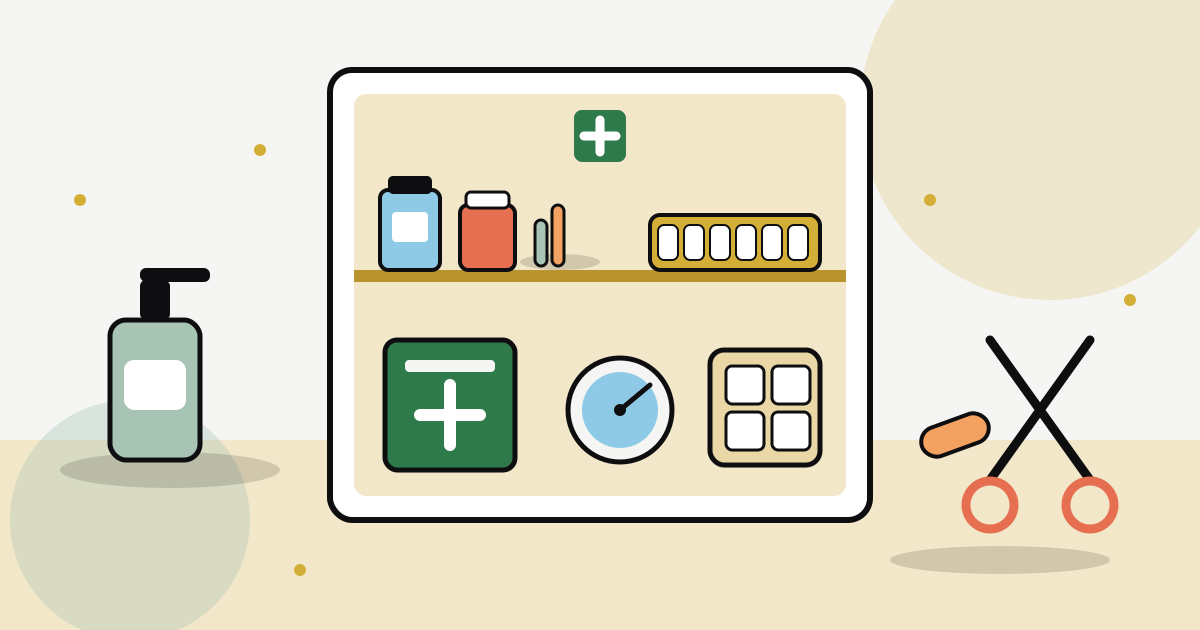
When a child gets a scrape at night or someone has a fever on a Sunday, you do not want to search the house or wait for a shop to open. A small, tidy cabinet with the basics saves time and worry.
This checklist covers the non-medicine basics: wound care, checking tools, hygiene, skin care and organizers. For medicines such as pain or fever relief, we only tell you what to ask your pharmacist about. We do not name doses or treatments.
This is a shopping guide, not medical advice. If someone is very sick, a baby is unwell, or you are unsure, see a doctor or go to a health center.
Who it's for
Families and anyone setting up a home in Kigali
Time needed
One shop, then a quick check twice a year
When to shop
When you move in, when a baby arrives, or before the rainy season
On the list
33 items, 13 must haves
0 of 33 ready
Wound care and first aid
For small cuts, scrapes and everyday bumps.
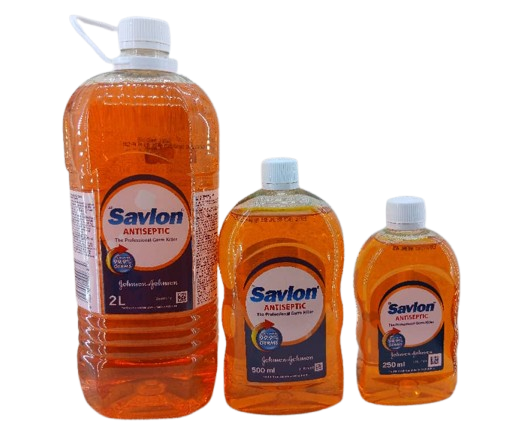
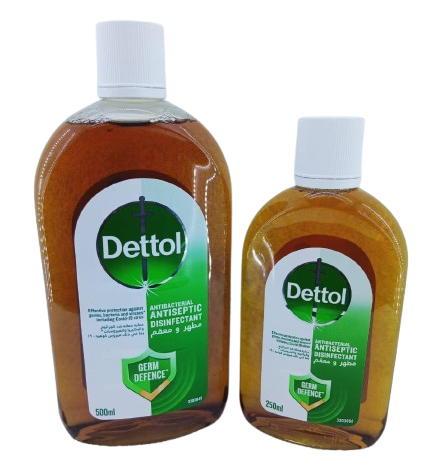
Antiseptic liquid
1 bottle Must haveCleaning a small cut helps keep it from getting dirty and sore.
How to use it: Follow the label for use. Keep the lid tight and out of reach of children.
Adhesive bandages
1 box Must haveCover small cuts and blisters so dirt stays out.
How to use it: Clean and dry the skin first. Keep several sizes, including small ones for kids.
Sterile gauze
1 pack Must haveCovers larger wounds and can press on a bleeding cut.
How to use it: Keep pads sealed until needed so they stay clean.
Elastic bandage
1Nice to haveSupports a twisted ankle or wrist while you get advice.
How to use it: Wrap firmly but not tight. If fingers or toes turn cold or blue, loosen it.
Cotton buds
1 packNice to haveUseful for dabbing and cleaning small areas.
How to use it: Use for the skin only. Never push them into ears, especially children's ears.
Small scissors
1 pair Must haveCut tape and gauze to size without hunting for kitchen scissors.
How to use it: Wash and dry after each use. Keep them only for the kit.
Disposable gloves
1 boxNice to haveProtect you and the person you help when cleaning a wound.
How to use it: Wear a new pair each time. Throw them away after use.
Tweezers
1Nice to haveRemove a splinter or a thorn from the skin.
How to use it: Clean the tips before and after use.



Checking and monitoring
Simple tools so you can tell a health worker what is happening.
Digital thermometer
1 Must haveA fever number is much better than guessing by touch when you call a doctor.
How to use it: Clean it with soap and water after each use. Keep the battery fresh.
Small torch
1 Must haveHelps you see a throat, a splinter or a cut at night and works in a power cut.
How to use it: Test it monthly and keep spare batteries or keep it charged.
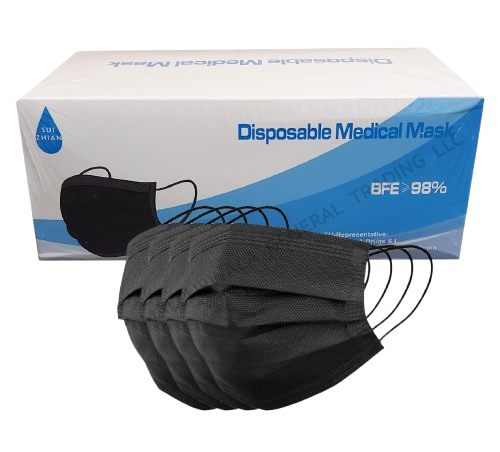
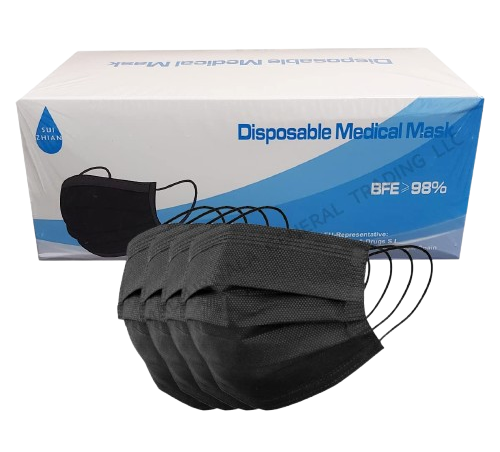
Medical face masks
1 boxNice to haveUseful when someone in the house has a cough or cold, or when visiting a clinic.
How to use it: Cover nose and mouth, and throw away after use.
Health notebook
1 Must haveWrite down temperatures, dates and what was given, so a doctor gets a clear story.
How to use it: Keep it with the kit. Note who, what and when.


Skin and sun care
For dry skin, sun and insects.
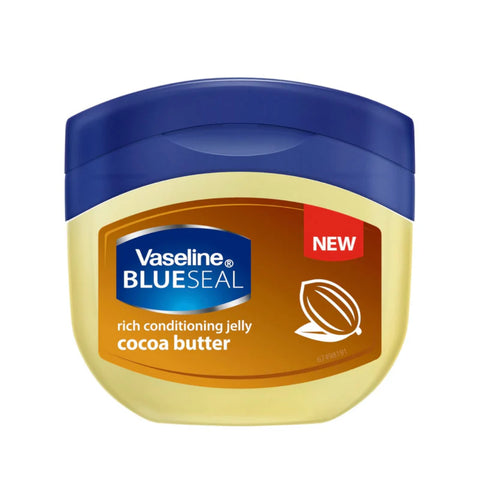
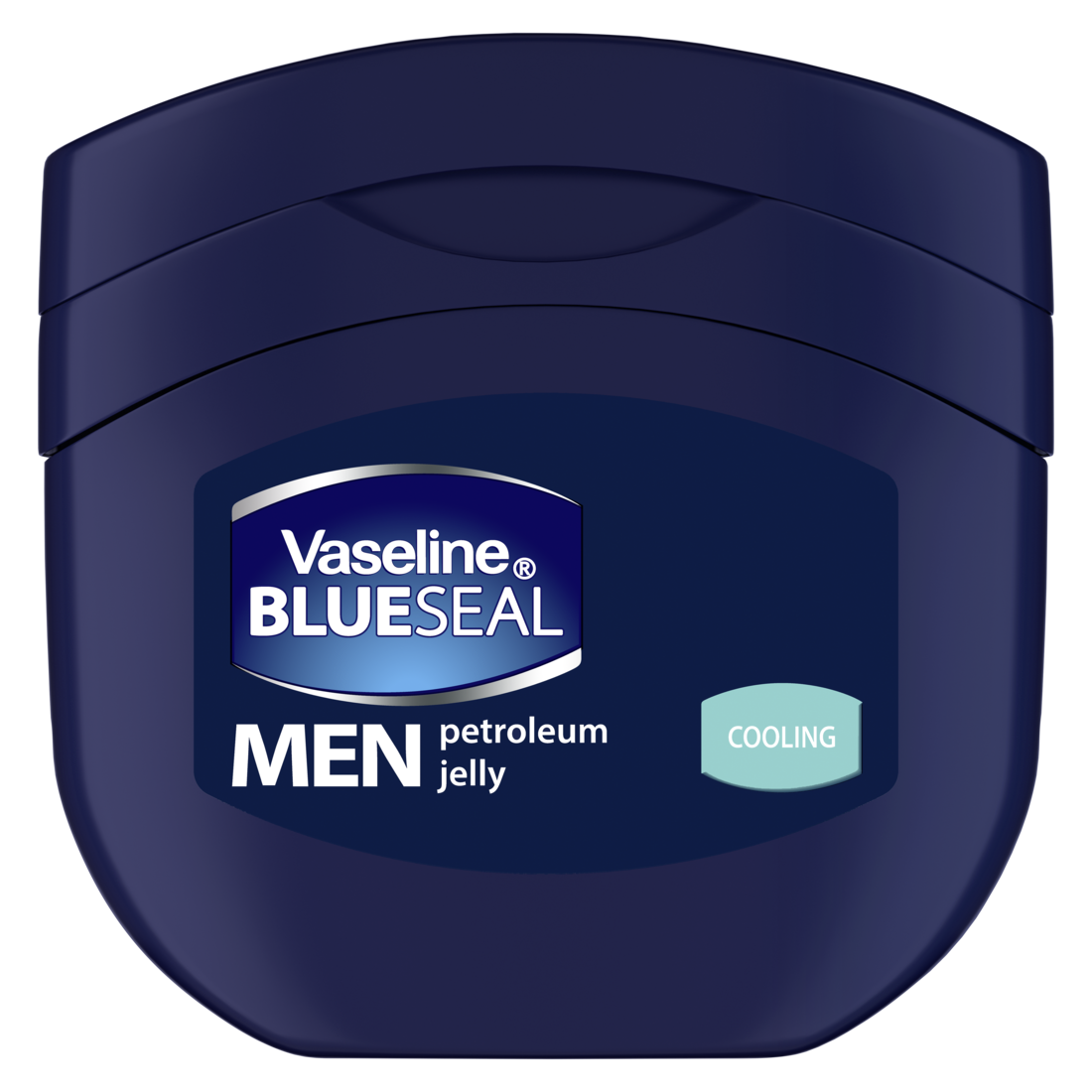
Petroleum jelly
1 jarNice to haveHelps with dry, chapped skin and sore lips and keeps skin soft.
How to use it: Apply a thin layer. Keep the lid closed to keep out dirt.
Sunscreen
1Nice to haveKigali is high and the sun can be strong, even on a cloudy day.
How to use it: Apply to face, ears and arms before going out. Ask a pharmacist for a child safe one.
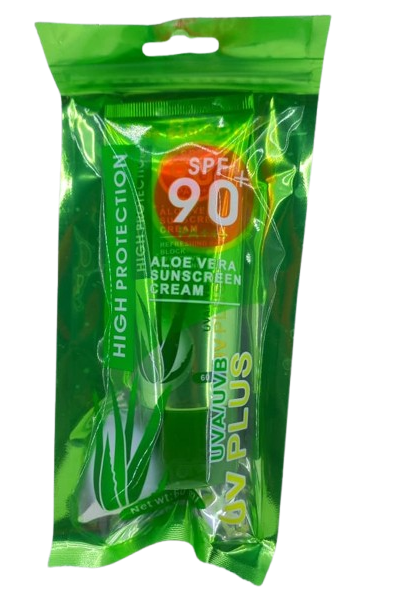 Kiss Beauty spf 90+ Aloe Vera Sunscreen Cream 60mlAmper SupermarketRWF 8,100
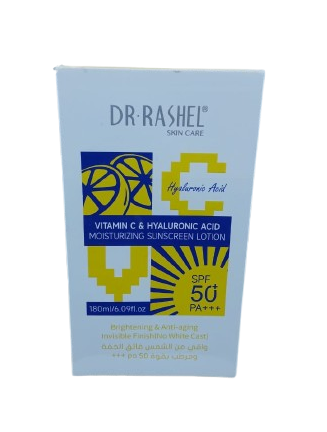 Dr.Rashel Vitamin C & Hyaluronic Acid Moisturizing Sunscreen Lotion SPF50+ PA+++180mlAmper SupermarketRWF 21,300
 Dr.Rashel Vitamin C & Hyaluronic Acid Moisturizing Sunscreen Lotion SPF90+ PA+++180mlAmper SupermarketRWF 21,300See more on Isokko
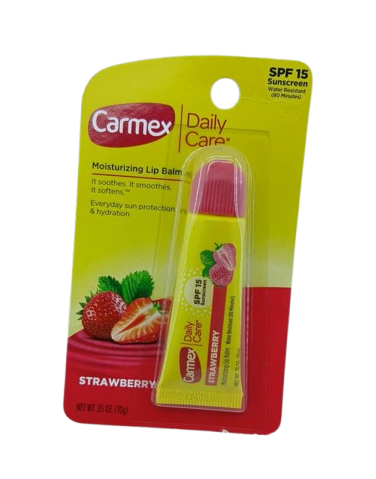
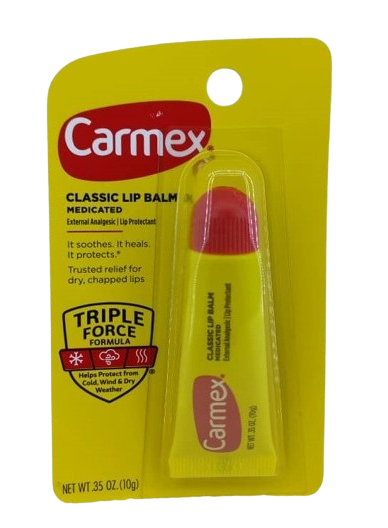
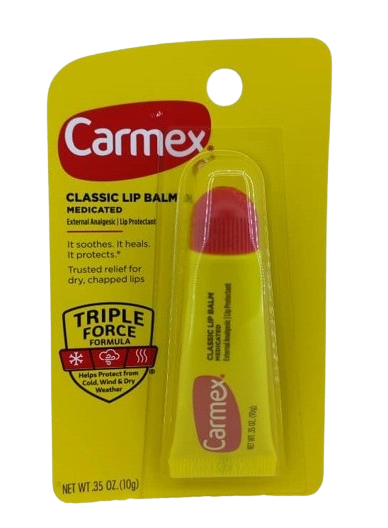
Lip balm
1Nice to haveDry season air and wind dry out lips.
How to use it: Keep one in the kit and one in your bag.
Mosquito net
1 per bed Must haveA net over the bed is a simple way to avoid bites at night.
How to use it: Tuck it under the mattress and check for holes. If someone has a fever, see a health worker, do not wait.
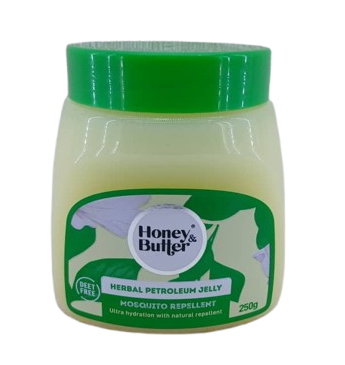
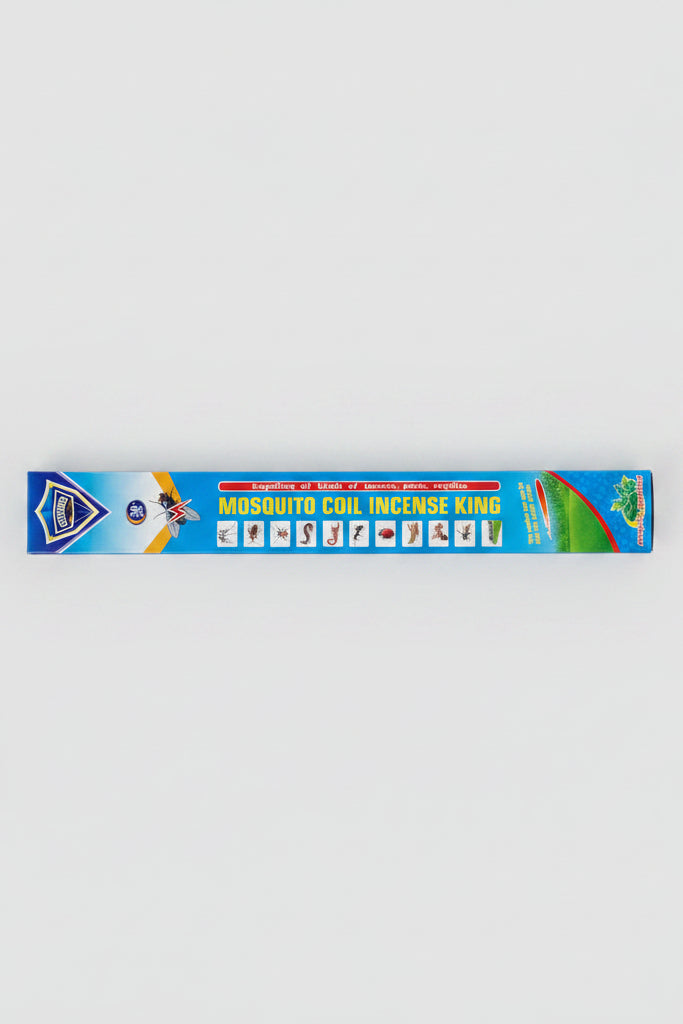
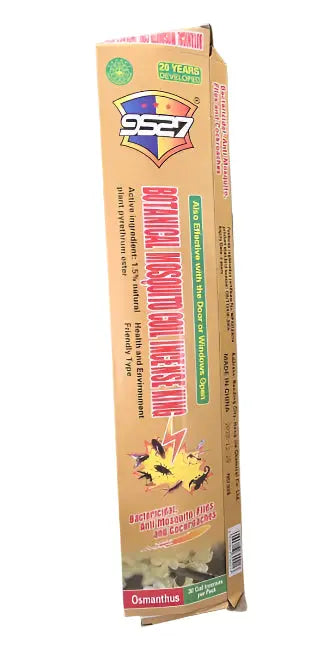
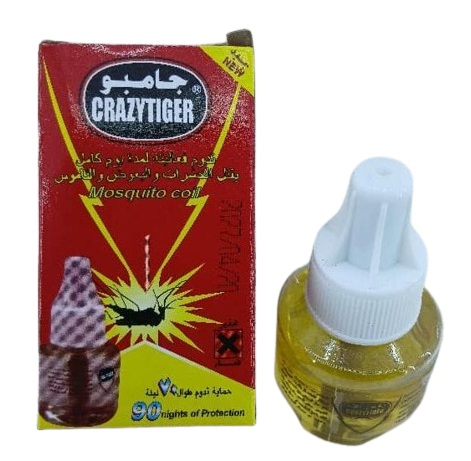
Mosquito coils or repellent
1 packNice to haveAnother layer of protection in the evening, when mosquitoes bite most.
How to use it: Use coils in a ventilated place. Keep away from children and bedding.


Hygiene and comfort
Clean hands and calm care cut down the spread of germs at home.
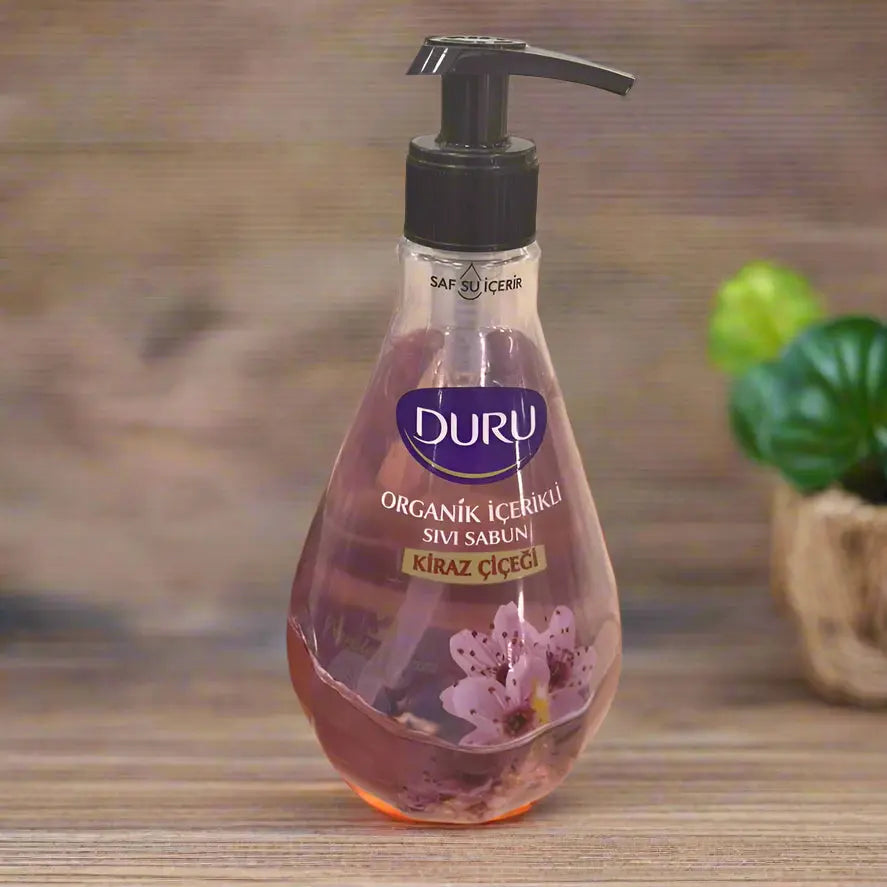
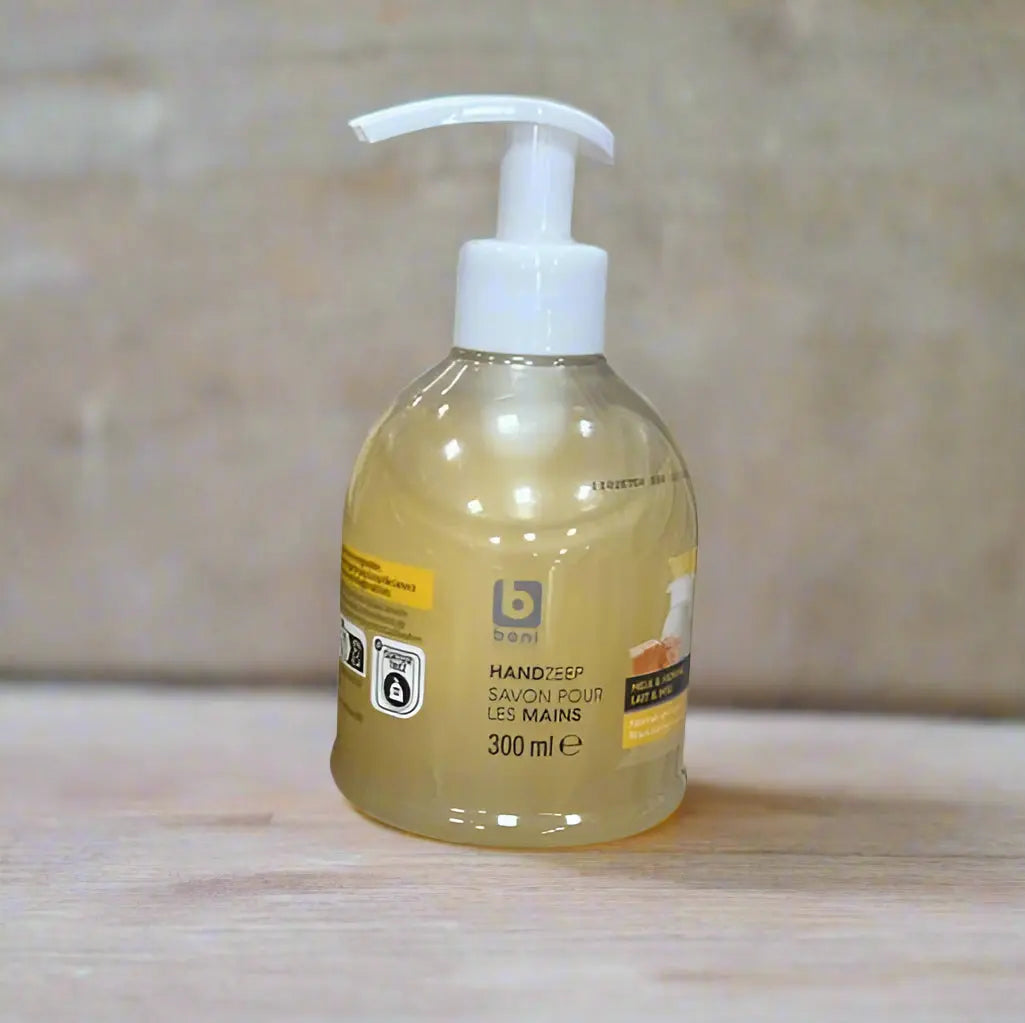
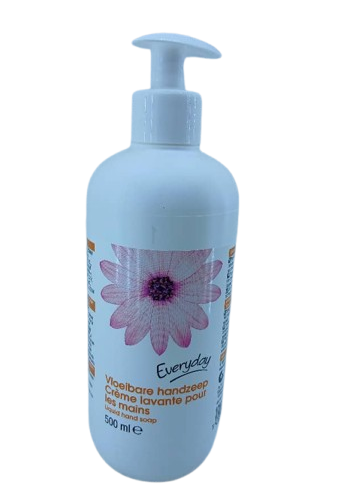
Liquid hand soap
1 bottle Must haveWashing hands is the best way to stop colds and stomach bugs from spreading.
How to use it: Wash for at least 20 seconds, especially before meals and after the toilet.
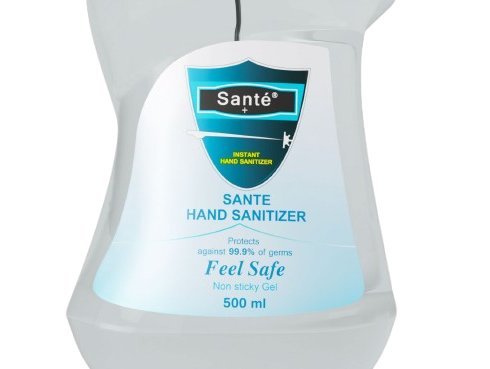
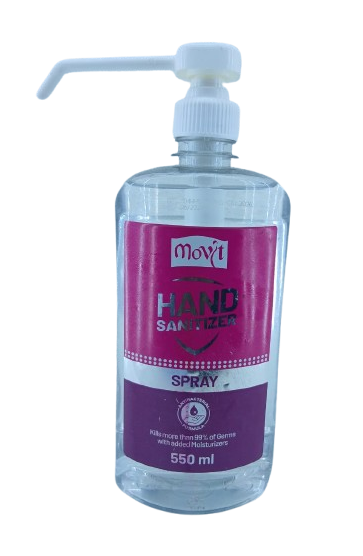
Hand sanitizer
1 bottleNice to haveFor when there is no clean water, such as on a trip or in a taxi.
How to use it: Use a coin sized amount and rub until dry. It does not replace washing when hands are dirty.
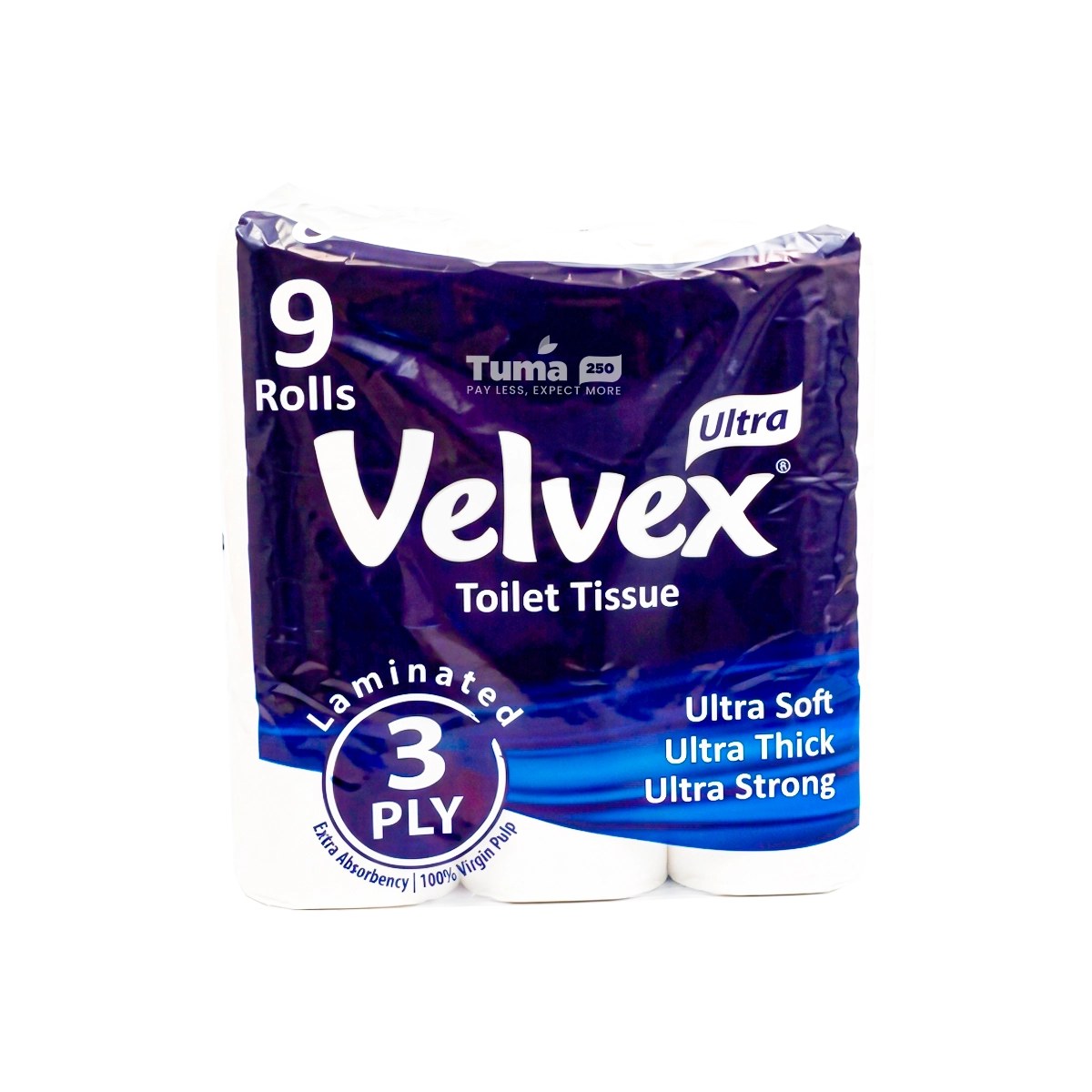
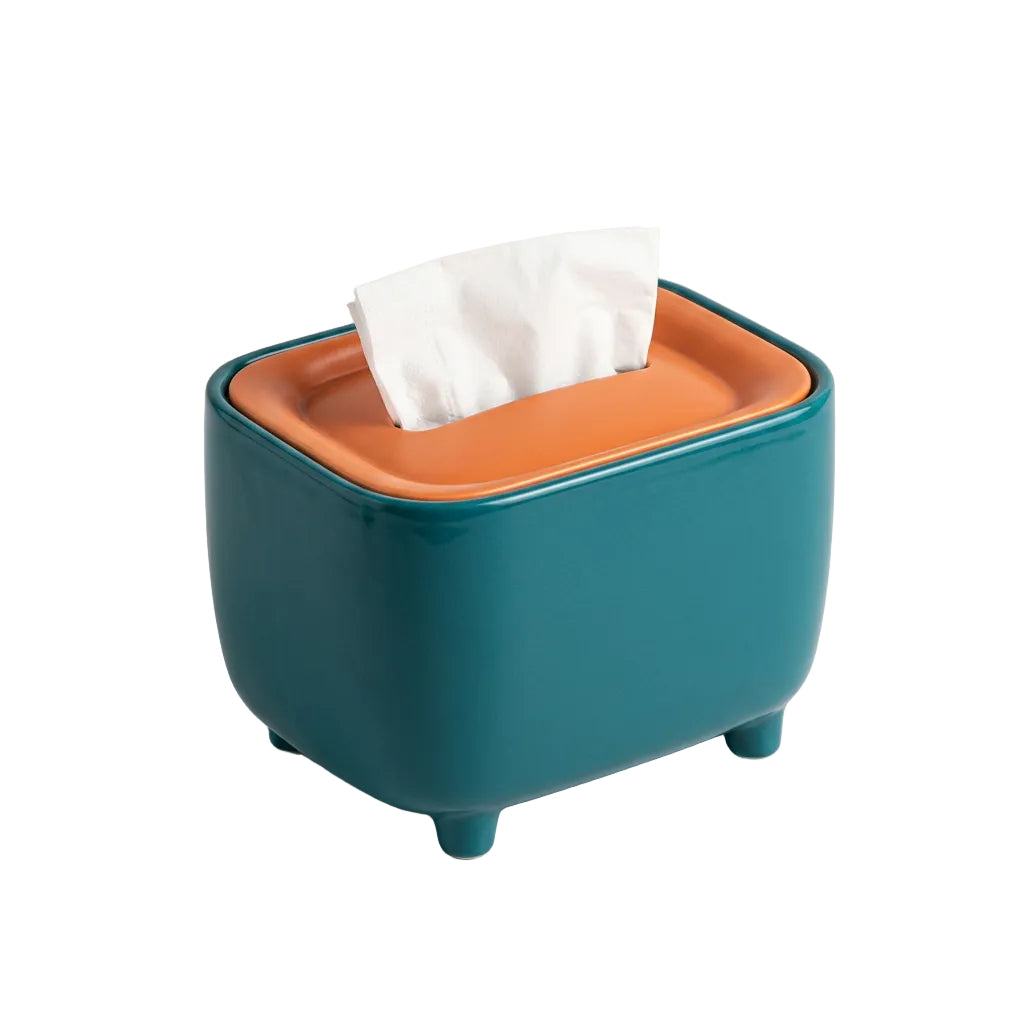
Tissues
1 packNice to haveHandy for colds and runny noses.
How to use it: Throw each tissue away after one use and wash hands.
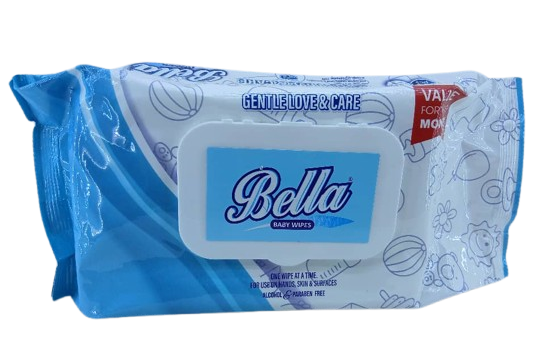
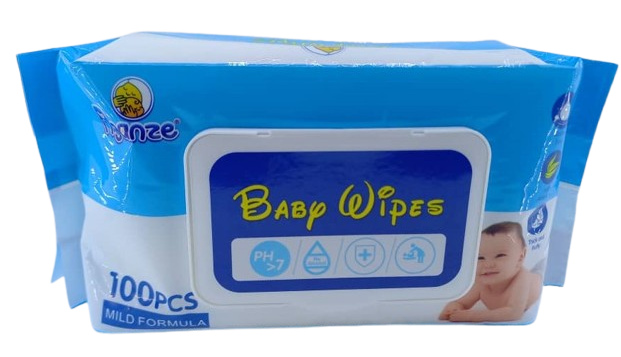
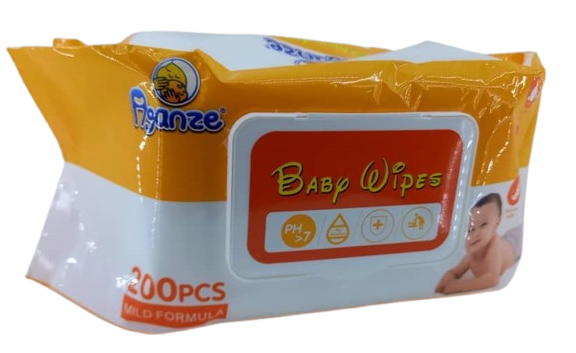
Baby wipes
1 packNice to haveQuick cleaning for hands, faces and small scrapes when water is far away.
How to use it: Choose fragrance free if skin is sensitive.
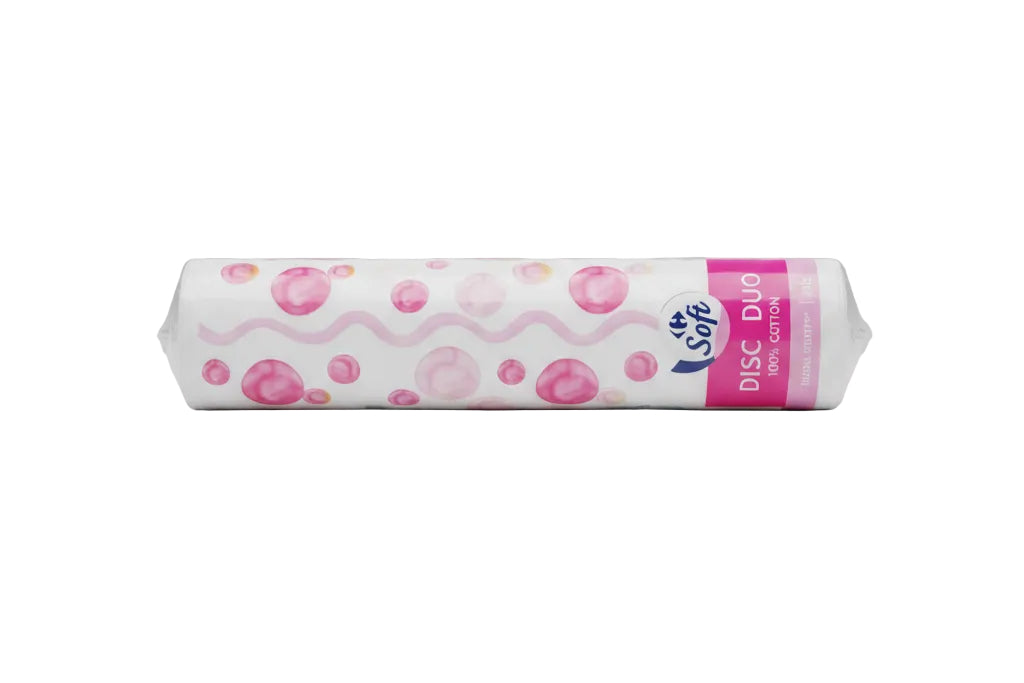
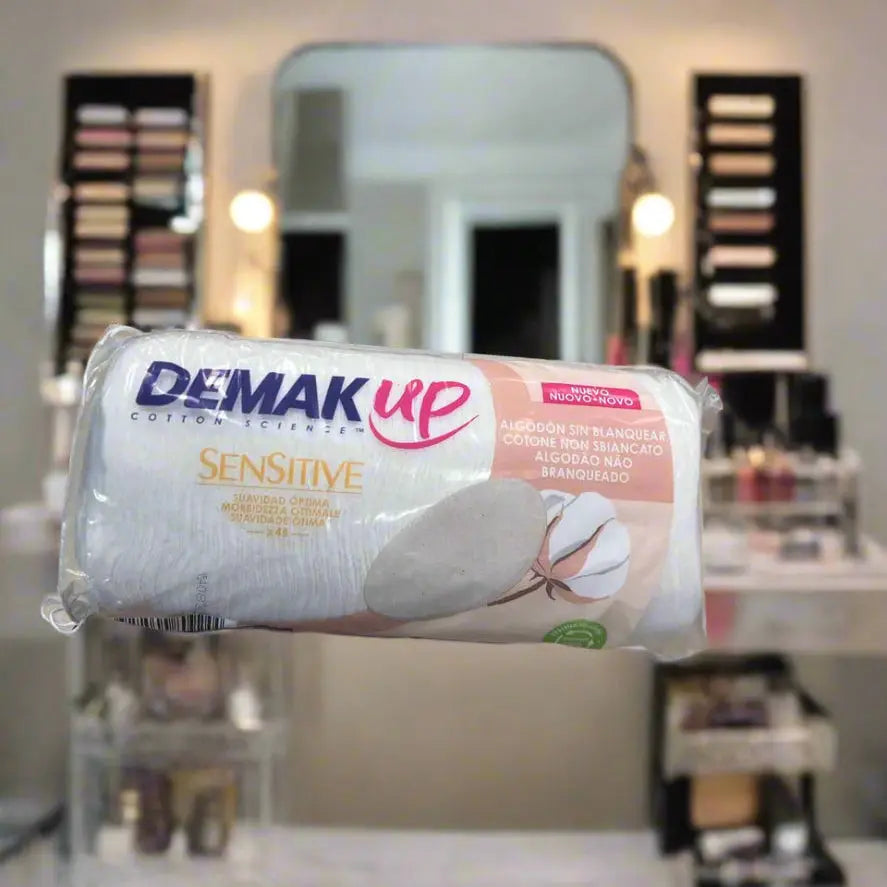
Cotton pads
1 packNice to haveSoft pads for gentle cleaning of the skin.
How to use it: Keep in a closed box so they stay clean.
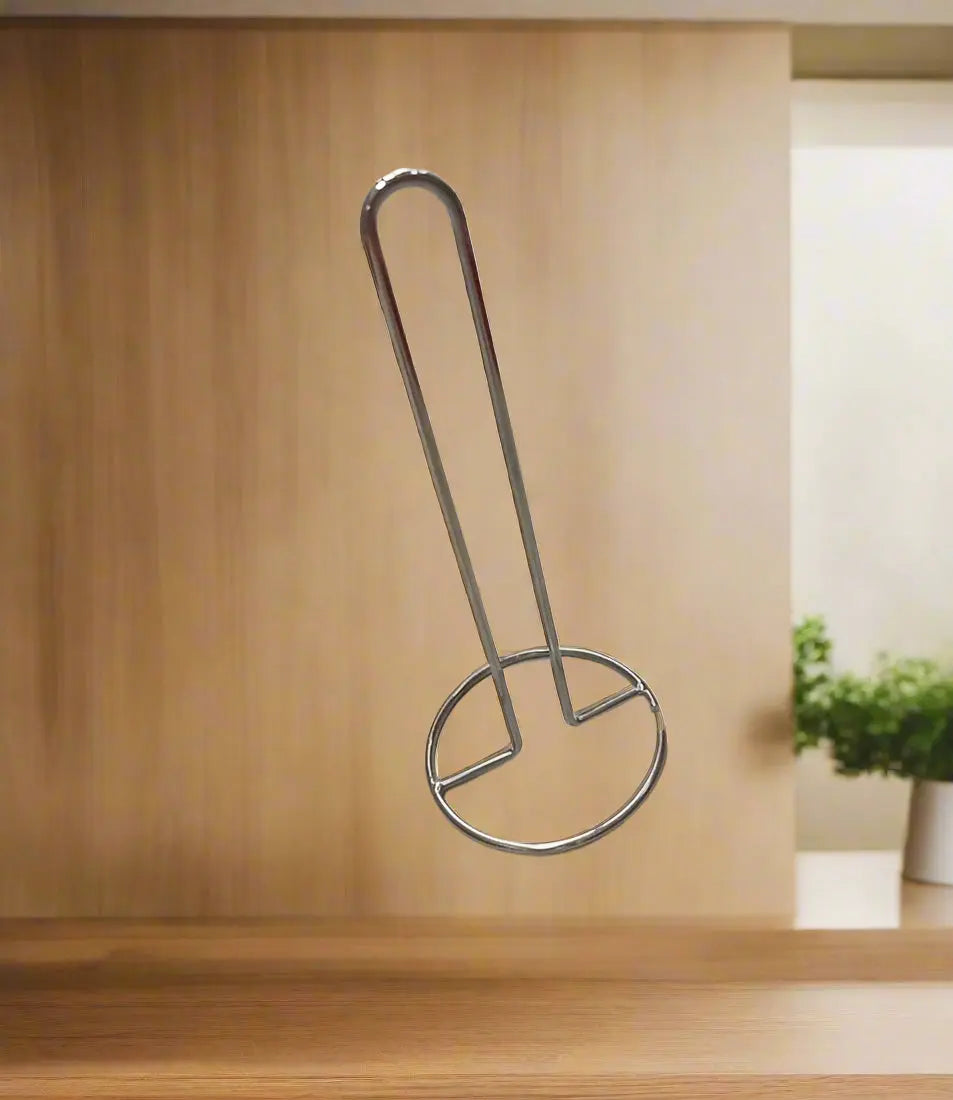
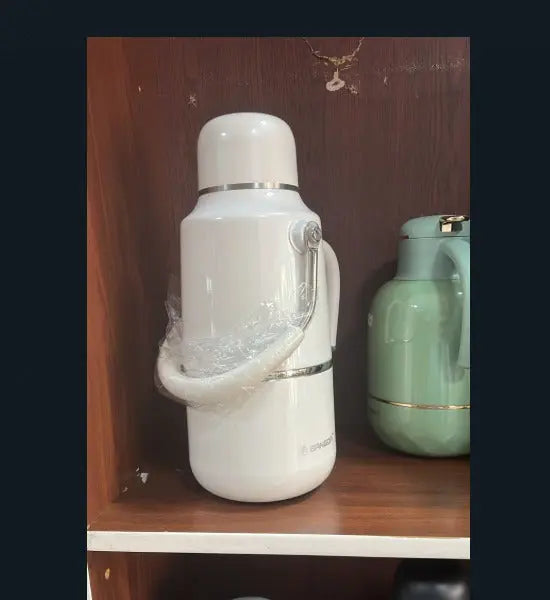
Hot water bottle
1Nice to haveA warm bottle on the tummy or back brings comfort for cramps and aches.
How to use it: Use warm, not boiling water, and wrap it in a cloth. Never use it on a baby.


Organizers and storage
A tidy cabinet lets anyone in the house find what they need quickly.
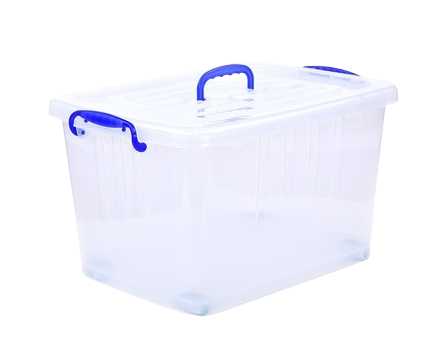
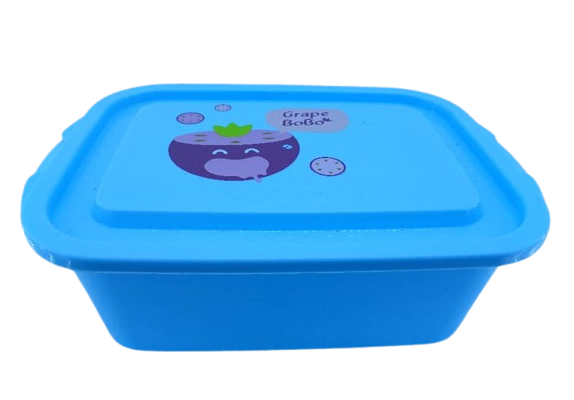
Storage box with lid
1 Must haveKeeps everything together and protected from dust and children.
How to use it: Choose a box that closes tightly. Store it in a cool, dry place, away from the kitchen steam and bathroom damp.
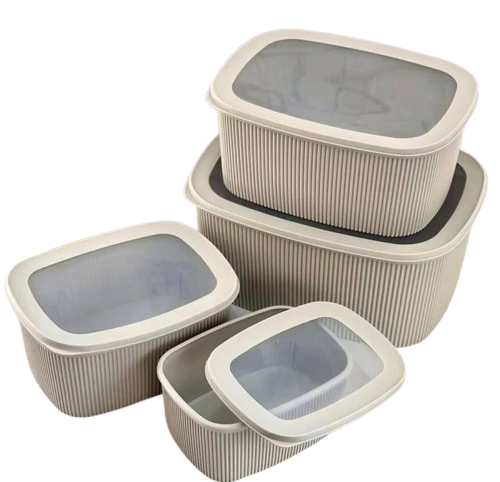
Small plastic containers
1 setNice to haveSort small items like bandages, gloves and cotton so nothing gets lost.
How to use it: Group by use, such as wounds, hygiene and tools.
Marker pen
1Nice to haveLabel boxes and write opening dates on bottles.
How to use it: Write the date opened on anything that is not sealed.
Zip bags
1 packNice to haveKeep items clean and dry, and make a small travel kit.
How to use it: Pack a mini kit for trips and the school bag.
Pill organizer
1Nice to haveHelps someone who takes regular medicine keep track of each day.
How to use it: Fill it once a week and only with medicines the doctor prescribed.
Lockable box
1Nice to haveA lock keeps medicines away from small children.
How to use it: Keep the key high up, not in the same place as the box.


Ask your pharmacist
We do not list doses. These are the questions to bring to a pharmacist or doctor.
Pain and fever relief
Ask first Must haveMany homes keep something for pain and fever, but the right one depends on age and health.
How to use it: Ask a pharmacist which one suits each person and what dose to give. Never guess a child's dose.
Oral rehydration salts
Ask first Must haveHelps replace fluids during diarrhea and vomiting, especially in children.
How to use it: Ask how to mix and give it. See a doctor if a child is very weak or cannot drink.
Regular prescription medicines
As prescribed Must haveFamily members with long term conditions need a steady supply.
How to use it: Keep them in the original packs with labels and note the refill date.
Medicine for children
Ask firstNice to haveChildren need medicines made for their age and weight.
How to use it: Ask for a dosing syringe or spoon from the pharmacist. Do not use kitchen spoons.
Step by step
- 1
Clear out first
Take everything out of the old cabinet. Check dates and set aside anything expired or unlabeled.
- 2
Buy the basics
Order wound care, a thermometer, hygiene items and the storage box from this list.
- 3
Talk to a pharmacist
Ask which medicines suit your family and write the answers in your notebook.
- 4
Set it up
Put everything in labeled containers. Keep the box high, dry and out of reach of children.
- 5
Check twice a year
Look at dates and refill what is low. Rainy season is a good time to check.
Tips that help
- Keep the cabinet away from heat, steam and direct sun. A bathroom shelf is often too damp.
- Write the emergency numbers and the nearest health center on a card inside the lid.
- Show older children and other adults where the kit is and what is in it.
- Keep a small travel kit in a bag for trips upcountry.
- Write the date you opened anything that is not sealed.
- Keep medicines in their original packs, with the leaflet.
- Check the kit before holidays and the rainy seasons.
Mistakes to avoid
- Keeping medicines where small children can reach them.
- Using old medicines or those with no label. If in doubt, ask a pharmacist.
- Guessing doses, especially for children.
- Storing everything in the bathroom, where damp can spoil it.
- Treating a high fever or a very sick child at home without seeing a health worker.
- Using one open bottle of antiseptic for months without checking the label.
Questions people ask
Where should I keep the medicine cabinet at home?+
Choose a cool, dry place away from the kitchen steam and bathroom damp. Keep it high or locked, away from children.
How often should I check the cabinet?+
Check at least twice a year, for example before each rainy season. Throw away or ask a pharmacist about anything expired, damaged or without a label.
What should I do with old medicines?+
Do not leave them lying around or give them to someone else. Ask a pharmacist or health center how to dispose of them safely.
Do I need a thermometer if I can feel a fever?+
Yes, it is worth having one. A number is more reliable than touch and helps a health worker give advice. For a baby with a fever, see a doctor quickly.
When should I go to a health center instead of treating at home?+
Go if someone has a high or long lasting fever, trouble breathing, a deep wound, severe pain, or if a baby or small child seems very unwell. When unsure, ask a health worker.
A well organized cabinet is a small thing that gives big peace of mind. Order the basics from this list on Isokko and have them delivered in Kigali, then ask your pharmacist about the rest.
Shop this list
Get everything delivered in Kigali
Order from local stores on Isokko and pay with MoMo, card or cash. Same-day delivery.