
Checklist · Sports & fitness
Building a Home Gym in a Spare Room or Garage: What to Buy
Plan a small home gym in a spare room or garage in Kigali. A checklist of space friendly equipment, floor, storage and comfort items.
Updated November 24, 2026 · By Isokko
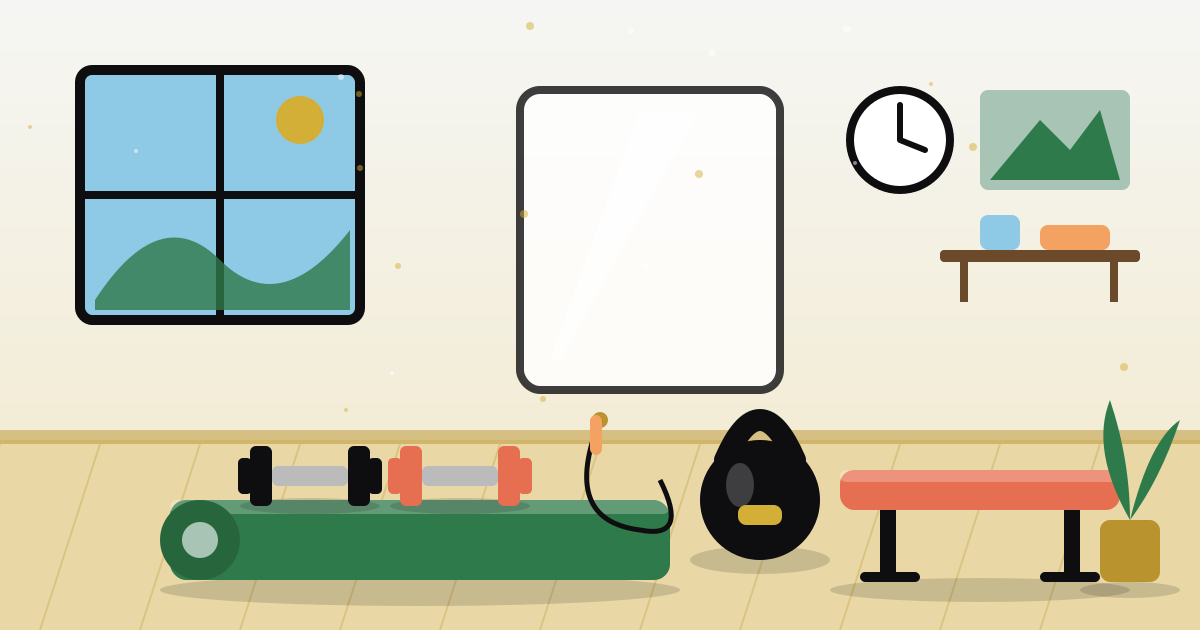
You do not need a big budget or a big room to train at home. A mat, a few weights, a rope and a good floor are enough to start. A spare room or even a garage corner works.
The trick is to buy small, flexible equipment first and see what you actually use. Items that store easily are best when you share the space with a car, laundry or boxes.
This checklist covers the floor, strength gear, cardio, comfort and storage. Pick what fits your goals, your budget and your space.
Who it's for
Anyone turning a spare room, corner or garage into a workout space
Time needed
Set up over one weekend, then add gear slowly
When to shop
Start with floor, mat and light weights, then add bigger items later
On the list
29 items, 10 must haves
0 of 29 ready
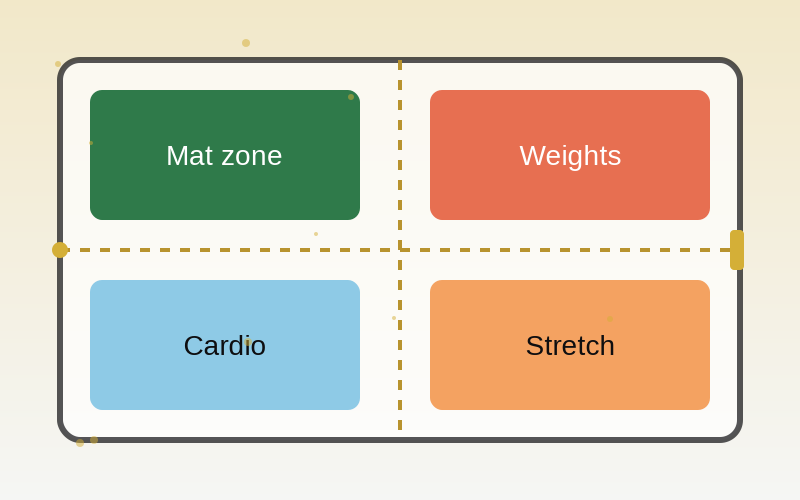
Floor and room setup
A safe, clean floor and a comfortable room make you want to come back.
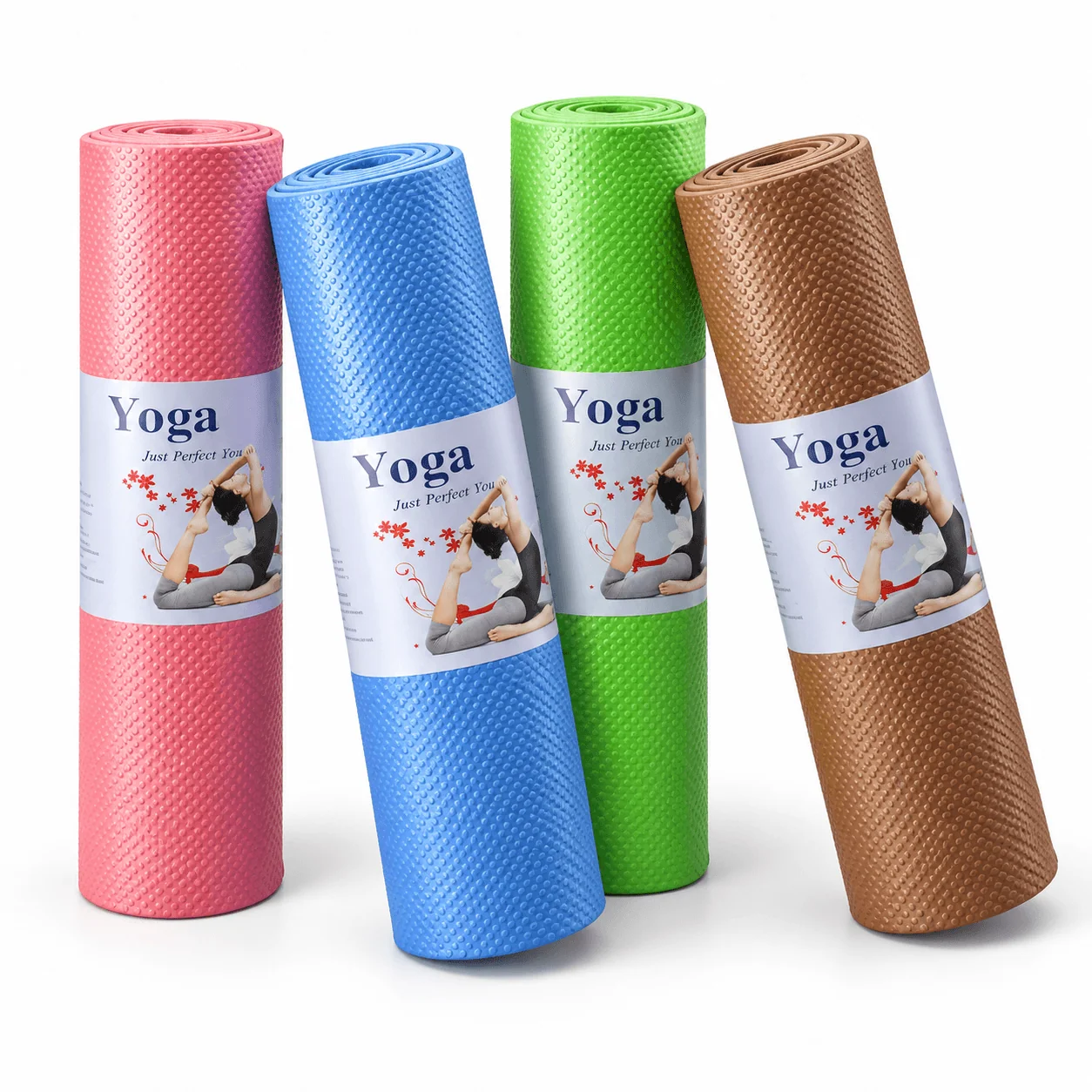
Yoga mat
1 Must haveIt cushions the floor for core work, stretches and floor exercises.
How to use it: Roll it out before each session and wipe it clean after. Roll it up when done.
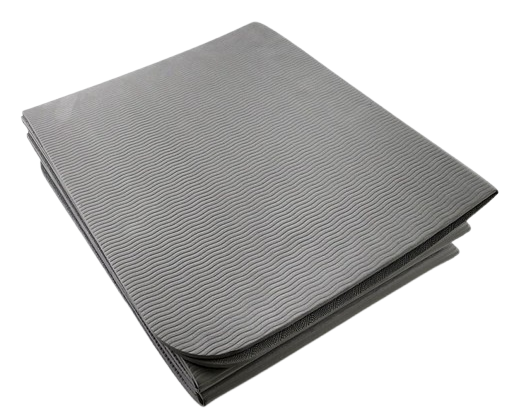
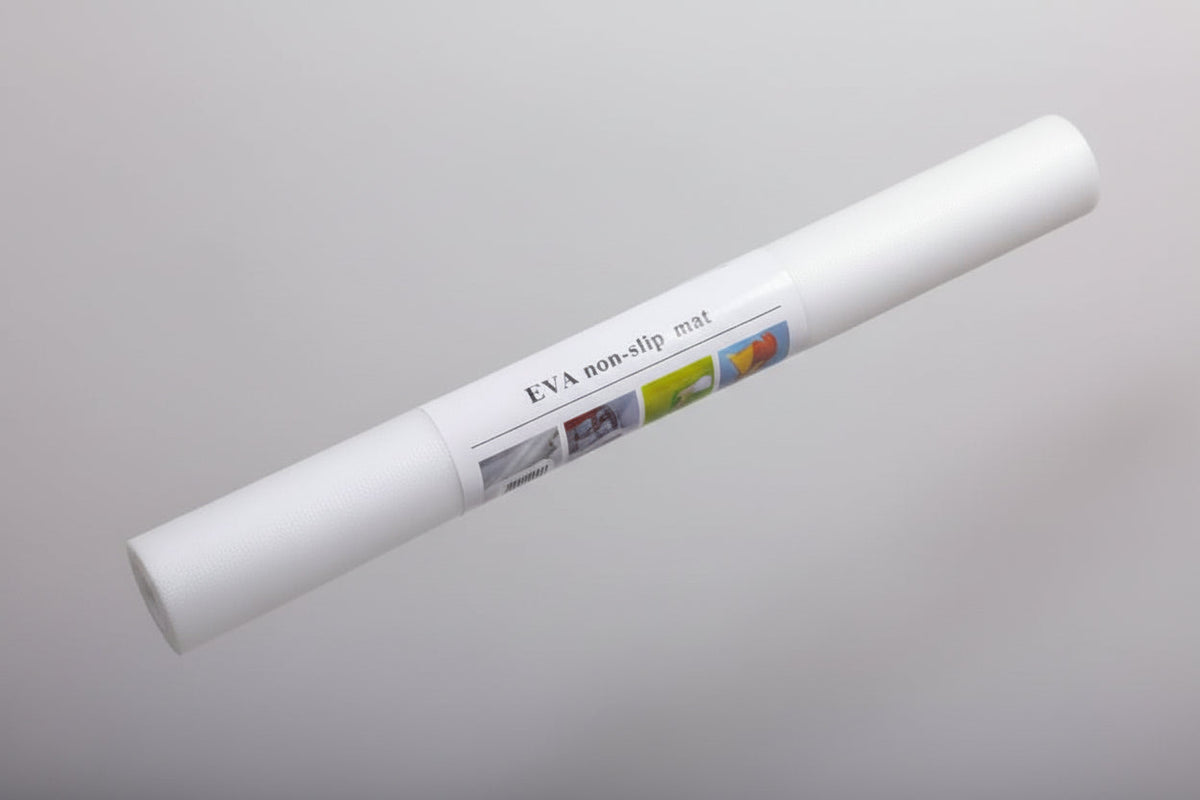
Non slip floor mat
1 to 2 Must haveConcrete floors in garages are hard and slippery when sweaty.
How to use it: Lay it where you stand for weights or jumps. Check the edges lie flat.
Standing fan
1 Must haveRooms heat up fast when you exercise. A fan keeps you cool and the air moving.
How to use it: Place it to the side, not right at your face. Keep the cable away from your workout area.
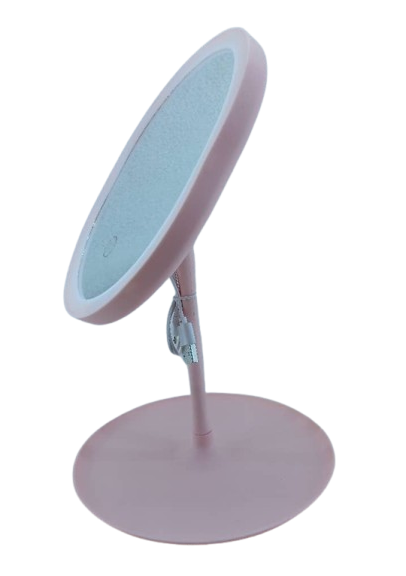
Wall mirror
1Nice to haveA mirror helps you check your form, especially on squats and lunges.
How to use it: Fix it safely to a wall or lean a stable one against it. Keep it out of reach of swinging weights.
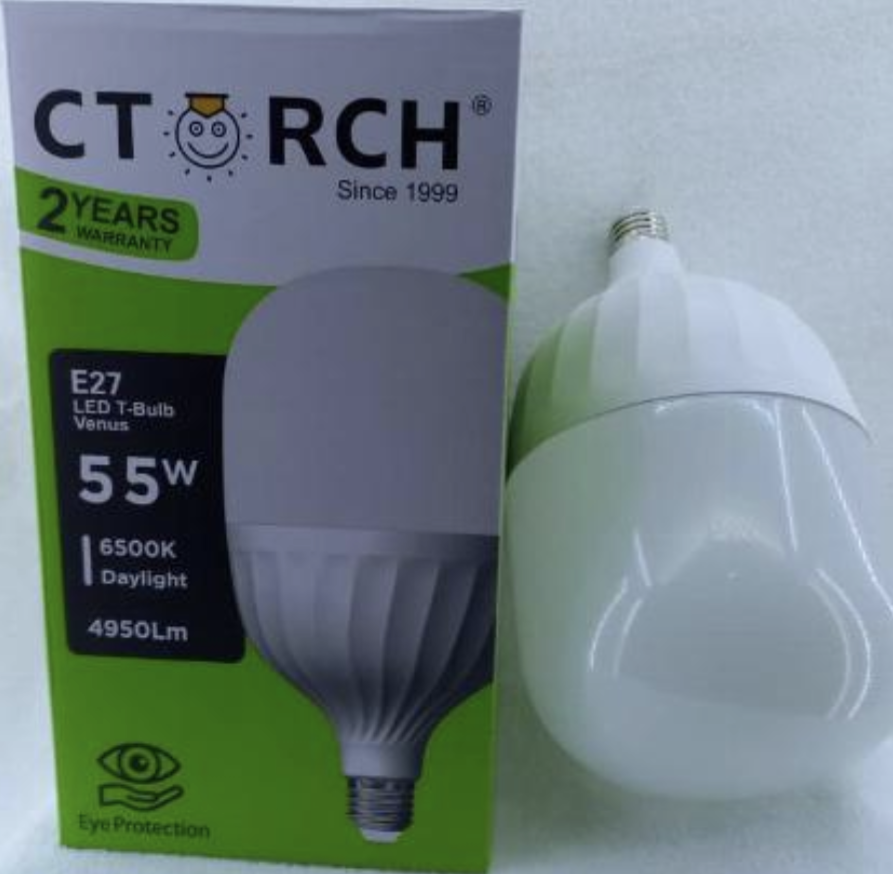
LED bulb
1 to 2Nice to haveBright, even light helps you exercise safely in a garage or a dim room.
How to use it: Use a daylight bulb and keep it away from the area for overhead moves.
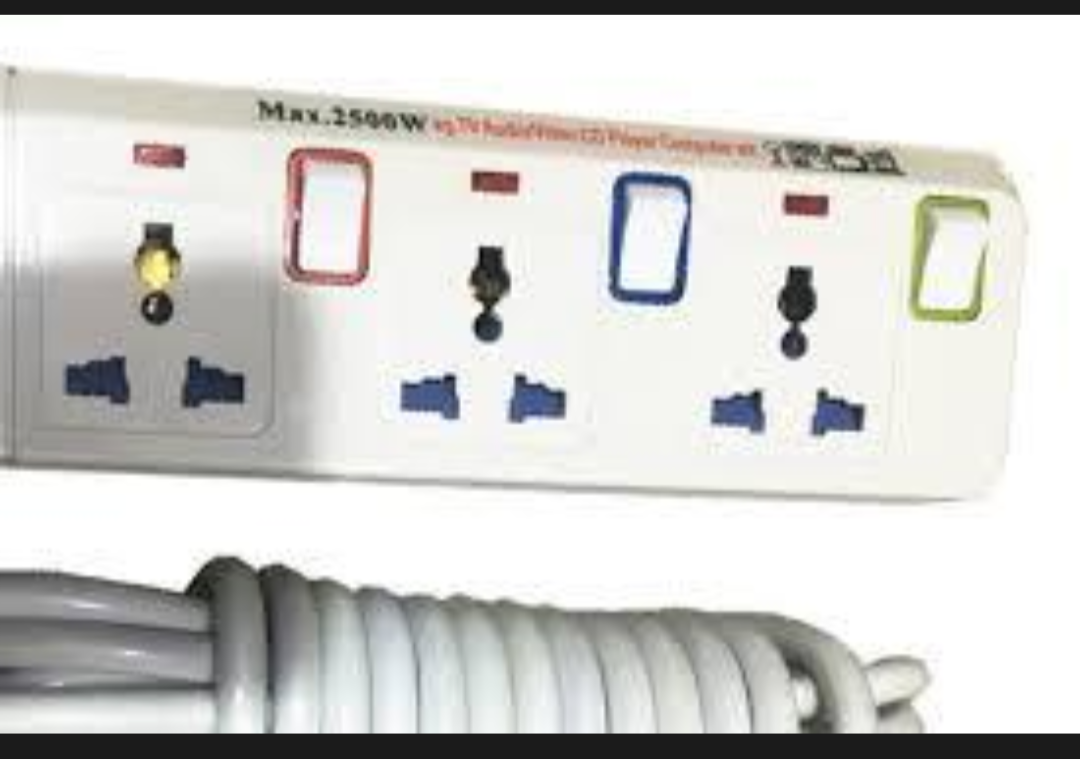
Extension socket
1Nice to haveA speaker, fan or phone charger all need power in the same corner.
How to use it: Keep it off the floor and away from sweat and water.






Strength gear
Light, flexible tools that give you many exercises in a small space.
Dumbbells
1 to 2 pairs Must haveYou can train every muscle group with one or two pairs.
How to use it: Start light and add weight when your last reps feel easy. Keep good form first.
Kettlebell
1Nice to haveSwings, squats and carries work your whole body in a small footprint.
How to use it: Learn the hinge movement from a trusted video or trainer before you swing.
Resistance bands
1 set Must haveCheap, light and good for legs, back and shoulders. Easy to store in a drawer.
How to use it: Check bands for cracks before each use and attach them only to stable points.
Adjustable bench
1Nice to haveA bench lets you do presses, rows and step ups.
How to use it: Check that it is stable and safe on your floor. Choose one that folds if space is tight.
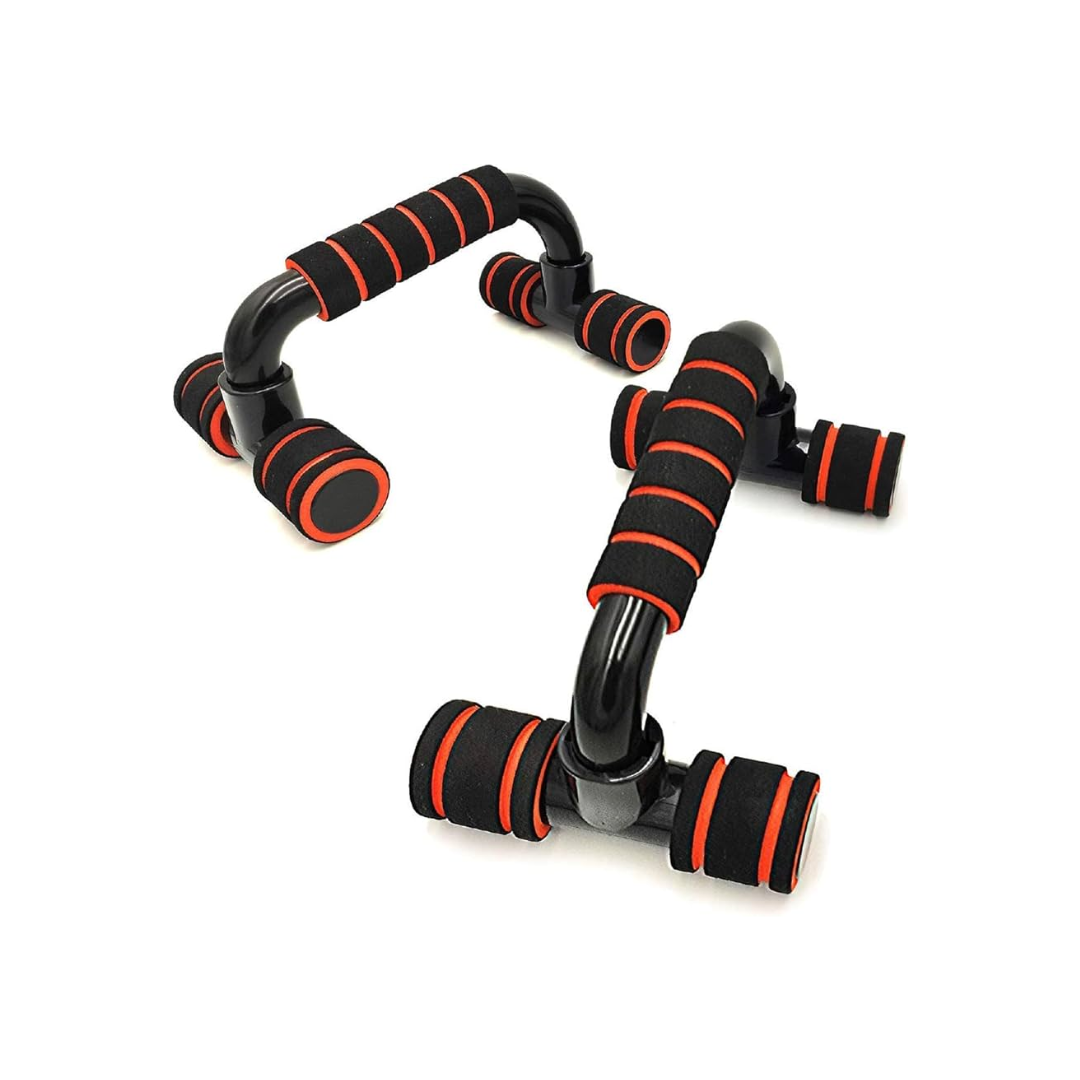
Push up stand
1 pairNice to haveHandles reduce wrist strain and let you go deeper on push ups.
How to use it: Place on a flat floor mat and keep your back straight.
Pull up bar
1Nice to haveIt trains your back and arms and fits a door frame or wall.
How to use it: Only fix it where your frame is strong. Ask a technician if you are not sure.
Weight plates and barbell
1 setNice to haveGood for people who want to lift heavy over time, but they need space and care.
How to use it: Only buy when you know how to lift safely, and keep a safe place to store them.
Weightlifting gloves
1 pairNice to haveGloves reduce hand pain on rough metal and give extra grip.
How to use it: Choose a snug size and air them after use.


Cardio and core
Heart rate work with little equipment.
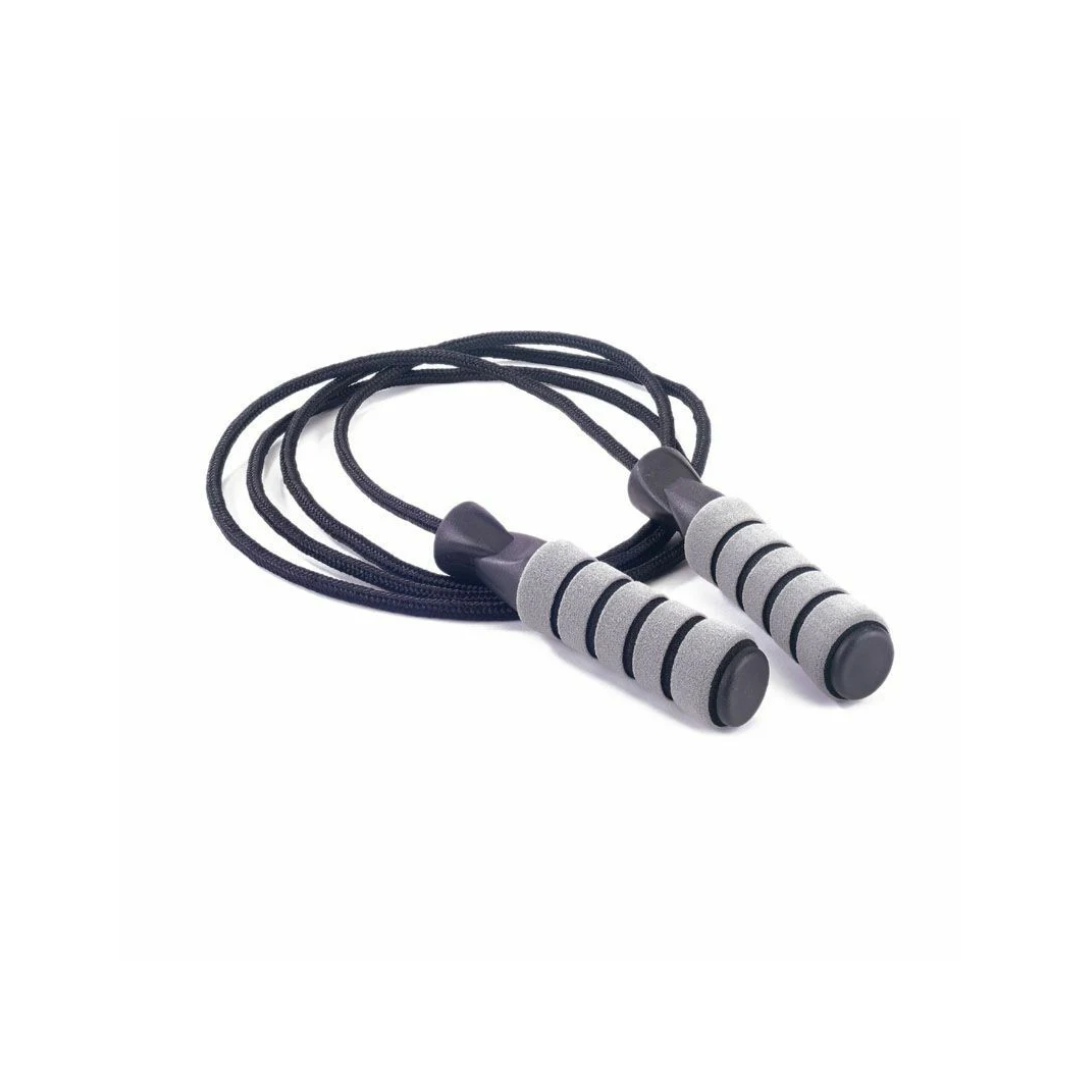
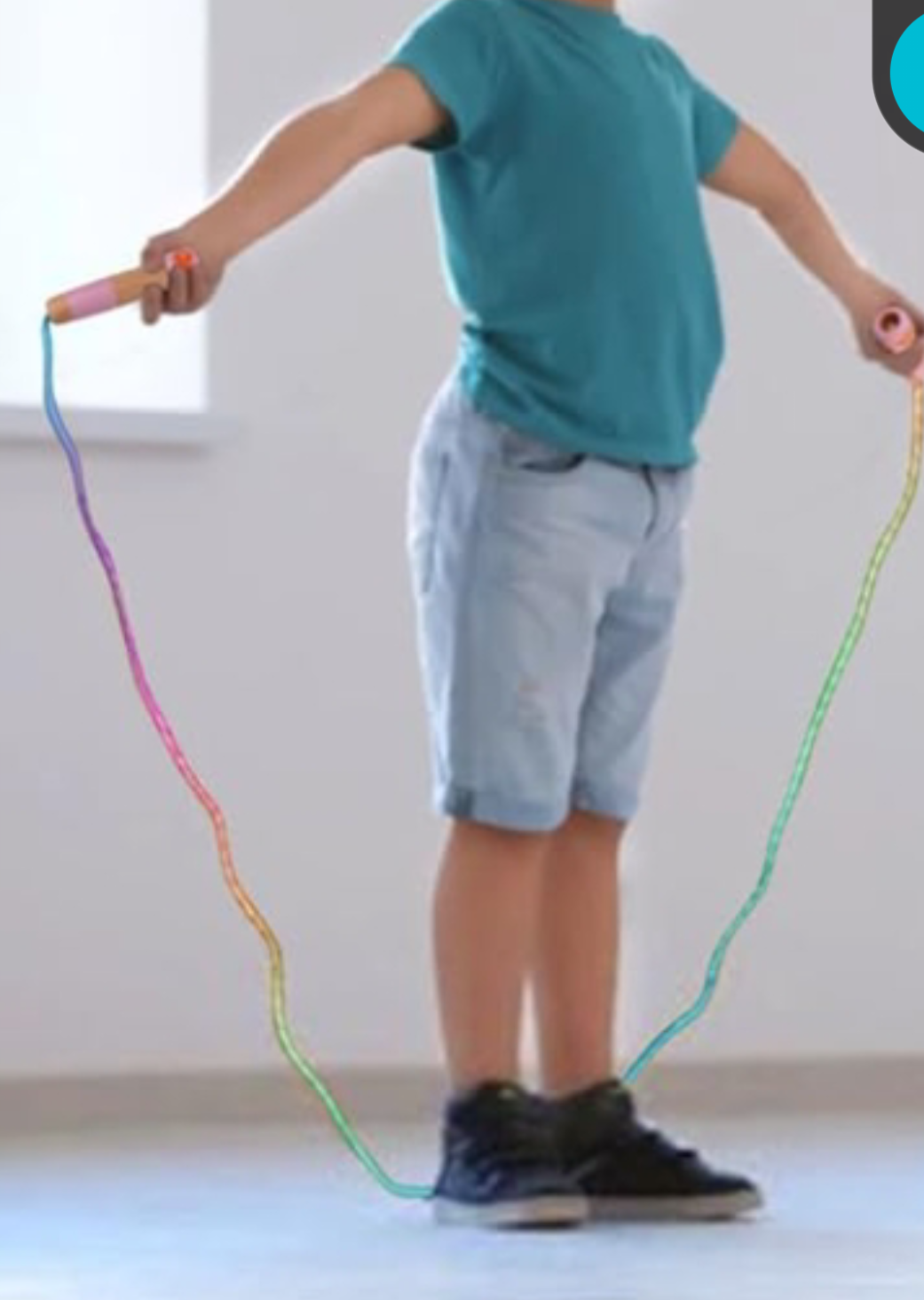
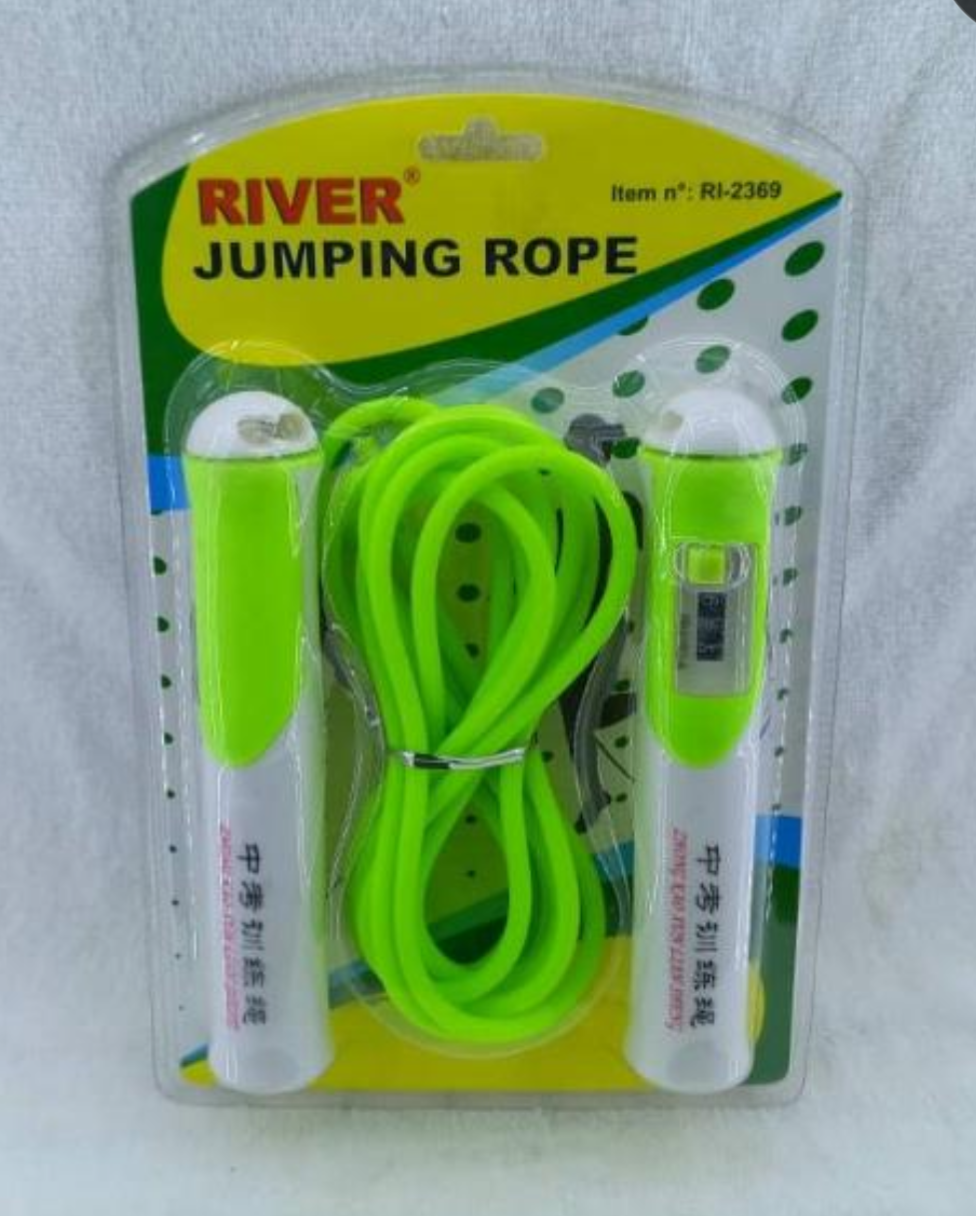
Skipping rope
1 Must haveOne of the best cardio tools you can buy, and very cheap.
How to use it: Start with short rounds and rest. Skip on your mat or a firm, level floor.
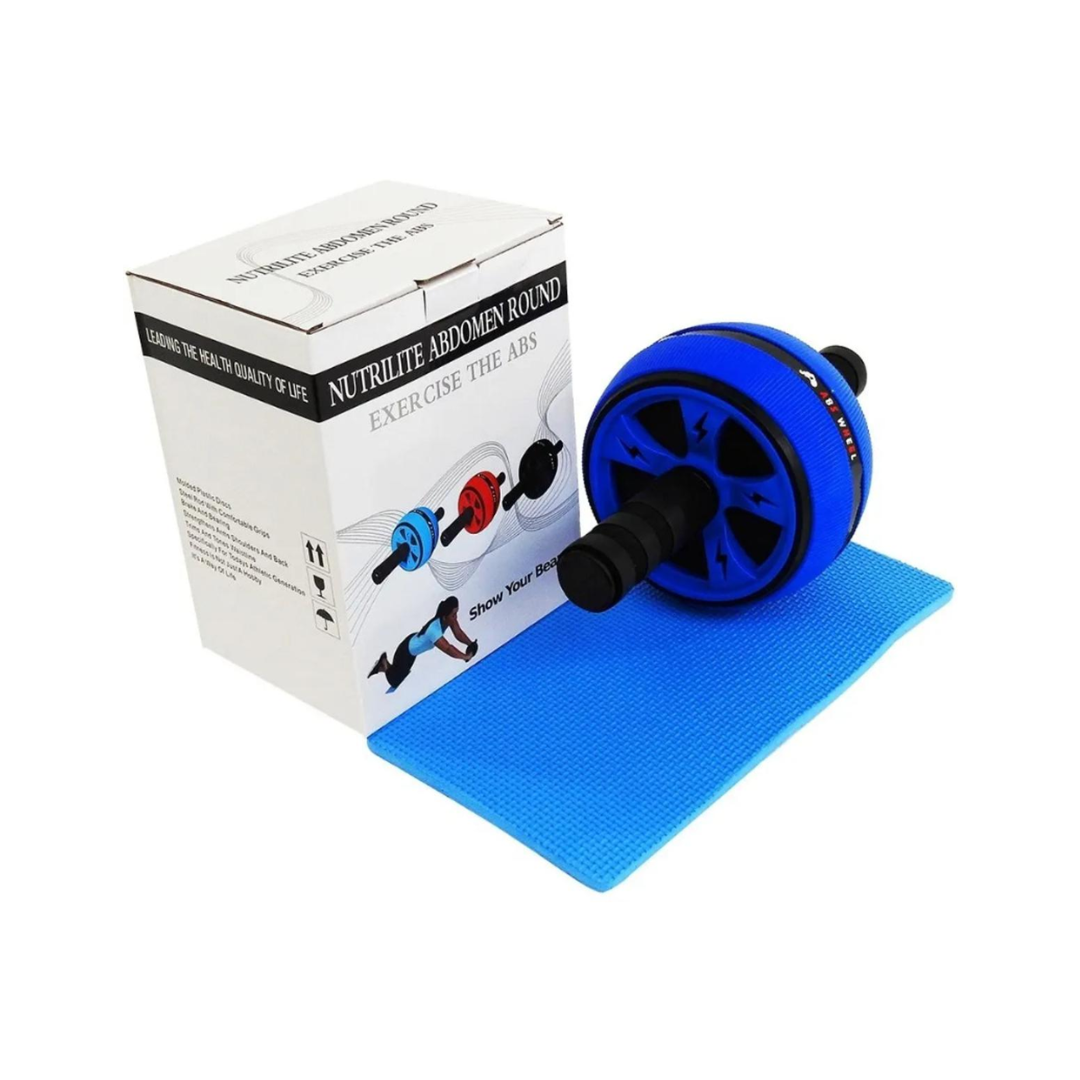
Ab wheel
1Nice to haveWorks your core in a small tool. Hard at first, so go slowly.
How to use it: Start from your knees and roll out only as far as you can control.
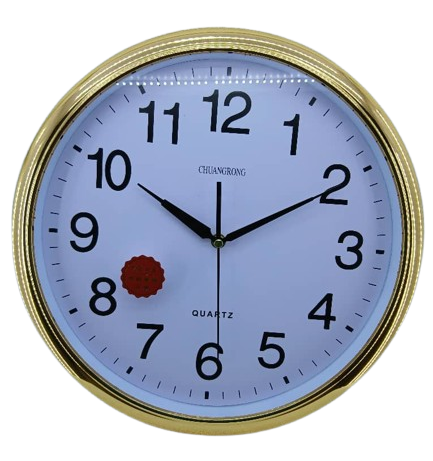
Wall clock
1Nice to haveTimed rounds keep your workouts honest and short.
How to use it: Use your phone or a wall clock to track work and rest.


Recovery and comfort
Make it easy to stretch, drink and stay clean after training.
Foam roller
1Nice to haveRolling tired muscles after a workout can feel good.
How to use it: Roll slowly for 30 seconds on each large muscle. Avoid joints.
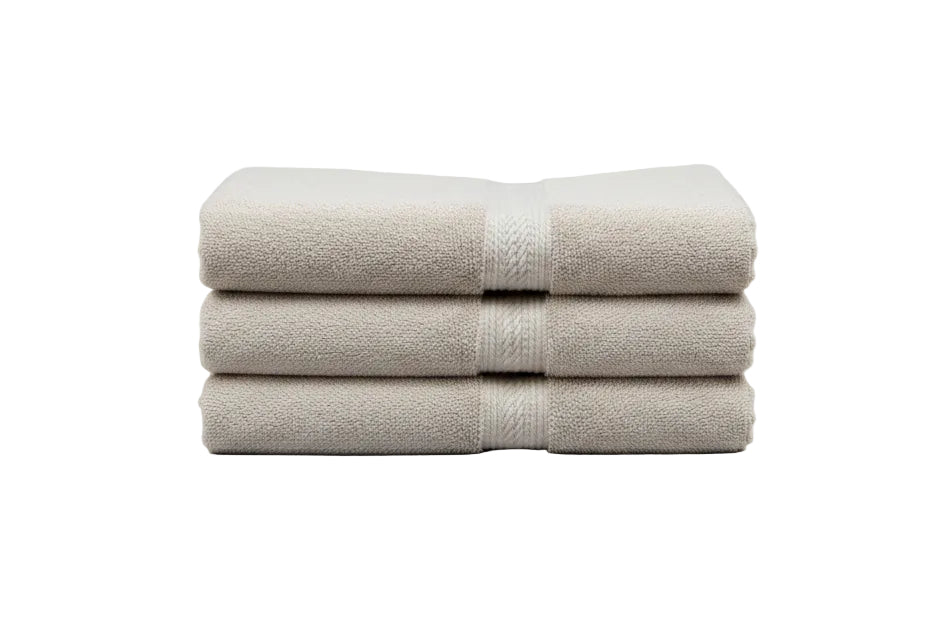
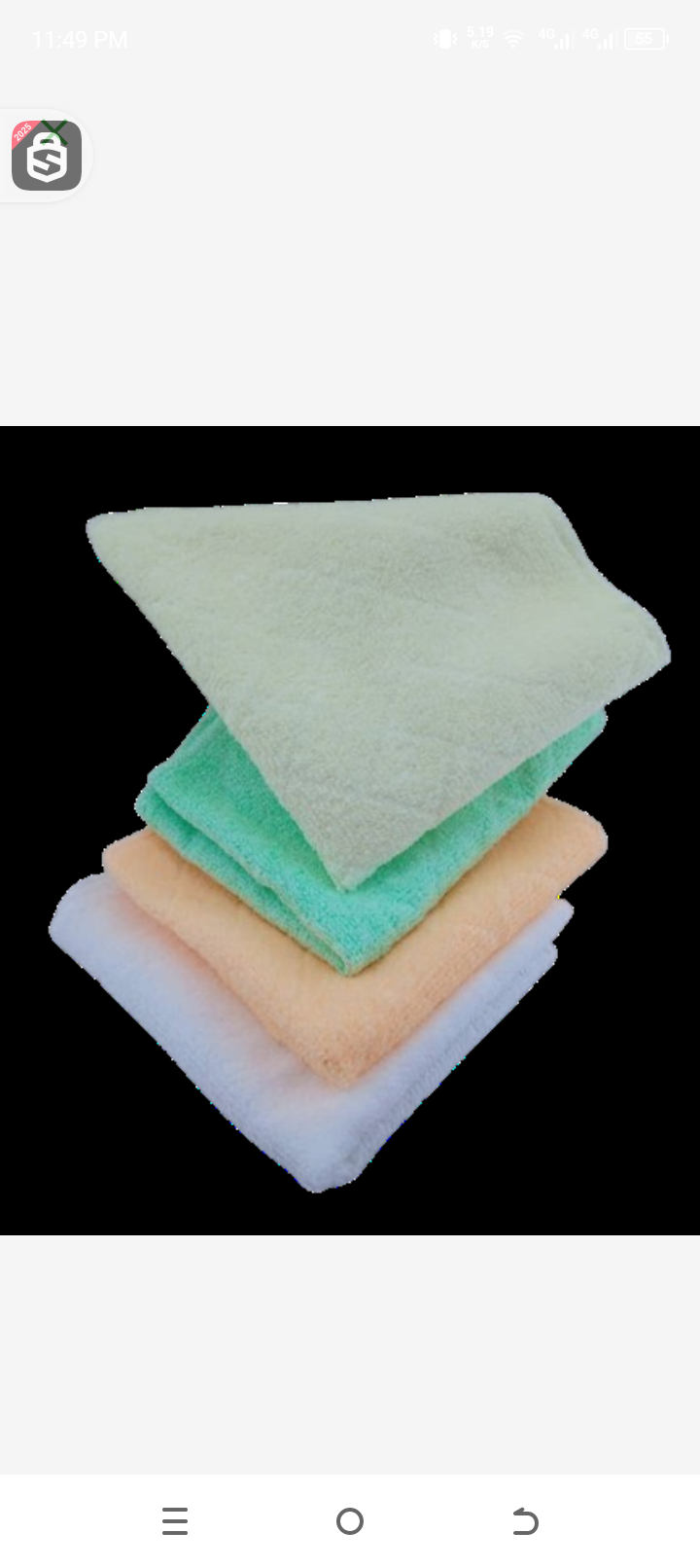
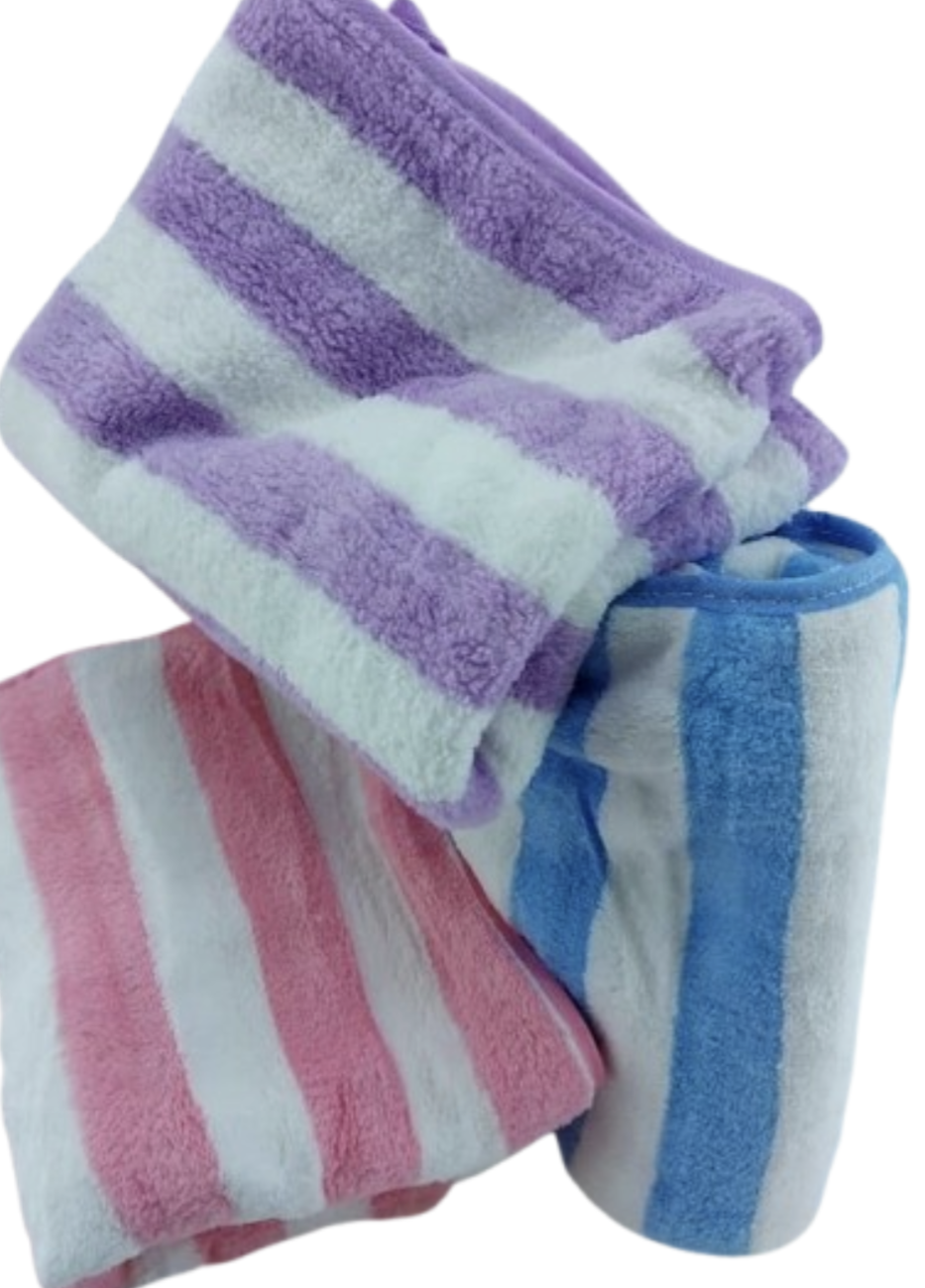
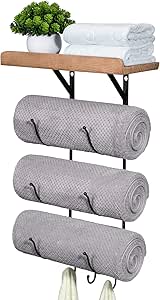
Gym towel
2 Must haveWipes sweat and keeps your mat and bench cleaner.
How to use it: Keep two so one is always clean. Wash after each use.
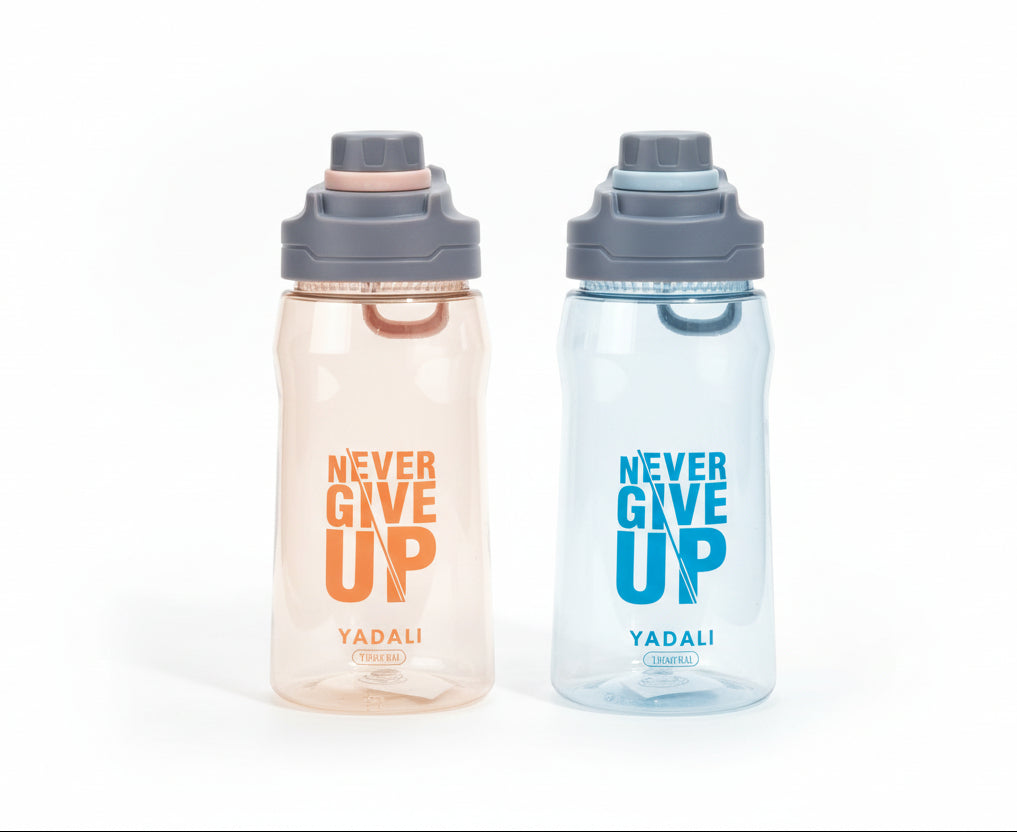
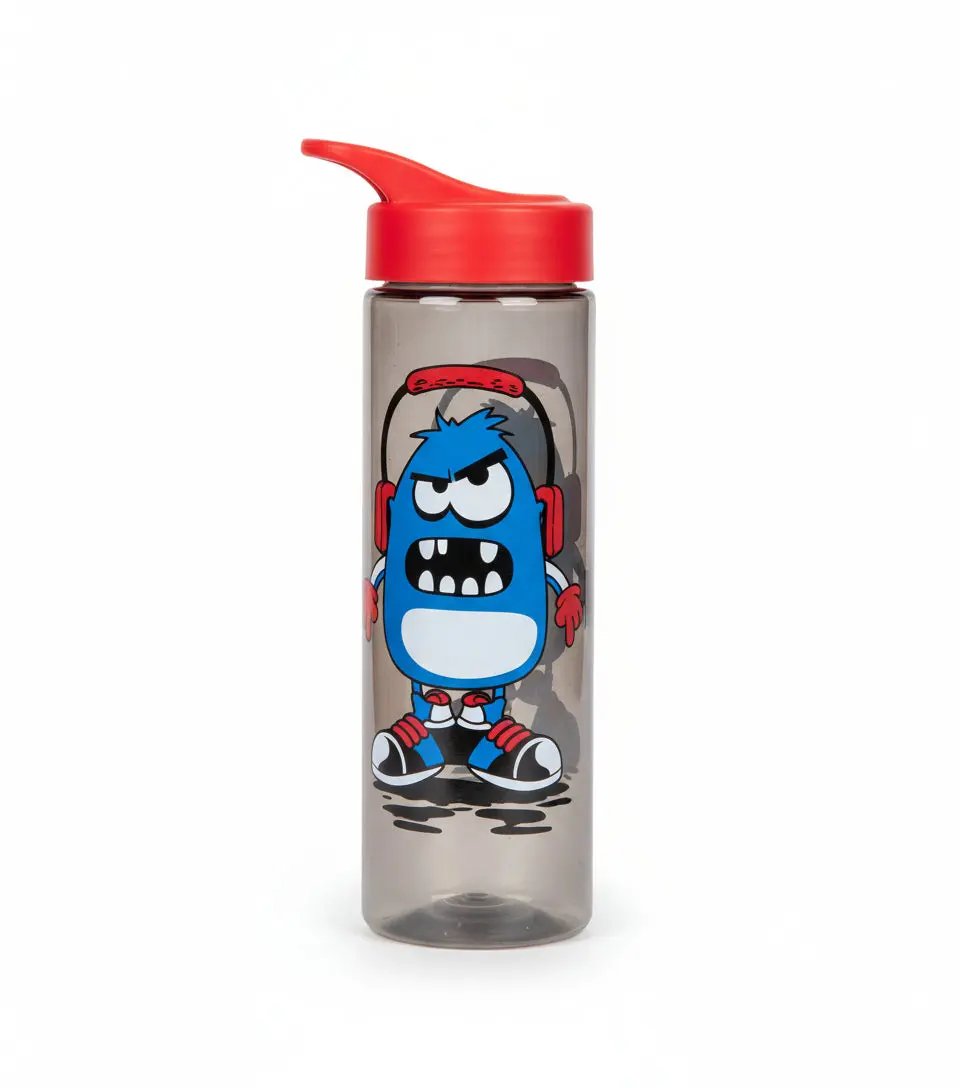
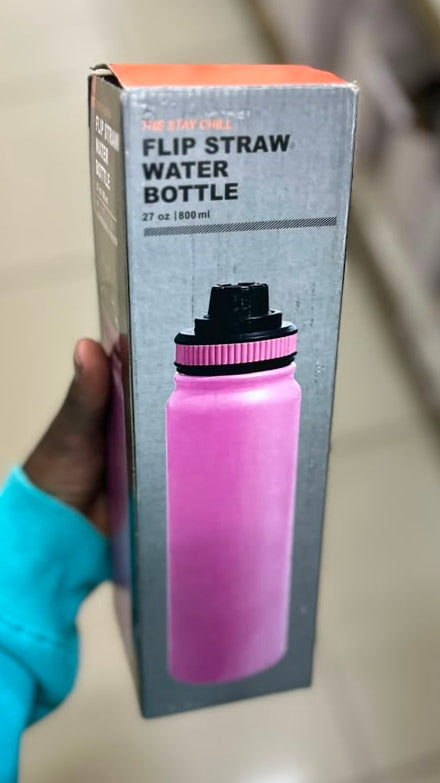
Water bottle
1 Must haveA bottle in reach means you drink during sets instead of stopping.
How to use it: Choose one with a secure lid so it does not leak in your bag.
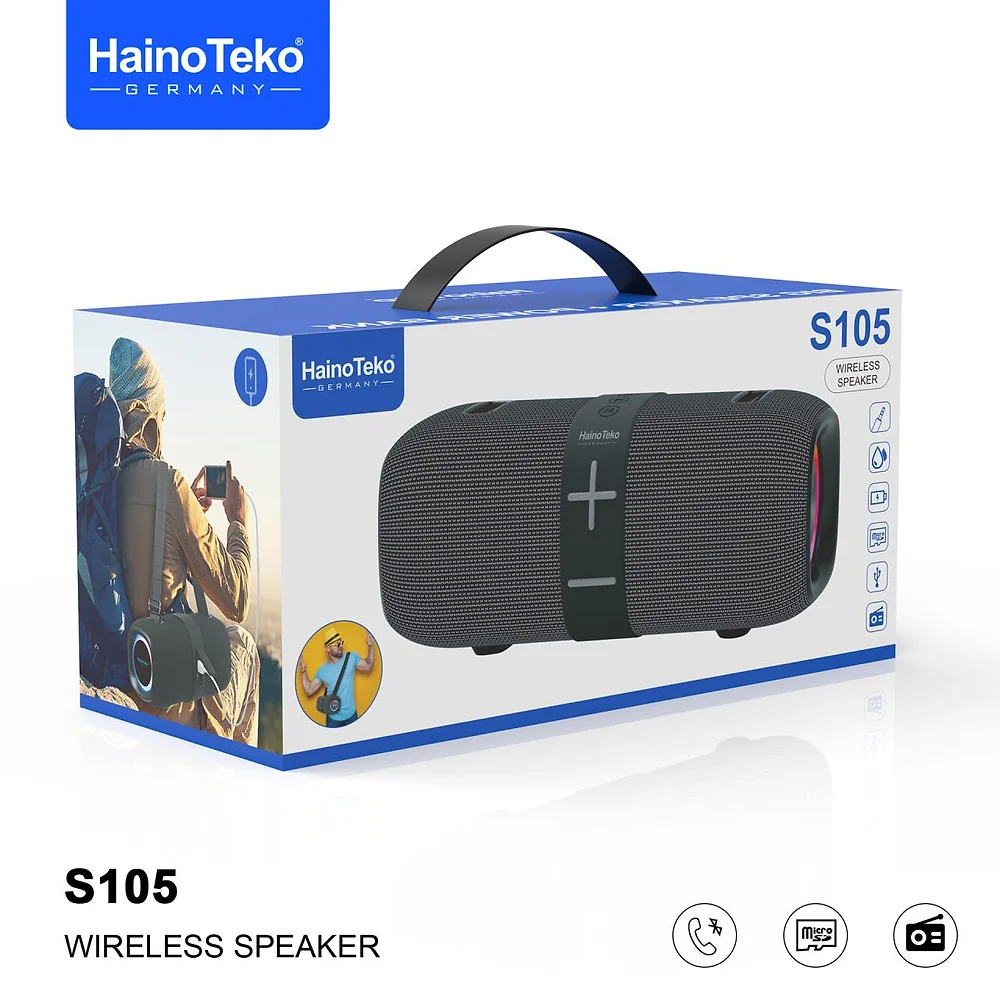
Bluetooth speaker
1Nice to haveMusic makes training more fun and easier to keep up.
How to use it: Charge it before you start and place it where sweat will not reach it.
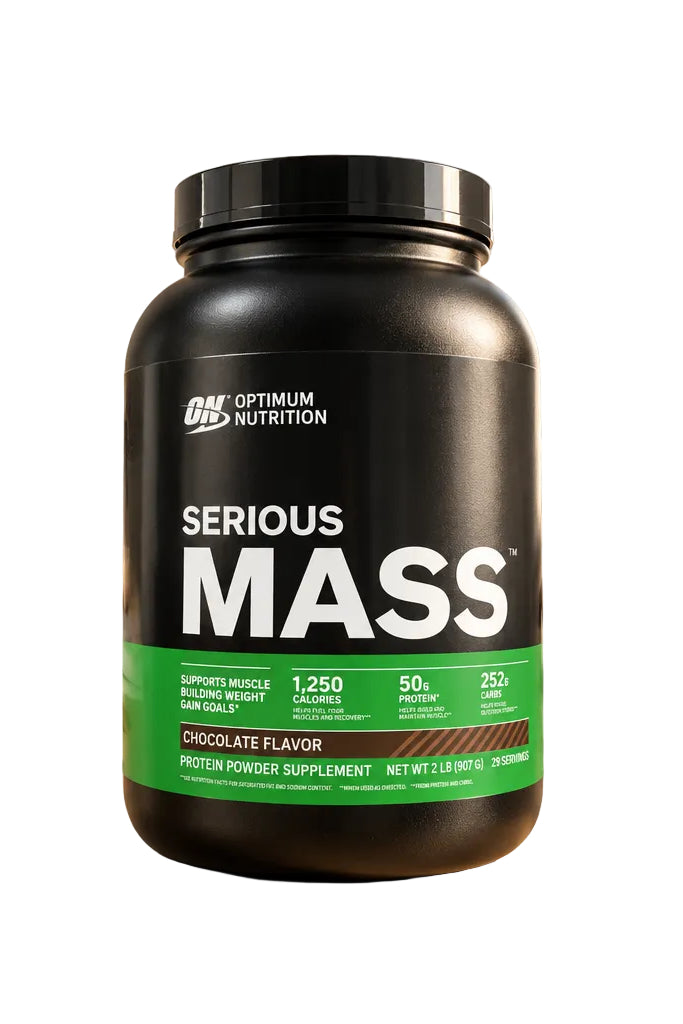
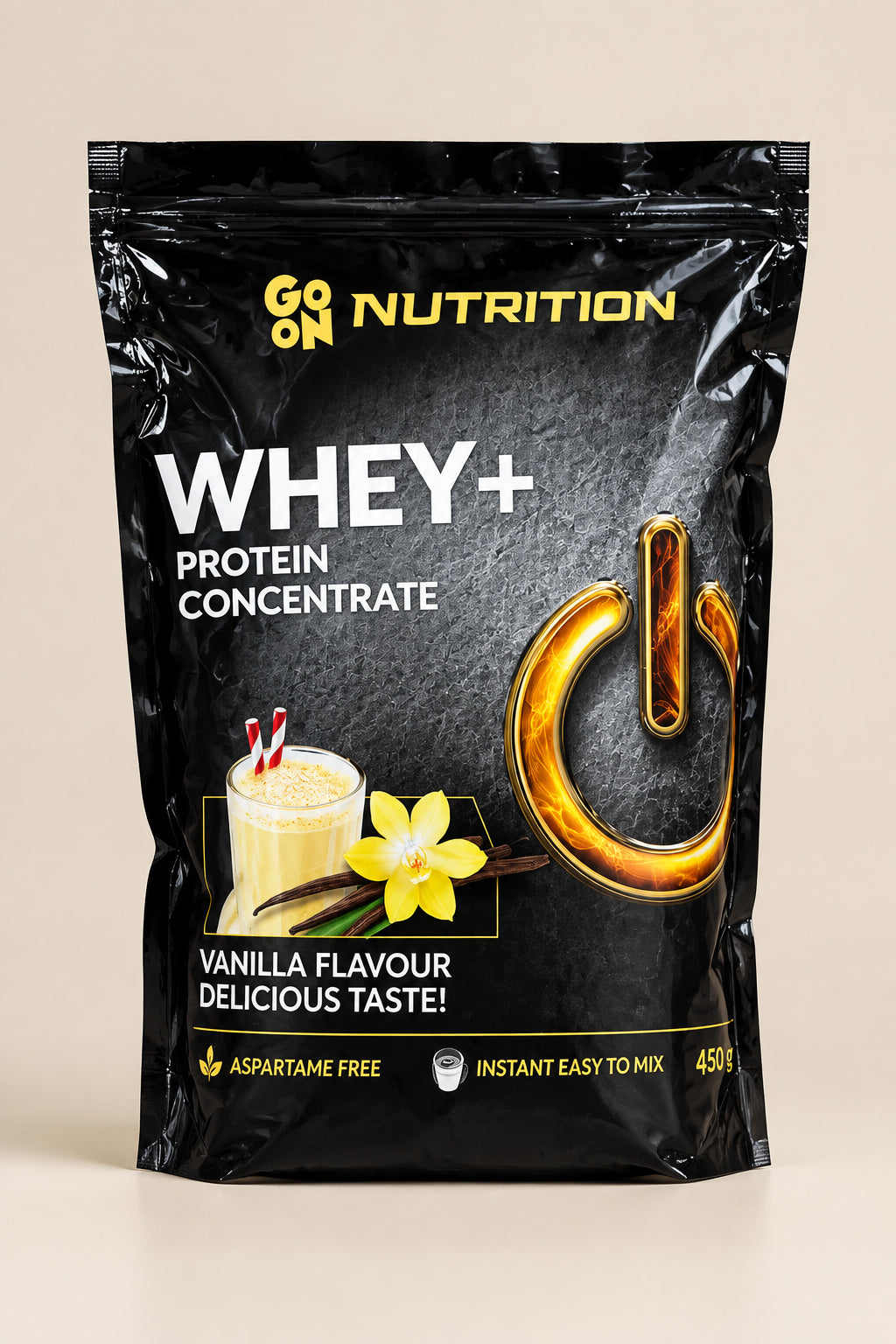
Protein powder
1Nice to haveSome people use it to help meet protein needs. Food comes first.
How to use it: Read the label and ask a doctor if you have any health concerns.
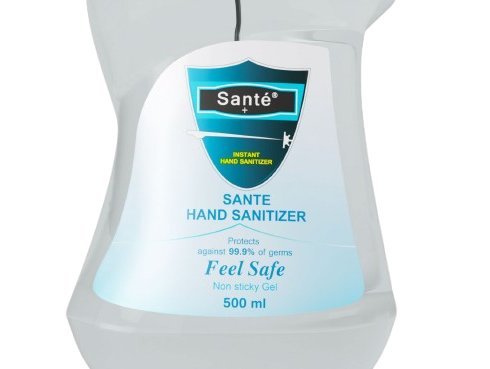
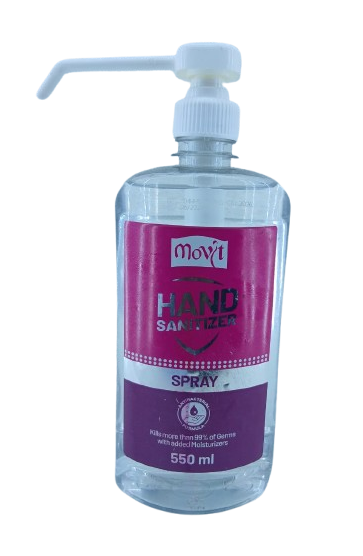
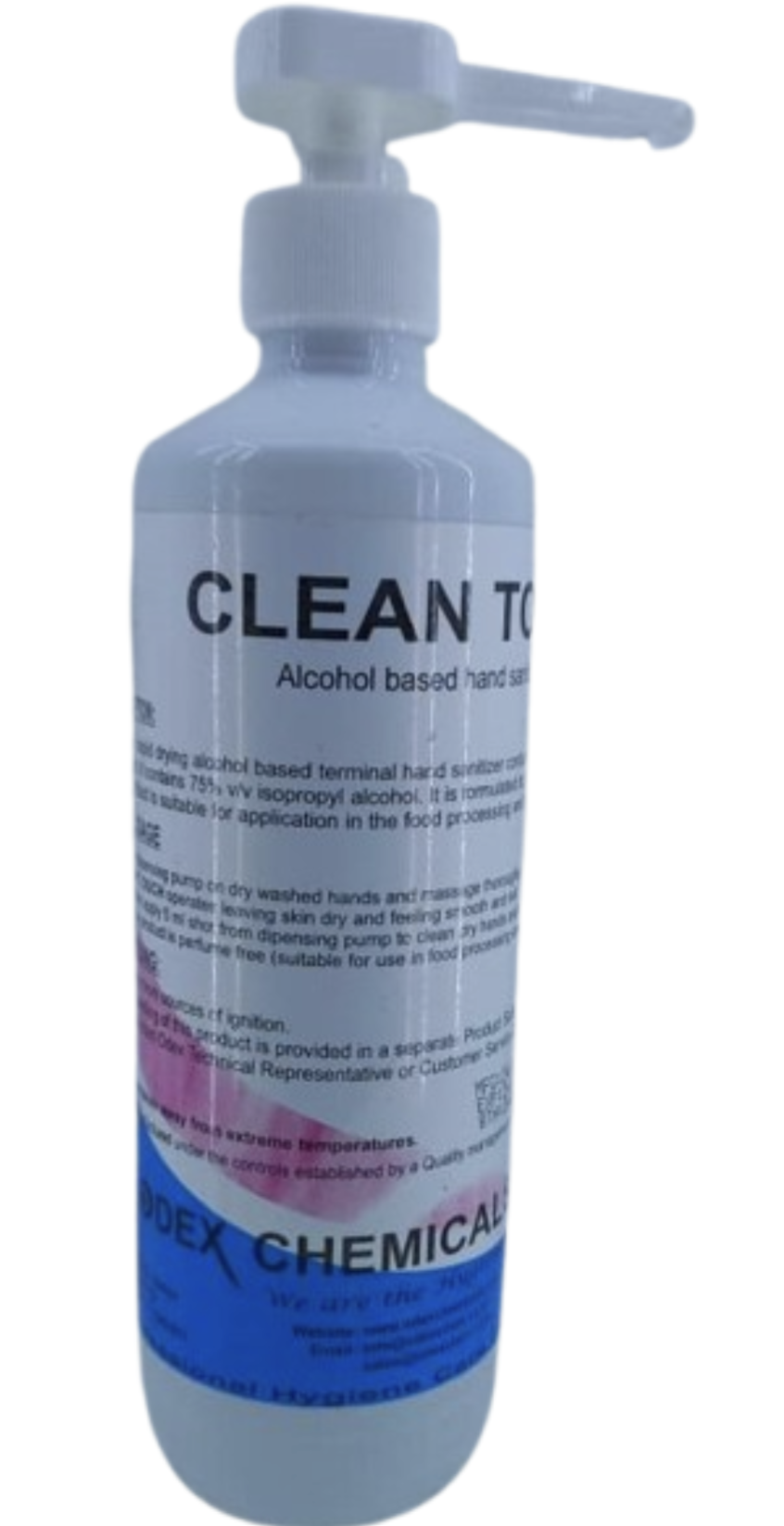
Hand sanitizer
1Nice to haveUseful after training with shared equipment or before eating.
How to use it: Keep a bottle on a shelf by the door.

Storage and care
Keep the room tidy so it stays safe and easy to use.
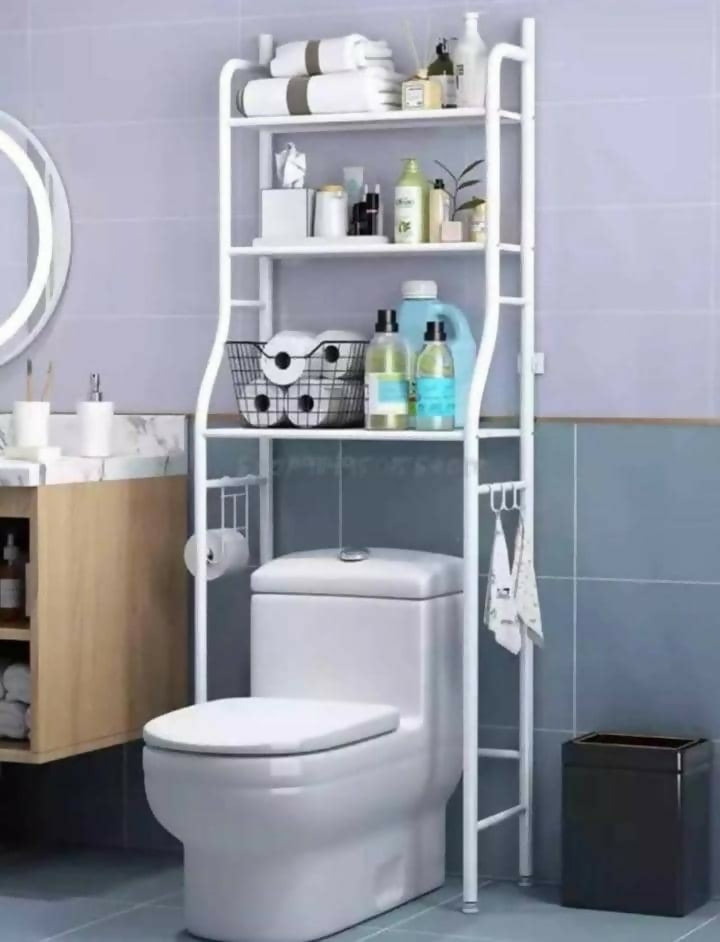
Shelf or rack
1 Must haveGets weights and small gear off the floor so no one trips.
How to use it: Fix to the wall properly or choose a stable rack.
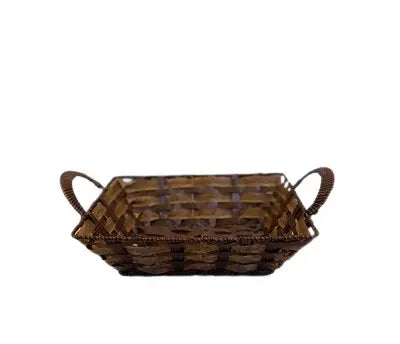
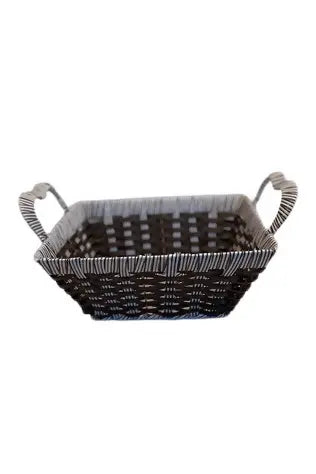
Storage basket or box
1 to 2Nice to haveBands, rope and gloves stay together and out of the way.
How to use it: Label it and keep it near the door.
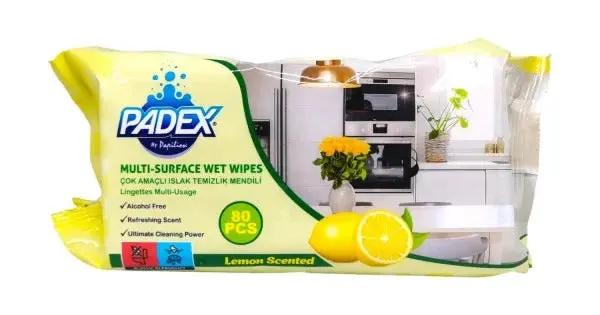
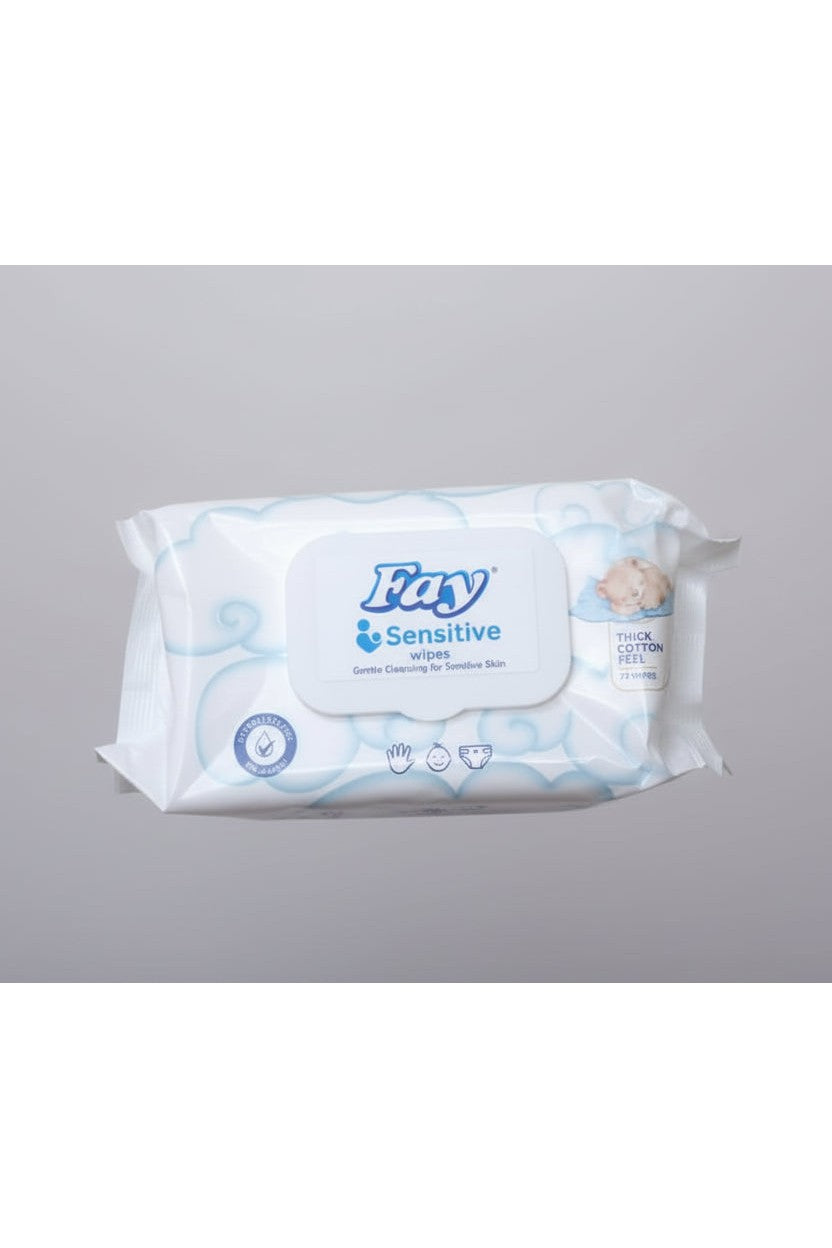
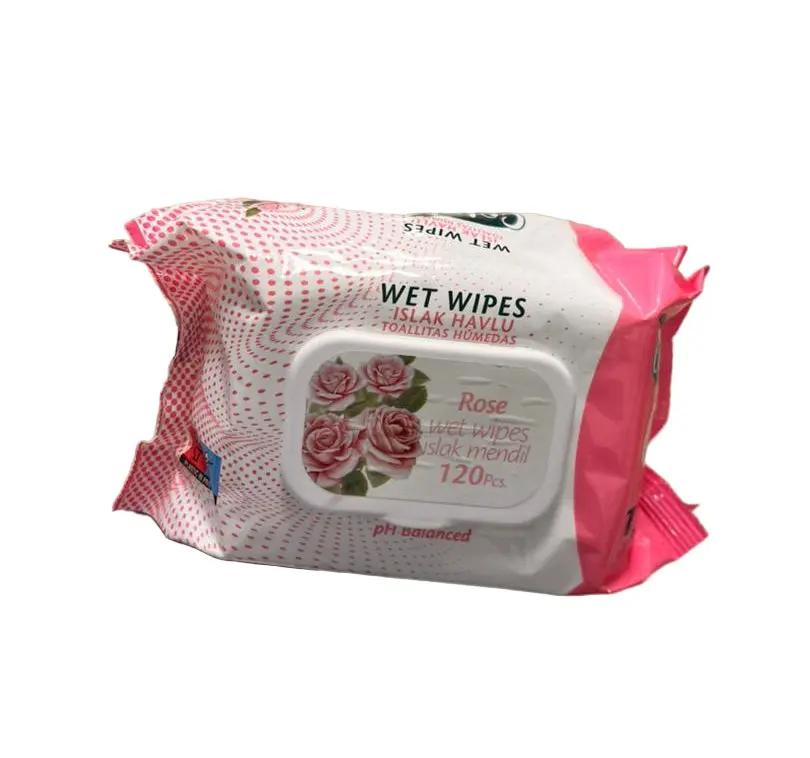
Wet wipes
1 packNice to haveQuick way to clean the bench, handles and phone.
How to use it: Wipe equipment after use, especially if shared.
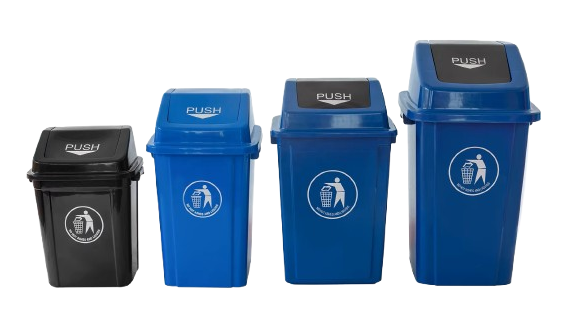
Dustbin
1Nice to haveWater bottles, tissues and wipes need a place to go.
How to use it: Keep it in a corner and empty it often.
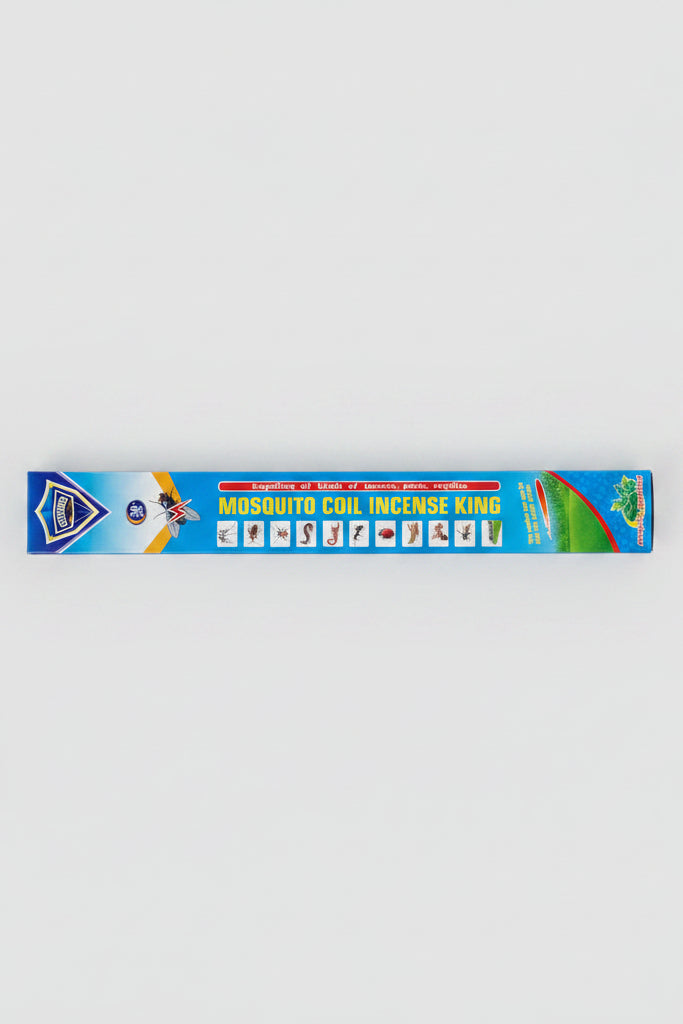
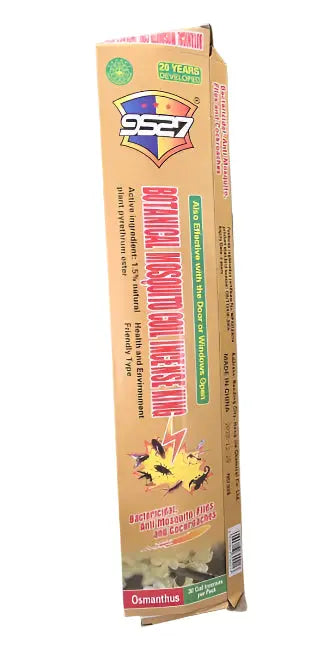
Mosquito coil
1Nice to haveGarages and spare rooms can attract mosquitoes in the evening.
How to use it: Use as directed and keep the room ventilated.
First aid kit
1 Must haveScrapes, pulled muscles and blisters happen.
How to use it: Keep plasters and antiseptic in a small kit. Ask a pharmacist if you are unsure.



Step by step
- 1
Pick your space
Measure the room and choose a safe corner with a flat floor and some light.
- 2
Prepare the floor
Clean it. Lay a mat and non slip mat where you train.
- 3
Buy the basics
Get a mat, a rope, bands and one pair of dumbbells.
- 4
Add storage
Put up a shelf or basket so floors stay clear.
- 5
Add more later
After a month, buy bigger items only if you use the basics every week.
Tips that help
- Start with small items. You can always add more after a month.
- Measure your space before you buy a bench or a bar.
- Keep the cables of fans and speakers away from your workout area.
- Leave a clear arm span around you for swings and jumps.
- Open a window or use a fan. Garages get hot and stuffy.
- Write your weekly plan on the wall to keep yourself on track.
- Check floor safety. Wet concrete and sweat can slip.
- Warm up for 5 minutes before every session.
Mistakes to avoid
- Buying big machines before you know what you will use.
- Training on a bare concrete floor without a mat.
- Leaving weights on the floor where people can trip.
- Using rope or bands that are cracked or worn.
- Skipping the warm up because the gym is at home.
Questions people ask
What is the minimum I need for a home gym?+
A mat, a skipping rope, a resistance band and one or two pairs of dumbbells are enough to start. You can train your whole body with these.
How much space do I need?+
About two by two meters of clear floor is enough for bodyweight exercises, bands and light weights. Add more space only for a bench or long bars.
Can I use a garage?+
Yes, but check the floor, light and air. Use a non slip mat, good light and a fan. Move the car or keep a clear area first.
Should I buy a bench or a pull up bar first?+
Buy the cheap tools first. If you keep training for a month and want more variety, add a bench or bar. Check your door frame or wall strength before a bar.
How do I keep my equipment safe from rust?+
Keep it dry and off the bare floor. Wipe it after sweaty sessions and store it somewhere with fresh air.
Is a home gym safe for beginners?+
Yes, if you start light and focus on form. Ask a doctor if you have health concerns. Consider a session with a trainer to learn basic moves.
A good home gym grows slowly with your habits. Start with the basics, keep the floor safe and the room tidy, and add gear as you go. Shop your list on Isokko and have it delivered across Kigali.
Shop this list
Get everything delivered in Kigali
Order from local stores on Isokko and pay with MoMo, card or cash. Same-day delivery.