
Checklist · Home & moving
Closing Up Your Kigali Home Before a Long Trip: Checklist
What to buy and do before leaving your Kigali home for weeks or months: food storage, bedding, pests, plugs and security in one checklist.
Updated November 27, 2026 · By Isokko
A home left empty for weeks has no one to notice a leak, a rat, a damp patch or a dead bulb. A little preparation before you go can save you a lot of money and trouble when you return.
This checklist covers the things worth buying and doing: clearing food, protecting bedding and clothes, keeping pests and damp away, switching off power and water, and making the house look and feel secure.
Each item says why it matters and how to use it. Adjust it for the length of your trip and ask your landlord or a trusted neighbor about anything you are unsure of.
Who it's for
Anyone leaving a Kigali house or apartment empty for several weeks or months
Time needed
Start 1 week before you leave
When to shop
Order supplies 2 to 3 days before the final clean
On the list
27 items, 9 must haves
0 of 27 ready
Empty and clean the kitchen
Food left behind is the number one reason empty houses get ants, cockroaches and rats.
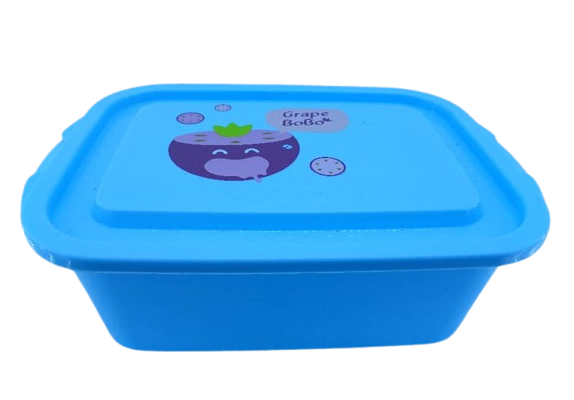
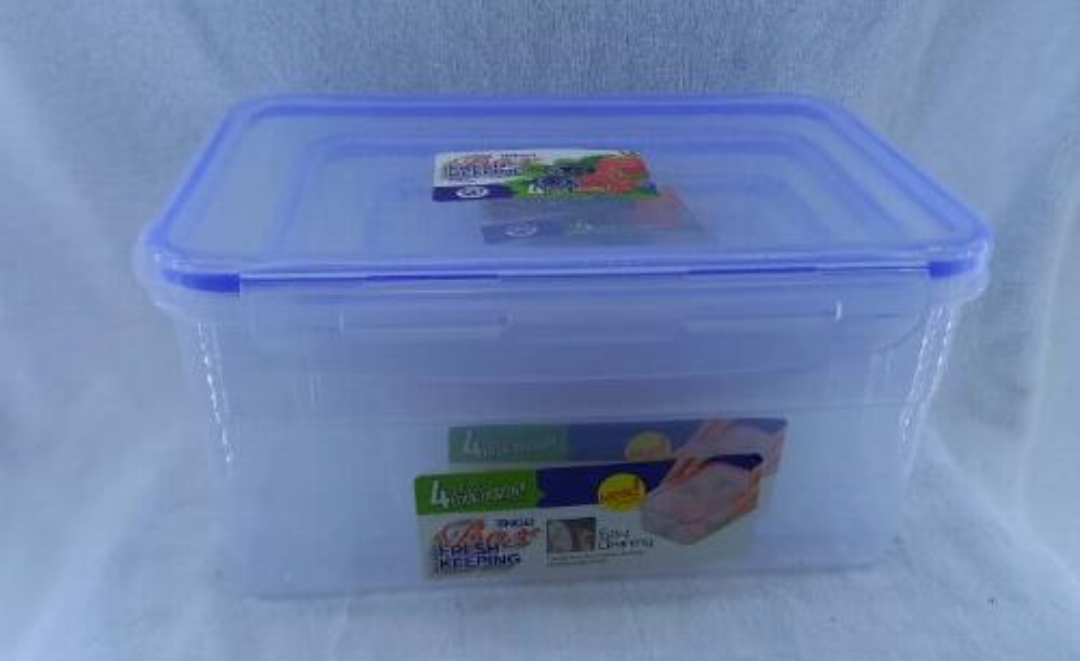
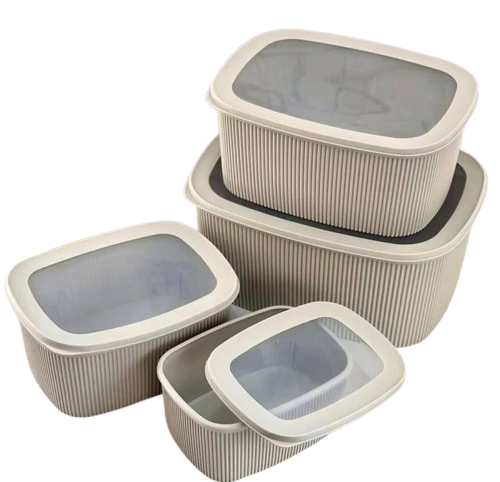
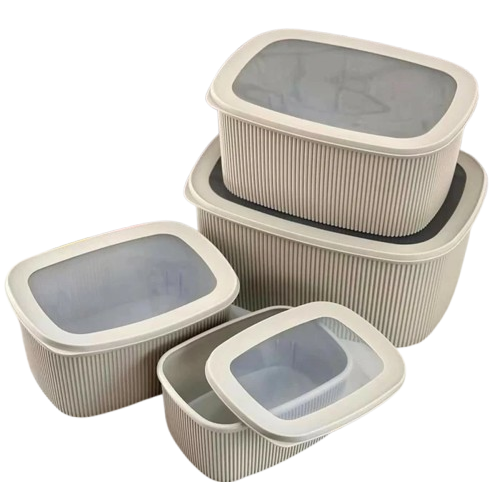
Airtight food containers
As needed Must haveDry foods like rice, flour and sugar need to stay sealed if you keep them. Open bags attract insects.
How to use it: Fill, close tightly and store on a high shelf, off the floor.
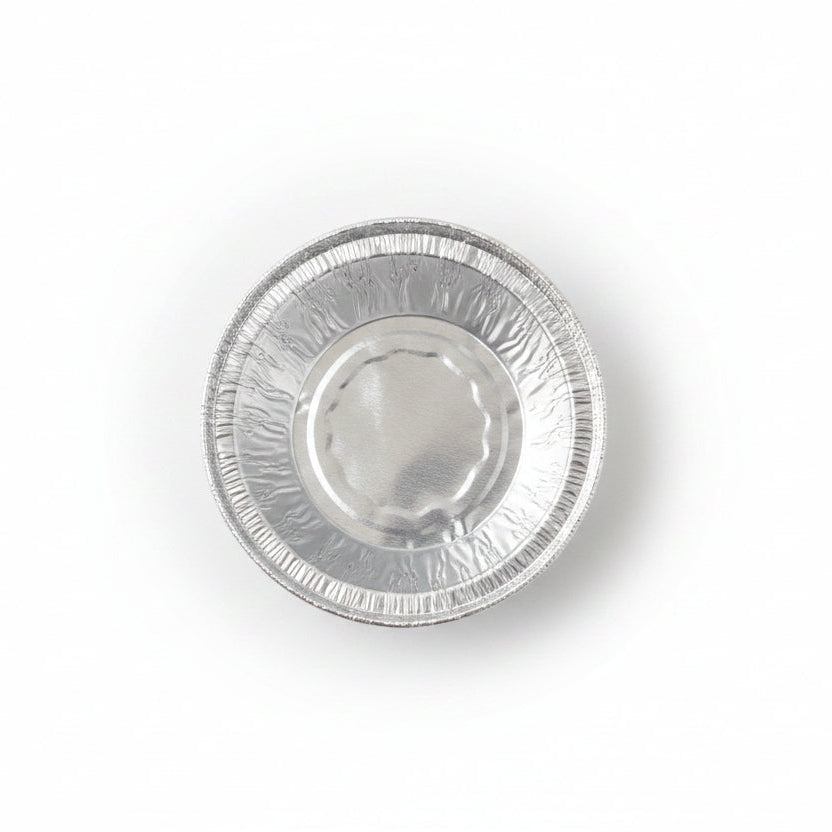
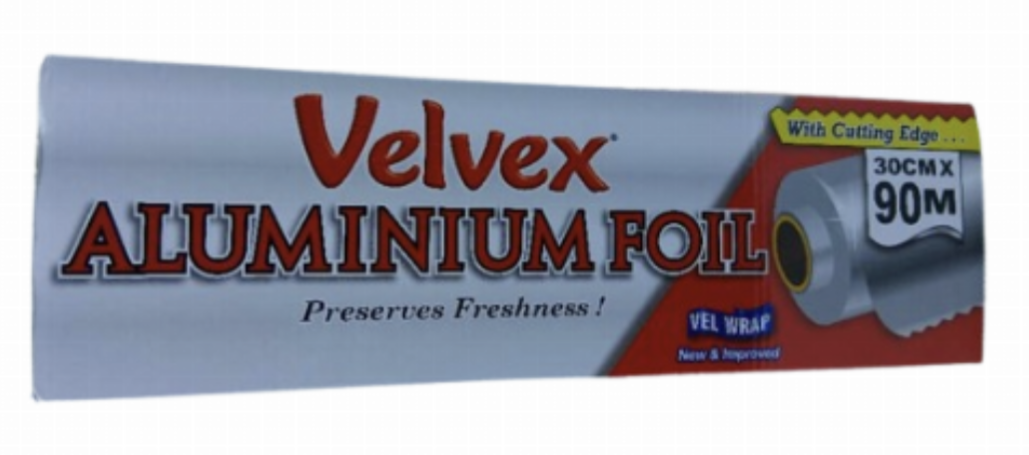
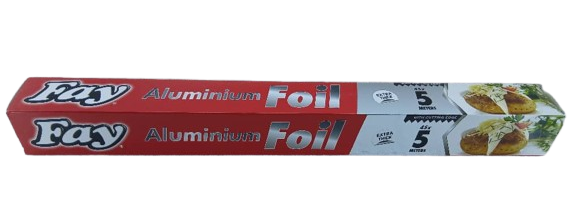
Foil for wrapping
1 rollNice to haveFoil is handy for wrapping food to give away or freeze before you leave.
How to use it: Label and date food in the freezer if the power will stay on.
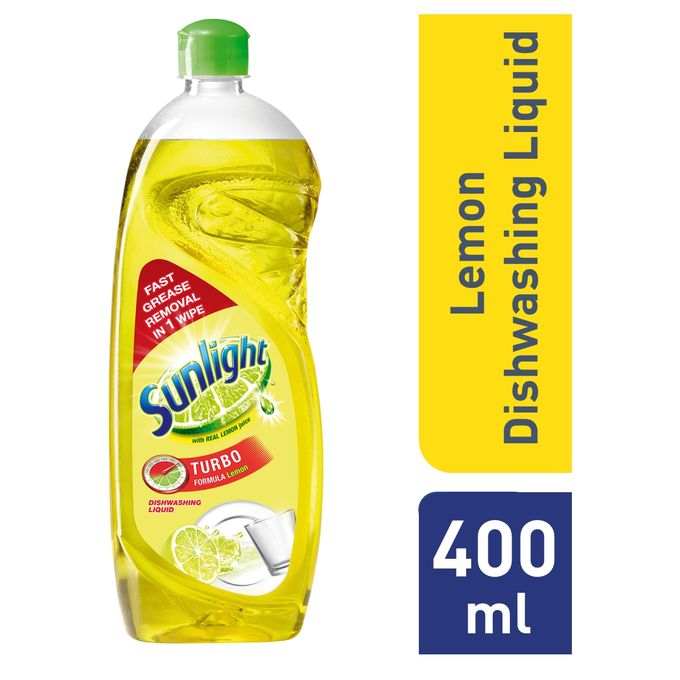
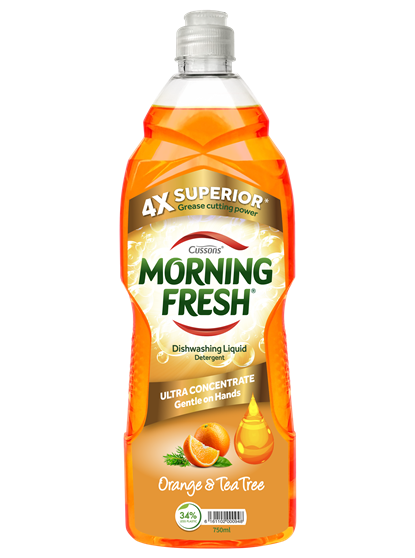
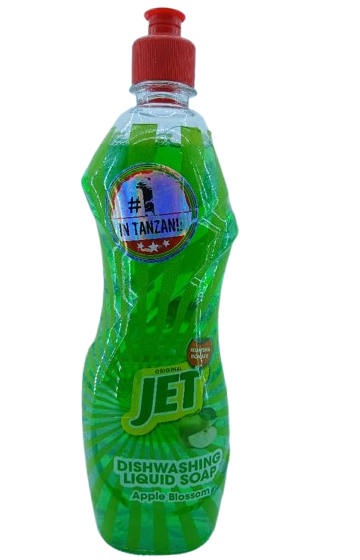
Dishwashing liquid
1 bottle Must haveEvery dish, pot and cup must be clean and dry before storage. Dirty dishes attract insects fast.
How to use it: Dry everything fully before putting it away.
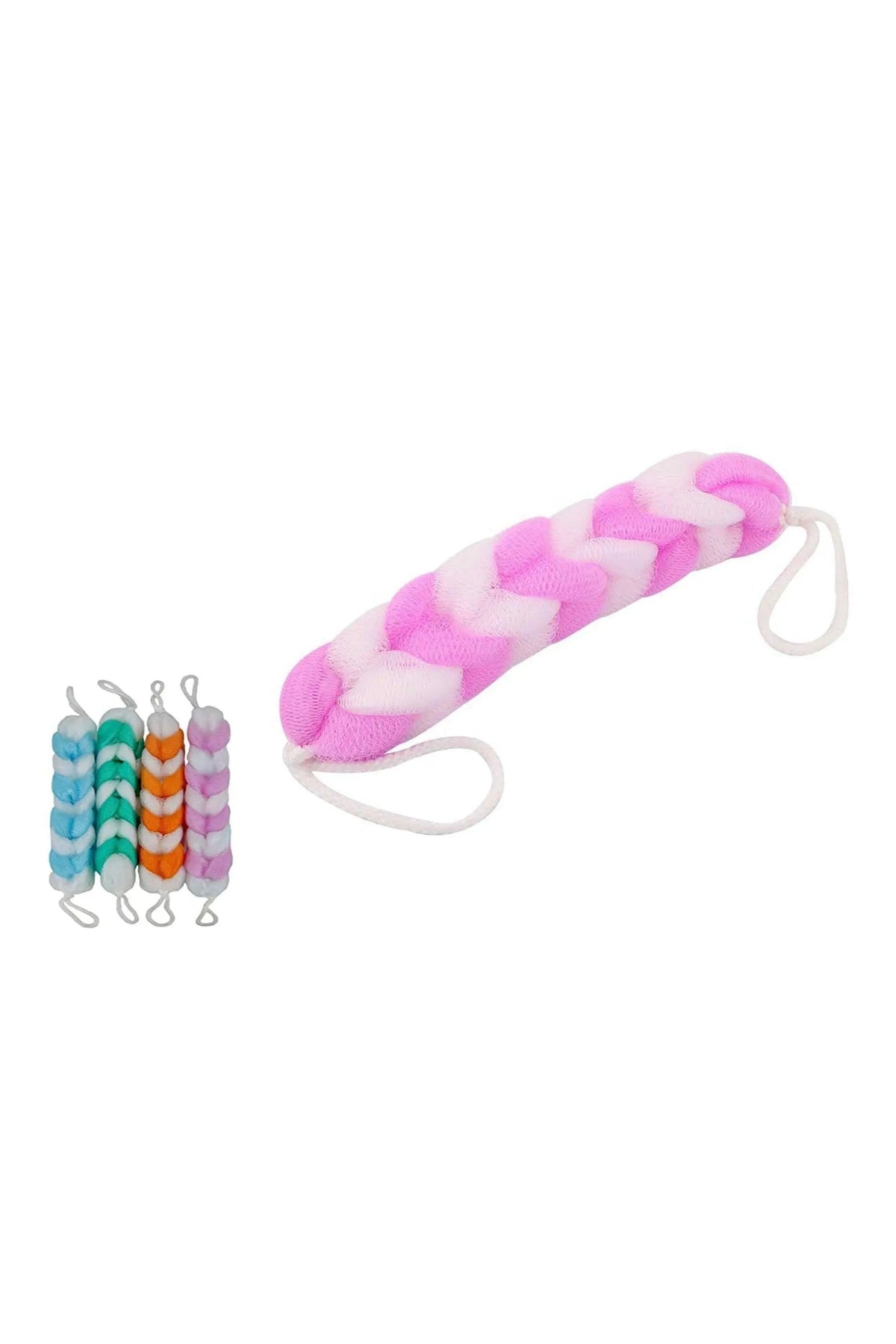
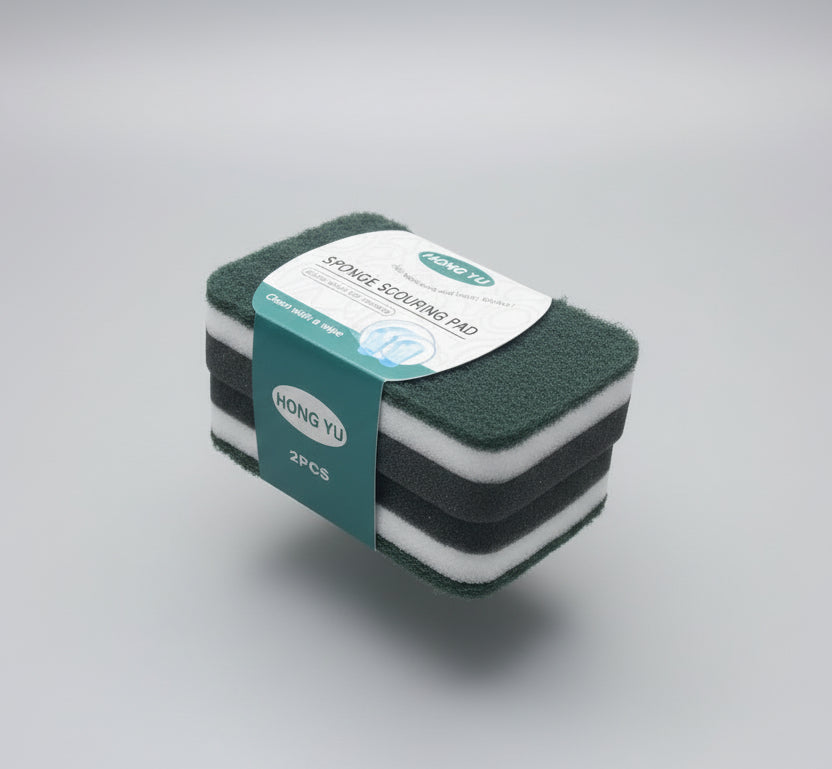
Sponges and cloths
3 or 4 Must haveYou need fresh ones for the final wipe down of counters, the stove and the fridge.
How to use it: Wash cloths and let them dry in the sun before storing.
Disinfectant
1 bottle Must haveWiping the fridge, counters and bin kills germs and stops mold during a long absence.
How to use it: Dilute as the label says. Dry well afterward.
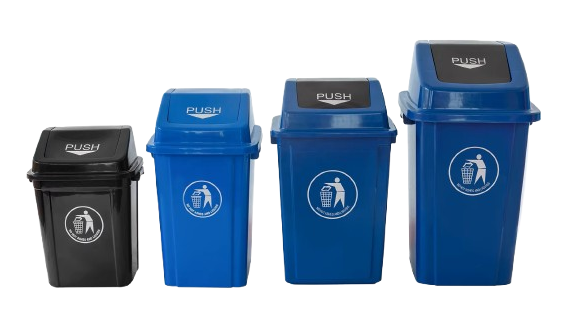
Dustbin with a lid
1Nice to haveEven a clean bin can smell if left in a closed house. A lid keeps pests out.
How to use it: Empty it, wash it, dry it and keep it outside or out of the way.


Bedding and clothes
Damp and moths do the most harm to cloth that is left in closed rooms.
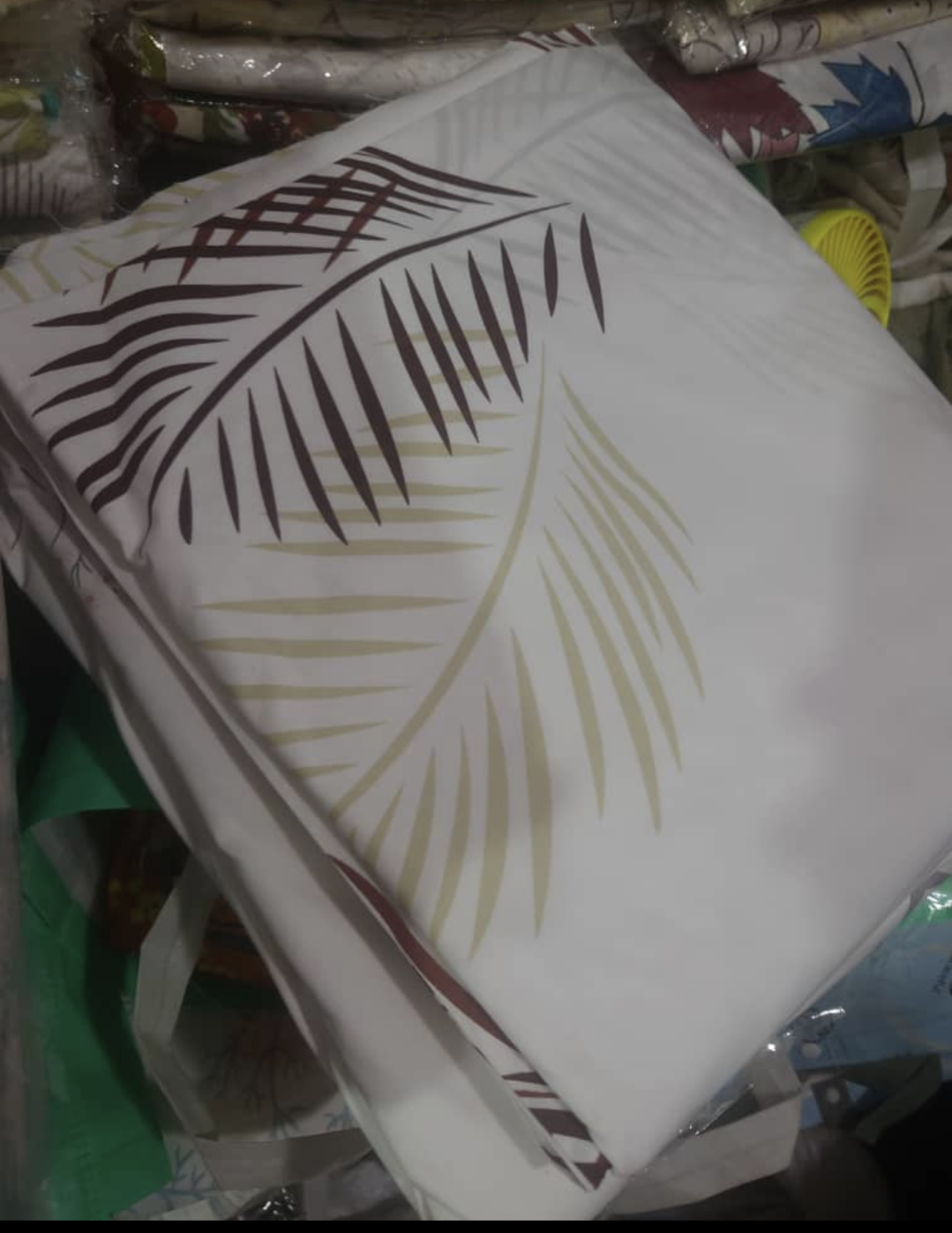
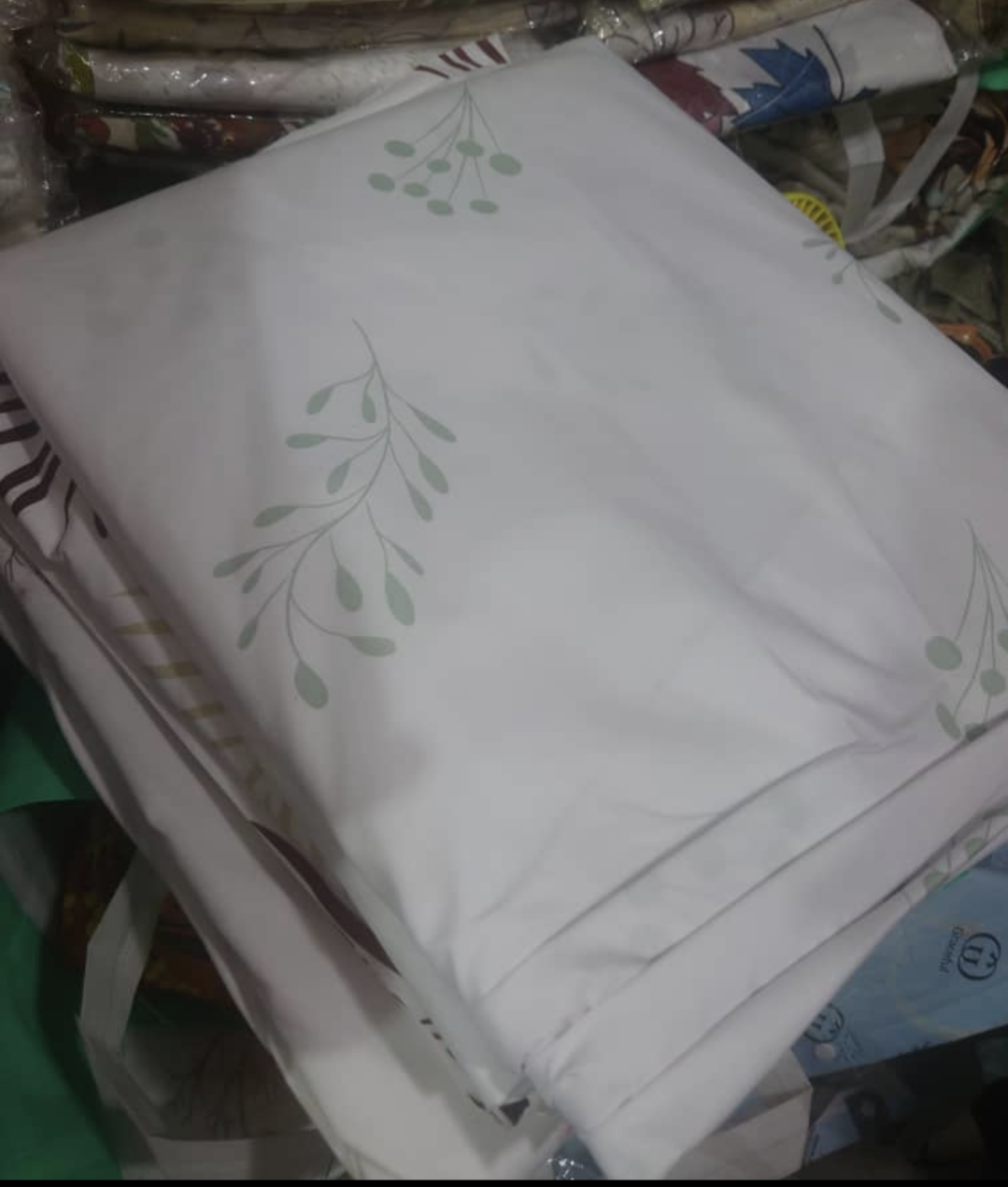
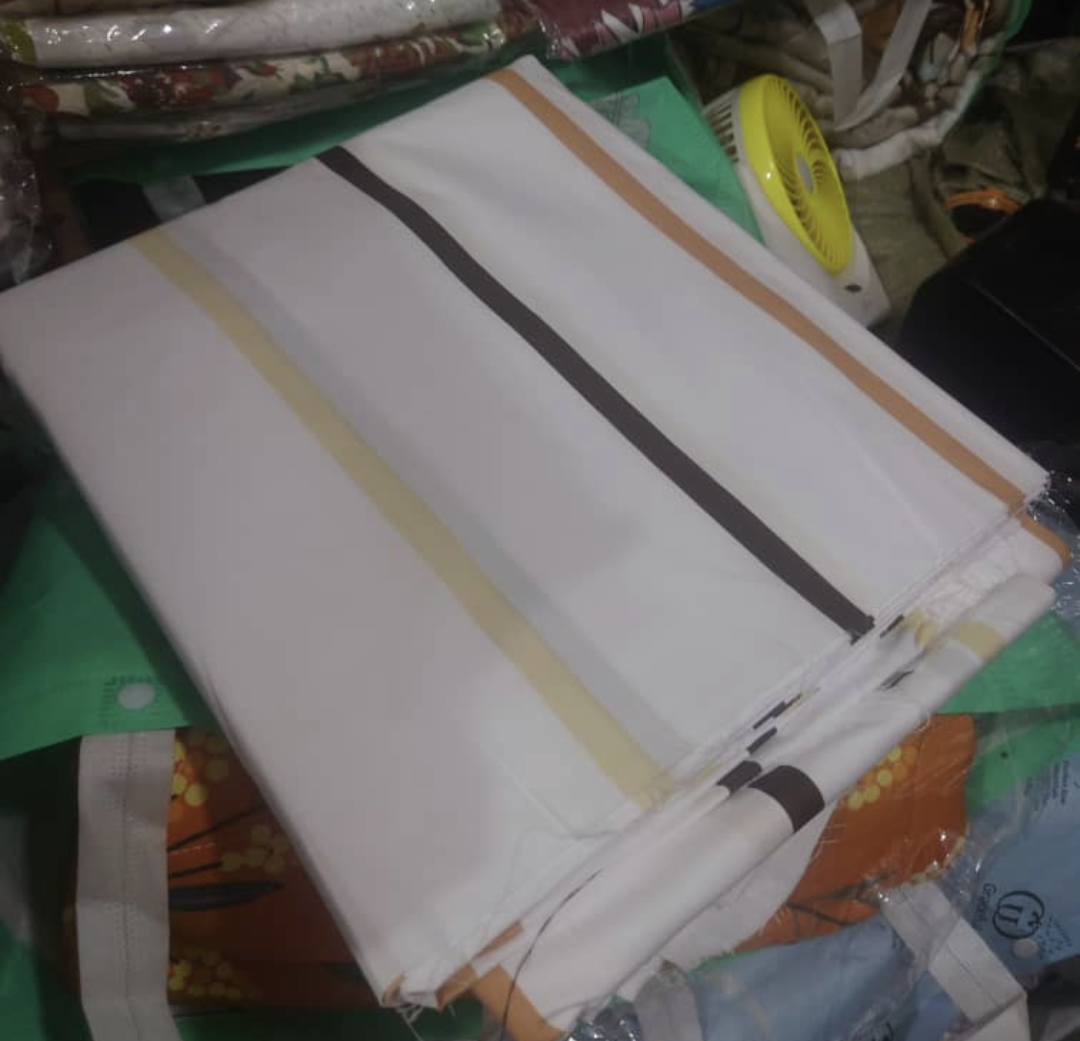
Washed bed sheets
1 set per bed Must haveSheets left dirty can grow mold and attract insects.
How to use it: Wash, dry fully in the sun and fold or store them in a closed bag.
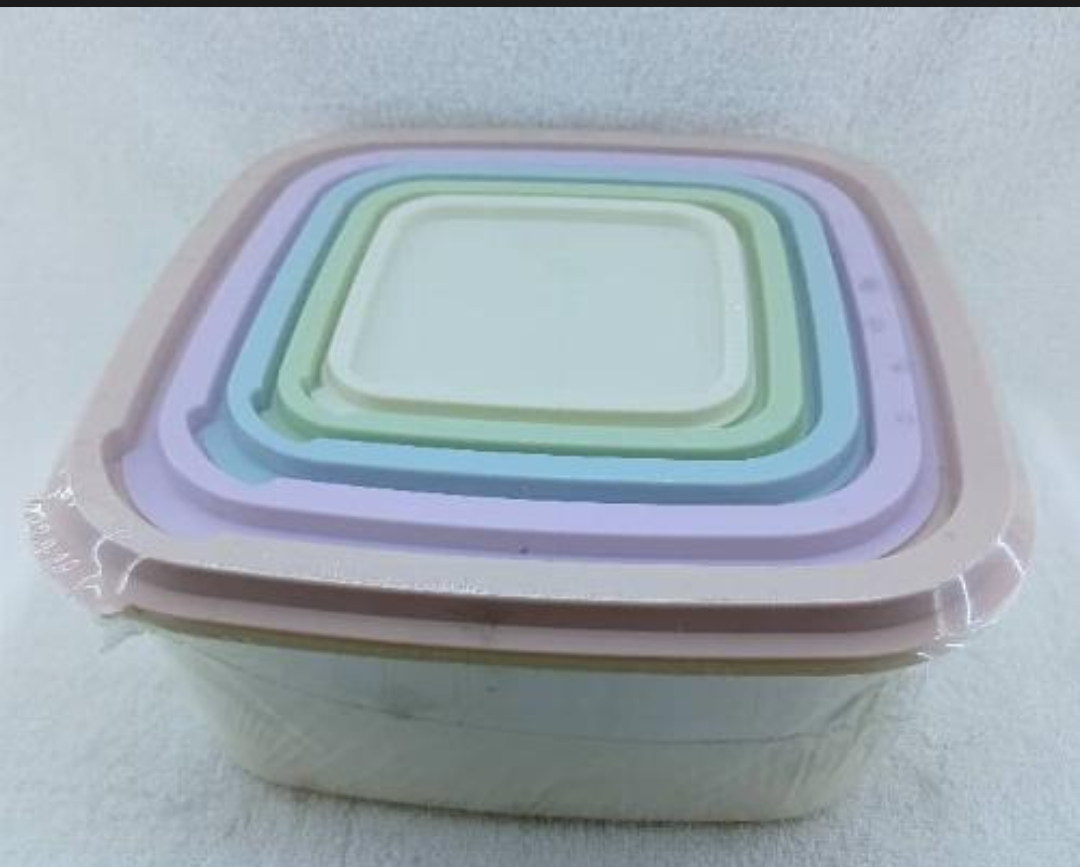
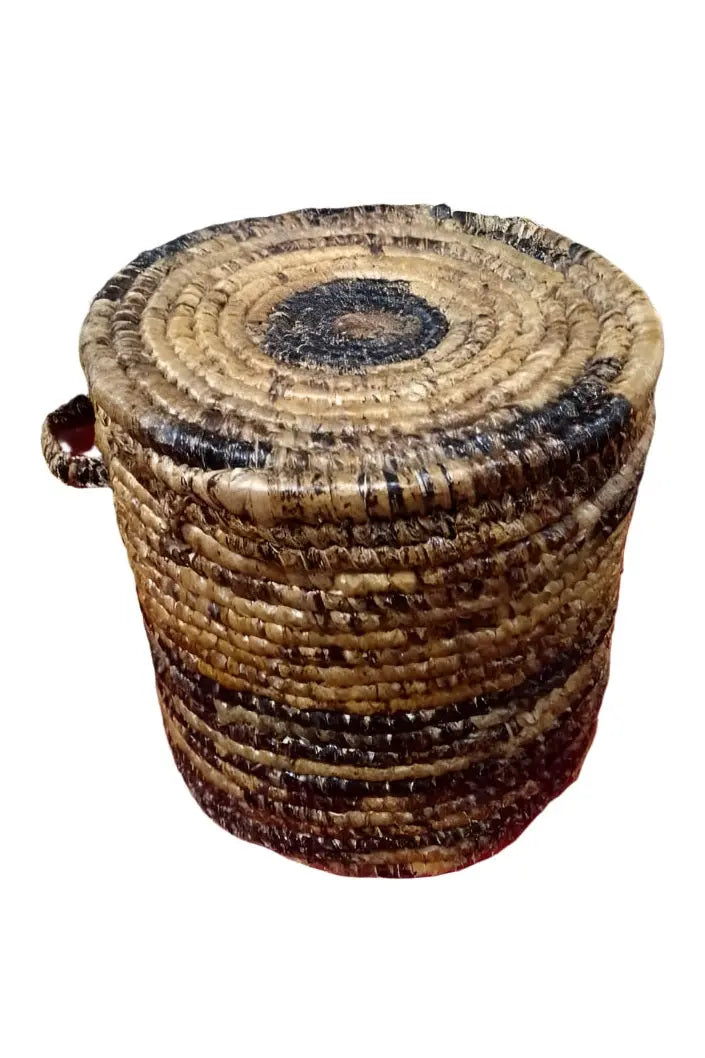
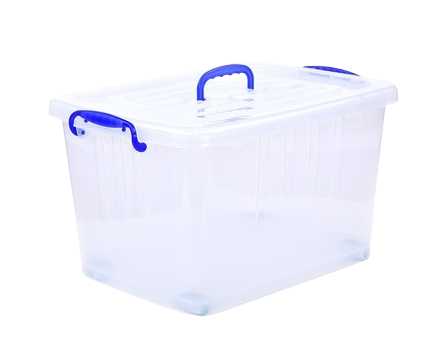
Storage boxes
3 to 6 Must haveClosed boxes keep clothes and blankets away from dust, damp and pests.
How to use it: Make sure everything is bone dry before it goes in. Store them off the floor.
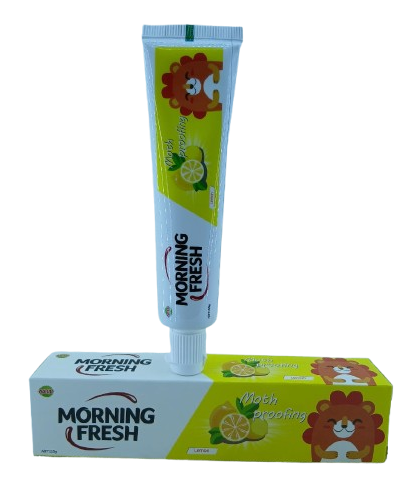
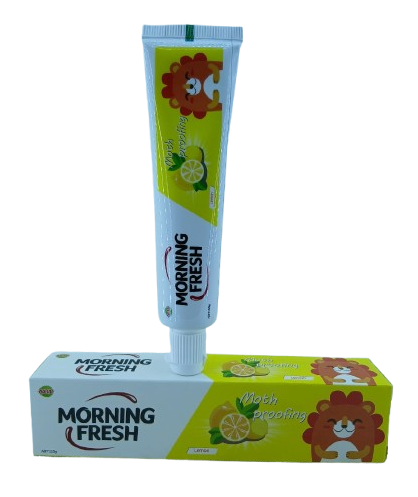
Moth protection
1 per wardrobeNice to haveMoths can eat wool and cotton in a closed wardrobe over months.
How to use it: Hang a moth proofing sachet in each wardrobe and replace it as the pack says.
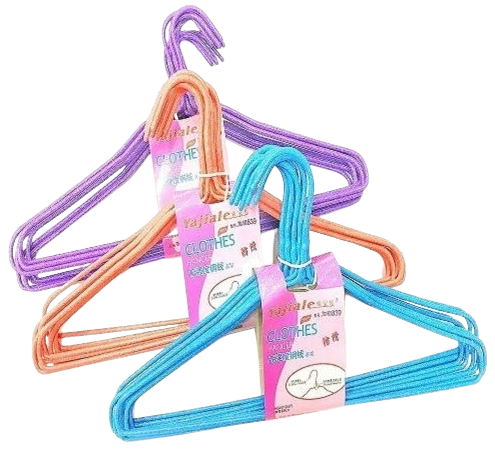
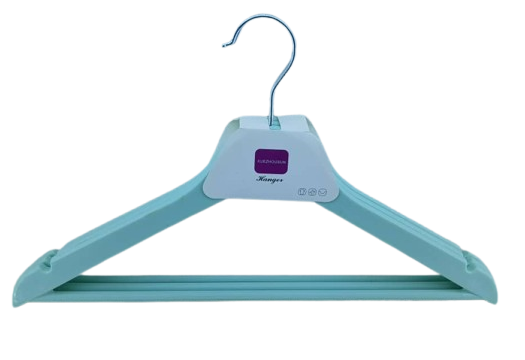
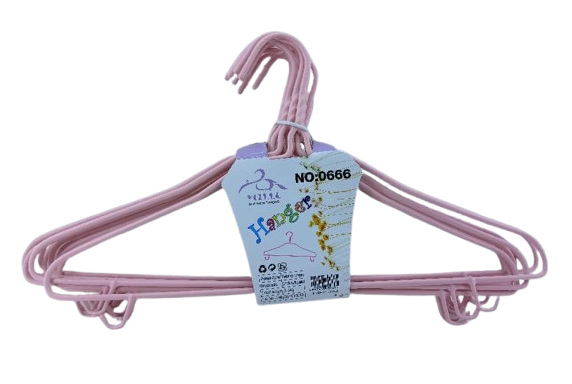
Cloth hangers
10 or moreNice to haveHanging clothes in a wardrobe keeps air moving and prevents deep creases.
How to use it: Leave a little space between clothes so air can pass.
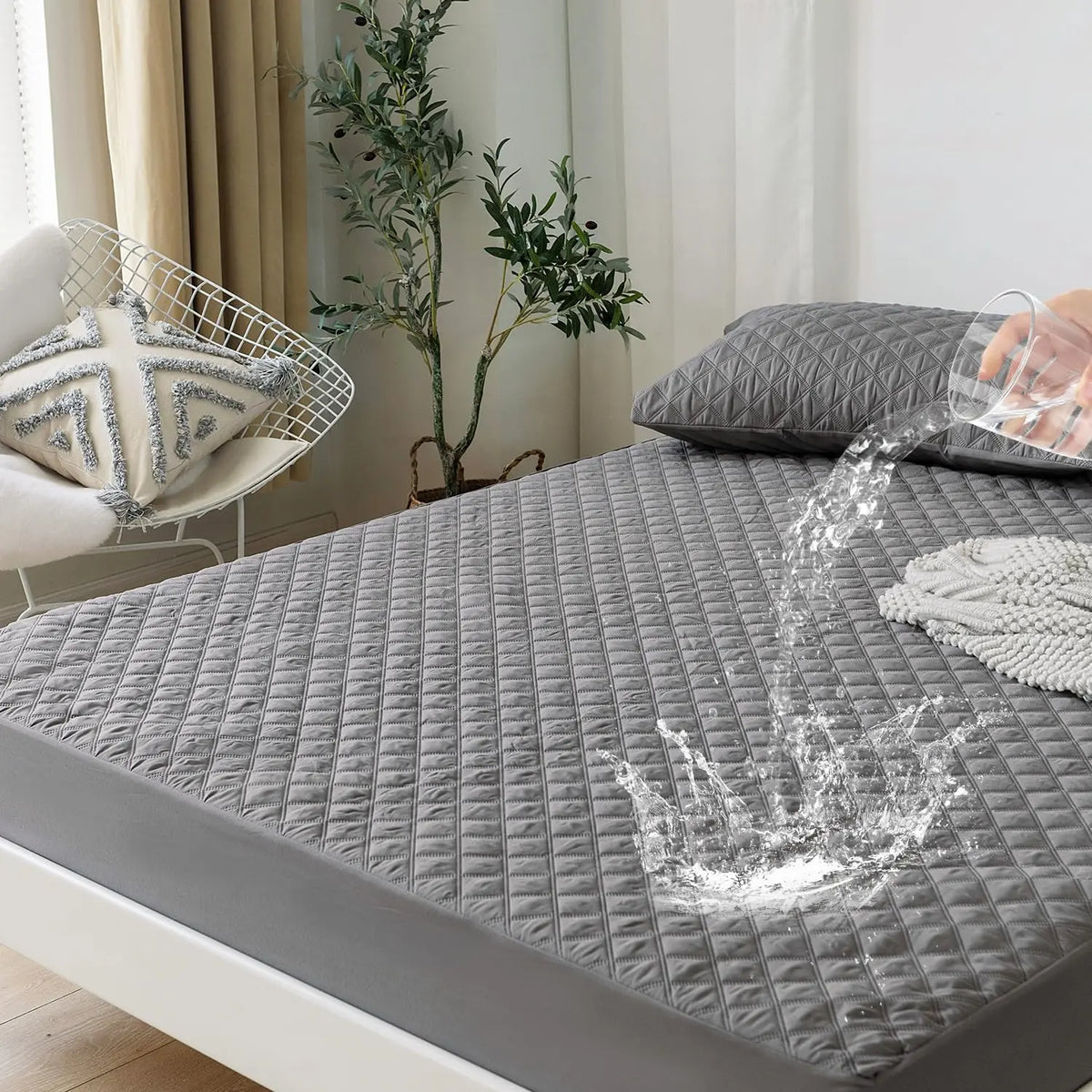
Mattress protector
1 per bedNice to haveA cover keeps dust and damp off the mattress while the bed is not used.
How to use it: Strip the bed, cover the mattress and leave the room door slightly open if the room has good airflow.
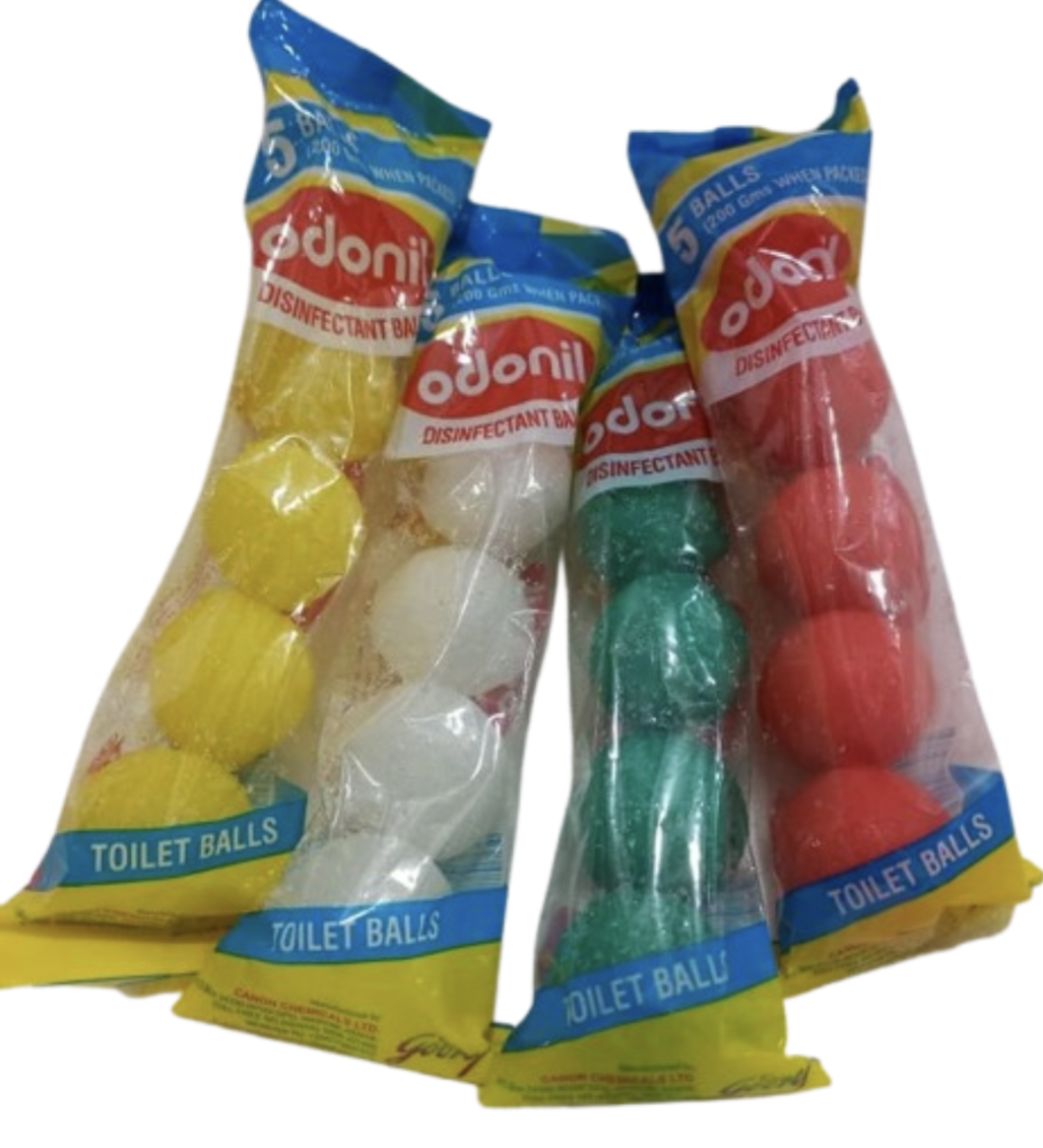
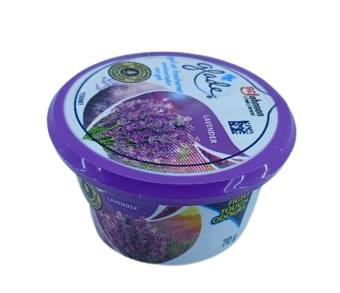
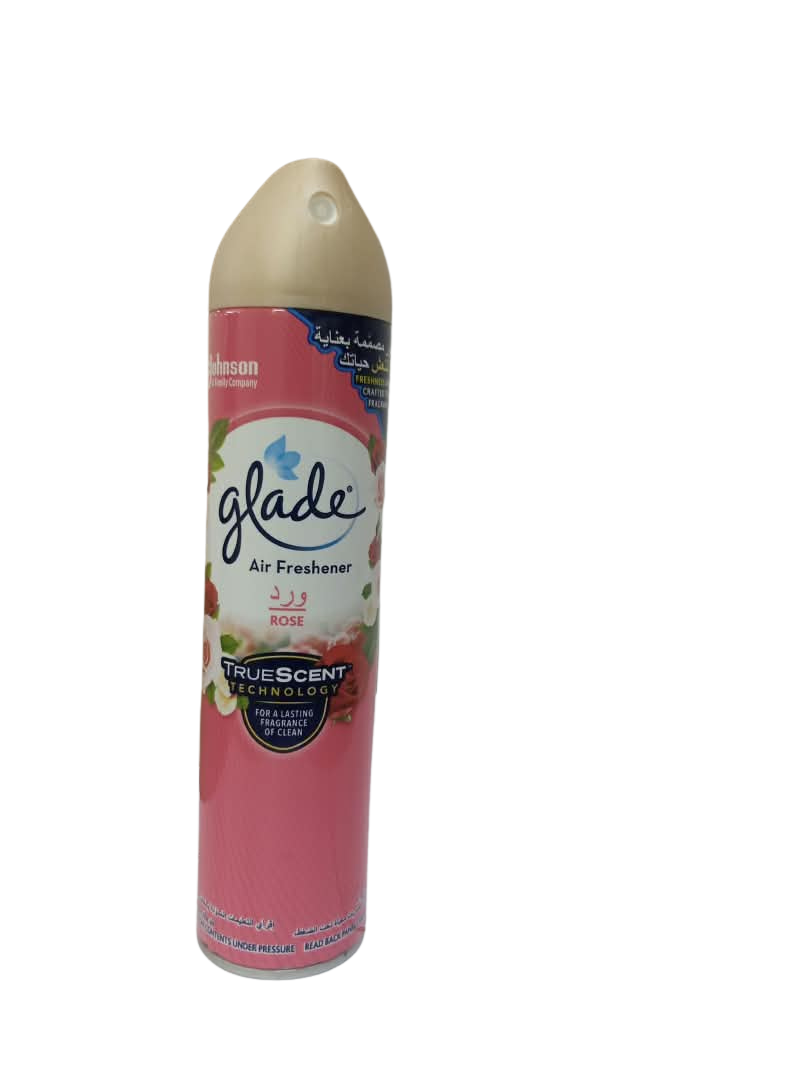
Air freshener
1 or 2Nice to haveA small touch can keep closed rooms from smelling stale on return.
How to use it: Use a gel or hanging type. Avoid sprays that can leave residue on surfaces.


Pests and damp
Rainy seasons can bring damp and bugs into any house that no one is looking after.
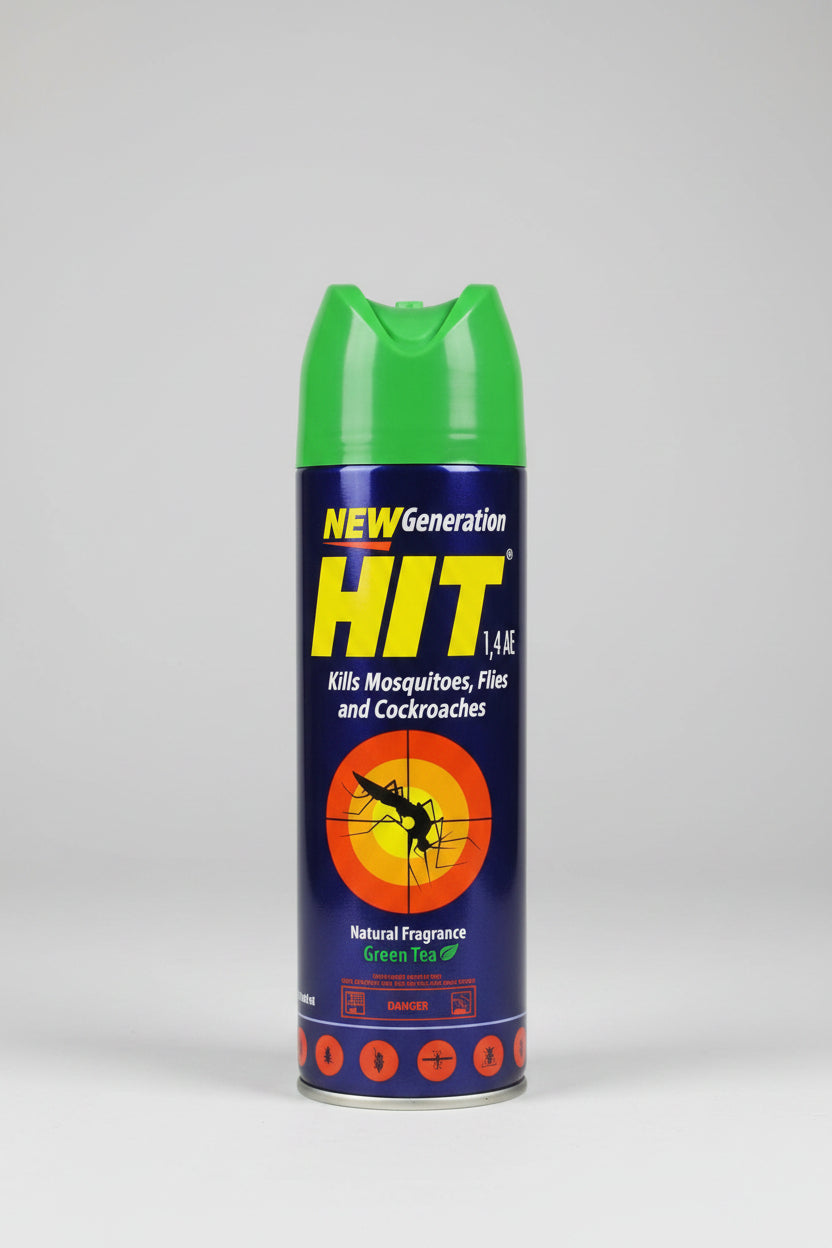
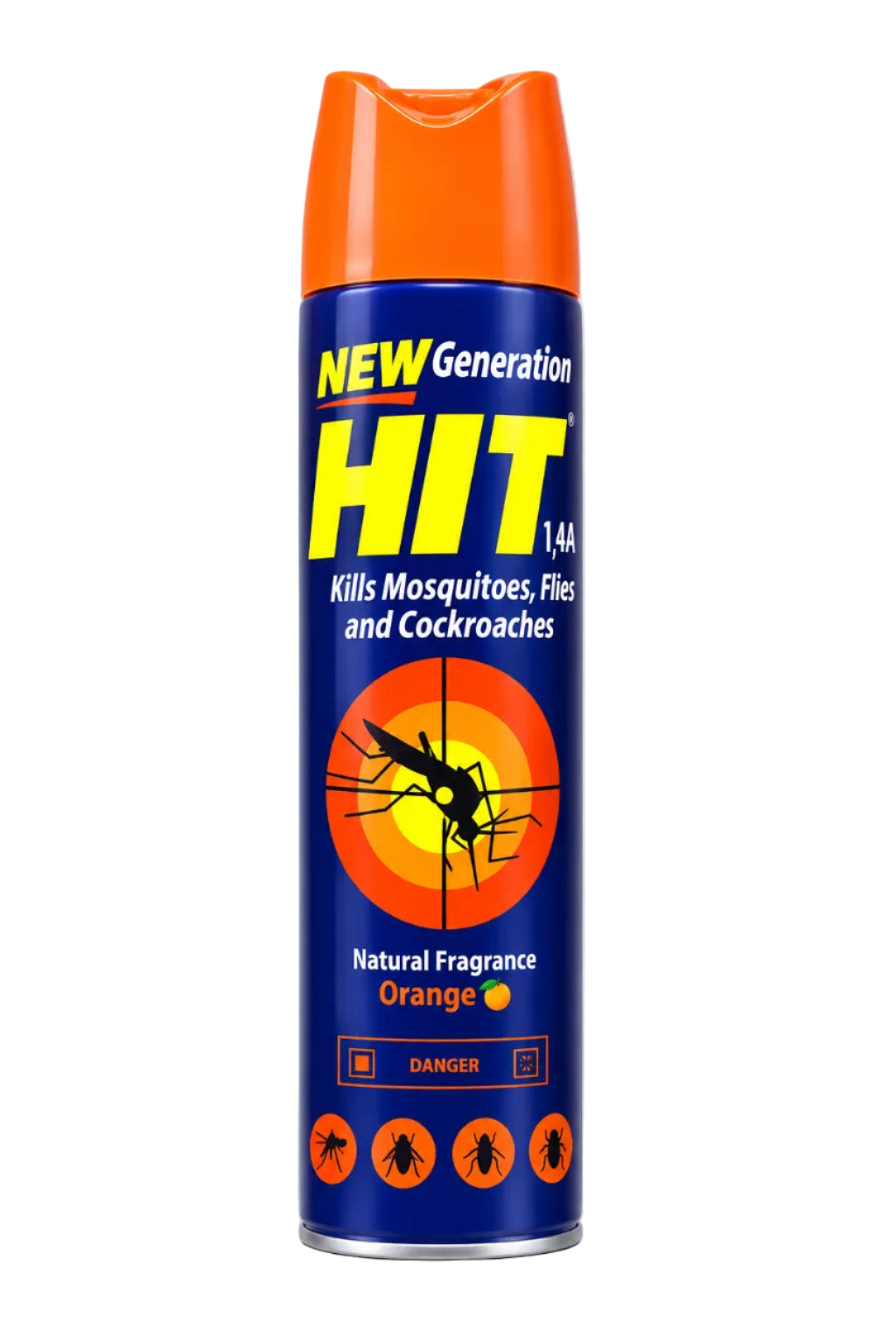
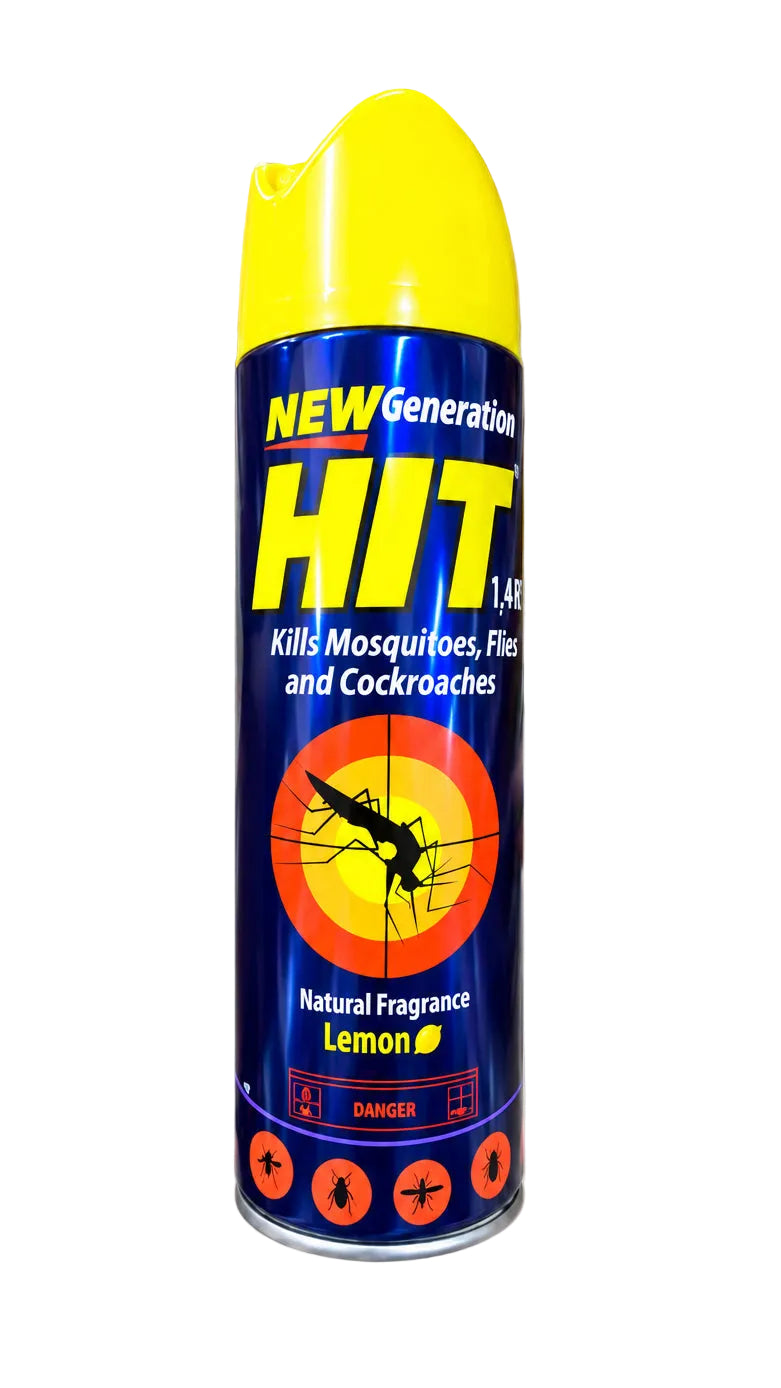
Insecticide spray
1 or 2 cans Must haveA light spray in corners, under sinks and near doors makes an empty house less inviting.
How to use it: Spray a few days before you leave so smells fade. Keep food and pets away when spraying.
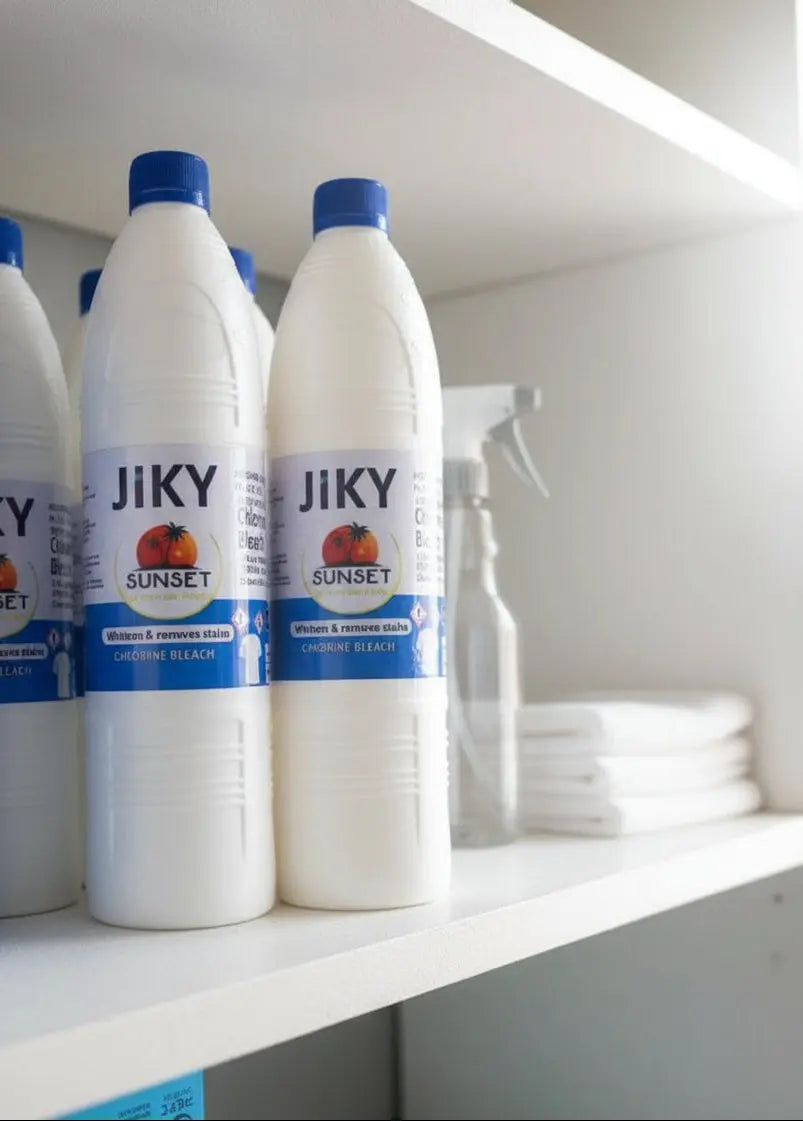
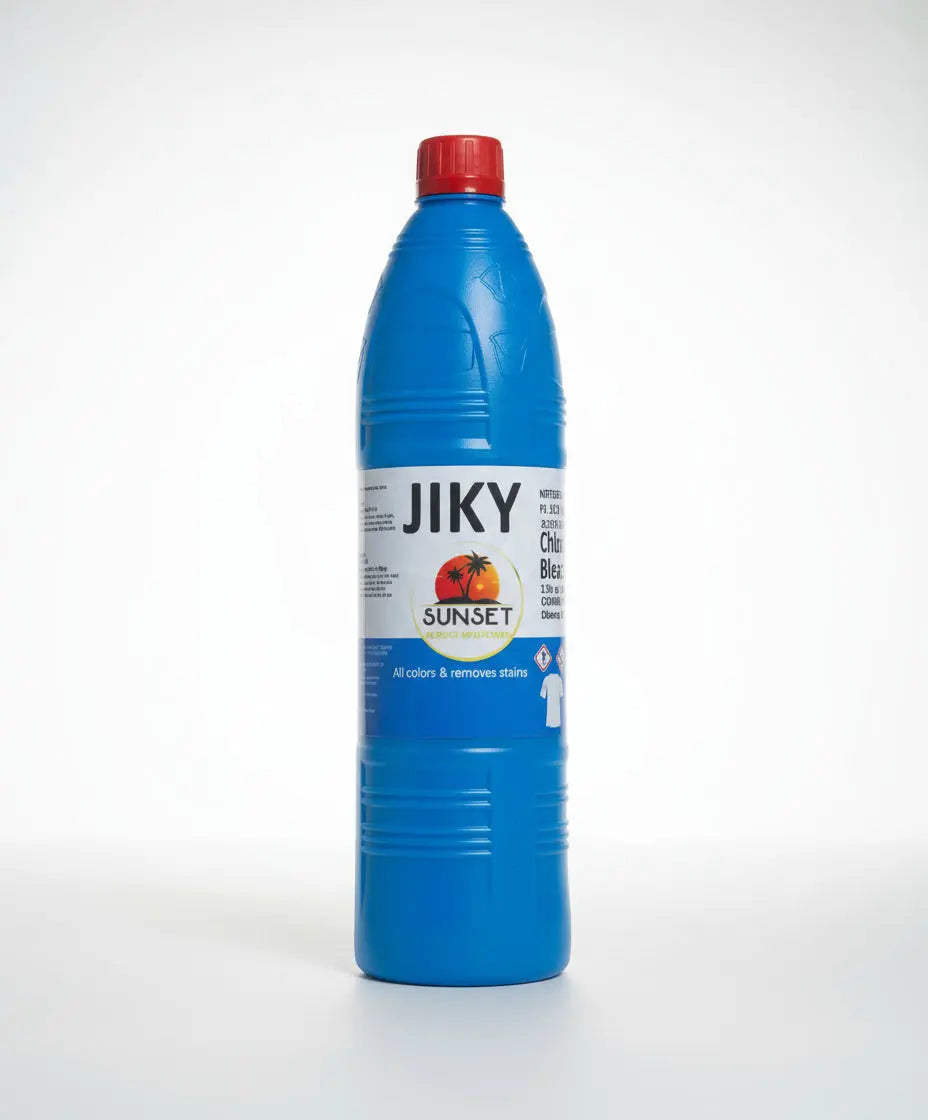
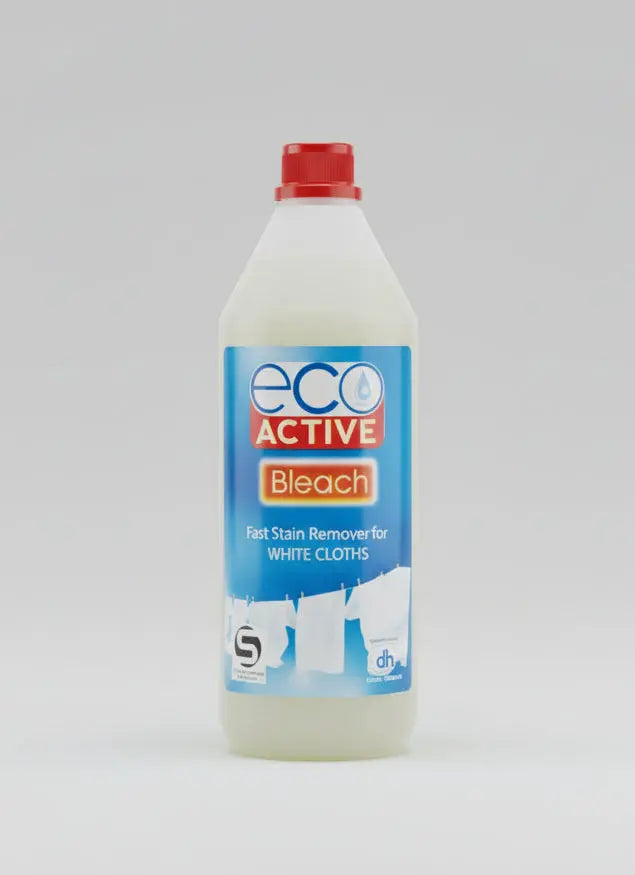
Bleach for drains
1 bottleNice to haveDry drains can smell and let insects climb up. A little bleach and water in drains and toilets helps.
How to use it: Pour a small amount, then flush with water. Never mix with other cleaners.
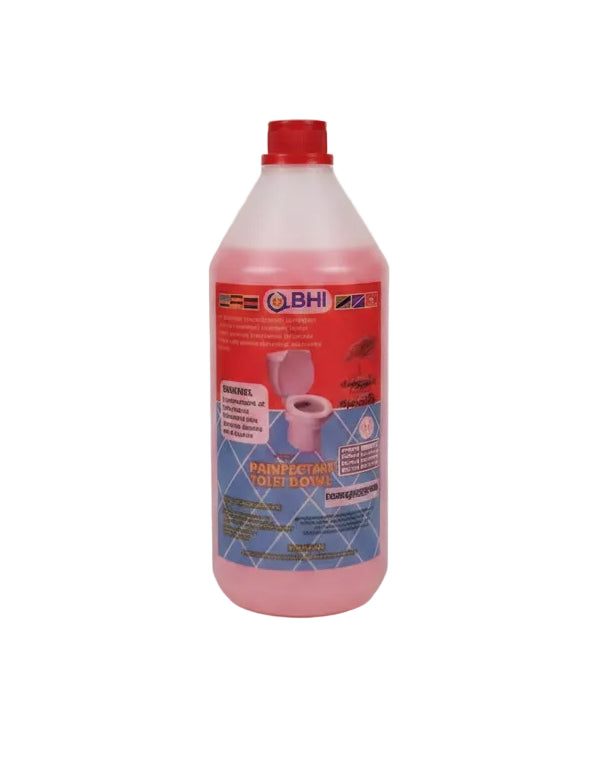
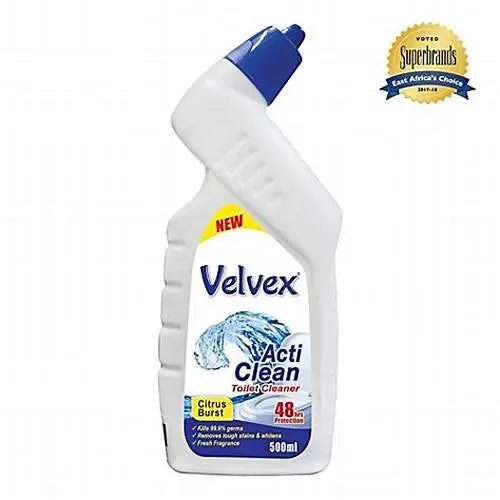
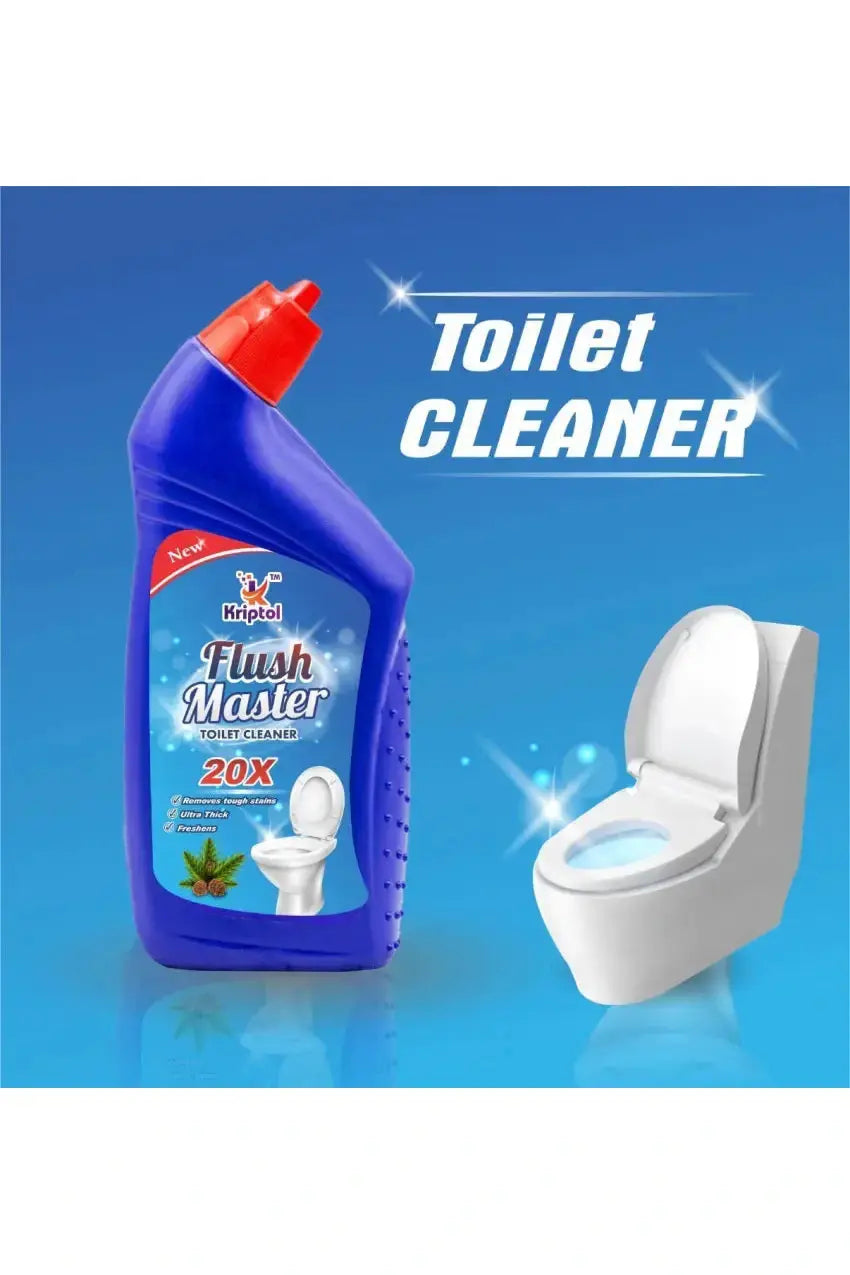
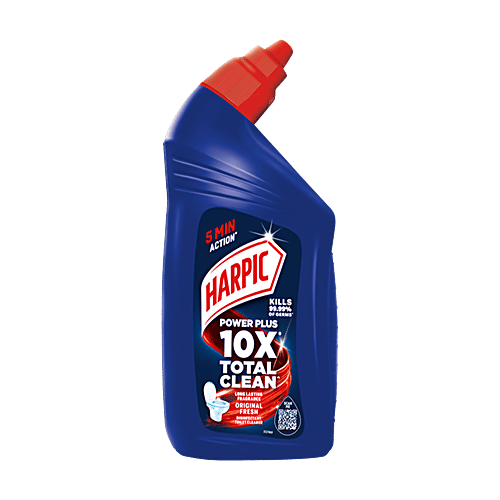
Toilet cleaner
1 bottleNice to haveA clean toilet bowl stays fresher for weeks.
How to use it: Clean it, flush and close the lid.
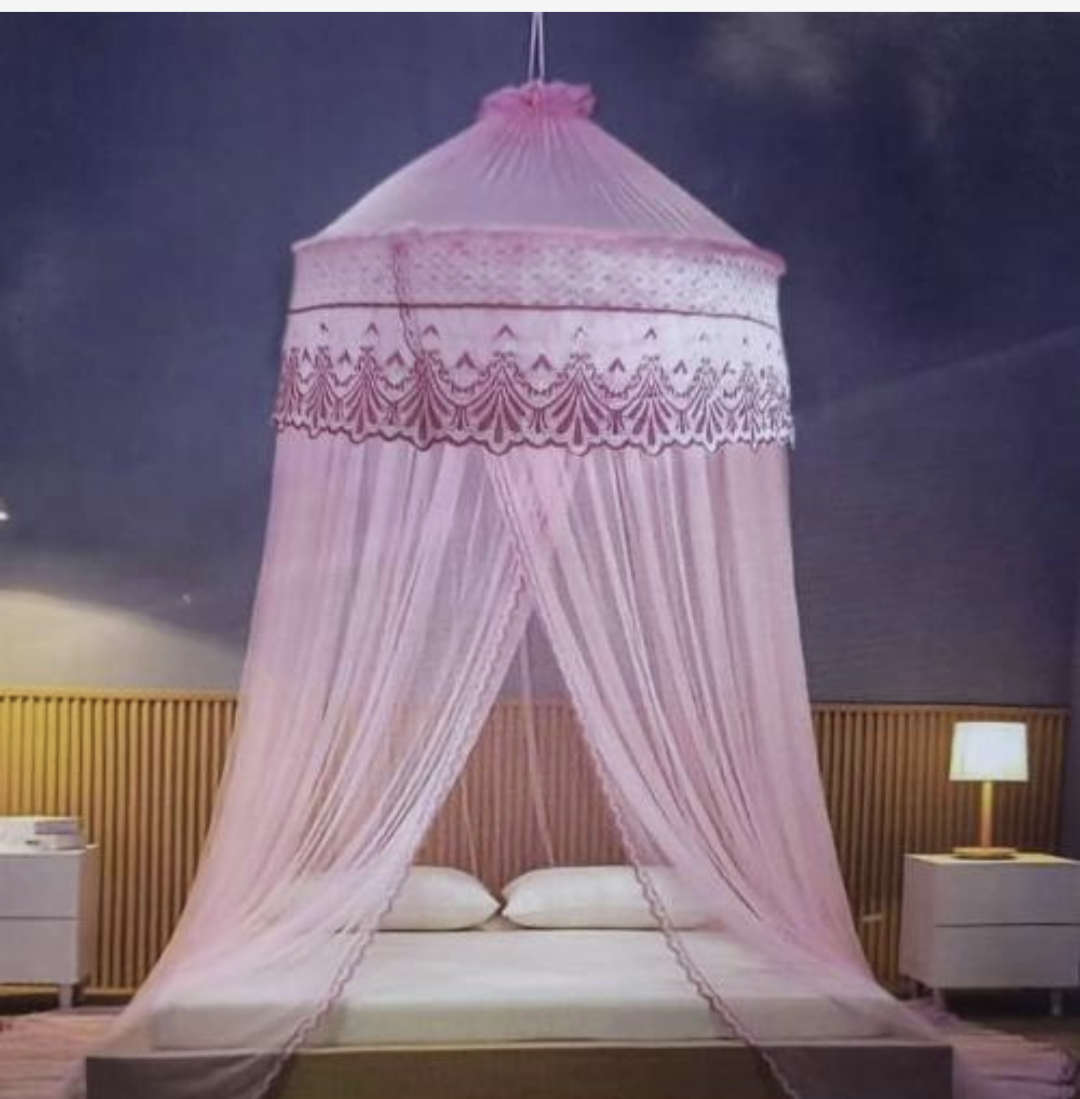
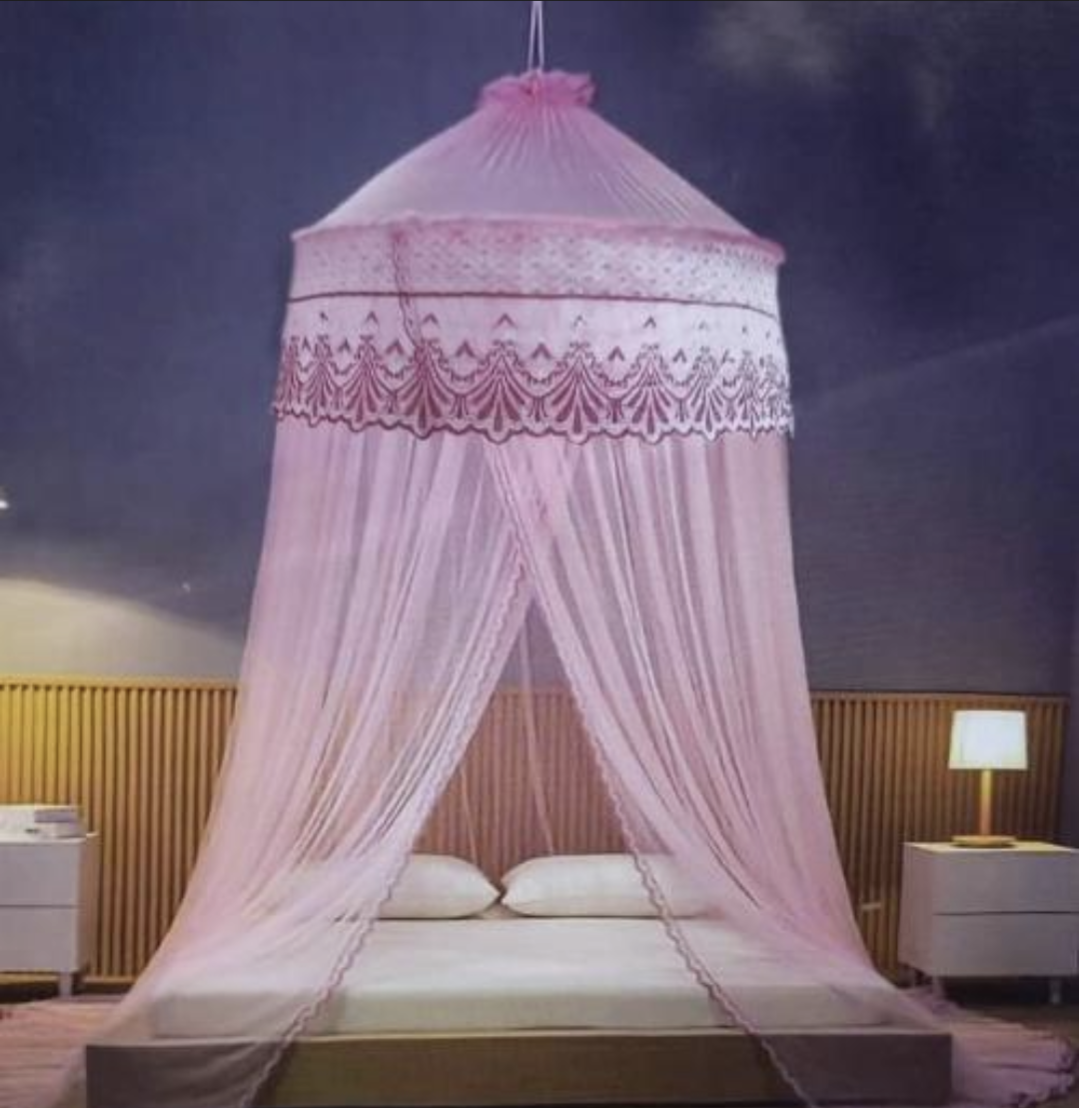
Mosquito net
1 per bedNice to haveNets over beds or windows keep insects out and keep bedding cleaner.
How to use it: Close windows and use nets at open vents if the house must stay aired.
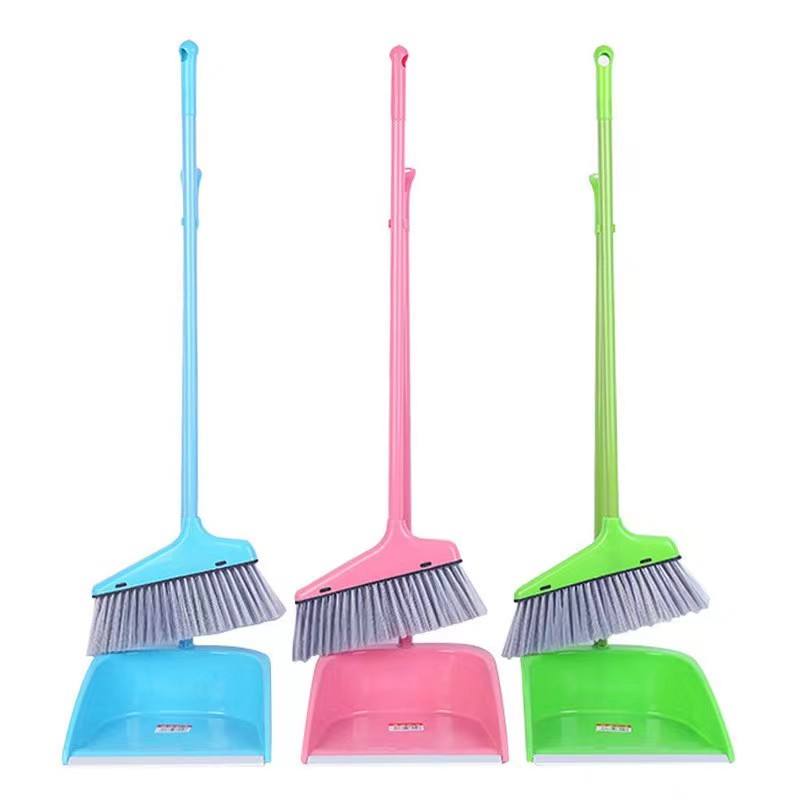
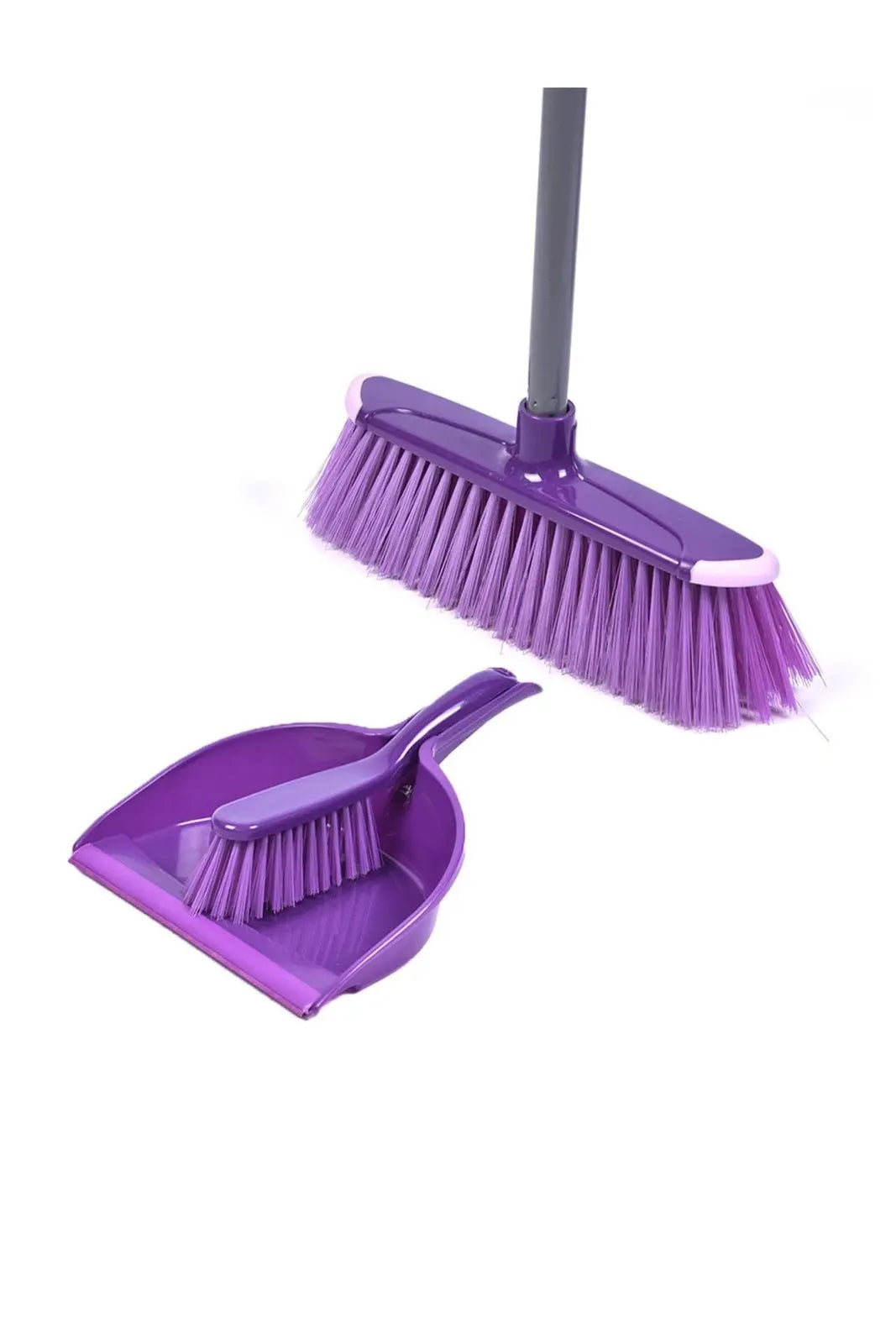
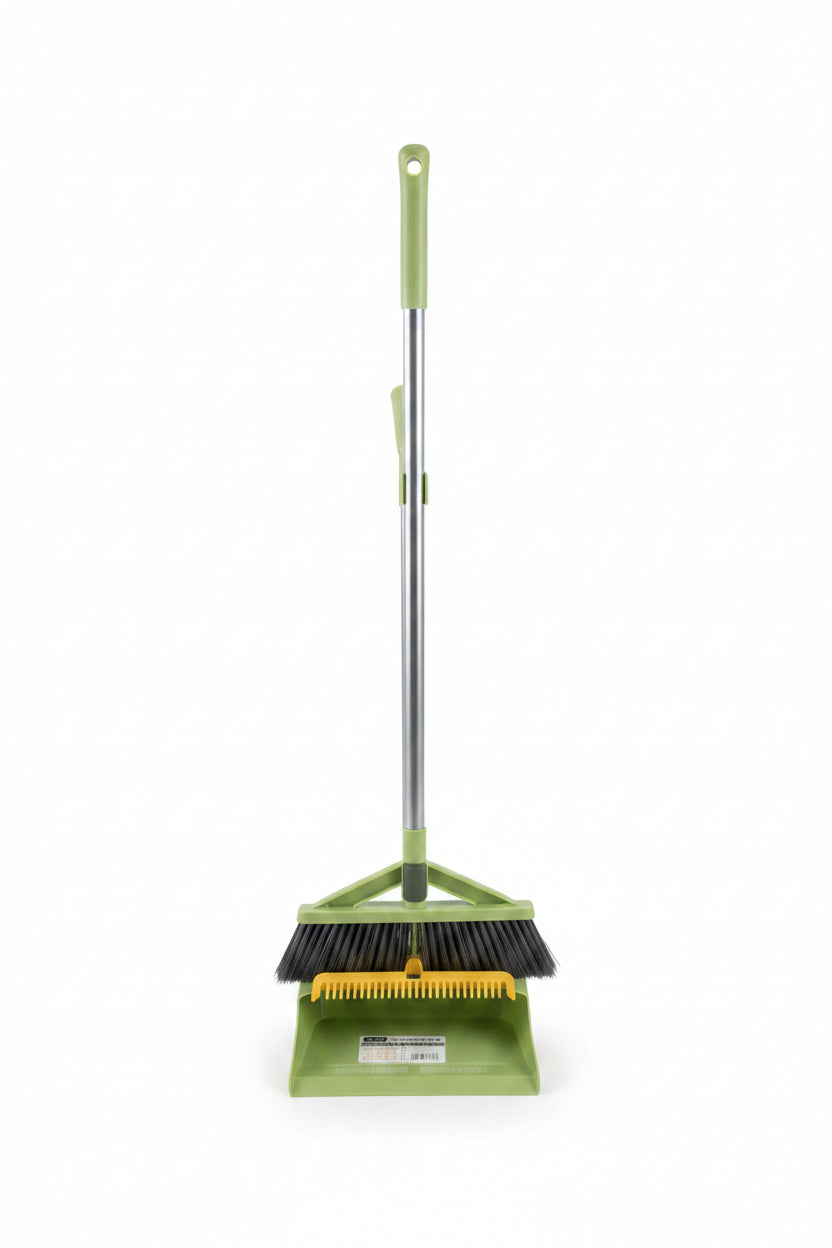
Broom and dustpan
1 set Must haveDo a final sweep so crumbs and dust do not draw ants or leave dirty floors on your return.
How to use it: Sweep every room and corner, including behind doors.
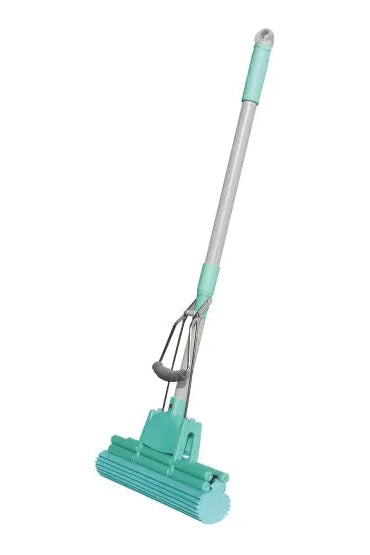
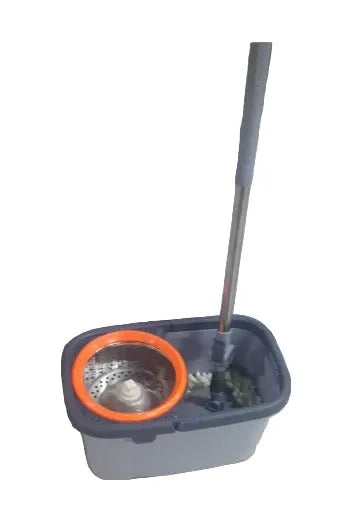
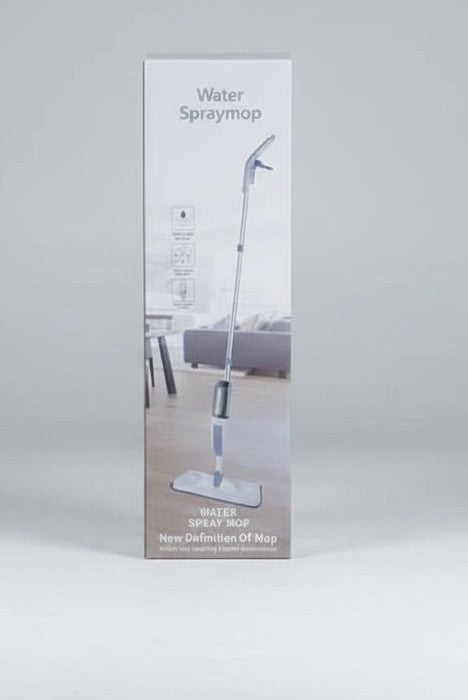
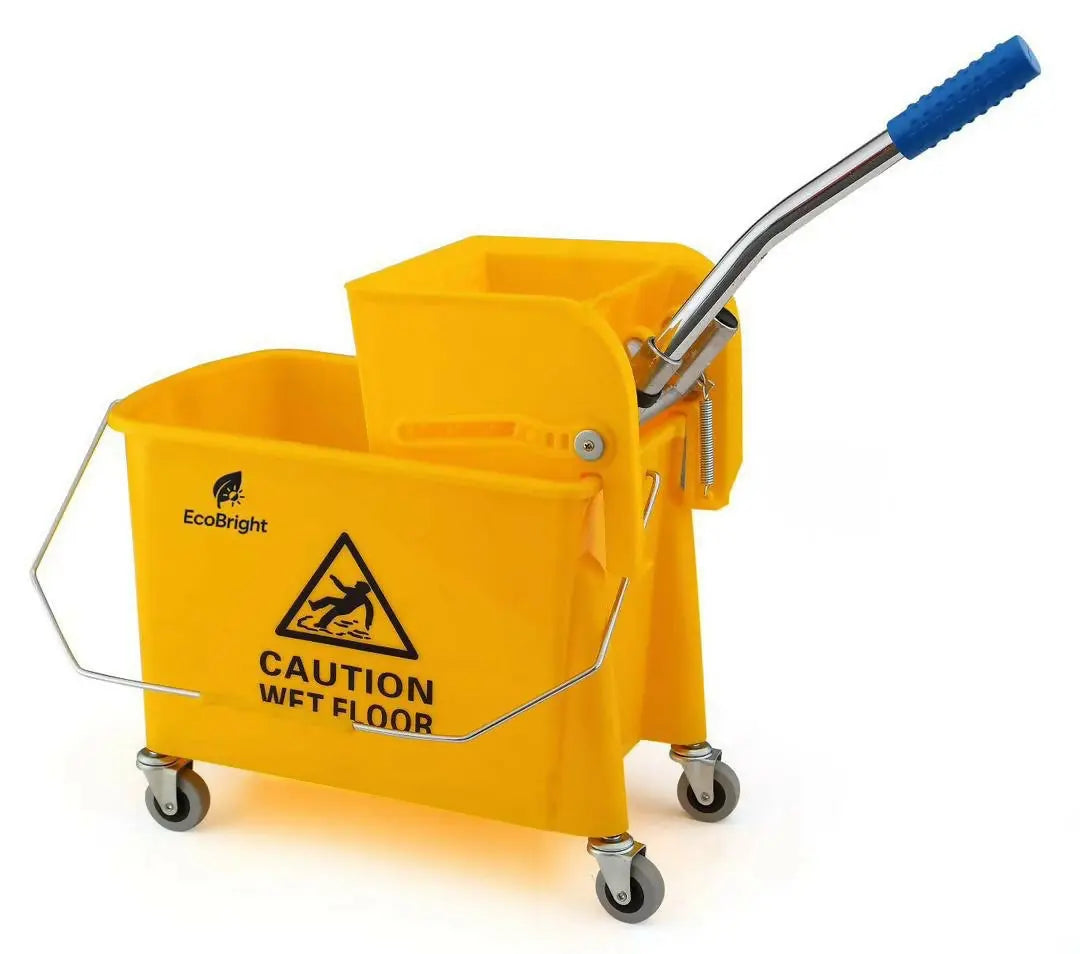
Mop and bucket
1 setNice to haveDry, clean floors are less attractive to insects and easier to clean when you come back.
How to use it: Mop with a little floor cleaner and let it dry fully before you shut the windows.
Power and water
Appliances left plugged in can fail or start fires when no one is home.
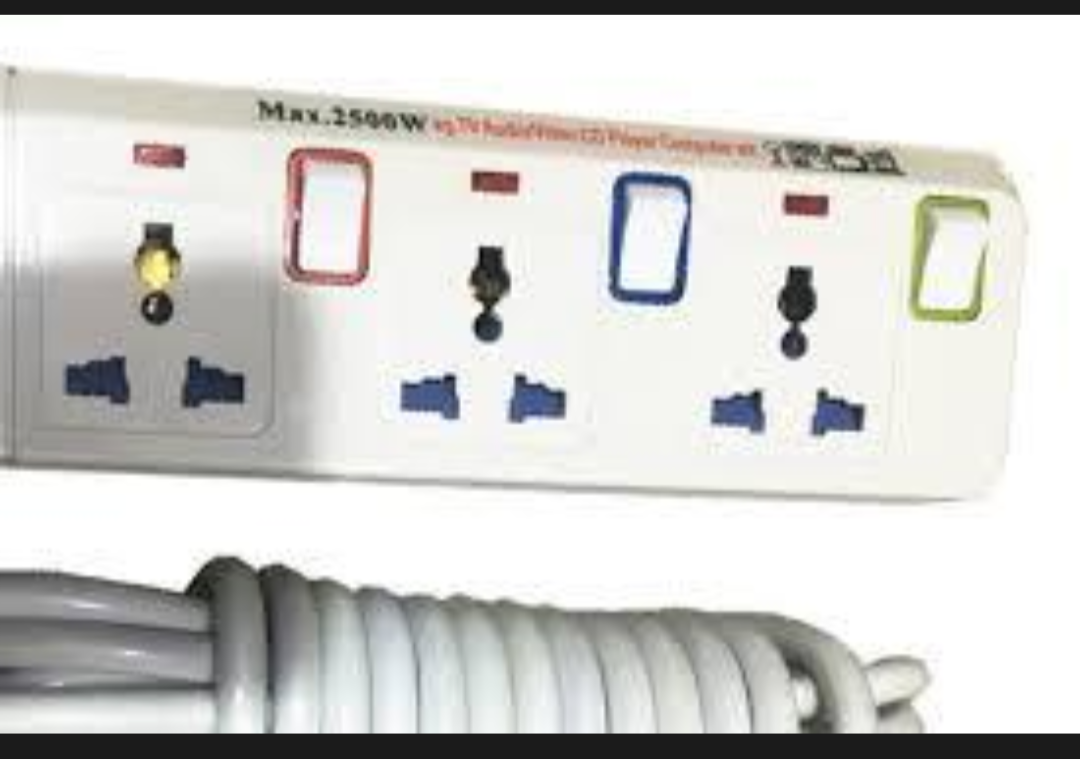
Extension socket with a switch
1 or 2Nice to haveOne switch lets you turn off several things at once, like TV and decoder.
How to use it: Unplug anything you do not need, including chargers and kettles. Keep the fridge plan clear.
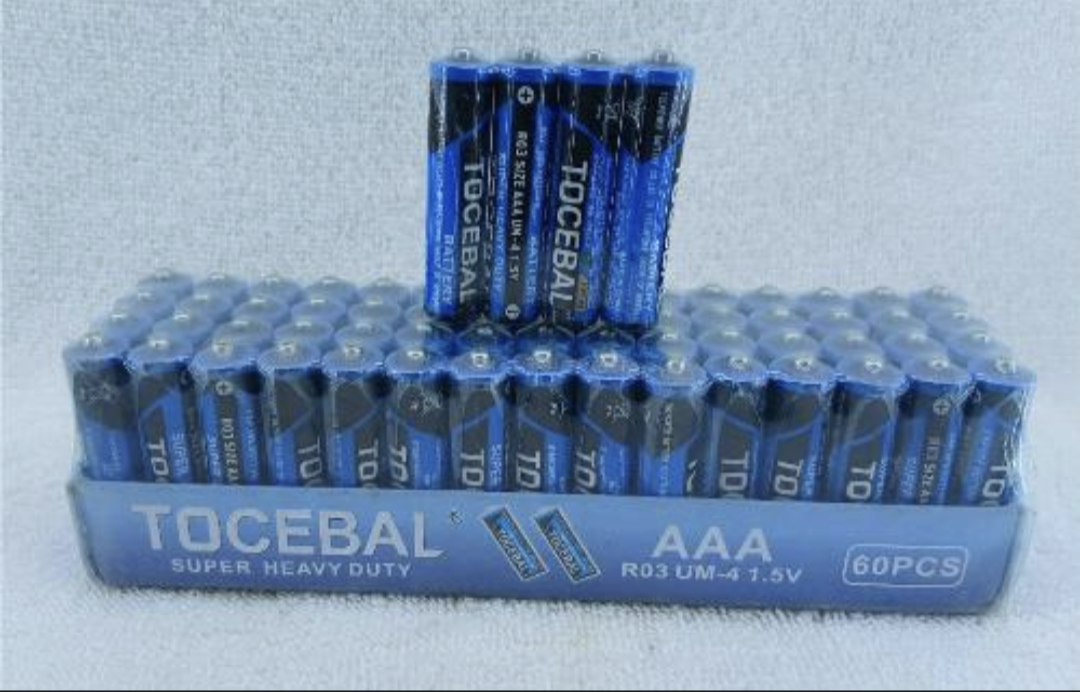
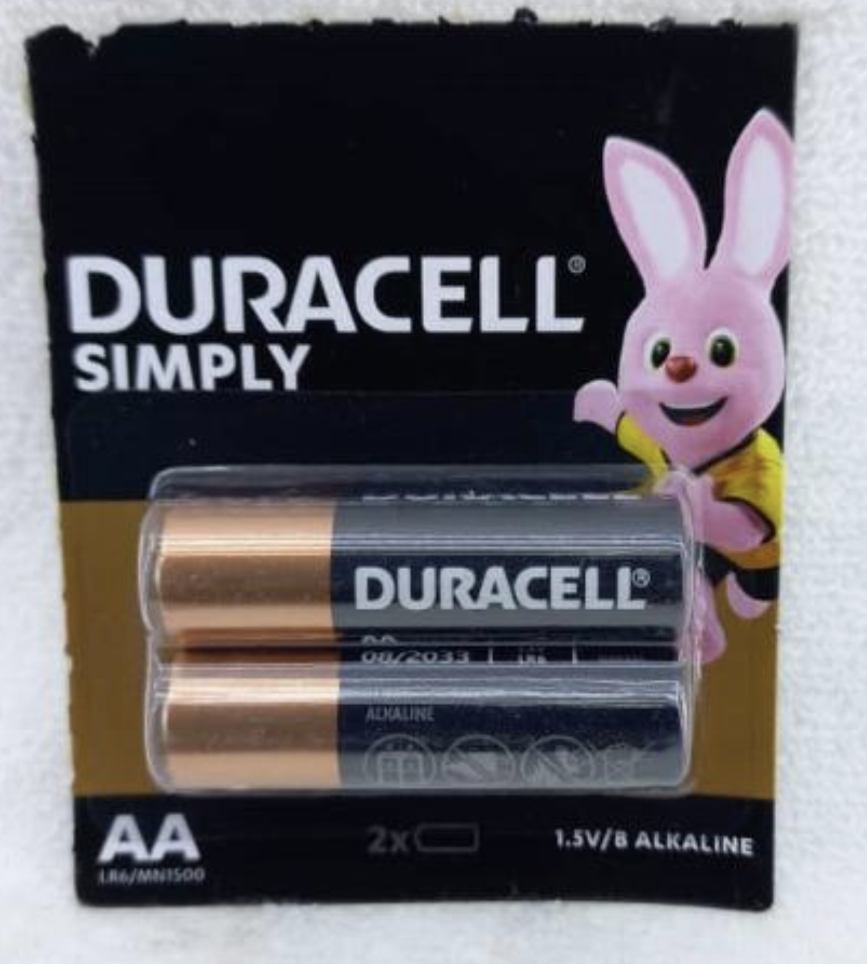
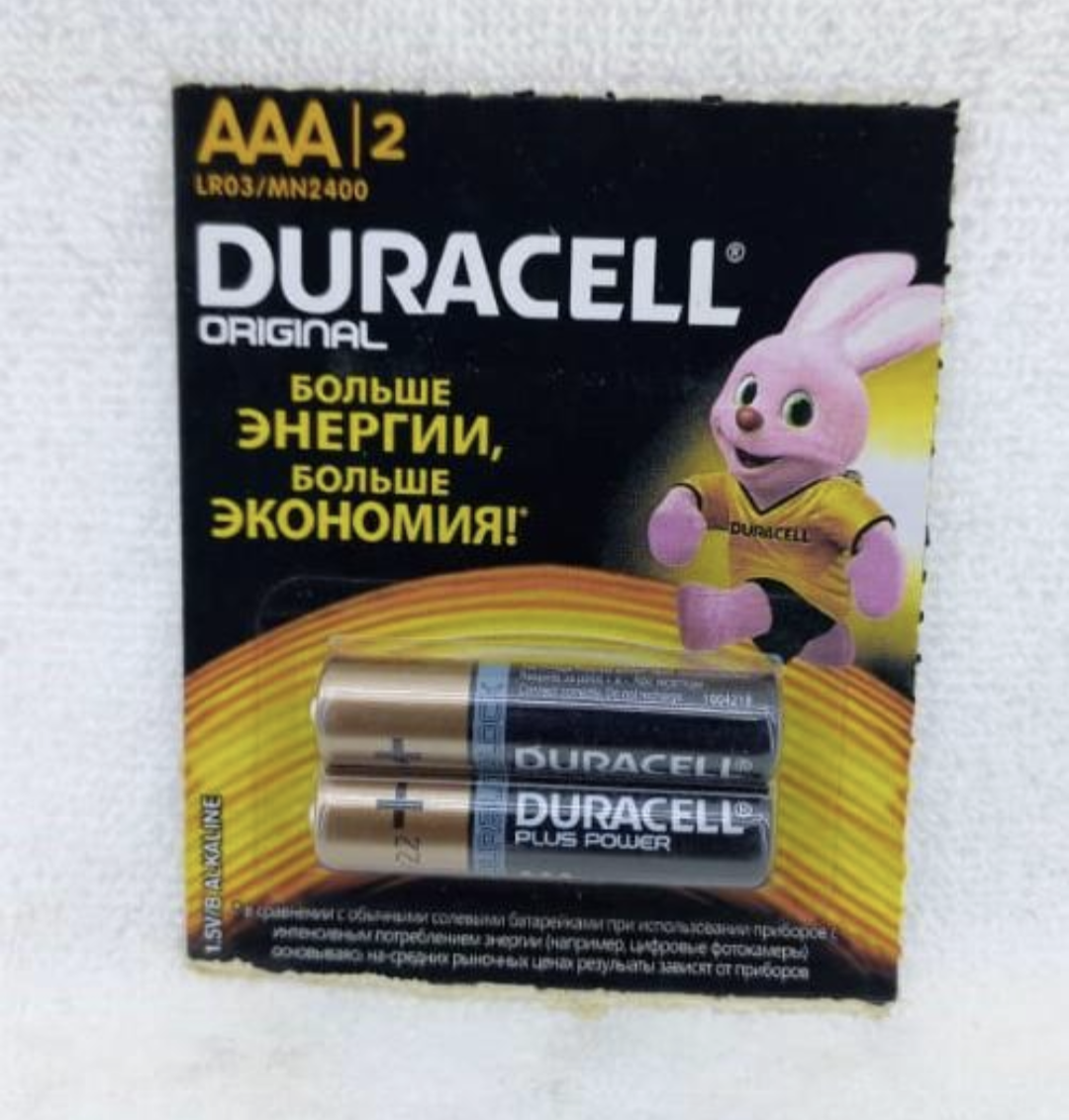
Batteries
Spare for returnNice to haveOld batteries leak in unused remote controls and clocks and ruin them.
How to use it: Take batteries out of items you will not use for months.
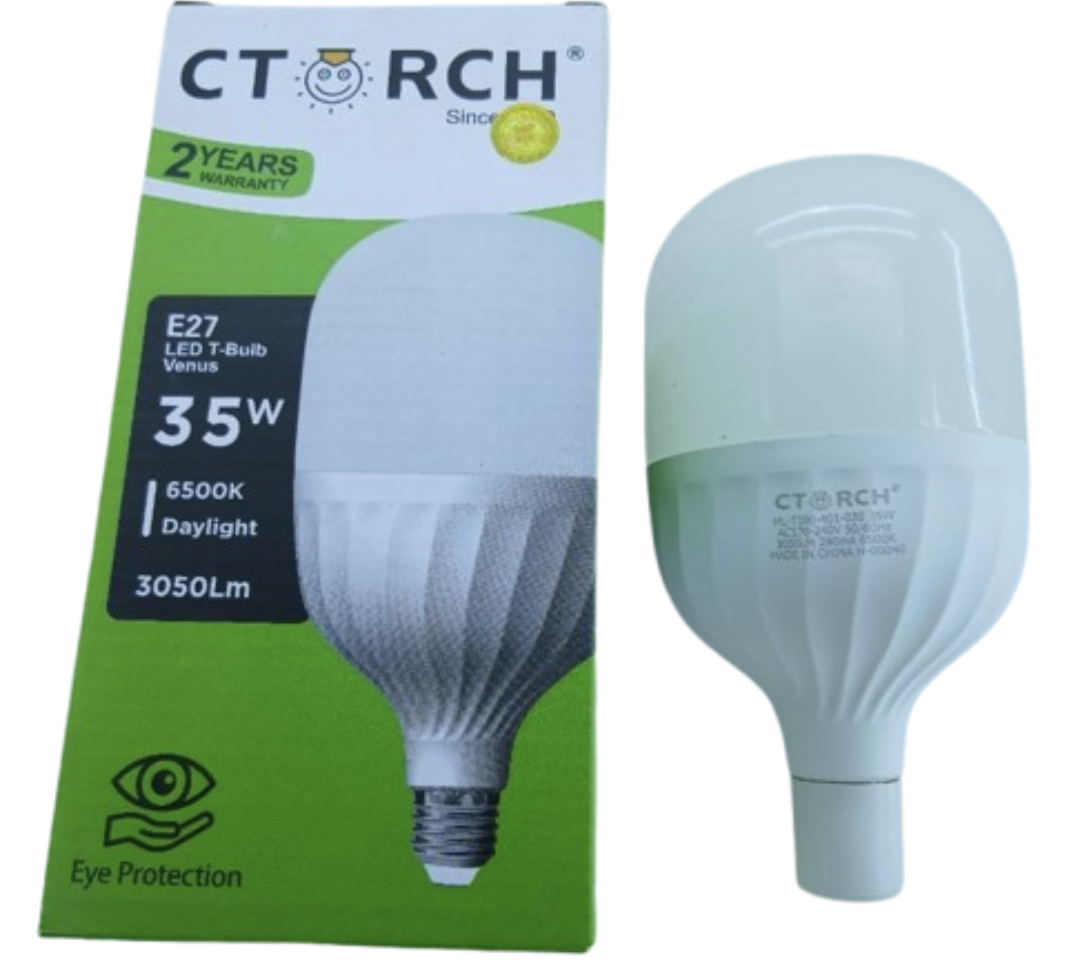
Light bulbs
2 or 3Nice to haveKeep a couple of spare bulbs so you can switch on lights when you get back.
How to use it: Leave them in a drawer, not in the sockets.
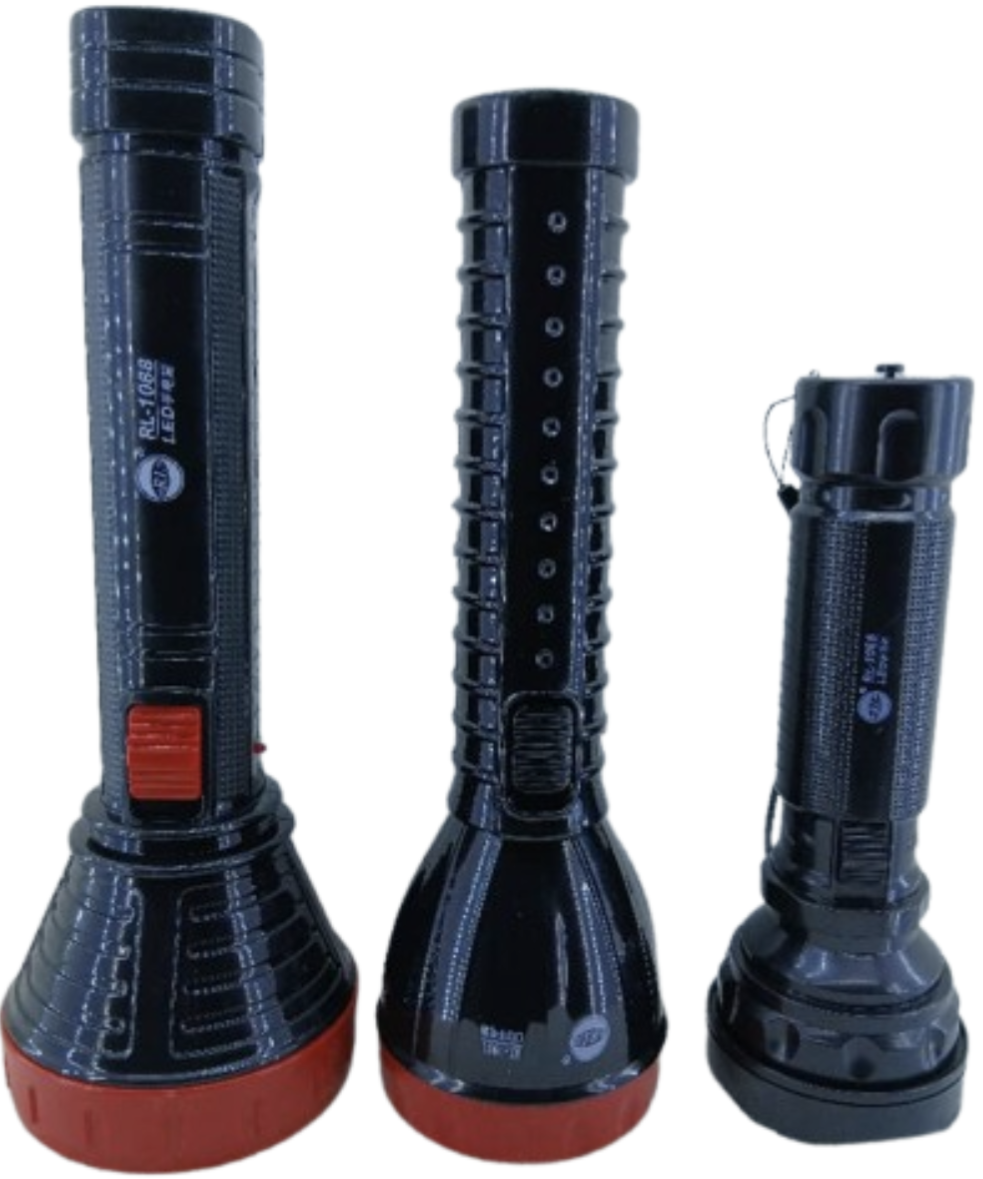
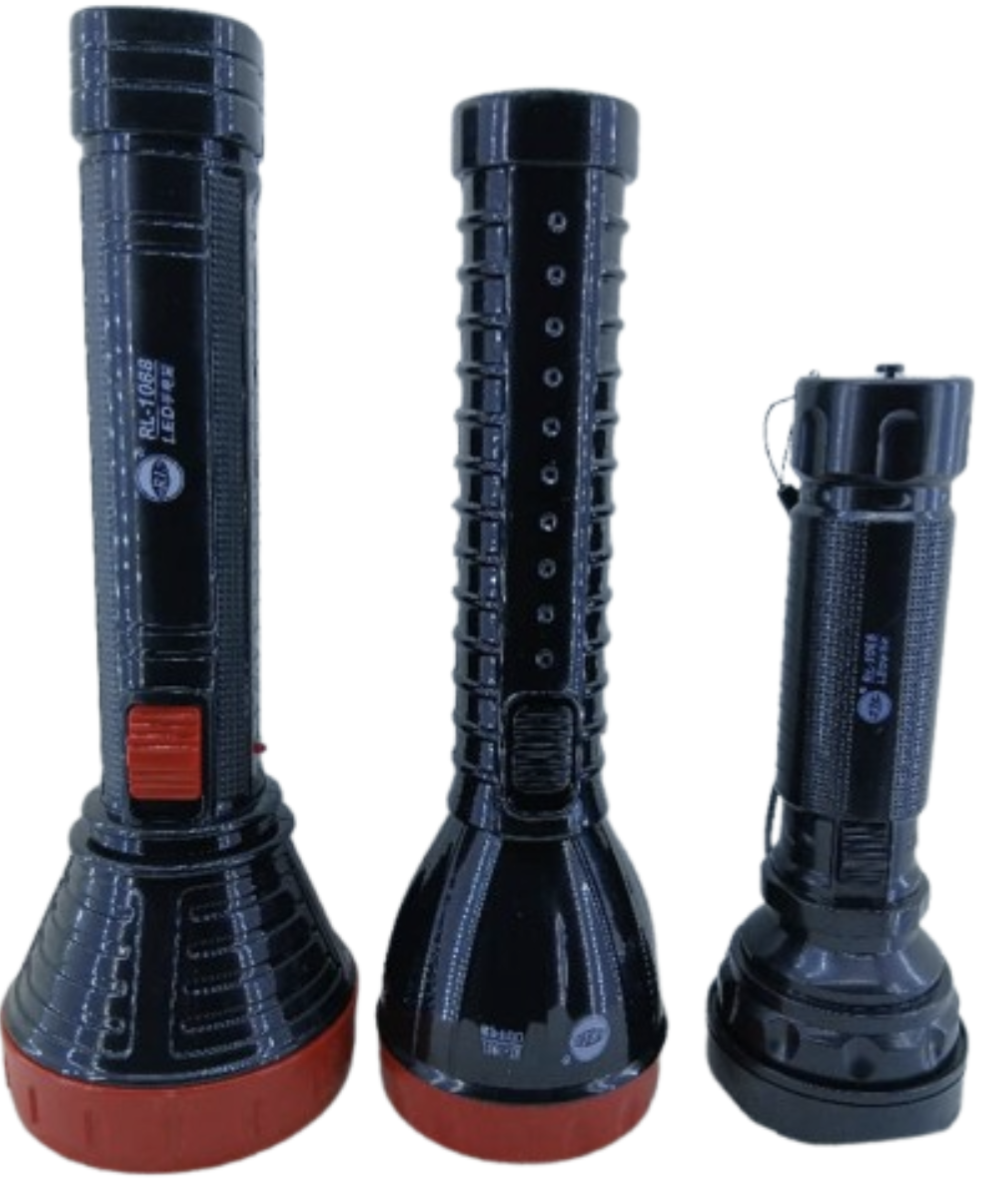
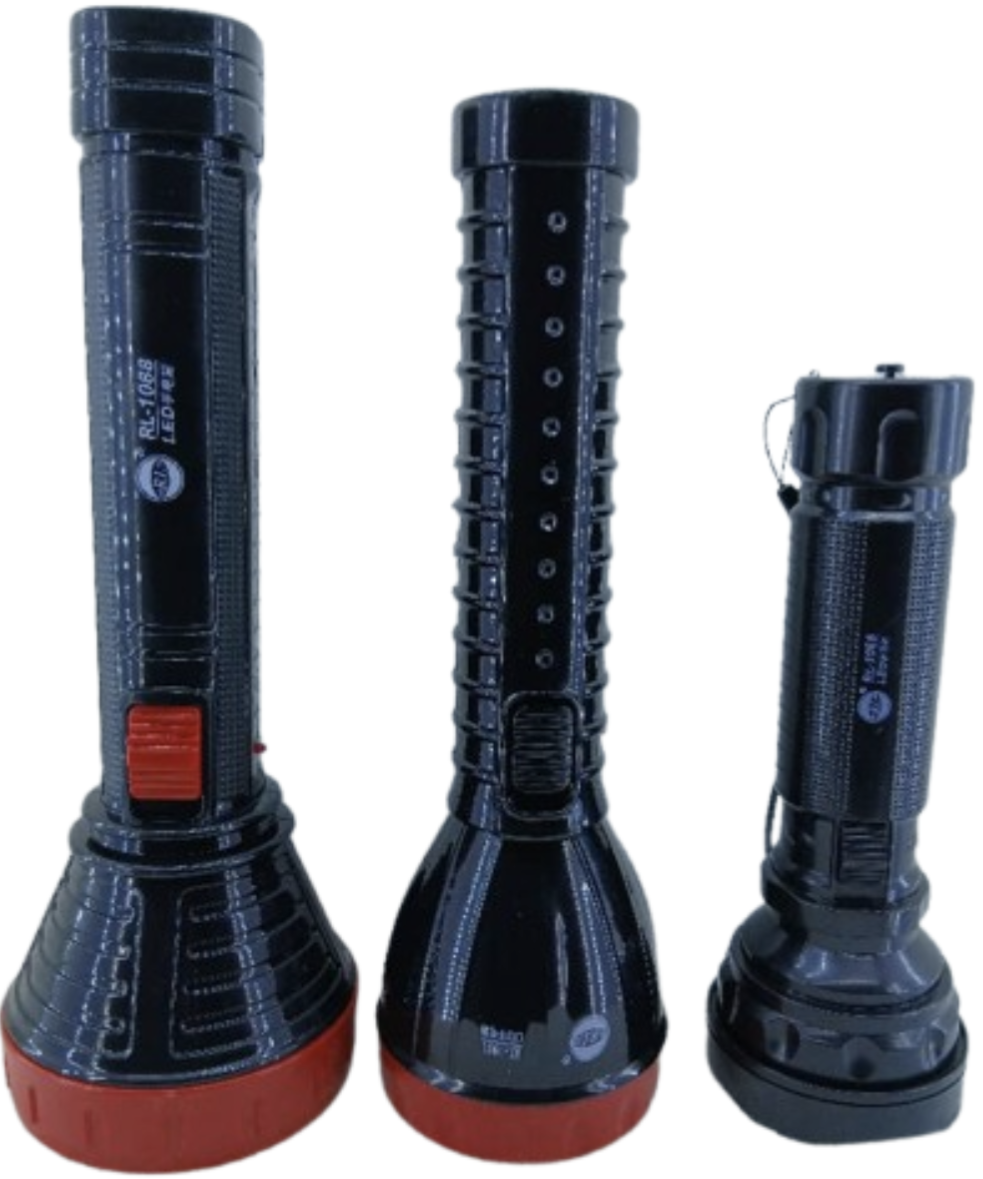
Torch
1Nice to haveIf the power is out when you return, you will need light to find the fuse box.
How to use it: Keep it with the front door key or near the entry.




Security and keys
A house that looks cared for is less of a target.
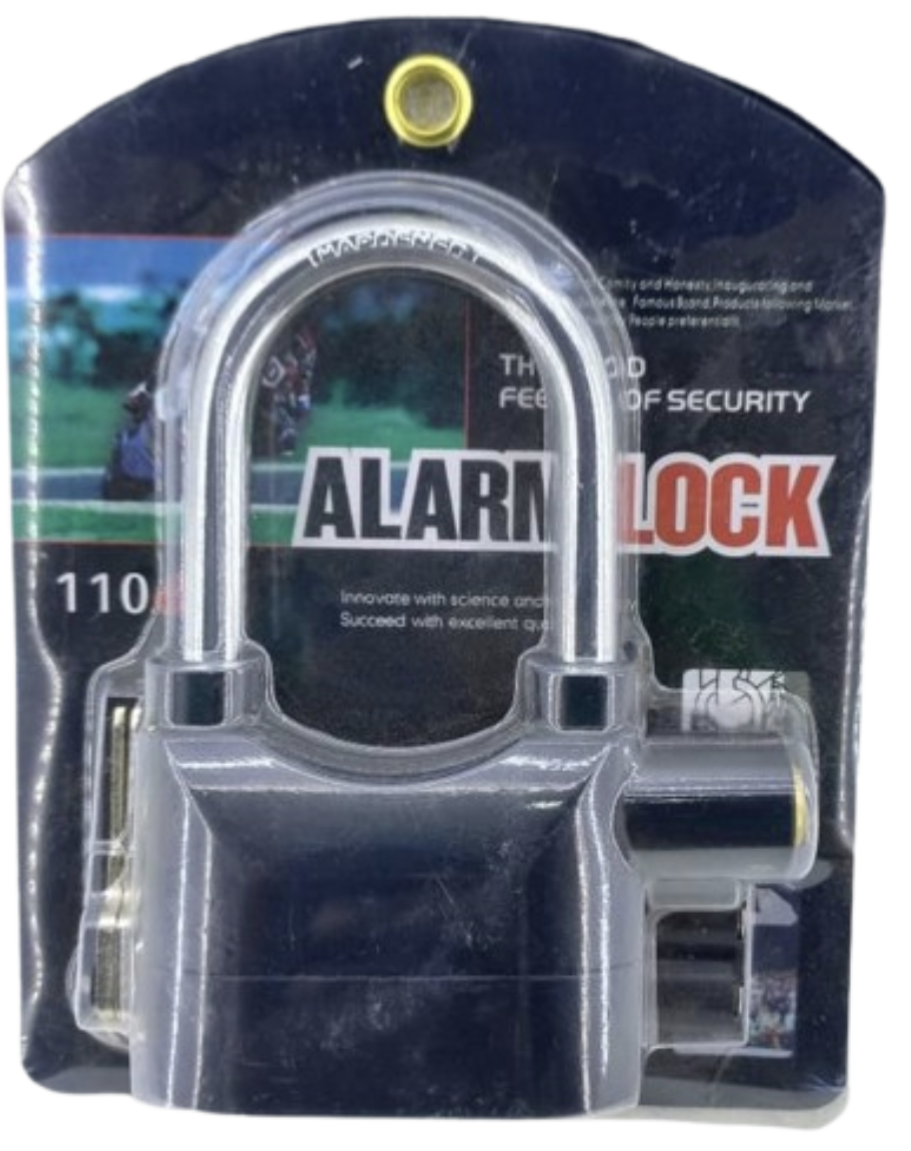
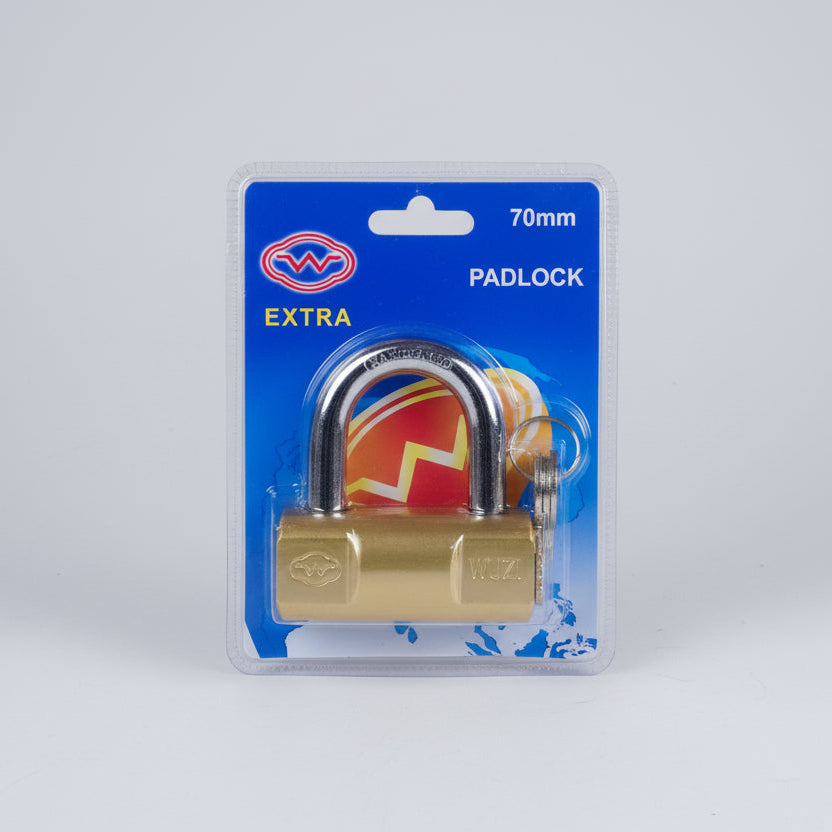
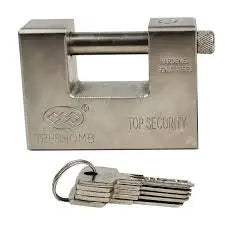
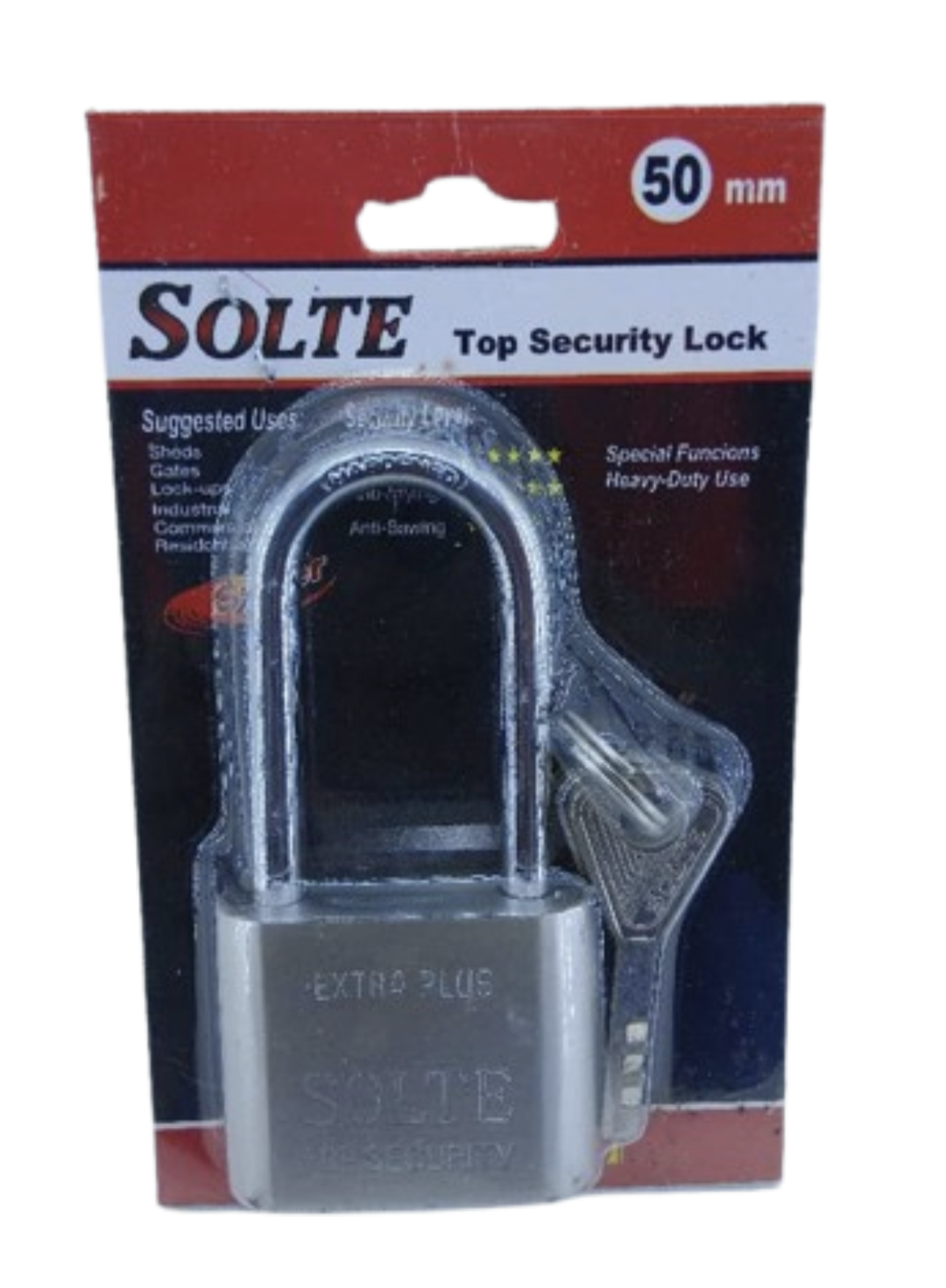
Padlock
1 or 2 Must haveA strong padlock on gates, gas store or sheds adds a layer of protection.
How to use it: Choose a solid one and keep a spare key with a person you trust.
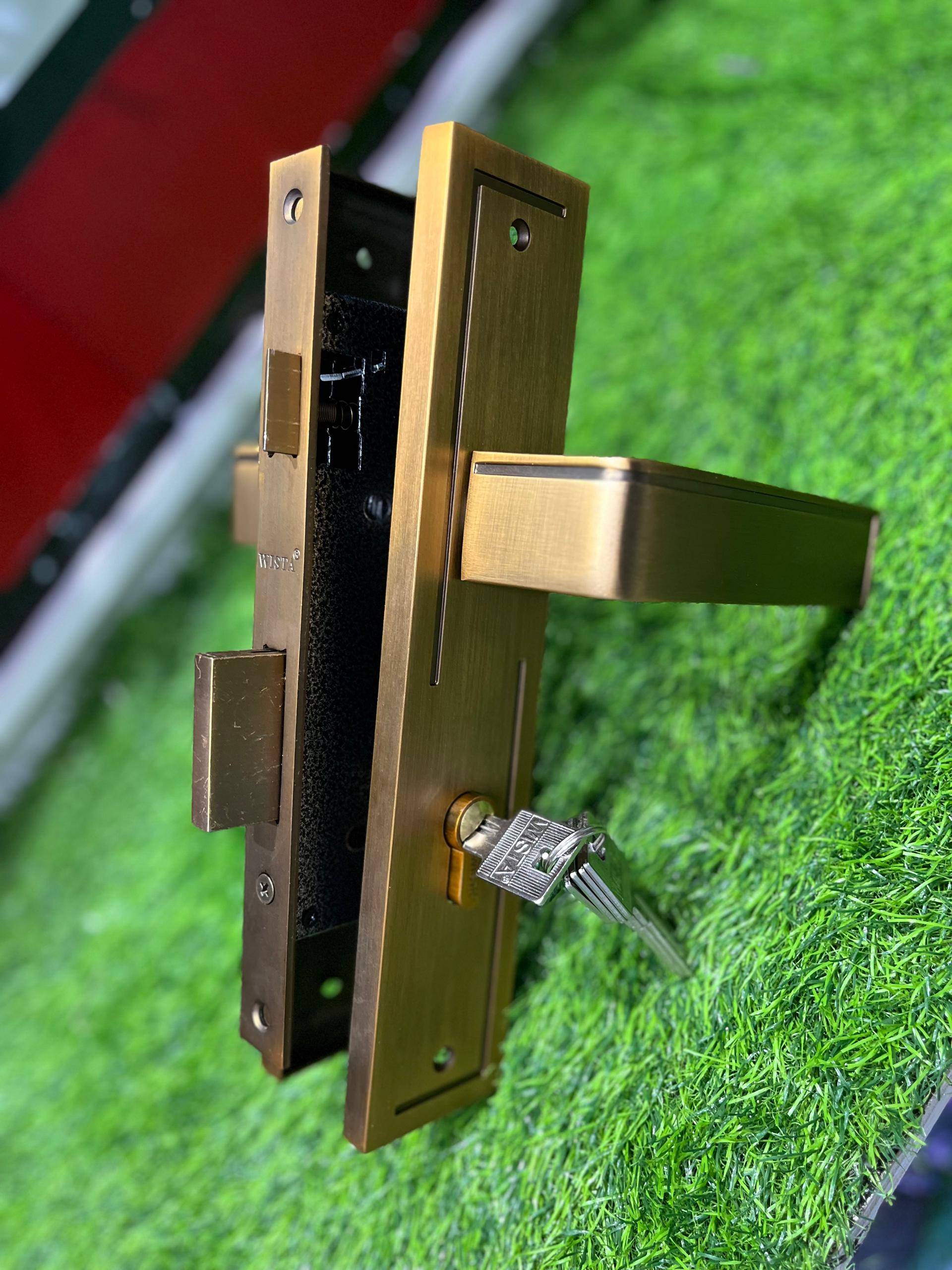
Door lock
1 checkNice to haveA weak lock is the easiest thing to fix before you travel.
How to use it: Test the keys and the bolt. Ask your landlord before changing any lock.
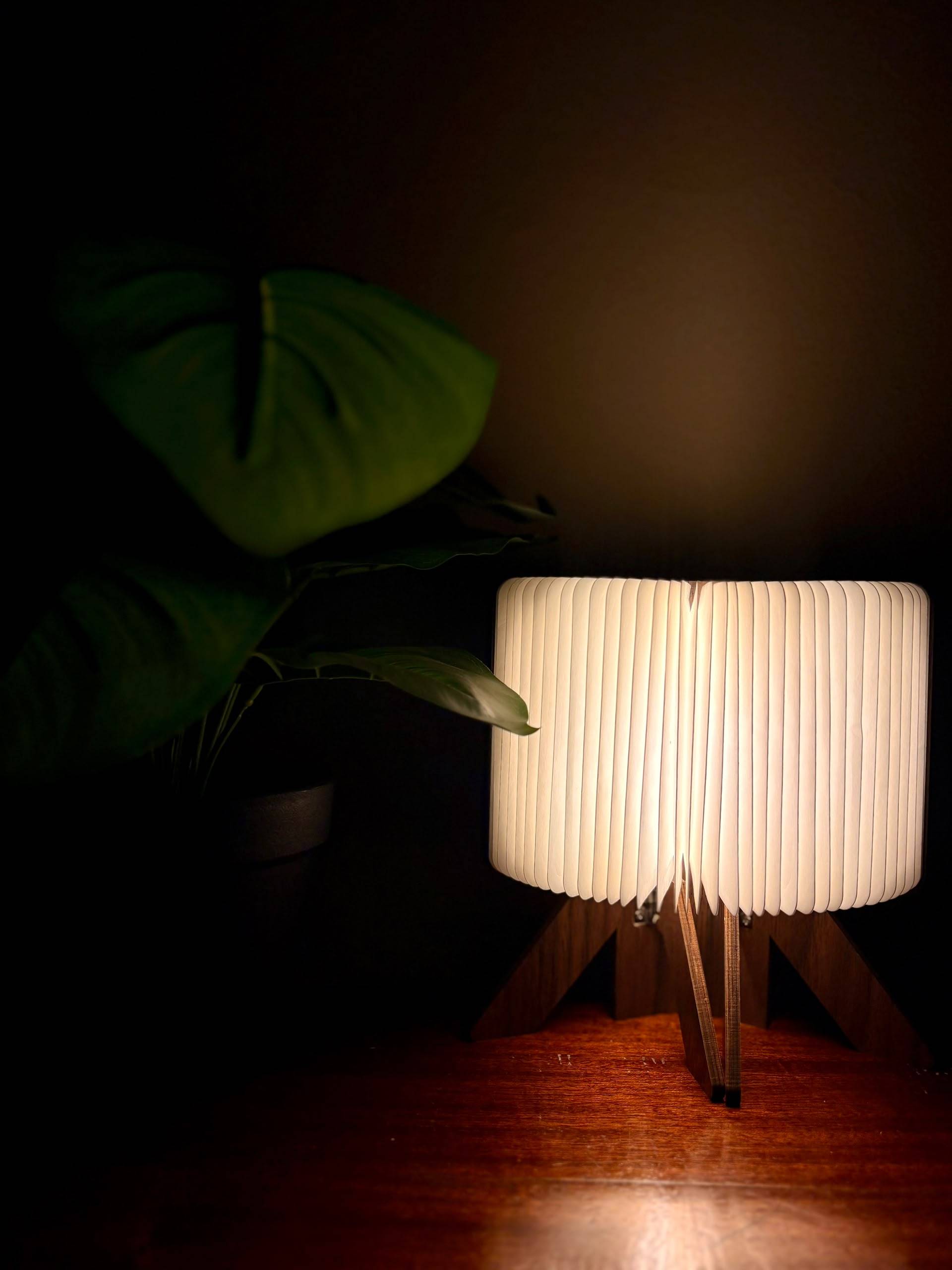
Timer or night lights
1Nice to haveA light that comes on at night makes the house look lived in.
How to use it: A solar or rechargeable lamp near the door is one option. Check it is safe to leave on.
Marker pen
1 or 2Nice to haveYou will want to label boxes and stored items clearly so someone else can find them.
How to use it: Write the contents on the box side, not the top.
Notebook for key contacts
1Nice to haveWrite the contacts of your landlord, neighbor, plumber and electrician so someone can act if there is a problem.
How to use it: Leave a copy with your helper and take a copy with you.


Step by step
- 1
One week before
Decide what stays on or off. Talk to your landlord and a trusted neighbor. Start using up food.
- 2
Three days before
Wash all bedding and clothes you will leave. Buy storage boxes, moth sachets and cleaning supplies.
- 3
Two days before
Clean the kitchen and fridge. Take out food that can spoil and the rubbish.
- 4
The day before
Spray for insects, sweep and mop. Pack away bedding and unplug appliances.
- 5
Leaving day
Close the gas, check windows and taps, lock up and give keys to your trusted person.
Tips that help
- Ask a neighbor or friend to visit the house every week or two.
- Leave a short written list with whoever has your key.
- Take photos of each room before you leave so you can see changes on return.
- Take valuables and papers with you or leave them with someone you trust.
- Check with your landlord about water, gas and power before you turn anything off.
- Leave a window slightly open only if the house is safe and well screened.
- Plan a first day cleaning kit for the day you return.
Mistakes to avoid
- Leaving any food in cupboards or bins.
- Leaving wet clothes or bedding in closed boxes.
- Leaving a gas cylinder connected in a closed house.
- Leaving all your keys with no one who knows what to do in an emergency.
- Turning off the fridge and closing the door tightly.
Questions people ask
Should I turn off the fridge when I leave for a long trip?+
If you are away for more than a few weeks and nobody will check, many people empty, clean and turn it off. Leave the door slightly open to prevent mold. If you keep it on, check with someone regularly.
How do I keep rats and ants out of an empty house?+
Remove all food, clean every surface, seal any dry food in tight containers and block gaps if you can. A neighbor checking now and then also helps.
Should I switch off the main power?+
Unplug appliances you do not need. Ask your landlord or an electrician before switching off the main power, as some houses have pumps or alarms on it.
What should I do about the water?+
Check taps and pipes for leaks and ask your landlord whether you can close the main valve. Ask someone to look at the house now and then.
Can I leave my gas cylinder in the house?+
It is safer not to leave it connected. Close the valve and, if you can, store the cylinder outside or ask a trusted person to keep it.
A few hours of preparation can save weeks of repair when you return. Use this checklist, order what you need on Isokko and travel knowing your home is protected.
Shop this list
Get everything delivered in Kigali
Order from local stores on Isokko and pay with MoMo, card or cash. Same-day delivery.