
Checklist · Emergencies & power cuts
Emergency Water Storage for a Month in Kigali: What to Buy
Plan and store a month of emergency drinking water in Kigali with the right containers, safe treatment steps and a simple rotation habit.
Updated November 25, 2026 · By Isokko
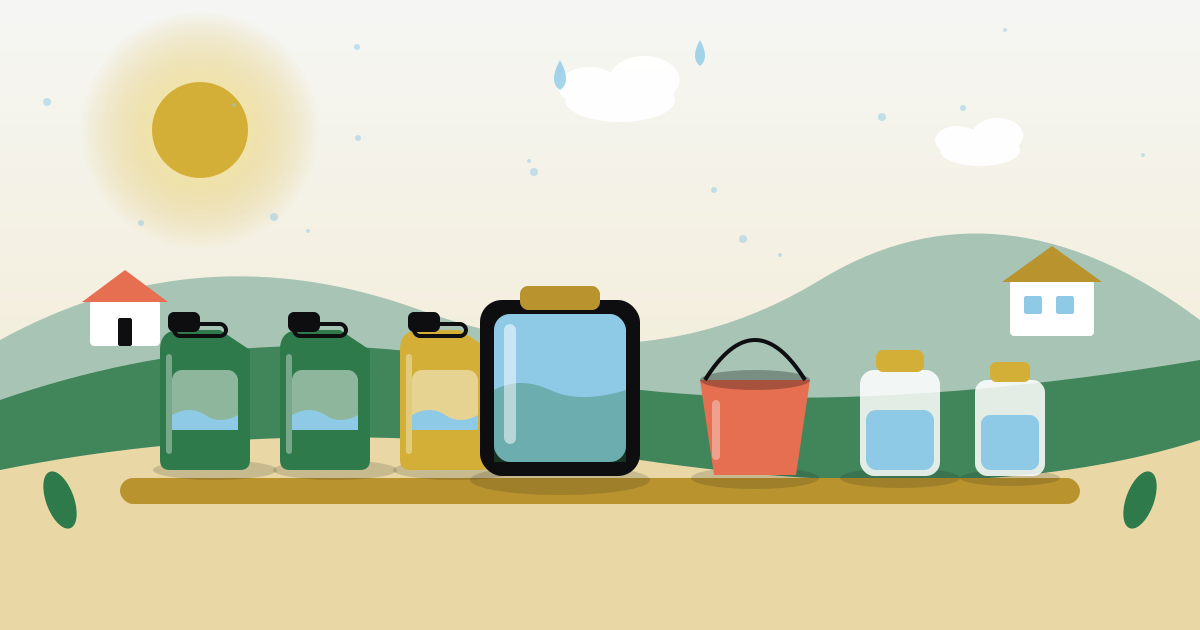
Water cuts in Kigali can last from hours to days. A month of stored water is a big goal, but you can build it step by step with clean containers, a safe way to treat water and a habit of changing it.
A commonly used planning figure is about 4 litres per person per day for drinking, cooking and basic washing. For four people for 30 days that is about 480 litres. If that is too much, start with one week and grow. Ask your landlord or the water utility what is advised in your area.
This list covers what to store water in, how to keep it safe, how to use it and how to save water when supply is short. Always follow the instructions on any product you buy, and ask a pharmacist if you are unsure about treating water.
Who it's for
Households in Kigali that want a month of backup water for drinking, cooking and basic hygiene
Time needed
Set up over 1 to 2 weeks, then check every 2 to 3 months
When to shop
Buy containers first, then fill them before a dry spell or any planned cut
On the list
24 items, 9 must haves
0 of 24 ready
Containers for storage
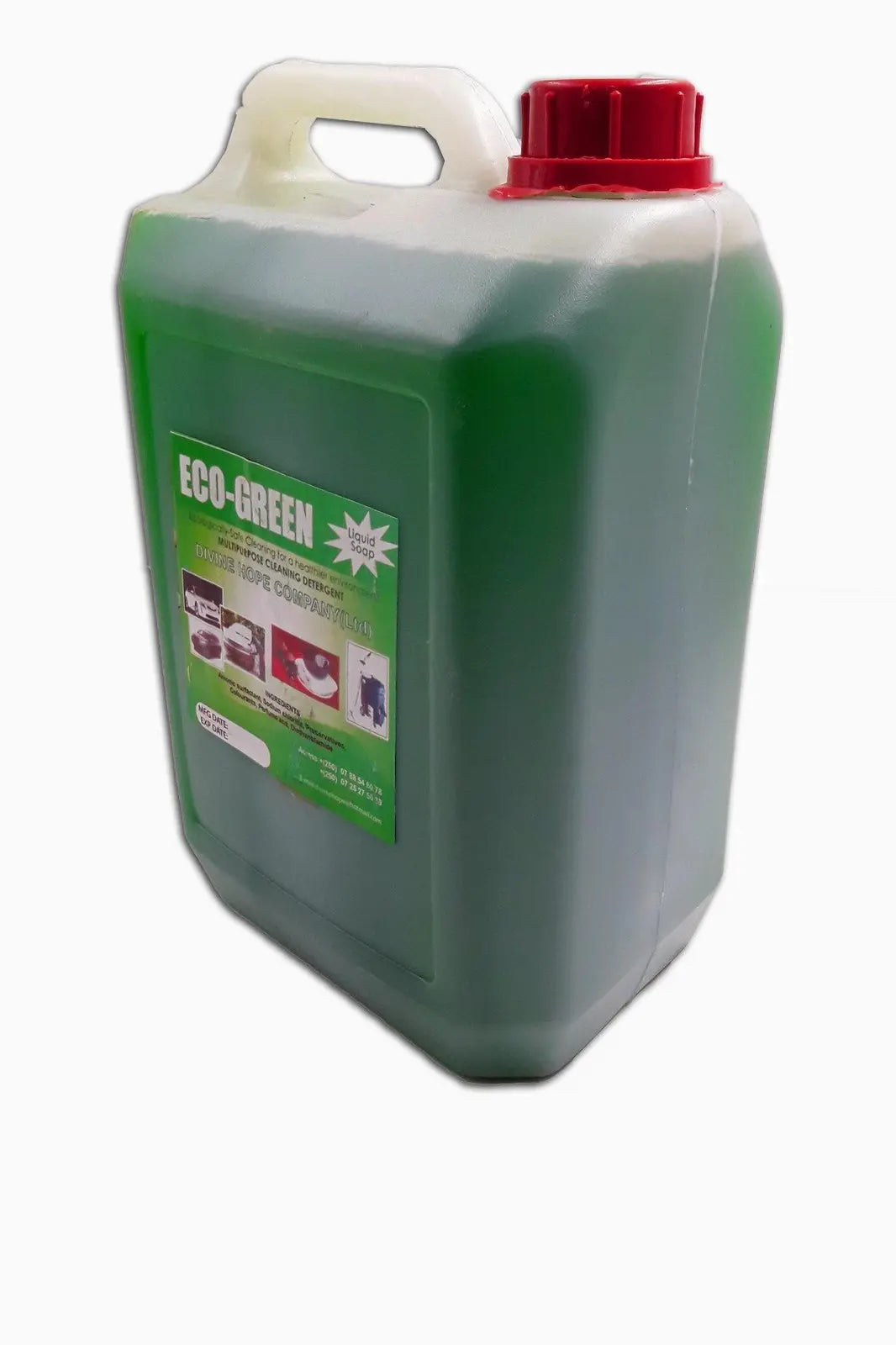
Clean, closed containers made for water. Never reuse containers that held fuel, oil or chemicals.
Water tank
1Nice to haveA tank on the roof or ground is the biggest single store and fills when the supply is on.
How to use it: Place it on a firm base, keep the lid closed and clean it a couple of times a year. Check with your landlord first.
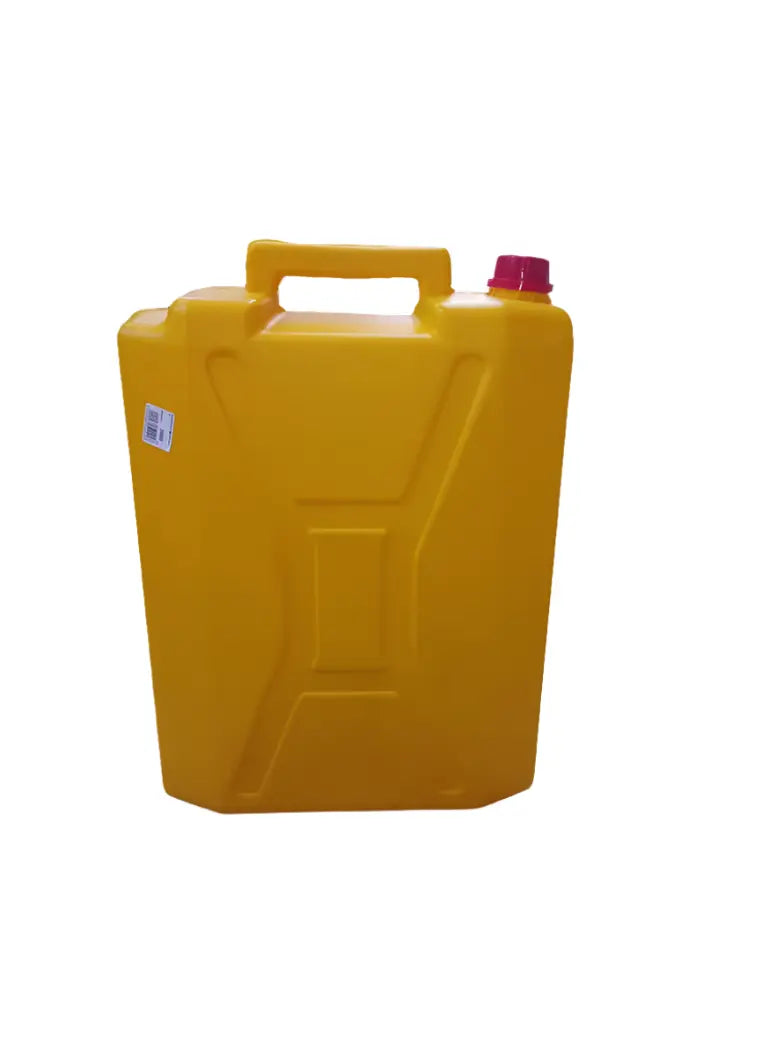
20 litre jerrycan
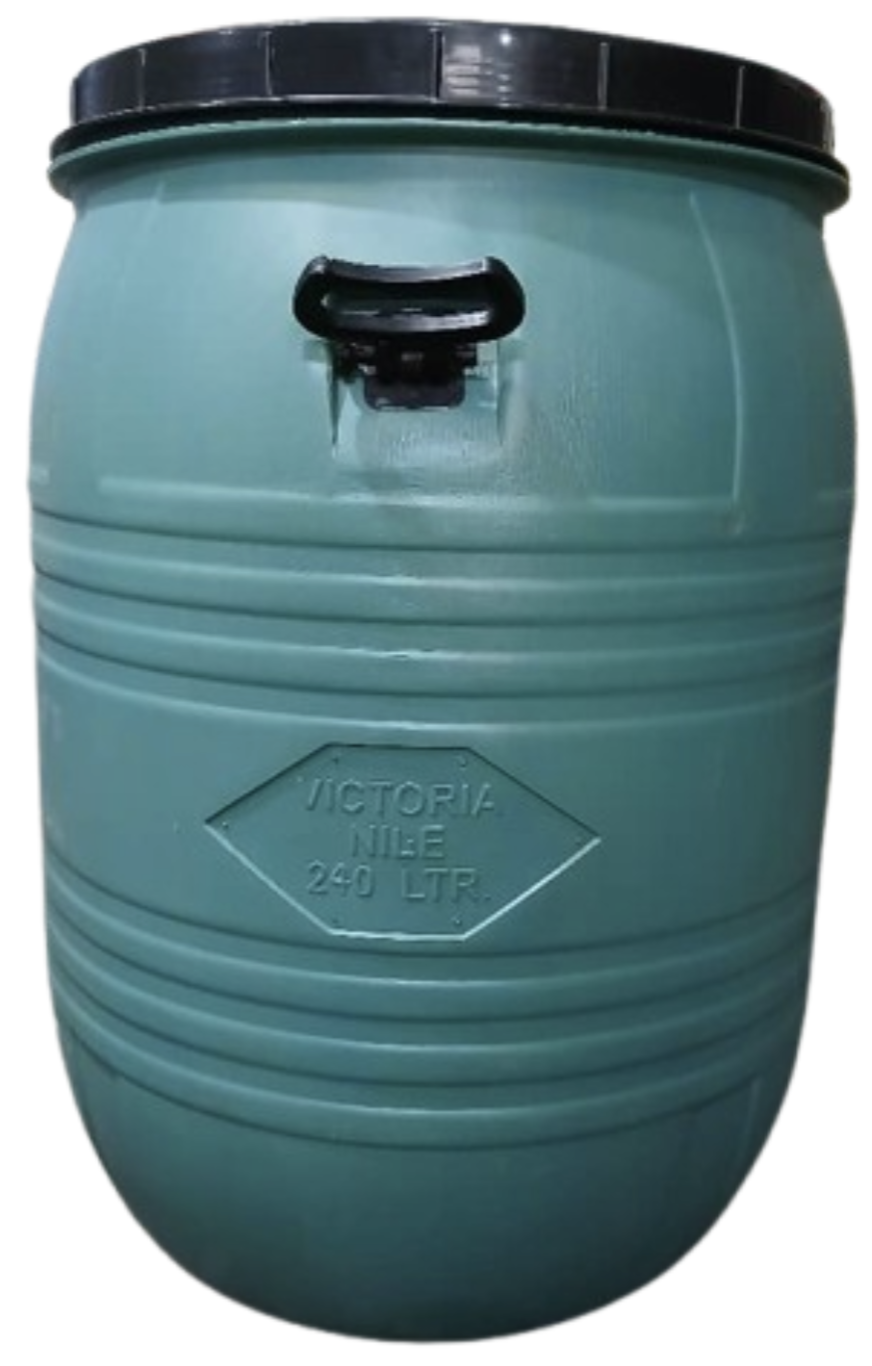
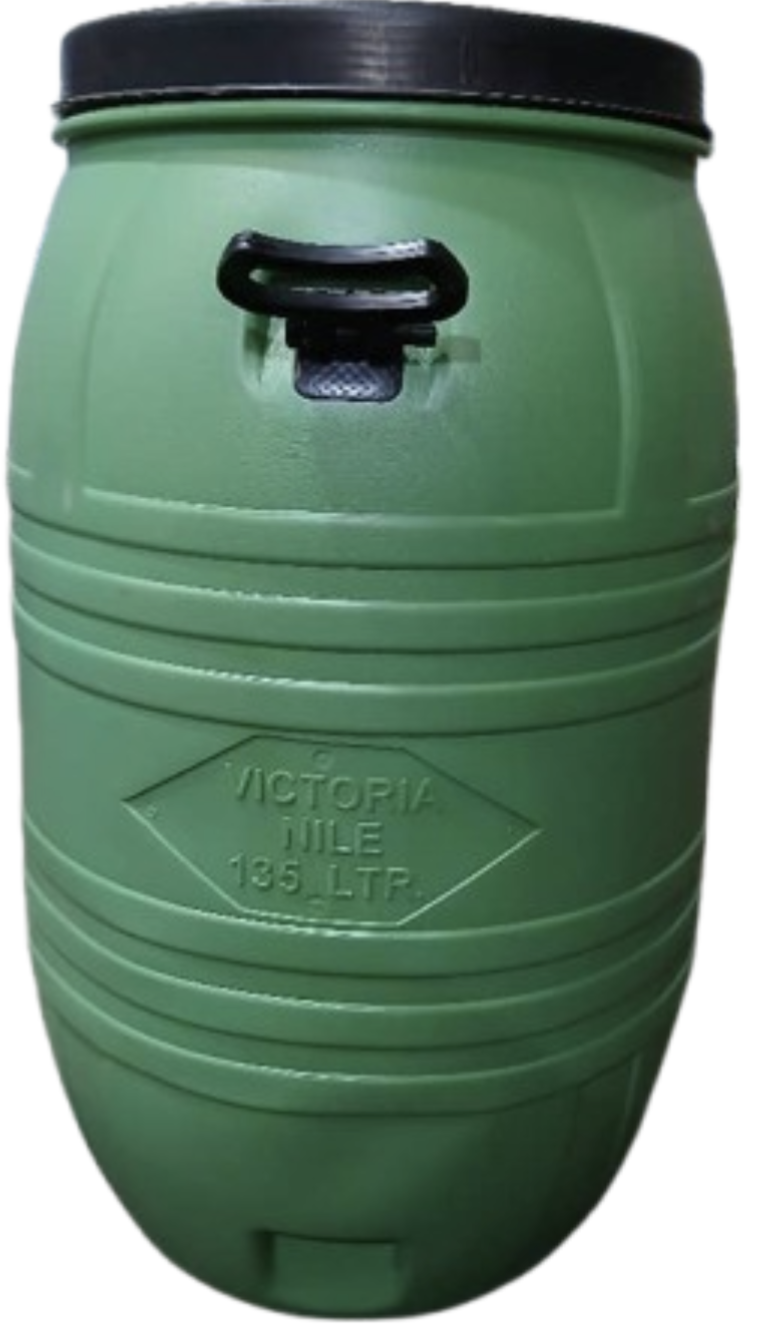
4 to 8 Must haveJerrycans are easy to carry, stack and pour from, so they suit a small home well.
How to use it: Wash with clean water and soap first and rinse well. Mark the filling date on the side.
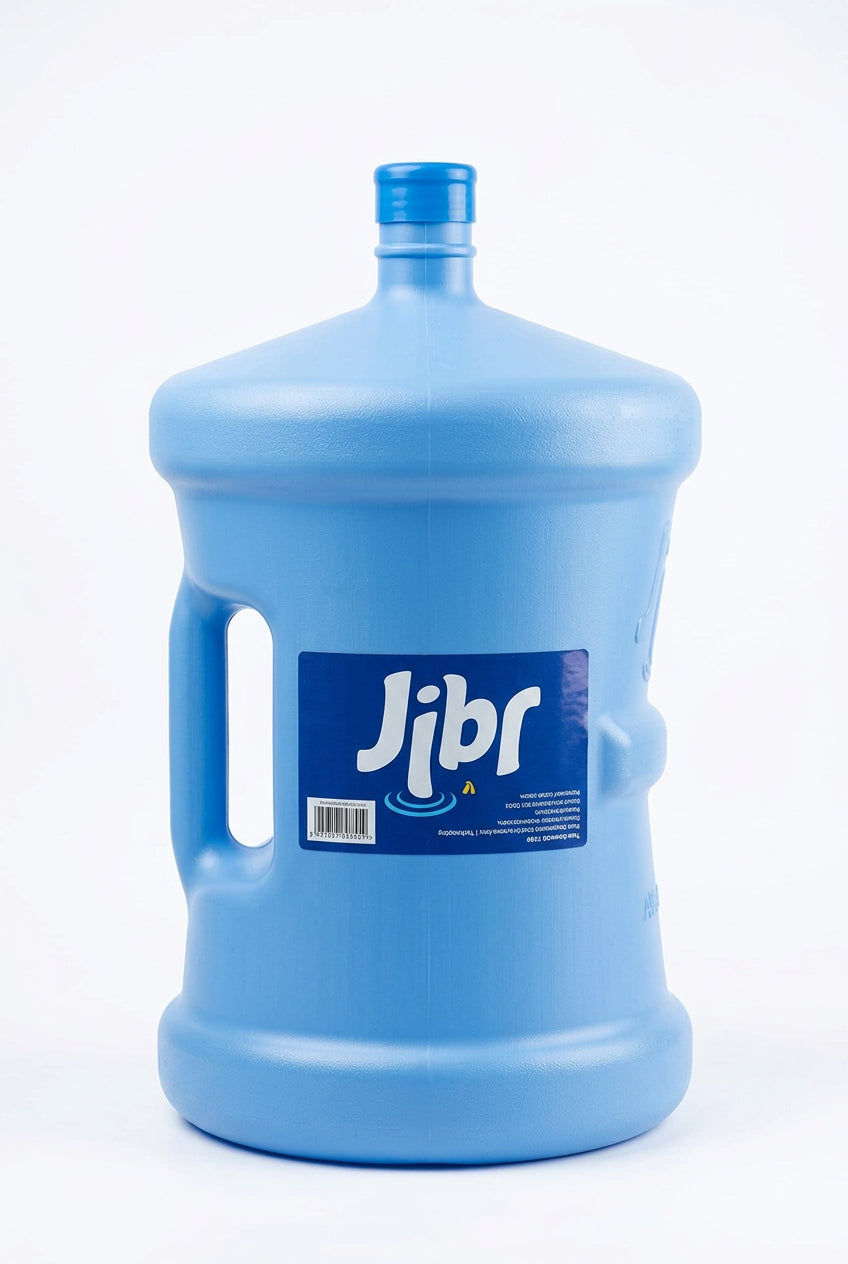
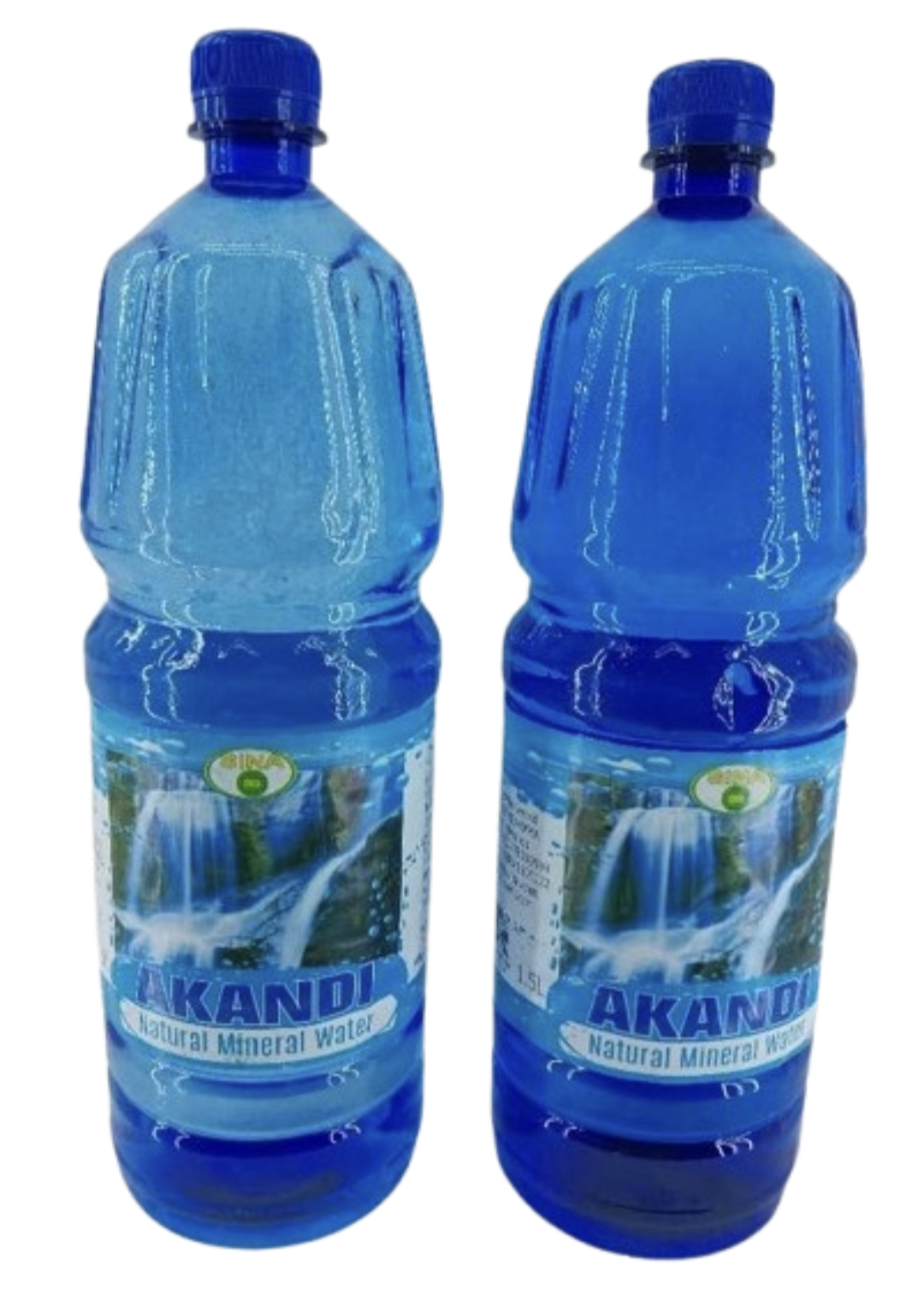
5 litre drinking water bottles
12 bottles Must haveBottled water from the shop is sealed and ready to drink without any treatment.
How to use it: Store in a cool, shaded place and use before the date on the bottle.
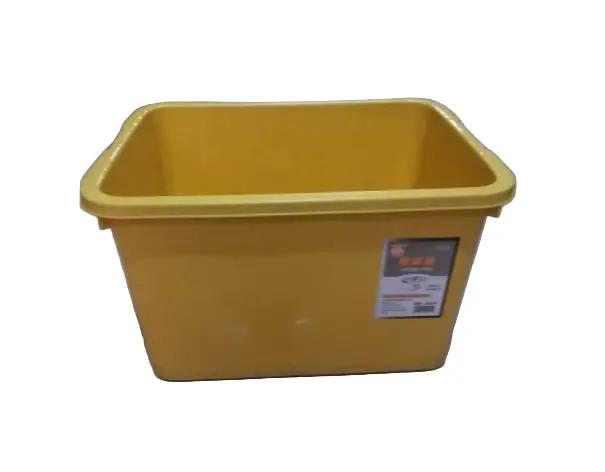
Large plastic bucket with lid
2 Must haveA bucket with a lid holds water for washing and flushing, which saves your drinking supply.
How to use it: Use a food grade bucket and keep it covered to stop dust, insects and children.
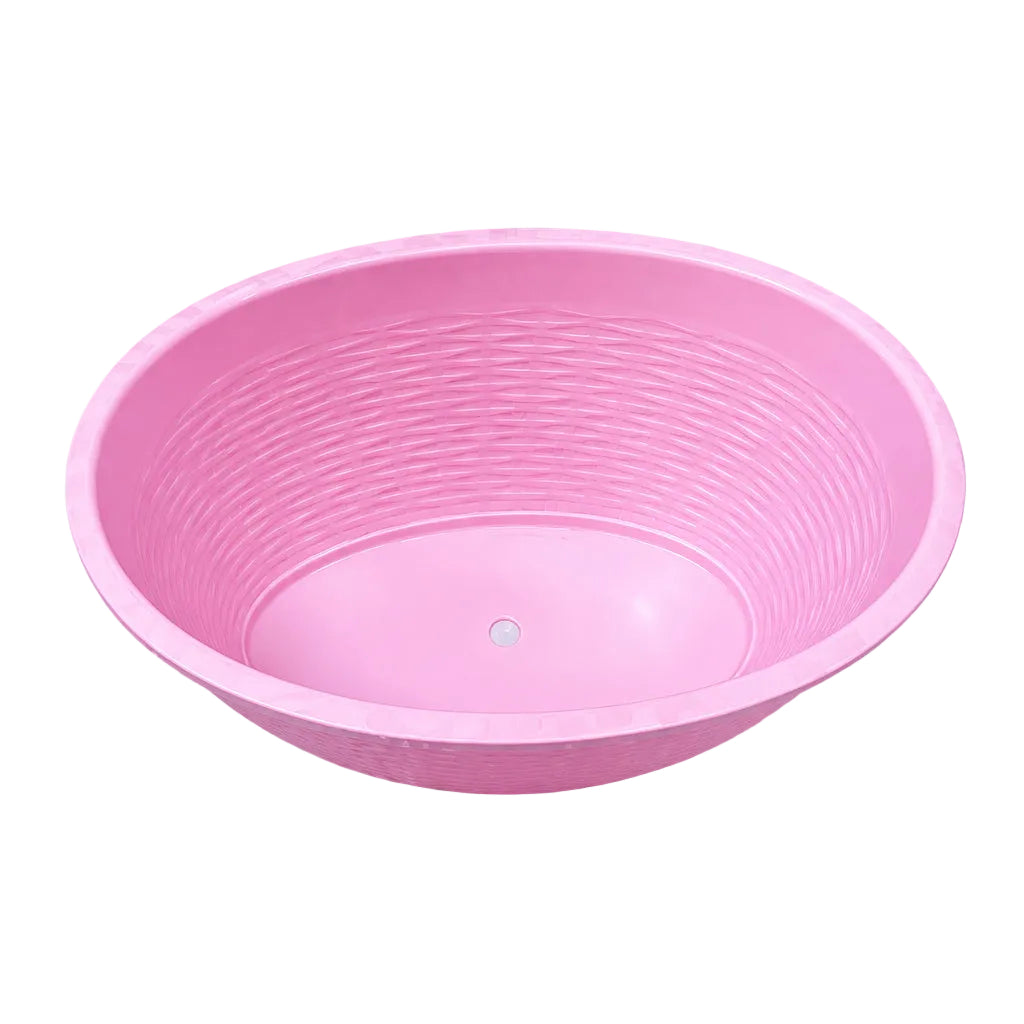
Plastic basin
2Nice to haveA basin lets you wash hands, dishes and clothes with a small amount of water.
How to use it: Reuse the wash water for cleaning floors or flushing a toilet.
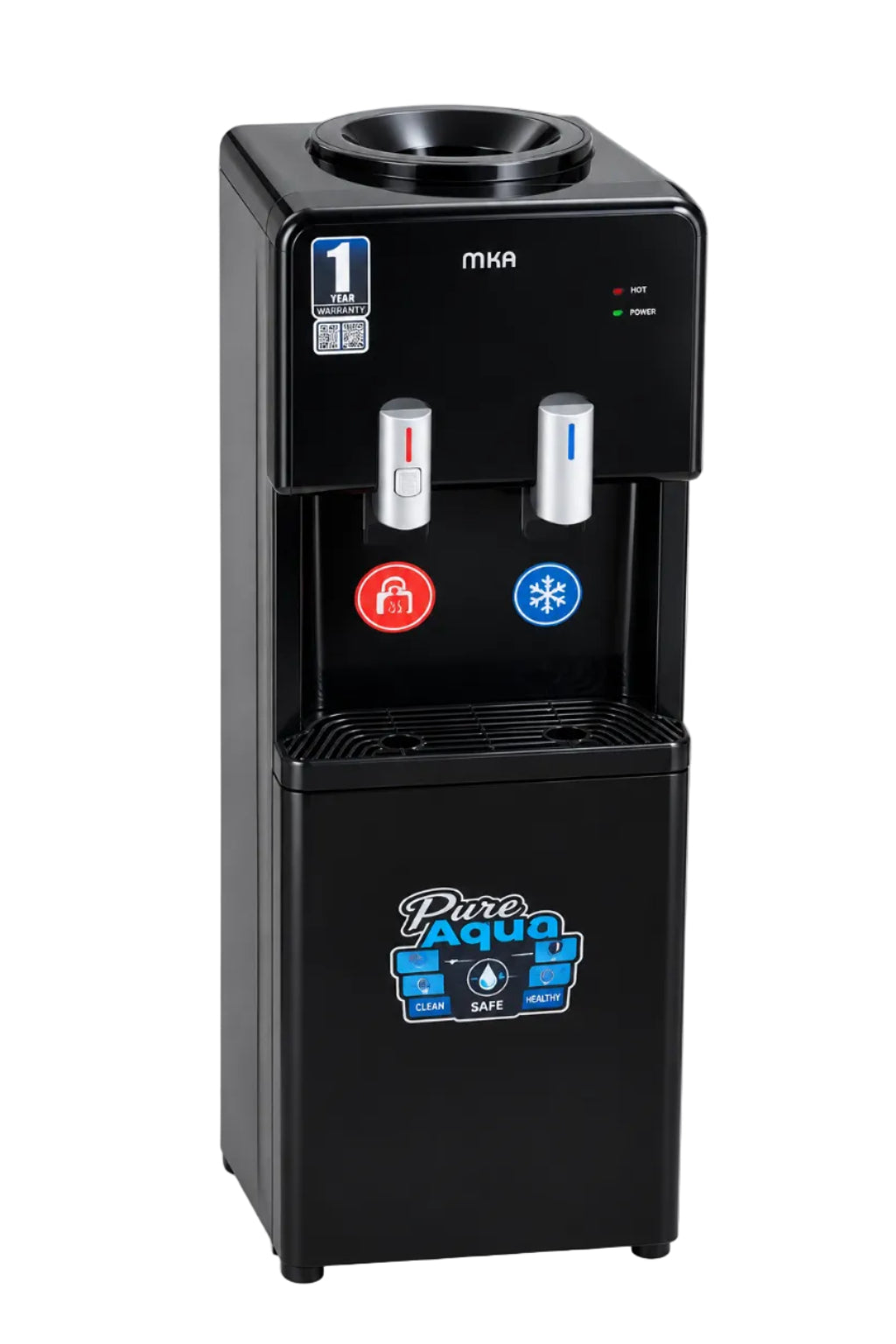
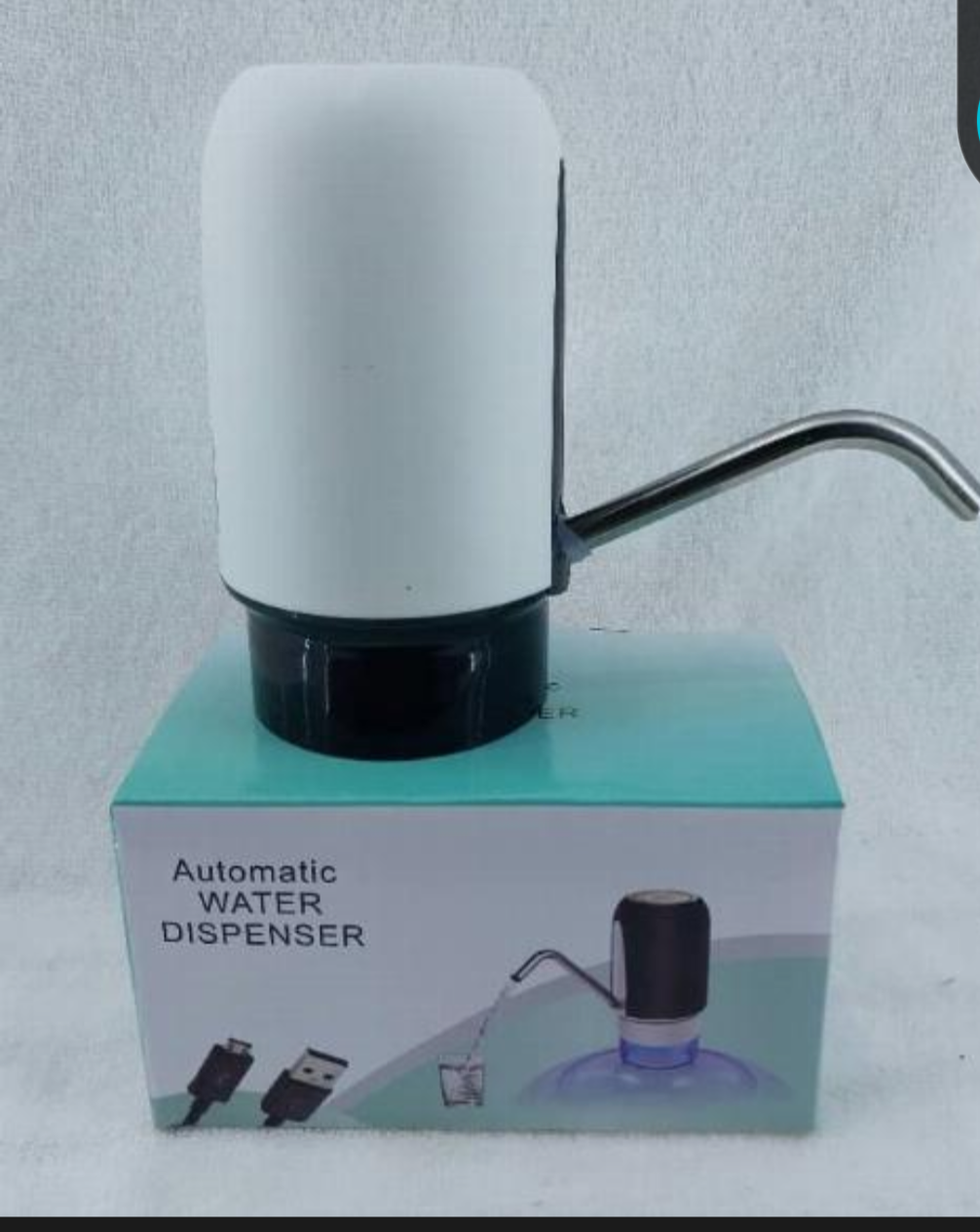
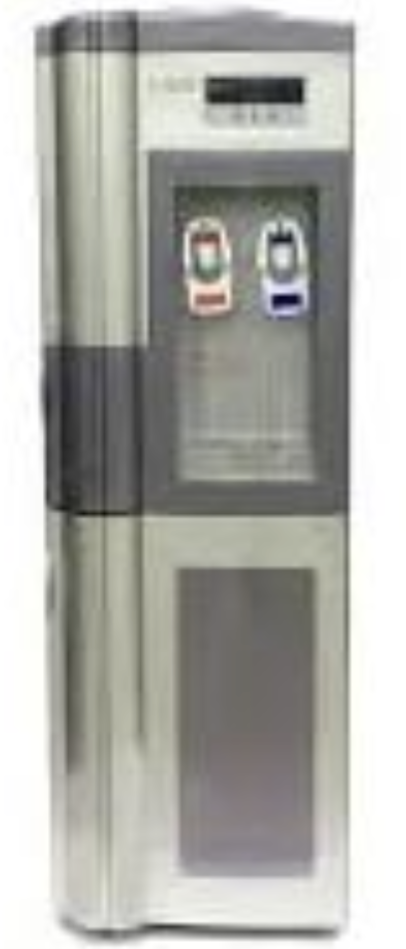
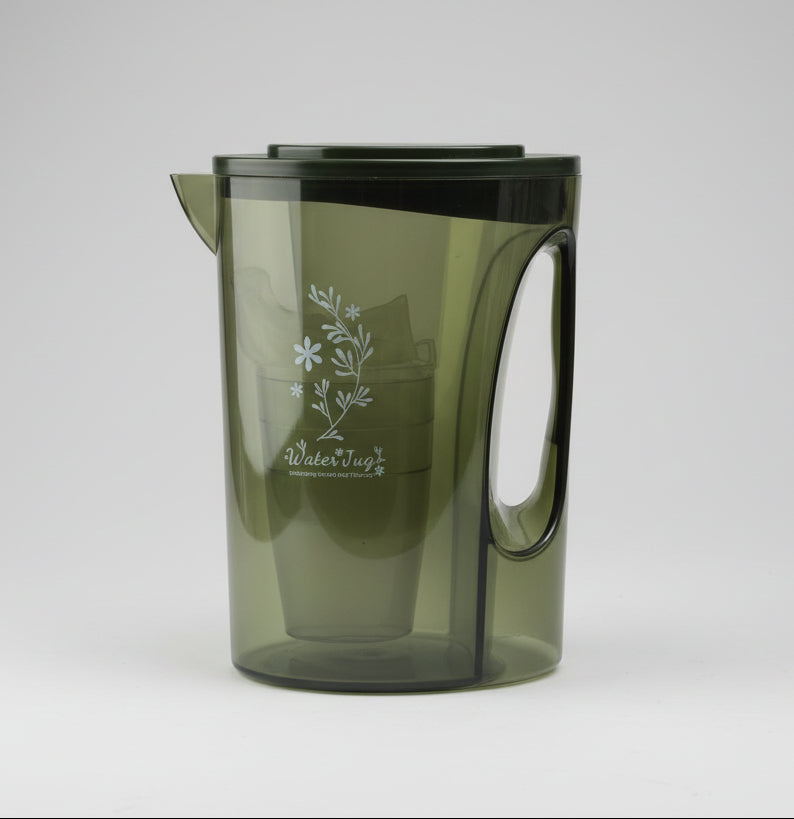
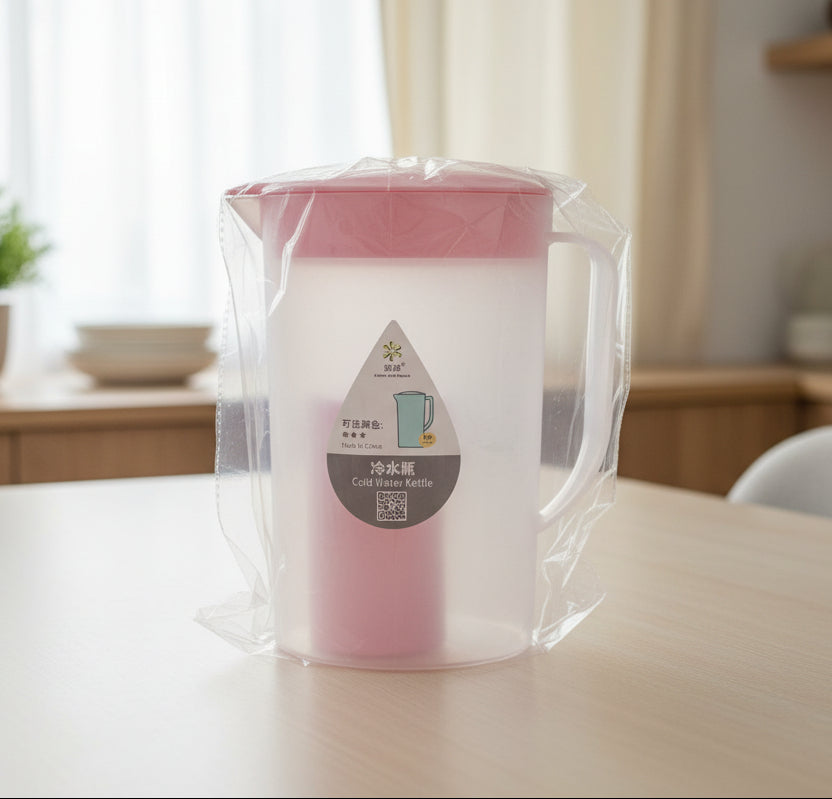
Water dispenser or jug with a spout
1Nice to haveA tap or spout limits how many hands touch the water and helps everyone pour clean water.
How to use it: Wash it every week and keep it out of the sun.

Making water safe
Stored water can go bad, and tap water may not be safe to drink. Treat it before you drink it.
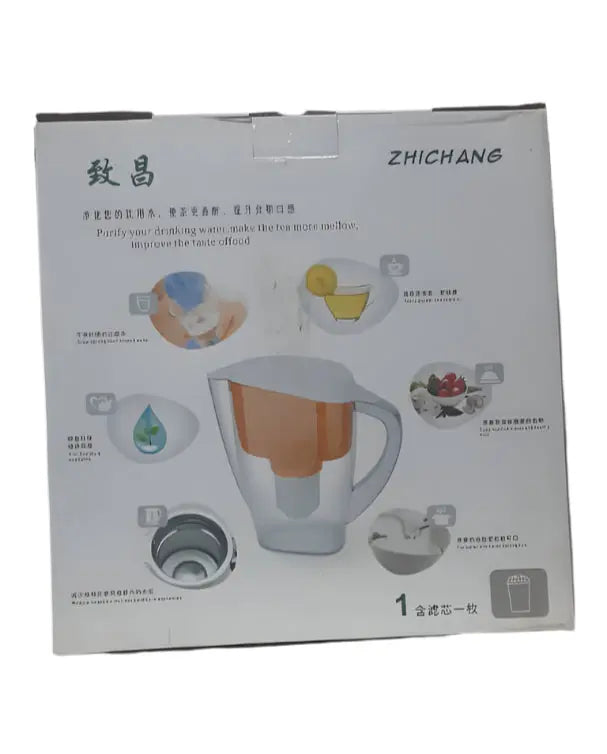
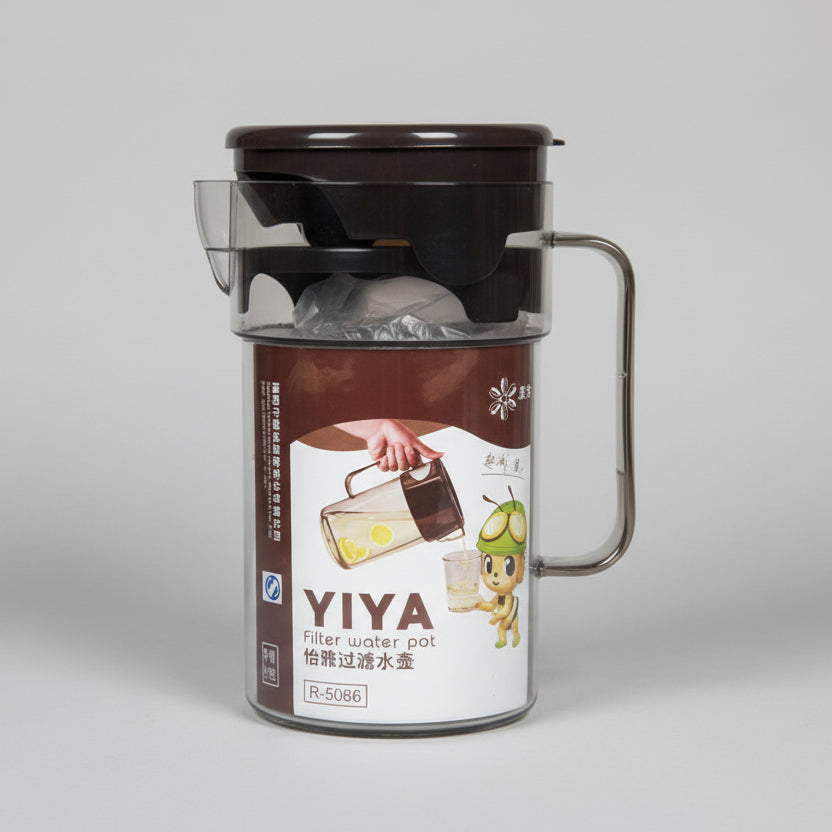
Water filter pitcher
1Nice to haveA pitcher filter improves taste and removes some dust and particles from tap water.
How to use it: Follow the maker instructions and change the filter on time. If you are unsure of the source, also boil or treat the water.
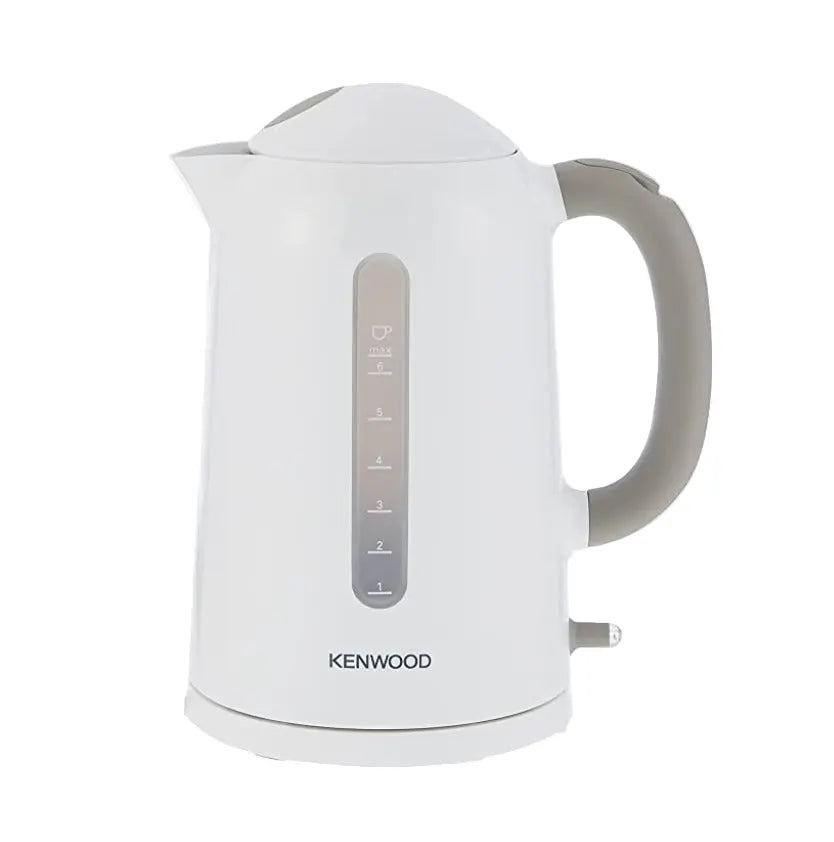
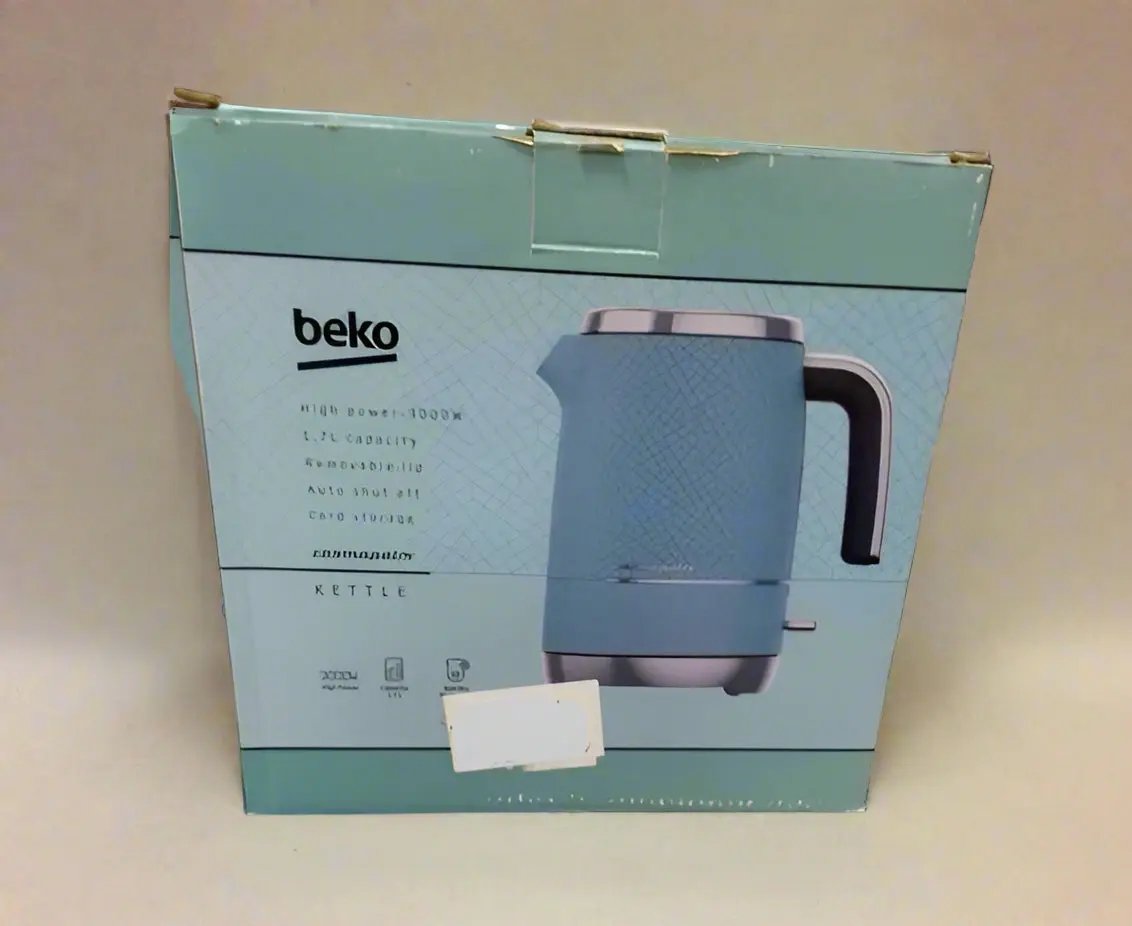
Kettle
1Nice to haveBoiling is a simple way to make water safer to drink when you have power.
How to use it: Bring water to a rolling boil, let it cool covered and store it in a clean closed bottle.
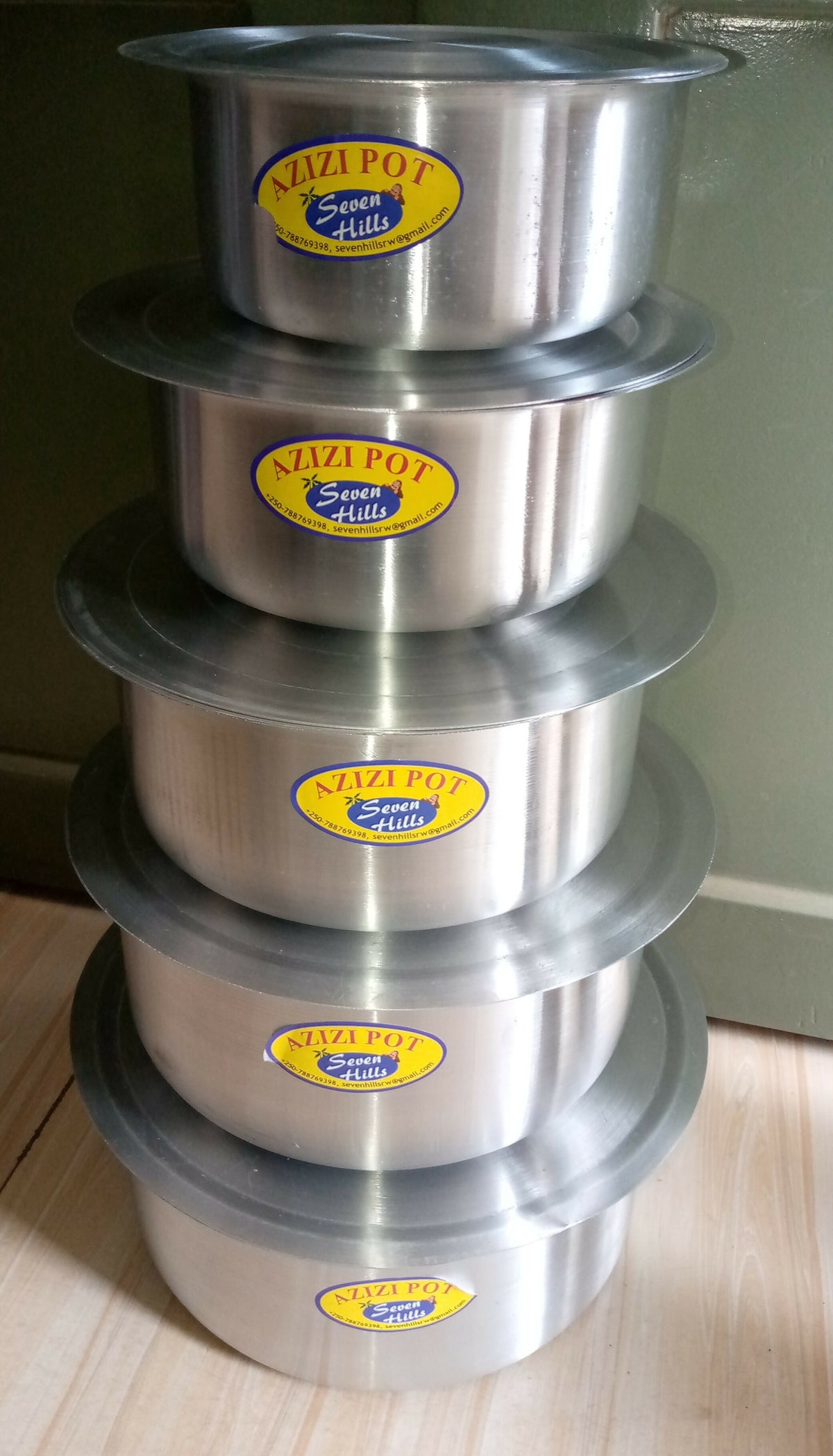
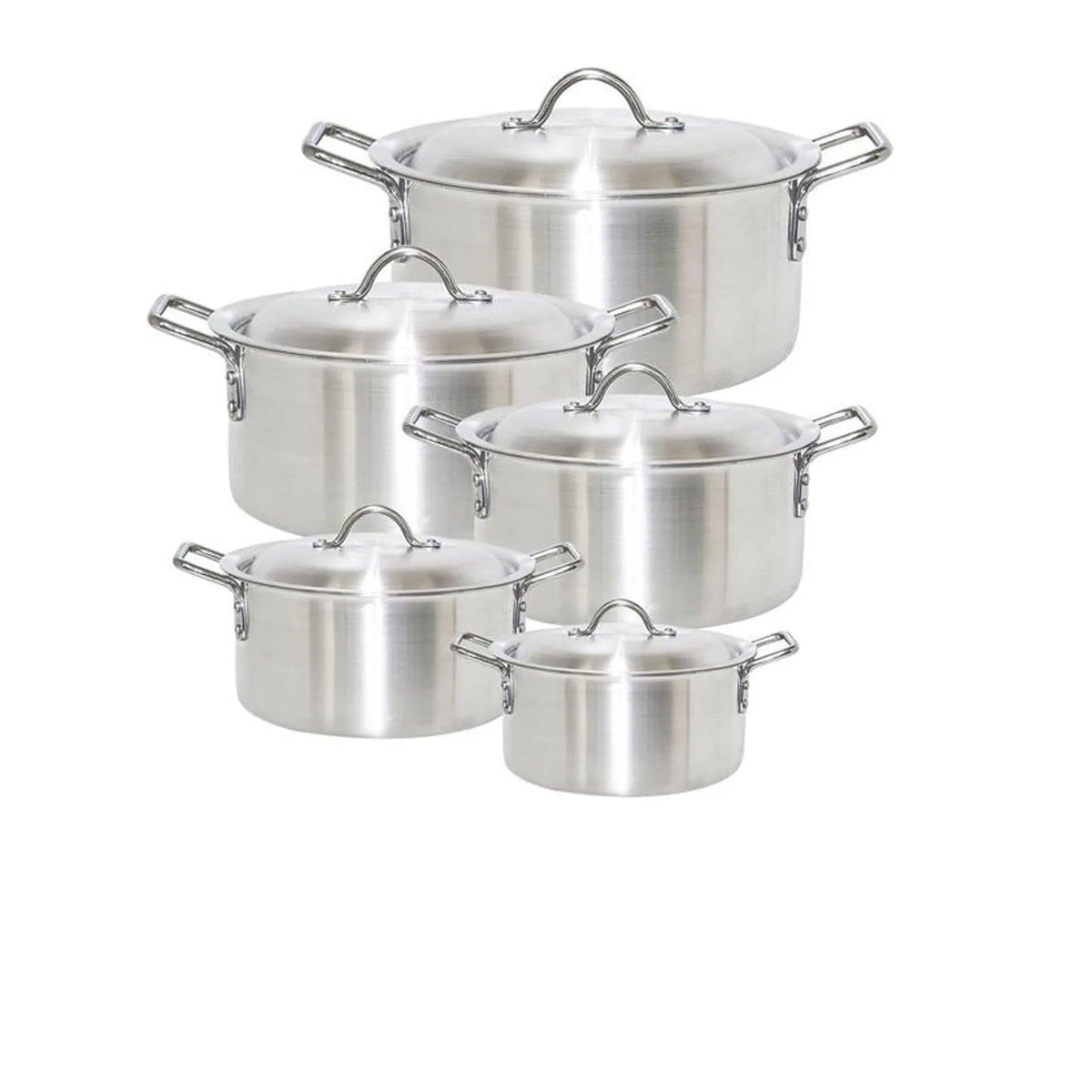
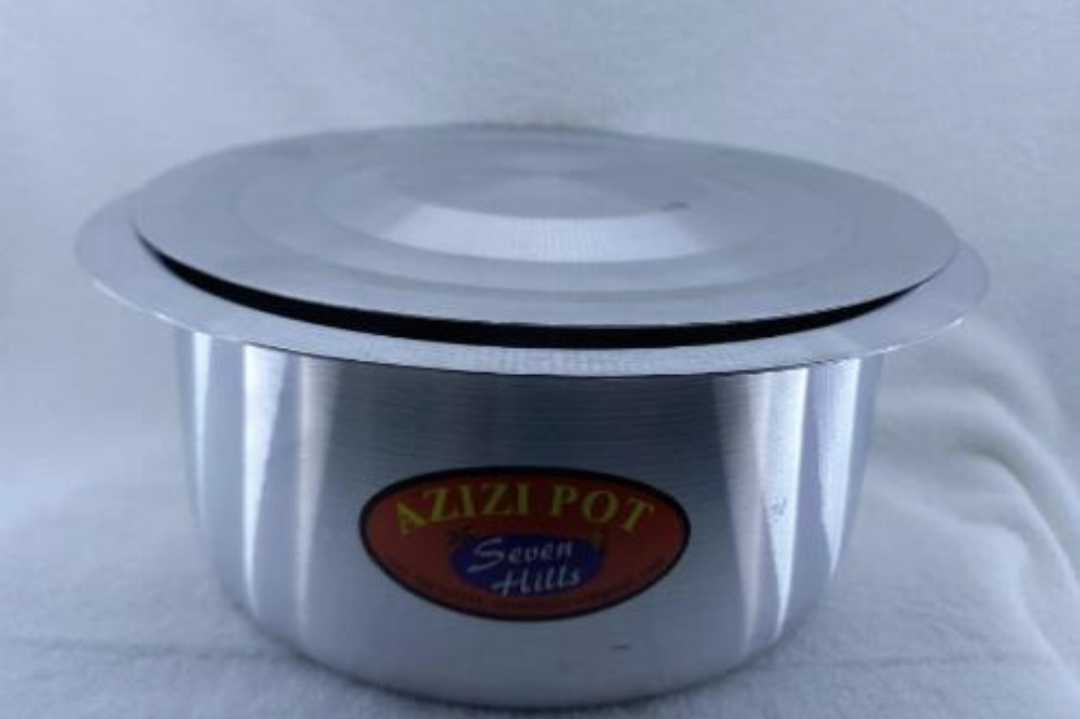
Cooking pot with lid
1 Must haveOn gas or charcoal, a pot lets you boil bigger amounts when the power is off.
How to use it: Keep a lid on to boil faster and save fuel.
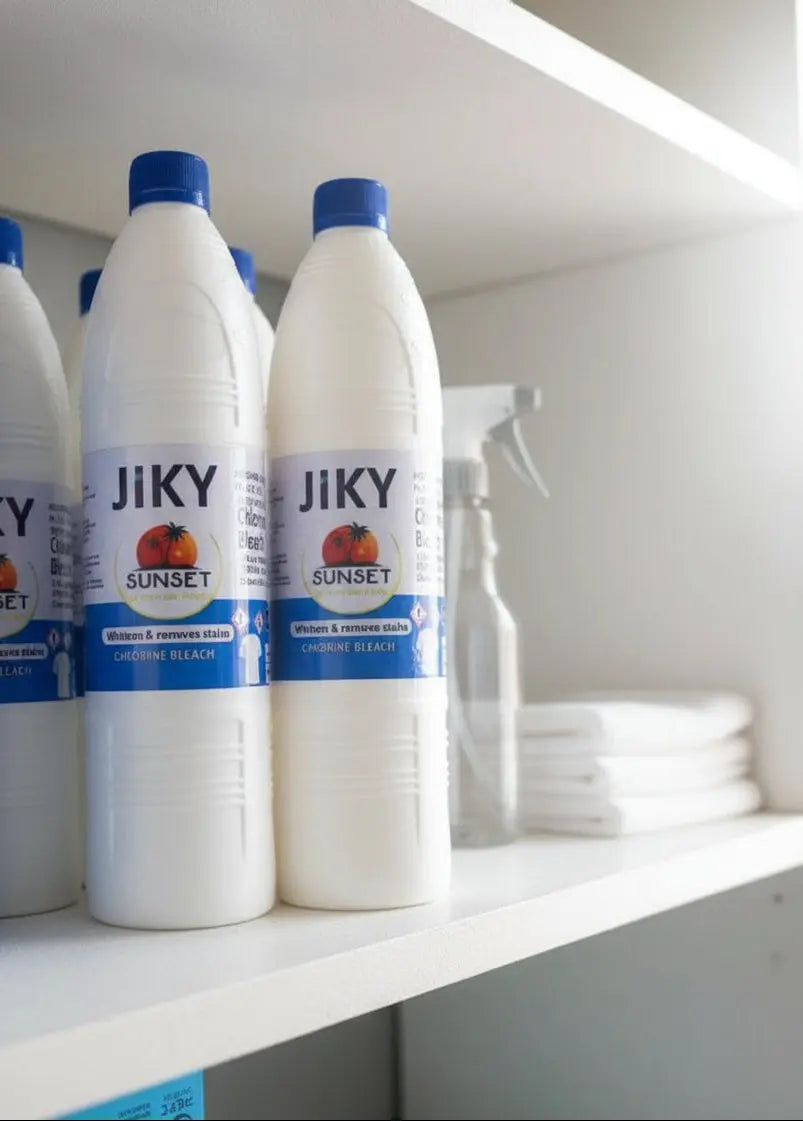
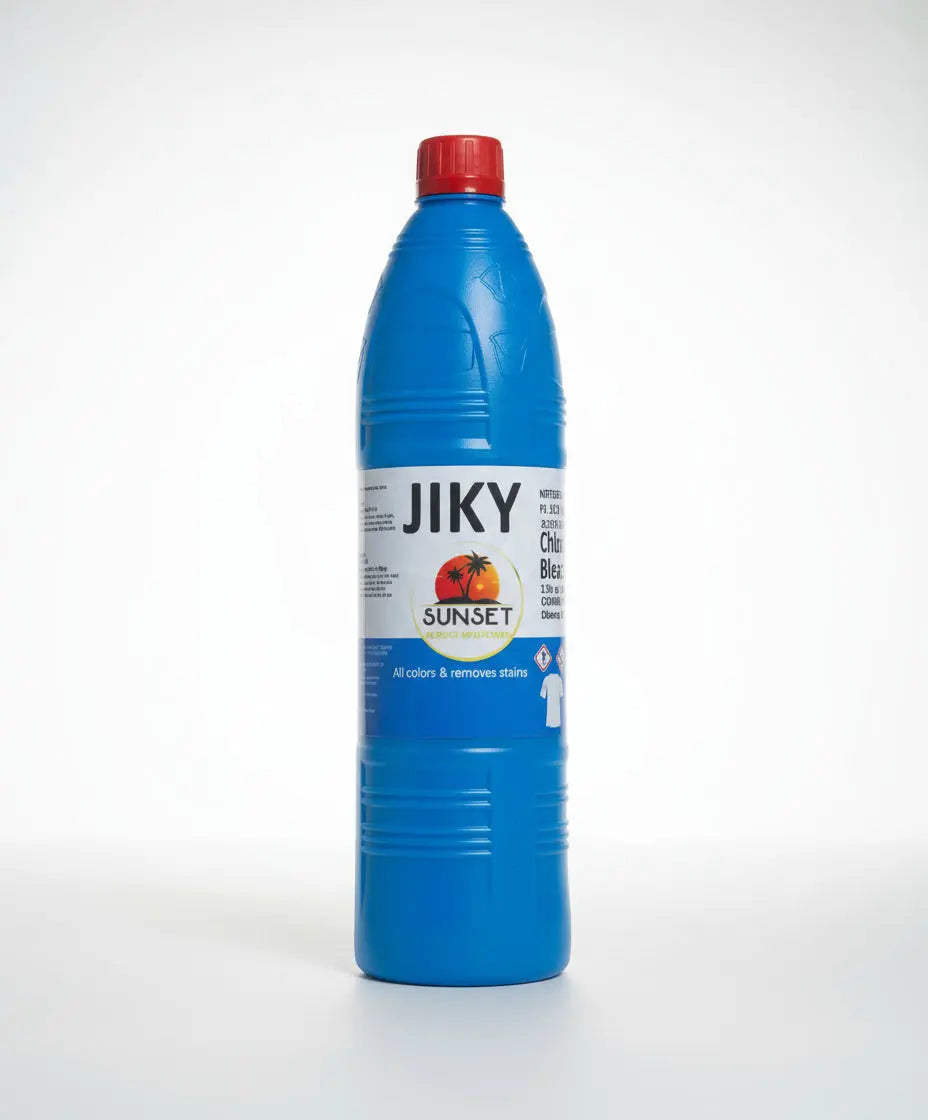
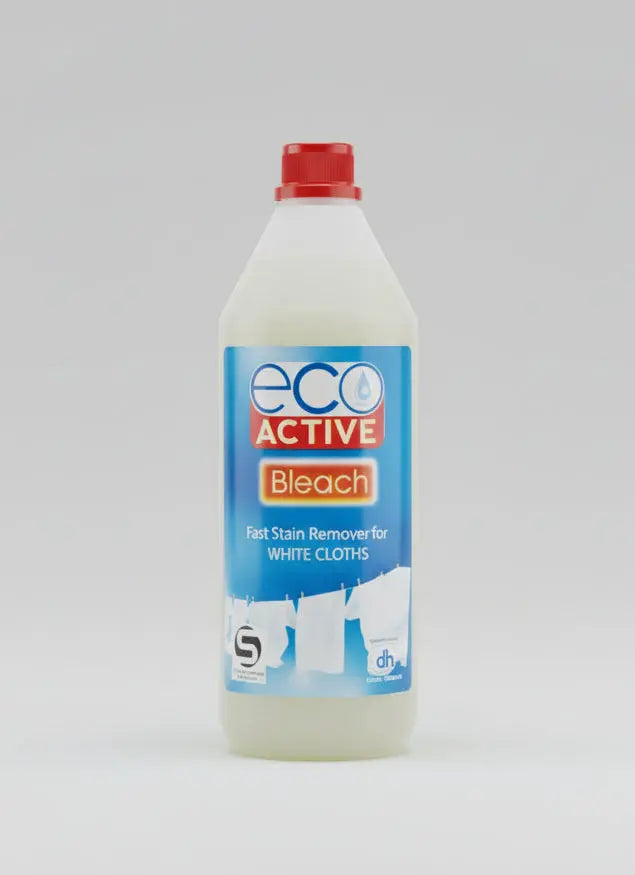
Unscented chlorine bleach
1 bottleNice to havePlain chlorine bleach can disinfect water in an emergency, if used in the exact dose from a trusted guide.
How to use it: Never guess the dose. Ask a pharmacist or the water utility for the right amount, and never use scented or colored bleach.
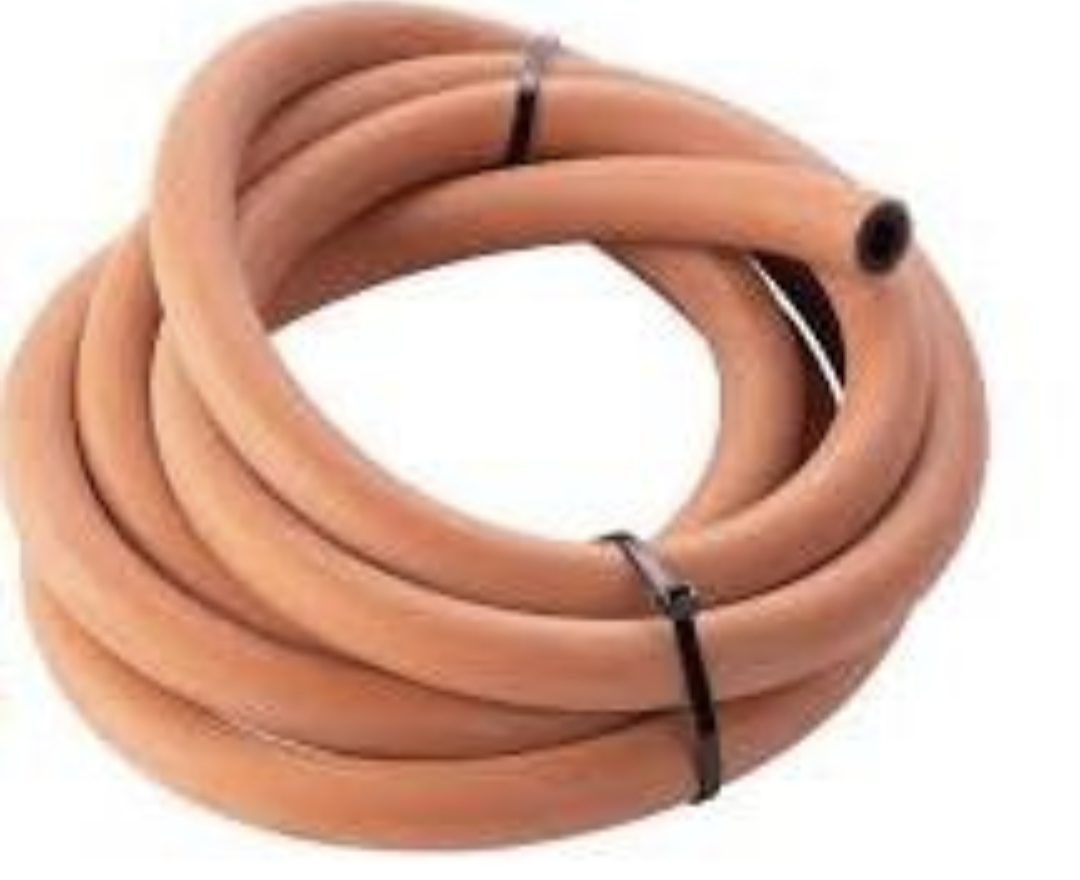
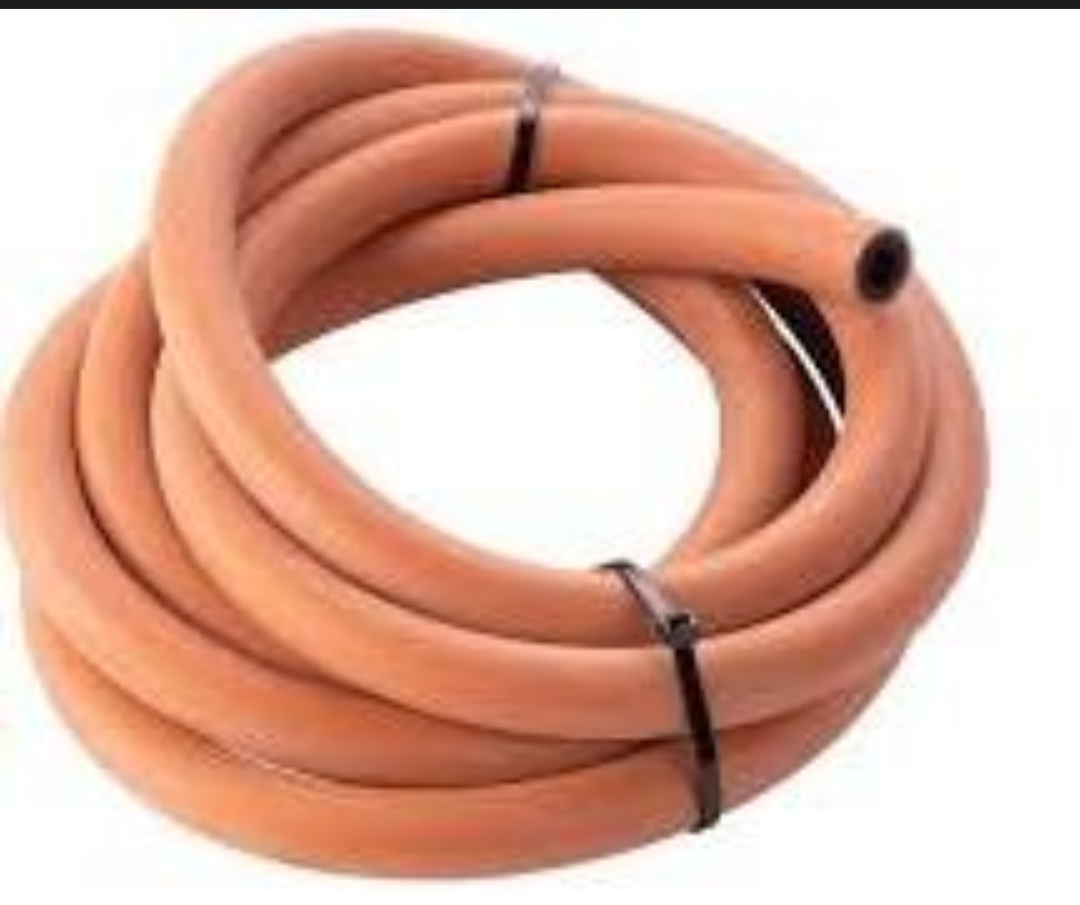
Gas cooker
1Nice to haveBoiling needs fuel. A gas cooker and a spare full cylinder keep you going during a long cut.
How to use it: Store the cylinder upright in a ventilated place, away from heat.
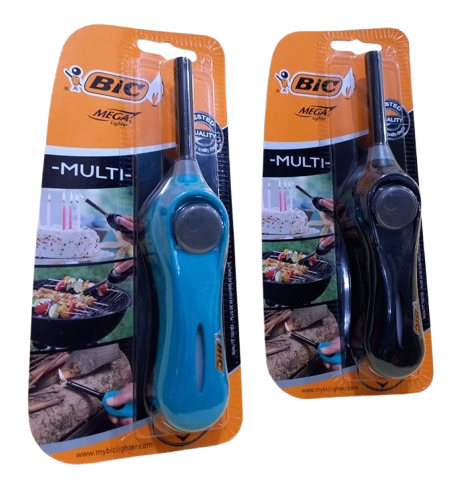
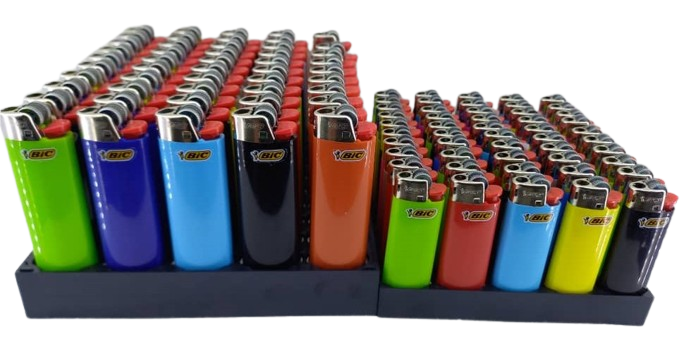
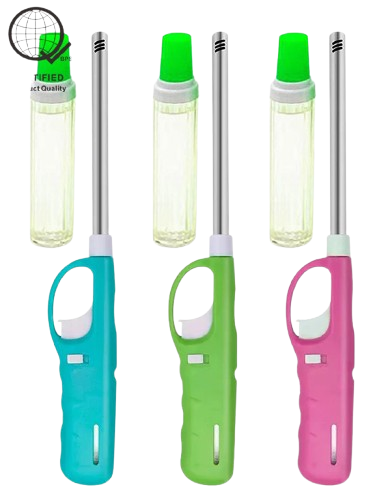
Lighter or matches
2 Must haveYou need a safe way to light a gas ring or charcoal to boil water.
How to use it: Store in a high, dry place away from children.
Pouring and drinking
Clean tools make stored water safe to use every day.
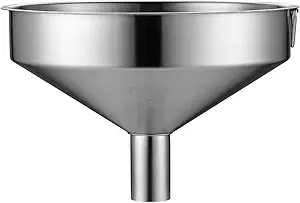
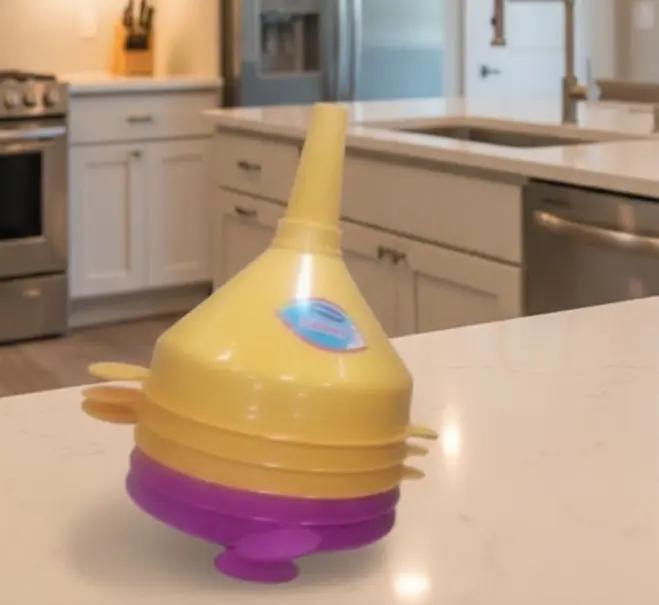
Funnel
1Nice to haveA funnel stops spills when you fill jerrycans and bottles from a tap or tank.
How to use it: Wash it before every use and keep it clean and dry.
Clean drinking cups
4 to 6 Must haveDedicated cups keep dirty hands and old cups away from your clean water.
How to use it: Wash with soap and dry on a rack. Keep them covered.
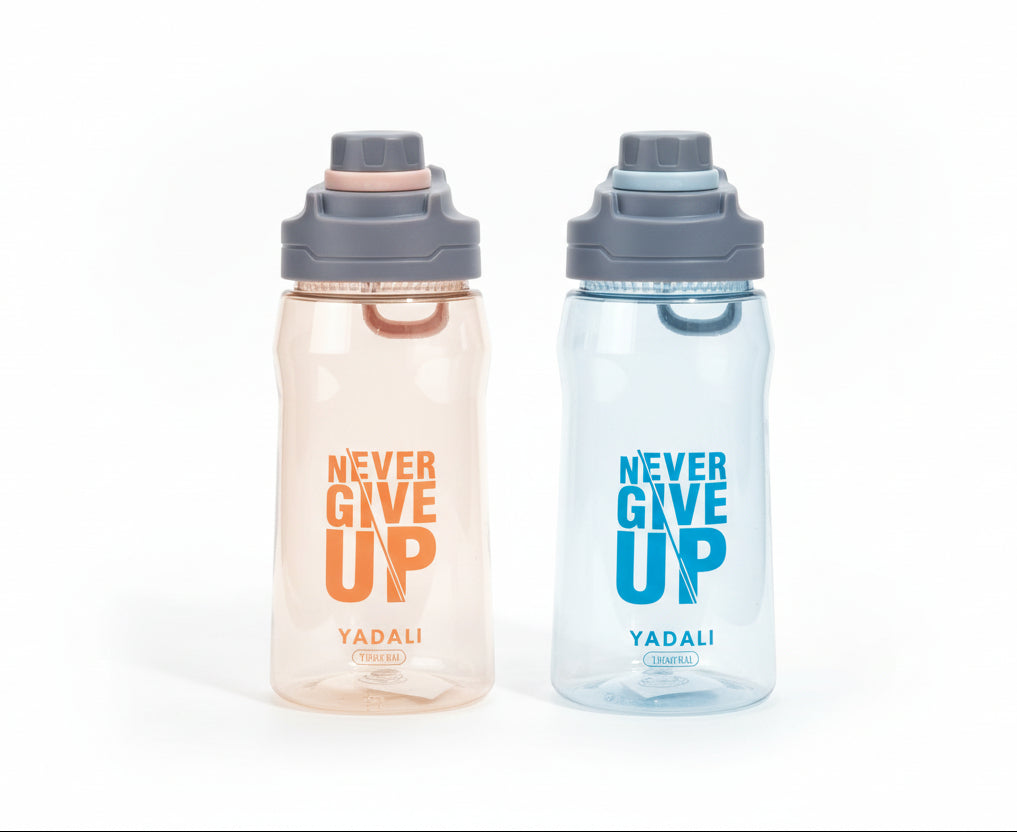
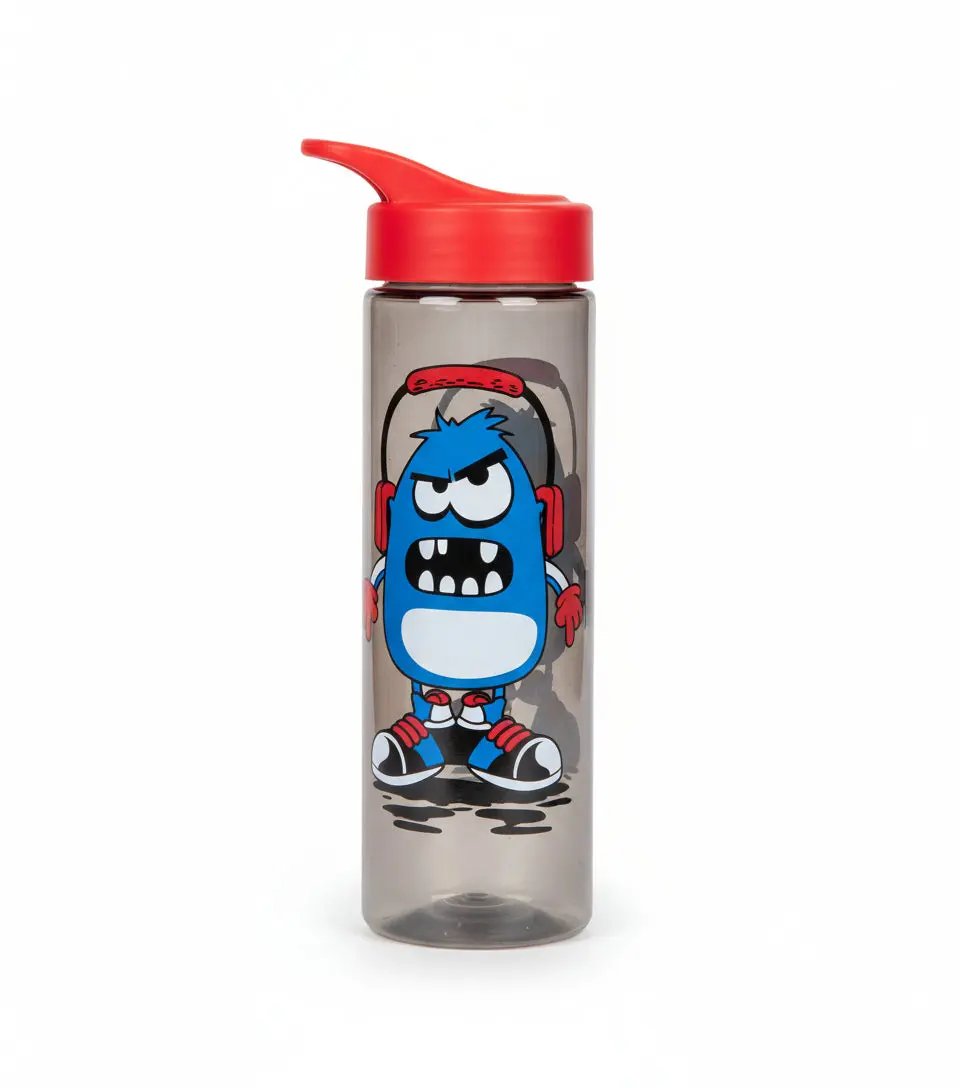
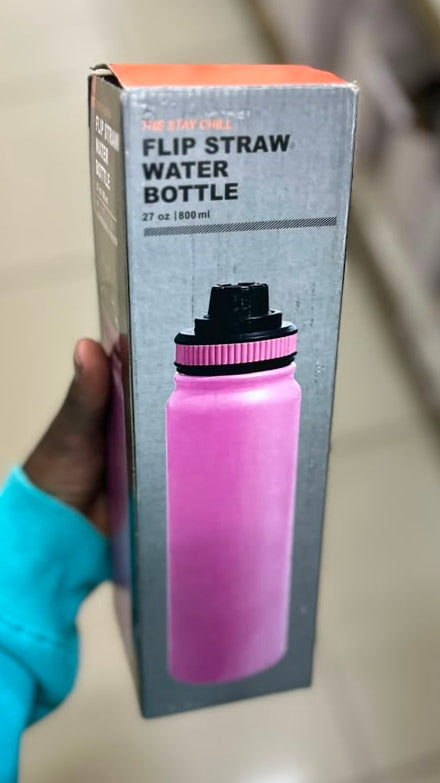
Water bottles for each person
4Nice to haveEach person has their own bottle for carrying and measuring what they drink.
How to use it: Refill from the clean store every day and wash weekly.
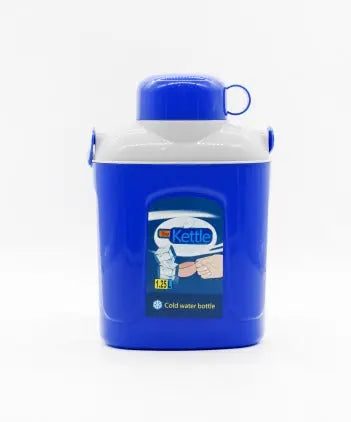
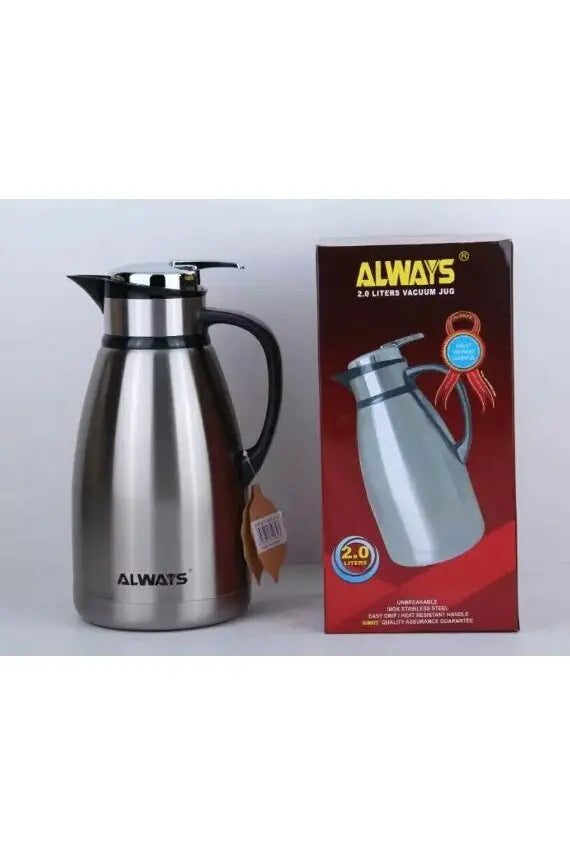
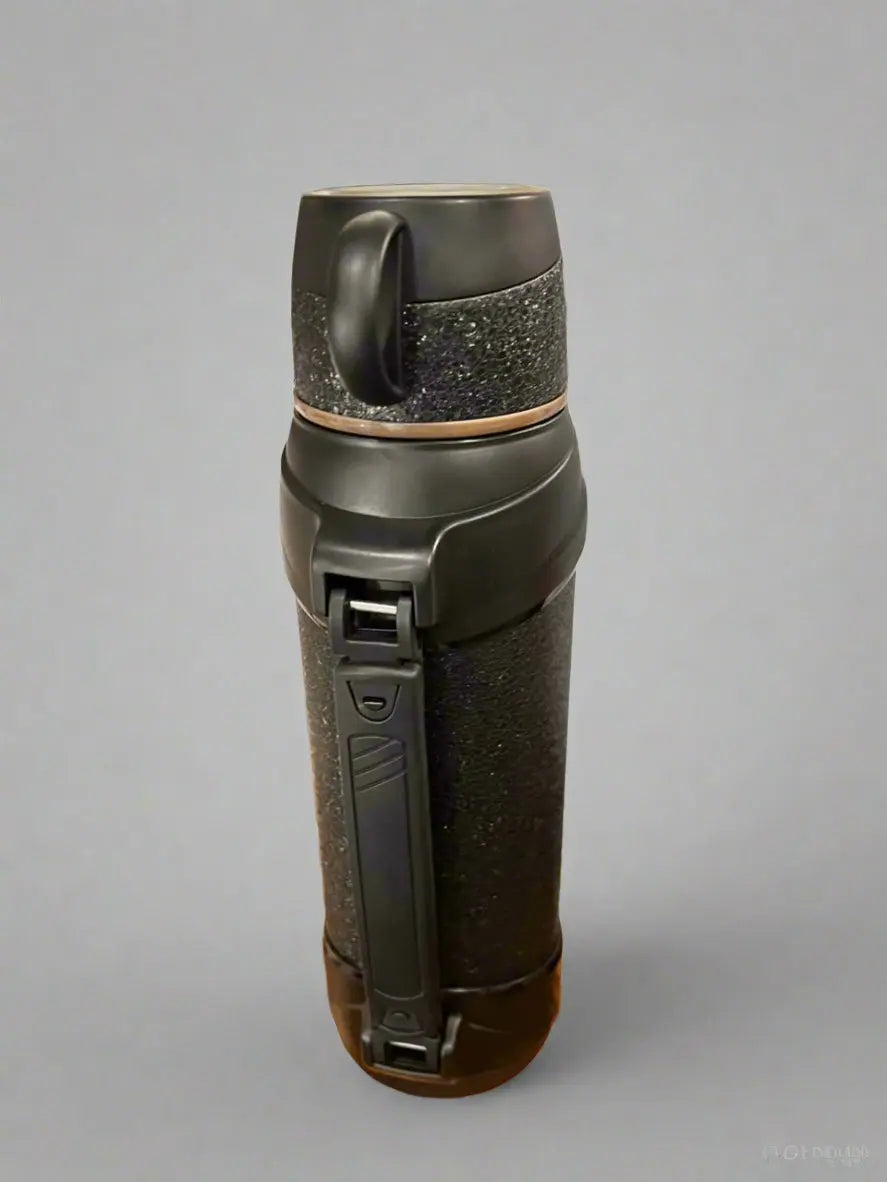
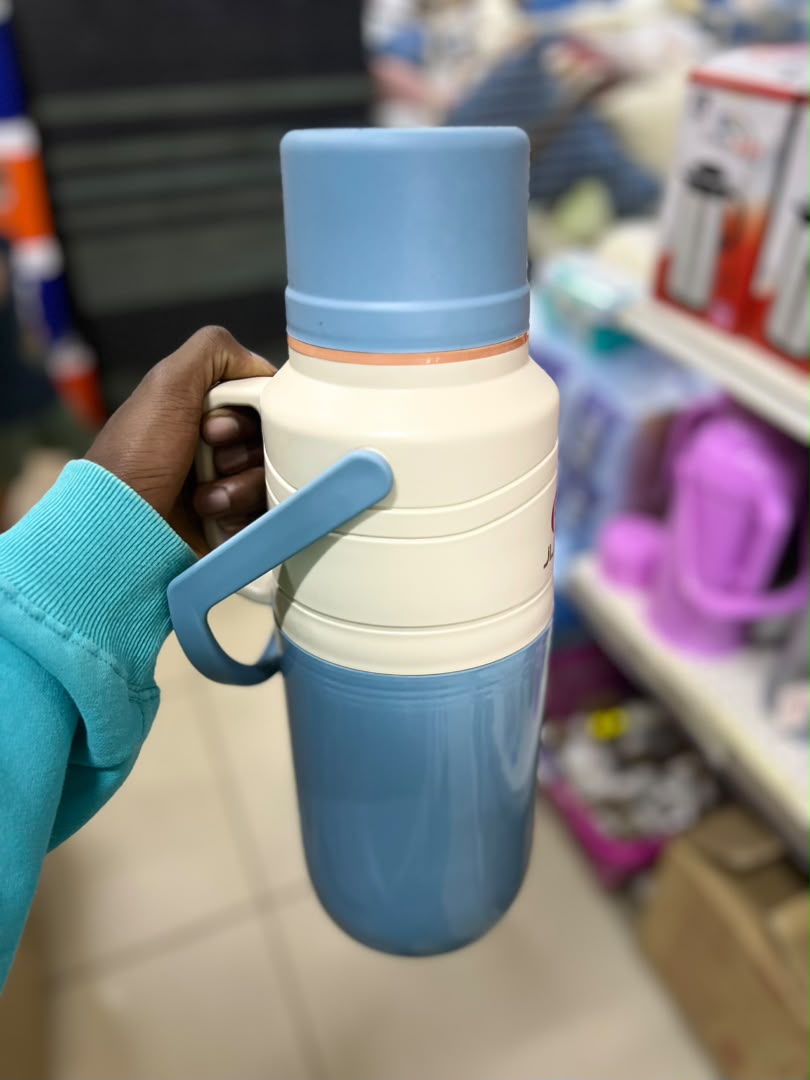
Insulated flask
1Nice to haveA flask keeps boiled water hot for hours, so you boil less often.
How to use it: Rinse with hot water before filling.
Hygiene with less water
Washing uses most of your water. A few items cut that a lot.
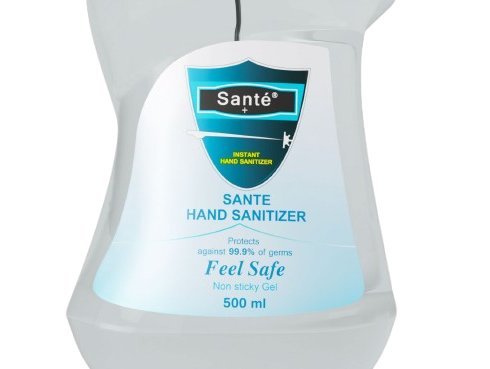
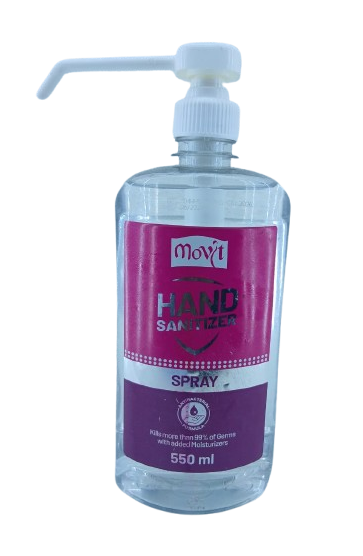
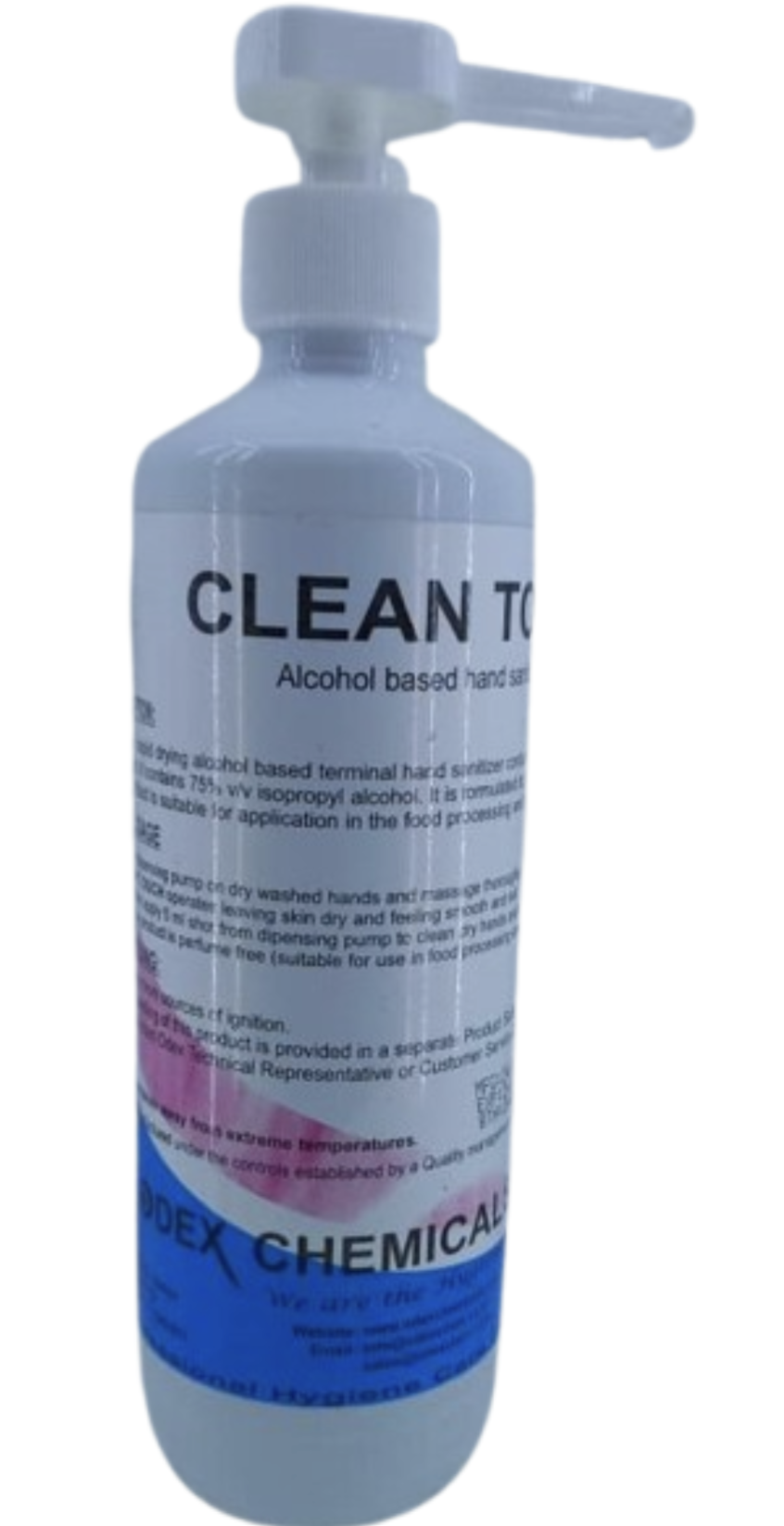
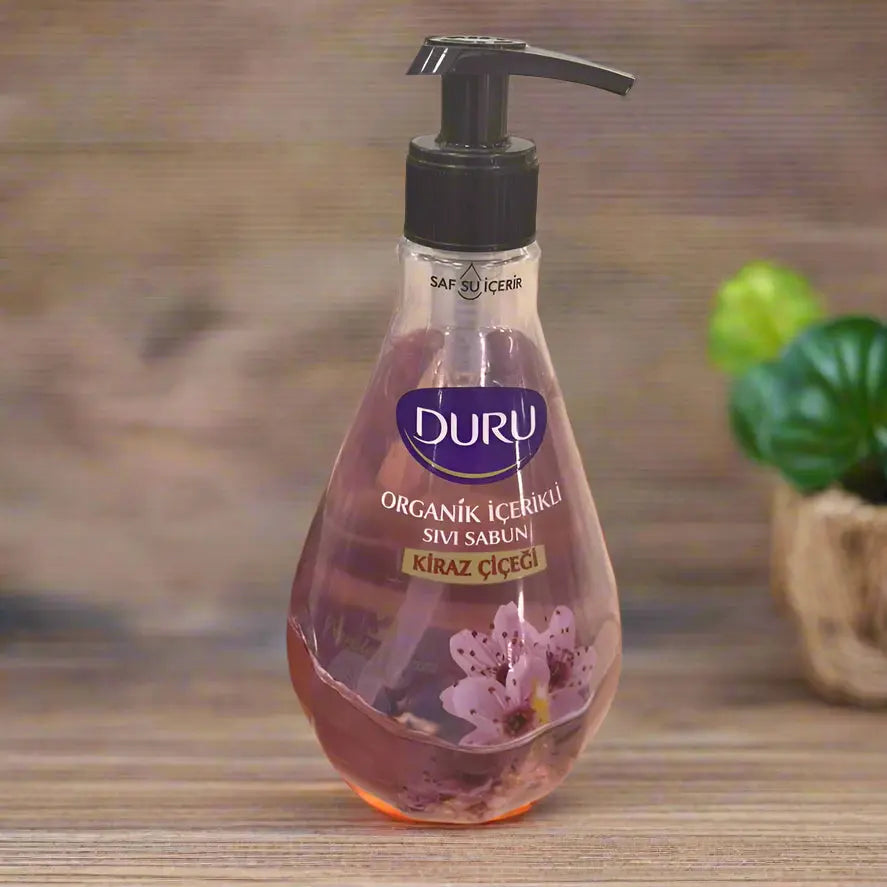
Hand sanitizer
2 bottles Must haveSanitizer cleans hands when water is short and saves your drinking supply.
How to use it: Use a small amount, rub until dry, and use soap and water when hands are visibly dirty.
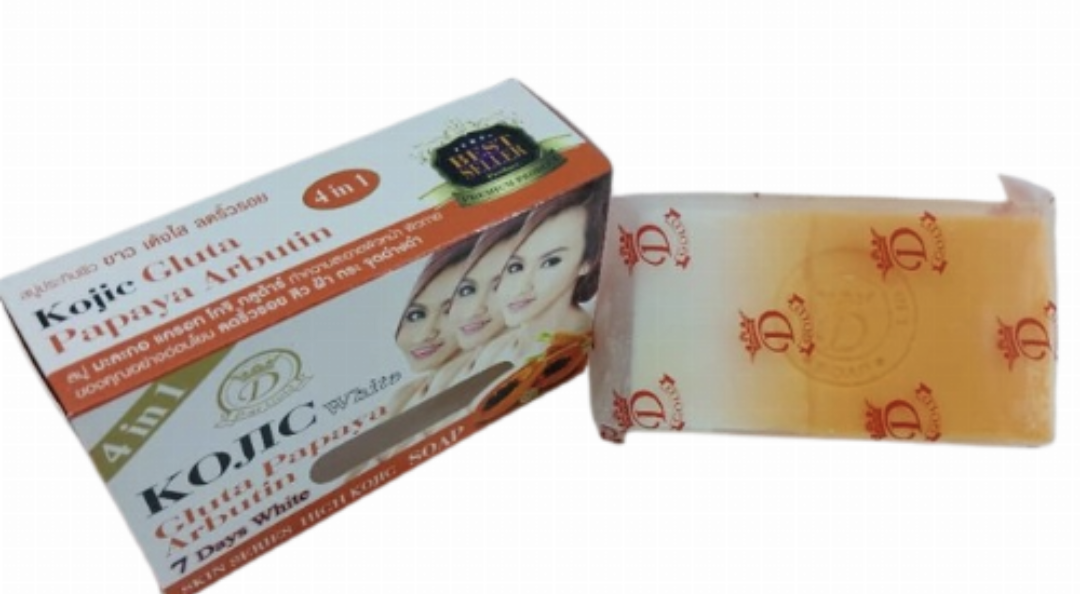
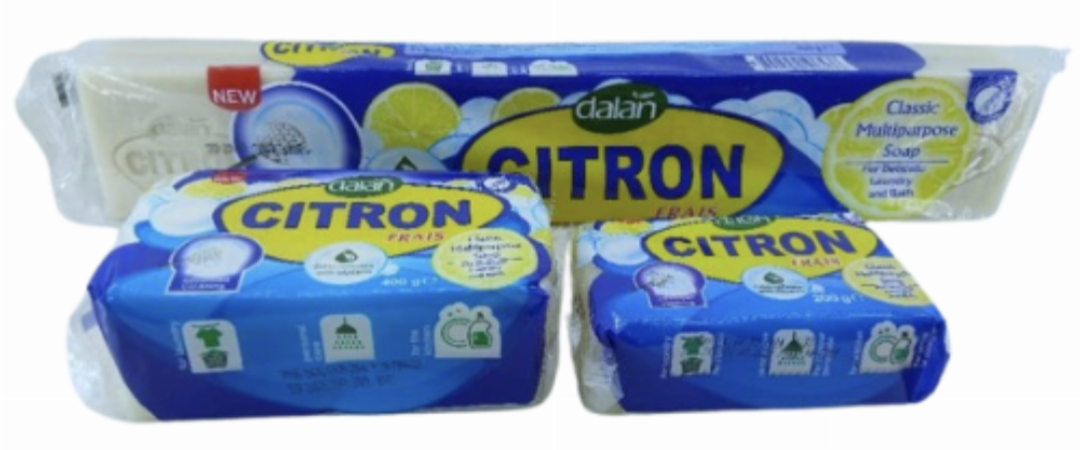
Soap
4 bars Must haveSoap and a little water are still the best way to wash hands before food.
How to use it: Keep a bar in a dry dish so it lasts longer.
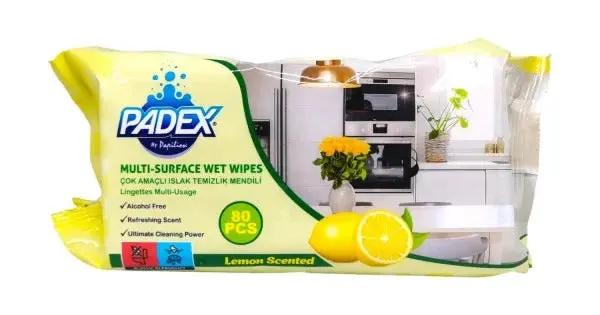
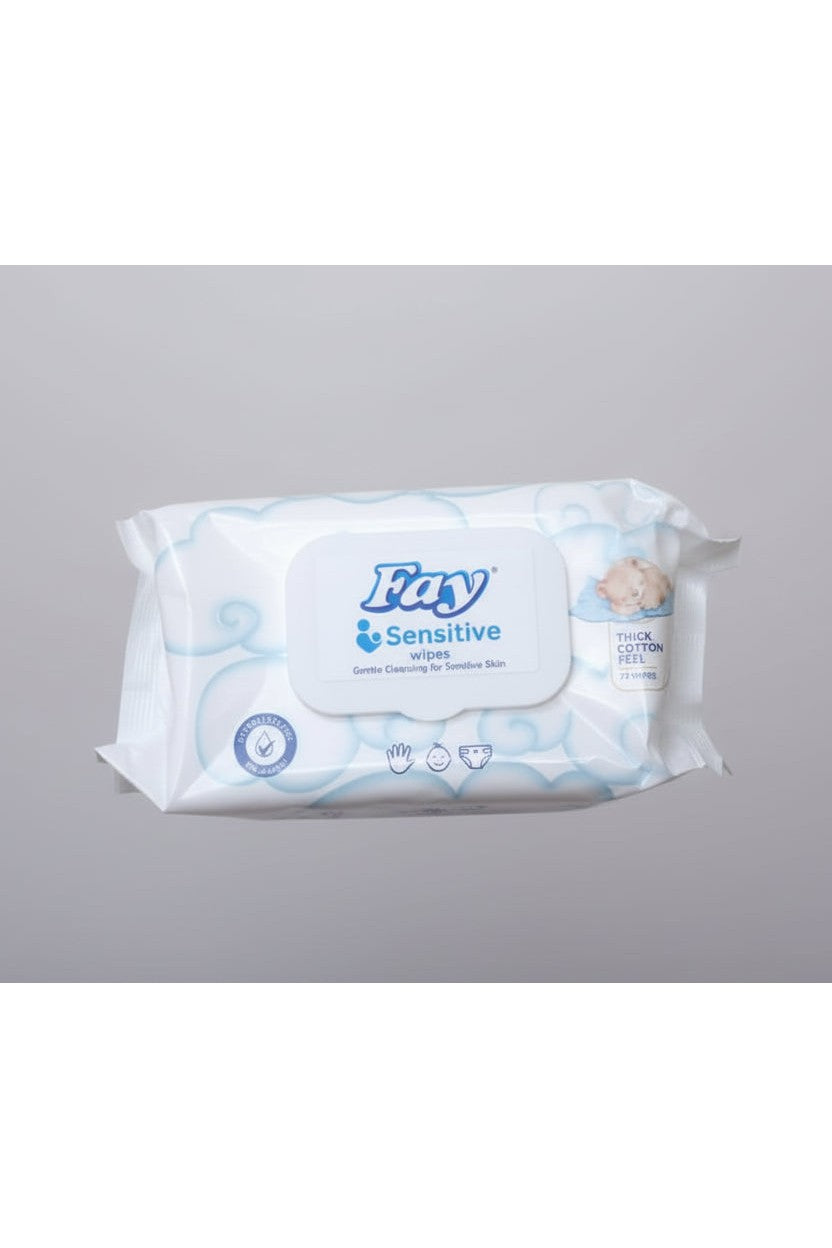
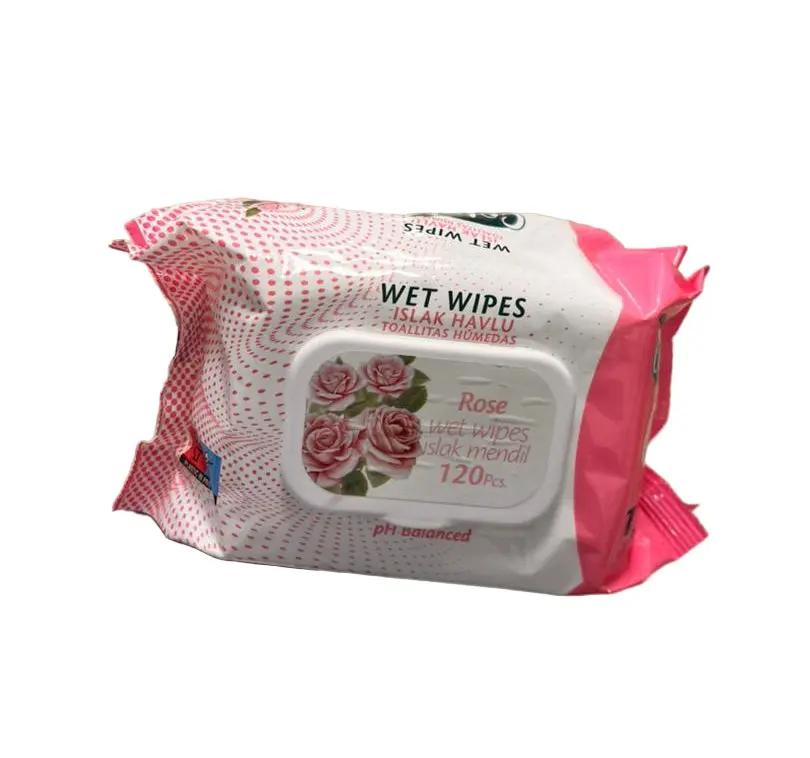
Wet wipes
4 packsNice to haveWipes are useful for a quick wash of hands and faces, especially for children, when water is short.
How to use it: Bin them after use. Never flush them down the toilet.
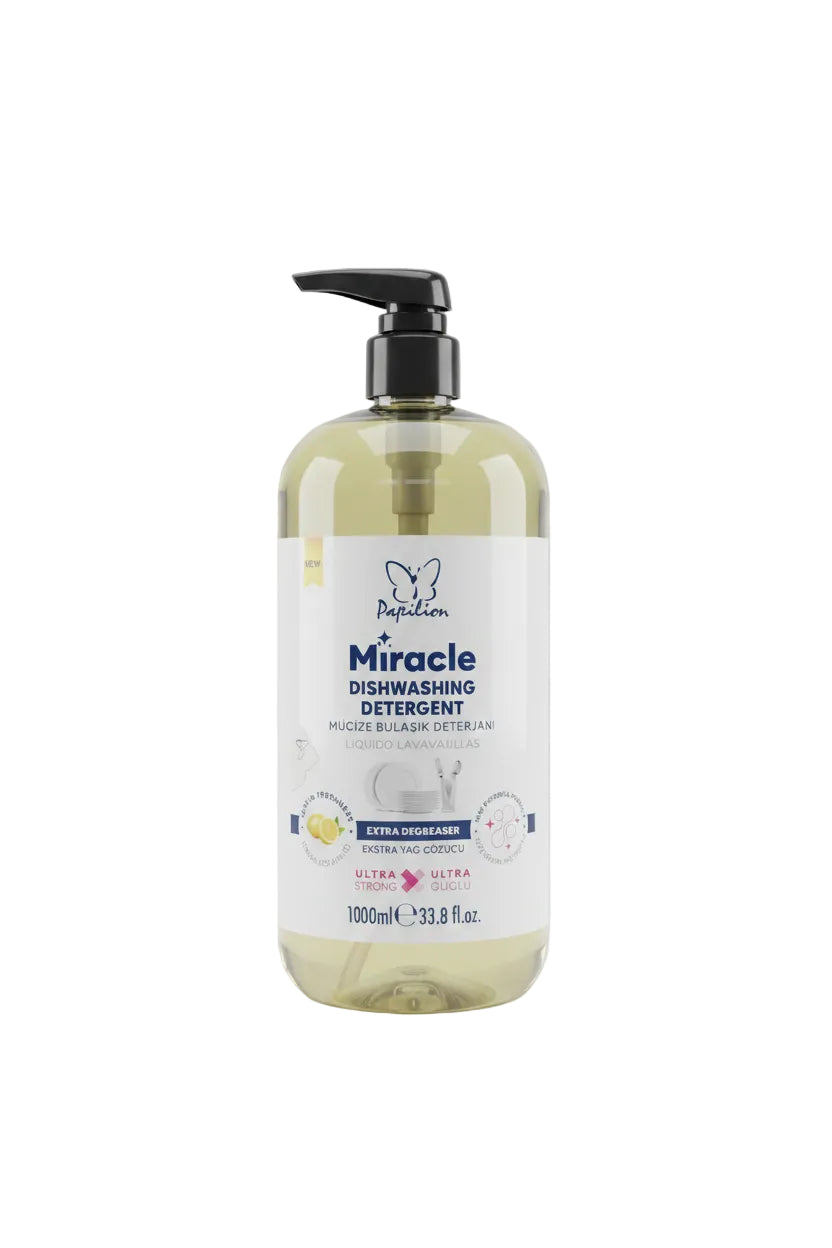
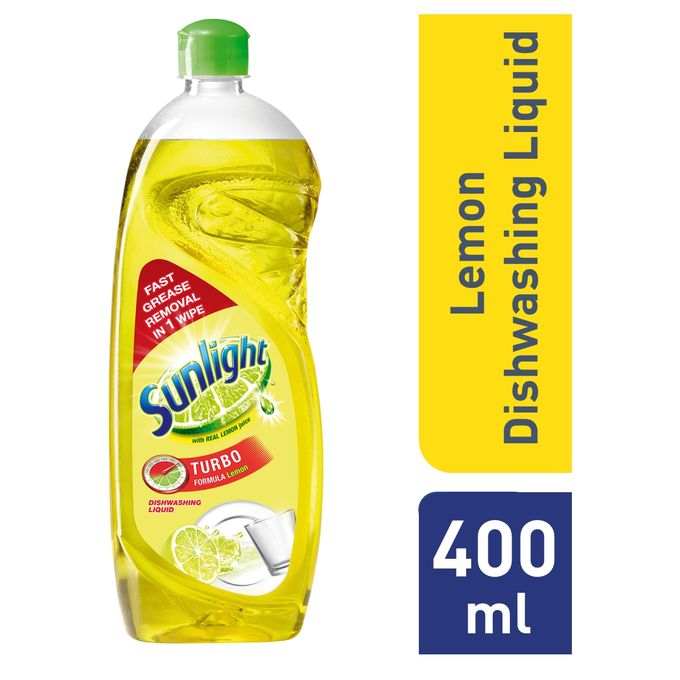
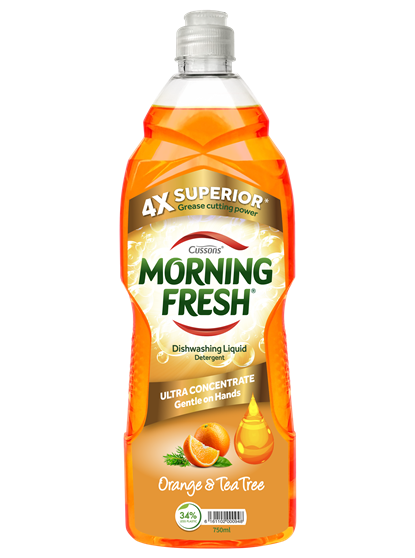
Dishwashing liquid
1 bottleNice to haveA little liquid makes dishes clean with less rinsing.
How to use it: Wash in a basin, then rinse once with a little clean water.
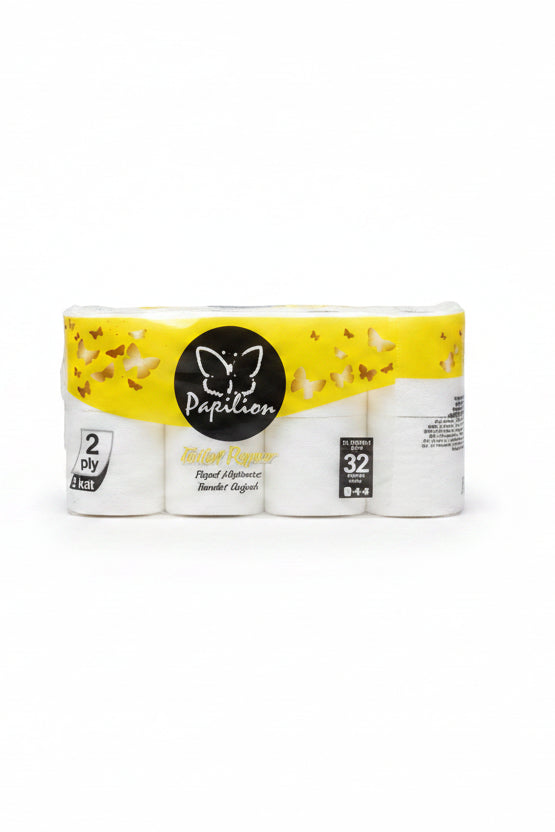
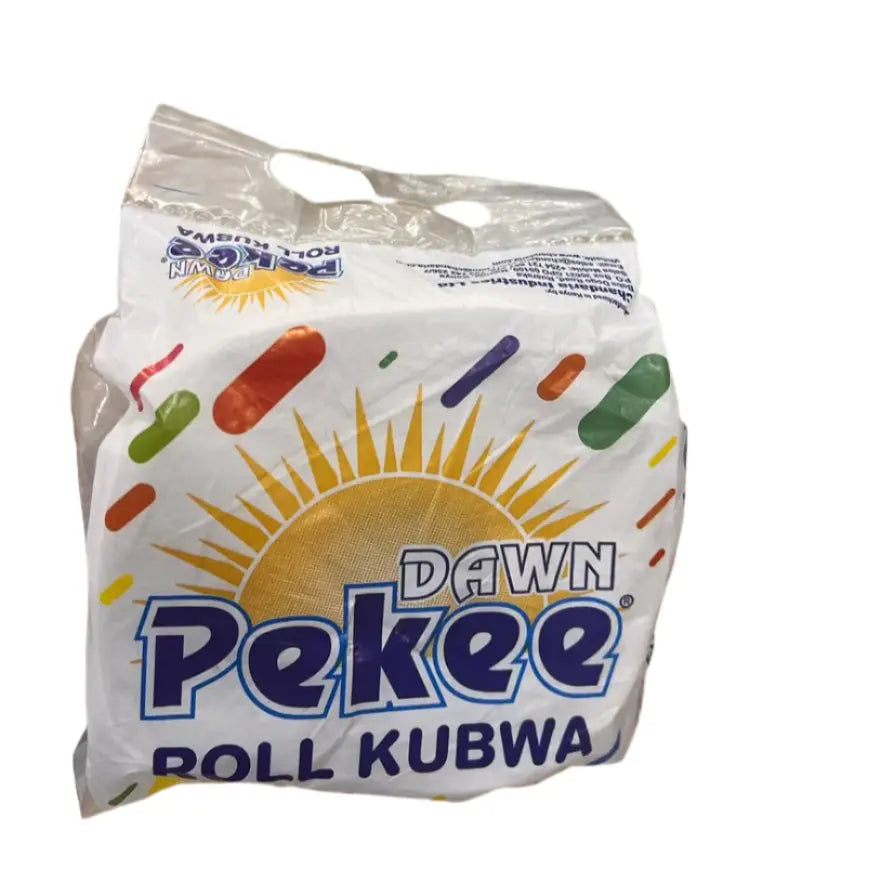
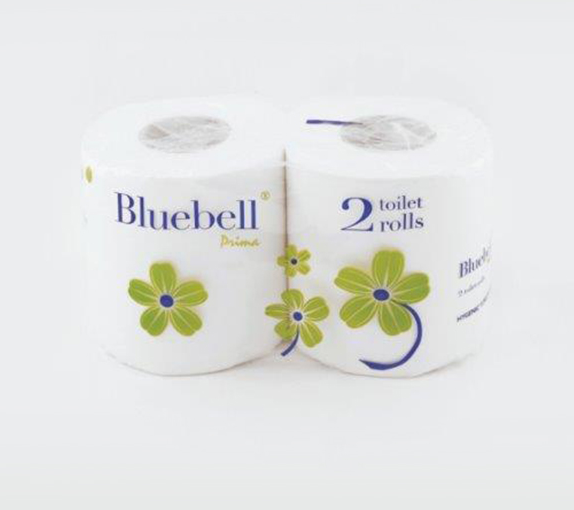
Toilet paper
10 rollsNice to haveYou will still need it, and it stops people using extra water to clean up.
How to use it: Keep a few spare rolls.
Labels and rotation
Water is only safe if you change it. A small system keeps it that way.
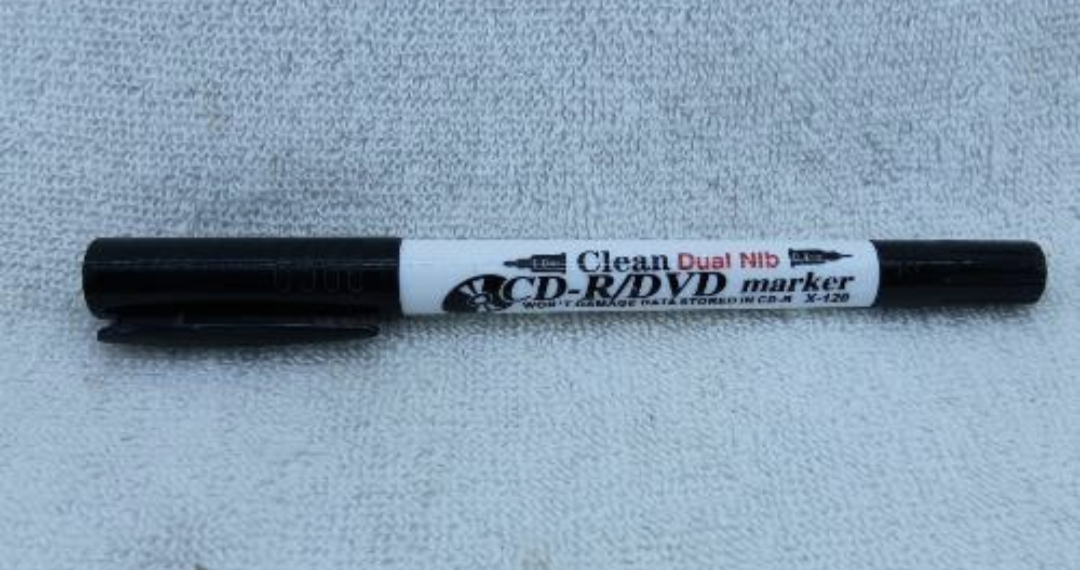
Permanent marker
1 or 2 Must haveWrite the filling date on each container so you know what to use first.
How to use it: Use big clear numbers on the side of the container.
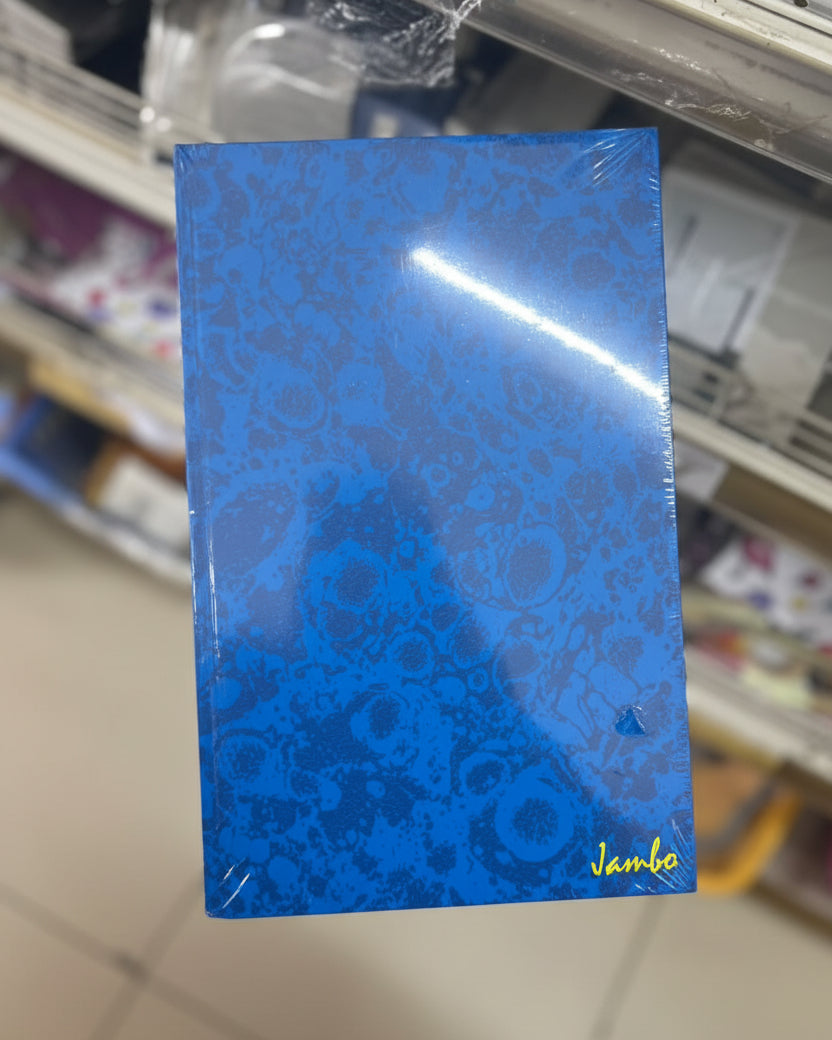
Notebook
1Nice to haveA simple log shows when you filled and changed each container.
How to use it: Keep it next to the store and check it every 2 to 3 months.
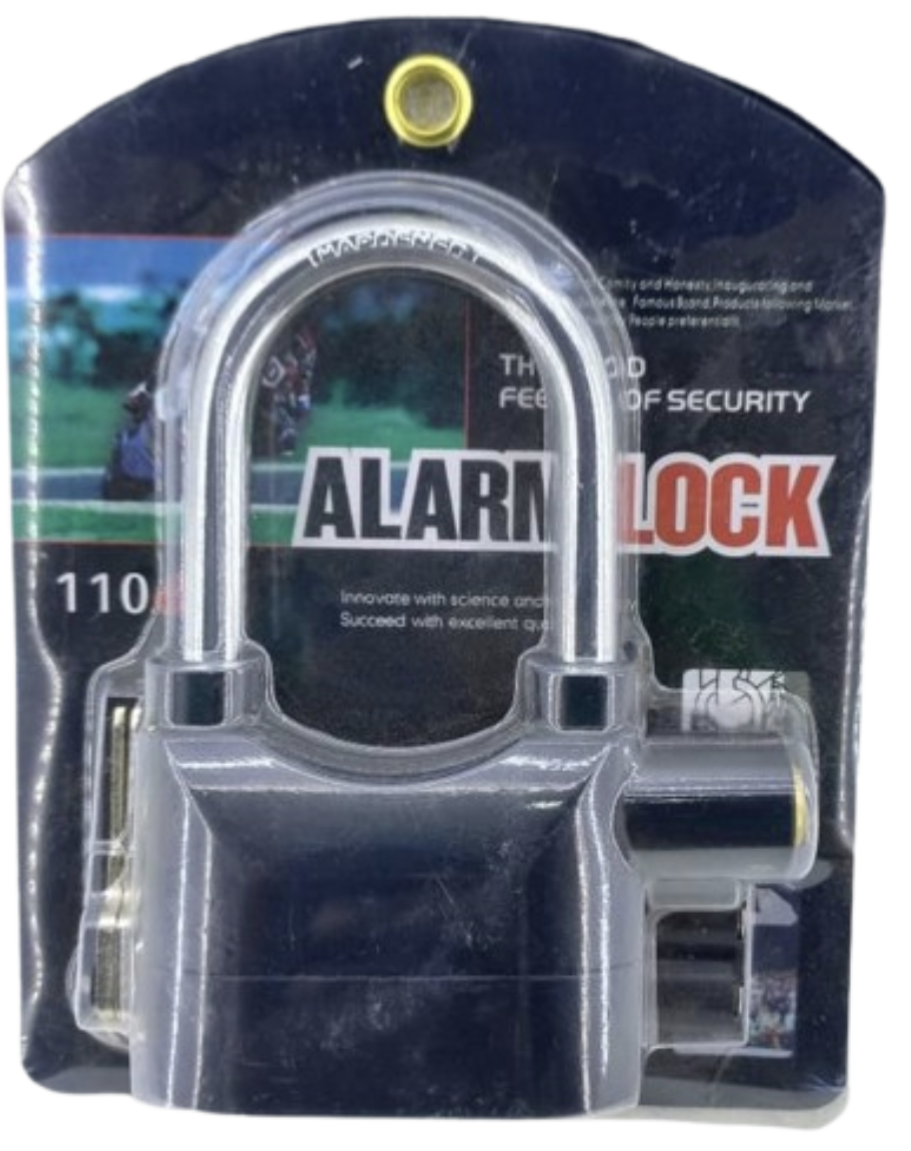
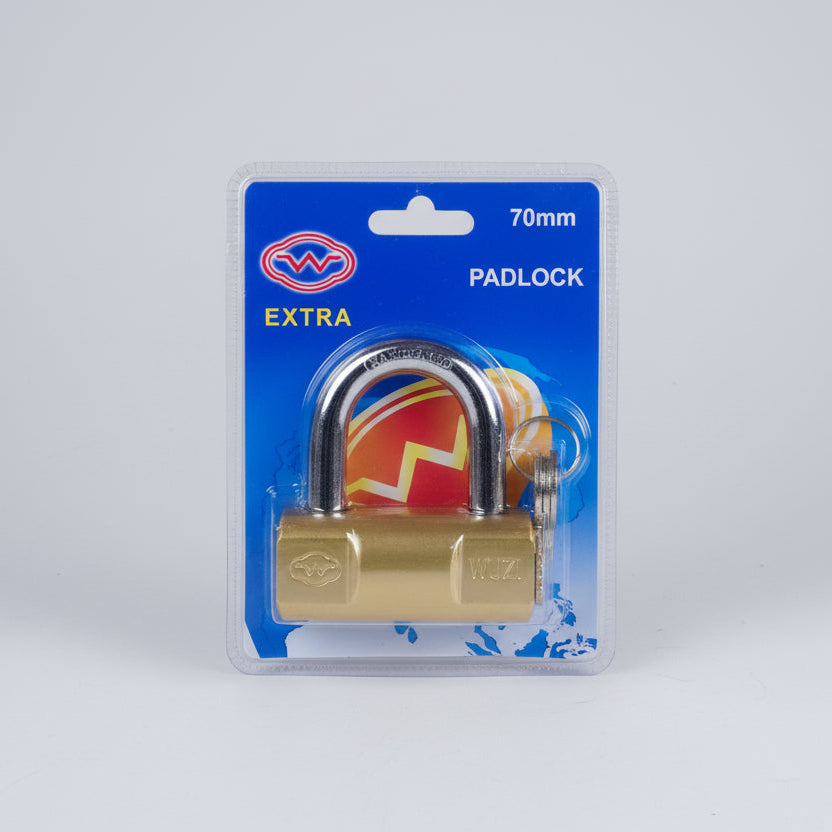
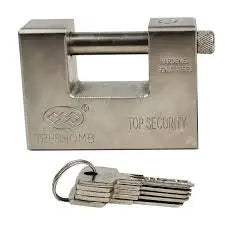
Padlock for a tank or store room
1Nice to haveLocking a store stops accidental use and keeps clean water for emergencies.
How to use it: Keep a spare key somewhere safe.

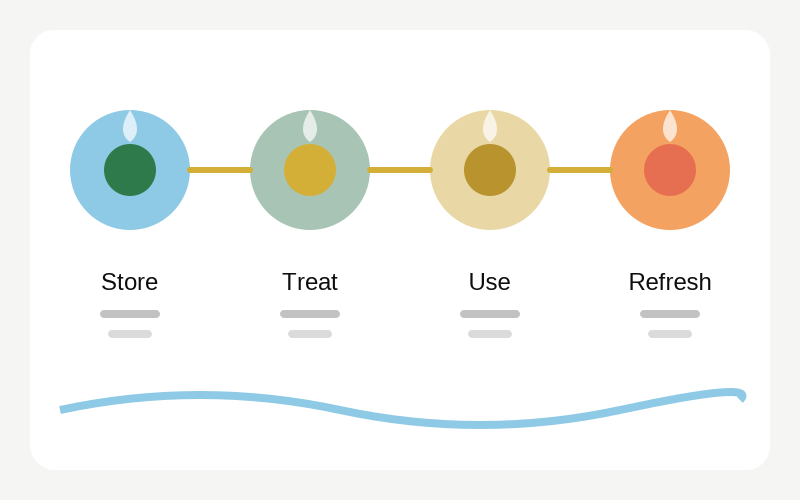
Step by step
- 1
Count your needs
Count people and days. Plan about 4 litres per person per day, and adjust for babies, elders and pets.
- 2
Buy containers
Choose jerrycans, bottles and a bucket. Check that they are clean and made for water.
- 3
Wash and fill
Wash containers with soap and water, rinse well, then fill from a safe source and close tightly.
- 4
Treat if needed
Boil water or ask a pharmacist how to treat it safely. Do not guess doses.
- 5
Label and store
Write the date on each container. Store in a cool, shaded place away from fuel and chemicals.
- 6
Rotate regularly
Every 2 to 3 months, use the oldest water for cleaning and refill with fresh water.
Tips that help
- Start with one week of water and add more each week until you reach a month.
- Fill containers before a planned cut or dry spell, not after it begins.
- Store water in the shade. Sun speeds up bad taste and algae.
- Keep drinking water separate from water for washing and flushing.
- Use rainwater from a clean roof for washing and flushing during the rainy seasons, but treat it before you drink it.
- Use the oldest water first for cleaning, plants or flushing.
- Check with your landlord before putting a big tank on the roof or compound.
Mistakes to avoid
- Reusing containers that held fuel, oil or chemicals. Never use them for water.
- Leaving water in the sun in open containers.
- Never changing the water, so it tastes bad or becomes unsafe.
- Guessing how much bleach to add. Always follow a trusted guide or ask a pharmacist.
- Dipping a dirty cup or hands into the store.
Questions people ask
How much water do I need for a month?+
A commonly used planning figure is about 4 litres per person per day for drinking, cooking and basic washing. For four people for 30 days that is about 480 litres. If that is too much, store one week first.
How long can I store water?+
Sealed bottled water is good until the date on the bottle. Water you store yourself is best changed every 2 to 3 months if it is kept clean, closed and in the shade.
Is it safe to drink stored tap water?+
Boil it or treat it first if you are unsure about the source. Bring it to a rolling boil, let it cool covered, and store it in a clean closed bottle.
Can I use any plastic container?+
No. Use clean containers made for water or food. Never use containers that held fuel, pesticides or chemicals, because the smell and residue cannot be fully washed out.
Should I add bleach to stored water?+
Only if you have a trusted guide for the exact dose. Use plain unscented chlorine bleach and ask a pharmacist or the water utility if you are not sure. Too much is harmful.
Where do I put a month of water in an apartment?+
Use stackable 20 litre jerrycans in a cool corner, a balcony shaded from sun, or under a bed. Check with your landlord before storing large tanks.
A month of water gives your family real security, and it starts with a few clean containers. Choose what suits your home from this list, order it on Isokko, and build your store week by week.
Shop this list
Get everything delivered in Kigali
Order from local stores on Isokko and pay with MoMo, card or cash. Same-day delivery.