
Checklist · Emergencies & power cuts
Packing an Emergency Go Bag for the Whole Family: What to Buy
Build a family emergency go bag in Kigali with documents, water, food and light. A practical checklist of what to pack and how to keep it ready.
Updated November 25, 2026 · By Isokko
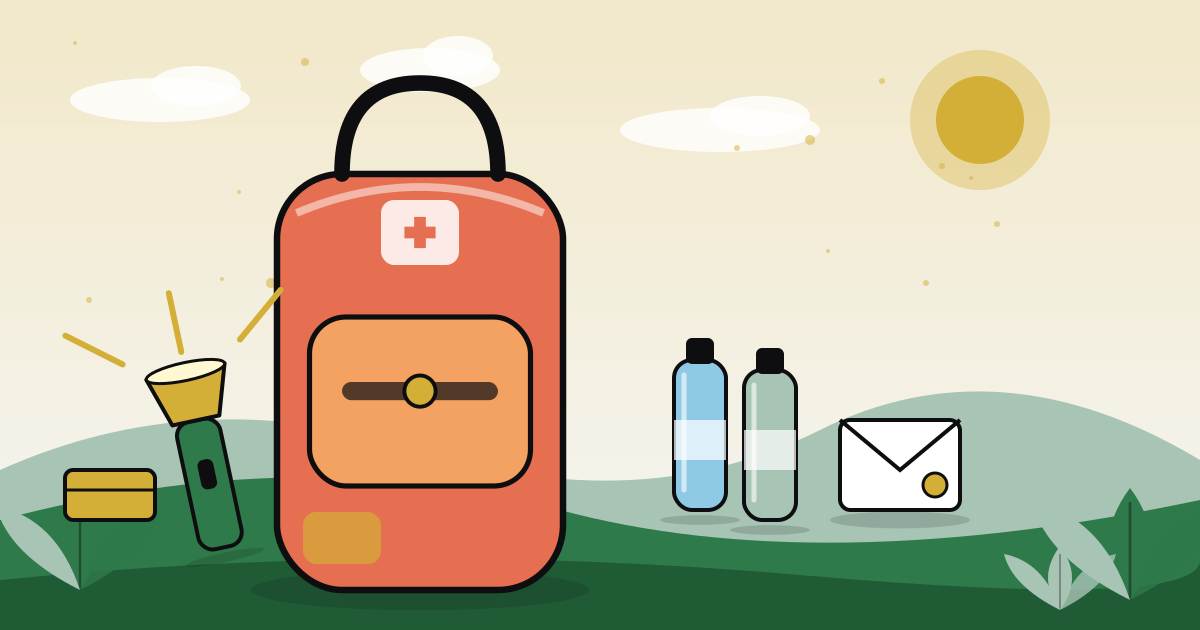
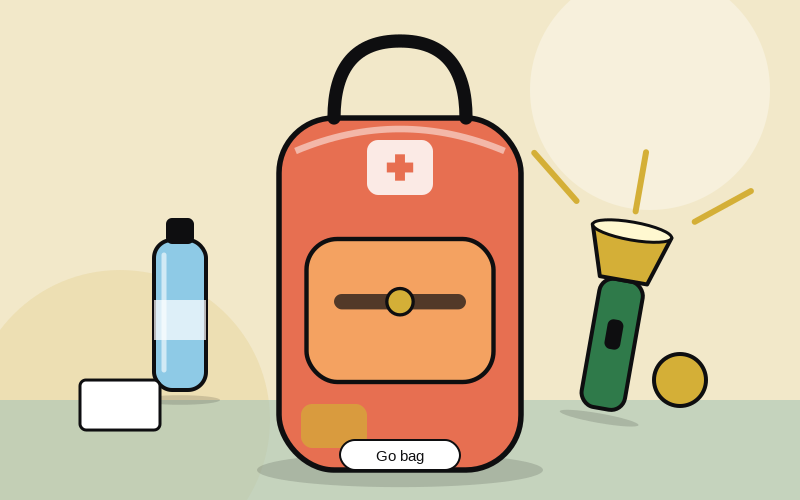
A go bag is one bag, packed ahead of time, that you can pick up in under a minute if you must leave home fast. In Kigali the reasons can be a flood after heavy rain, a fire in the building, a landslide risk on a steep hill, or a long power cut that sends you to stay with relatives.
This checklist covers the things that matter most when you leave in a hurry: documents, water and food, light and phone power, and basic health items. It also has a section for babies and small children, because they need things nobody else in the house needs.
Keep it simple. A bag you actually finish packing beats a perfect list you never complete. Start with the must items, then add the nice ones as your budget allows.
Who it's for
Families, couples and anyone living alone in a Kigali house or apartment
Time needed
One afternoon to buy and pack, then 10 minutes every 6 months to refresh
When to shop
Shop before the rainy seasons, March to May and October to December
On the list
29 items, 17 must haves
0 of 29 ready
Documents and money
Paper and cash are the hardest things to replace, and phones can die or get lost.
Copies of ID cards and passports
1 set per person Must haveIf you leave in a hurry you may be asked to prove who you are. Copies also help if an original is lost or damaged by water.
How to use it: Make one photocopy per family member, keep them flat in a sealed envelope, and also save photos on your phone.
Emergency contact notebook
1 Must haveMost people no longer remember phone numbers. If your phone is lost or flat, a written list still works.
How to use it: Write names and numbers of family, your doctor, your landlord and a neighbor. Add any allergies or medicines for each person.
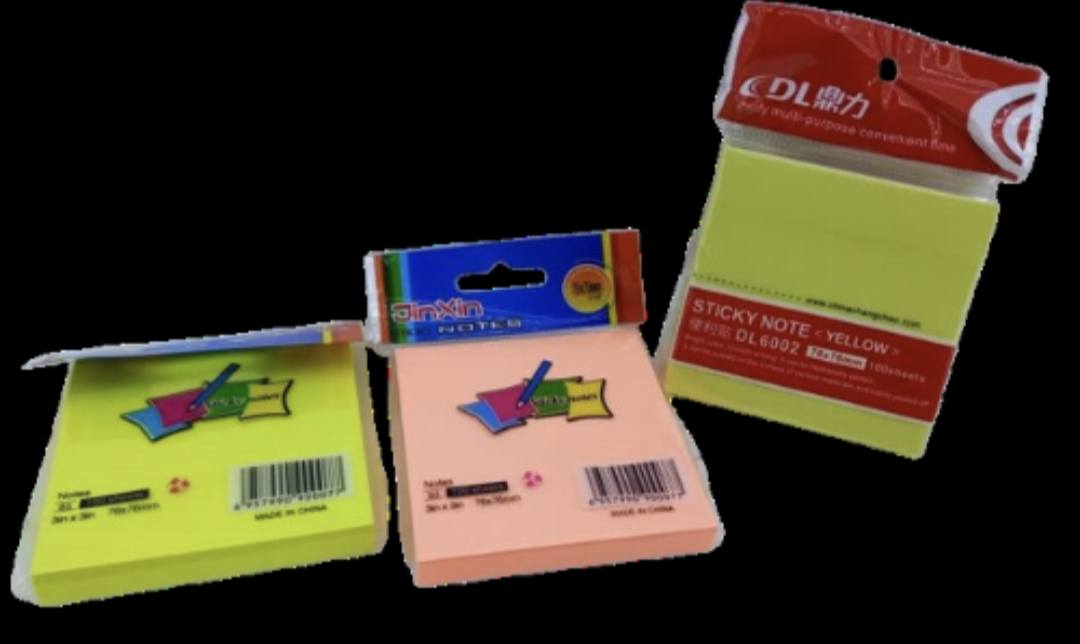
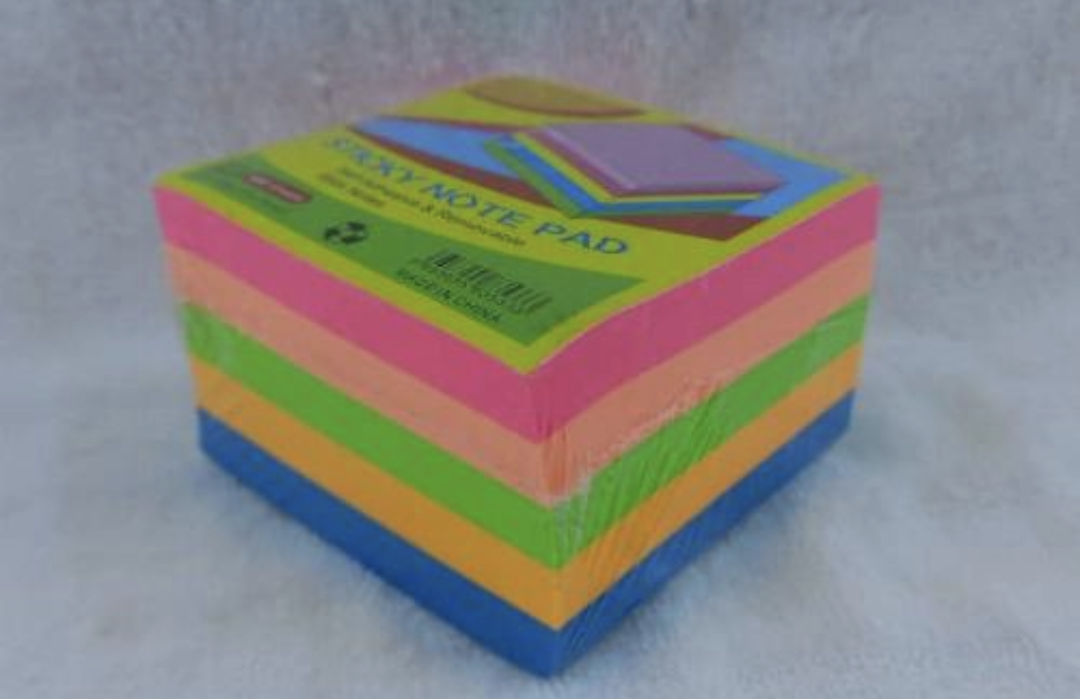
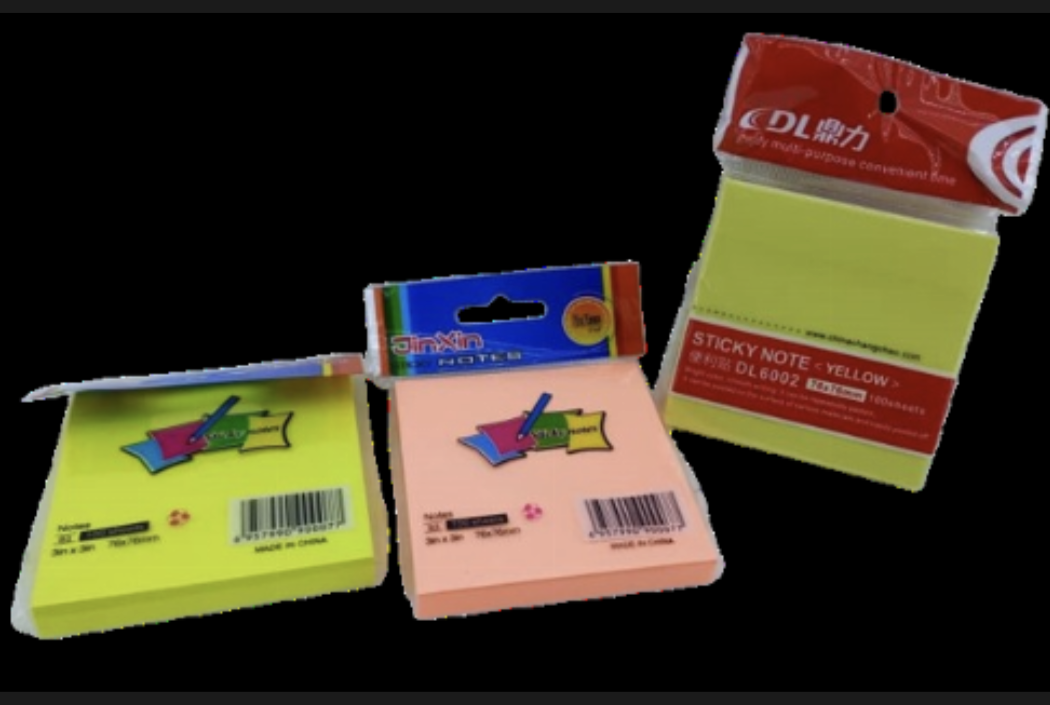
Sticky notes
1 padNice to haveA quick way to leave a message on a door telling family where you went.
How to use it: Write the date, your names and where you are going.
Water and food
Plan for at least one day, ideally three. Food should need no cooking and no fridge.
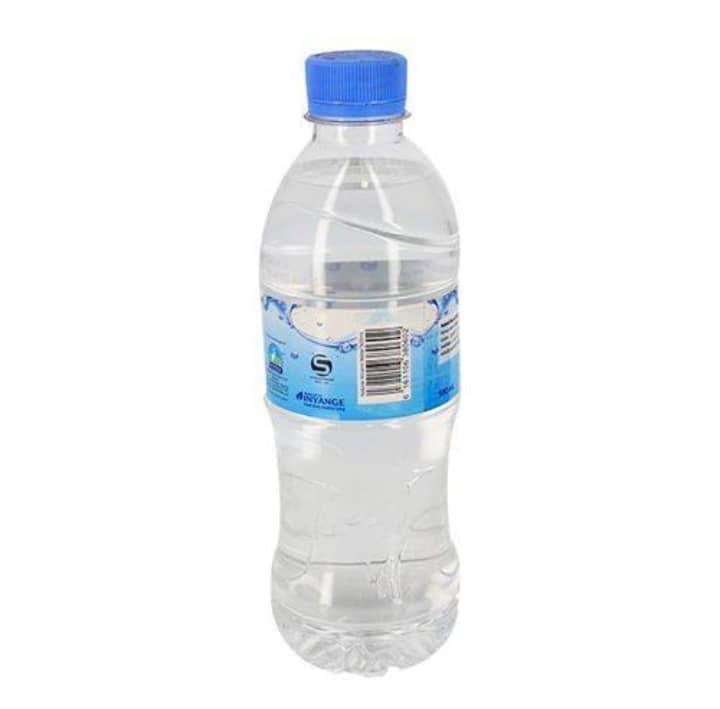
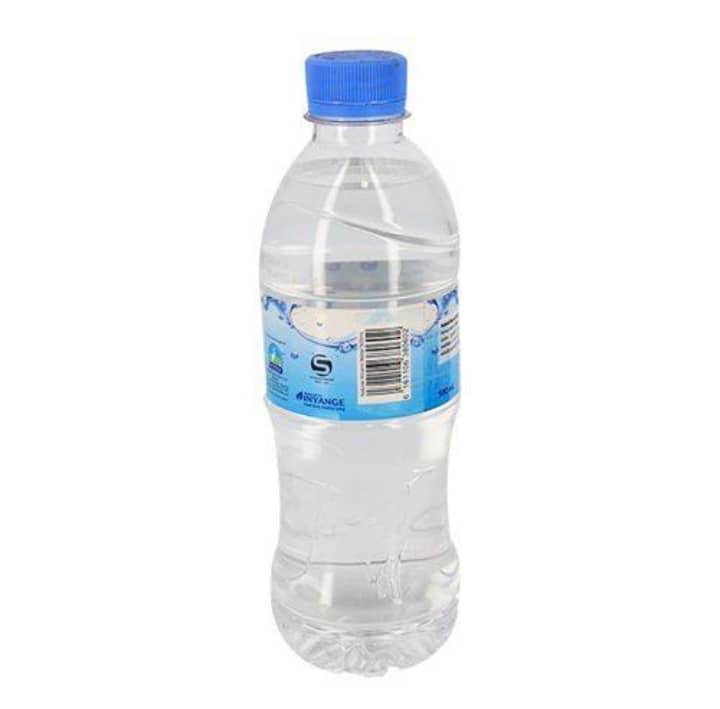
Bottled drinking water
2 litres per person per day Must haveWater is the first thing you run short of. Tap water may not be safe after a flood.
How to use it: Store about 2 litres per person per day if you can carry it. Replace the bottles every 6 months and keep them out of direct sun.
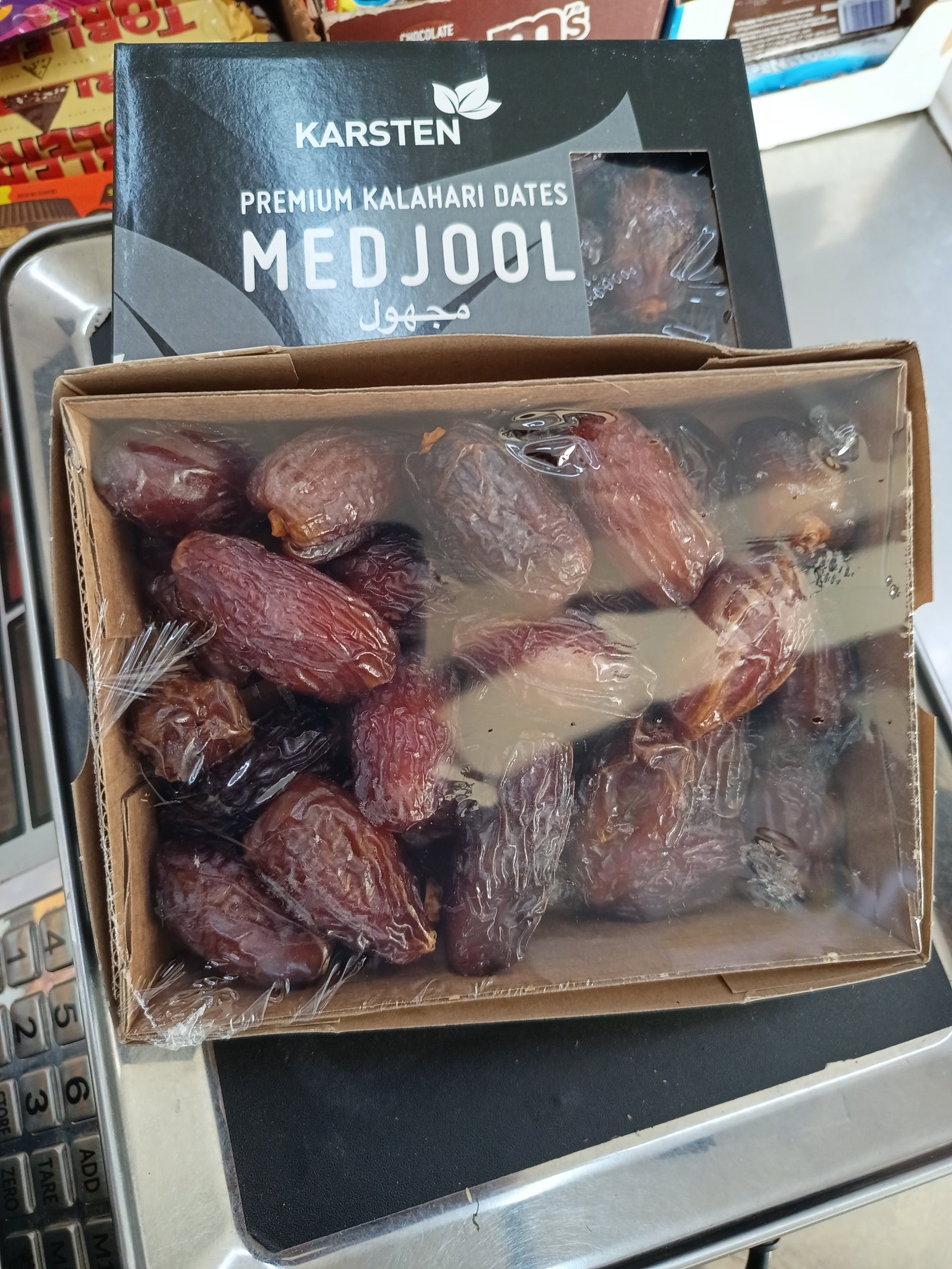
Dates
1 packNice to haveDates are energy dense, last for months and need no preparation.
How to use it: Pack in a sealed container so they stay clean. Good for children who will not eat much.
Trail mix or mixed nuts
1 or 2 packs Must haveFats and protein keep you full for longer than sweets.
How to use it: Choose small packs that you can finish in one go. Skip if anyone in the family has a nut allergy.
Crackers or dry biscuits
2 packs Must haveThey keep well in the heat and are easy to share.
How to use it: Keep them in a plastic container so they do not get crushed or damp.
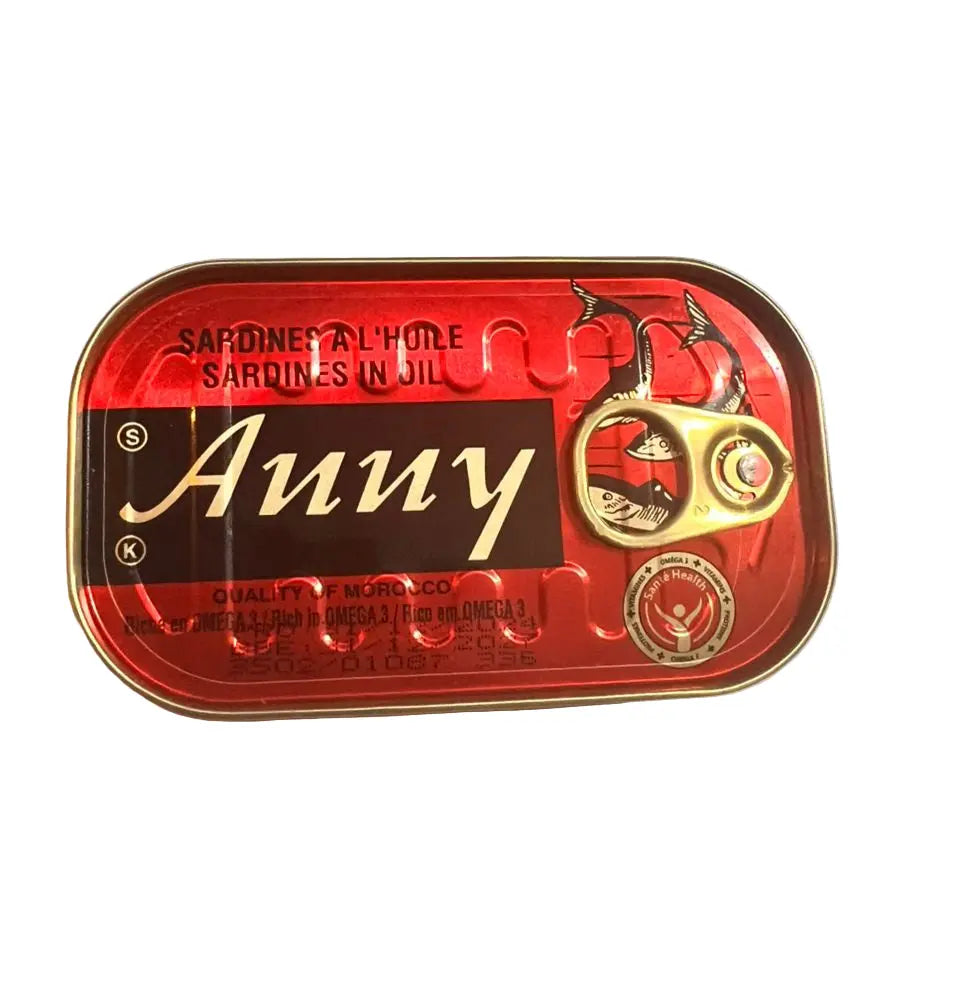
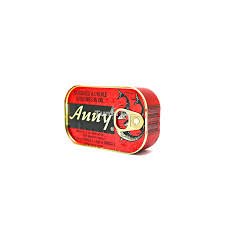
Tinned fish
2 to 4 tinsNice to haveA tin of sardines or tuna gives real protein with no cooking.
How to use it: Check expiry dates. Pack a can opener, or choose tins with a ring pull.
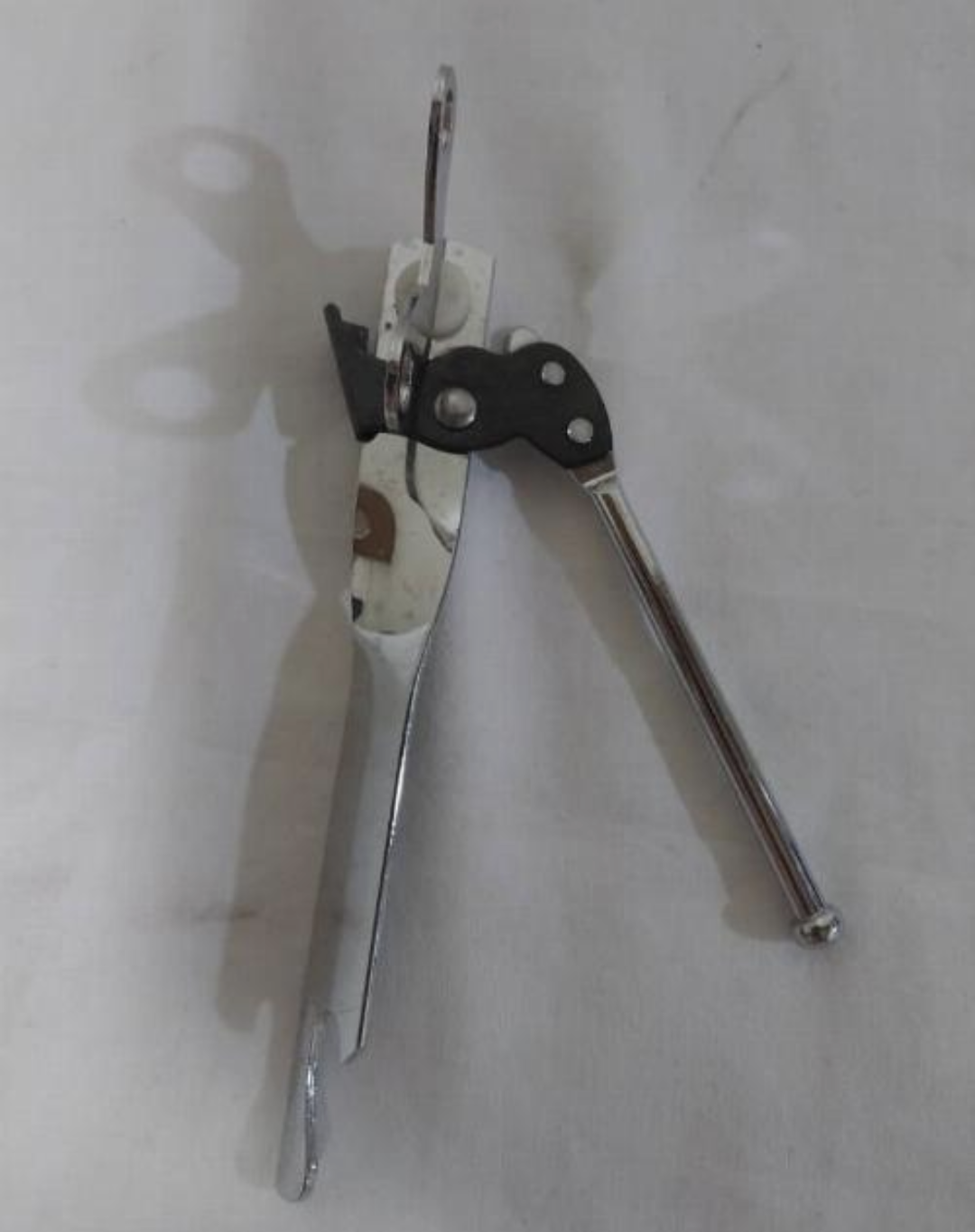
Can opener
1Nice to haveNot every tin has a ring pull, and you may not find an opener where you end up.
How to use it: Choose a small manual opener and tape it to the inside of the bag.









Light and power
Power cuts, dark streets and flat phones turn small problems into big ones.
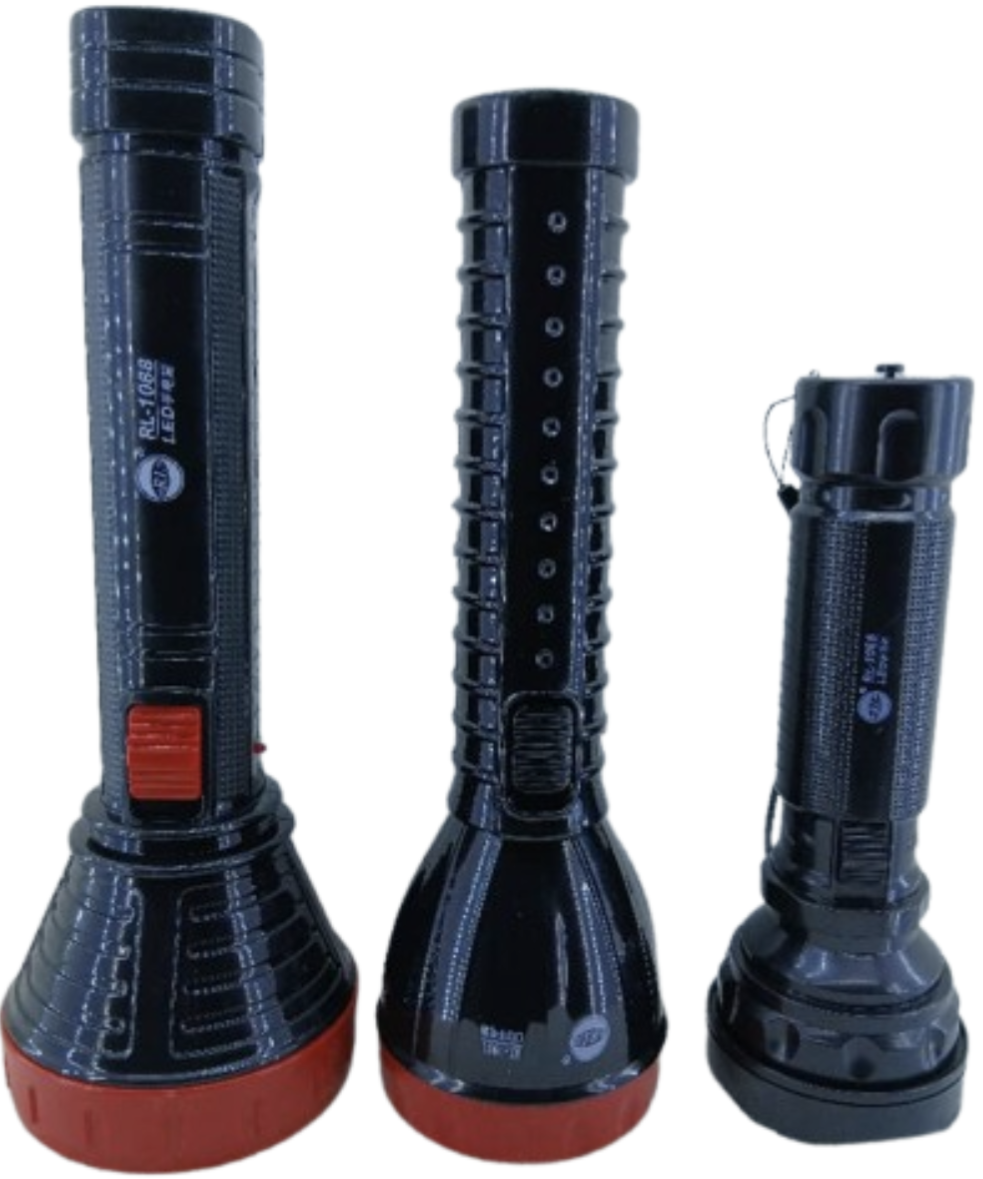
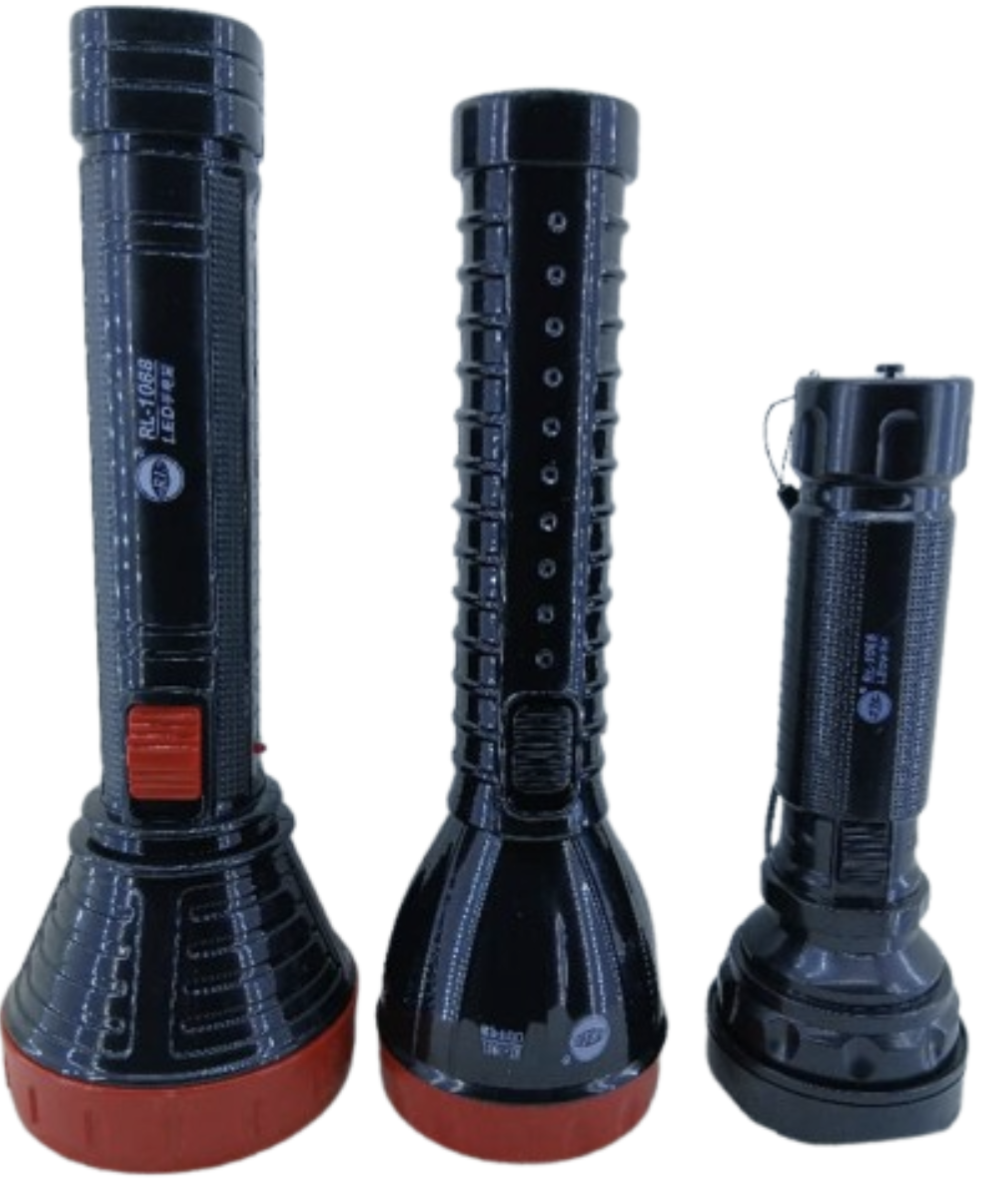
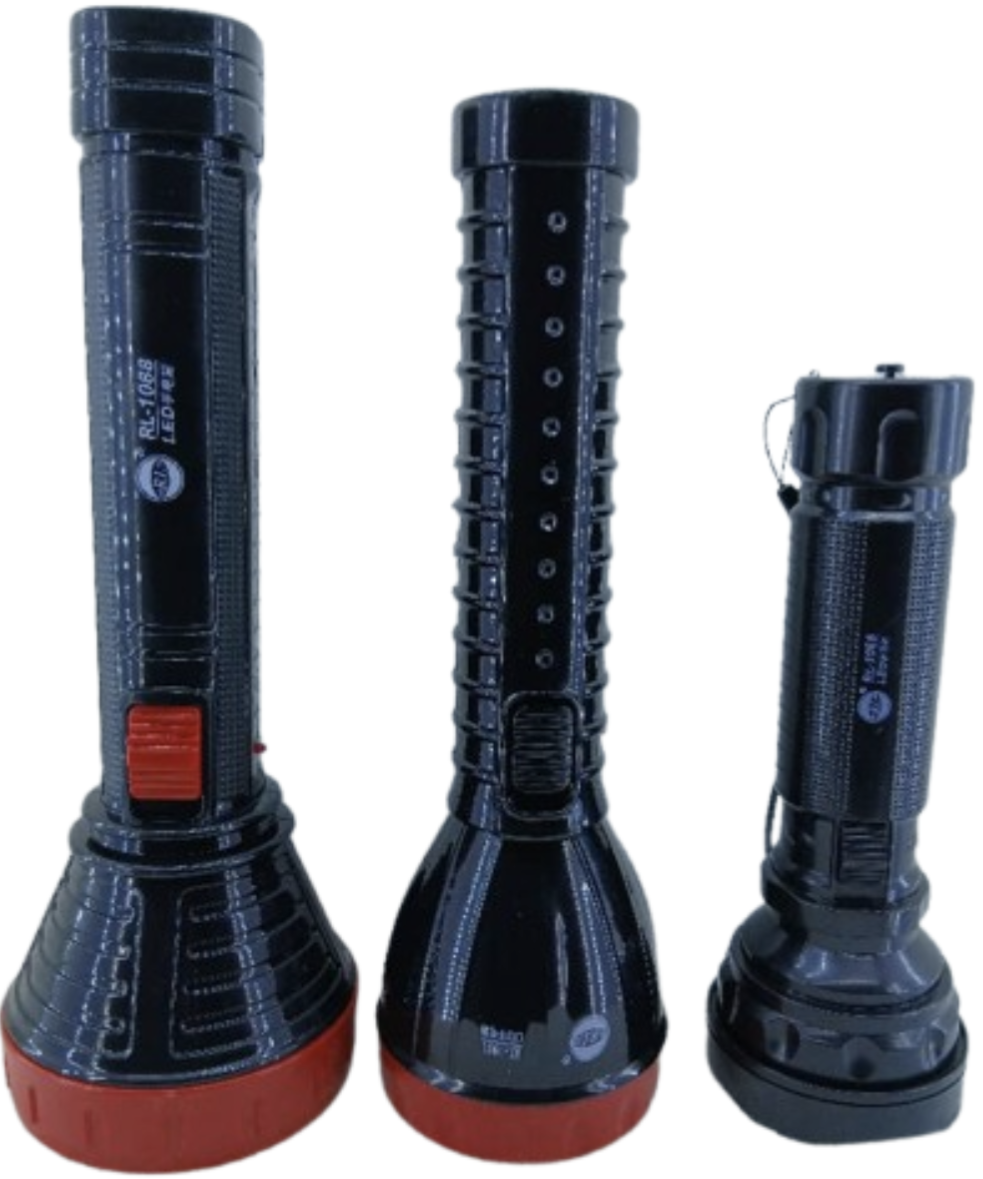
Torch
1 per adult Must haveA torch lets you move safely and signal for help at night. It is better than using your phone light.
How to use it: Test it every time you check the bag. Pack spare batteries in a separate bag.
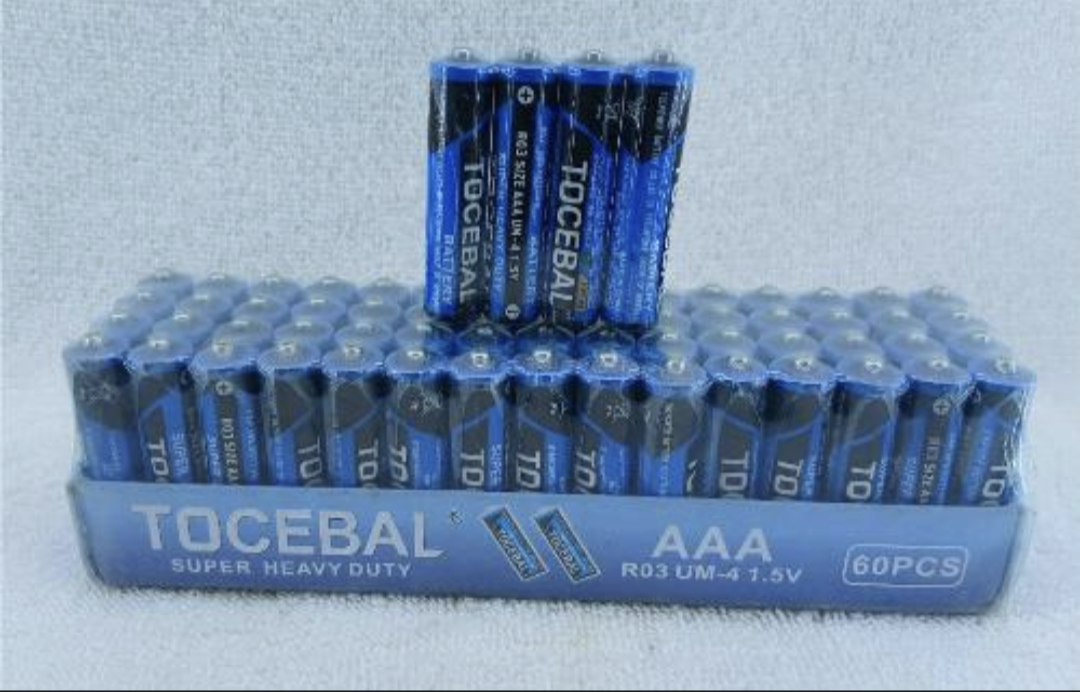
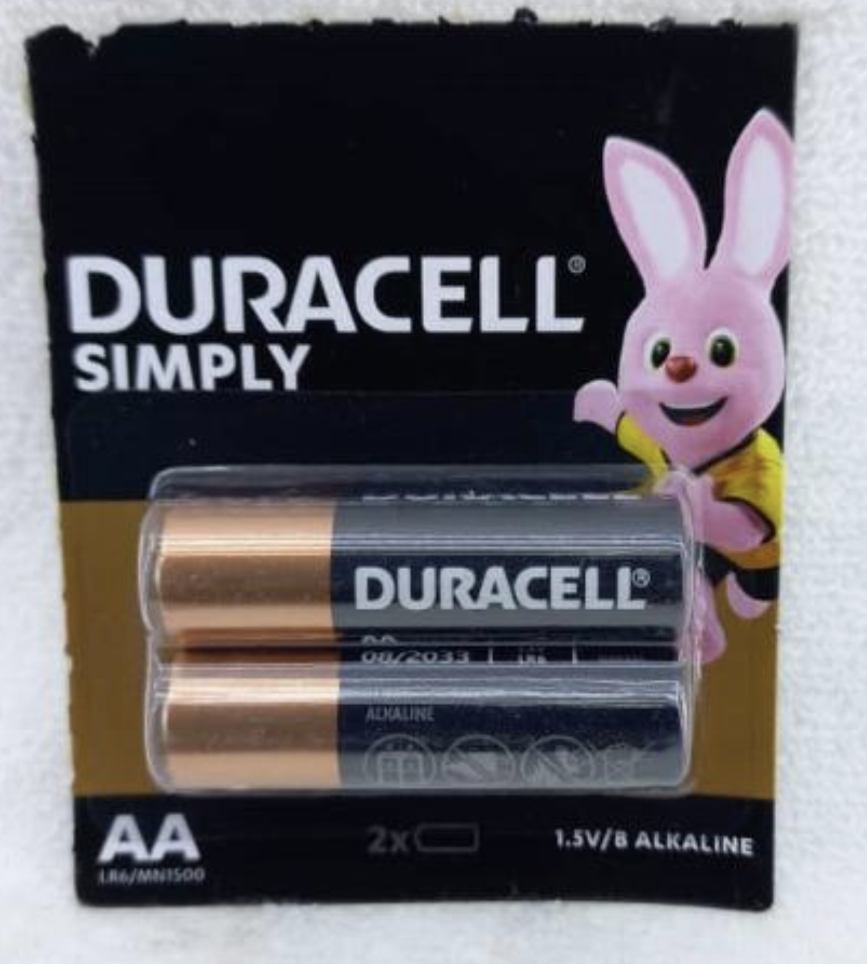
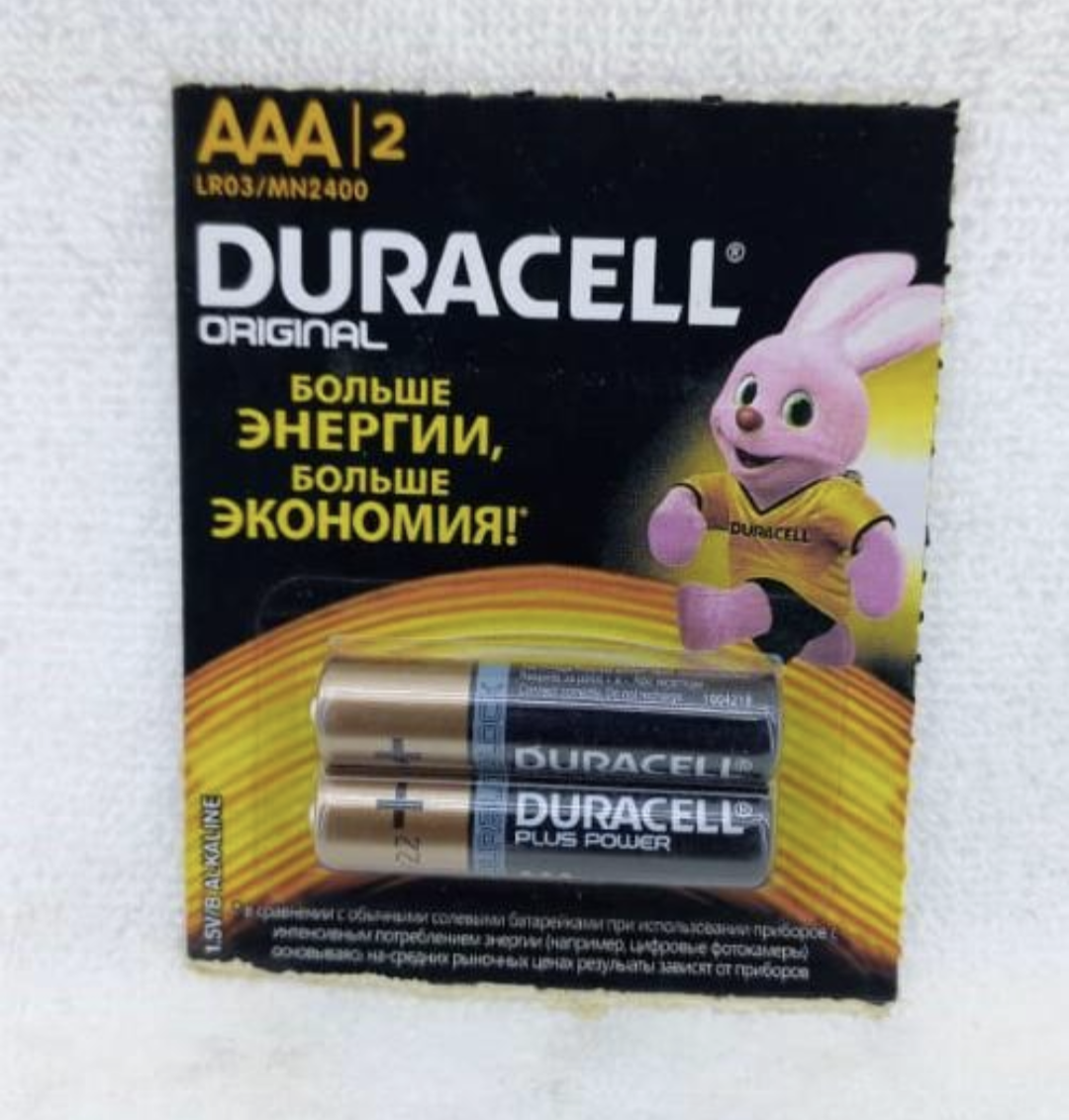
Spare batteries
2 sets Must haveA torch with dead batteries is useless. Spares make the bag last longer.
How to use it: Match the size to your torch. Store them outside the torch so they do not drain.
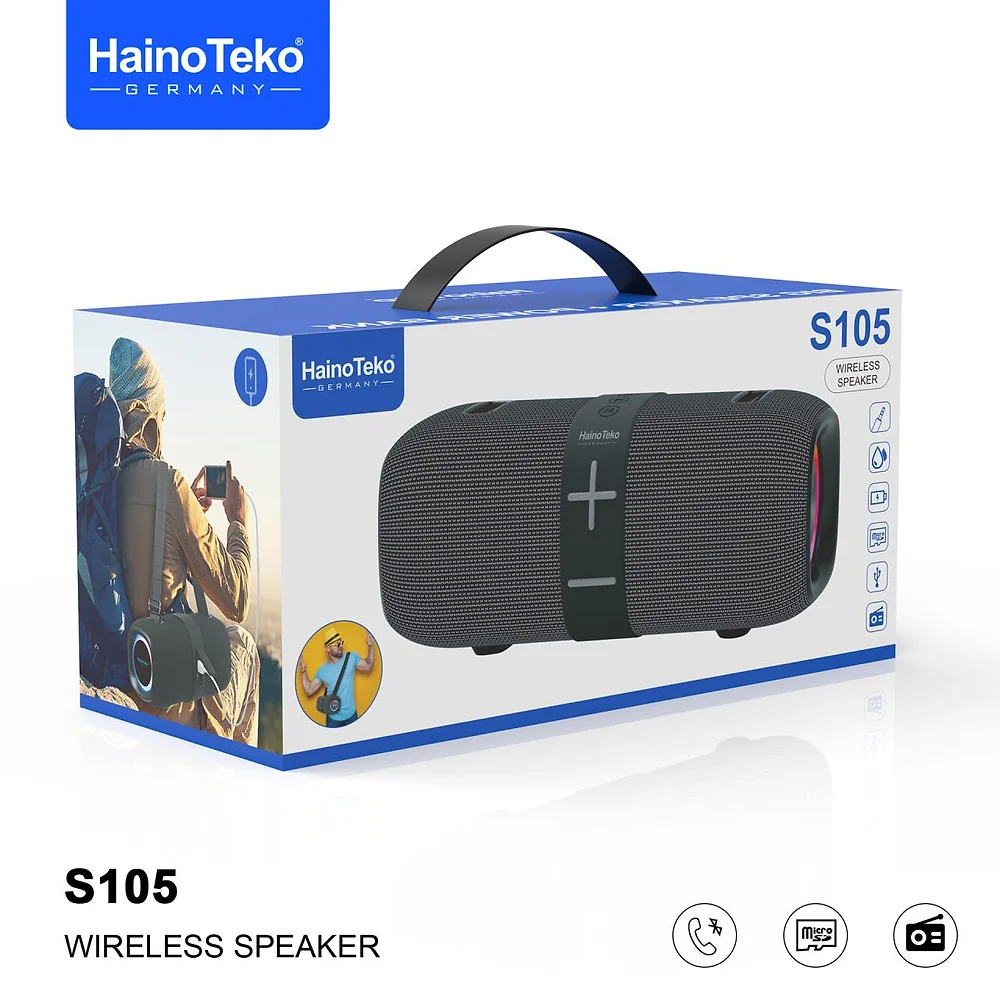
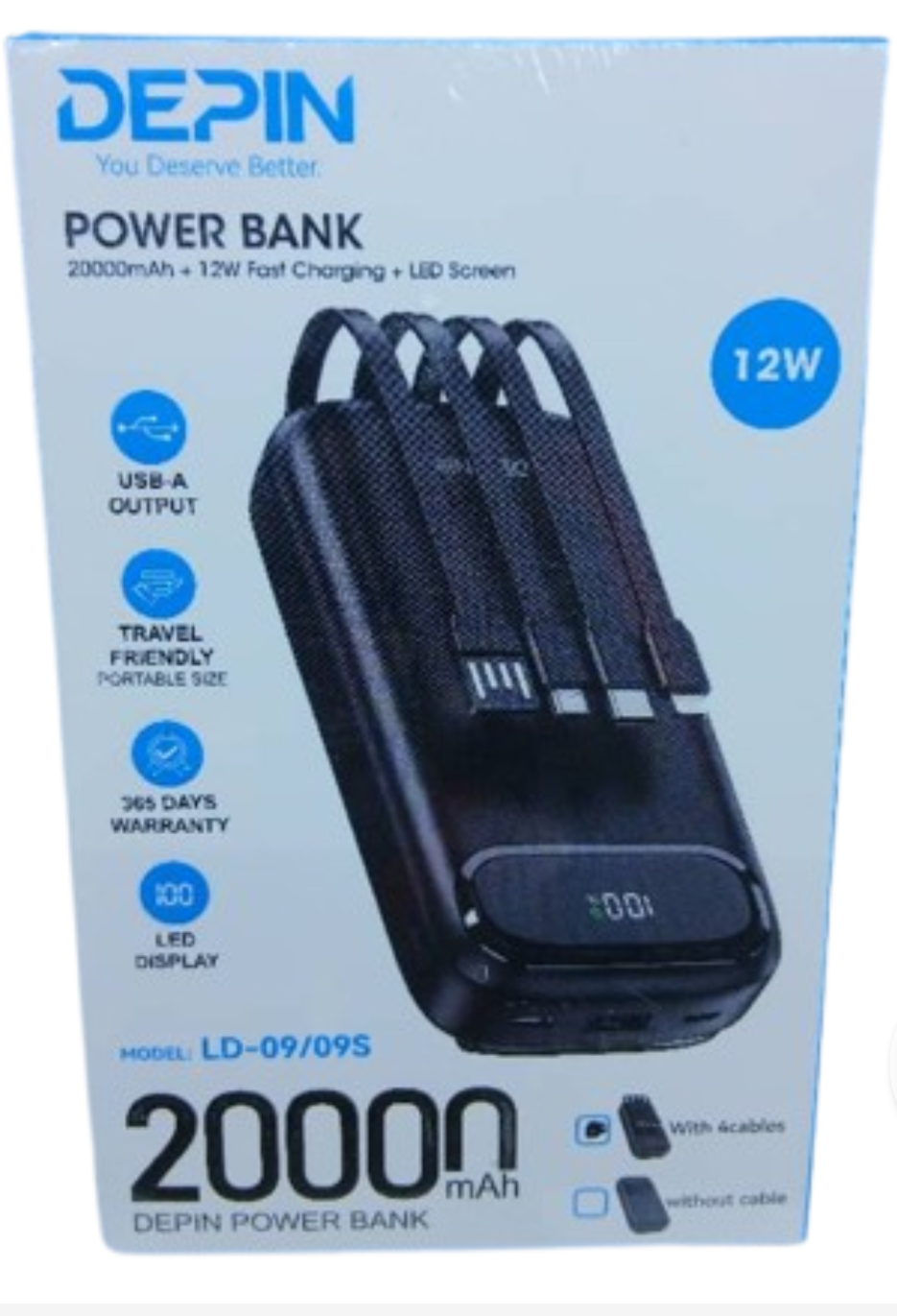
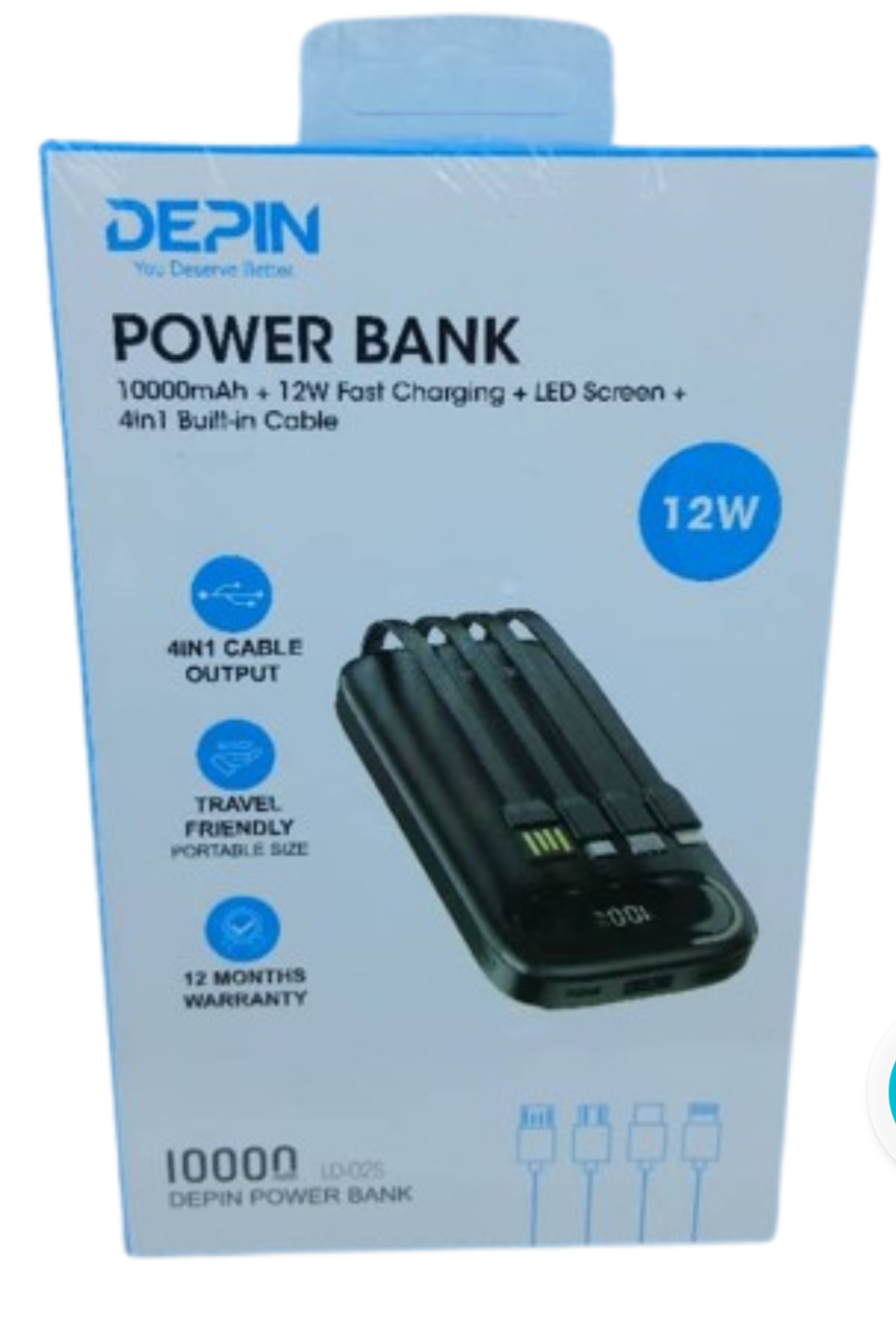
Power bank
1 Must haveYour phone is your map, light, radio and bank. A power bank keeps it alive.
How to use it: Charge it fully every month and top it up before storms. Pack a charging cable with it.
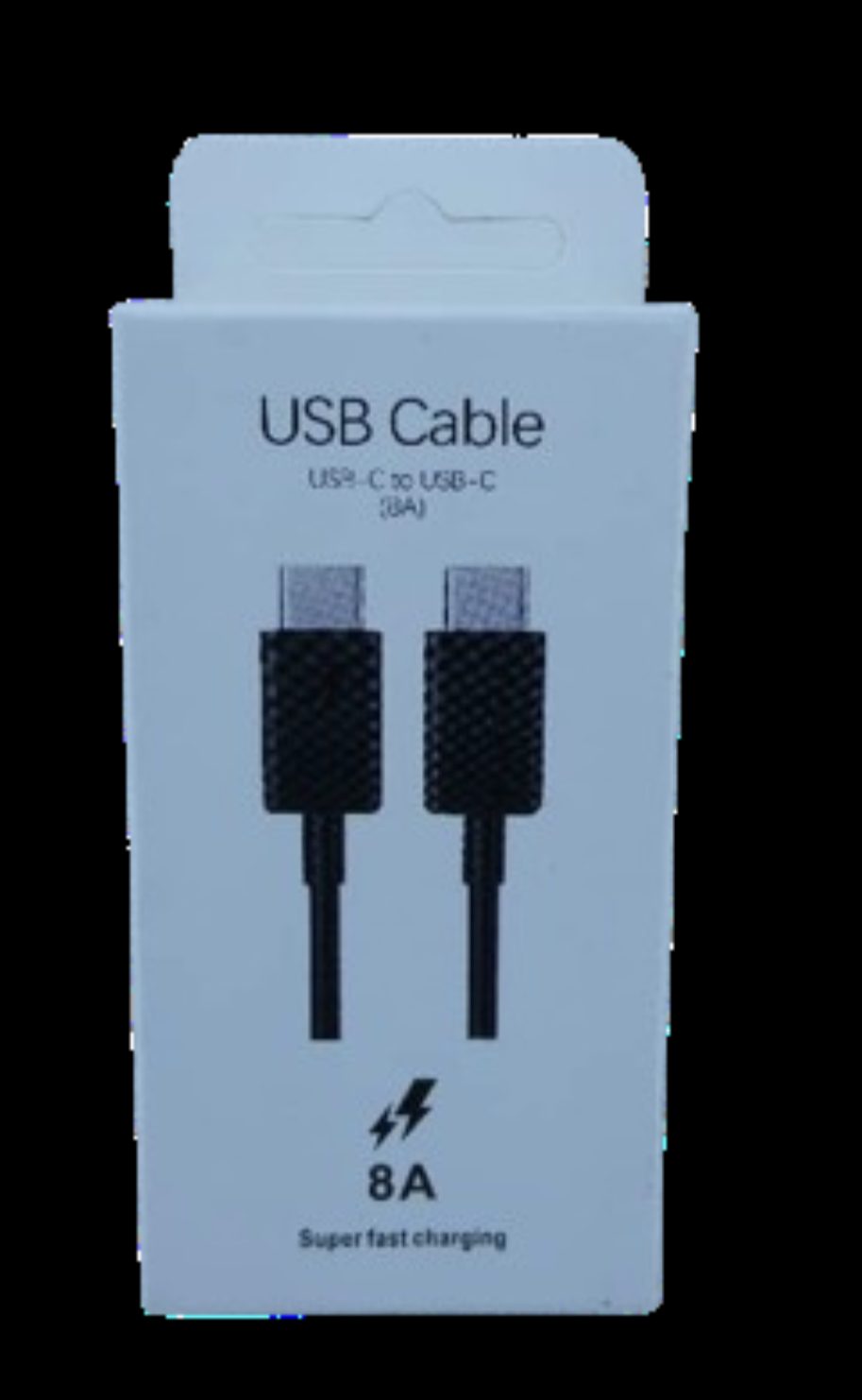
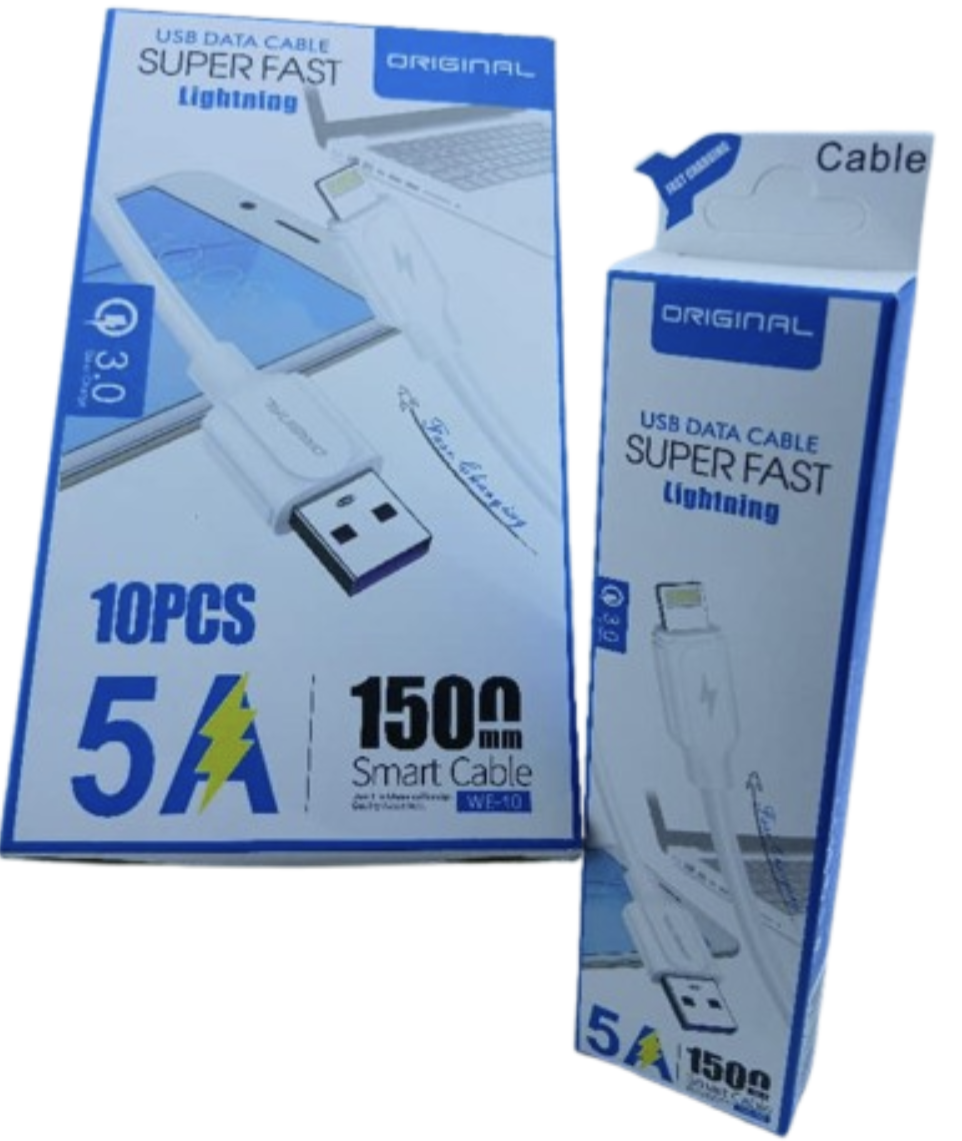
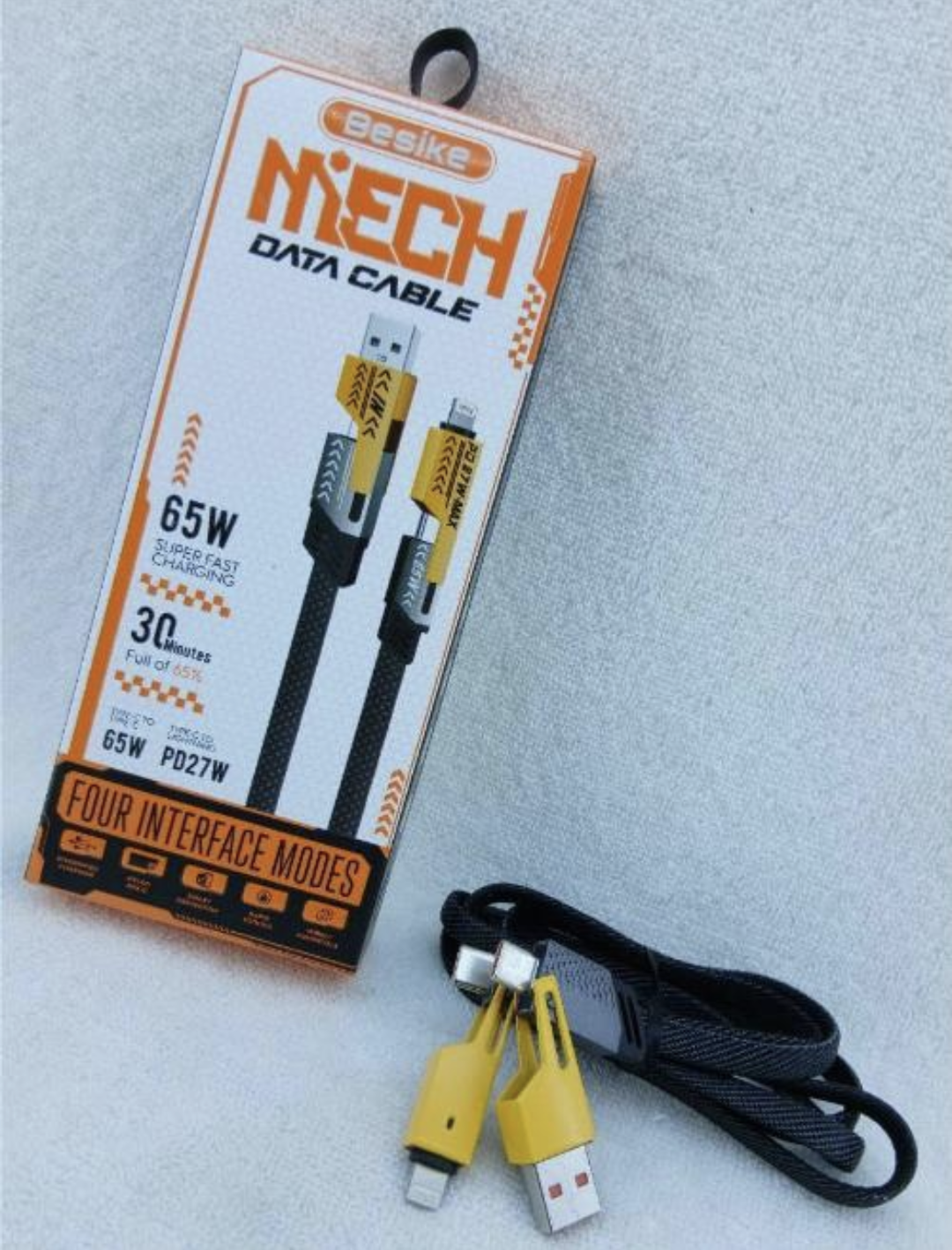
Phone charging cable
1 per phone type Must haveWithout the right cable, a power bank cannot help.
How to use it: Keep a spare cable in the bag so you never need to unplug the one at home.
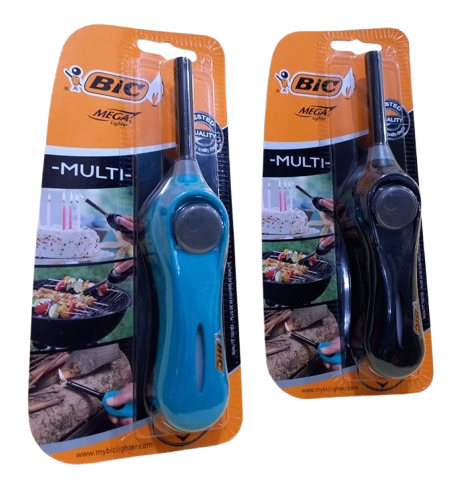
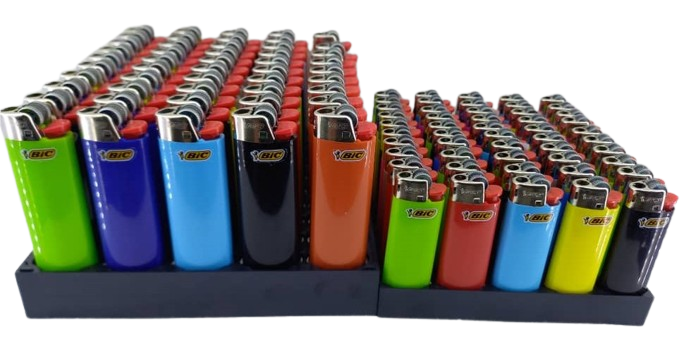
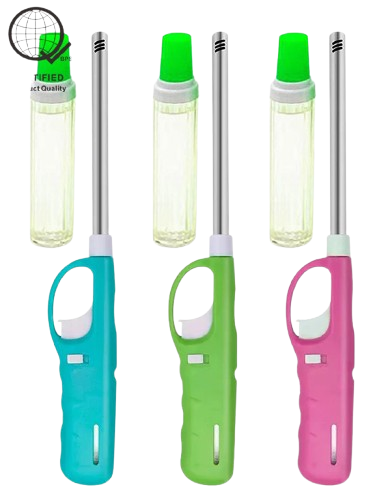
Lighter
1Nice to haveLets you light a candle or a stove once you have shelter and no power.
How to use it: Keep it in a sealed bag, away from the batteries, and out of children's reach.
Health and hygiene
Small items that stop minor problems from becoming illness.
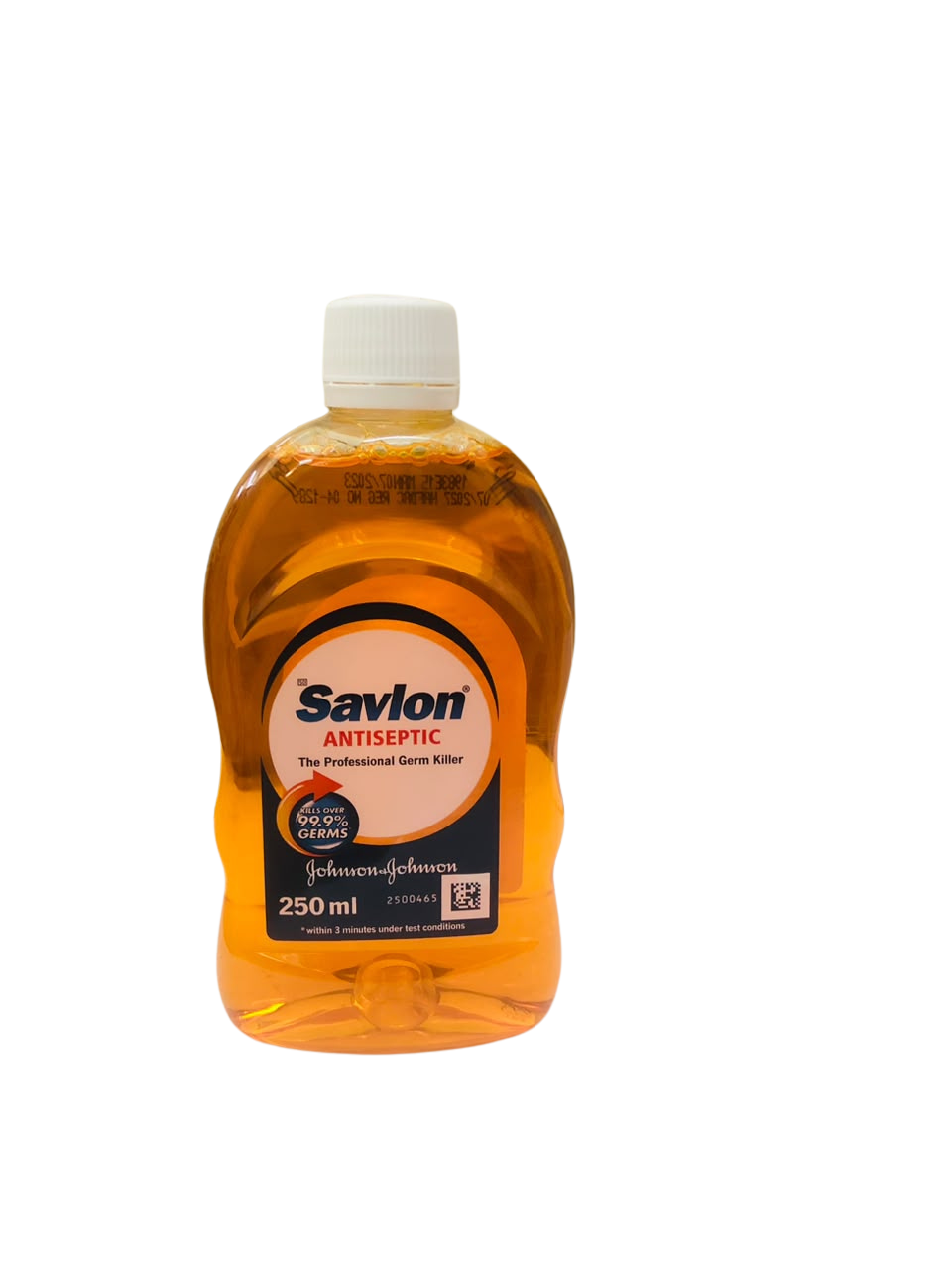
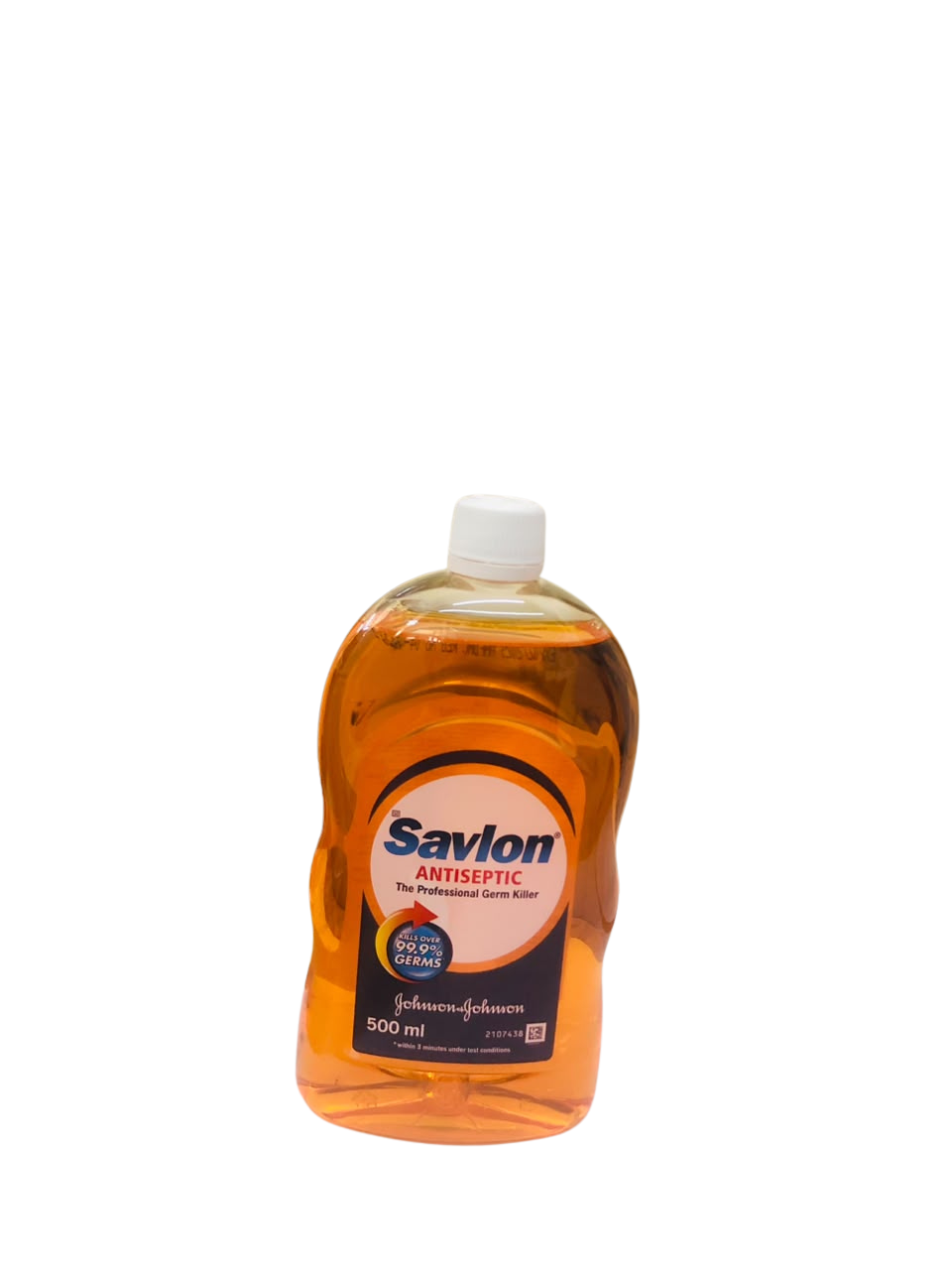
Antiseptic liquid
1 small bottle Must haveCuts and scrapes get infected quickly in muddy or dusty conditions.
How to use it: Clean the wound with clean water first, then follow the label. See a doctor or pharmacist for deep cuts or burns.
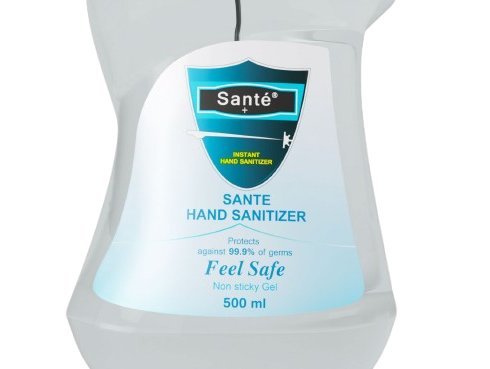
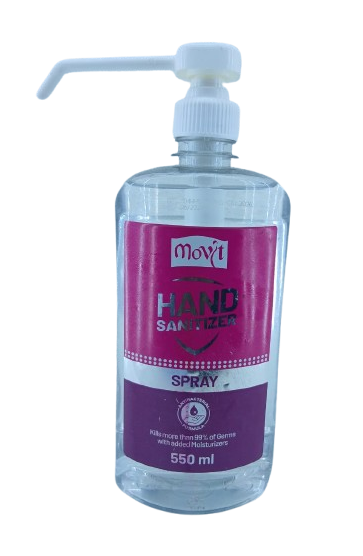
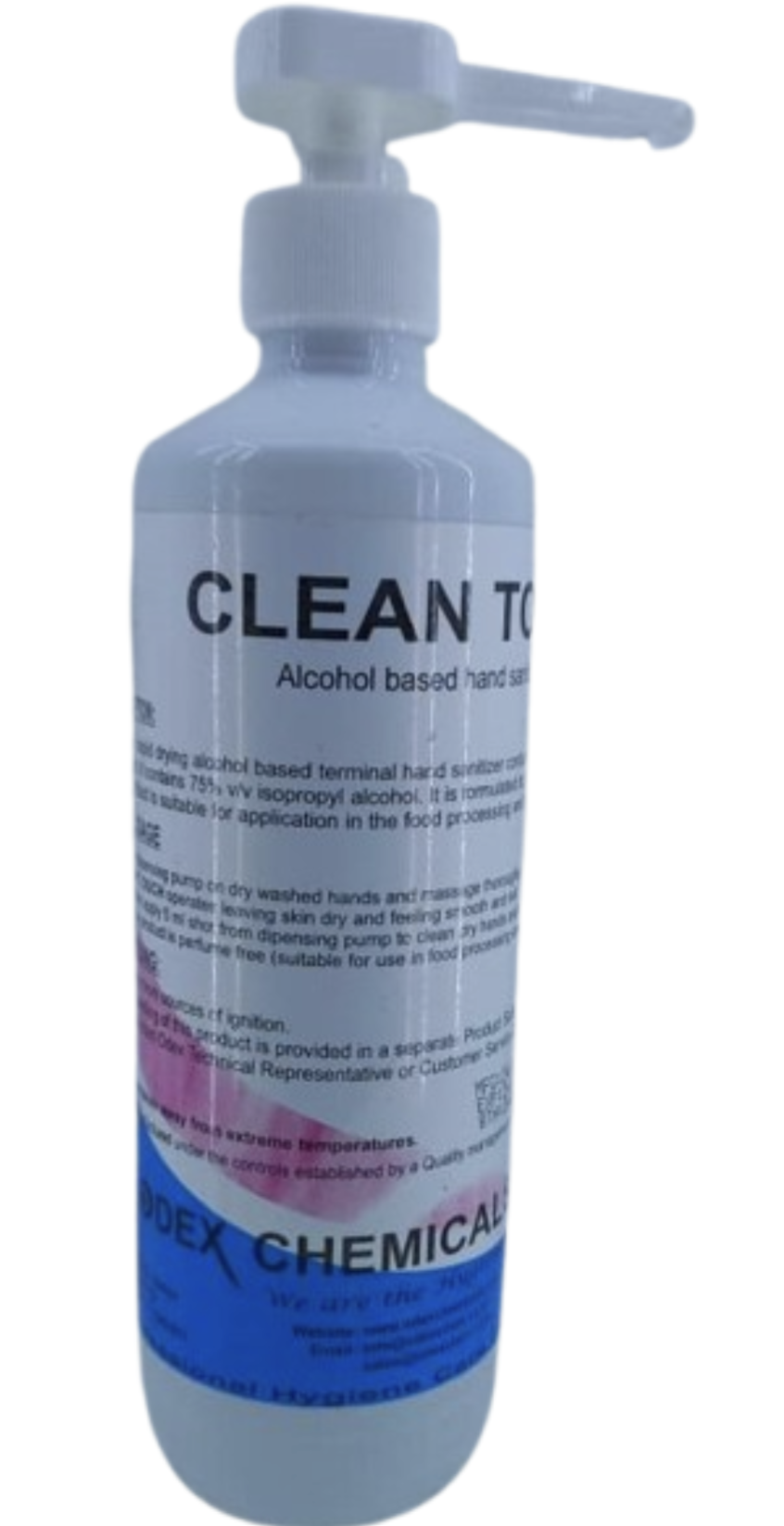
Hand sanitizer
1 small bottle Must haveClean water may be scarce, and dirty hands spread stomach illness.
How to use it: Use it before eating when you cannot wash. Keep the bottle small so it fits in a side pocket.
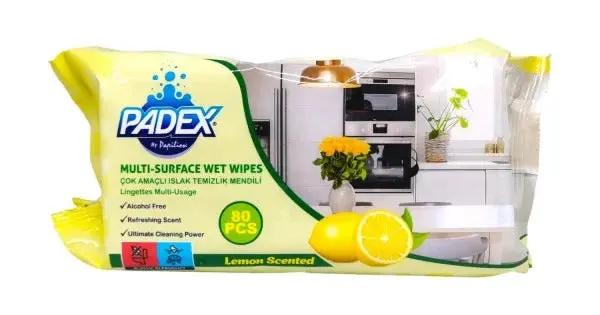
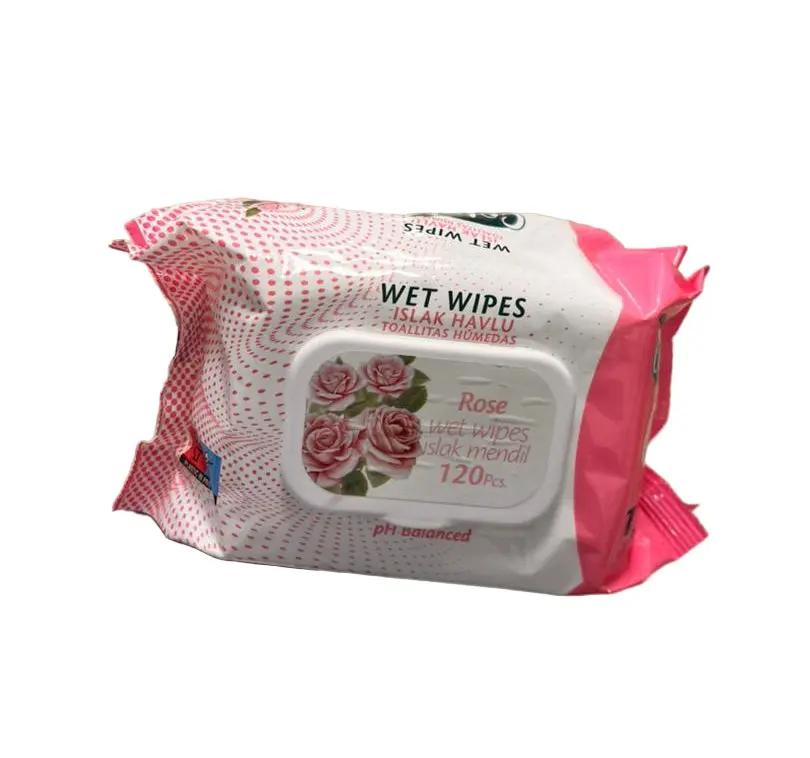
Wet wipes
1 packNice to haveWipes help when there is no water to wash with, especially with children.
How to use it: Pack a sealed pack. Do not flush them down toilets.
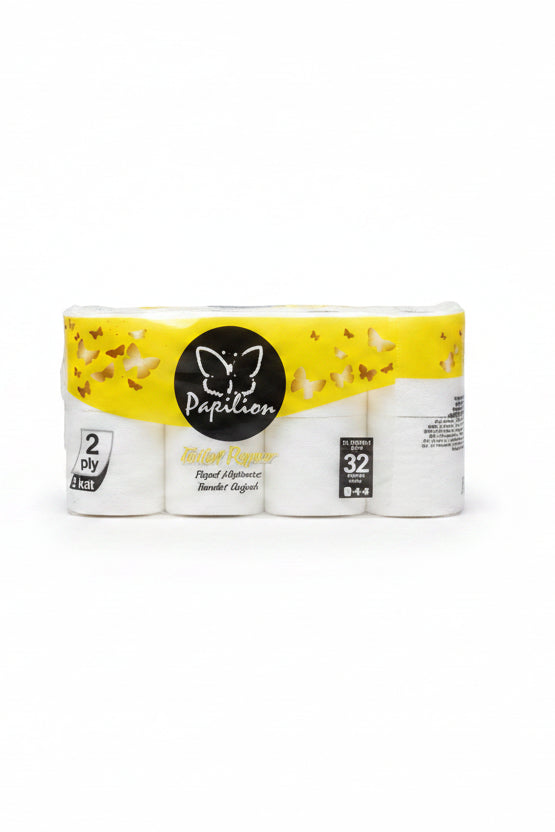
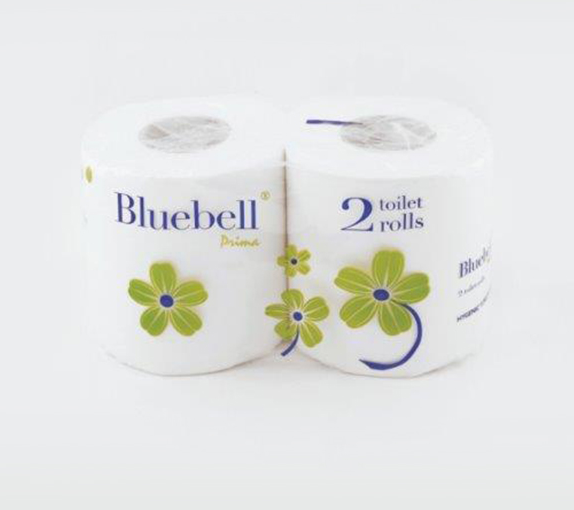
Toilet paper
1 or 2 rolls Must haveIt is rarely available in shelters or when you stay with others.
How to use it: Flatten the roll and keep it in a sealed bag so it stays dry.
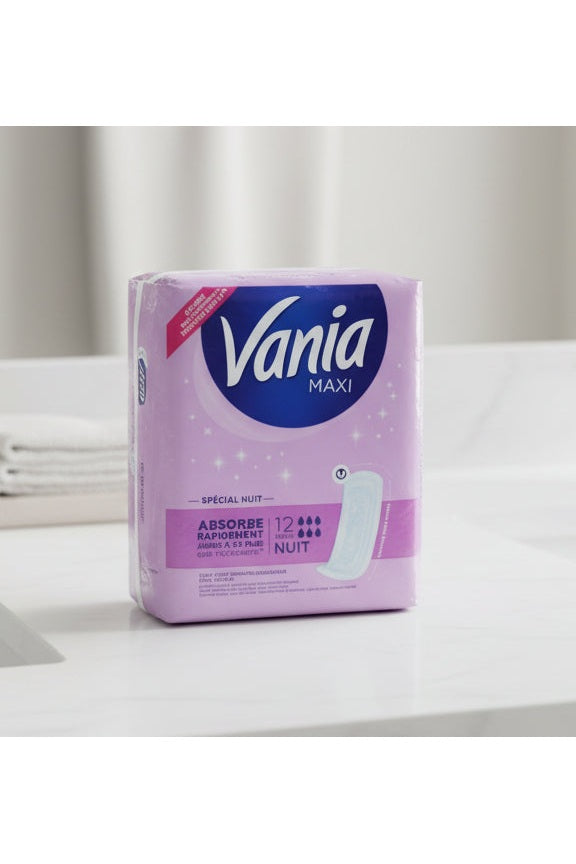
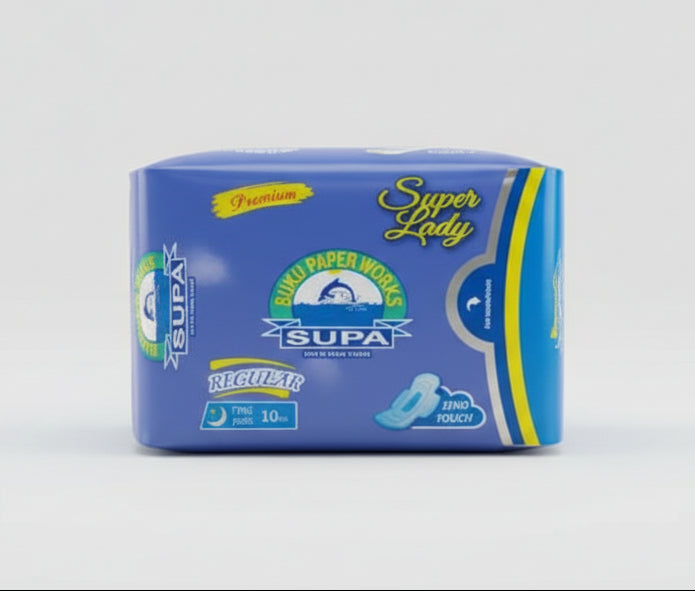
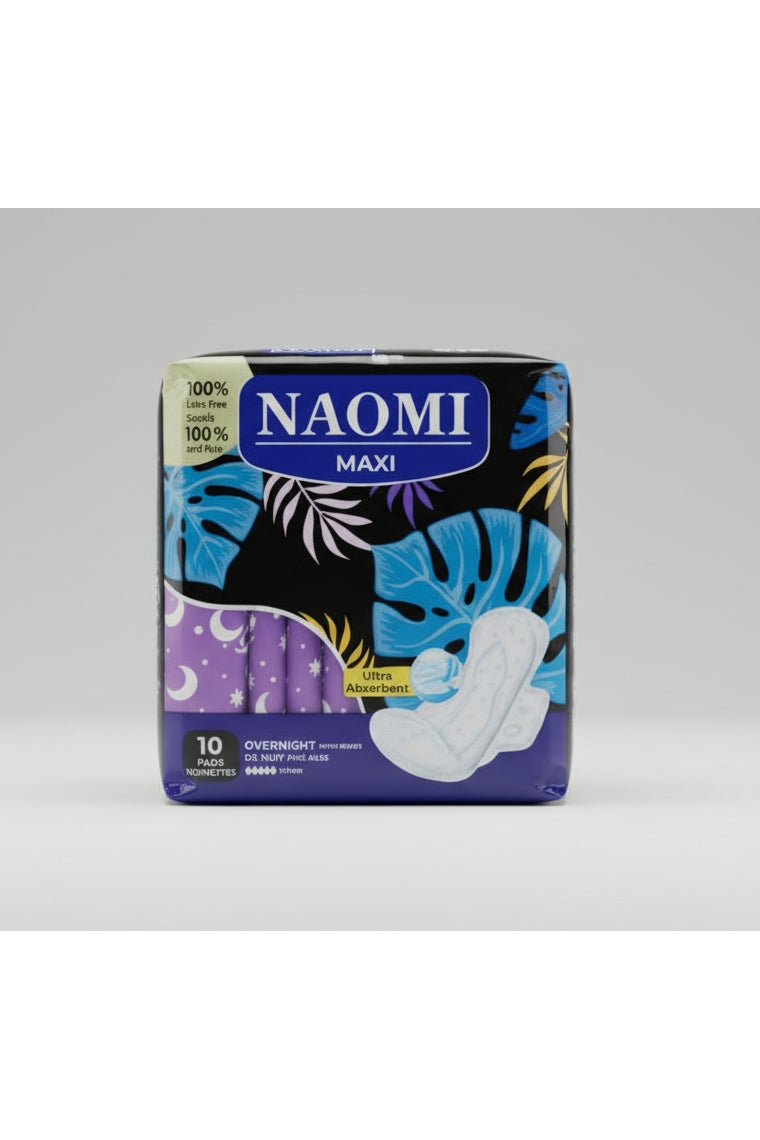
Sanitary pads
1 pack Must haveA period can start at any time, and stress can bring it early.
How to use it: Pack for each woman and girl in the family, plus a few spare.
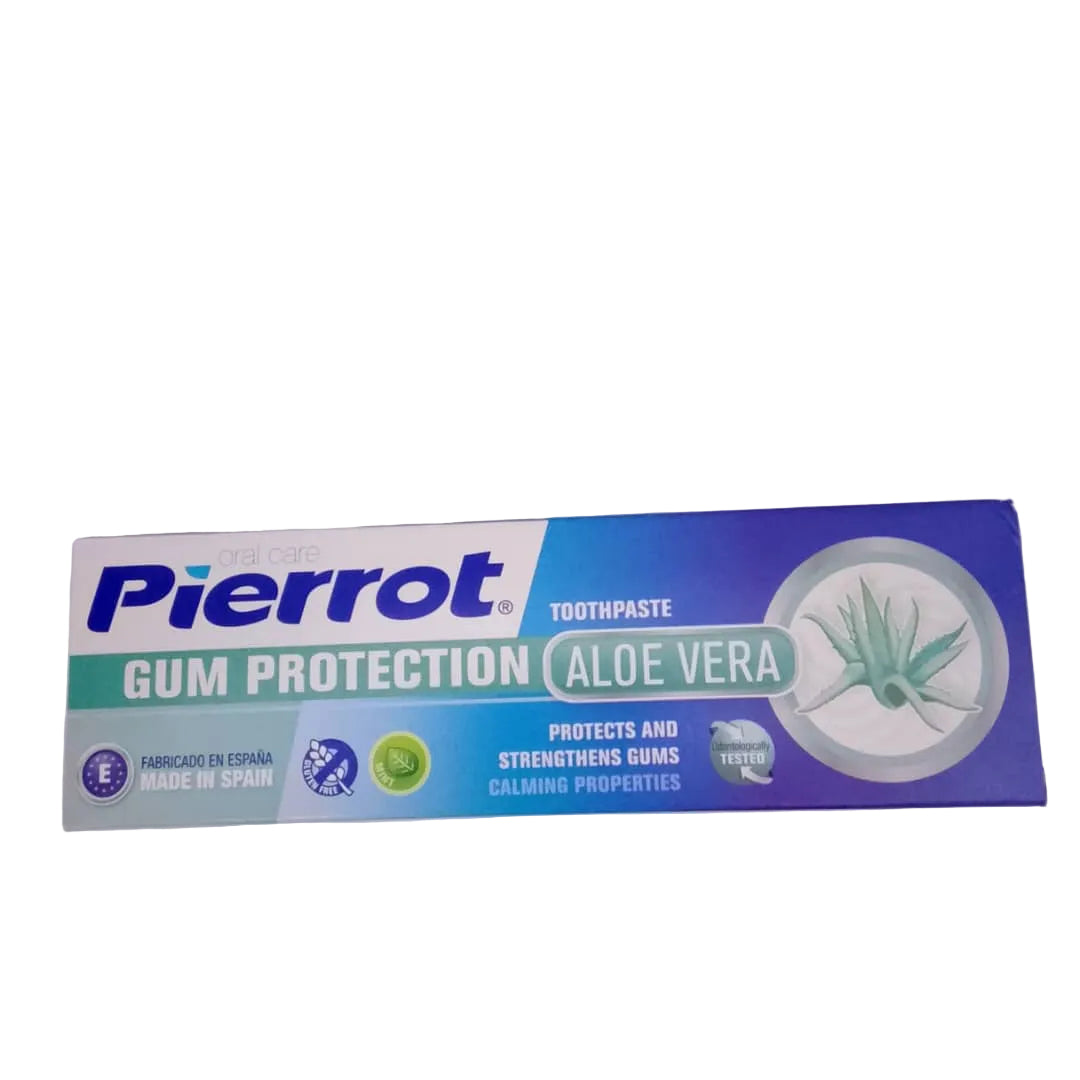
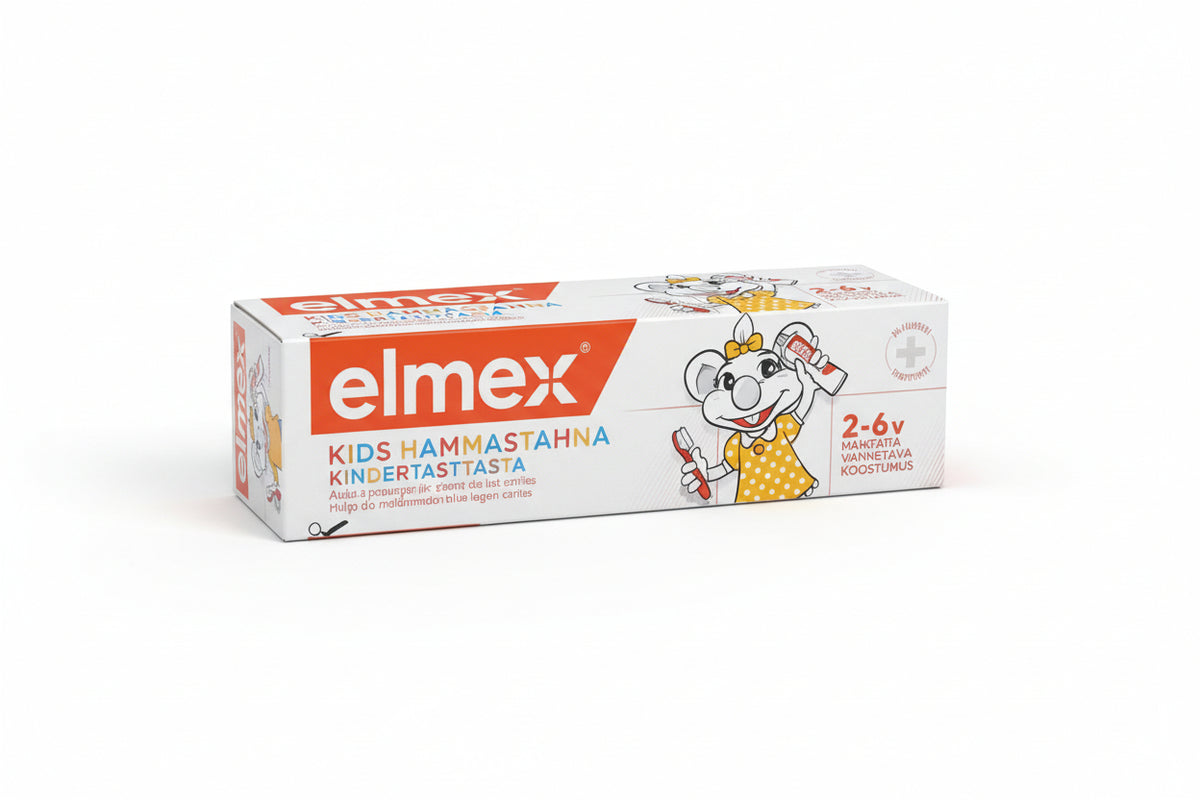
Toothbrush and toothpaste
1 set per personNice to haveSmall comforts make a stressful time easier.
How to use it: Choose travel sizes and keep them in a zip bag.
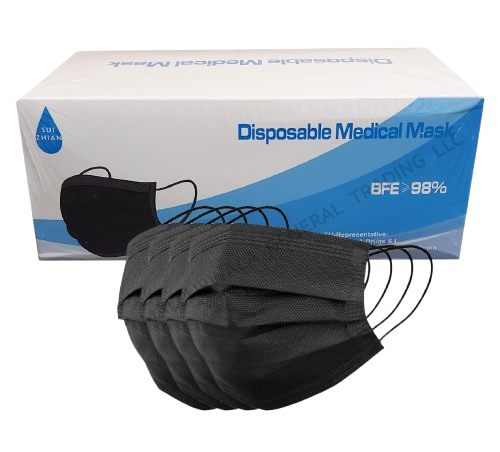
Face masks
2 per personNice to haveUseful against dust, smoke or crowded rooms.
How to use it: Choose masks that fit snugly. Keep them dry in a sealed bag.




Babies and small children
Little ones cannot cope without their own supplies, so pack for them separately.
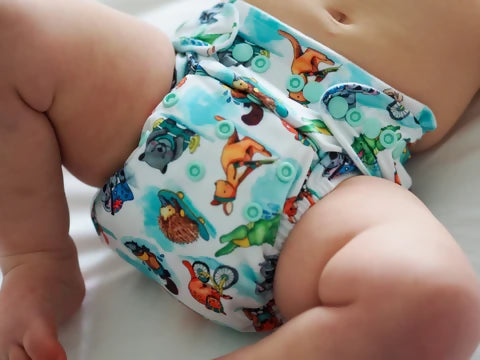
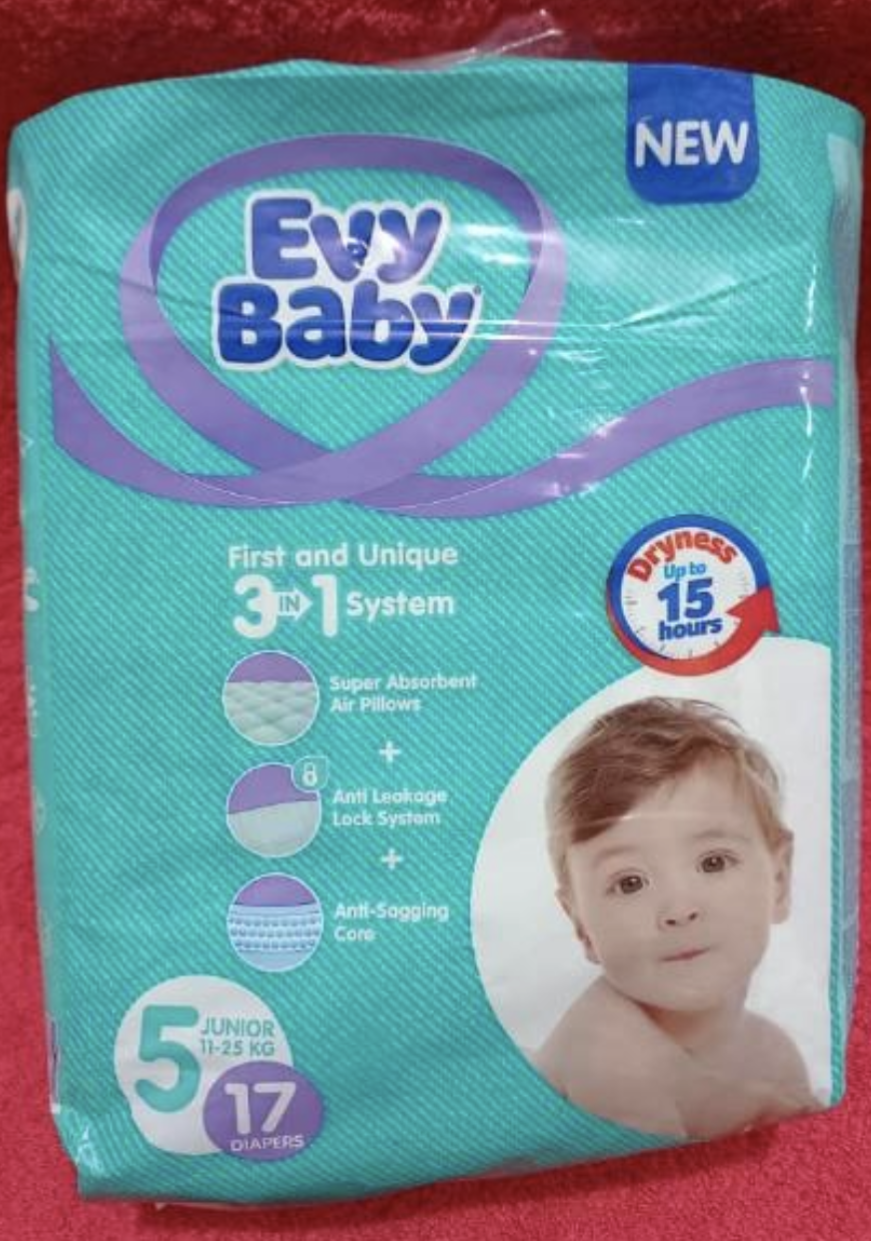
Diapers
1 day of diapers Must haveA baby in wet diapers gets sore and unhappy fast.
How to use it: Pack enough for at least 24 hours and check the size twice a year, because babies grow quickly.
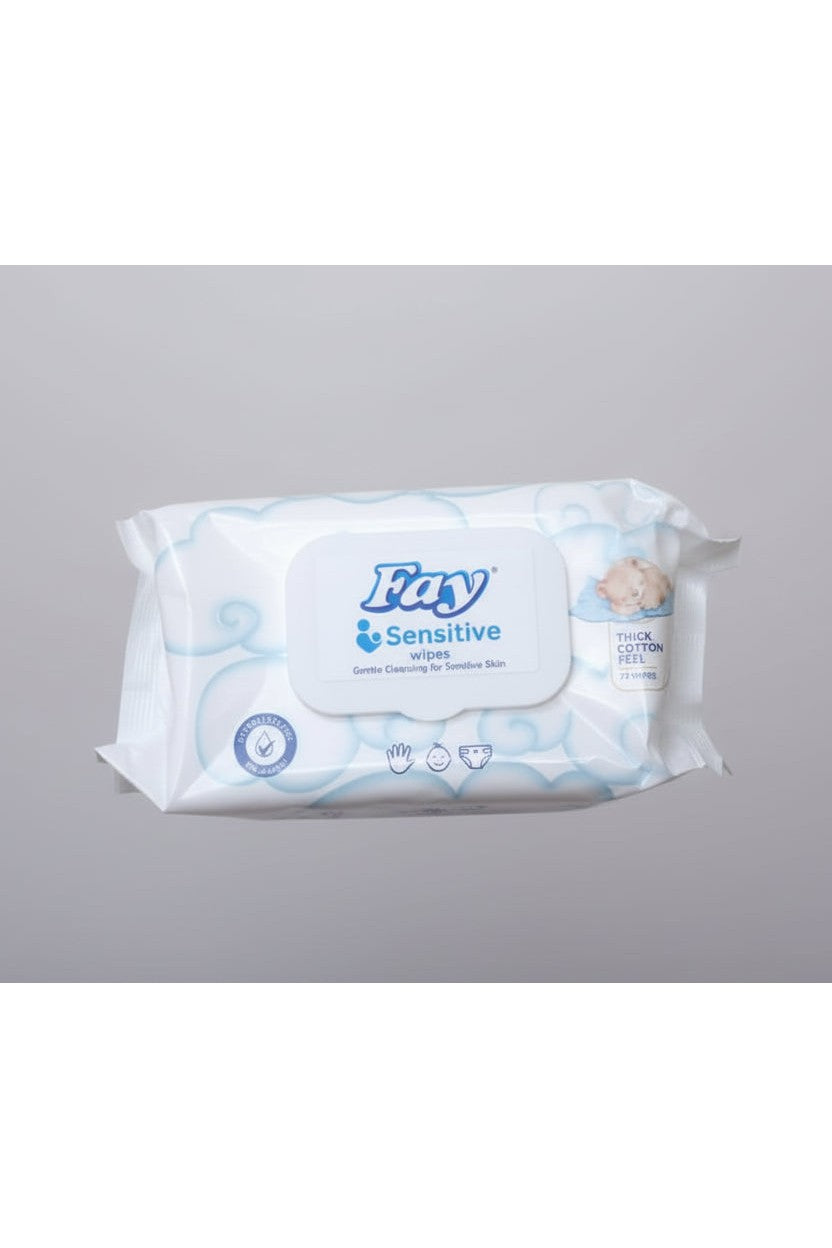
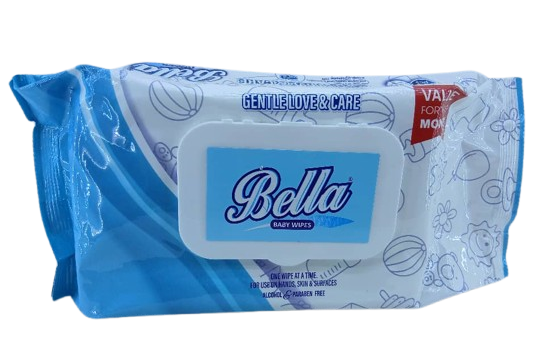
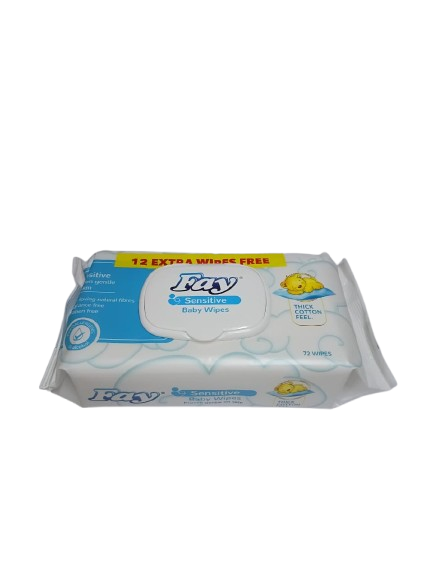
Baby wipes
1 pack Must haveThey clean hands, faces and bottoms when water is not available.
How to use it: Choose a small pack and seal it with tape.
Baby milk powder
1 small pack Must haveIf your baby takes formula, a shortage is serious. Do not switch brands in a hurry.
How to use it: Pack a small tin that matches your baby's age. Check the date and use clean, boiled water to mix it.
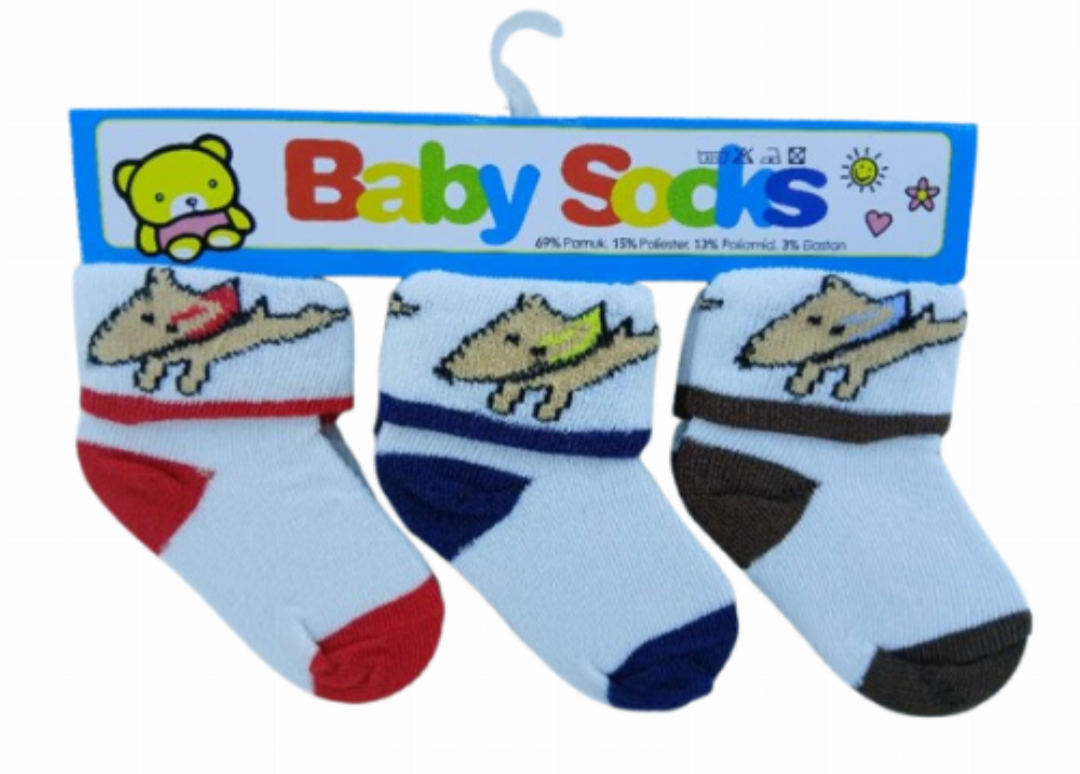
Baby socks
2 pairsNice to haveCold nights in Kigali can be hard on small feet.
How to use it: Pack two spare pairs and keep them dry.





Warmth and weather
Kigali nights are cool and rains are heavy, so dry layers matter.
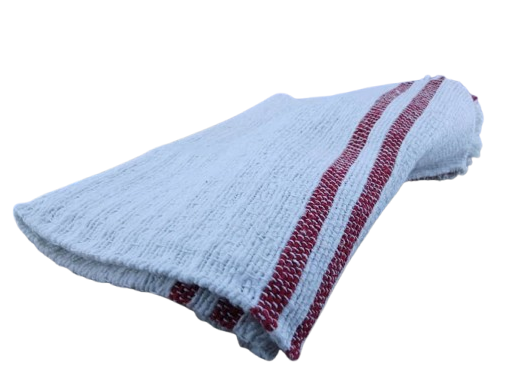
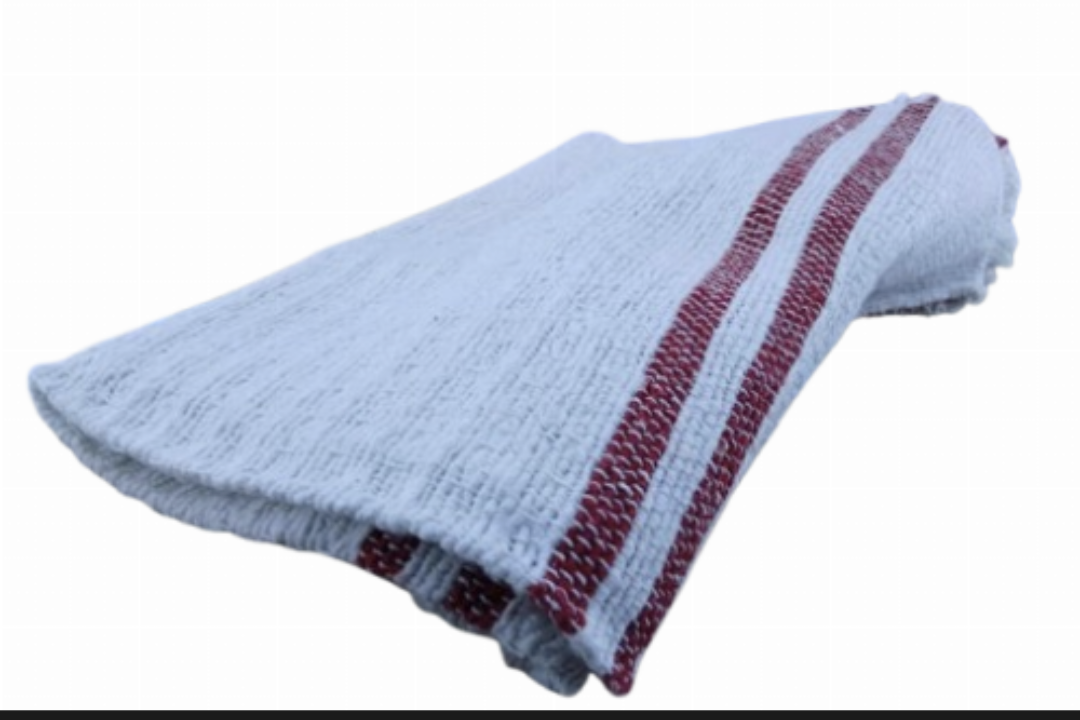
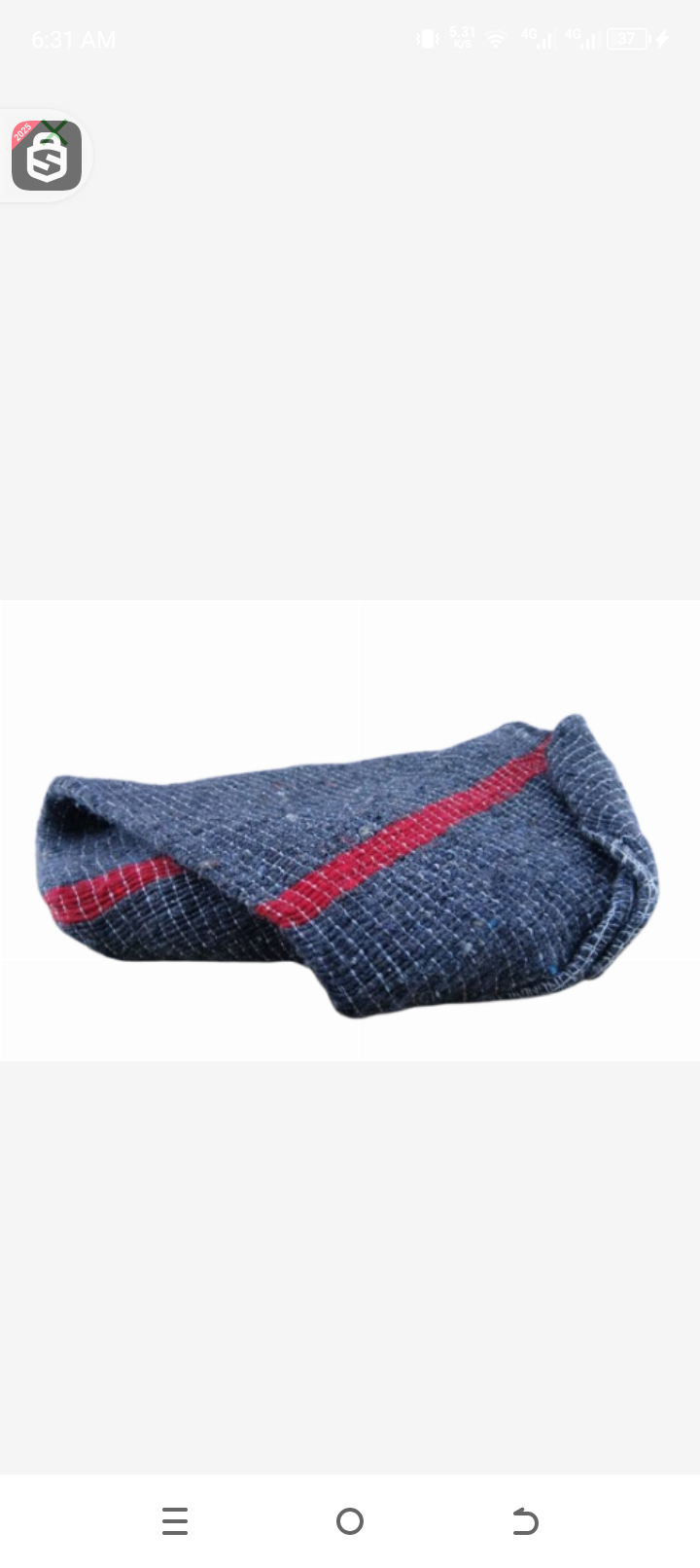
Blanket
1 per two people Must haveA blanket gives warmth and can be used as a ground sheet or shelter.
How to use it: Choose a light but warm one that folds small. Wrap it in a plastic bag against damp.
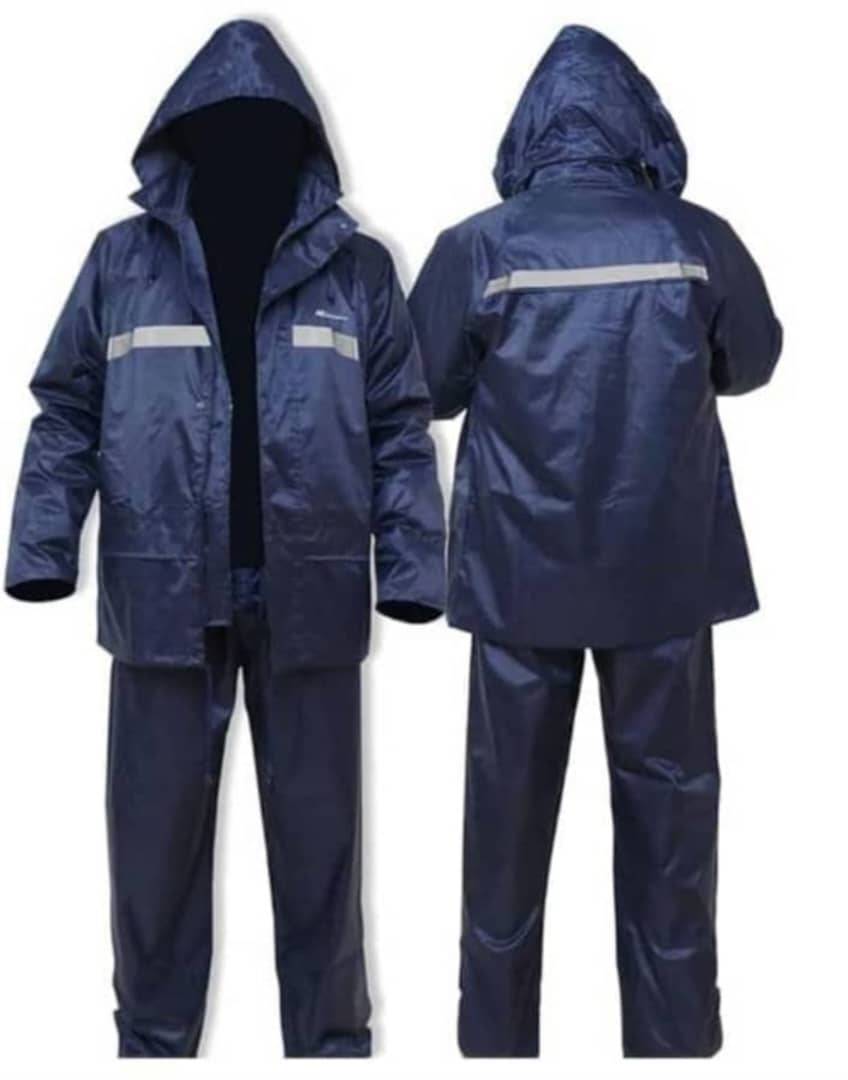
Raincoat
1 per adultNice to haveA wet person gets cold quickly. A raincoat is lighter than extra clothes.
How to use it: Pick a size that fits over a jacket and fold it into a side pocket.
Spare socks
2 pairs per personNice to haveDry feet keep you moving and prevent blisters and cold.
How to use it: Pack them in a plastic bag so they stay dry.
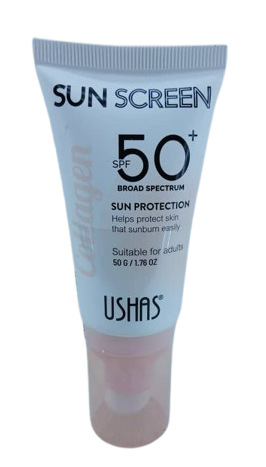
Sunscreen
1 small bottleNice to haveKigali's sun is strong, even on cloudy days.
How to use it: Choose a small bottle and apply on the face and arms when waiting outdoors.


Step by step
- 1
Pick the bag and the spot
Choose a strong backpack that fits your whole list, then pick one place near the door where everyone knows it lives.
- 2
Gather papers and cash
Copy documents, write the contact list and put small notes in a separate pocket.
- 3
Buy water, food and light
Order water, long life food, a torch, batteries and a power bank. Keep them in sealed bags.
- 4
Add health and baby items
Pack the first aid kit, pads, diapers and wipes, and check expiry dates.
- 5
Check every six months
Set a date such as Umuganda Saturday. Swap old water and food, test the torch and charge the power bank.
Tips that help
- Pack each family member's essentials in a separate pouch so nobody has to hunt for things.
- Choose a bag that every adult can carry. If it is too heavy, split it into two smaller bags.
- Use plastic bags inside the bag. Rain, floods and spilled drinks will otherwise soak everything.
- Tell every adult and older child where the bag lives.
- Check the bag on Umuganda Saturday, the last Saturday of the month, or at least when each rainy season starts.
- Keep a list taped inside the bag with the date you last checked it.
- Share the plan with a trusted neighbor or relative so someone knows where you would go.
Mistakes to avoid
- Packing too much. A bag you cannot lift quickly will be left behind.
- Forgetting to replace water, food and batteries, which expire.
- Keeping the only copy of important papers in the bag, with no photo on your phone.
- Burying the bag at the back of a cupboard behind other things.
- Leaving out items for babies, older family members and anyone who takes regular medicine.
Questions people ask
How much water should a go bag hold?+
A common rule is about 2 litres per person per day. Aim for at least one day in the bag and store more at home. Weight limits what you can carry, so keep the extra at home.
How often should I check my go bag?+
Every six months is a good rhythm. Replace water and food, test the torch, charge the power bank and check that clothes still fit the children.
Where is the best place to keep it?+
Near the main door or somewhere you can reach quickly, away from damp and sun. Every adult should know where it is.
Should I put prescription medicine in the bag?+
Pack a few days of regular medicines, labeled and in their original packs. Ask your doctor or pharmacist how to store them and how often to swap them.
Do I need a different bag for each person?+
Not always. One shared bag is enough for a couple, but a family with young children can pack a small bag each so everyone carries something.
Can I use things I already have at home?+
Yes. Start with what you own, such as a backpack, blankets and a torch, and buy only what is missing.
A go bag is a small act of care for the people you love. Build it one section at a time, and shop the list on Isokko so water, food and light arrive at your door.
Shop this list
Get everything delivered in Kigali
Order from local stores on Isokko and pay with MoMo, card or cash. Same-day delivery.