
Checklist · Emergencies & power cuts
Fire Extinguisher and Blanket for a Kigali Home: What to Buy
How to choose, place and care for a fire extinguisher and fire blanket in your Kigali home, plus the small safety items that go with them.
Updated November 25, 2026 · By Isokko
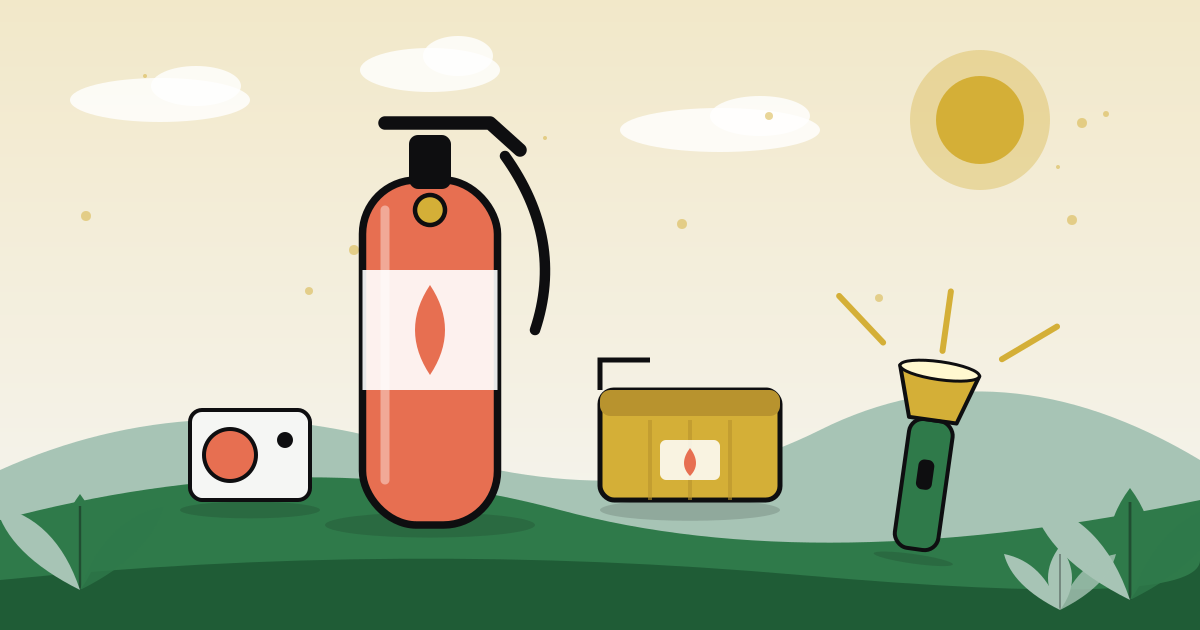
Most house fires start small: a pan of oil, an overloaded socket, a candle left lit. A fire extinguisher and a fire blanket give you a chance to stop a small fire before it grows, as long as you can reach them and know how to use them.
This checklist helps you choose the right gear, place it where it helps, and add the small habits and items that prevent fires in the first place. Your safety is more important than your belongings. If a fire is bigger than a small bin, leave and call for help.
The extinguisher and the fire blanket themselves usually come from a safety equipment supplier, so ask about type, size and service dates. The supporting items on this list are the ones you can order on Isokko.
Who it's for
Households in Kigali apartments and compound houses, especially with gas cookers
Time needed
One afternoon to choose and mount, then a 5 minute check each month
When to shop
Buy before you start using a new gas cylinder or move into a new home
On the list
17 items, 6 must haves
0 of 17 ready
Mounting and labeling
Gear is only useful if everyone can find it in seconds.
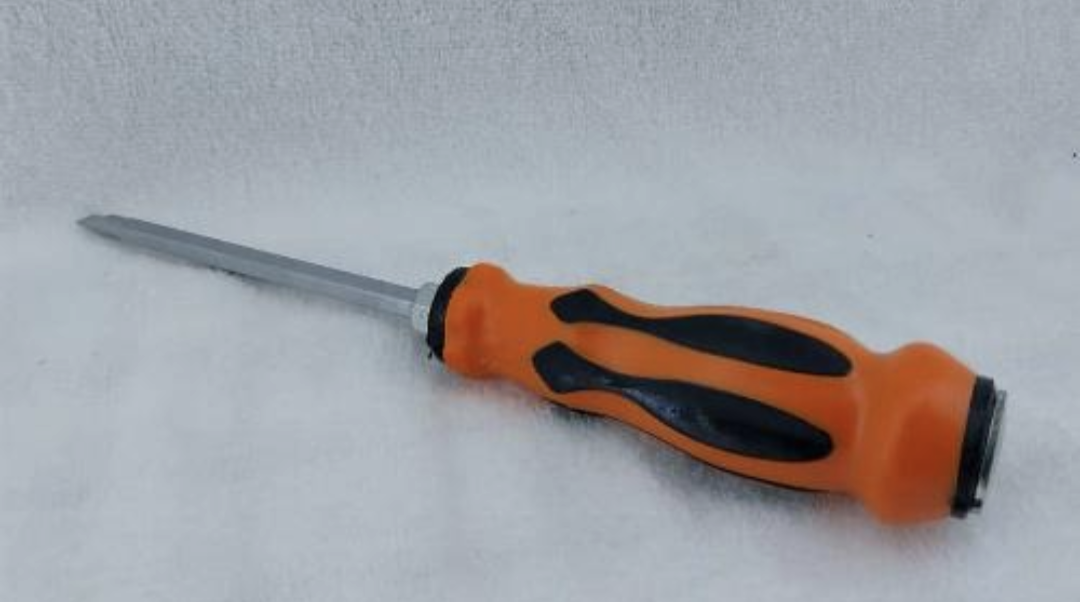
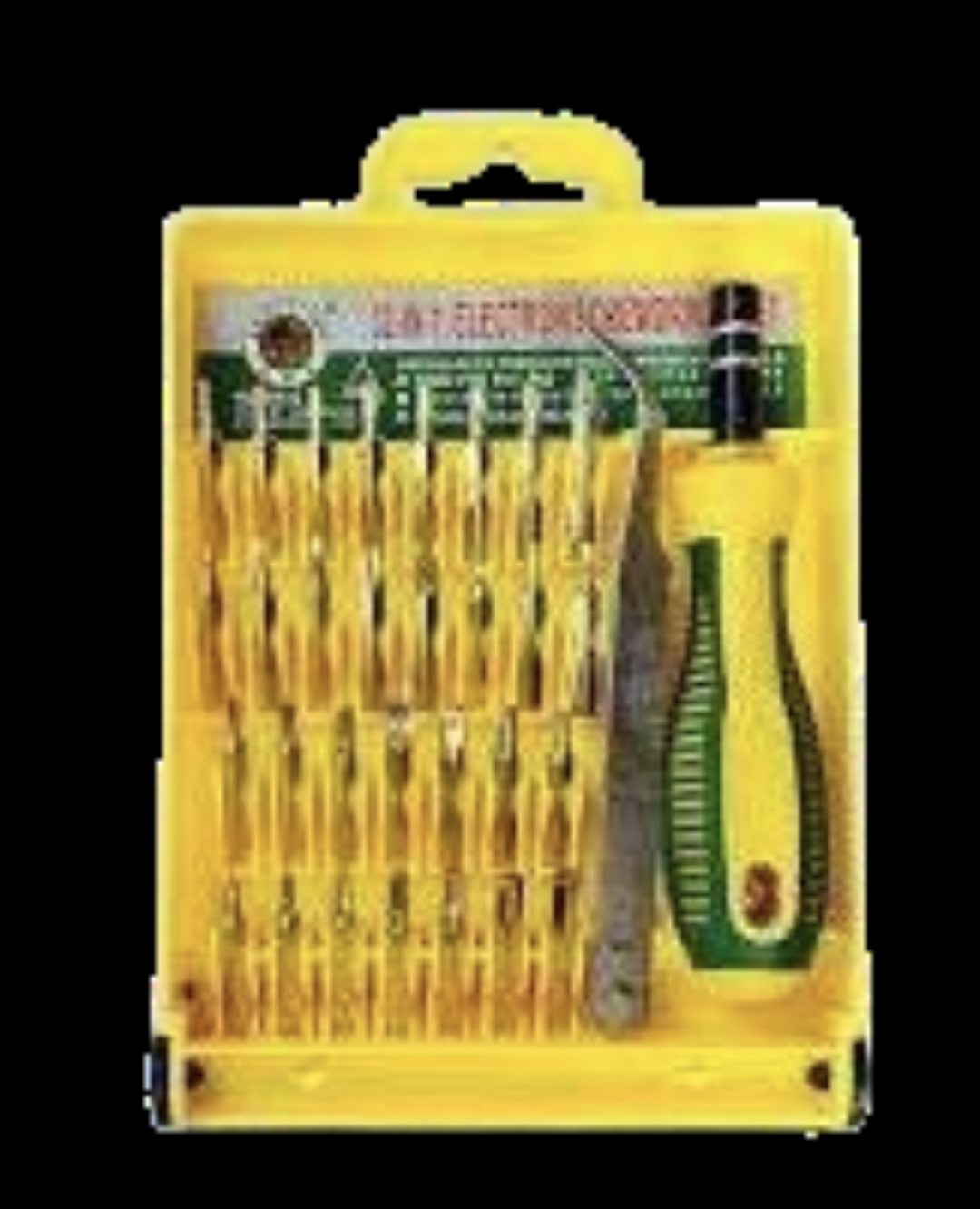
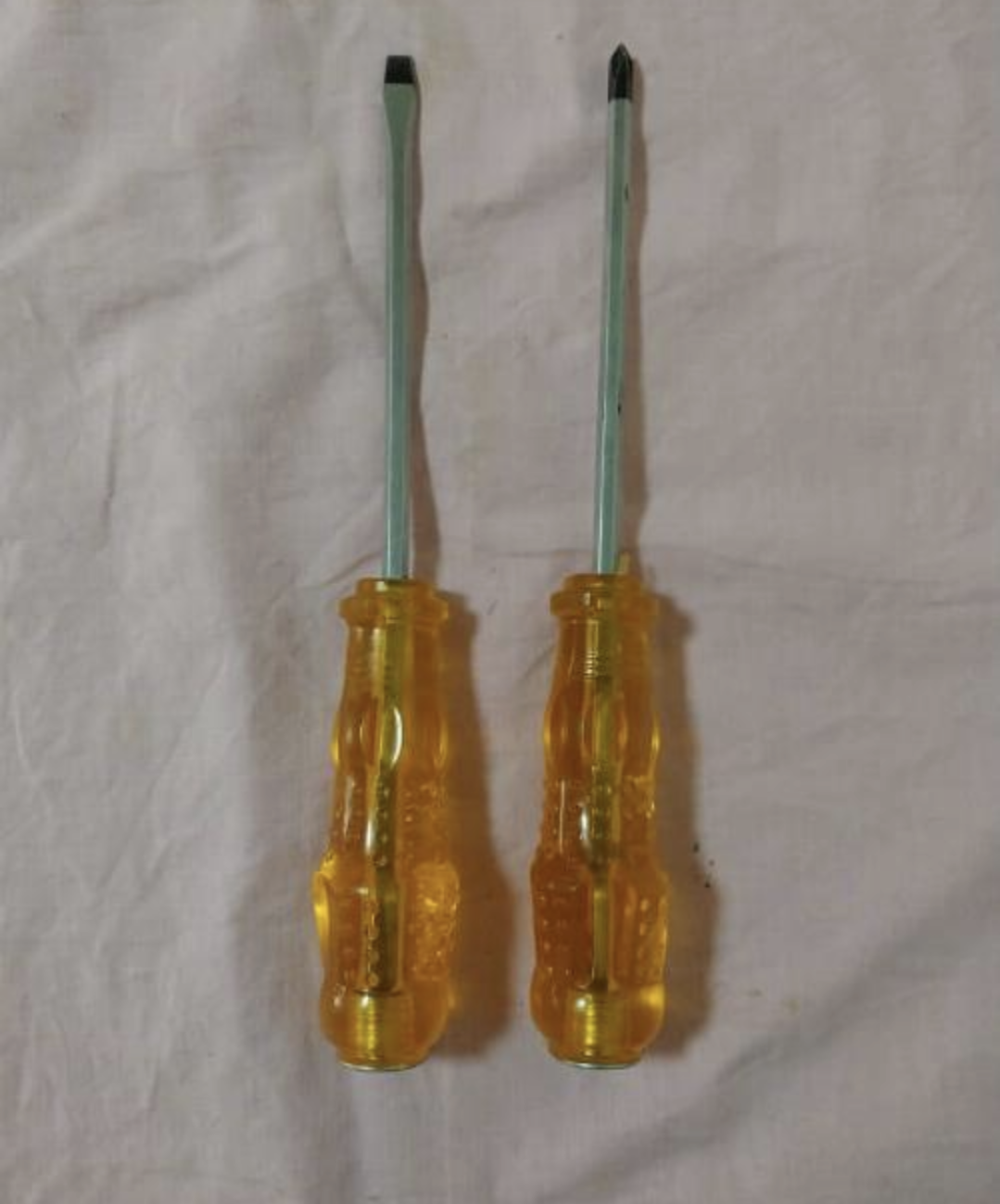
Screwdriver
1 Must haveYou need a screwdriver to fix the bracket and later to check the fixings.
How to use it: Pick a size that matches the screws and tighten until the bracket does not move.
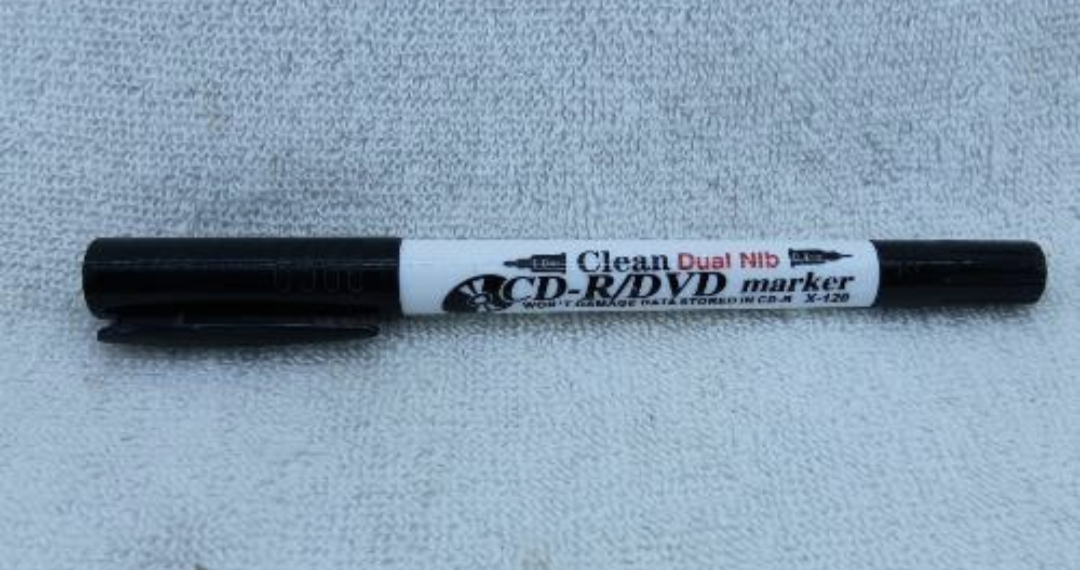
Marker pen
1Nice to haveWrite the install date and check dates on a card beside the unit.
How to use it: Use a permanent marker so the dates do not smudge.
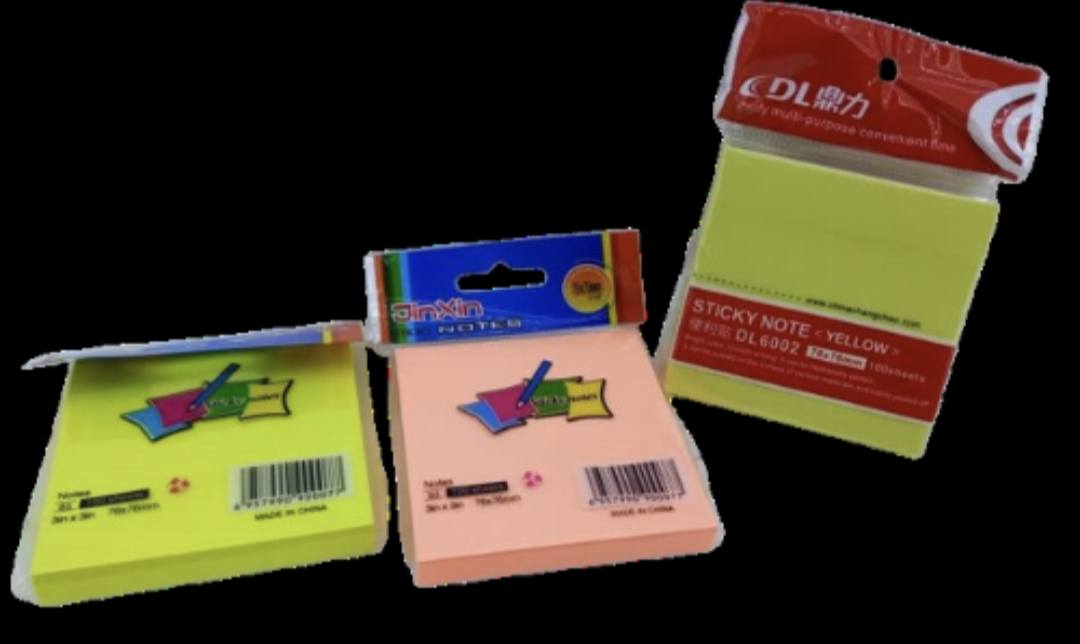
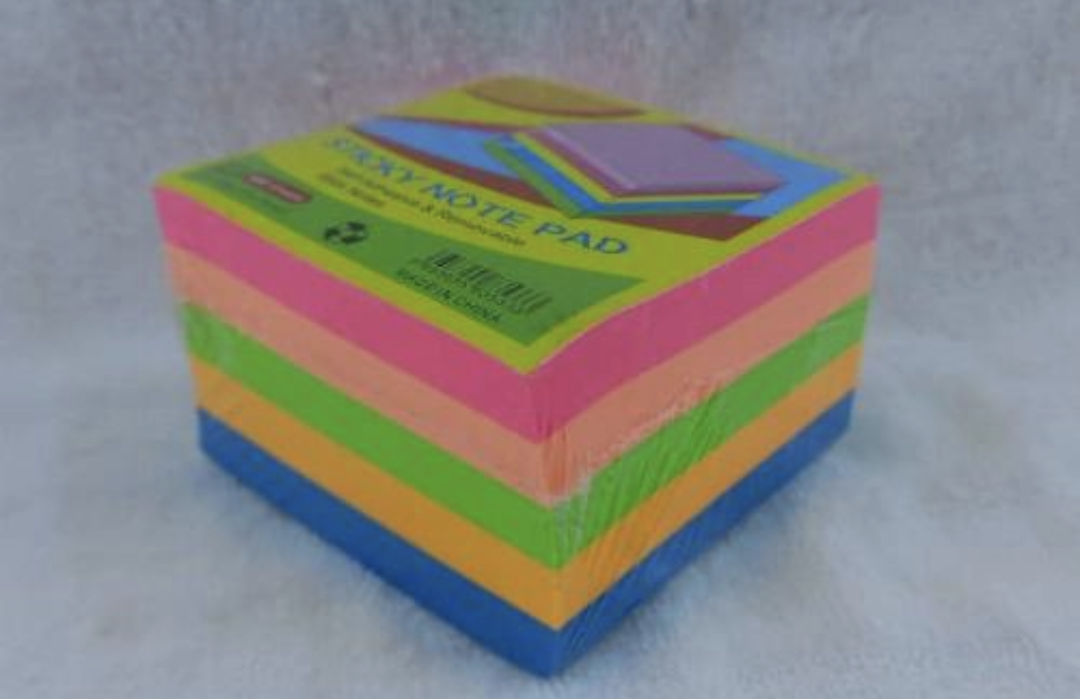
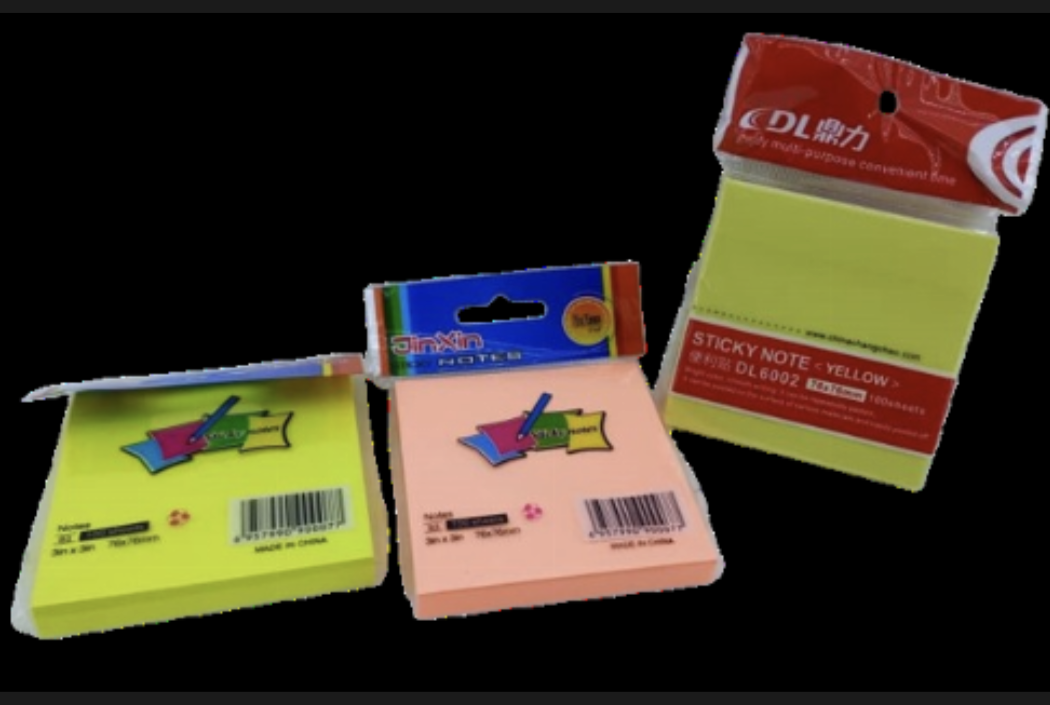
Sticky notes
1 padNice to haveQuick labels for the family: where it hangs and how to use it.
How to use it: Write simple steps such as pull, aim, squeeze, sweep. Stick them near the unit.
Notebook for monthly checks
1Nice to haveA short log shows when you last checked the gauge, the pin and the hose.
How to use it: Write the date every month, for example on Umuganda Saturday. Replace anything that looks damaged.

Kitchen safety
Cooking is a common cause of home fires. Small habits and a few items make a big difference.
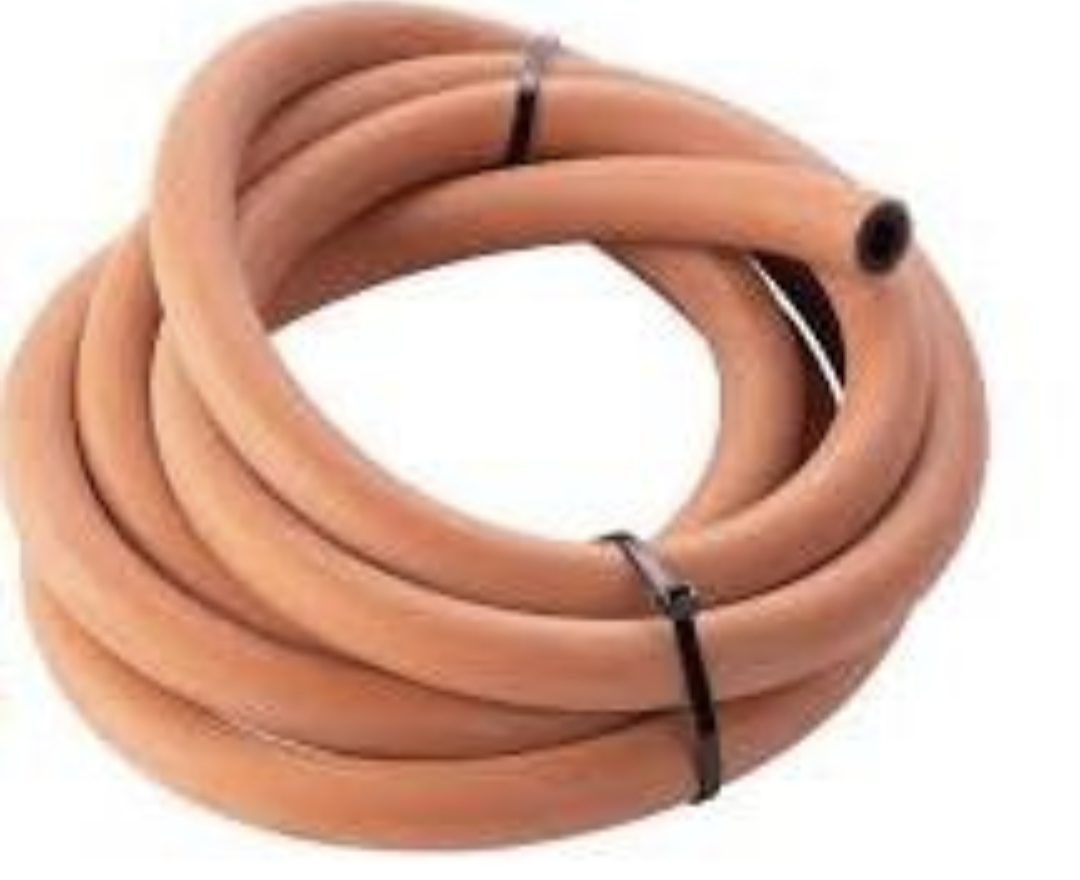
Gas cooker hose
1 Must haveOld or cracked hoses are a danger. Check yours.
How to use it: Look for cracks and stiffness. Replace the hose if it looks old, and check the connection with soapy water for bubbles.
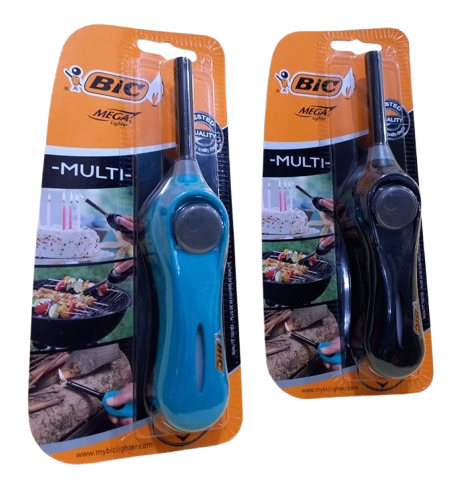
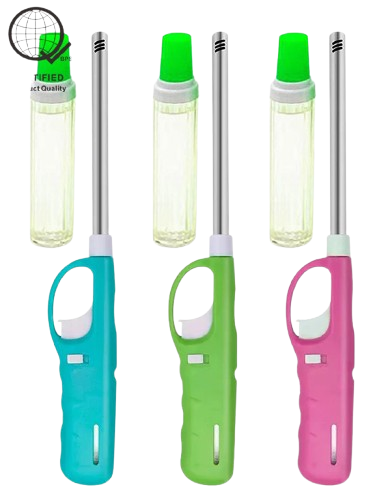
Gas lighter
1Nice to haveA long lighter keeps your hand away from the flame and is safer than a short match.
How to use it: Keep it away from children and from heat.
Oven gloves
1 pair Must haveBurns often happen when people grab hot pans with a wet cloth.
How to use it: Keep a pair of dry gloves within reach of the cooker.
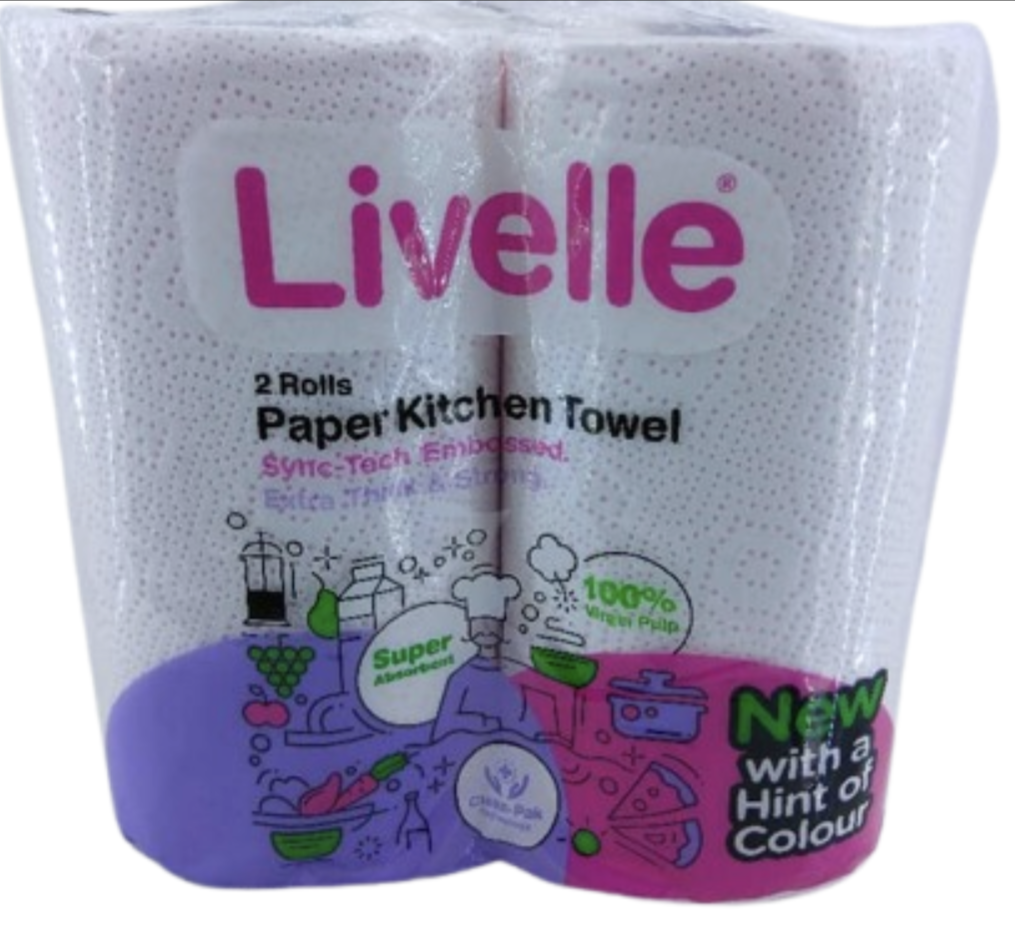
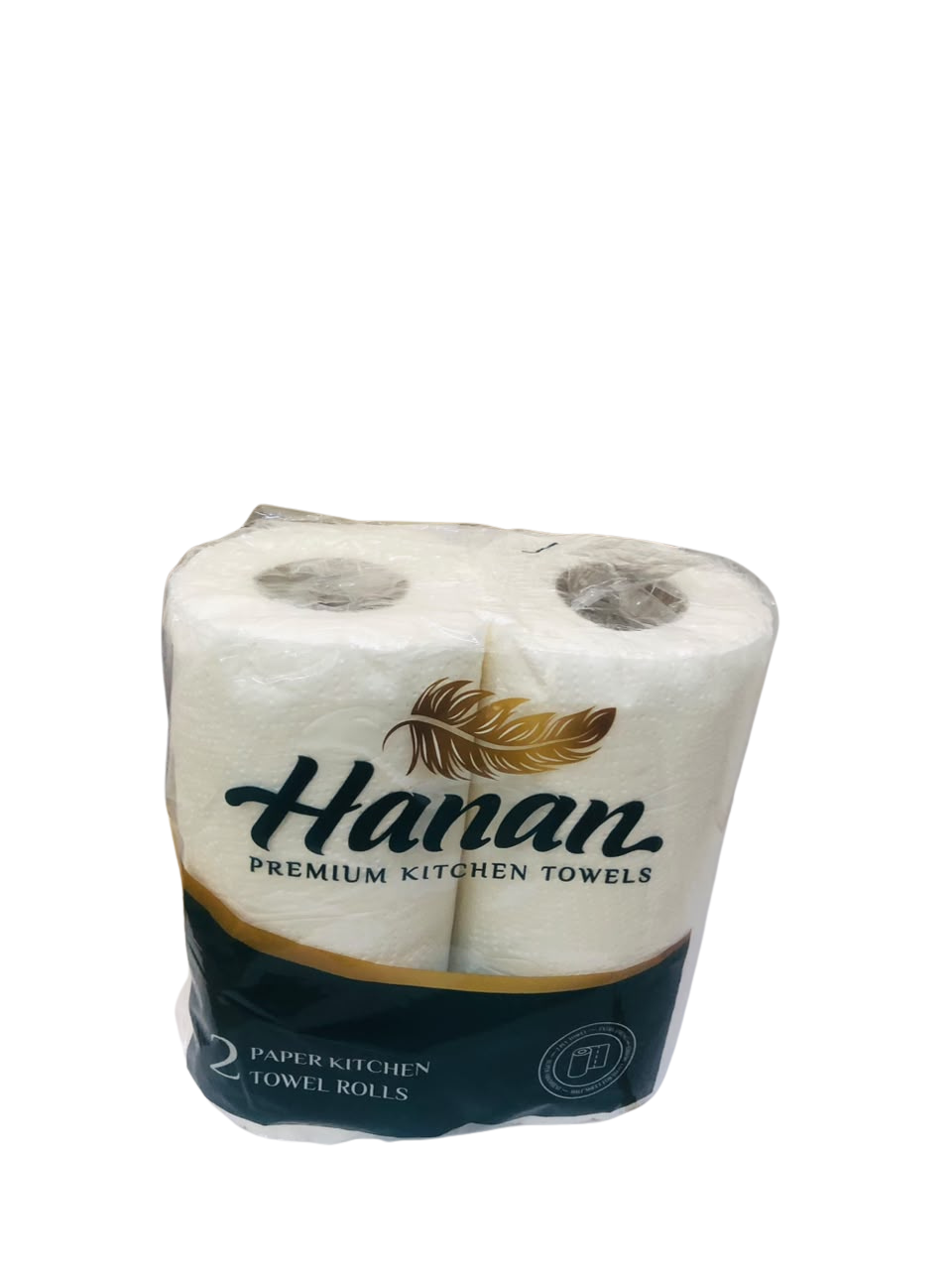
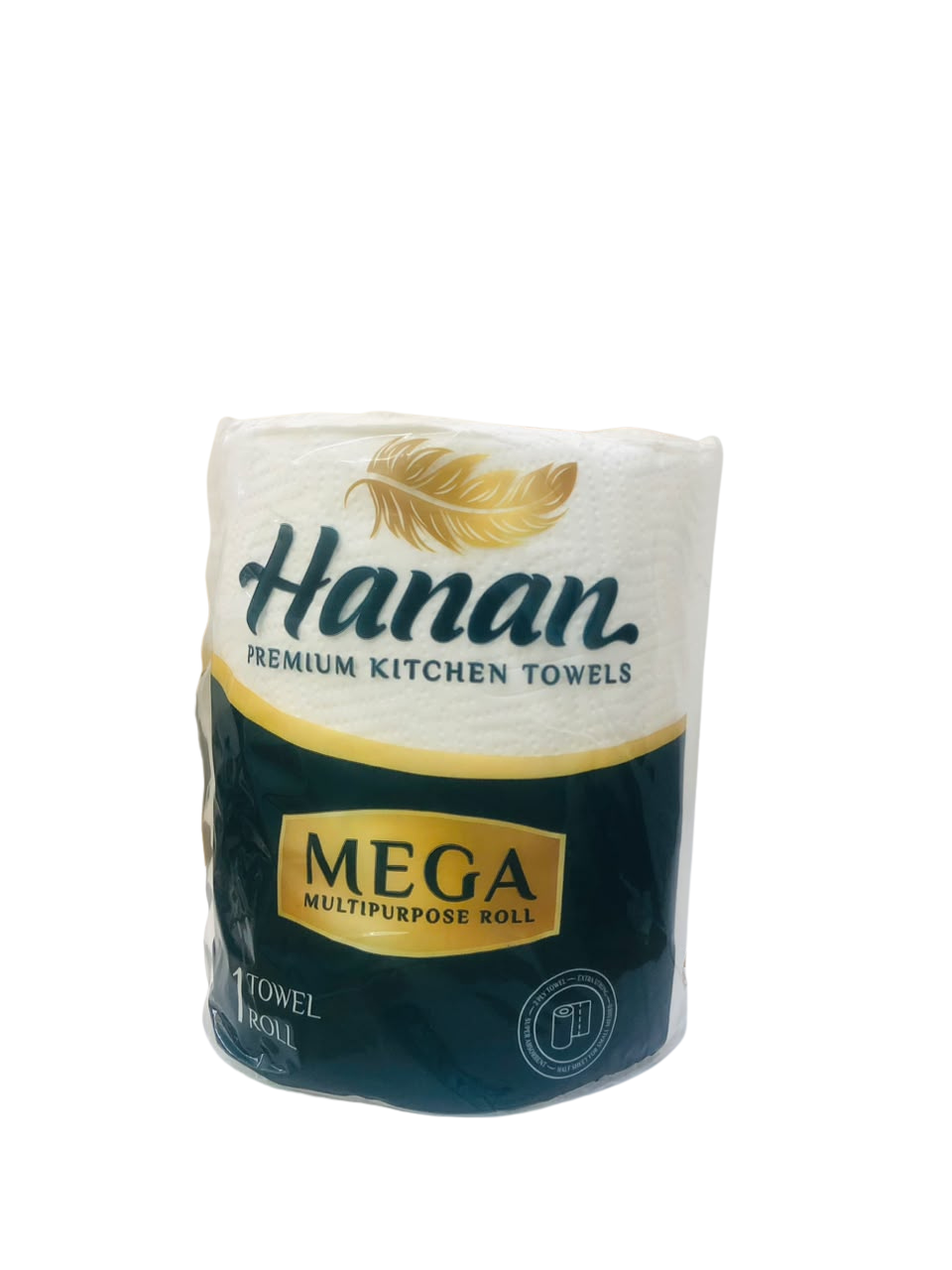
Kitchen paper towels
1 or 2 rollsNice to haveUseful for wiping up oil spills before they become a hazard.
How to use it: Keep them away from the flame and do not use them to hold hot pots.
Electrical safety and light
Overloaded sockets and old cables can start a fire, and power cuts bring candles and torches into the house.
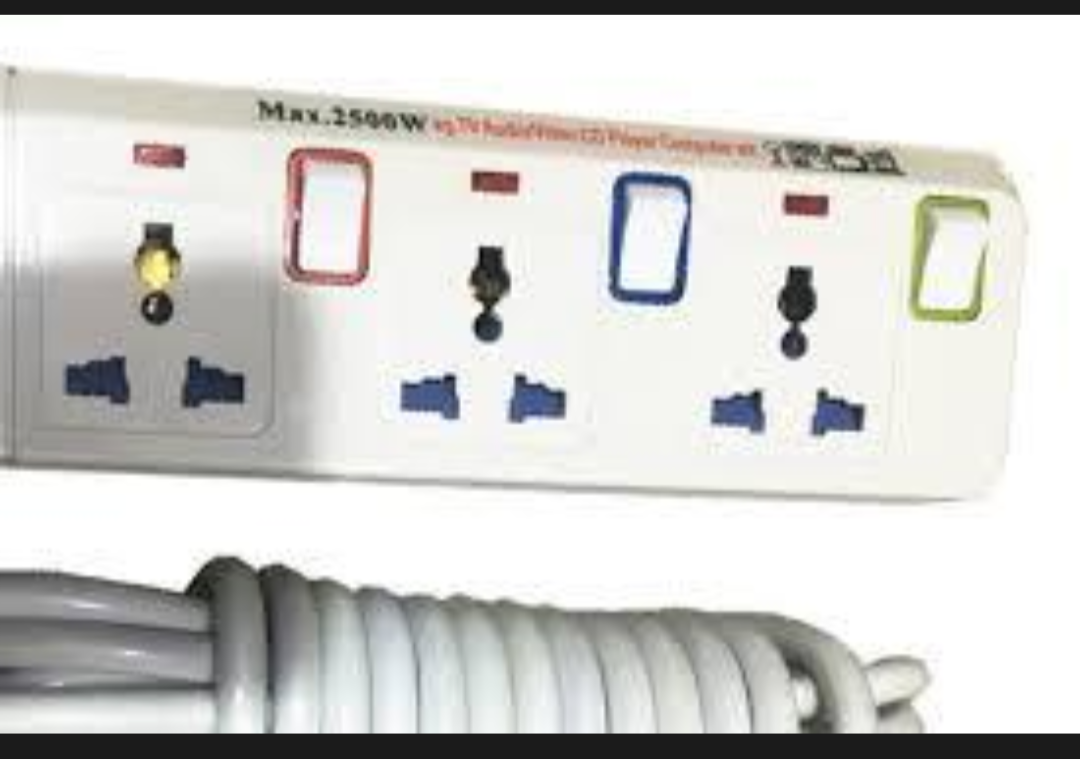
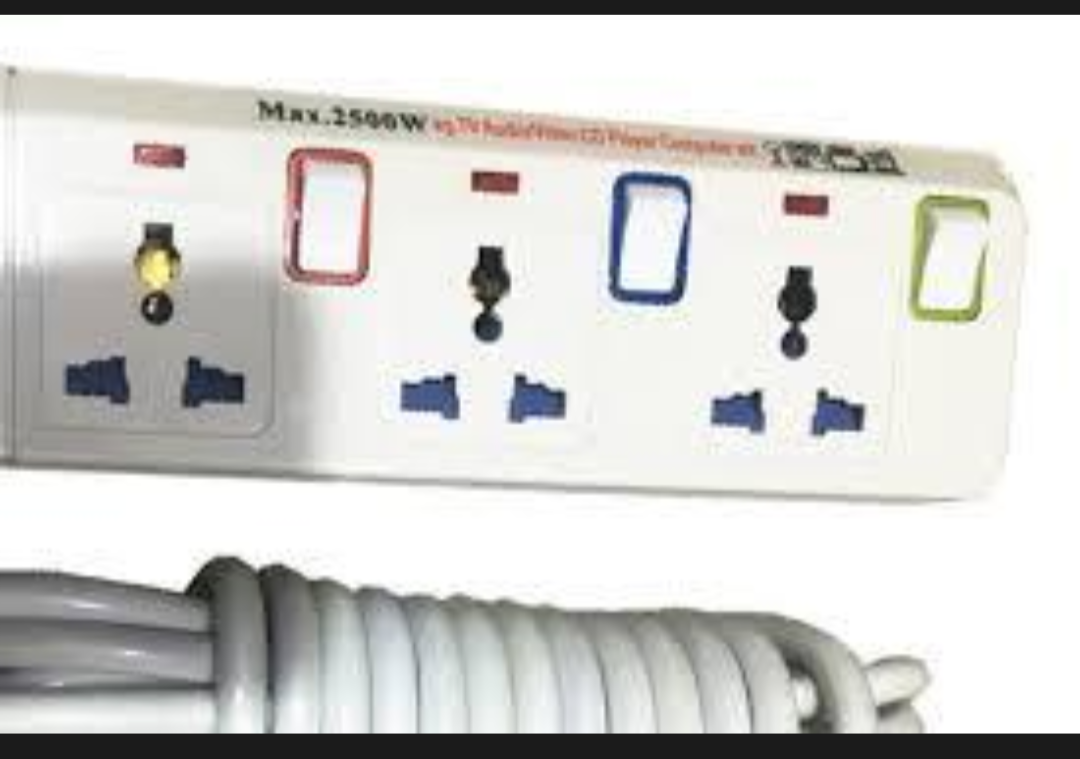
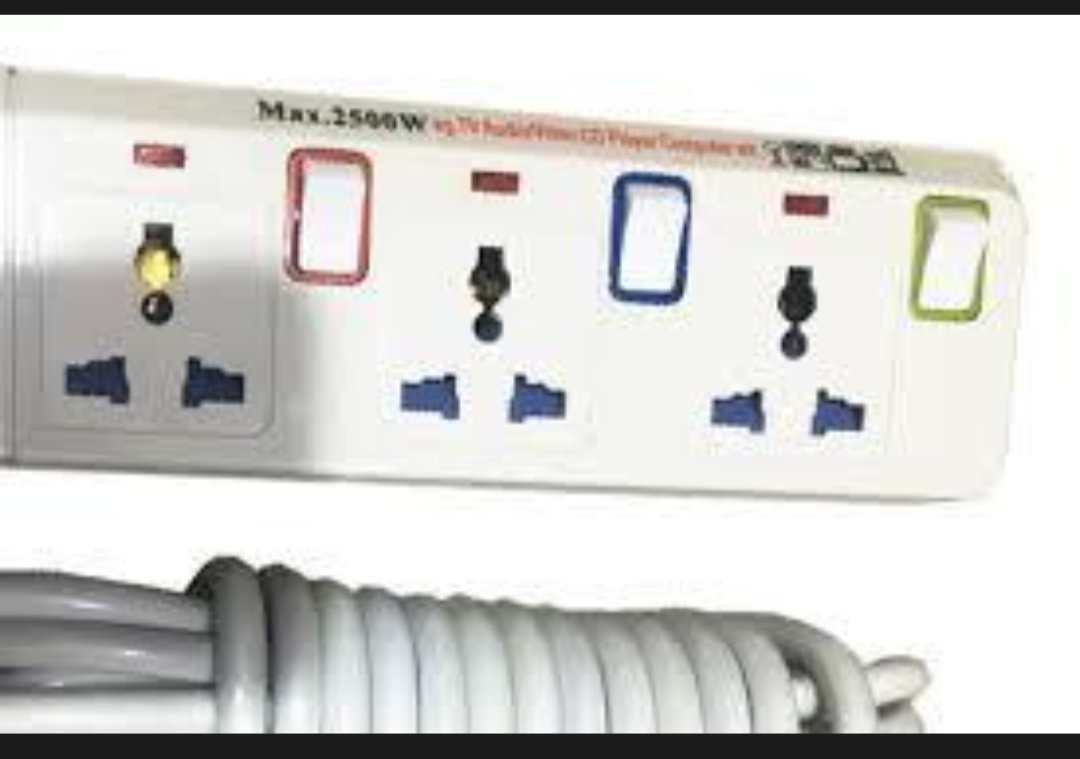
Multi socket with a switch
1 per room Must haveIt lets you switch off everything at once and spreads the load.
How to use it: Do not plug heaters or irons into a multi socket. Plug those directly into the wall.
Extension cord
1Nice to haveA good cord is safer than a long chain of adapters.
How to use it: Unroll it fully before use, since a coiled cord can overheat.
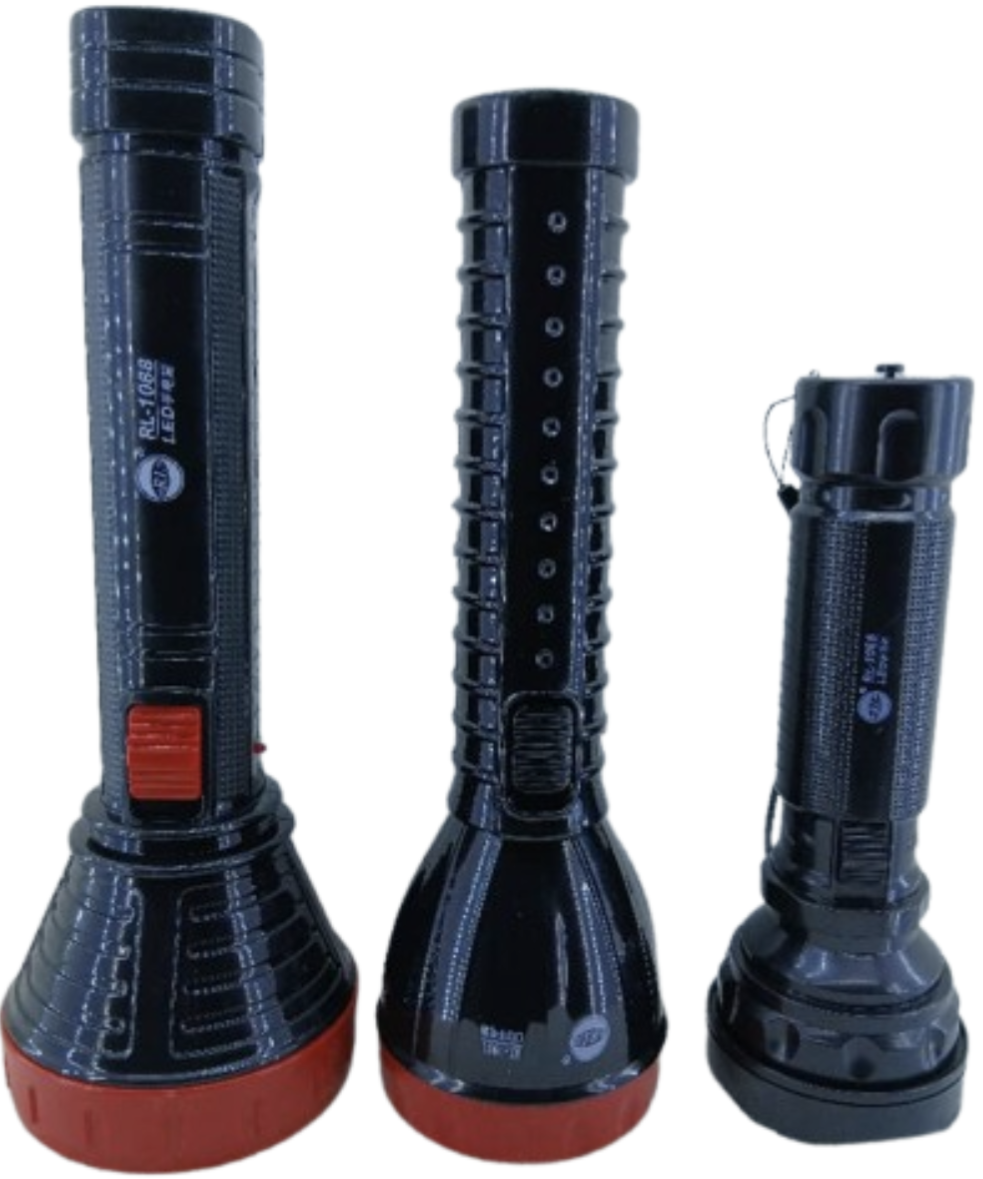
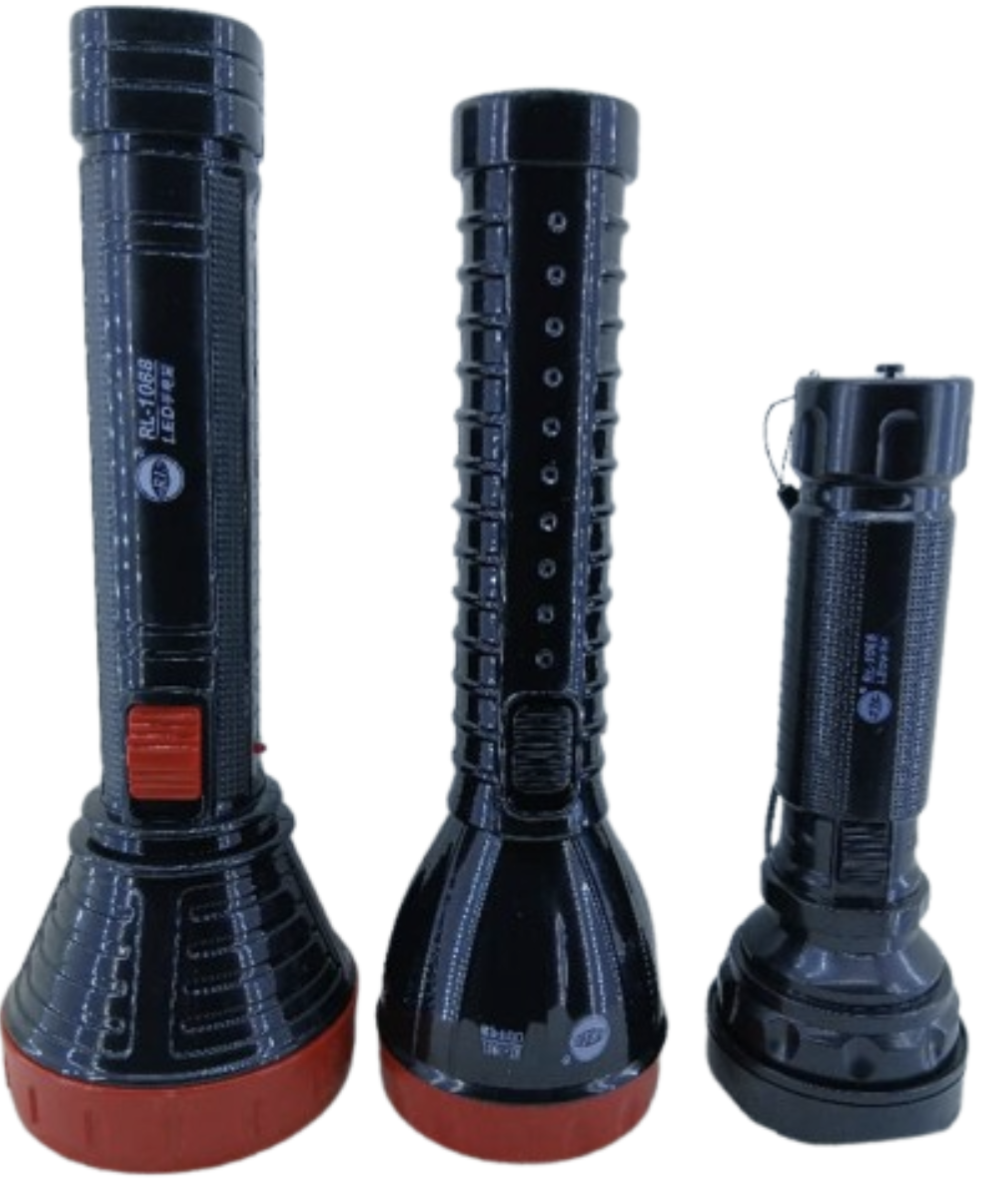
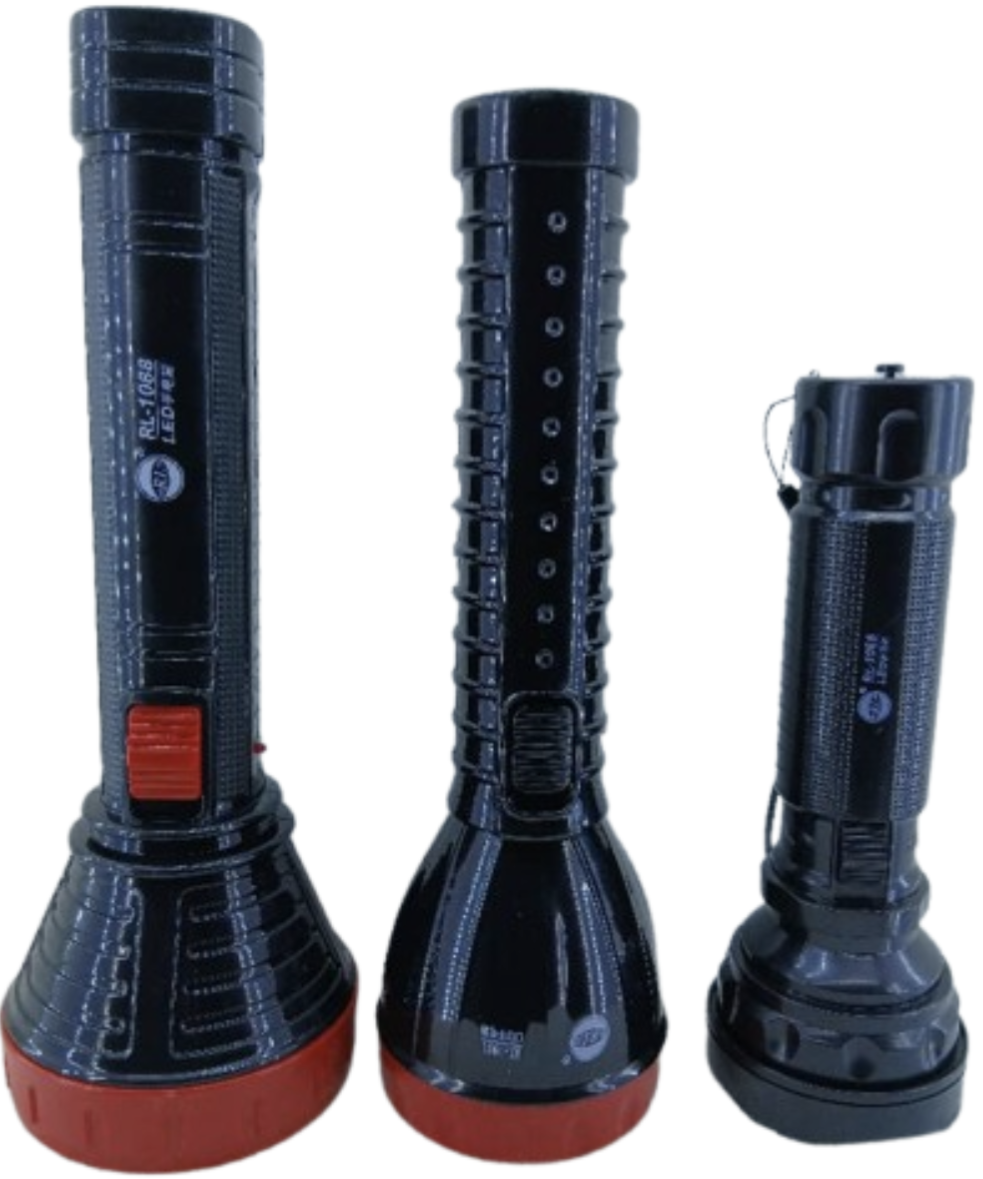
Torch
1 per bedroom Must haveIf a fire breaks out at night, you may lose power. A torch lets you see the way out.
How to use it: Keep it in the same place every night, such as next to the bed.
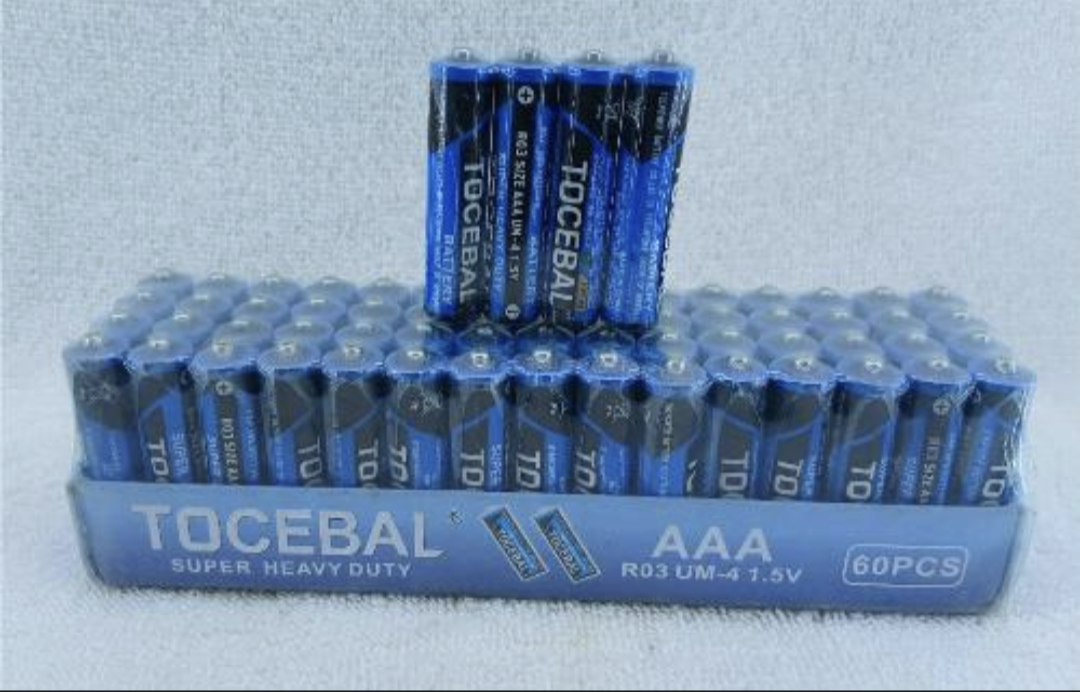
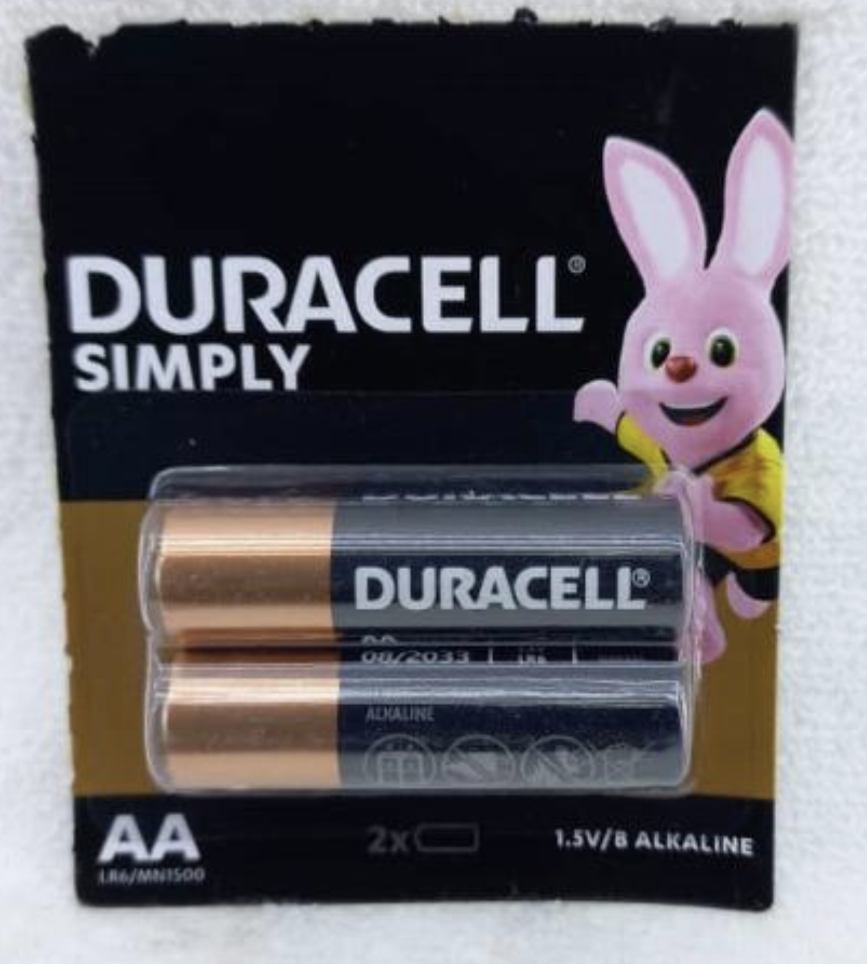
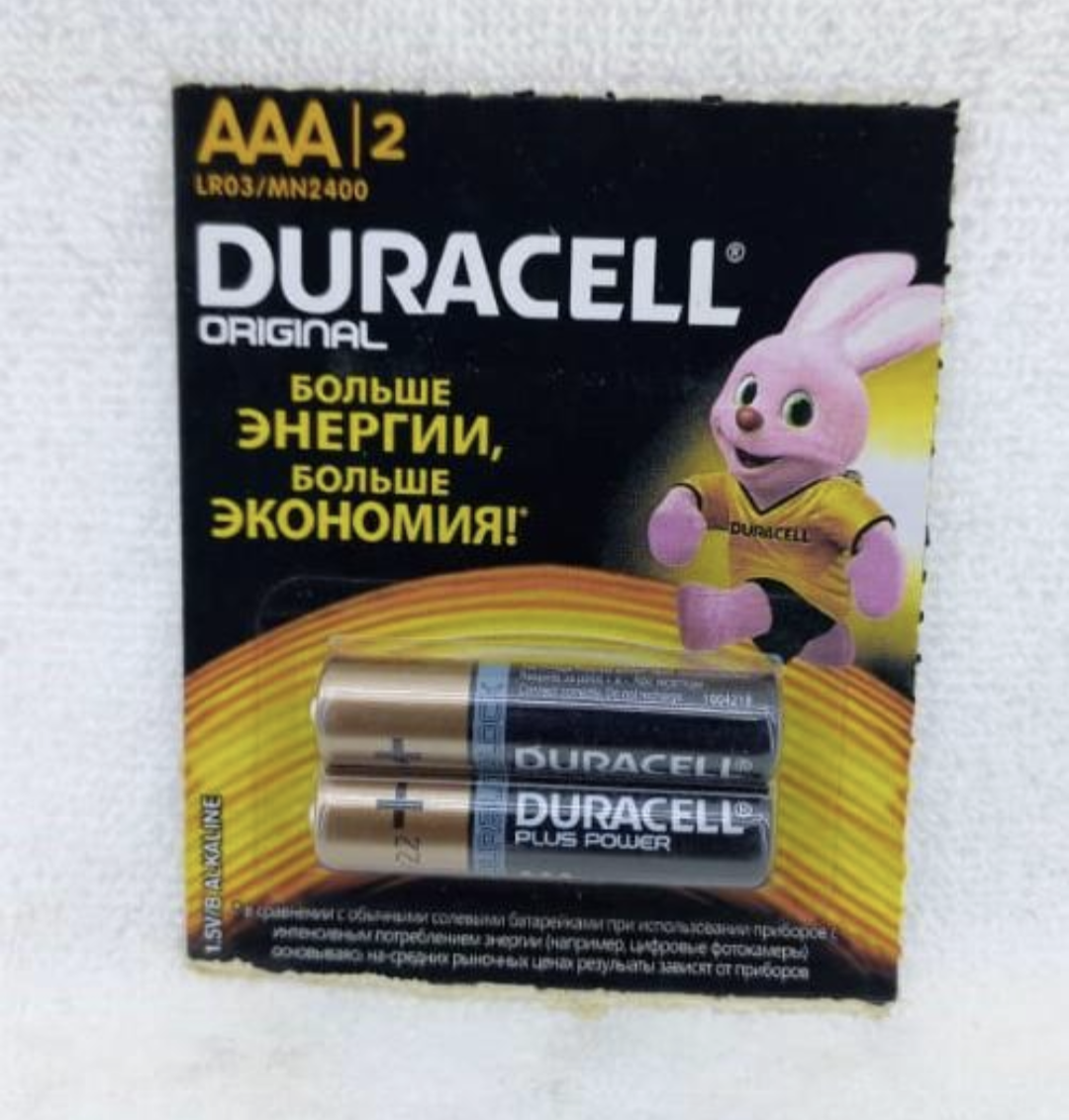
Spare batteries
1 set Must haveA flat torch is no use.
How to use it: Check the torch each month and keep spares in a separate bag.
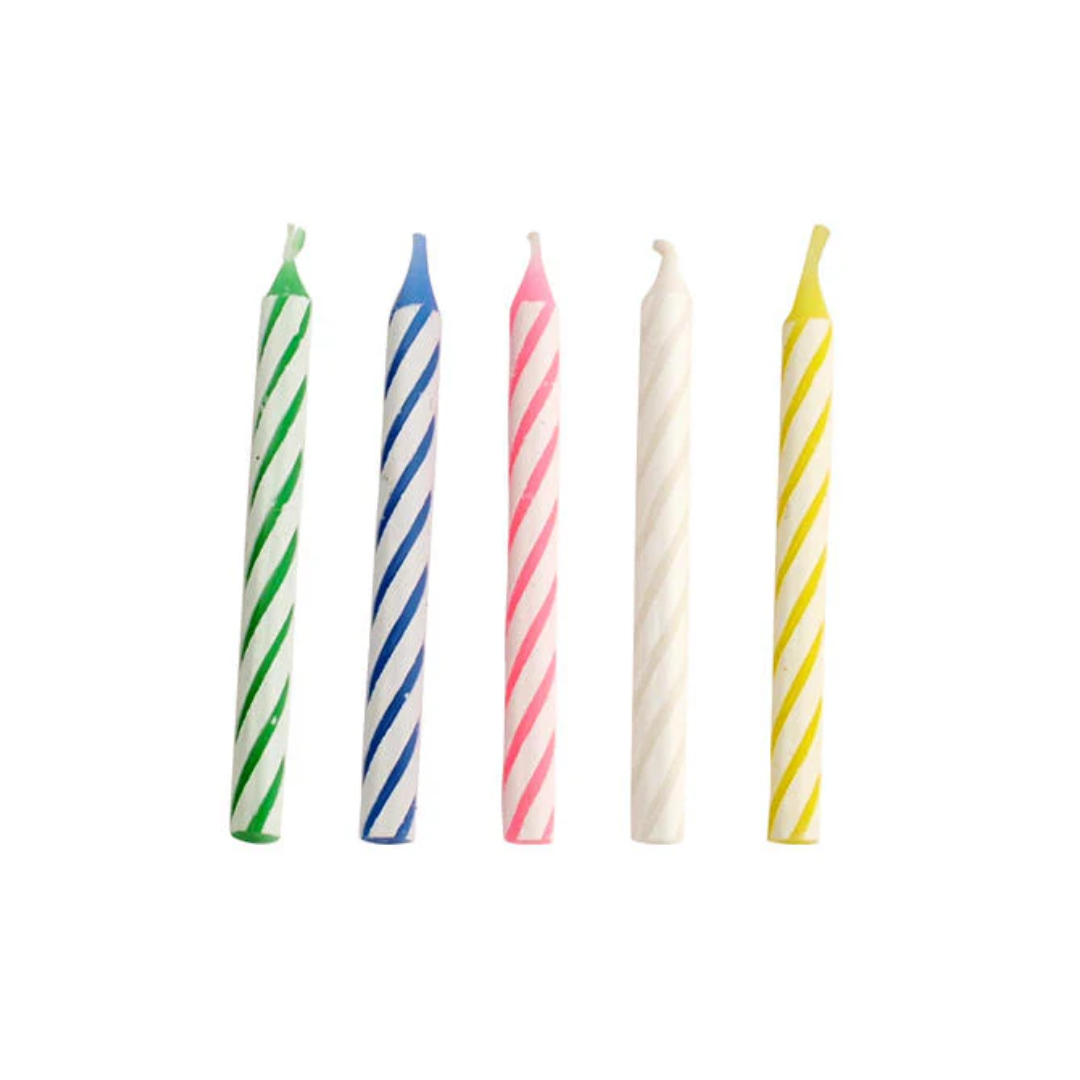
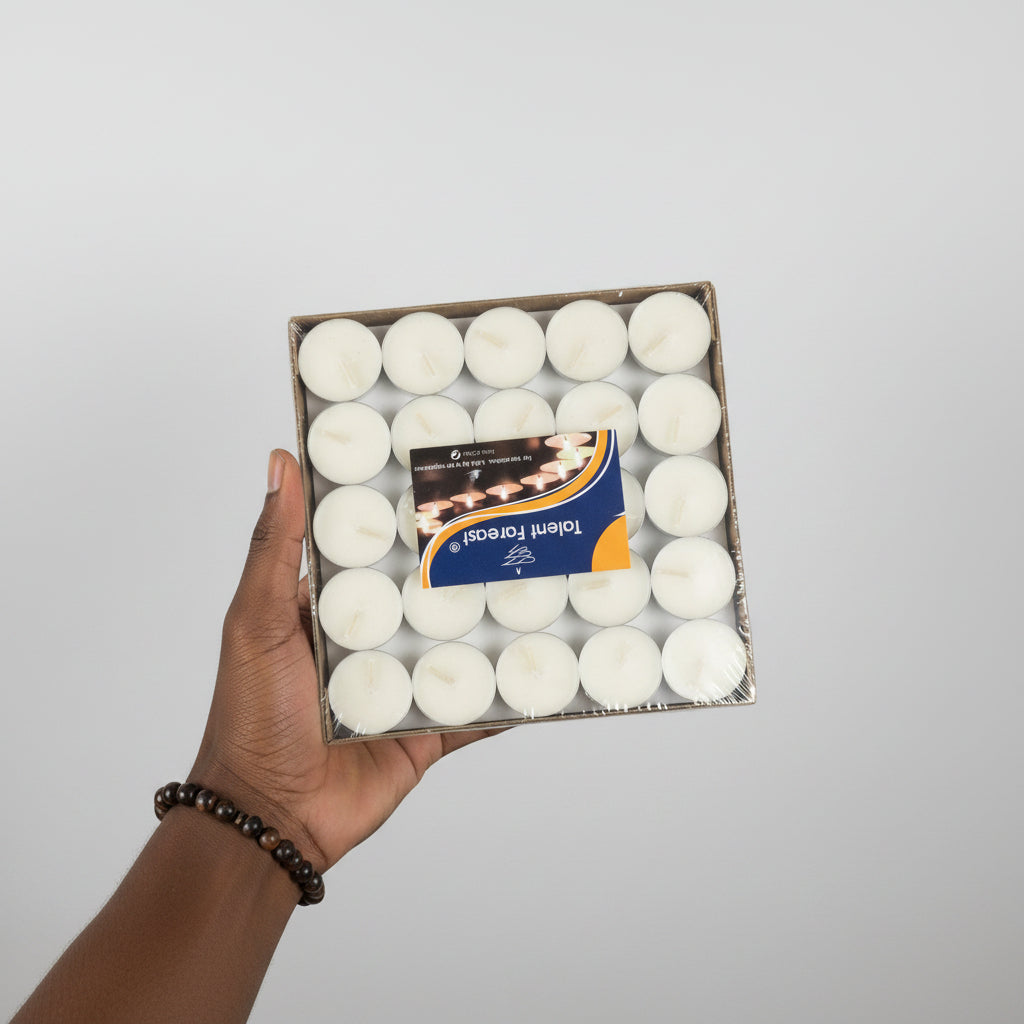
Candles
As neededNice to haveCandles are a common cause of fires during power cuts. A torch is safer.
How to use it: If you use candles, put them in stable holders, keep them away from curtains and never leave them burning when you leave the room.
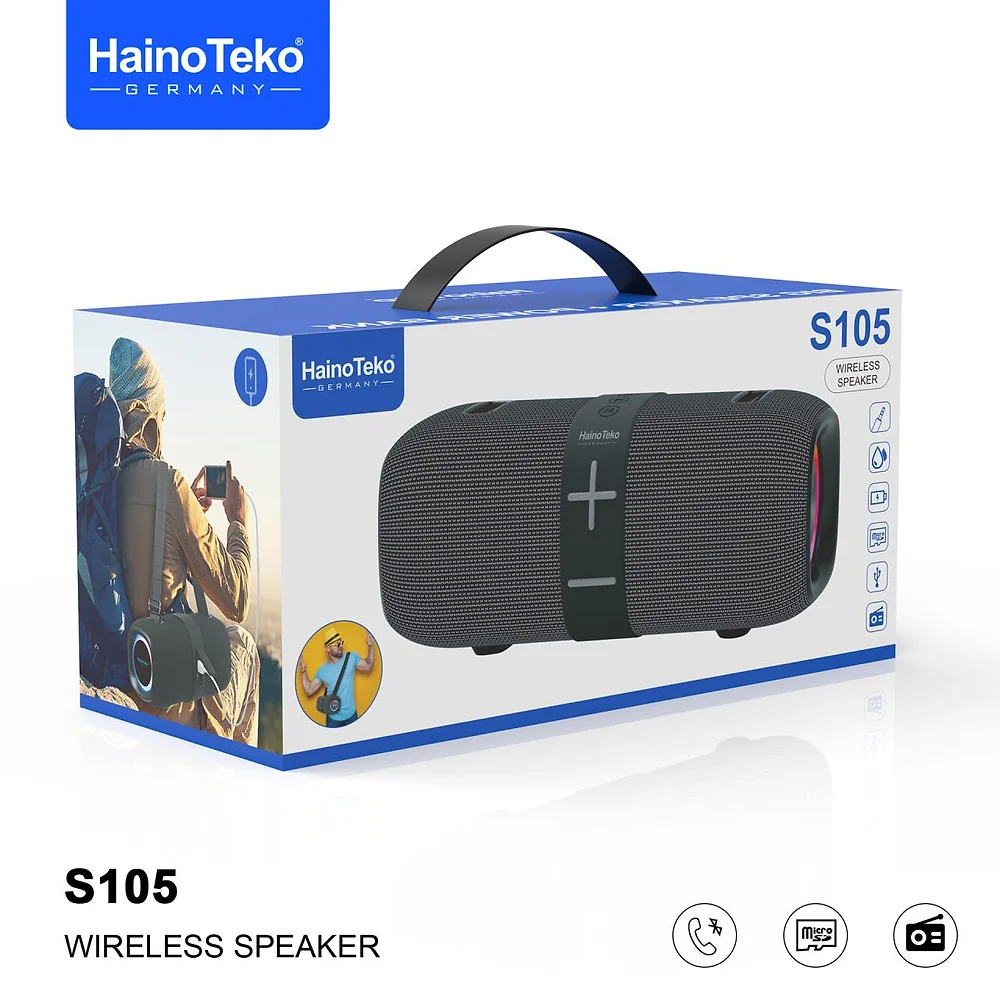
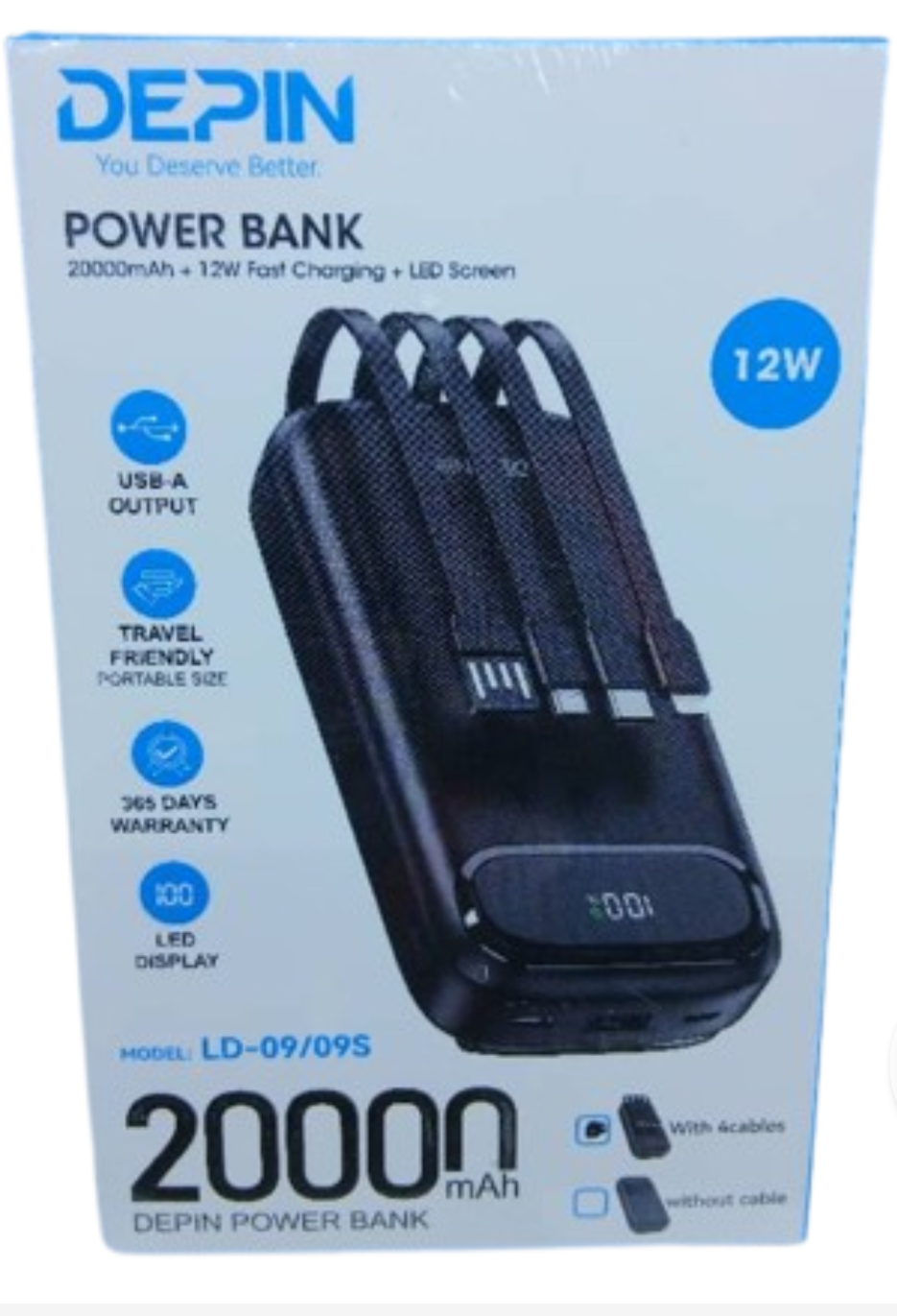
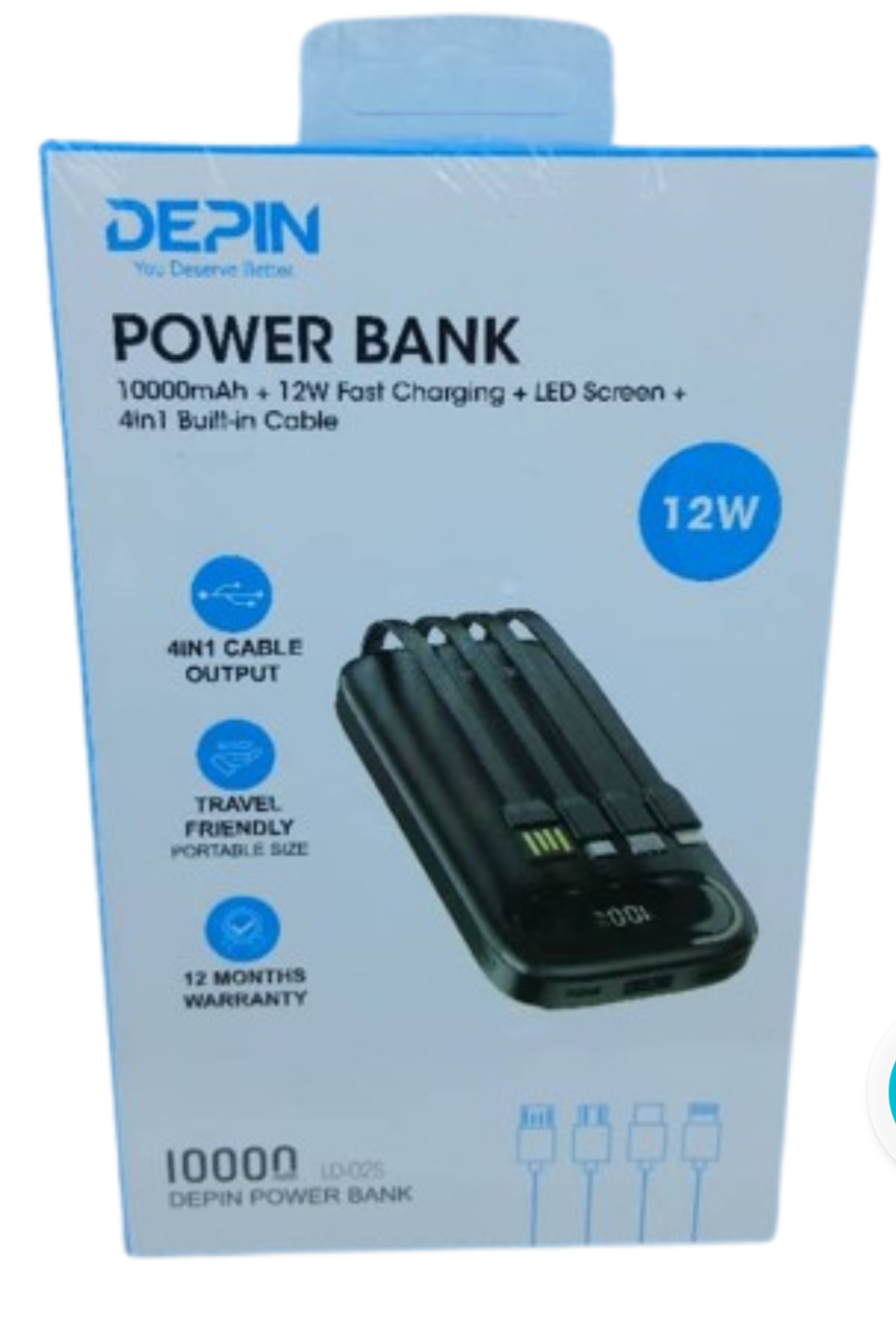
Power bank
1Nice to haveKeeps your phone alive so you can call for help.
How to use it: Keep it charged.


After a small fire
Be ready to look after yourself and your home once the danger has passed.
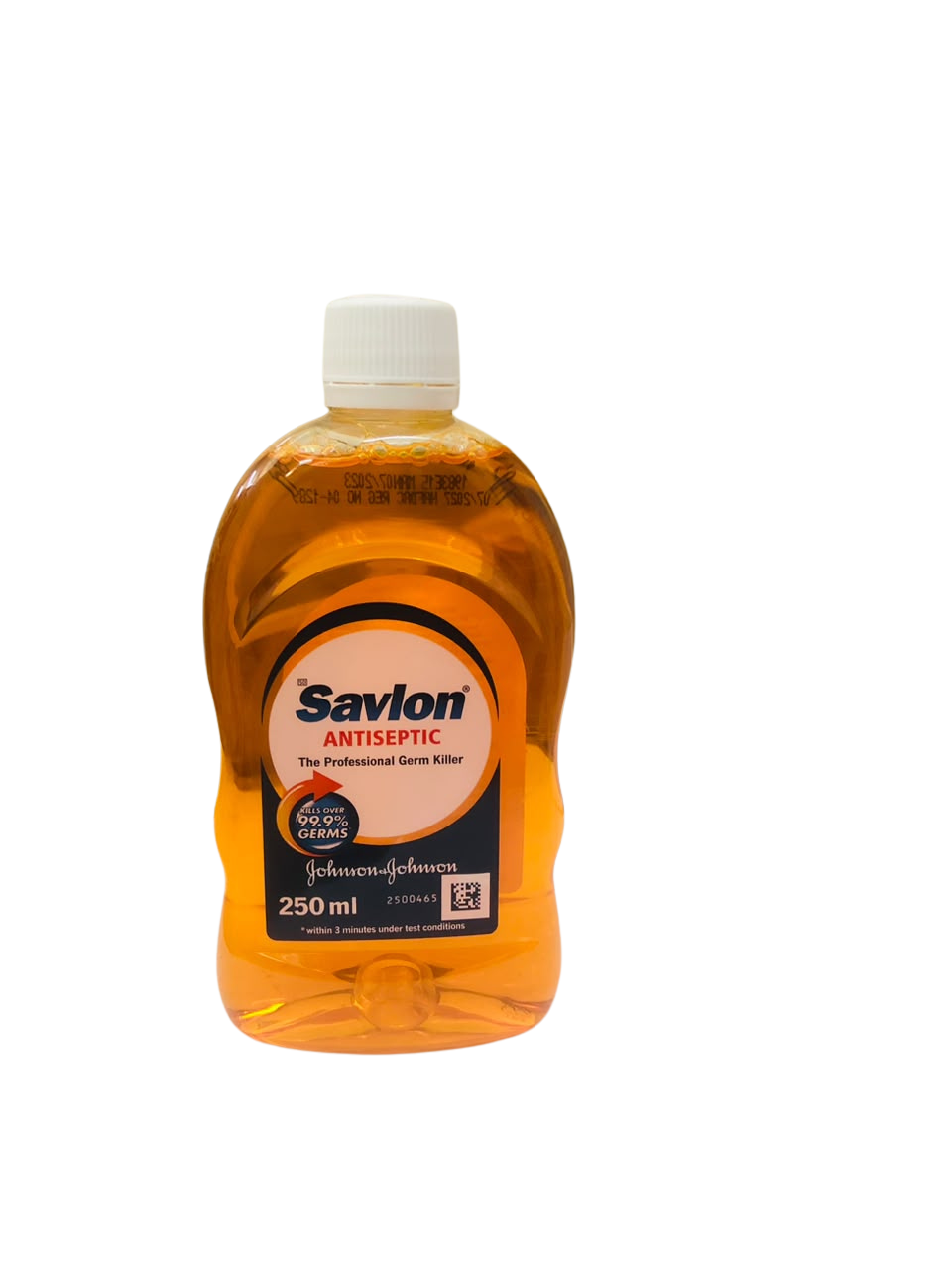
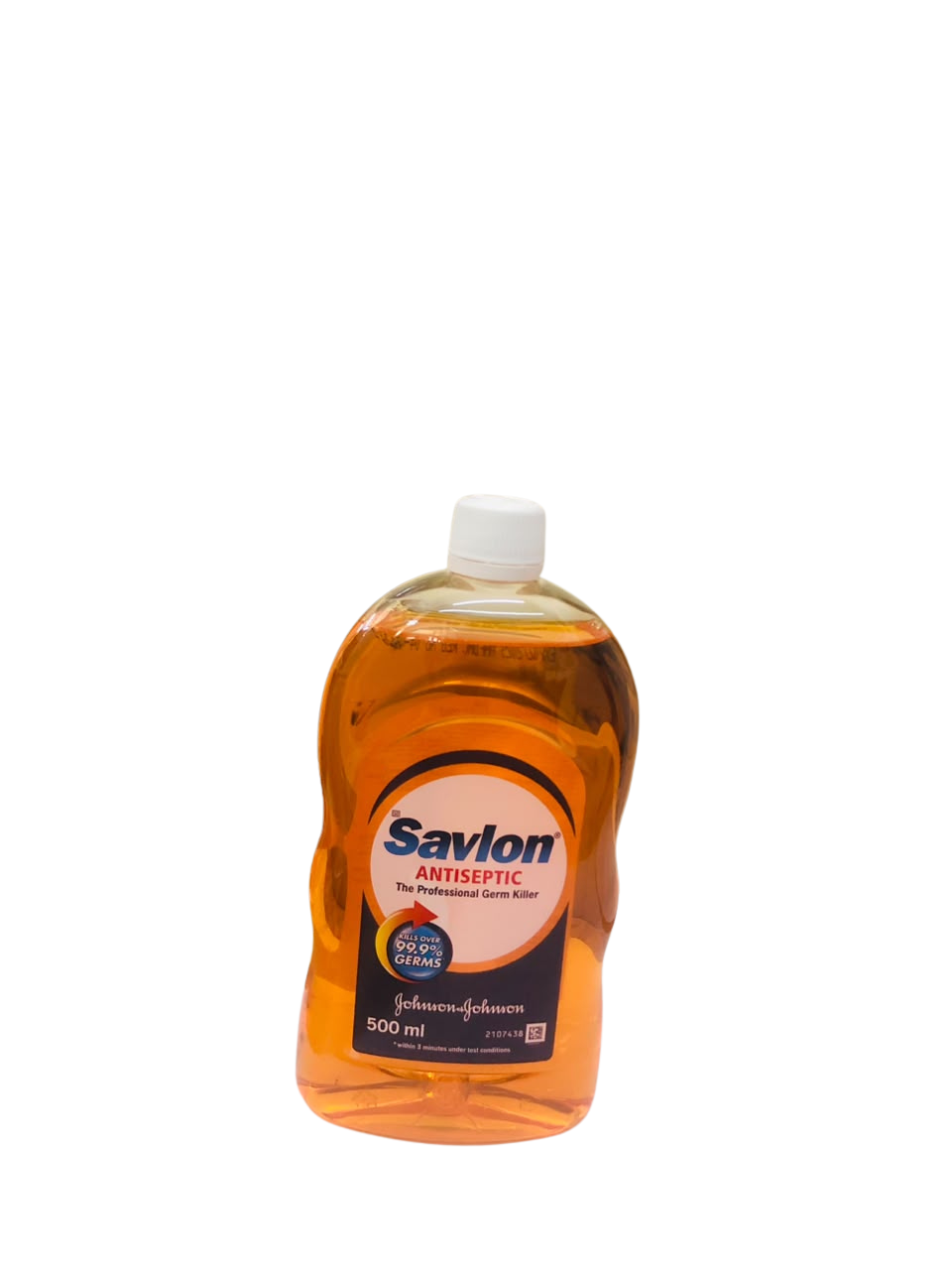
Antiseptic liquid
1Nice to haveFor minor cuts and scrapes.
How to use it: Follow the label and ask a pharmacist if unsure. Do not use it on large or serious burns.
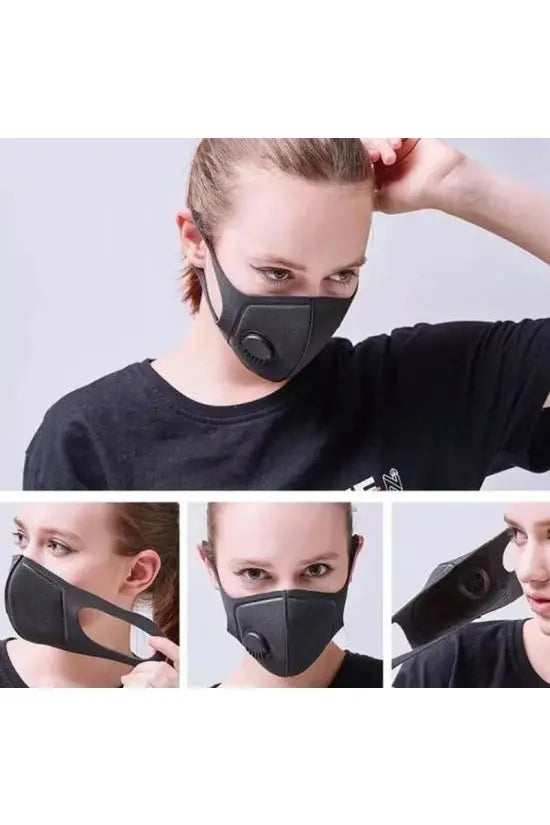
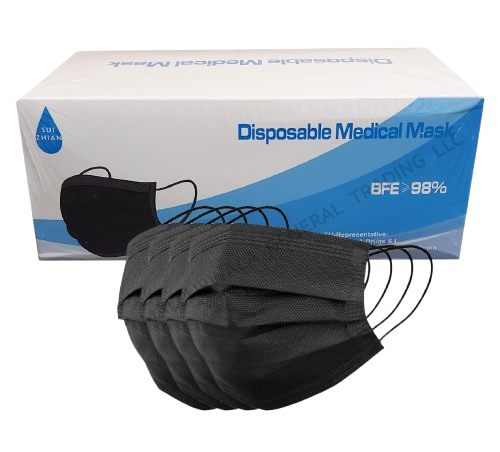
Face masks
2Nice to haveSmoke and ash irritate the lungs during cleanup.
How to use it: Wear a dust mask while sweeping and open windows to ventilate rooms.
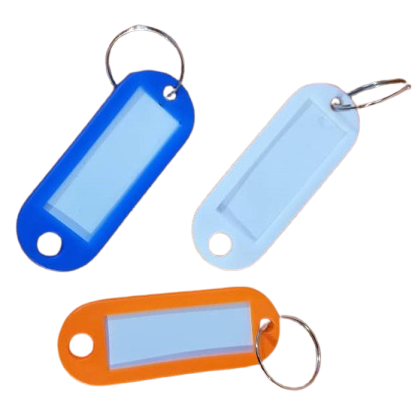
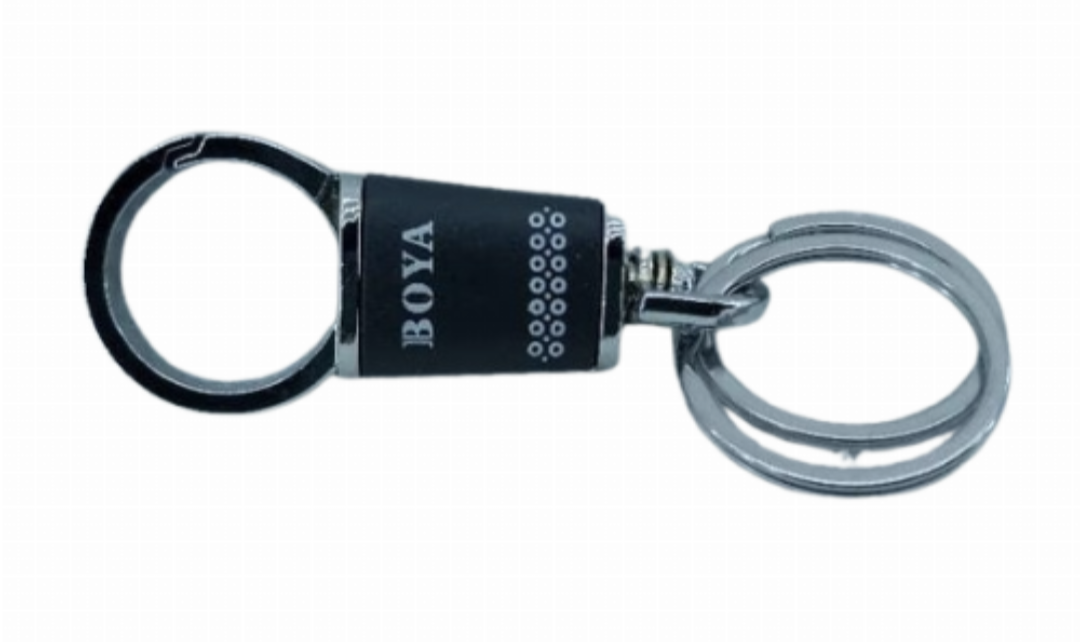
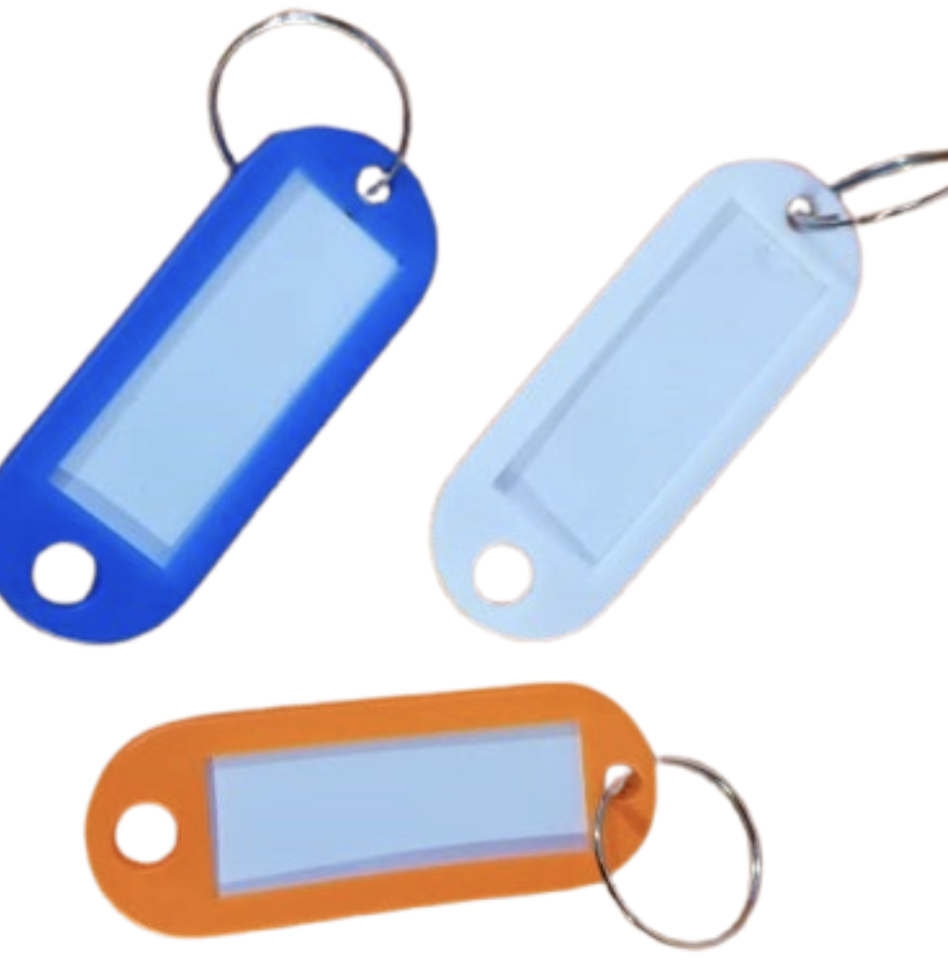
Key holder by the door
1Nice to haveKeys should be where you can grab them quickly in an emergency.
How to use it: Hang them in the same place each night.

Step by step
- 1
Choose the type
Decide where each extinguisher and blanket will go, then ask the seller which type fits your home.
- 2
Mount at the right spot
Fix the bracket near an exit, not directly beside the stove, so you can reach it while backing out.
- 3
Teach the household
Show every adult and older child how to pull the pin, aim, squeeze and sweep. Ask the seller to demonstrate.
- 4
Check every month
Look at the gauge, pin and hose. Record the date in your notebook.
- 5
Plan your exit
Agree on an exit route and a meeting spot outside, and practice it once.
Tips that help
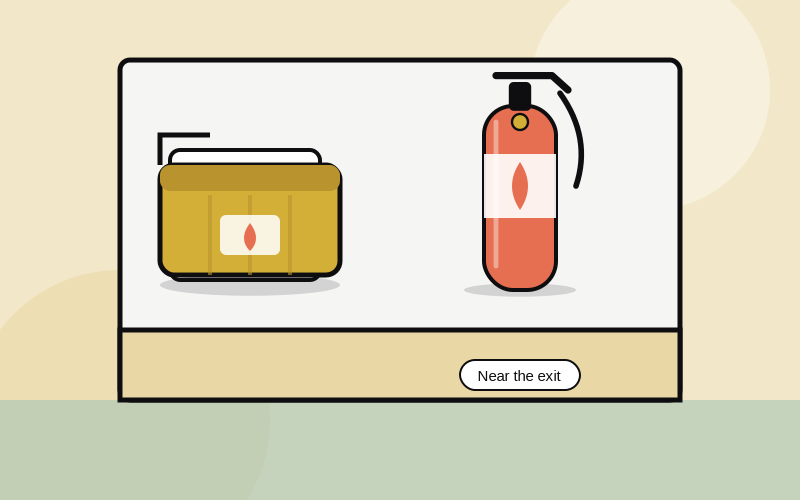
- Place the extinguisher near an exit so you can always back out with a clear path behind you.
- Keep the fire blanket within arm's reach of the cooker but not directly above it.
- Test the torch and replace batteries every few months.
- Switch off and unplug heaters, irons and chargers when you leave the house.
- Keep the gas cylinder in a well ventilated place and close the valve at night.
- Teach children never to play with the extinguisher, and to leave the room and call an adult if there is fire.
- Call for help early and leave if the fire is bigger than you can handle.
Mistakes to avoid
- Buying a fire extinguisher and putting it in a locked cupboard.
- Never checking the gauge or date, so it does not work when needed.
- Using water on an oil or electrical fire.
- Using a normal blanket or towel instead of a real fire blanket.
- Staying to fight a fire that is spreading instead of leaving at once.
Questions people ask
Where should I put a fire extinguisher at home?+
Near an exit and within a few steps of the kitchen, but not right next to the stove. You must be able to reach it without walking through the fire.
Do I need a fire blanket if I have an extinguisher?+
A fire blanket is simple and works well for a small pan fire. It does not need a gauge or refills. Many homes keep both.
Can I use water on a kitchen fire?+
No. Water on burning oil can make the fire spread. Turn off the heat if you can safely do so and cover the pan with a lid or a fire blanket.
How often should I check my extinguisher?+
Look at it every month and make sure the gauge is in the green and the pin is in place. Follow the label for refills and service dates.
Is it safe to try to fight a fire myself?+
Only if it is small, you have an exit behind you and you know how to use the extinguisher. If in doubt, leave and call for help.
Where can I buy a fire extinguisher in Kigali?+
Ask a safety equipment supplier. Check the labels and dates, and ask for a short demonstration. Isokko can supply the supporting items on this list.
Fire gear works only when it is the right type, easy to reach and checked often. Get it from a trusted supplier, then shop the supporting items on Isokko.
Shop this list
Get everything delivered in Kigali
Order from local stores on Isokko and pay with MoMo, card or cash. Same-day delivery.