
Checklist · Emergencies & power cuts
Flood Preparation for Low-Lying Kigali Homes: What to Buy
Prepare a home in a low-lying part of Kigali for heavy rain with sandbags, raised storage, dry bags, light and cleanup supplies.
Updated November 25, 2026 · By Isokko
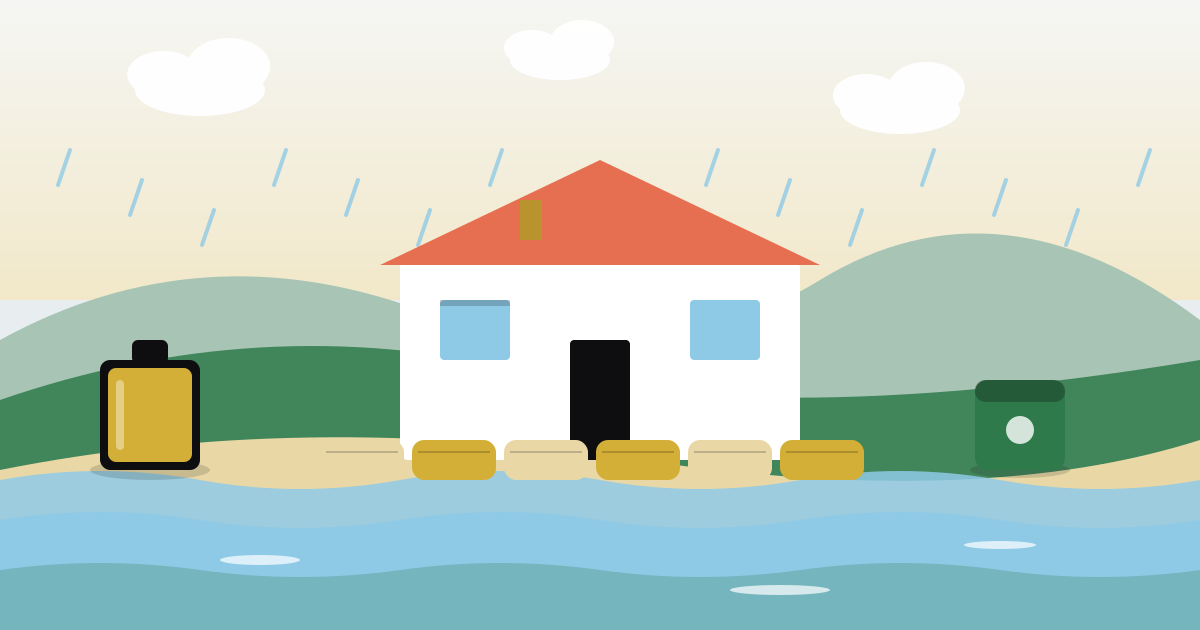
Kigali is hilly, and during heavy rain water runs fast down slopes and collects in valleys, wetlands and low streets. If your home is low, water can reach your doorstep or come inside in minutes.
You cannot stop every flood, but you can limit damage. Raise what matters, keep a light and a charged phone, protect your documents, and have cleanup supplies ready. Know where to go if the water rises, and listen to local authorities.
This list is about preparation and cleanup, not rescue. In any real danger, leave early and call local emergency services. Check with your landlord about drainage and any building work, and never walk through fast moving water.
Who it's for
Households in low-lying or valley parts of Kigali where water gathers in heavy rain
Time needed
Prepare over 1 to 2 weeks before the March to May or October to December rains
When to shop
Buy before the rains start, when shops and roads are still easy
On the list
29 items, 13 must haves
0 of 29 ready
Keeping water out
These slow water at the door and in the yard. Some items are not sold on Isokko, so check a local hardware shop.
Sandbags or empty sacks
10 to 20Nice to haveFilled bags stacked at the door can slow water for a short time.
How to use it: Fill sacks about half full with soil or sand, tie, and stack like bricks. Prepare them before the rains.
Plastic sheeting
1 large rollNice to haveHeavy plastic can cover roof leaks and protect furniture from water.
How to use it: Ask at a hardware shop for thick plastic sheeting. Weigh the edges down with bricks.
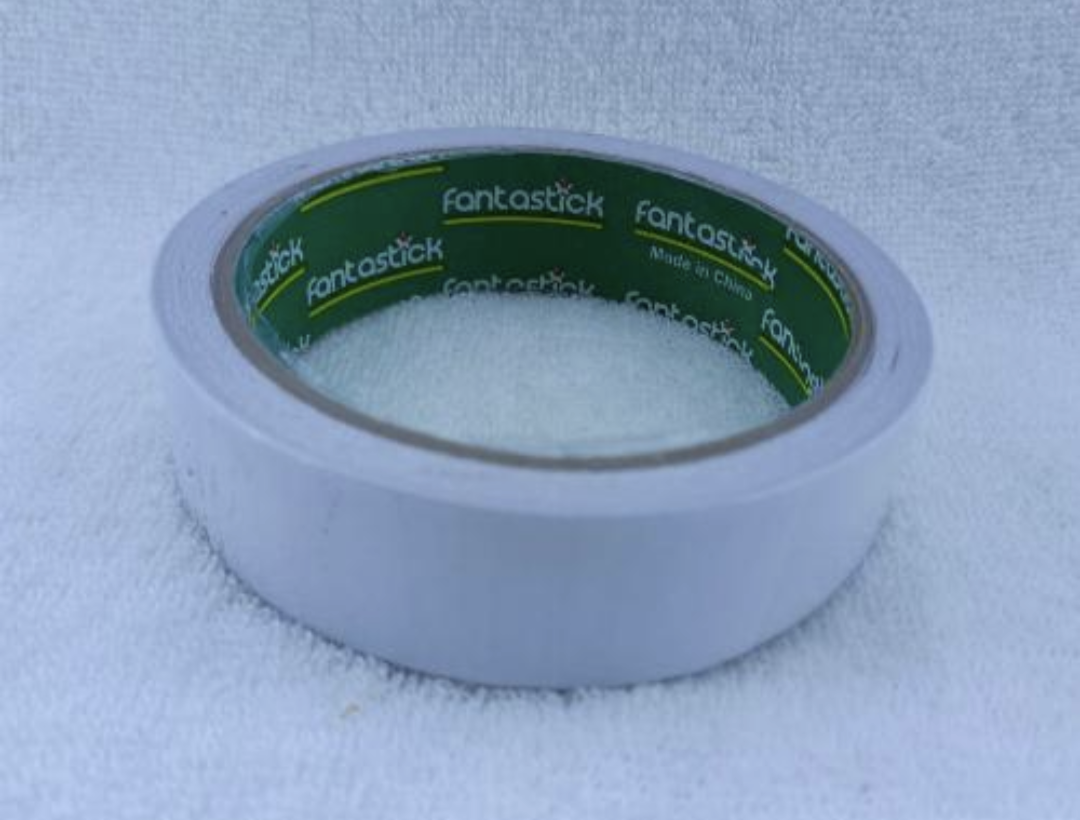
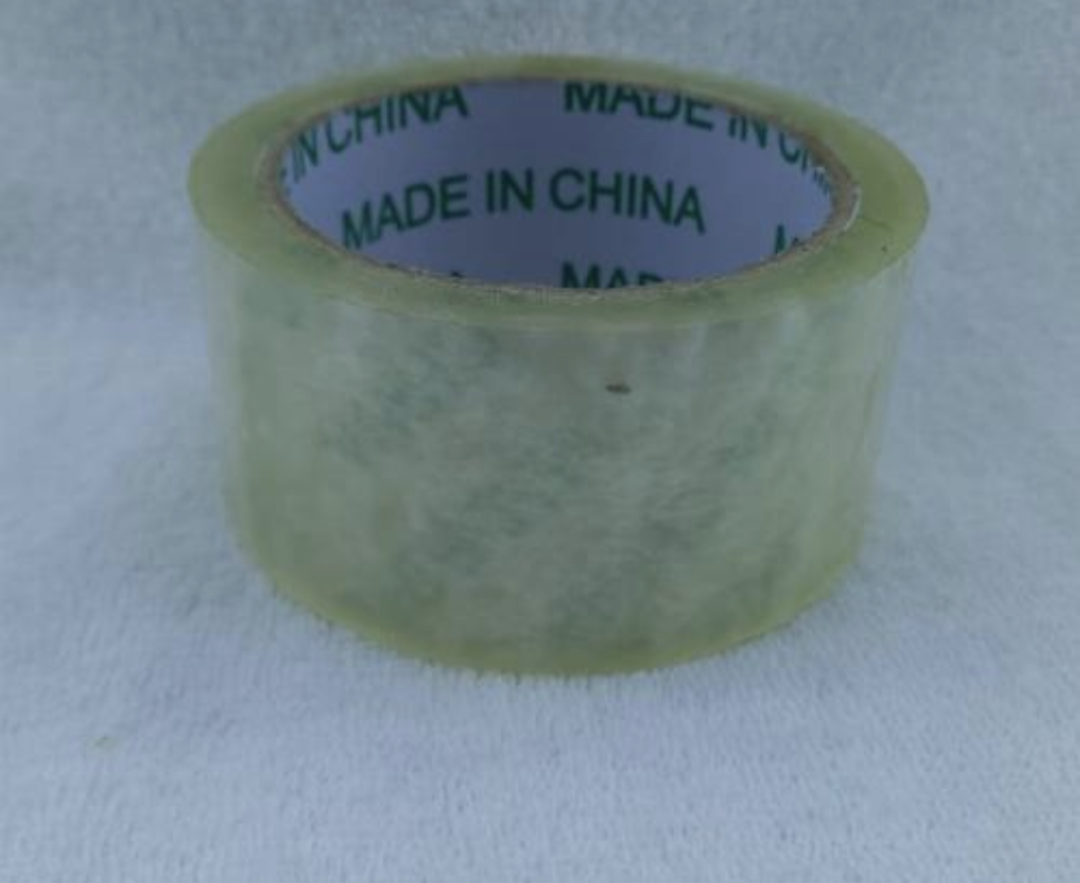
Waterproof tape or sealant
1Nice to haveSeals gaps around doors, windows and walls where water seeps in.
How to use it: Clean and dry the area first. Ask a hardware shop which type suits your wall.
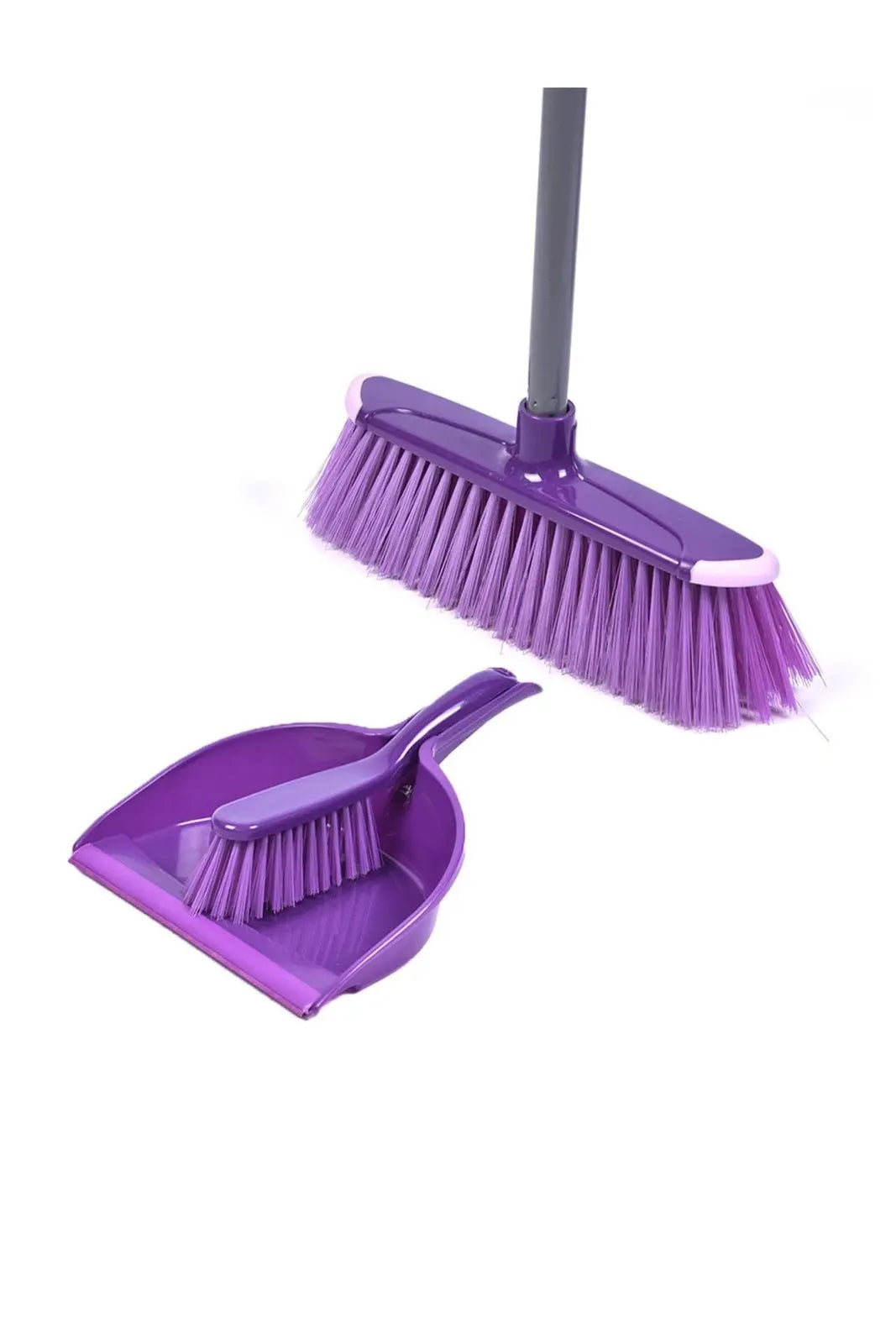
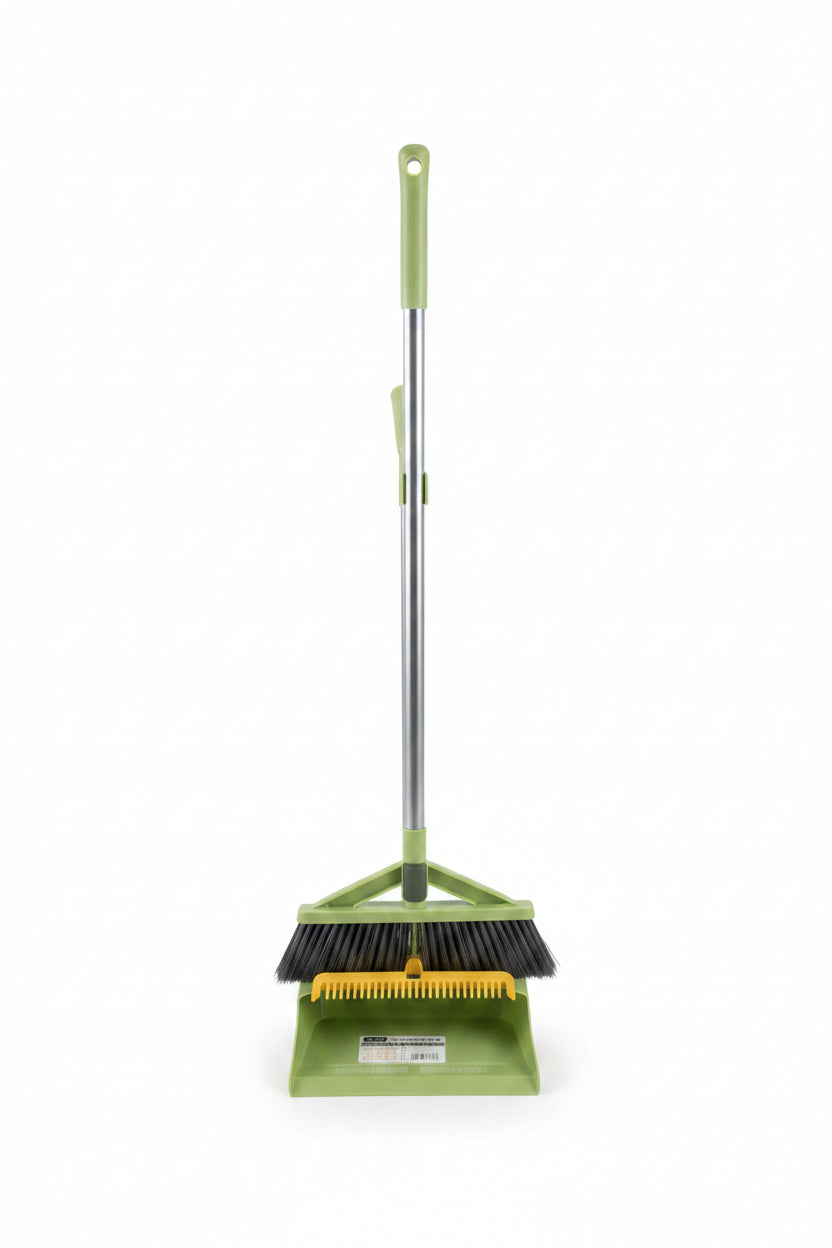
Broom and shovel
1 each Must haveClear drains, gutters and the compound of mud and rubbish so water can flow away.
How to use it: Clear drains before the rains and during light rain, never during a storm.
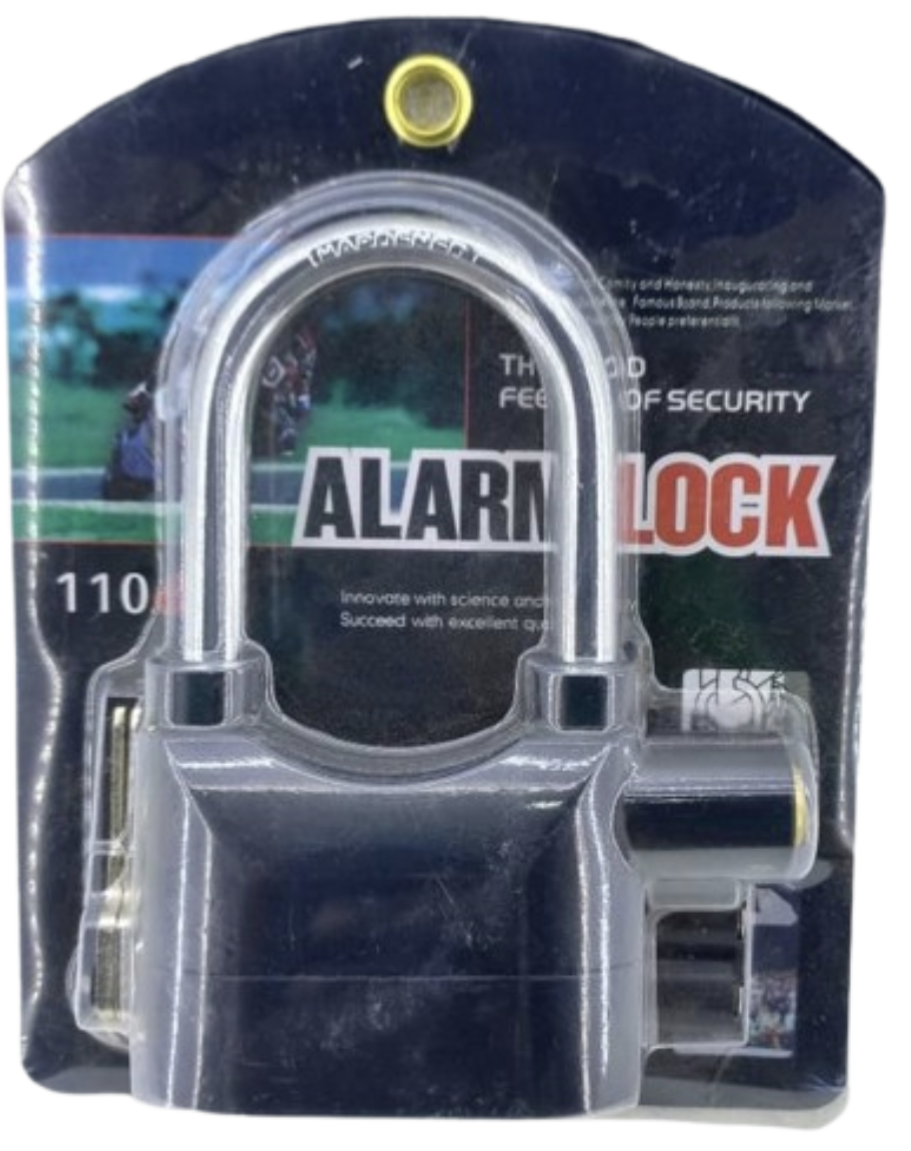
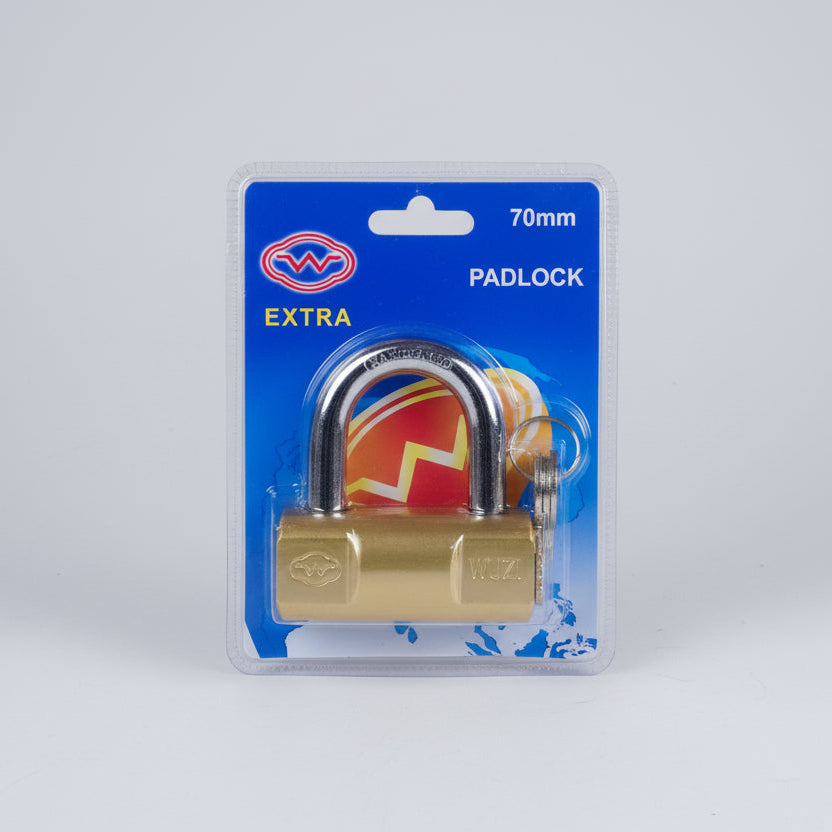
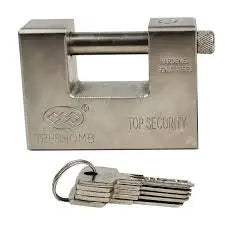
Padlock
1Nice to haveSecure the compound and store room so your supplies are safe if you must leave.
How to use it: Keep a spare key with someone you trust.

Raise and protect your things
Even a few centimeters of water can ruin things kept on the floor.
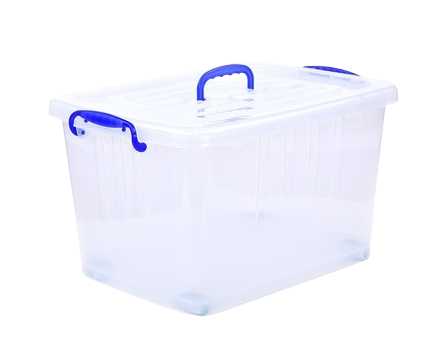
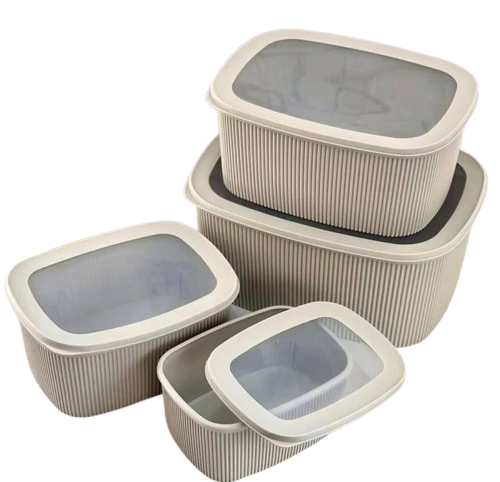
Plastic storage boxes with lids
4 to 6 Must haveClosed boxes protect clothes, school books and papers from water and damp.
How to use it: Pack the most important things first. Label each box and keep it on a shelf.
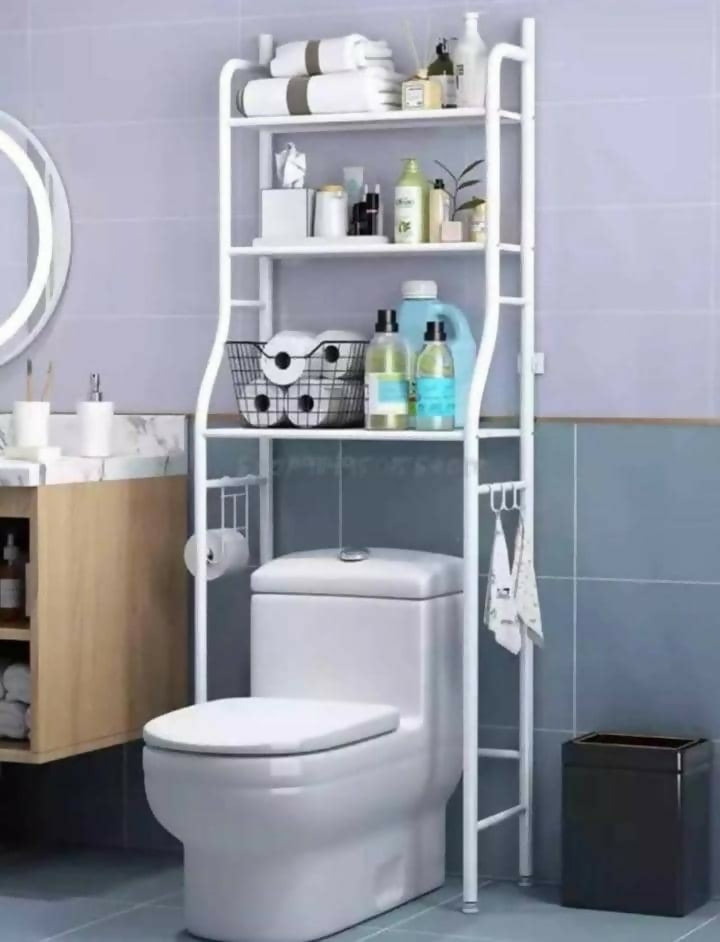
Shelf or rack
1 or 2 Must haveRaising items off the floor can save appliances, food and bedding.
How to use it: Move heavy things up first. Never store electrical items on the floor.
Waterproof bag for documents
1 Must haveIDs, land papers, school certificates and bank papers are very hard to replace.
How to use it: Put them in a sealed plastic bag, then in a bag you can grab quickly. Keep copies on your phone.
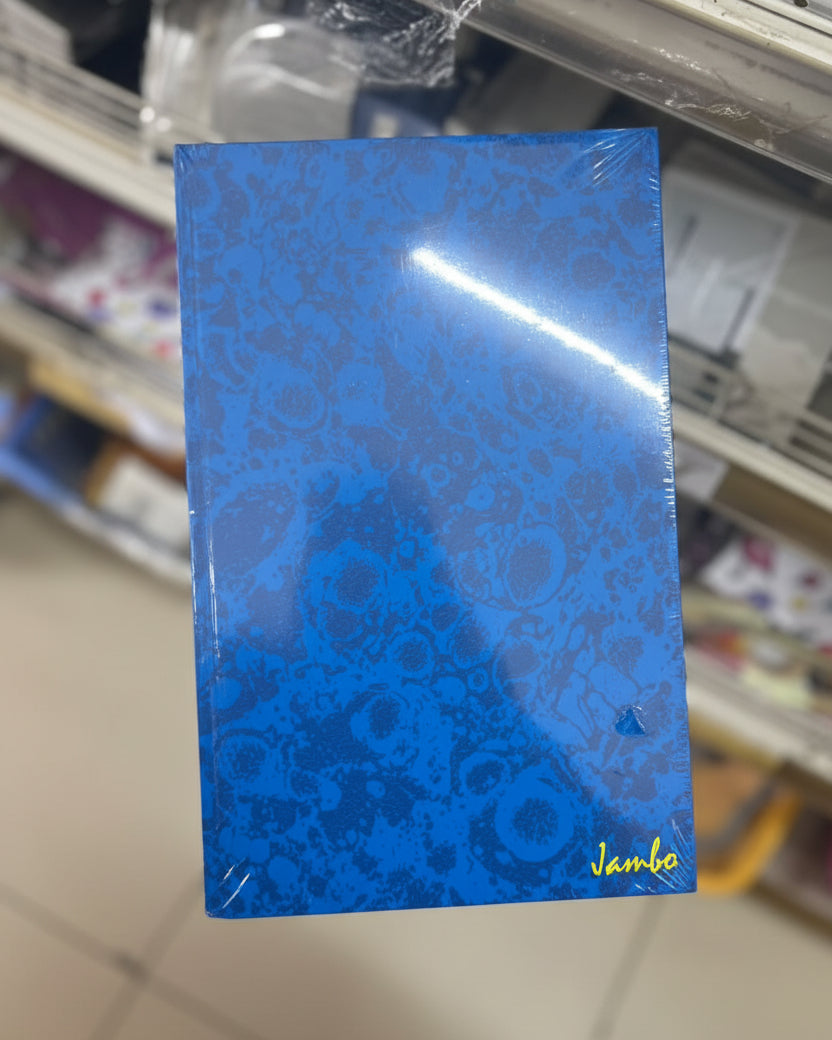
Notebook for key numbers
1Nice to havePhones can die, so keep numbers for family, landlord and local leader on paper.
How to use it: Write numbers clearly and keep the notebook in your grab bag.
Clothesline rope
1 rollNice to haveStrong rope lets you tie down covers or hang wet things up quickly.
How to use it: Check the rope for cuts and test it before the rains.
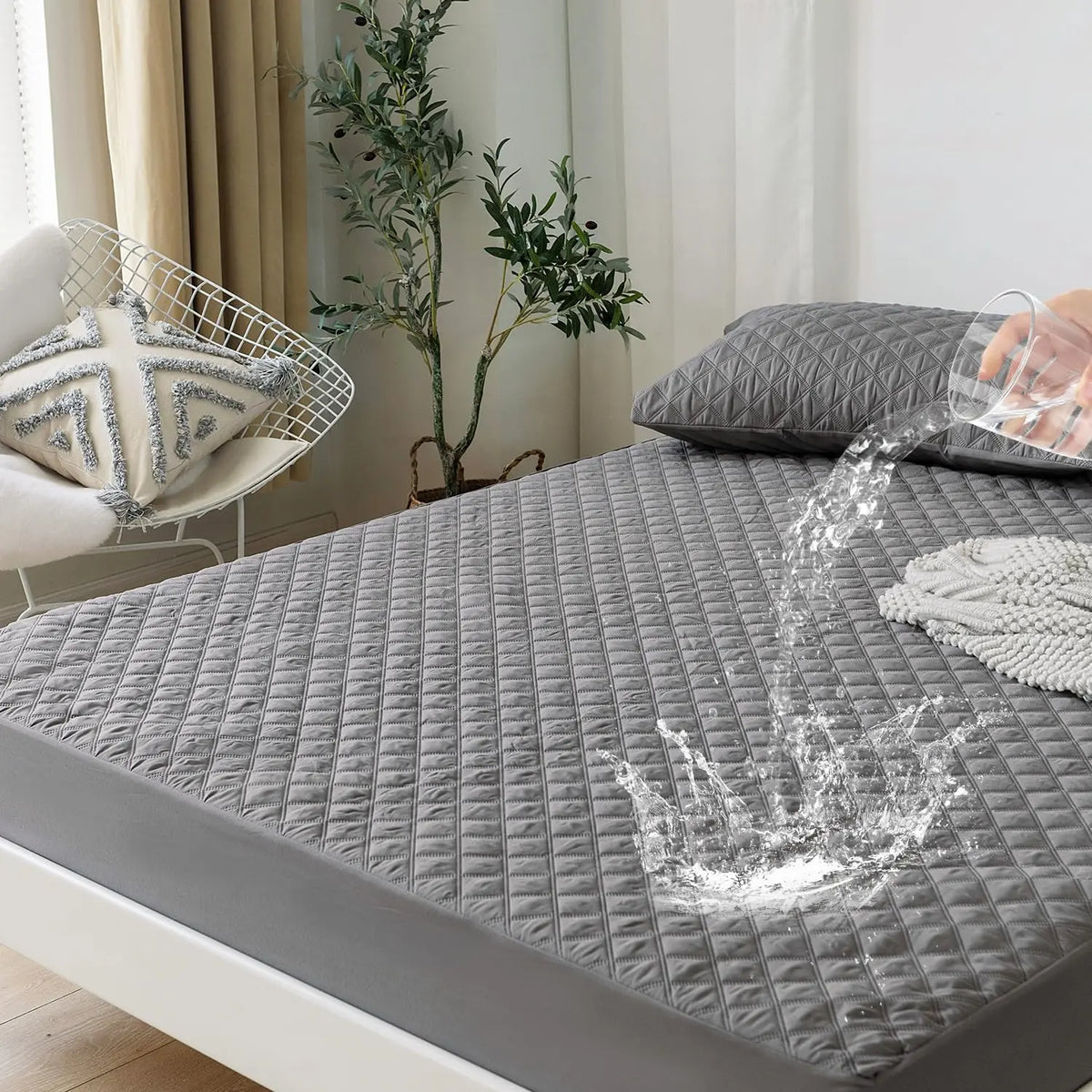
Waterproof mattress protector
1 per bedNice to haveA waterproof protector helps keep a mattress cleaner and dries faster than bare foam.
How to use it: Wash and dry in the sun after any splash or leak.



Light, power and contact
Heavy rain brings dark afternoons and power cuts. Stay lit and reachable.
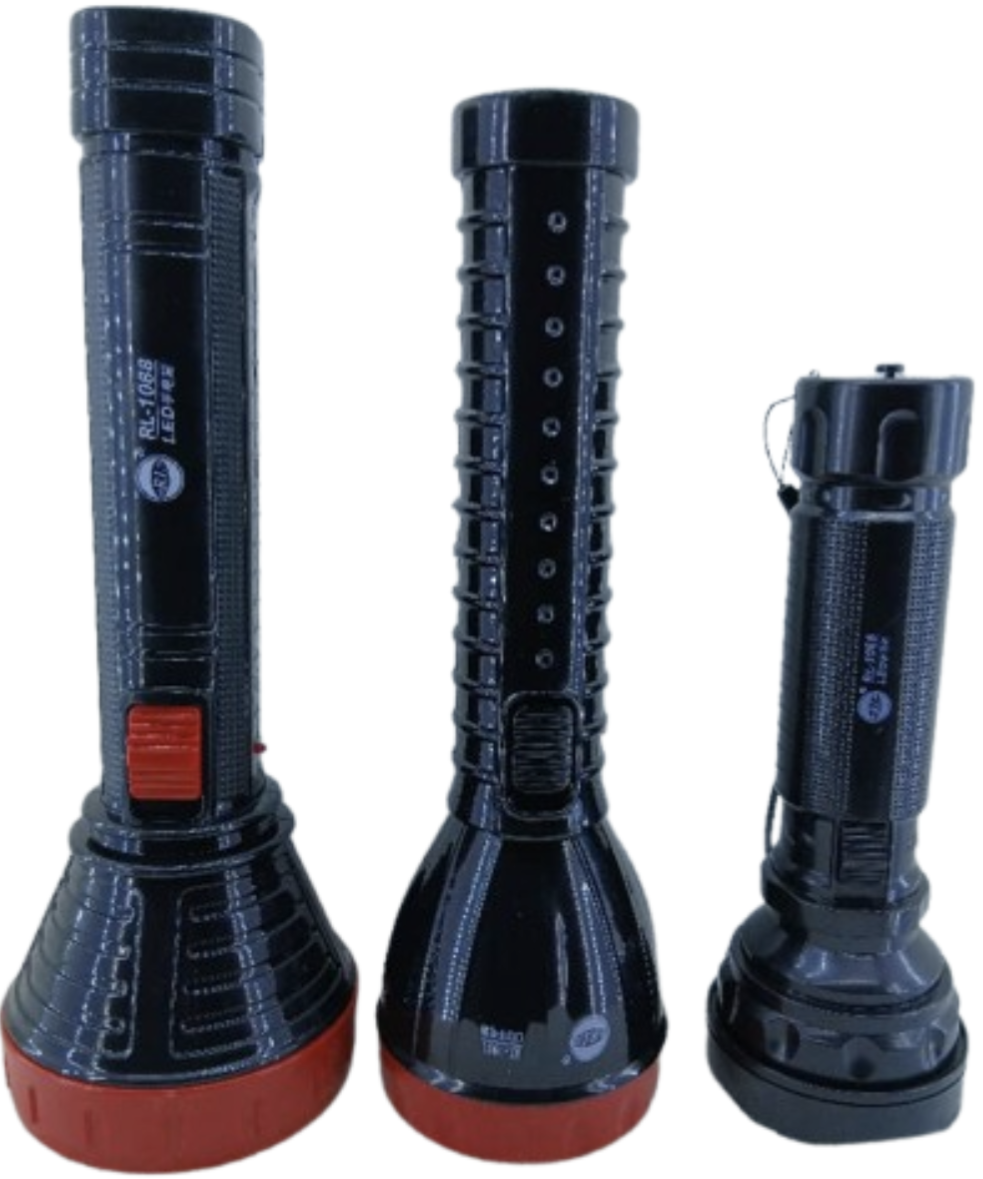
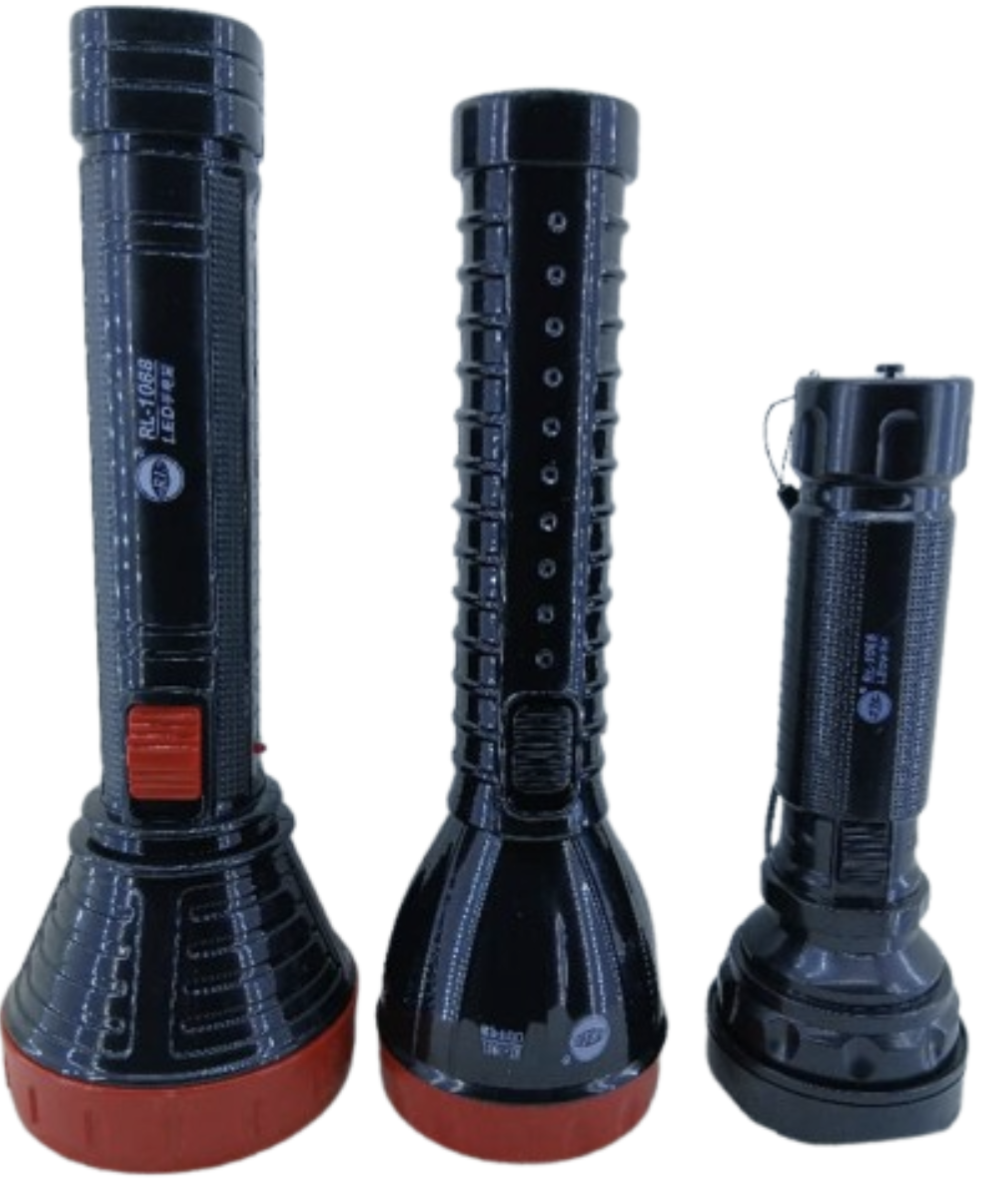
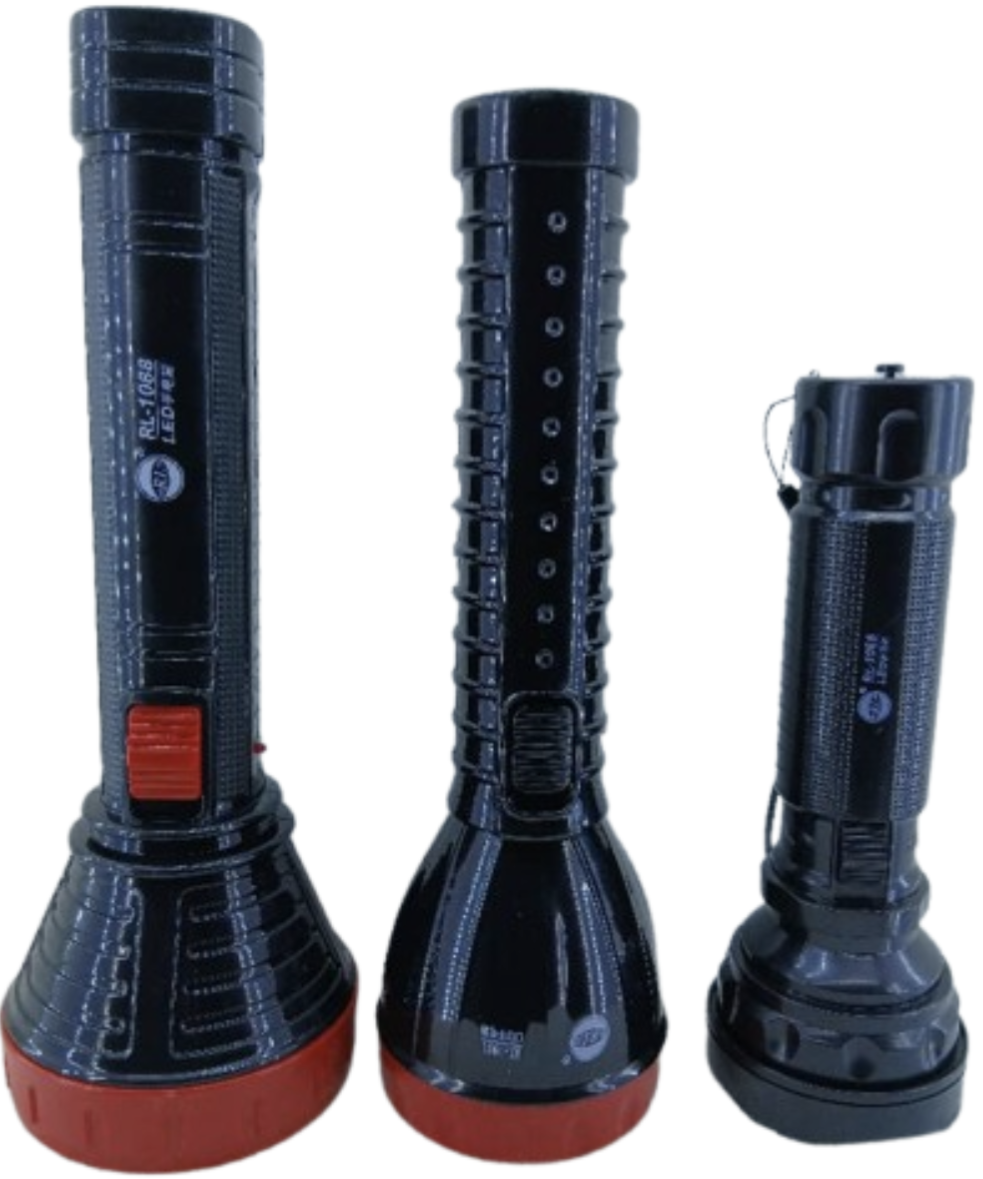
Rechargeable torch
2 Must haveLight lets you move safely when the power is off.
How to use it: Charge it before every storm and keep it where everyone can find it.
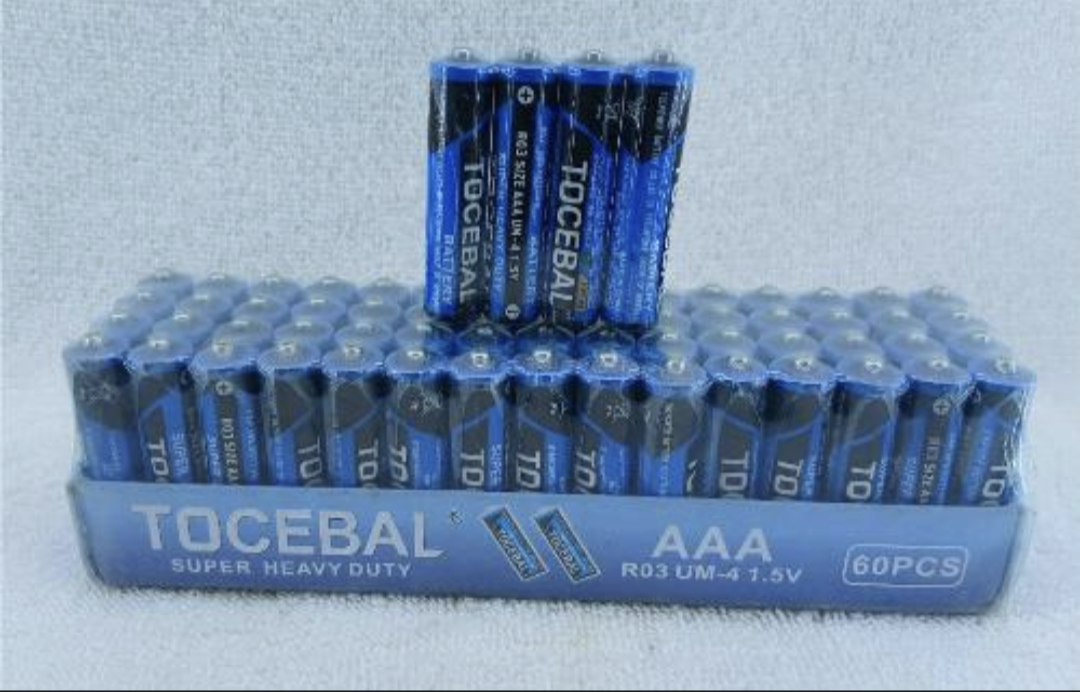
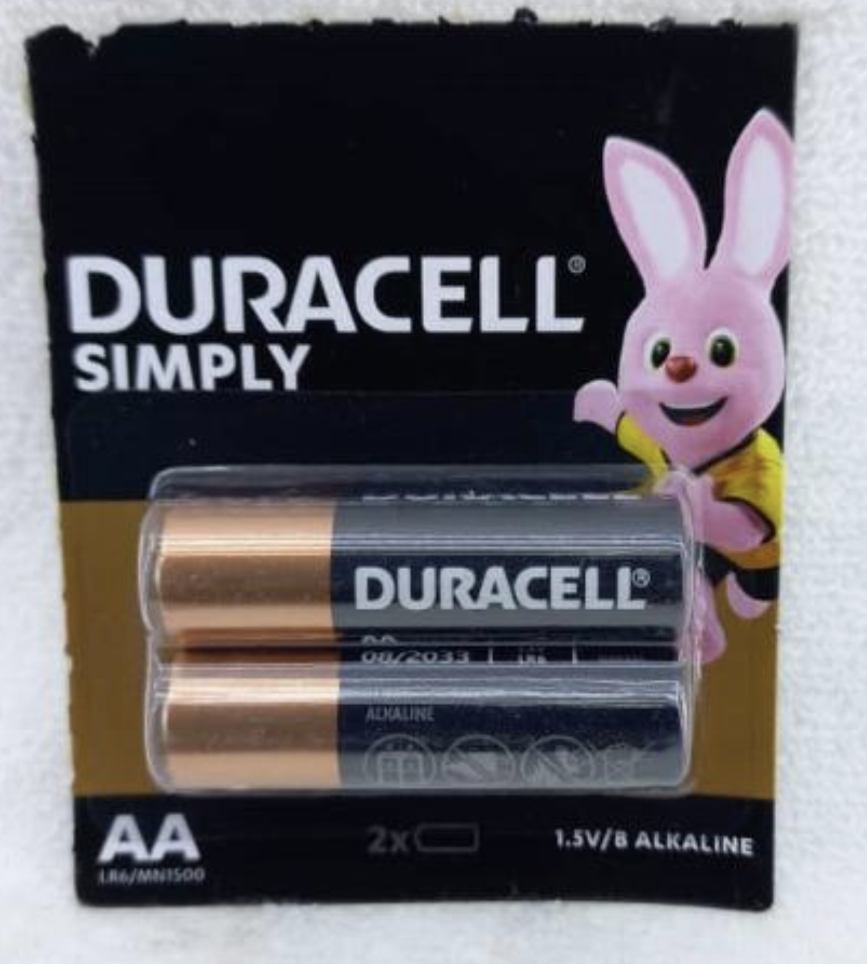
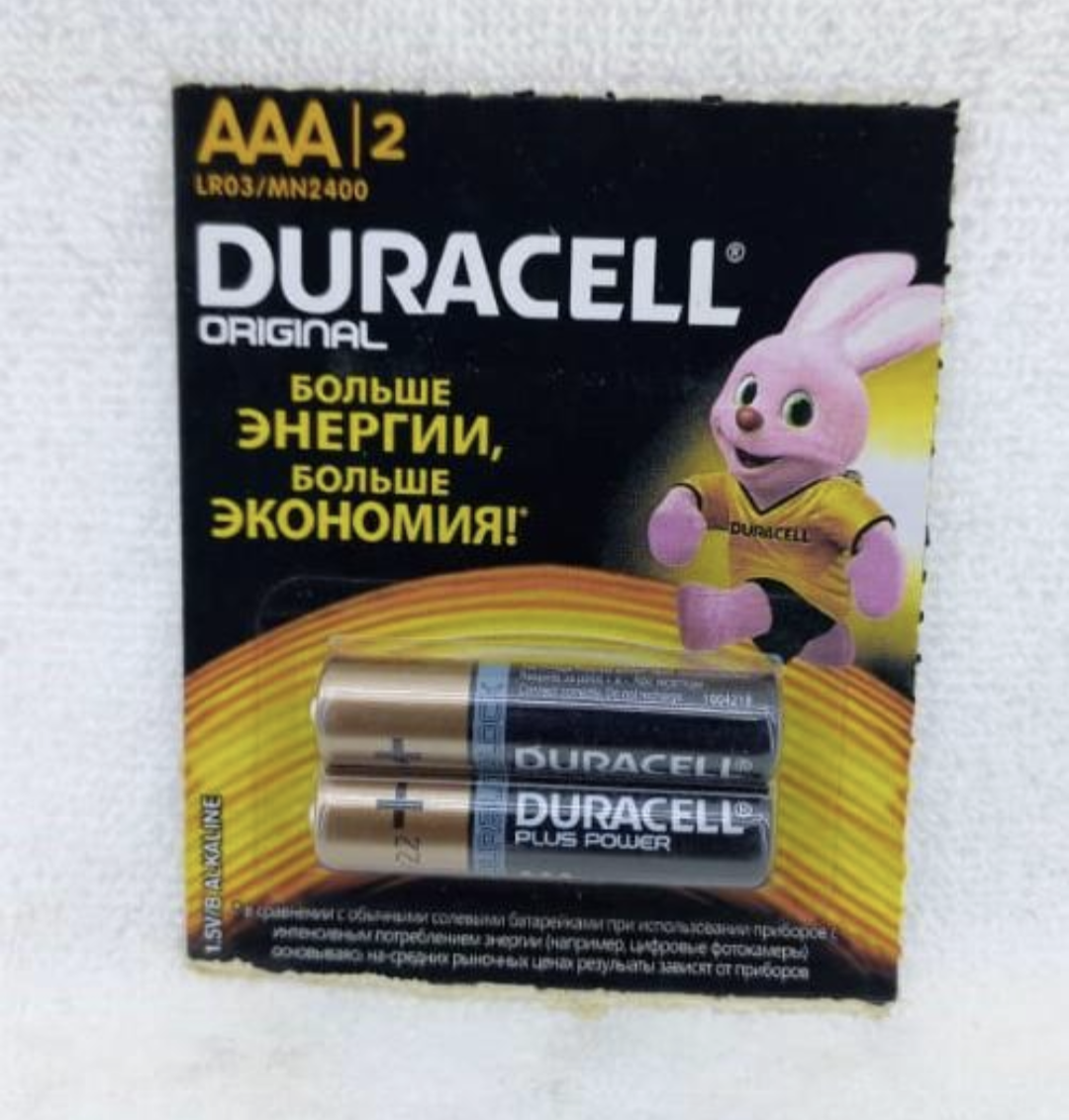
Spare batteries
8 AA Must haveTorches, radios and lamps all need power during long cuts.
How to use it: Store in a dry box and check the date.
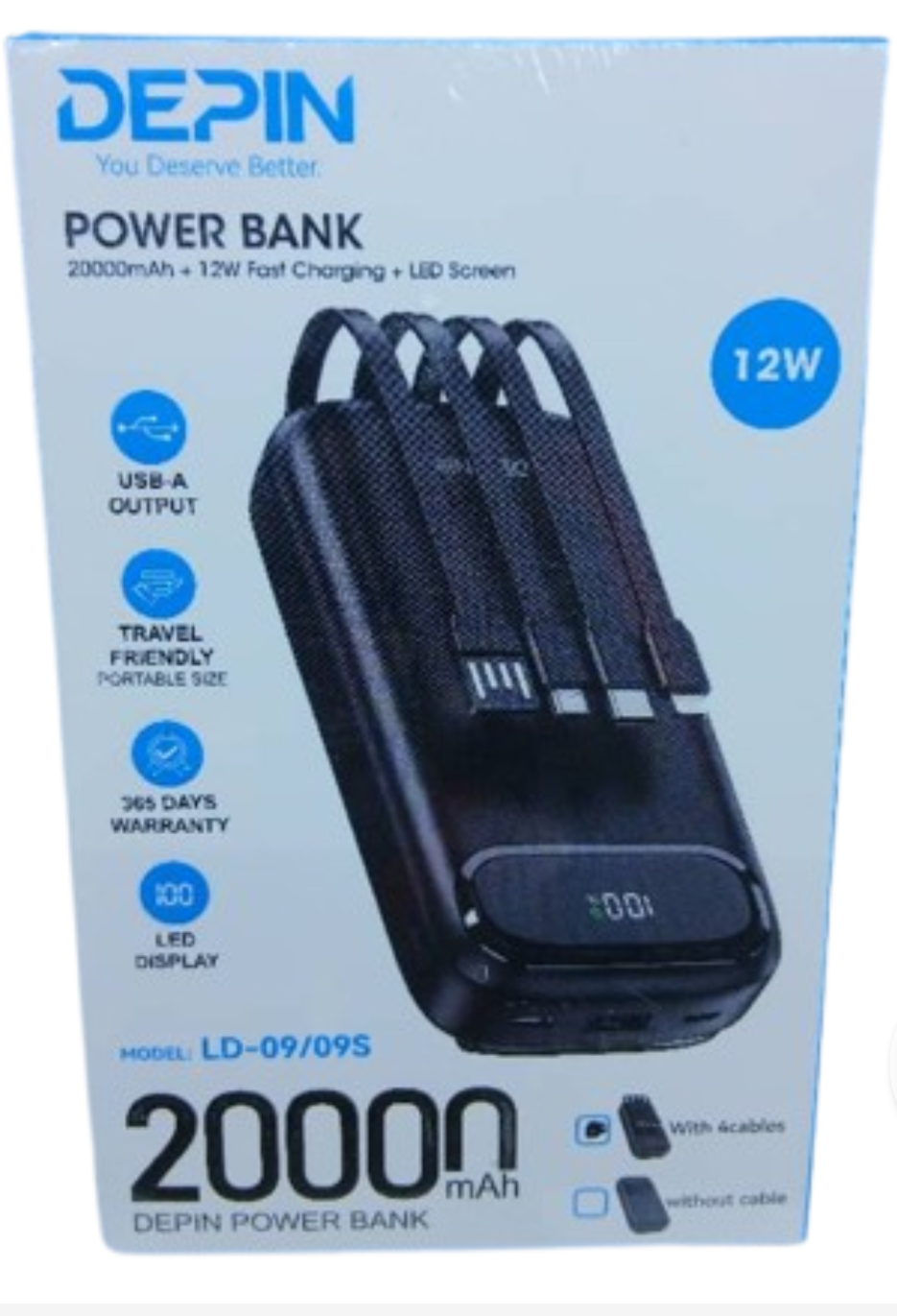
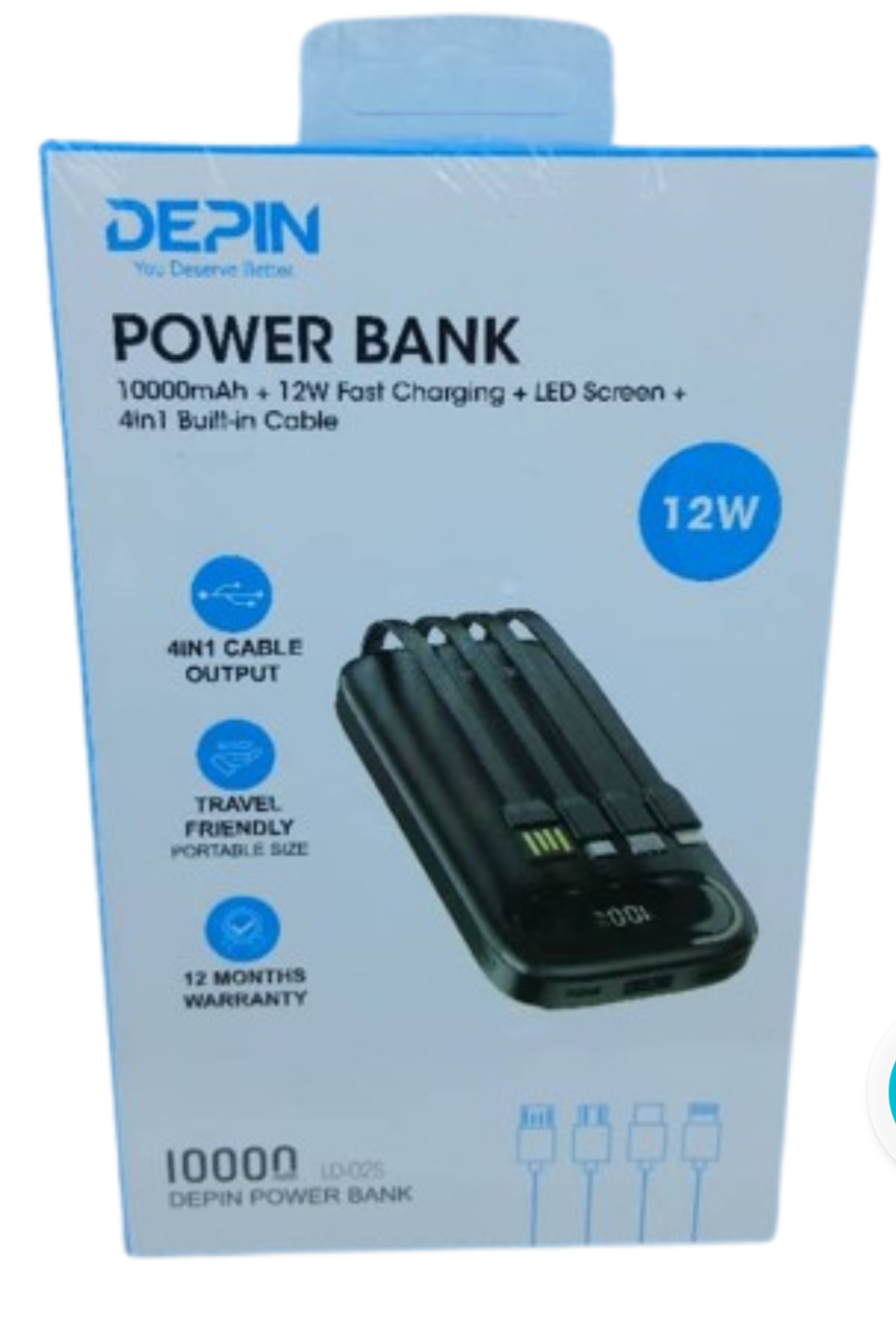
Power bank
1 Must haveA charged phone is your way to call for help and to receive alerts from authorities.
How to use it: Charge before a storm. Use phone power sparingly.
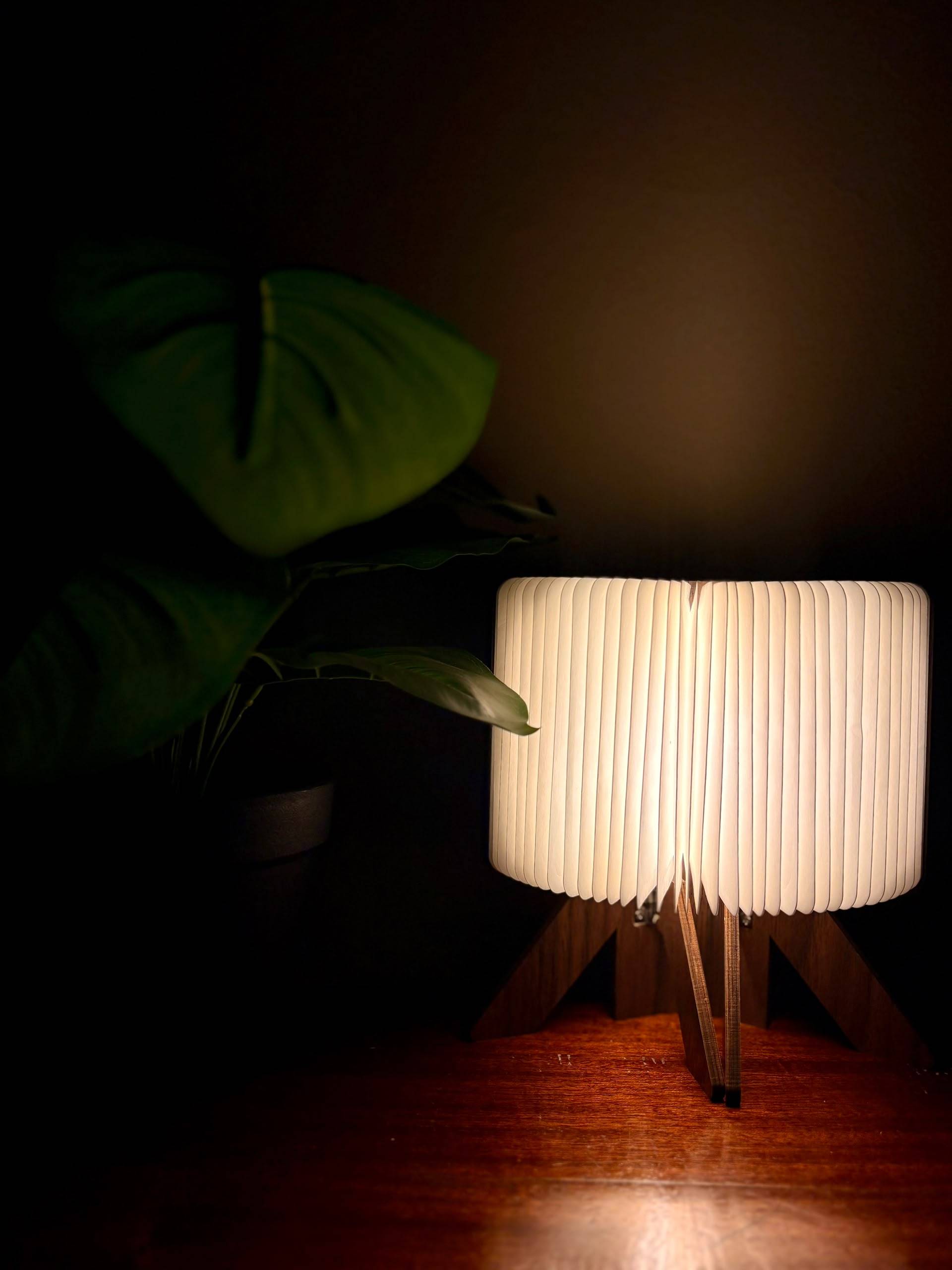
Emergency lamp
1Nice to haveA lamp lights a whole room for longer than a torch can.
How to use it: Charge before the rains and test it each month.
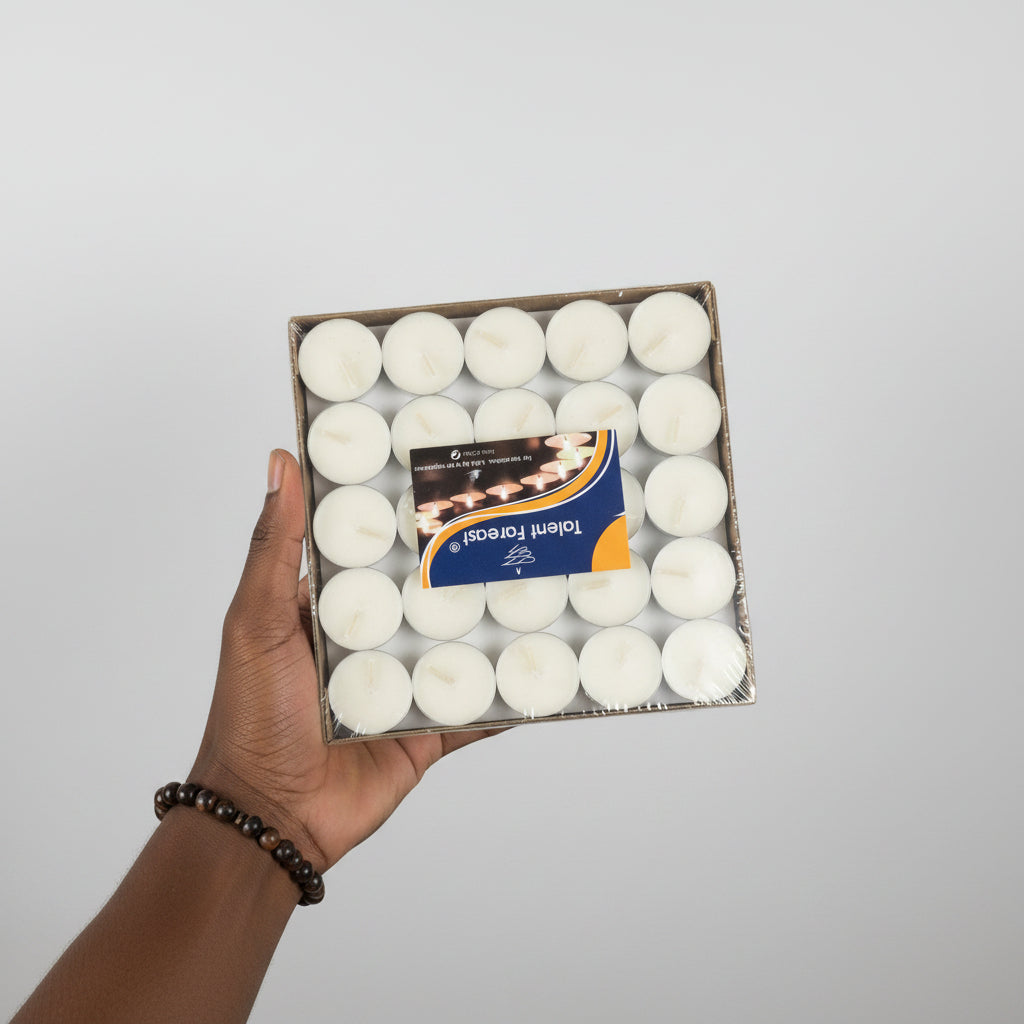
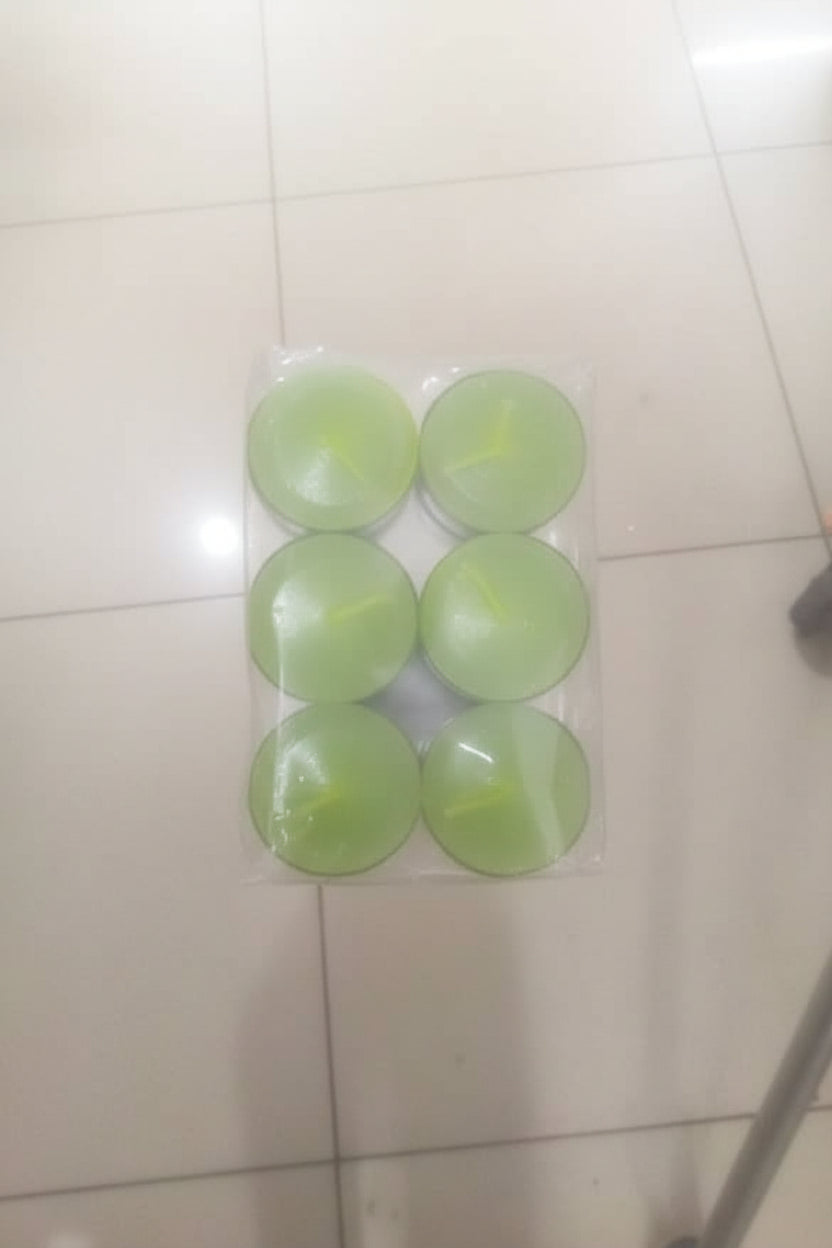
Candles and matches
10 candles, 2 boxesNice to haveBackup light that is cheap, but only use with care.
How to use it: Keep candles on a plate, away from curtains, and never leave them alone near children.

Personal safety
Protect your family when you must go out or leave quickly.
First aid kit
1 Must haveCuts and scrapes are common in floods, and dirty water raises the chance of infection.
How to use it: Check the items, add personal medicine, and see a doctor for any wound that looks serious.
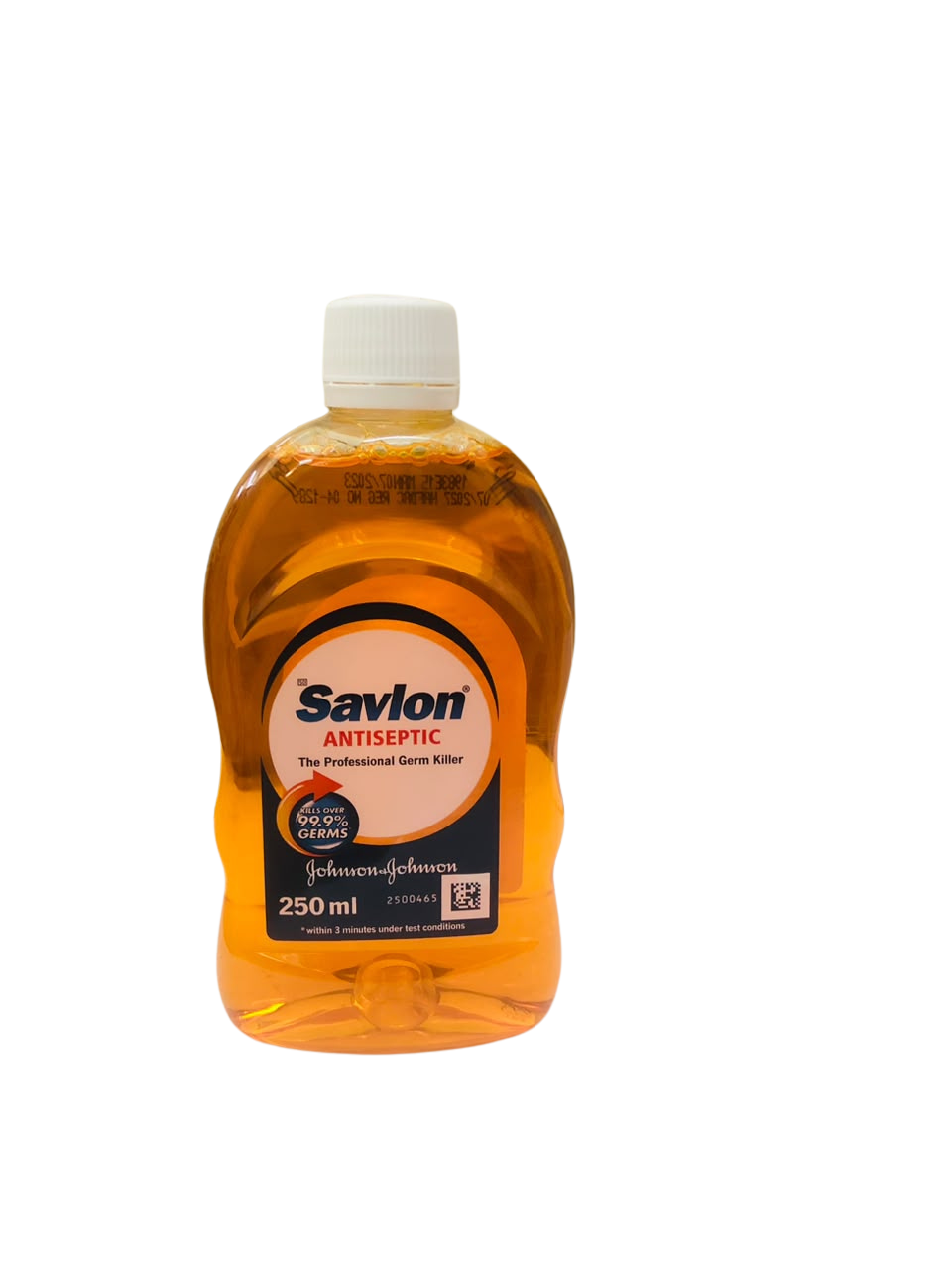
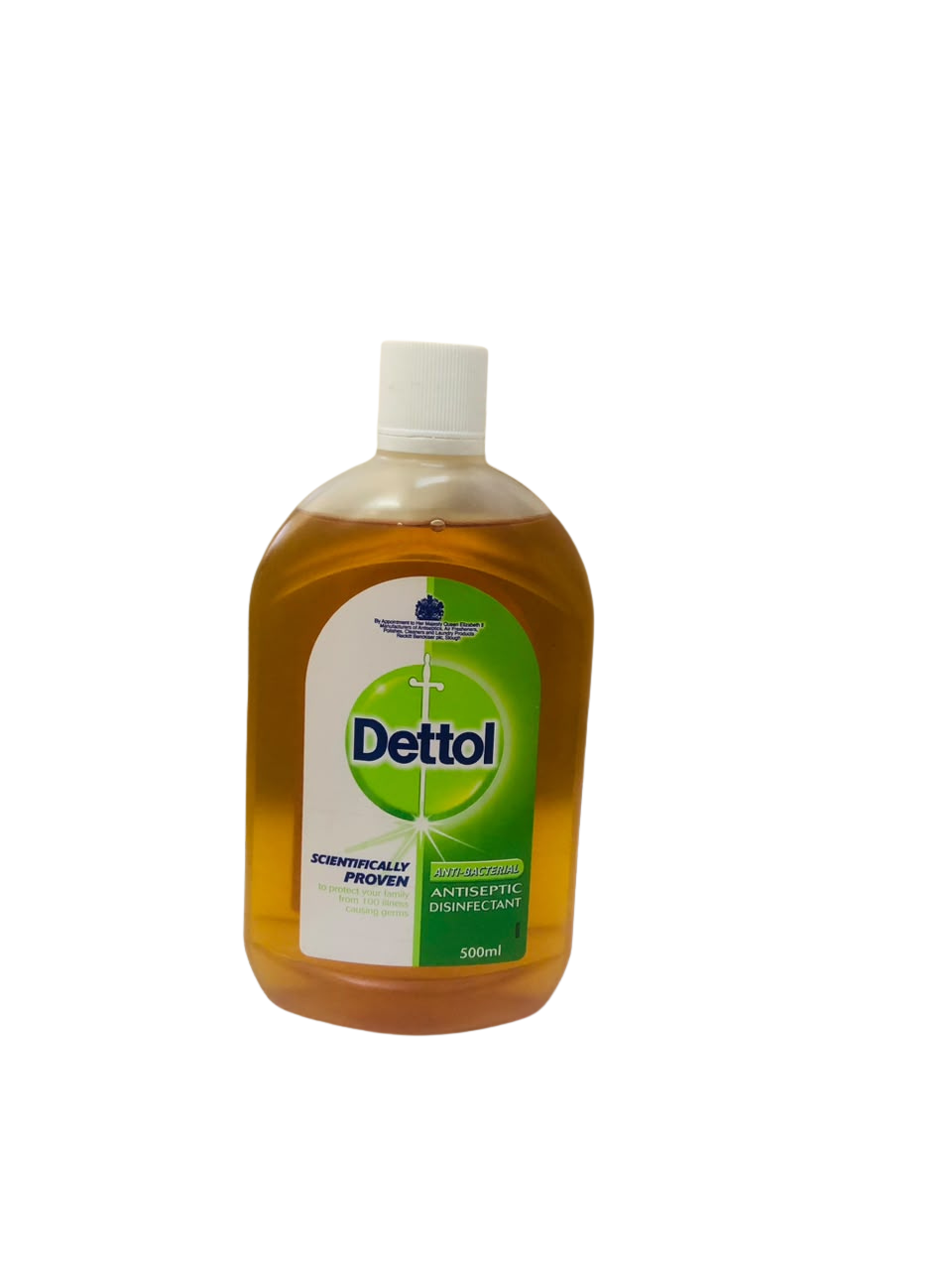
Antiseptic
1 Must haveCleaning small cuts quickly helps prevent infection from dirty water.
How to use it: Rinse with clean water, apply as the label says, and cover.
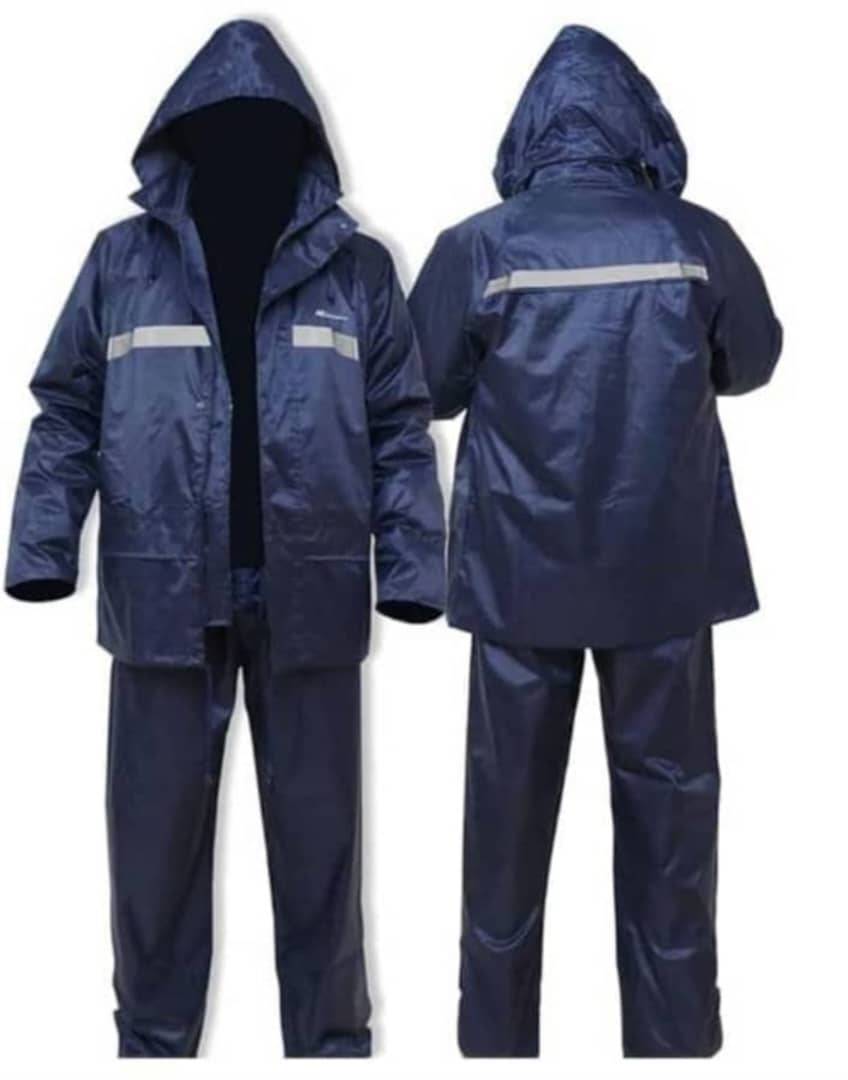
Raincoats
1 per adultNice to haveStaying dry helps you stay warm and healthy when you must go out.
How to use it: Choose a bright color that is easy to see. Keep one per adult near the door.
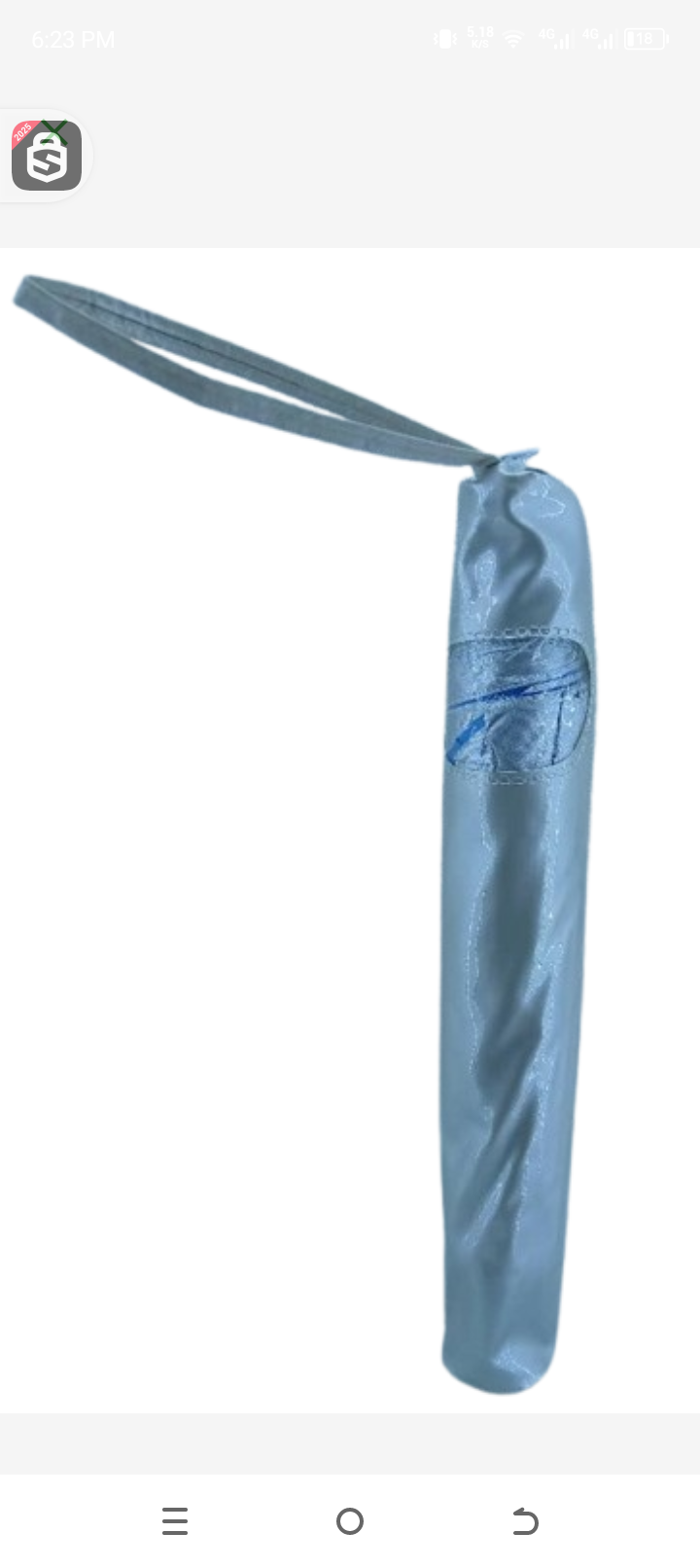
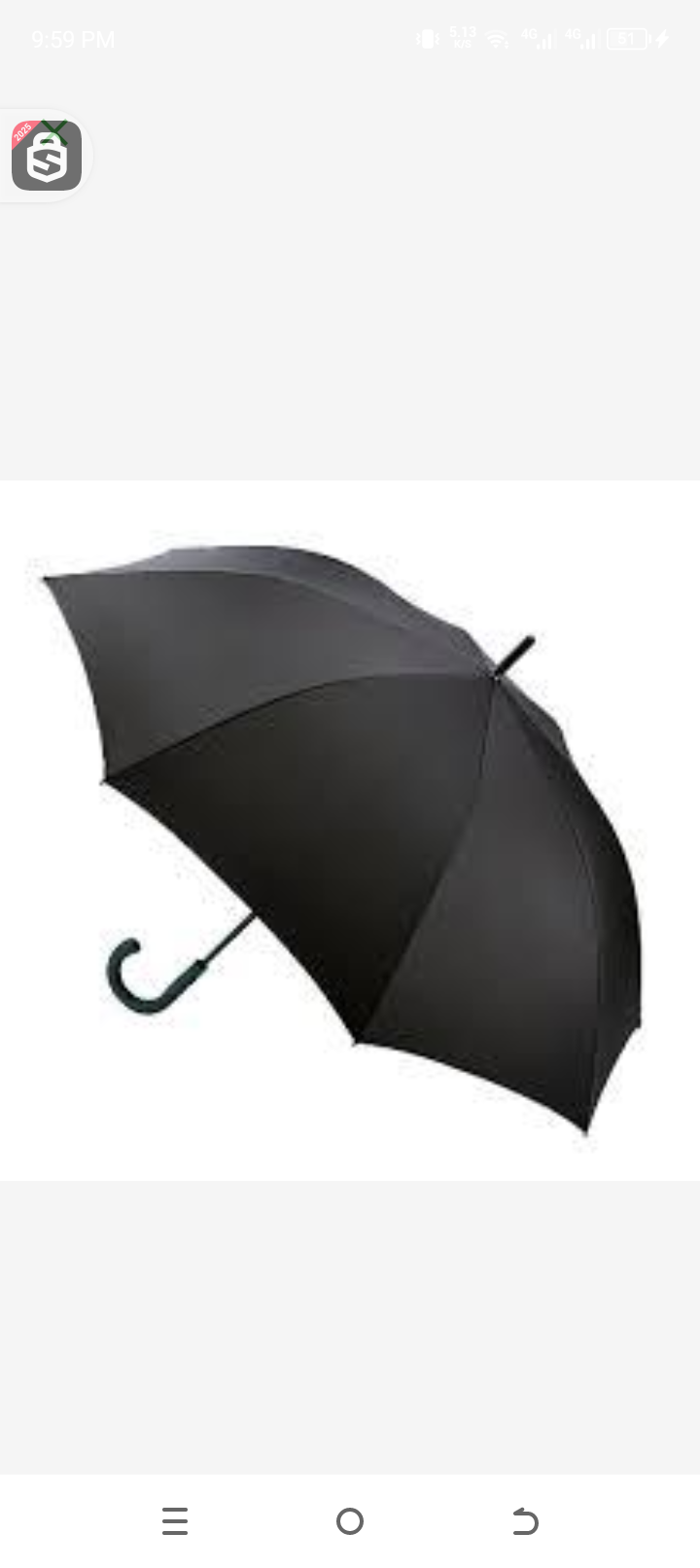
Umbrella
2Nice to haveA strong umbrella is useful for short walks between shelter and a safe place.
How to use it: Do not use it in strong wind or lightning.
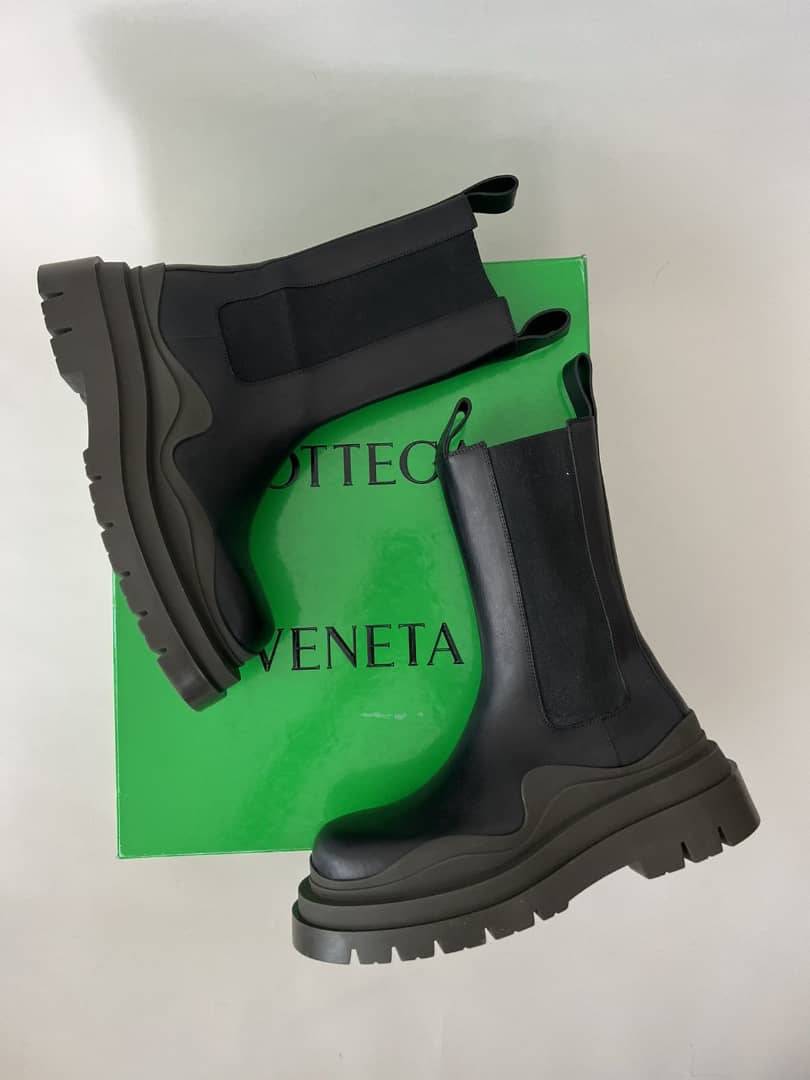
Rubber boots or sturdy shoes
1 pair per adultNice to haveFloodwater hides sharp objects and dirt, so open sandals are not safe.
How to use it: Look for rubber boots at a shoe or hardware shop. Keep a pair by the door.
Blanket
1 per personNice to haveIf you leave home, a blanket keeps children and elders warm and dry.
How to use it: Store it in a sealed bag in your grab bag.


Cleaning up afterwards
Floodwater leaves mud, germs and damp. Clean fast and carefully.
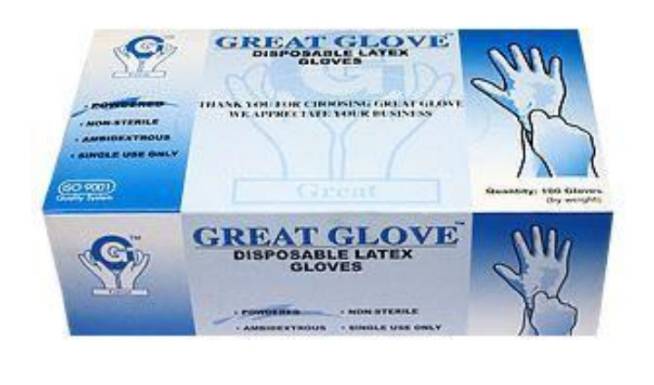
Rubber gloves
2 pairs Must haveFloodwater can be dirty. Gloves protect your hands during cleanup.
How to use it: Wash gloves and hands well afterwards.
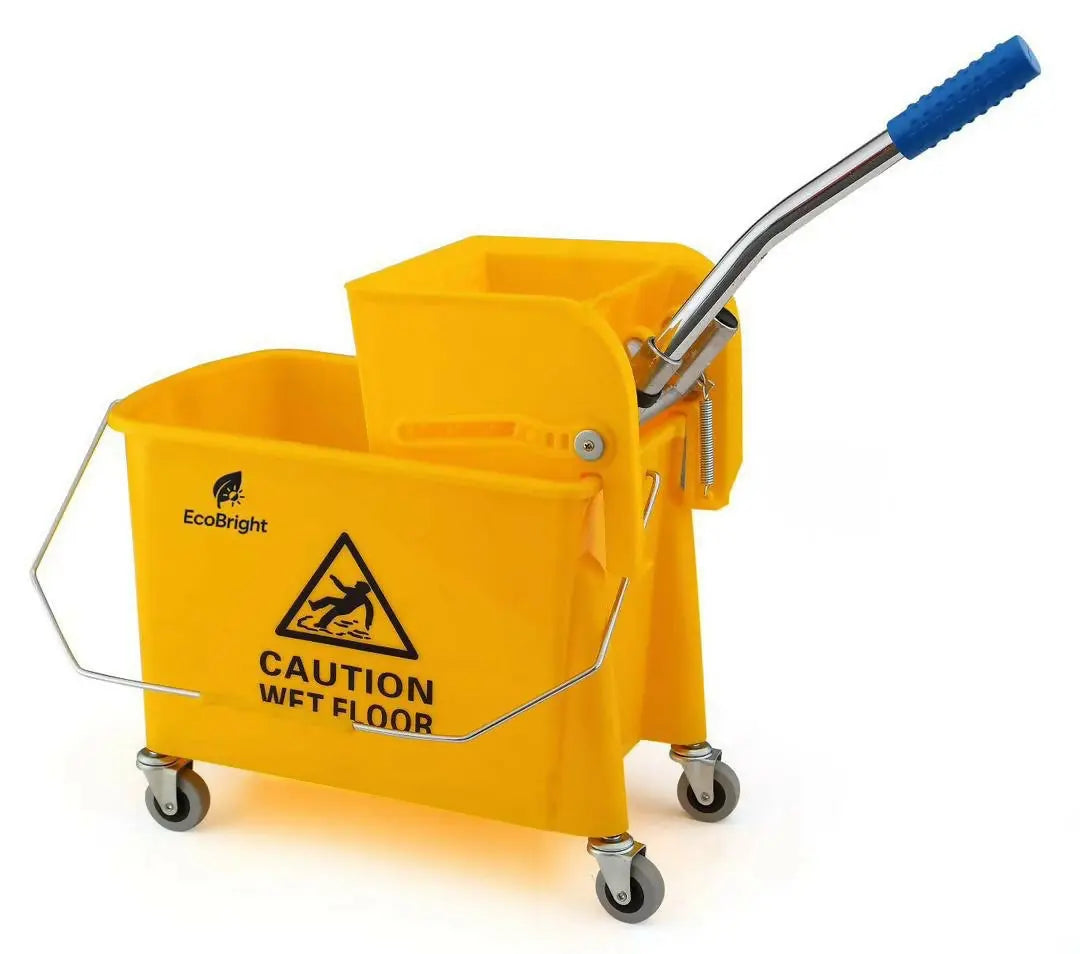
Bucket
2 Must haveA strong bucket is the cleanup tool for carrying water, mud and rubbish.
How to use it: Keep one for clean water and one for dirty.
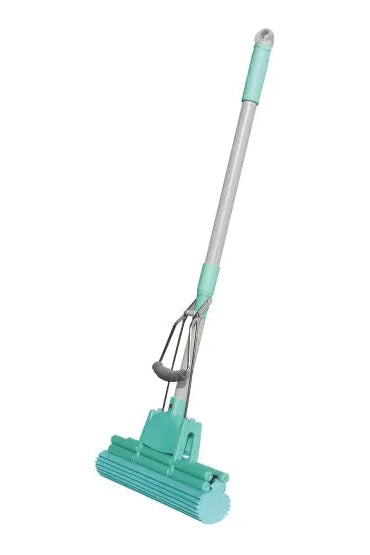
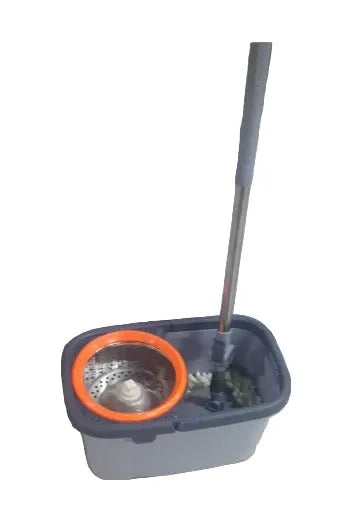
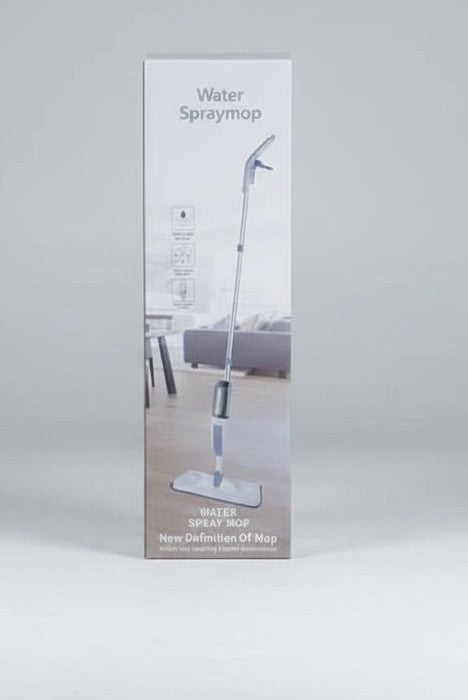
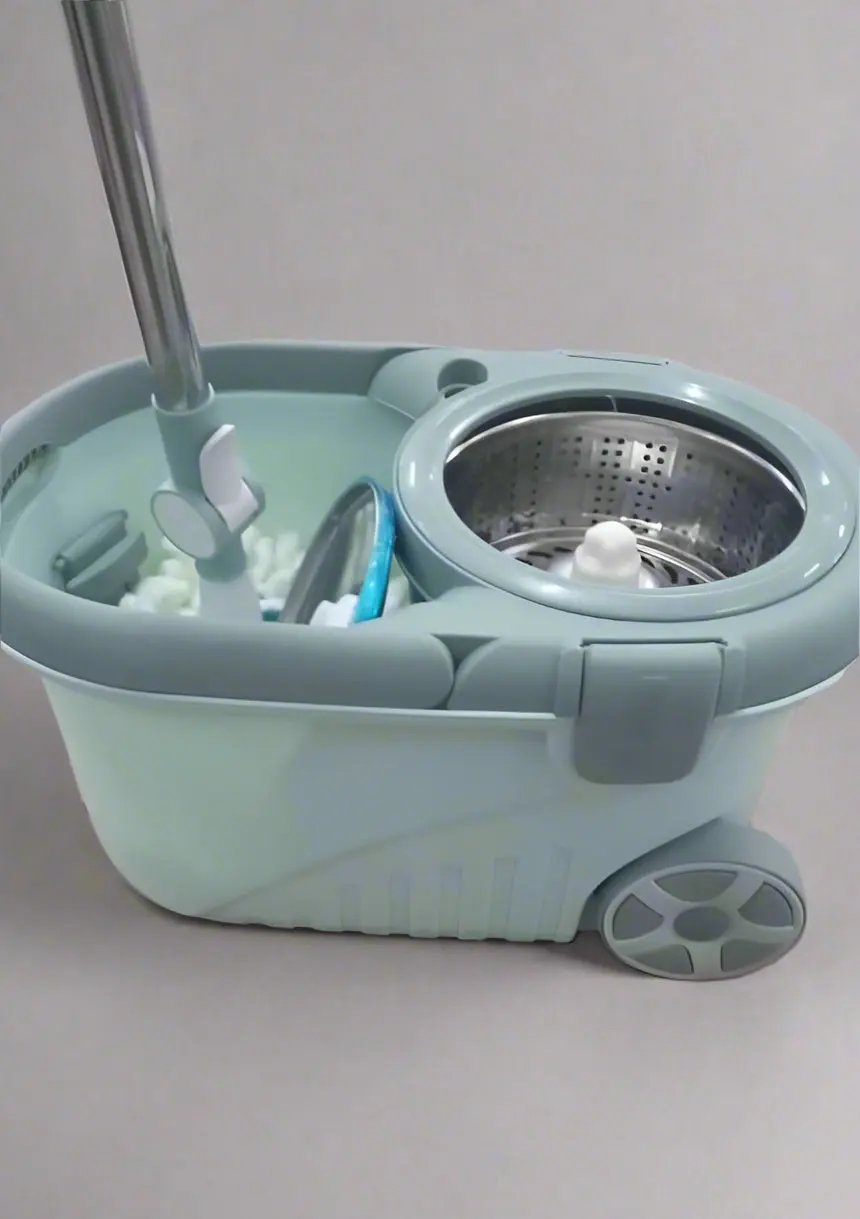
Mop and squeegee
1 each Must haveThese push water and mud out of rooms before it soaks into floors.
How to use it: Rinse often and work from the farthest wall to the door.
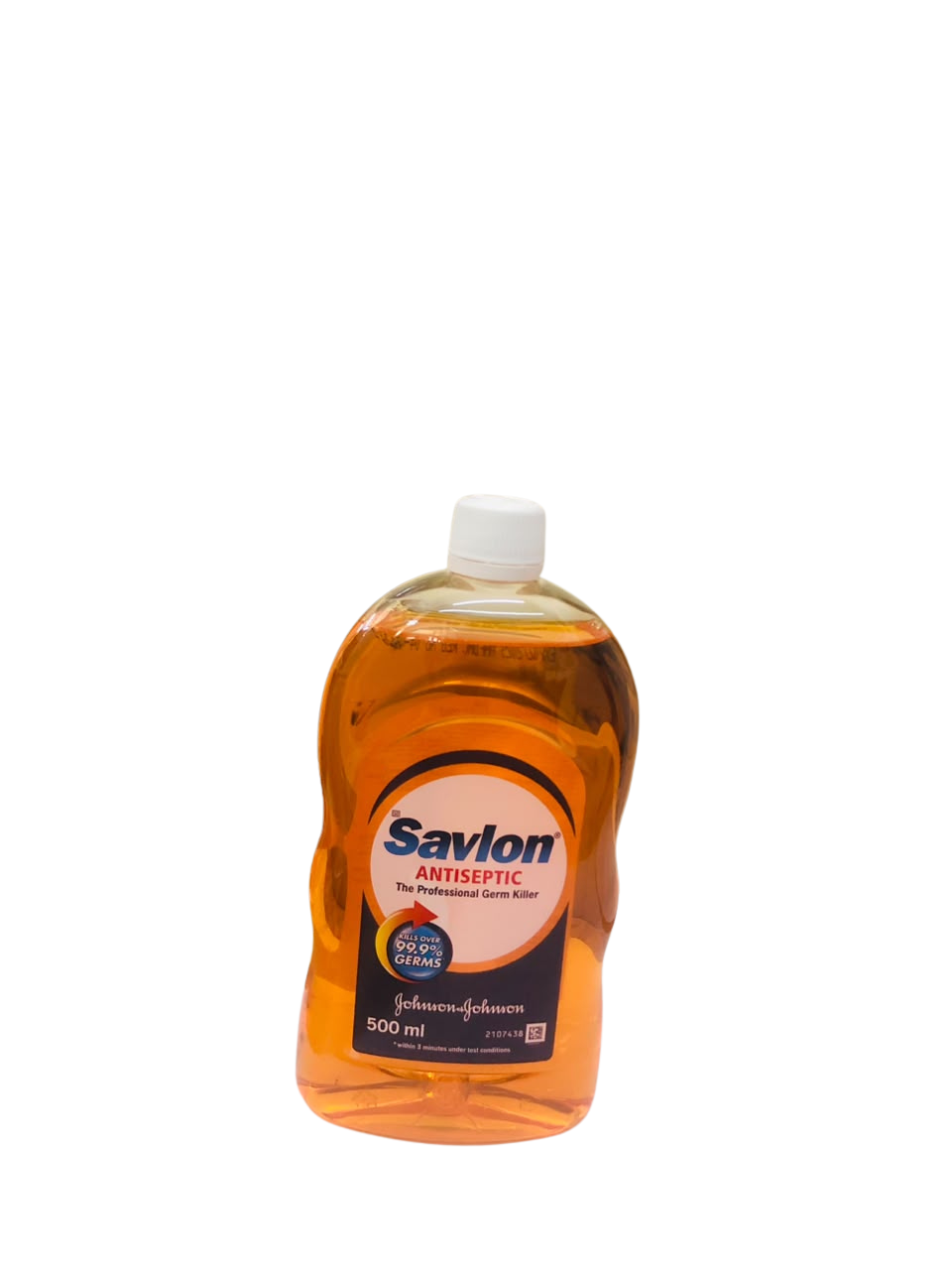
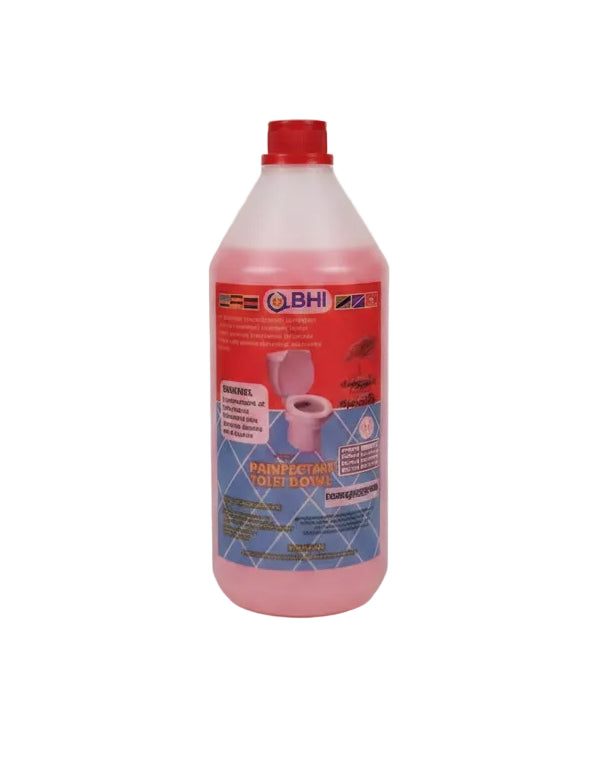
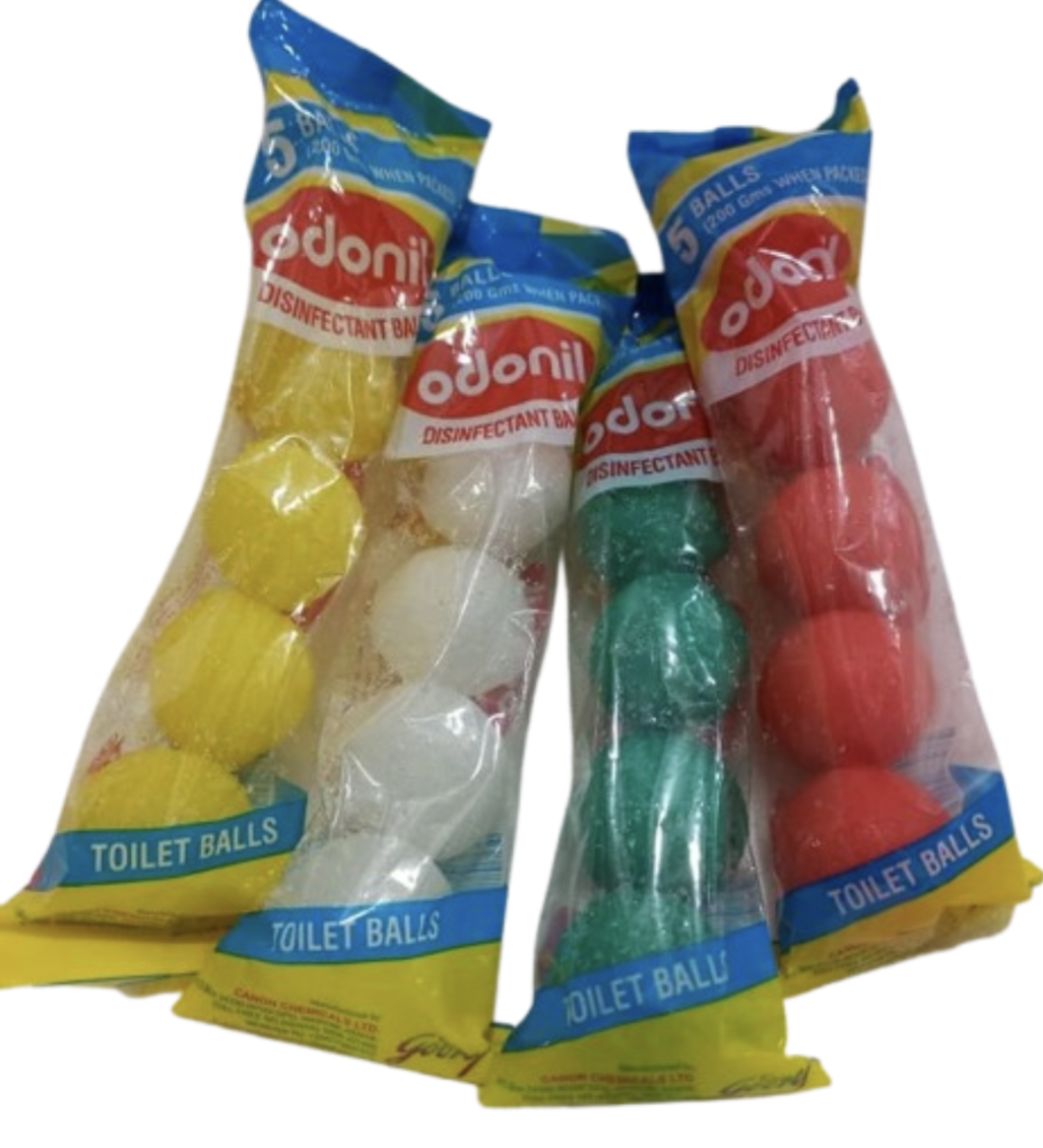
Disinfectant
1 litre Must haveDisinfect floors and surfaces after water and mud are gone to cut down germs.
How to use it: Follow the label, never mix products, and keep out of reach of children.
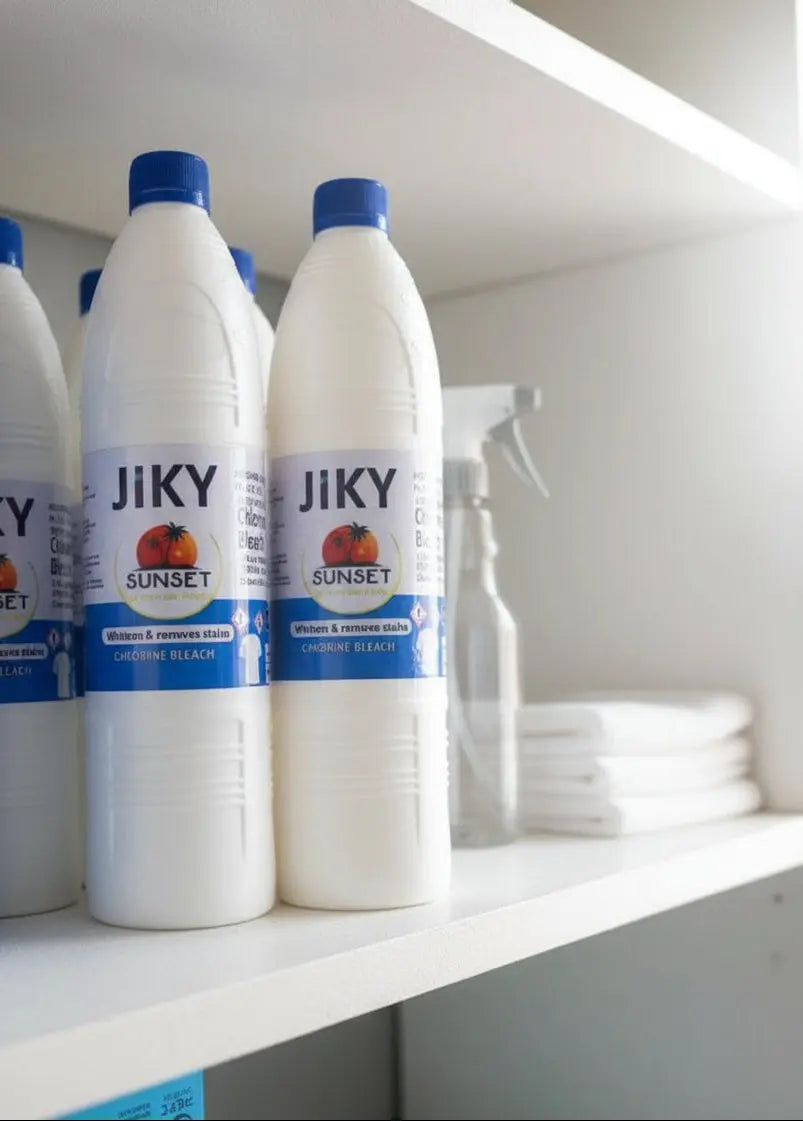
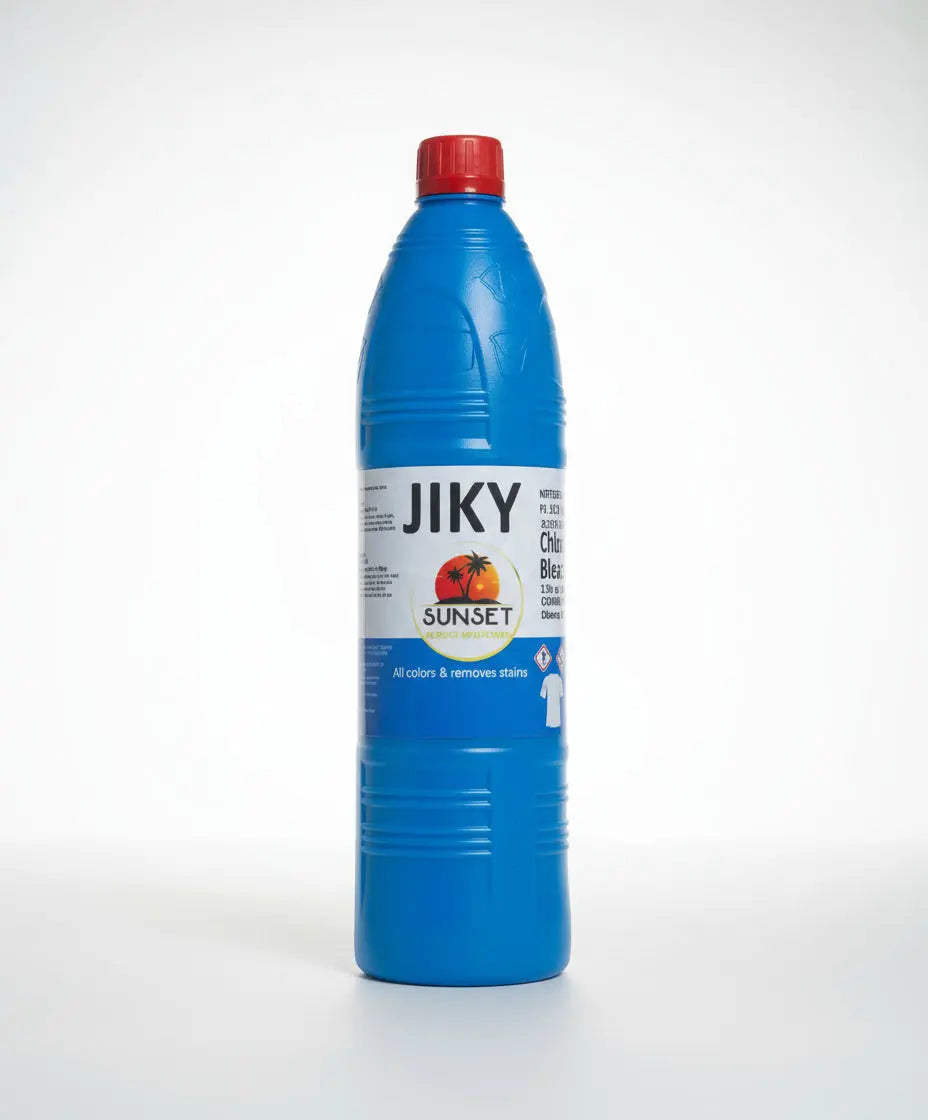
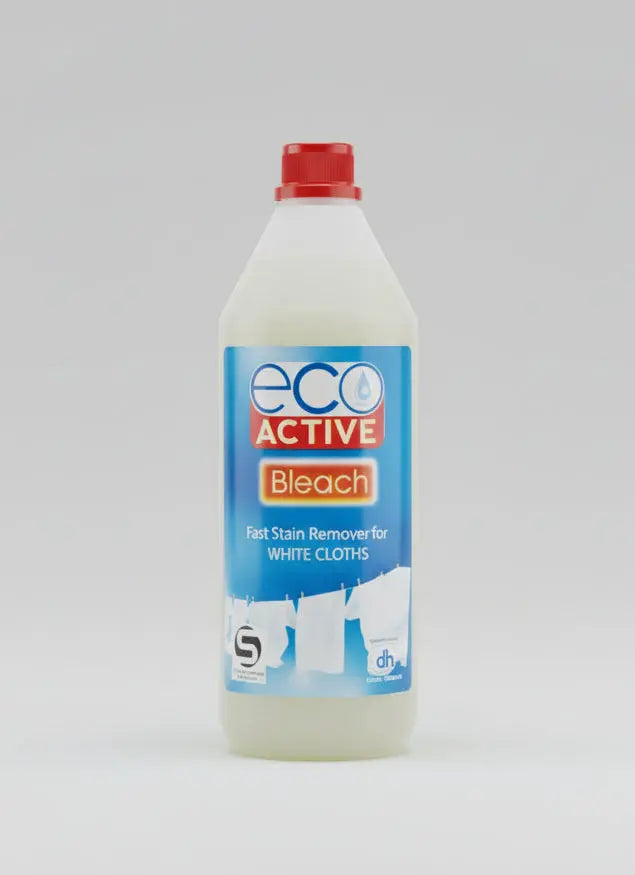
Chlorine bleach
1 bottleNice to haveBleach helps kill mold and germs on hard surfaces after a flood.
How to use it: Follow the label, open windows and never mix with other cleaners.
Dust mask
2Nice to haveA mask protects you from damp, moldy dust when you clean.
How to use it: Wear it when scrubbing walls and when moving damp items.
Mosquito net
1 per bedNice to haveStanding water after a flood brings more mosquitoes.
How to use it: Hang it over beds and see a health center for any fever.






Step by step
- 1
Learn your risk
Look at where water collects near your home, and talk to neighbors and your landlord about drainage.
- 2
Clear drains
Before the rains, clear drains and gutters of mud and plastic. Never do it during a storm.
- 3
Raise belongings
Move food, bedding, electronics and papers up onto shelves. Pack documents in waterproof bags.
- 4
Prepare light and contact
Charge torches, lamps and a power bank. Write key numbers on paper.
- 5
Pack a grab bag
Pack documents, a torch, first aid, water and a blanket in one bag by the door.
- 6
After the water
Wear gloves, clean and disinfect, dry the house and check for damaged wires before using power.
Tips that help
- Prepare before the March to May and October to December rains, not once the sky is dark.
- Keep a charged power bank in your grab bag during the rainy seasons.
- Take photos of your documents and belongings and keep them on your phone.
- Never walk or drive through moving floodwater, even if it looks shallow.
- Turn off power at the main switch if water enters the house, if it is safe to reach.
- Know your high ground and exit route, and agree on a meeting point with the family.
- After a flood, watch for fever or stomach problems and see a health center early.
Mistakes to avoid
- Waiting until the rain has started to move belongings and buy supplies.
- Leaving documents on the floor or in a cardboard box.
- Walking through floodwater, which can hide holes and fast current.
- Using electrical items that got wet before they are dry and checked.
- Mixing bleach with other cleaners, which creates harmful fumes.
- Blocking drains with rubbish.
Questions people ask
How can I protect my house from flooding in Kigali?+
Clear drains, raise belongings, seal gaps and keep sandbags or sacks ready at the door. Ask your landlord about drainage and fixes, since walls and compound changes are often their decision.
Do sandbags really work?+
They can slow shallow water and divert it for a short time, but they do not stop strong floods. Treat them as one helper, not a guarantee, and always move to safety if the water keeps rising.
What should be in my grab bag?+
Documents in a waterproof bag, a torch, a power bank, first aid items, drinking water, snacks, a blanket and a notebook with key numbers.
What should I do first after a flood?+
Make sure the building is safe, switch off power if it is wet, wear gloves and boots, then remove mud and water. Disinfect surfaces and dry rooms well to prevent mold.
Is floodwater safe to touch?+
No. It can carry dirt and germs. Wear gloves and boots, wash well afterwards and see a health center if you get a wound or feel unwell.
When should I leave home?+
Leave early if authorities advise it or if water is rising quickly toward your door. Do not wait to save belongings, and call local emergency services if you are in danger.
Preparing before the rains is the best way to protect your family and your home. Choose the items from this list that suit your house, order them on Isokko, and get ready before the next big storm.
Shop this list
Get everything delivered in Kigali
Order from local stores on Isokko and pay with MoMo, card or cash. Same-day delivery.