
Checklist · Home & moving
Hosting a Long-Term Exchange Student at Home: What to Buy
What to buy before a long-term exchange student arrives in Kigali: bedroom, study corner, bathroom and welcome items, with simple tips.
Updated November 26, 2026 · By Isokko
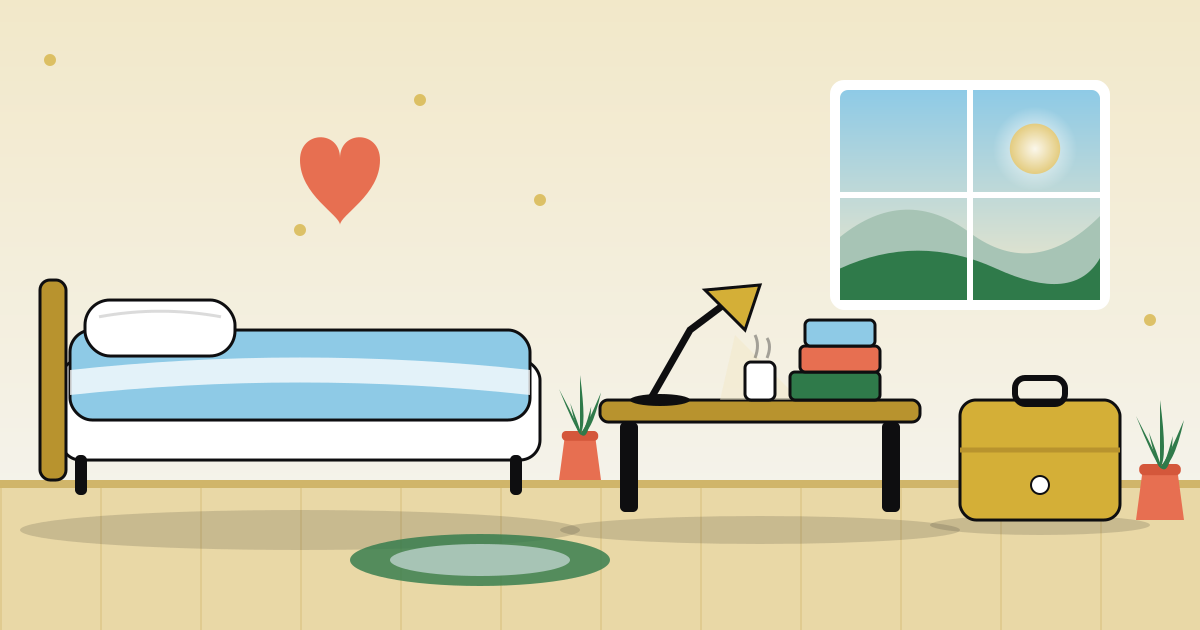
Hosting a student for months is a big, happy change. The visitor is far from home, and small things like a clean bed, a quiet desk and a warm welcome make the first weeks easier for everyone.
This checklist covers the bedroom, a study corner, the bathroom, power and safety, and welcome extras. It also leaves room for the student's own habits. Ask them, if you can, what they need and what foods they like, then adjust the list.
You do not need to spend a lot. A comfortable, simple room and a few thoughtful touches work well. Check the exchange program's rules and speak to your landlord if you rent, for example about extra guests.
Who it's for
Host families in Kigali welcoming a student for several months or a school year
Time needed
One to two weeks before arrival
When to shop
Order bulky items first, then the small welcome items a few days before the student arrives
On the list
34 items, 15 must haves
0 of 34 ready
The bedroom
A calm, clean bedroom is the most important thing. It is the student's private space for months.
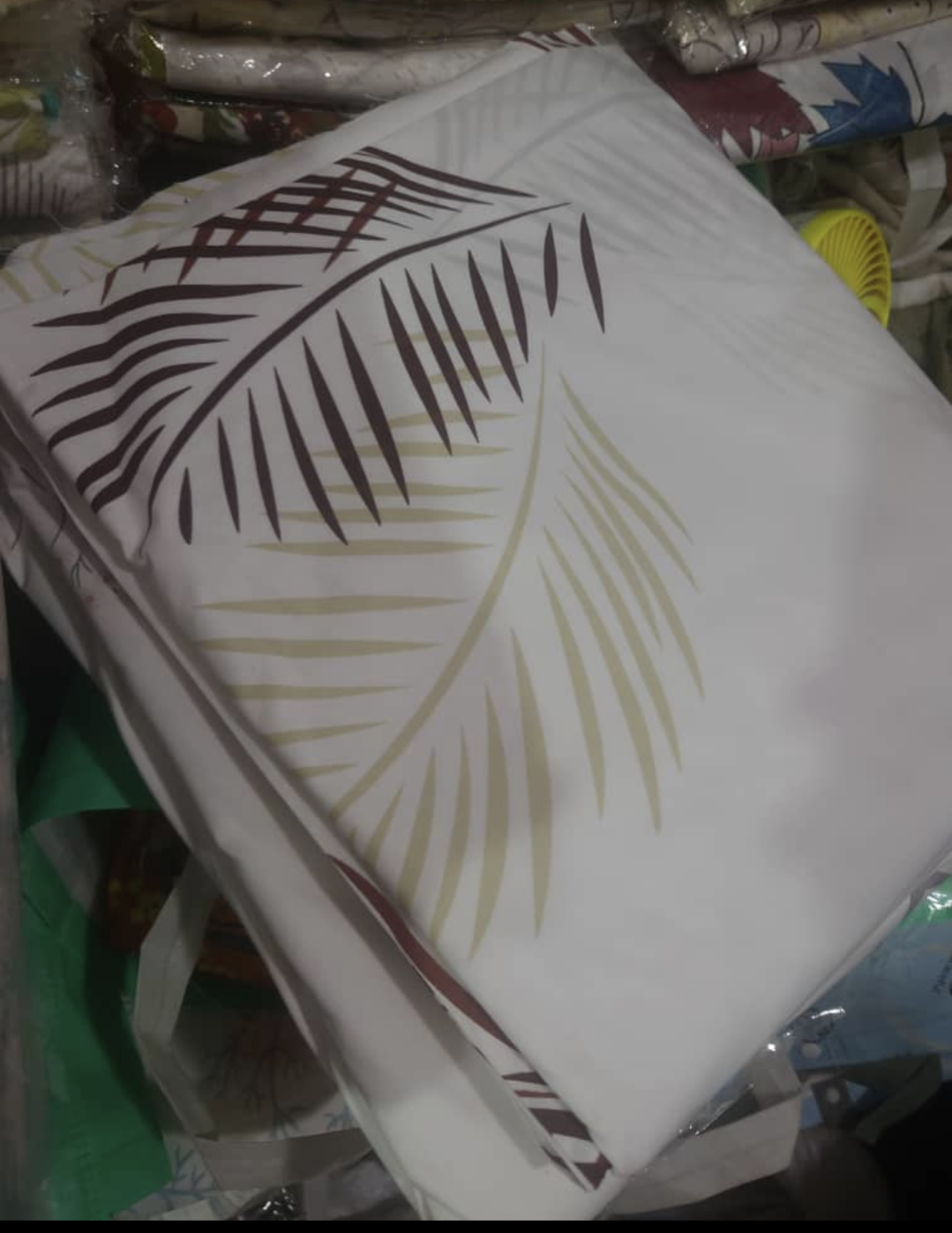
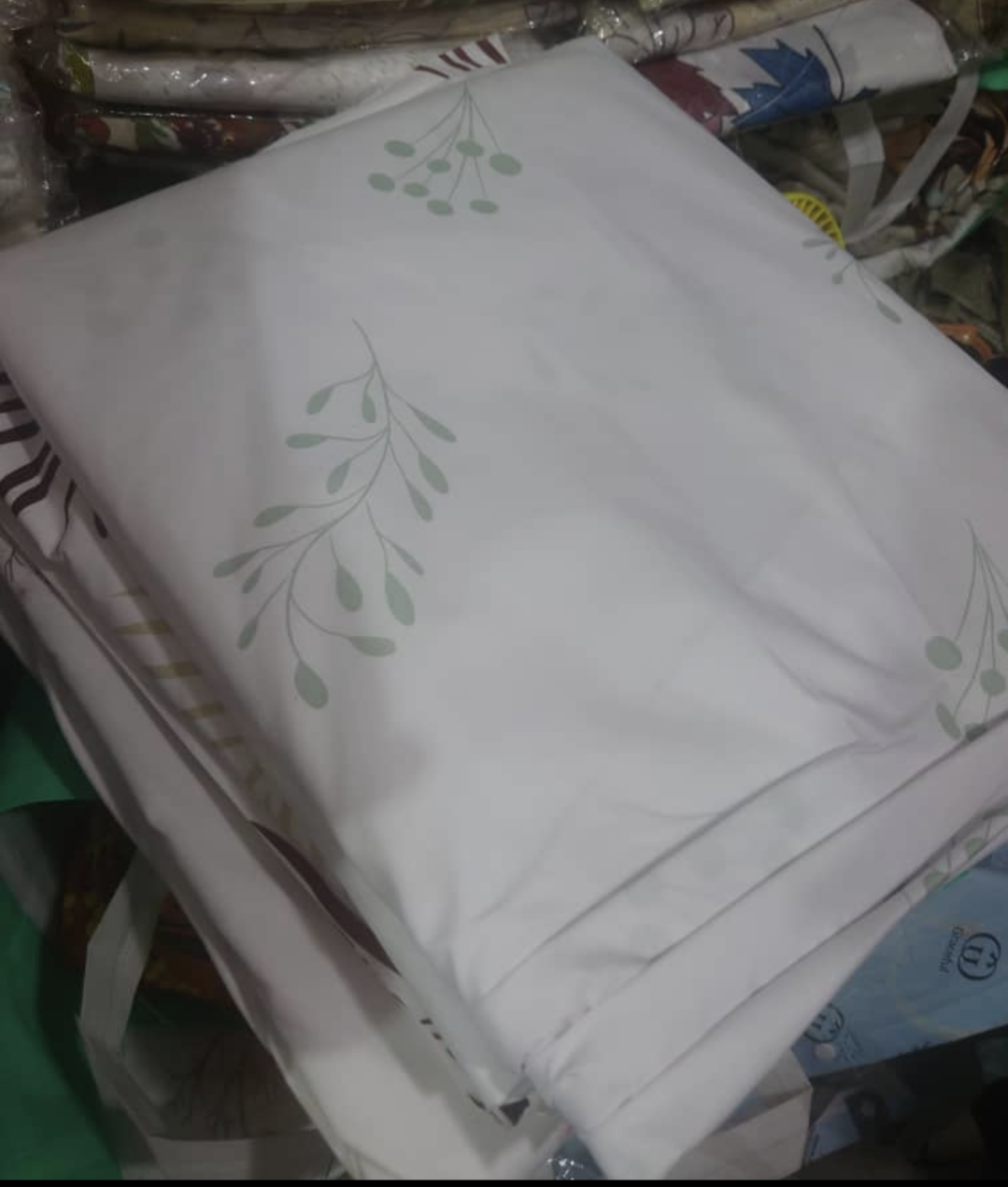
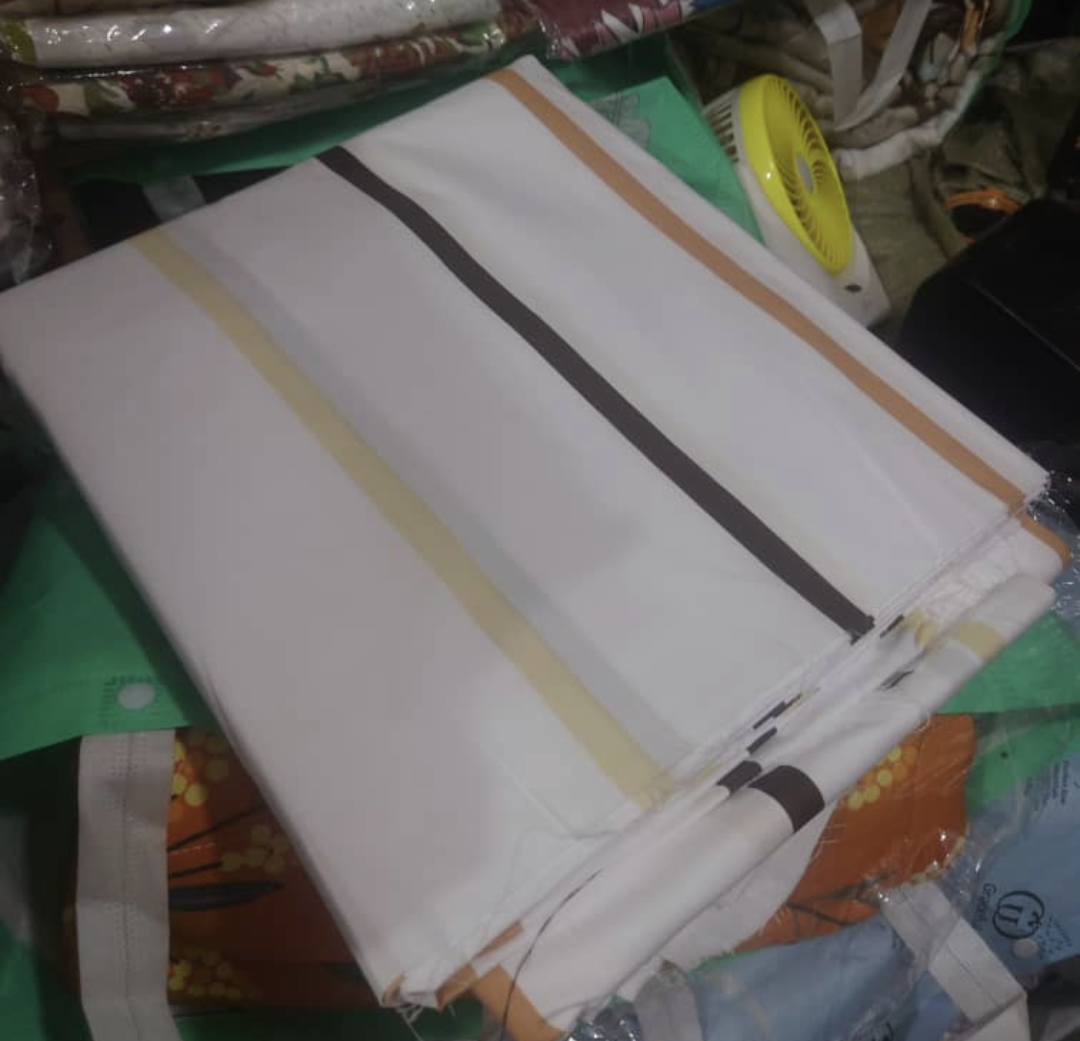
Bed sheet set
2 sets Must haveThe student needs clean sheets from the first night, and a spare set for wash day.
How to use it: Check your mattress size and buy two sets. Many sets include pillowcases.
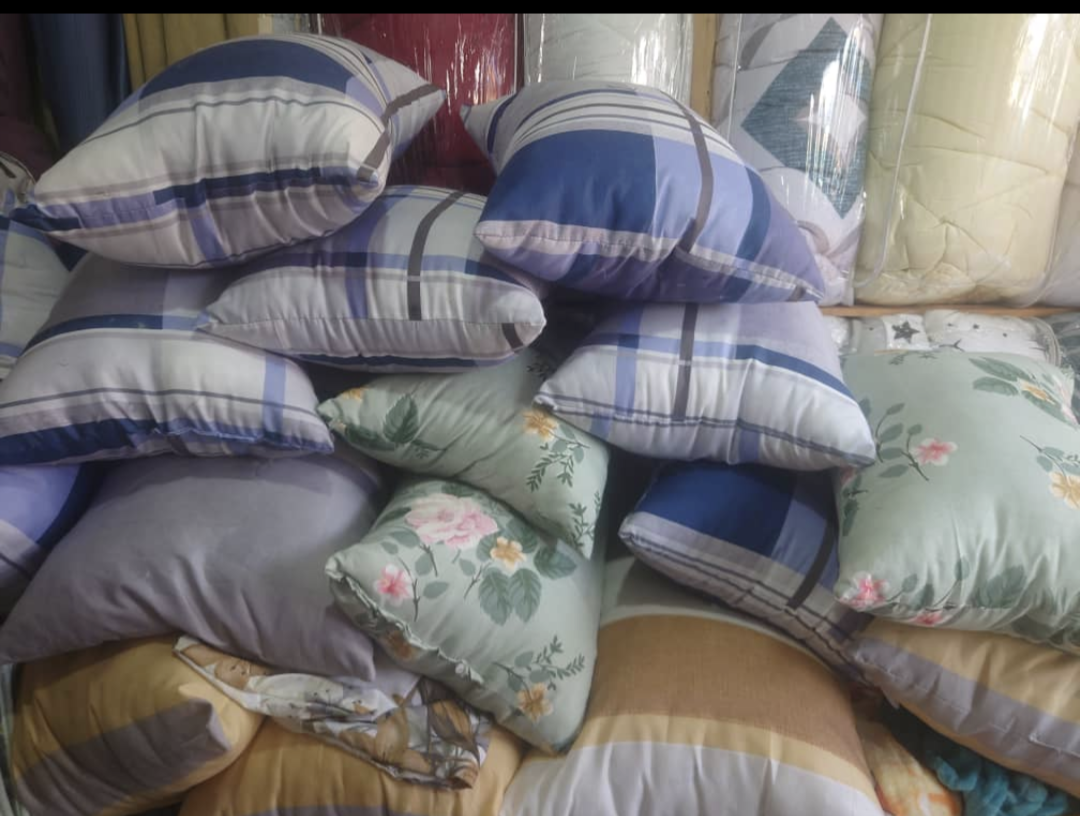
Pillows
2 Must haveGood pillows help your guest sleep well in a new place.
How to use it: Buy two, so the student can choose a soft or firm one.
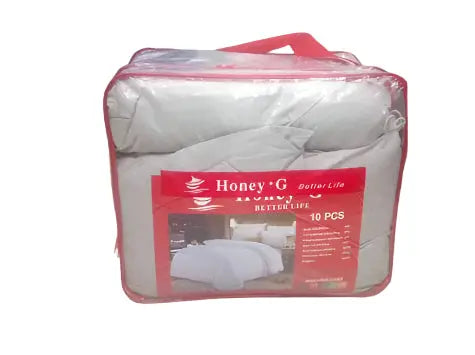
Duvet or blanket
1 or 2 Must haveKigali nights can be cool, especially in the rainy months.
How to use it: Provide a light blanket and a warmer duvet so the student can choose.
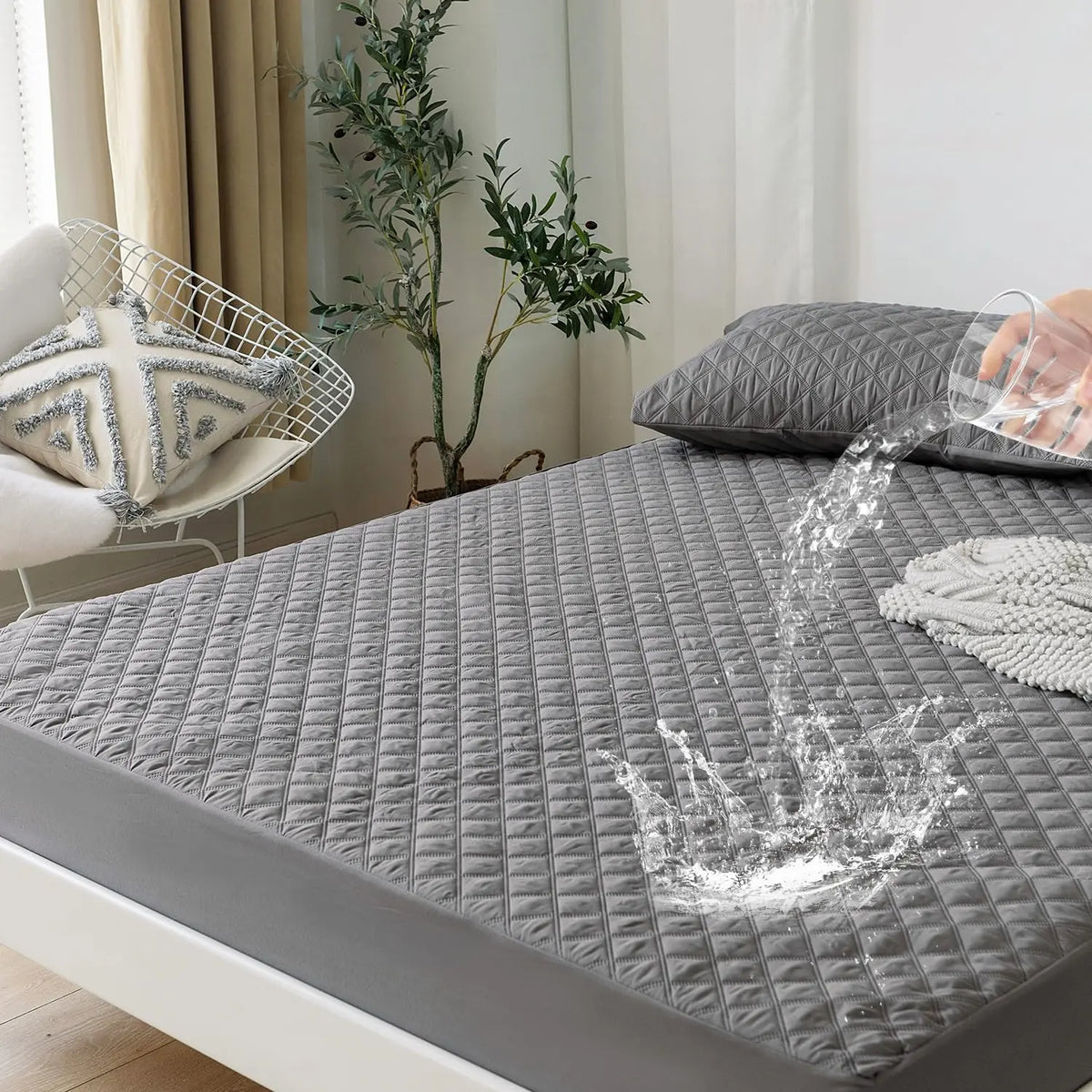
Mattress protector
1Nice to haveIt keeps the mattress clean for the long stay and for the next guest.
How to use it: Put it on before the sheet, and wash it between guests.
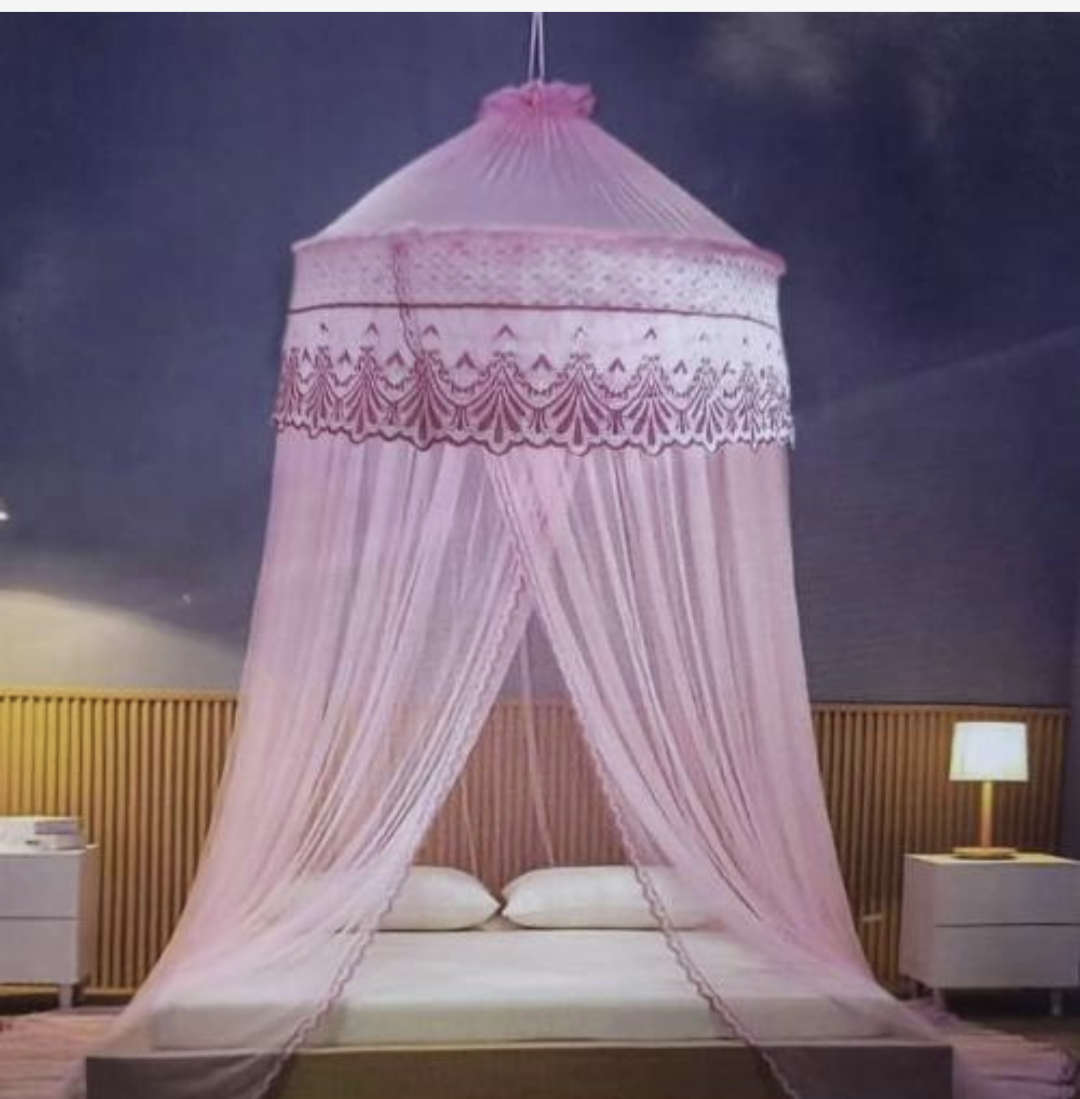
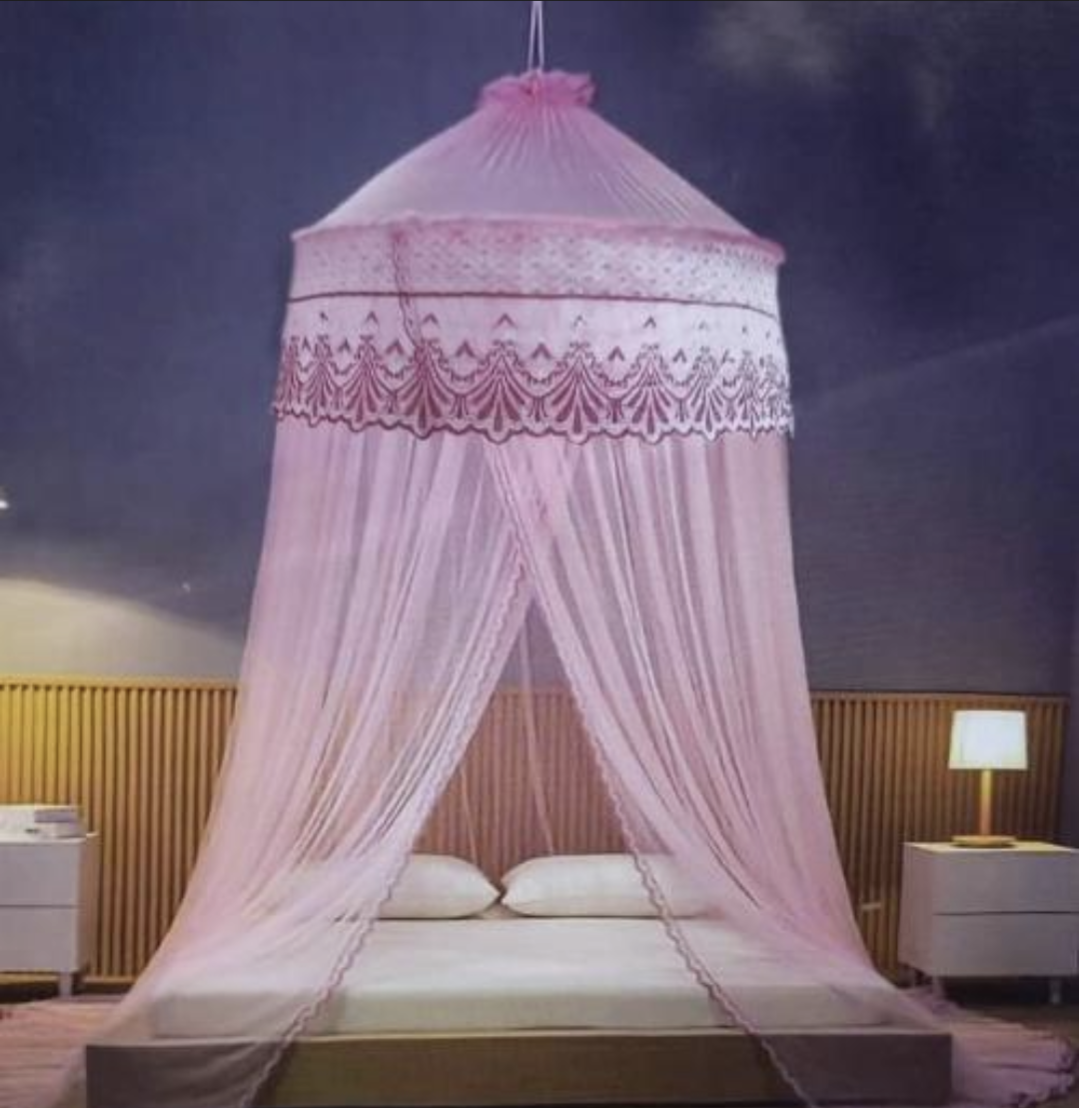
Mosquito net
1 Must haveMany visitors are not used to mosquitoes. A net over the bed helps.
How to use it: Check the size against the bed and show your guest how to tuck it in.
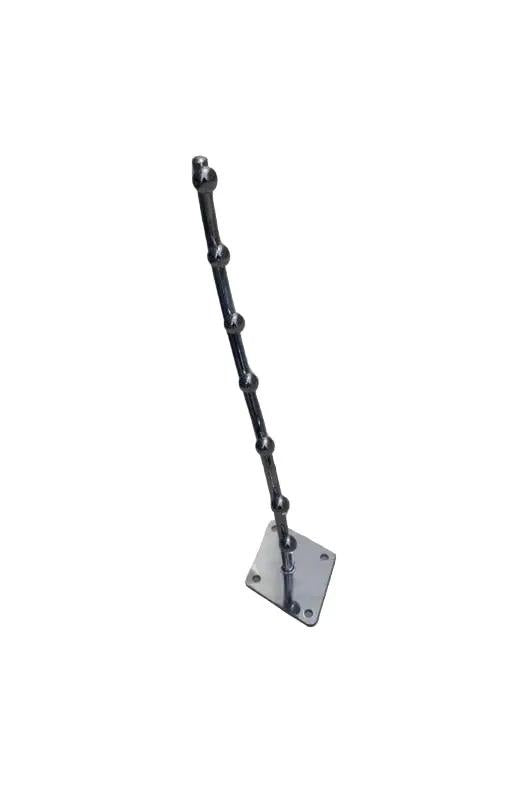
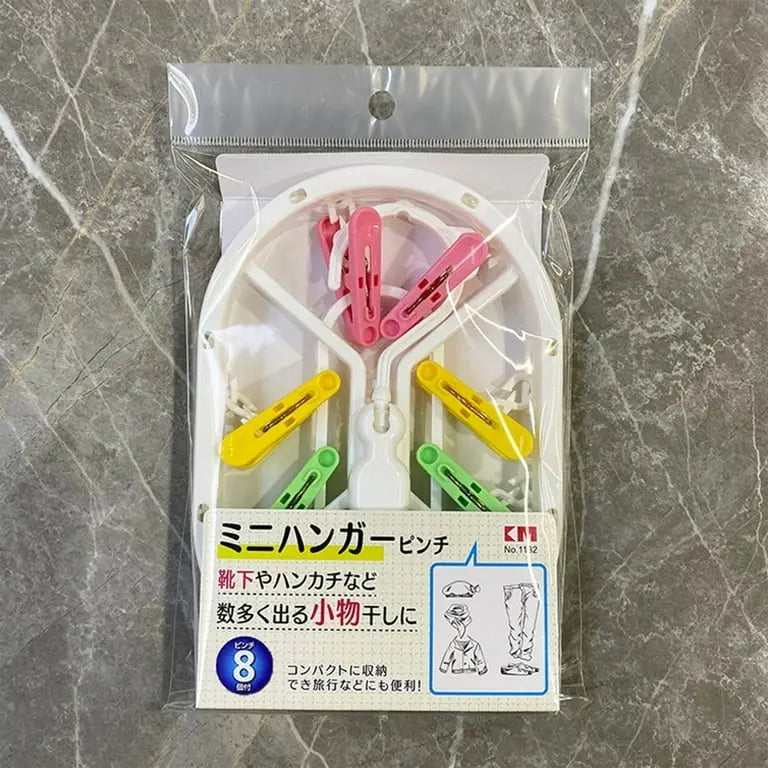
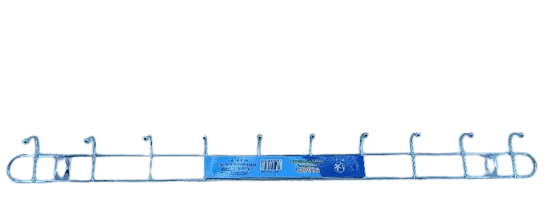
Clothes hangers
10 or more Must haveThe student needs a place for clothes, so the suitcase does not become the wardrobe.
How to use it: Clear some space in a cupboard or put up a rail.
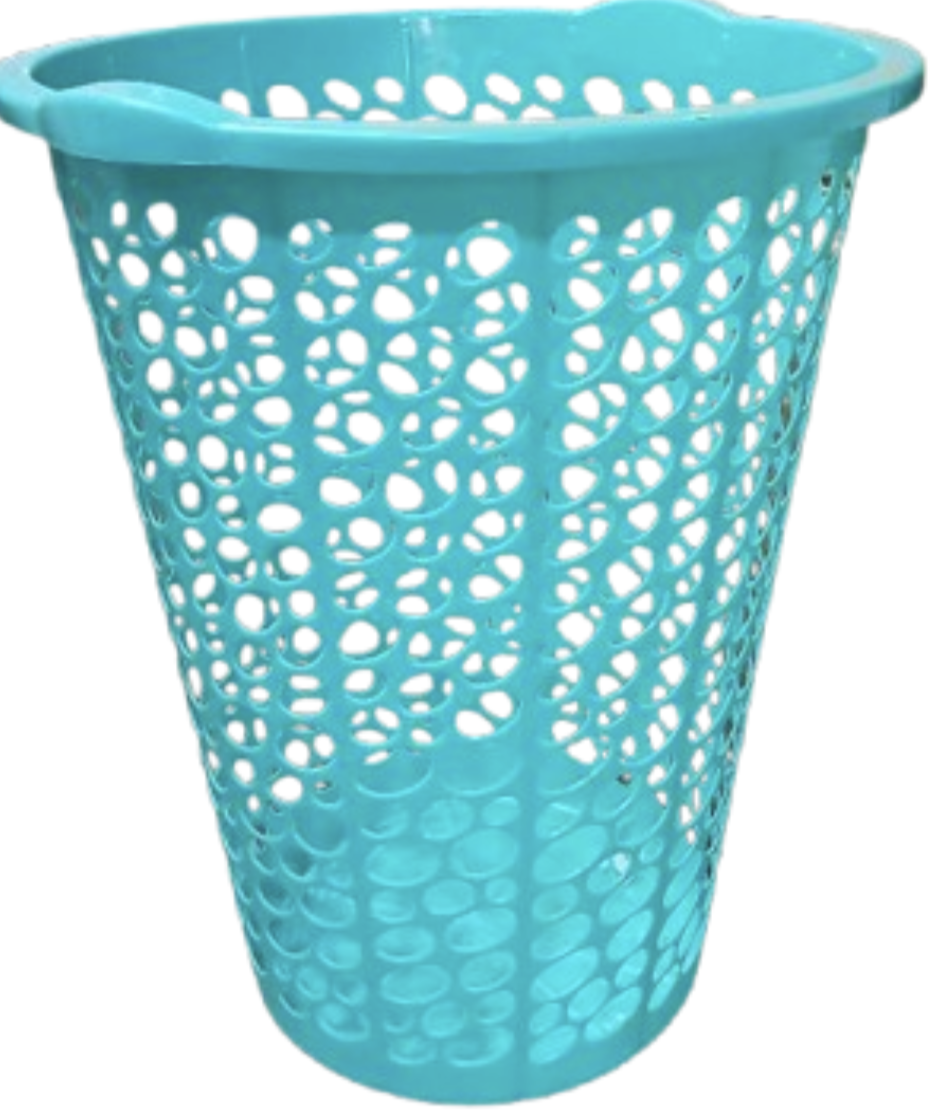
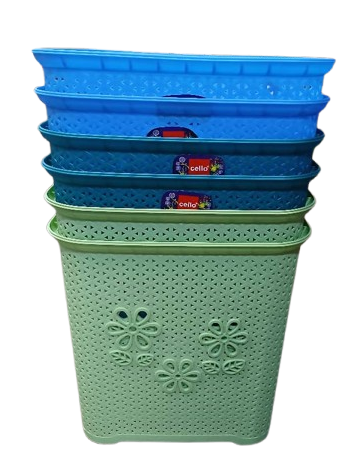
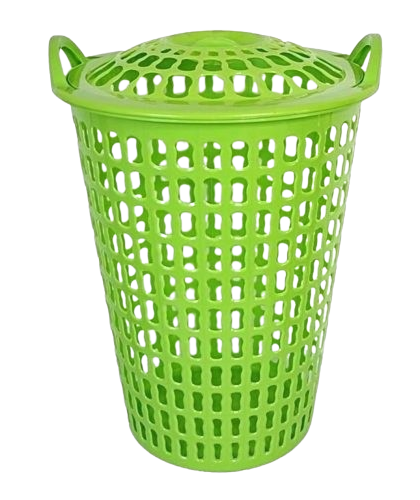
Laundry basket
1Nice to haveIt gives a clear place for dirty clothes and makes laundry day easier.
How to use it: Explain how and when laundry is done in your home.
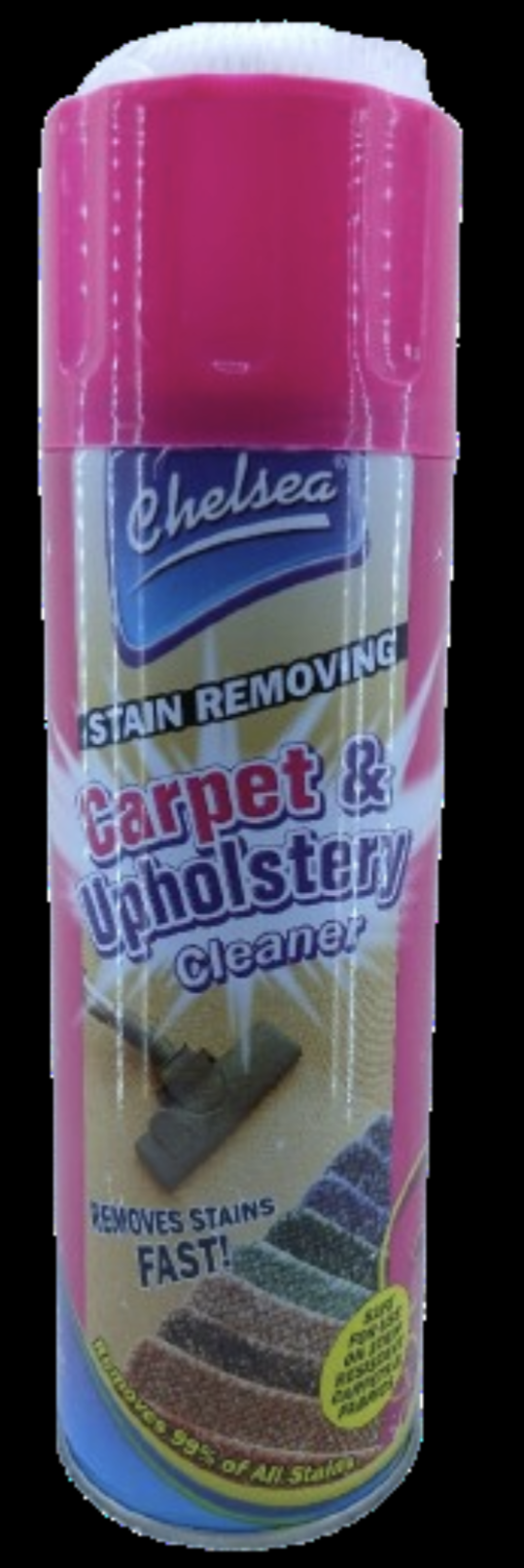
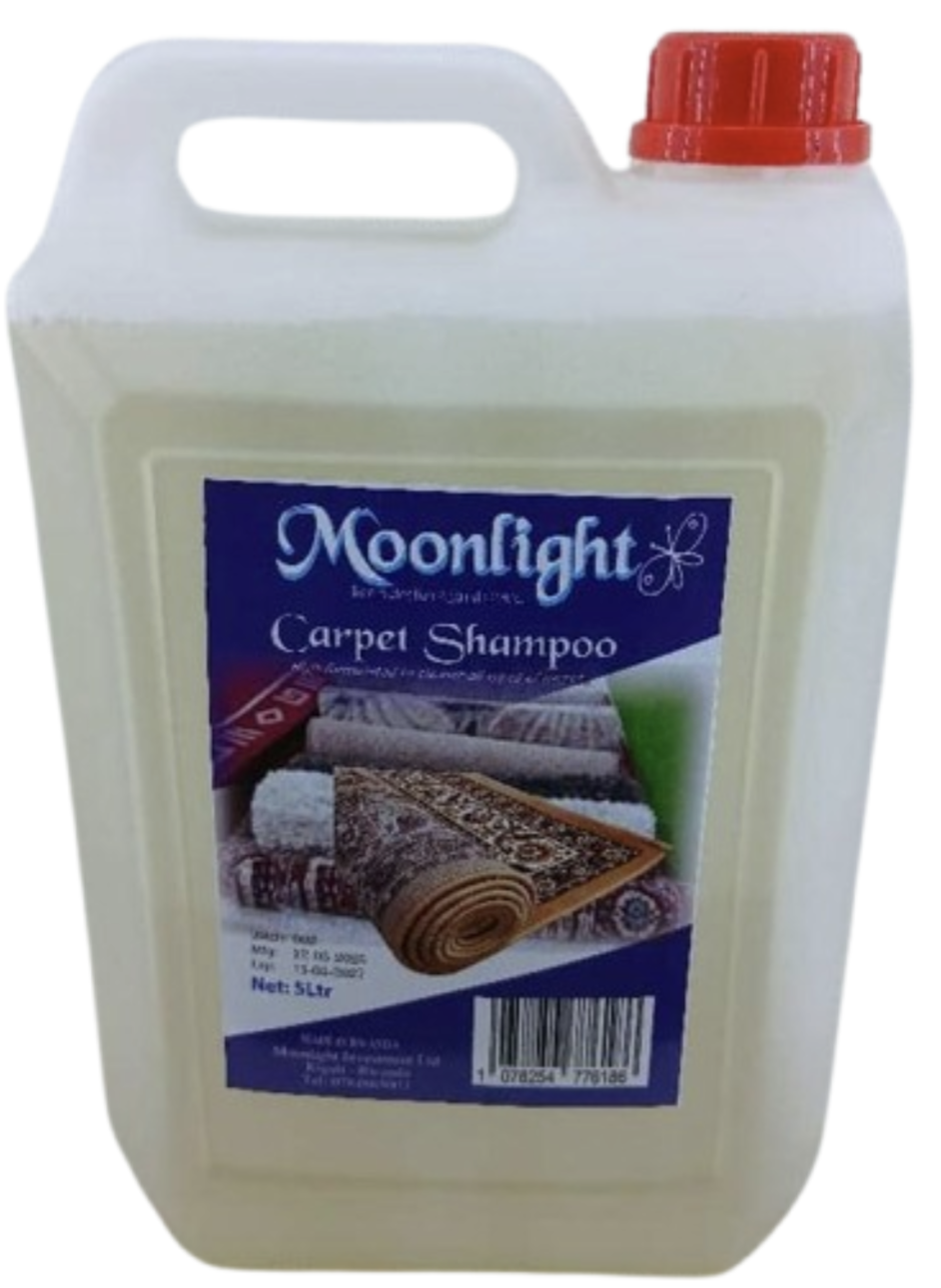
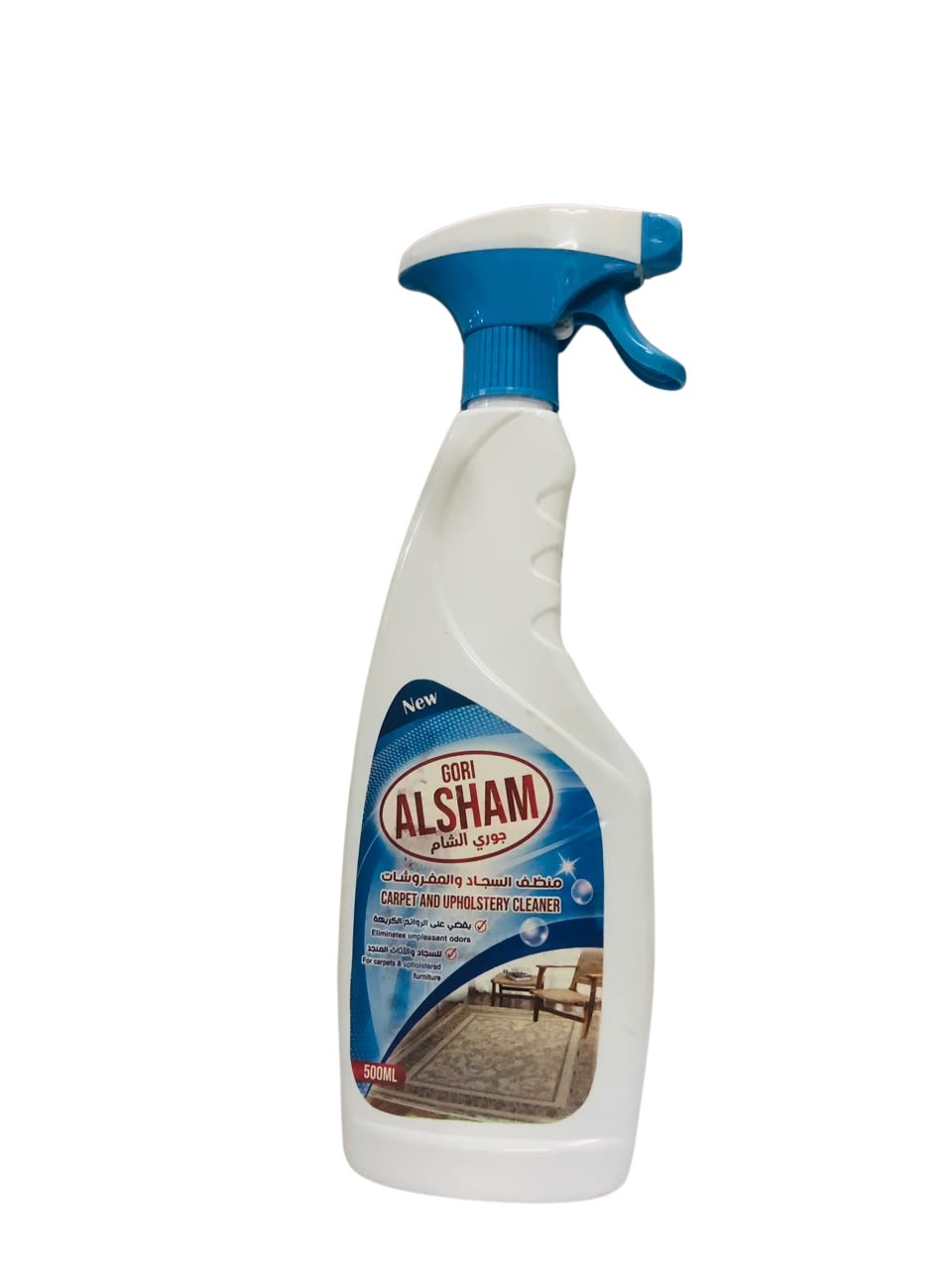
Small rug
1Nice to haveA rug is warm underfoot in the morning and makes the room feel like a home.
How to use it: Choose something easy to wash or shake out.



Study corner
Many exchange students study, do homework or work online. A good corner helps them settle into a routine.
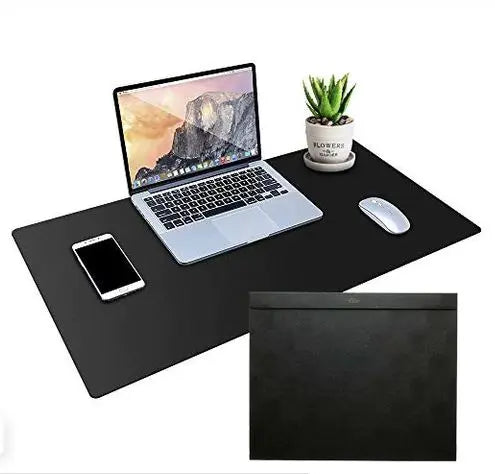
Desk
1 Must haveA real desk is better for study than a bed or a sofa.
How to use it: Choose a place with good light and a quiet spot. A table works if you do not have a desk.
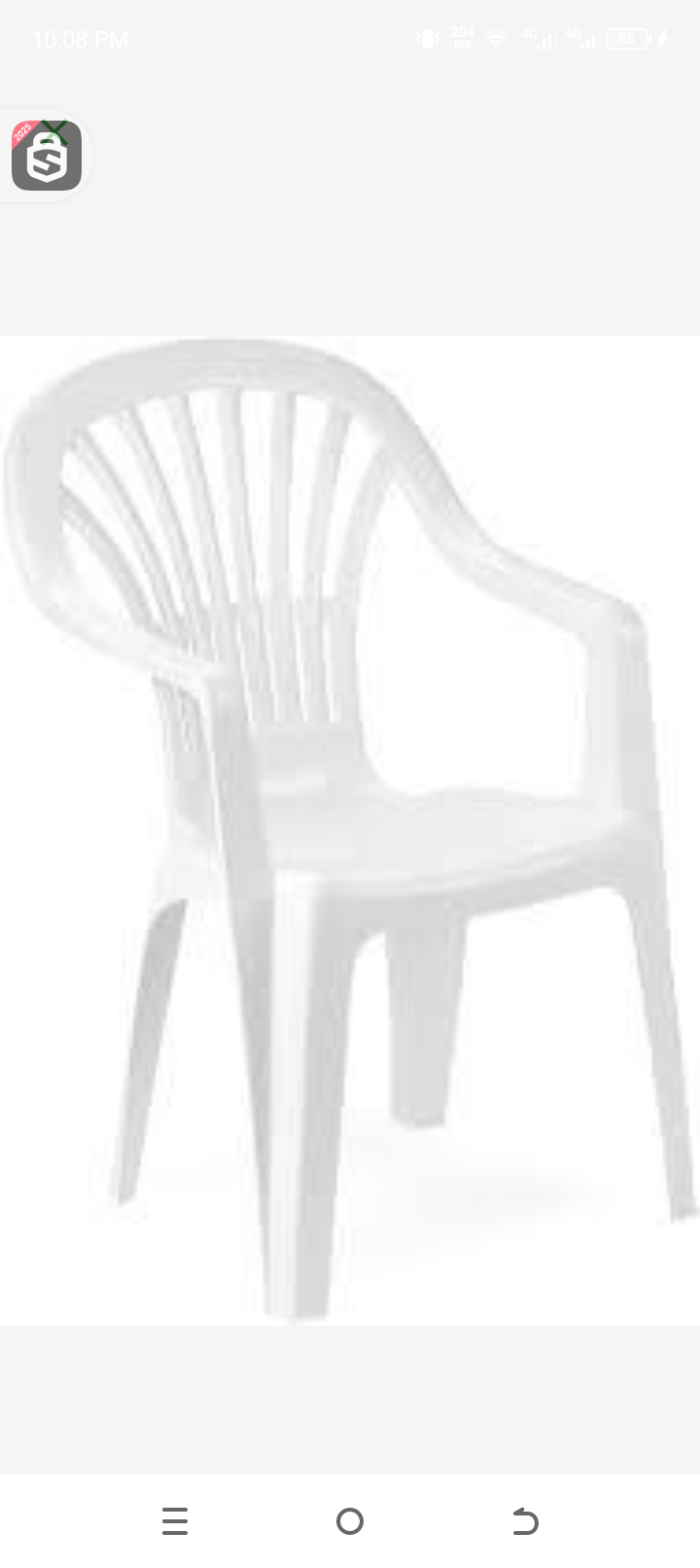
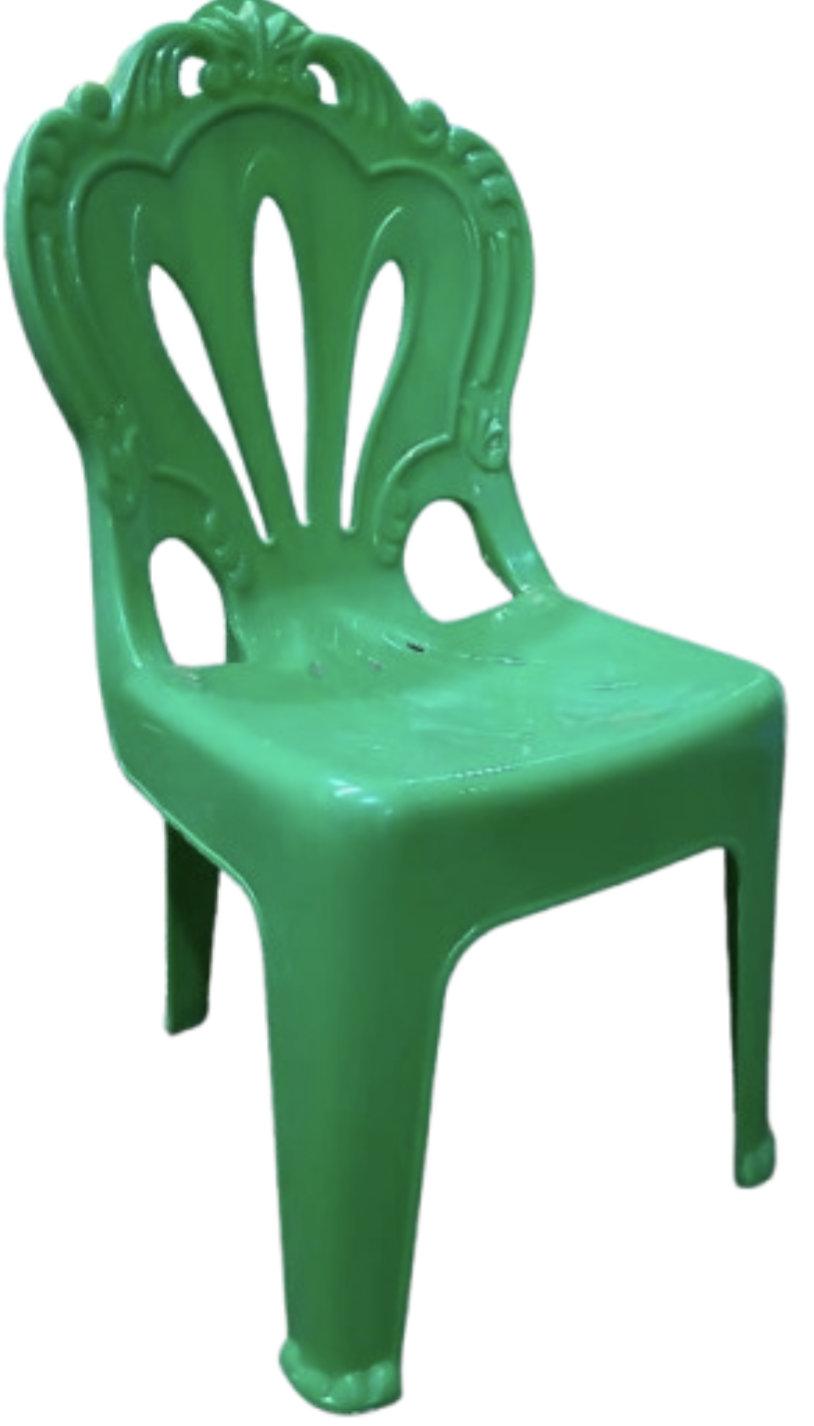
Chair
1 Must haveA comfortable chair makes study long and easy.
How to use it: Choose a stable chair and place it at the right height for the desk.
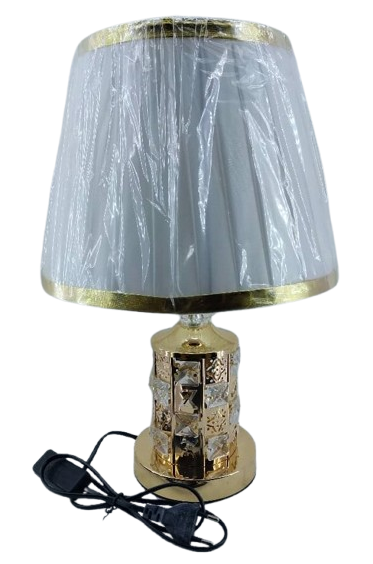
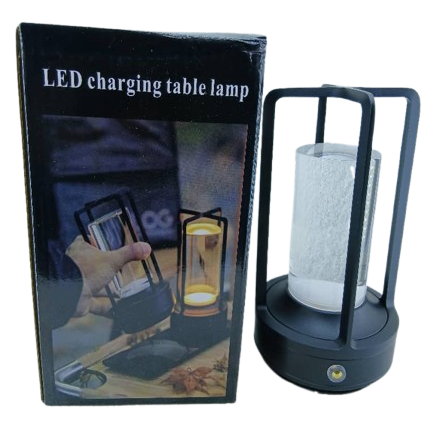
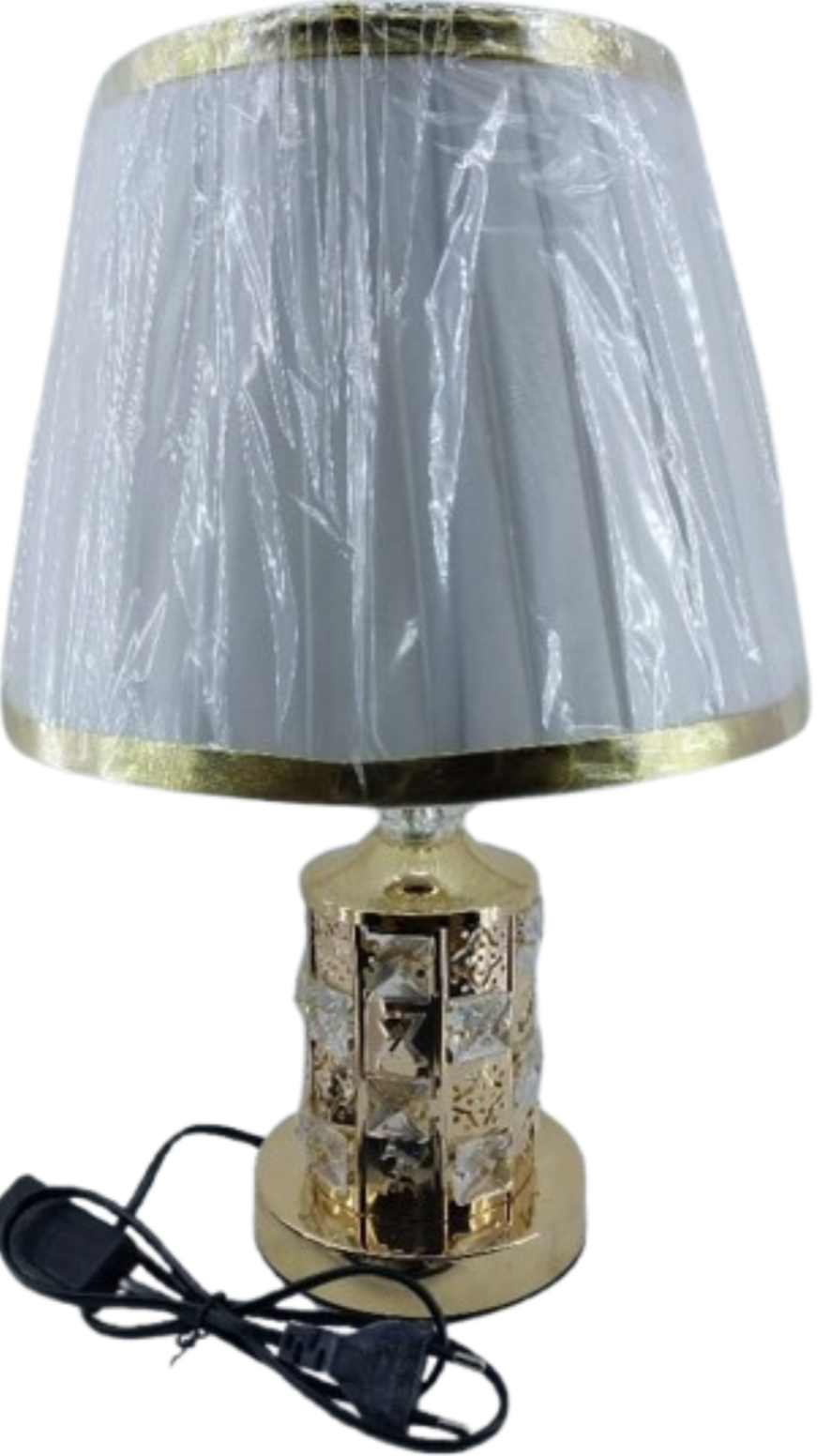
Table lamp
1 Must havePower cuts and dark evenings are common in Kigali. A lamp gives good light for reading.
How to use it: Show your student how the lamp works. A rechargeable lamp is useful during a power cut.
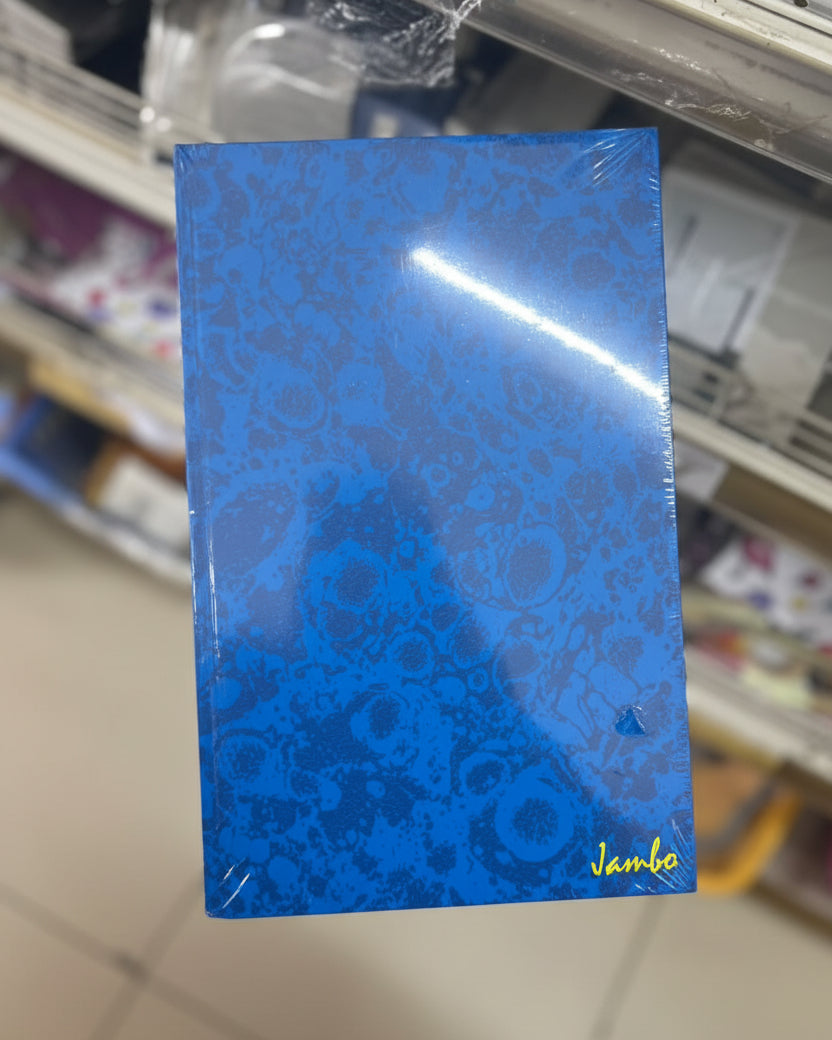
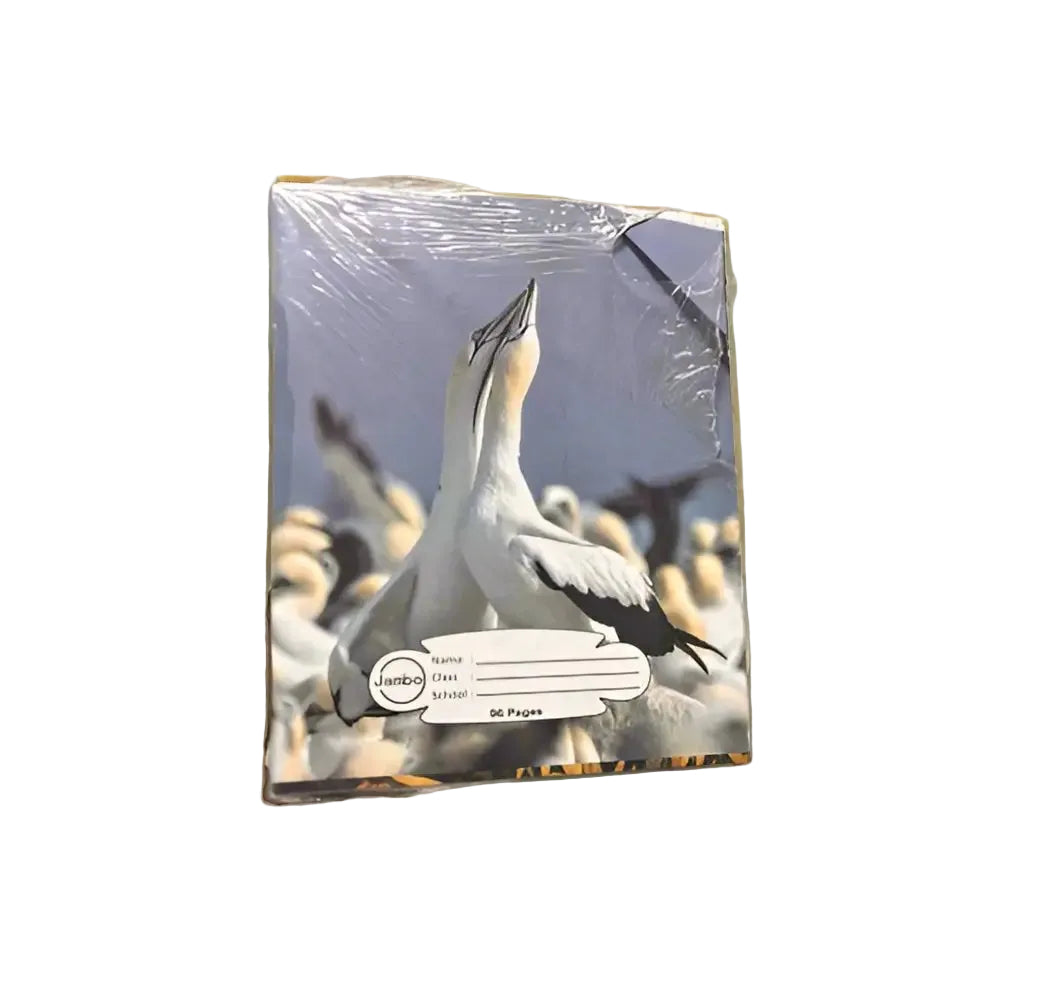
Notebooks
3 to 5 Must haveNotebooks are needed on the first day of school or class.
How to use it: Ask if the school wants a certain size or type.
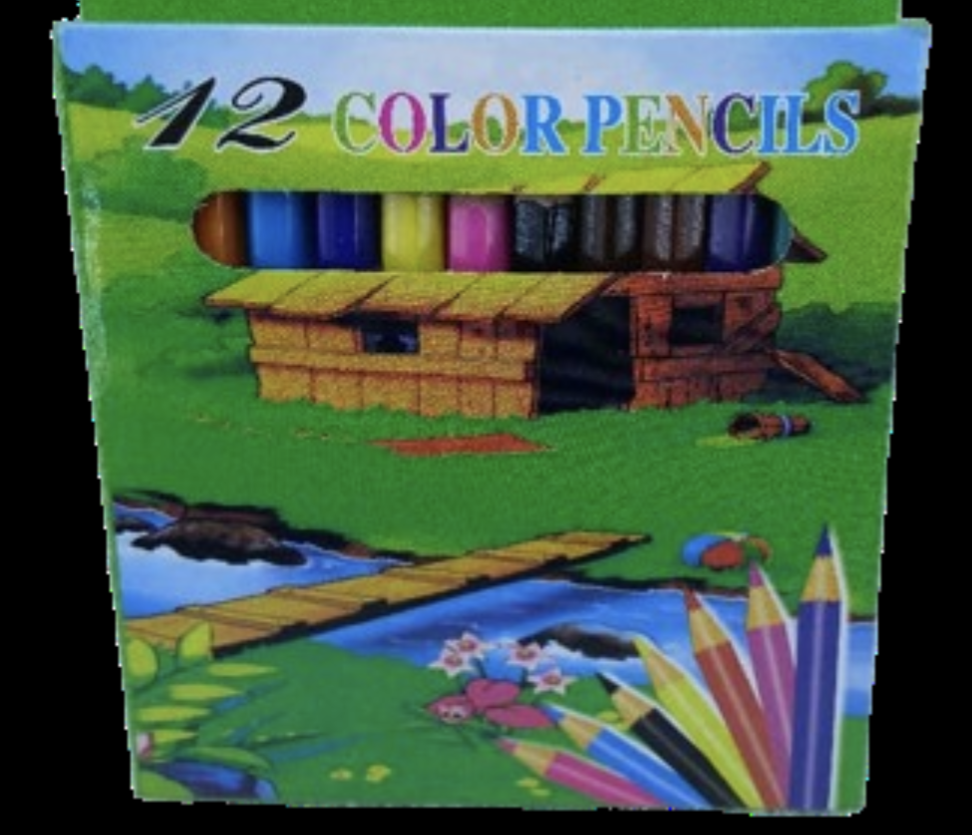
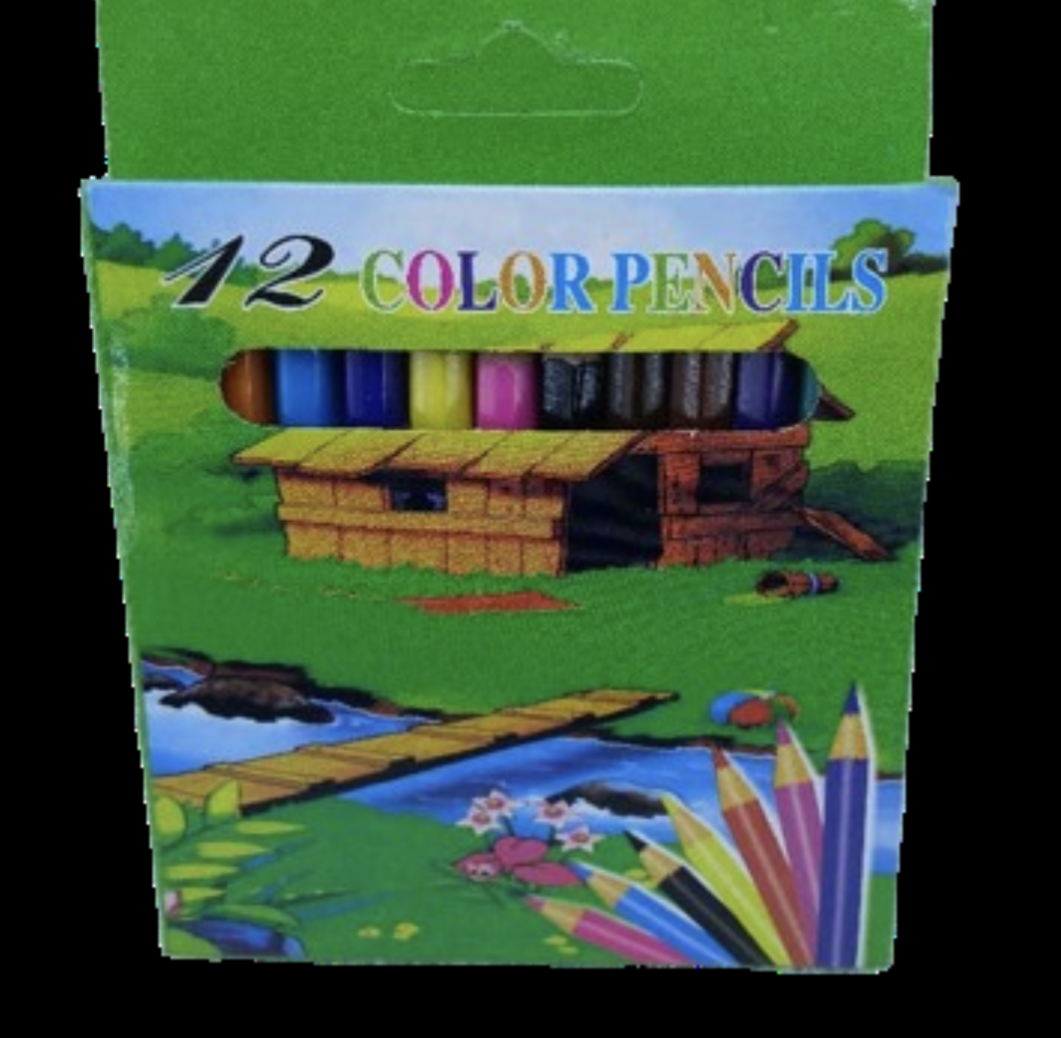
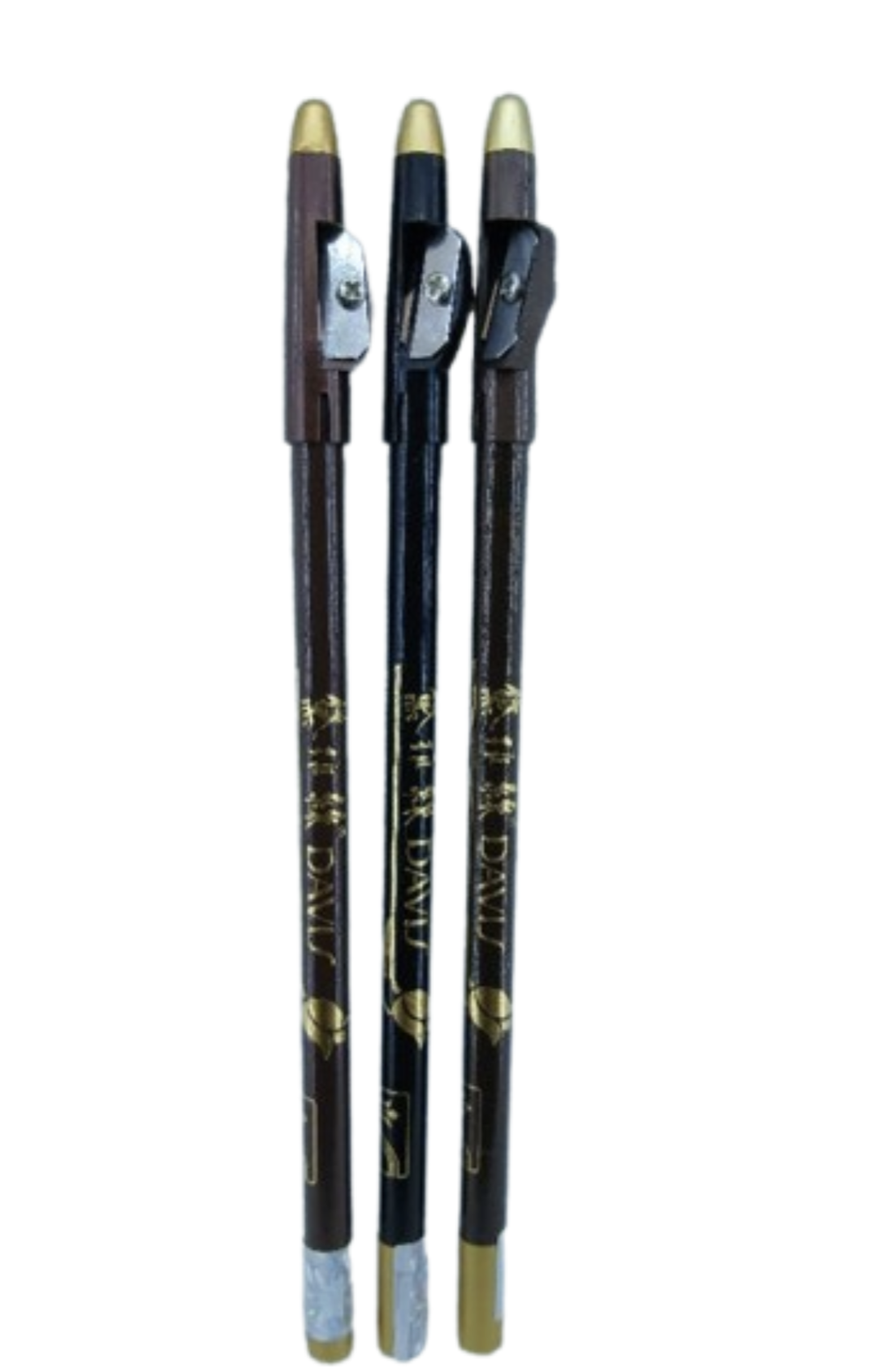
Pencils
1 packNice to havePens and pencils run out quickly. Having a few in the room saves a trip to the shop.
How to use it: Keep them in a cup on the desk.
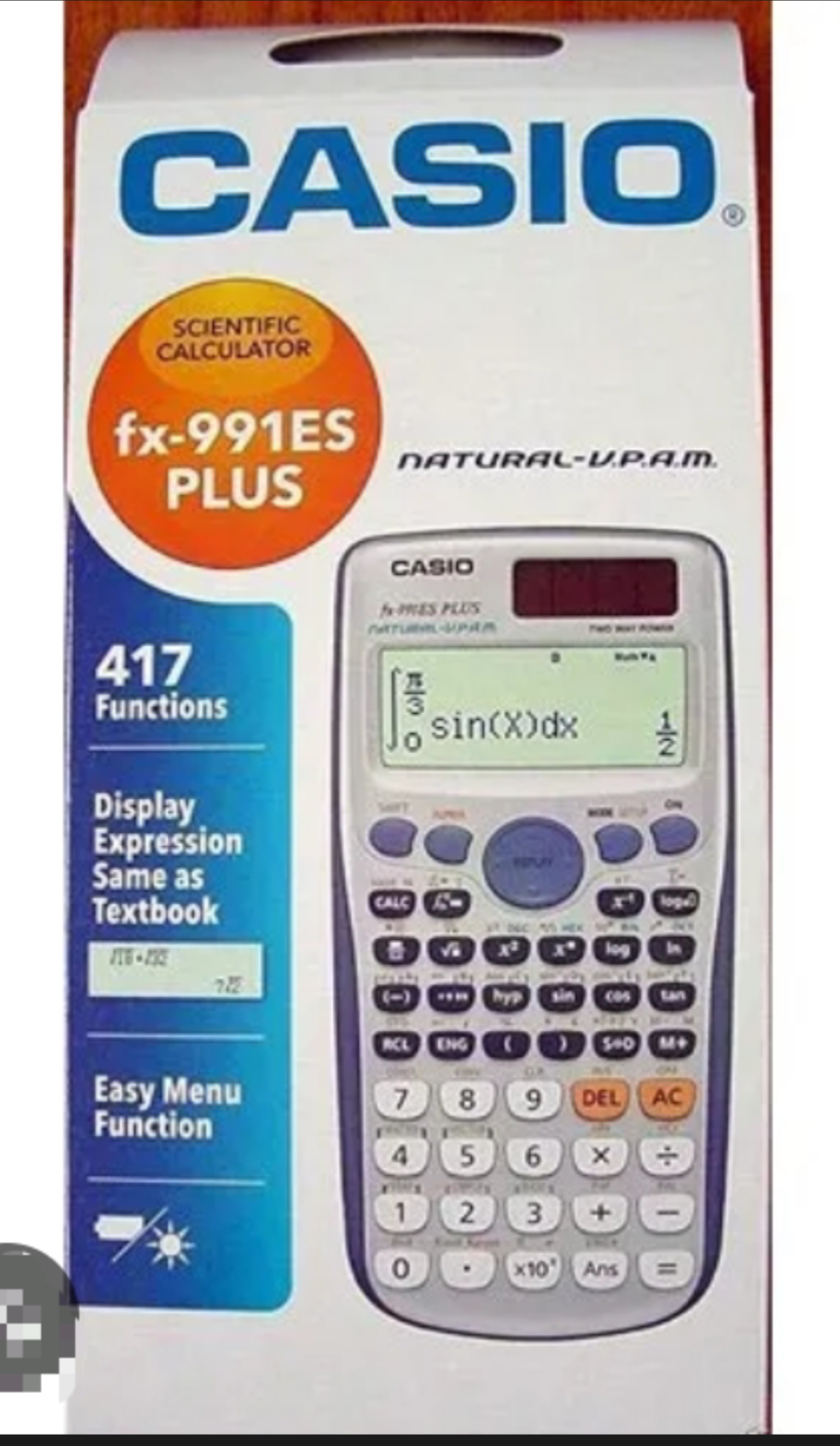
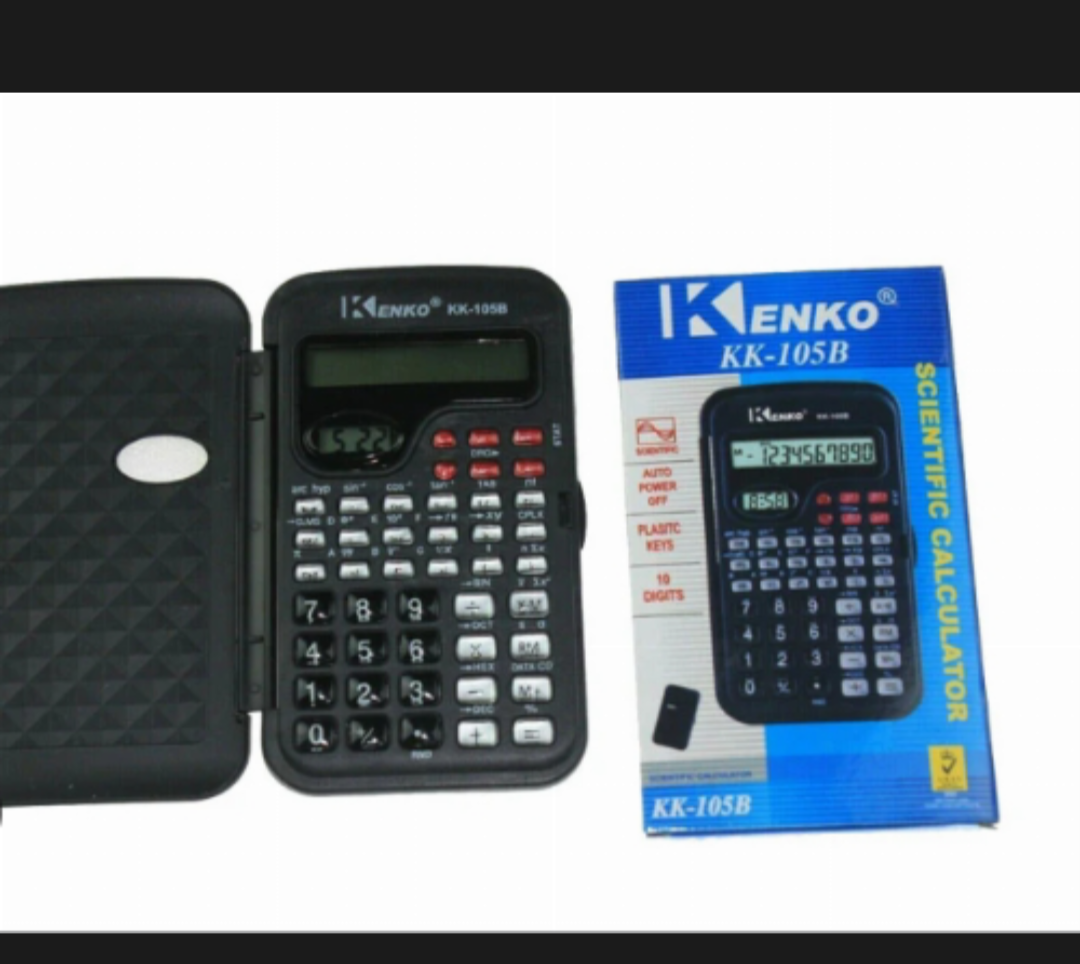
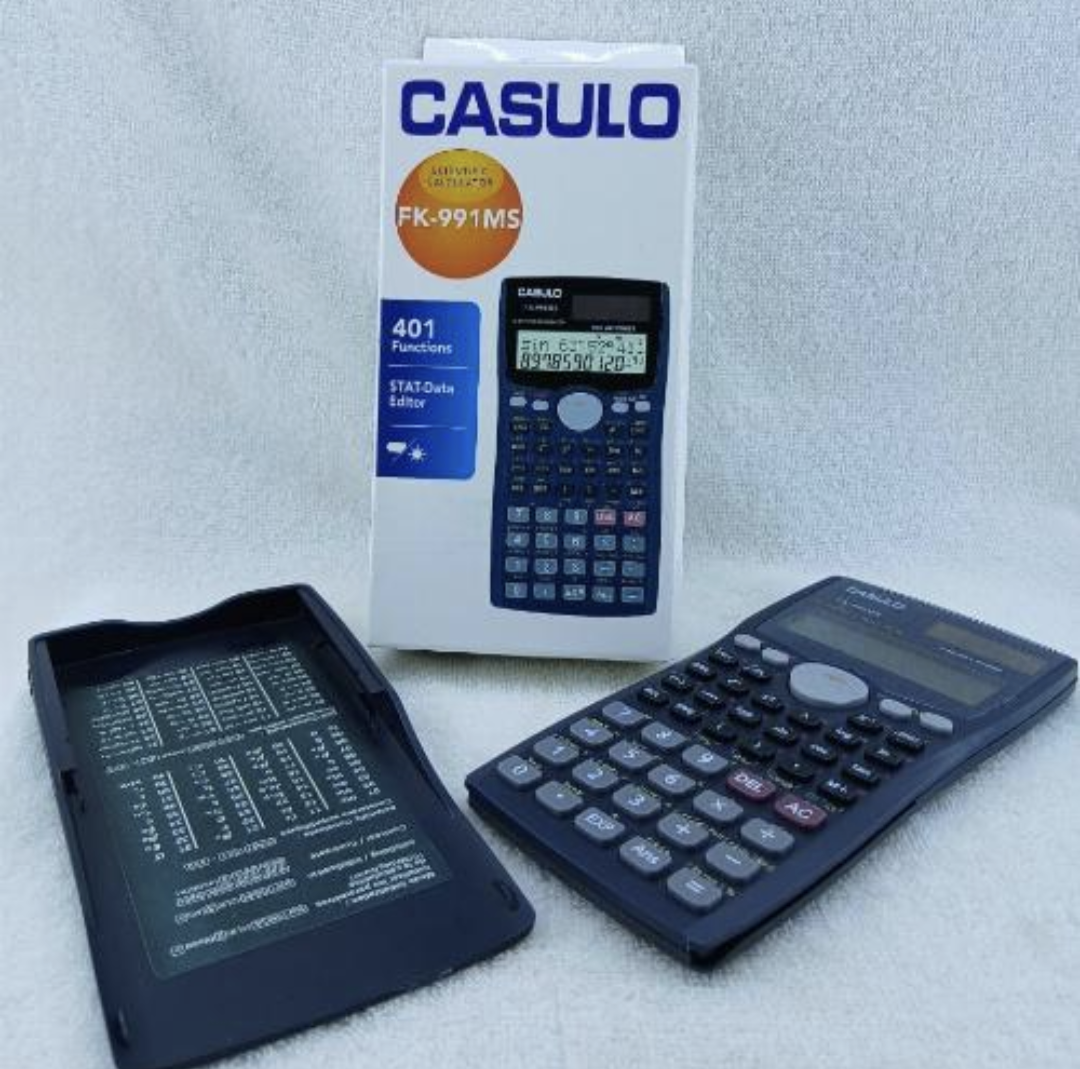
Calculator
1Nice to haveSome subjects need a calculator. A spare one can help in a rush.
How to use it: Ask the school first. Scientific calculators are common for older students.
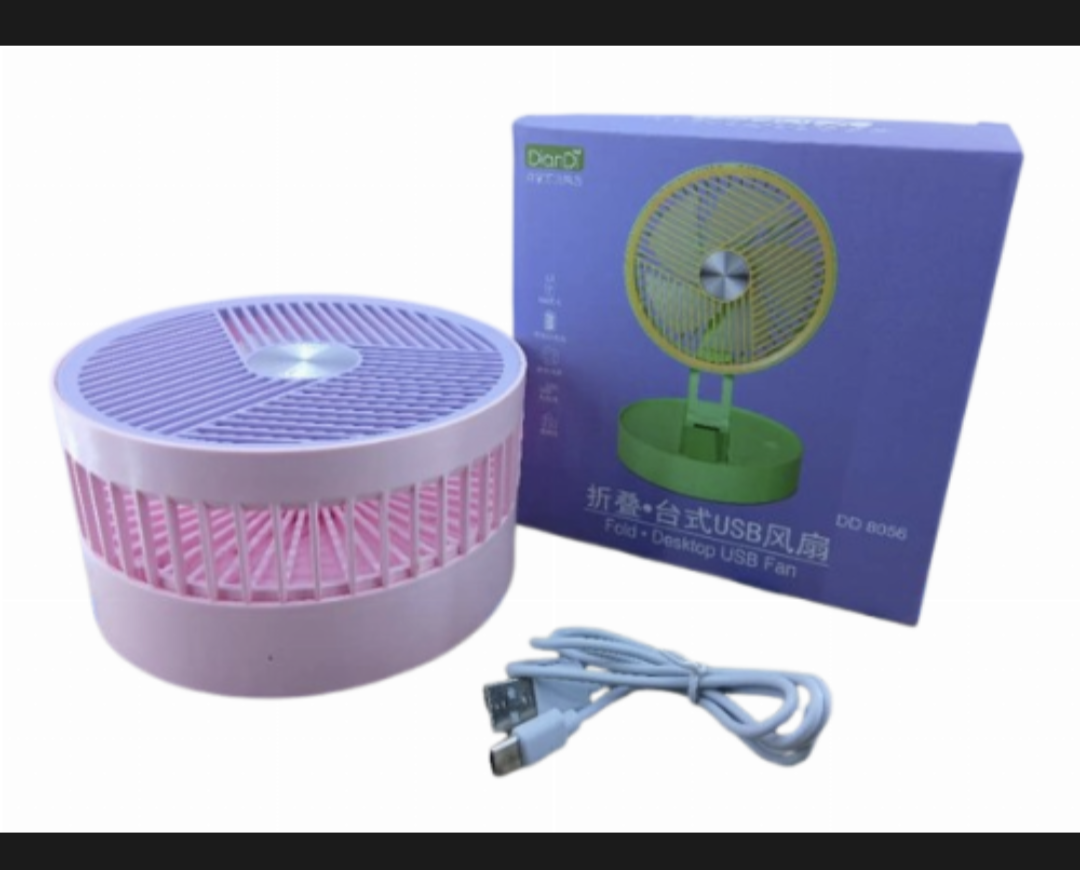
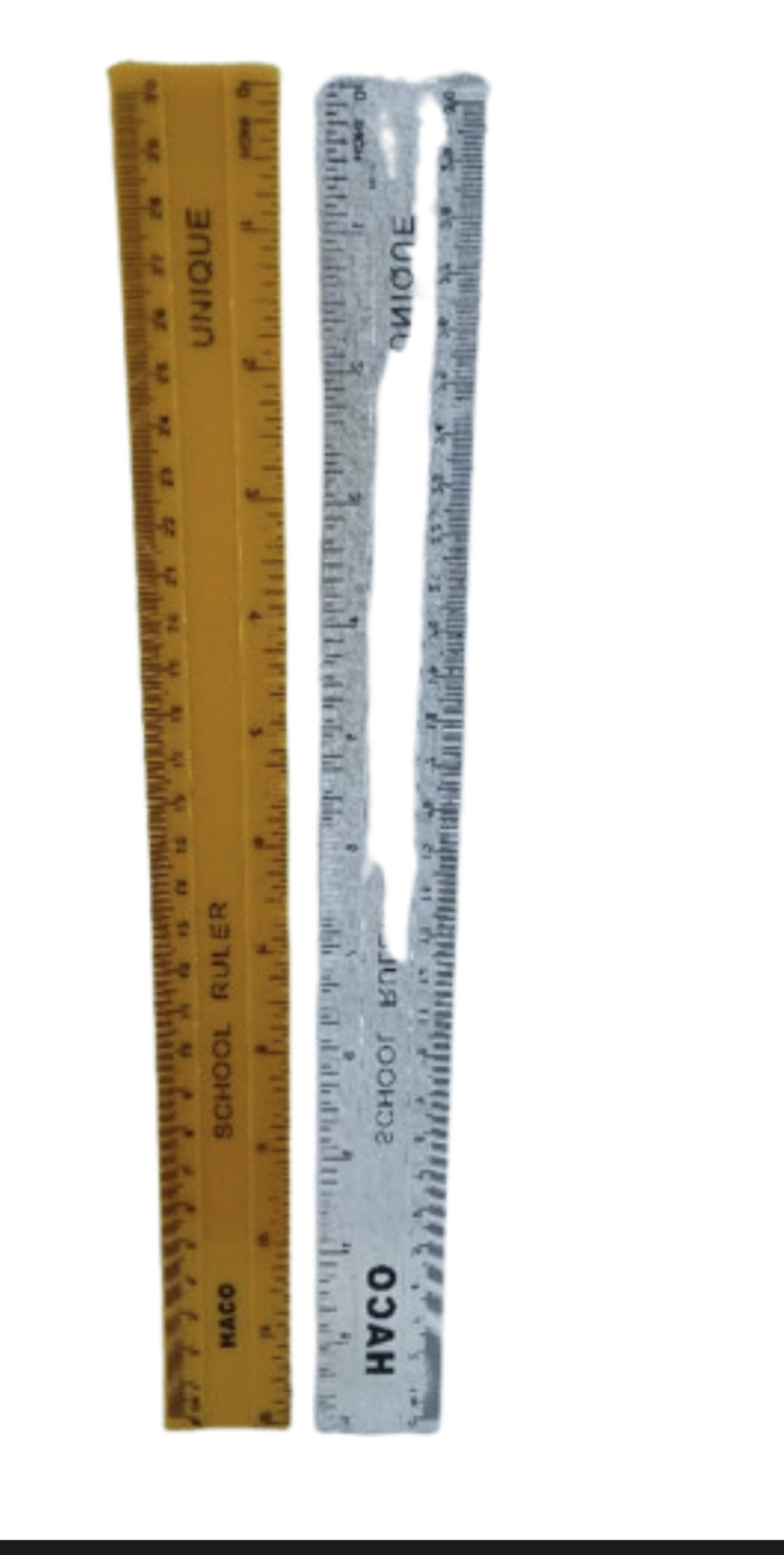
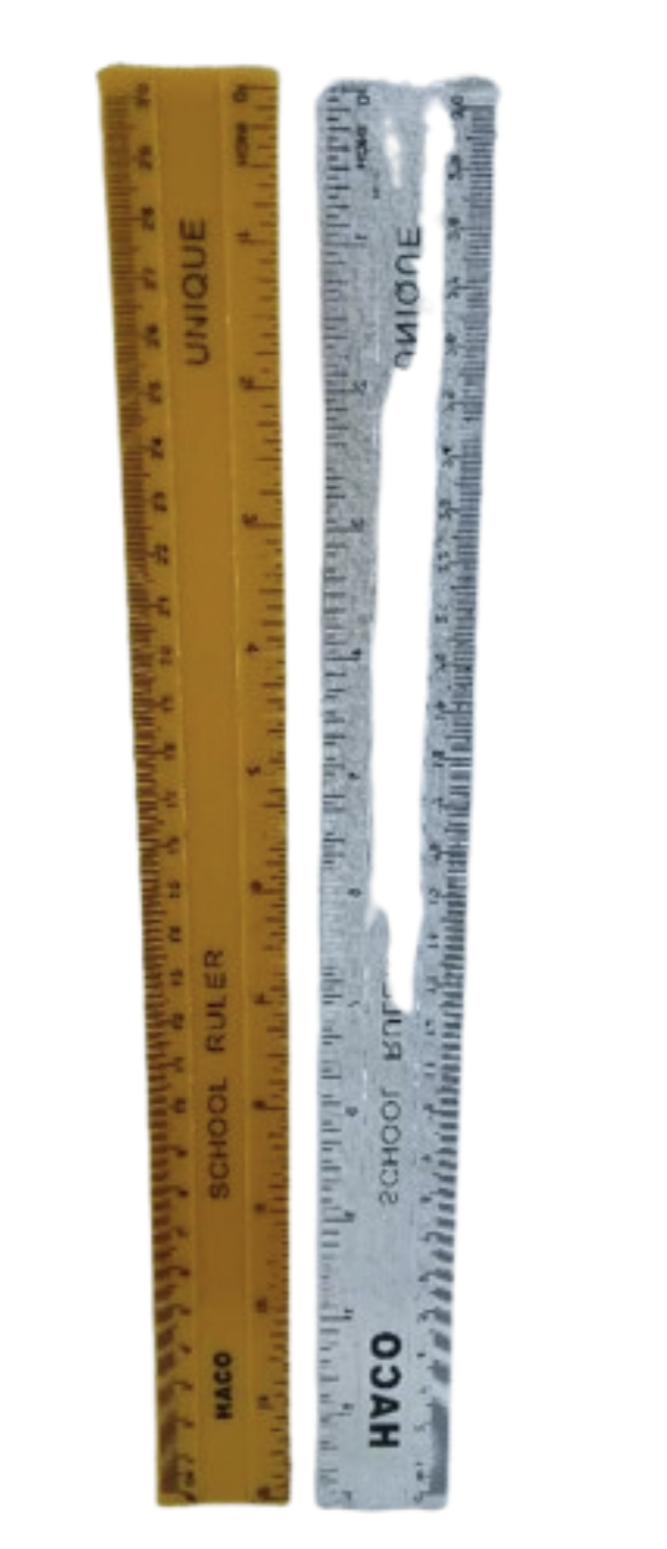
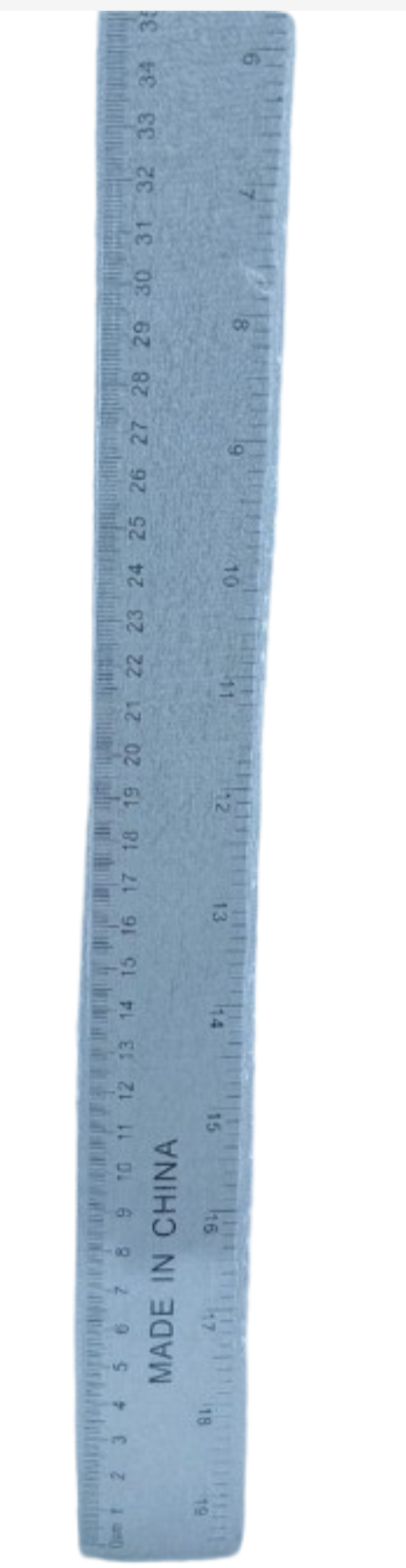
Ruler and stapler
1 eachNice to haveSmall stationery items are useful for projects and homework.
How to use it: Put them in a drawer so they are easy to find.


Bathroom and personal items
A student may arrive tired from a long trip. Stock the basics so they can wash and rest.
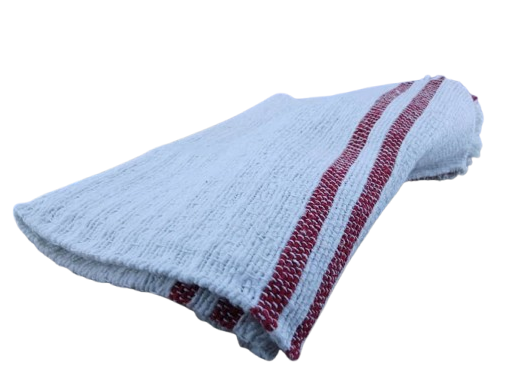
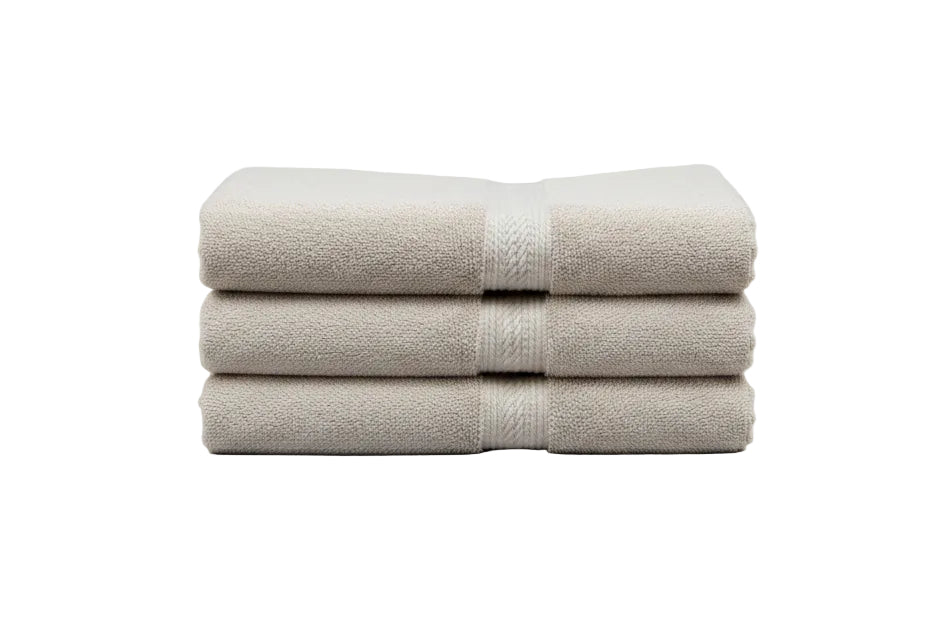
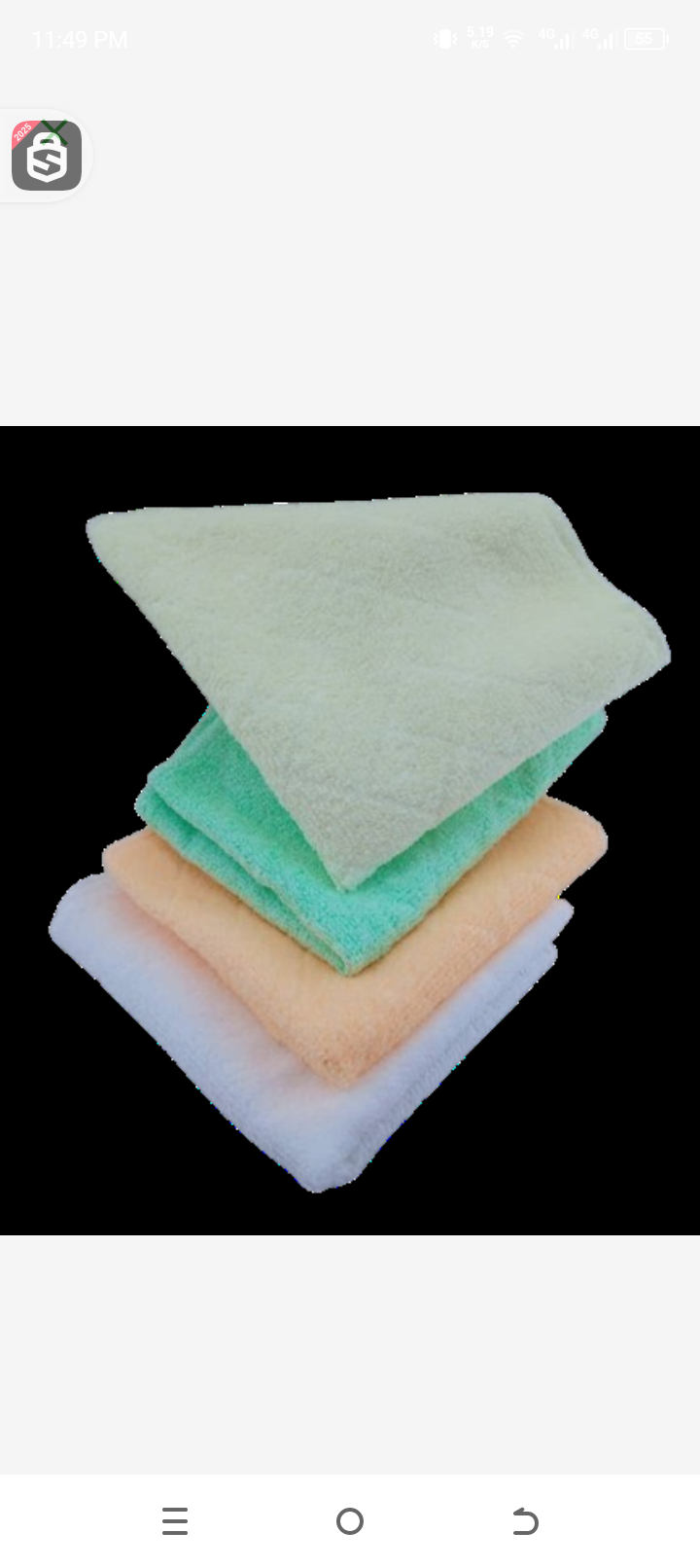
Bath towels
2 Must haveEvery guest needs their own towels from day one.
How to use it: Give two bath towels and one hand towel, and show where to hang them.
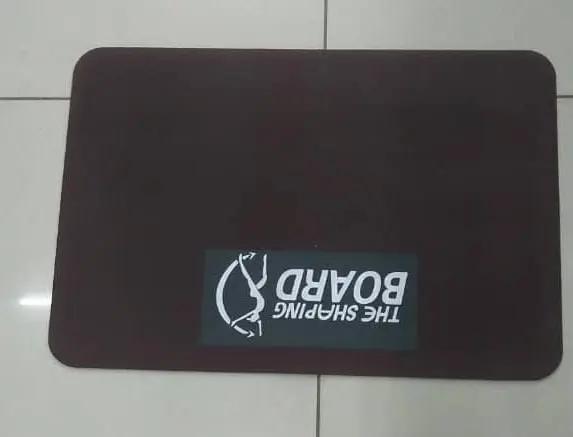
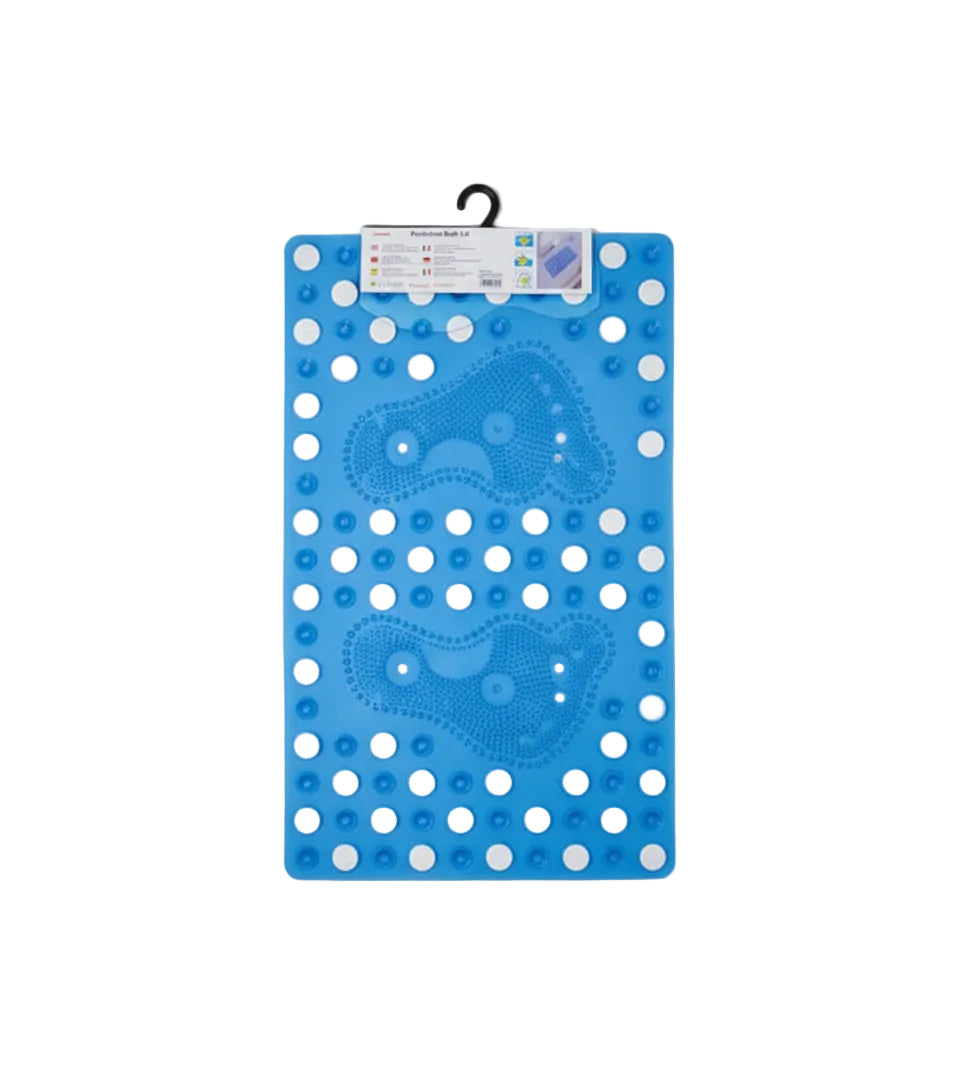
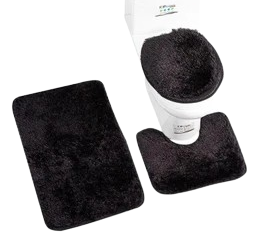
Bath mat
1Nice to haveA bath mat protects against slips on wet tiles.
How to use it: Use one with a non-slip back and hang it up to dry.
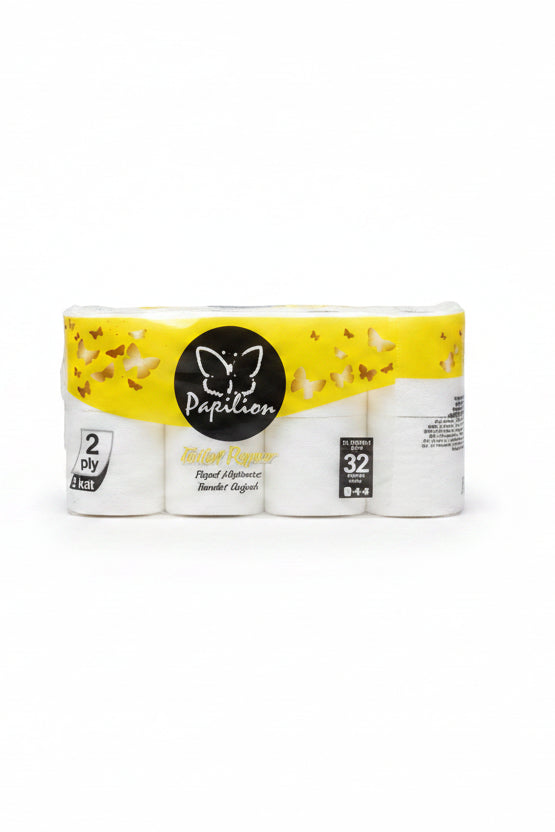
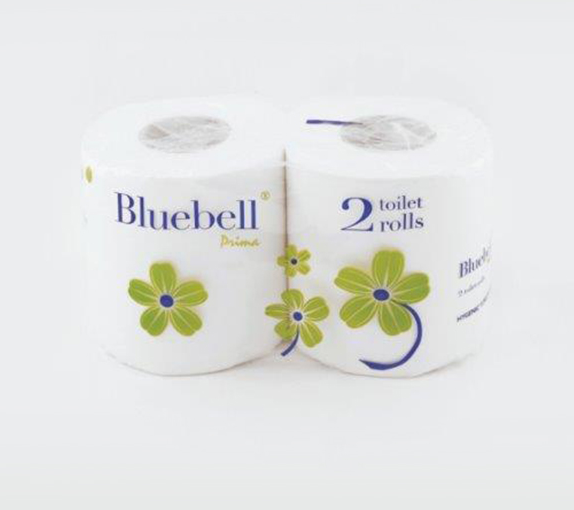
Toilet paper
1 pack Must haveRunning out of toilet paper is the most awkward problem for a guest.
How to use it: Keep a spare pack where your guest can find it.
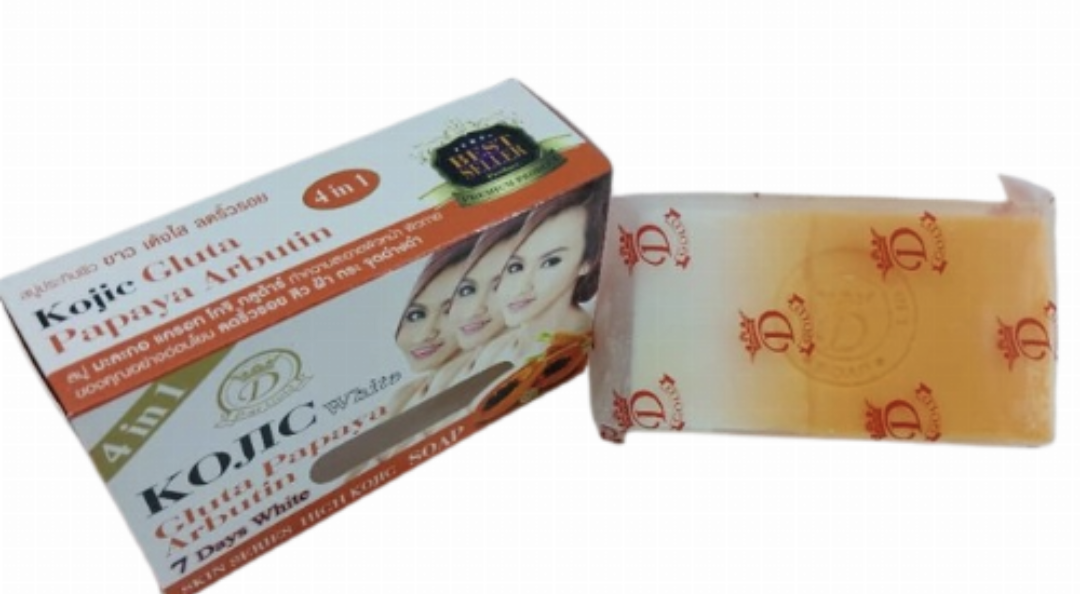
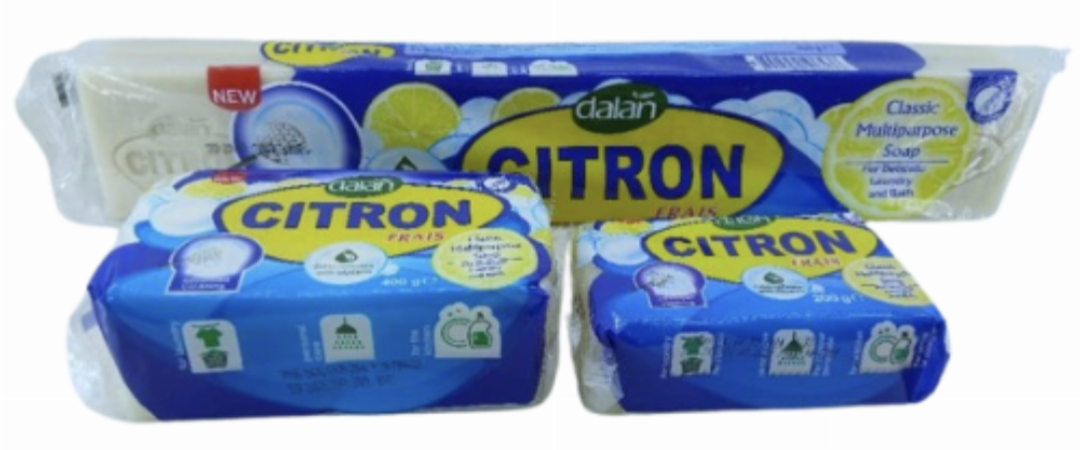
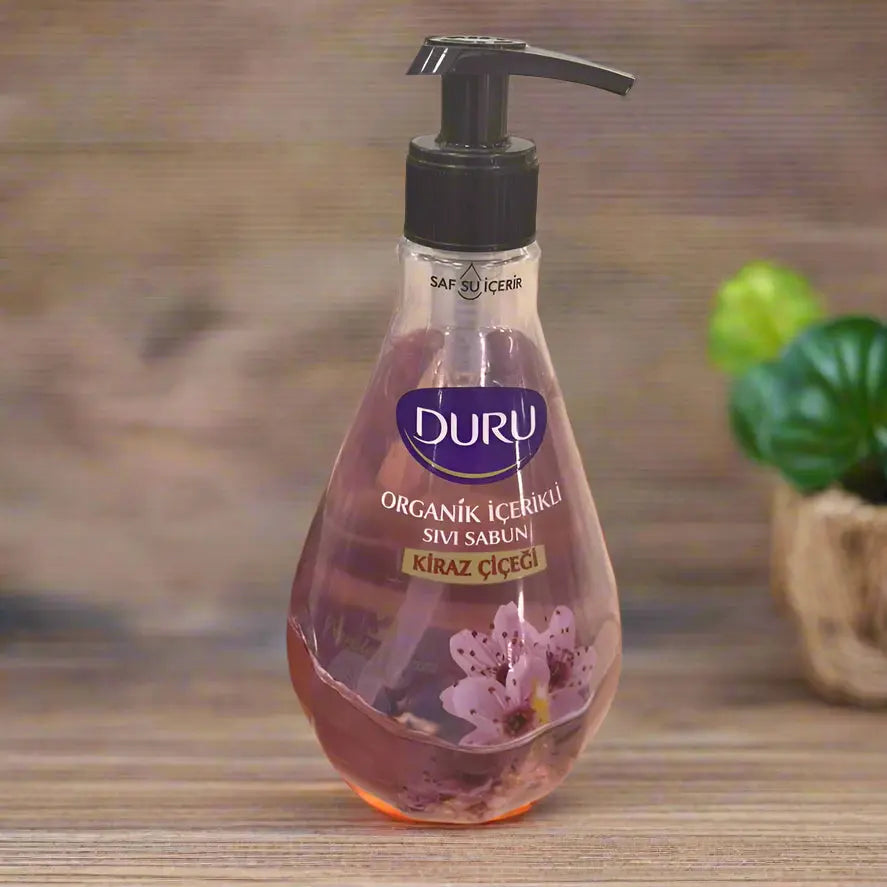
Soap
2Nice to haveBasic soap is useful on arrival, before the student buys favorite brands.
How to use it: Put new soap by the basin and in the shower.
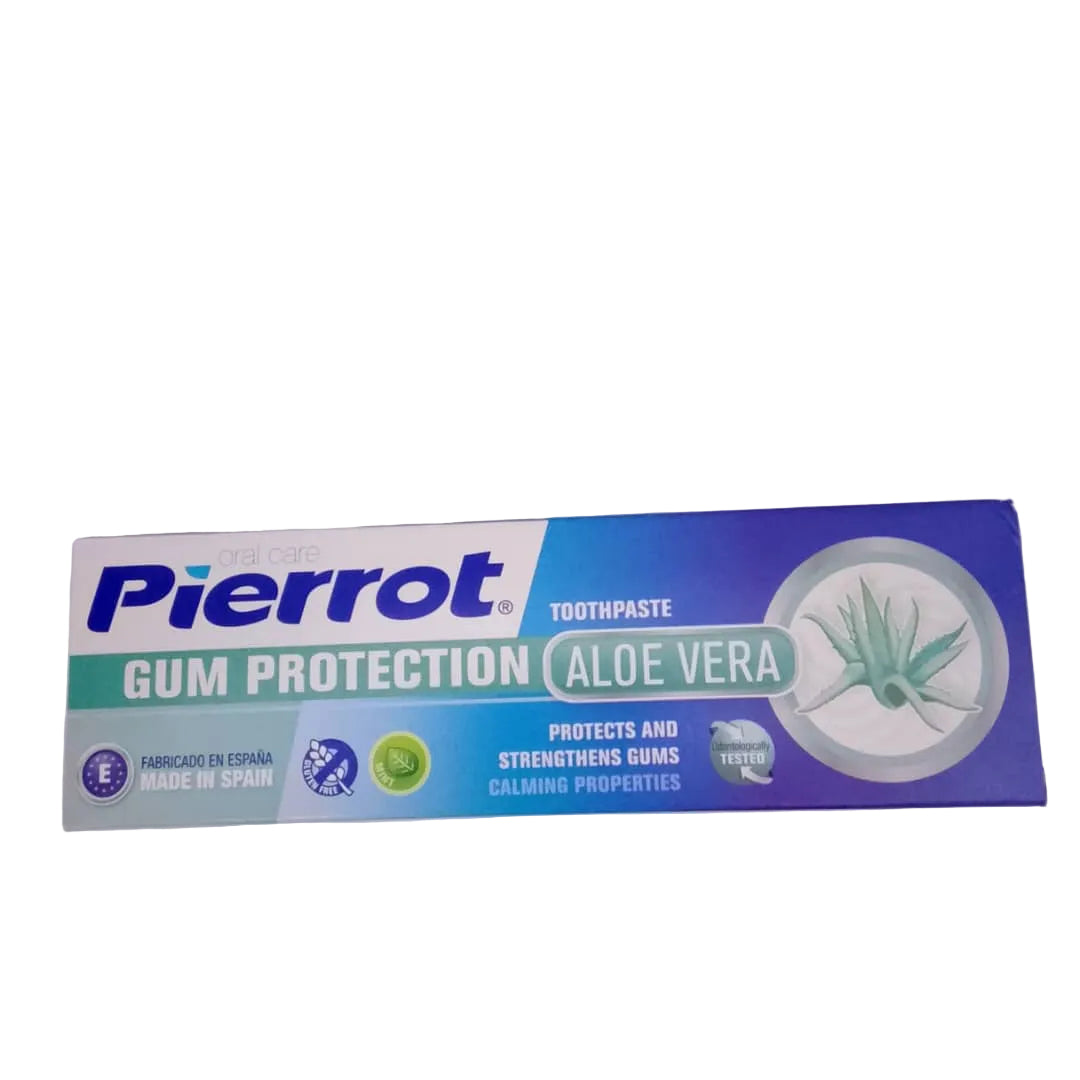
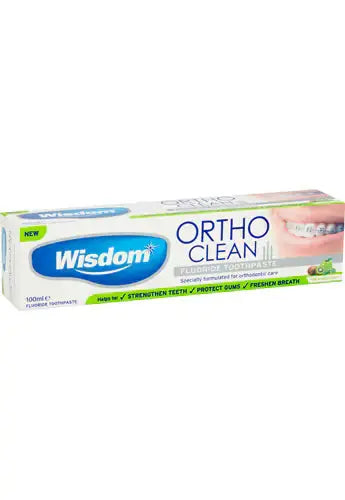
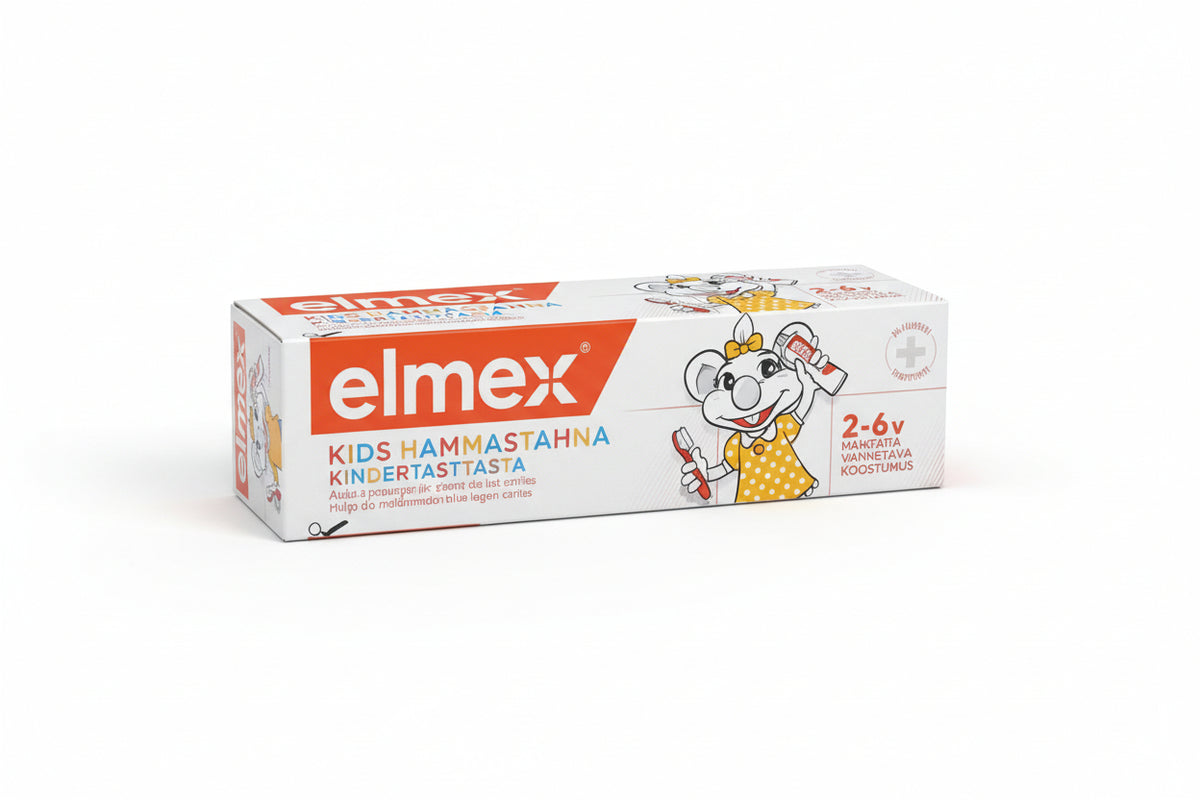
Spare toothpaste
1Nice to haveLuggage gets lost or delayed. A spare toothpaste is a kind welcome.
How to use it: Offer it quietly in the welcome basket.
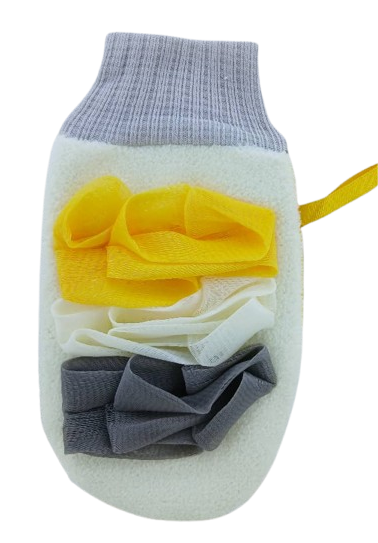
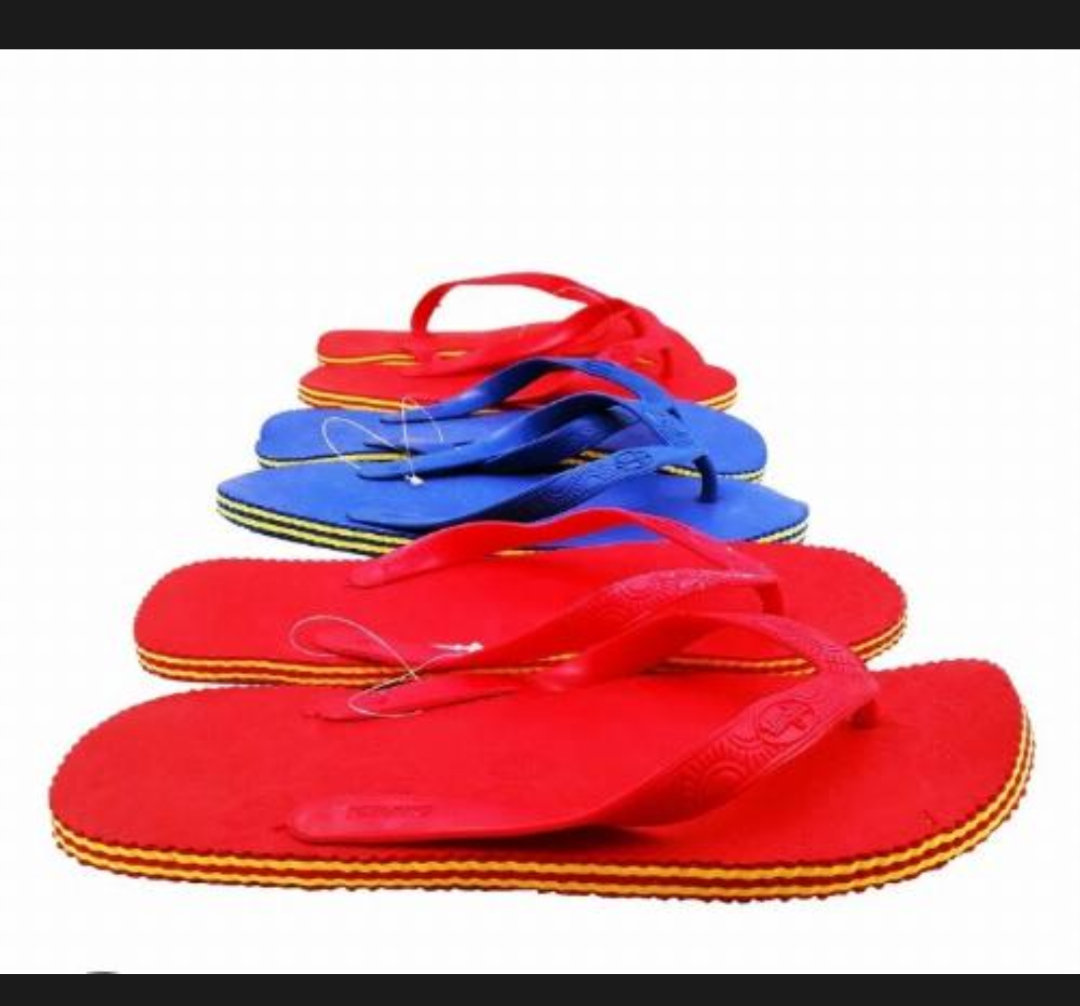
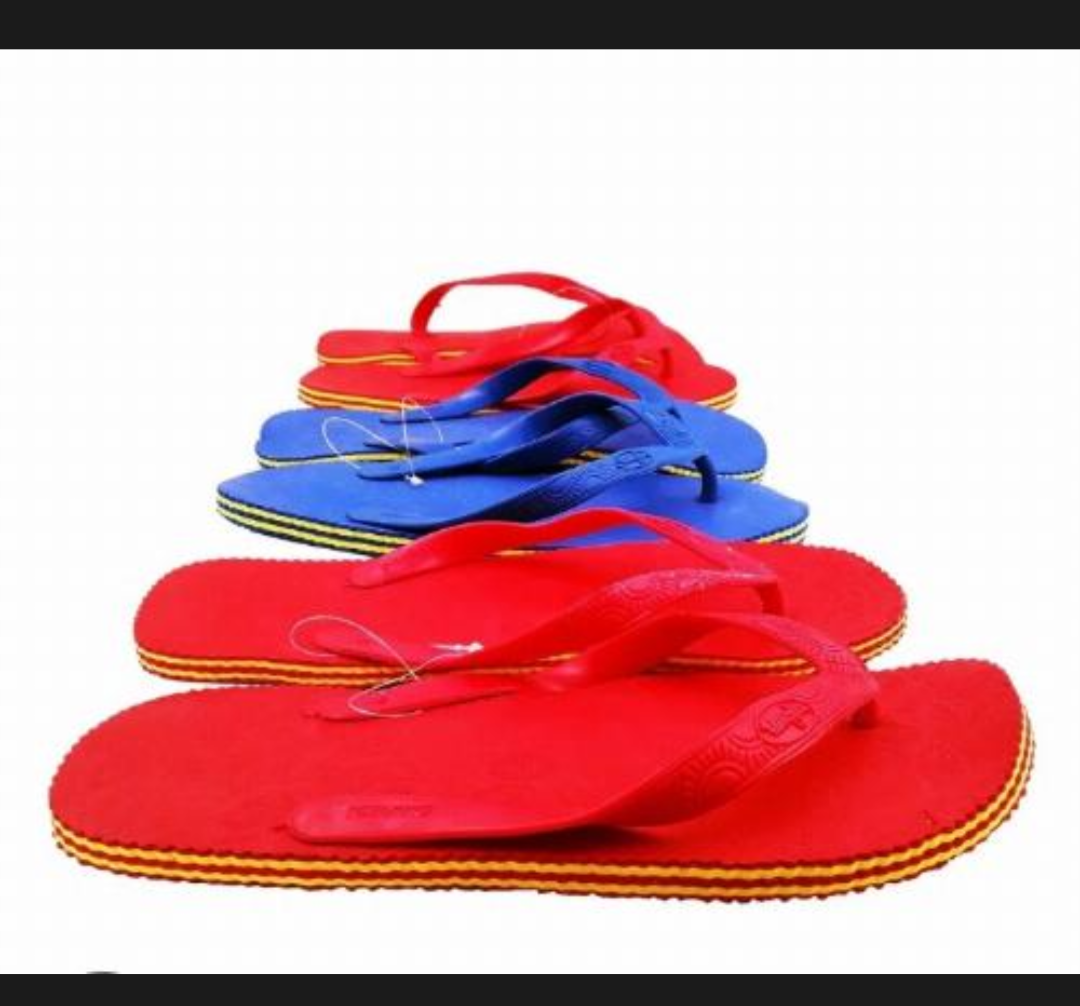
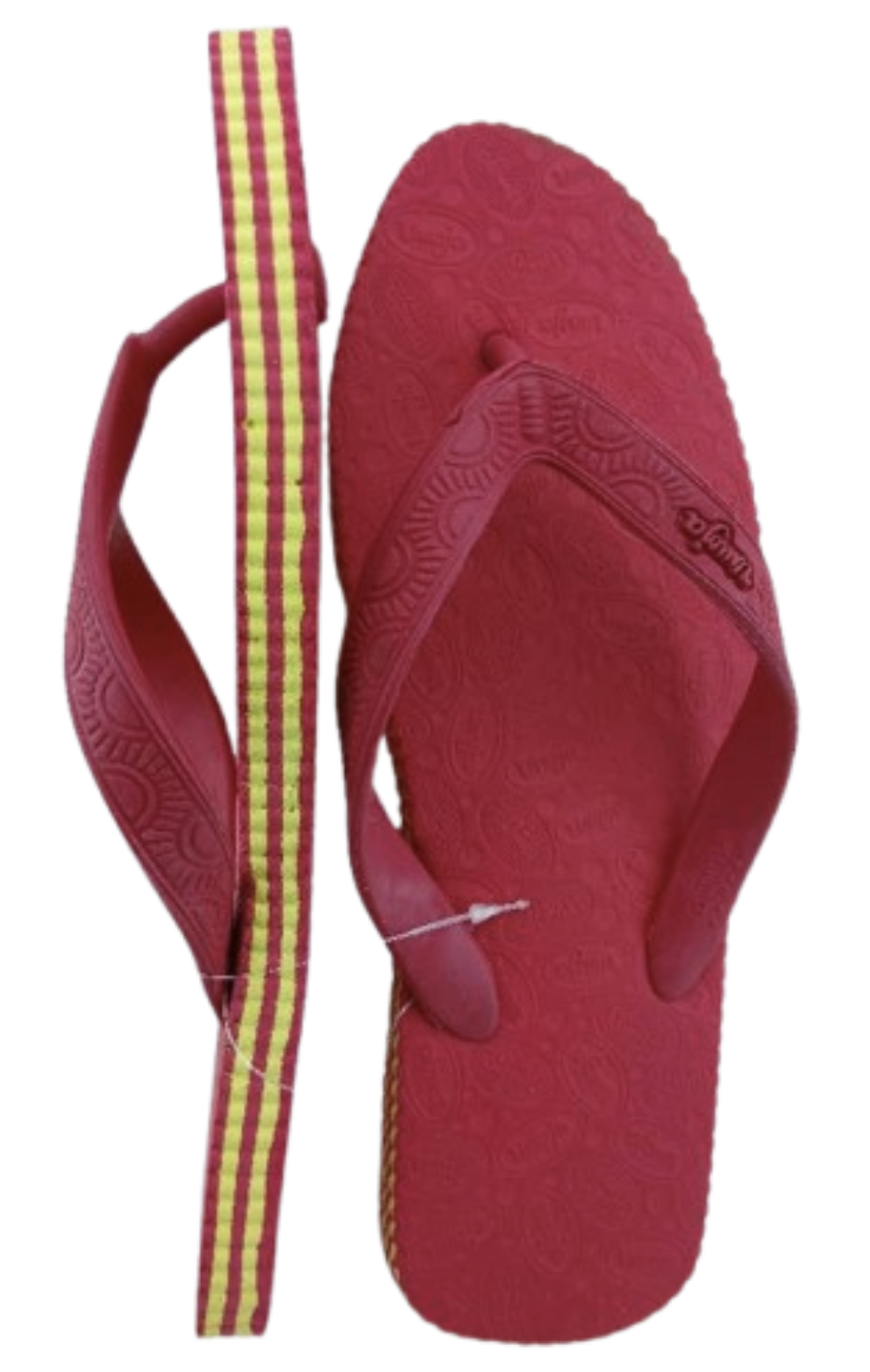
Slippers
1 pairNice to haveHouses have tile floors and visitors often want something light to wear indoors.
How to use it: Ask if your guest wants slippers or has their own.
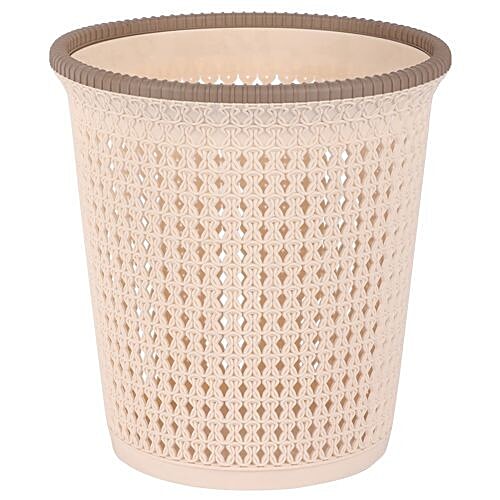
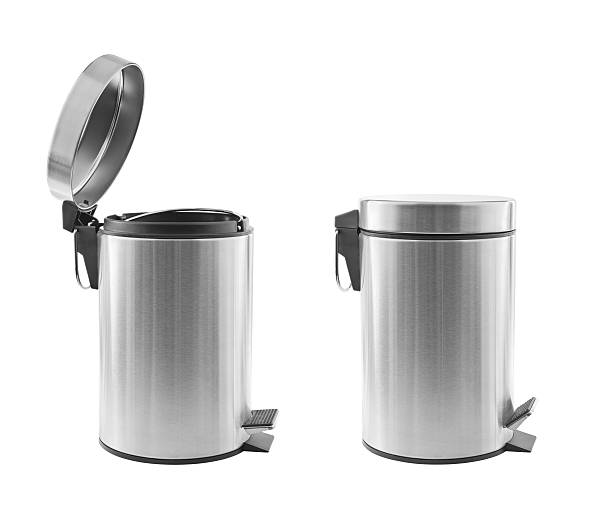
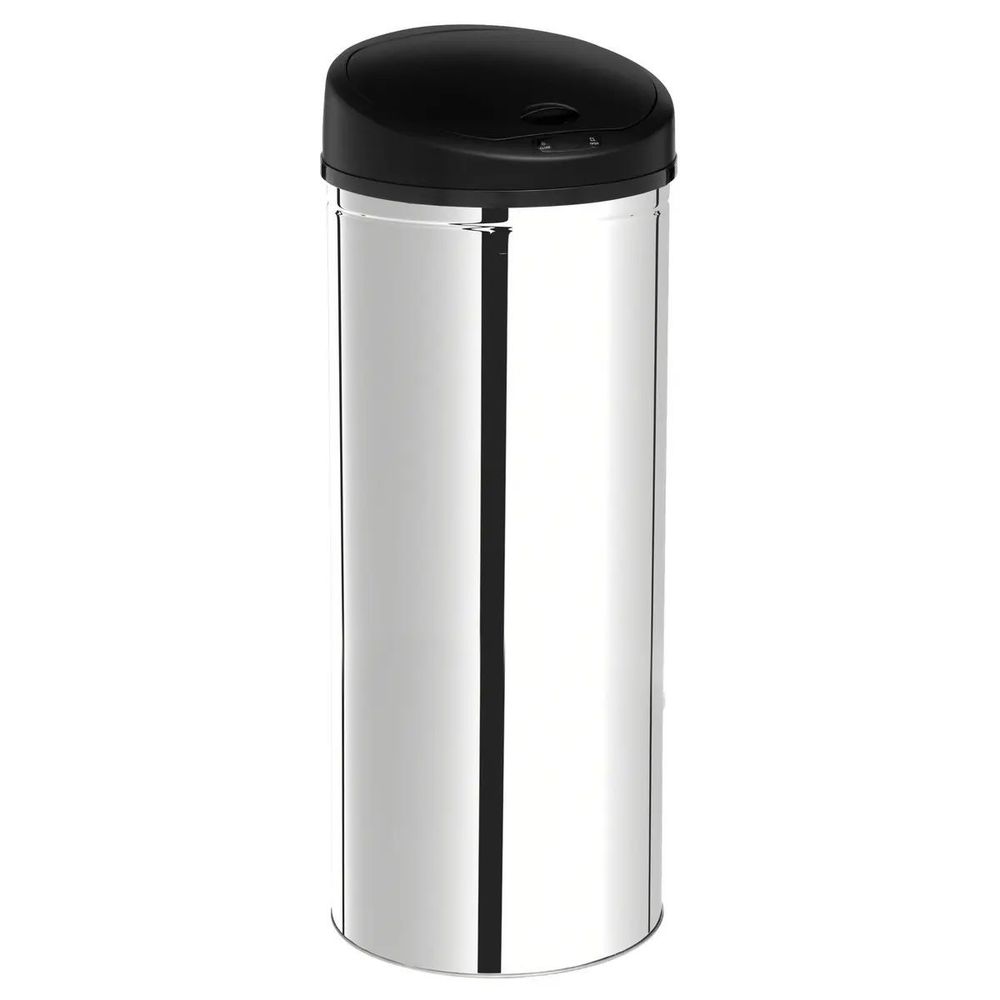
Bin
2Nice to haveA small bin in the room and in the bathroom keeps things tidy.
How to use it: Show your guest how and when rubbish is collected.

Power, light and safety
Power cuts and charging needs matter for a student far from home.
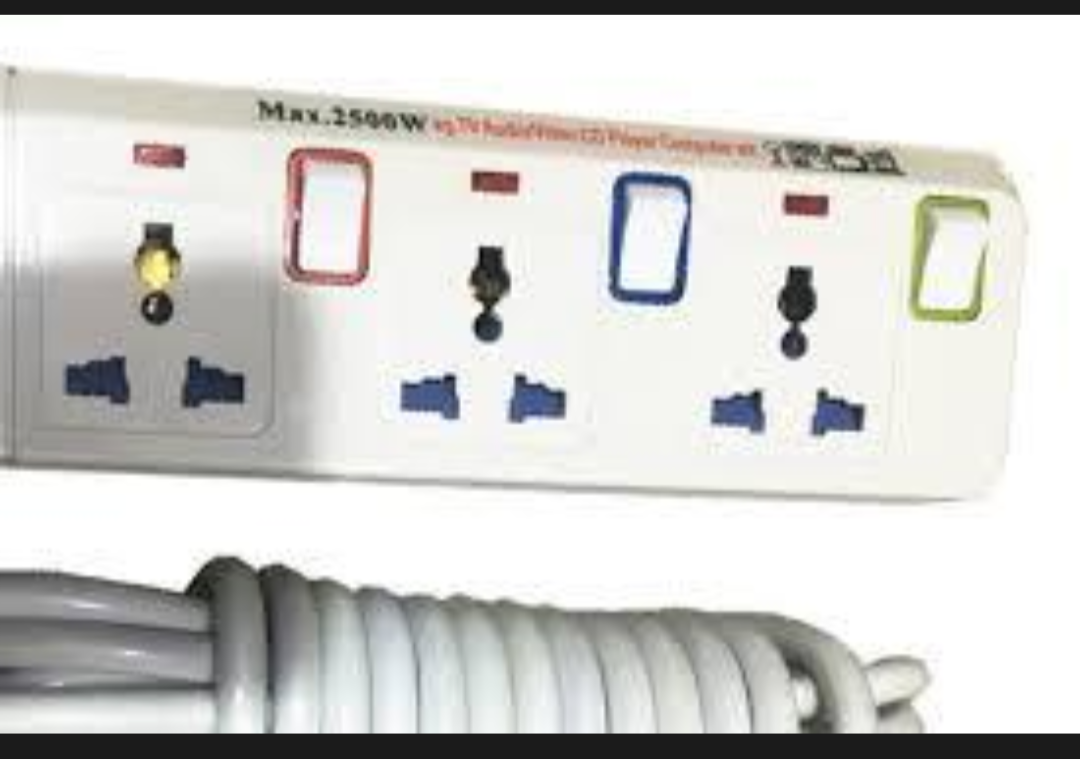
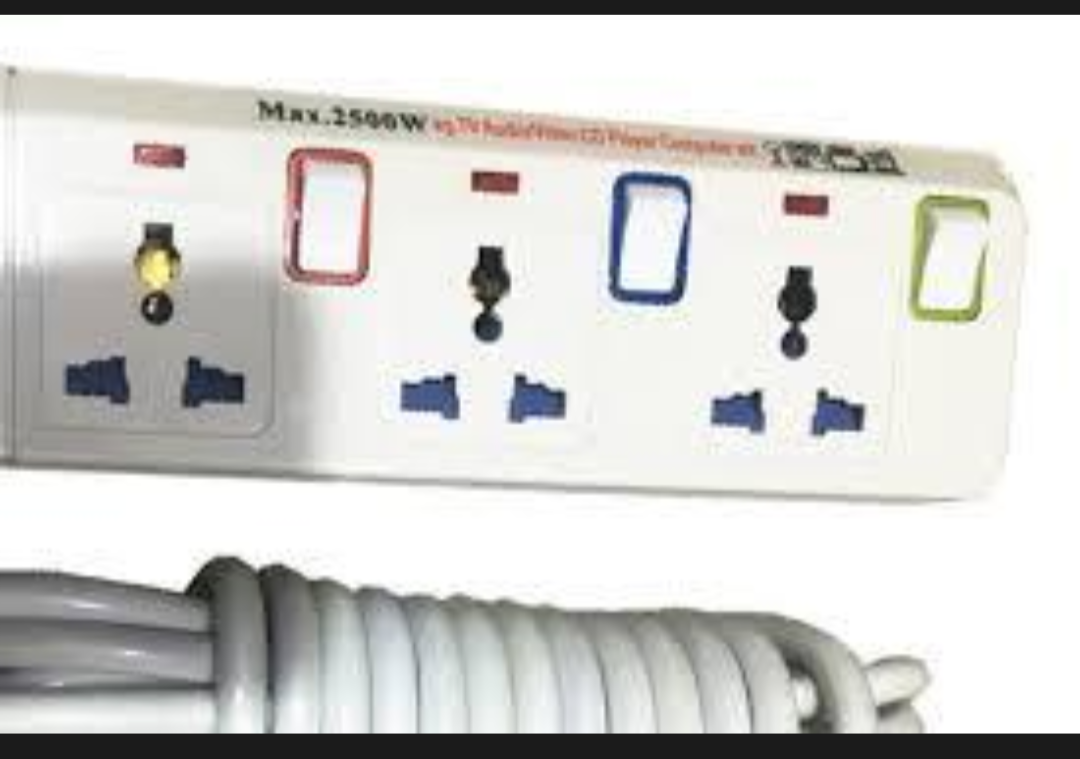
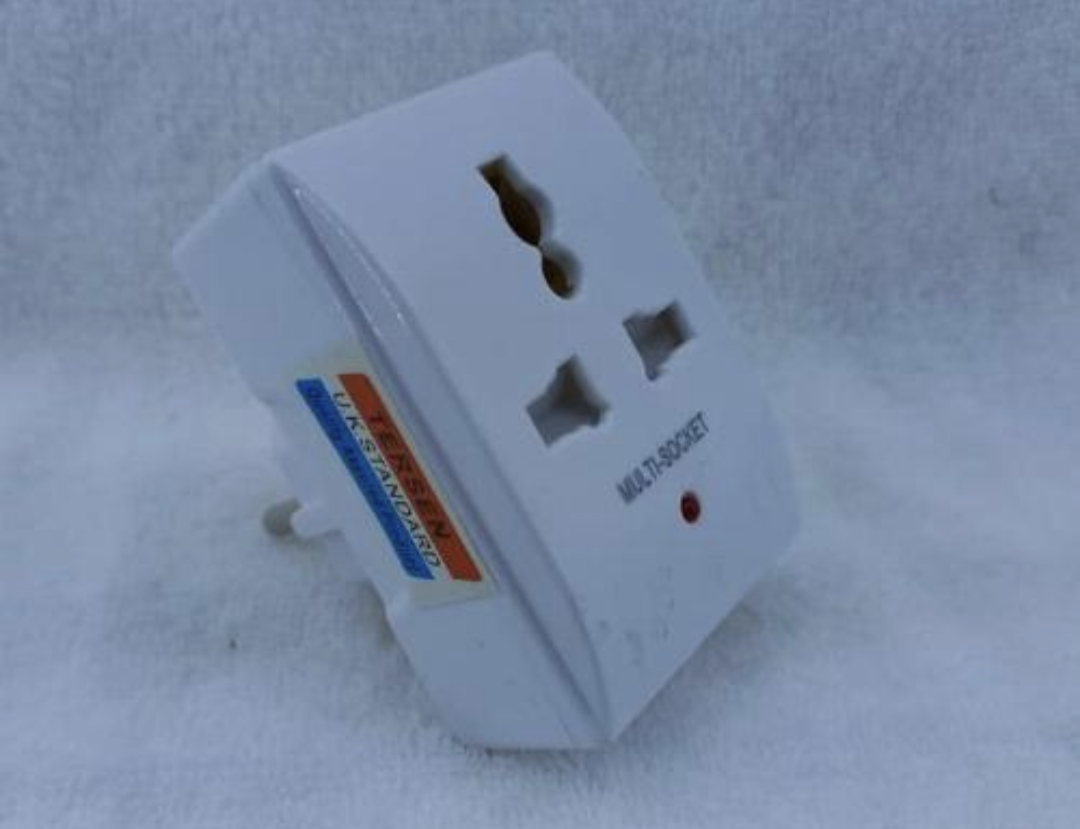
Multi socket
1 or 2 Must havePhones, laptops and chargers need plenty of sockets near the desk and bed.
How to use it: Keep it off the floor if you can, and do not overload it.
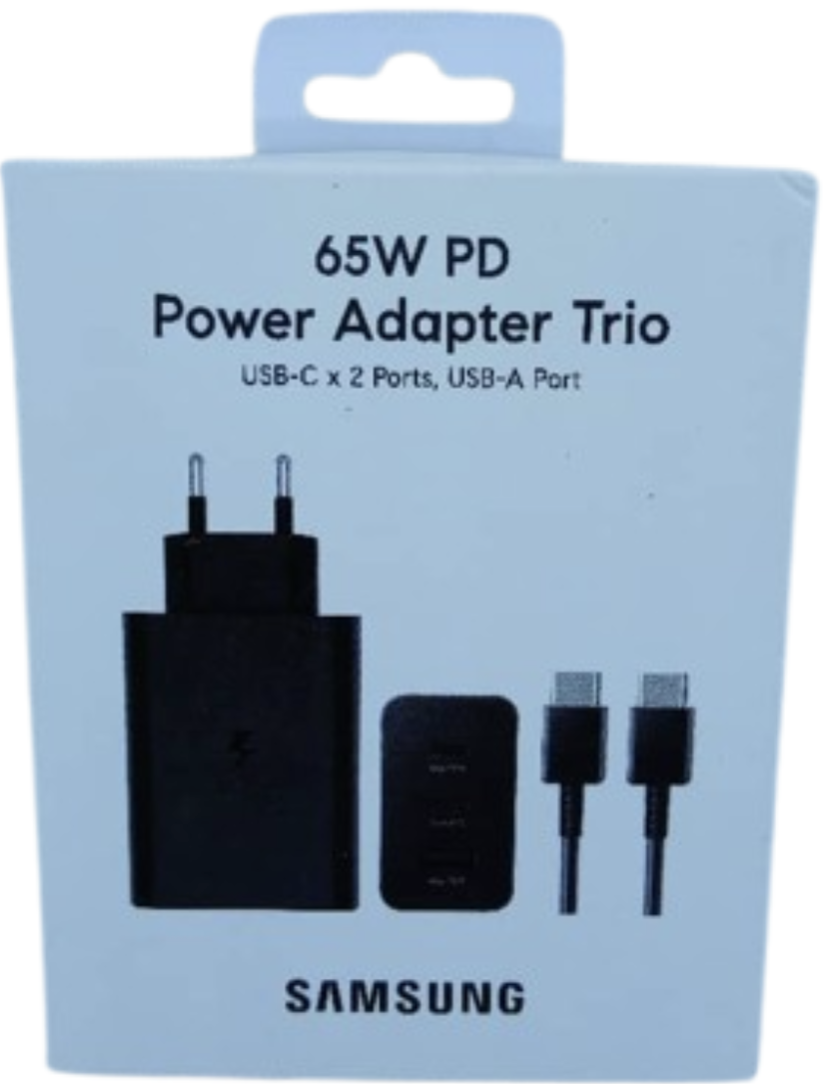
Plug adapter
1 to 2Nice to haveSome visitors bring chargers with plugs that do not fit local sockets.
How to use it: Ask your student what type of charger they have before arrival.
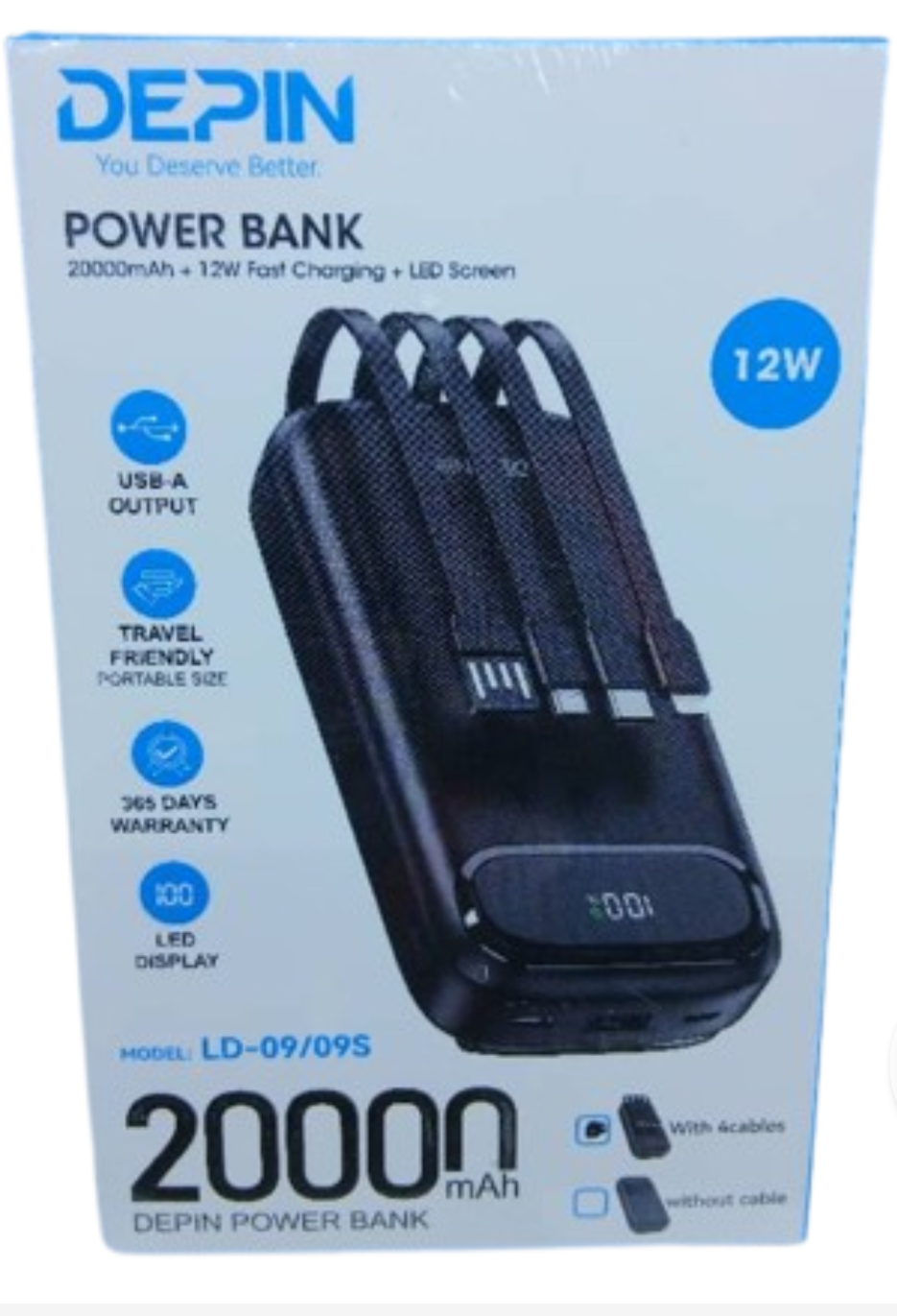
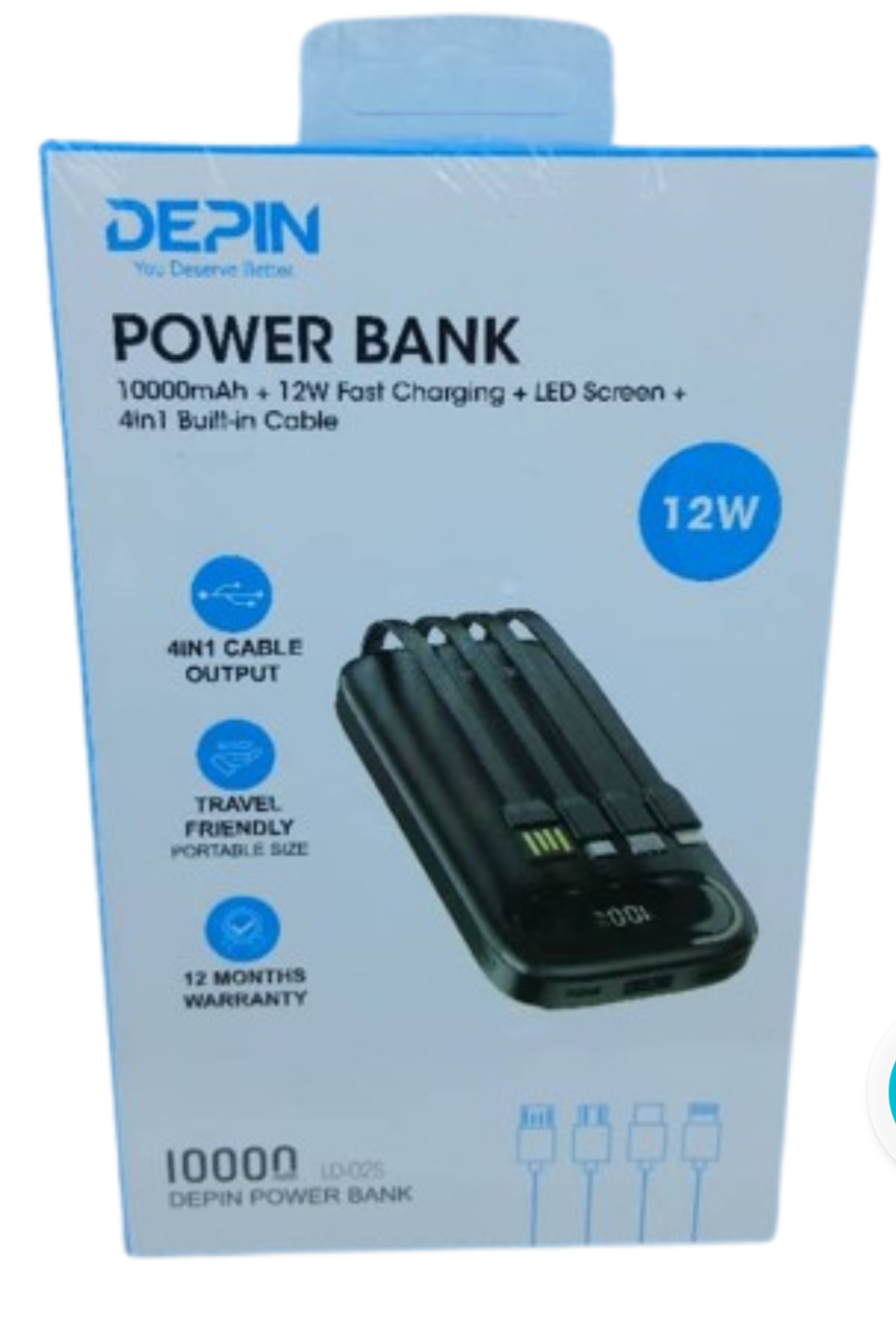
Power bank
1Nice to haveA power bank keeps the phone alive during power cuts.
How to use it: Charge it fully each night. Many students find this very useful.
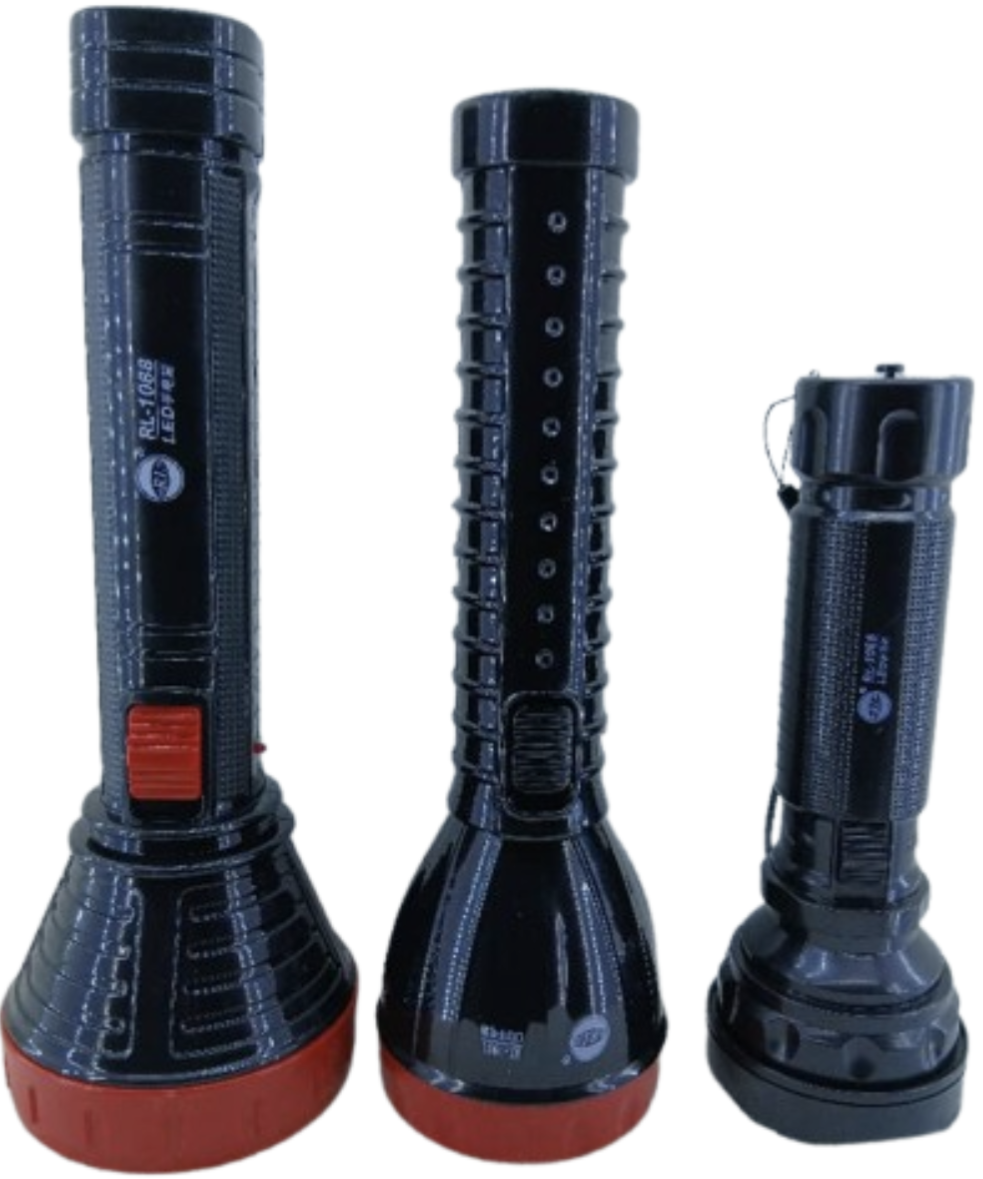
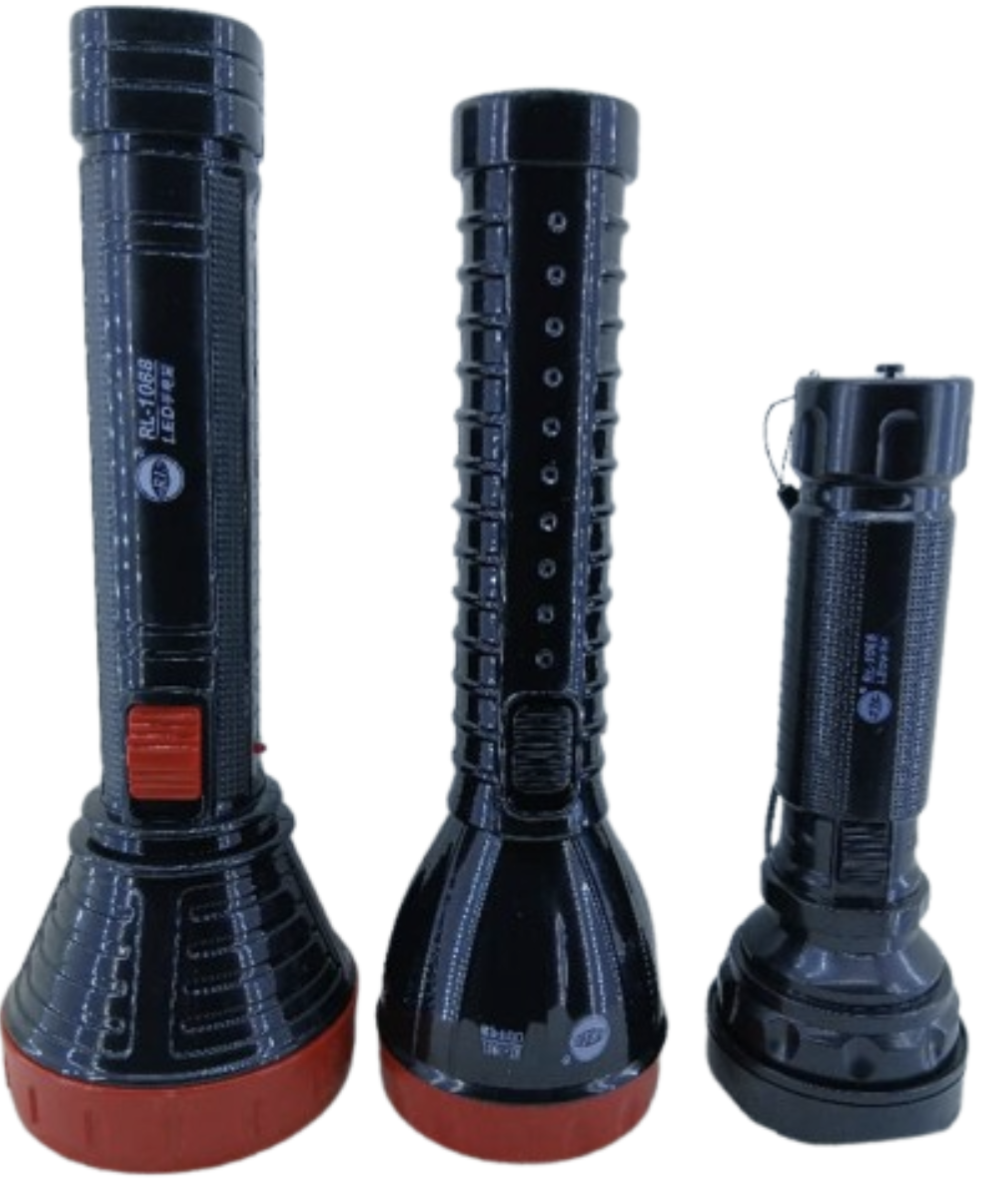
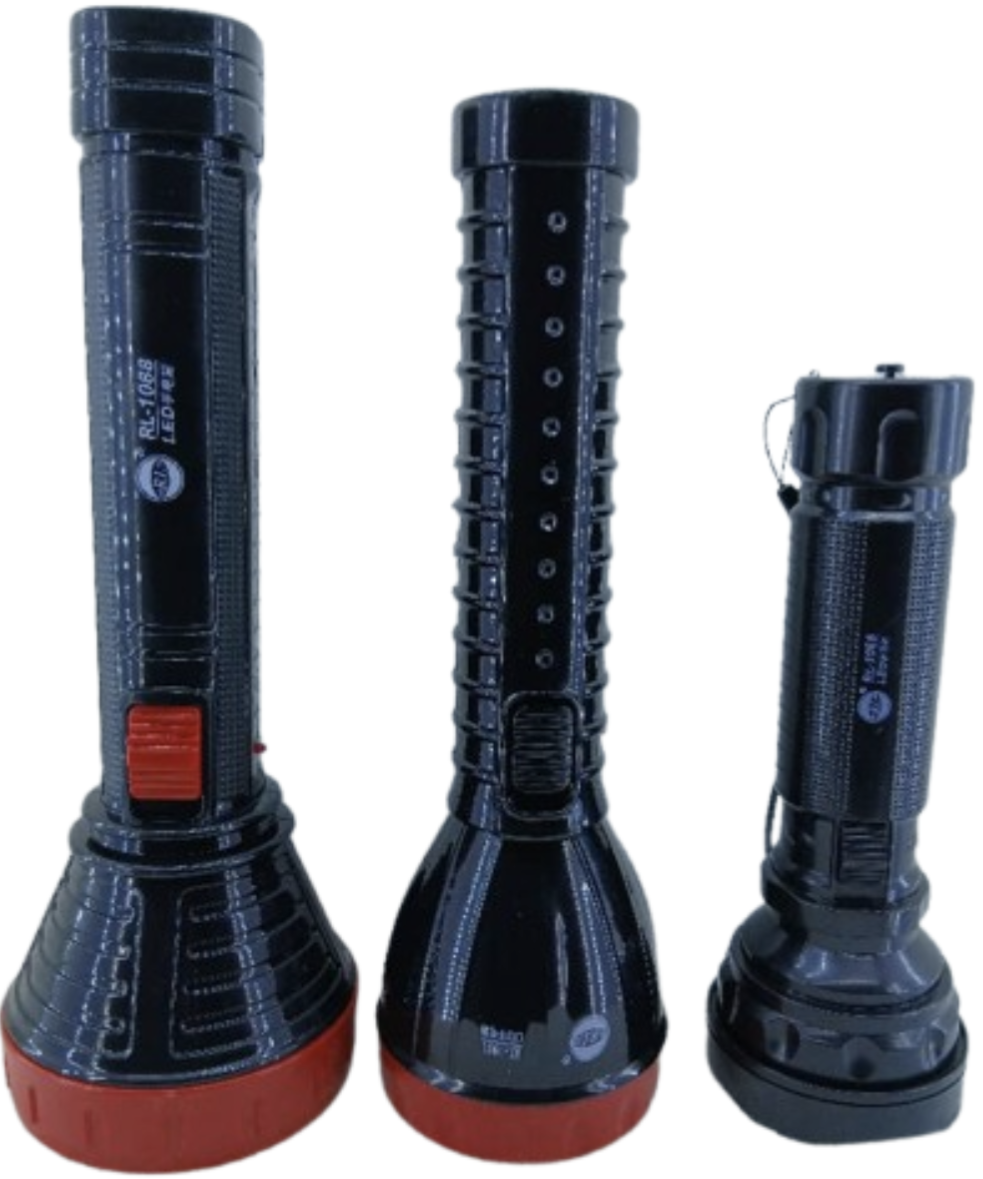
Torch
1 Must haveA torch helps the student find the way in a power cut or outside at night.
How to use it: Put it in a place the student can find in the dark and show where.
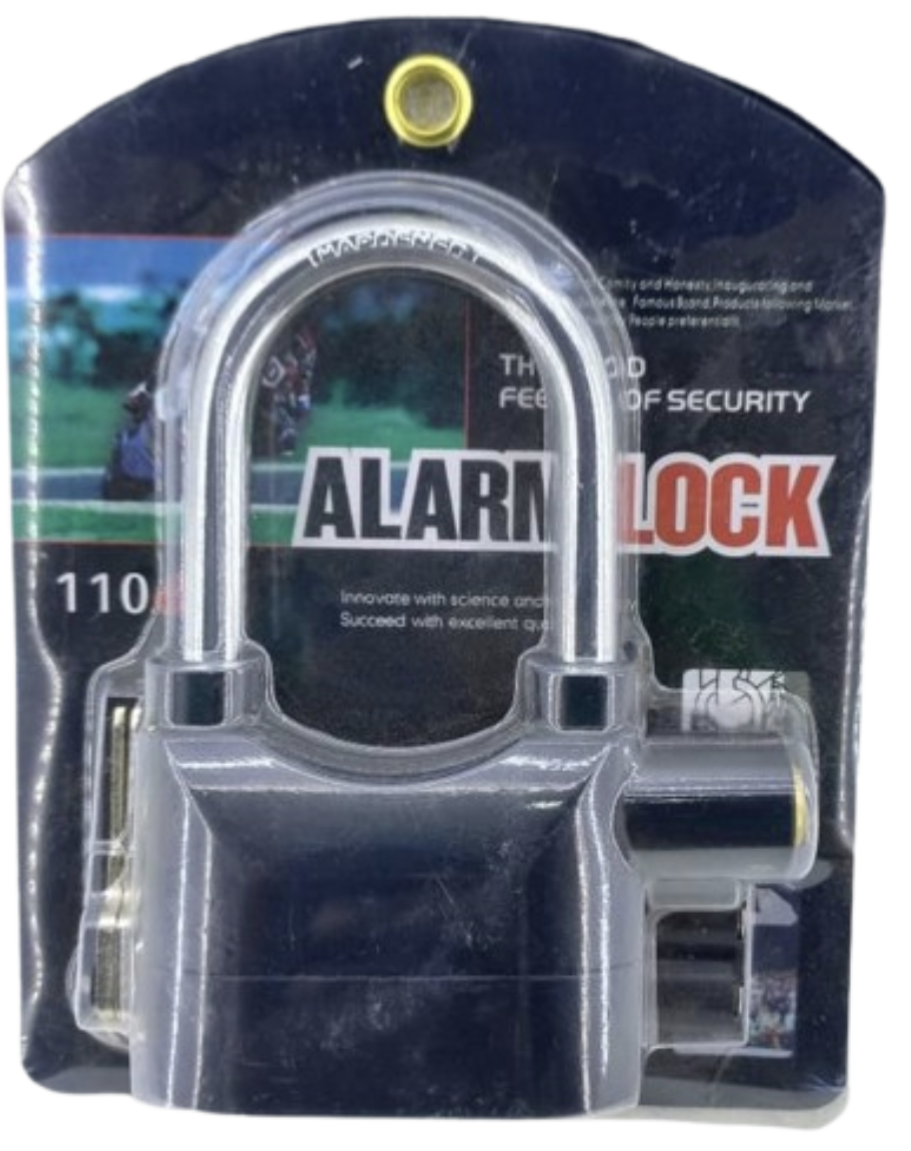
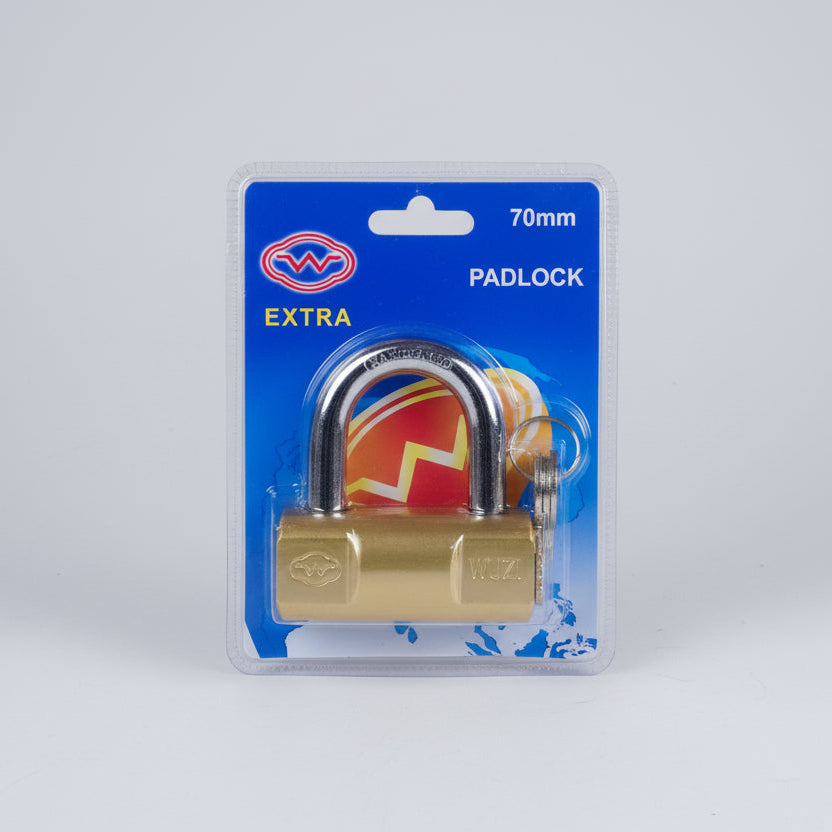
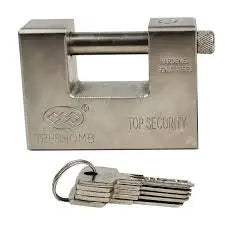
Padlock
1Nice to haveA padlock for the student's cupboard or suitcase gives privacy and trust.
How to use it: Hand over the key on arrival.
First aid kit
1 Must haveA basic kit helps with small cuts and scrapes.
How to use it: Show where it is. For illness, see a doctor or pharmacist.


Kitchen and welcome
Food is often the best way to say welcome. Ask the student what they like and what they cannot eat.
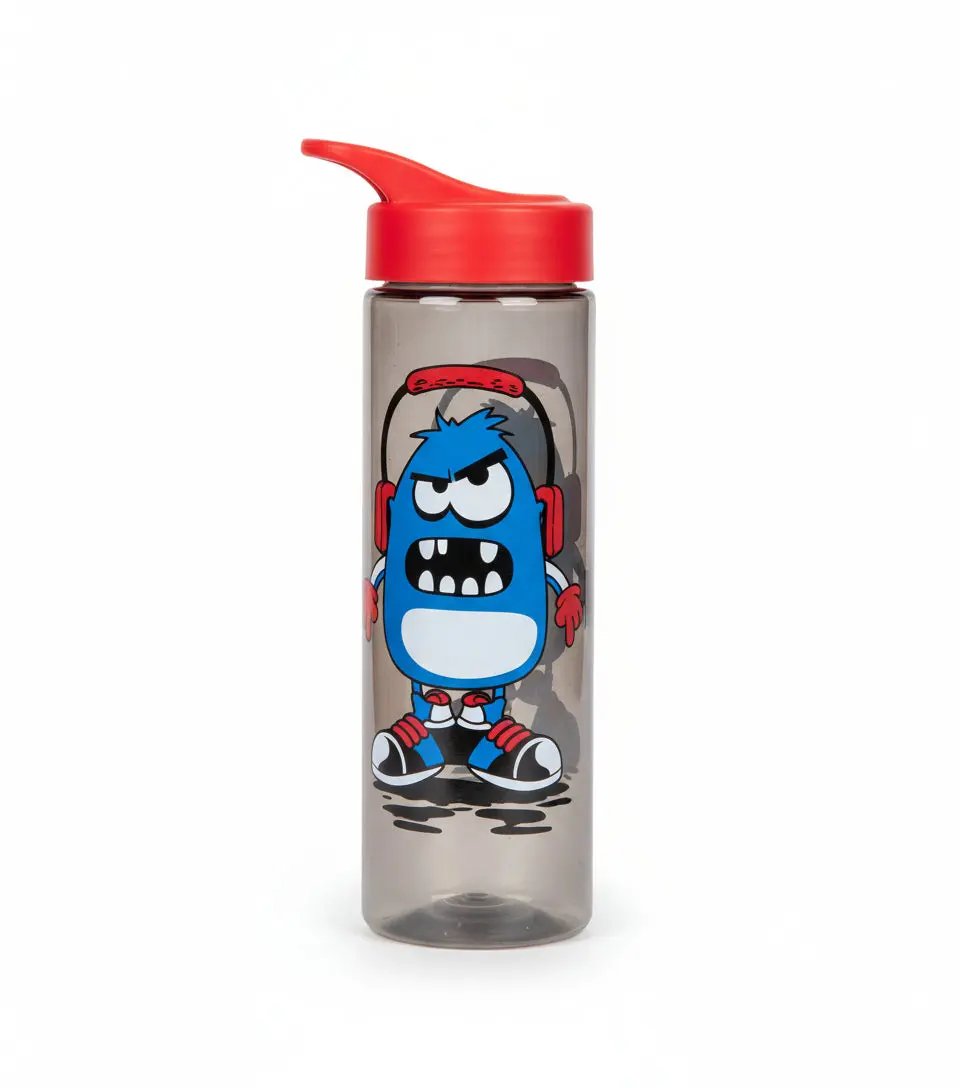
Water bottle
1 Must haveReusable bottles help the student carry water to school and on trips.
How to use it: Show where the safe drinking water is in your home.
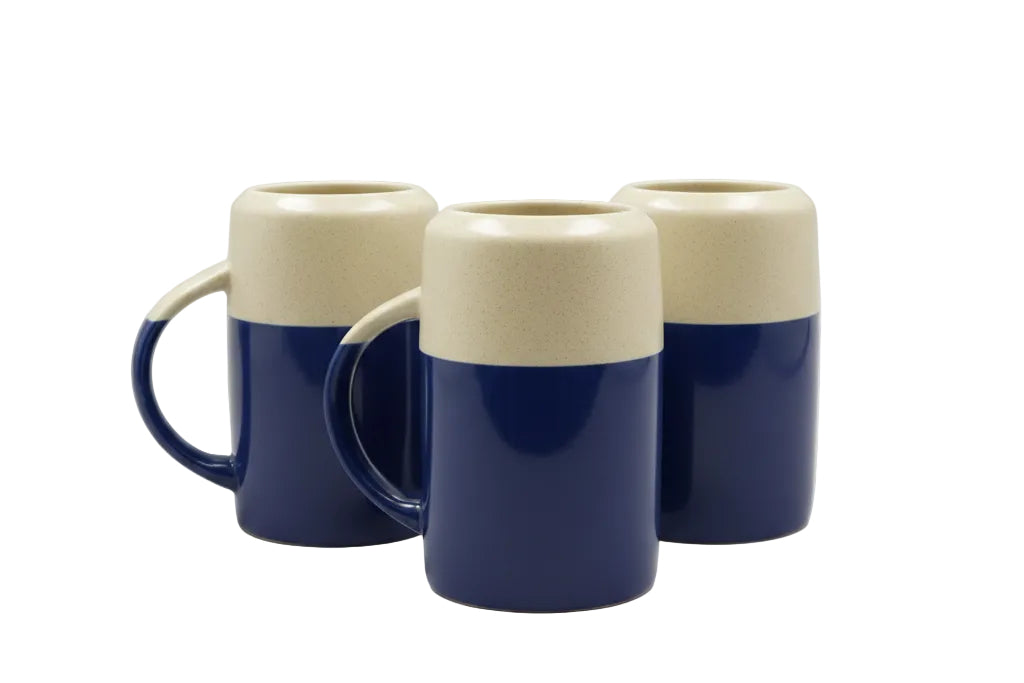
Mug
1Nice to haveA personal mug makes a student feel they belong.
How to use it: Let them choose a mug in the shop, or give one as a welcome gift.
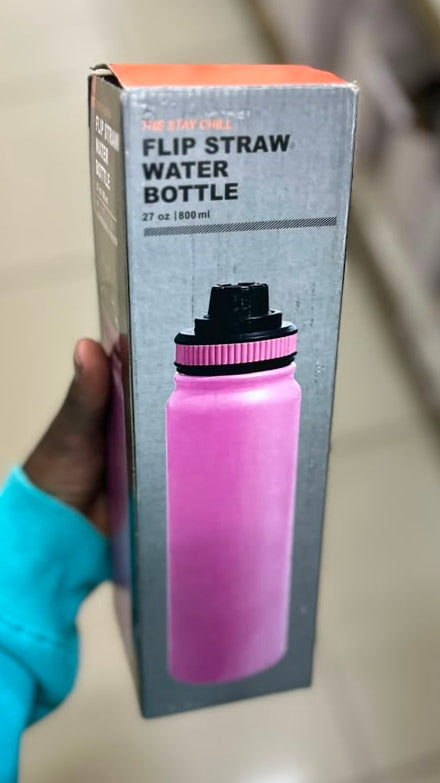
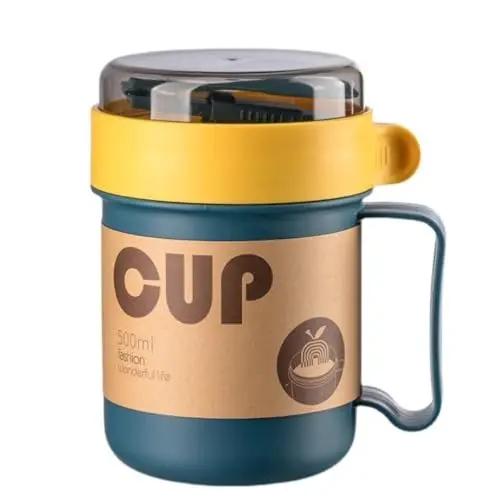
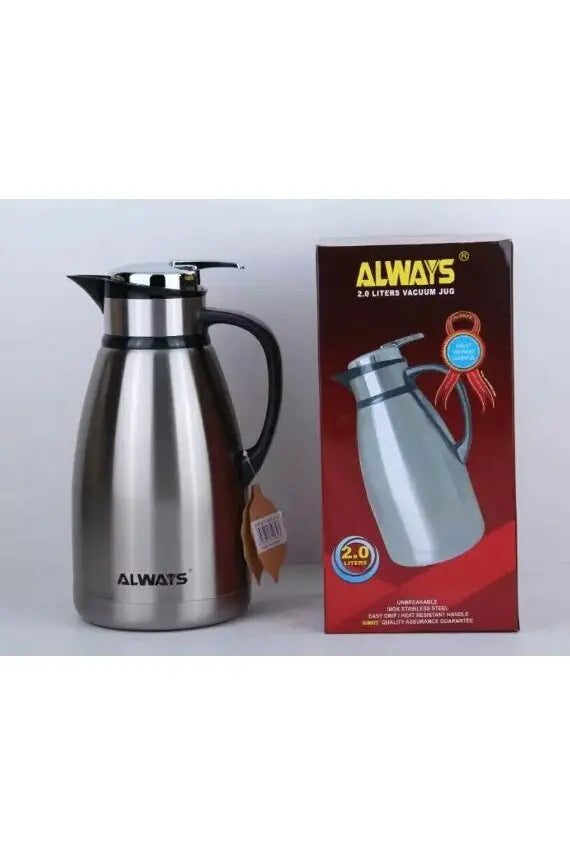
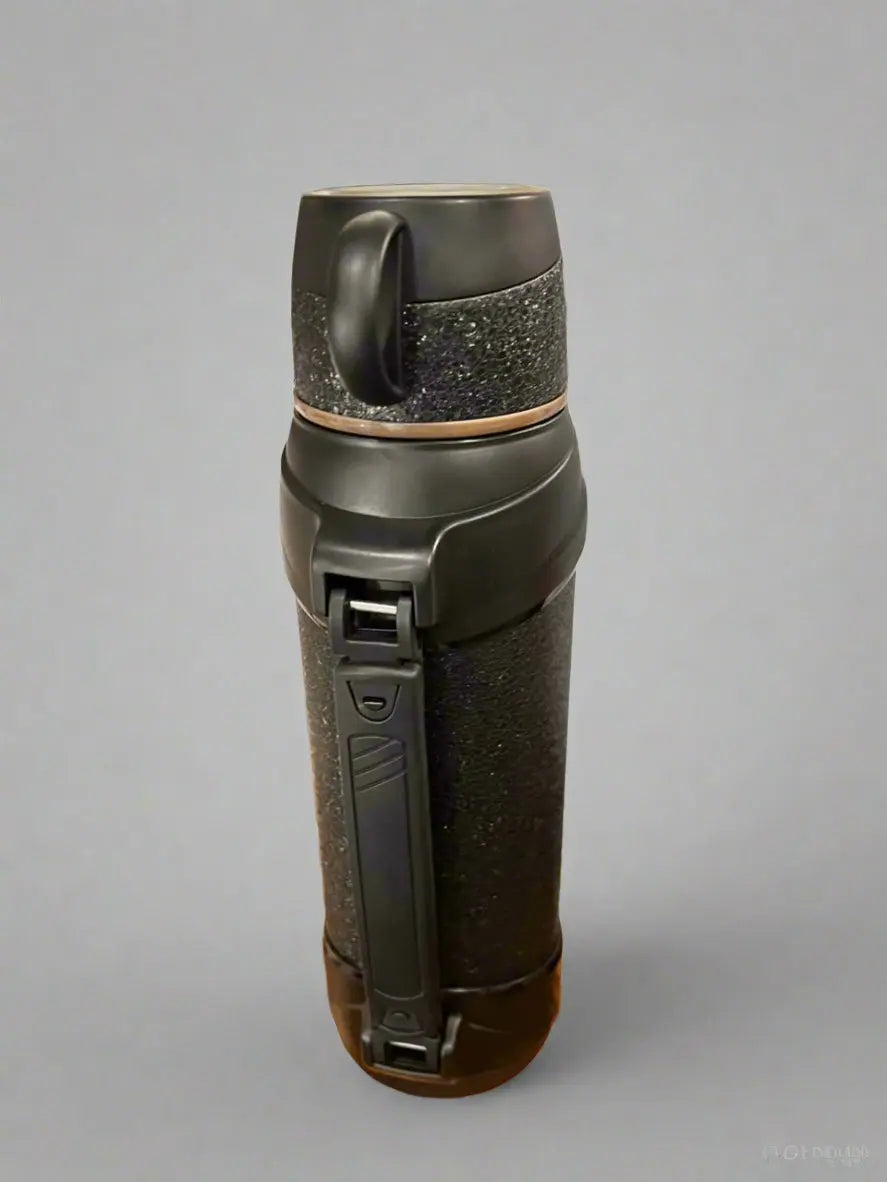
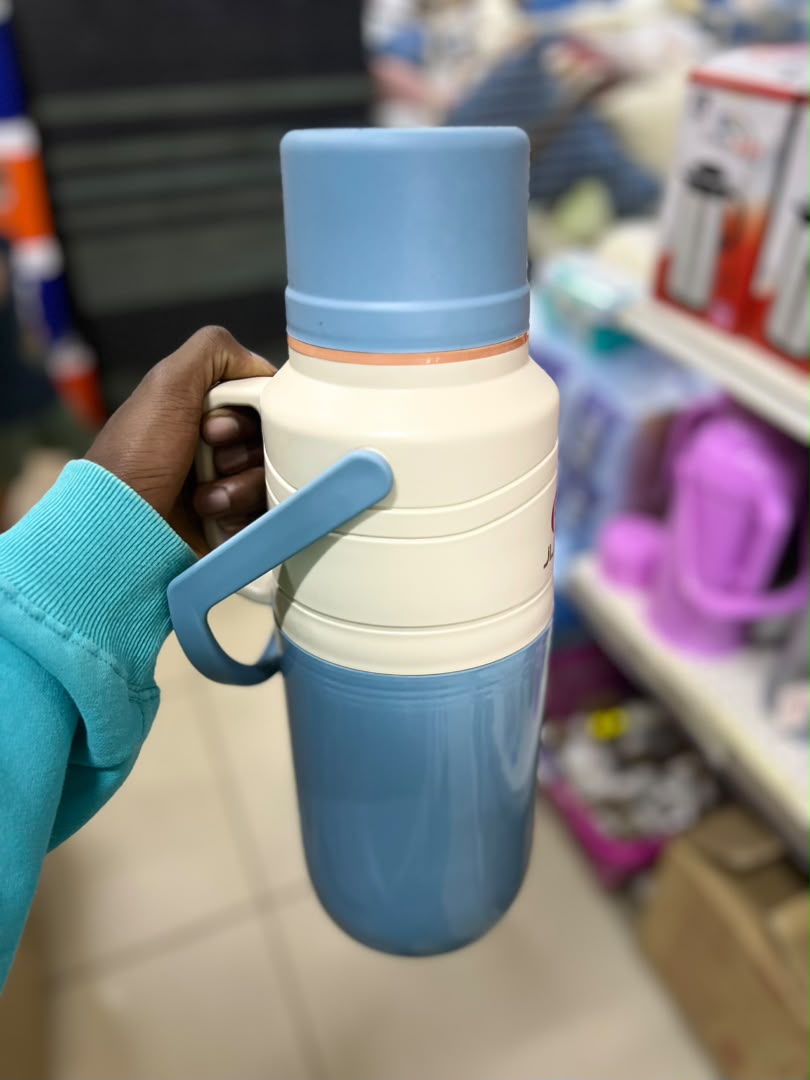
Flask
1Nice to haveA flask keeps tea or water warm on cool mornings and lets you share drinks.
How to use it: Show the student how to use it safely with hot water.
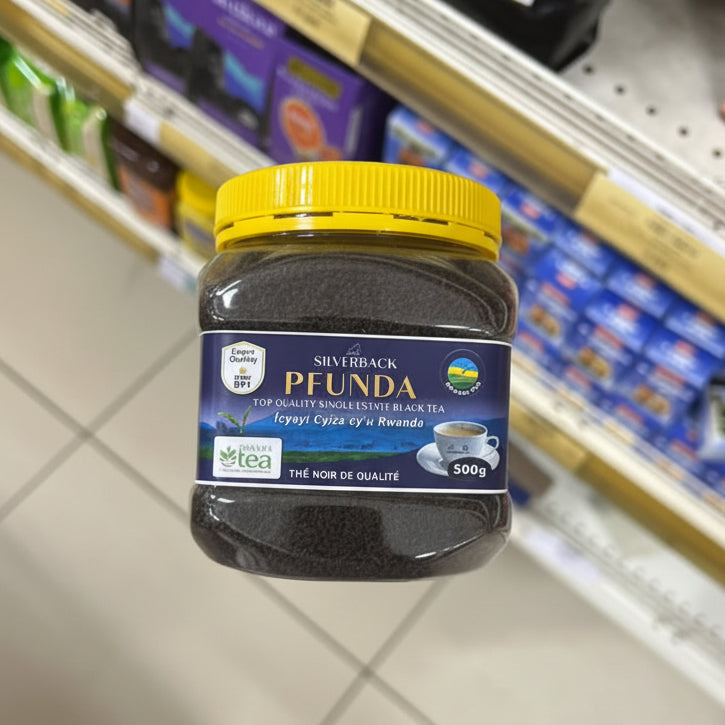
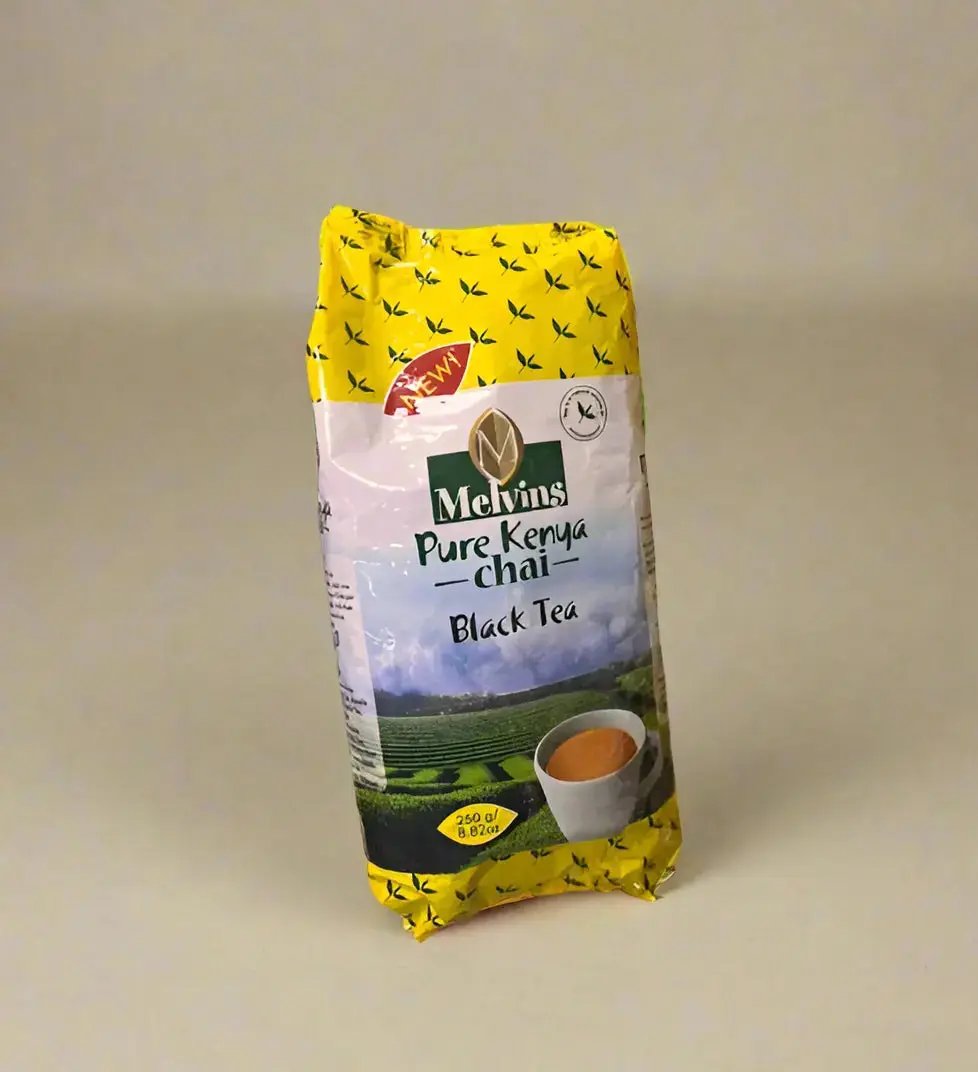
Tea and coffee
1 eachNice to haveRwanda is known for tea and coffee. Offer both on the first evening.
How to use it: Ask your student what they like and how they take it.
Biscuits and snacks
As neededNice to haveSnacks help a hungry student between meals, and sharing food starts friendships.
How to use it: Check for allergies before you buy.
Photo frame
1Nice to haveA frame for a family photo helps the student feel at home.
How to use it: Give it as a gift and let them choose the photo.






Step by step
- 1
Ask and plan
Talk with your student and the program. Ask about food, allergies, habits and what they will bring.
- 2
Prepare the room
Clean the room, set up the bed, and place the desk, lamp and hangers.
- 3
Shop the bulky items
Order the bed items, desk, chair and rug early so they arrive before the student.
- 4
Add the welcome touches
A few days before arrival, add the small items: toiletries, snacks, a mug and a note.
- 5
Show the home
On day one, show the bathroom, the safe water, the lamp, the torch and the house rules.
Tips that help
- Write the Wi-Fi details and the house rules on a card and leave it on the desk.
- Ask how your guest likes to wash and dry laundry, and explain what you do at home.
- Show your student how power cuts work, and where the torch and a charged power bank are.
- Keep the welcome simple. A clean room and a warm meal matter more than many gifts.
- Share local phrases in Kinyarwanda. A greeting card on the desk is a lovely touch.
- Agree on quiet hours for study and sleep.
- Keep the emergency numbers and your phone number near the desk.
Mistakes to avoid
- Not asking about allergies or food needs before the arrival.
- Forgetting power and charging needs: sockets, adapter and torch.
- Overbuying decor and forgetting practical items like hangers and toilet paper.
- Not explaining house rules on the first day.
- Leaving the room without a mosquito net or light blanket.
Questions people ask
What should I buy first for an exchange student?+
Start with the bed set, pillows, towels and a lamp. These are the items your student will use on the first night.
Do exchange students need their own desk?+
It is very helpful. A desk or table with a chair and a lamp gives a place to study, and helps the student keep a routine.
How can I make a student feel at home?+
Greet them warmly, share a meal, and give them a simple welcome basket. Introduce the neighbors and show the neighborhood. Small, kind actions work best.
What do I do if I rent the house?+
Check with your landlord before the student moves in. Also check the rules of the exchange program.
How do I prepare for power cuts?+
Keep a charged torch and a power bank in the room, and show the student where they are. A rechargeable lamp is also useful.
Hosting is about welcome, and welcome starts with a clean bed, a quiet desk and a few thoughtful extras. Go through this list, shop on Isokko, and have it delivered in Kigali before your student lands.
Shop this list
Get everything delivered in Kigali
Order from local stores on Isokko and pay with MoMo, card or cash. Same-day delivery.