
Checklist · Home & moving
Preparing Your Home for a Live-in House Helper: Checklist
Get your Kigali home ready for a live-in house helper: bedding, uniforms, toiletries and kitchen tools, so your helper can settle in well.
Updated November 25, 2026 · By Isokko
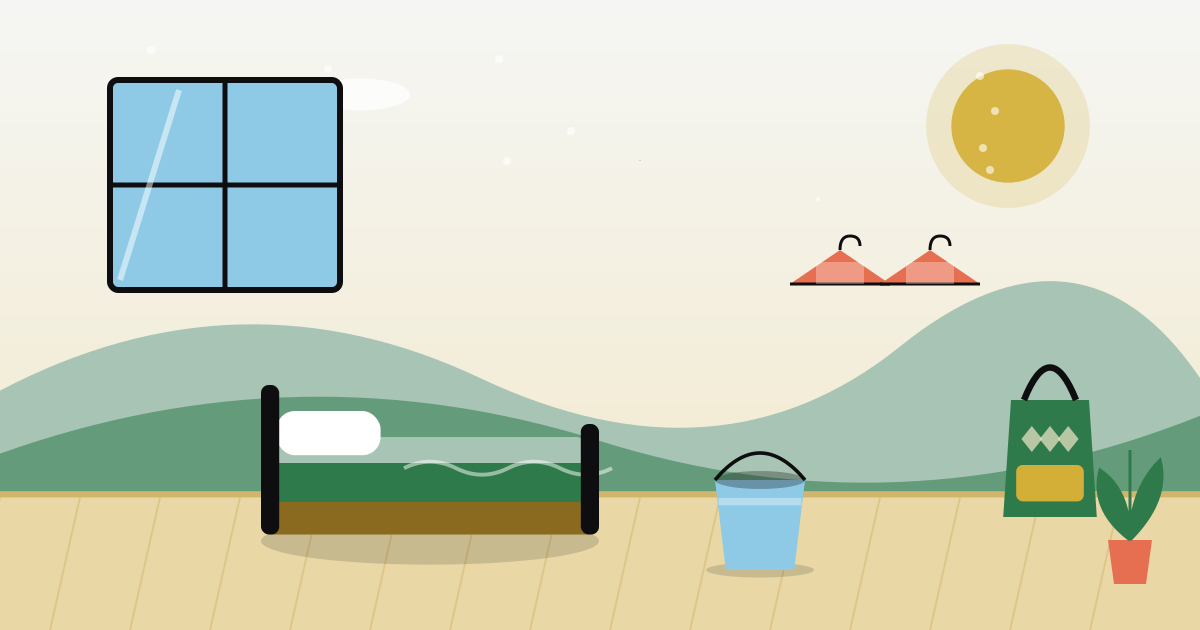
A live-in helper is joining your home, and for them it is also a new home. A clean room, a real bed, soap and a towel and the tools to do the work well send a clear message: you are welcome and respected.
This checklist covers the room and bedding, personal toiletries, work clothes, kitchen and cleaning tools and a few safety items. It also lists simple things to talk through in the first days.
Agree work hours, rest time, pay and days off clearly and in writing. If you are not sure about the rules, check with the local authority or a trusted adviser. This list is only about what to prepare and buy.
Who it's for
Households in Kigali welcoming a live-in house helper
Time needed
Prepare over 3 to 5 days before the helper arrives
When to shop
Set up the room and basics first, then add work tools and uniforms
On the list
39 items, 23 must haves
0 of 39 ready
A room to rest in
A good night's sleep is the base of a good working day. Give your helper a private, clean and safe room if you can.
Mattress
1 Must haveA real mattress is a basic need. A clean, firm one protects your helper's back and health.
How to use it: Choose a size that fits the bed frame. Air it in the sun now and then.
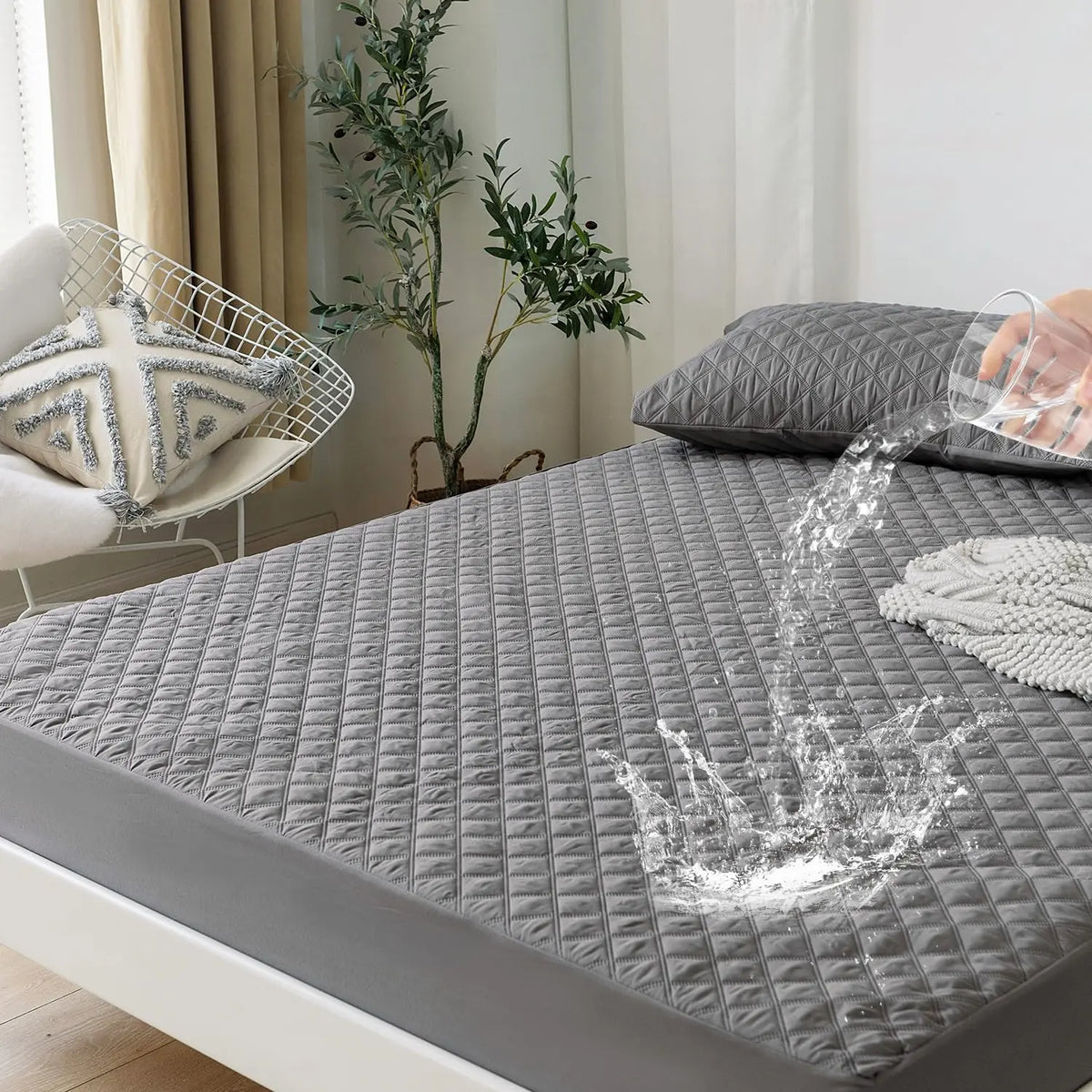
Mattress protector
1Nice to haveA protector keeps the mattress clean and dry, and it is easy to wash.
How to use it: Fit it under the sheet and wash it every few weeks.
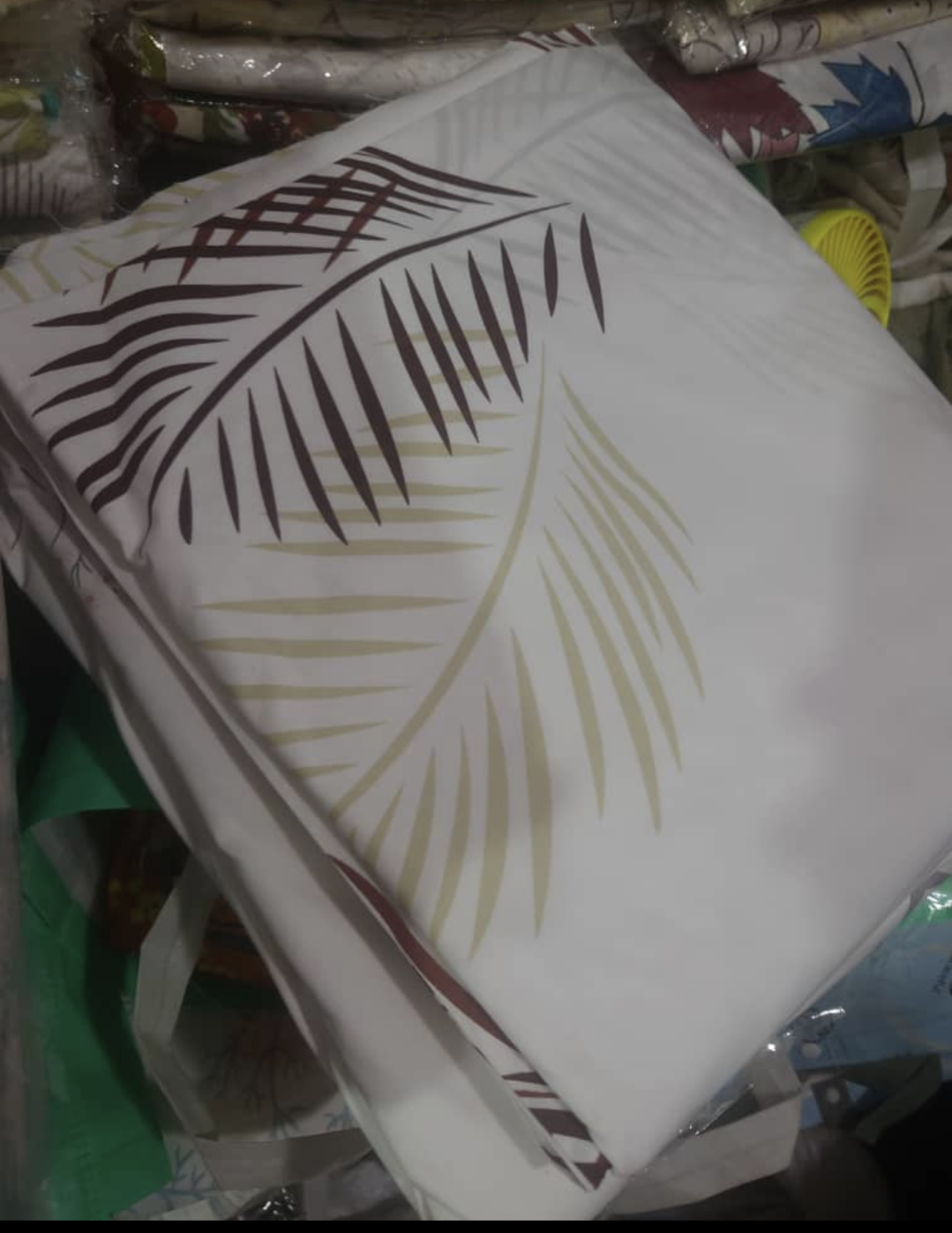
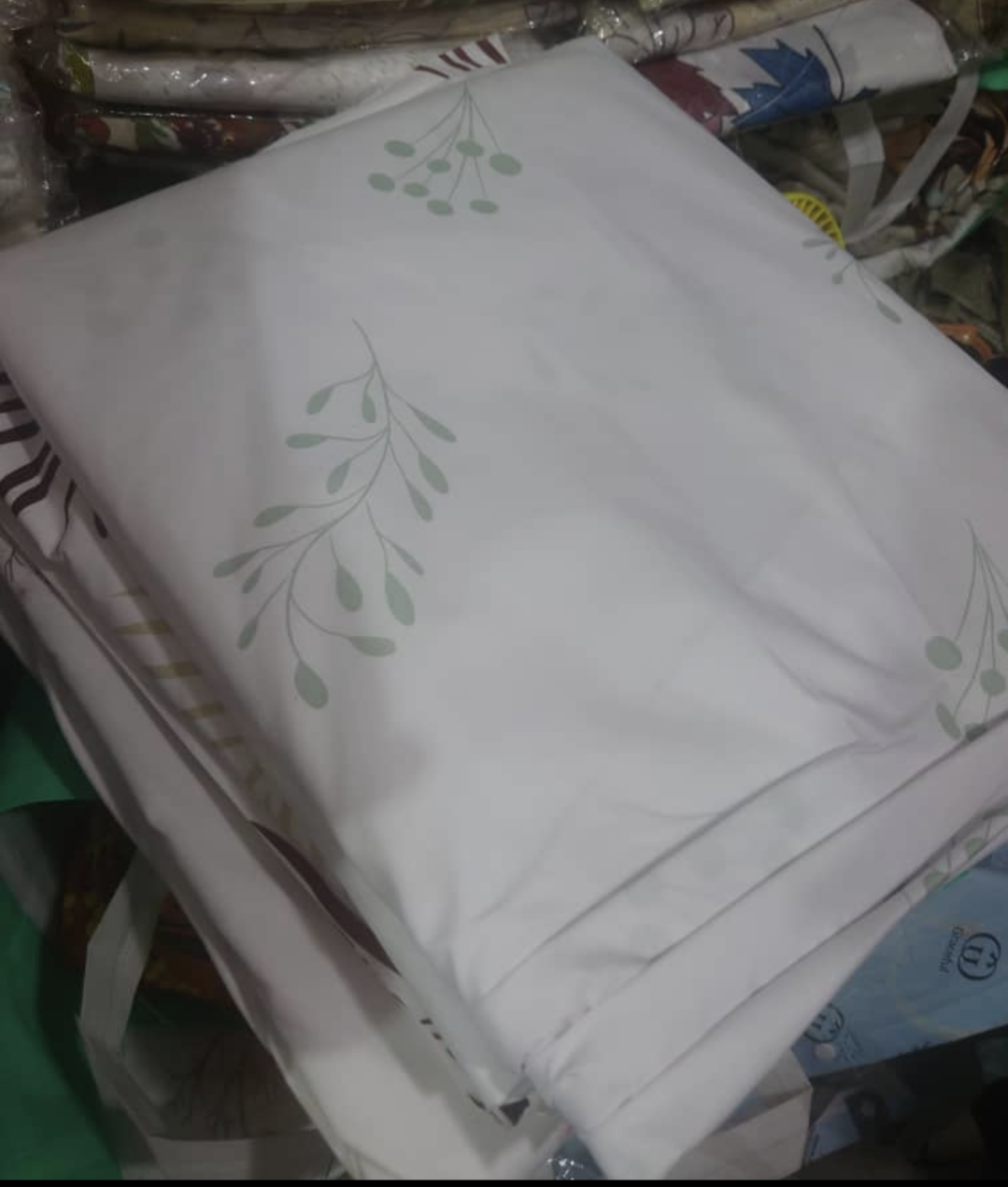
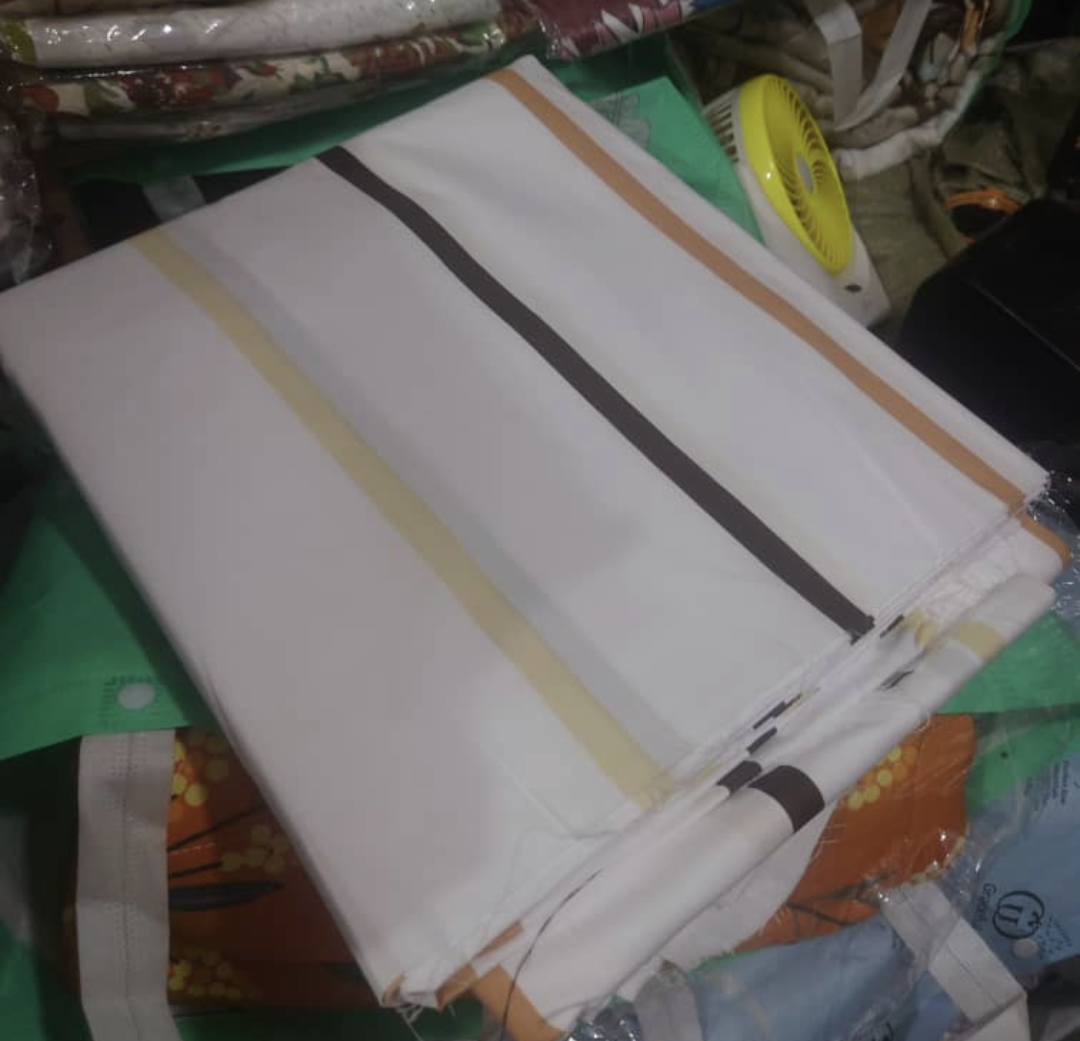
Bed sheets
2 sets Must haveClean sheets are the first thing a helper notices in a new room. Two sets let you wash one and use one.
How to use it: Choose cotton sheets for warm days. Wash every week.
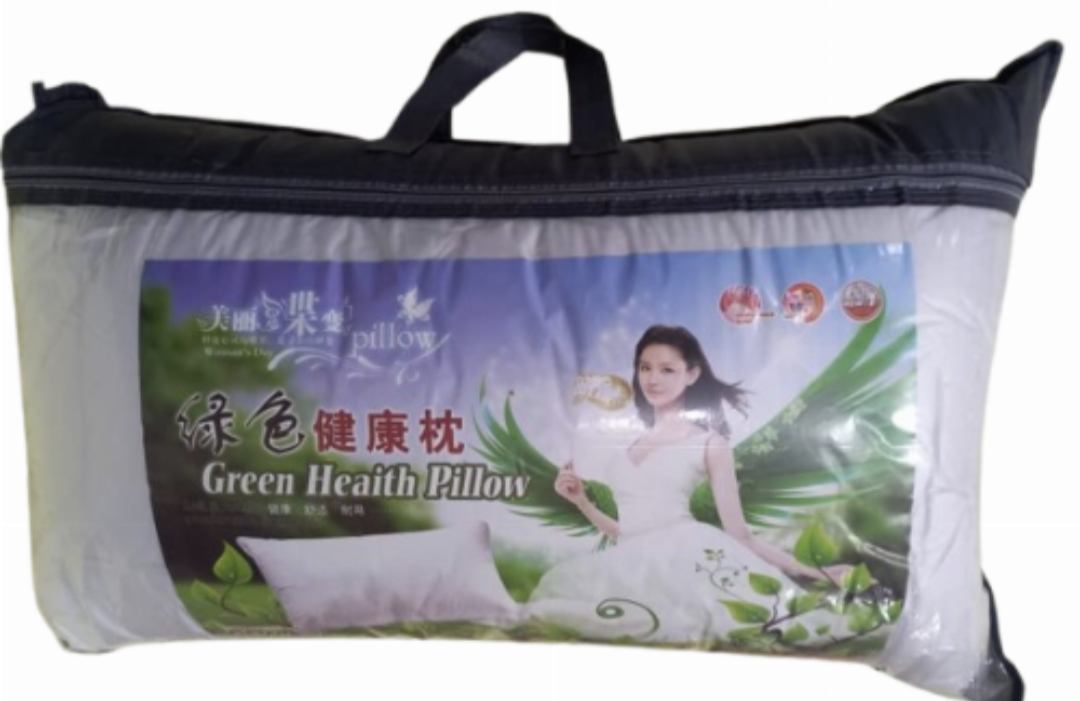
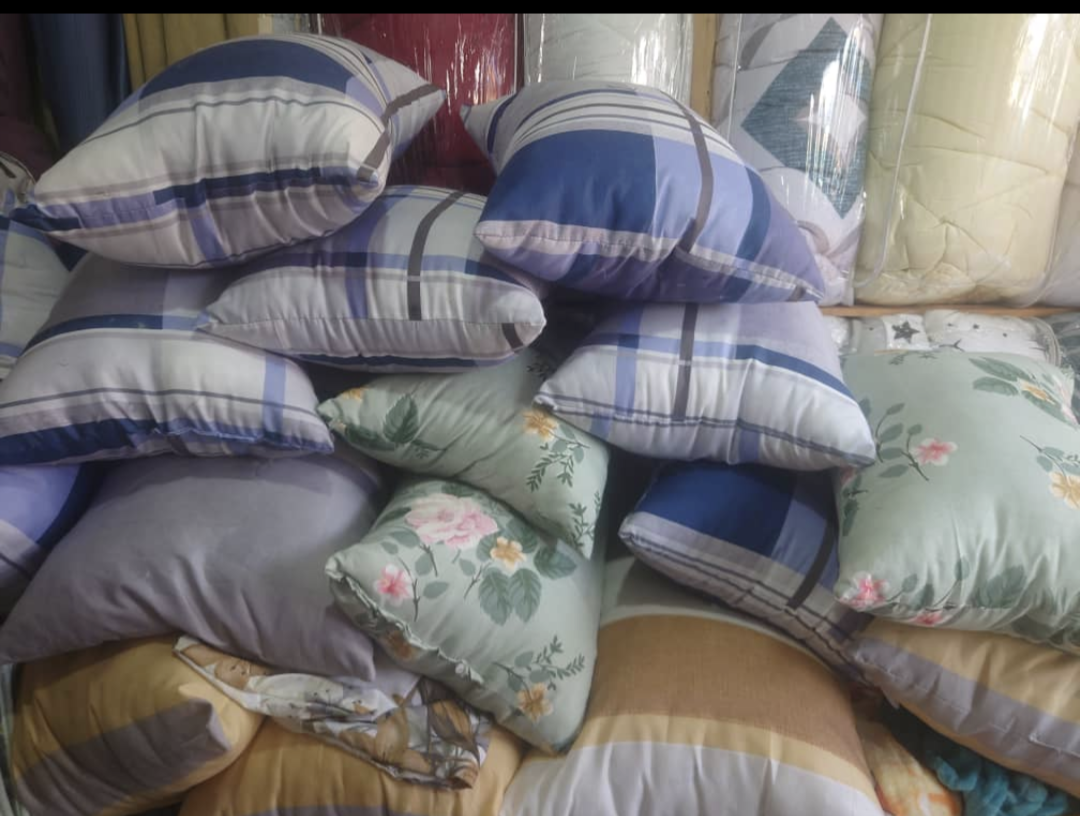
Pillow and pillowcase
1 to 2 Must haveA pillow is a basic comfort, and it makes the room feel like a home.
How to use it: Wash the cover often and air the pillow in the sun.
Blanket
1 to 2 Must haveKigali nights can be cool, especially in the rainy seasons. A warm blanket is a must.
How to use it: Fold it at the end of the bed. Wash it a few times a year.
Mosquito net
1 Must haveA net protects against mosquito bites at night. Check local health advice on malaria in your area.
How to use it: Hang it over the bed and tuck the edges under the mattress.
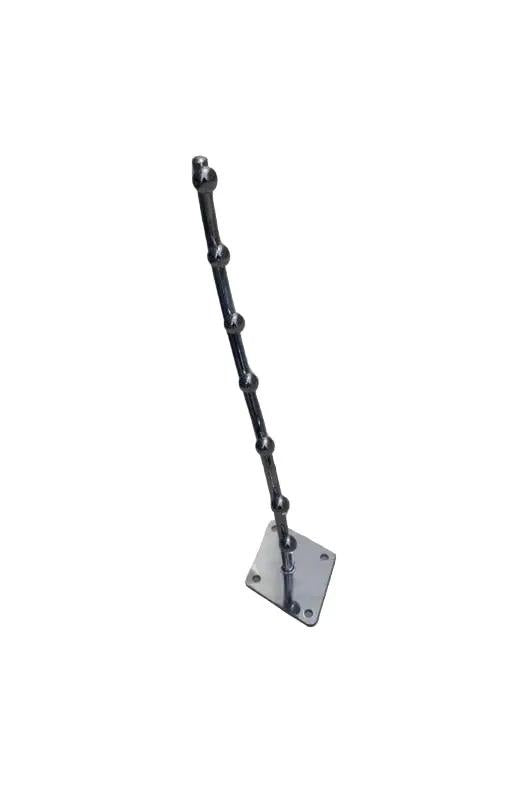
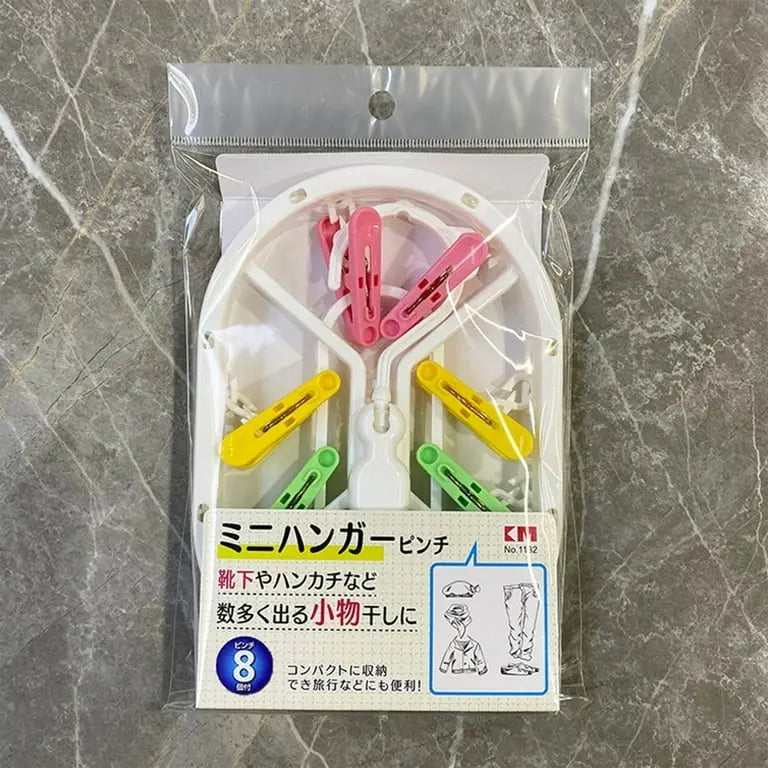
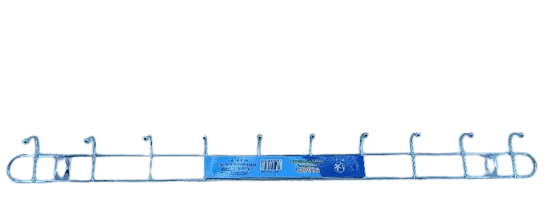
Wardrobe hangers
10Nice to haveHangers let your helper keep clothes neat and wrinkle free.
How to use it: Add a rail or hooks if there is no wardrobe.
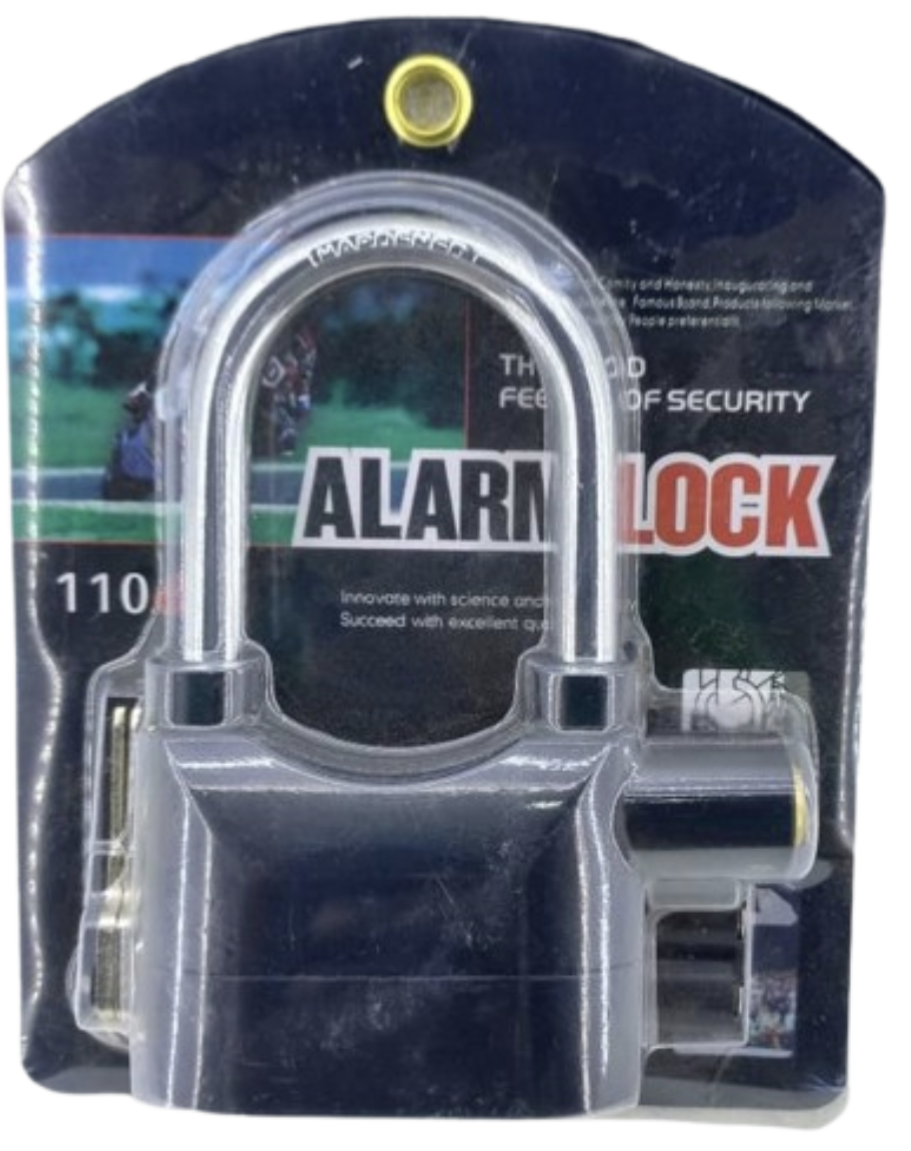
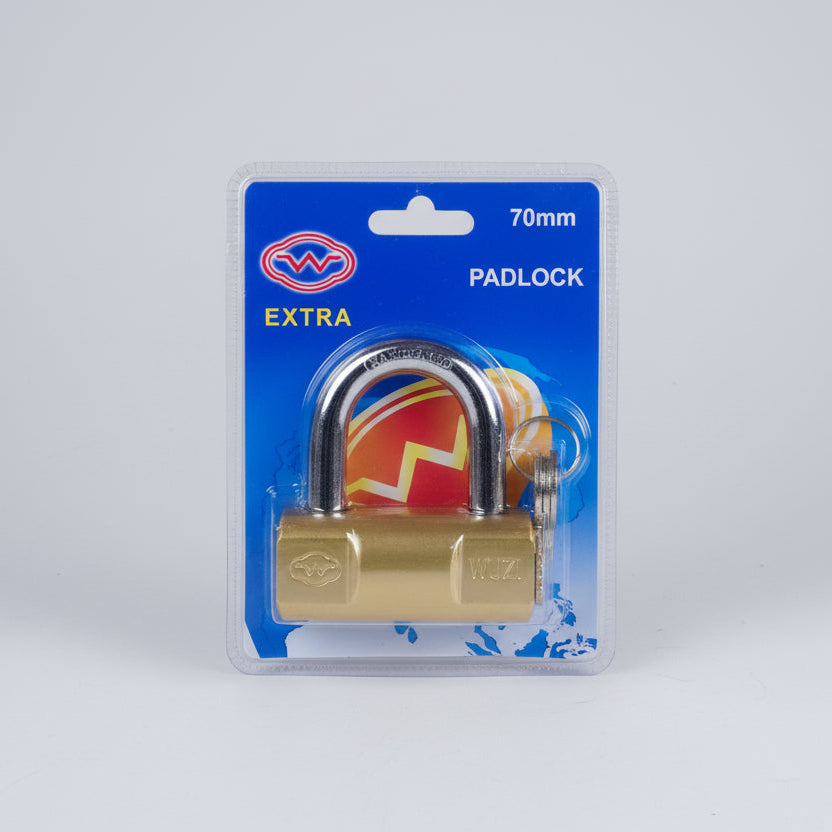
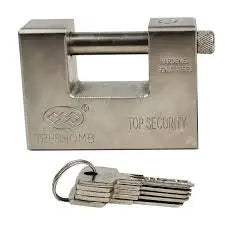
Lockable box or padlock
1Nice to haveA place to lock personal papers, phone and money gives privacy and trust.
How to use it: Give the key to your helper only and agree that the room is respected.




Toiletries to settle in
Many helpers arrive with few things. A starter kit helps, and it shows care.
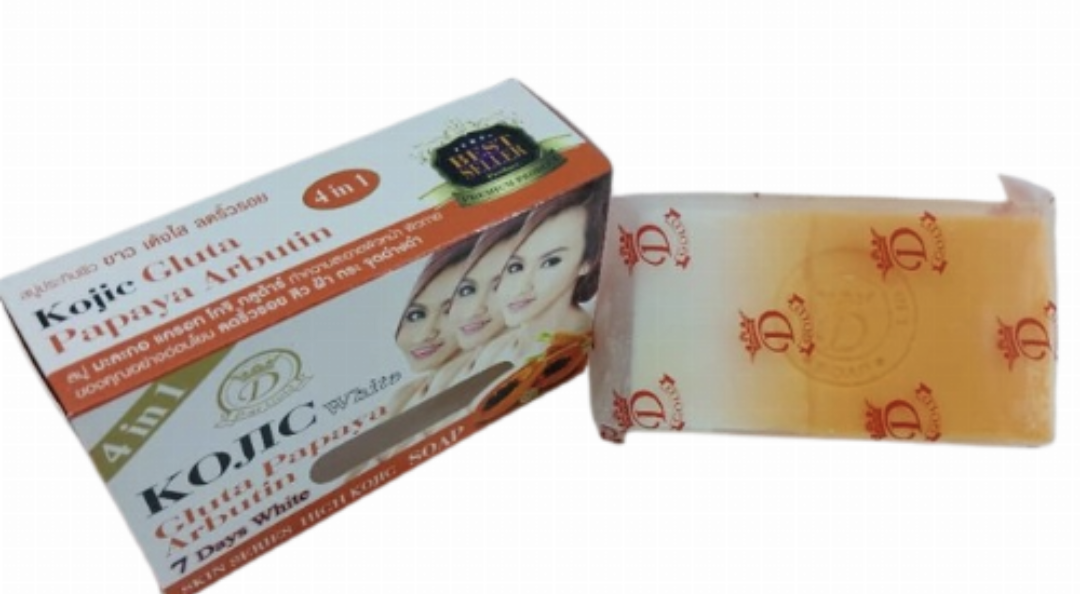
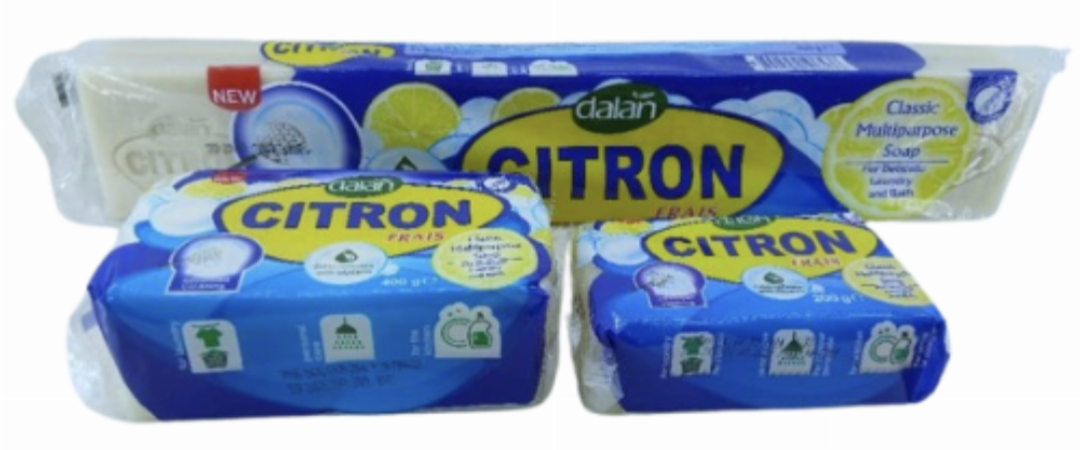
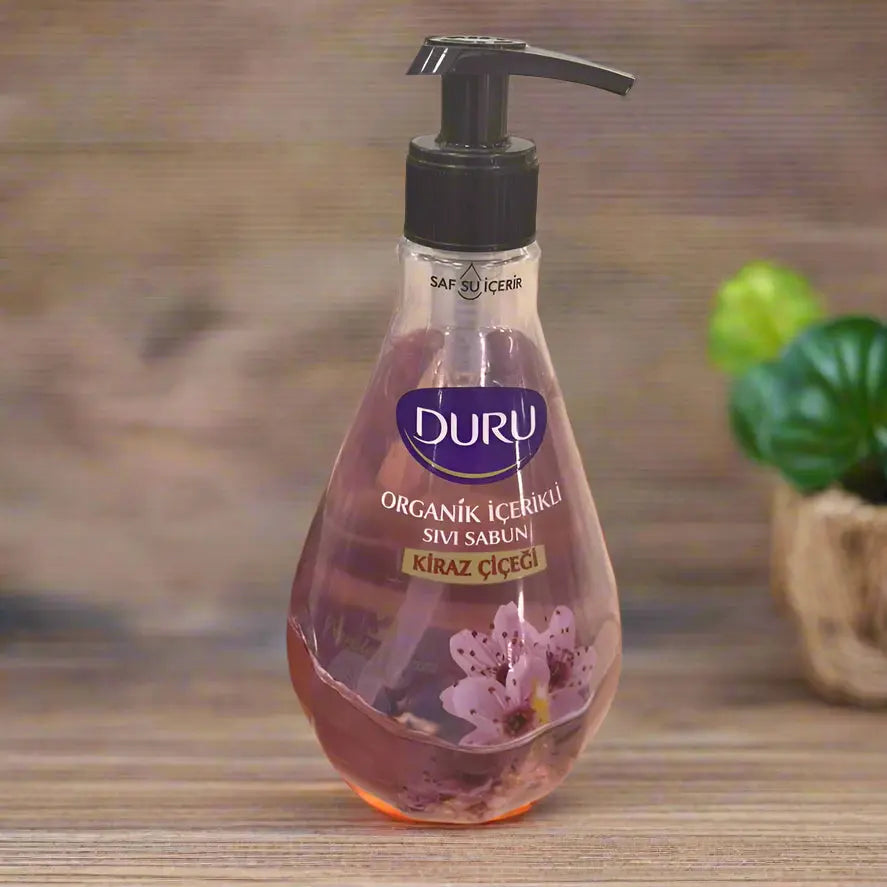
Bathing soap
3 to 4 Must haveBasic soap is needed from the first evening.
How to use it: Give a few bars so they do not have to ask.
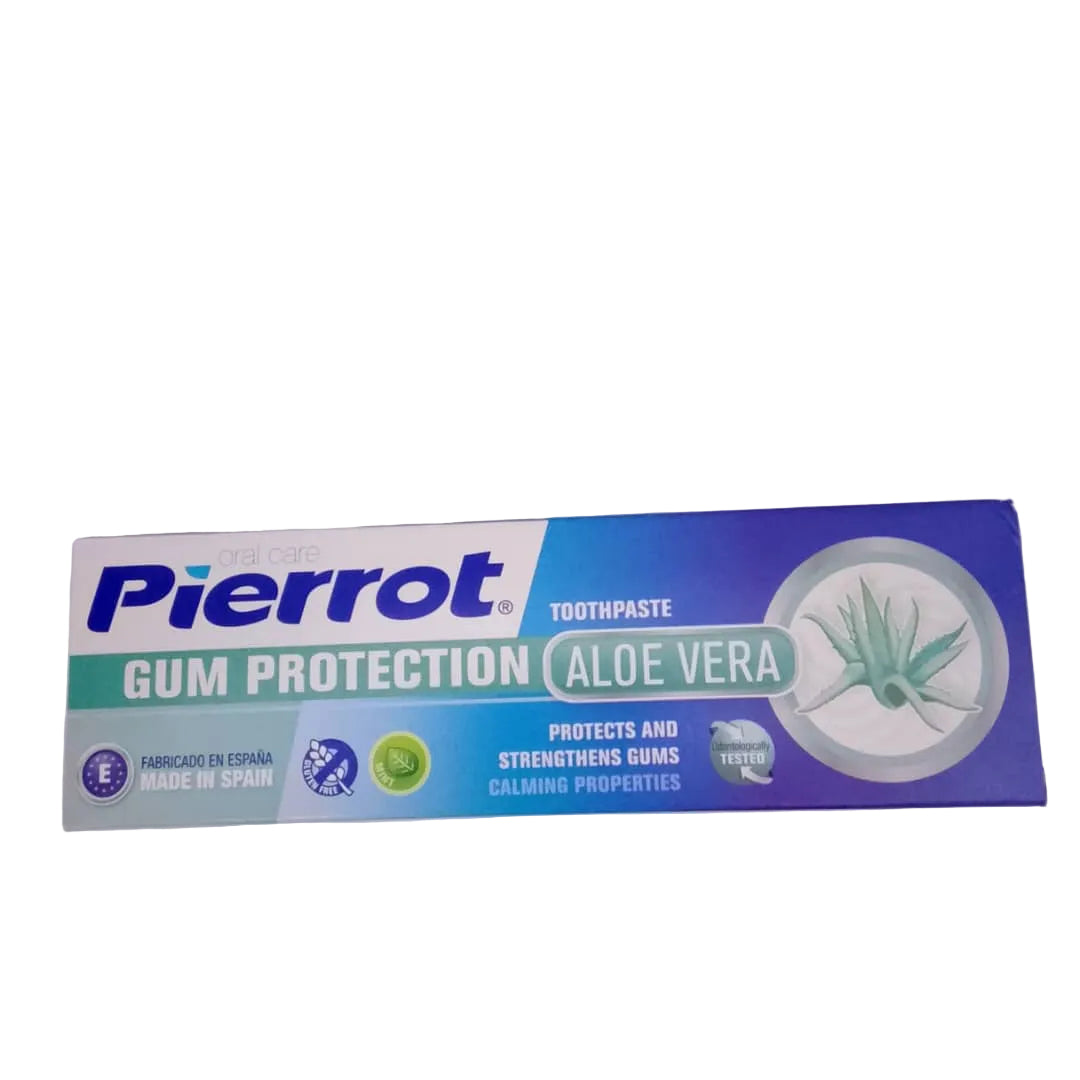
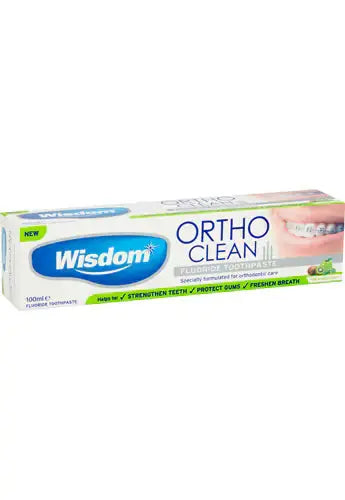
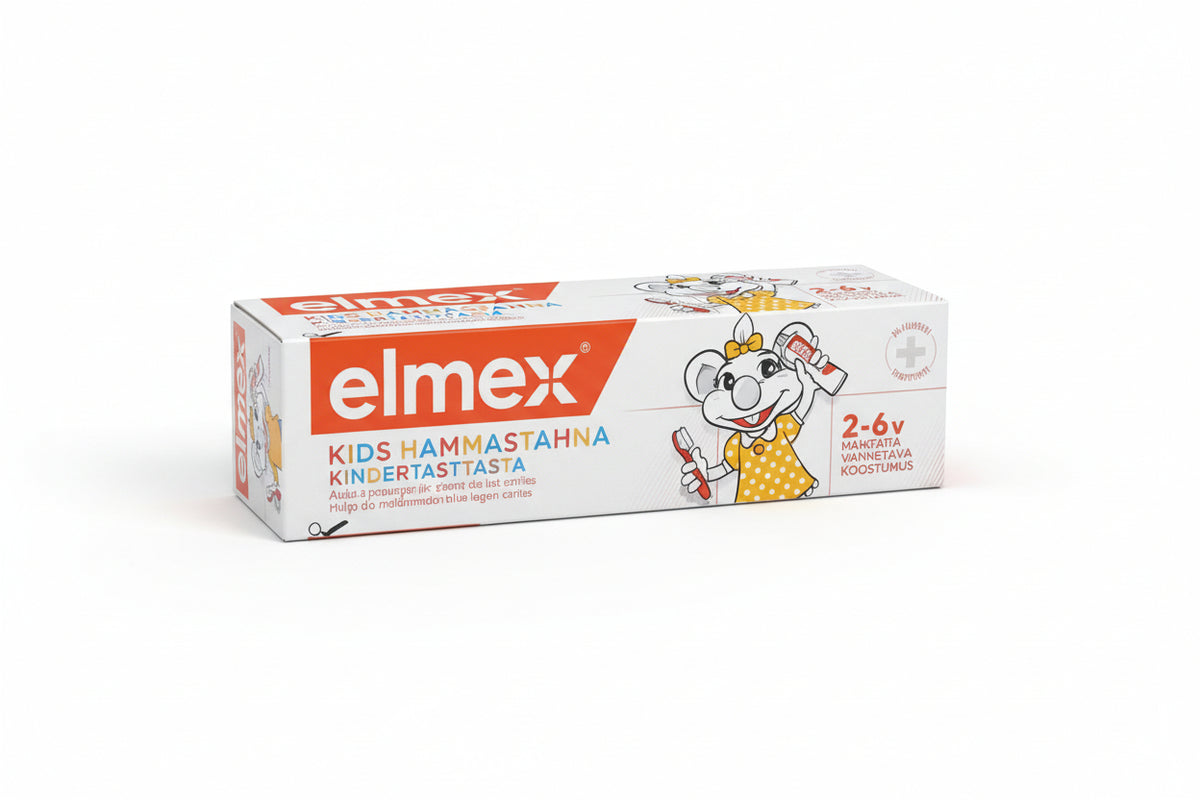
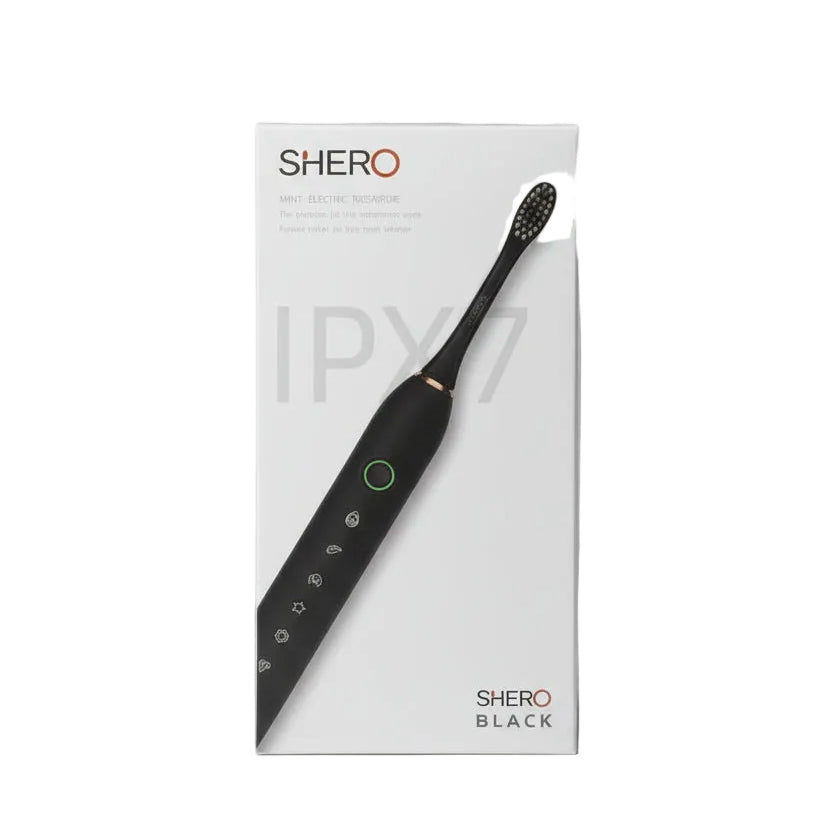
Toothpaste
1 to 2 Must haveDaily tooth care is a basic right and need.
How to use it: Pick a family brand. Replace it when the tube is empty.
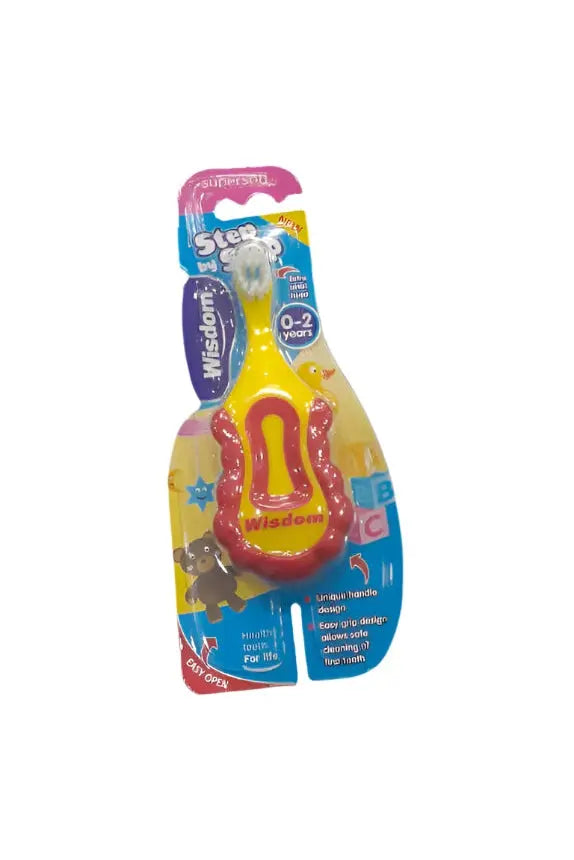
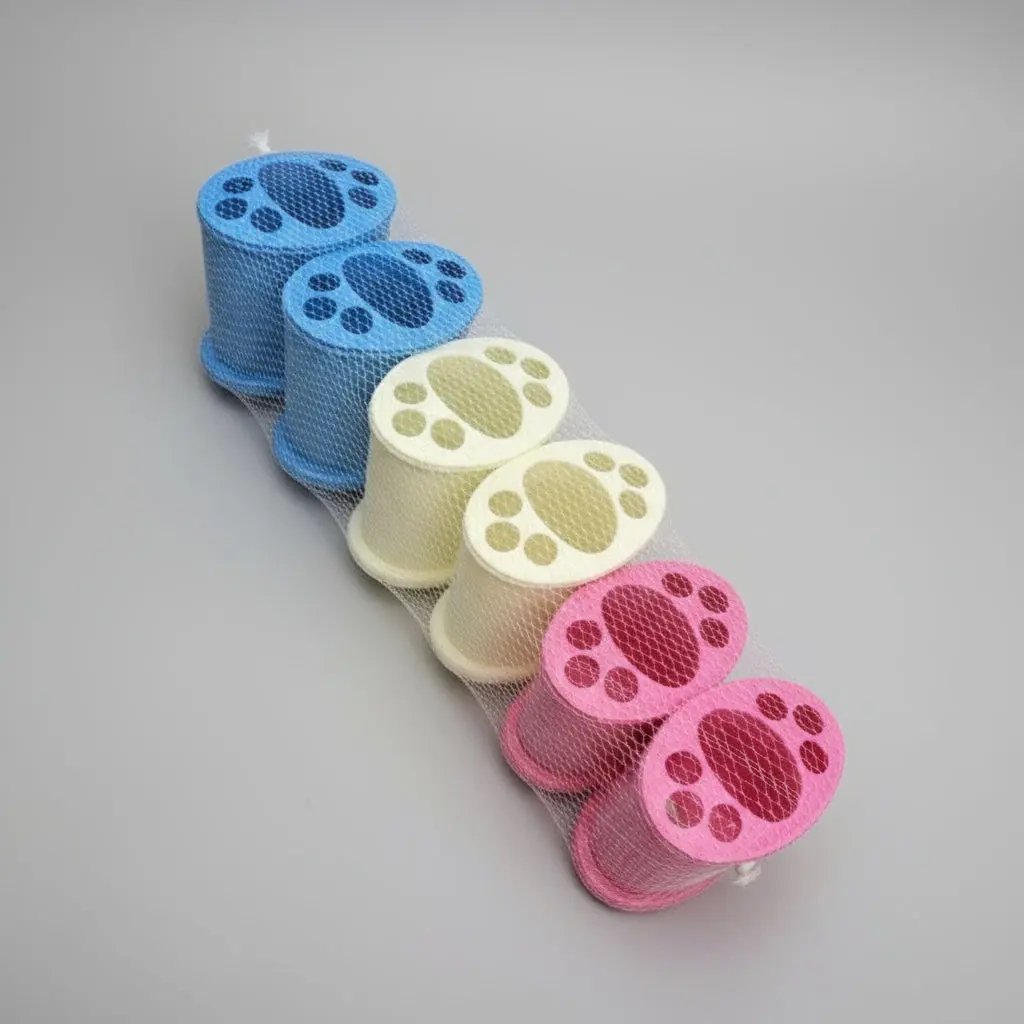
Toothbrush
2 Must haveA new toothbrush is a small gift that shows respect.
How to use it: Give a new one at the start and replace it every 3 months.
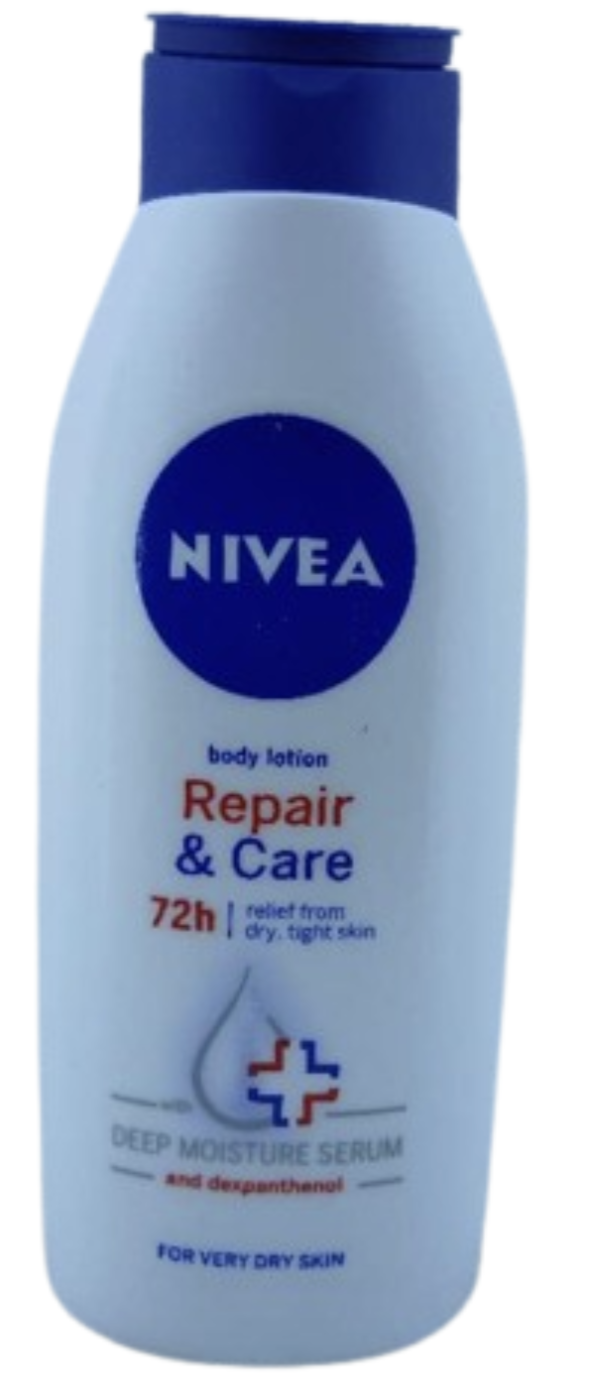
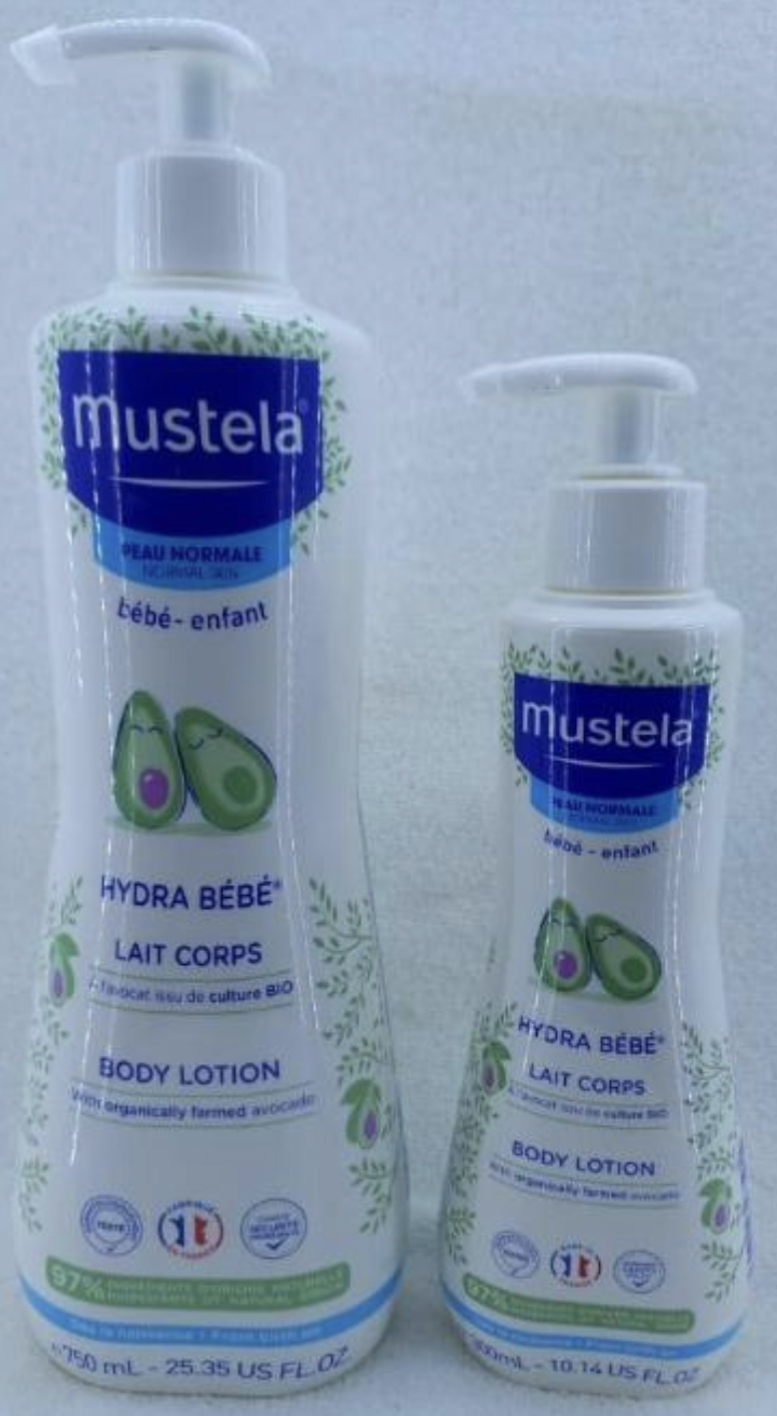
Body lotion
1Nice to haveDry weather and daily work with water dry the skin. Lotion helps.
How to use it: Apply after bathing, especially on hands and feet.
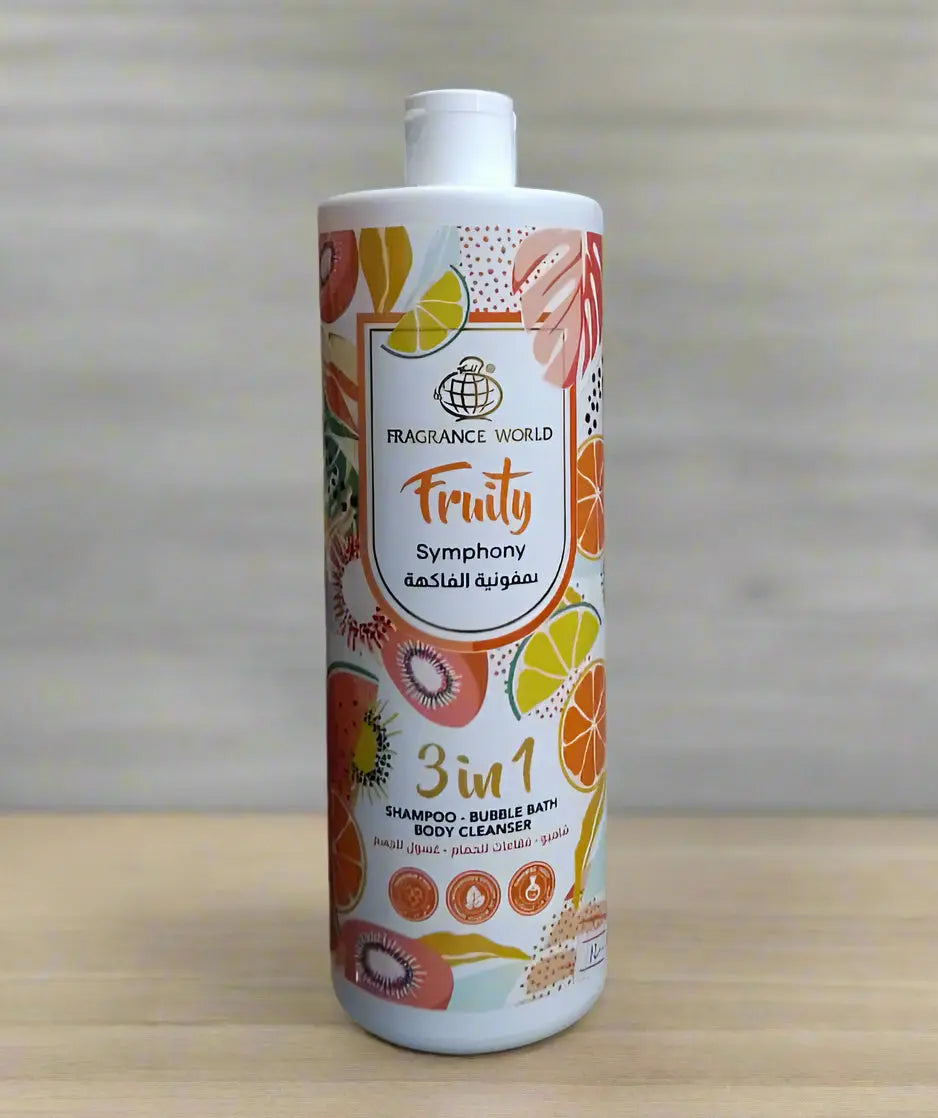
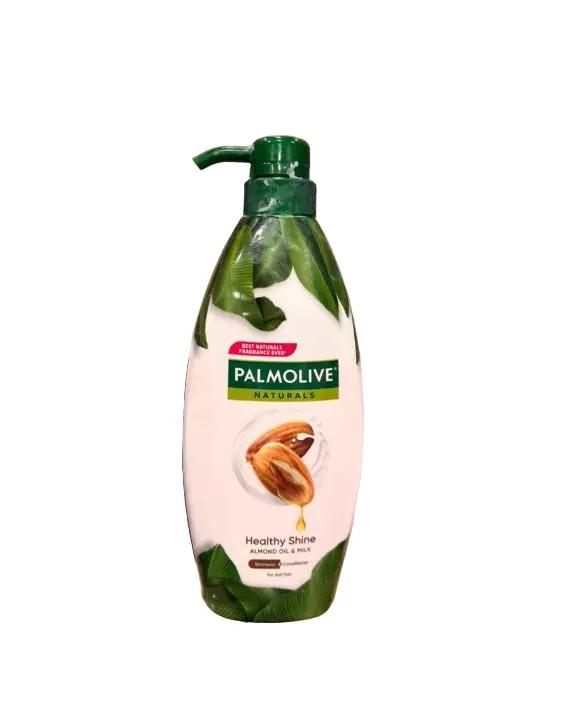
Shampoo
1Nice to haveBasic hair care is part of feeling at home.
How to use it: Ask what hair products your helper prefers and buy the right type.
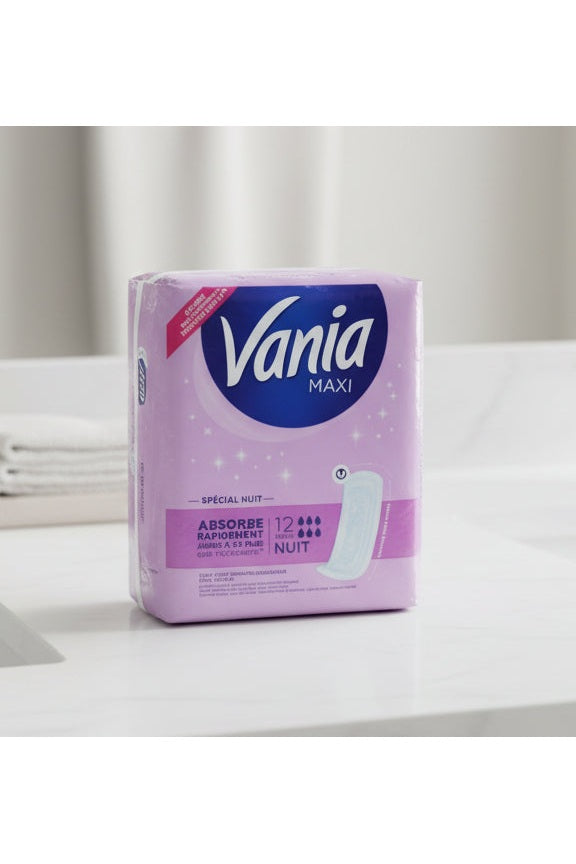
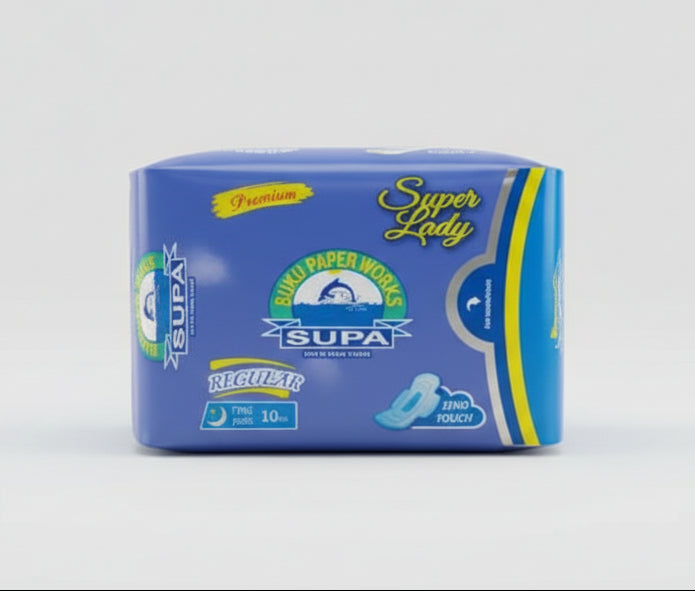
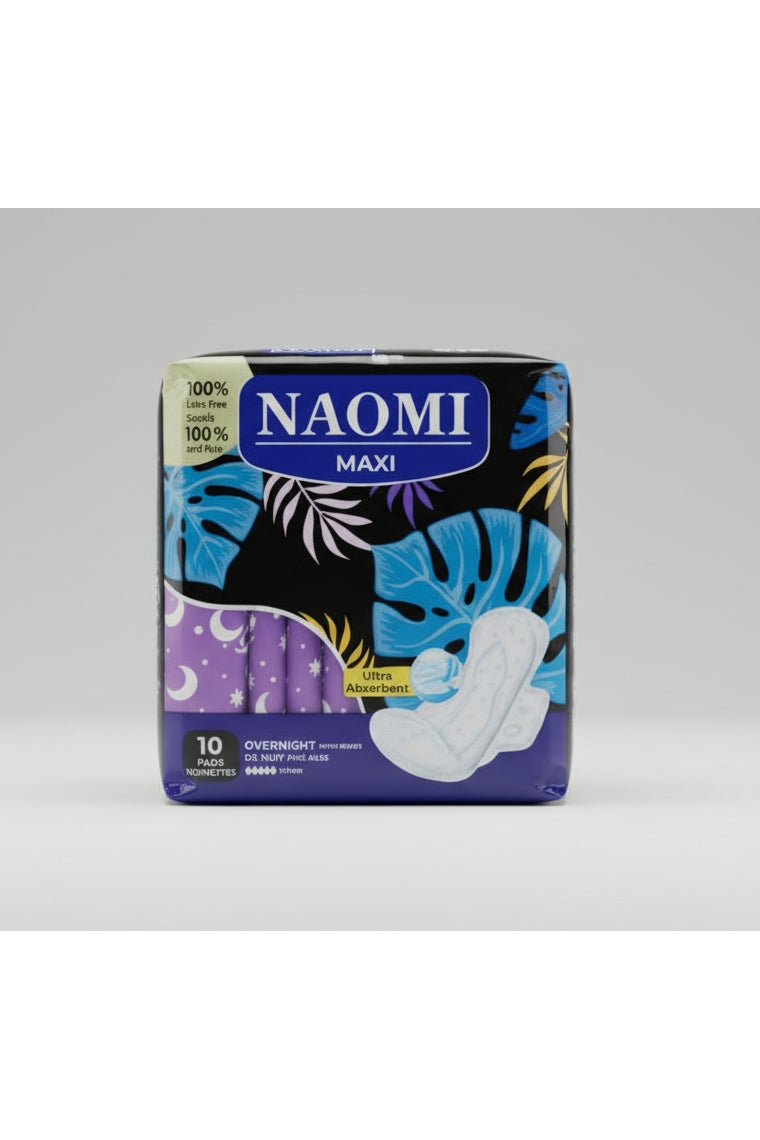
Sanitary pads
2 packs Must haveHelpers who are women need pads each month. Having them ready spares them the need to ask.
How to use it: Leave a pack in the bathroom and refill when it runs low.
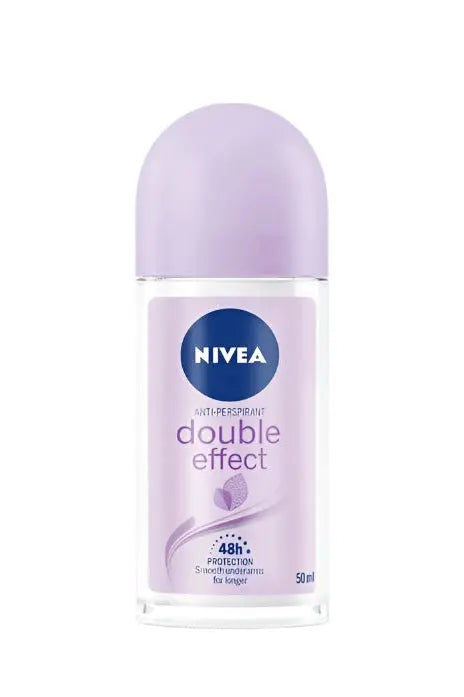
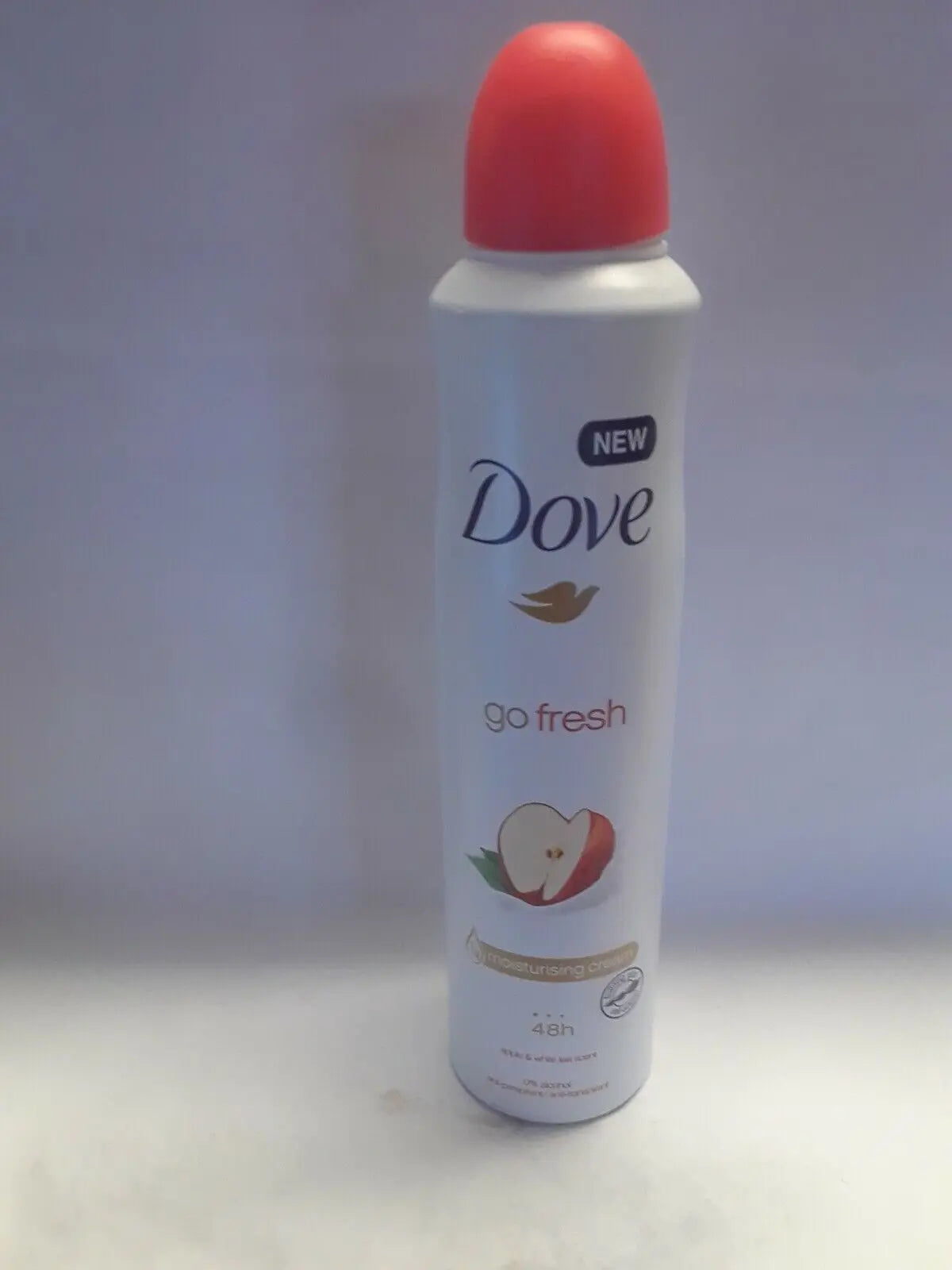
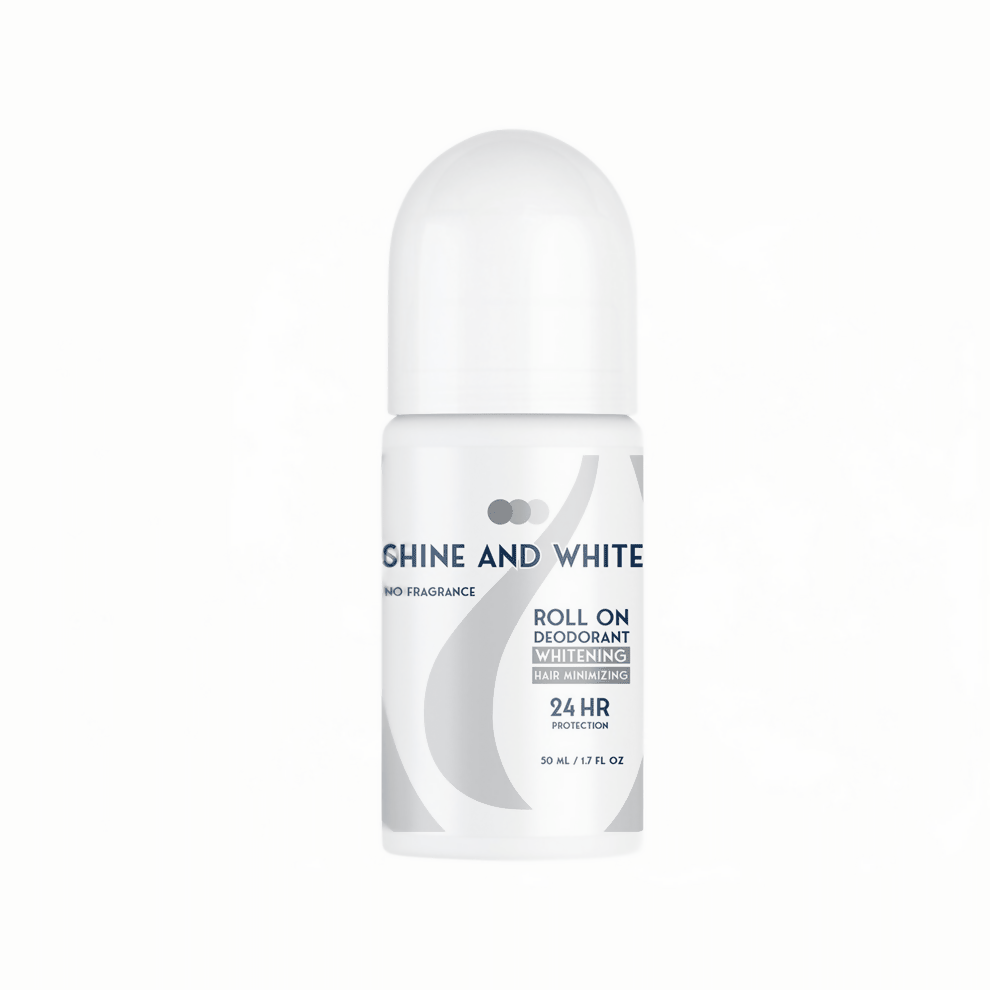
Deodorant
1Nice to haveDaily work makes people sweat, and deodorant helps with comfort.
How to use it: Ask your helper what they like.
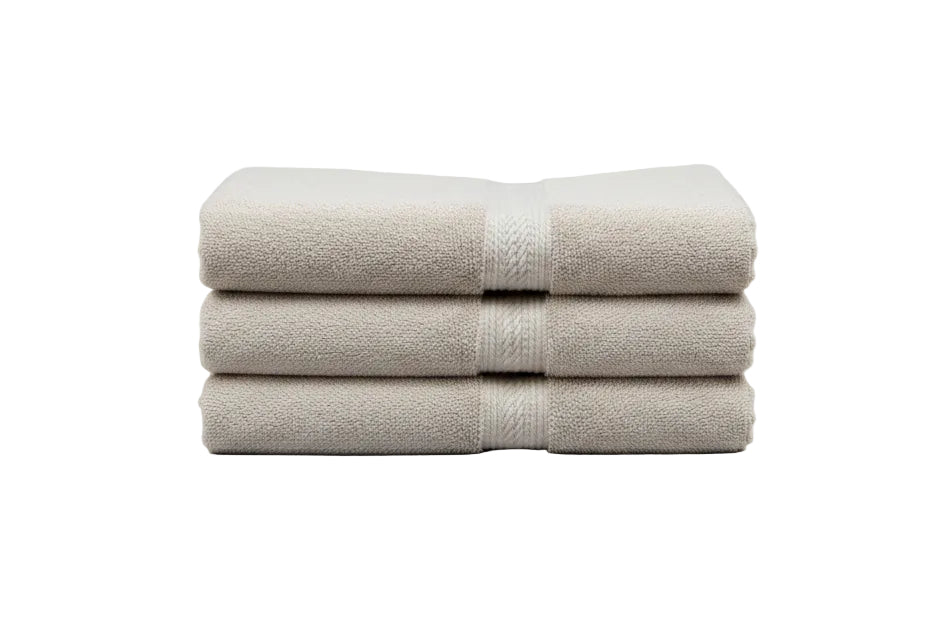
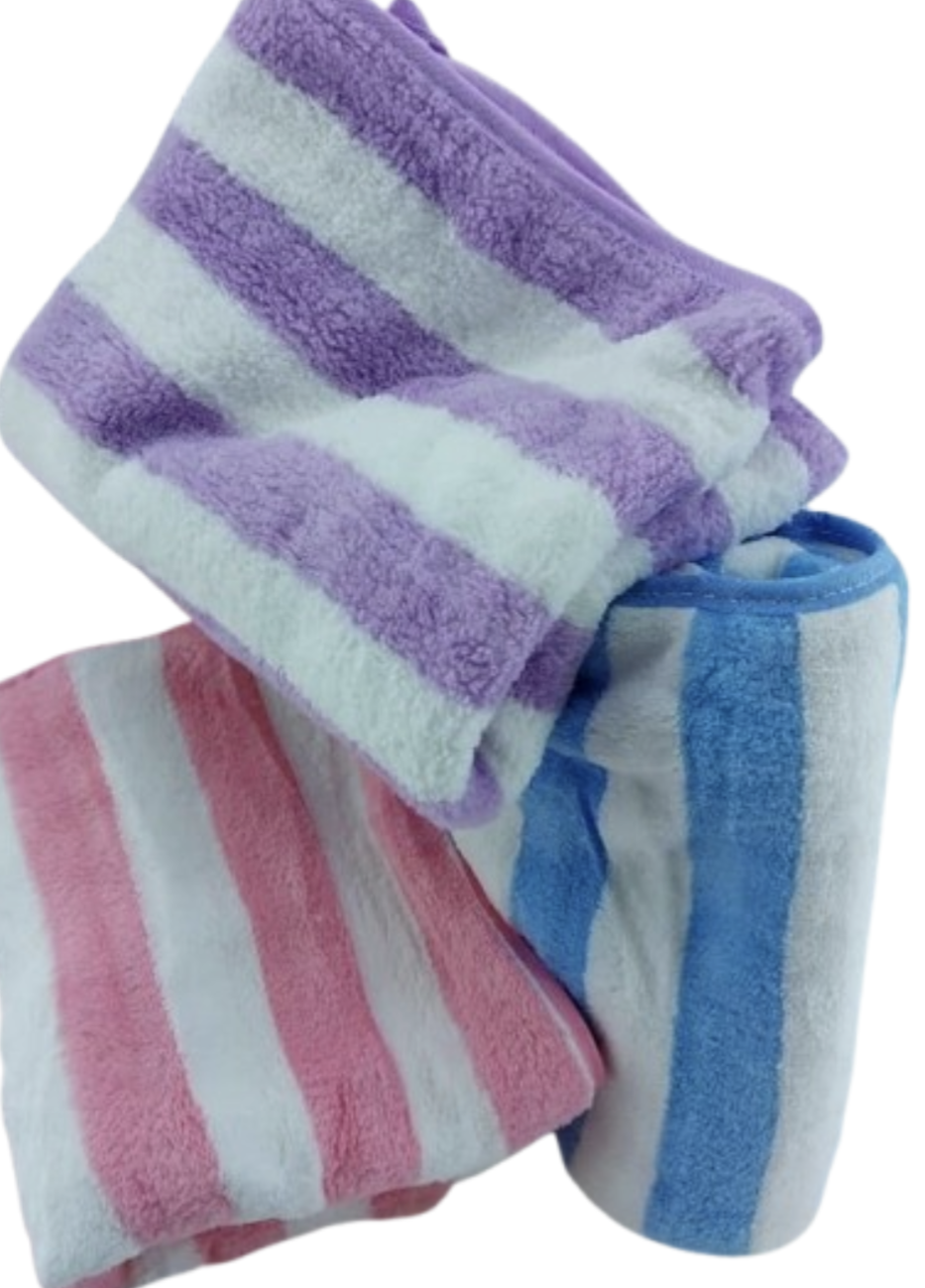
Towels
2 Must haveA bath towel and a small towel are basic needs.
How to use it: Give two so one can dry while the other is used.

Work clothes and daily wear
Practical clothes make work easier and keep your helper's own clothes clean.
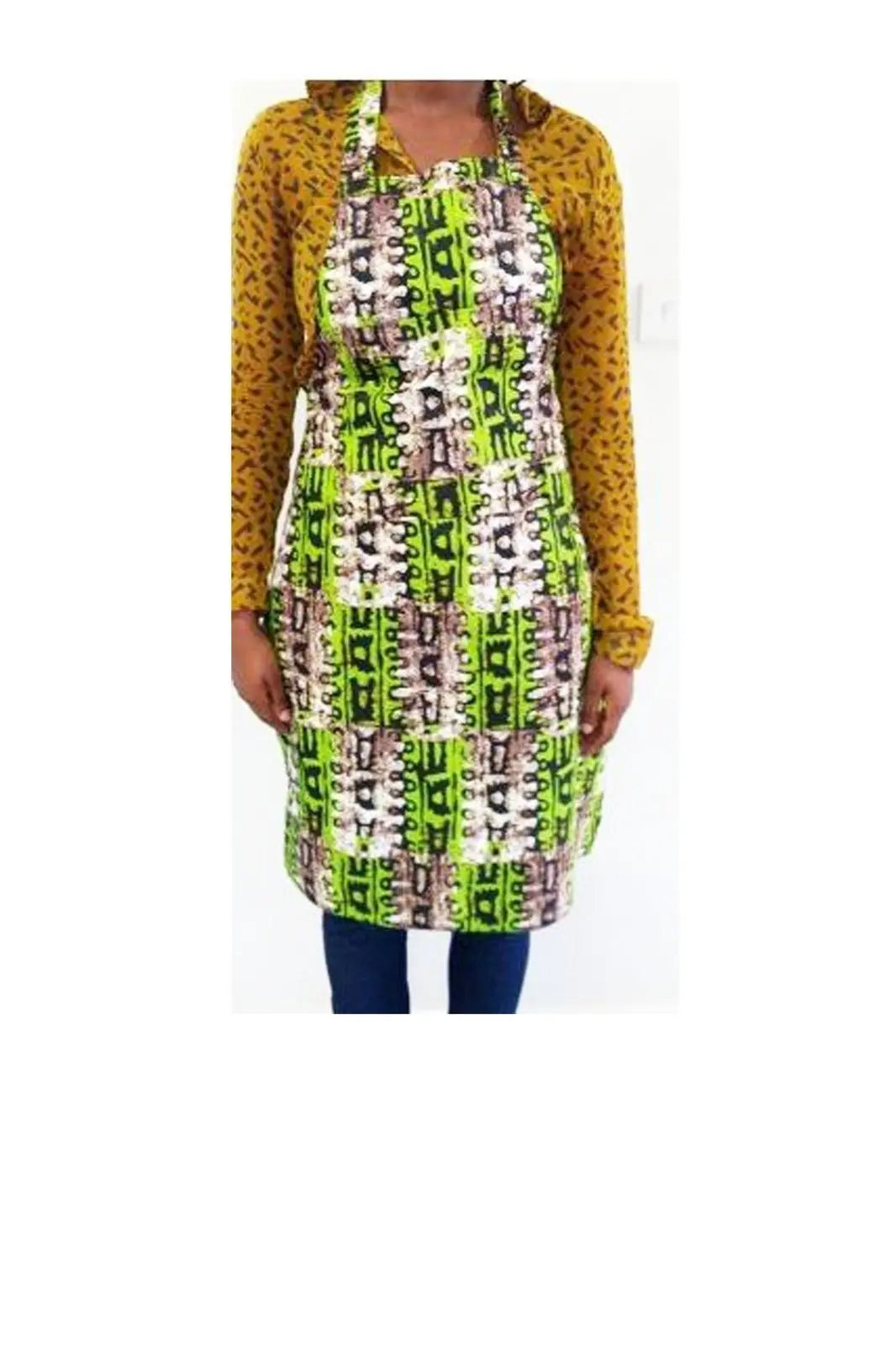
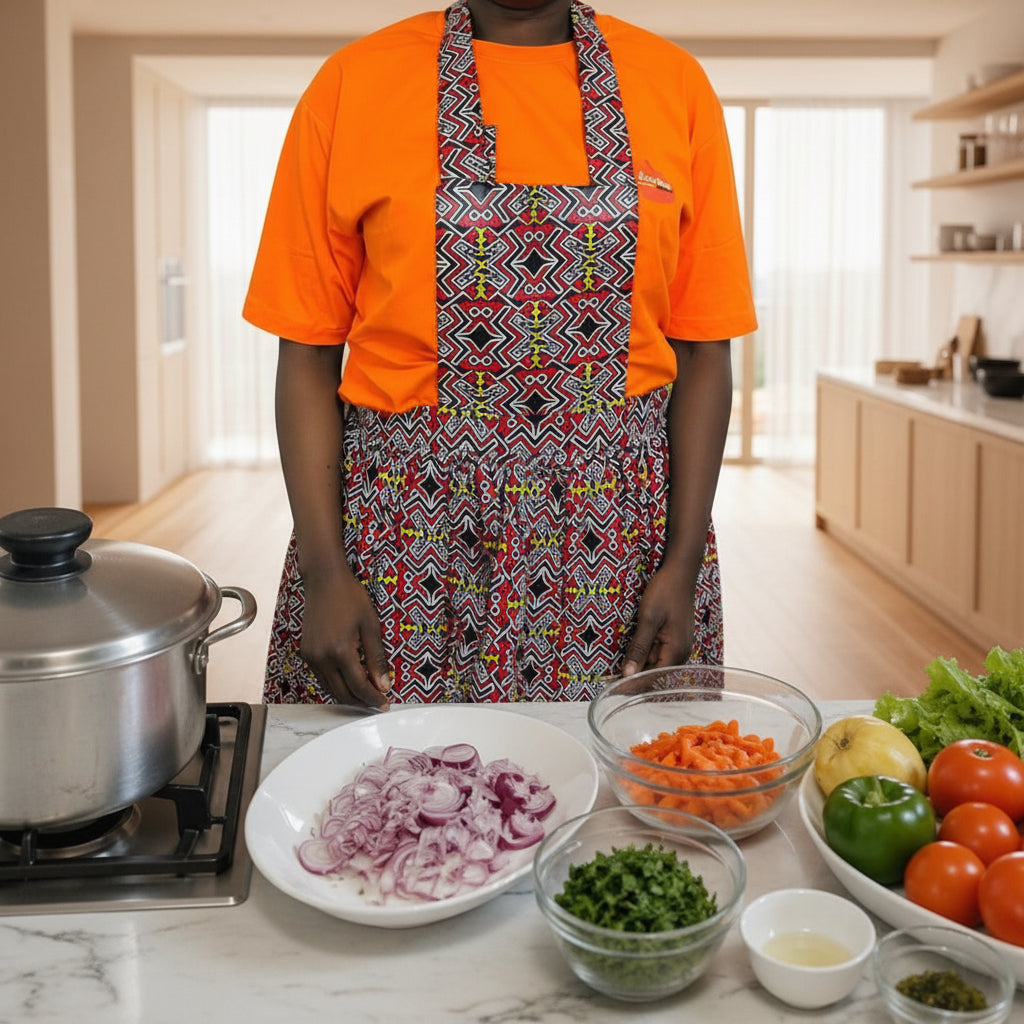
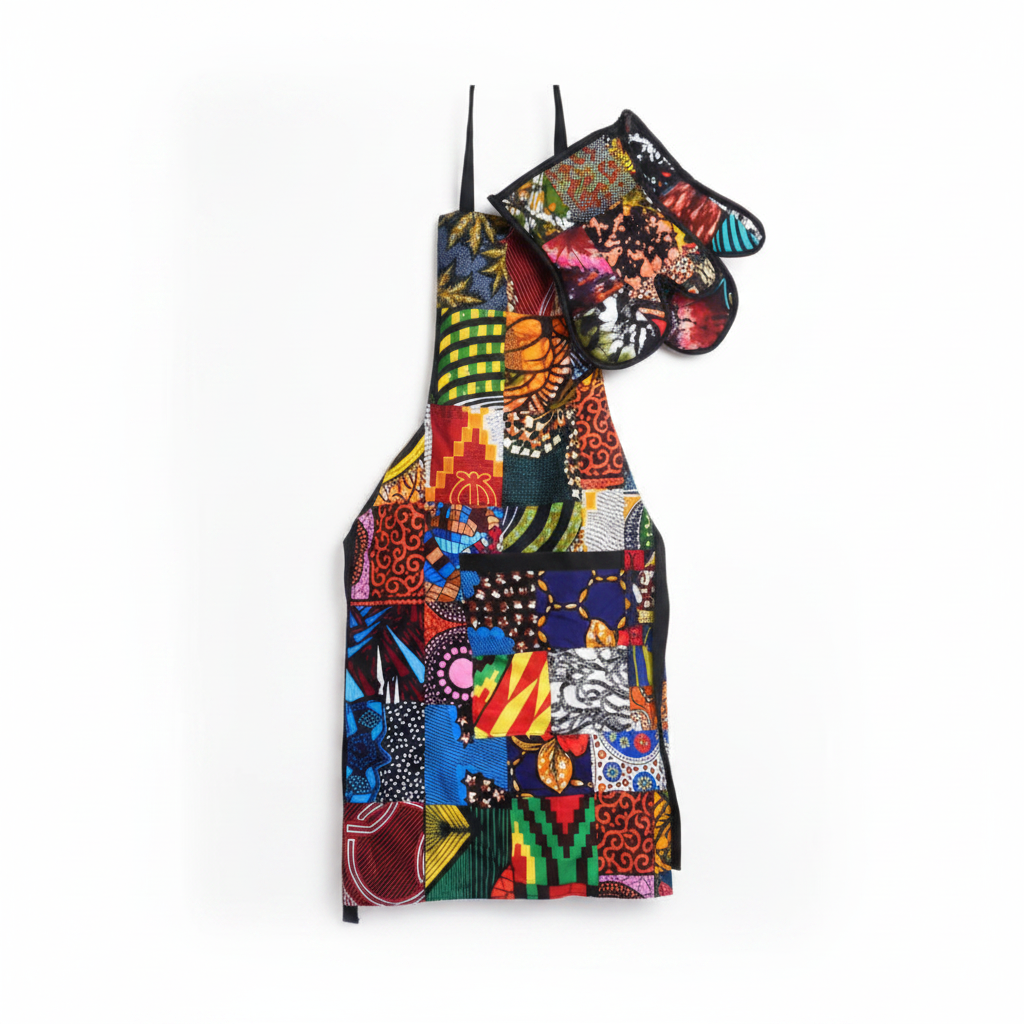
Apron
2 Must haveAn apron protects clothes from grease, soap and stains.
How to use it: Wash it every few days and give two so one is always fresh.
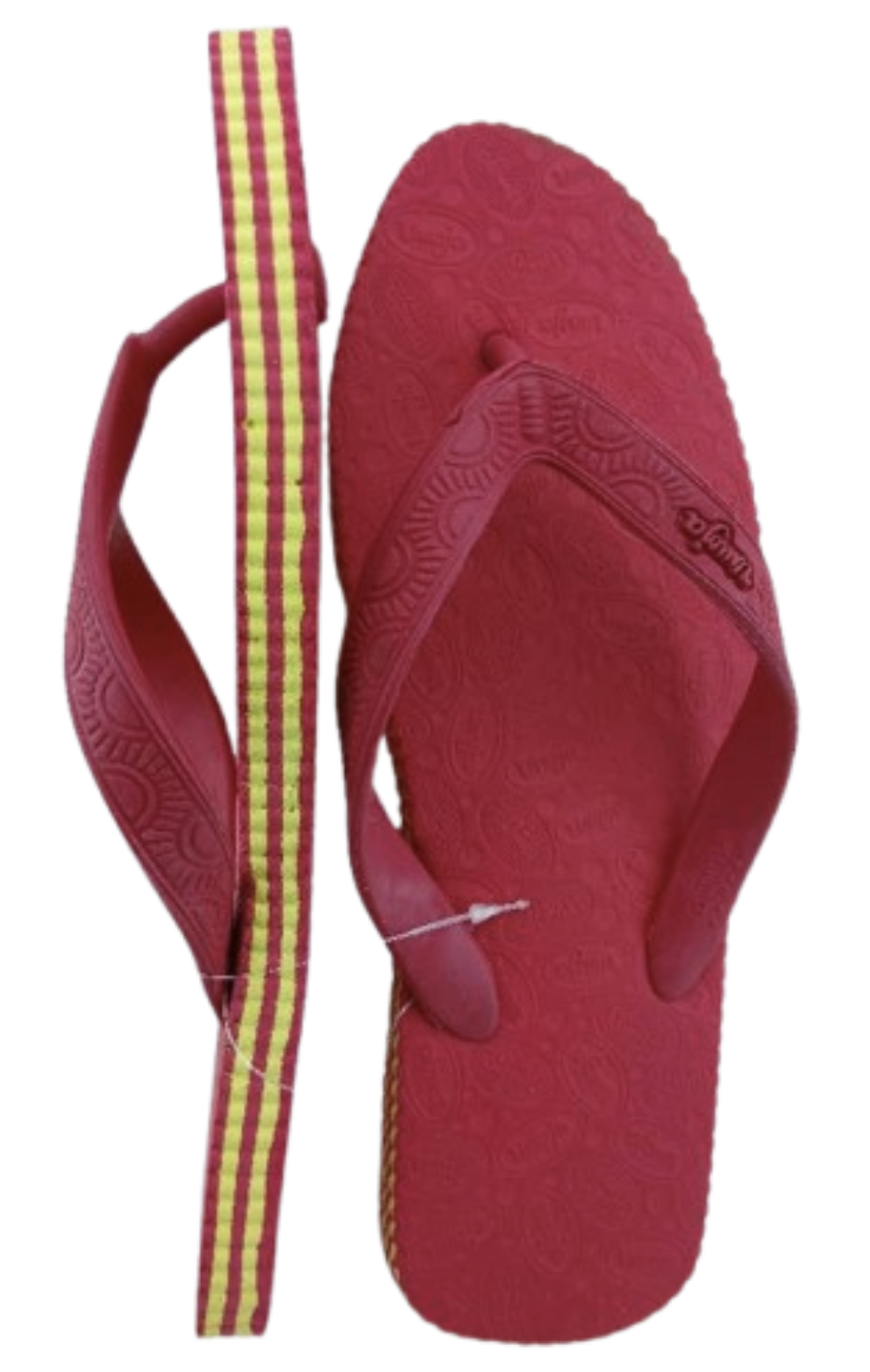
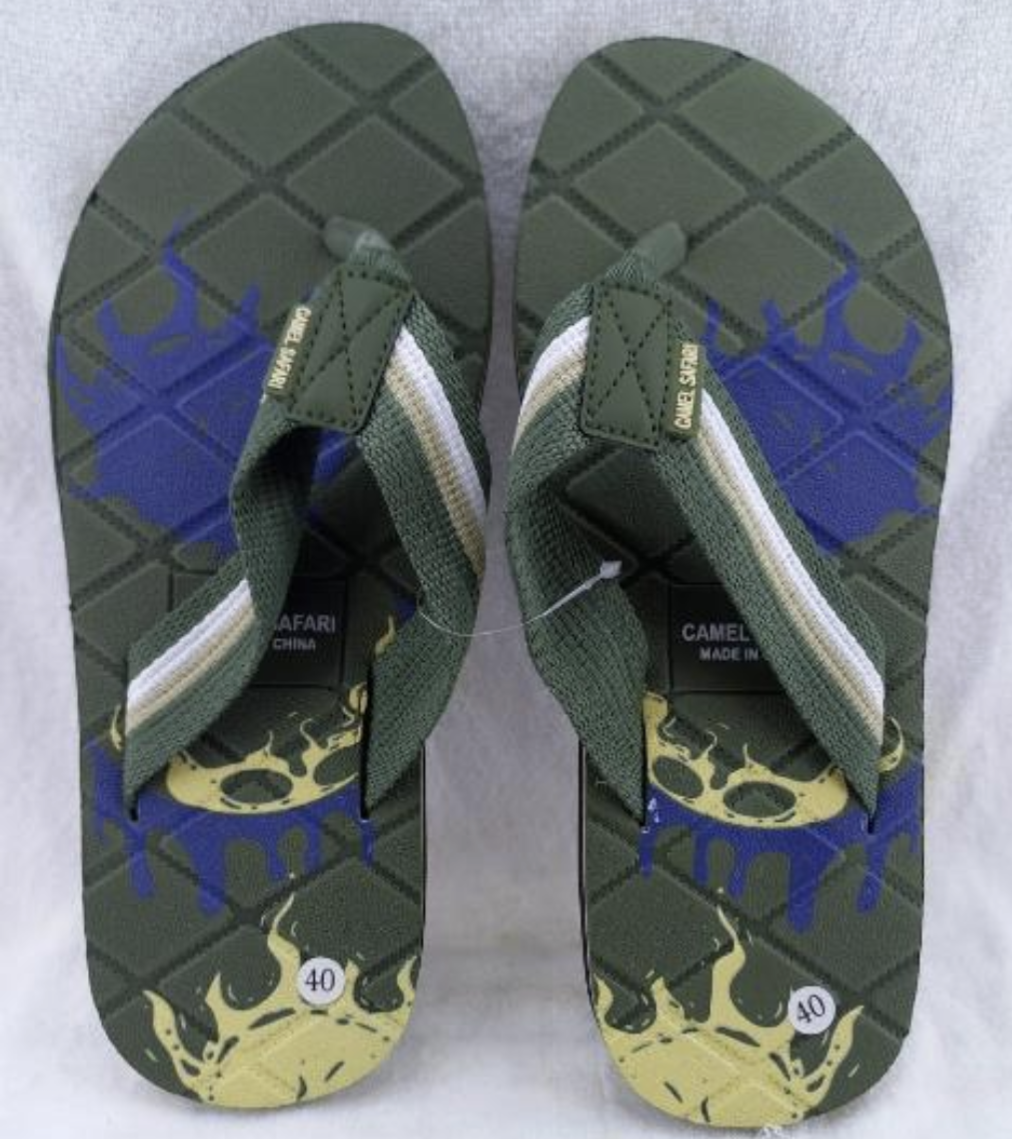
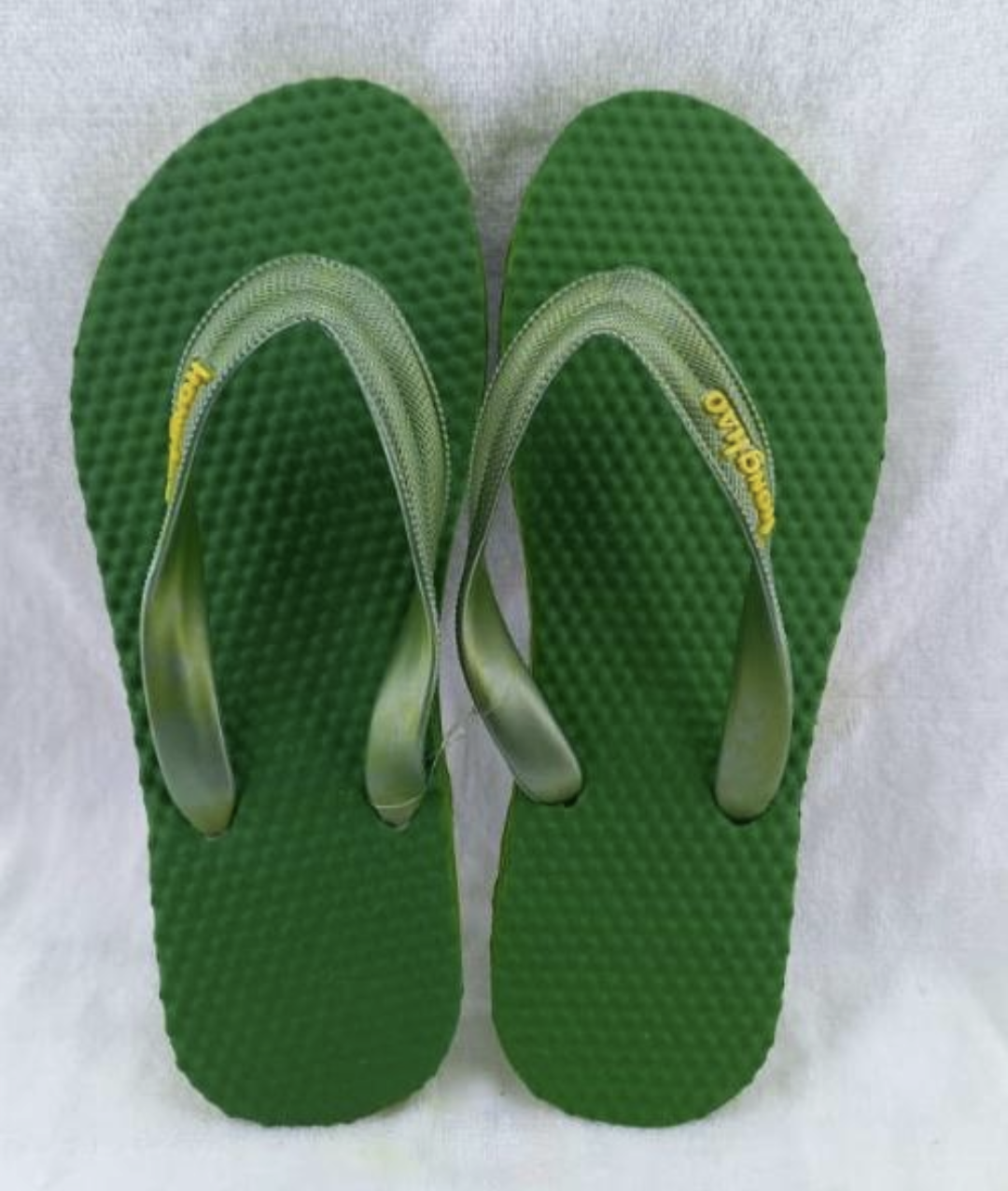
Work slippers or sandals
1 pair Must haveFloors can be wet and slippery, so shoes with grip are safer than bare feet.
How to use it: Ask your helper's size before you buy.
Work clothes
2 setsNice to haveComfortable clothes you agree on beforehand make work easier. A uniform is a choice, not a rule. Ask and agree together.
How to use it: Give two sets and allow for washing. Never force clothes that are uncomfortable or costly to the helper.
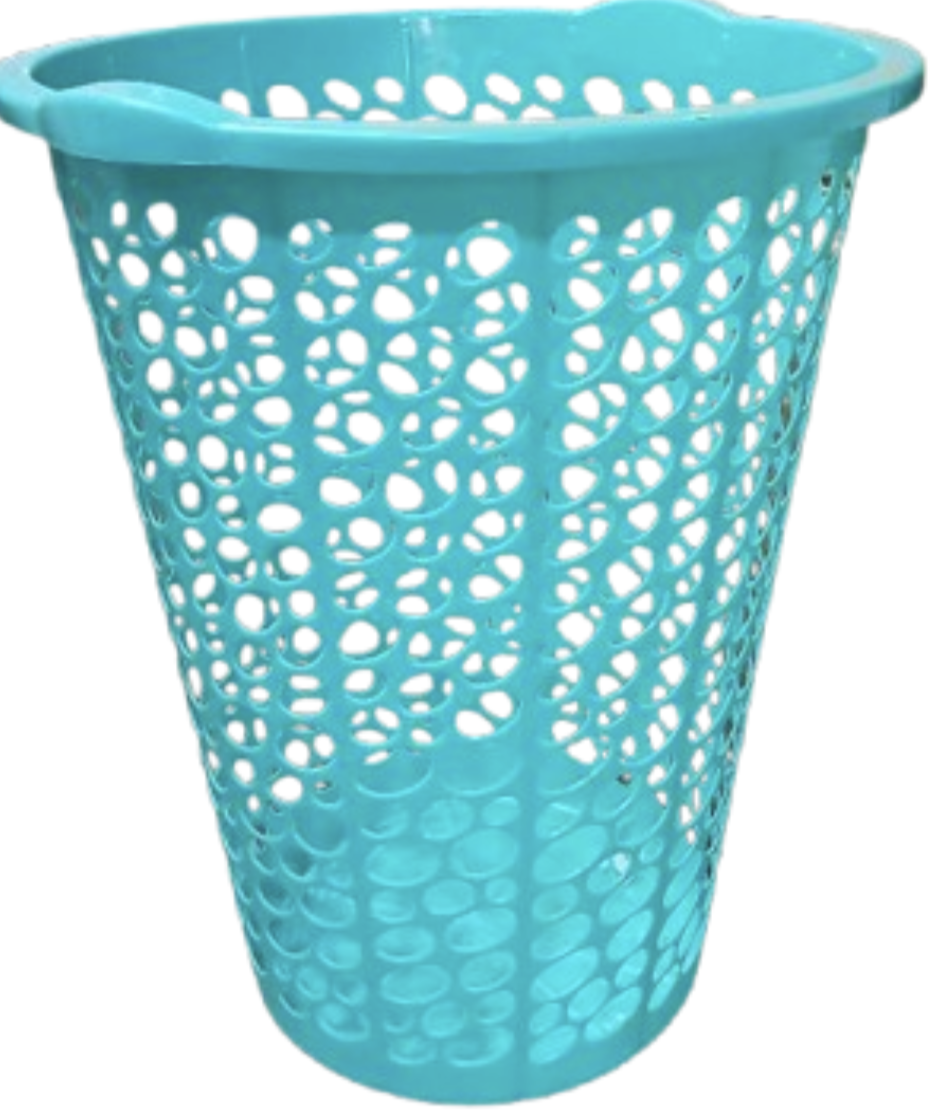
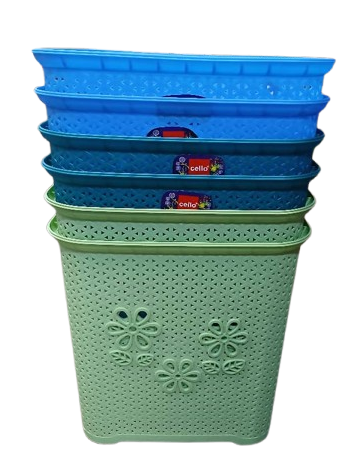
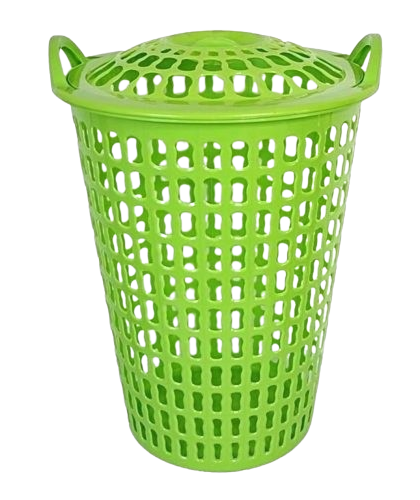
Laundry basket
1Nice to haveA basket in the room helps your helper keep clothes organized.
How to use it: Put it in a corner near the bathroom or the washing area.
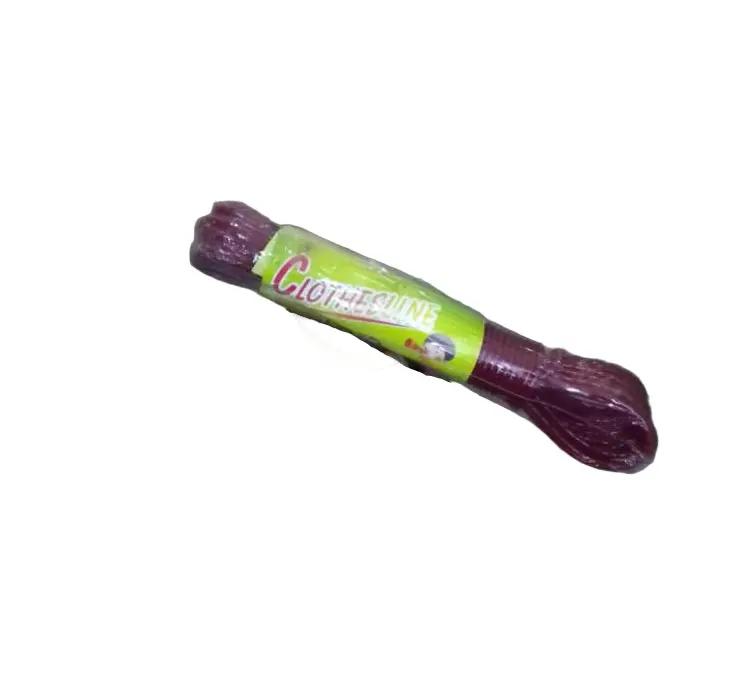
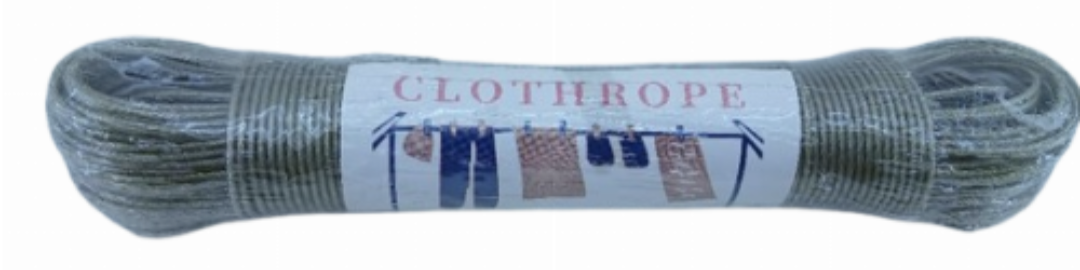
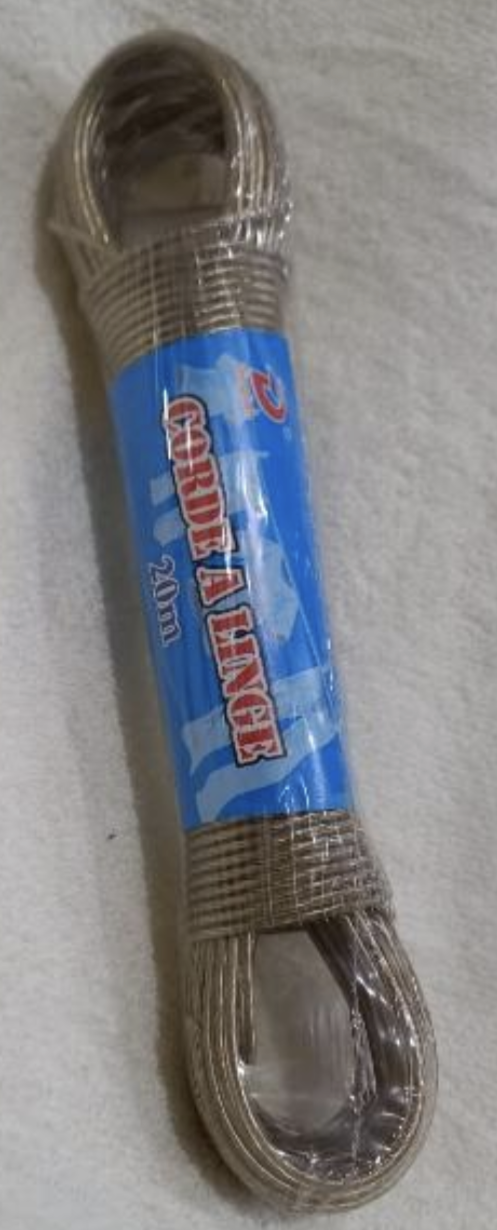
Clothesline and pegs
1Nice to haveSpace to dry clothes in sun and air keeps them fresh, even in the rainy season when you may need to dry inside.
How to use it: Hang it in a sunny spot or a covered area.



Kitchen tools
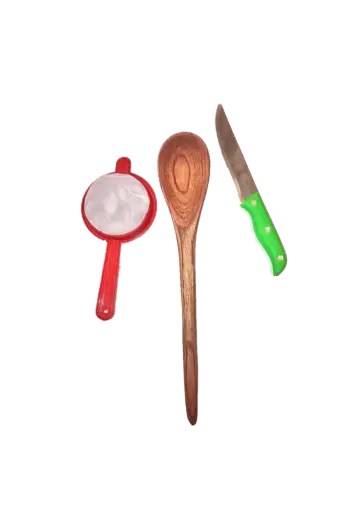
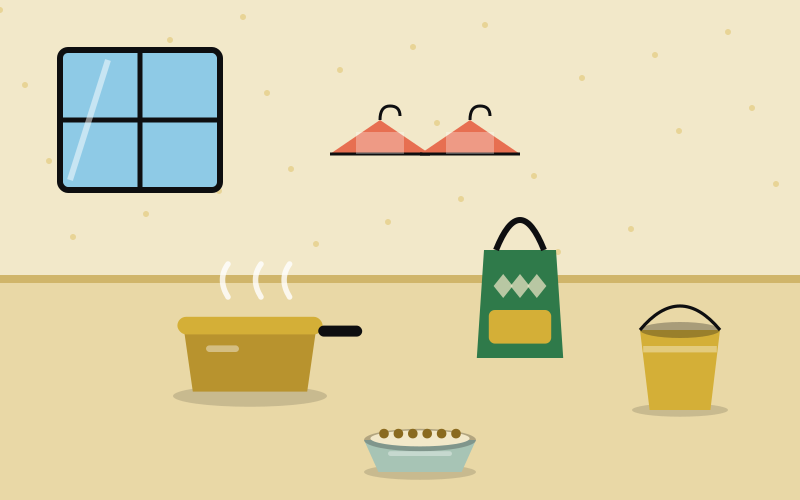
Check what you already have. A helper cooks best with sharp, safe tools and good pots.
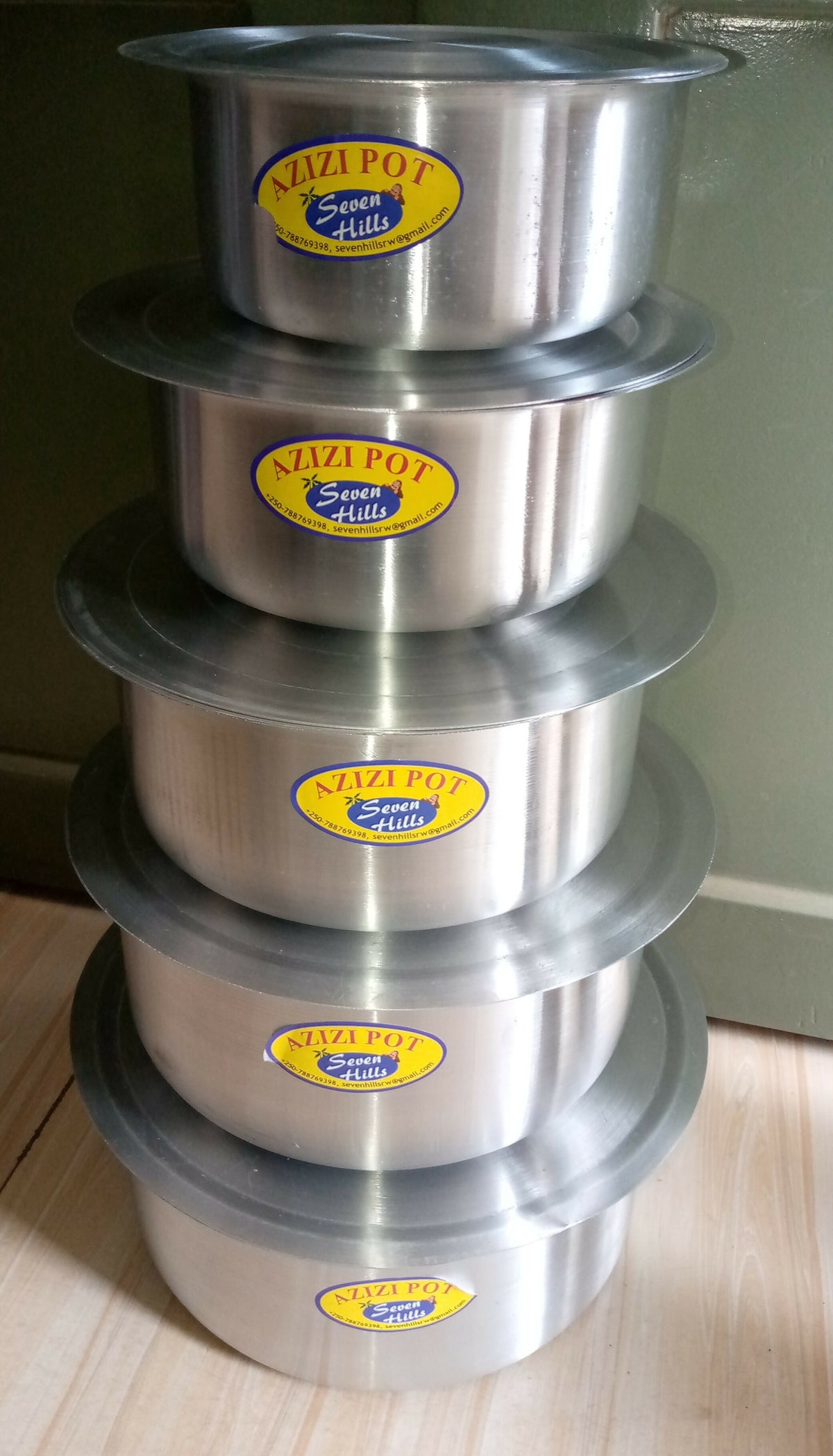
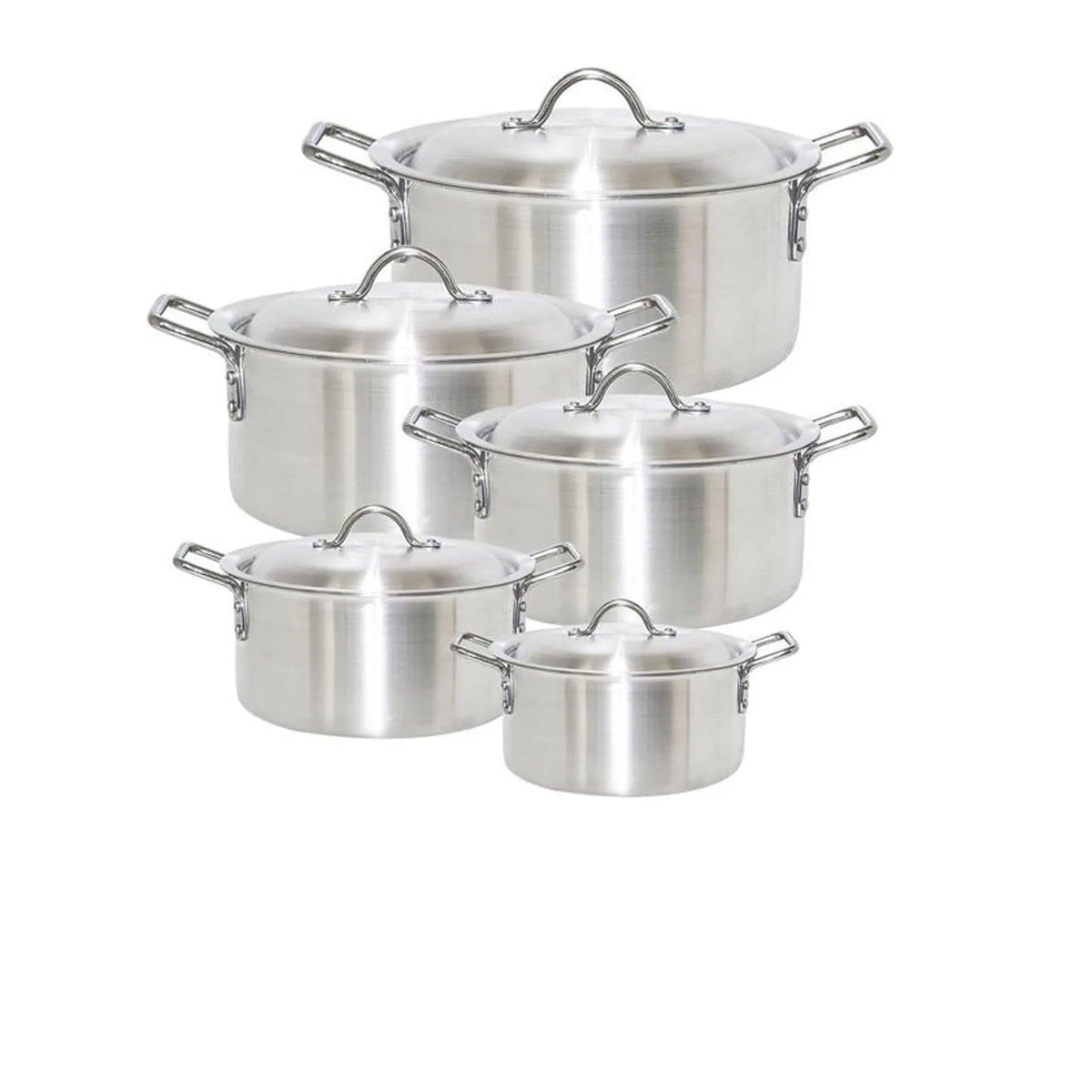
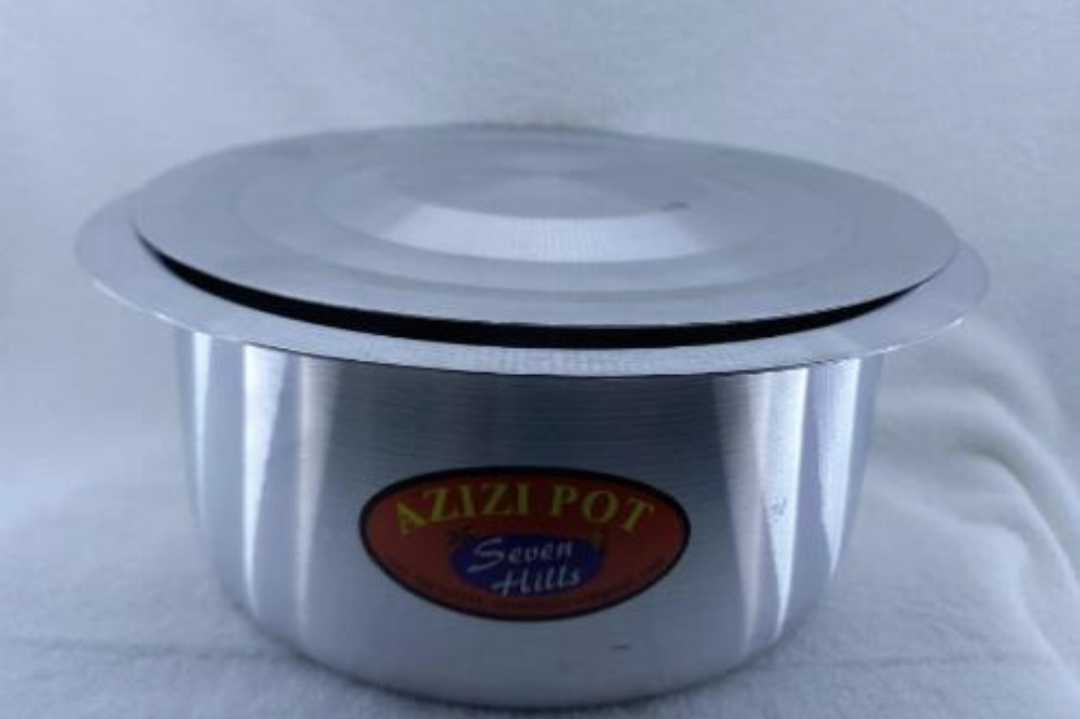
Cooking pots
2 to 3 Must havePots in a few sizes cover rice, beans, stew and soup.
How to use it: Check the lids fit and the handles are safe.
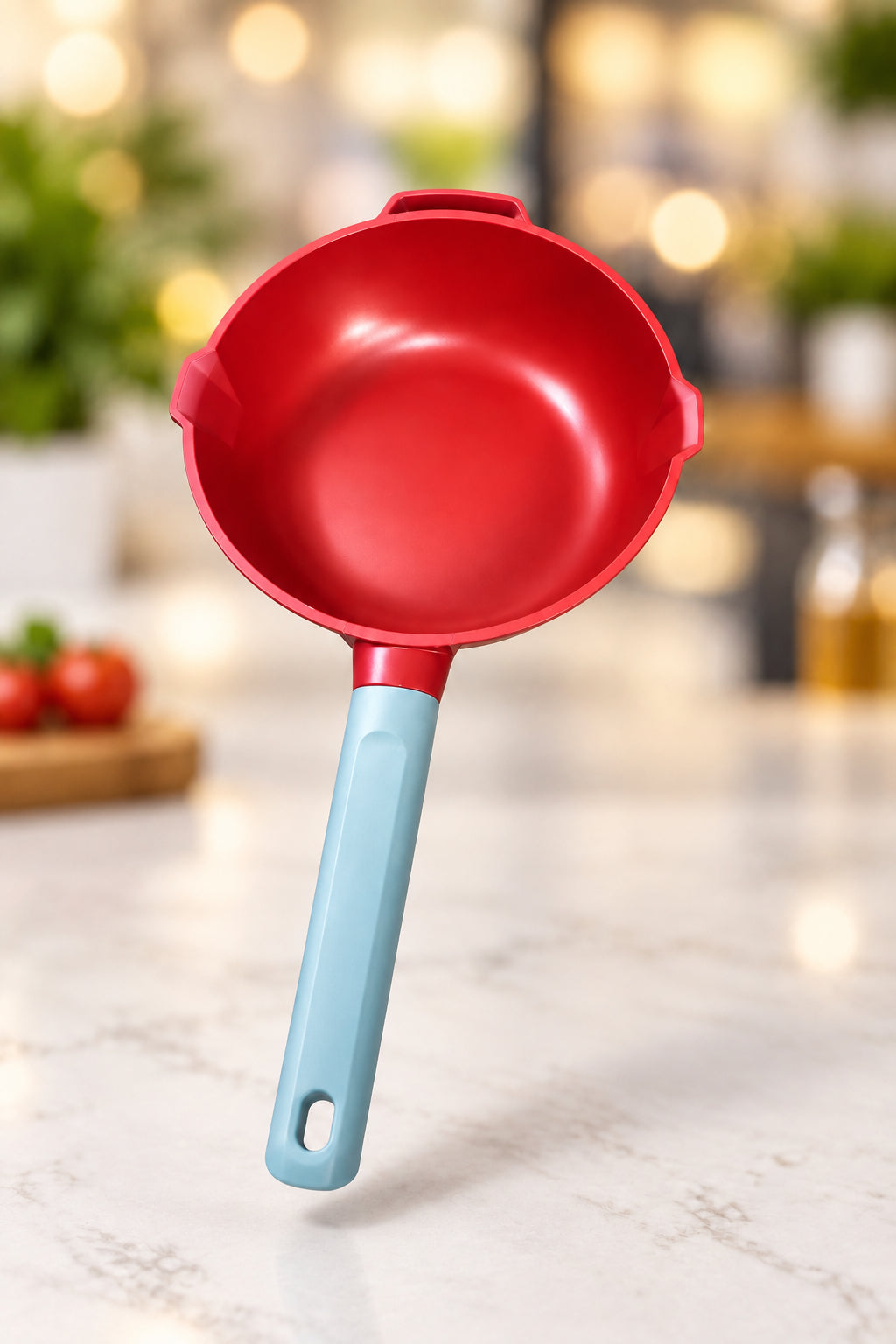
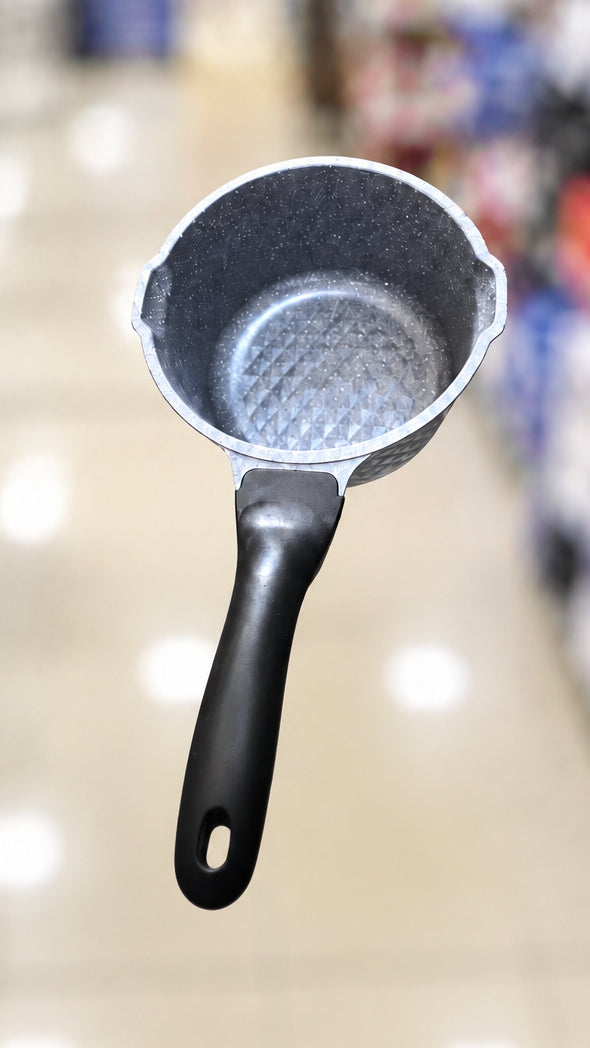
Saucepan
1Nice to haveA small saucepan is good for sauces, milk and tea.
How to use it: Wash and dry it after use.
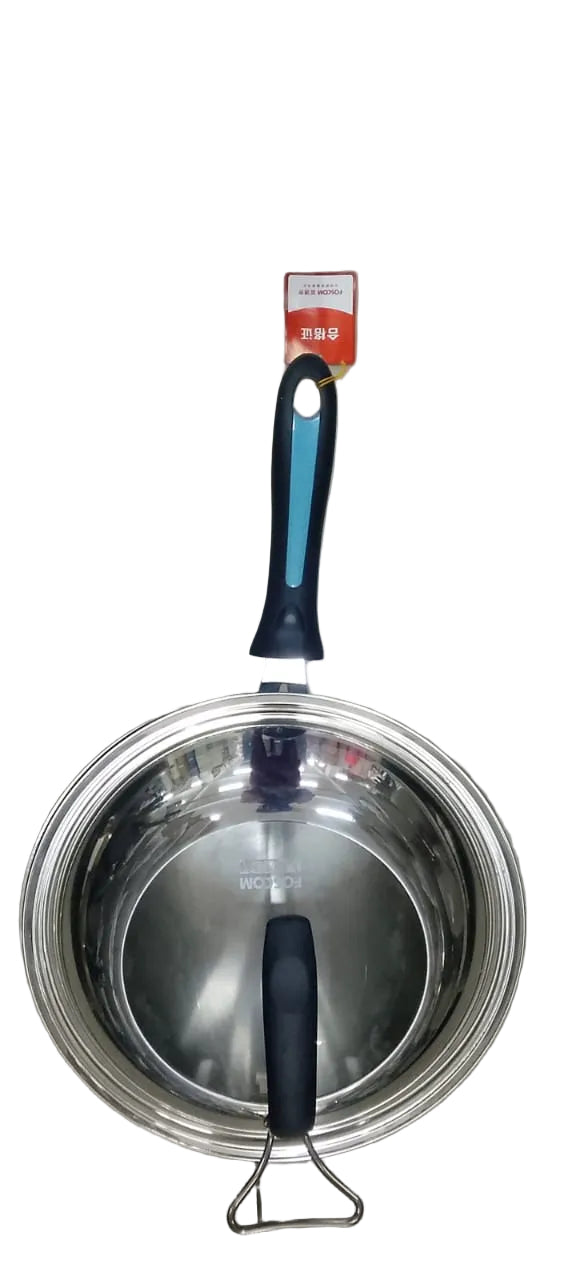
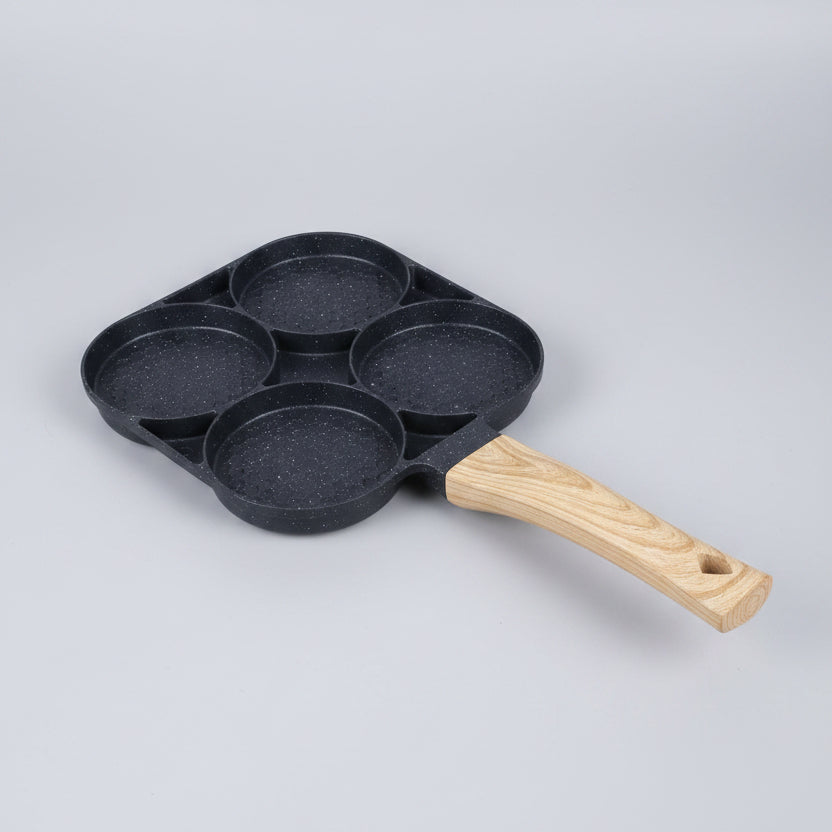
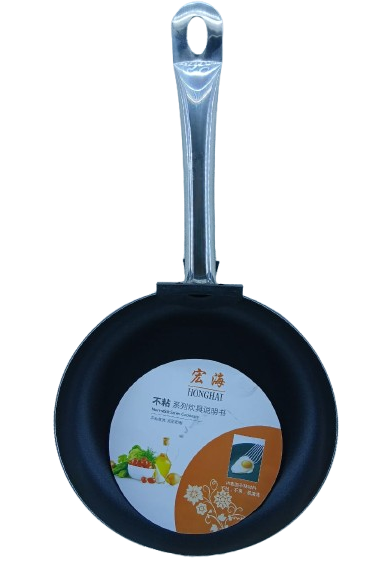
Frying pan
1Nice to haveA pan for eggs, vegetables and frying is used daily.
How to use it: Use wooden or plastic spoons for non-stick pans.
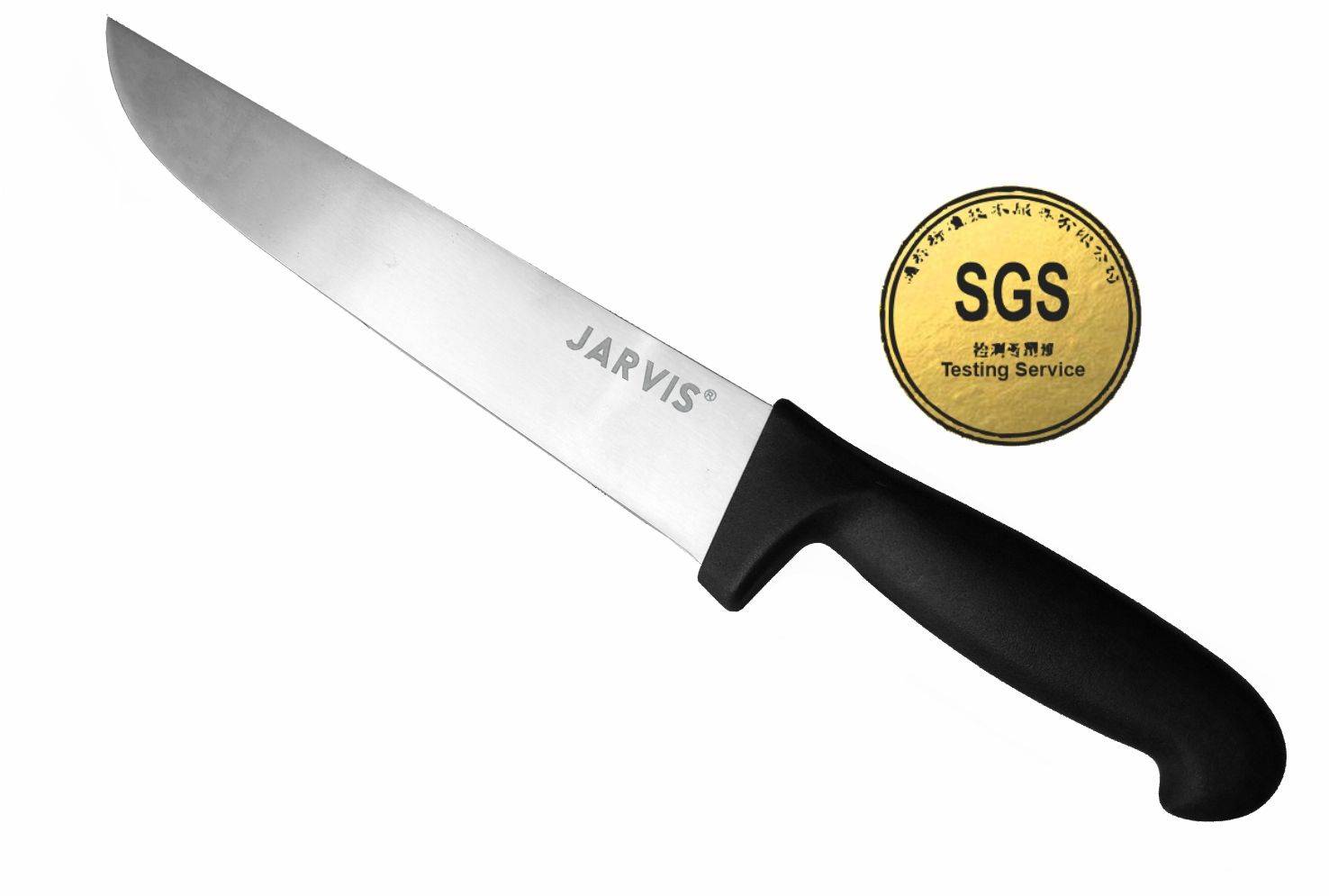
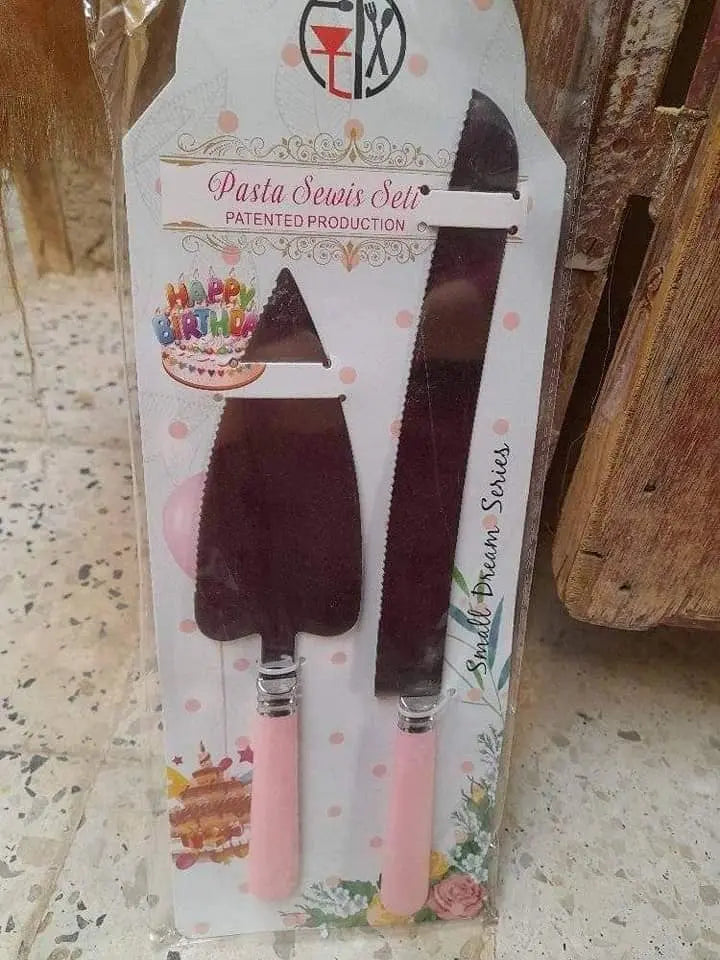
Kitchen knife
1 to 2 Must haveA sharp knife is safer than a dull one and makes work faster.
How to use it: Show your helper which knife is for which job and store it safely.
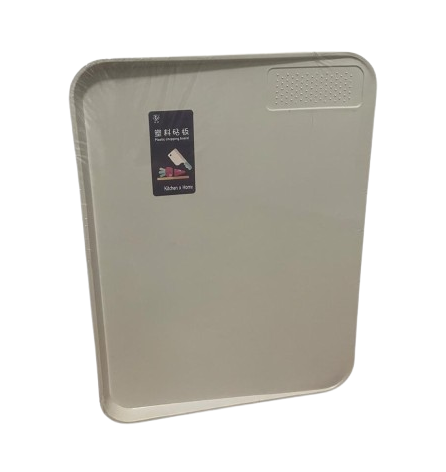
Chopping board
1 to 2 Must haveA board protects the table and the knife and keeps food clean.
How to use it: Wash it with hot water and dry it. Use another board for raw meat if you can.
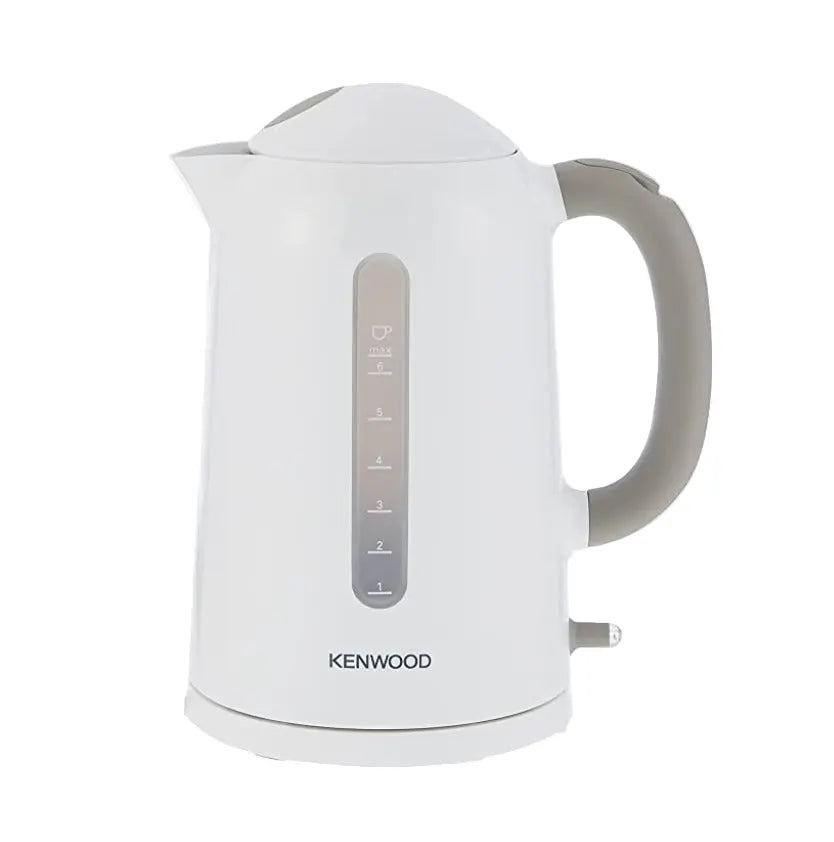
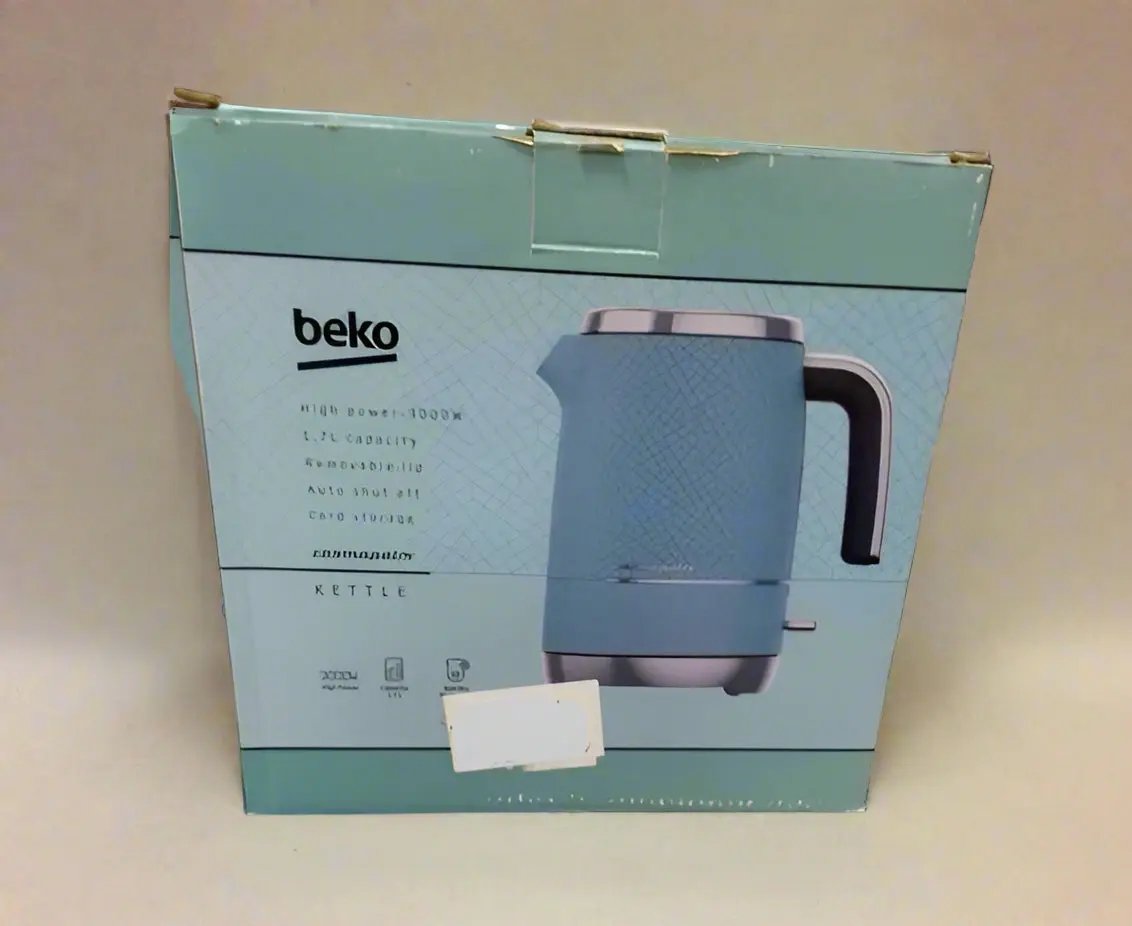
Electric kettle
1Nice to haveA kettle makes tea and hot water quick and safe.
How to use it: Show how to use the cord and plug. Keep it away from water.
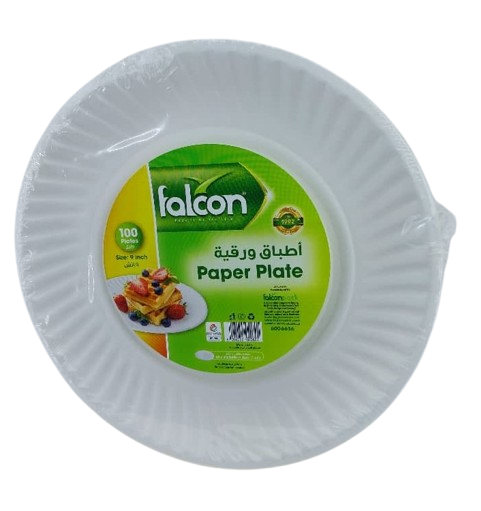
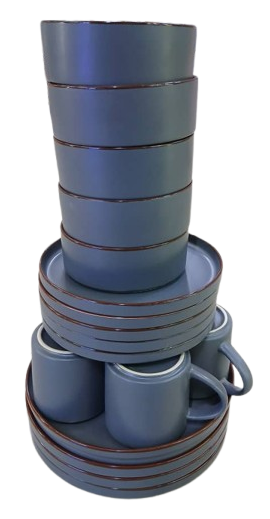
Plates and cutlery
1 set Must haveYour helper should have their own plate, cup and cutlery. Sharing the same meal table is a mark of respect.
How to use it: Agree on a place to eat in the home.
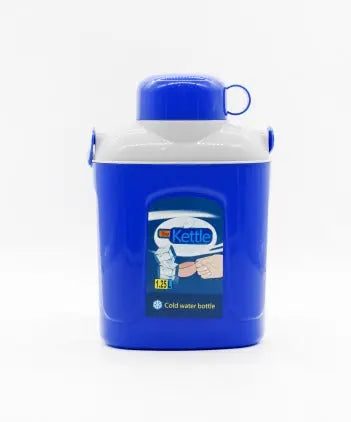
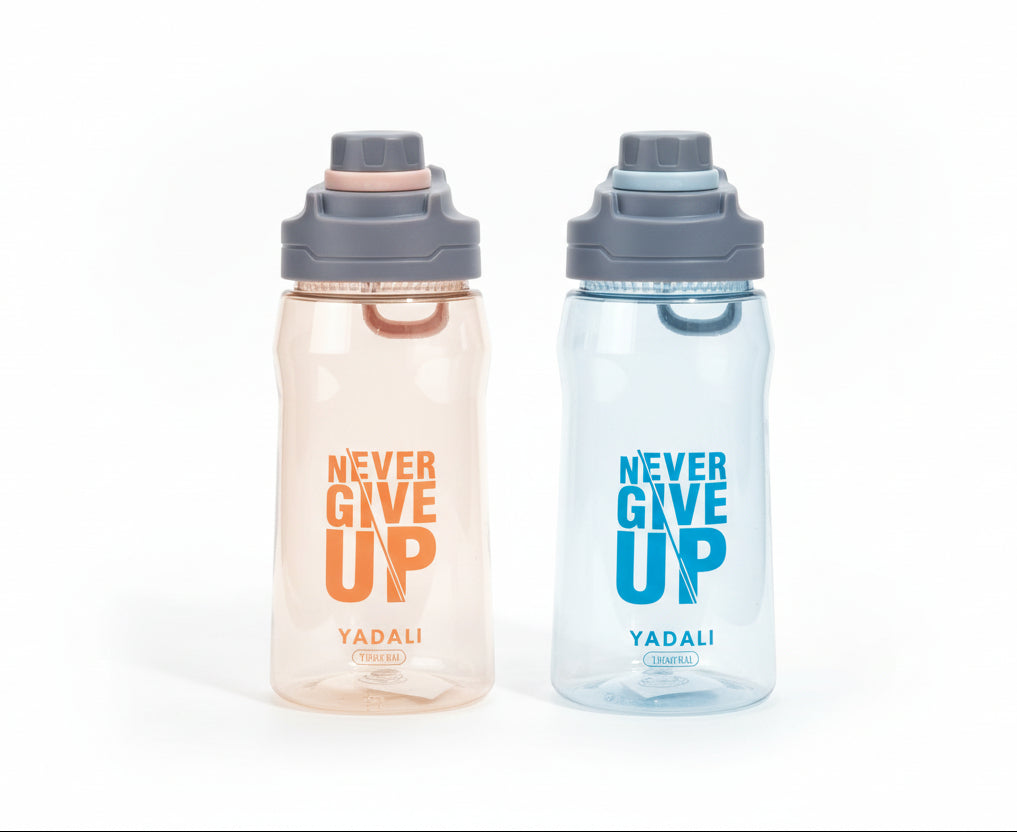
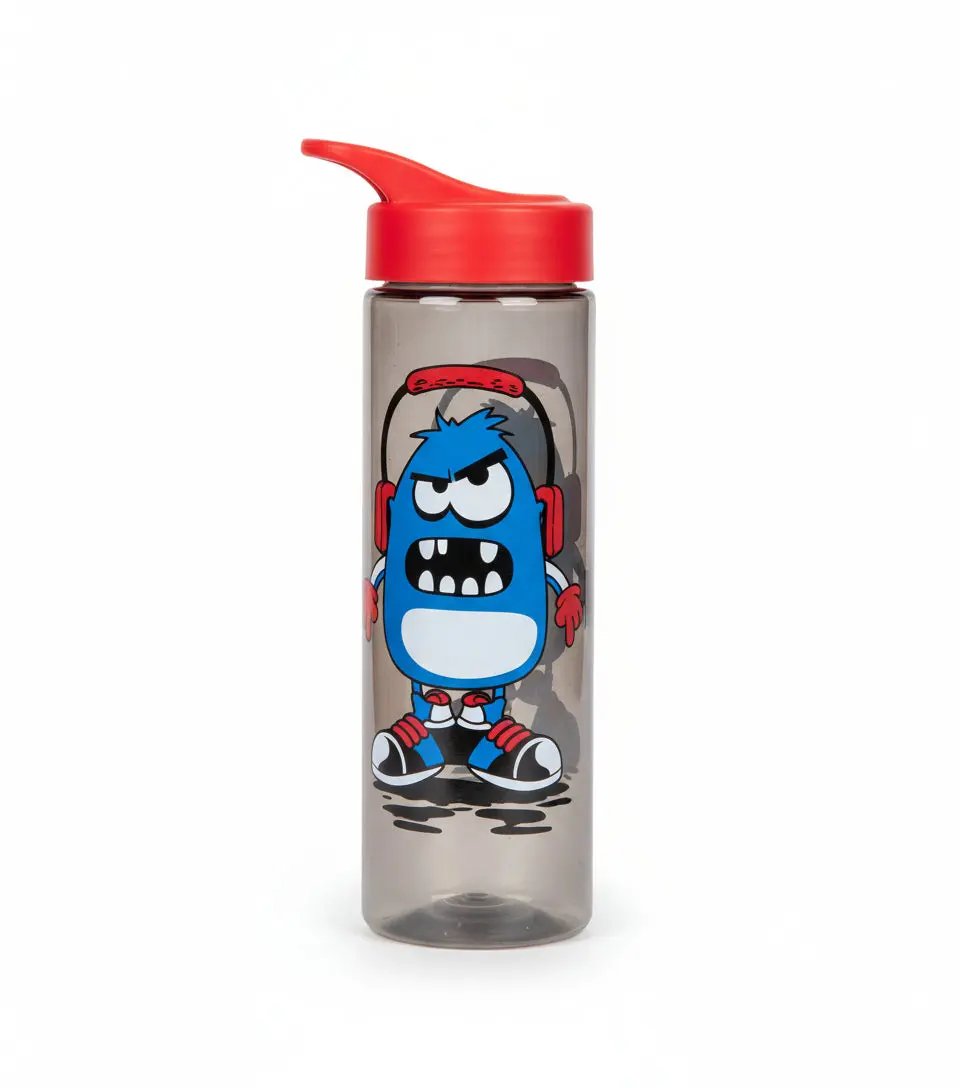
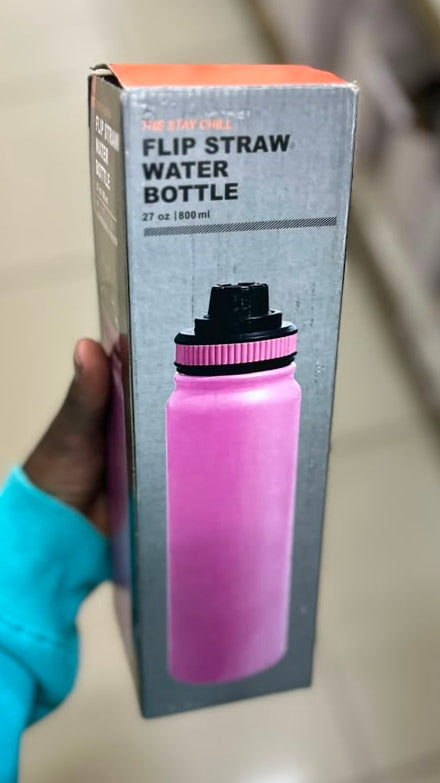
Drinking cup and bottle
1Nice to haveClean drinking water and a cup of their own is a basic need all day.
How to use it: Show where the drinking water is.

Cleaning tools
Good tools make cleaning quicker and kinder on the body.
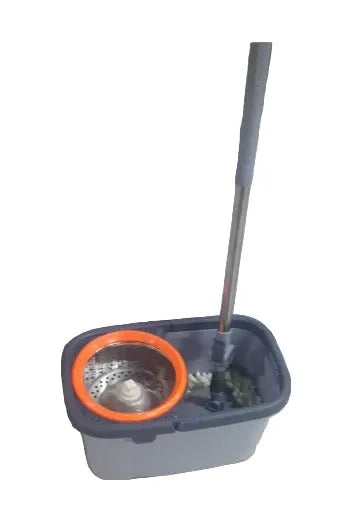
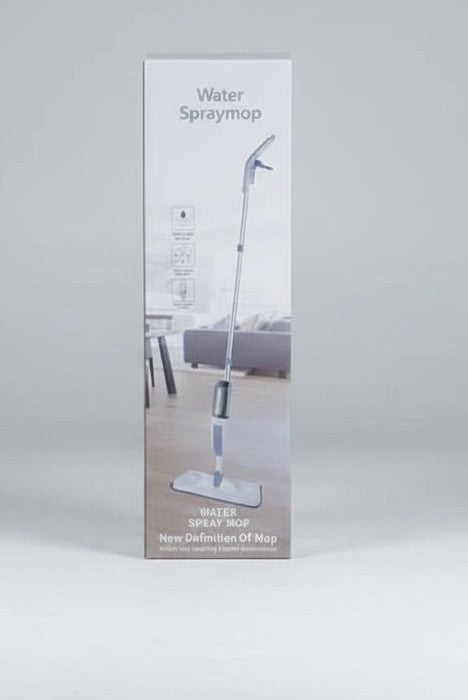
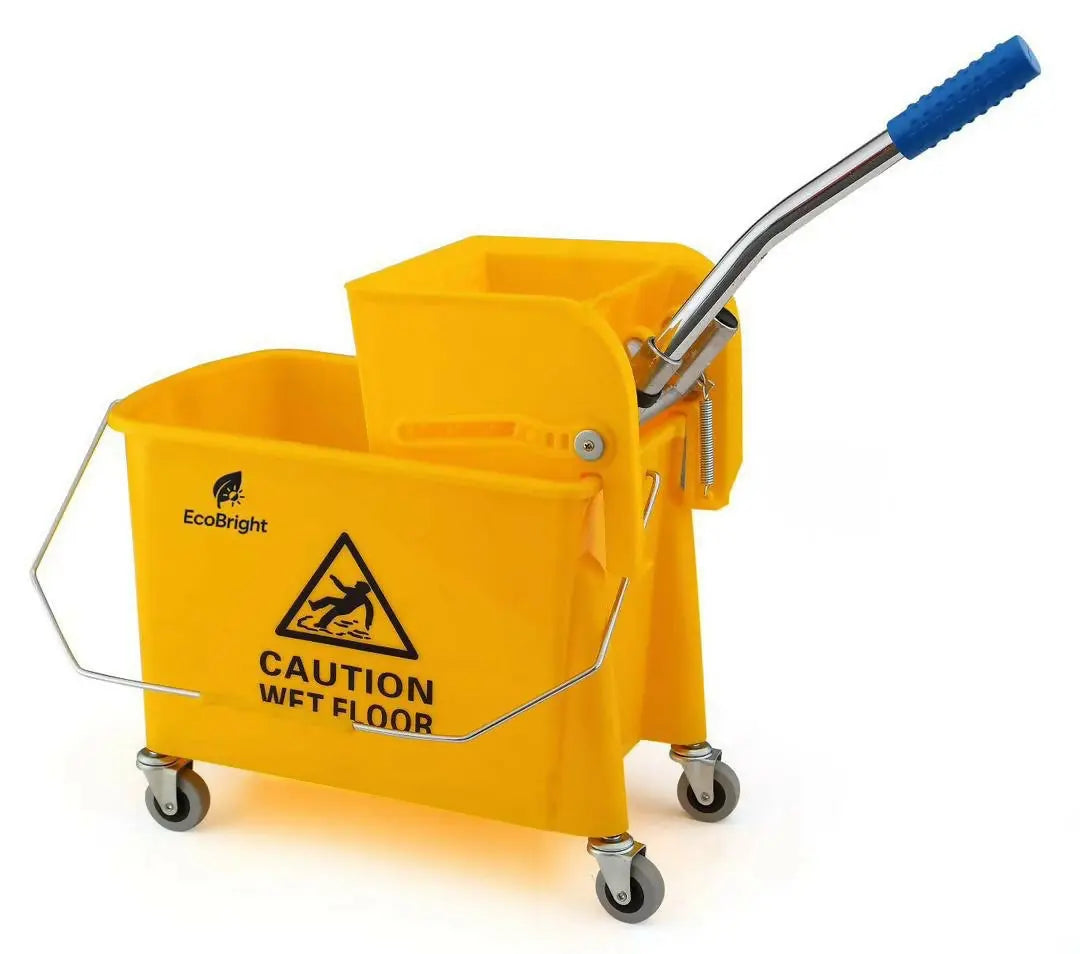
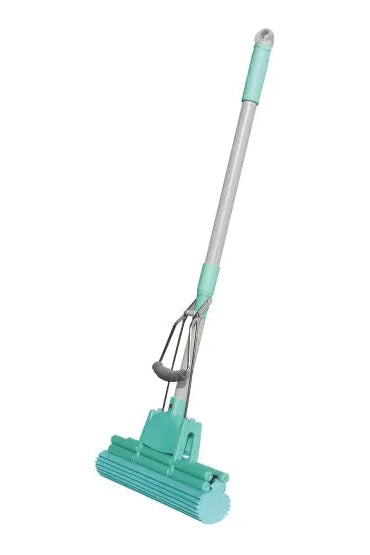
Mop and bucket
1 set Must haveA mop with a wringer saves the back and does a better job.
How to use it: Rinse the mop head after each use and let it dry in the sun.
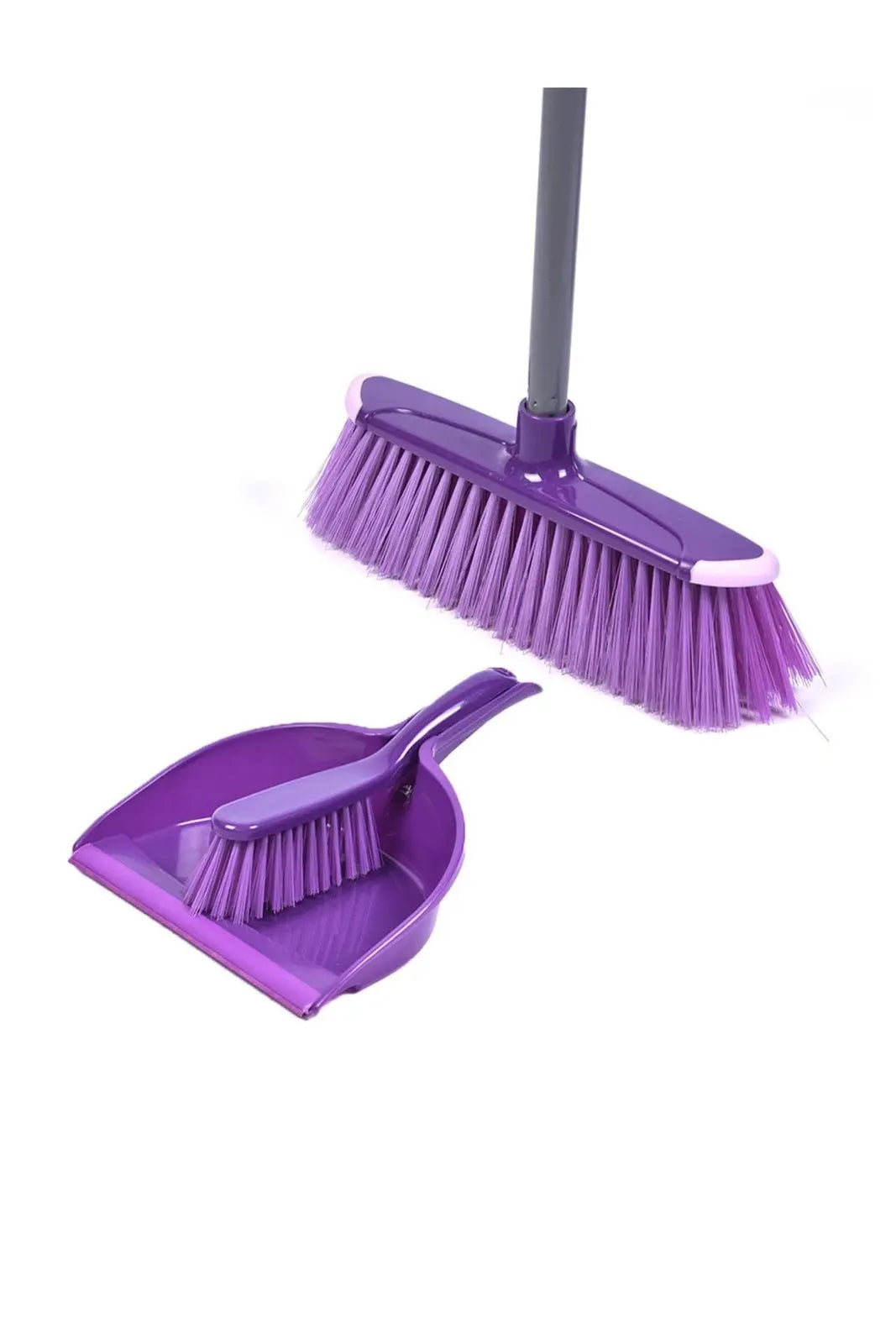
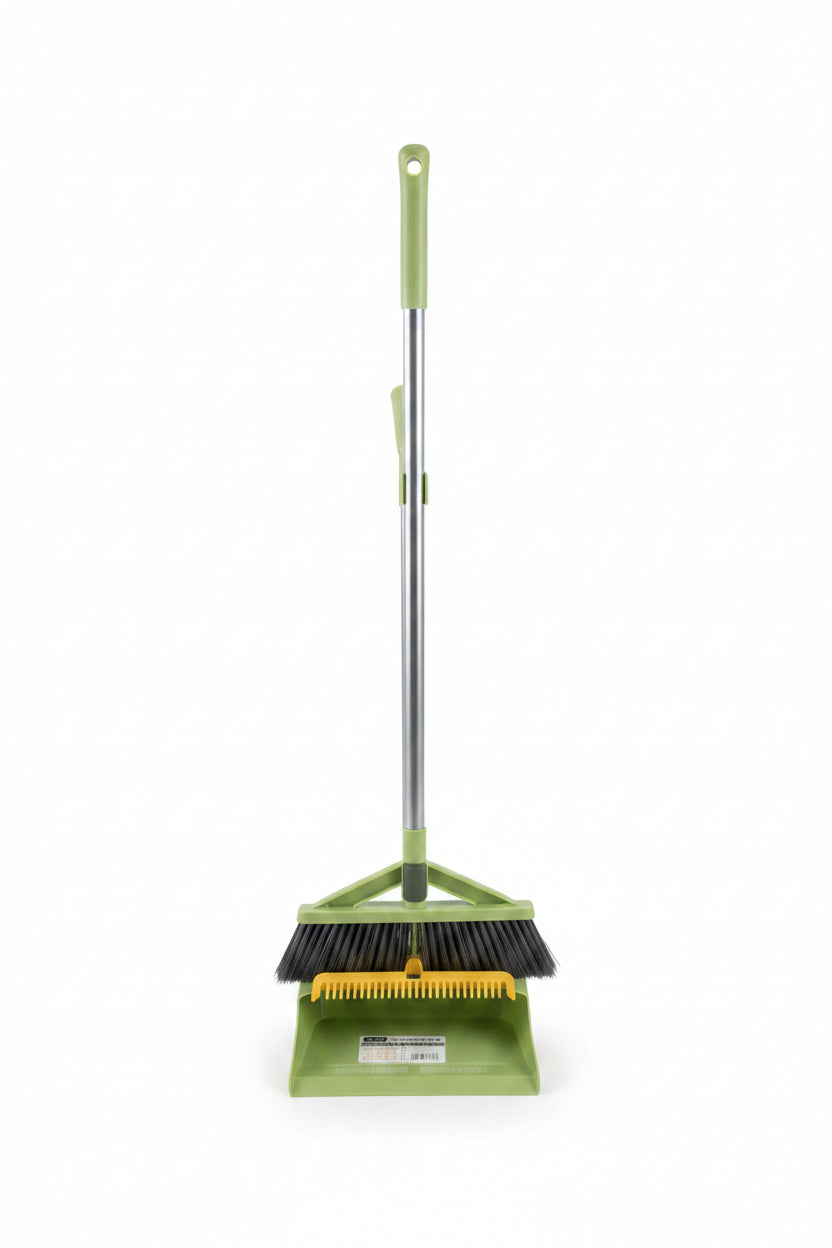
Broom and dustpan
1 Must haveRed dust comes into every home in Kigali. A good broom helps every day.
How to use it: Pick a broom with a long handle so your helper does not have to bend.
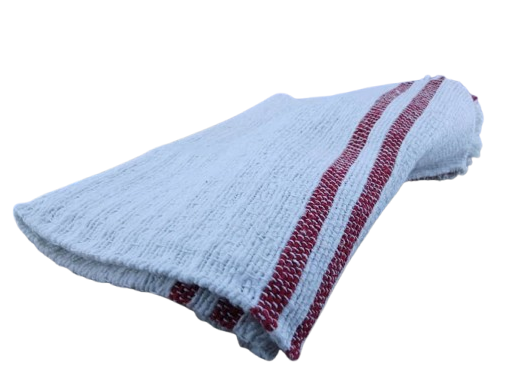
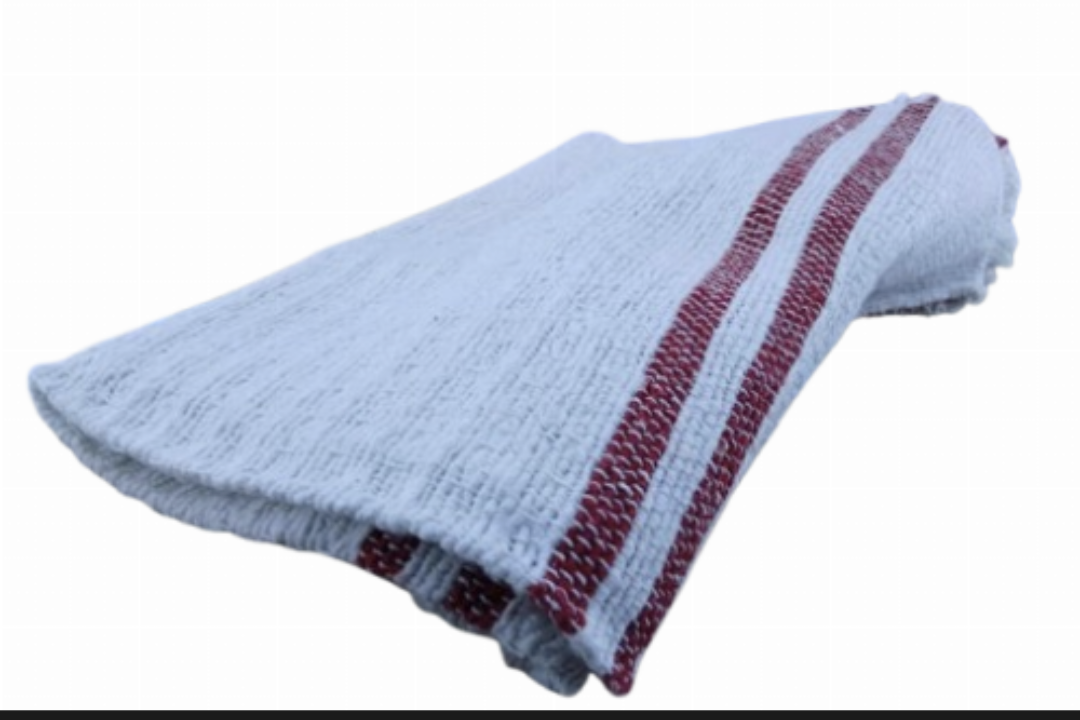
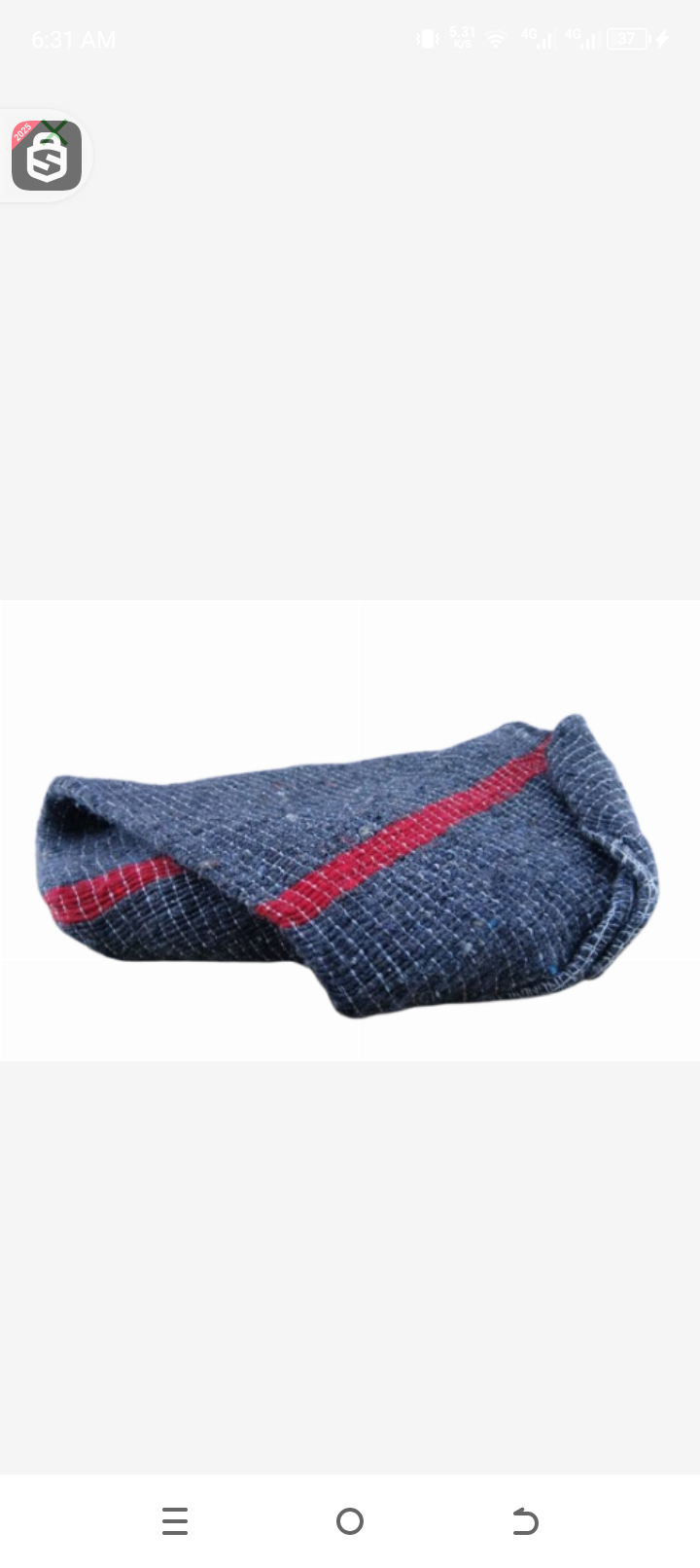
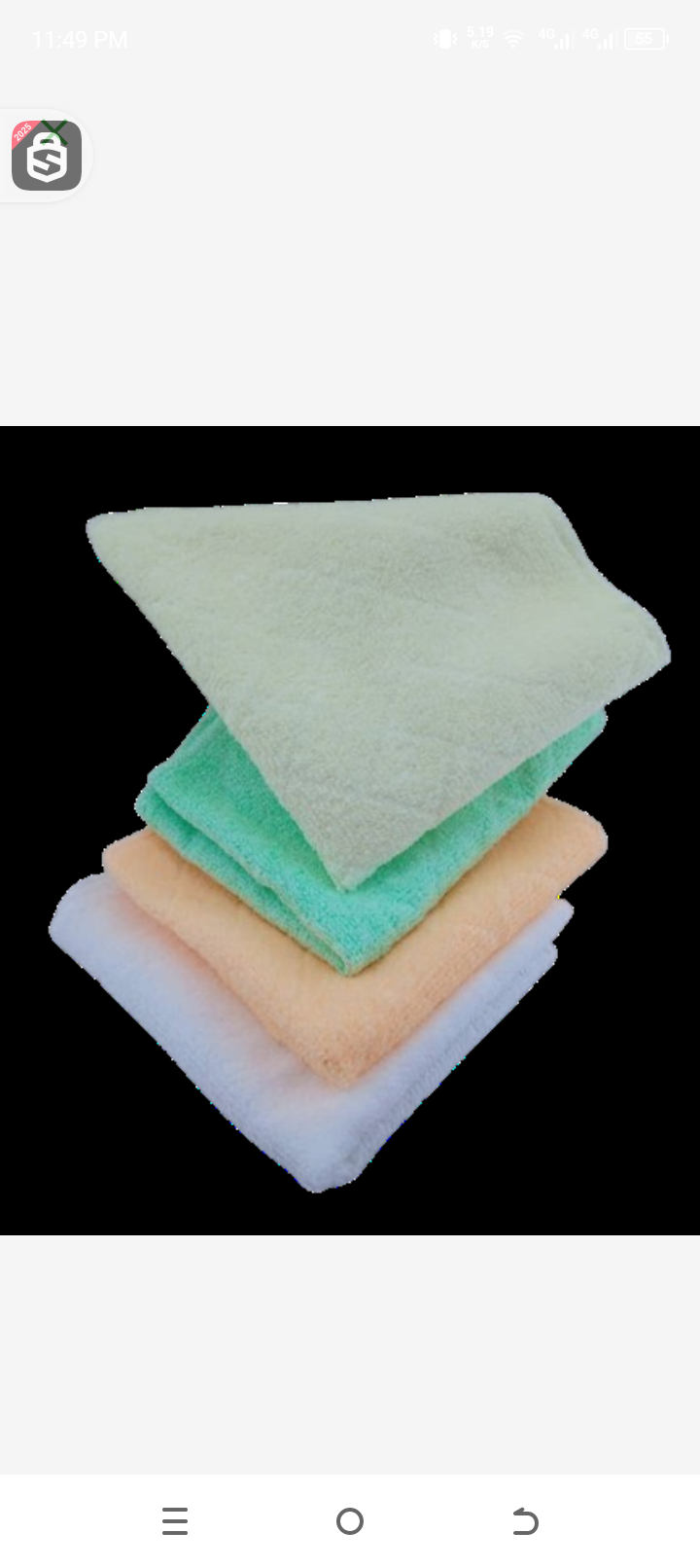
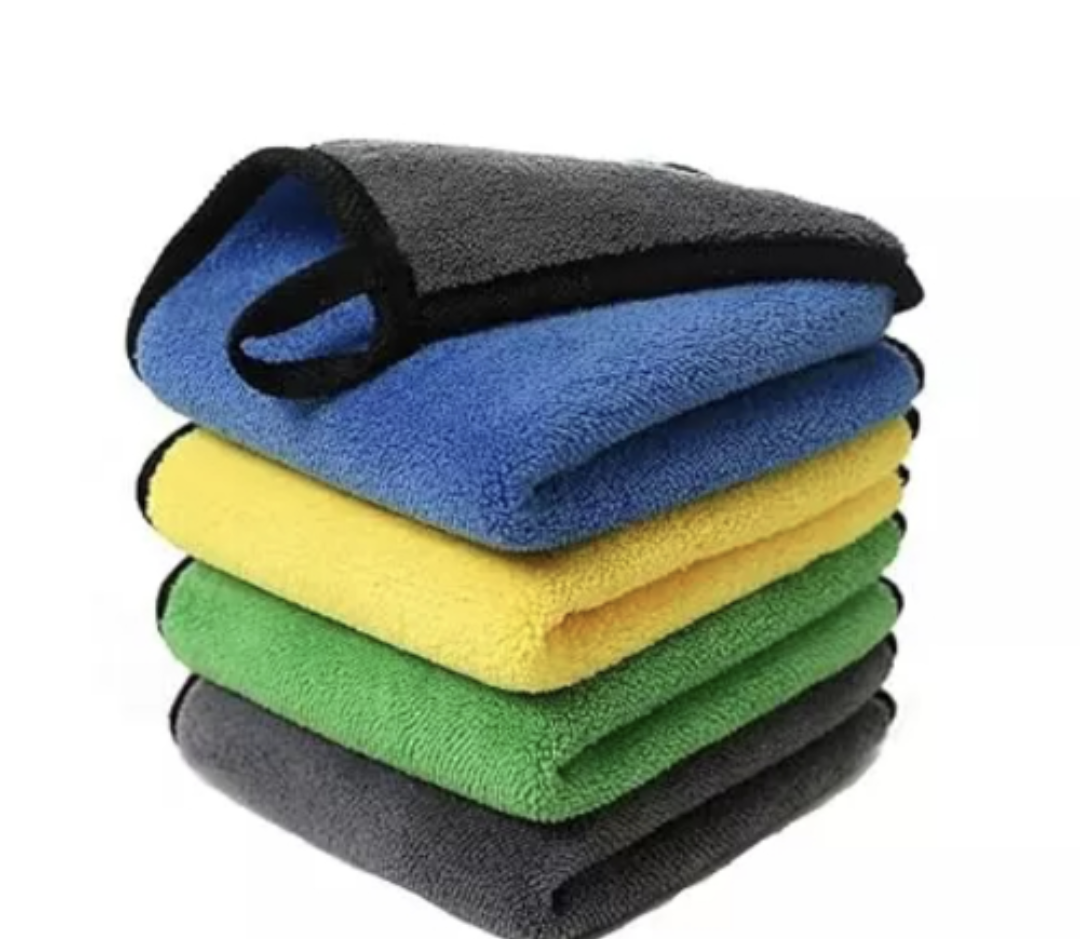
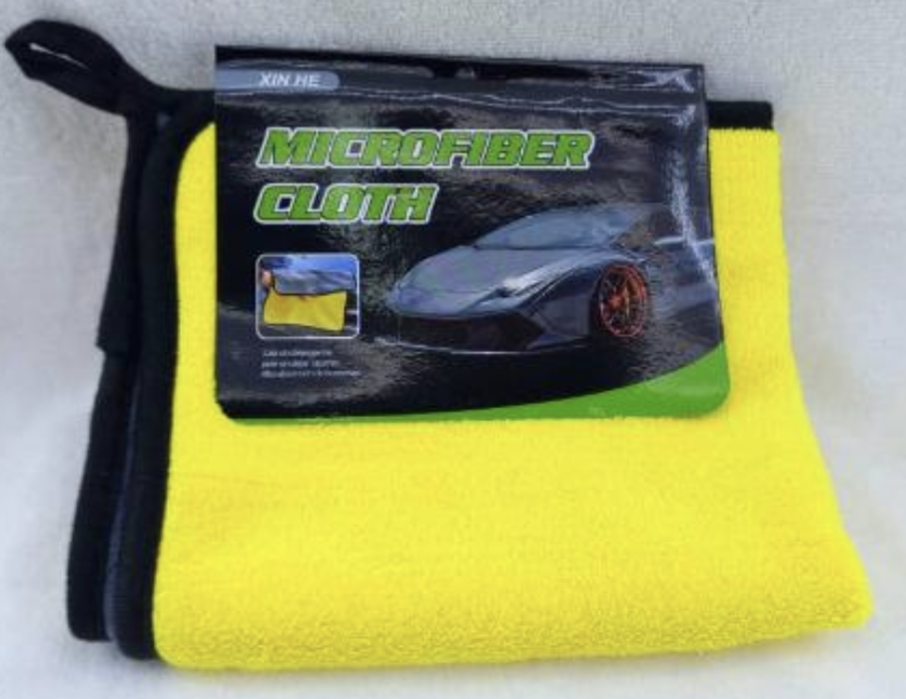
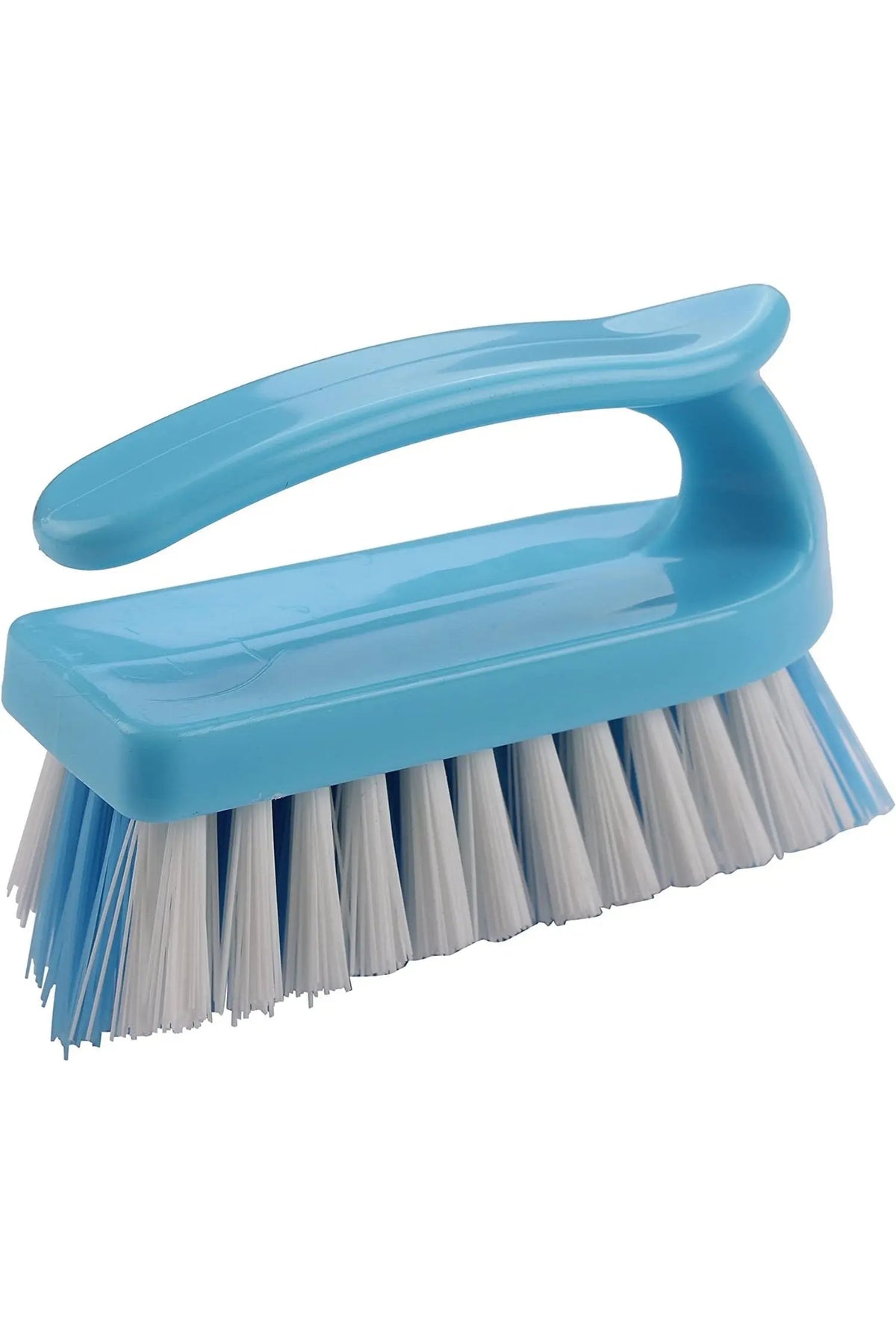
Cleaning cloths
5 Must haveCloths for different jobs keep kitchen and bathroom cleaning separate.
How to use it: Use different colors for different areas, and wash them often.
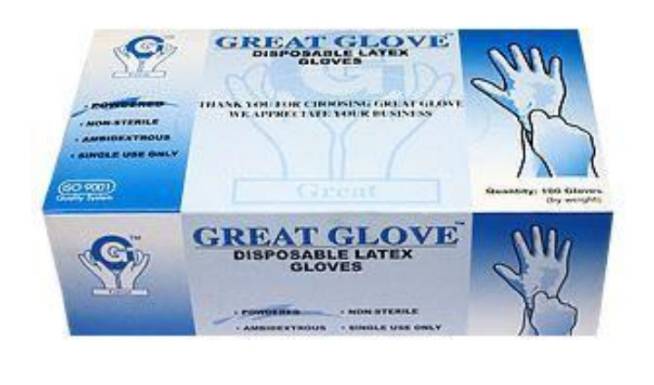
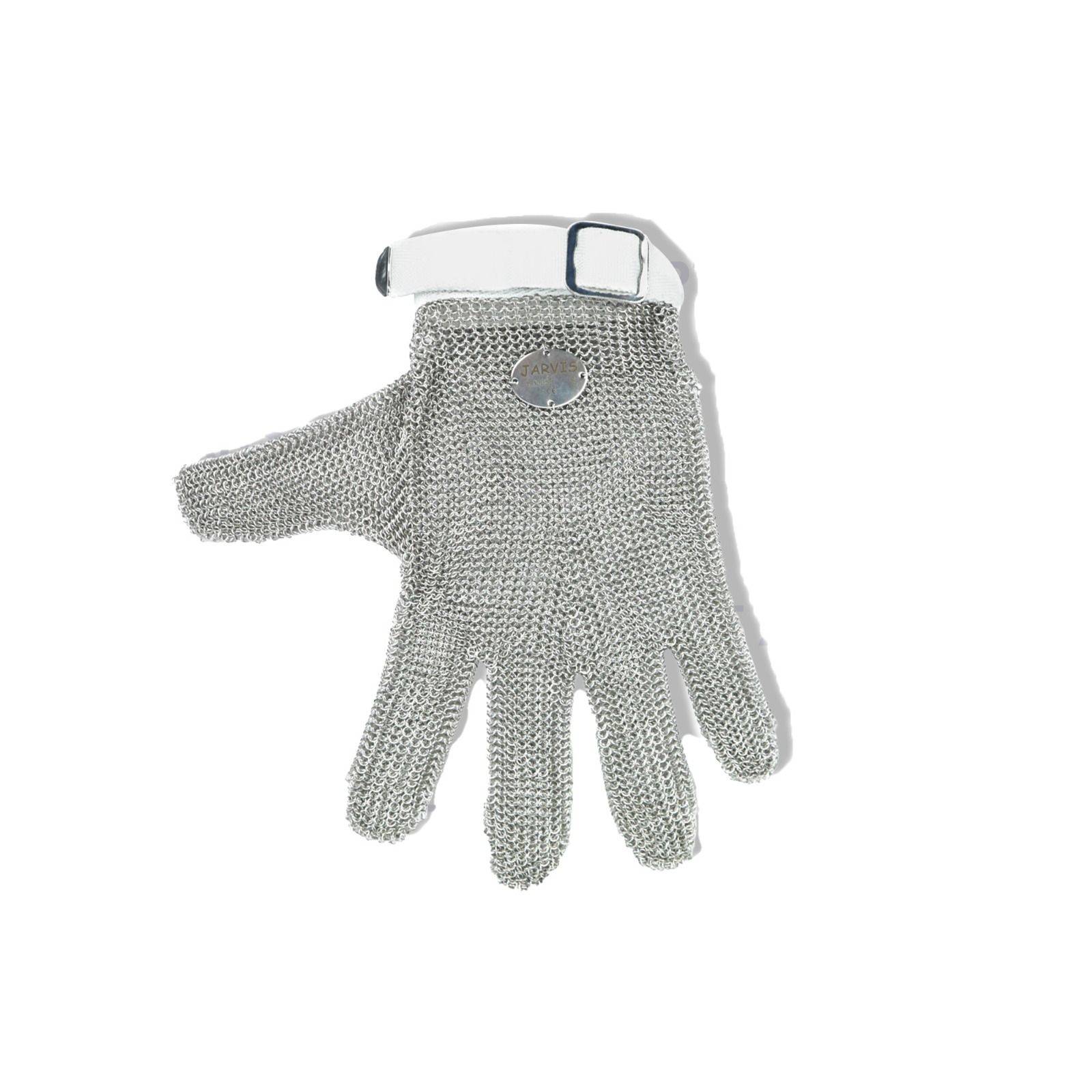
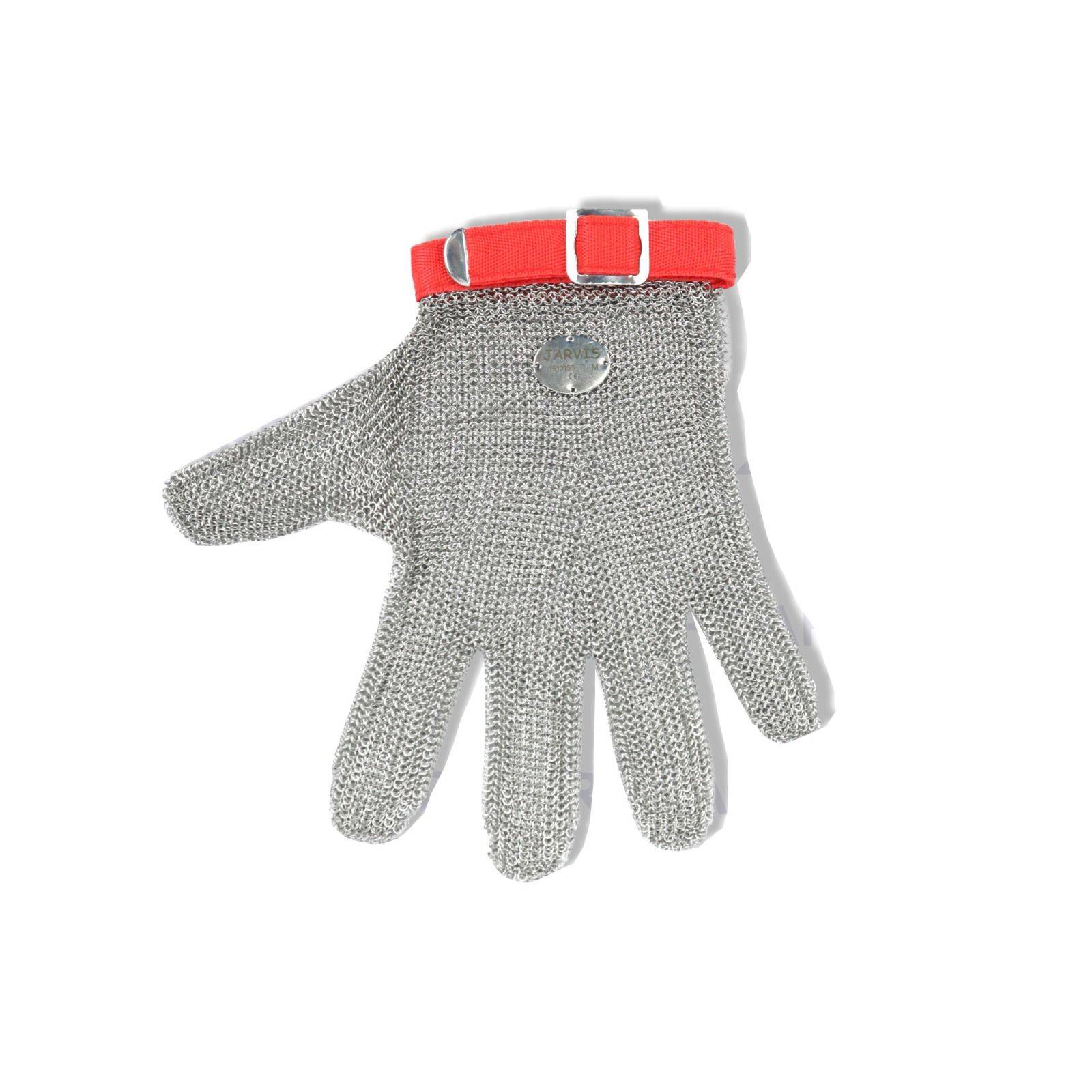
Rubber gloves
2 pairs Must haveGloves protect hands from strong soap and dirty water.
How to use it: Hang them to dry after use.
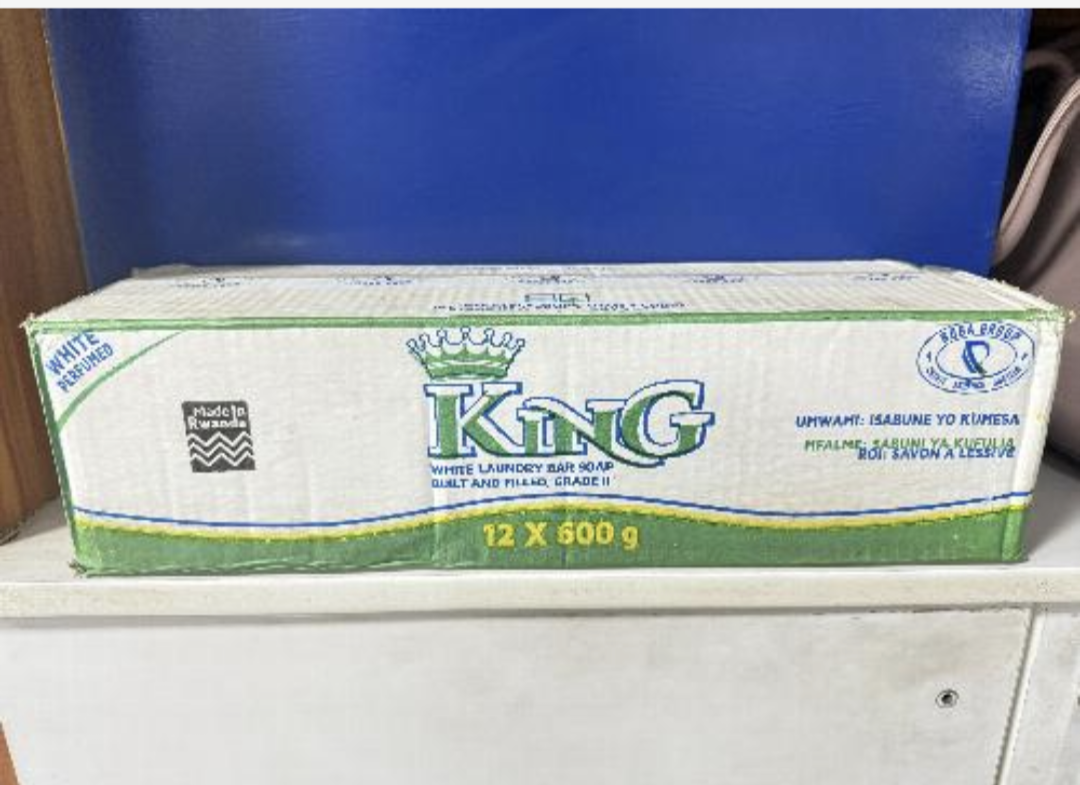
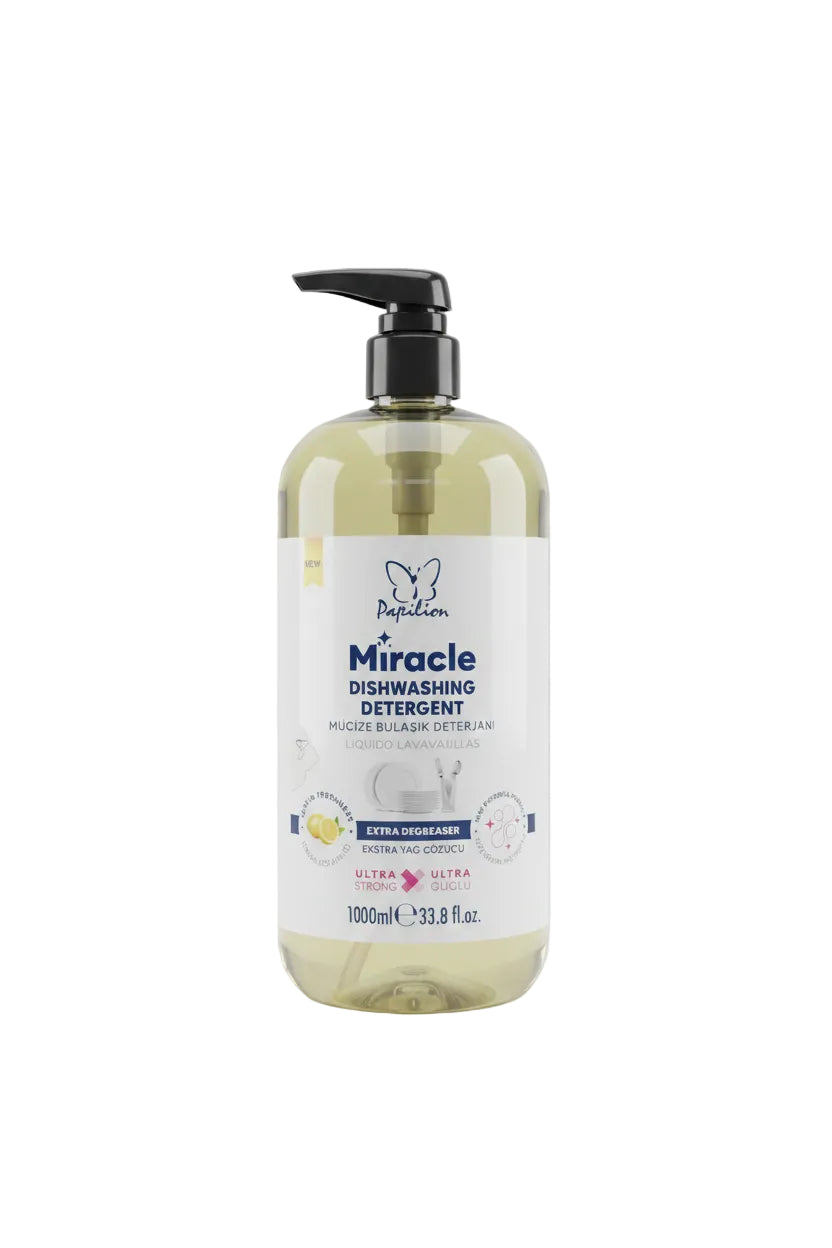
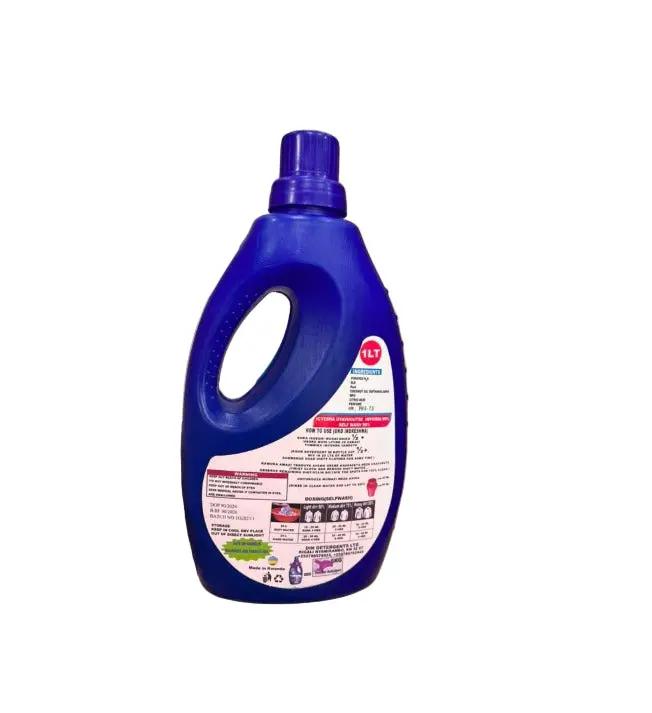
Laundry detergent
1 Must haveA good detergent works well in the machine or by hand.
How to use it: Show the right amount. Keep all cleaners out of children's reach.
Iron
1Nice to haveIf you ask for ironing, a safe iron is needed.
How to use it: Show how it works and agree the amount of ironing together.



Safety and settling in
A few items for safety and comfort give peace of mind to both of you.
First aid kit
1 Must haveSmall cuts, burns and headaches happen in any home. A kit is useful to all.
How to use it: Keep it where everyone can reach it and show where it is.
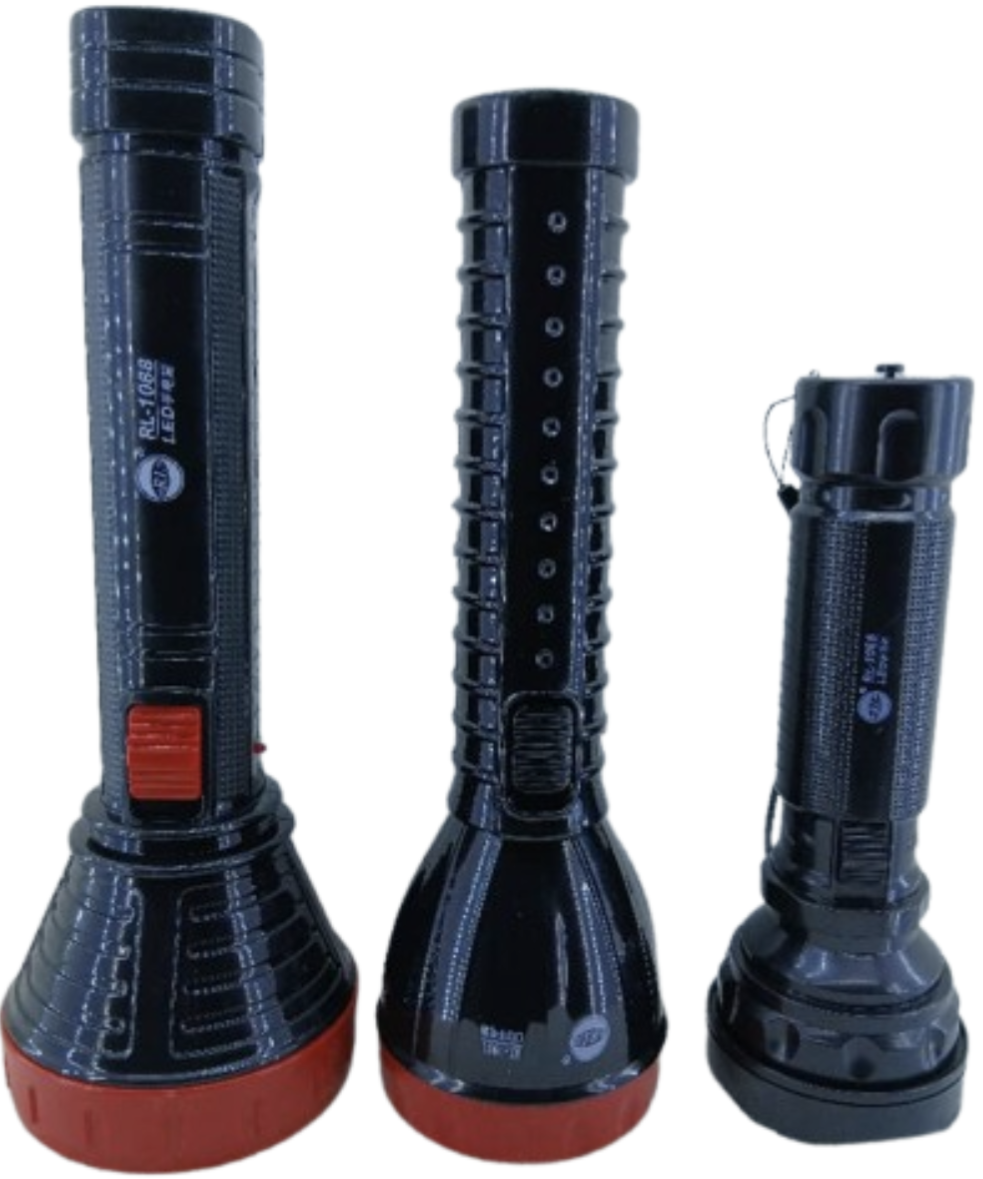
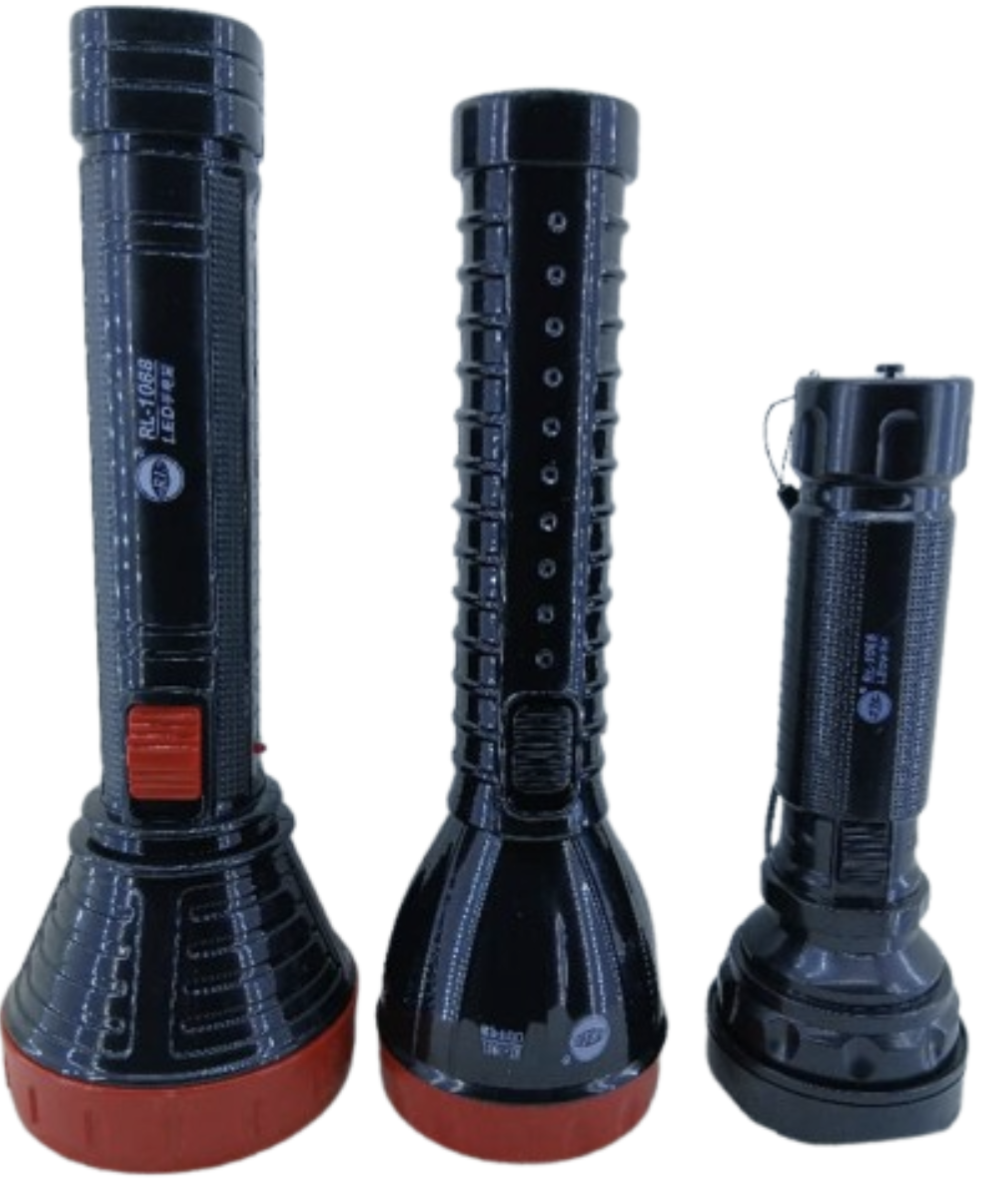
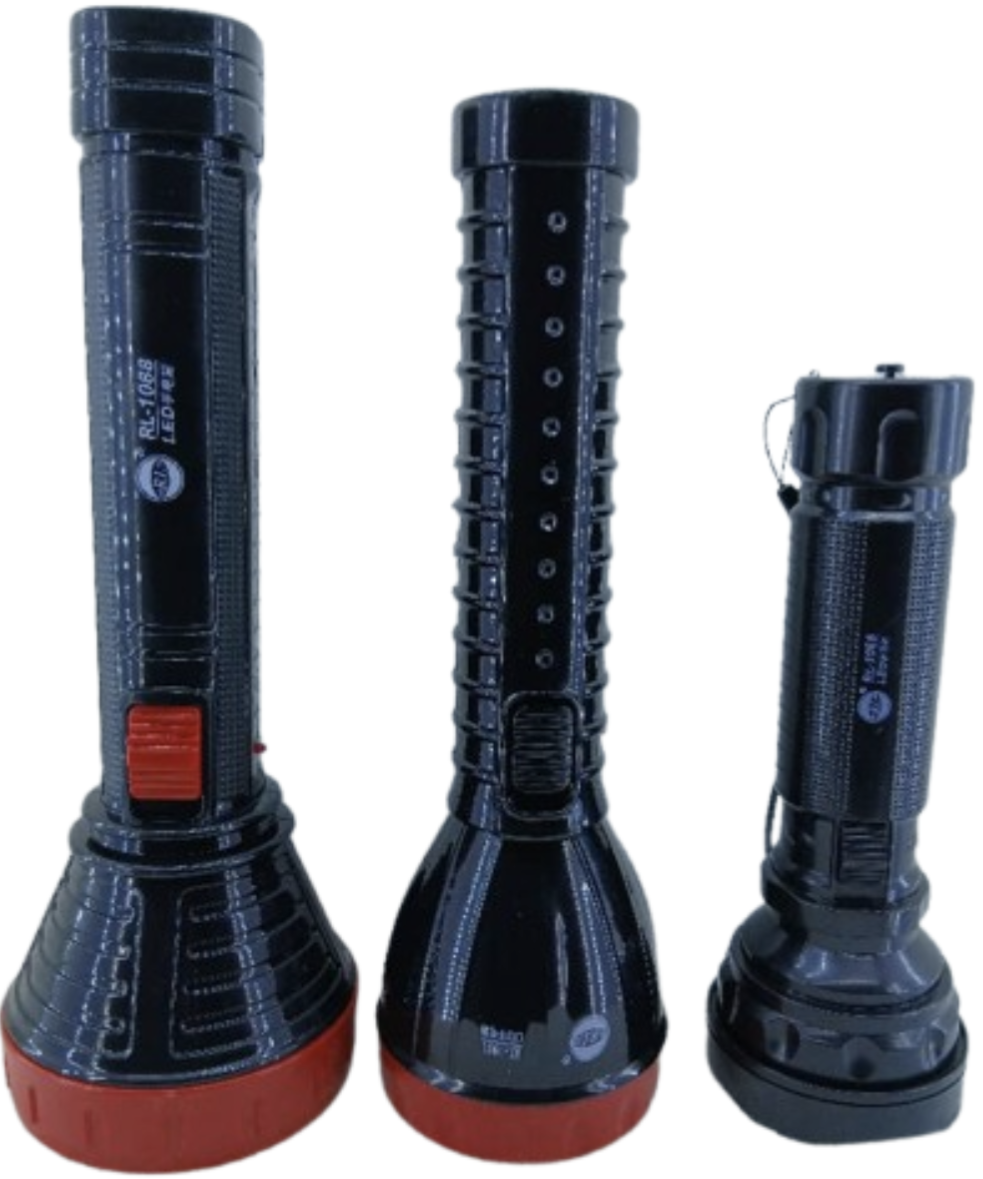
Torch
1 Must havePower cuts happen in Kigali. A torch helps in the room and on the way to the bathroom.
How to use it: Check the battery and keep it by the bed.
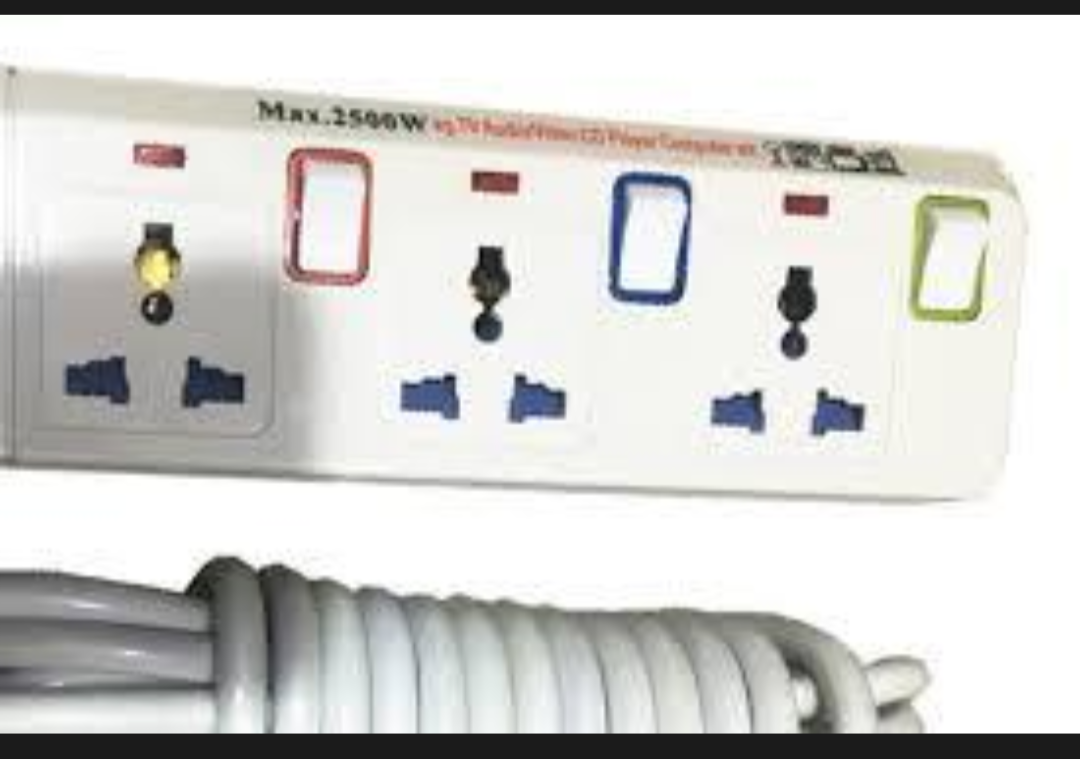
Phone charger or extension
1Nice to haveYour helper needs to charge a phone to call family. It is an important comfort.
How to use it: Put the socket near the bed.
Welcome snacks and tea
1 setNice to haveA warm drink and a snack on arrival turns a stranger into a guest.
How to use it: Share a meal on the first evening.



Step by step
- 1
A week before
Clean the room, fix the door and window locks and set up the bed, bedding and net.
- 2
Three days before
Buy toiletries, towels and work clothes you agreed on. Stock the kitchen and cleaning tools.
- 3
The day of arrival
Welcome your helper, show the room and bathroom, and share a meal. Keep the first day light.
- 4
The first days
Walk through the house and tools together. Agree on hours, rest, meals and days off.
- 5
After one week
Talk about how it is going and what is missing. Replace or add anything your helper needs.
Tips that help
- Show the room and bathroom first, then the kitchen. Let your helper rest before the tour.
- Ask what your helper prefers for toiletries, hair care and food before you buy.
- Write down hours, rest time, pay and days off together, in a language you both understand.
- Share a few useful words and phrases in Kinyarwanda, English or French as needed.
- Show how appliances work: the gas cooker, the washing machine, the iron and the water heater.
- Show where the first aid kit, torch and emergency numbers are.
- Pay on the agreed day, every time. This builds trust.
Mistakes to avoid
- Giving a room with no bed, light or lock, or one that is also a storeroom.
- Not agreeing work hours and rest time before the first day.
- Expecting a helper to use old, broken or unsafe tools.
- Not showing how the gas cooker and appliances work. This can lead to accidents.
- Holding back personal papers or a phone. Never do this.
Questions people ask
What should a live-in house helper have in their room?+
A clean bed with a mattress, sheets, pillow and blanket, a mosquito net, a place to hang clothes and a light. Add a lock for personal things if you can.
Should I buy toiletries for a new house helper?+
A starter kit with soap, toothpaste, a toothbrush, lotion and sanitary pads for women is a kind gesture. After that, ask what your helper prefers.
Do I need to buy uniforms?+
It depends on your home. Many households give an apron and work slippers. If you give clothes, agree on them and make sure they are comfortable.
What kitchen tools do I need to prepare?+
Pots, a pan, a sharp knife, a chopping board, plates and cutlery. Check that what you have is safe and clean before the first day.
What rules apply to hiring a live-in helper in Rwanda?+
Rules on contracts, hours and pay can change. Check with the local authority or a trusted adviser, and agree the terms in writing with your helper.
A welcoming room and the right tools help your helper feel valued from the first day. Shop the whole list on Isokko and have it delivered across Kigali.
Shop this list
Get everything delivered in Kigali
Order from local stores on Isokko and pay with MoMo, card or cash. Same-day delivery.