
Checklist · Home & moving
Making an Older Kigali House More Energy Efficient: Checklist
Lower your electricity bill in an older Kigali house with LED bulbs, power strips, smart cooking and simple habits. A practical what to buy checklist.
Updated November 27, 2026 · By Isokko
Older houses in Kigali often have old bulbs, loose sockets and rooms that trap heat. None of that needs a big renovation to improve. Most savings come from a few cheap swaps and better habits.
This checklist focuses on things you can buy and use yourself, without changing the building. Each item says why it helps and how to use it.
Anything involving wiring or the meter should be done by a qualified electrician. Ask your landlord before changing fixed fittings in a rented home.
Who it's for
Tenants and owners of older houses and apartments in Kigali who want a smaller electricity bill
Time needed
Swap and shop over one weekend, then build habits over a month
When to shop
Any time, ideally after you check your meter or token use for a couple of weeks
On the list
24 items, 4 must haves
0 of 24 ready
Lighting
Lighting is the easiest place to start. Old bulbs use more power and give less light.
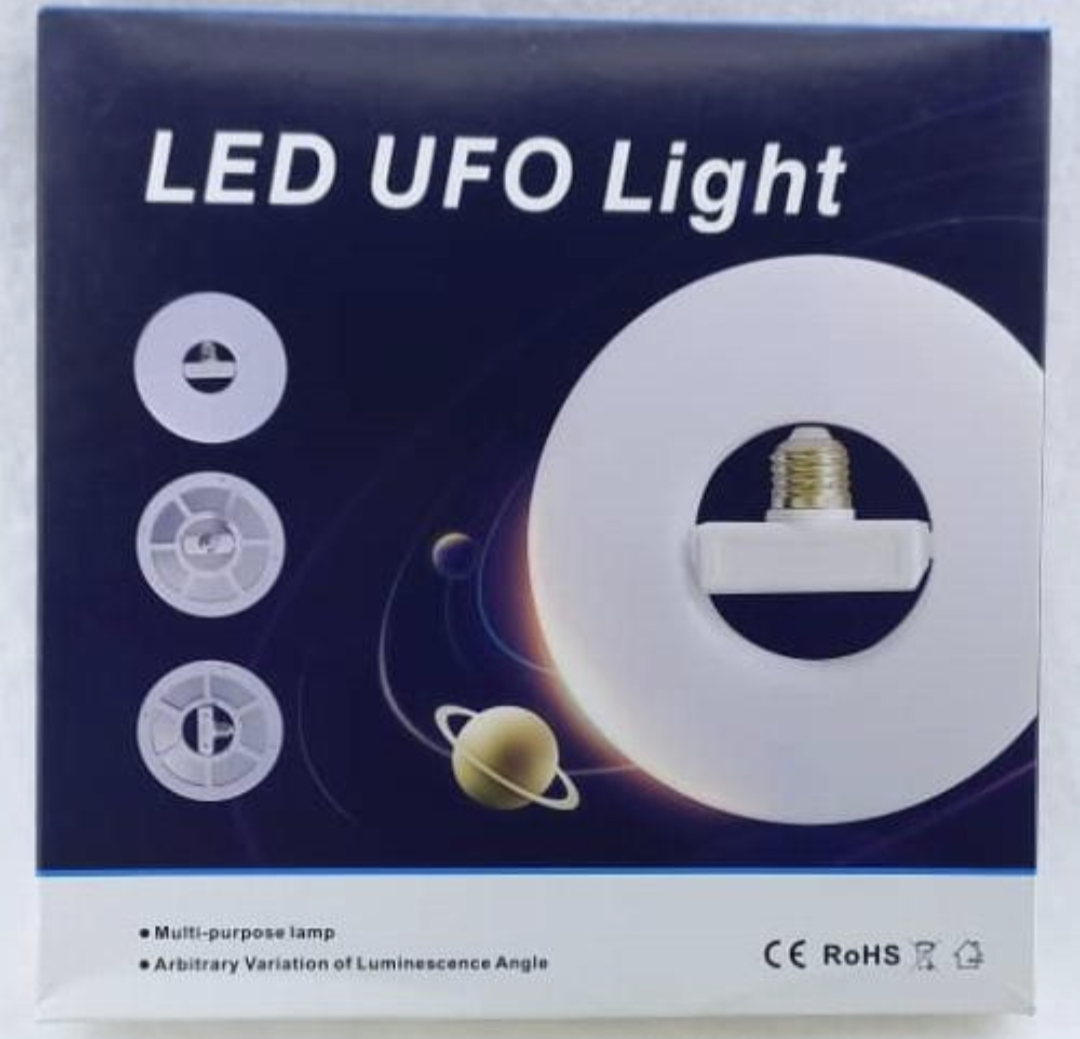
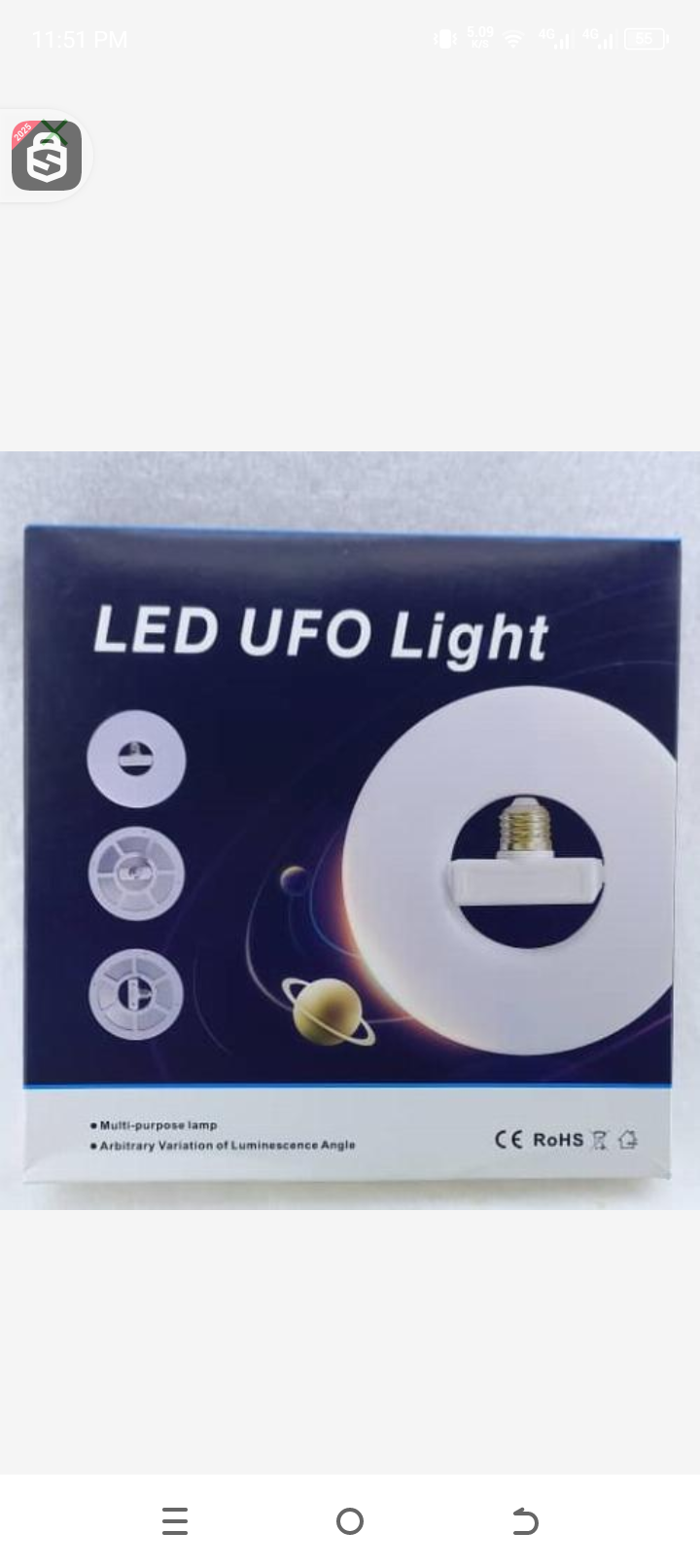
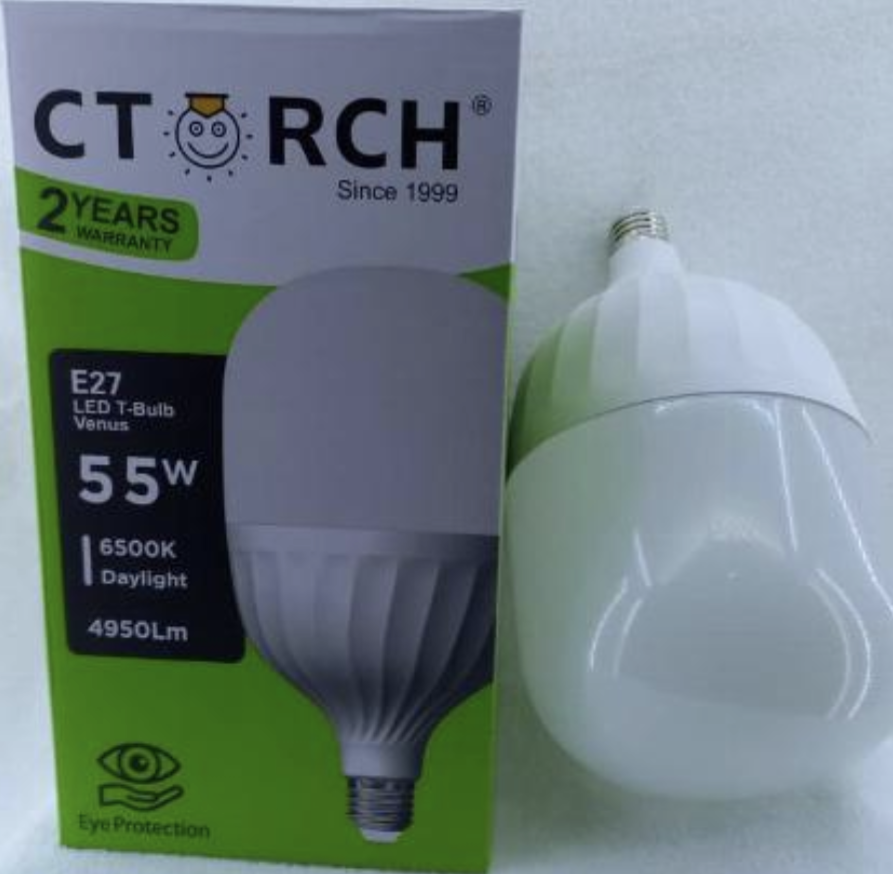
LED bulbs
Per fitting Must haveLED bulbs give good light for much less power than older bulbs.
How to use it: Check the base type of your fittings, then match the watt level to the room. Replace the most used lights first.
Spare bulbs
2 or 3Nice to haveHaving a spare lets you replace a dead bulb with an efficient one right away.
How to use it: Store them in their box in a dry place. Switch off power before changing a bulb.
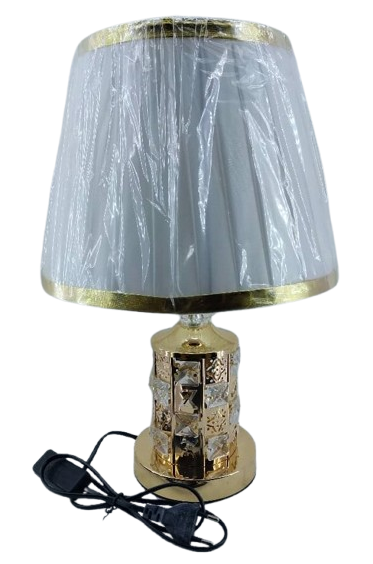
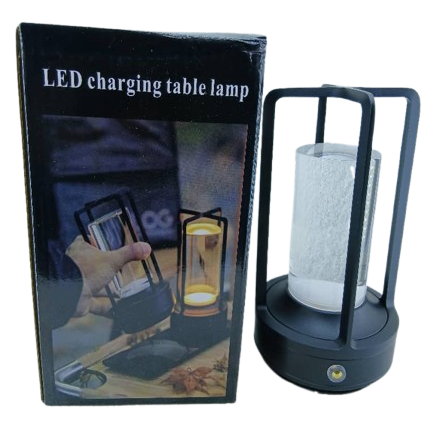
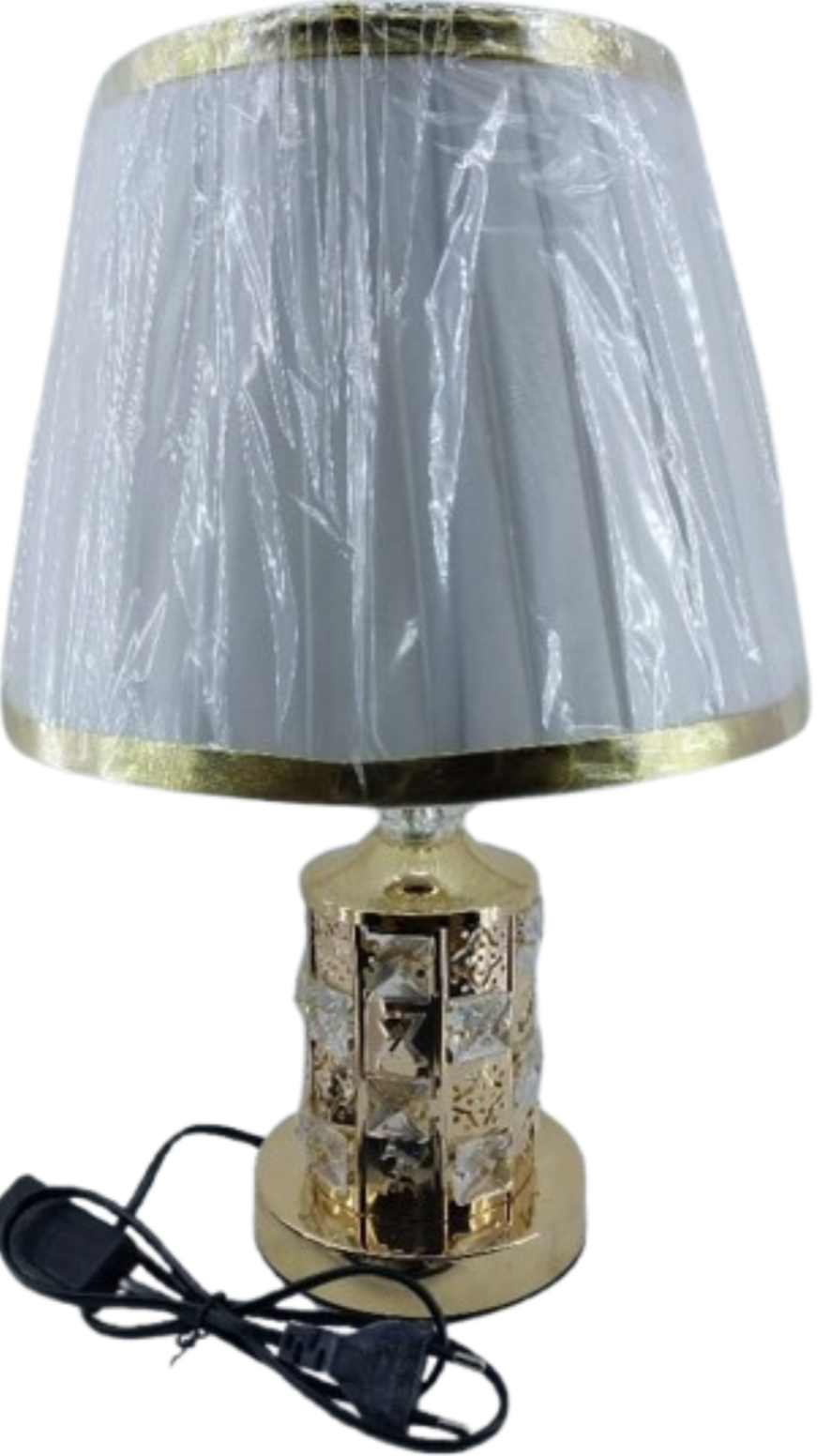
Table lamp
1 or 2Nice to haveA lamp lights just the place you read or work, so you can switch off the big light.
How to use it: Use an efficient bulb and place it where you sit most.
Solar light
1 or 2Nice to haveA solar light outside the door saves power on night security lighting.
How to use it: Place it where it gets full sun all day. If none is available now, use a low watt LED.



Power strips and plugs
Many devices use power even when off. Strips let you cut it all with one switch.
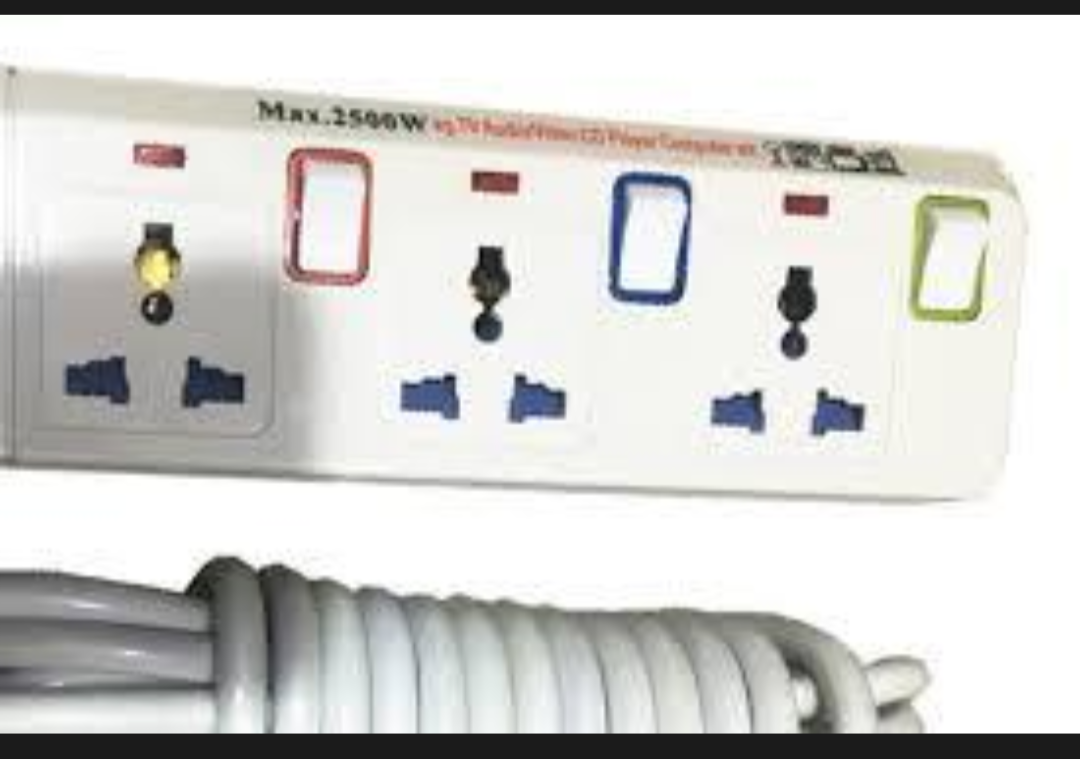
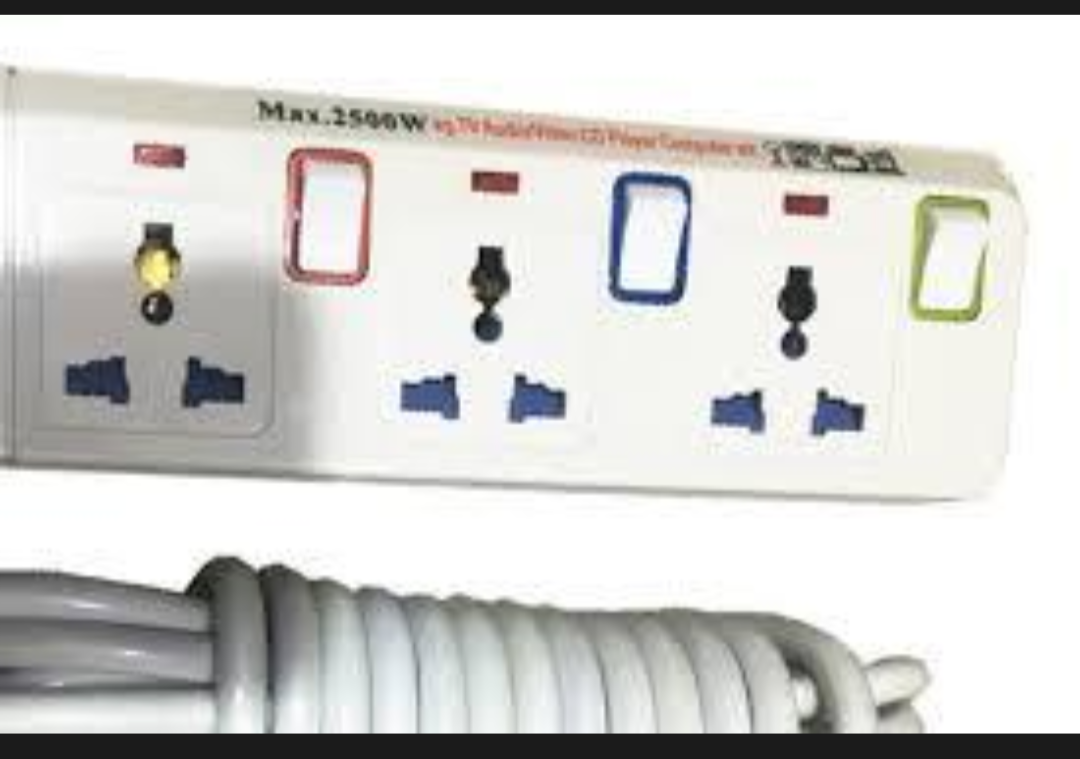
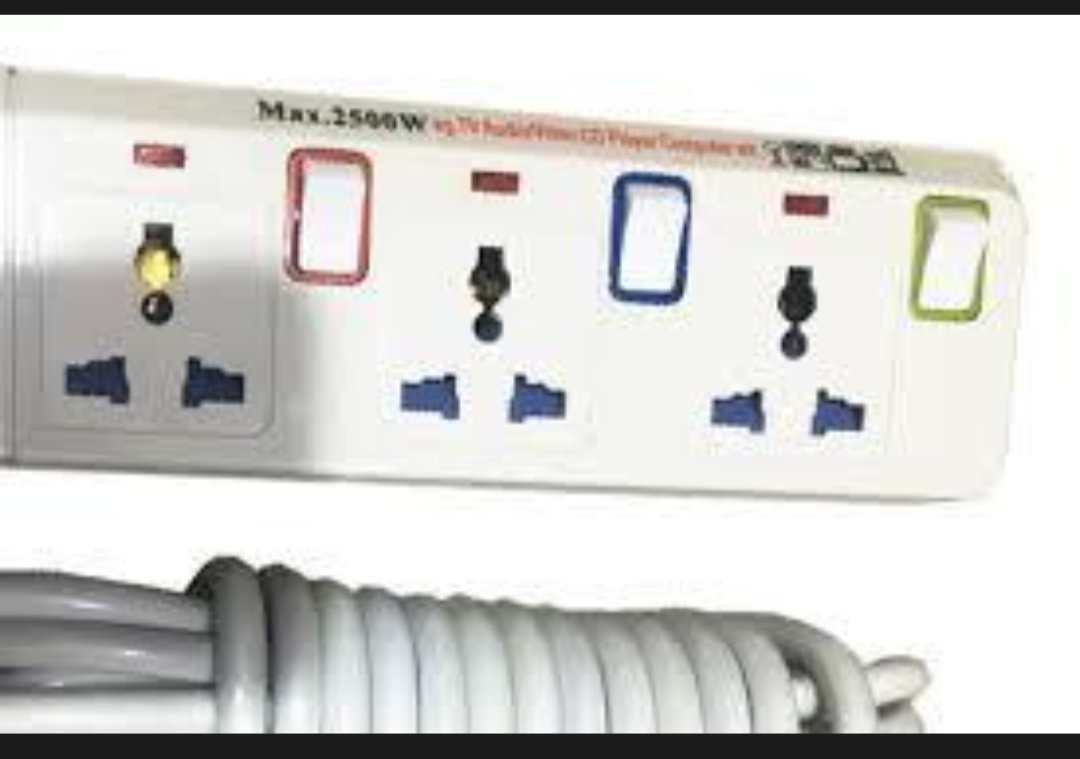
Power strip with switch
1 per room Must haveOne switch cuts power to TV, decoder and chargers when you leave or sleep.
How to use it: Plug related devices into one strip. Do not overload it and keep it off damp floors.
Extension socket
1 or 2Nice to haveLets you reach an outlet without leaving devices plugged in at a bad spot.
How to use it: Use the shortest length you need and never run it under a rug.
Timer plug
1Nice to haveA timer can switch off a water heater or charger at set hours.
How to use it: Set it for the hours you use the device. If you cannot find one, use a switched strip.
Surge protector
1Nice to havePower surges can damage fridges and TVs, which costs far more than electricity.
How to use it: Use it for expensive electronics. Replace it if it has been hit by a surge.


Cooking and hot water
Cooking and heating water use a big share of household energy.
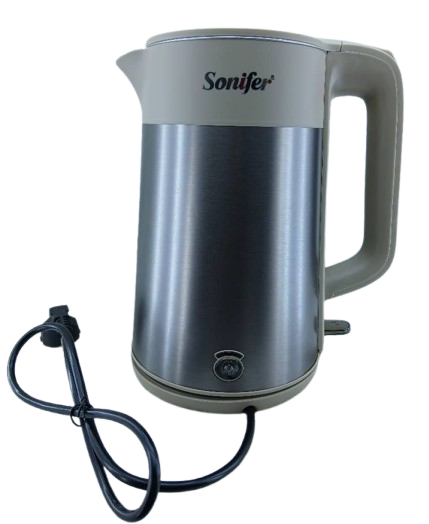
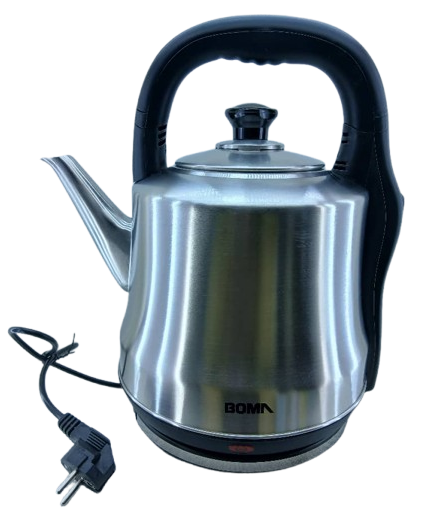
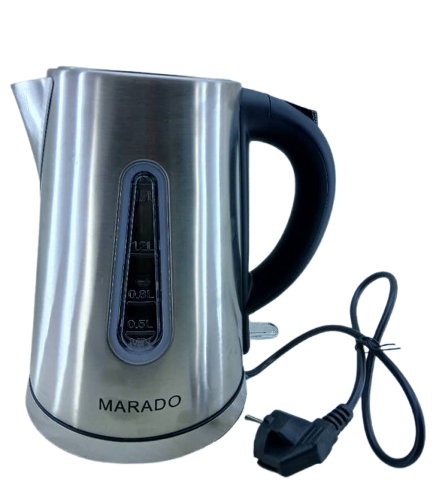
Electric kettle
1Nice to haveBoiling only the water you need uses less power than a hot plate and a big pot.
How to use it: Fill only what you need, switch off when it boils and descale it from time to time.
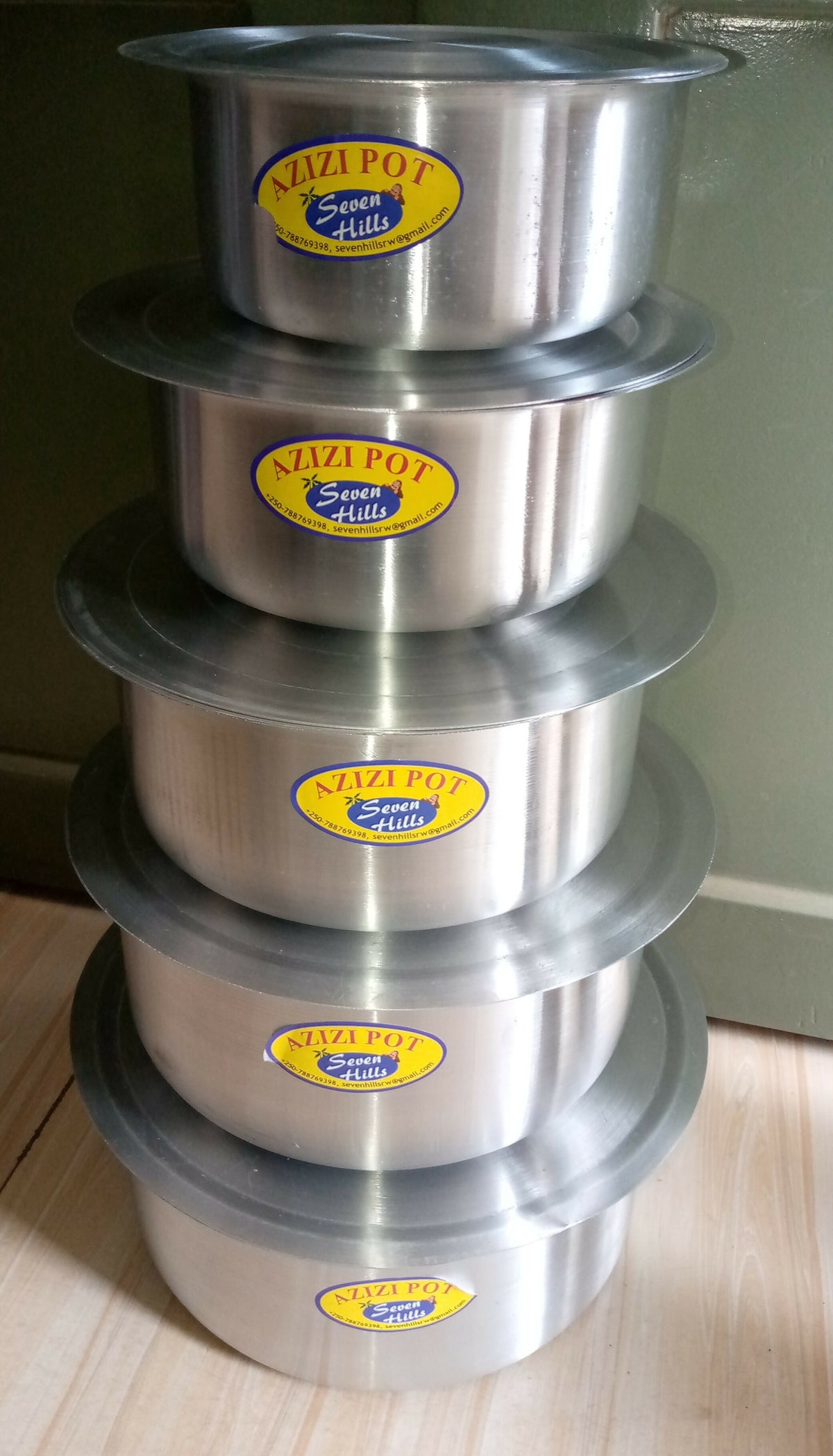
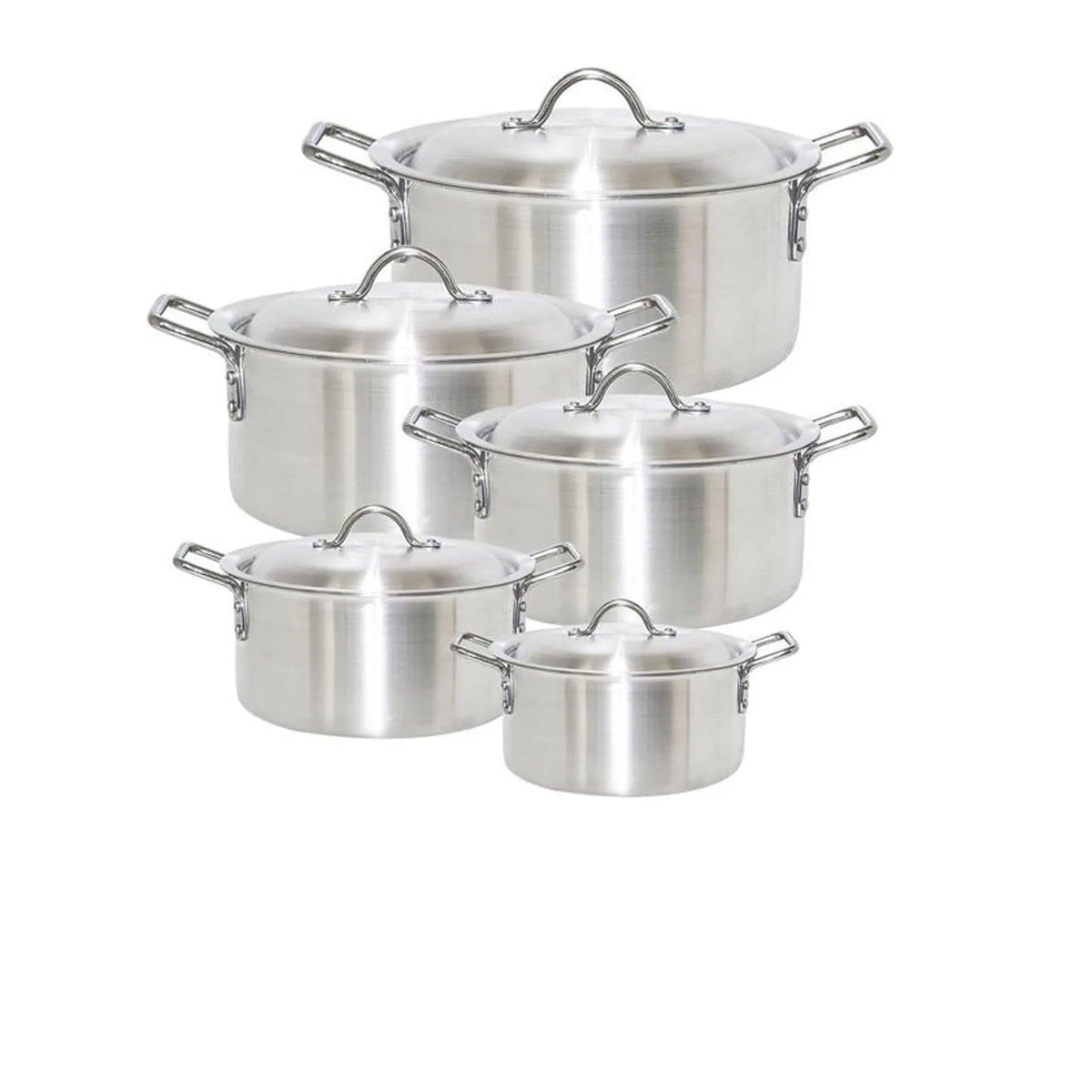
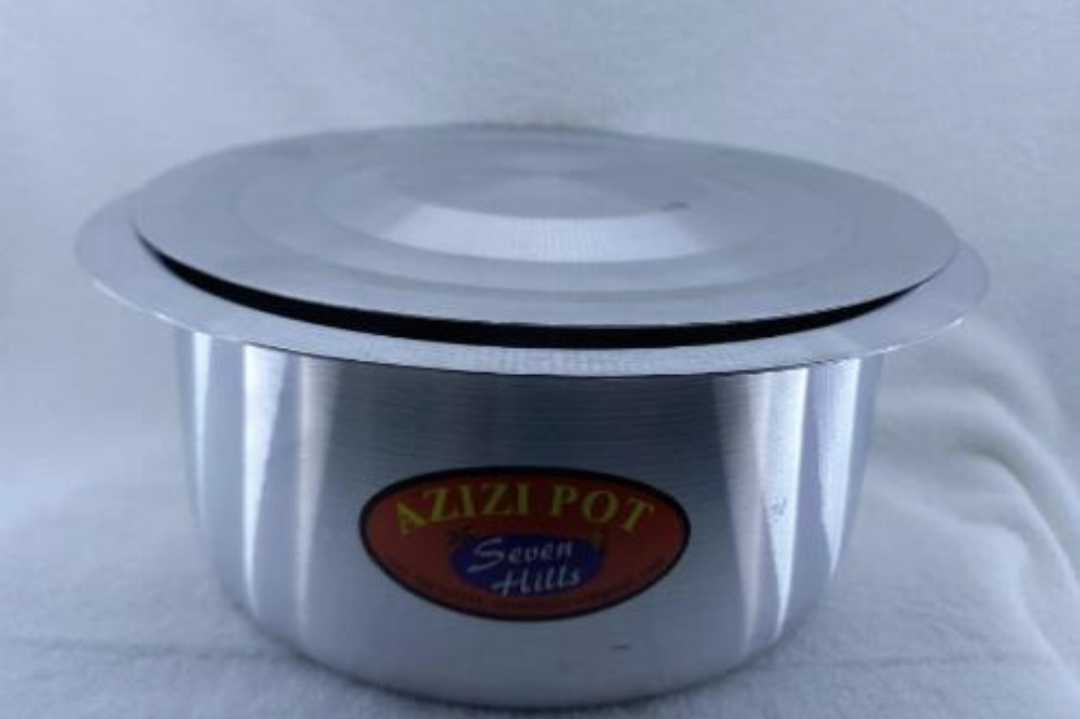
Pot with lid
2 Must haveA lid keeps heat in so food cooks faster on less fuel or power.
How to use it: Match the pot to the size of the burner and keep the lid on.
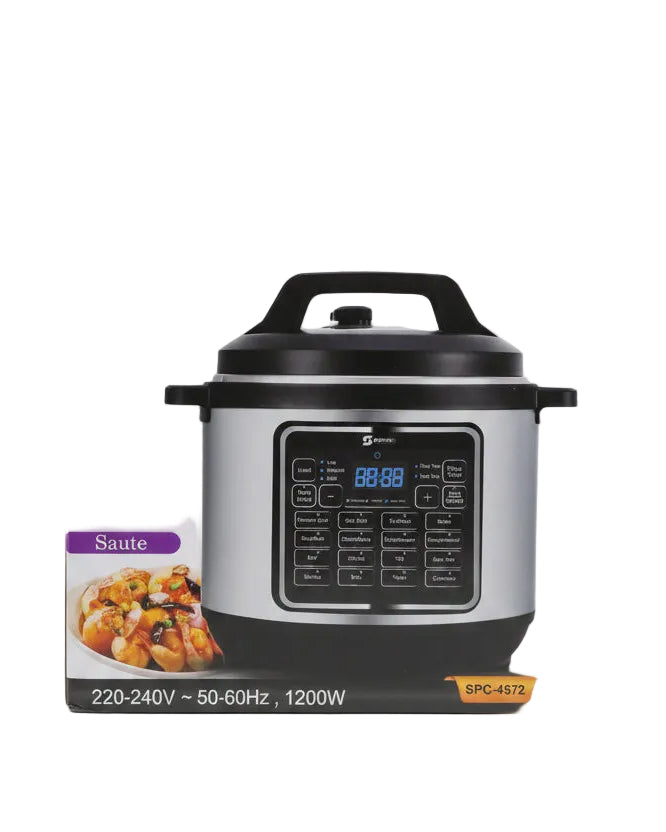
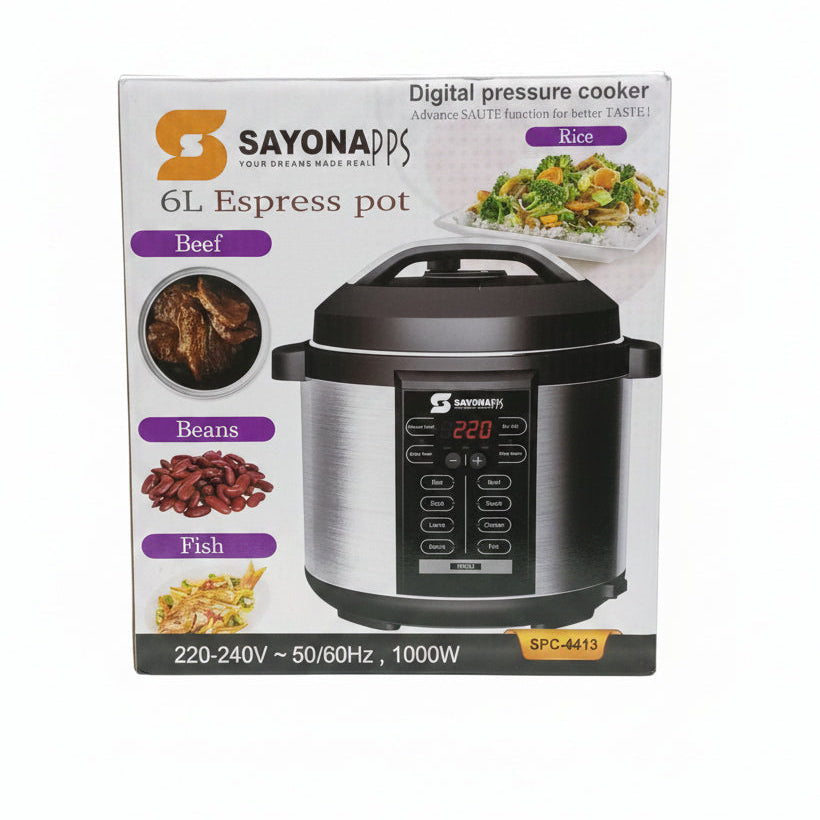
Pressure cooker
1Nice to haveBeans and tough meats cook much faster under pressure, which saves fuel or power.
How to use it: Follow the manual, never force the lid and release steam carefully.
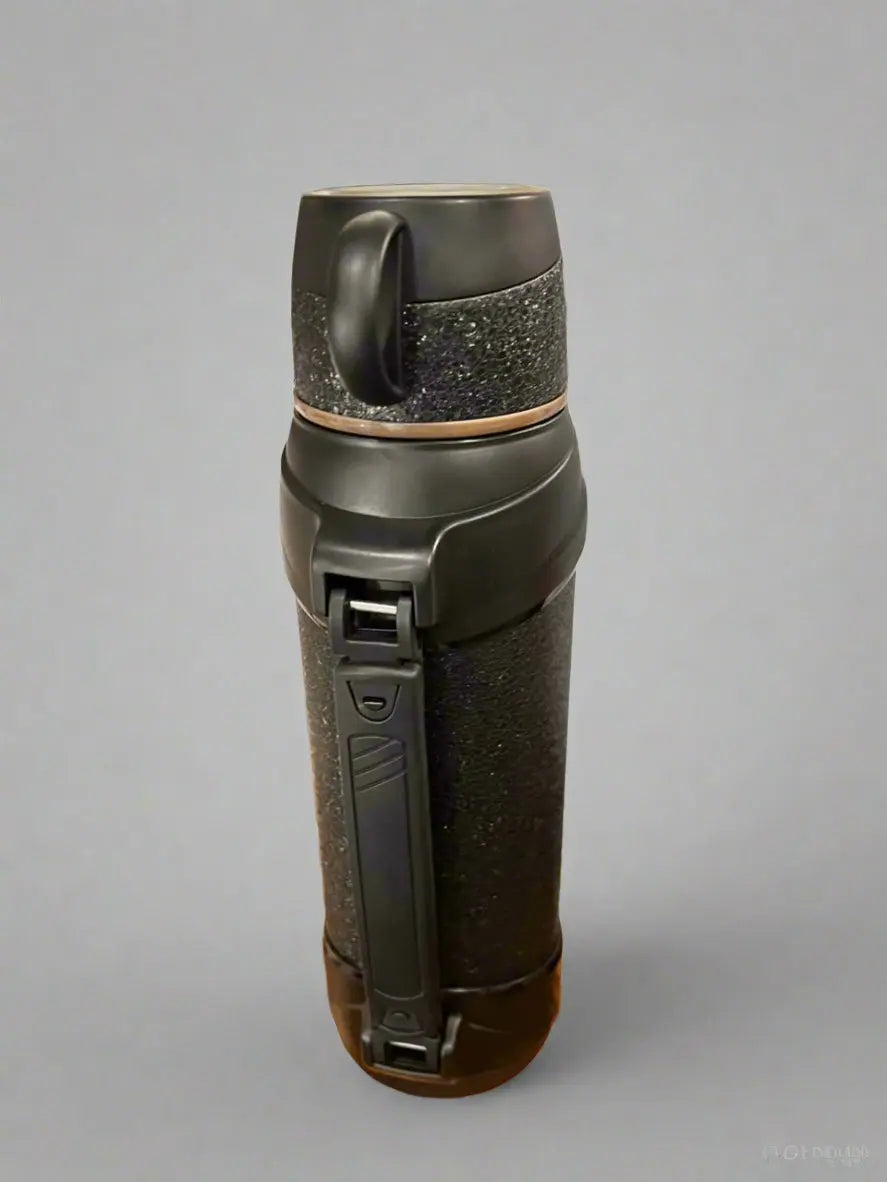
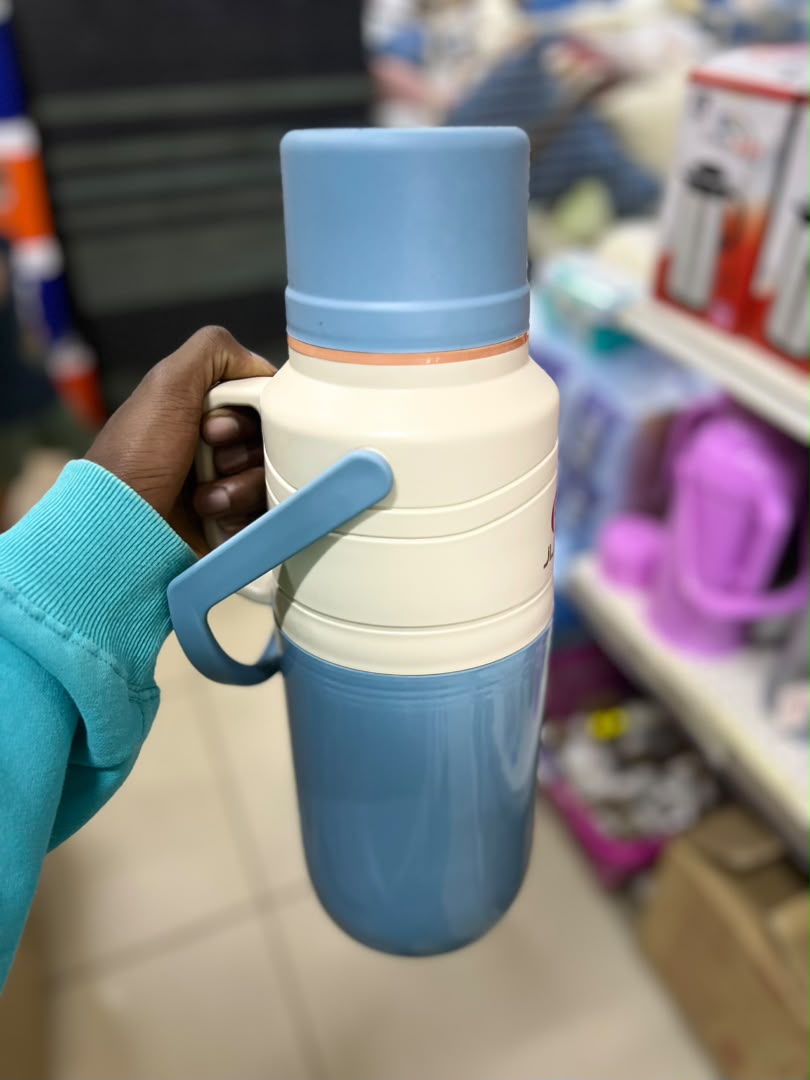
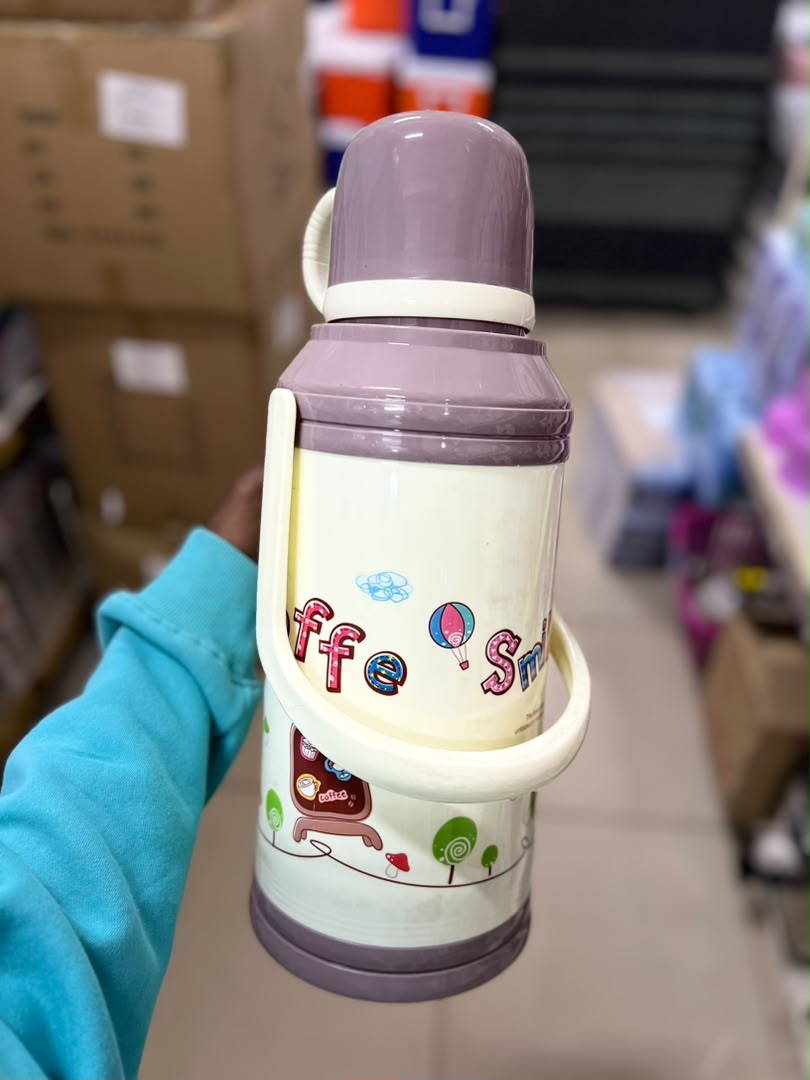
Thermal flask
1Nice to haveBoil water once and keep it hot for tea all day.
How to use it: Preheat the flask with hot water first and rinse it after use.
Cooling and airflow
Moving air helps you feel cooler without a power hungry cooler.
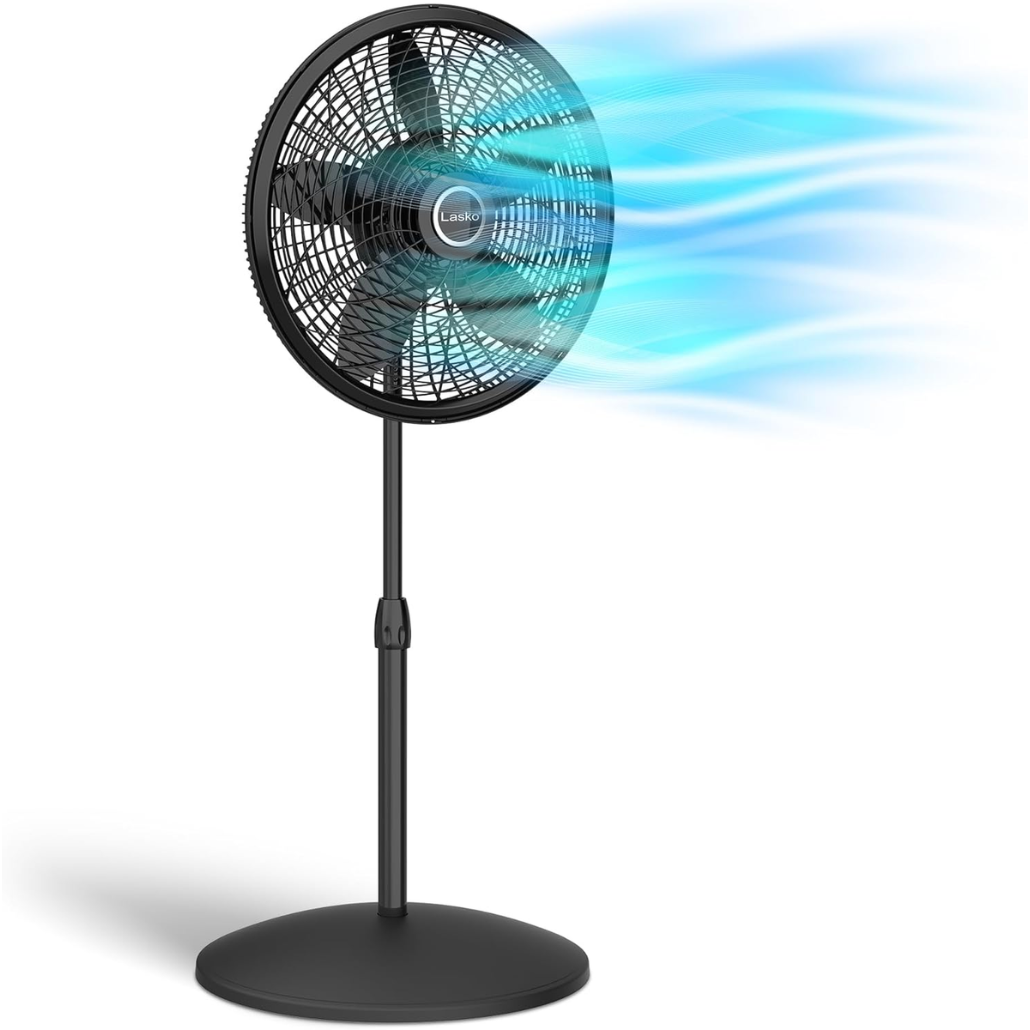
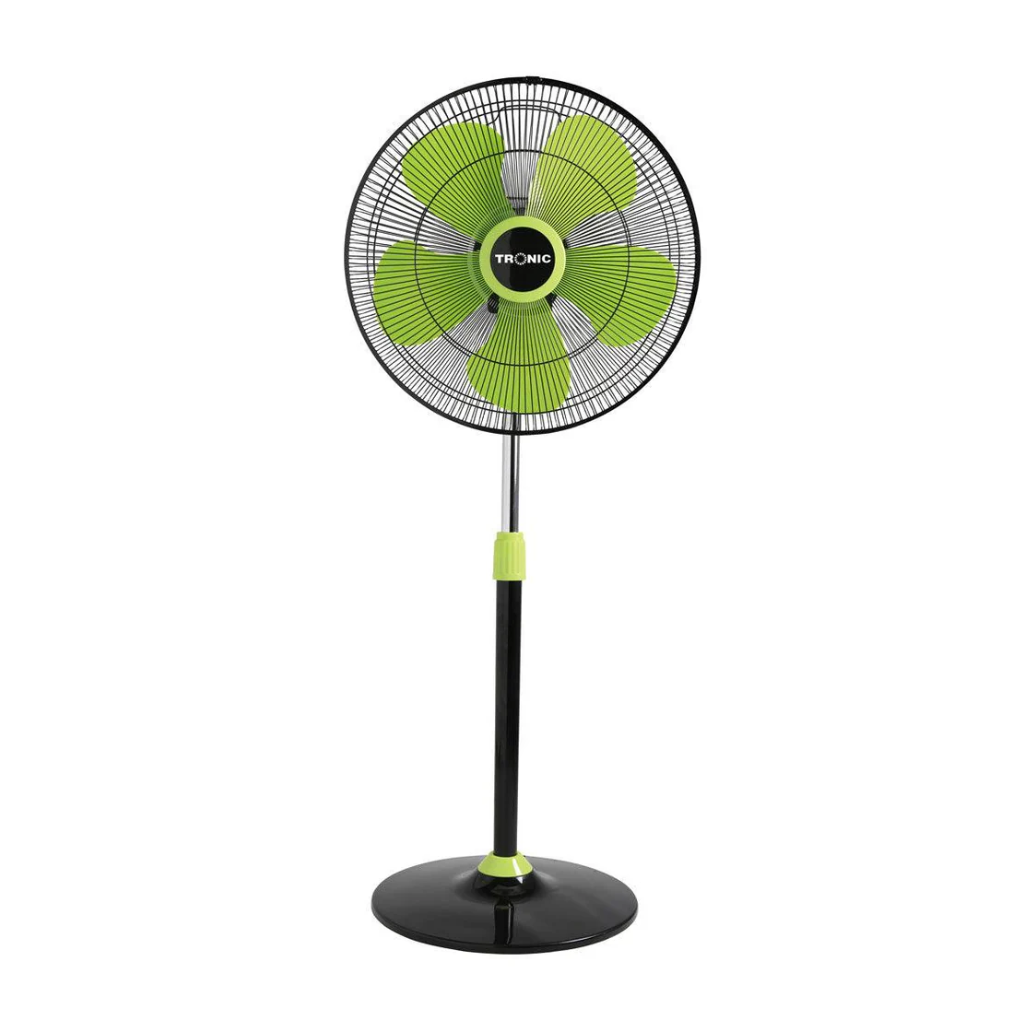
Pedestal fan
1Nice to haveA fan uses far less power than air cooling and keeps a room comfortable.
How to use it: Place it so air moves through the room. Clean the blades every month.
Curtains
Per windowNice to haveLight curtains keep afternoon sun out of rooms, so fans work less.
How to use it: Close them on the sunny side during the day and open them at night.
Draft stopper
1 per doorNice to haveA strip at the bottom of a door stops hot or cold air from moving through gaps.
How to use it: Measure the door gap first. A rolled towel works if you cannot find one.
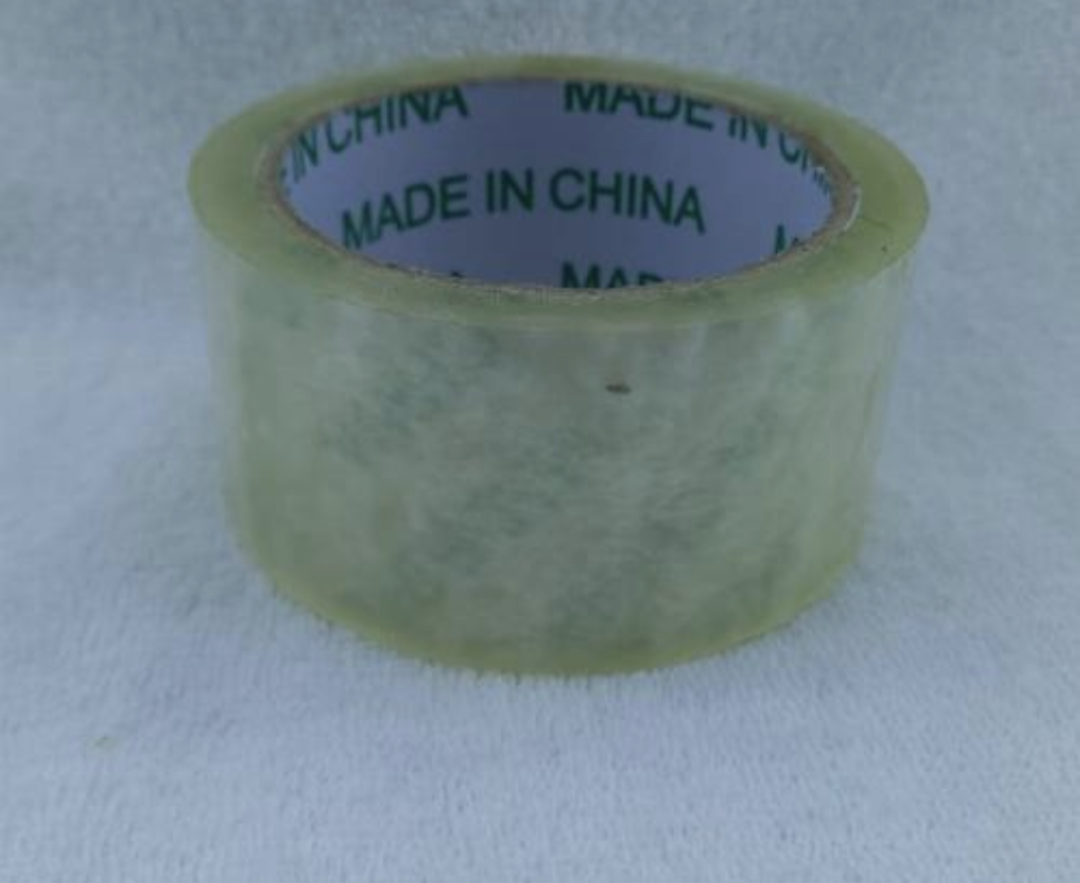
Double-sided tape
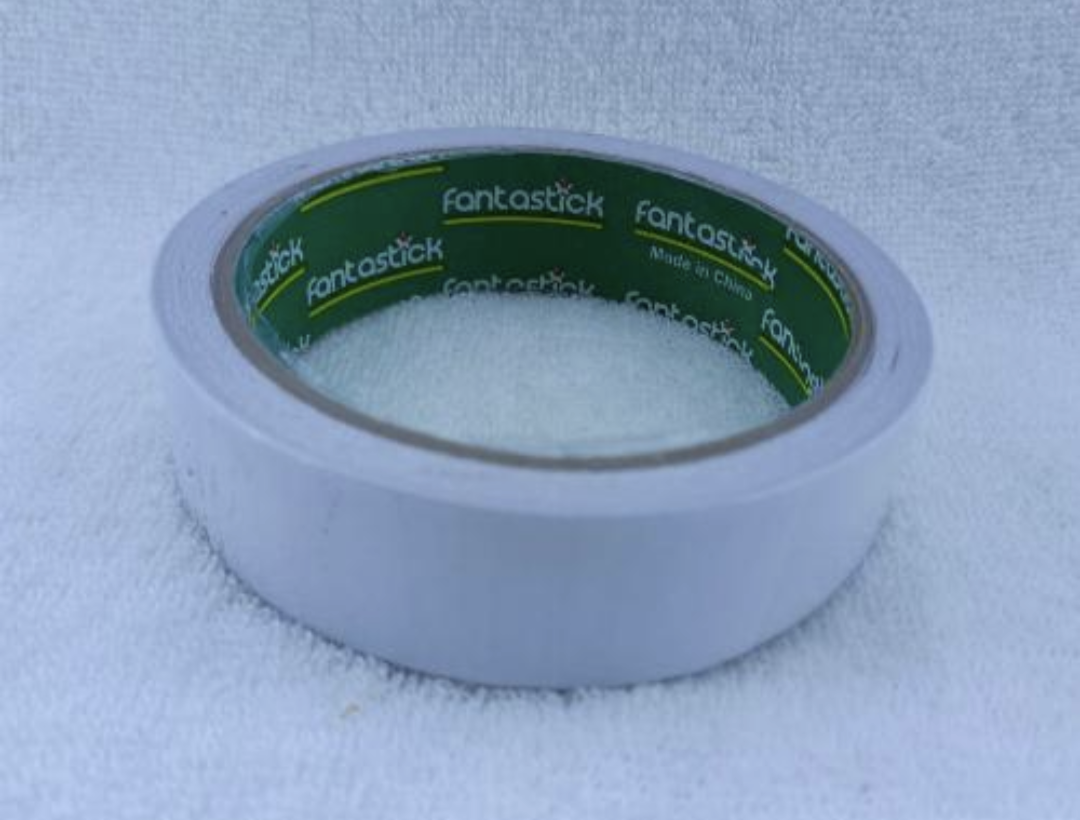
1 rollNice to haveHolds light window film or strips in place on old frames.
How to use it: Clean the surface first so the tape sticks. Test on a small area.
Laundry and ironing
Ironing and drying use more power than people think.
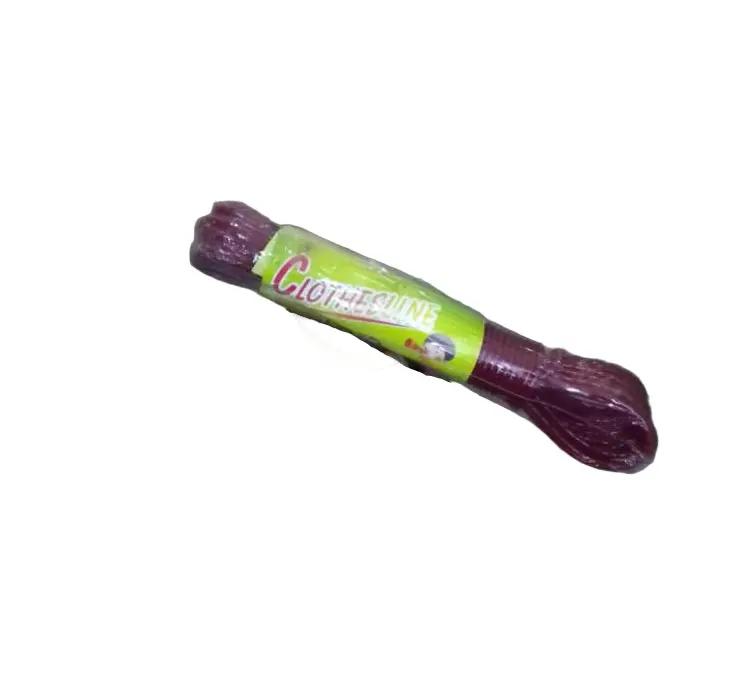
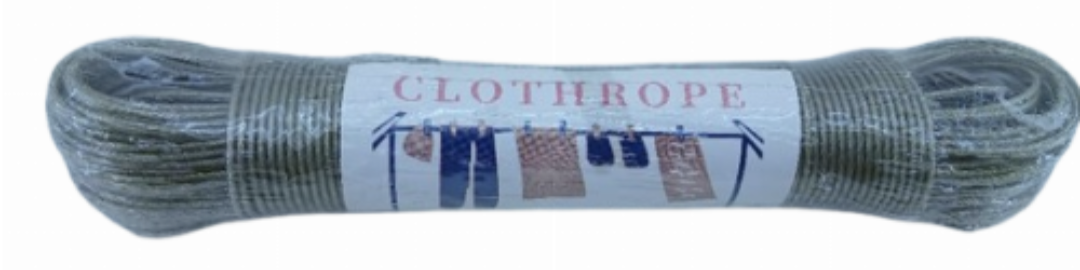
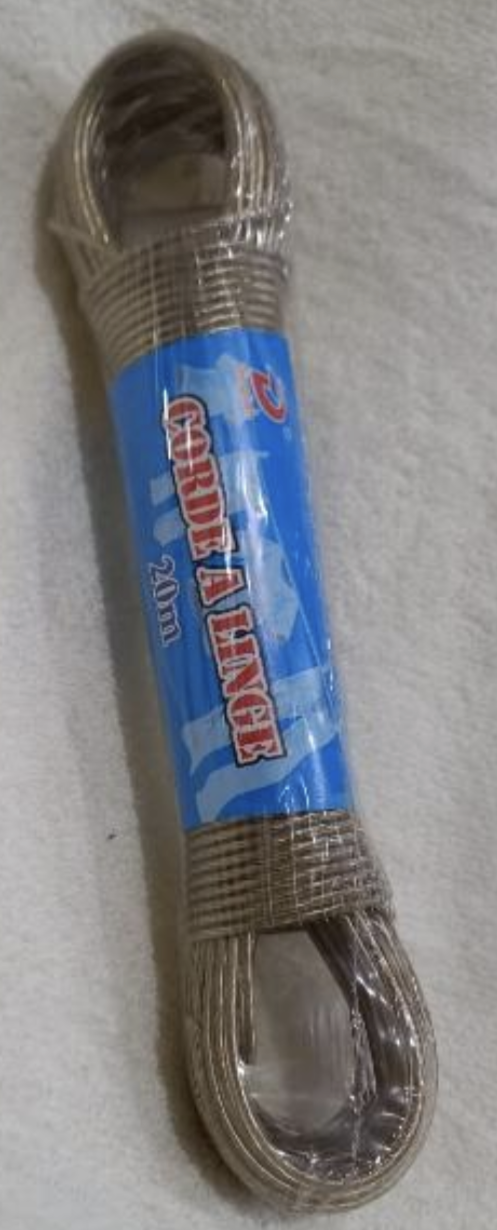
Clothesline
10 m or more Must haveSun drying is free and good for clothes in dry months.
How to use it: Hang clothes in the shade if colors fade. Bring them in before rain.
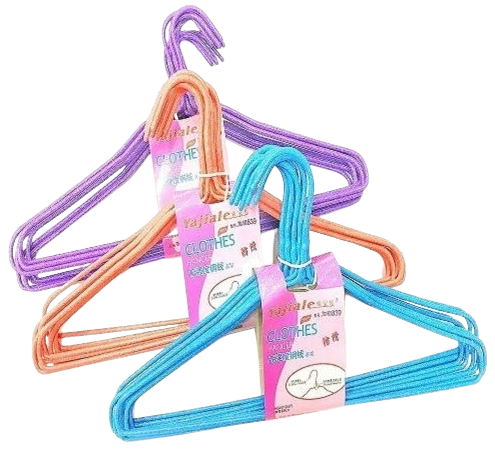
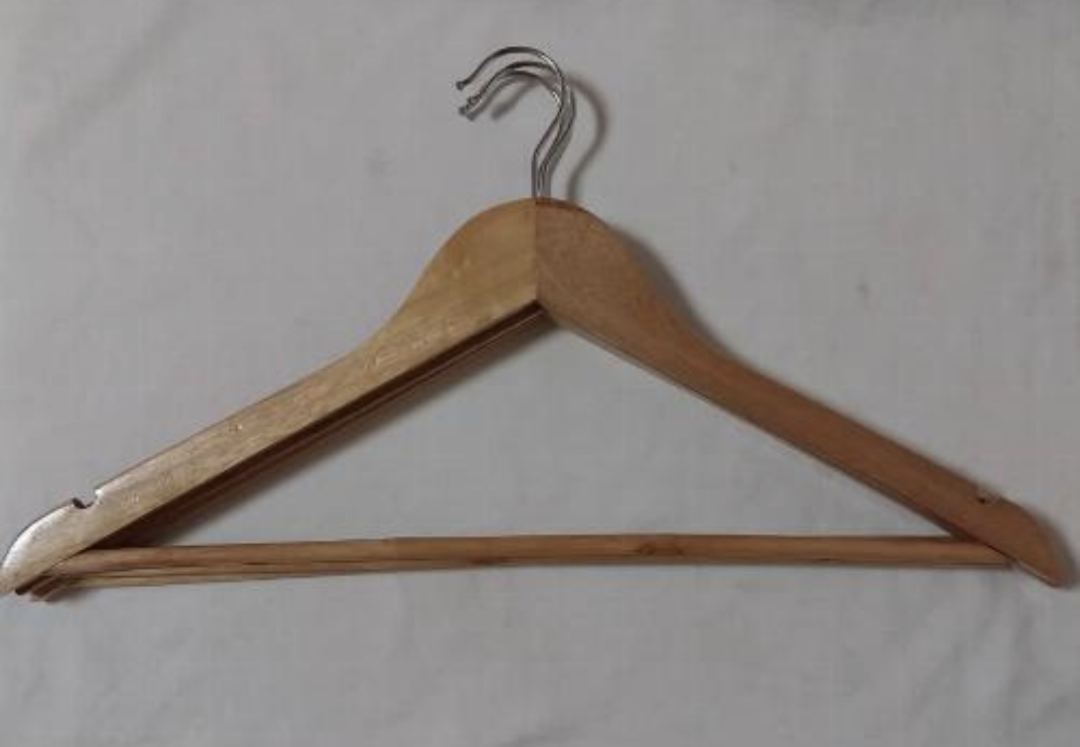
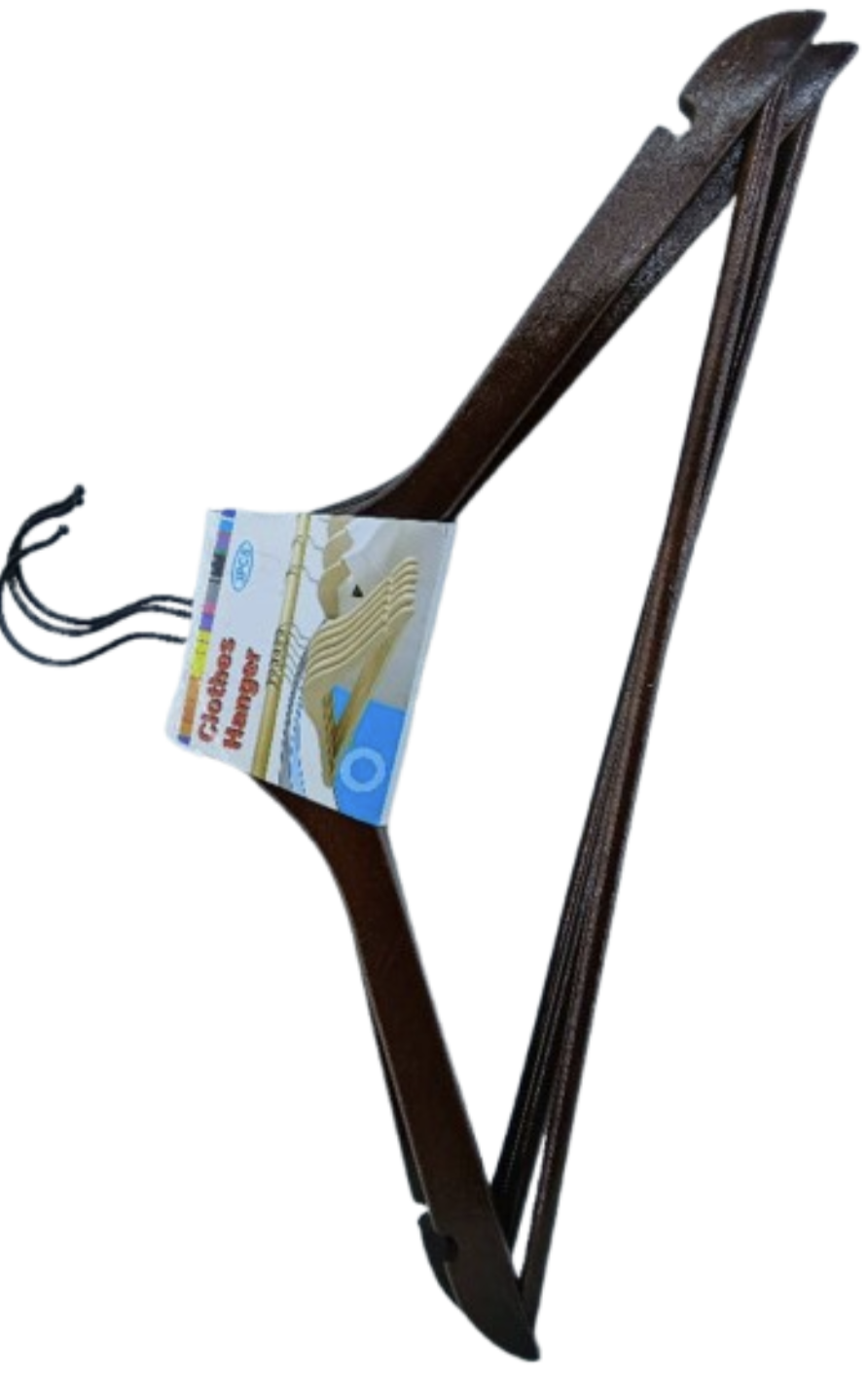
Clothes hangers
10Nice to haveHanging clothes right after washing means less ironing.
How to use it: Smooth shirts by hand before hanging them.
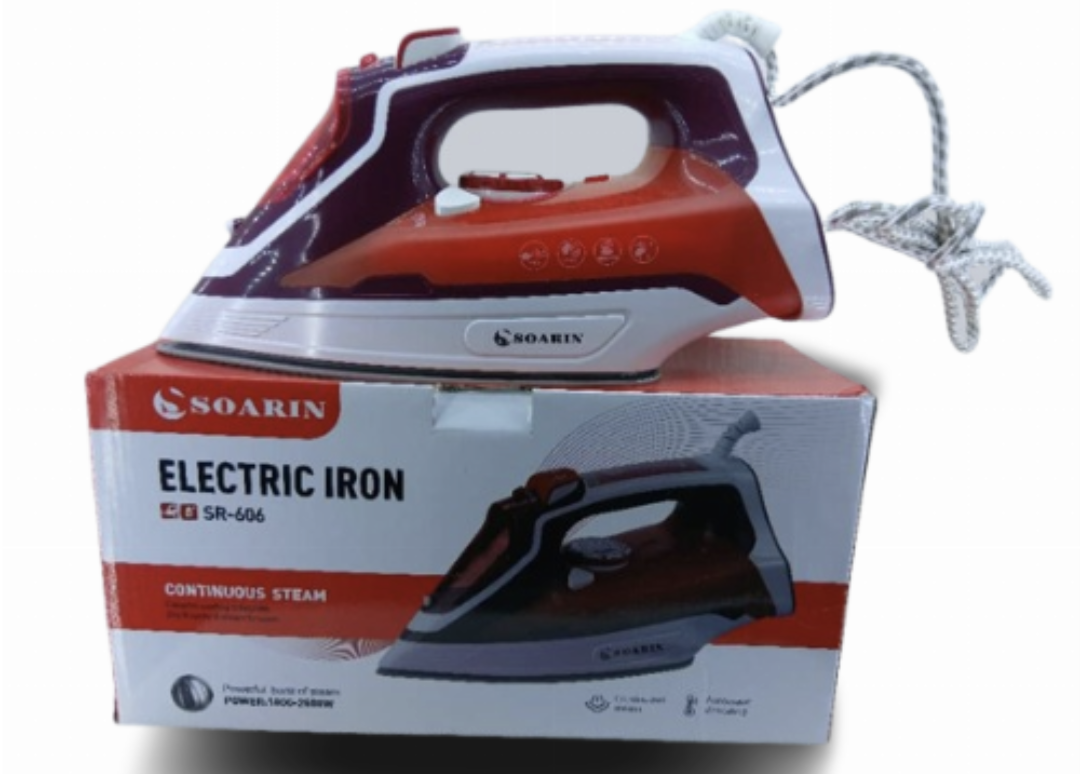
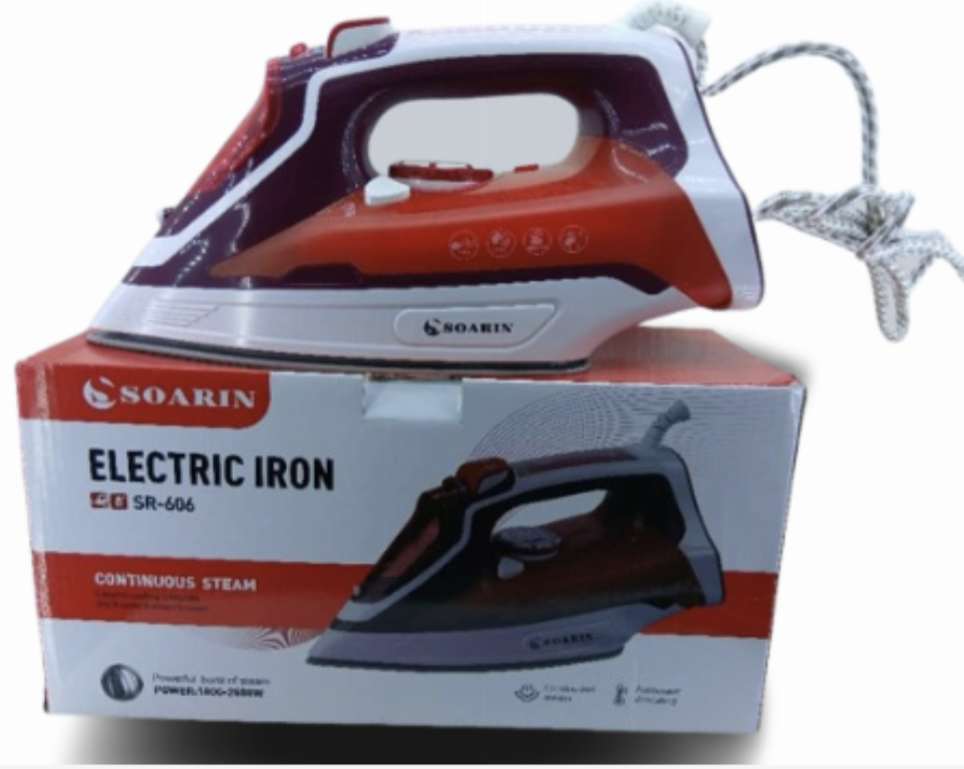
Steam iron
1Nice to haveA good iron heats faster and presses cleanly, so ironing takes less time.
How to use it: Iron many pieces together, start with delicate fabrics and unplug when done.
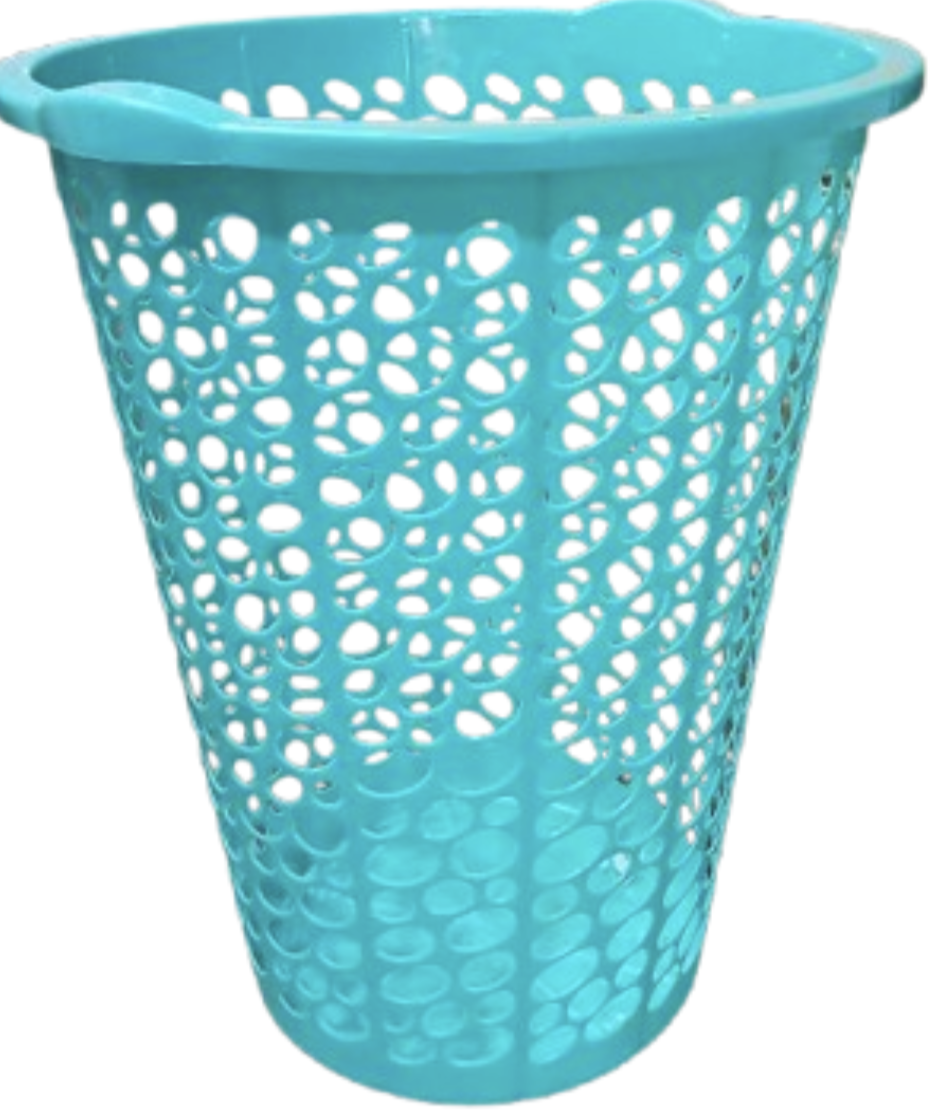
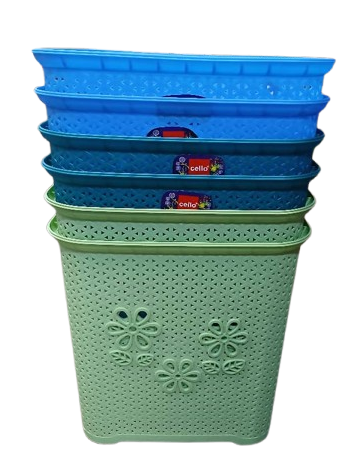
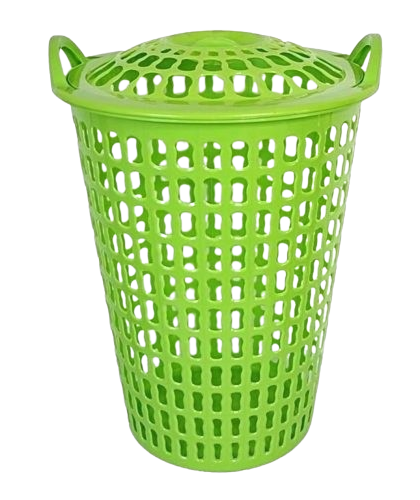
Laundry basket
1Nice to haveWashing a full load uses less power and water than many small ones.
How to use it: Collect clothes by color and wash only when the basket is full.

Tracking and habits
You save what you can see. Track your use and keep reminders.
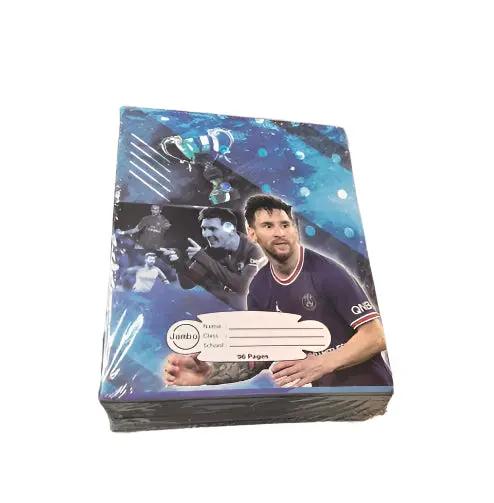
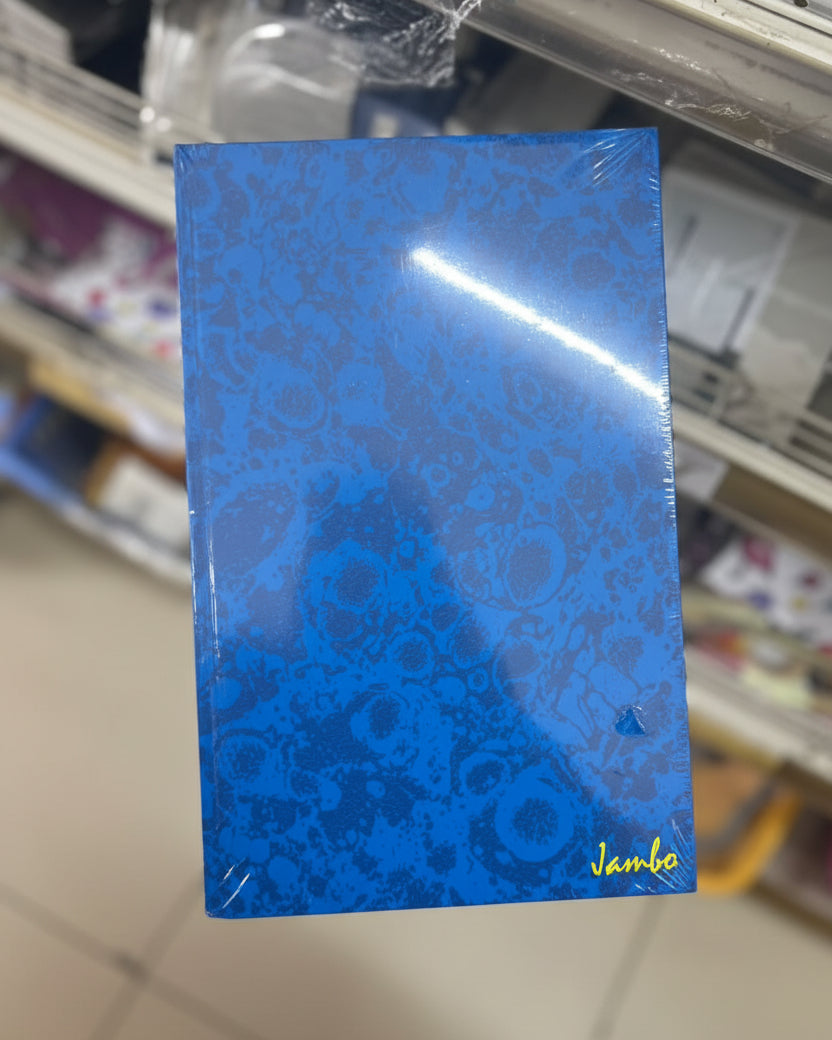
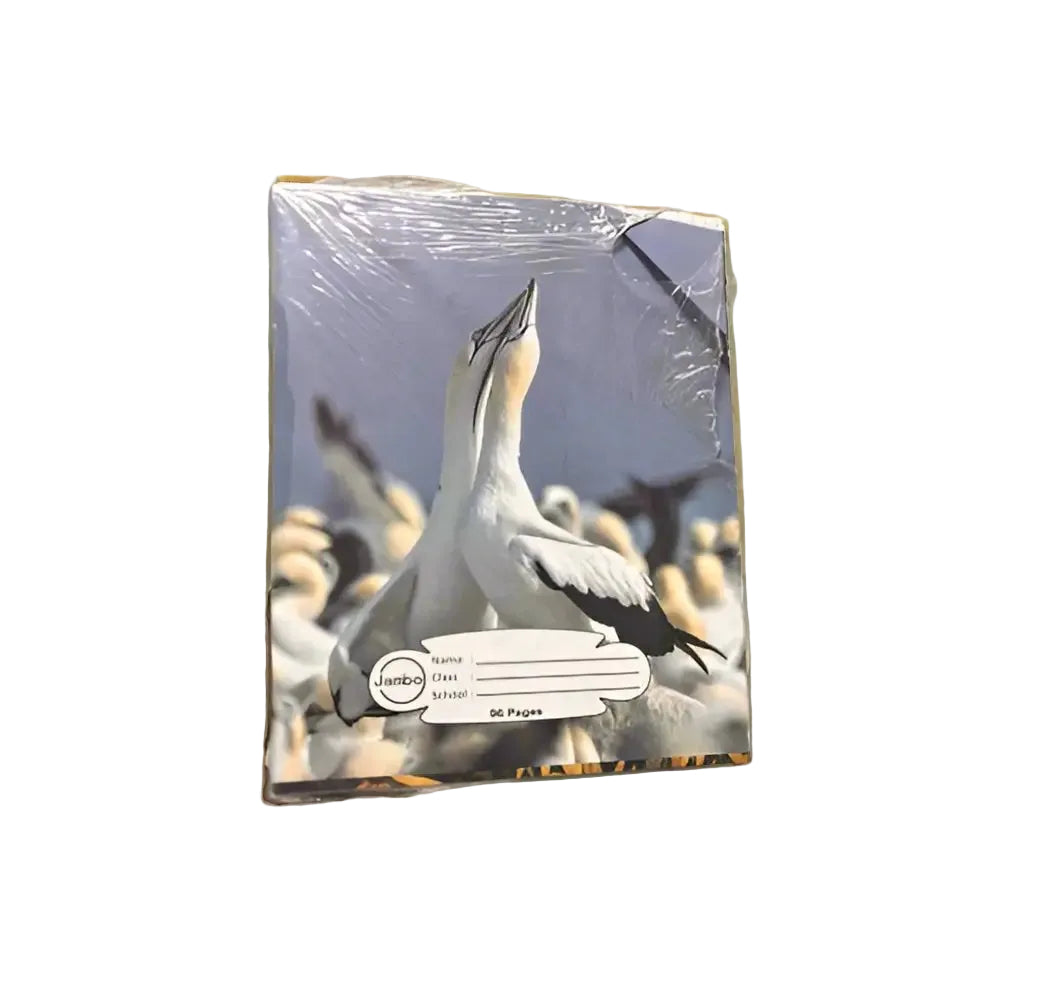
Notebook
1Nice to haveWrite your meter reading or token use each week and compare after each change.
How to use it: Use the same day each week. Note what changed that week.
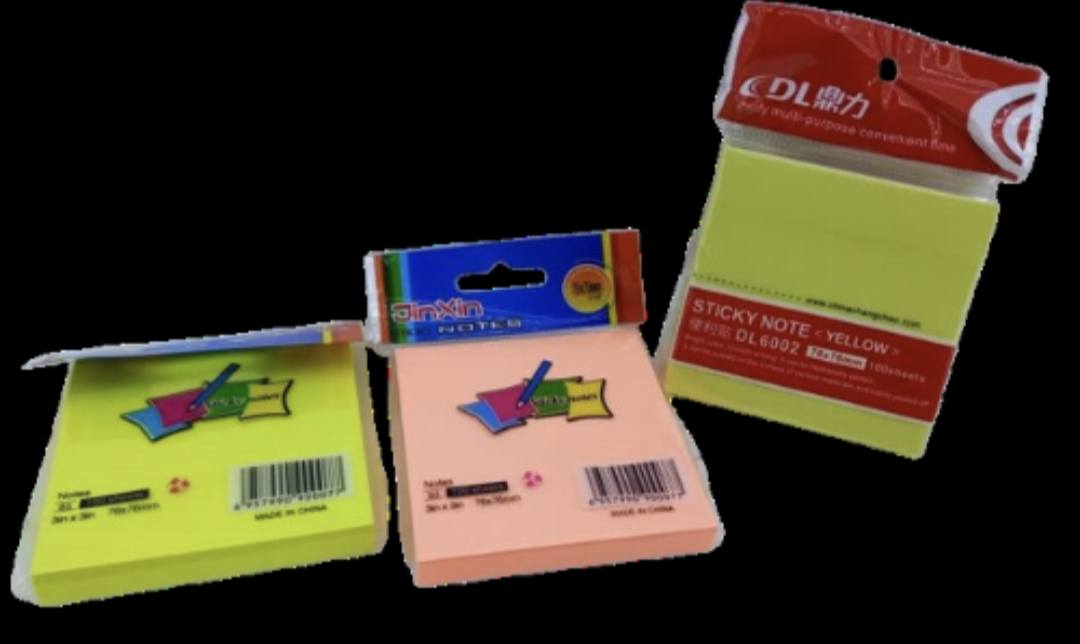
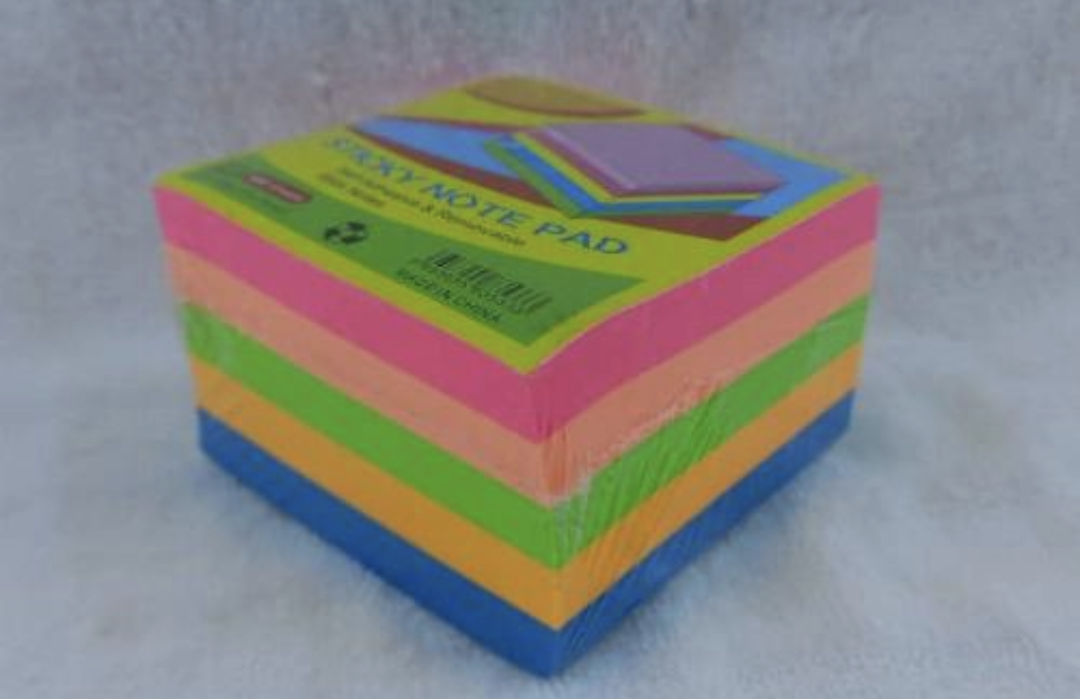
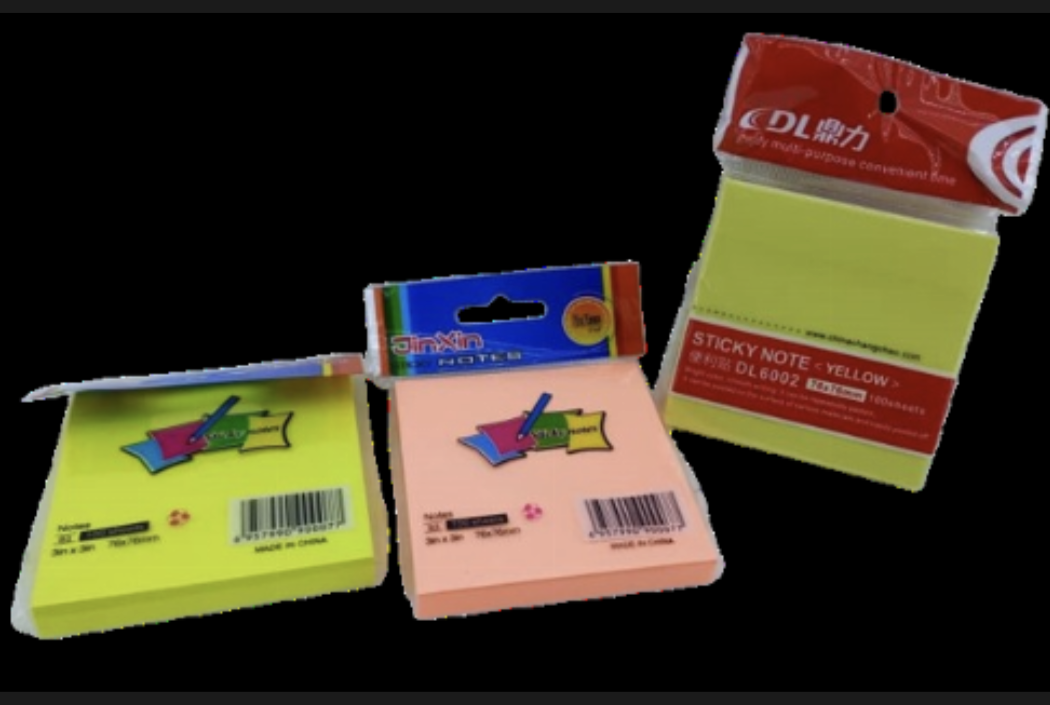
Sticky notes
1 padNice to havePut reminders near switches to turn off lights and chargers.
How to use it: Place them at eye level by the door and in the kitchen.
Fridge thermometer
1Nice to haveA fridge that is too cold wastes power, and one that is too warm spoils food.
How to use it: Place it on a middle shelf and check it after a day. Ask the fridge maker for the right range.
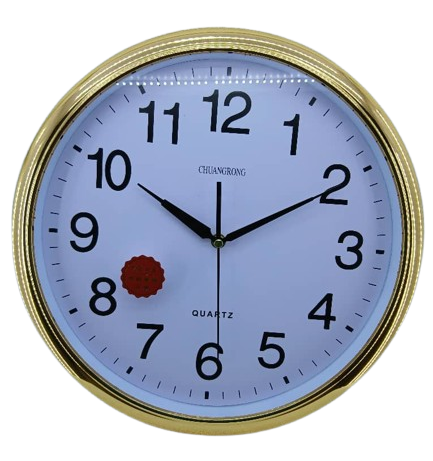
Wall clock
1Nice to haveA clock in the kitchen helps you time cooking and charging, so nothing runs longer than needed.
How to use it: Place it where you can see it from the stove.


Step by step
- 1
Week one
Read your meter or write down your token use for a week. Walk through each room and note which lights and devices run most.
- 2
Week two
Swap the most used bulbs for LED bulbs and set up power strips at the TV and the desk.
- 3
Week three
Change cooking habits: lids on, boil only what you need, and use a flask for hot water.
- 4
Week four
Compare your meter use with week one, keep what worked and then handle the next biggest use.
Tips that help
- Start with the three lights you use most. That gives the quickest result.
- Switch off at the strip, not just the remote, to avoid standby use.
- Use a lid every time you cook. It is the cheapest energy saver there is.
- Wash and iron in batches instead of a few pieces at a time.
- Dust bulbs and fan blades. Dust cuts light and airflow.
- Keep the fridge door shut and let hot food cool before putting it in.
- Ask an electrician before changing any wiring in an older house.
Mistakes to avoid
- Buying bulbs with the wrong base, then leaving them unused.
- Overloading one power strip with a kettle, iron and heater at the same time.
- Leaving the fridge door open while unpacking shopping.
- Fixing wiring yourself in an older house.
- Judging savings after only one day. Compare weeks, not days.
Questions people ask
Do LED bulbs really save electricity?+
Yes, an LED uses much less power than an old style bulb for similar light. Check the watts on the pack and match it to the room.
Is a power strip safe in an older house?+
A good quality strip is fine if you do not overload it. If sockets are loose or warm, call an electrician.
What uses the most electricity at home?+
Usually water heating, cooking with electric appliances, irons and fridges. Check which of these you use most.
How can I lower my bill without spending much?+
Change a few bulbs, switch things off at the strip, use lids when cooking and dry clothes on a line.
Should I ask my landlord before changing things?+
Yes for anything fixed to the building. Bulbs, strips and lamps you can change yourself, but wiring needs an electrician.
Small changes add up on every token and bill. Shop the list on Isokko, start with lighting and strips, and track what you save.
Shop this list
Get everything delivered in Kigali
Order from local stores on Isokko and pay with MoMo, card or cash. Same-day delivery.