
Checklist · Health & wellness
Low Salt Kitchen for High Blood Pressure in Kigali: Checklist
Stock a low salt kitchen in Kigali: herbs, spices, salt swaps and simple tools to cook tasty meals when you are watching your blood pressure.
Updated November 17, 2026 · By Isokko
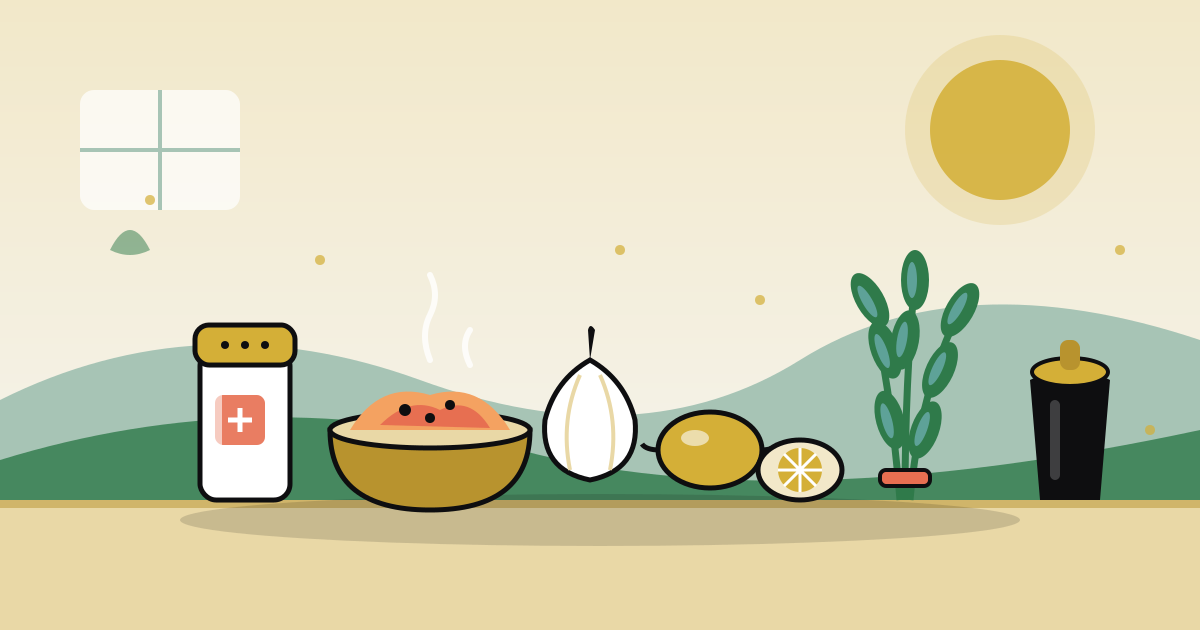
If a doctor or nurse has told you to watch your blood pressure, one of the first things they will mention is salt. In many Kigali kitchens, salt hides not only in the salt jar but also in seasoning cubes, ready mixes, sauces and salted snacks.
The good news is that food does not have to taste dull. Garlic, ginger, lemon, herbs and spices give strong flavor, so you miss the salt less. This checklist helps you stock the kitchen once, so cooking low salt becomes easy.
This is a shopping guide, not medical advice. Your doctor, nurse or pharmacist decides what is right for you, including any medicines and any salt substitute.
Who it's for
Anyone in Kigali told to cut down on salt, and the family who cooks for them
Time needed
One big shop, then top up fresh items each week
When to shop
Do it right after a check-up, before you cook the first low salt week
On the list
36 items, 12 must haves
0 of 36 ready
Herbs and spices
These are your main tools. Strong flavors let you use much less salt.
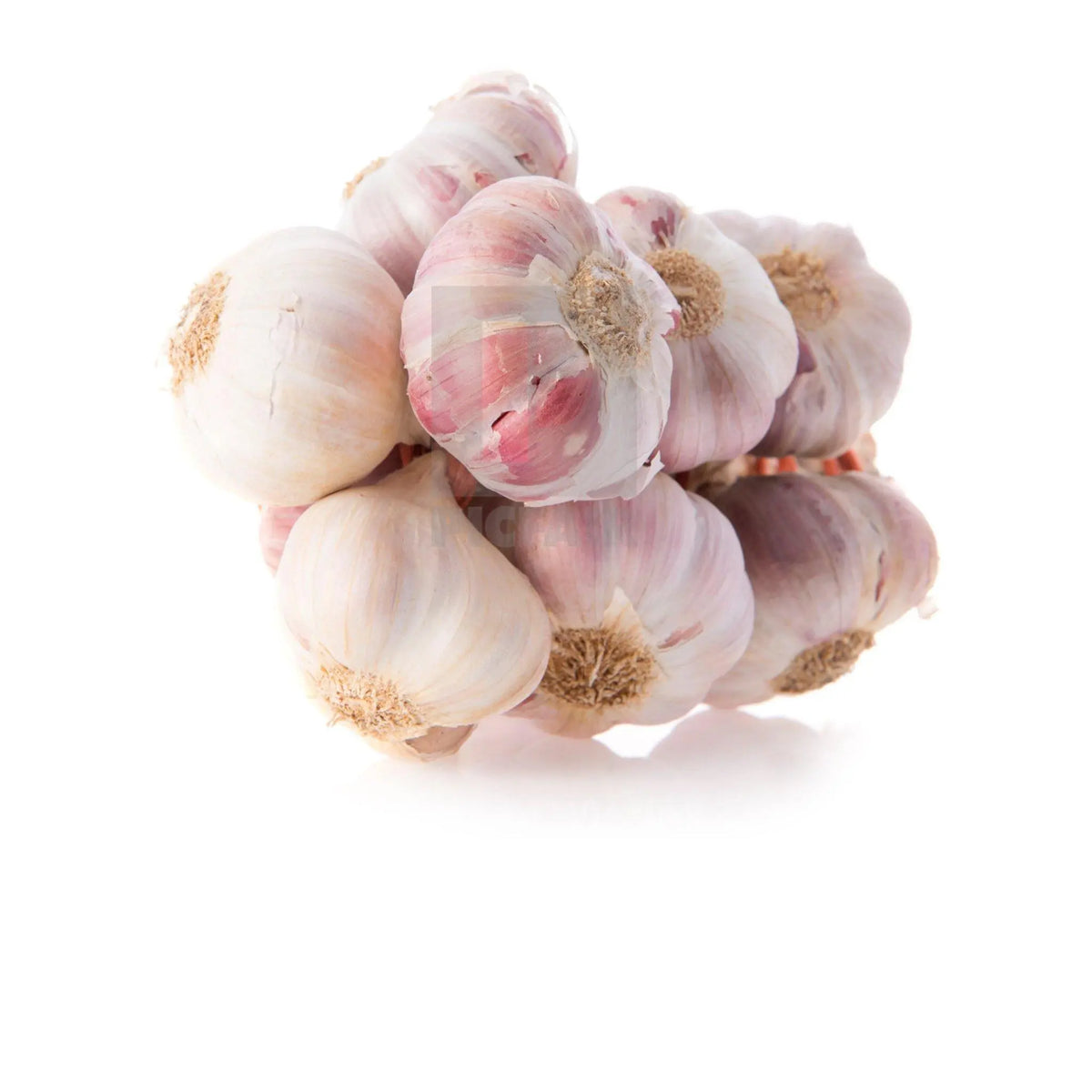
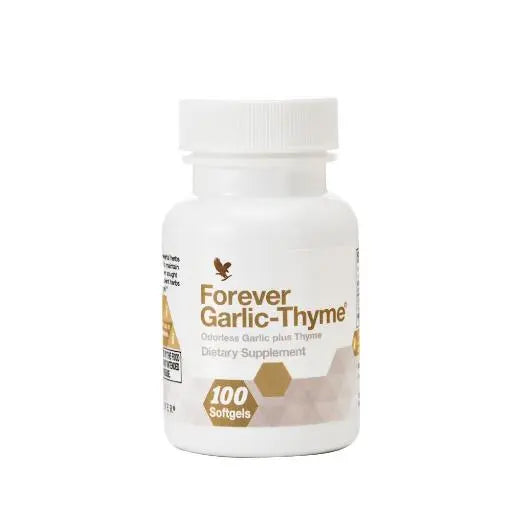
Garlic
1 bulb or a small bunch Must haveGarlic adds a deep savory taste to beans, stews and greens, so you do not reach for the salt jar.
How to use it: Crush or chop it fresh and add it early with the onions. Store it in a dry, cool place.
Ginger
1 small piece or 1 small pack Must haveGinger brings warmth and a fresh bite to soups, fish and tea.
How to use it: Grate fresh ginger into stews or sauces. Dried powder is handy when you do not have fresh.
Black pepper
1 pack Must havePepper gives a sharp kick that makes simple food feel seasoned.
How to use it: Grind it just before serving for the strongest taste. Whole peppercorns keep their flavor longer than powder.
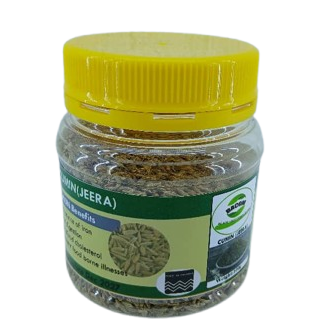
Cumin
1 small packNice to haveCumin gives a warm, smoky flavor to beans, lentils and meat.
How to use it: Add a small spoon to the hot oil for a few seconds before the other ingredients.
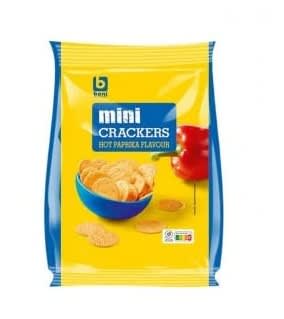
Paprika
1 small packNice to havePaprika adds color and a mild sweet taste to fish, chicken and potatoes.
How to use it: Stir it into oil or sauce and cook gently so it does not burn and turn bitter.
Thyme
1 bunch or small packNice to haveThyme gives a fresh, earthy taste to stews, fish and rice.
How to use it: Add whole sprigs or a pinch of dried thyme while the pot simmers.
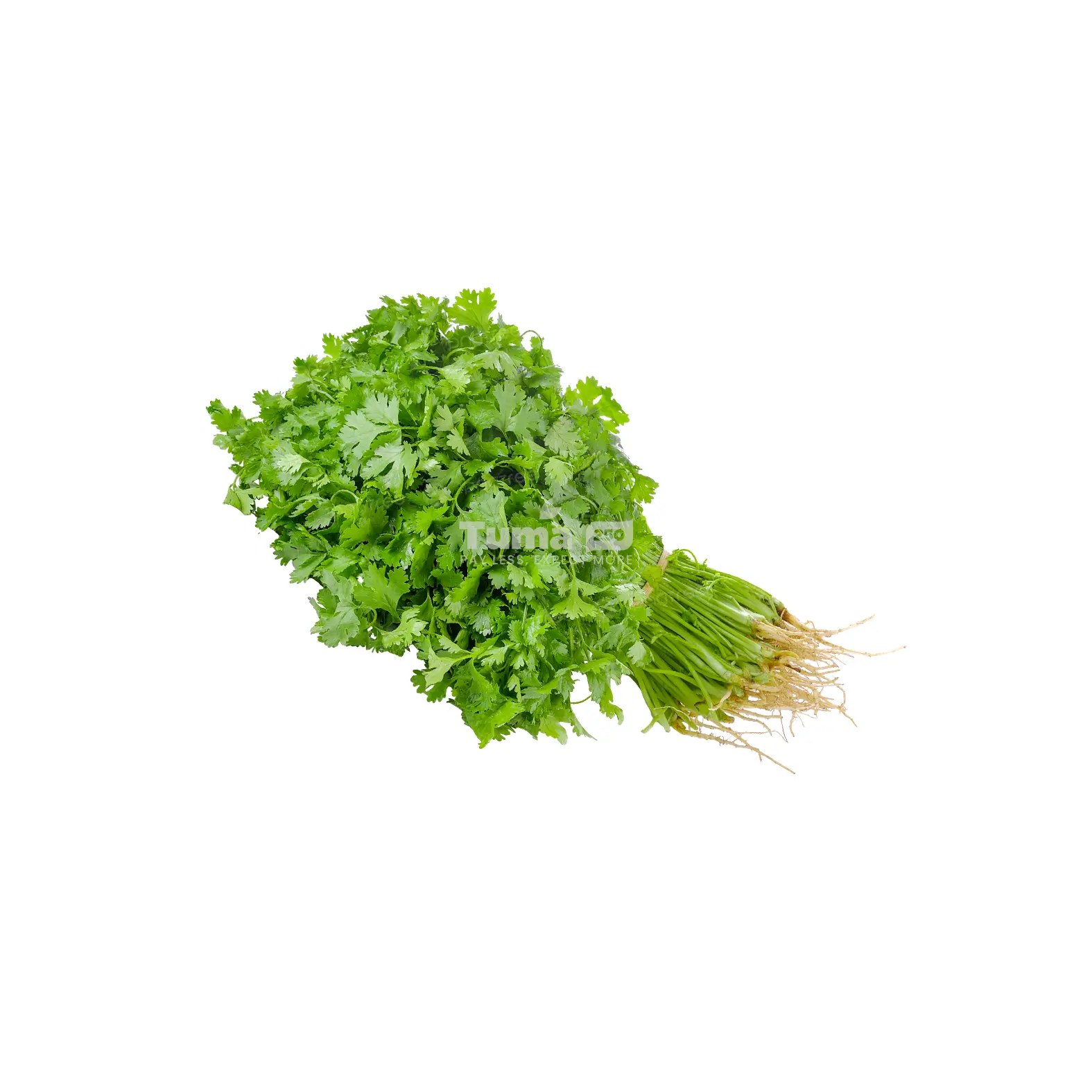
Coriander (dhania)
1 bunchNice to haveFresh coriander lifts the taste of soups, beans and salads at the end of cooking.
How to use it: Chop the leaves and add them just before serving. Wash well and keep stems in a cup of water.
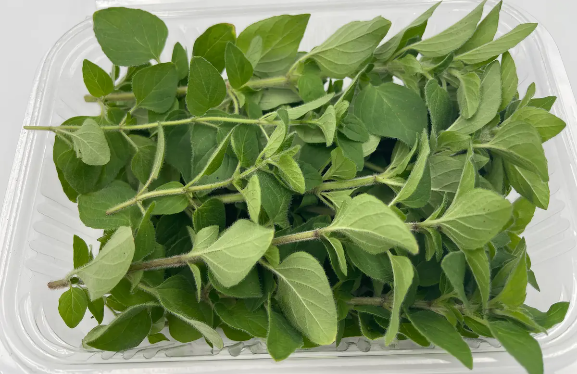
Oregano or mixed herbs
1 small packNice to haveDried herbs give flavor to tomato sauces, eggs and grilled fish.
How to use it: Rub them between your fingers to wake up the aroma before adding to the pot.








Fresh flavor boosters
Sour, sweet and sharp tastes help a dish feel complete without salt.
Red onions
1 kg Must haveOnions cooked slowly turn sweet and rich, which gives a dish body.
How to use it: Cook them gently in a little oil until soft before adding other ingredients.
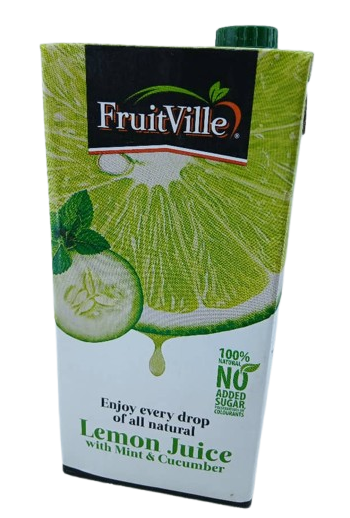
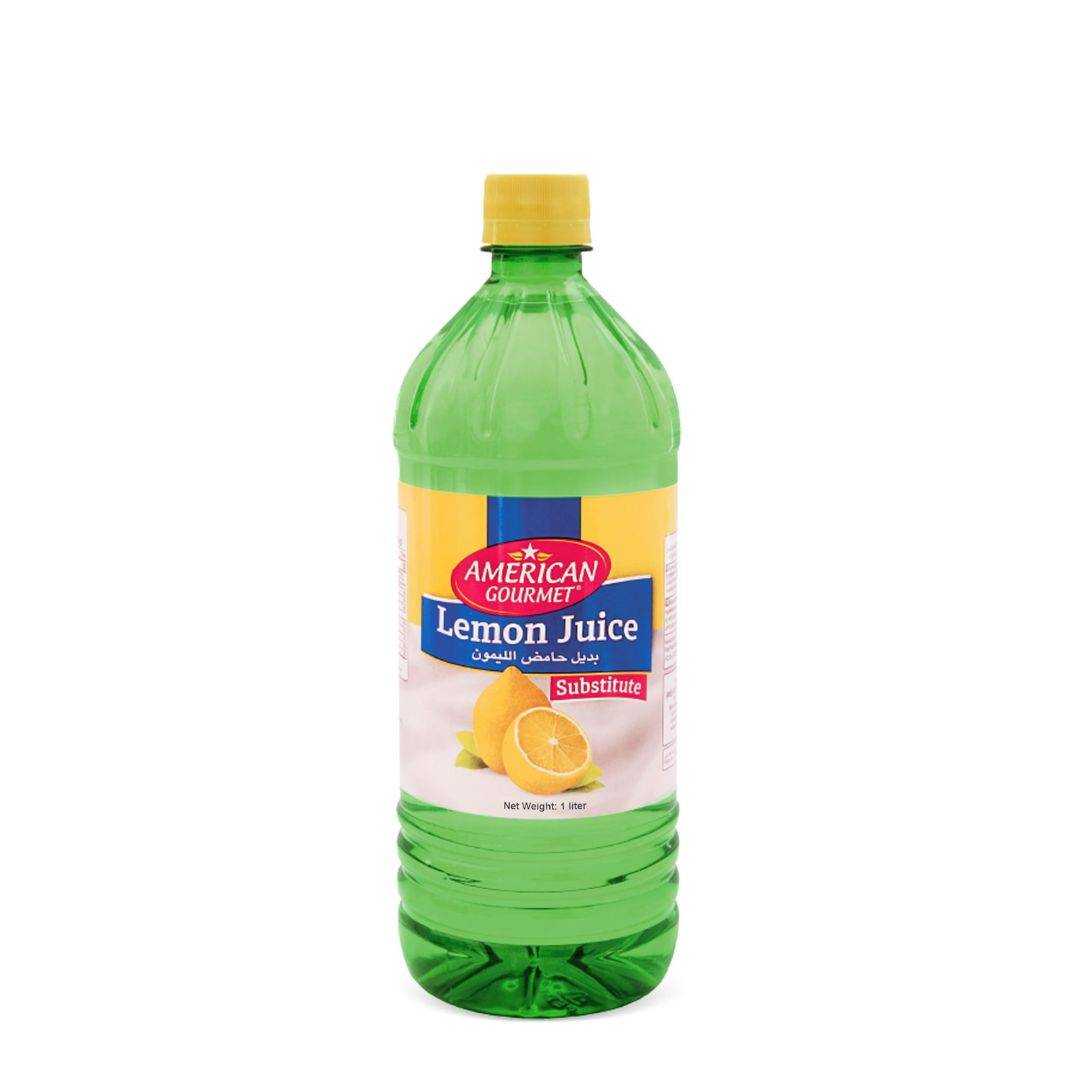
Lemon juice
1 bottle or fresh lemons Must haveA little sour juice at the end makes food taste brighter, a bit like salt does.
How to use it: Squeeze it over cooked fish, greens or beans just before eating.
Fresh tomatoes
1 kg Must haveRipe tomatoes add natural sweetness and a bit of sour taste to sauces.
How to use it: Make your own sauce by cooking chopped tomatoes with onions and garlic. Skip ready sauces with added salt.
Green pepper
2 or 3Nice to haveSweet peppers add crunch and a fresh taste to stir fries and omelets.
How to use it: Slice and cook for a short time to keep color and flavor.
Apple cider vinegar
1 bottleNice to haveA splash of vinegar adds a sharp taste to salads and bean dishes.
How to use it: Use a teaspoon in dressings. Always check the label for added salt.
Leeks
1 bunchNice to haveLeeks give a mild onion flavor to soups and stews.
How to use it: Wash well between the layers, where soil hides, then slice and cook slowly.




Salt swaps and shakers
Less salt is easier when you control how much goes in.
Low sodium salt
1 packNice to haveSome people use a low sodium salt instead of regular salt.
How to use it: Ask your doctor or pharmacist first. Some people with kidney problems or certain medicines must not use it.
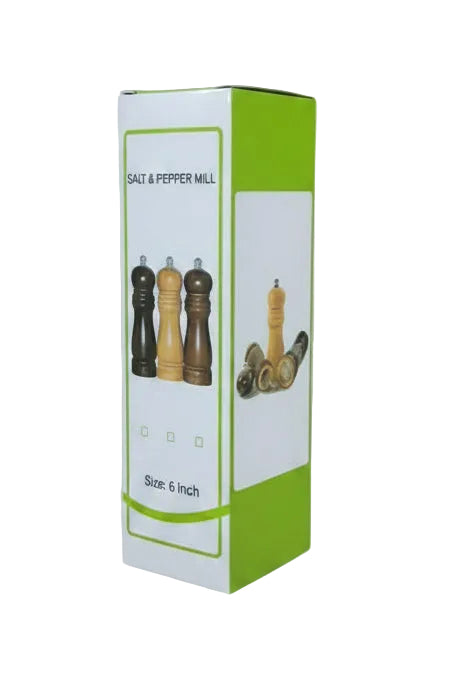
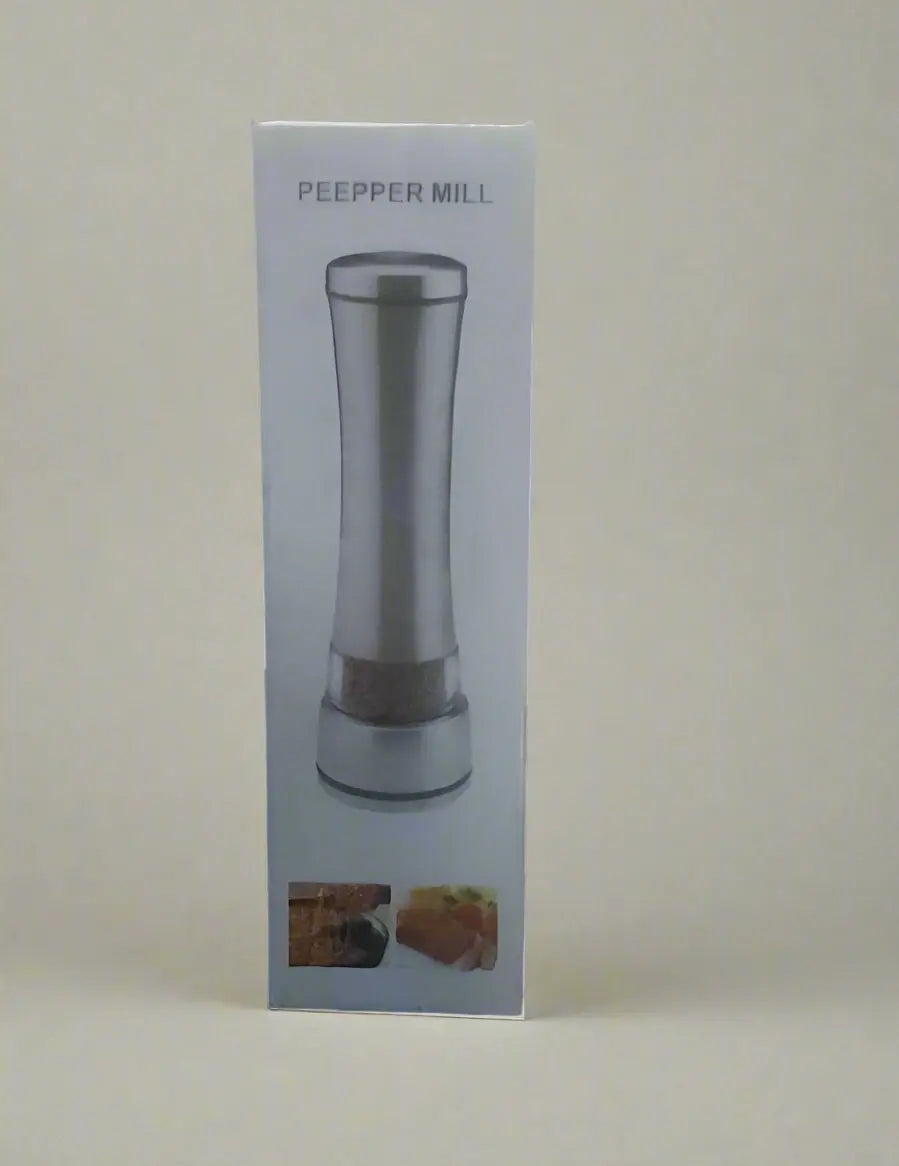
Pepper mill
1Nice to haveA grinder makes it easy to add fresh pepper at the table instead of salt.
How to use it: Fill it with whole peppercorns and put it where the salt shaker used to be.
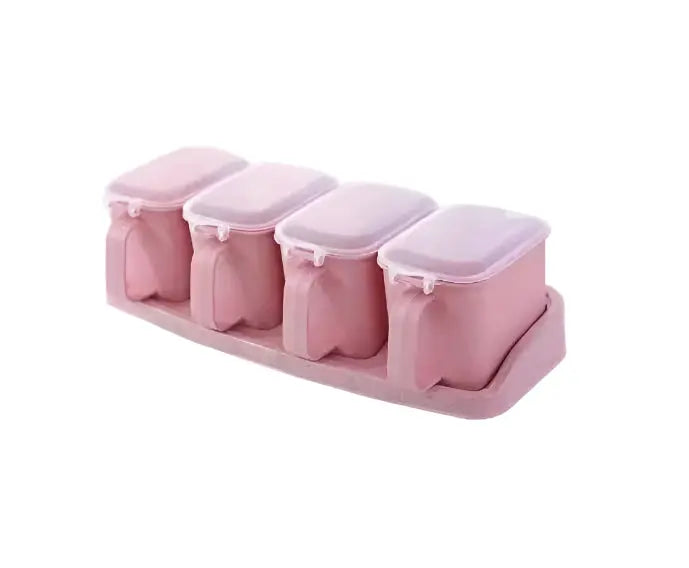
Spice containers
1 setNice to haveSmall labeled containers keep spices close to the stove so you actually use them.
How to use it: Fill them from big packs and write the name on each one. Keep away from steam.
Measuring spoons
1 setNice to haveWhen you do add salt, a measured pinch keeps you honest.
How to use it: Measure into a spoon, not straight from the packet. Cut the amount a little each week.

Lower sodium staples
Choose basics that are naturally low in salt and cook them yourself.
Dry beans
1 kg Must haveBeans are filling, cheap and low in sodium when you cook them from dry.
How to use it: Soak overnight, cook with onion and garlic, and add spices instead of seasoning cubes.
Oats
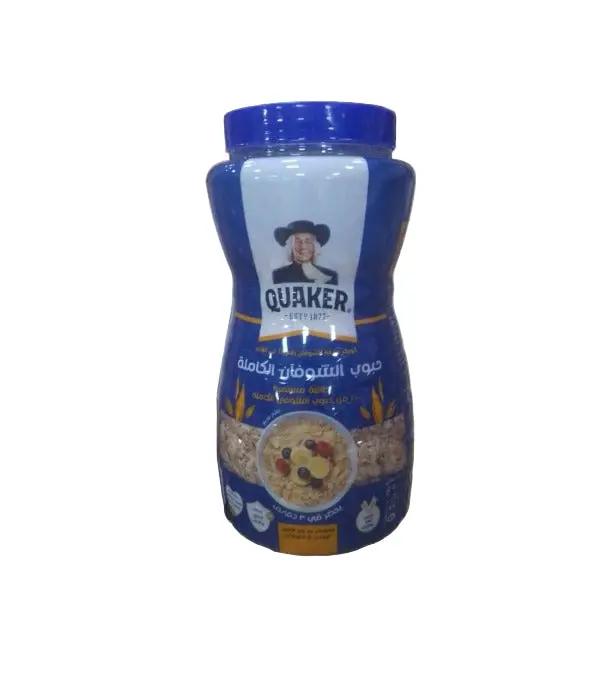
1 pack Must haveA bowl of plain oats is a good breakfast with no added salt.
How to use it: Cook with water or milk and top with banana or fruit.
Fresh tilapia
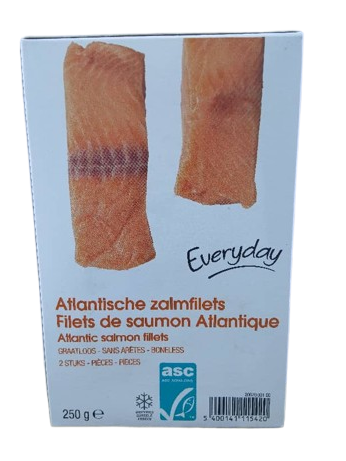
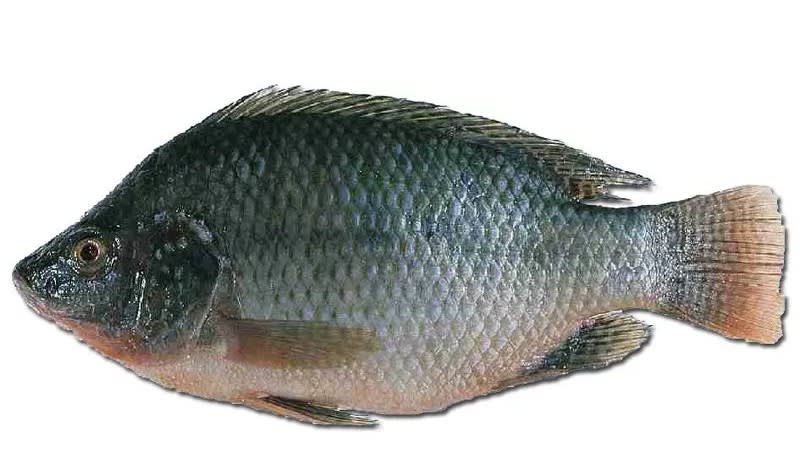
1 or 2 fish Must haveFresh fish cooked at home has far less salt than smoked or salted fish.
How to use it: Bake or steam it with lemon, garlic and herbs.
Eggs
1 trayNice to haveEggs are a quick protein that needs very little seasoning.
How to use it: Boil, scramble or make an omelet with herbs and peppers.
Sweet potatoes
1 kgNice to haveThey have a natural sweetness and make a filling side dish with no salt added.
How to use it: Boil, bake or roast with a little oil and pepper.
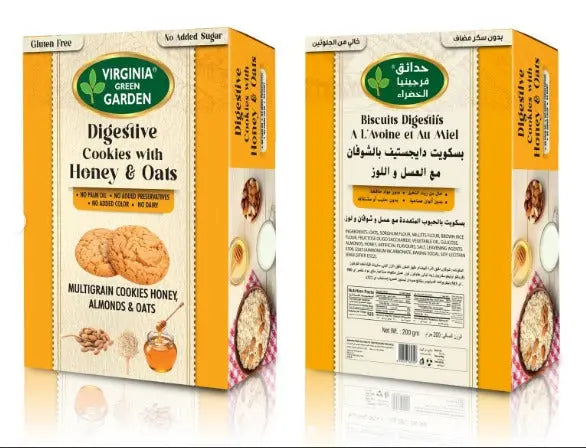
Plain almonds
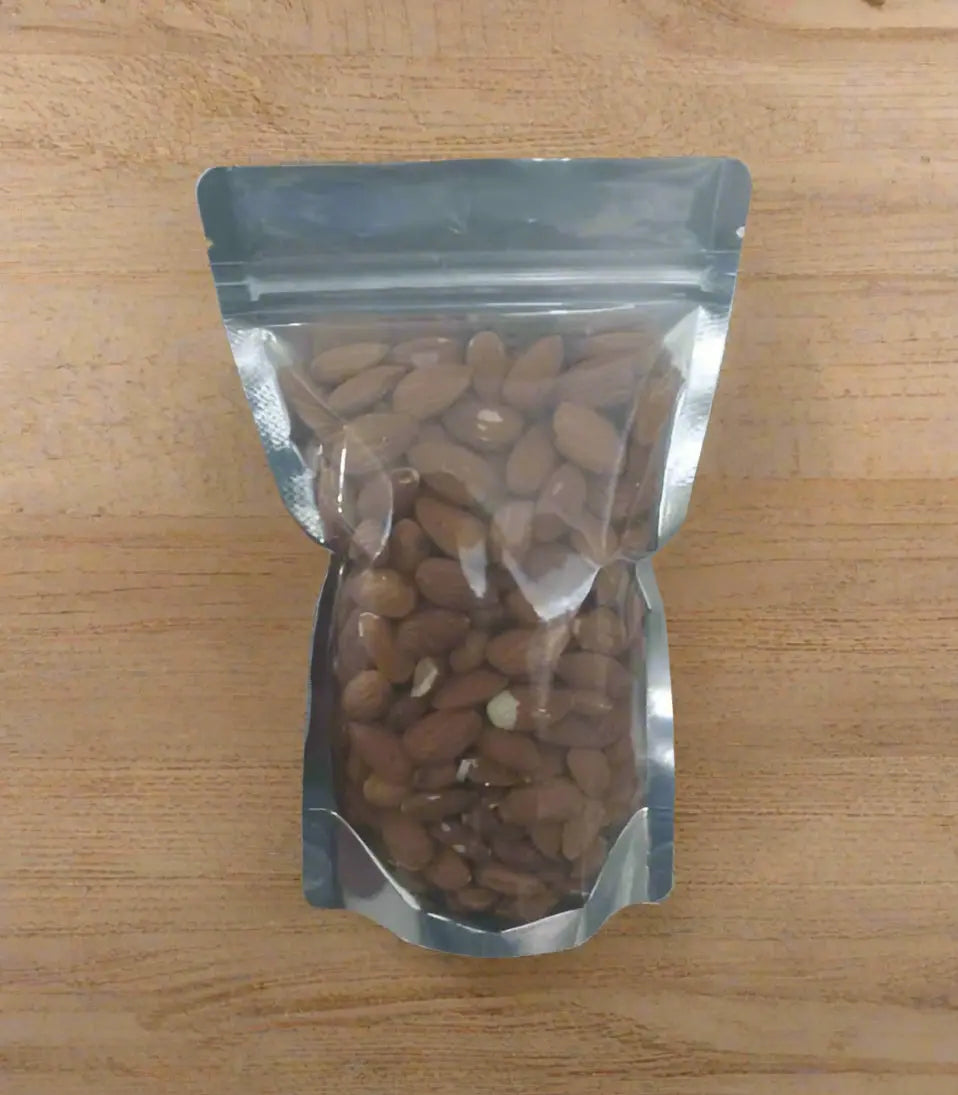
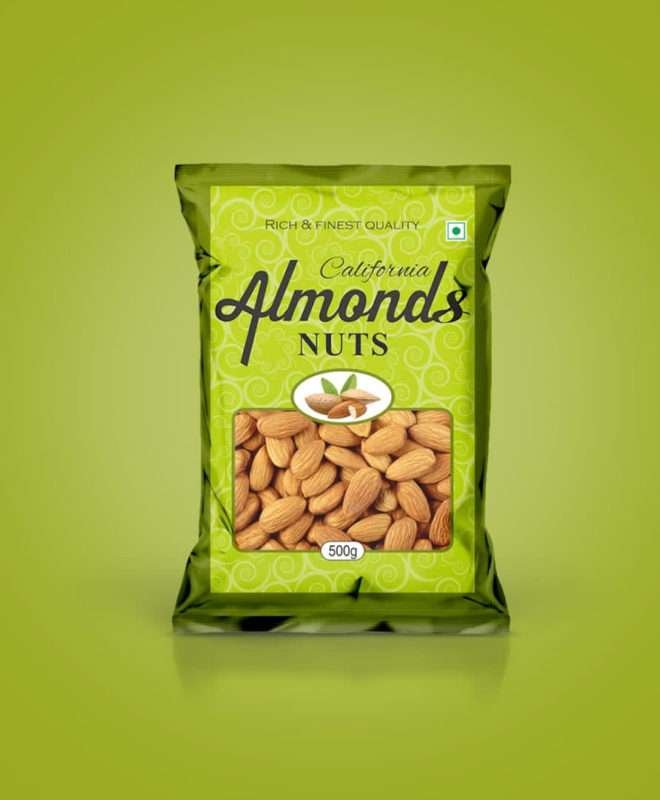
1 small packNice to haveUnsalted nuts are a snack that does not add sodium.
How to use it: Choose plain ones, not salted or flavored. Keep a small handful as a snack.






Fresh vegetables and fruit
Fresh produce has little sodium and plenty of flavor.
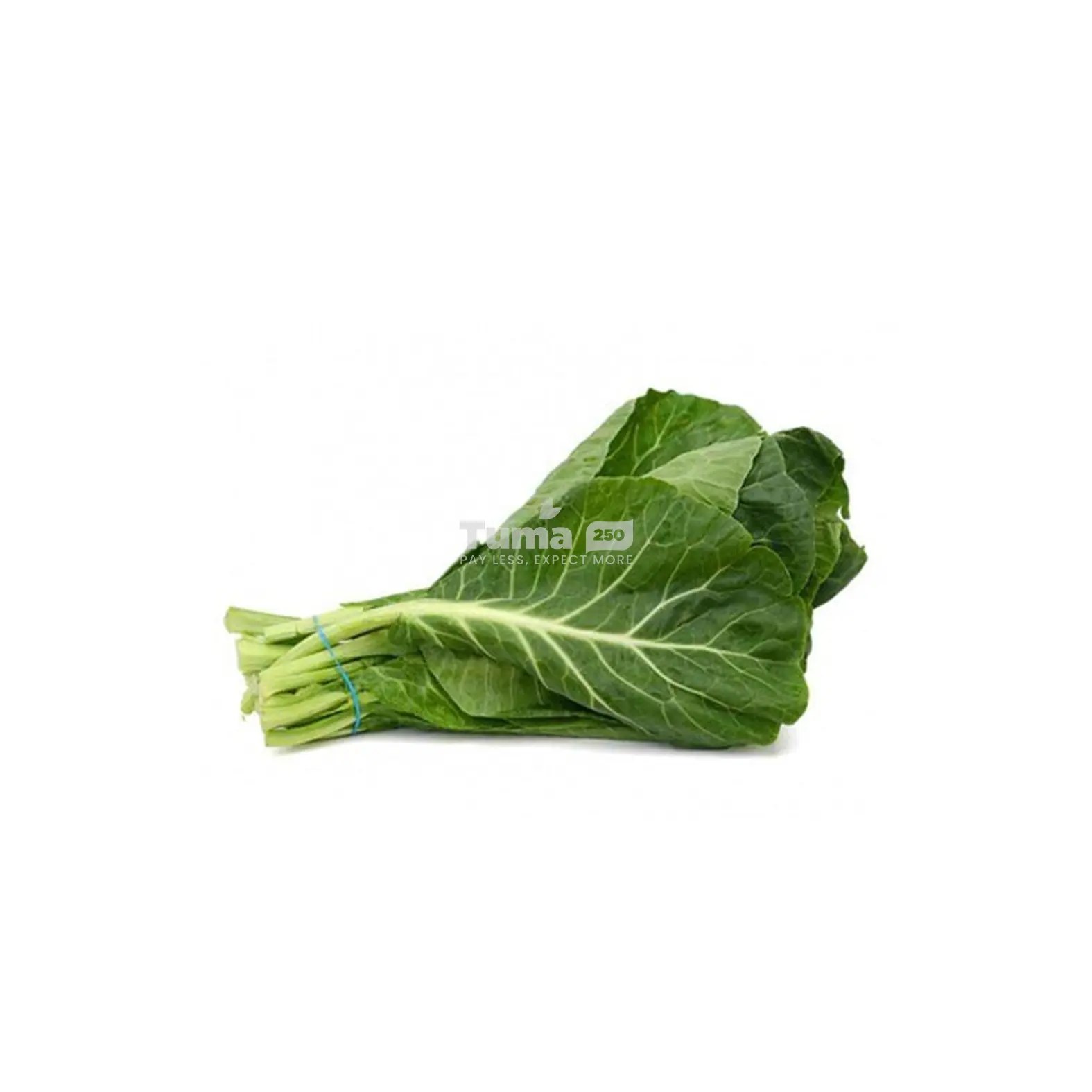
Sukuma wiki (kale)
1 bunch Must haveLeafy greens go well with garlic, onion and lemon.
How to use it: Slice thin and cook quickly with onions and tomatoes.
Spinach
1 bunch Must haveSpinach cooks in minutes and takes up spice well.
How to use it: Wash well and add at the end so it keeps color.
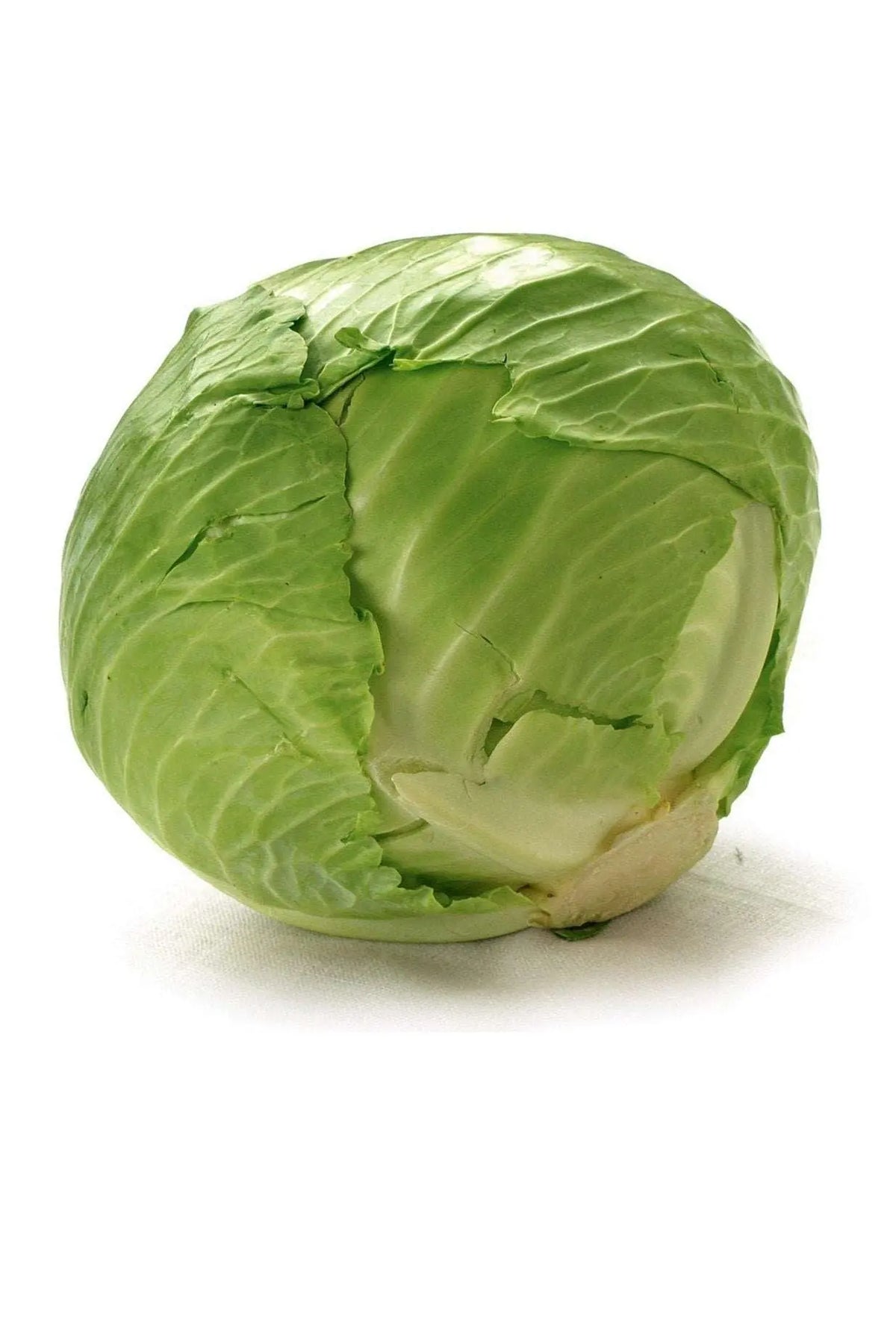
Cabbage
1 headNice to haveCabbage is cheap, lasts several days and works raw or cooked.
How to use it: Slice for salads with lemon, or sauté with carrots and pepper.
Carrots
1 kgNice to haveCarrots add natural sweetness to stews and rice.
How to use it: Grate raw into salads or slice into soups.
Sweet bananas
1 bunchNice to haveA banana is an easy sweet snack and goes well with oats.
How to use it: Keep on the counter. Eat as a snack or slice onto porridge.






Cooking tools
Good tools help you cook with less salt and less heavy sauces.
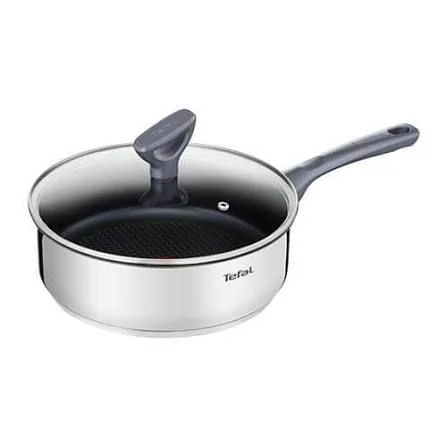
Non-stick pan
1Nice to haveA non-stick pan lets you cook with less oil and less need for salty sauces.
How to use it: Use a wooden or plastic spoon so the coating lasts.
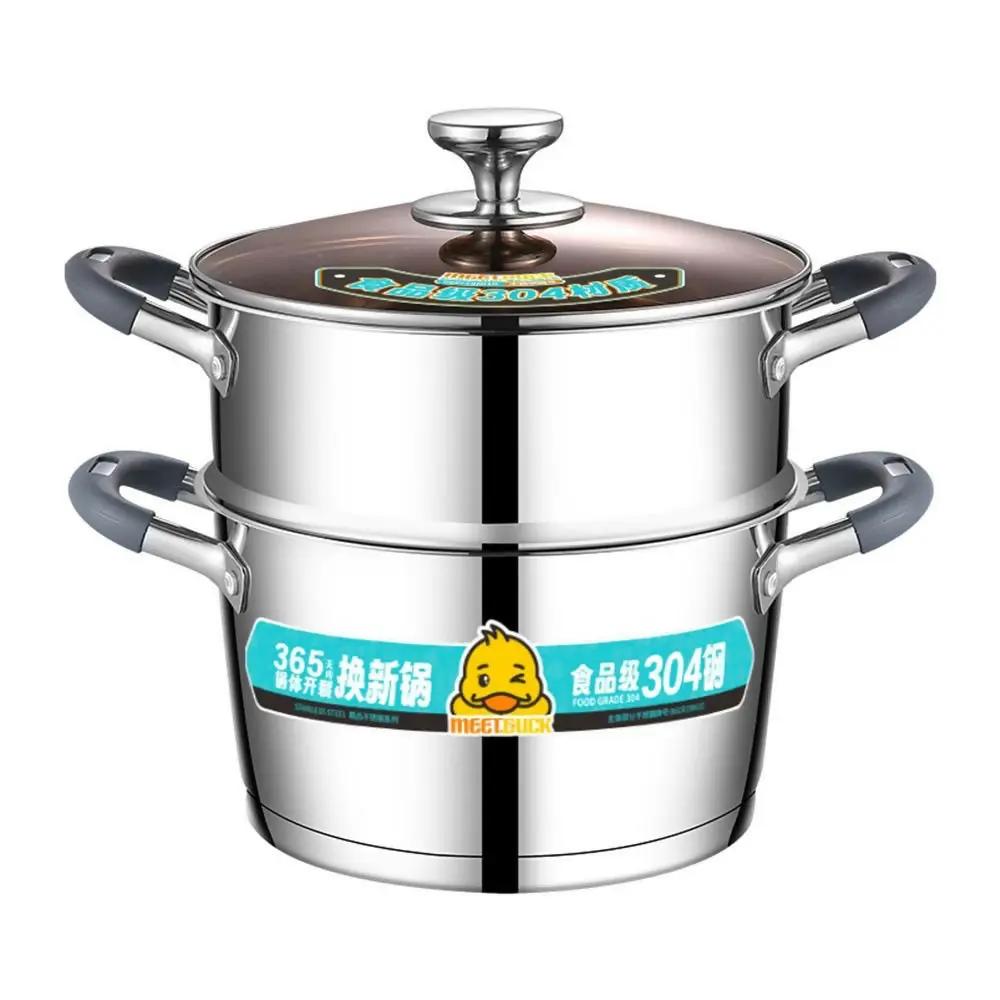
Steam pot
1Nice to haveSteaming keeps the taste of vegetables and fish without added salt.
How to use it: Add a few herb sprigs to the water for extra aroma.
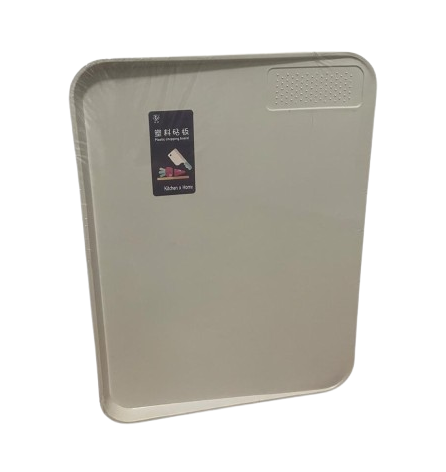
Chopping board
1Nice to haveFresh cooking means more chopping. A good board makes it safe and fast.
How to use it: Use one side for vegetables and another for raw meat or fish. Wash with hot soapy water.
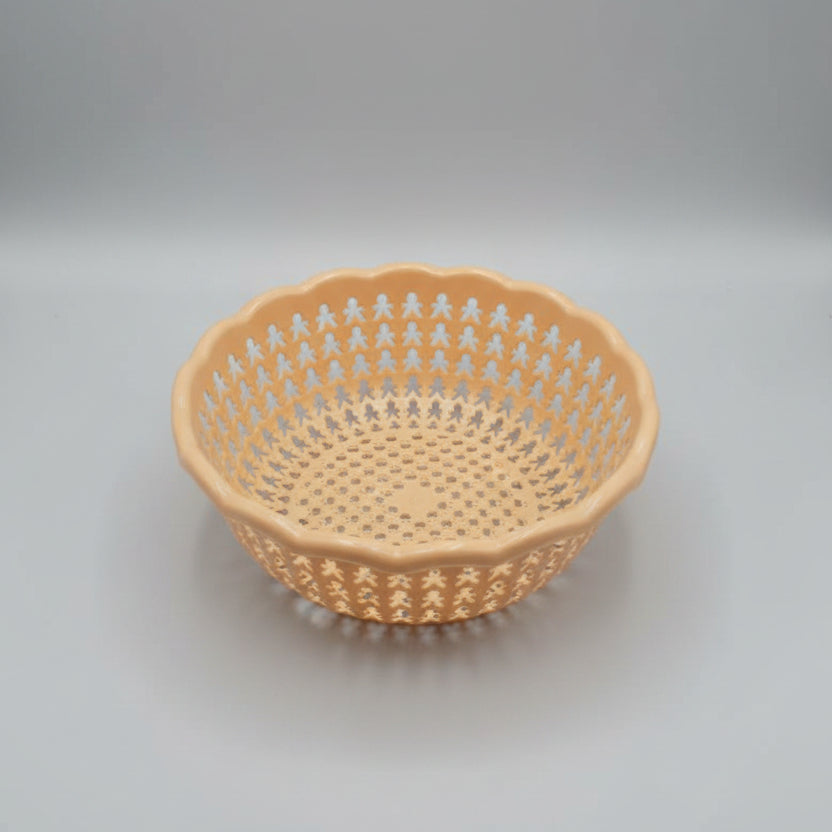
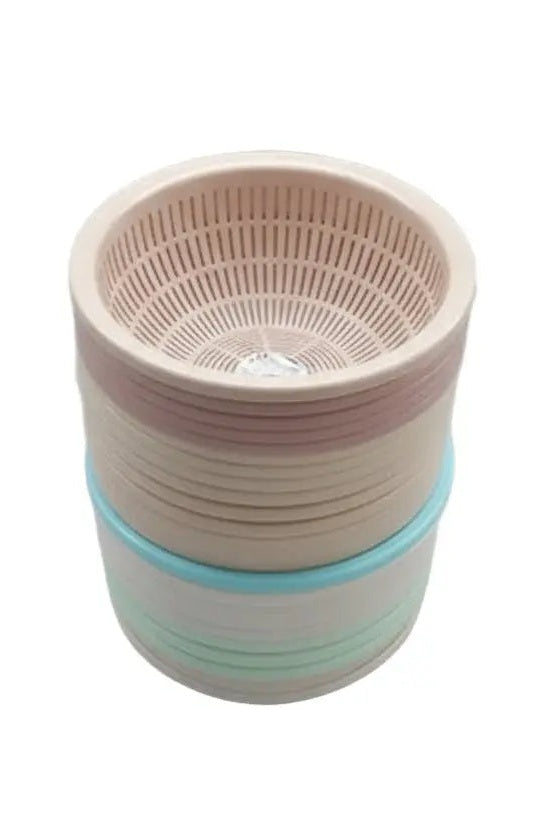
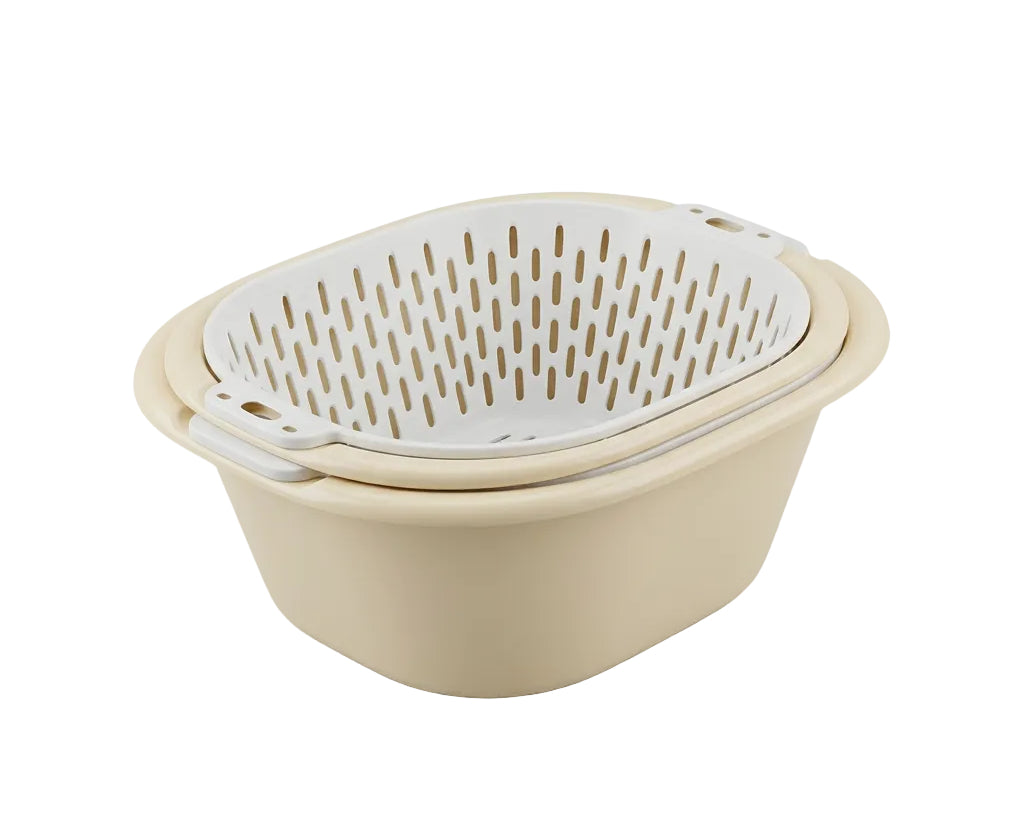
Colander
1Nice to haveA colander lets you rinse canned or packaged foods to wash off some salt.
How to use it: Rinse canned beans or vegetables under running water for a minute.

Tracking and check-ups
Numbers help you and your health worker see if the changes work.
Blood pressure monitor
1Nice to haveA home monitor lets you note your numbers between clinic visits.
How to use it: Ask your nurse or pharmacist which kind to buy and how to use it. Sit quietly for a few minutes before you measure.
Notebook
1 Must haveWriting down your readings and meals helps your doctor see what is happening.
How to use it: Write the date, time and reading. Bring it to every visit.
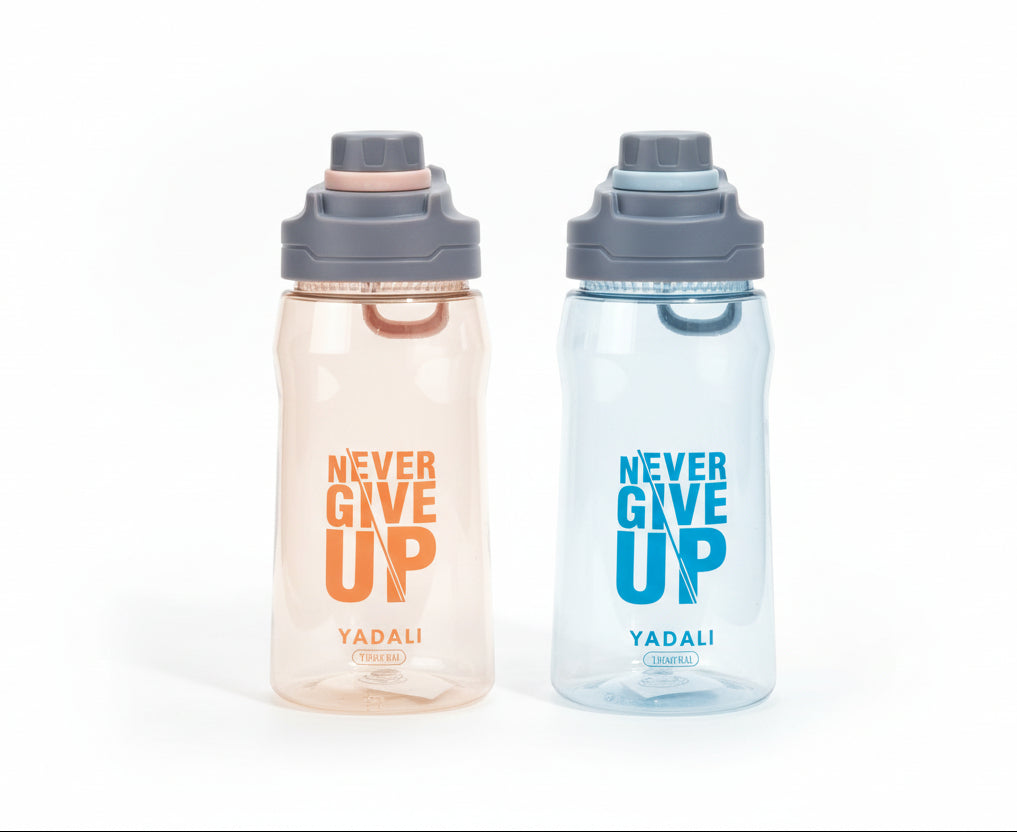
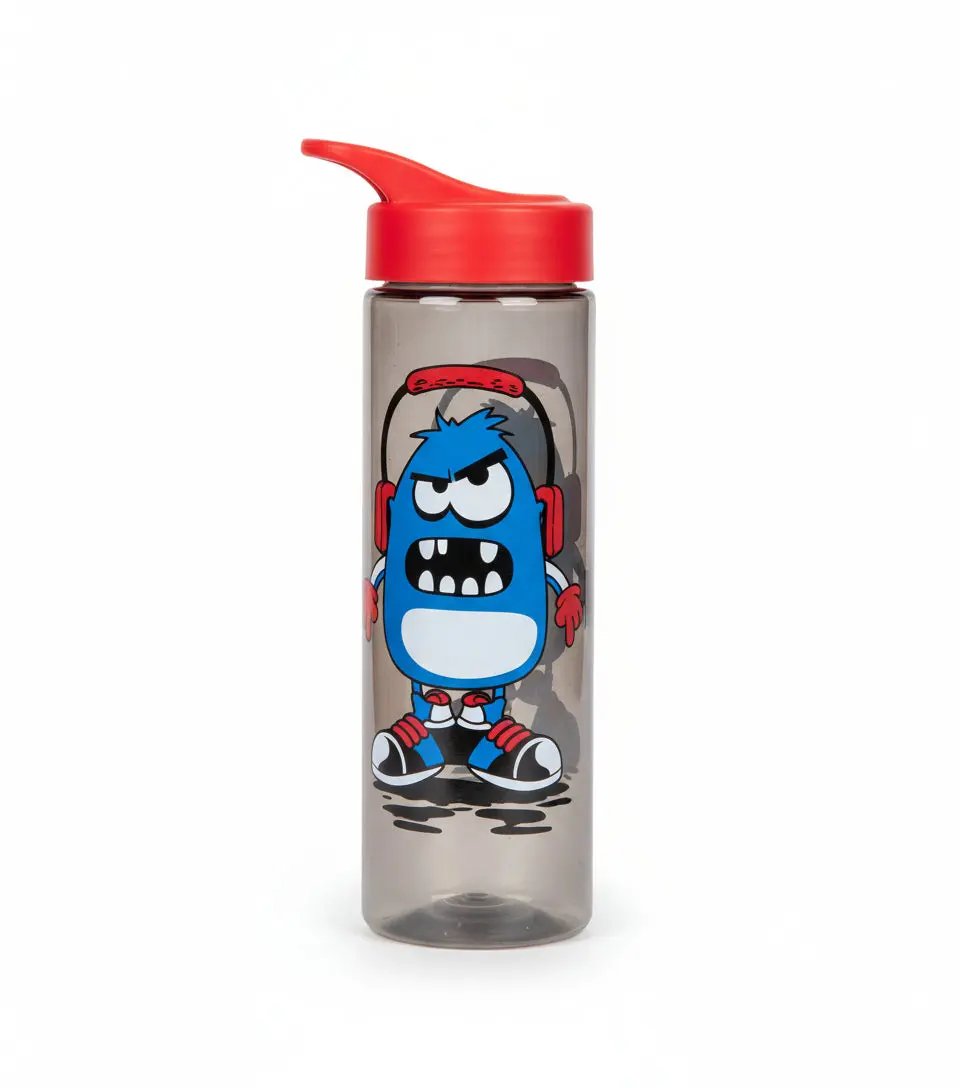
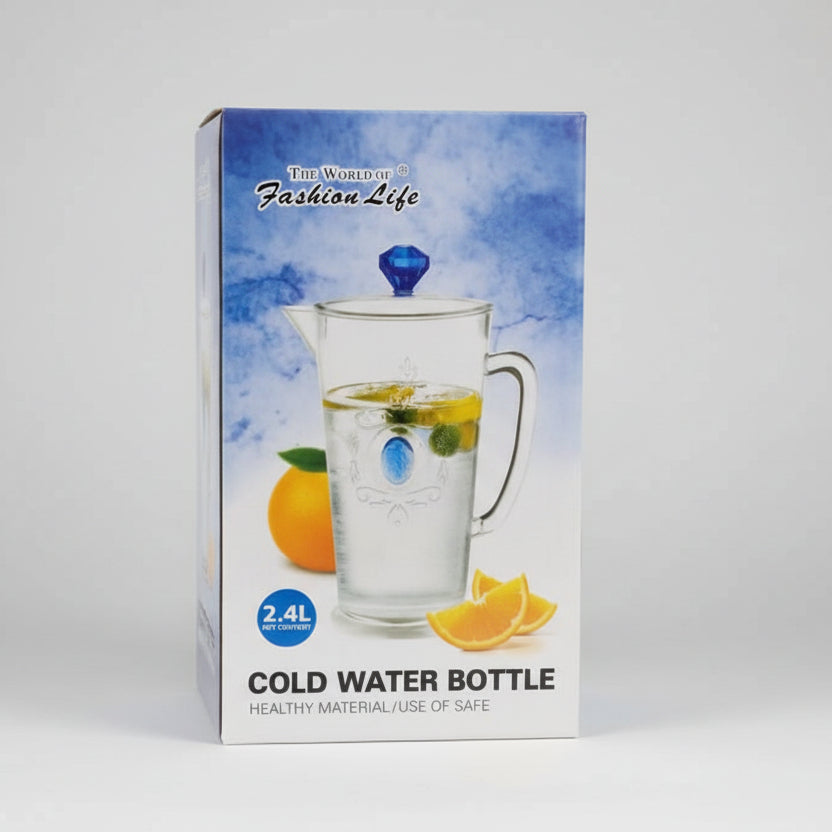
Water bottle
1Nice to haveStaying with water, not sugary or salty drinks, is an easy daily habit.
How to use it: Fill it in the morning and keep it in sight.

Step by step
- 1
Before you shop
Check the salt in your cupboard: seasoning cubes, sauces, salted fish and snacks. Decide what you will use less of.
- 2
The big shop
Buy the herbs, spices, beans, oats and tools on this list. Order fresh items for the week.
- 3
First low salt week
Cook simple meals at home and taste before adding salt. Use lemon, garlic and herbs first.
- 4
Every week
Top up fresh vegetables, fish and fruit. Keep writing your readings if you have a monitor.
- 5
At your next check-up
Show your notebook to your doctor or nurse and ask what to adjust.
Tips that help
- Add salt at the end of cooking, not the start, if you add any. You will use less.
- Use half a seasoning cube instead of a whole one, or skip it and use garlic and ginger.
- Taste before you salt. Many people add salt out of habit.
- Cook a big pot of beans or stew on Sunday so busy days do not push you to salty ready foods.
- Squeeze lemon over fish, greens and beans for a bright taste.
- Read labels on sauces, tinned foods and snacks and choose the ones with less sodium.
- Give your taste buds two or three weeks. Food tastes more flavorful as you get used to less salt.
Mistakes to avoid
- Switching to a salt substitute without asking your doctor or pharmacist.
- Forgetting hidden salt in seasoning cubes, ready mixes, sauces and smoked or salted fish.
- Cooking the whole family's food differently and then giving up. Cook one meal everyone enjoys.
- Stopping your medicine because your food is better. Only your doctor can change it.
- Replacing salt with lots of oil or sugar to make food taste good.
Questions people ask
Can I still eat out or order food when I have high blood pressure?+
Yes. Ask for sauces on the side and less salt where you can, and choose grilled or boiled dishes. Cook at home most of the time so you control the salt.
Are seasoning cubes bad for high blood pressure?+
Seasoning cubes usually contain a lot of salt. If you use them, use less than the recipe says or switch to garlic, onion, ginger and herbs. Check with your doctor or nurse for advice that fits you.
Is low sodium salt safe for everyone?+
No. Some people, such as those with kidney problems or on certain medicines, should not use it. Ask your doctor or pharmacist before you try it.
How can I make beans taste good without salt?+
Cook them with onion, garlic, tomato and a pinch of cumin or paprika. Finish with lemon juice and fresh coriander.
How long until low salt food tastes normal?+
Many people notice a change after a few weeks, but it varies. Keep cooking with herbs and spices and cut the salt a little at a time.
A low salt kitchen is built one good shop at a time. Choose the herbs, fresh food and tools from this list and shop them on Isokko, delivered to your door in Kigali.
Shop this list
Get everything delivered in Kigali
Order from local stores on Isokko and pay with MoMo, card or cash. Same-day delivery.