
Checklist · School & students
Packing a Tuck Box for Boarding School in Rwanda: Checklist
A tuck box checklist for Rwandan boarding school: snacks, spreads, drinks and care items that last a whole term, with where to buy them in Kigali.
Updated November 17, 2026 · By Isokko
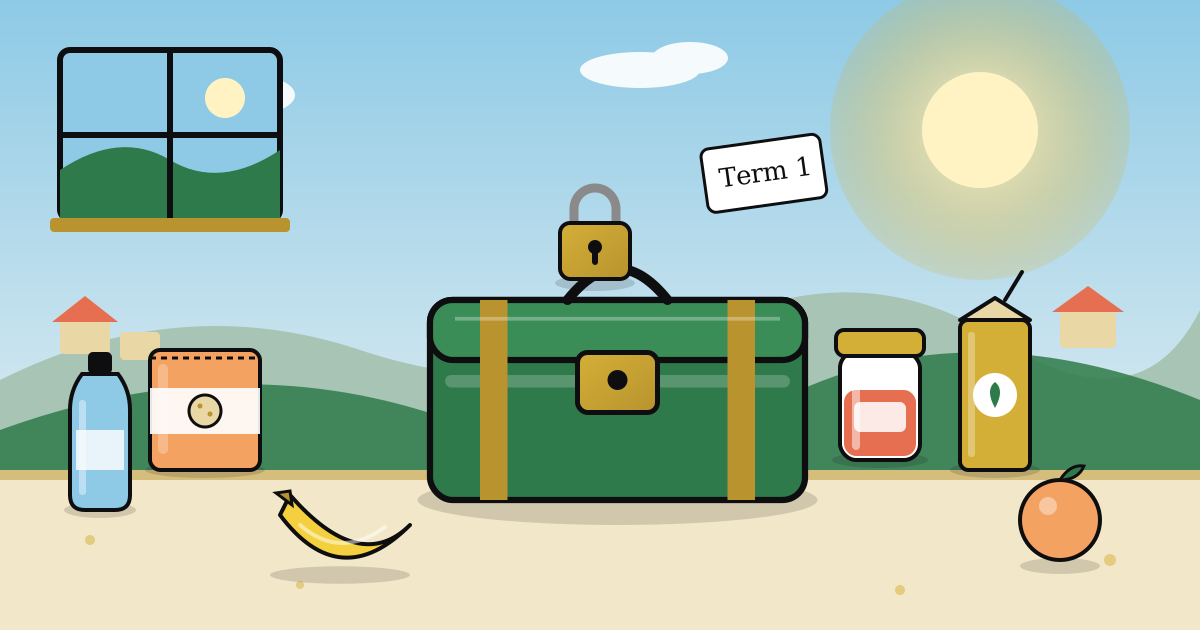
A tuck box is the small trunk or lockable box that holds a boarder's own food and treats for the term. Done well, it turns hungry evenings into something to look forward to. Done badly, it fills with sticky packets, broken biscuits and ants by week three.
This checklist helps you pack a tuck box that lasts. We focus on foods that keep without a fridge, sealed containers, a few care items and a good lock. Every school has its own rules about what students may keep, so read the school's list first and drop anything that is not allowed.
Use it as a base and adjust for your child's age, appetite and the weeks until the next visiting day.
Who it's for
Parents and students packing for a term at a boarding school in Rwanda
Time needed
Shop 1 to 2 weeks before the term starts
When to shop
Buy snacks last so they stay fresh, and keep the school rules list open while you shop
On the list
30 items, 10 must haves
0 of 30 ready
Snacks that keep
Dry, sealed snacks survive a long term in a dormitory. Choose small packs over one huge pack, so opened food gets finished.
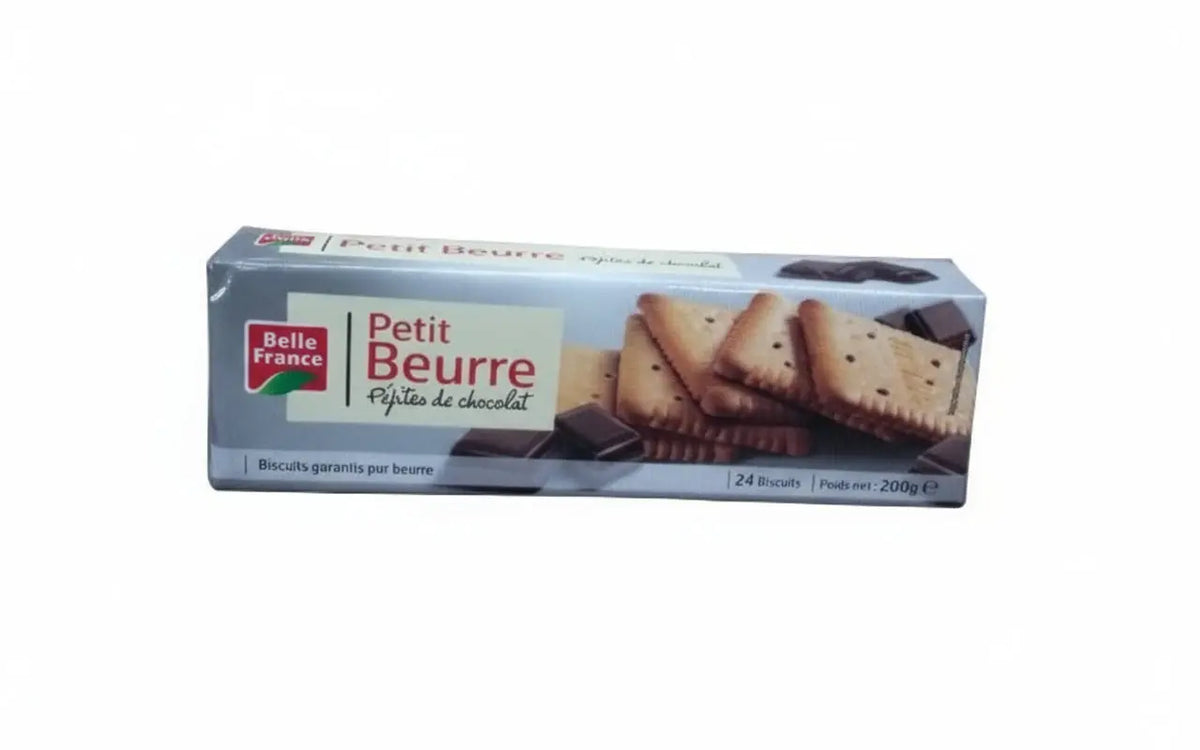
Plain biscuits
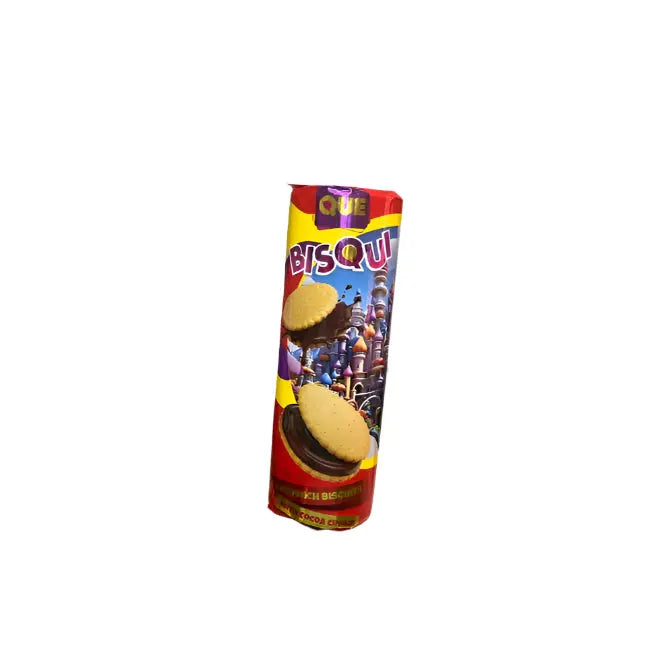
4 to 6 packs Must havePlain or sandwich biscuits are filling and do not melt. They are the backbone of most tuck boxes.
How to use it: Buy several small packs rather than one large one. Once a pack is open, move the biscuits into a sealed container.
Crackers
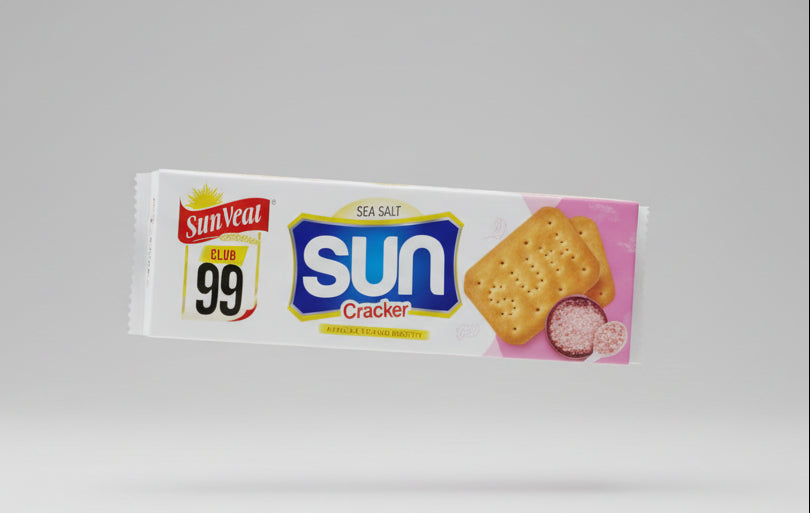
3 packsNice to haveA salty option balances all the sweet things and goes well with spreads.
How to use it: Pack crackers in a sealed container so they stay crisp. Keep them away from damp corners of the box.
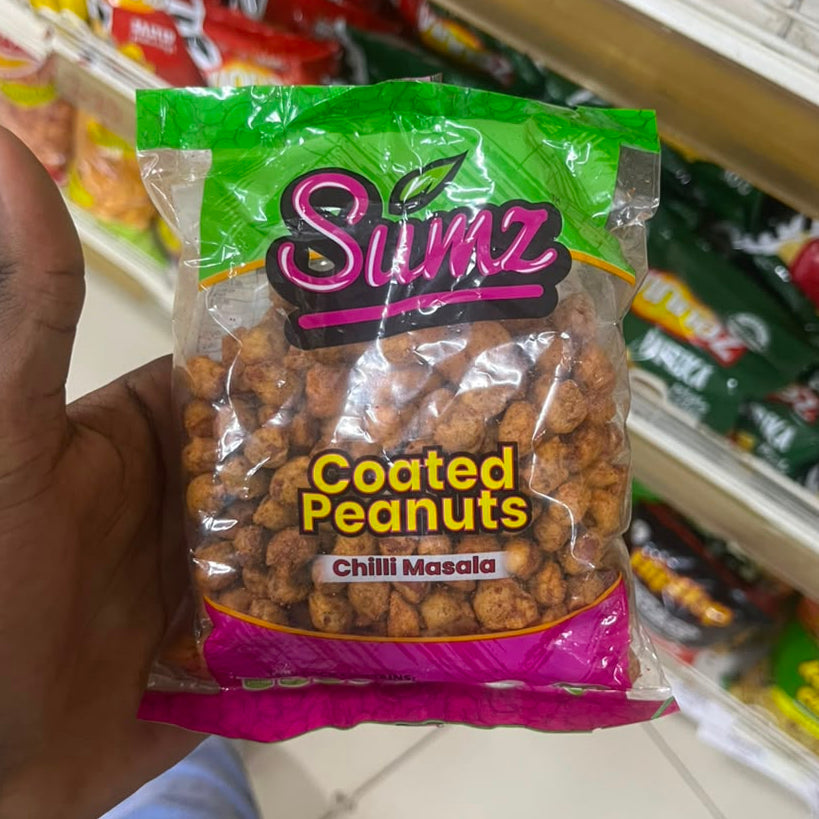
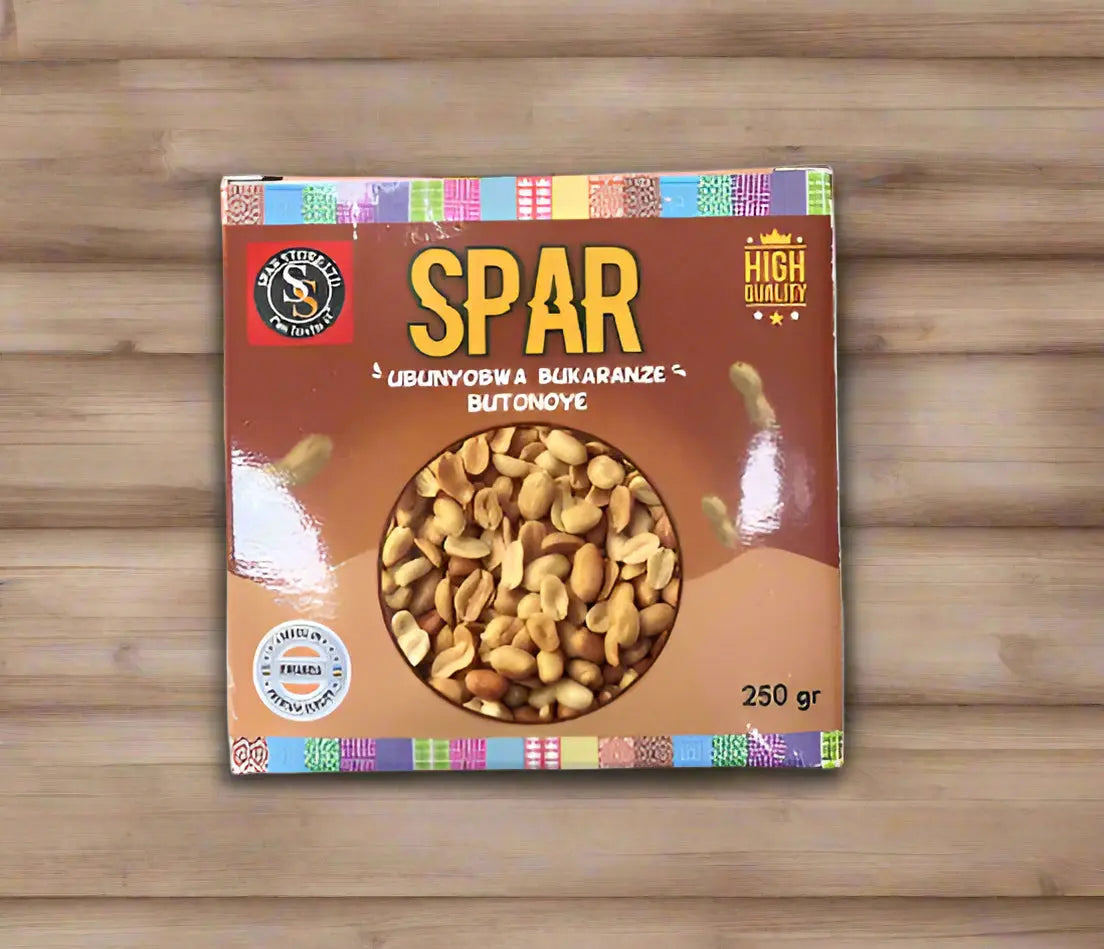
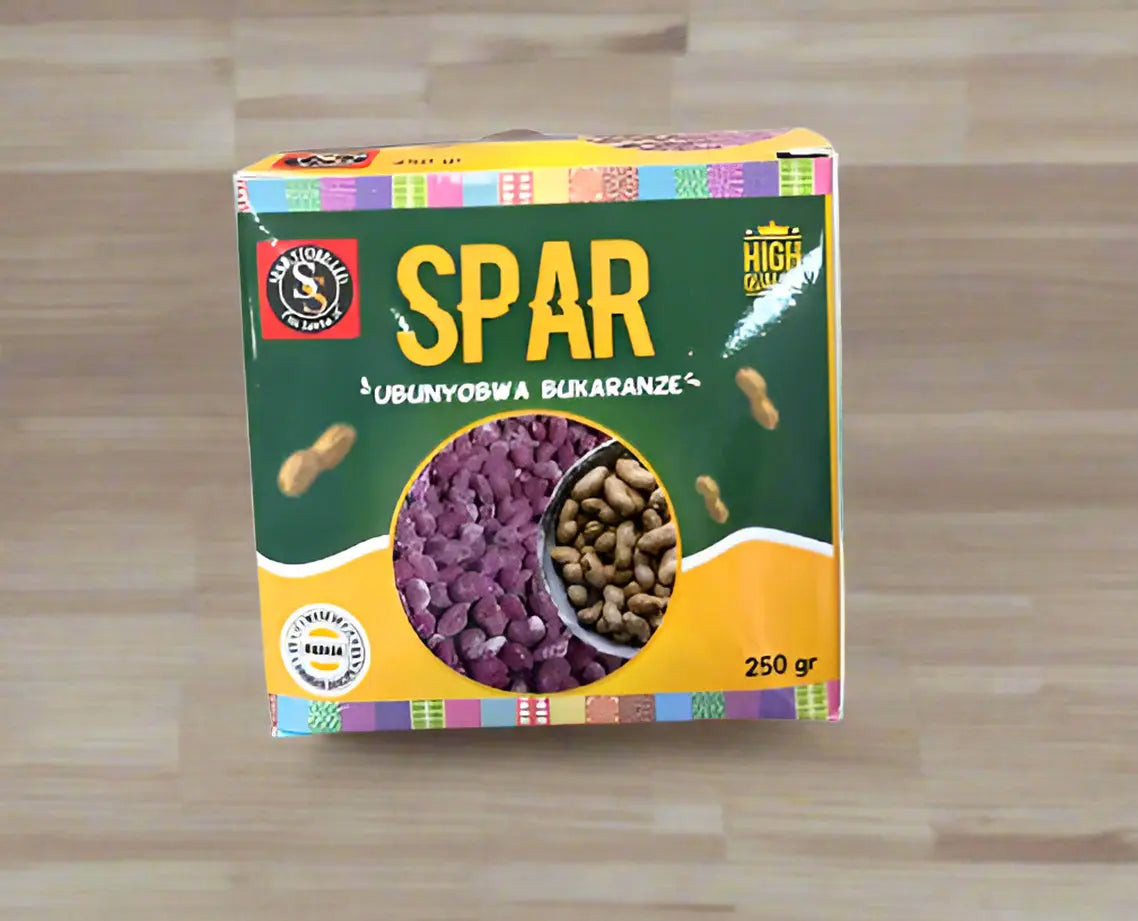
Roasted groundnuts
4 small packs Must haveGroundnuts give protein and energy between meals and are a familiar favorite.
How to use it: Choose small sealed packs. Remind your child to finish a pack within a few days once it is open.
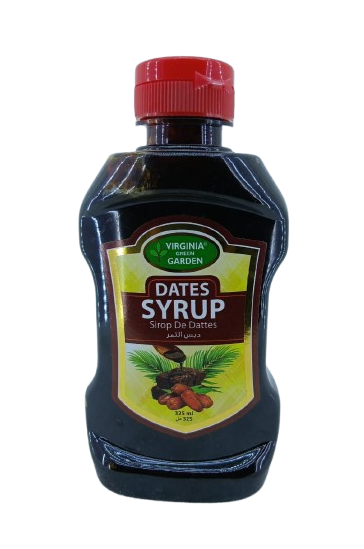
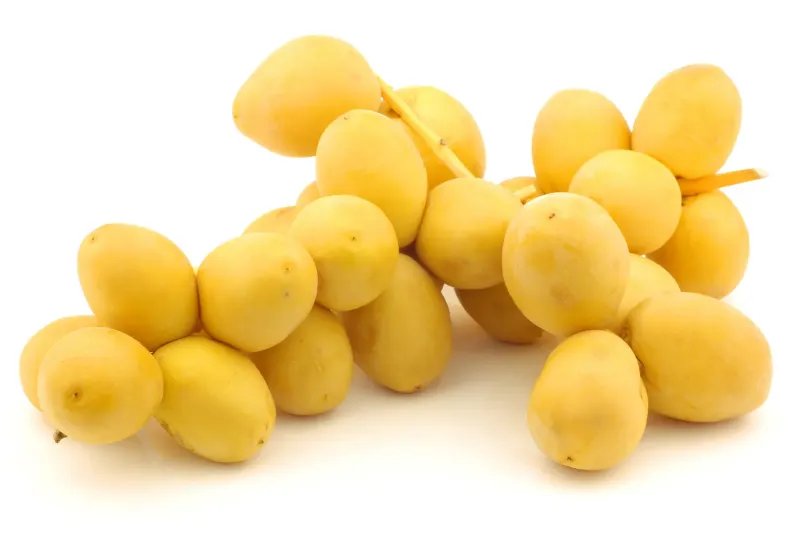
Dates and dried fruit
2 packsNice to haveDried fruit gives natural sweetness and lasts for weeks without a fridge.
How to use it: Keep them in a closed container. A small handful with water is a good snack before sport.
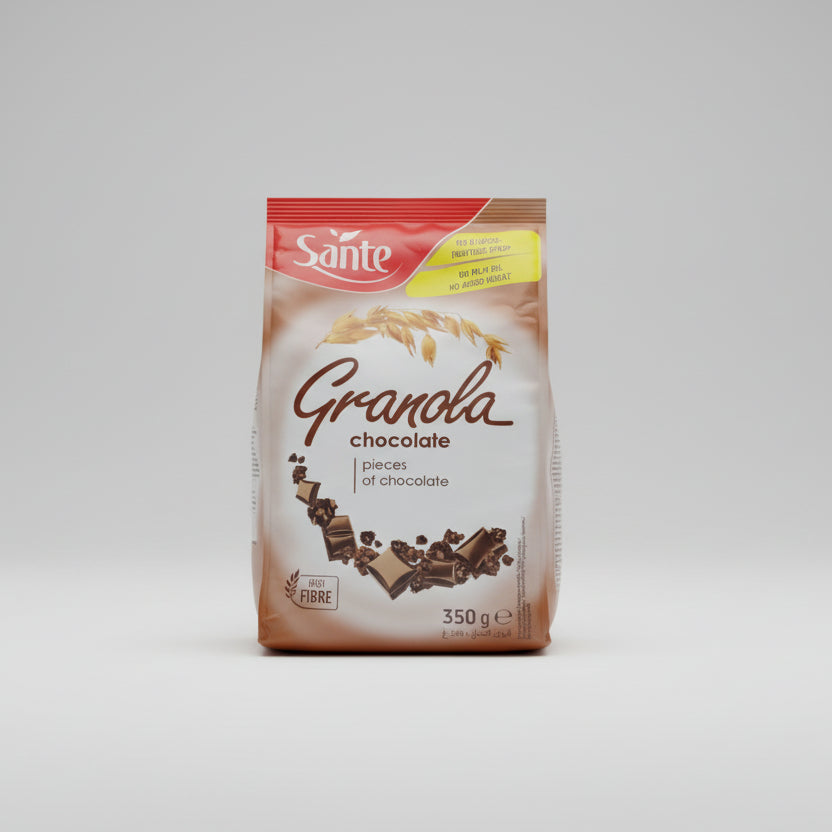
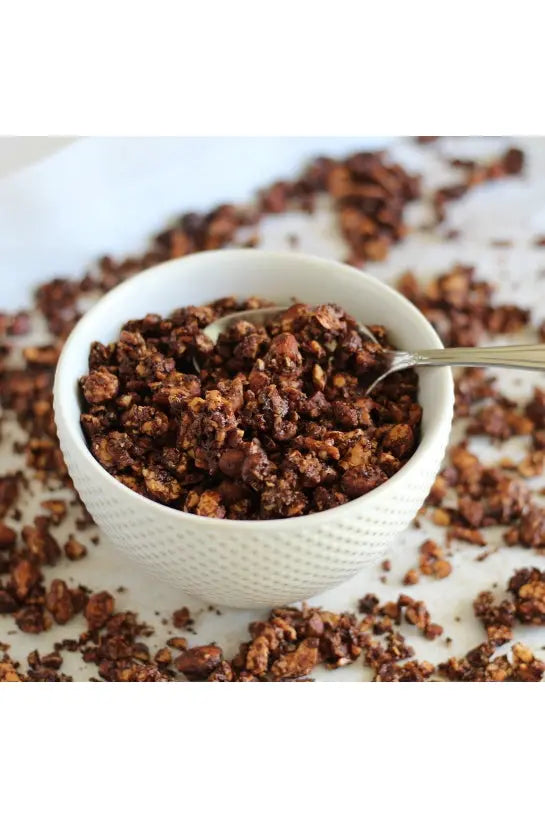
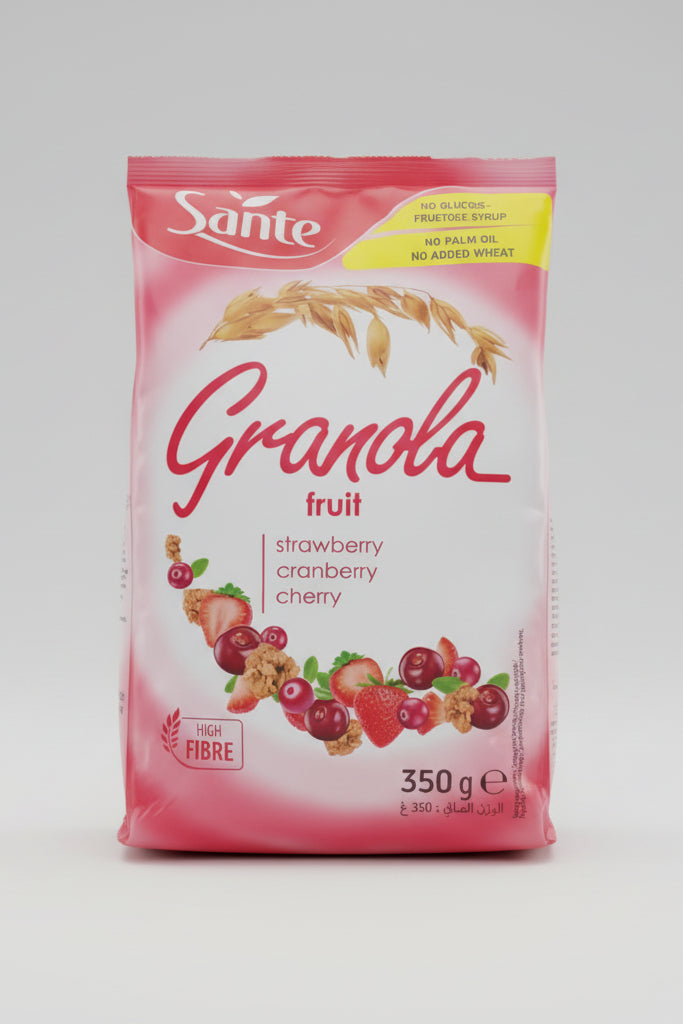
Granola
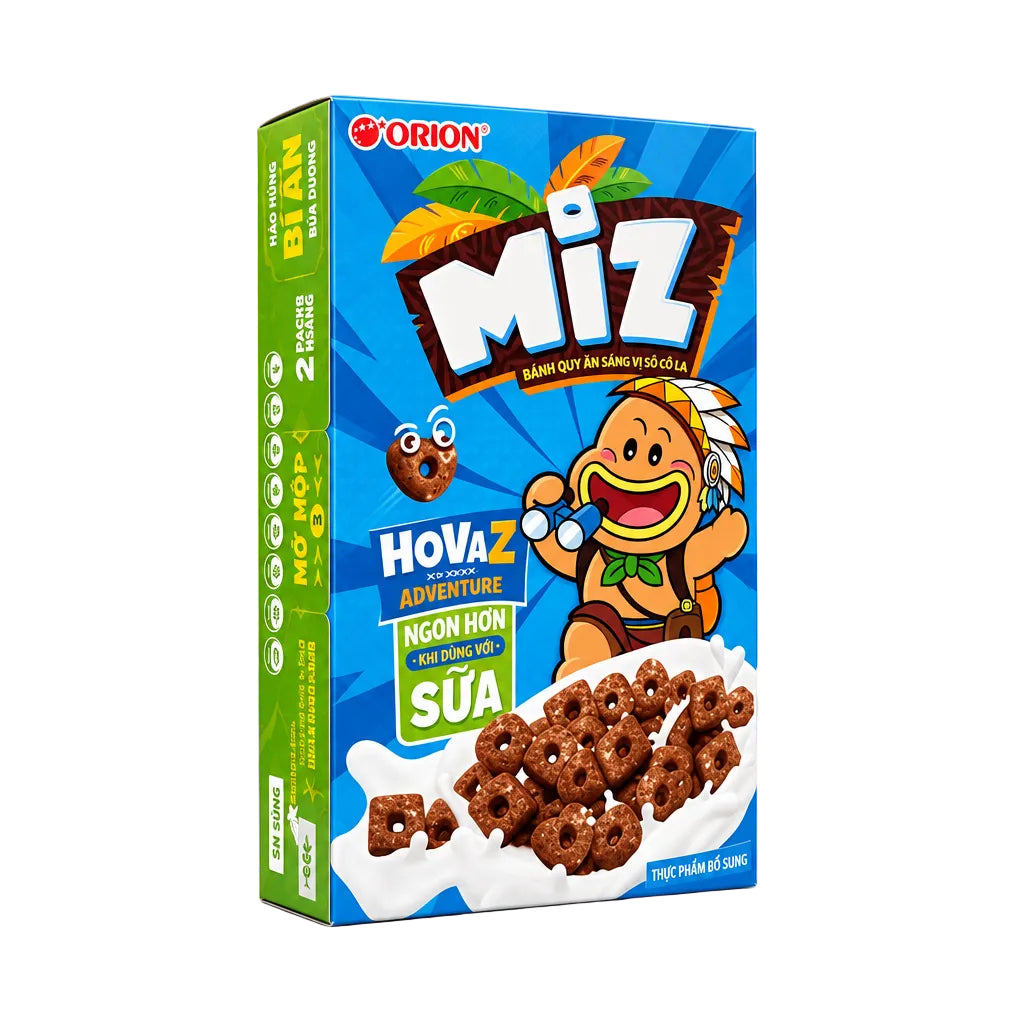
1 to 2 packsNice to haveGranola can be eaten dry as a snack or with milk powder and water for a quick breakfast.
How to use it: Choose a small sealed pack and use a spoon from the box, not hands, to keep it clean.
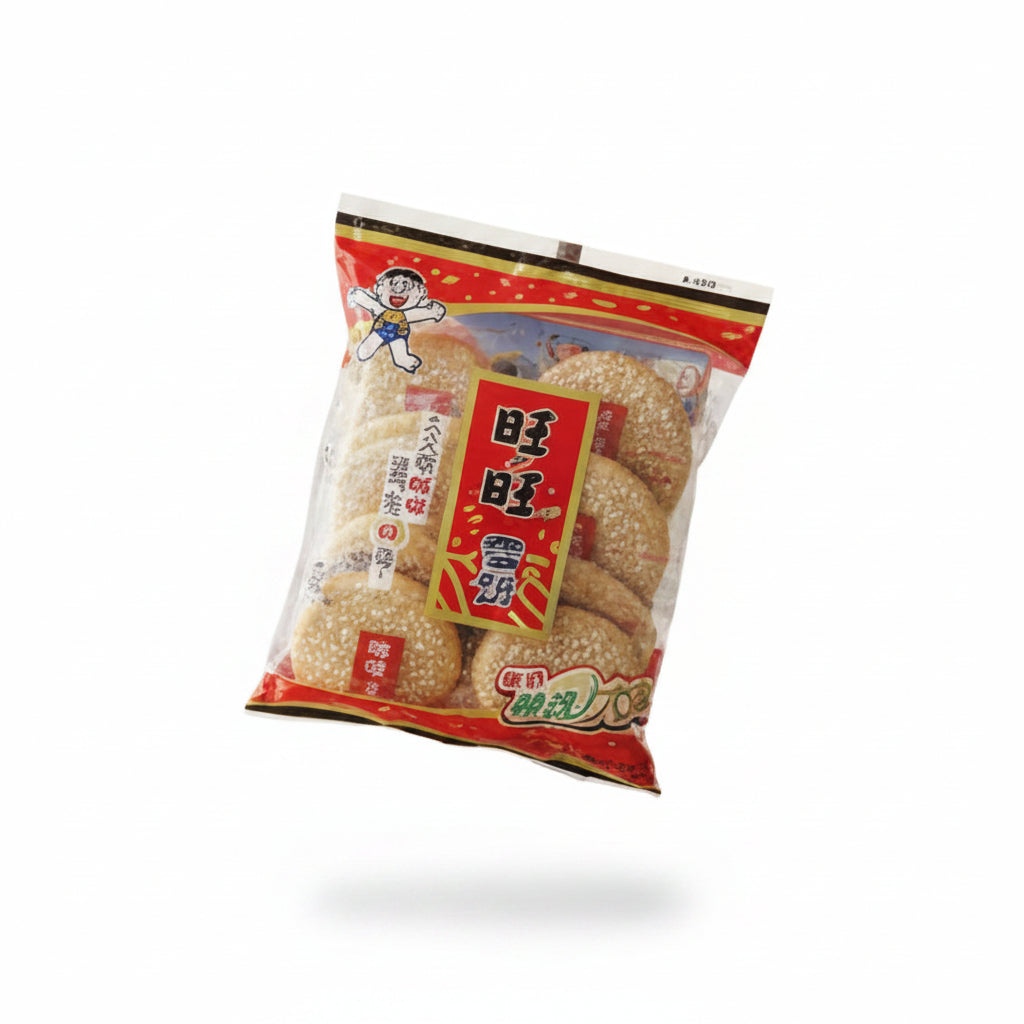
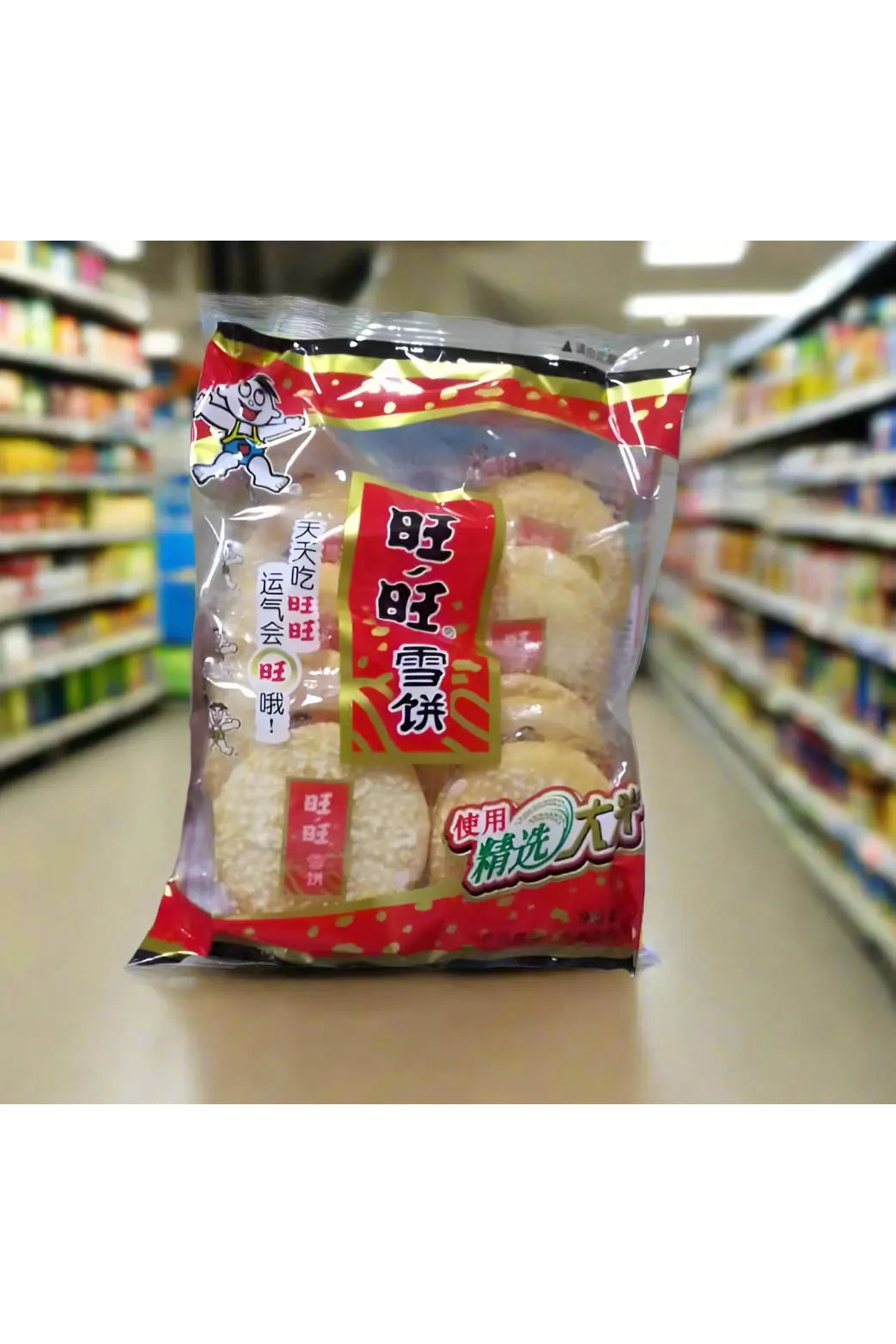
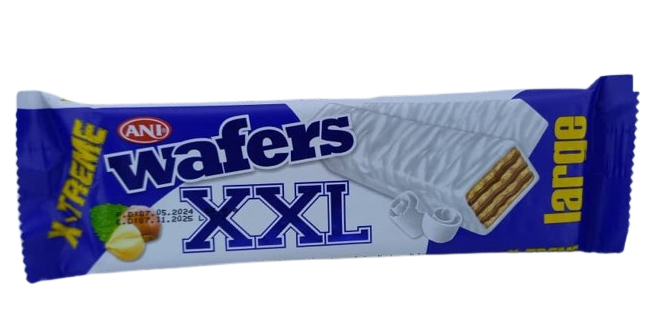
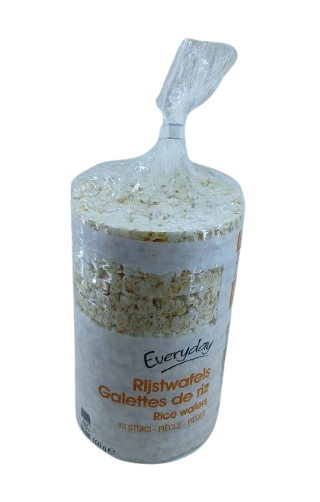
Wafers or sweets for treats
1 small bagNice to haveA few treats help with homesickness and make a nice thing to share with friends.
How to use it: Keep treats few and in a separate bag so they do not run out in the first week.


Spreads and breakfast extras
School meals are usually set, but these extras make plain bread or porridge taste like home.
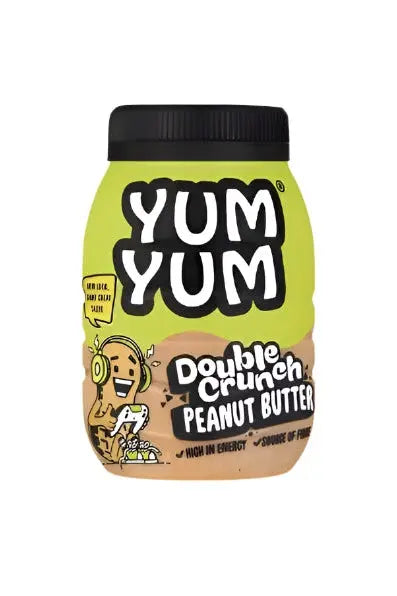
Peanut butter
1 to 2 jars Must havePeanut butter turns bread or crackers into a real meal and keeps for months unopened.
How to use it: Choose a jar that is not too big. Always use a clean, dry spoon so it does not spoil.
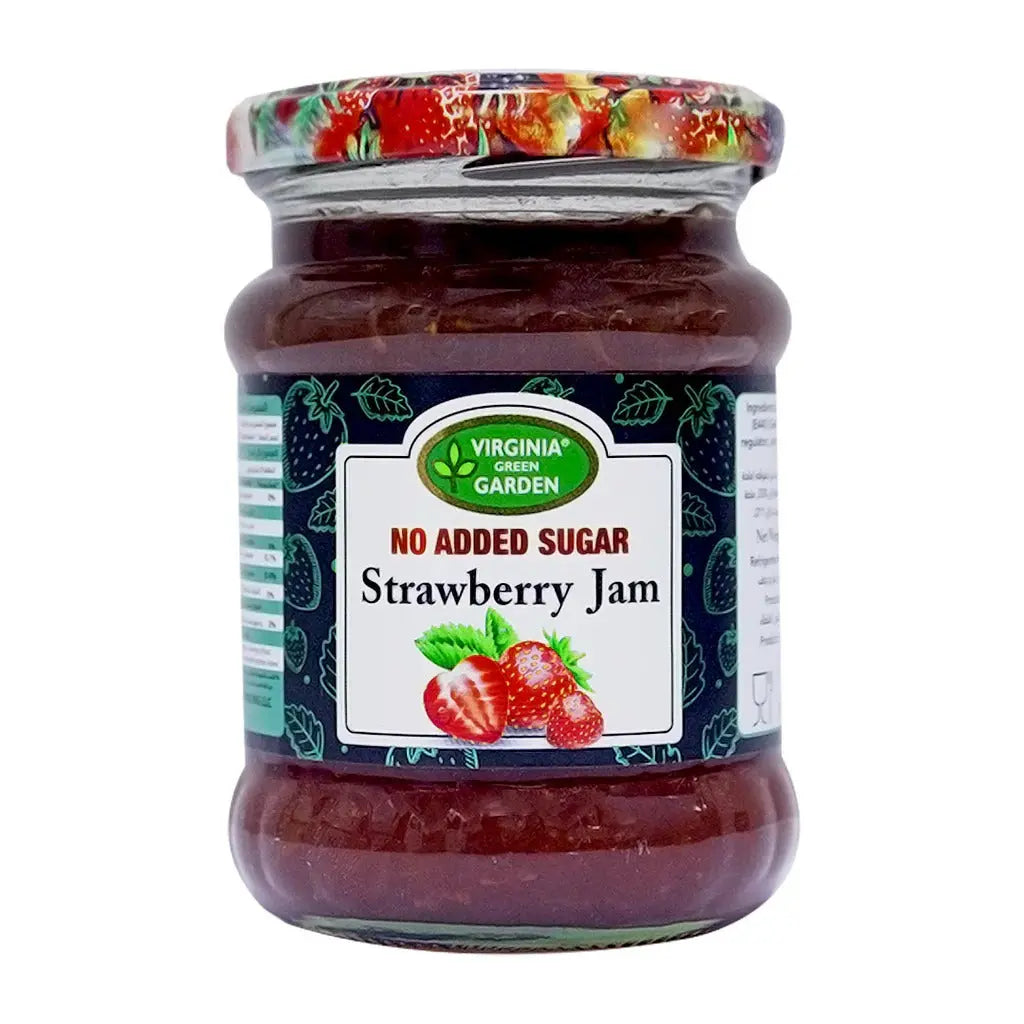
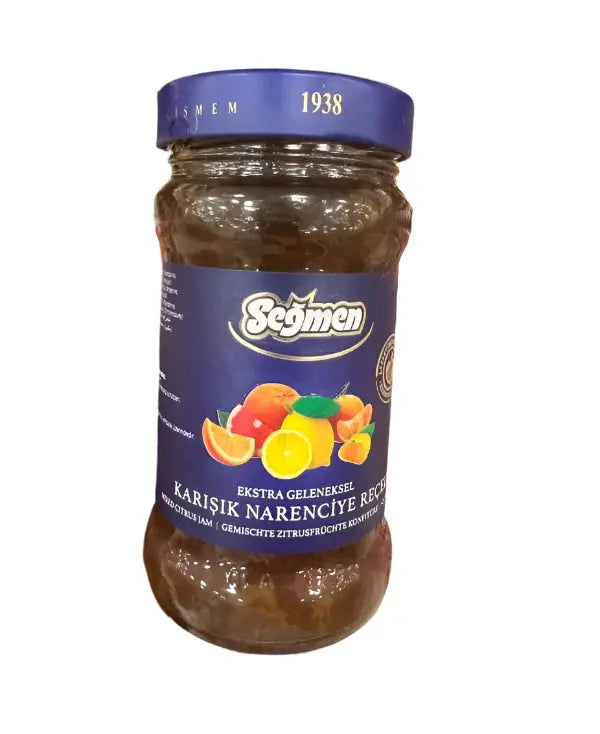
Jam
1 jarNice to haveJam is a cheap, loved spread that lasts the full term.
How to use it: Pick a jar with a screw lid and check the lid seals well before packing.
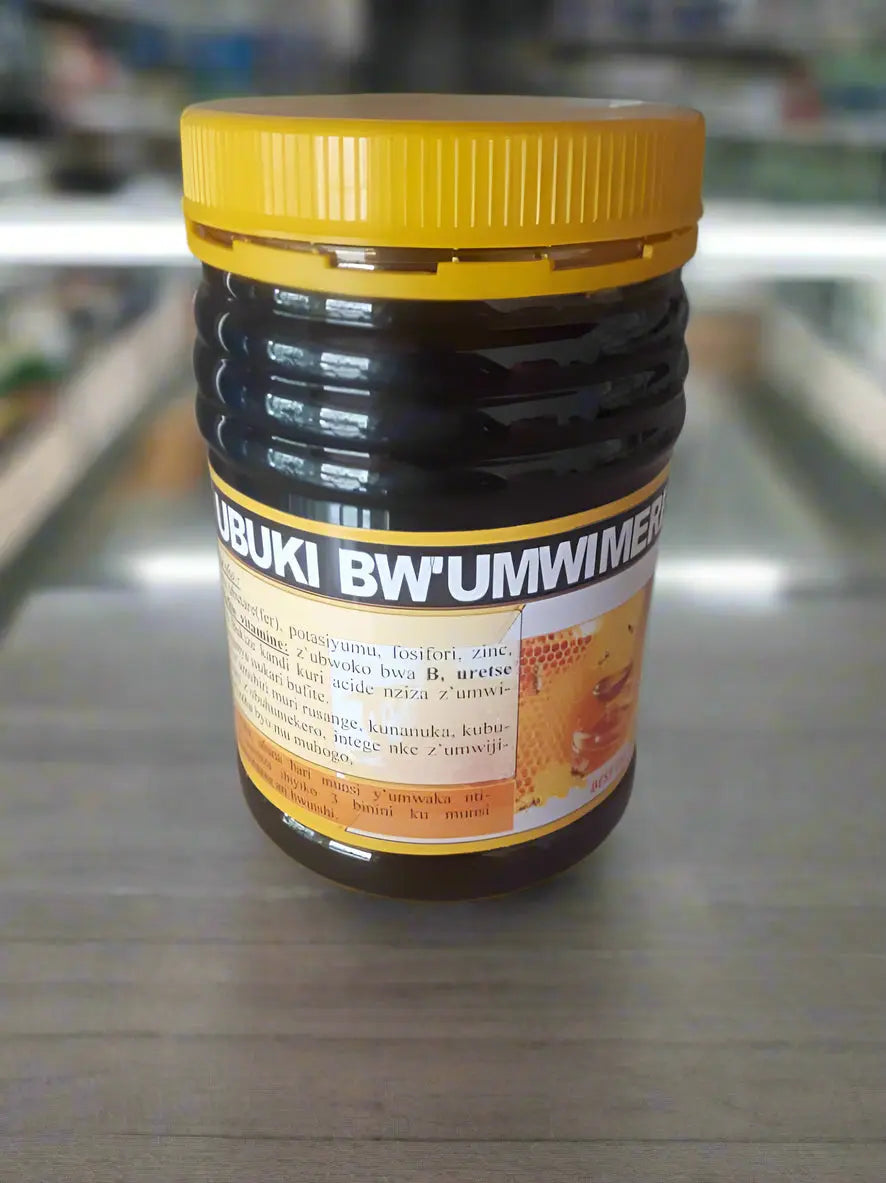
Honey
1 jarNice to haveHoney is a good sweetener for tea and a soothing spoonful when a throat feels rough.
How to use it: Pack the jar upright in a sealed bag in case the lid leaks.
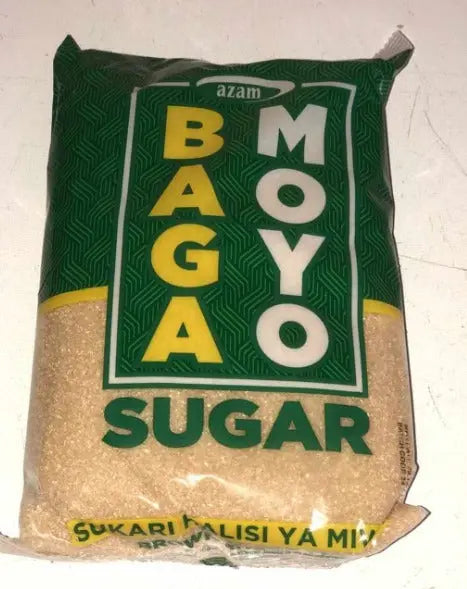
Sugar
1 kgNice to haveA small bag of sugar helps with tea and porridge when the dining hall is short.
How to use it: Use a tightly sealed container. Sugar attracts ants if the bag is left open.
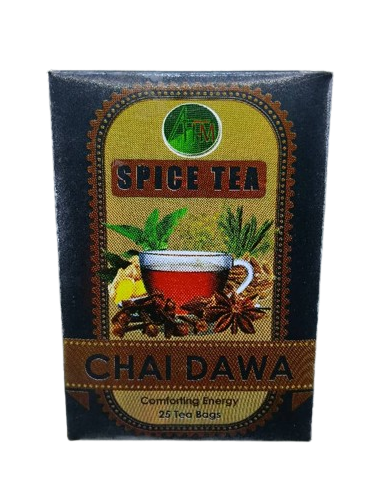
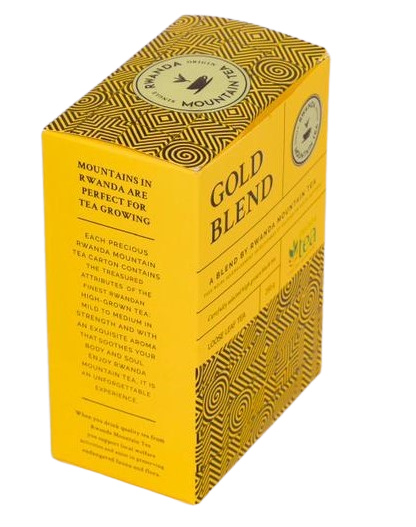
Tea bags
1 or 2 boxesNice to haveTea bags are light, easy to store and warm on cold mornings, especially in the rainy seasons.
How to use it: Keep them in a dry sealed container. Ask the school if students may heat water, or bring a flask if allowed.
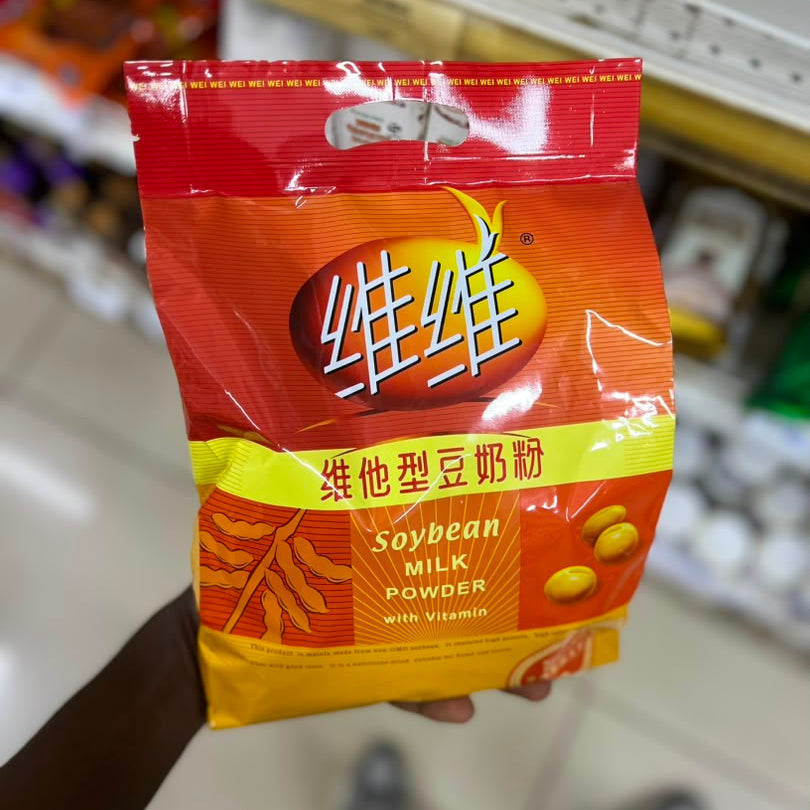
Milk powder
1 small packNice to haveMilk powder is a safe way to have milk without a fridge.
How to use it: Buy a small pack. Mix only with clean, safe water and use a dry spoon.
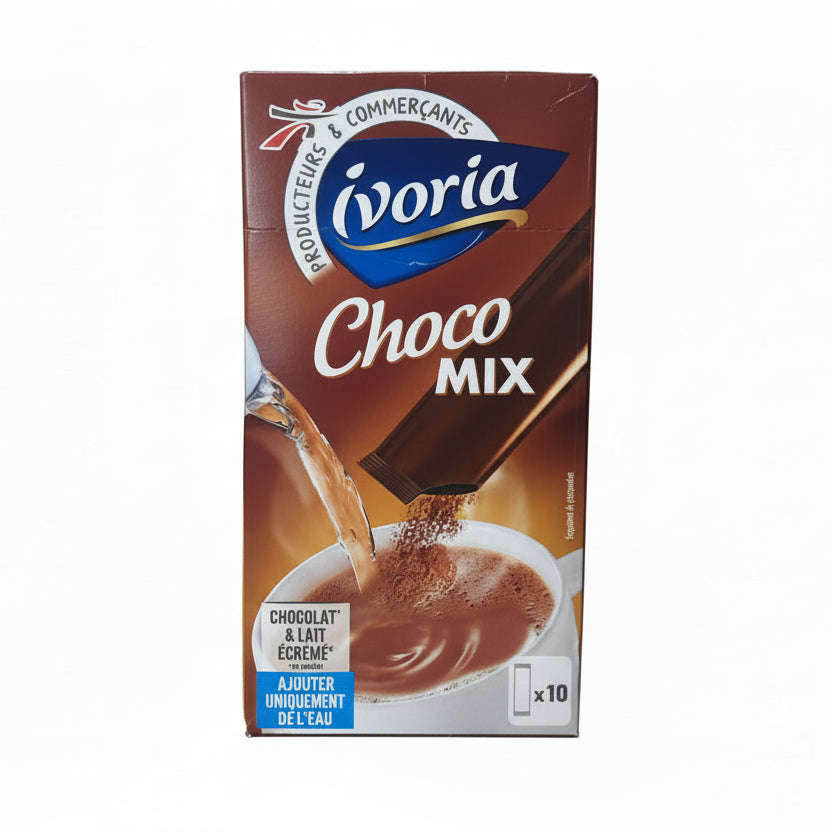
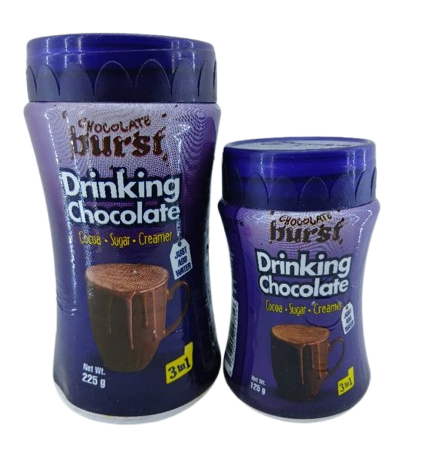
Drinking chocolate
1 packNice to haveA warm chocolate drink is a comfort on cold nights in the hills.
How to use it: Stir into hot water or milk. Keep the tin or packet sealed.









Drinks and bottles
Good drinking habits matter in a hot classroom and on the sports field.
Fruit juice
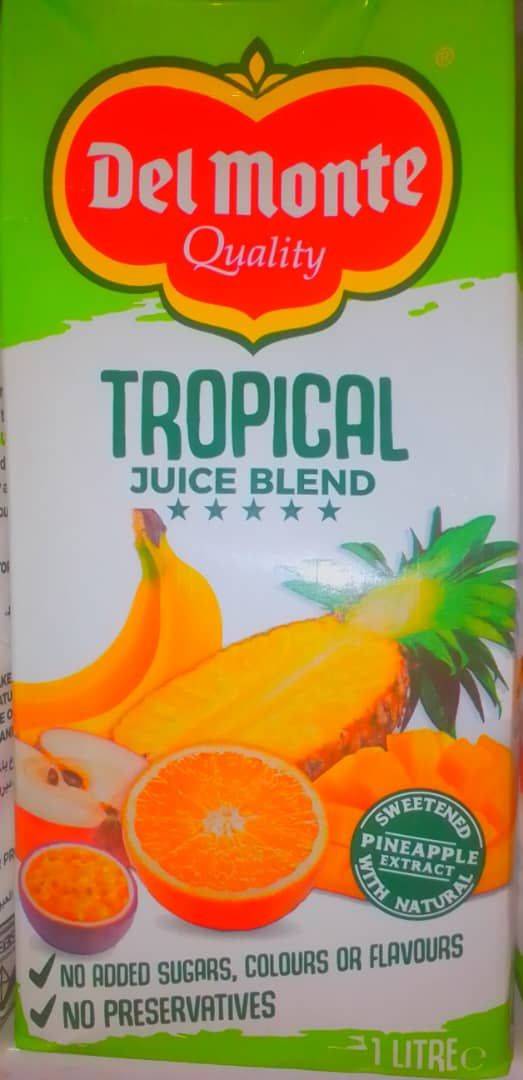
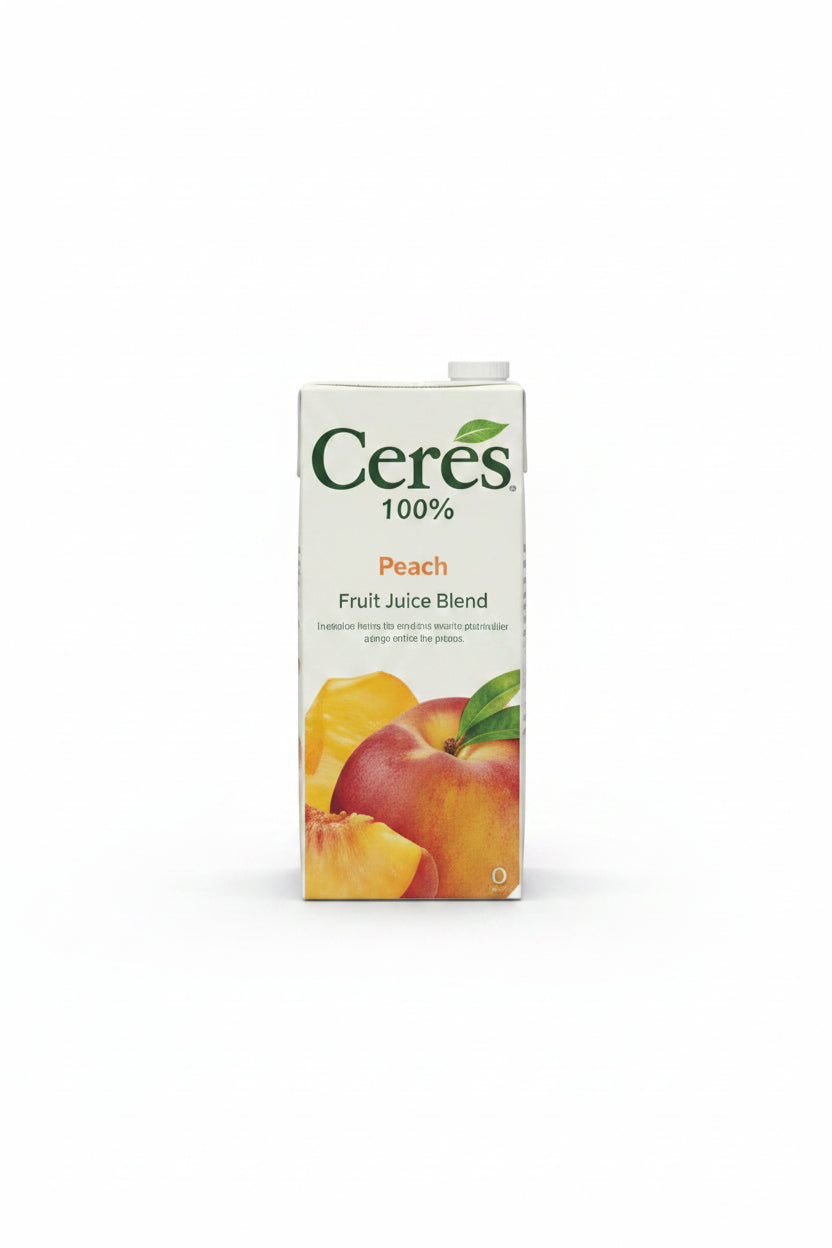
4 to 6 packsNice to haveLong life juice is a treat and a change from plain water.
How to use it: Choose sealed 1 litre packs and share them. Opened juice should be finished the same day.
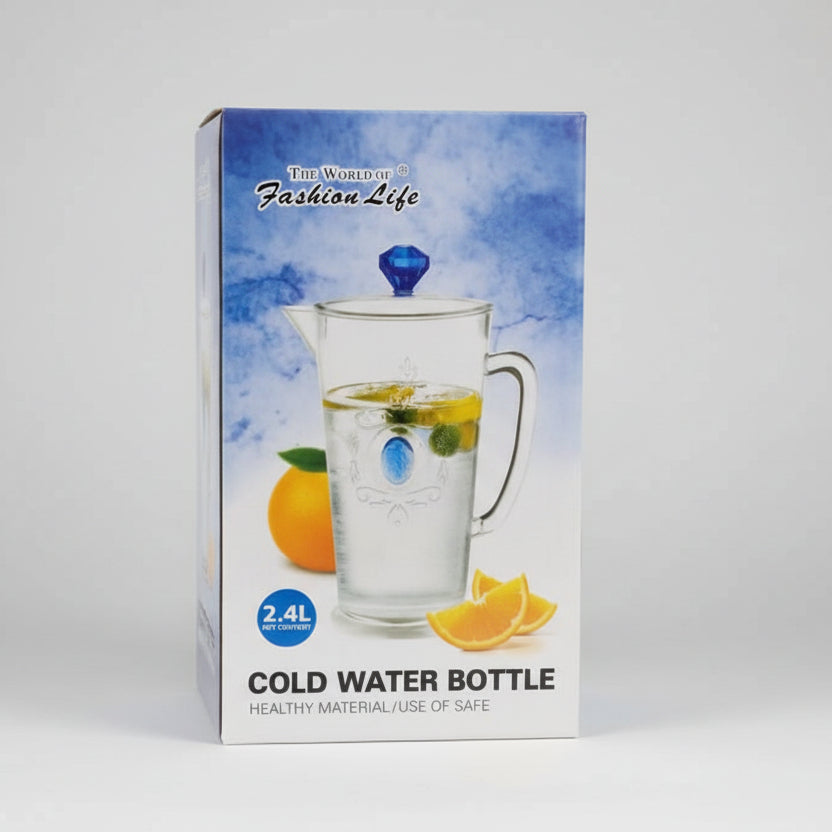
Reusable water bottle
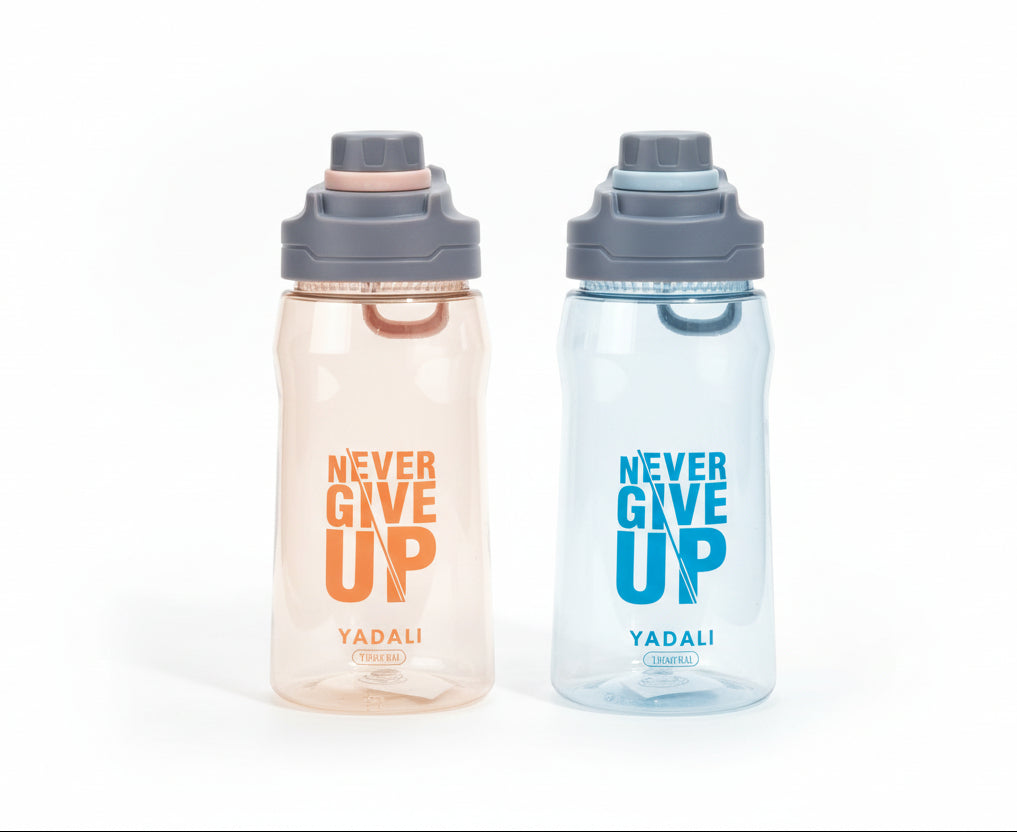
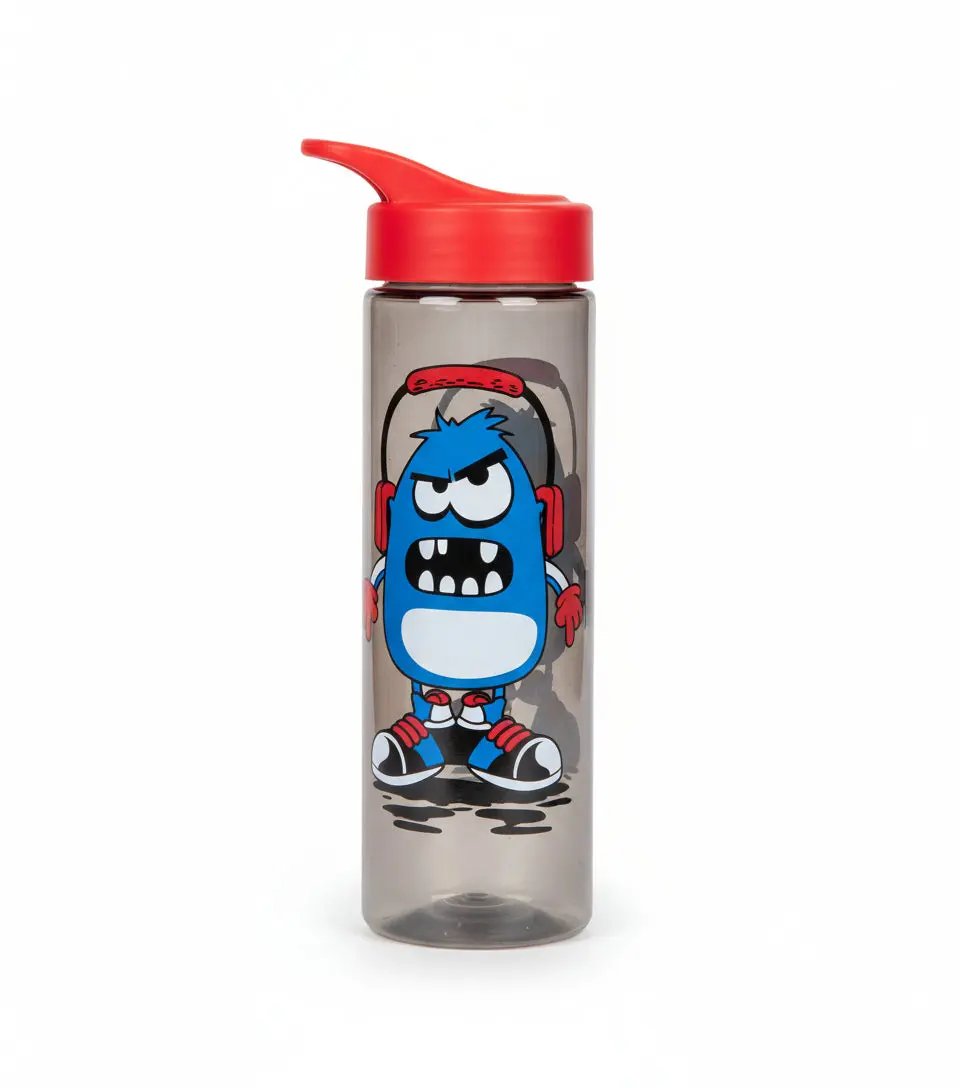
1 Must haveA named bottle saves buying water and keeps your child drinking through lessons and sport.
How to use it: Choose a leak proof lid. Mark the name with a permanent marker and wash it every day.
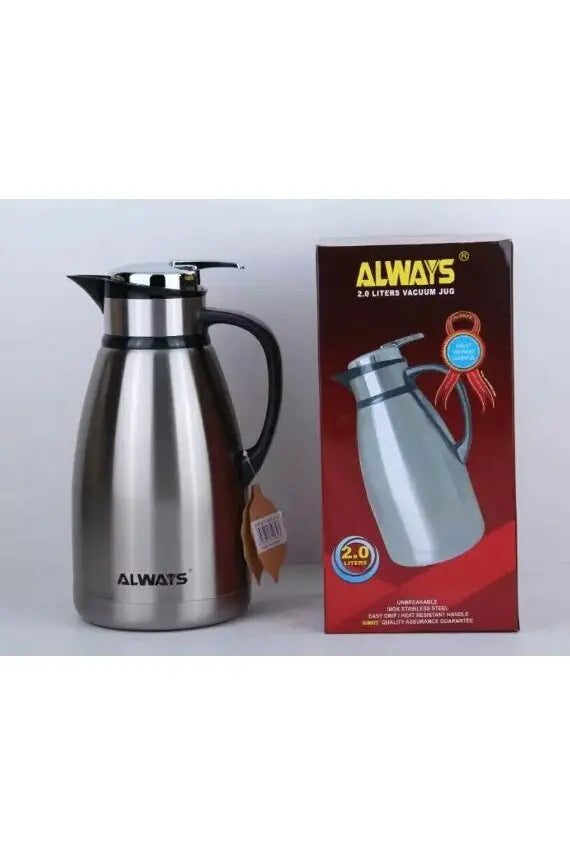
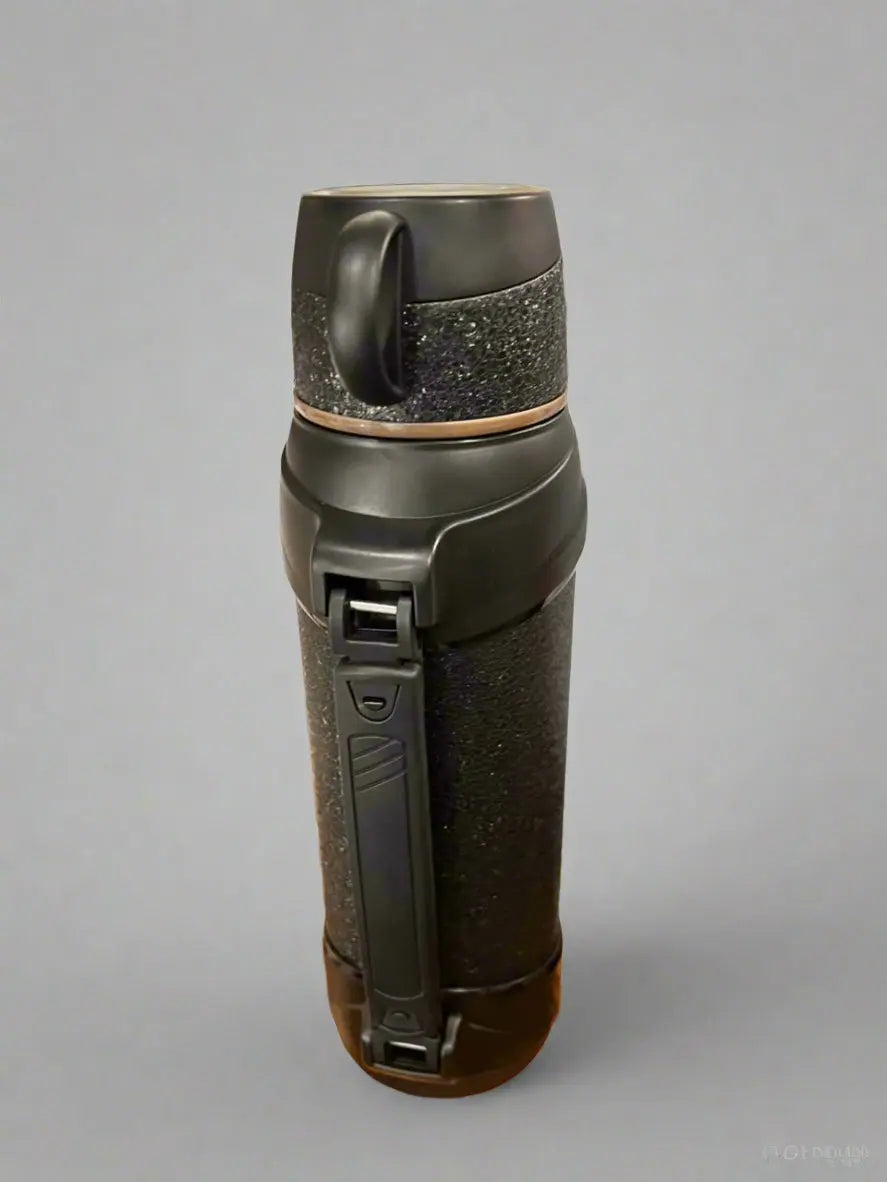
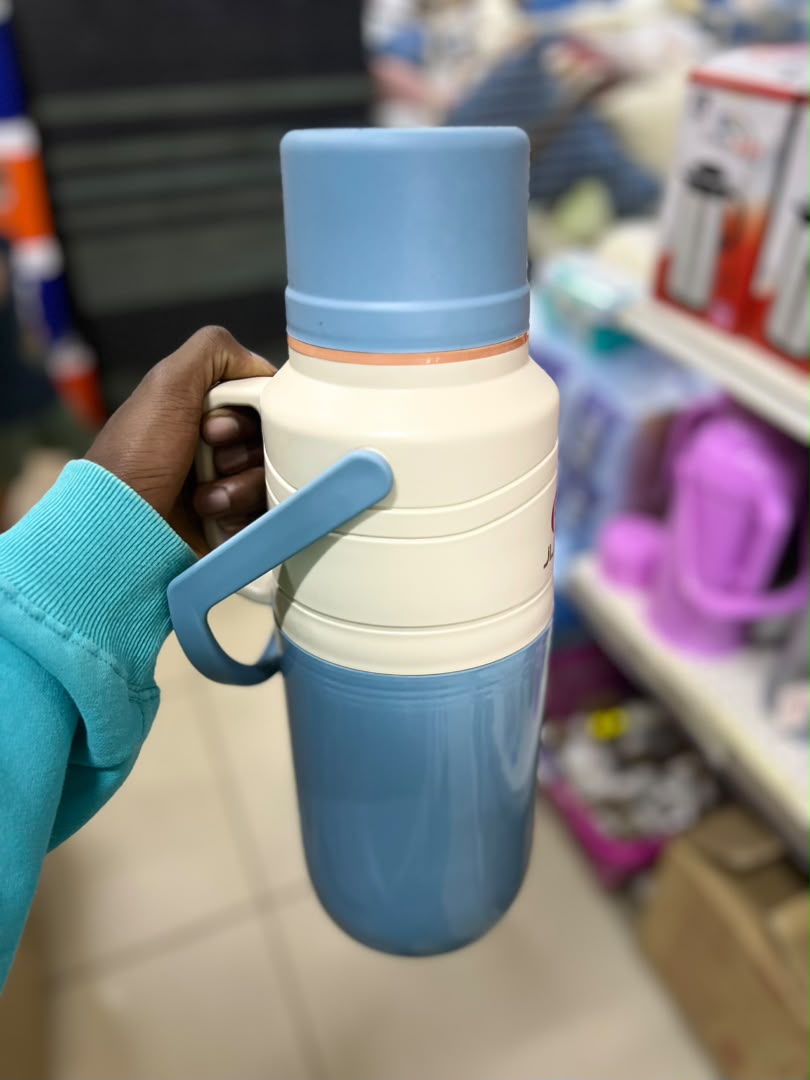
Thermos flask
1Nice to haveA flask keeps tea or warm water hot for the cold mornings and evenings, if the school allows.
How to use it: Rinse it well after each use and leave the lid off to dry so it does not smell.

Protein and quick meals
Only pack these if the school allows cooking or has a place to prepare food. Some schools do not allow any hot food in the dormitory.
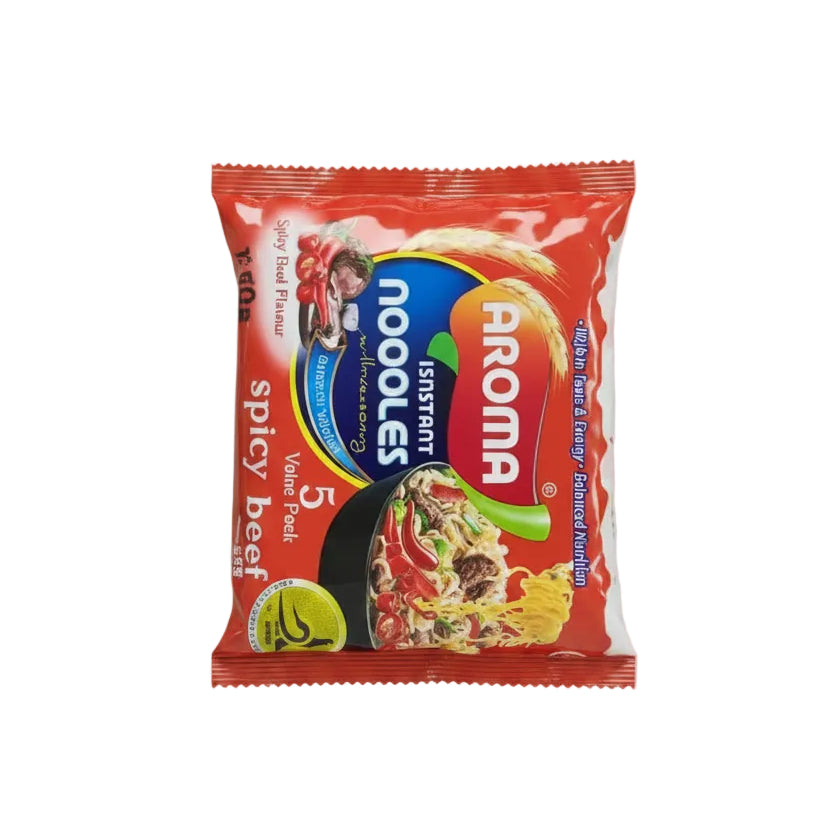
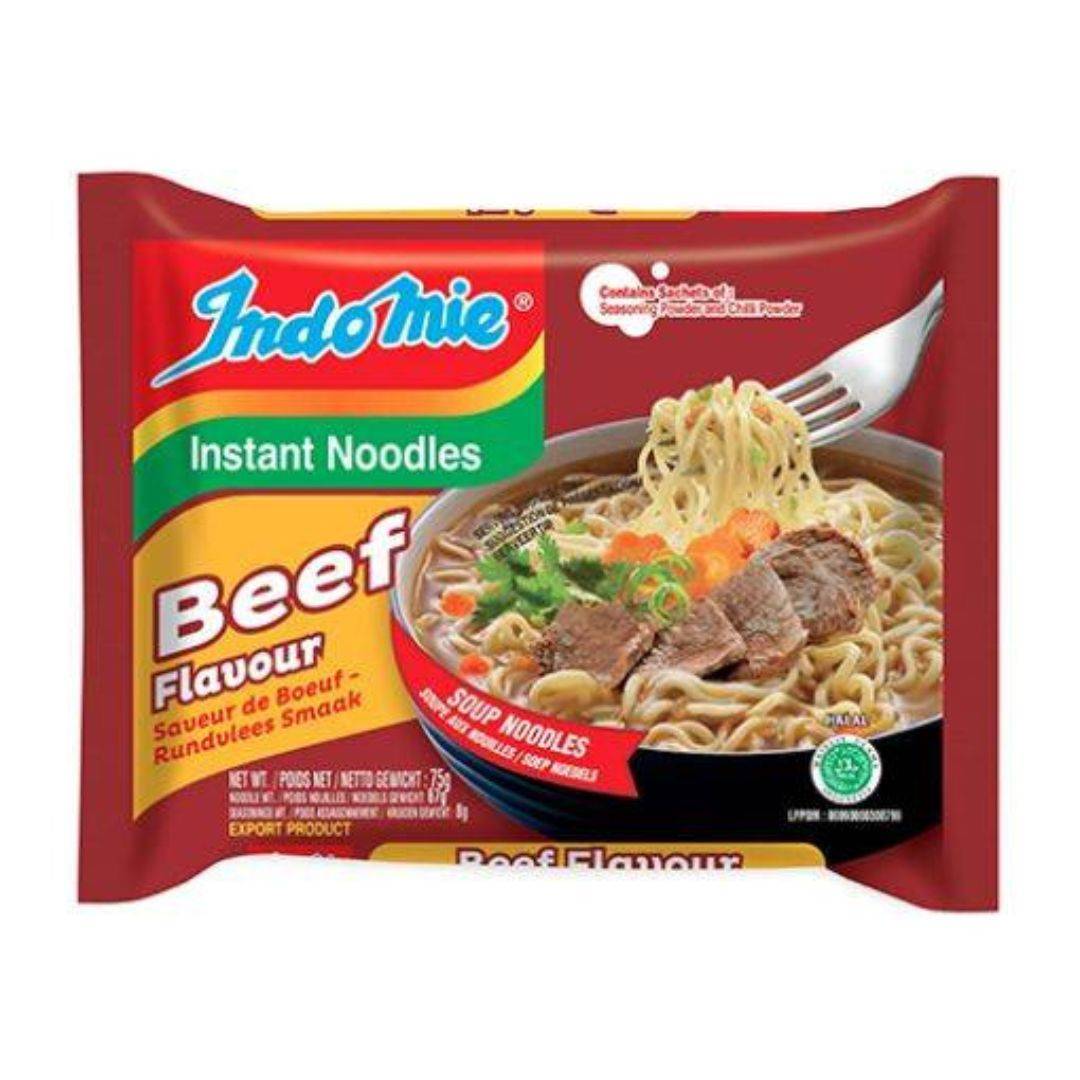
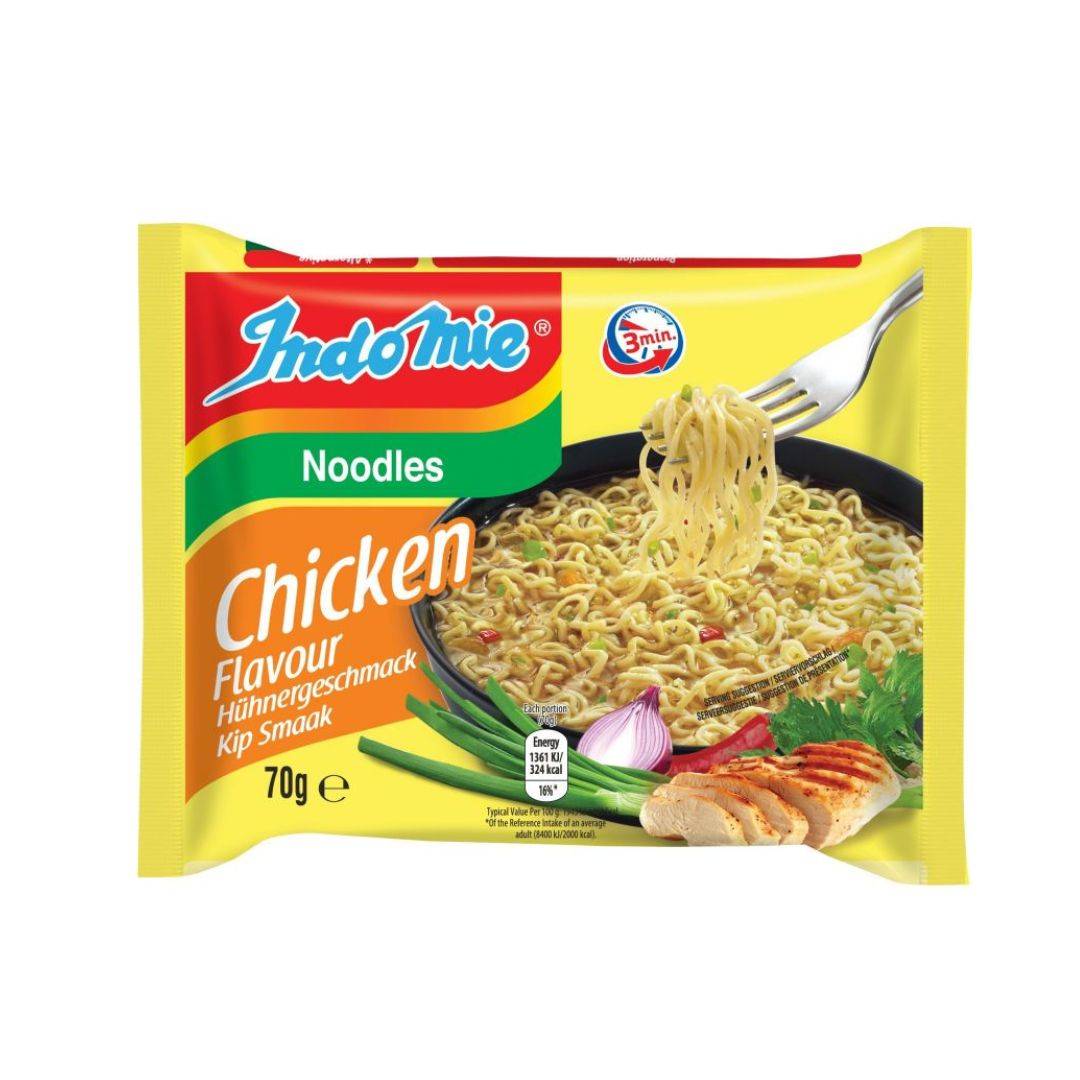
Instant noodles
6 to 10 packsNice to haveNoodles are a quick hot meal if the school has a kitchen corner or hot water.
How to use it: Pack only the number allowed. Keep the packets flat and sealed so they do not crush.
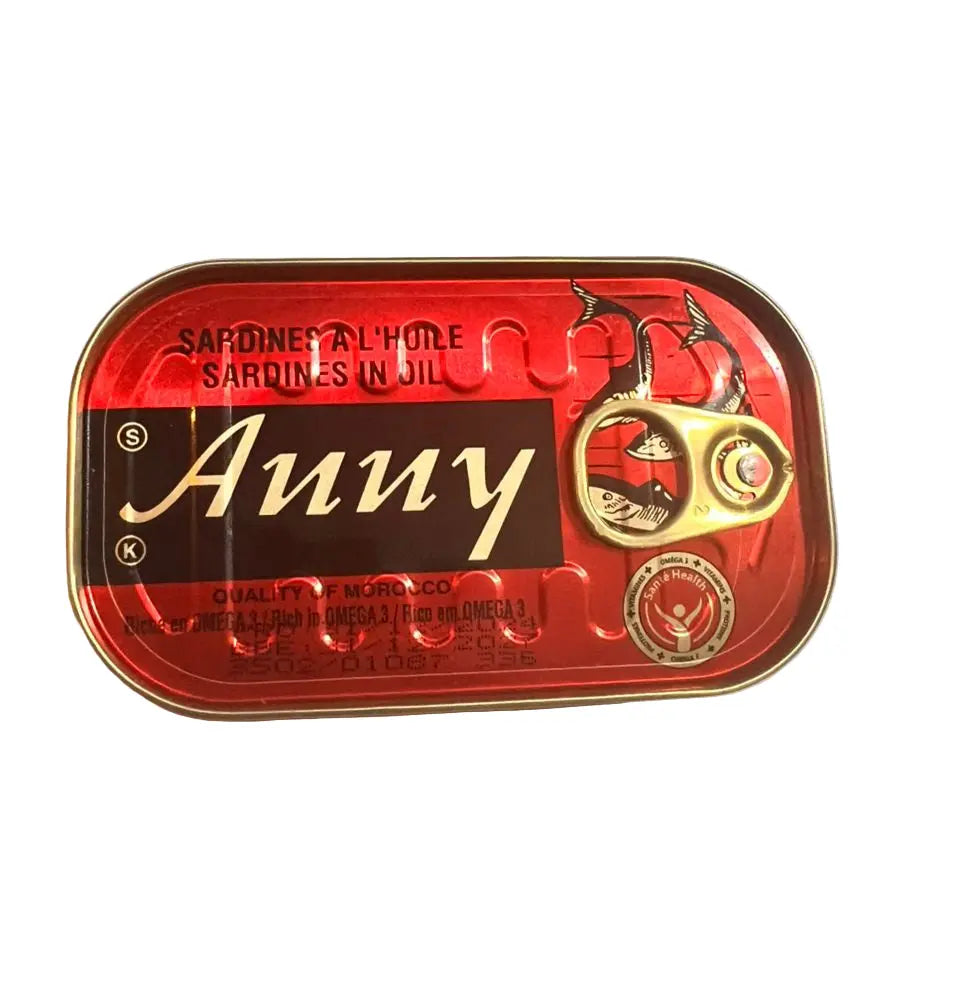
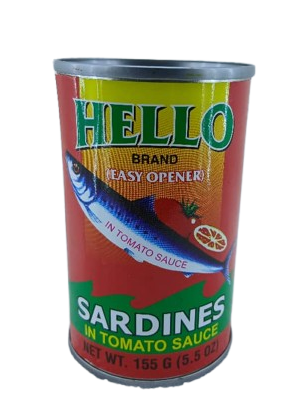
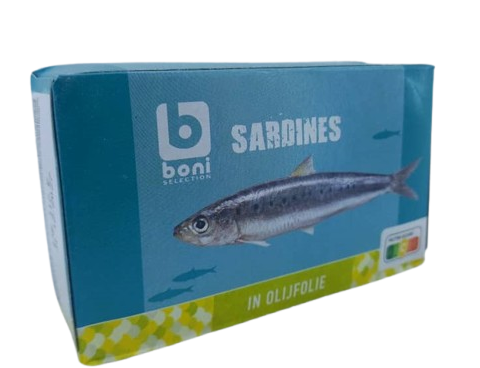
Canned sardines
4 cansNice to haveSardines are a ready to eat protein that goes with bread, crackers or rice.
How to use it: Pick pull tab cans if possible. Eat the whole can once it is opened.
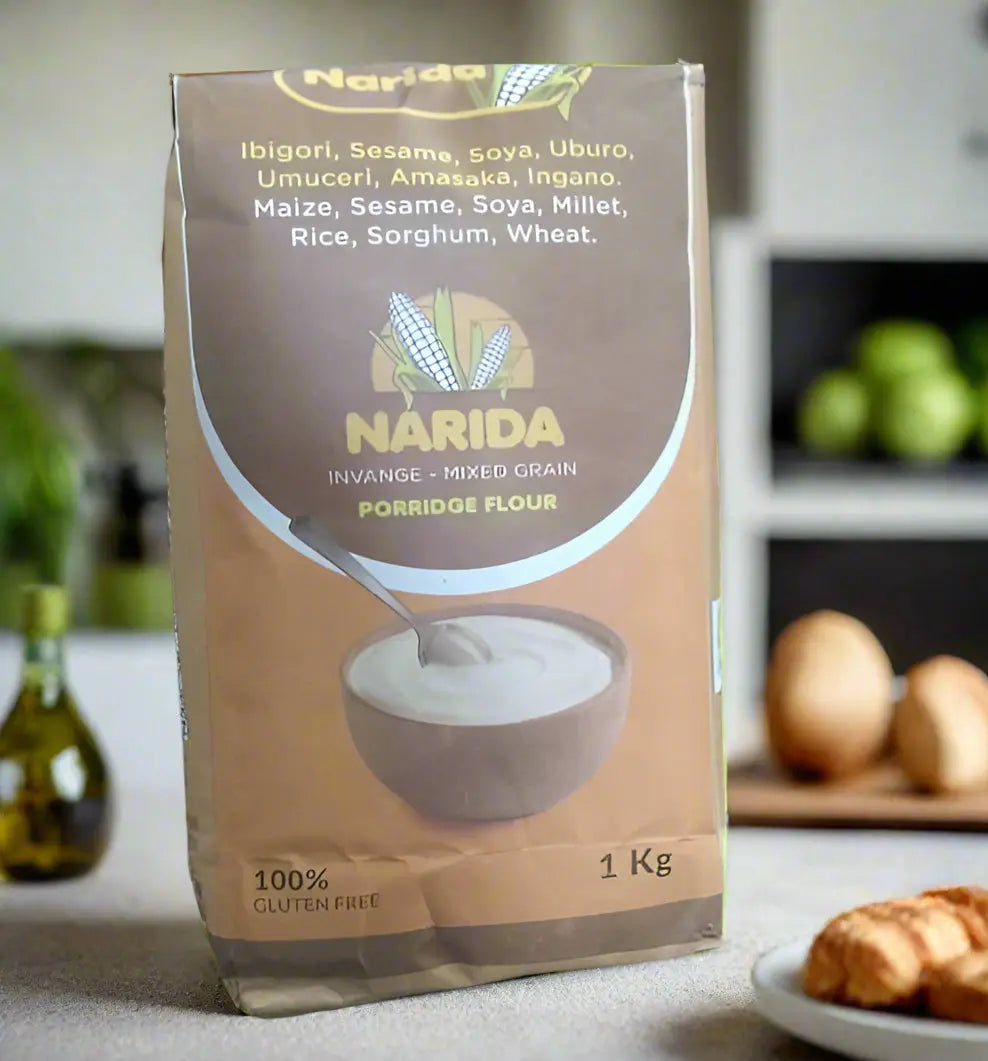
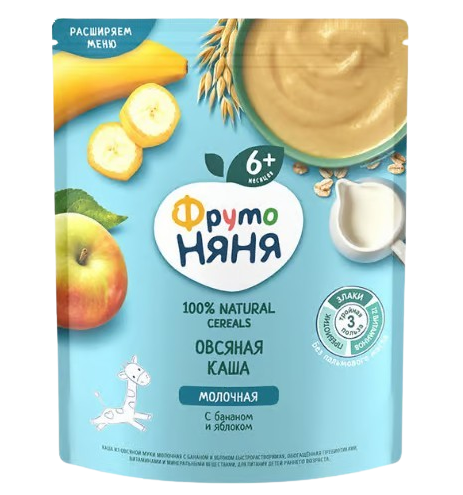
Porridge flour
1 kgNice to havePorridge flour makes a filling breakfast when mixed with hot water, and it stores well in a sealed container.
How to use it: Keep it dry and away from ants. Prepare it only where the school allows.
The box, the lock and the clean up
The best food is wasted if the box is not sealed. These items protect your child's supplies.
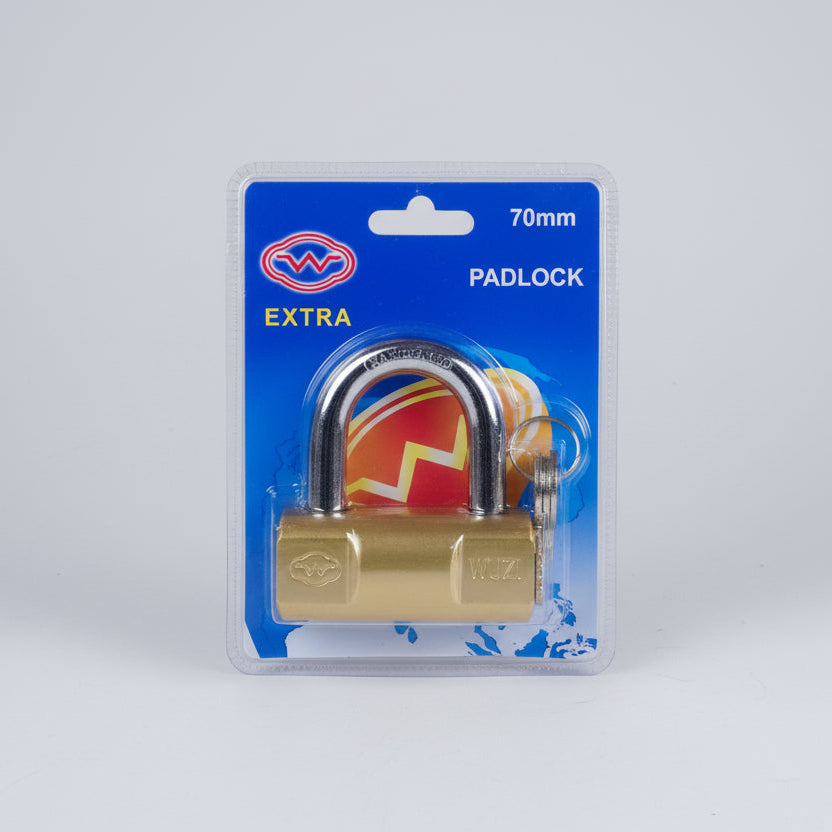
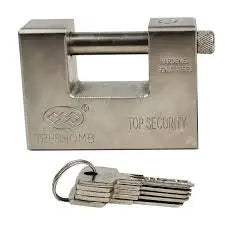
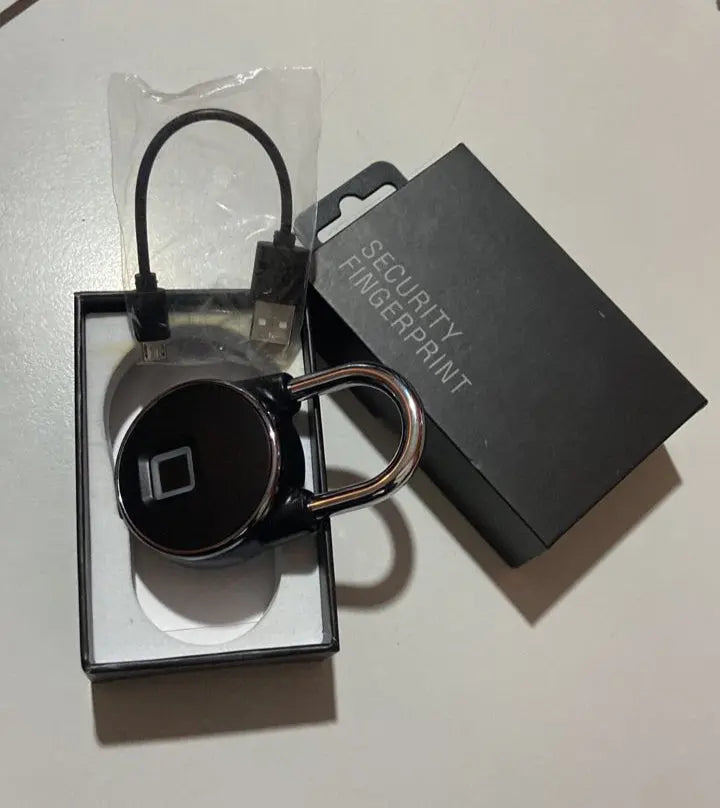
Padlock with two keys
1 Must haveA lock keeps the tuck box private and stops snacks from disappearing.
How to use it: Keep one key at home. Teach your child not to leave the key lying around.
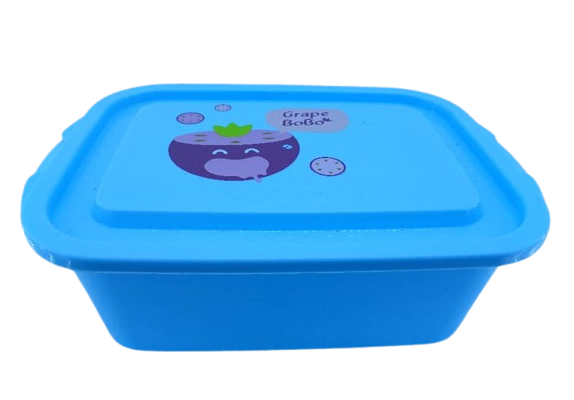
Sealed plastic containers
3 to 5 Must haveContainers keep ants, damp and dust out, and stop crumbs spreading through the dormitory.
How to use it: Choose a few sizes with tight lids. Wash and dry them fully before refilling.
Plastic bags
1 packNice to haveExtra bags are useful for separating snacks, wrapping opened packs and keeping rubbish together.
How to use it: Pack a small roll or a handful. Tie opened packets in a bag, not just fold them.
Permanent marker
1 Must haveA marker lets you write your child's name on bottles, containers and boxes.
How to use it: Mark the lid and the side. Do it before the trip to school, not after.
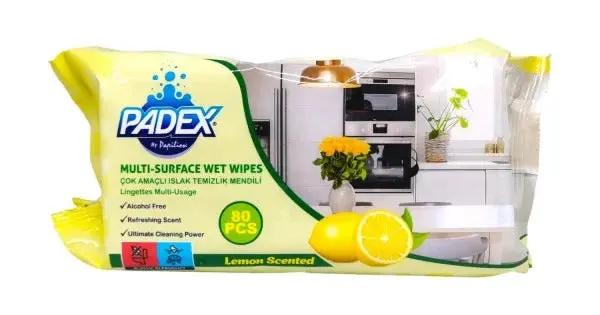
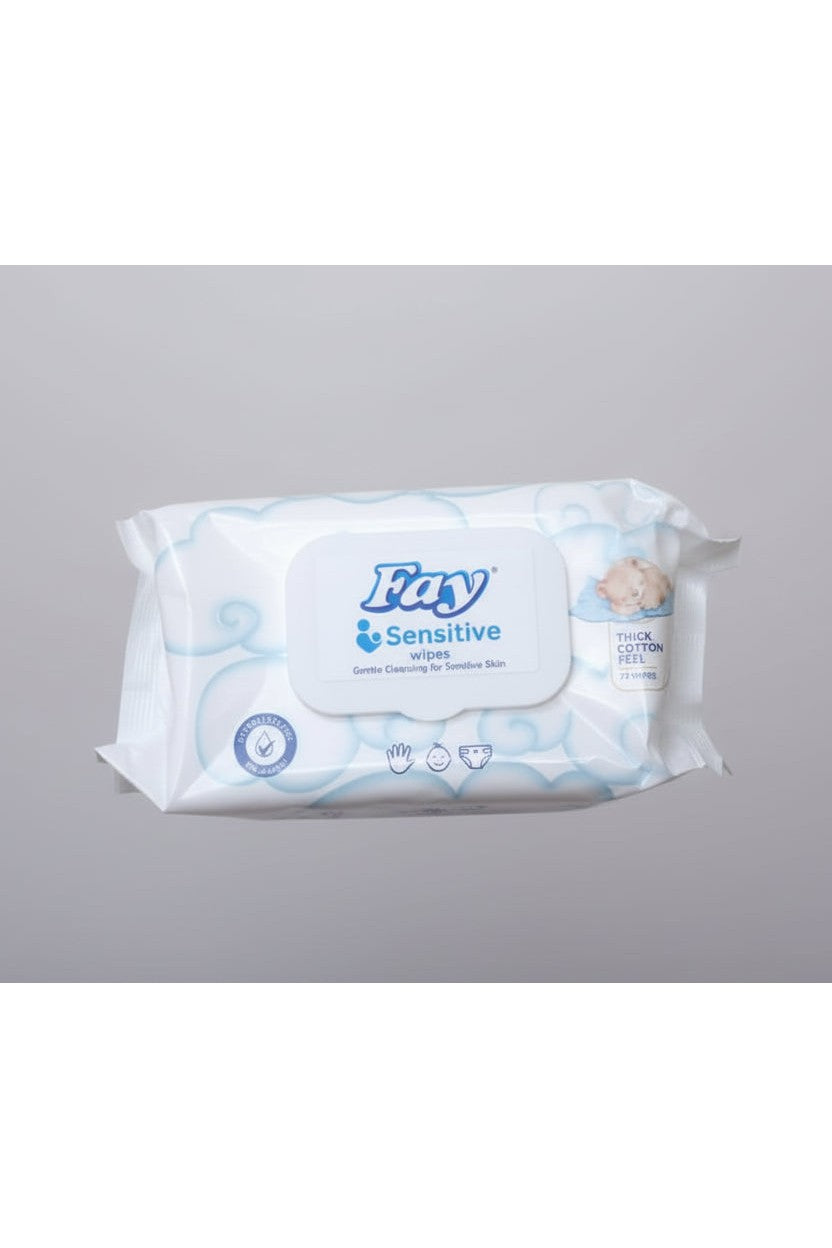
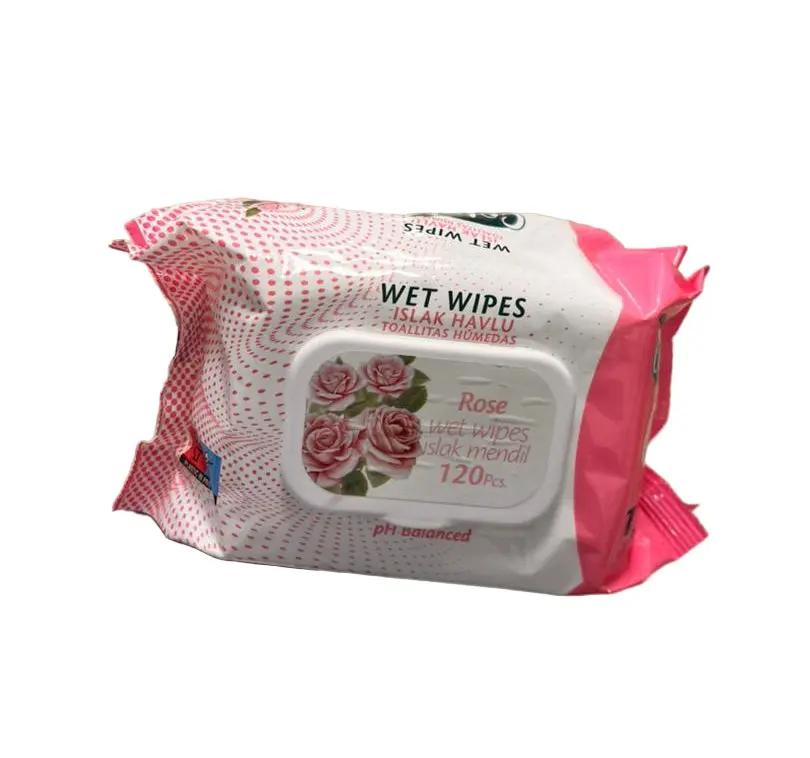
Wet wipes
1 to 2 packsNice to haveWipes handle sticky hands and spills fast, especially when water is not close.
How to use it: Keep a pack in the top of the box.


Personal care top ups
Boarders go through toiletries fast. A few top ups mean no emergency visits to the school shop.
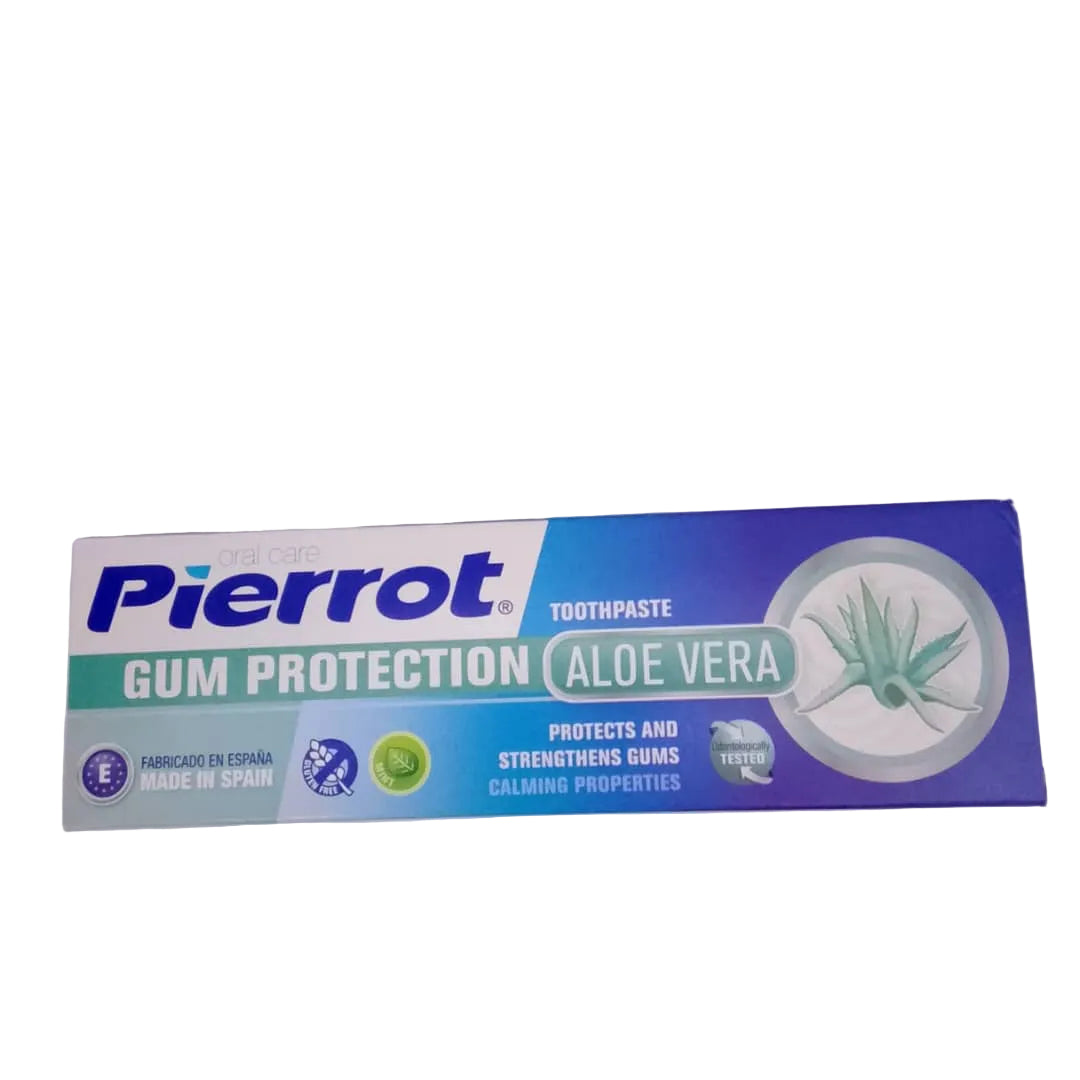
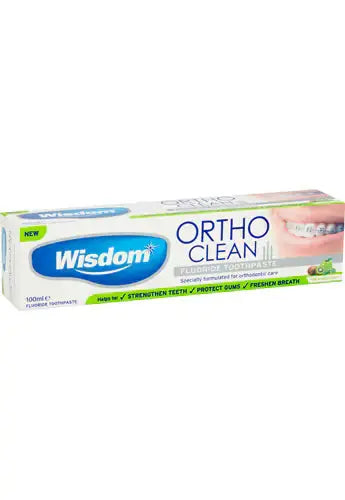
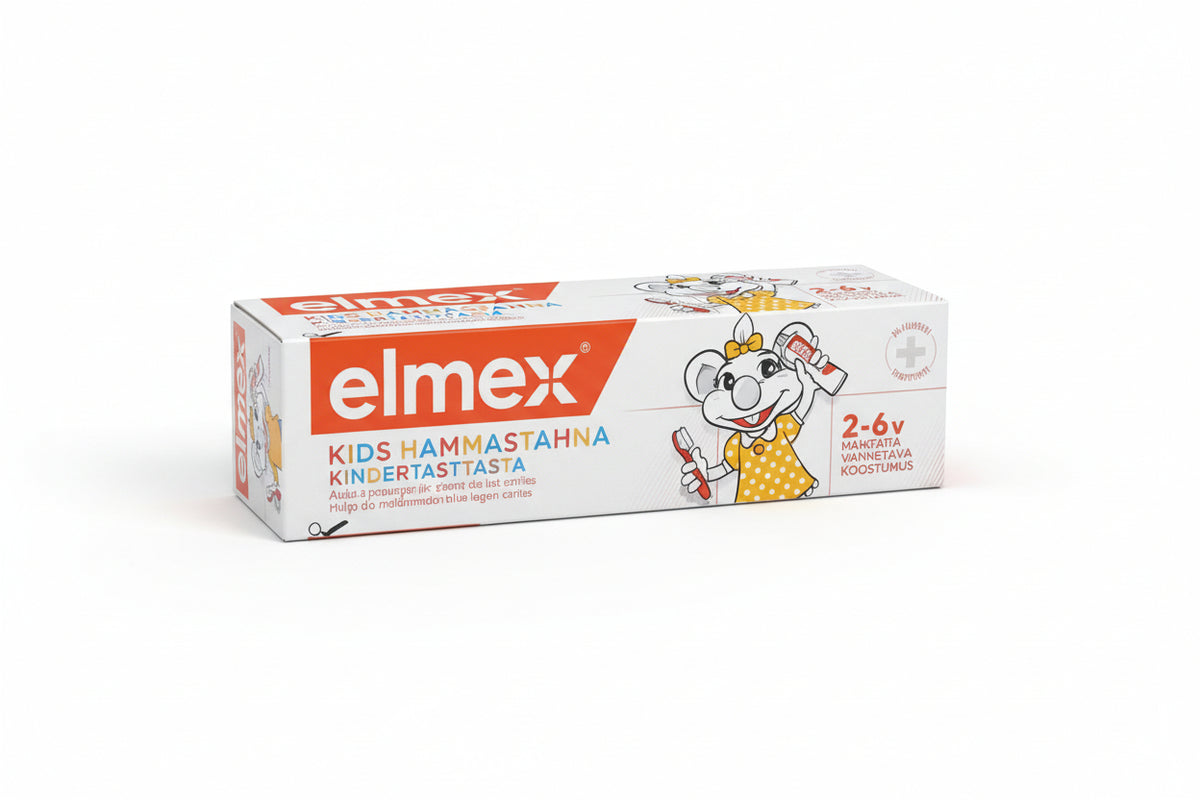
Toothpaste and toothbrush
2 tubes, 2 brushes Must haveDental care is a daily habit and cannot run out mid term.
How to use it: Pack a spare brush and a second tube for the second half of term.
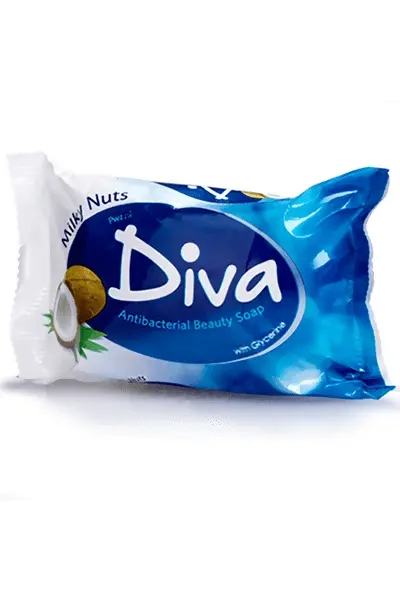
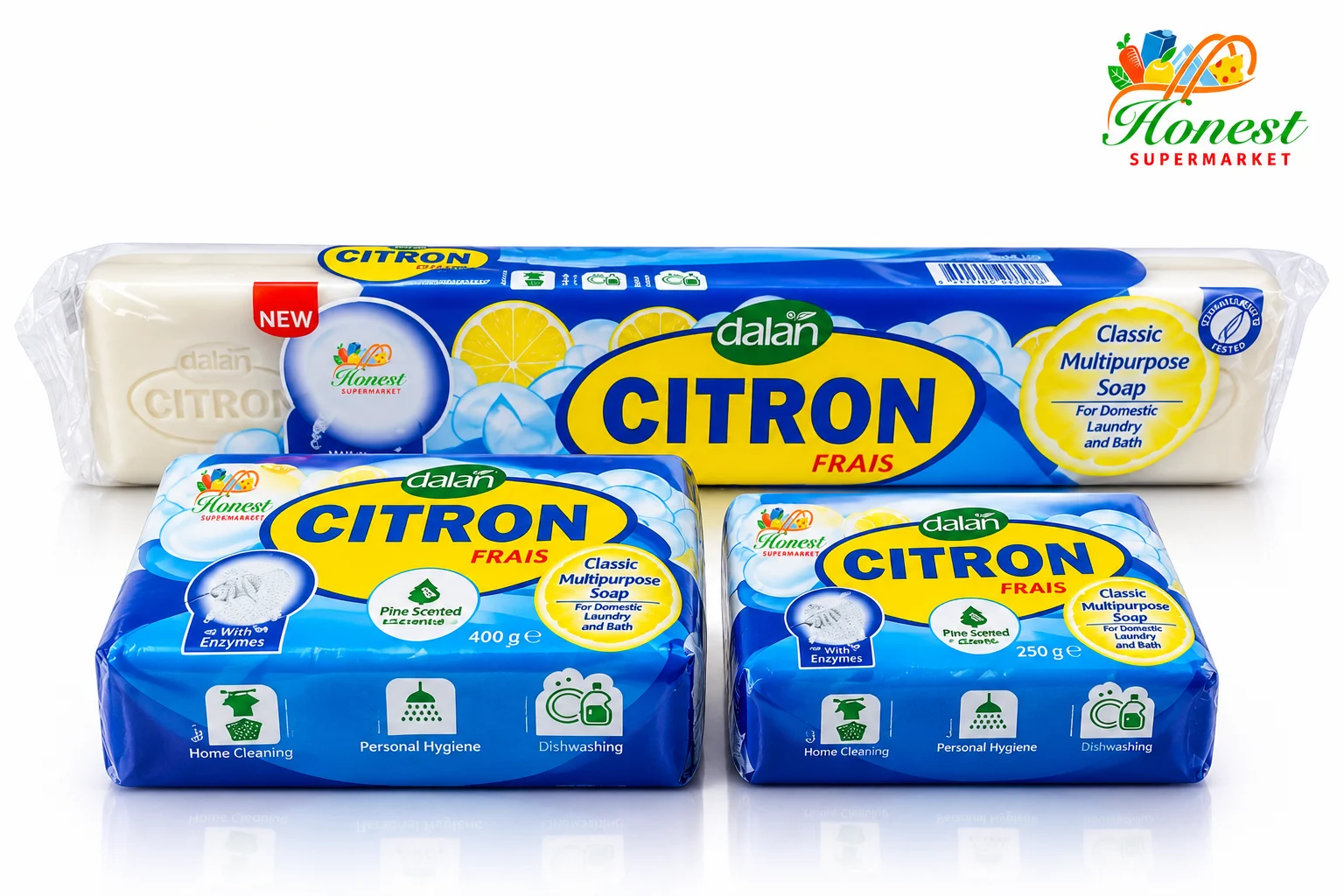
Bath soap and washing soap
2 bars of each Must haveBoarders often wash their own small items between school laundry days.
How to use it: Keep soap in a closed dish so it does not leak onto food.
Body lotion and petroleum jelly
1 eachNice to haveDry season air and dust dry out skin quickly. Petroleum jelly also helps with chapped lips and heels.
How to use it: Pack small sizes that fit in a bag, not big bottles.
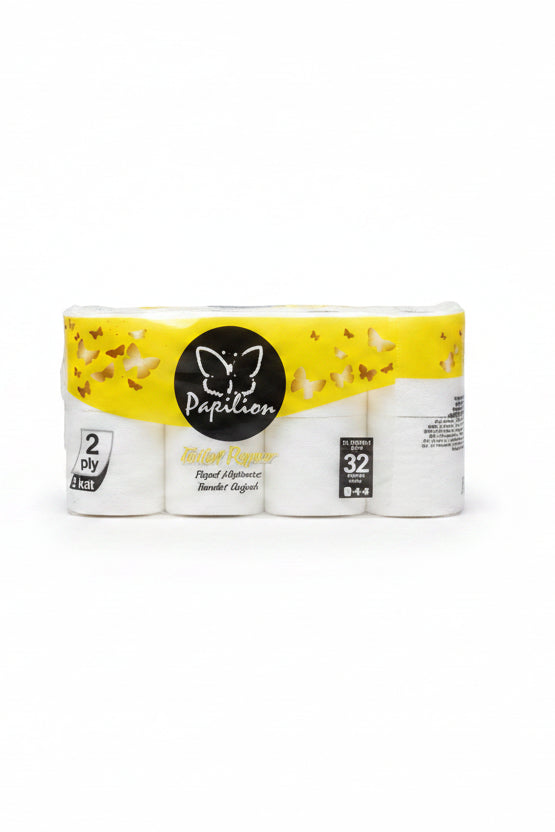
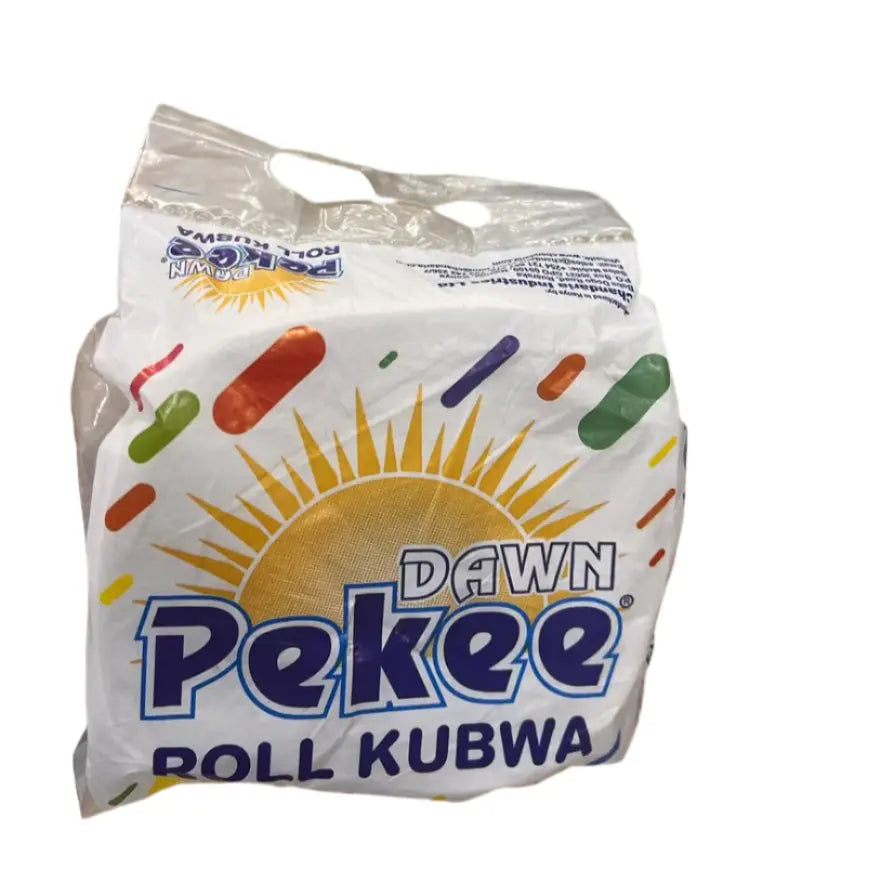
Toilet paper
4 rollsNice to haveToilet paper may run out between supplies and is easy to forget.
How to use it: Pack a few rolls in a plastic bag to keep them dry.
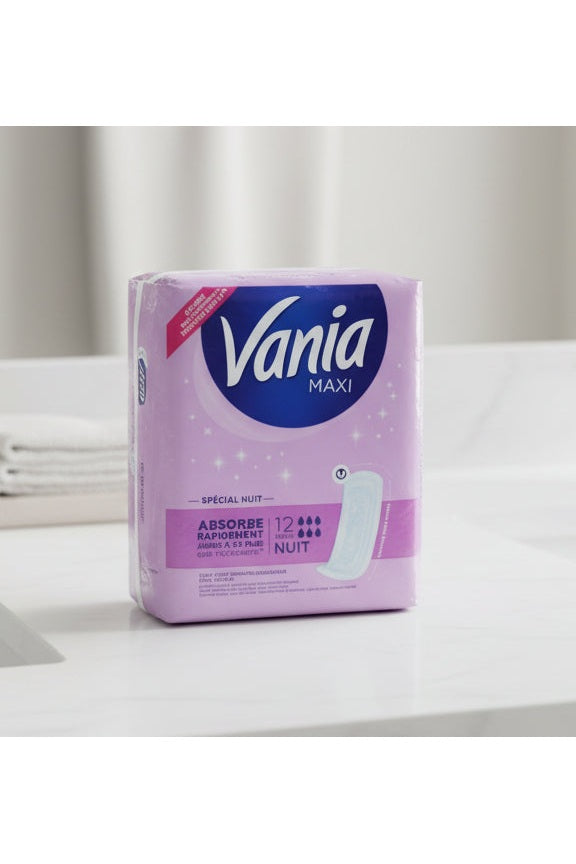
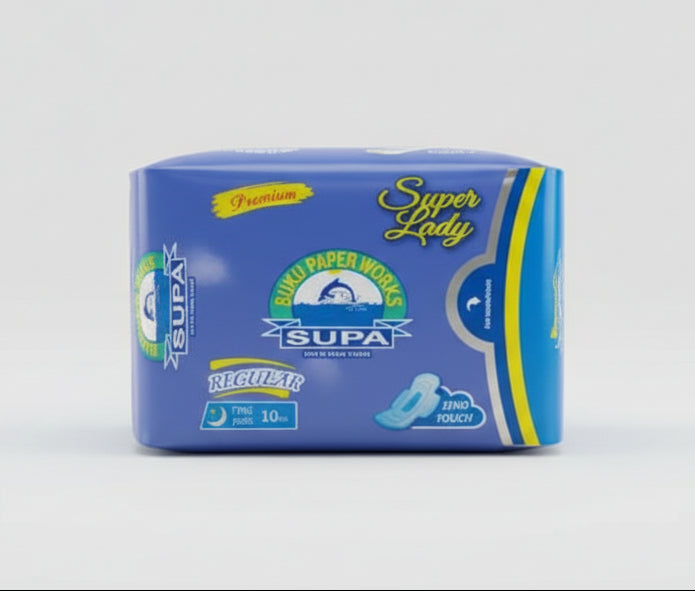
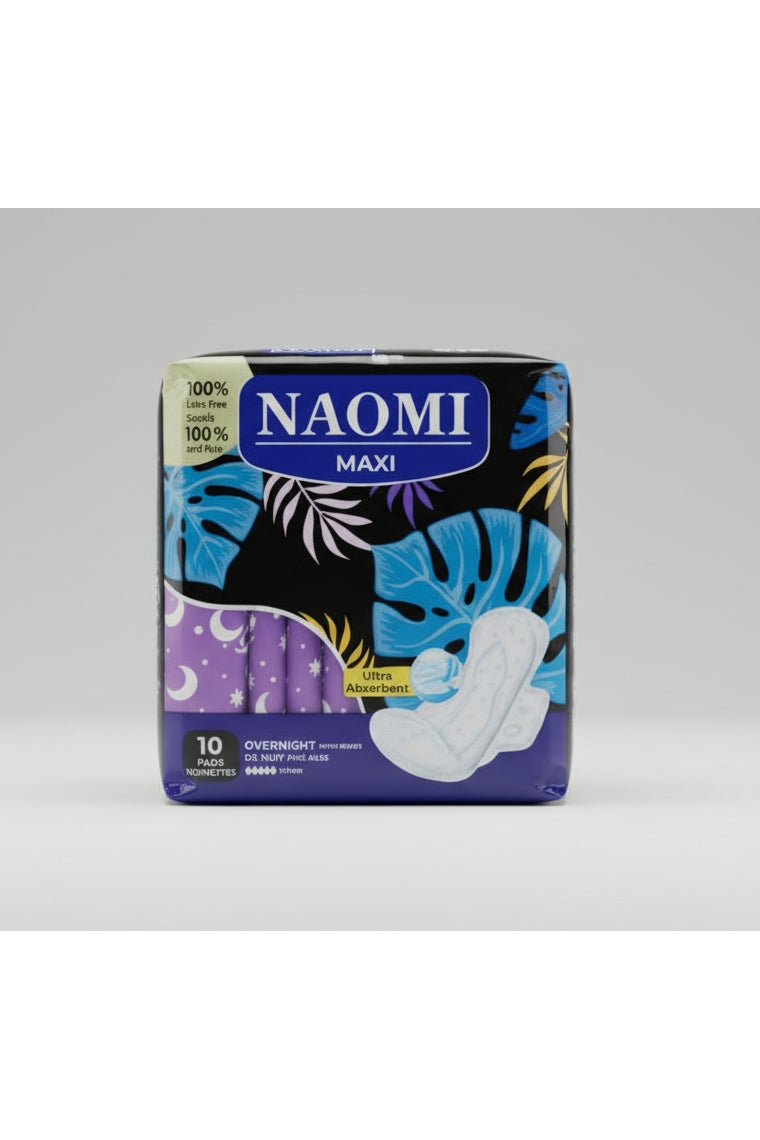
Sanitary pads
Enough for the term Must haveGirls need a reliable stock for the full term so they never miss class or sport.
How to use it: Pack enough for the whole term plus extra, and keep them in a private bag.
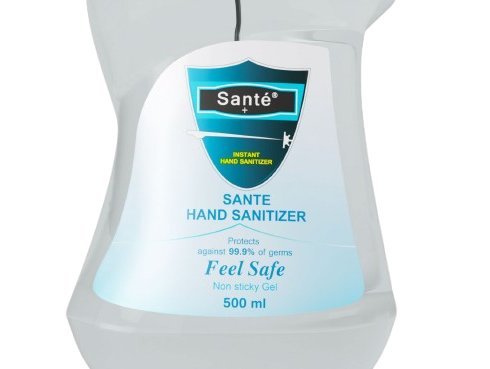
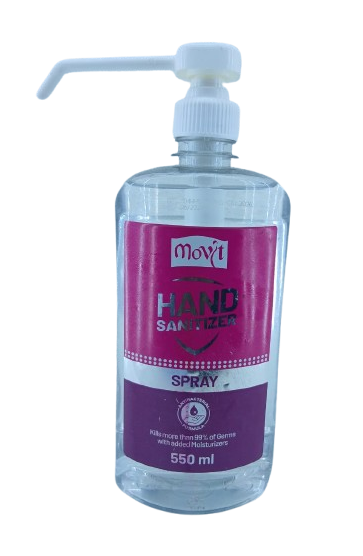
Hand sanitizer
1 small bottleNice to haveA small bottle helps when handwashing water is far away.
How to use it: Choose a small bottle your child can carry. Wash with soap when you can.





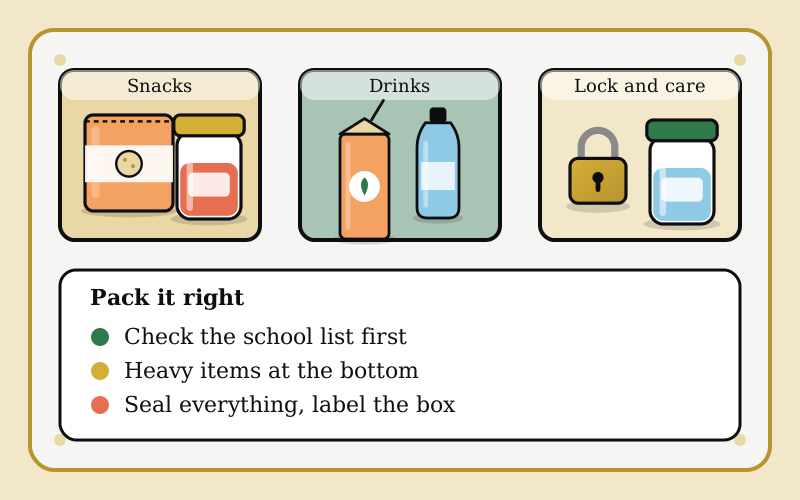
Step by step
- 1
Four weeks before
Get the school list and rules. Write down what is allowed in the tuck box and what is not.
- 2
Two weeks before
Buy lock, containers, toiletries and long lasting items like peanut butter and jam. Check what is already at home.
- 3
One week before
Buy biscuits, crackers, nuts and drinks. Label bottles and containers with your child's name.
- 4
Two days before
Pack the box. Put heavy jars at the bottom, snacks in sealed containers on top and toiletries in a separate bag.
- 5
Drop off day
Check the lock, show your child what is inside and agree how to share treats and ration the food.
Tips that help
- Ration the term. Split snacks into equal piles by month so the box lasts until the next visiting day.
- Pack heavy jars at the bottom and fragile biscuits on top, so nothing is crushed.
- Use sealed containers for everything opened. Ants can find an open packet within a day.
- Put a short list inside the lid of what you packed. It helps your child check the box.
- Include a small treat to share. Sharing helps new boarders make friends.
- Avoid foods that need a fridge. Dormitories rarely have one.
- Plan a mid term top up for visiting day so the box never runs completely empty.
Mistakes to avoid
- Packing foods that spoil quickly, like fresh fruit or cooked food.
- Ignoring the school list and finding half the box is not allowed.
- Buying one huge pack of each snack instead of smaller ones that stay fresh.
- Forgetting a lock or giving your child the only key.
- Packing sticky or strong smelling foods next to clothes.
Questions people ask
What should go in a tuck box for boarding school?+
Dry snacks like biscuits, crackers and nuts, a spread, a few drinks and a small set of toiletries. Keep everything sealed and check the school's list of allowed items first.
How much food should I pack for a term?+
It depends on the length of the term and how often you can visit. Plan a small amount of snacks for each week and top up on visiting day rather than packing everything at once.
Are students allowed to keep food in the dormitory?+
Rules differ by school. Some allow dry snacks only, some limit sugar or hot food. Ask the school or read the joining instructions before you shop.
How do I stop ants from getting into the box?+
Use sealed plastic containers, tie opened packets in bags and wipe up crumbs. Keep the box off damp floors if you can.
What foods are best for a long term?+
Foods that do not need a fridge and do not go off quickly: biscuits, crackers, dried fruit, peanut butter, jam and sealed juice packs.
A well packed tuck box makes a term at boarding school a little warmer. Use this list, adjust it to your school's rules and shop it on Isokko, with delivery to your door in Kigali.
Shop this list
Get everything delivered in Kigali
Order from local stores on Isokko and pay with MoMo, card or cash. Same-day delivery.