
Checklist · Home & moving
Setting Up Curtains and Blinds in a New Rental in Kigali: Checklist
What to buy and measure to hang curtains and blinds in a rented Kigali home, from rods to blackout options. A simple window checklist.
Updated November 27, 2026 · By Isokko

A new rental often comes with bare windows. That means neighbors can see in at night, the morning sun wakes you at dawn, and the room looks empty. Curtains or blinds fix all three, but only if you measure first and buy the right fittings.
This checklist walks you through measuring, choosing fabric and lining, picking a rod or rail, and hanging everything without damaging a wall you do not own. Many Kigali windows are wide, with metal frames and tiled or painted walls, so the fixing details matter.
Use it room by room. Measure once, write it down, and shop with your numbers in hand.
Who it's for
Anyone who has just rented a house or apartment in Kigali and needs privacy and shade
Time needed
One evening to measure, then a weekend to hang
When to shop
After the landlord says what you may fix to the walls, and before your first week of sleeping there
On the list
29 items, 11 must haves
0 of 29 ready
Measure and plan
Good numbers save you from returning a curtain that is too short or a rod that is too long.
Measuring tape
1 Must haveA tape lets you measure the window width, the height, and the space above and beside the frame. Guessing leads to curtains that hang awkwardly.
How to use it: Measure the width of the window, then add some extra on each side so the curtain can sit clear of the glass when open. Measure from where the rod will sit down to the floor or the sill.
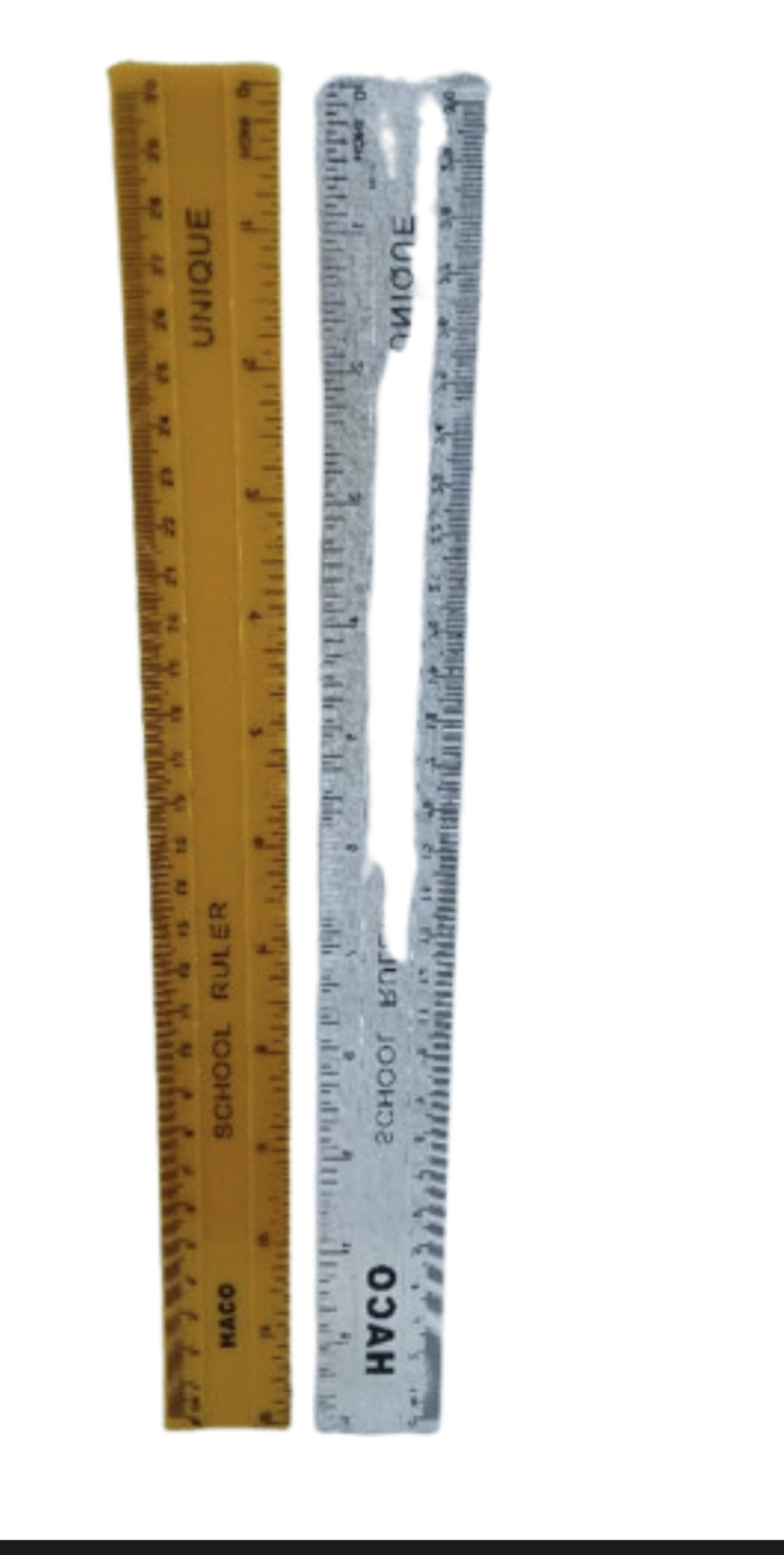
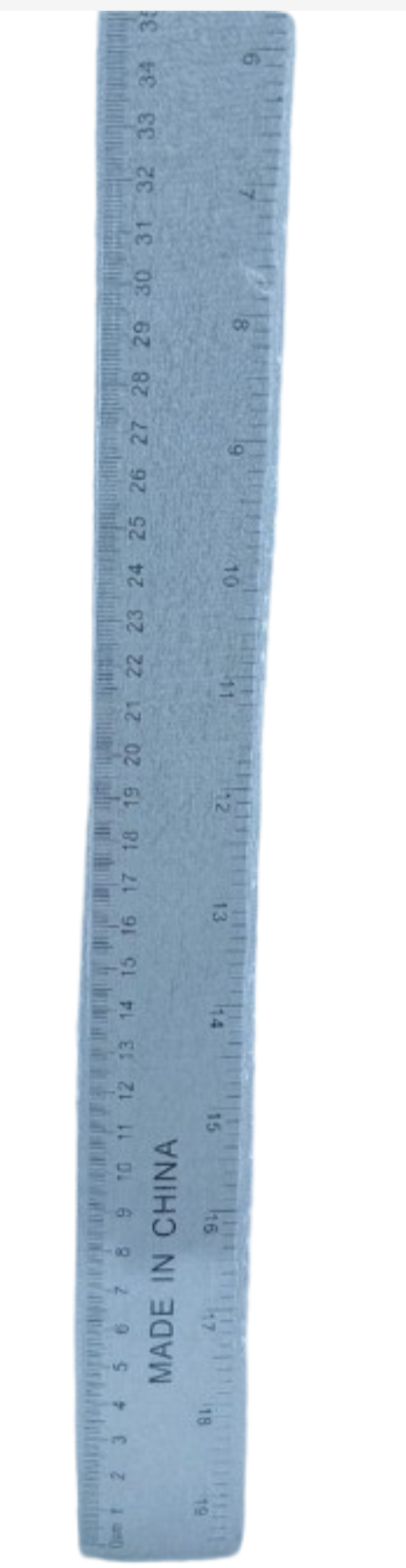
Ruler
1Nice to haveA short ruler helps you mark the rod position and bracket spacing neatly on the wall.
How to use it: Use it with a pencil and check the marks are level on both sides.
Notebook for your measurements
1 Must haveYou will measure many windows. Writing each one down with the room name stops you mixing them up in the shop.
How to use it: Write room, width, height and whether the window opens inward or outward. Take it with you or keep a photo of the page.
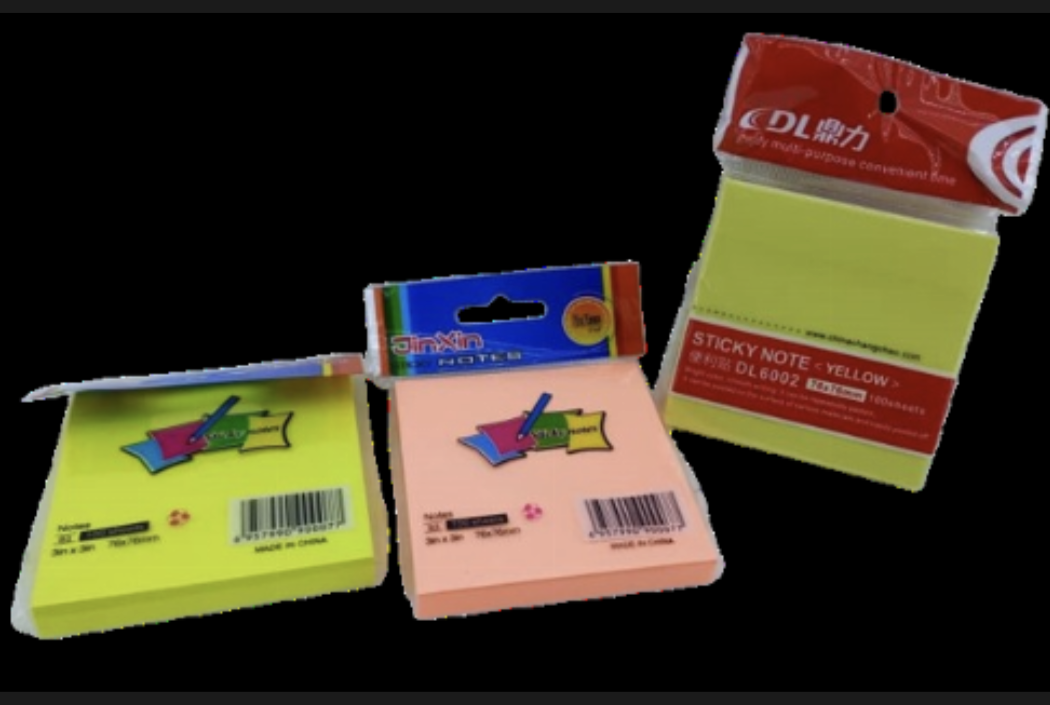
Sticky notes
1 padNice to haveLabels on the wall or on the curtains tell you which panel goes where when you hang them later.
How to use it: Mark the rod position on the wall with a small note before you drill. Label each curtain with the room name.
Stool or small ladder
1 Must haveYou need to reach the top of the window safely to measure and fix the rod. A chair on a tile floor is a fall waiting to happen.
How to use it: Set it on a flat, dry floor and ask someone to hold it. Never stand on the top step.
Curtains and fabric
Choose fabric for the job of the room, not only the color.
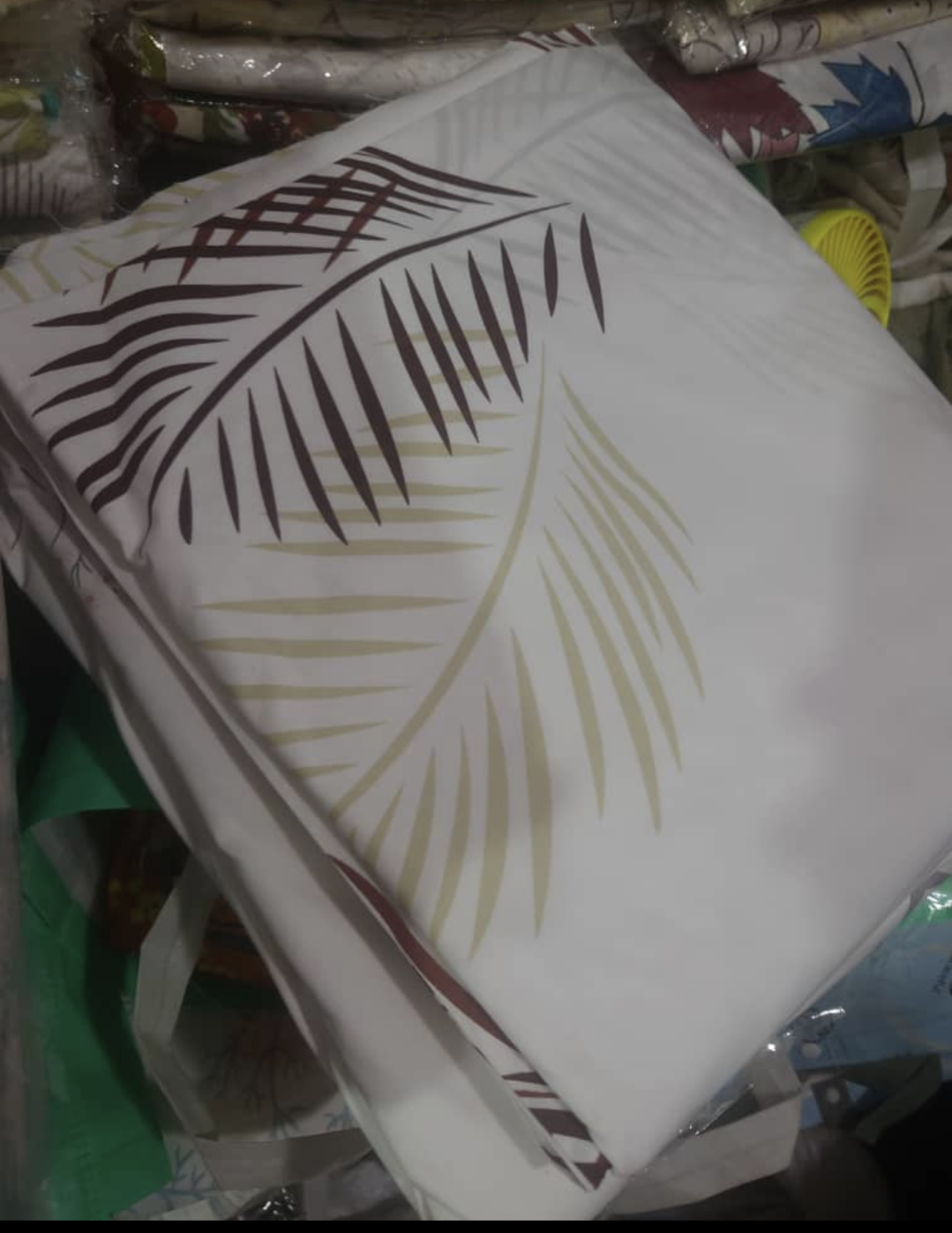
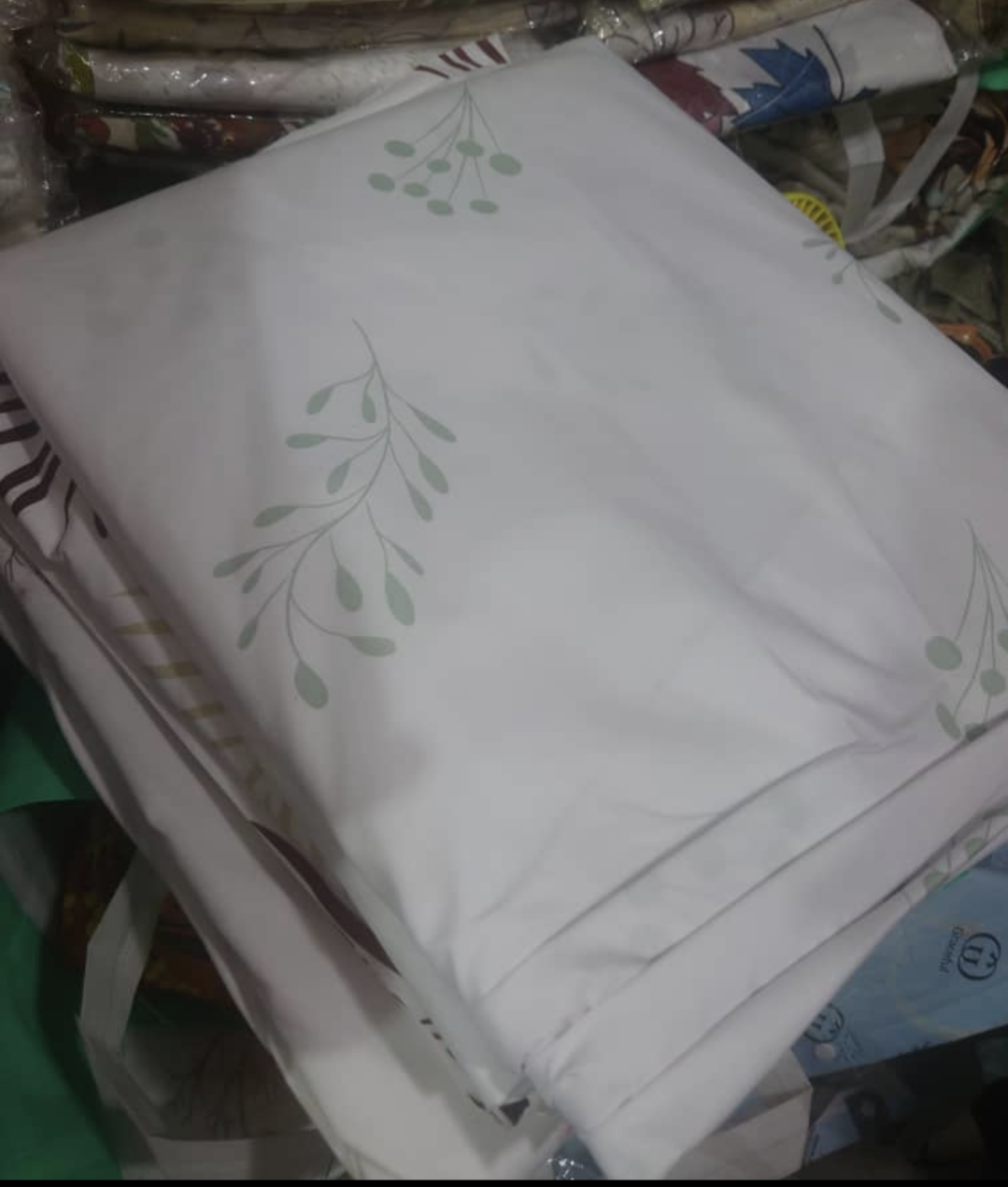
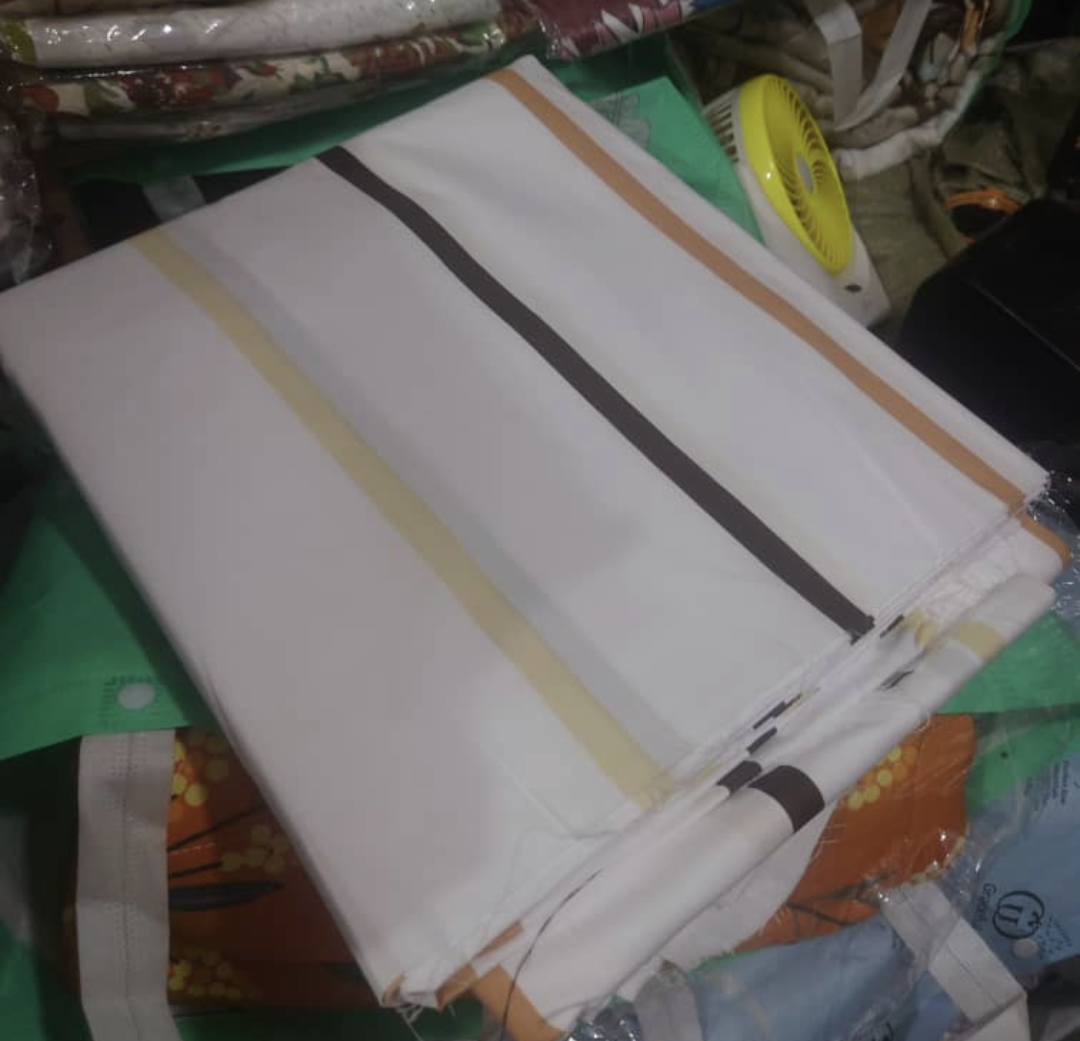
Ready-made curtain panels or fabric by the meter
1 pair per window Must haveThis is the main item. Panels are quick, while fabric from a tailor lets you match your exact window size.
How to use it: For ready-made panels, check width and drop against your notes. For fabric, ask the tailor for about double the window width so the curtain looks full when closed.
Blackout lining
1 per bedroom window Must haveBedrooms with east facing windows get bright early. Blackout lining keeps the room dark for a better sleep, and for people who work nights.
How to use it: Sew or clip it behind a normal curtain. Test it in daylight before you buy a lot.
Sheer or net curtain
1 per windowNice to haveA light layer gives privacy during the day while still letting light in. It is useful for ground floor windows near a road or compound path.
How to use it: Hang it on a separate rod behind the main curtain so you can open each one on its own.
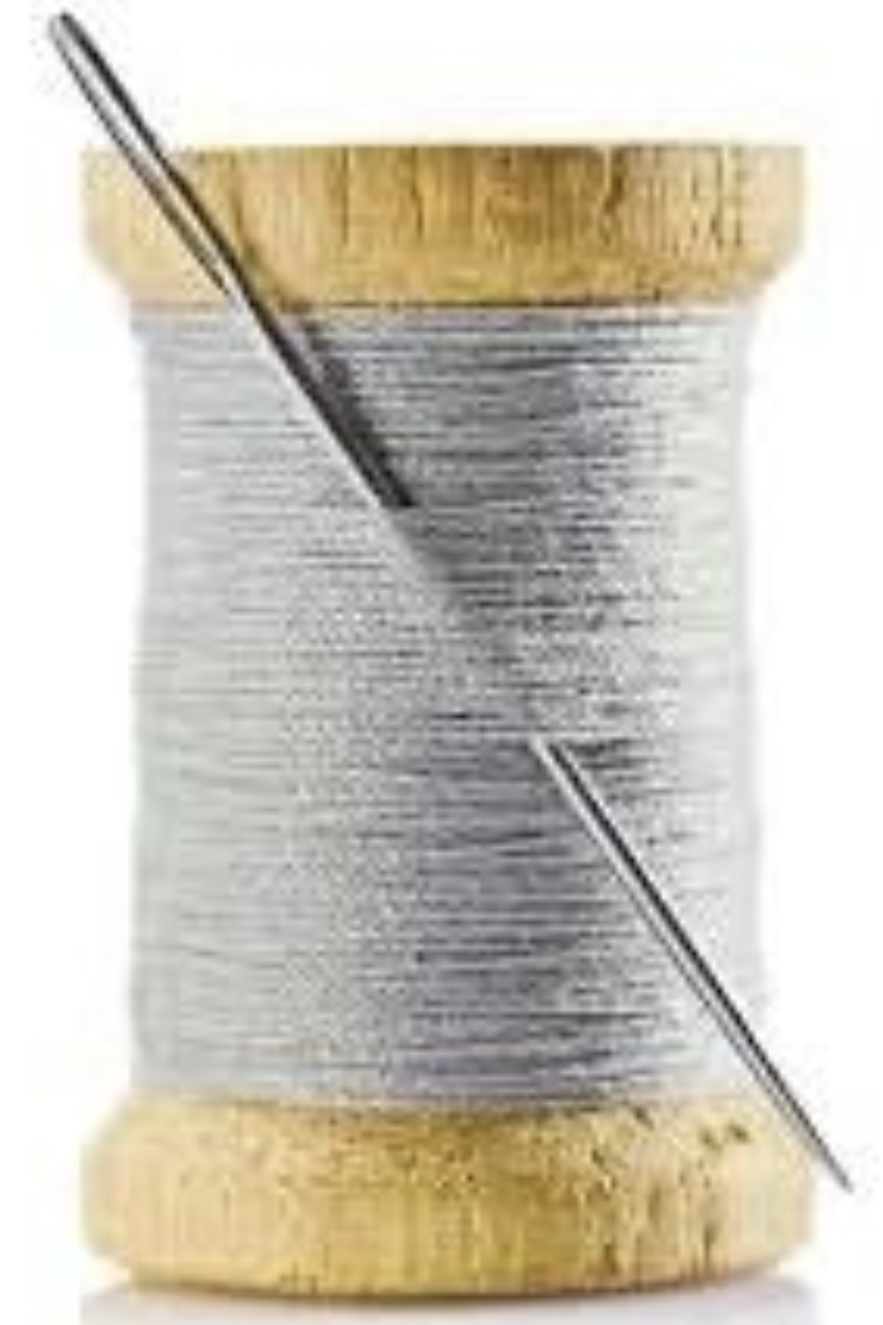
Sewing needle and thread
1 setNice to haveReady-made curtains are often too long. A simple hem fixes it without a trip to the tailor.
How to use it: Pin the new length on both sides first, then sew small, even stitches.
Spare bed sheet for a quick cover
1Nice to haveIf your curtains are still being sewn, a clean sheet pinned over the window gives privacy on the first night.
How to use it: Fix it with tape or clips at the top. It is a short fix, not a long term answer.

Rods, rails and fixings
The fitting holds the weight of the fabric. A thin rod on a heavy curtain will bend.
Curtain rod or rail
1 per window Must haveThis holds the curtains. Choose a rod that is slightly wider than the window frame, with brackets that can hold the weight of your fabric.
How to use it: Check that brackets are included. For a heavy blackout layer, pick a thicker rod or add a middle support.
Curtain hooks or rings
10 to 20 per curtain Must haveThey connect the fabric to the rod and let it slide. Missing hooks are a common last minute problem.
How to use it: Buy a few spares. Space them evenly so the curtain folds neatly.
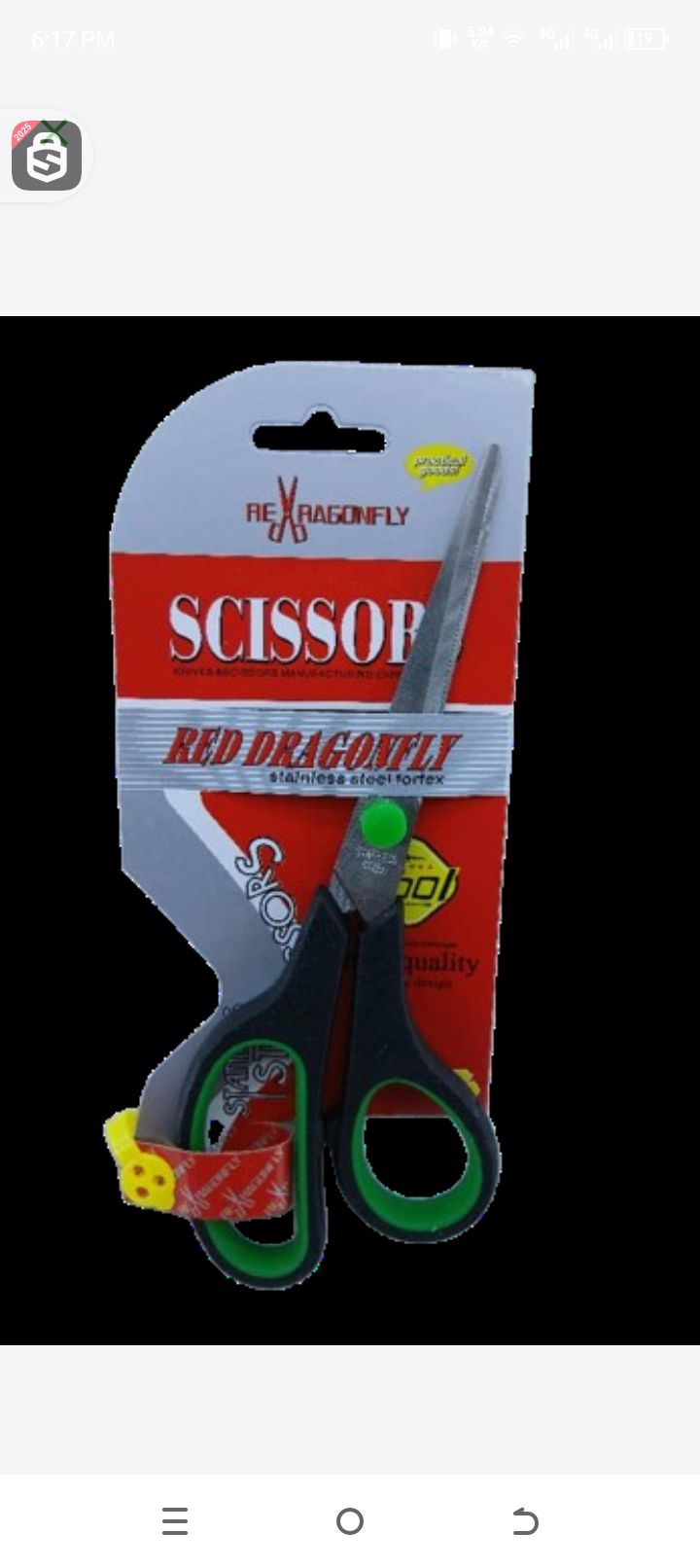
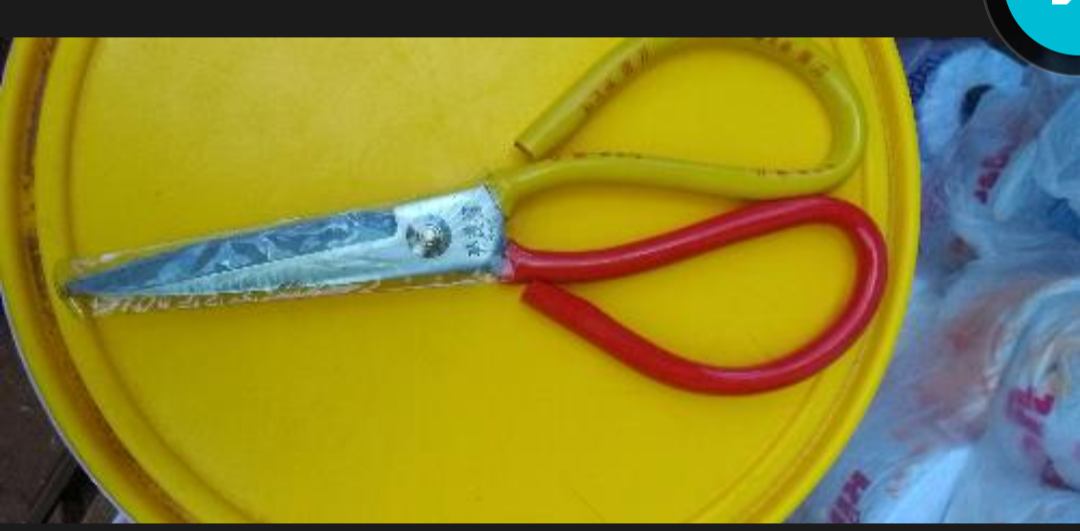
Scissors
1Nice to haveYou will cut tape, trim loose threads and open the packs of fittings.
How to use it: Keep them with your tool box so they do not go missing.
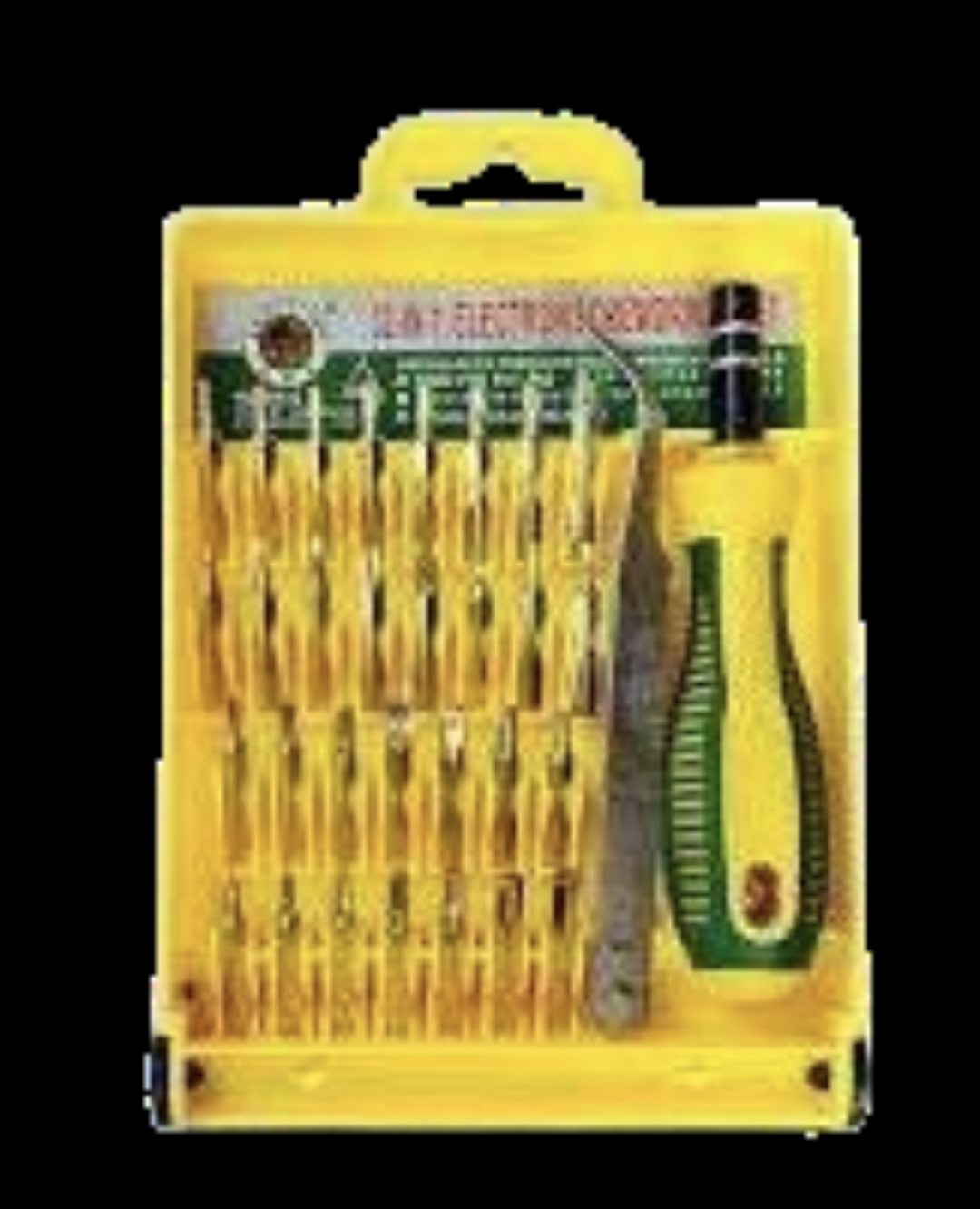
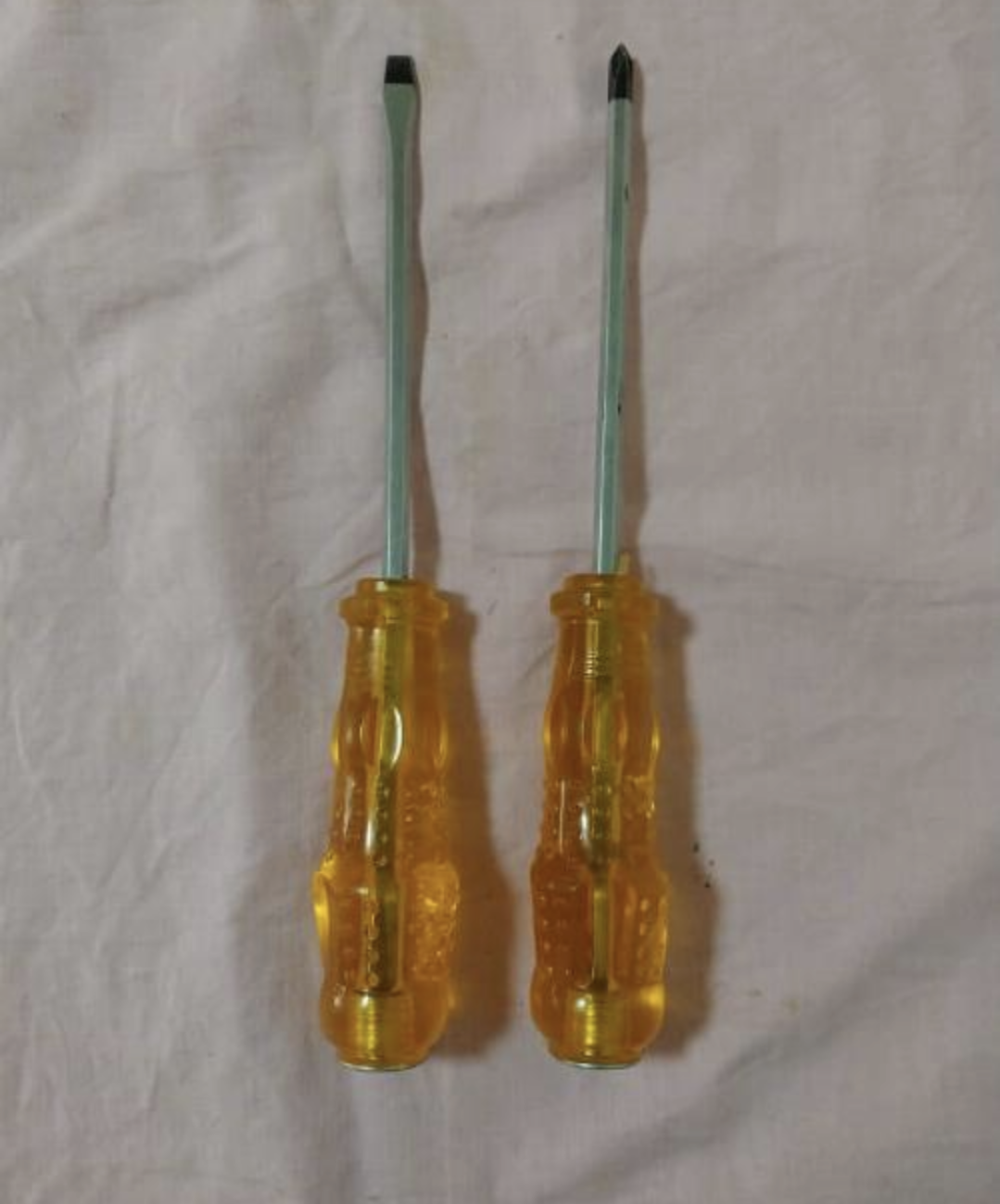
Screwdriver
1 Must haveYou need it to fix brackets. A small set with different heads covers most fittings.
How to use it: Use the right head so you do not strip the screws. Tighten until the bracket does not move.
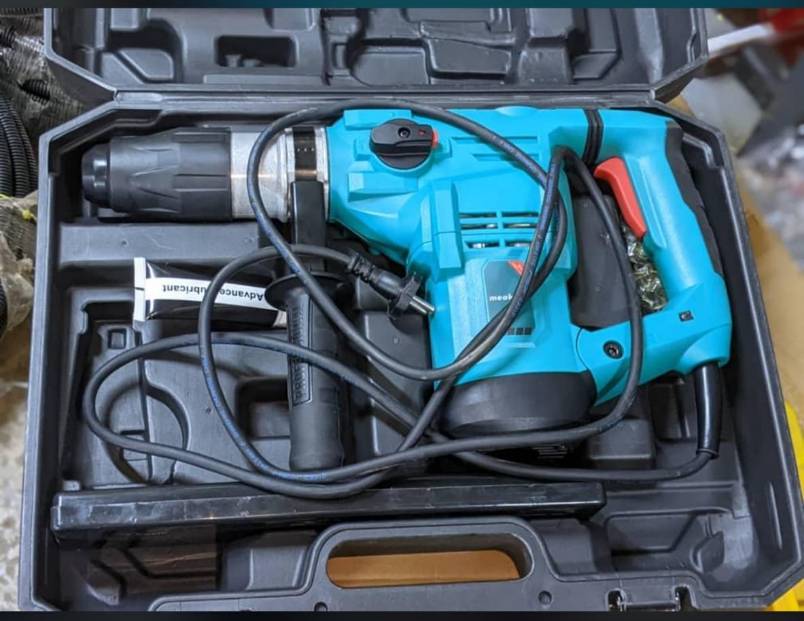
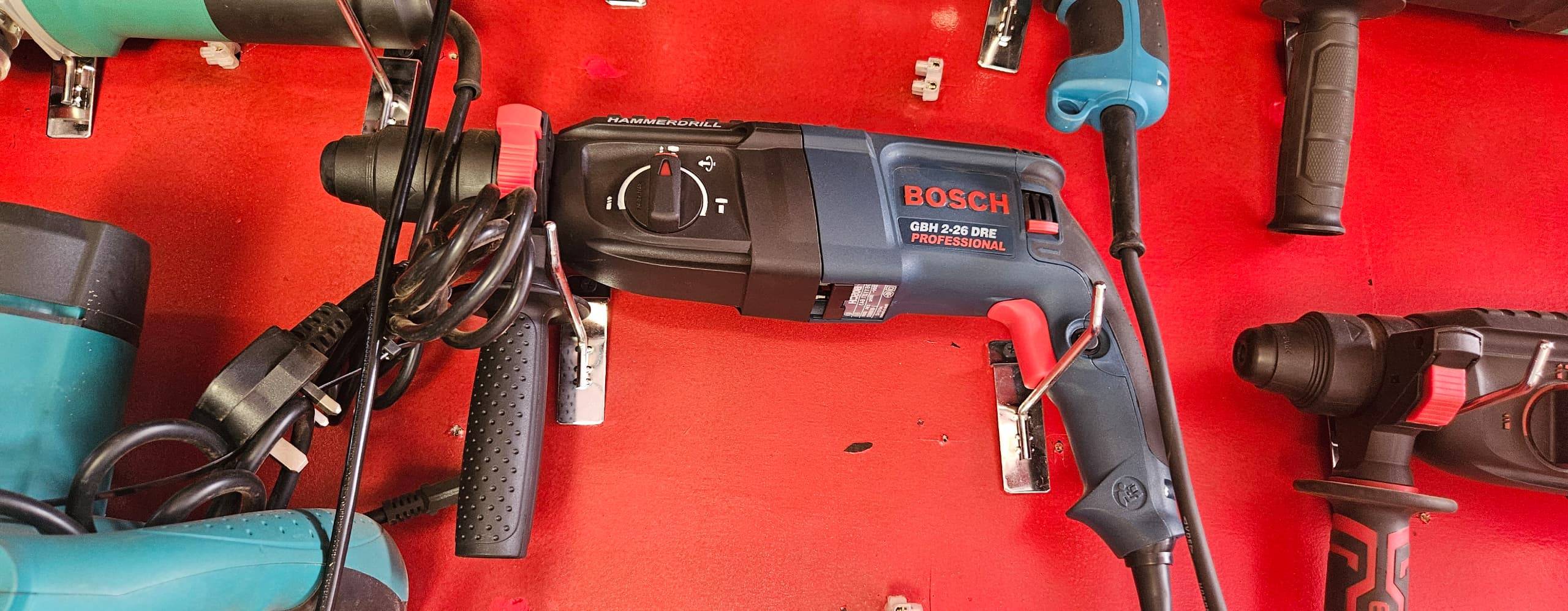
Electric drill and masonry bits
1Nice to haveConcrete and block walls need a proper drill. Do not try with a nail and a rock.
How to use it: Use the correct bit for the wall. Check the wall for pipes or wires first. Borrow or rent a drill if you only need it once.
Wall plugs and screws
1 pack Must havePlugs hold screws in concrete or block. Without them the bracket pulls out.
How to use it: Match the plug size to the drill bit. Take one old plug to the shop if you are unsure.
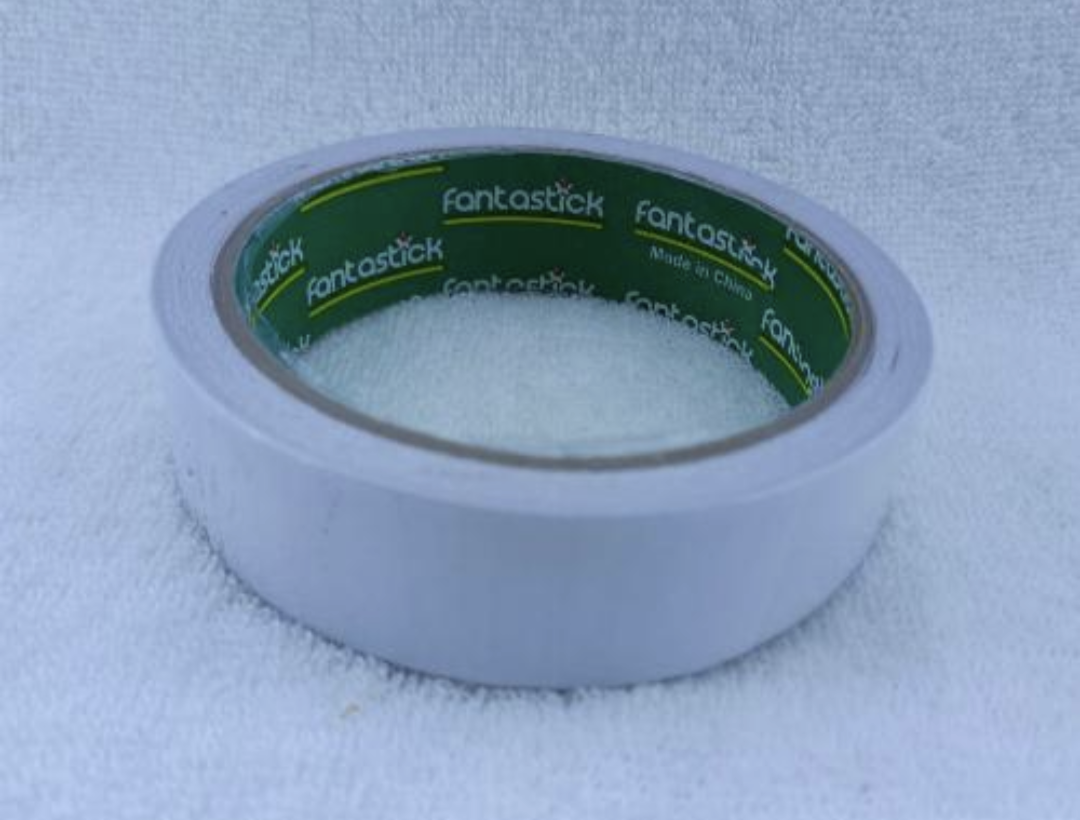
Double-sided tape
1 rollNice to haveUseful for light items like a sheer curtain on a small window, or when you cannot drill.
How to use it: Clean the wall first so it grips. It will not hold heavy curtains.
Tension rod
1 per windowNice to haveA tension rod fits inside a window frame and needs no holes. Good for rentals with strict rules.
How to use it: Measure the frame inside to buy the right length. It suits light curtains only.



Blinds and shade options
If curtains are too heavy for a room, blinds are an alternative.
Roller blind
1 per windowNice to havePulls up and down, takes little space and is good for kitchens and small windows.
How to use it: Fix inside the window frame for a neat look, or outside to cover more of the wall.
Window film or frosted sticker
1 rollNice to haveFor bathroom windows or ground floor panes, it gives privacy without any curtain.
How to use it: Apply with soapy water so you can slide it into place and remove bubbles.
Mosquito net for open windows
1 per windowNice to haveIf you want windows open at night, a net keeps insects out while you keep the curtain open.
How to use it: Fix it over the frame with tape or small hooks. Check for gaps at the corners.


Cleaning, care and tools
Red dust and rain mean curtains need regular care.
Microfiber cloth
2 Must haveWipes dust from rods, sills and blinds without scratching.
How to use it: Use it slightly damp for blinds, and dry for rods.
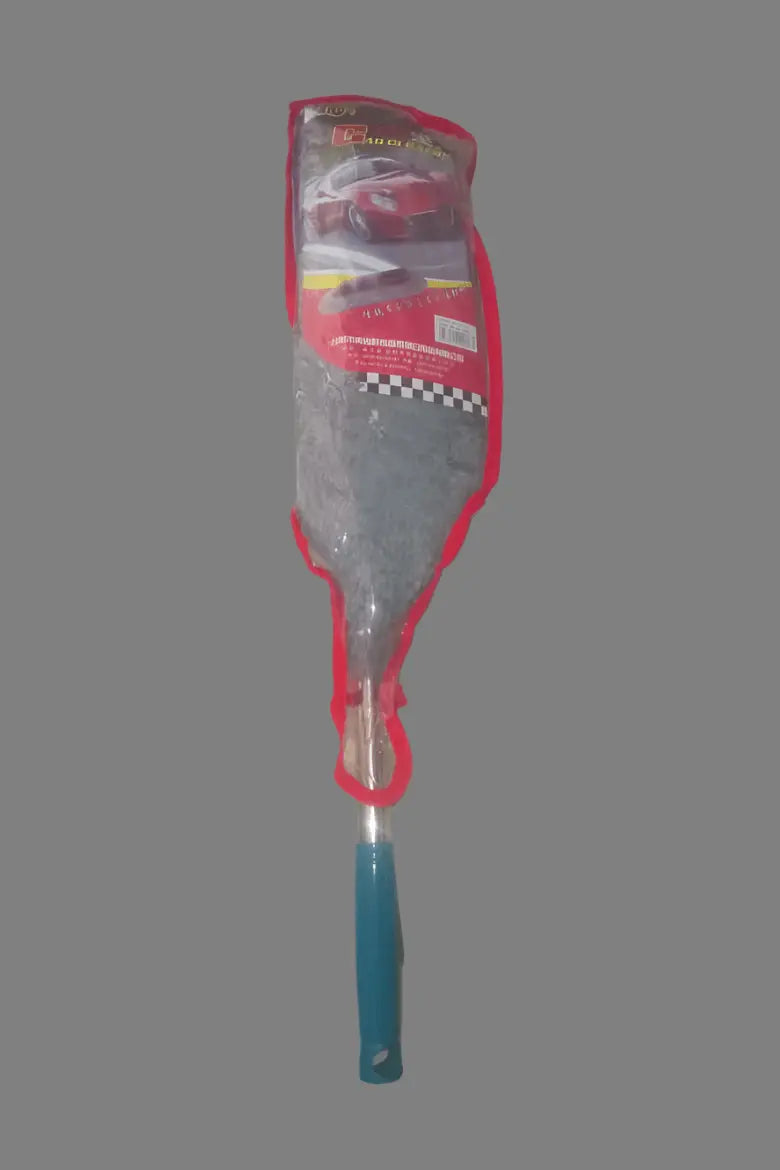
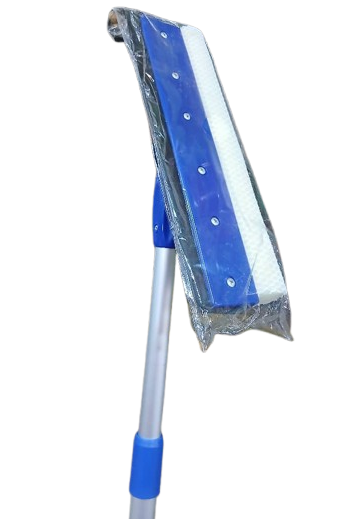
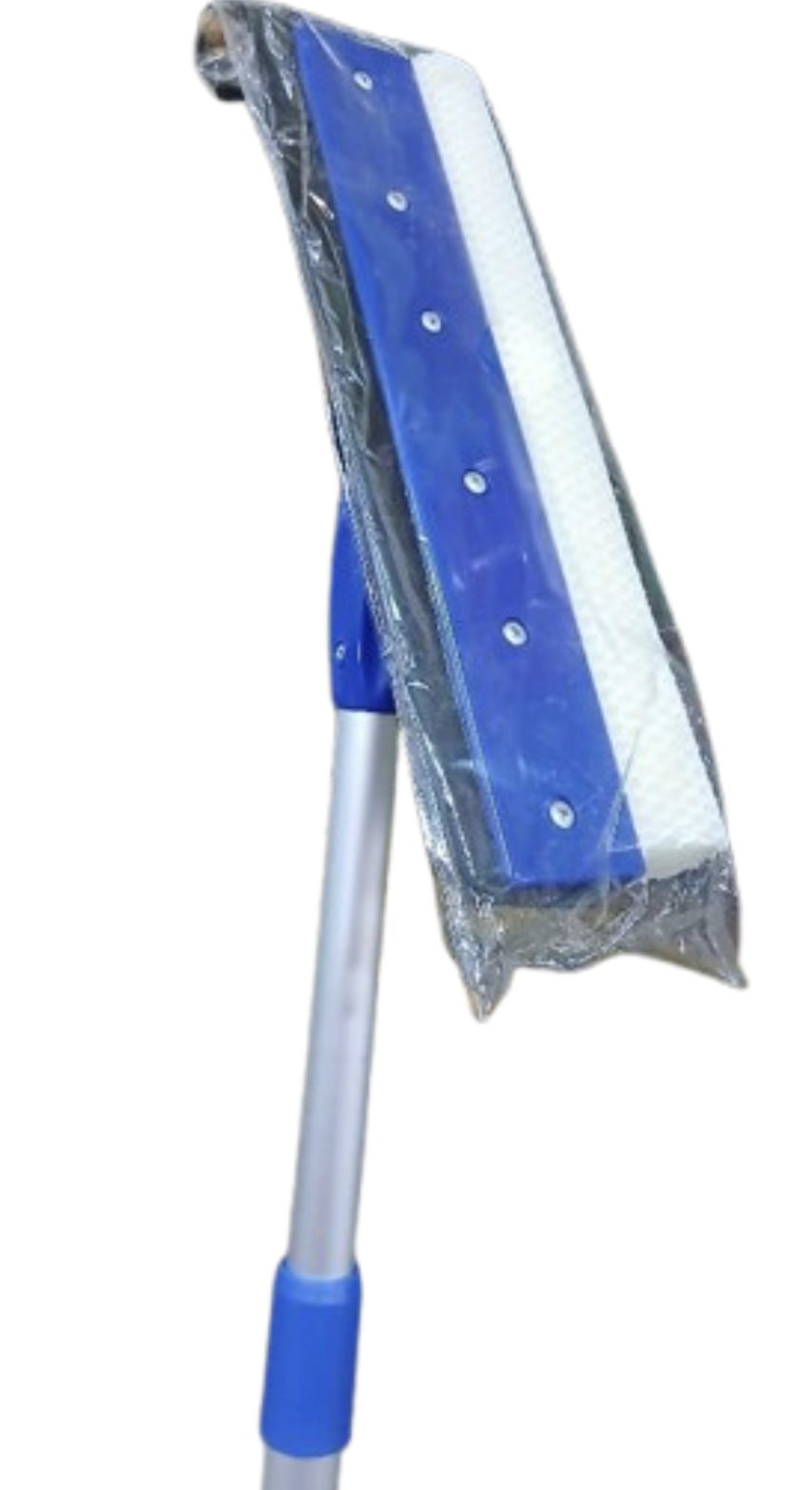
Small duster
1Nice to haveQuickly brushes dust from curtains and the tops of rods between washes.
How to use it: Do this every week during the dry season.
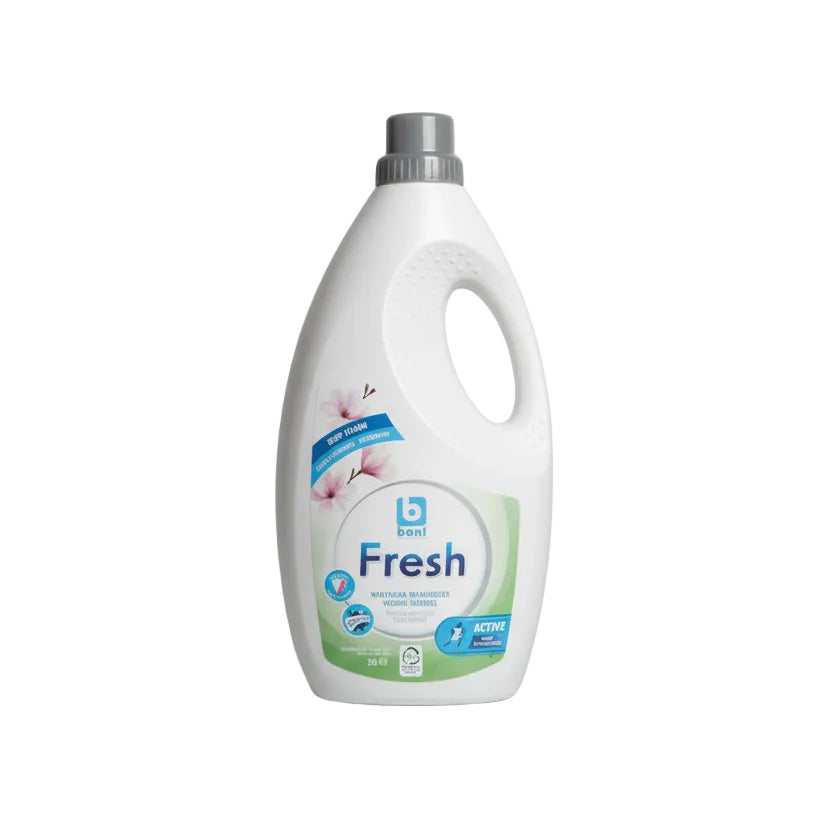
Laundry detergent
1 Must haveCurtains collect dust and cooking smells, so wash them a few times a year.
How to use it: Check the fabric label first. Wash gently and hang them straight so they dry smooth.
Window cleaner
1 bottleNice to haveDusty glass and sills make even new curtains look dull. Clean the window before you hang them.
How to use it: Spray on a cloth, not on the sill, and wipe the frame dry.
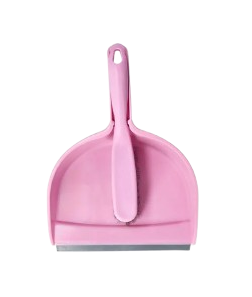
Dust pan and brush
1Nice to haveDrilling makes dust on the floor and sill. Sweep it up straight away.
How to use it: Lay an old sheet below the drill spot first to catch most of it.
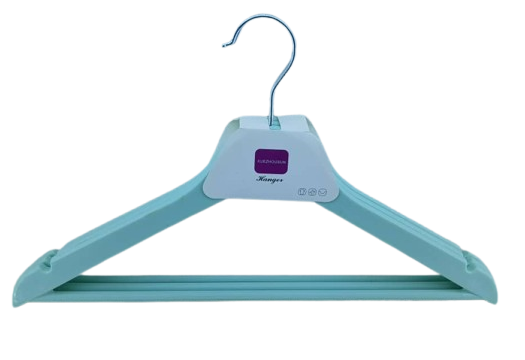
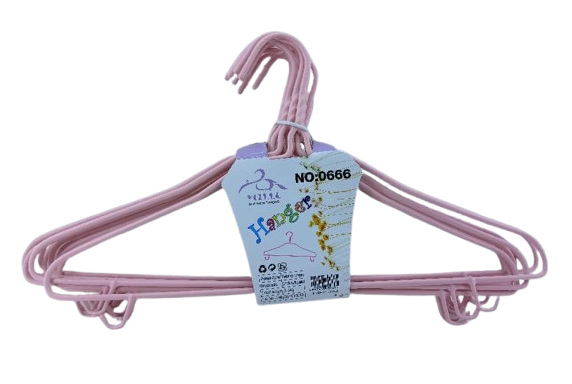
Clothes hangers
4Nice to haveHang washed curtains on hangers to dry flat, or store spare panels without creases.
How to use it: Use sturdy ones for heavy fabric.
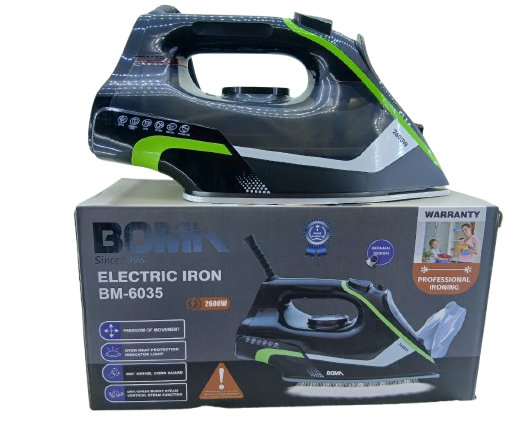
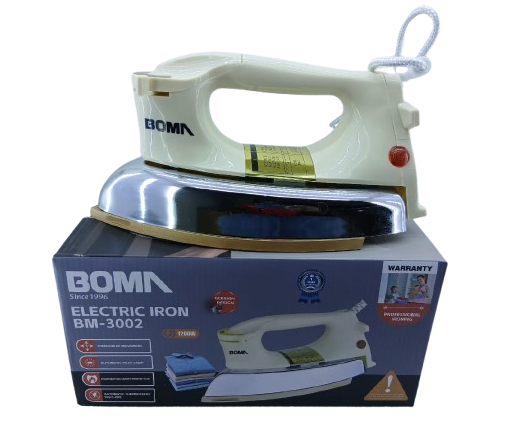
Iron
1Nice to haveHelps remove creases from newly bought curtains so they hang properly.
How to use it: Check the care label for heat. Iron the back of the fabric.
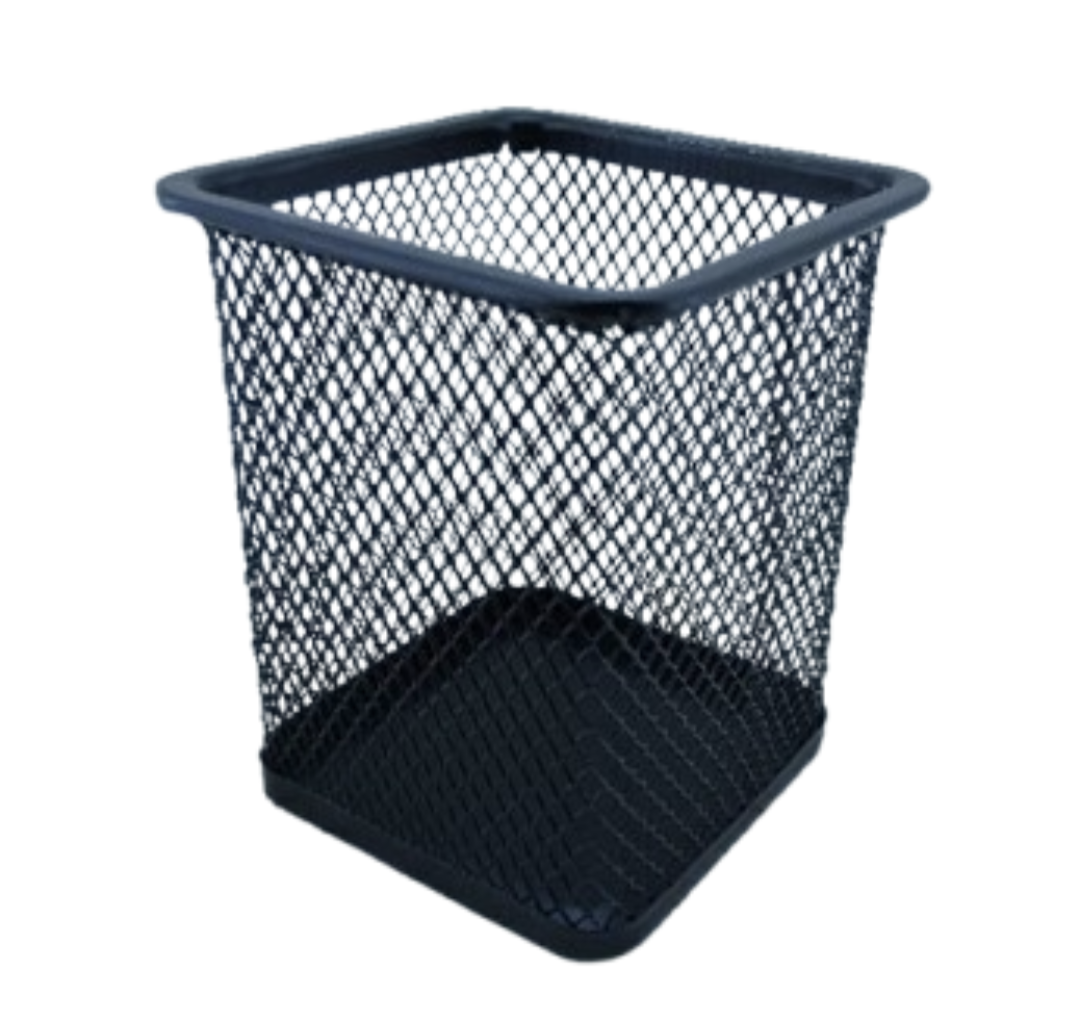
Tool box
1Nice to haveA small box keeps screws, plugs and the drill bits in one place for when you move again.
How to use it: Keep brackets and instructions together for a future move.











Step by step
- 1
Ask and measure
Ask your landlord what you may fix to the walls. Measure every window and write the numbers down.
- 2
Choose what to buy
Decide curtains or blinds for each room. Bedrooms usually need blackout, living rooms need light and privacy.
- 3
Buy fabric and fittings
Buy the curtains, rods, hooks and screws together. Check the bracket weight rating against your fabric.
- 4
Fix the rod
Mark the wall, drill, insert plugs, and fix the brackets. Check it is level before you hang anything.
- 5
Hang and adjust
Hang the curtains, check the length and open and close them a few times to make sure they run smoothly.
Tips that help
- Hang the rod higher than the window frame and wider on each side. The window looks bigger and more light enters.
- If you are unsure, buy curtains a little too long rather than too short. You can hem them later.
- Fix the rod into the wall, not just into plaster, so it does not pull out over time.
- Choose lighter colors in small rooms and dark blackout lining in bedrooms.
- Take a small piece of fabric to the shop and look at it near a window to see how it looks in daylight.
- Ask the tailor to leave a wide hem so that you can adjust the length when you move into a new place.
- Wash curtains before the rainy season starts so they are dry and fresh when you need them.
Mistakes to avoid
- Measuring only the glass, not the frame and the space around it.
- Buying curtains before asking the landlord about drilling.
- Using a thin rod for heavy fabric, so it bends within weeks.
- Skipping the lining in a bedroom that gets early sun.
- Hanging curtains so short that they look untidy and leave the window edge bare.
Questions people ask
How wide should curtains be for my window?+
A common rule is to have the curtains about one and a half to two times as wide as the rod. That gives full folds when closed. Measure the rod width, not only the glass.
How do I hang curtains without drilling in a rental?+
Use a tension rod inside the window frame for light curtains, or adhesive hooks for sheer fabric. Check with your landlord first, because some are happy with a few small holes.
What is the best curtain for a bedroom in Kigali?+
A thicker curtain with blackout lining works well for early sun and street lights. Add a sheer layer if you want privacy by day with the window open.
Should curtains touch the floor?+
They can stop just above the floor or just touch it. With dusty floors and rain, many people choose a little above the floor so the hem stays clean.
How often should I wash curtains?+
A few times a year is usually enough, or more often if you cook near them or have a dusty road outside. Check the label first.
With your window sizes written down and the right fittings in your basket, a bare rental turns into a private, comfortable home in one weekend. Shop the list on Isokko and have it delivered to your door in Kigali.
Shop this list
Get everything delivered in Kigali
Order from local stores on Isokko and pay with MoMo, card or cash. Same-day delivery.