
Checklist · Home & moving
Switching From Charcoal to a Gas Kitchen at Home: Checklist
Moving from charcoal to gas cooking in Kigali? See what to buy for a safe gas setup, new pots, and a charcoal backup.
Updated November 25, 2026 · By Isokko
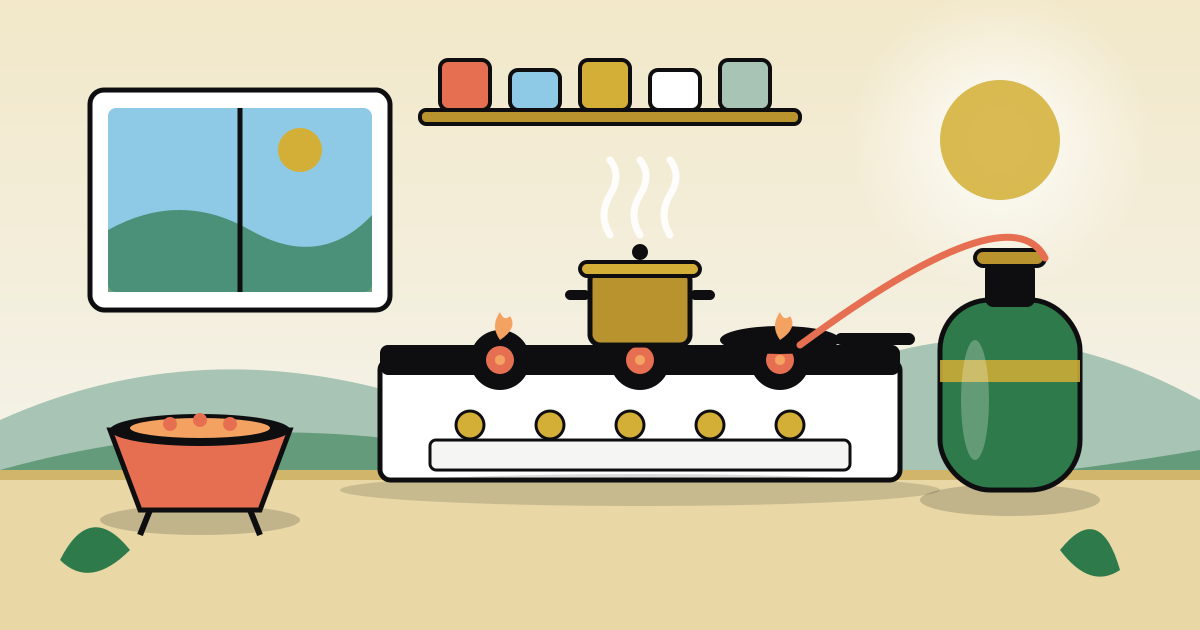
Cooking on gas is faster and cleaner than charcoal. Pots stay cleaner, you do not wait for coals to heat, and you can turn the heat down in a second. But gas needs a few new tools, and a few new habits, before you start.
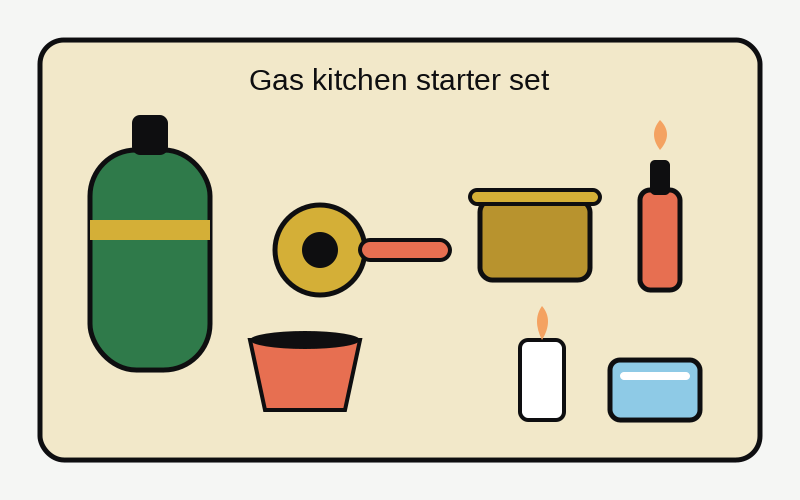
This checklist covers what replaces the charcoal stove, which pots work best, the safety items that matter, and what to keep as a backup for the day the cylinder runs out. You do not need to buy everything at once. Start with the gas set and the safety group.
Gas needs more care than charcoal when it comes to leaks. Read the how to use notes, and when in doubt, ask your gas supplier or an electrician to check your setup.
Who it's for
Households in Kigali moving from a charcoal stove to cooking mostly with gas
Time needed
Plan 1 to 2 weeks, then a few days to get used to cooking on gas
When to shop
Buy the safety items first, then cookware, and keep your charcoal stove for the first weeks
On the list
25 items, 15 must haves
0 of 25 ready
The gas set
These are the parts that connect your cooker to the cylinder. Get them right and everything else is easy.
Gas cooker or gas hob
1 Must haveThis replaces the charcoal stove. A two or three burner cooker is enough for most families, and the knobs give you real control over the heat.
How to use it: Place it on a flat, stable, dry surface away from curtains and shelves. Keep free space around the burners.
Gas cylinder
1 Must haveYour cooker needs fuel. A small cylinder is easier to carry and refill, and a bigger one lasts longer between refills.
How to use it: Store it standing upright in a ventilated spot, away from heat and sun. Never lay it on its side.
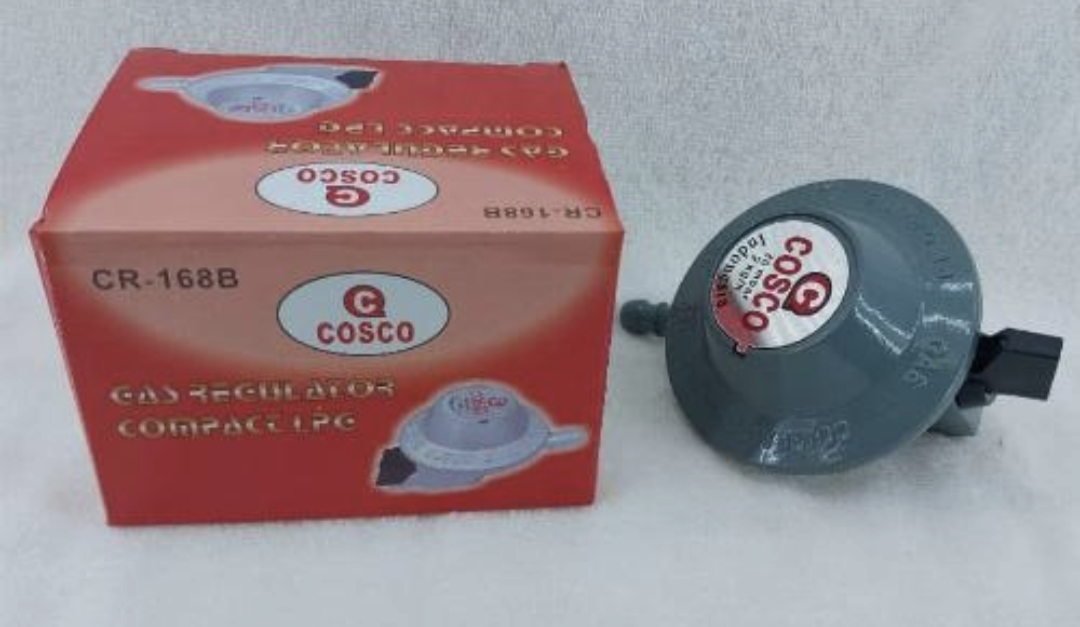
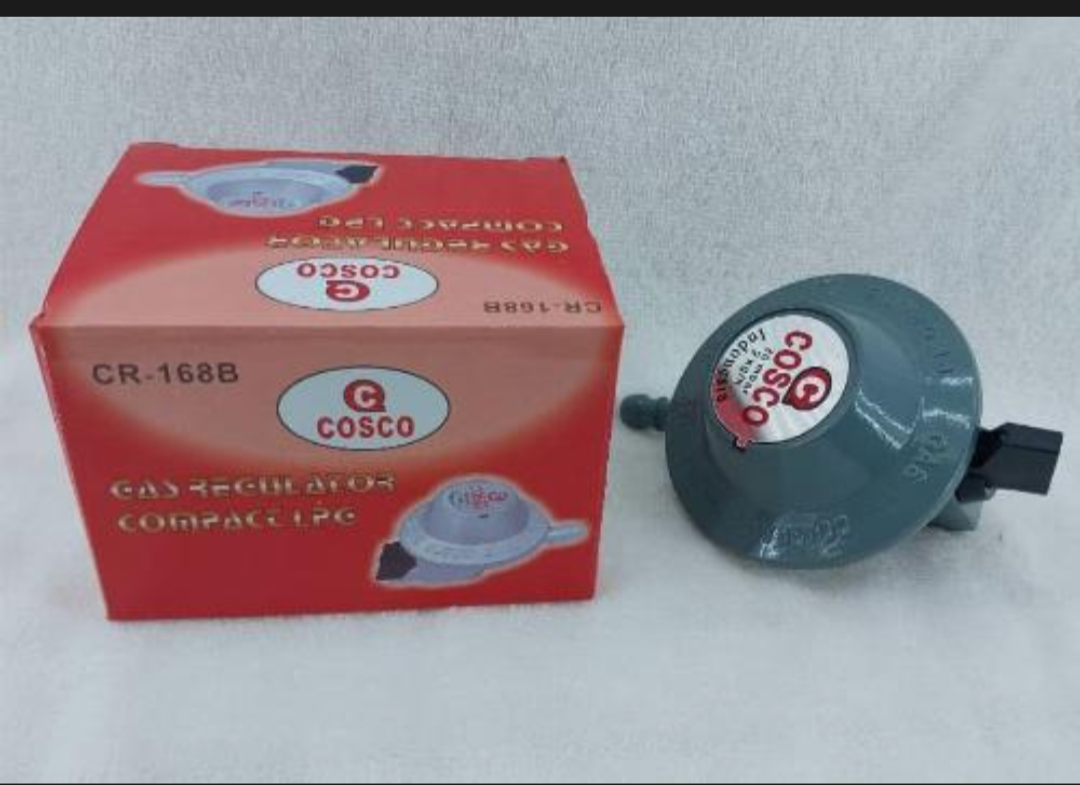
Gas regulator
1 Must haveThe regulator controls how gas flows from the cylinder. Without a matching one, the cooker will not work safely.
How to use it: Fit it firmly on the cylinder valve by hand. Check that it matches your cylinder before you buy.
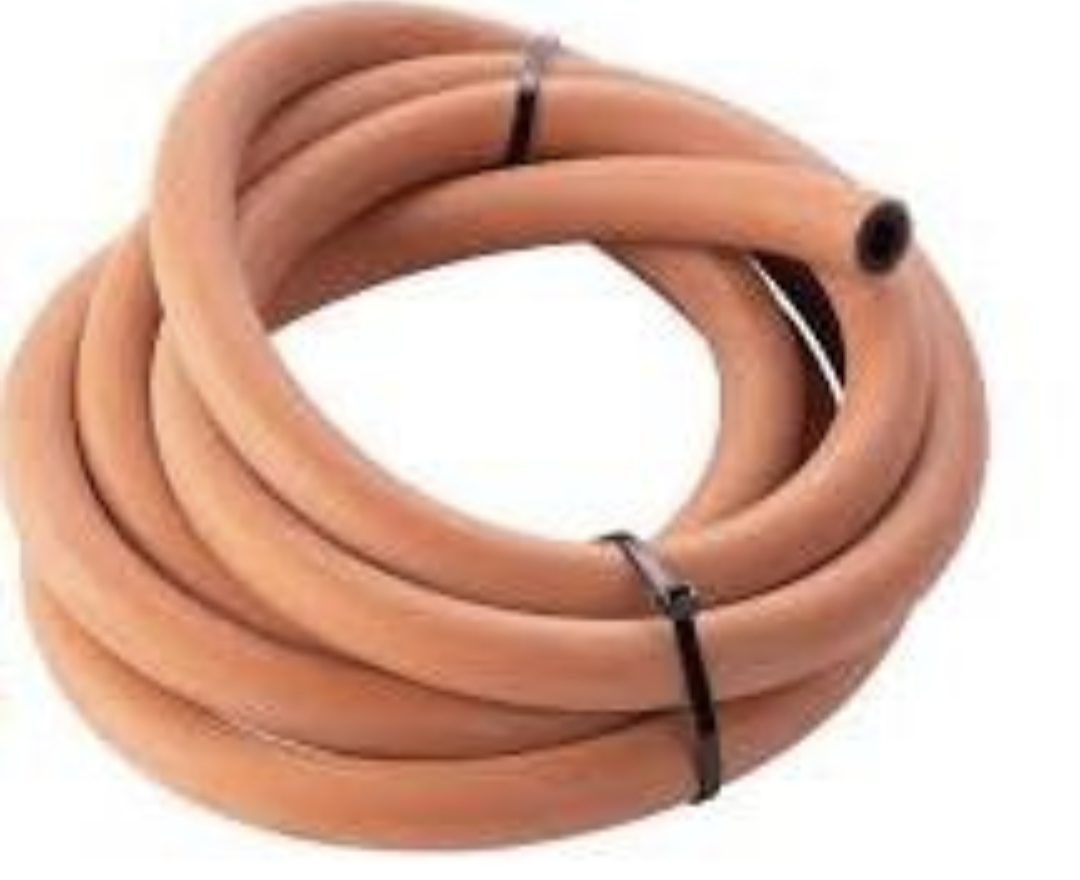
Gas hose or cable
1 Must haveThe hose carries gas from the regulator to the cooker. Old or cracked hoses are a common cause of leaks.
How to use it: Keep it short and straight, away from the burners and not twisted. Replace it if you see cracks.
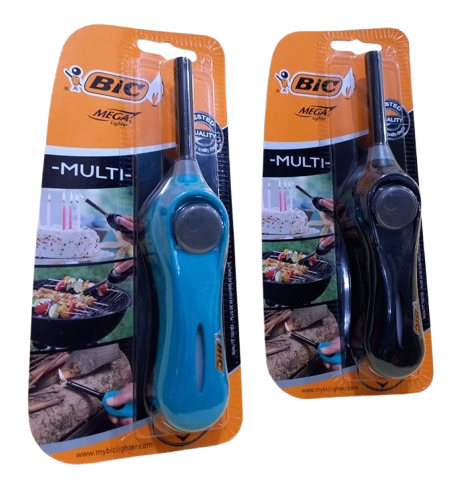
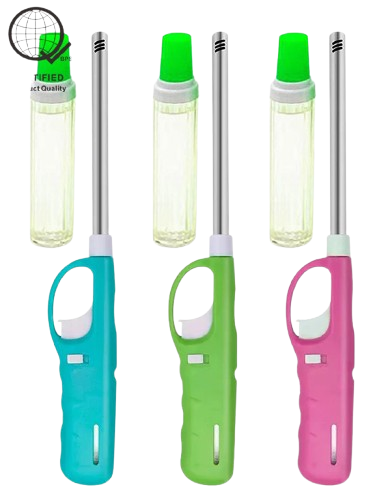
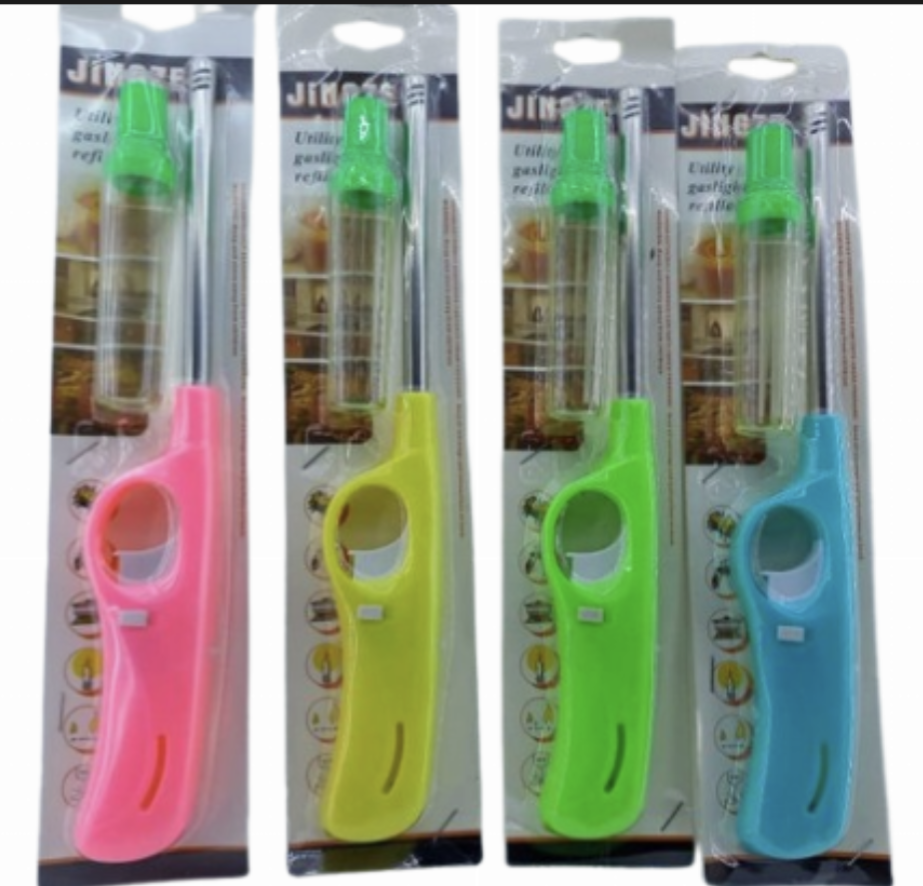
Gas lighter
1 Must haveA long, refillable lighter is safer than a short match because your hand stays away from the flame.
How to use it: Turn the knob, then light right away. If you smell gas before lighting, turn the knob off and open the windows.
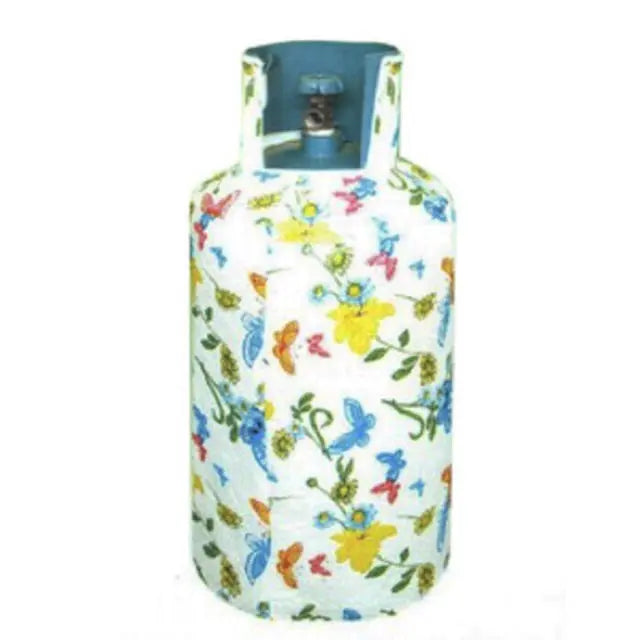
Cylinder dust cover
1Nice to haveIt keeps dust and dirt off the cylinder and regulator, which matters in the red dust of the dry season.
How to use it: Wipe the cylinder first, then slip the cover on. Do not block the valve.
Pots and pans for gas
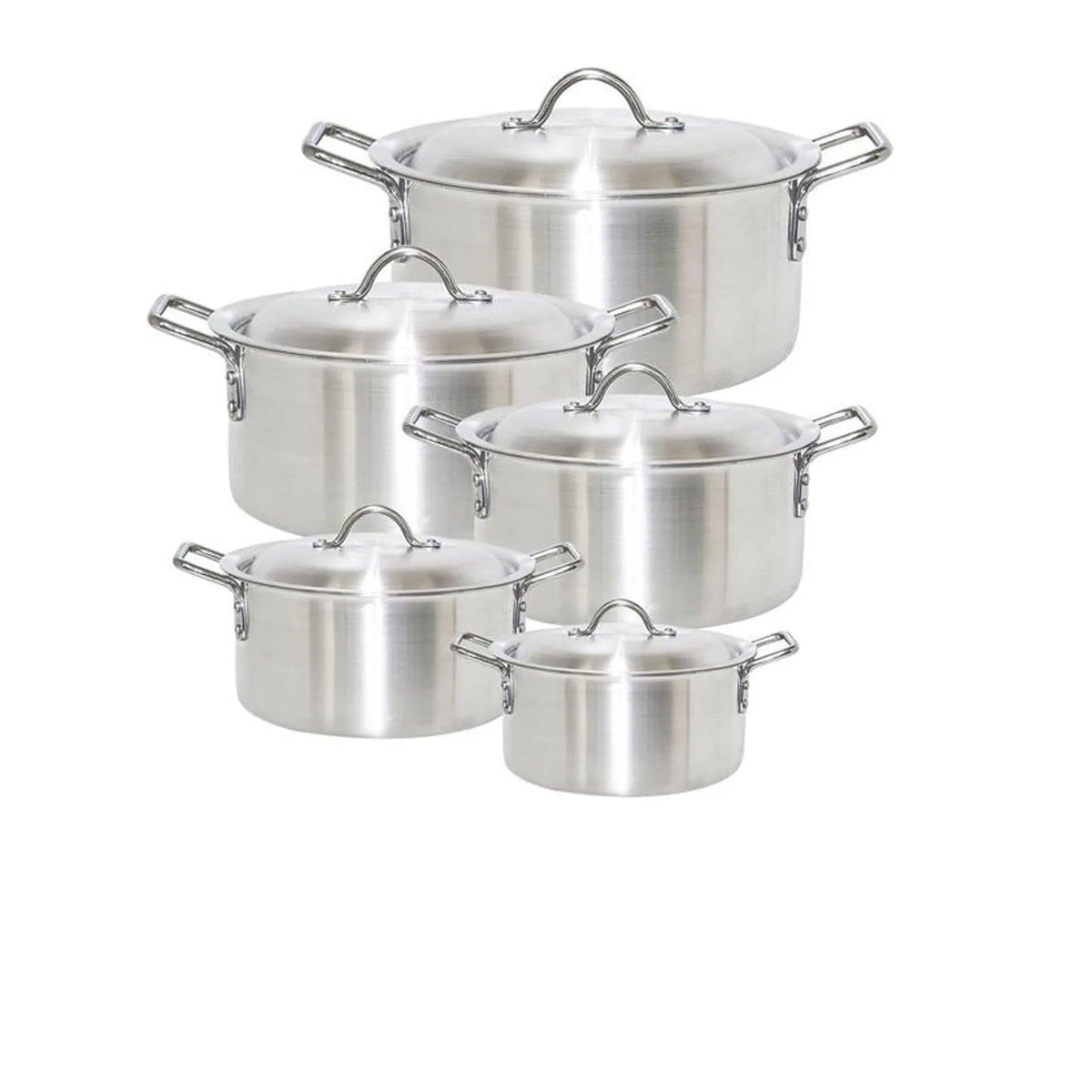
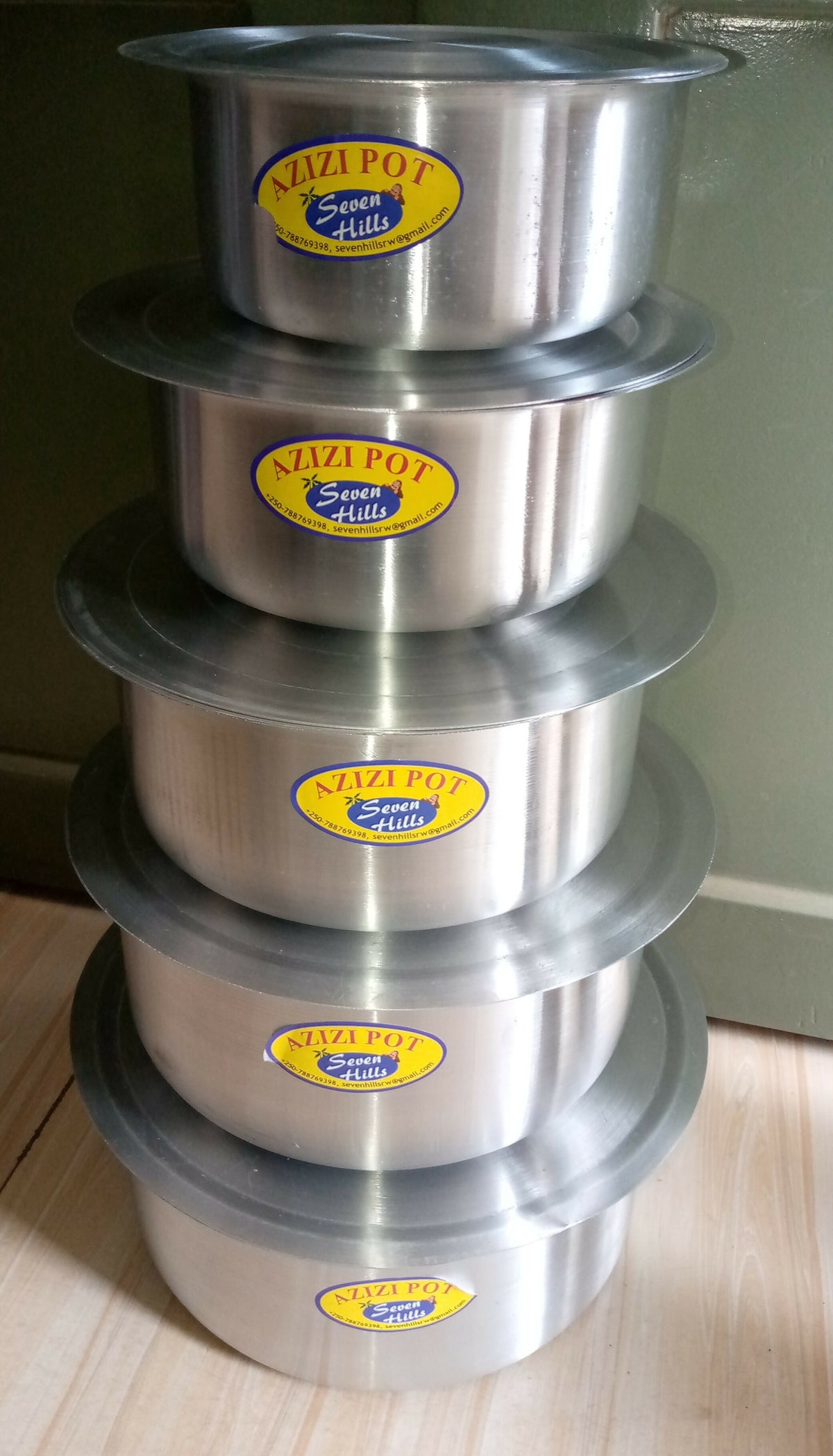
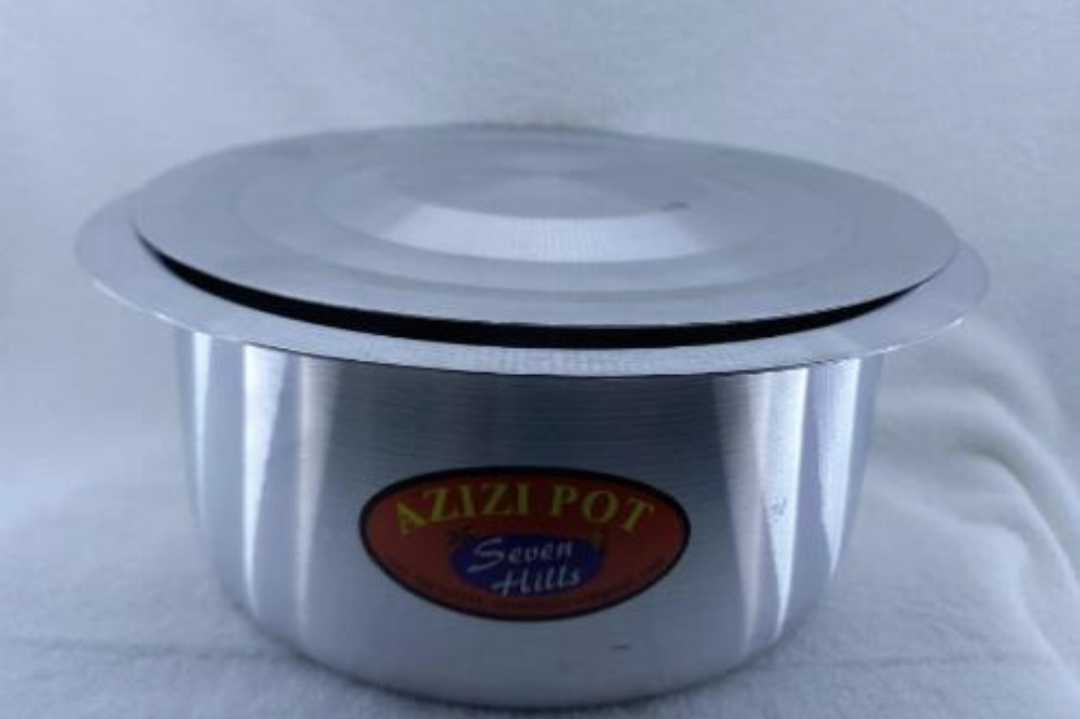
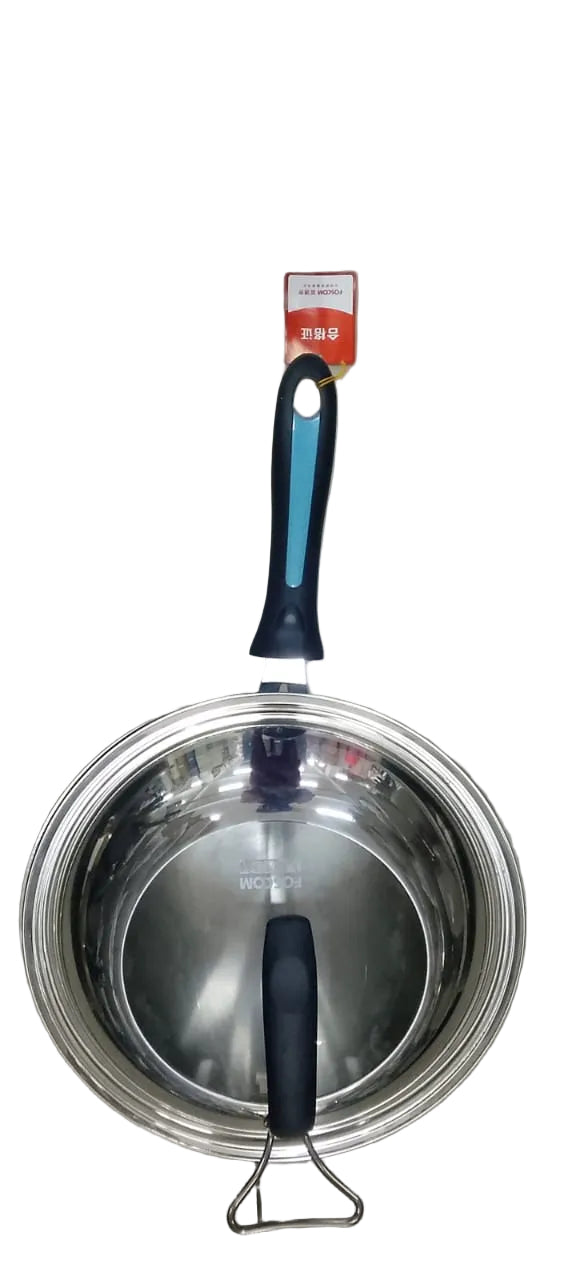
Gas heats the bottom of the pot quickly. Thin or very old pots may burn food, so choose pots with a flat, thick base.
Cooking pot set
1 set Must havePots of different sizes cover rice, beans, stew and boiling water. A set is often cheaper than buying one by one.
How to use it: Use a pot that matches the burner. A pot much smaller than the flame wastes gas and can burn the handle.
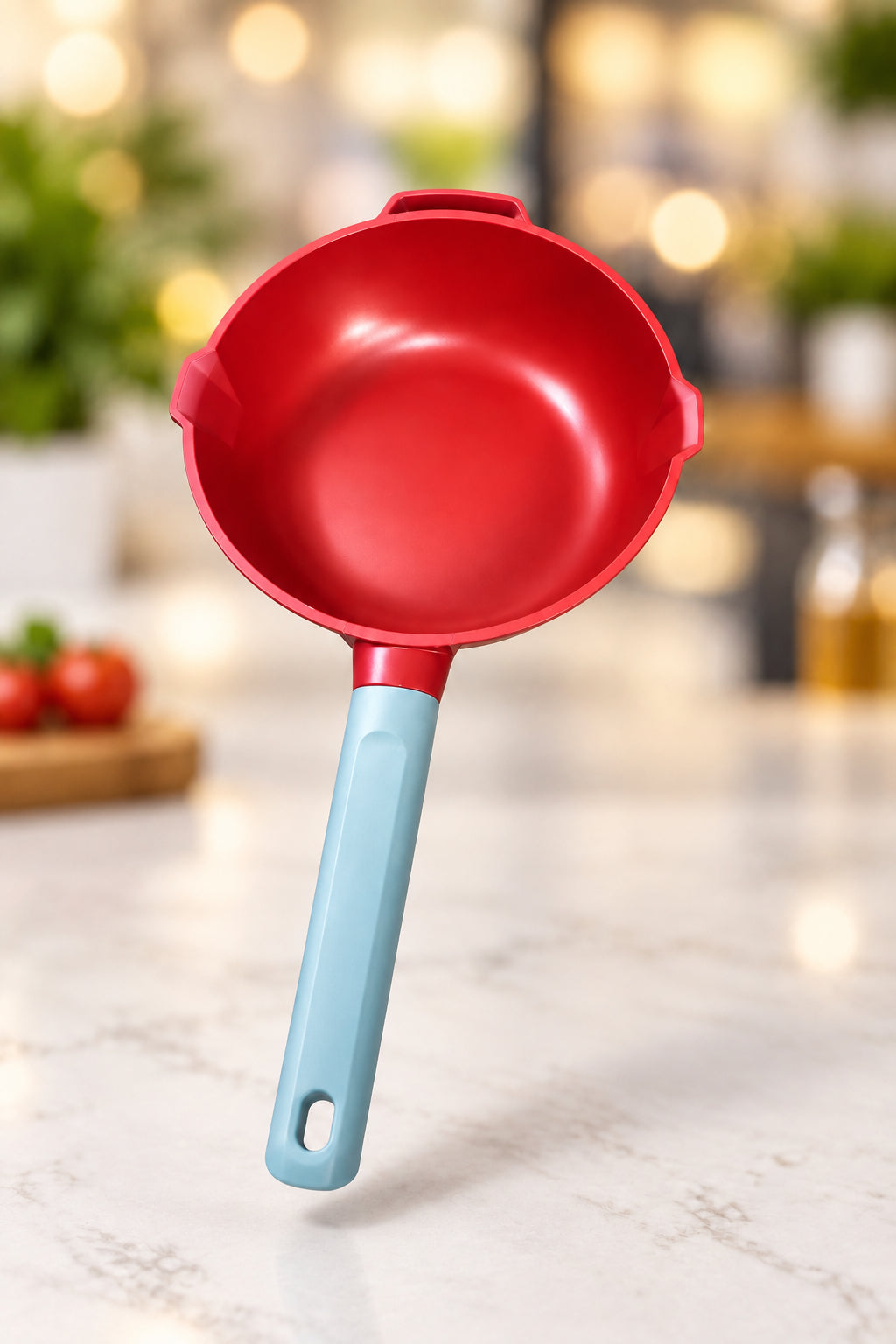
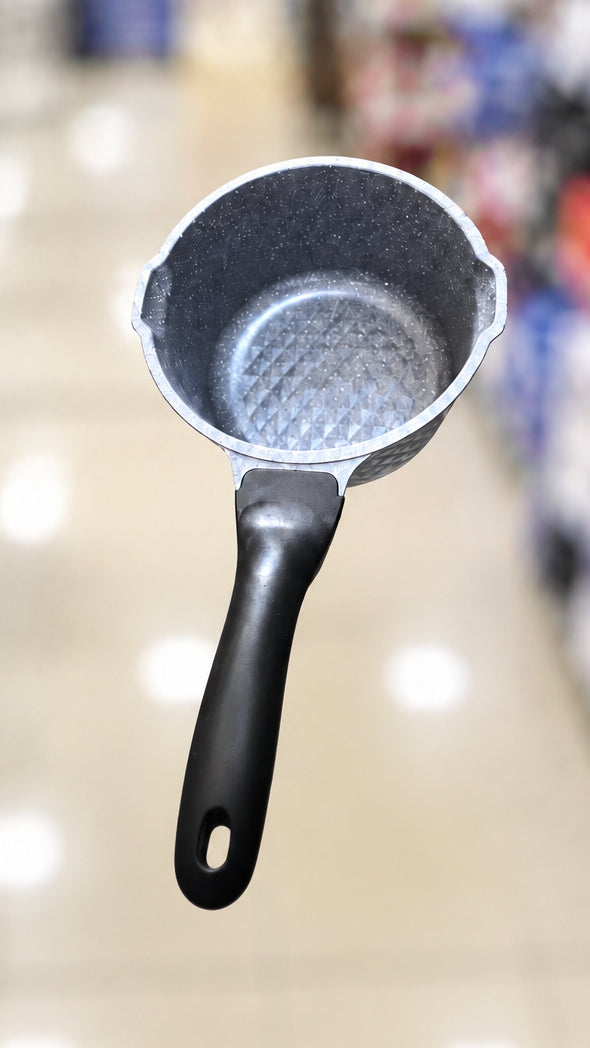
Saucepan
1 or 2 Must haveA smaller pot with a handle is good for sauces, milk, tea and boiling eggs.
How to use it: Keep the flame low and under the pot. Dry the base before putting it on the burner.
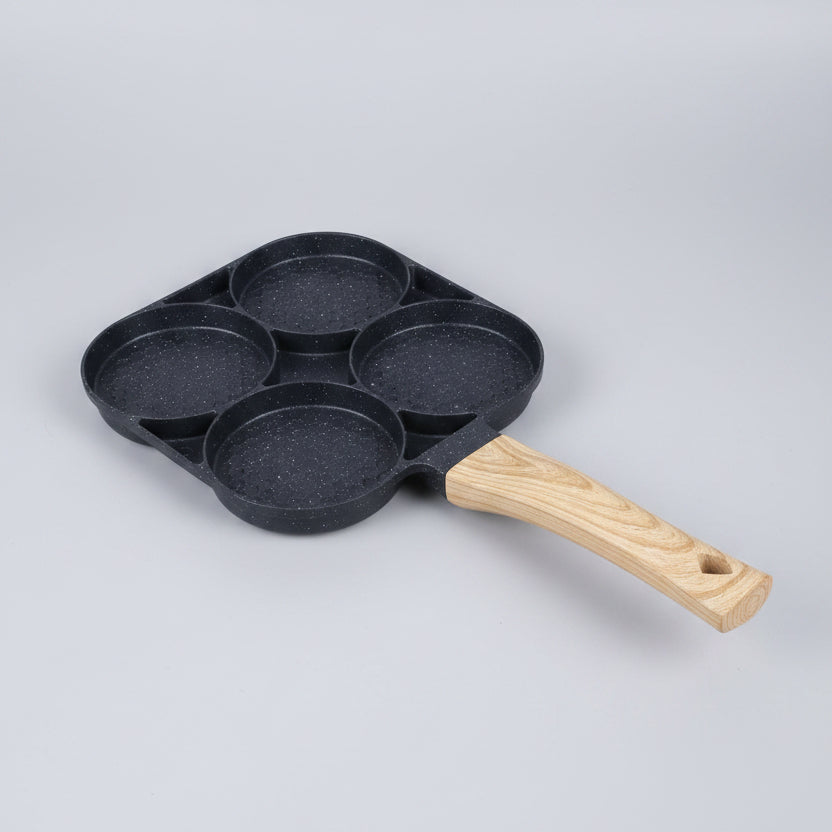
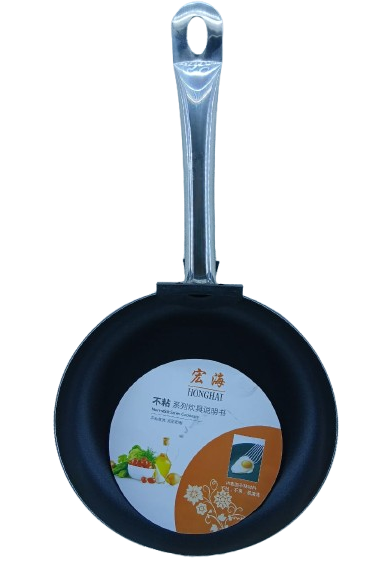
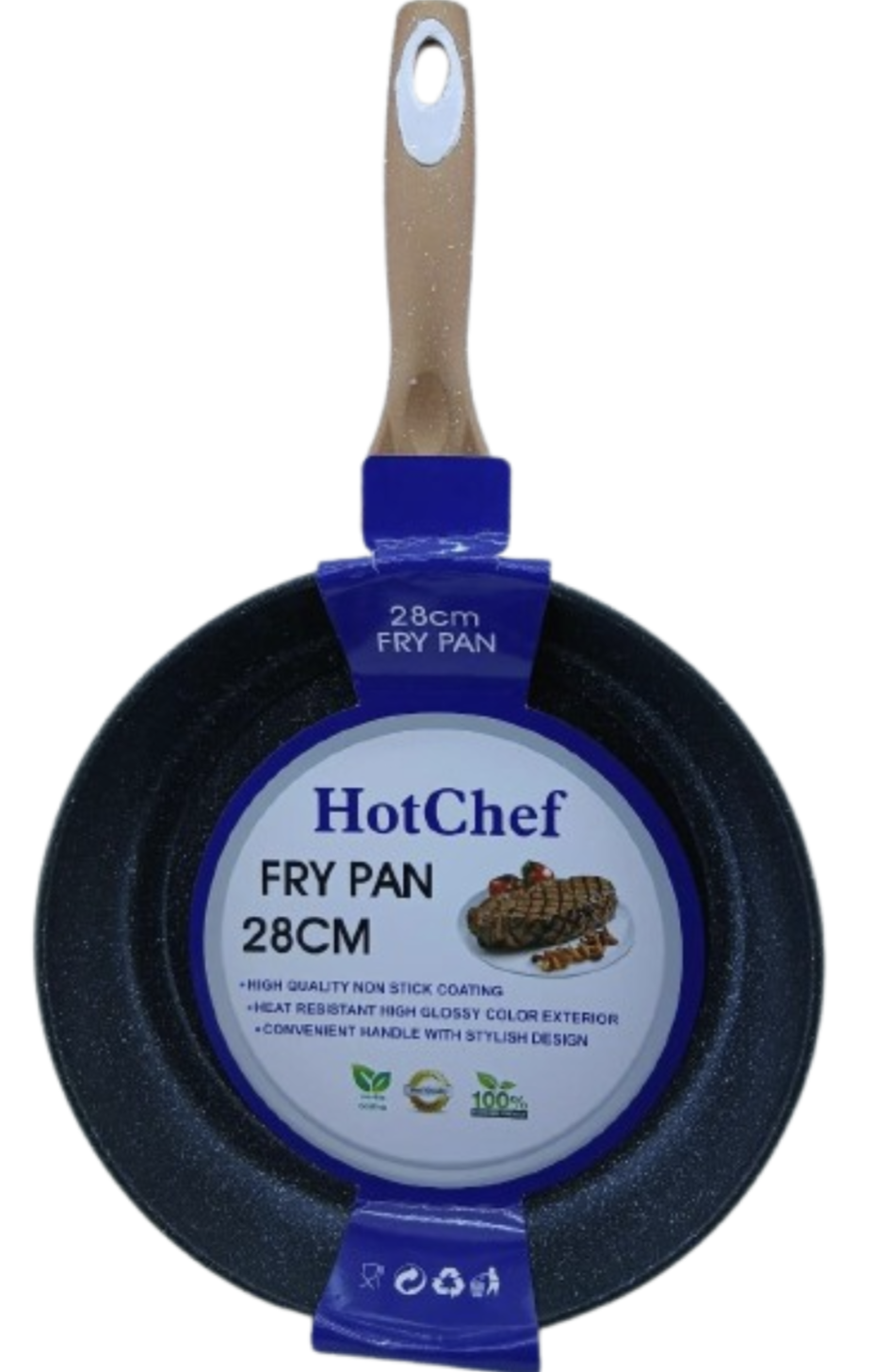
Frying pan
1 Must haveFrying on gas is quick, and the pan heats evenly. A flat pan is also good for chapati and eggs.
How to use it: Preheat on medium heat for a minute, then add oil. Never leave hot oil alone.
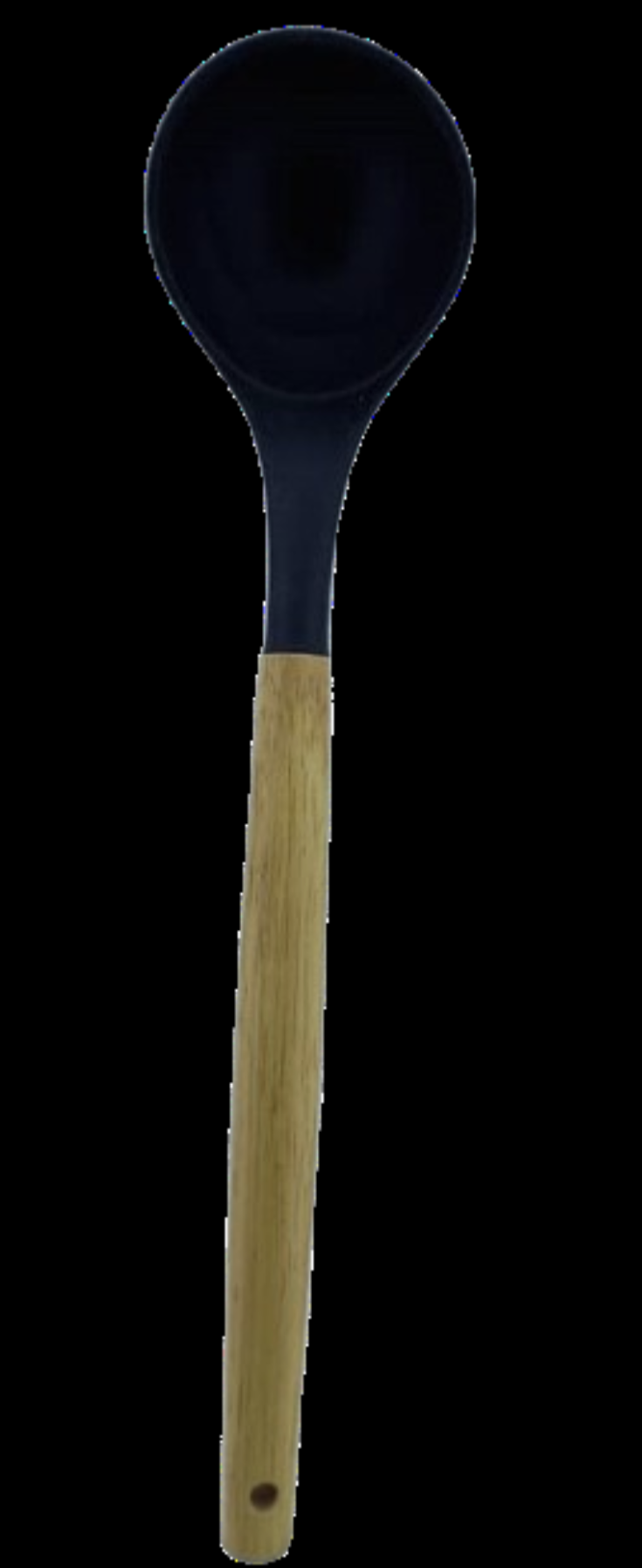
Wooden spoons
2 or 3 Must haveWood does not get hot or scratch pots. On gas, handles sit close to the flame, so a long spoon helps.
How to use it: Pick long ones. Wash and dry them well so they do not crack.
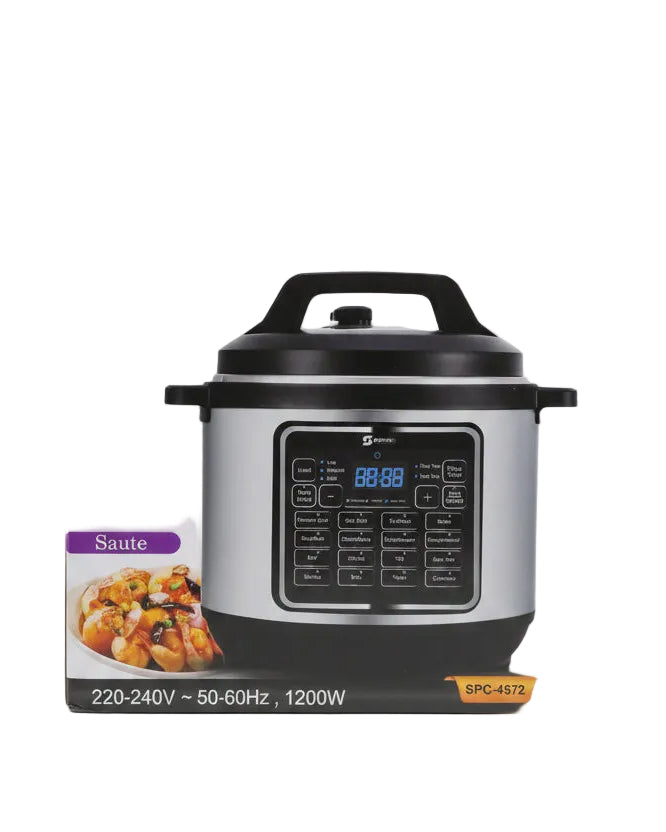
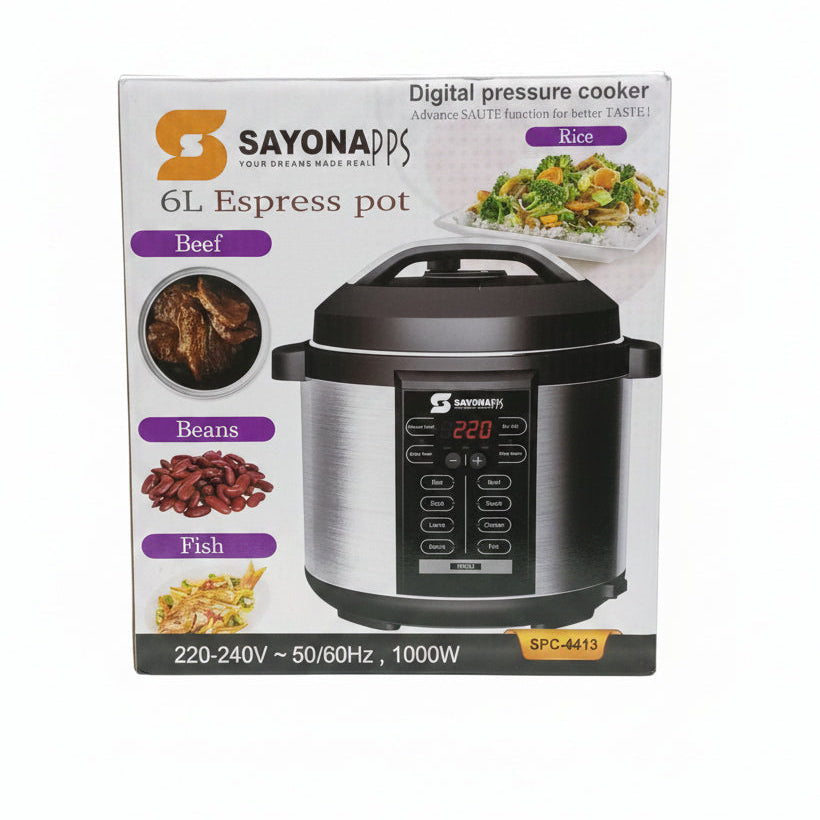
Electric pressure cooker
1Nice to haveBeans and tough meat take long and use plenty of gas. A pressure cooker cuts the time and moves some cooking to electricity.
How to use it: Follow the water line and the lid instructions. Never open it while it is under pressure.

Safety first
Most gas accidents are small leaks and open flames in the wrong place. A few simple items make a big difference.
Fire extinguisher
1 Must haveIf a pan of oil catches fire, a small extinguisher is the fastest answer.
How to use it: Mount it near the exit, not next to the cooker. Learn how the pin and handle work before you need it.
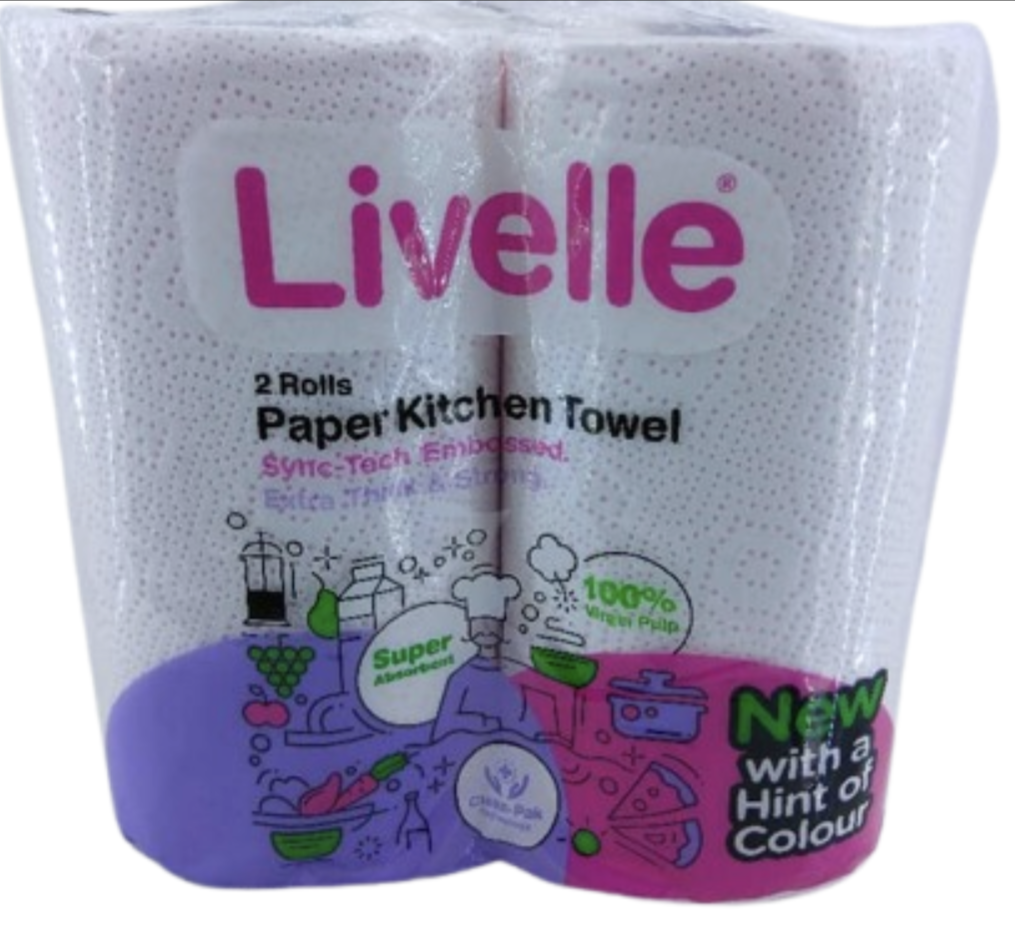
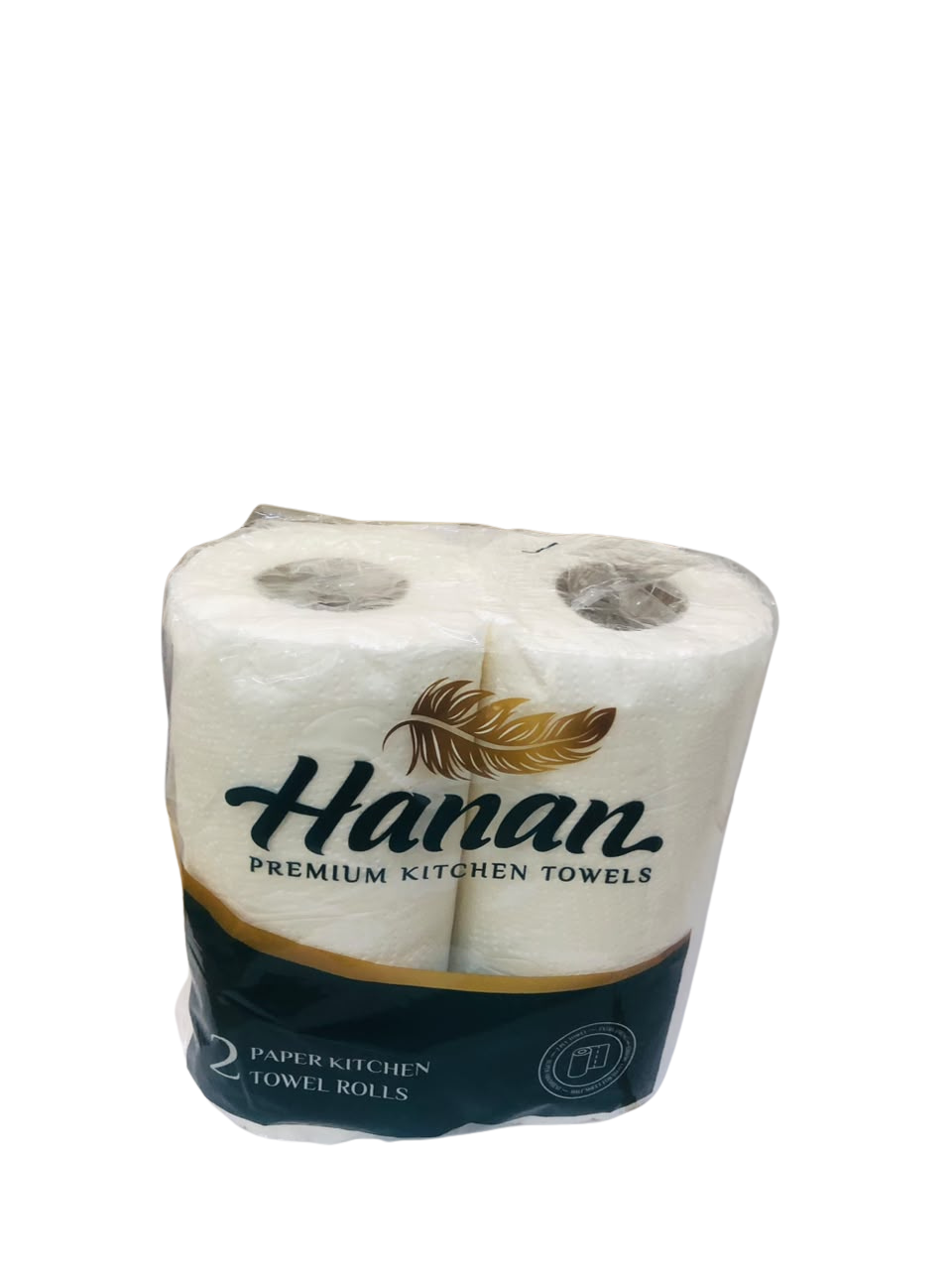
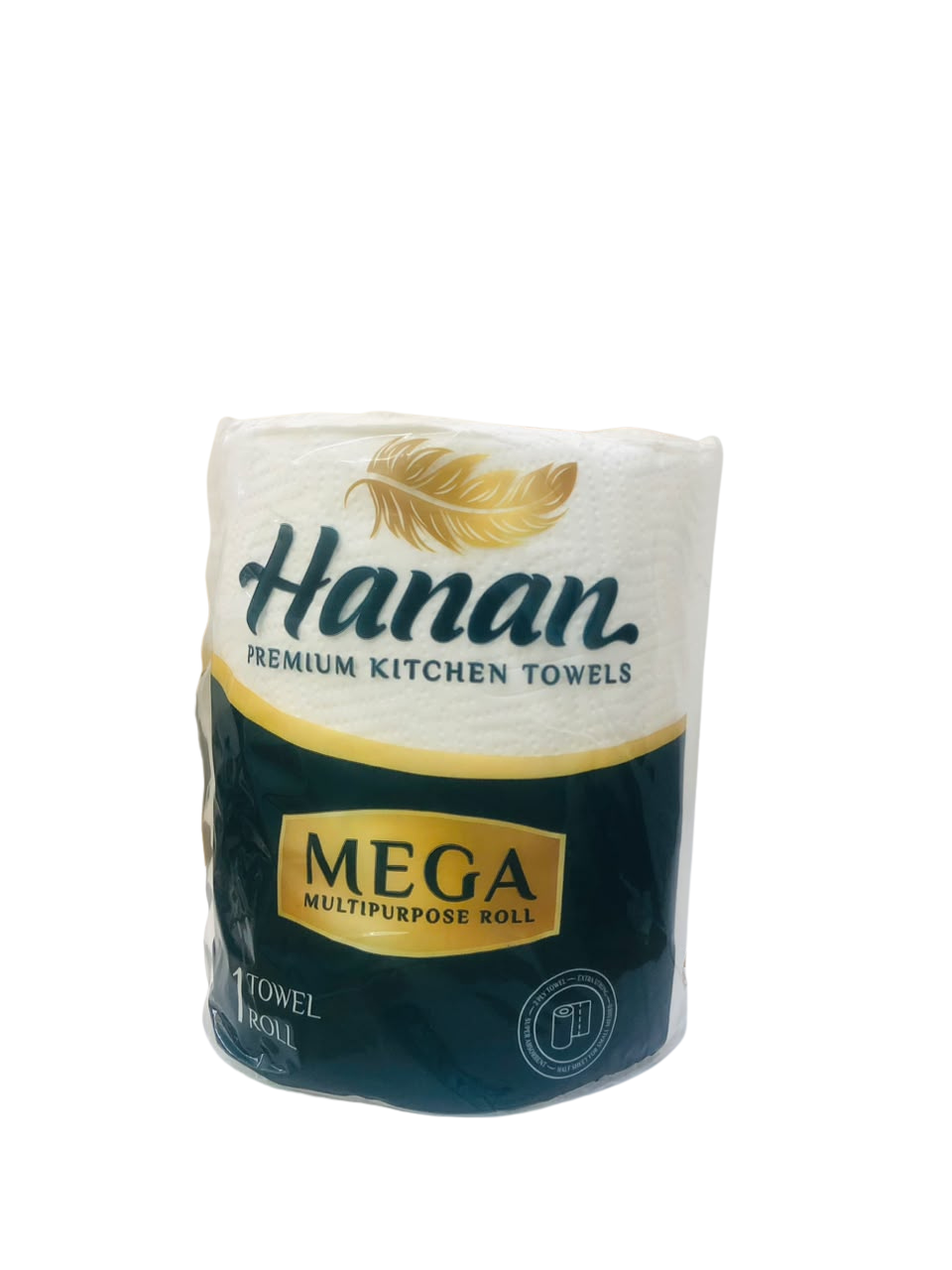
Kitchen towels
1 pack Must haveYou can wipe up spills fast so that grease never sits near the flame.
How to use it: Keep paper towels away from the burners while the gas is on.
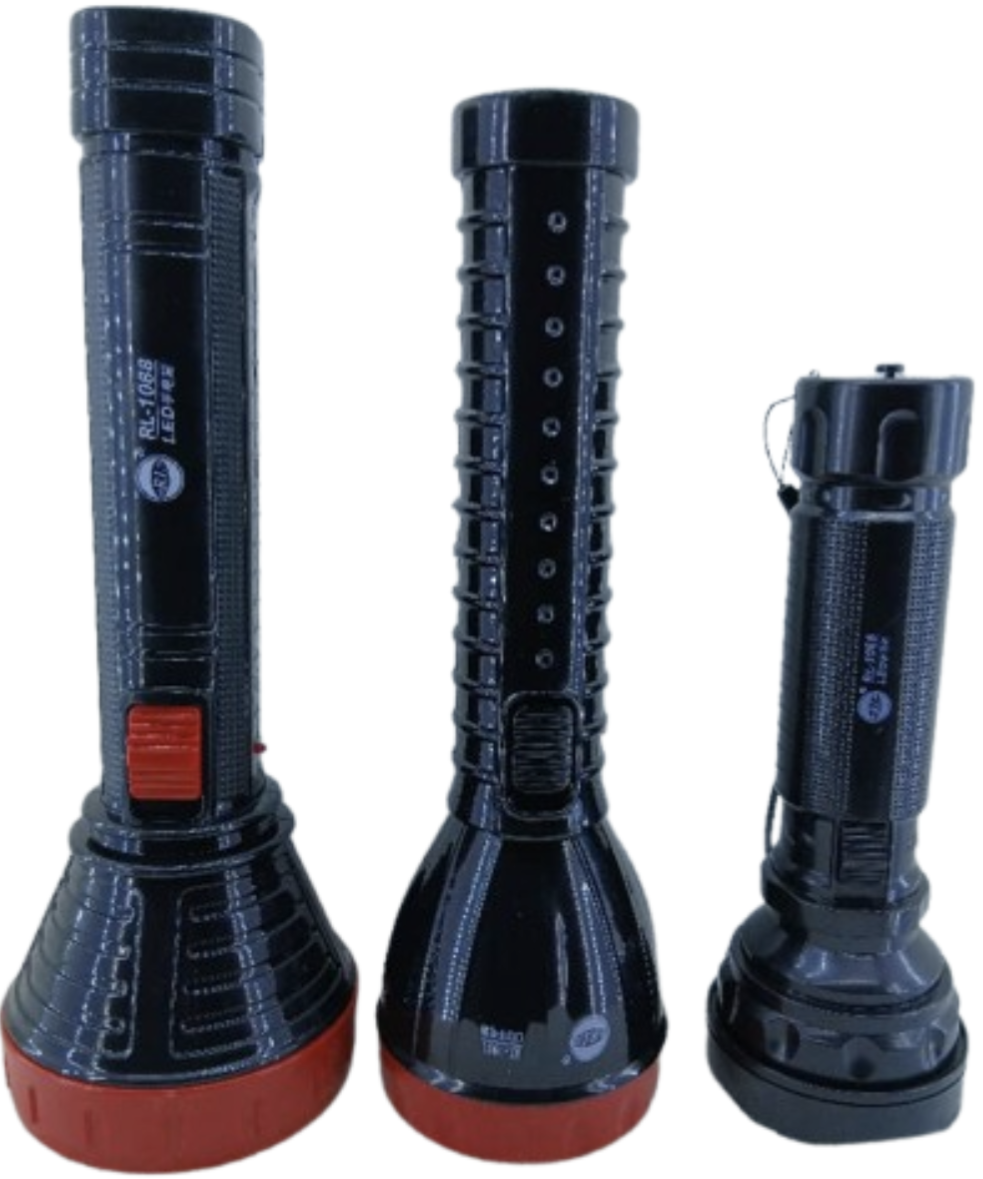
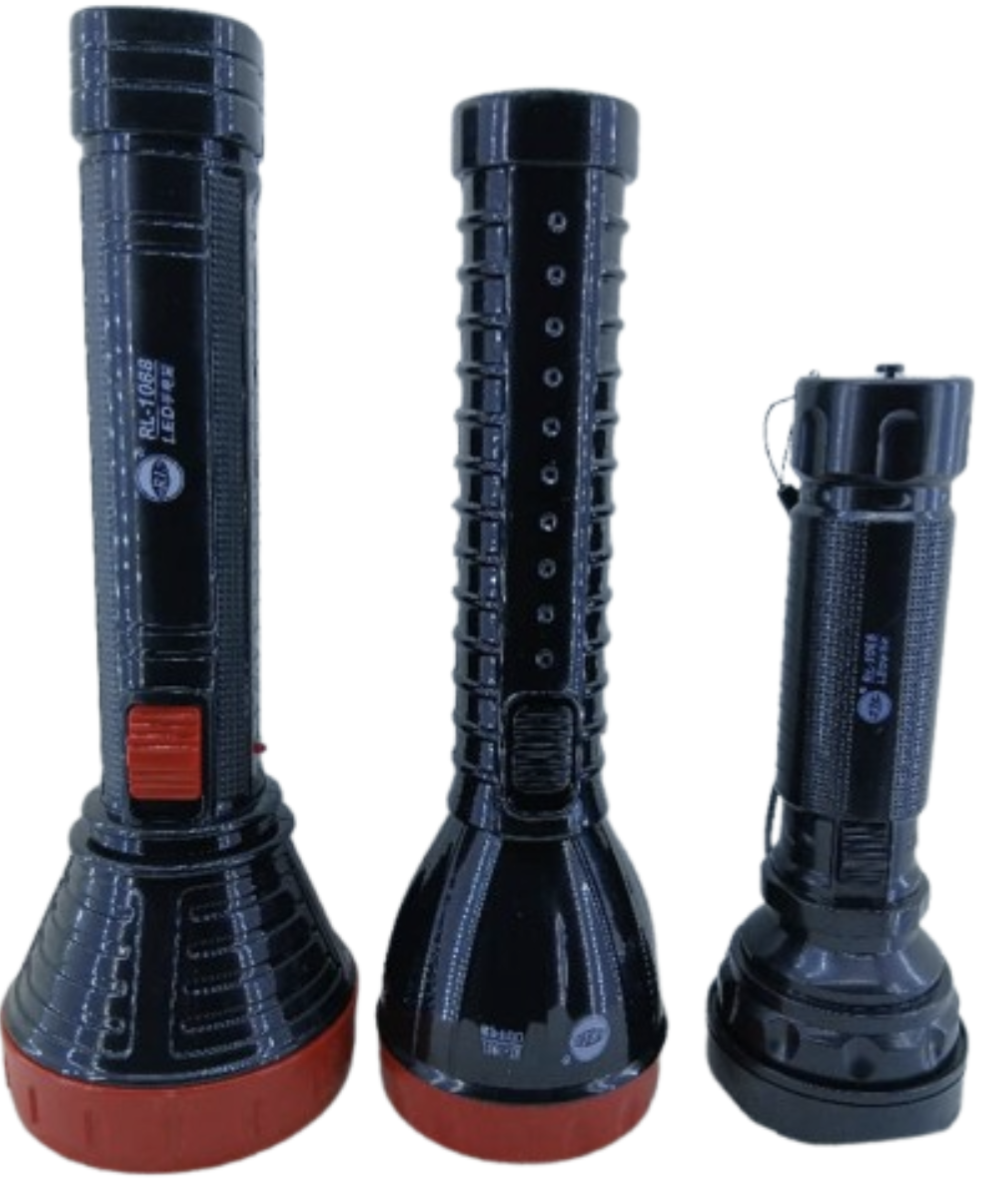
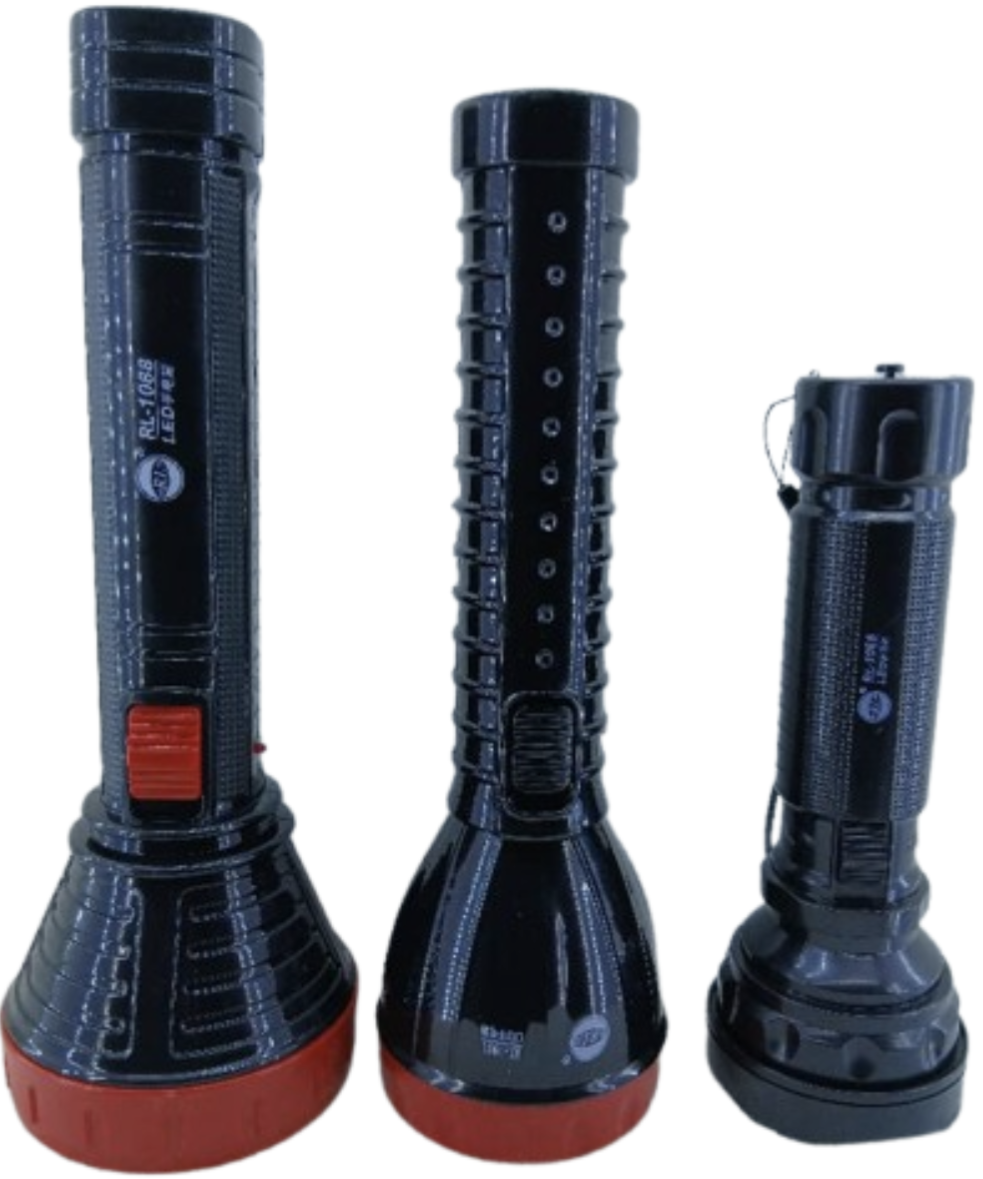
Torch
1 Must haveIf you smell a leak or the power is out, never use a flame to look around. A torch is the safe light.
How to use it: Keep it where you can find it in the dark and check the batteries each month.
Soapy water for leak checks
1 small bottleNice to haveA little soapy water is a simple way to check connections for bubbles after you fit a new cylinder.
How to use it: Brush it on the joints. Bubbles mean a leak. Turn the valve off and get it fixed.
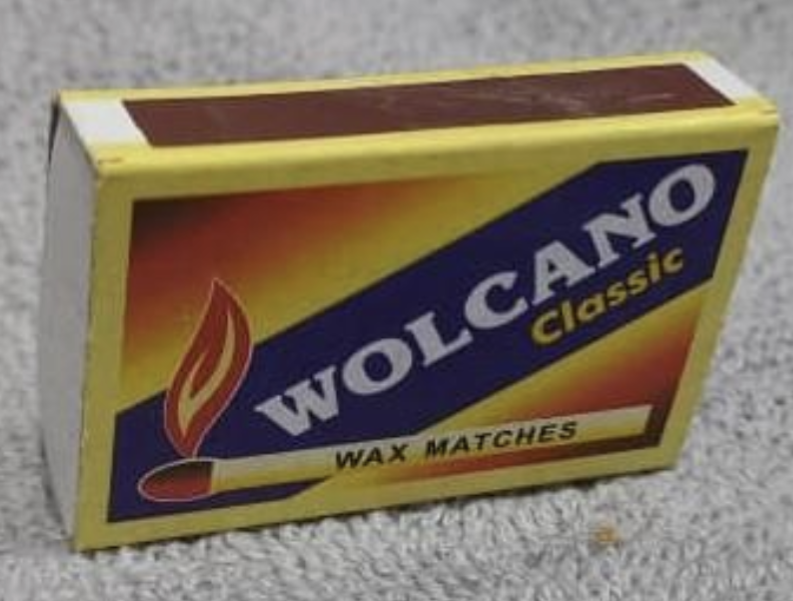
Matches
1 boxNice to haveA box of matches is a backup if your lighter stops working, and it helps with the charcoal stove.
How to use it: Light the match first, then bring it to the burner, then turn the gas on slowly.

Keep a backup
Cylinders run out at inconvenient times. Keep a few options so dinner is never in danger.
Charcoal stove
1 Must haveKeep your old stove. It saves you when the cylinder is empty or while you wait for a refill.
How to use it: Use it outside or in a very well ventilated place. Never in a closed room.
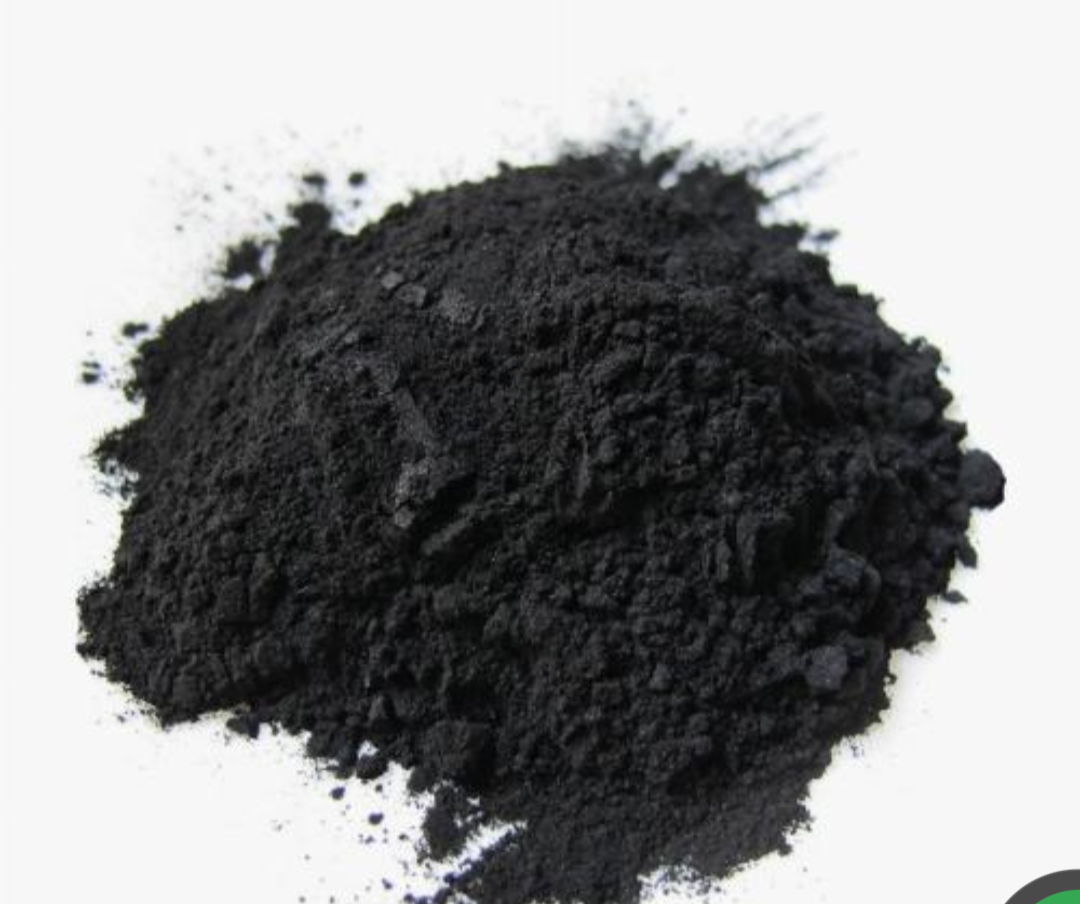
Charcoal
1 small bagNice to haveA small bag stored dry is enough for emergencies, not for daily cooking.
How to use it: Keep it covered and away from rain.
Electric kettle
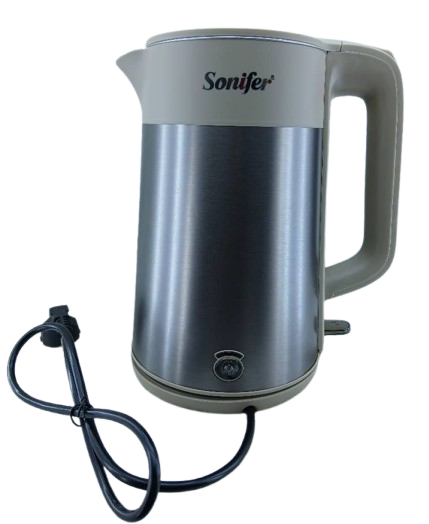
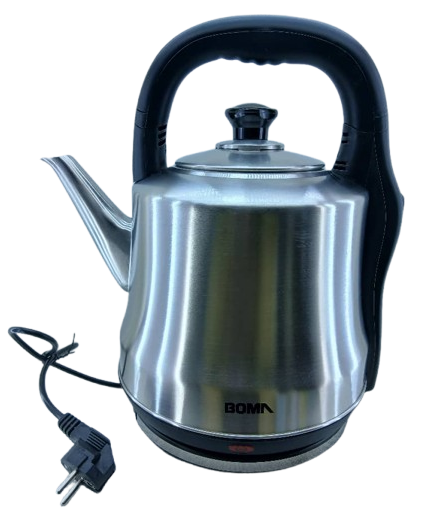
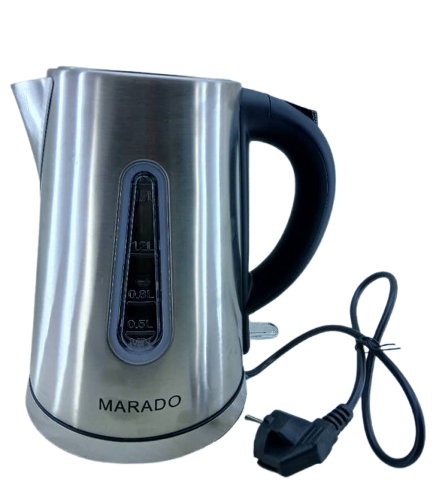
1Nice to haveBoiling water for tea, porridge and washing is a common use of gas. A kettle moves this to electricity.
How to use it: Fill only to the max line. Switch off at the wall when finished.
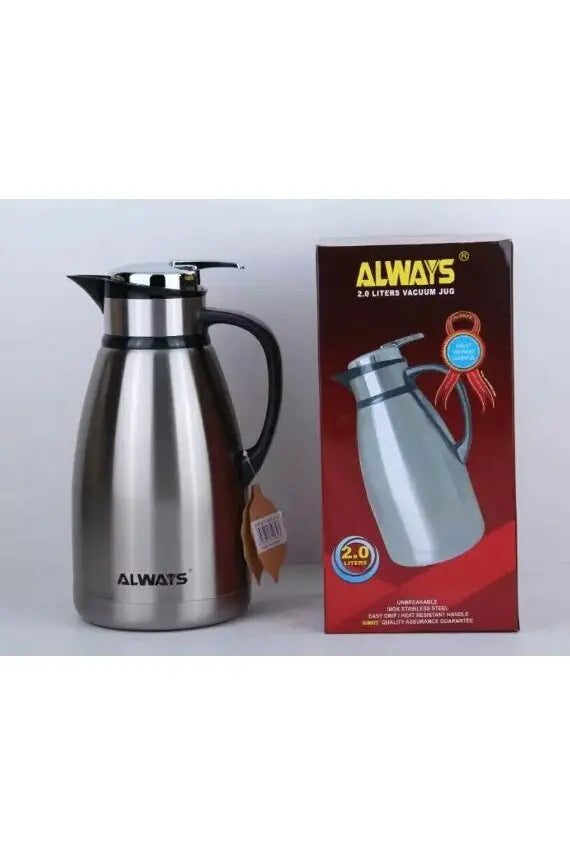
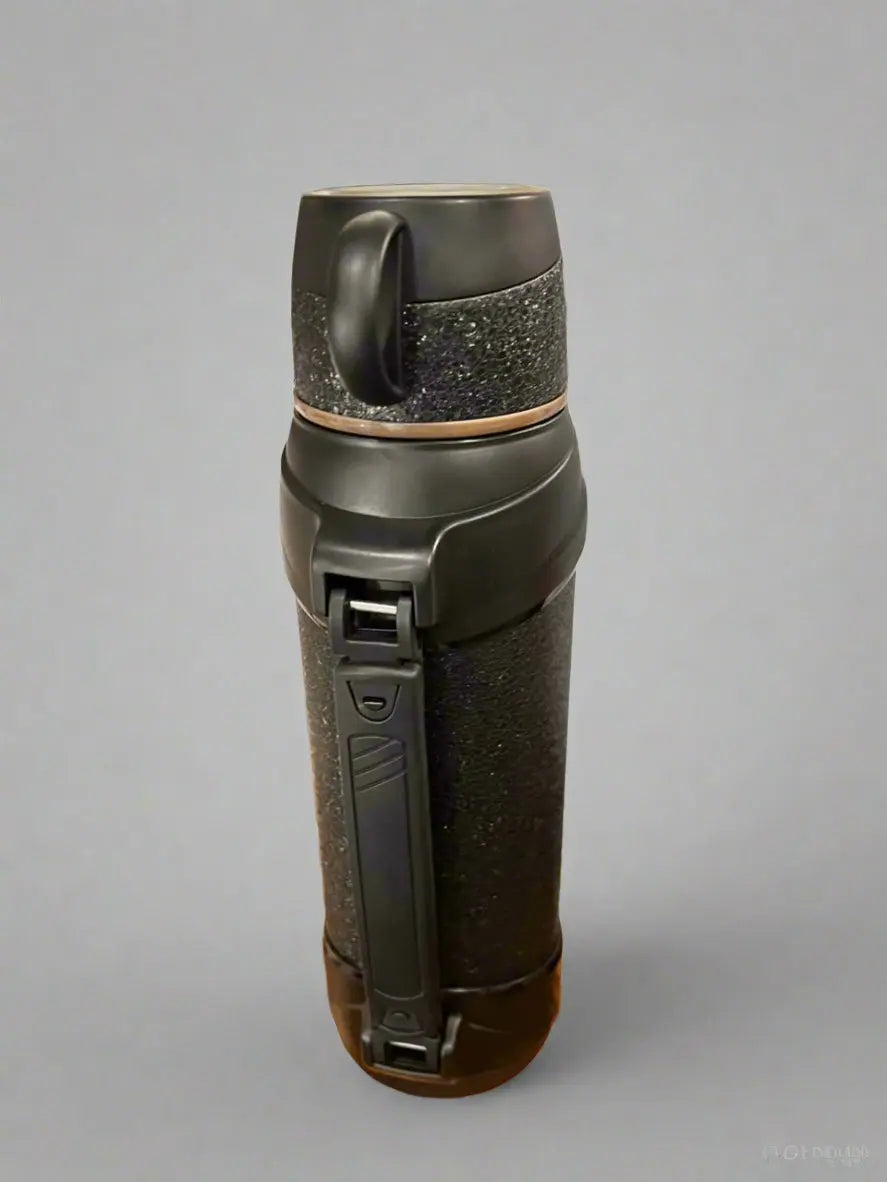
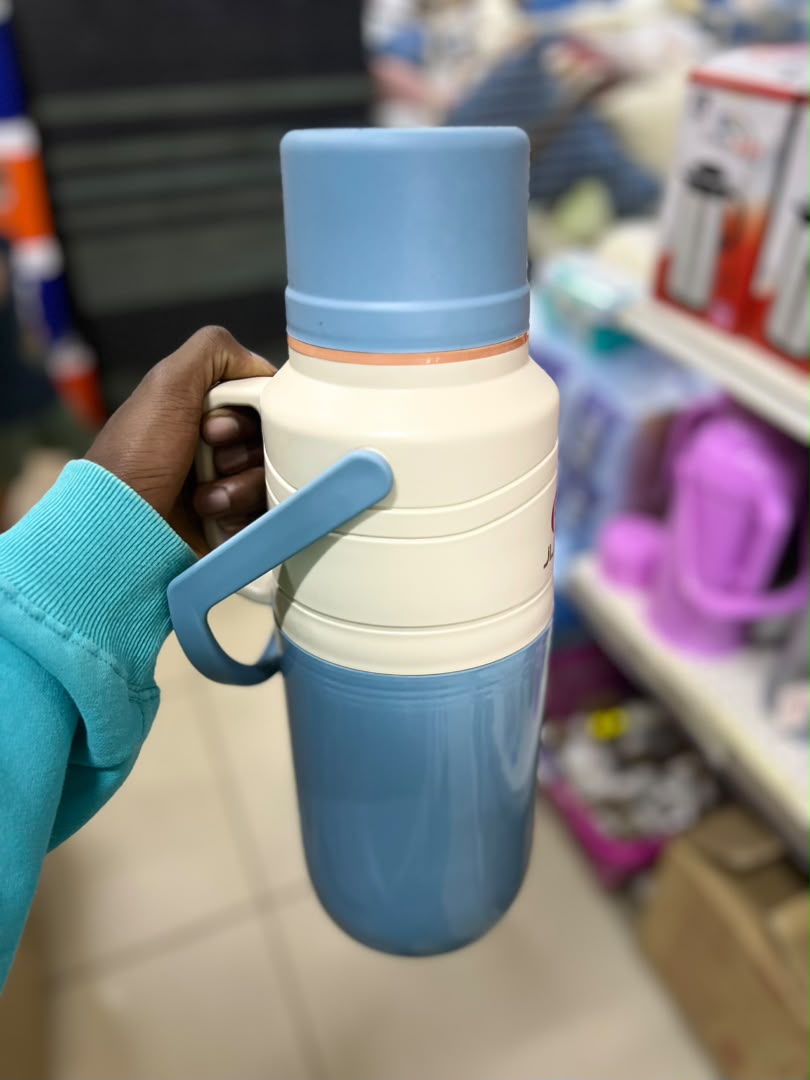
Thermal flask
1Nice to haveBoil once in the morning and keep hot water for hours, which saves gas.
How to use it: Rinse before use and fill to the neck for the best heat.
Spare gas cylinder
1Nice to haveA second cylinder means you never wait. Some households keep one in use and one full.
How to use it: Always store them upright and in a ventilated place.
Everyday kitchen care
Gas kitchens are cleaner, but they still need regular wiping and good storage.
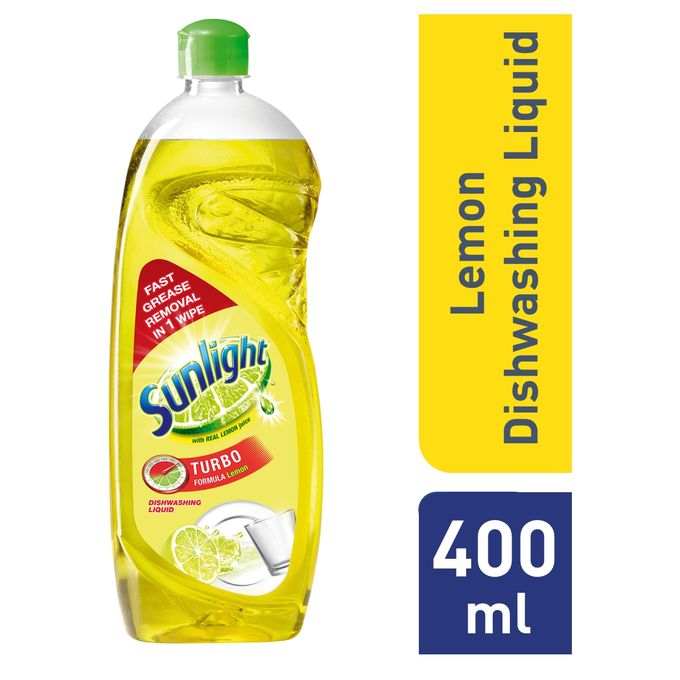
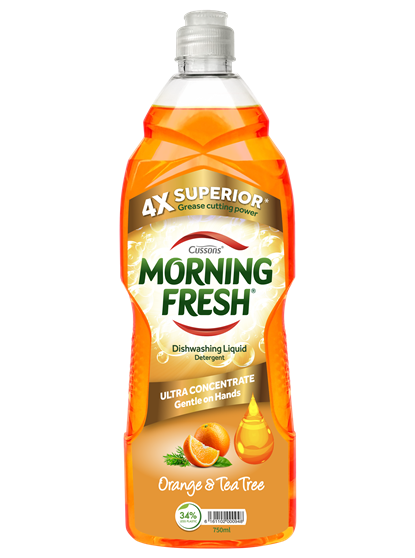
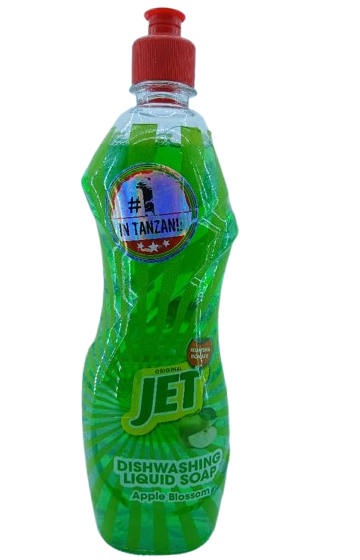
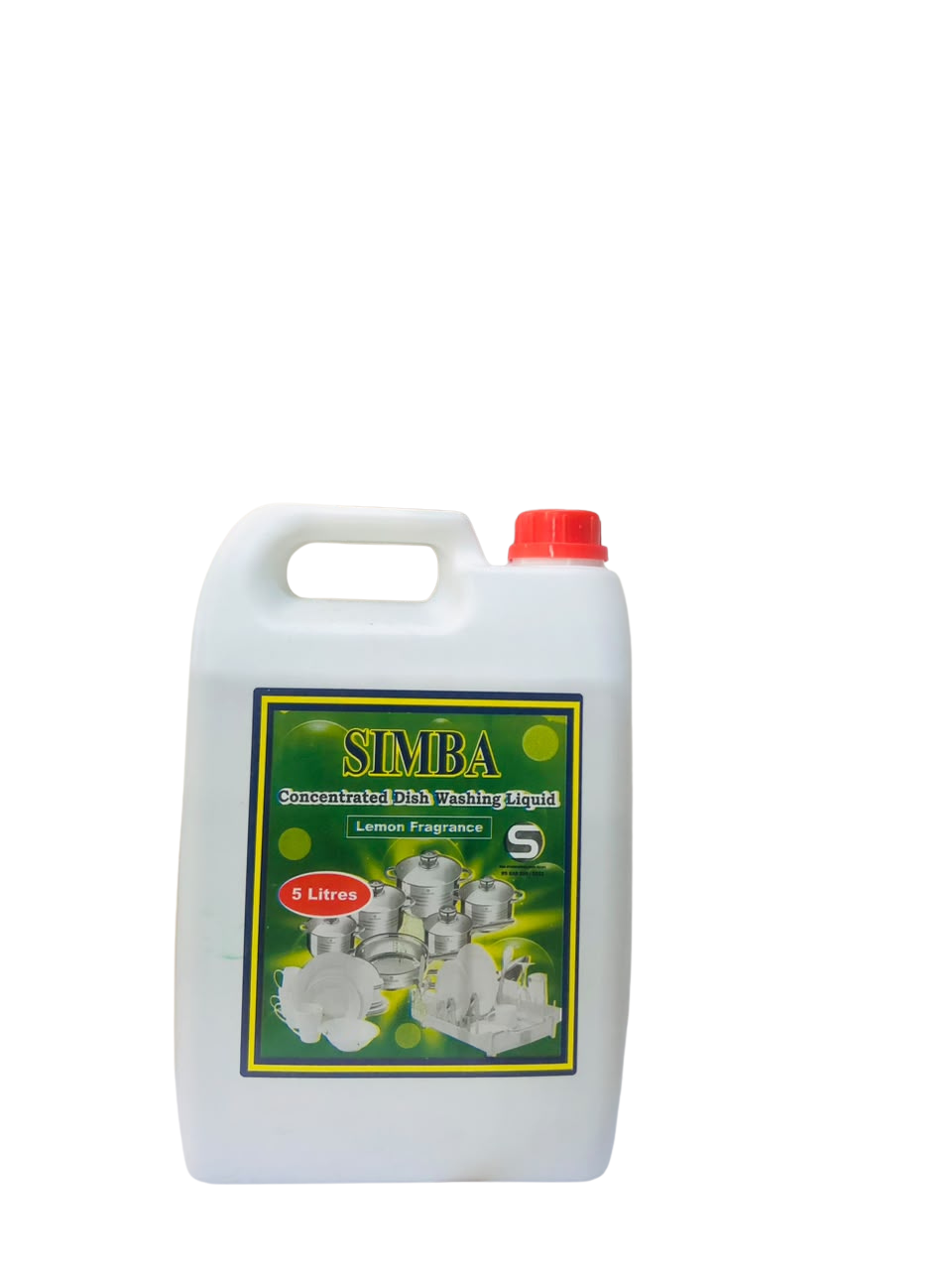
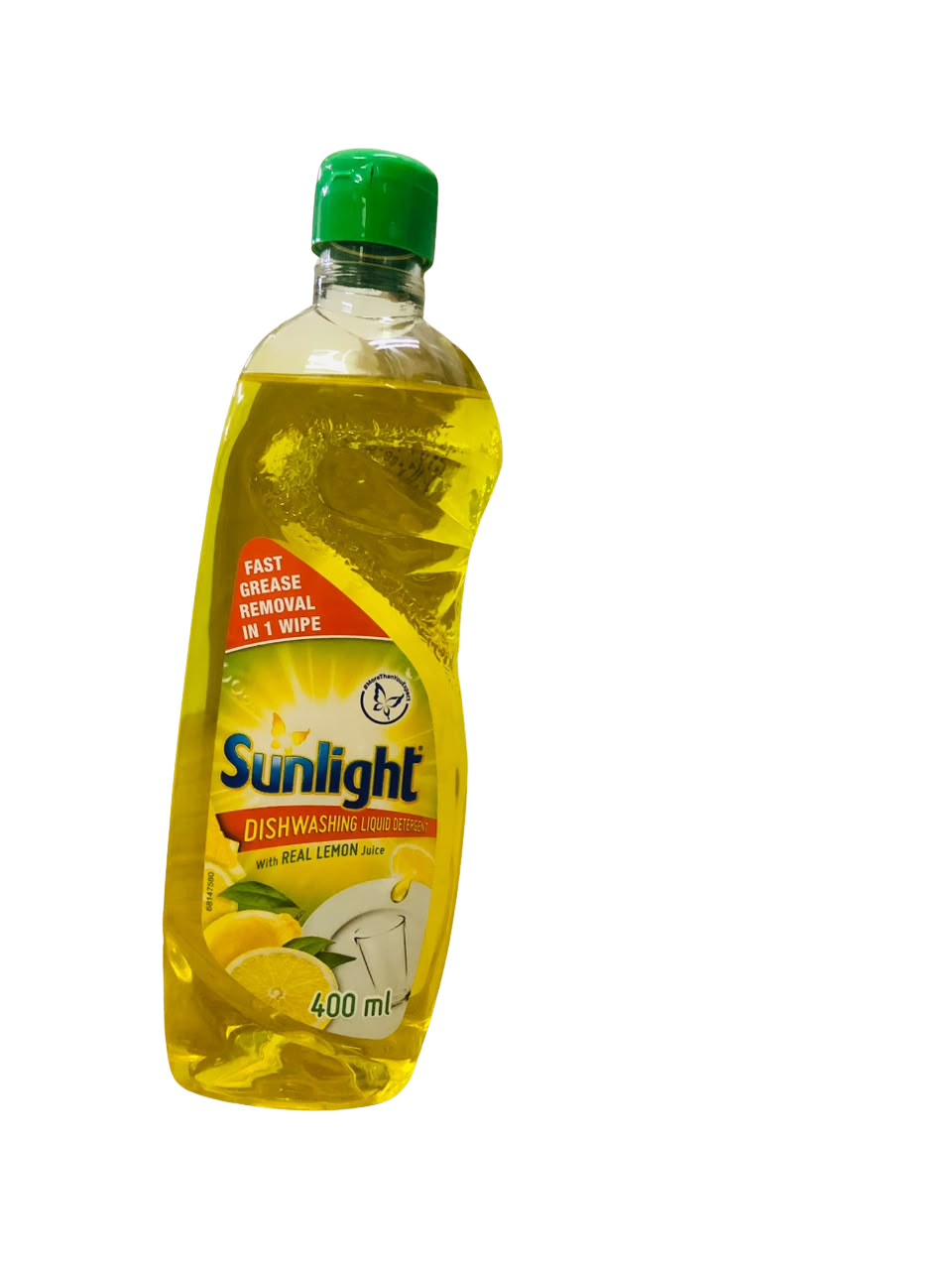
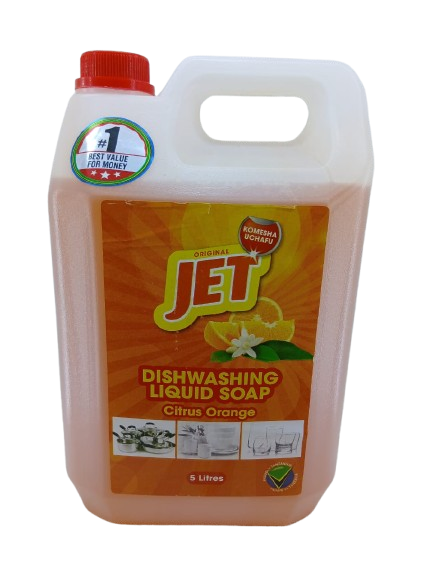
Dishwashing liquid
1 bottle Must haveGas cooking leaves less soot, so dishes wash easier. Grease still needs a good liquid.
How to use it: Use a small amount in warm water. Rinse well.
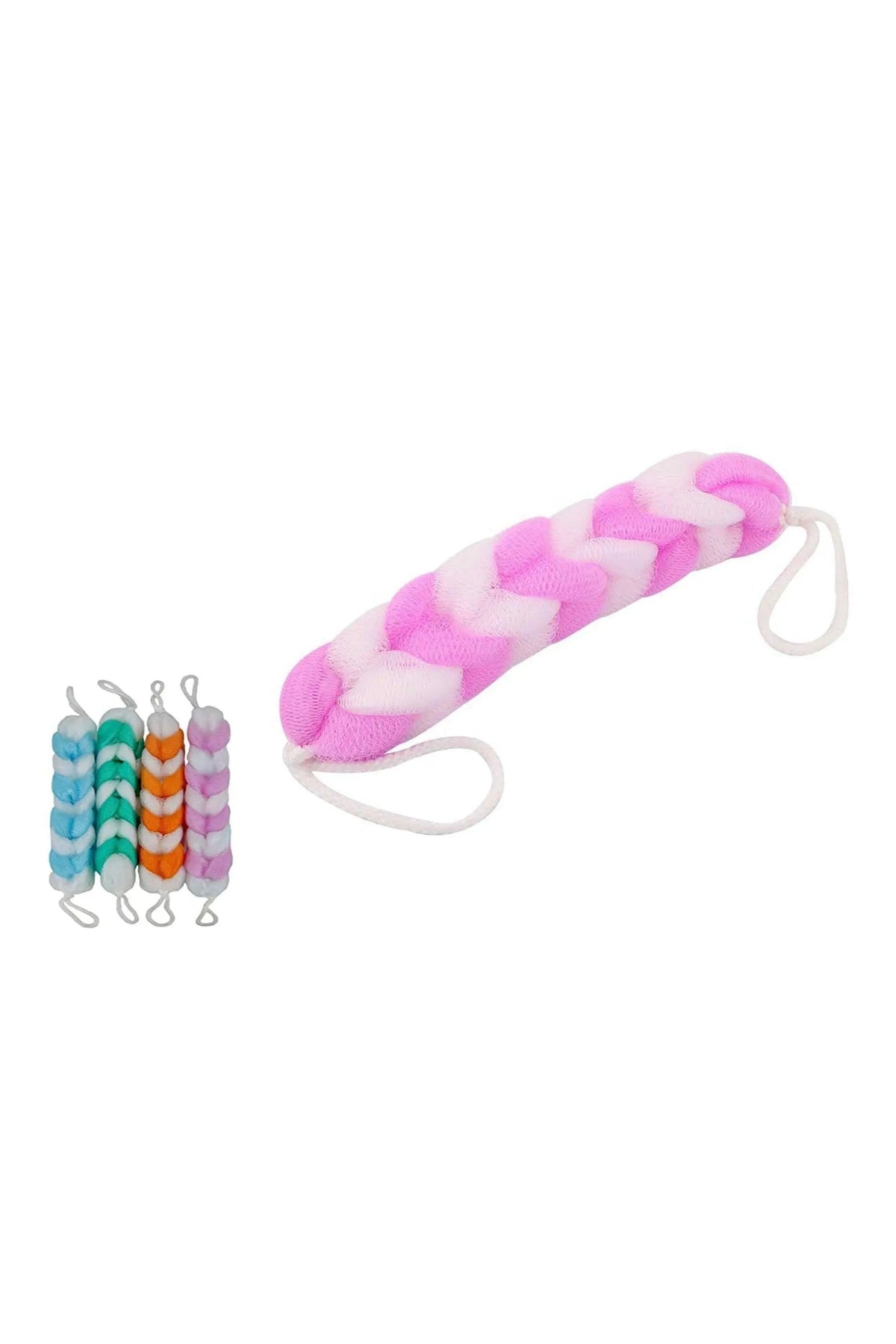
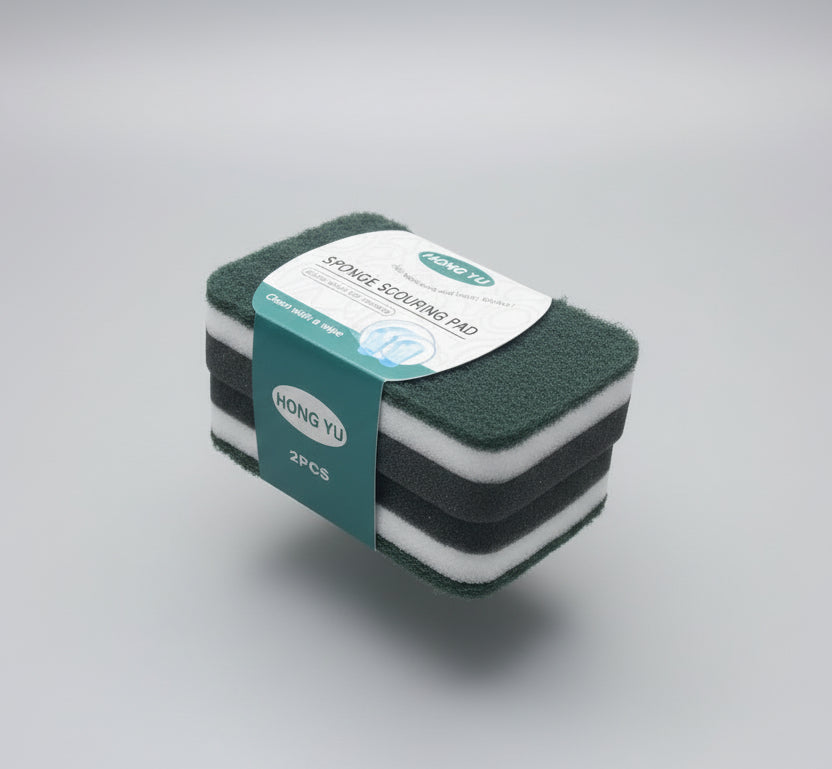
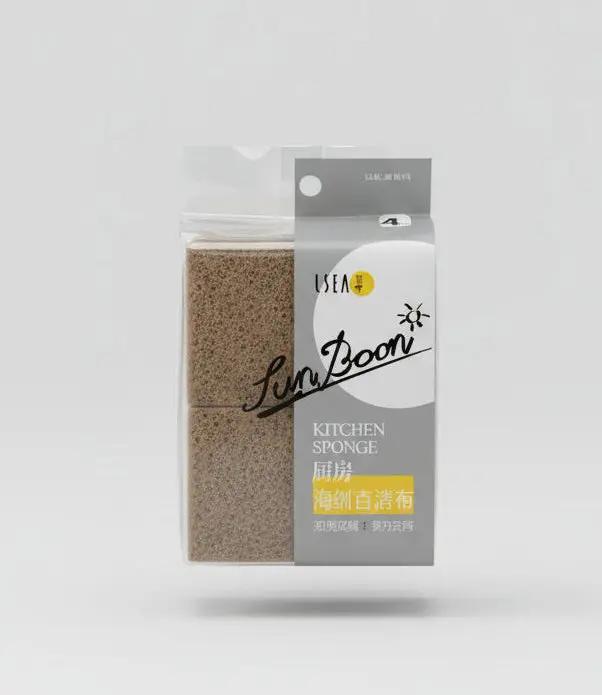
Kitchen sponge
2 Must havePot bases are cleaner now, but food residue still collects around the burner.
How to use it: Use the rough side on pots and the soft side on the cooker top. Replace every few weeks.
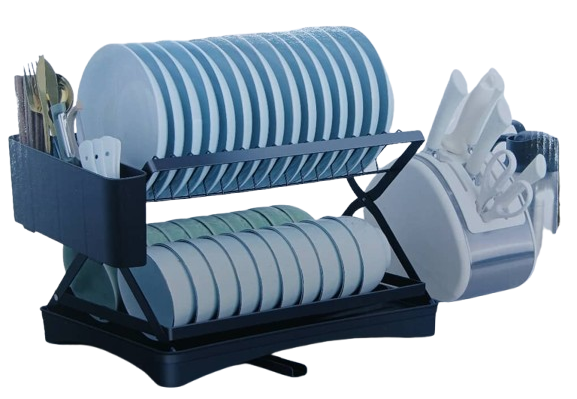
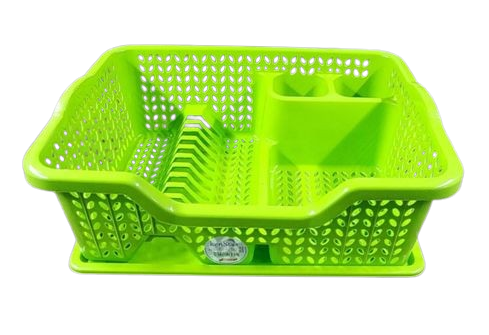
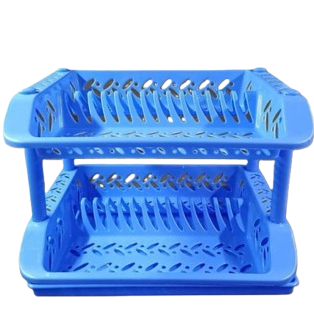
Dish rack
1Nice to havePots and pans dry standing up so they do not sit wet near the cooker.
How to use it: Place it away from the burners.
Storage boxes
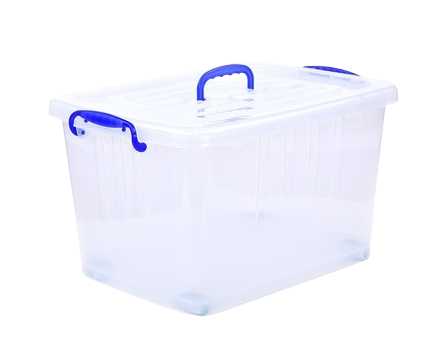
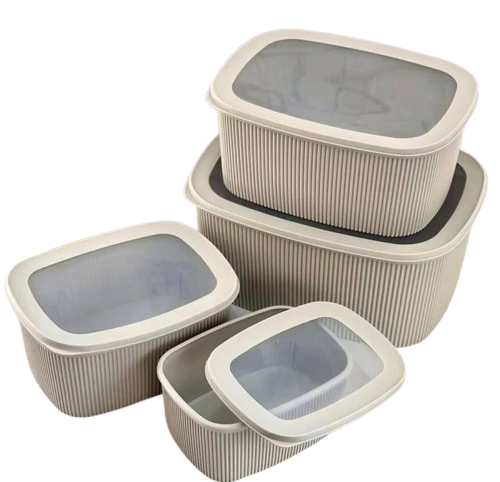
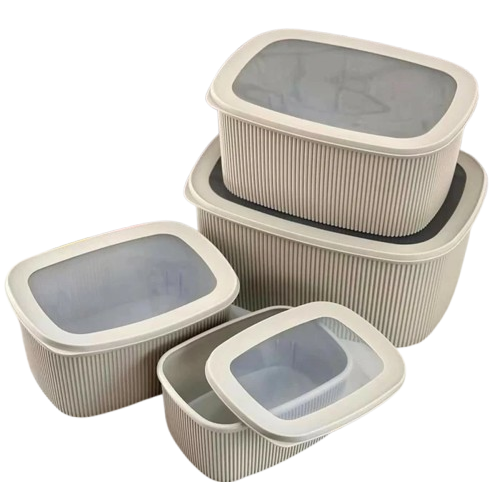
3 or 4Nice to haveRice, beans and flour last longer sealed. Without charcoal dust in the room, food stays cleaner.
How to use it: Label with the date you filled them.
Step by step
- 1
Before you buy
Check with your landlord if gas is allowed, and where a cylinder can be kept. Measure your kitchen space.
- 2
Buy the safety items
Get the regulator, hose, lighter and an extinguisher first. Ask your supplier to check the fit.
- 3
Get cookware
Replace thin or cracked pots with flat based pots that suit gas.
- 4
Fit and test
Connect the cylinder, brush soapy water on the joints, and watch for bubbles before you cook.
- 5
Cook with a backup
Keep your charcoal stove ready for the first weeks while you learn how long a cylinder lasts.
Tips that help
- Turn the cylinder valve off at night and when you leave the house.
- Write down the date you fill the cylinder, so you learn how long it lasts for your family.
- Cook with the lid on. It saves gas and cuts the time.
- Soak beans overnight before cooking to use less gas.
- Keep the kitchen window open when cooking.
- Ask your supplier if the hose and regulator fit the cylinder you plan to use.
Mistakes to avoid
- Leaving the cylinder inside a closed cupboard with no ventilation.
- Looking for a leak with a lit match or lighter.
- Using a damaged or very old hose because it still seems to work.
- Throwing away your charcoal stove on day one.
- Using a pot that is far wider than the burner, so the flame heats the handles.
Questions people ask
Is cooking with gas safer than charcoal?+
Gas makes less smoke in the house, but it needs careful handling. Keep the cylinder upright and ventilated, use a good hose, and check for leaks. If you smell gas, turn it off and open the windows.
Where should I keep the gas cylinder?+
Keep it upright, in a ventilated spot, away from heat and direct sun. Check with your landlord about rules for your building.
How do I know if my hose has a leak?+
Brush soapy water on the joints with the gas on. Bubbles mean a leak. If you see bubbles or smell gas, turn the valve off and get it fixed before cooking.
Do I need new pots for a gas cooker?+
Not always. Pots with thick, flat bases work best. Very thin or bent pots may burn food. Check if your old pots sit flat.
Should I keep my charcoal stove?+
Yes, at least at first. It is a backup when the cylinder is empty. Use it only outside or in a very well ventilated space.
With a safe gas set, good pots and a charcoal backup, your switch will be smooth. Shop the list on Isokko and have it delivered to your door in Kigali.
Shop this list
Get everything delivered in Kigali
Order from local stores on Isokko and pay with MoMo, card or cash. Same-day delivery.