
Checklist · Health & wellness
Weight Loss Starter Grocery List for Kigali: What to Buy
A simple weight loss starter grocery list for Kigali: filling, lower calorie foods and smart snacks you can buy in Rwanda.
Updated November 17, 2026 · By Isokko
Starting to lose weight is mostly a shopping job. If the kitchen is full of filling, simple food, the choices at 7 pm are easier. If it is full of sweets and fried snacks, willpower has to do all the work.
This list is built from foods you can find in Kigali markets and shops: beans, eggs, vegetables, fruit, oats, fish and a few smart snacks. Nothing here is exotic or expensive. The idea is to fill your plate with food that keeps you full, and to keep small portions of treats out of sight.
This is a starter list, not medical advice. If you have a health condition, take medicine, are pregnant or want to lose a lot of weight, talk to a doctor or a pharmacist first.
Who it's for
Adults in Kigali who want to start eating in a lighter, steadier way
Time needed
One weekly shop, about 30 minutes to plan
When to shop
Once a week, with fresh items topped up midweek
On the list
35 items, 13 must haves
0 of 35 ready
Filling breakfasts
A breakfast with fiber and protein helps you stay full until lunch.
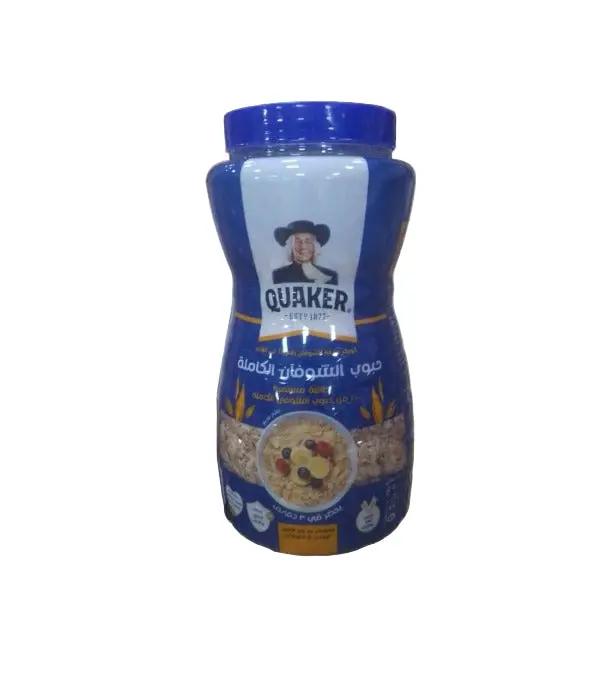
Oats
1 pack Must haveOats are slow to digest, so you feel full for longer than with white bread or sugary tea and mandazi.
How to use it: Cook with water or milk and add sliced banana instead of sugar. Measure a small cup per person.
Eggs
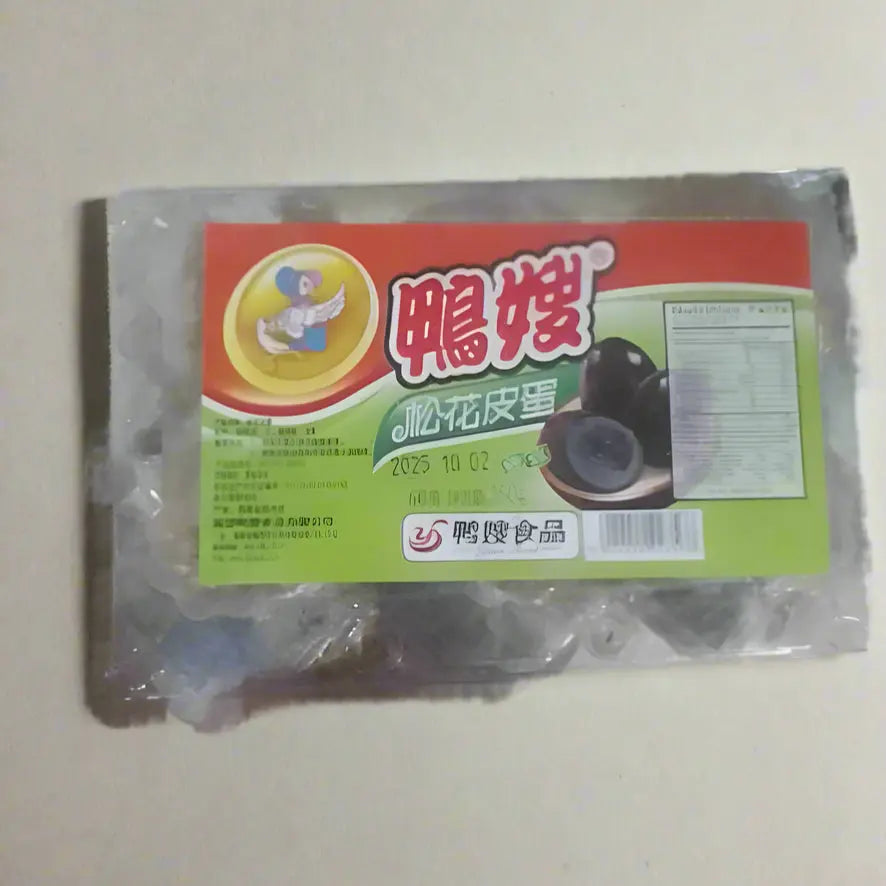
1 tray or 10 eggs Must haveEggs give protein for few calories and are easy to cook in many ways.
How to use it: Boil a few at the start of the week for quick breakfasts. Boiling uses no oil at all.
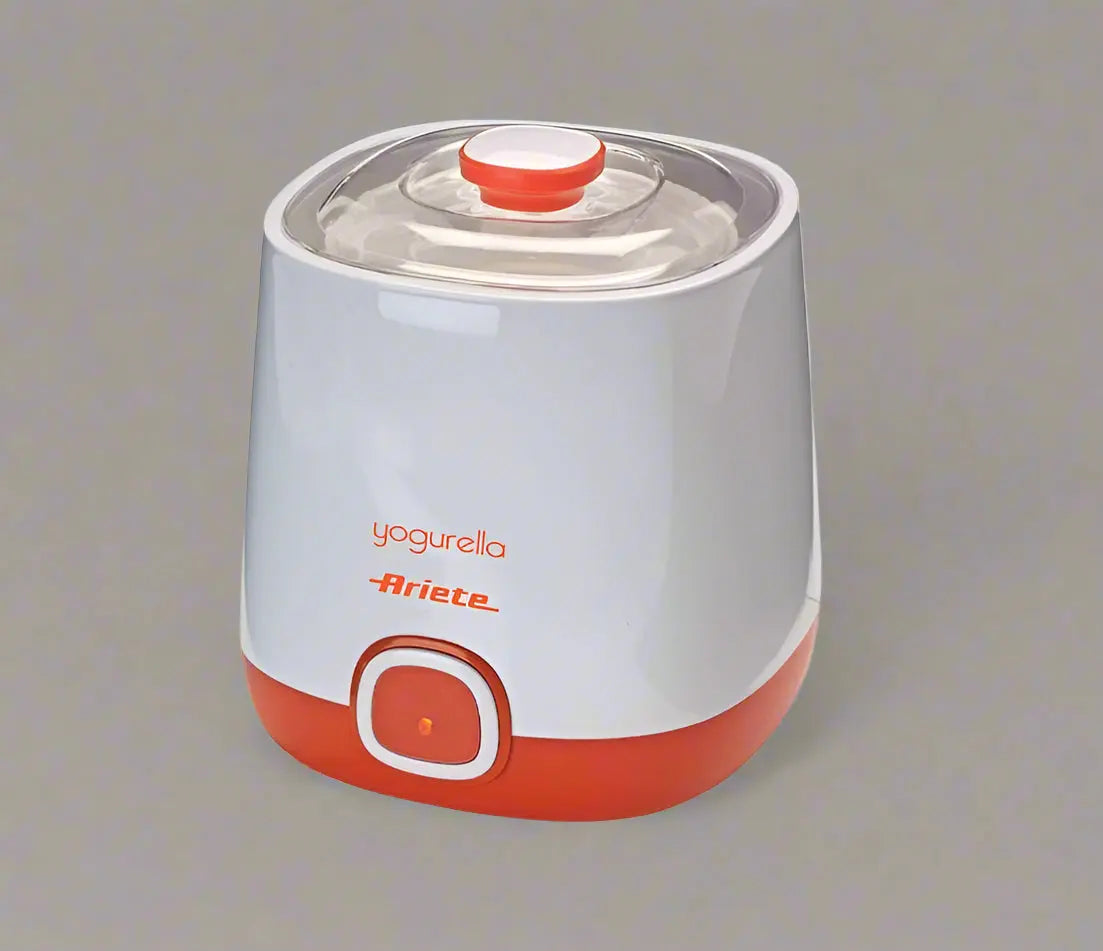
Plain yogurt
2 to 4 cupsNice to havePlain yogurt has protein and no added sugar, unlike many sweet flavored ones.
How to use it: Check the label for the word plain or natural. Add fruit for sweetness.
Sweet bananas
1 bunch Must haveA banana is a sweet, filling snack that can replace biscuits.
How to use it: Keep a few on the counter. Eat one before you feel very hungry, not after.
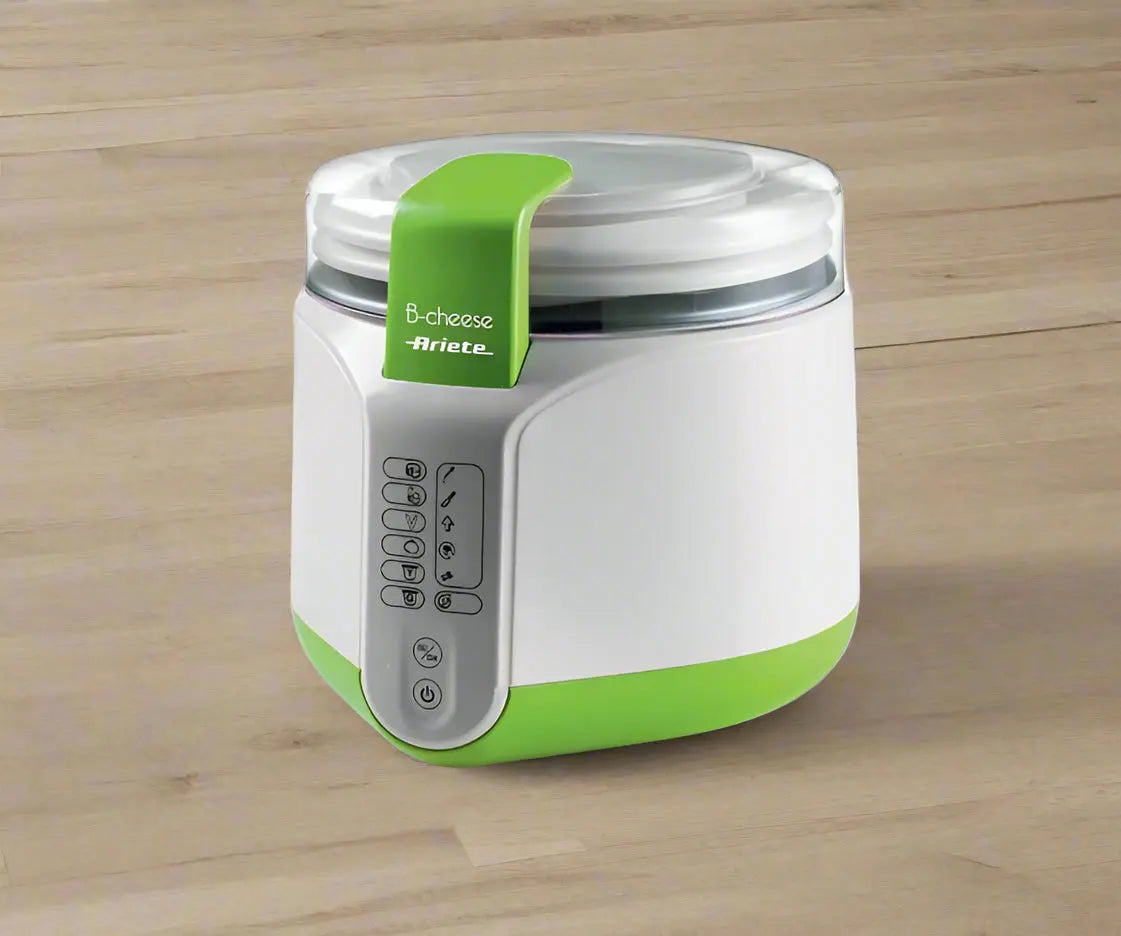
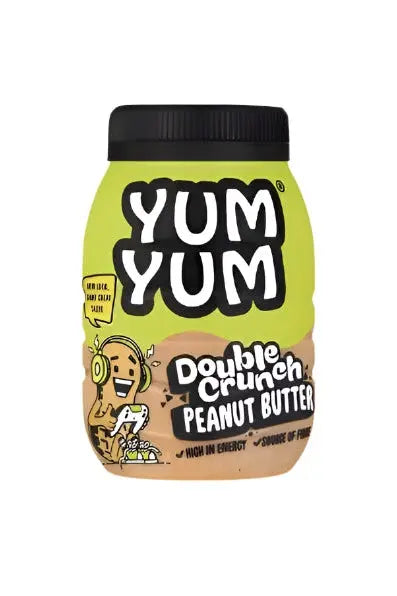
Peanut butter
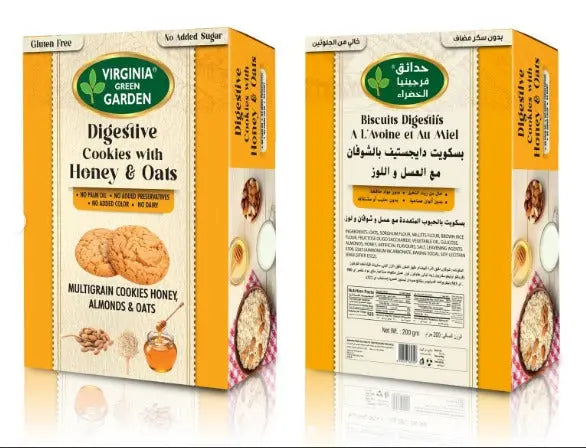
1 jarNice to haveA small spoon adds protein and healthy fat to oats or bread and keeps you full.
How to use it: Choose one with only peanuts and little sugar if you can. One tablespoon is enough, because it is high in calories.







Vegetables for volume
Vegetables fill half the plate for very few calories. Buy a mix of colors.
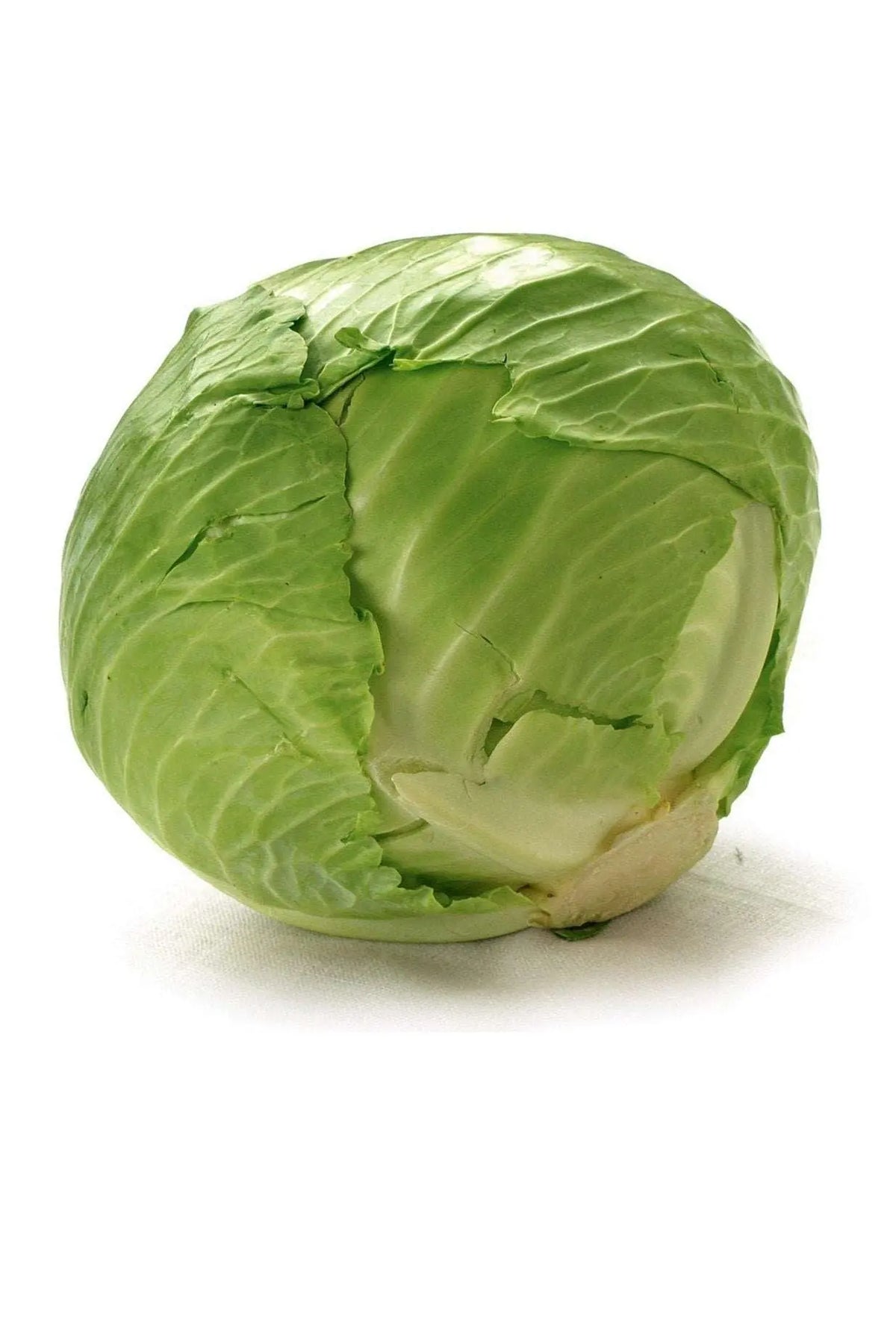
Cabbage
1 head Must haveCabbage is cheap, lasts a week in the fridge and fills a plate fast.
How to use it: Shred it for salad or steam it lightly with onion and a little oil.
Carrots
1 kg Must haveCarrots are a crunchy snack and add sweetness to stews.
How to use it: Wash well, cut into sticks and keep in a container for snacking.
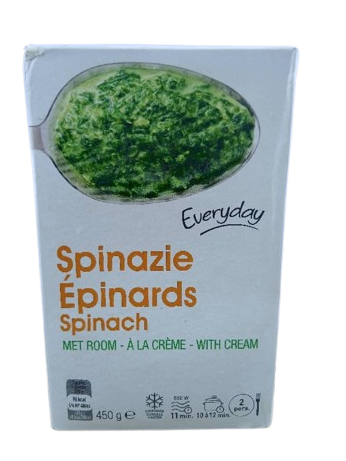
Spinach
2 bunches Must haveLeafy greens add fiber and bulk at low cost.
How to use it: Wash in clean water, then cook briefly so it stays green.
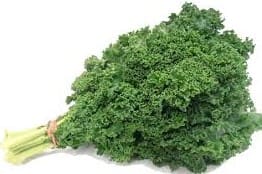
Kale (sukuma)
2 bunchesNice to haveKale is hardy, filling and good with beans or eggs.
How to use it: Slice thin and cook for a few minutes with onion and tomato.
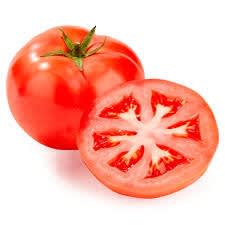
Tomatoes
1 kg Must haveTomatoes add flavor to everything so plain vegetables taste better.
How to use it: Buy a mix of ripe and firm ones. Keep ripe ones in the fridge.
Broccoli
1 headNice to haveBroccoli is filling and works steamed, roasted or in soups.
How to use it: Cut into small pieces and steam for five minutes. Do not overcook.
Mushrooms
250 gNice to haveMushrooms give a meaty feel to a meal with few calories.
How to use it: Wipe clean, slice and cook in a dry pan, then add a little oil and onion.









Lean protein
Protein keeps hunger down. Mix fish, beans and a little meat through the week.
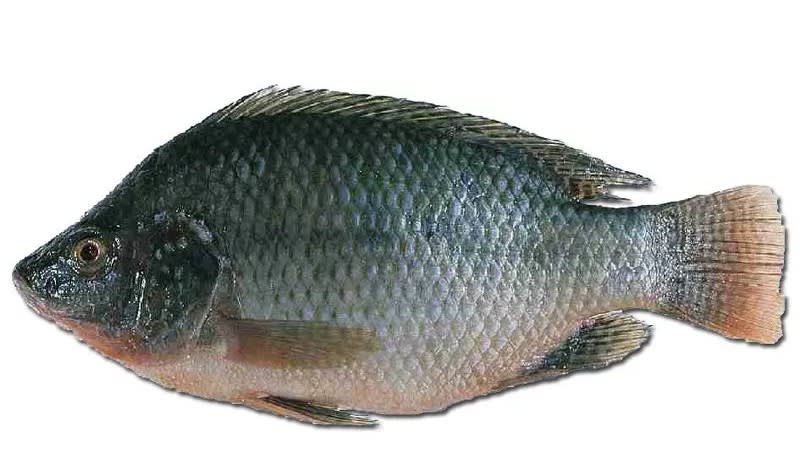
Tilapia
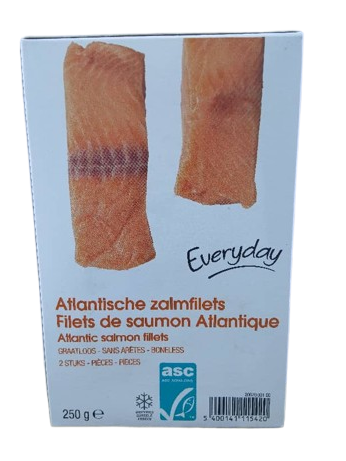
1 to 2 fish Must haveFish is a lighter protein than fried meat and is widely available in Kigali.
How to use it: Grill, steam or bake it instead of deep frying. Keep frozen fish in the freezer for busy days.
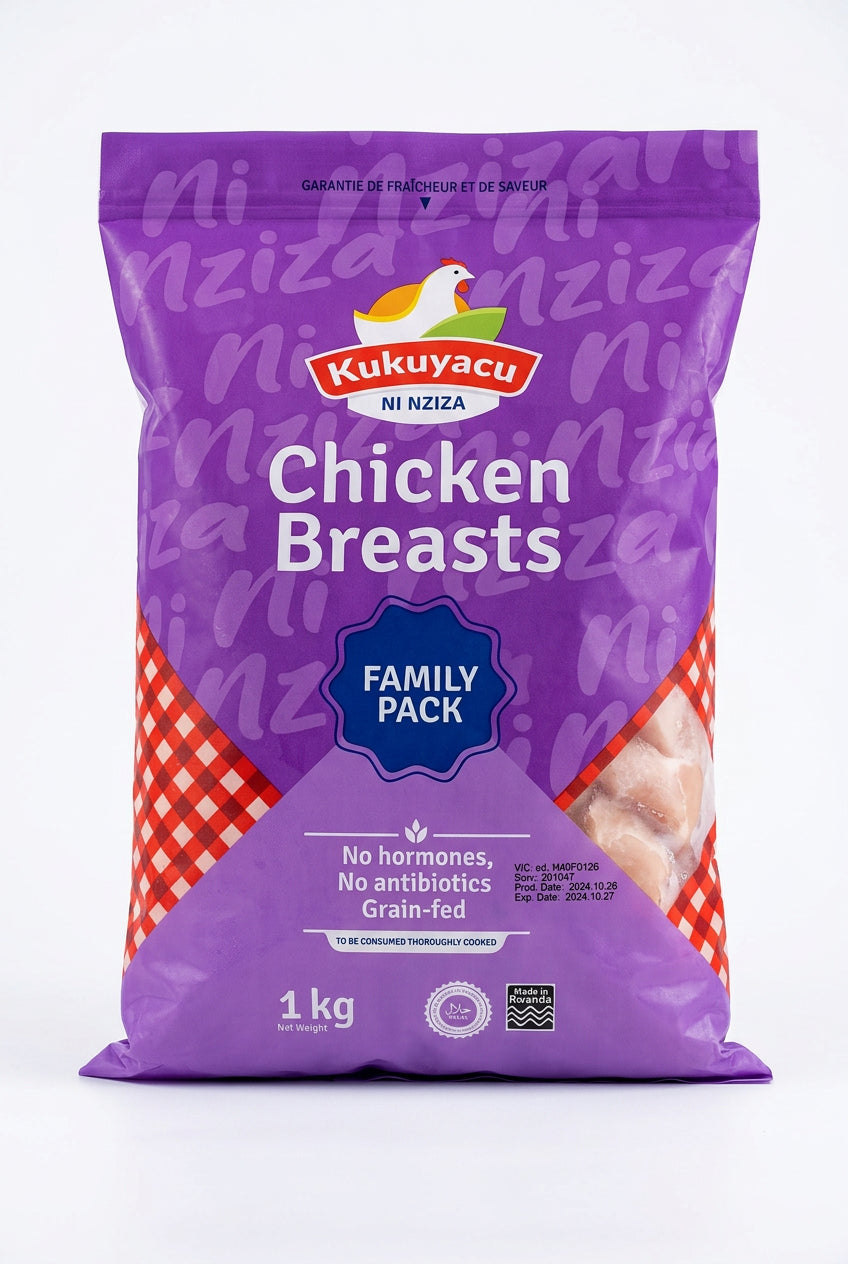
Chicken breast
500 g to 1 kgNice to haveChicken breast is lean protein that works in salads and stews.
How to use it: Remove visible skin and fat. Boil or grill, and avoid heavy sauces.
Dry beans
1 kg Must haveBeans are cheap and rich in fiber and protein, a real Rwandan staple.
How to use it: Soak overnight and cook until soft. Freeze in portions so you do not need to cook every day.
Lentils
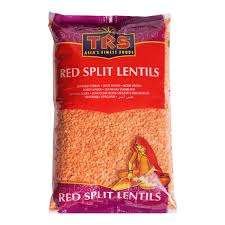
500 gNice to haveLentils cook faster than beans and fit well in soups and stews.
How to use it: Rinse, then simmer until soft. Red lentils usually need no soaking.
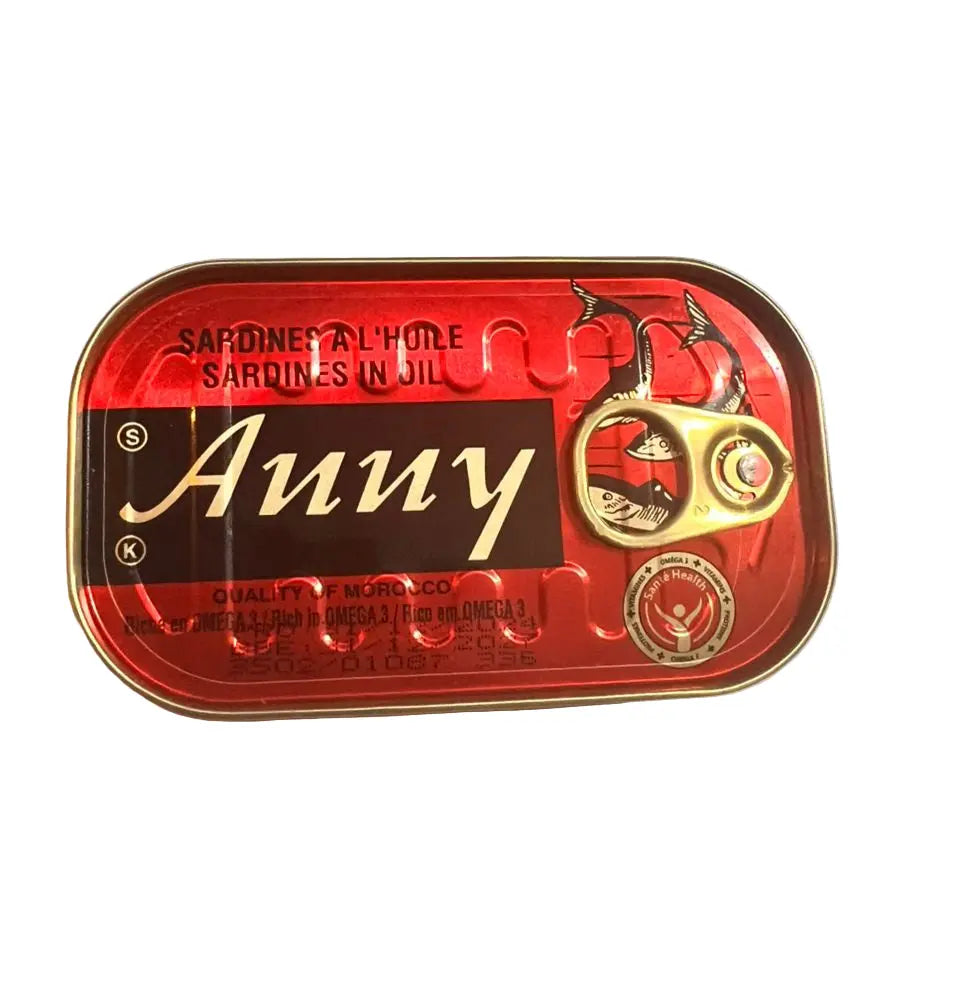
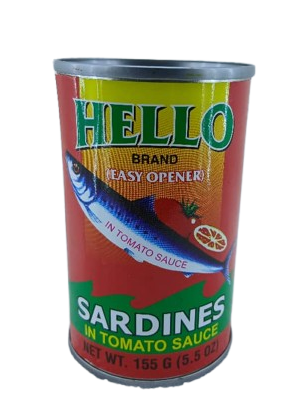
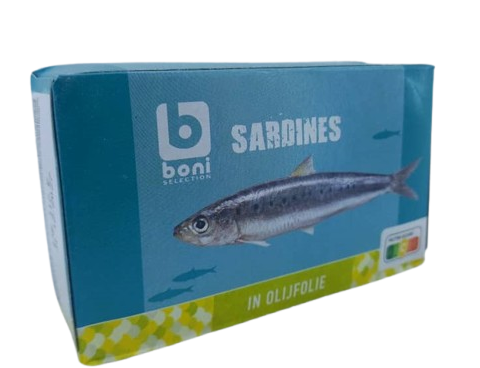
Canned sardines or tuna
2 to 4 tinsNice to haveA tin in the cupboard saves you from ordering fast food on a tired day.
How to use it: Choose fish in water or in brine if you can. Drain the oil and eat with salad or a slice of whole wheat bread.






Smarter carbs
You do not need to cut starch. Choose the ones that fill you up and serve smaller portions.
Sweet potatoes
1 kg Must haveThey are filling, a little sweet and easy to boil or bake.
How to use it: Boil with the skin on, then peel. A medium one with beans makes a full meal.
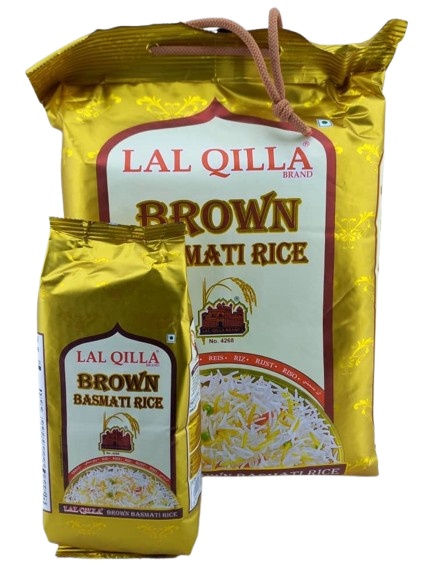
Brown rice
1 kgNice to haveBrown rice has more fiber than white rice and keeps you full longer.
How to use it: Rinse and cook with a little more water than white rice. Serve a fist sized portion.
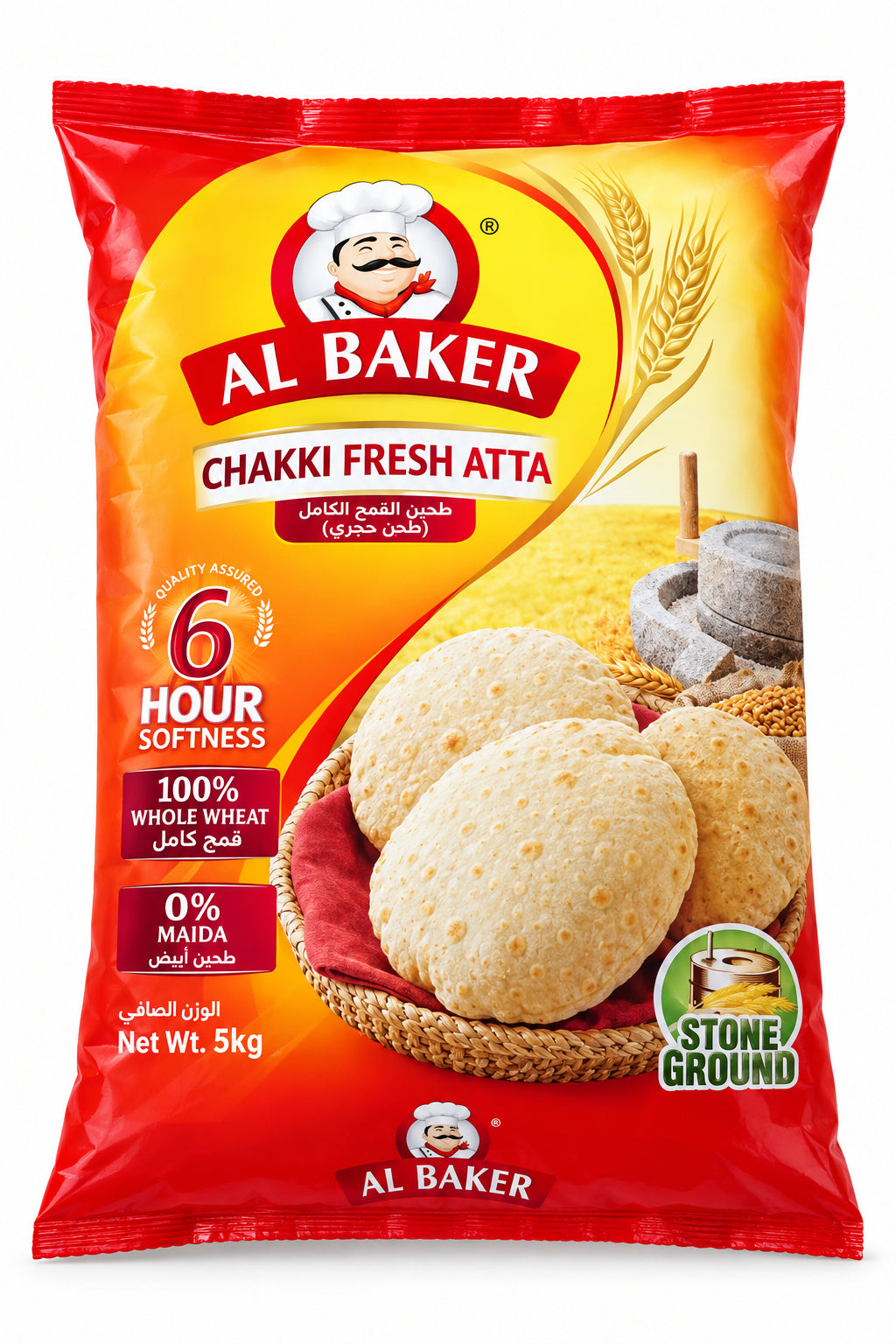
Whole wheat products
1 packNice to haveWhole wheat has more fiber than white bread or white flour.
How to use it: Read the label. Look for whole wheat at the start of the ingredients list.
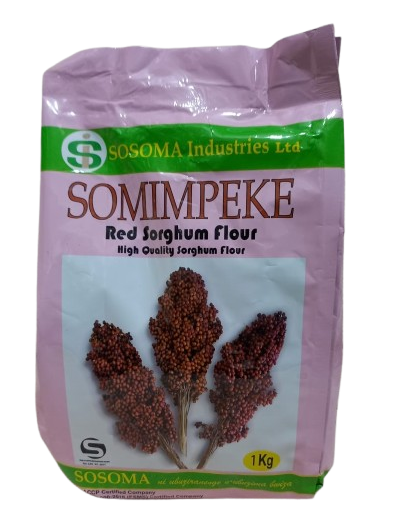
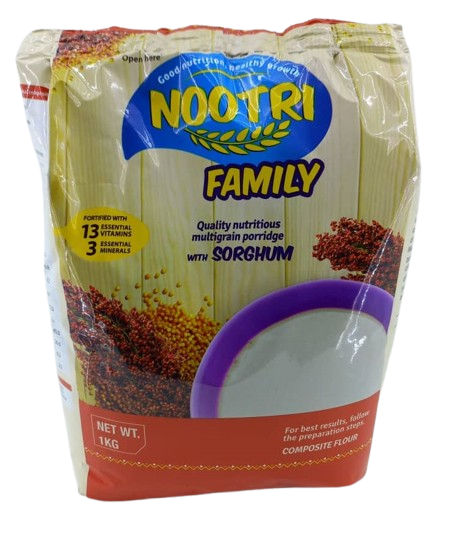
Sorghum flour
1 kgNice to haveSorghum porridge is a traditional, filling breakfast with no added sugar.
How to use it: Cook thin porridge with water and add a little milk. Skip heavy sugar.
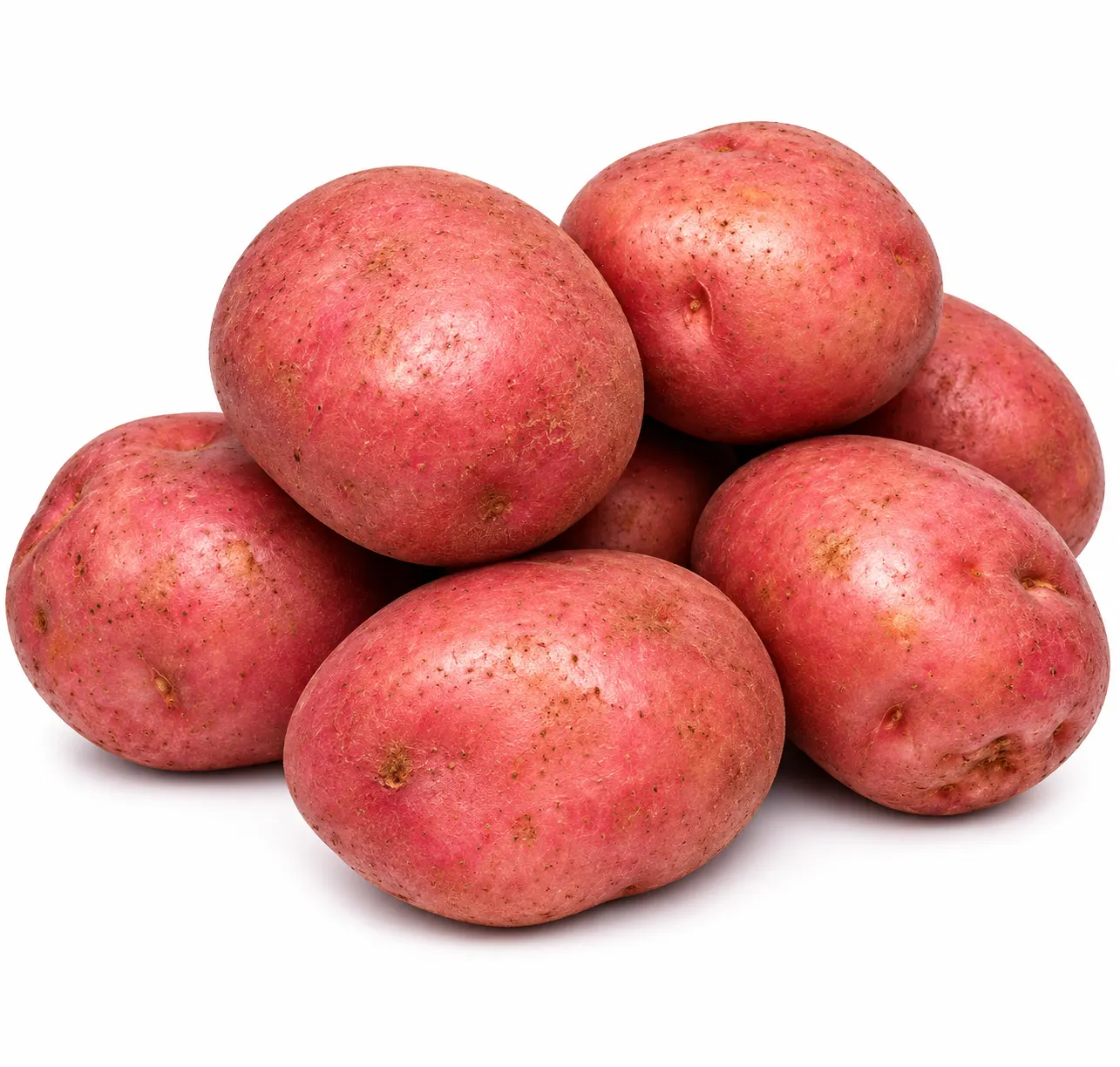
Irish potatoes
1 kgNice to havePotatoes are fine in moderation. Boiled is better than fried.
How to use it: Boil or bake them and keep the portion to about one fist.





Fruit and smart snacks
Planned snacks stop the afternoon biscuit habit. Keep them visible and easy.
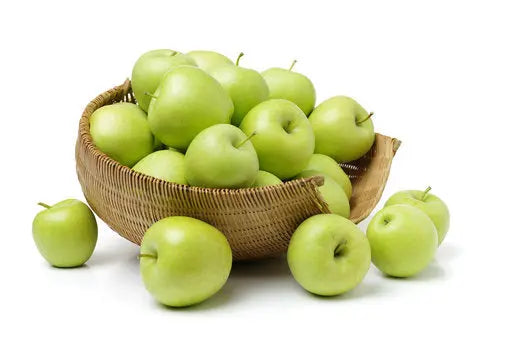
Apples
6 to 10 Must haveApples are crunchy and take time to eat, which helps with cravings.
How to use it: Wash and keep in a bowl where you can see them.
Pineapple
1 wholeNice to haveSweet, juicy and good after a meal when you want dessert.
How to use it: Cut into pieces and keep in a covered container in the fridge.
Papaya
1 wholeNice to havePapaya is soft and sweet and easy on the stomach.
How to use it: Eat it fresh. Cut it in the morning and it is ready as a snack all day.
Raw peanuts
500 gNice to haveA small handful has protein and healthy fat and is more filling than crisps.
How to use it: Count a small handful into a bowl. Eating from the bag makes it easy to eat too many.
Chia seeds
1 small packNice to haveA spoon in oats or yogurt adds fiber and makes the meal feel bigger.
How to use it: Soak a spoon in water or milk for 10 minutes before eating.
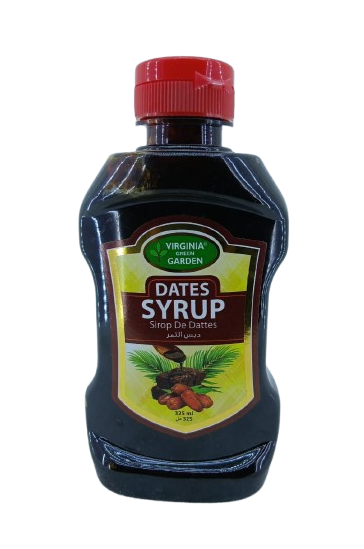
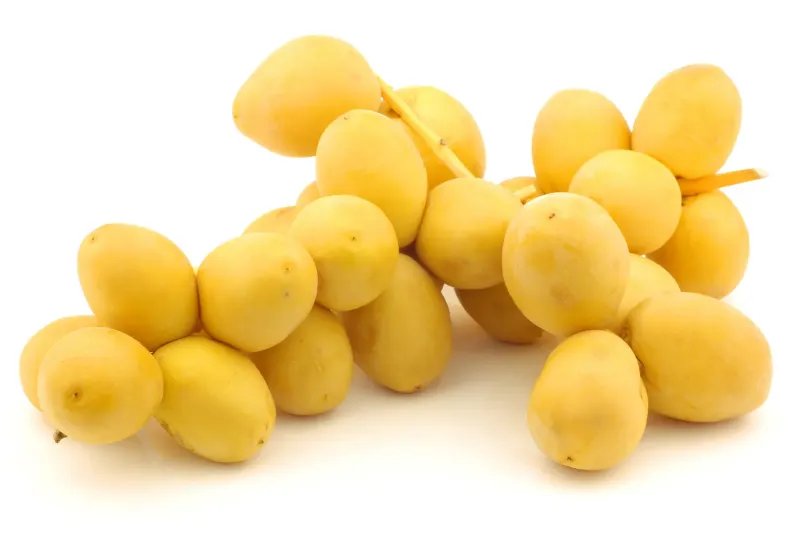
Dates
1 small boxNice to haveA date can calm a sweet craving, but they are sugary, so eat only one or two.
How to use it: Keep a few in a small jar, not a large bag.






Drinks and tools
What you drink and how you measure and carry food matters as much as what you buy.
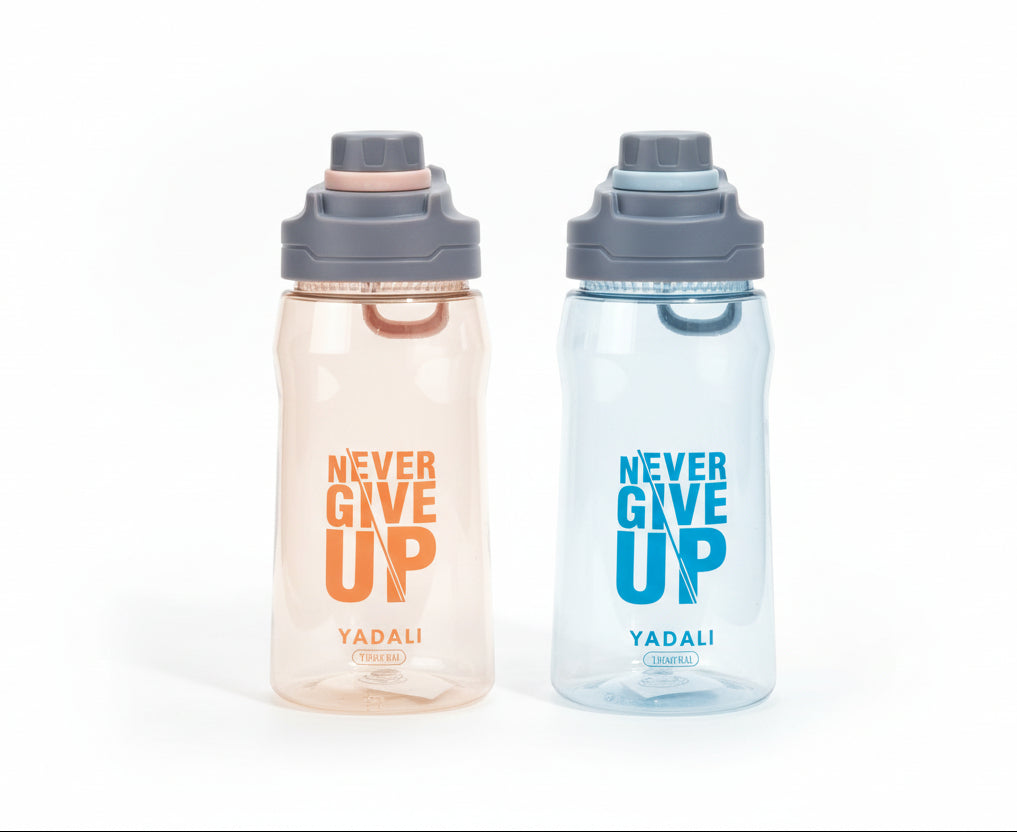
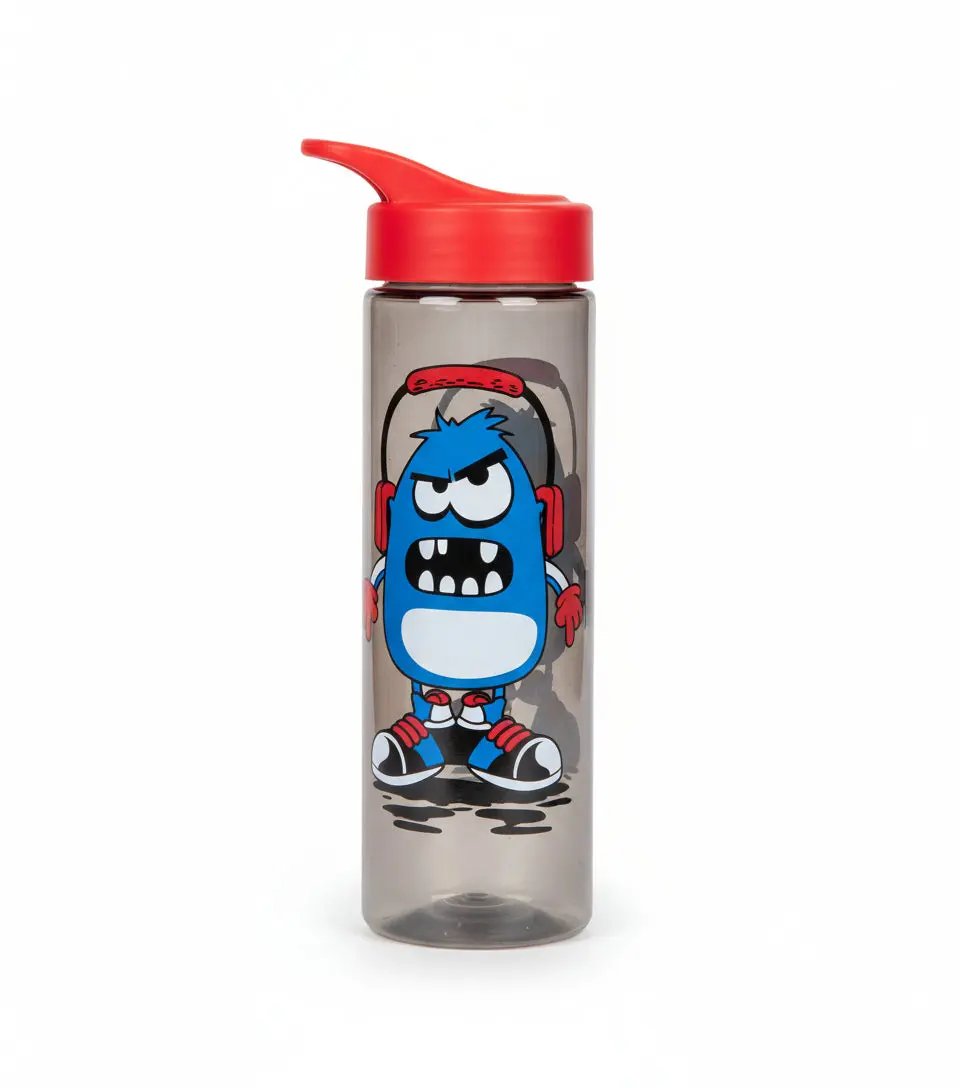
Water bottle
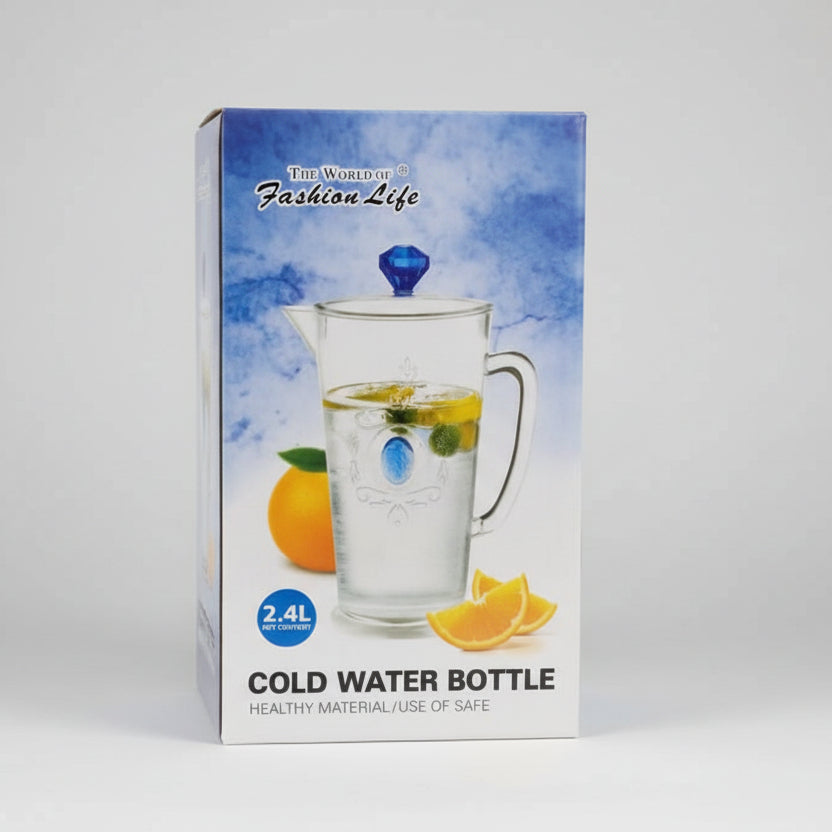
1 Must haveThirst is easy to mistake for hunger. A bottle in your bag helps you drink all day.
How to use it: Refill it every morning and aim to finish it by the evening.
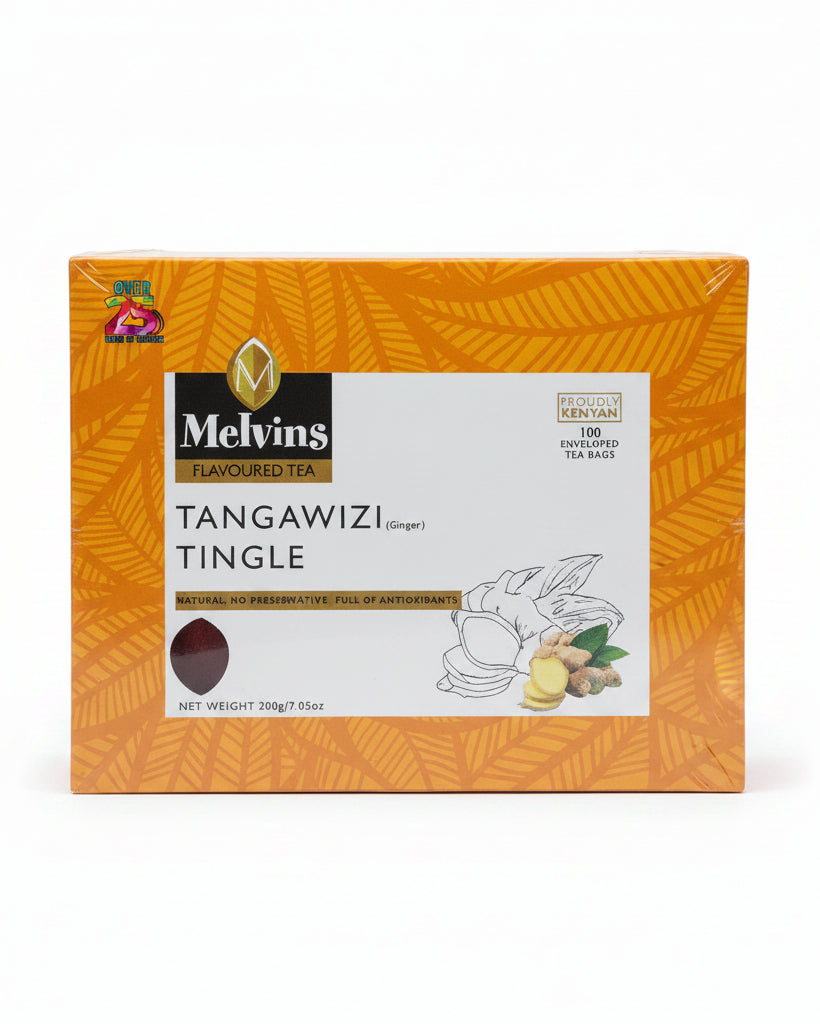
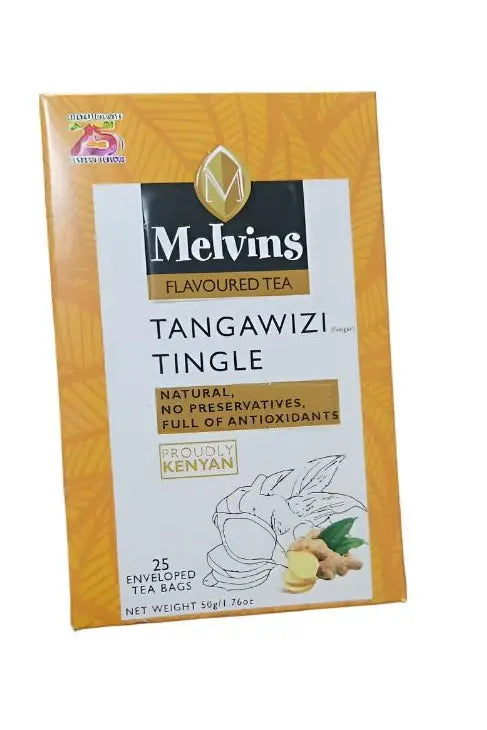
Green tea
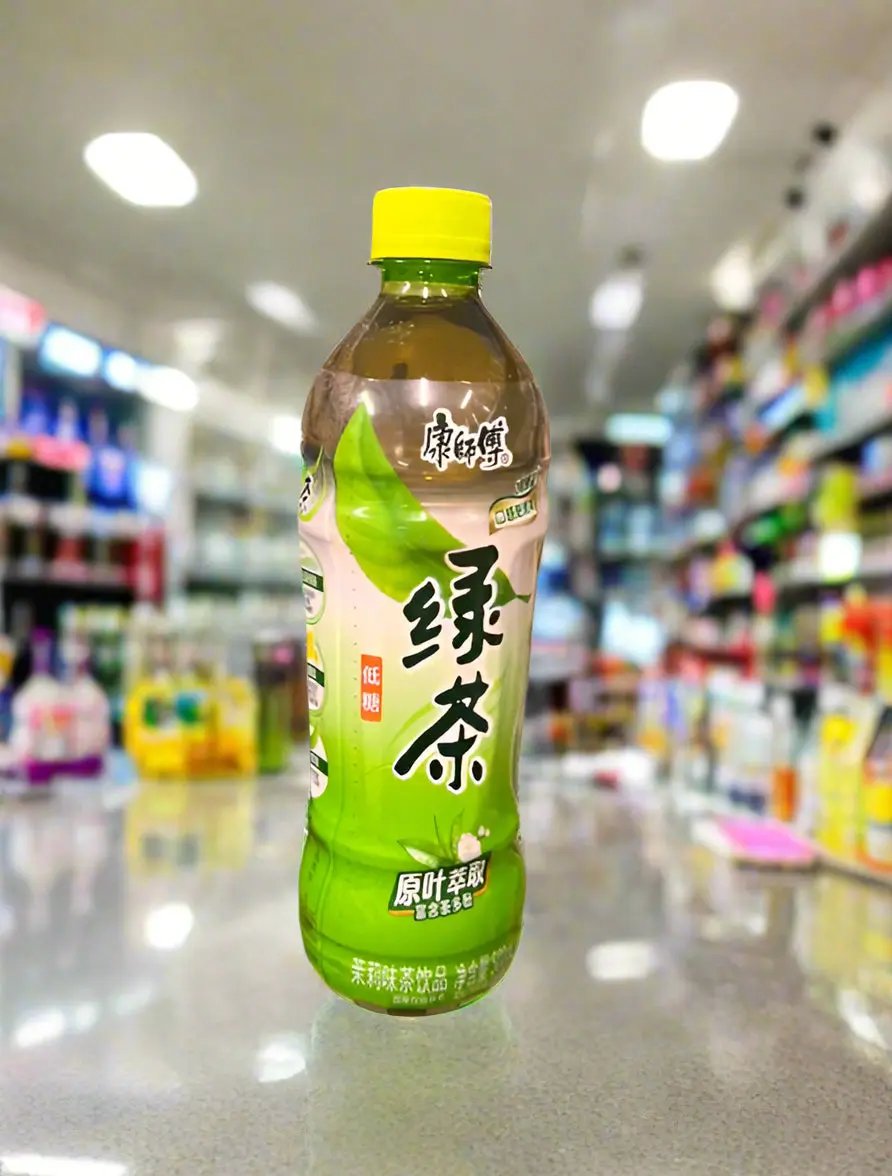
1 packNice to haveA warm, unsweetened drink after meals can help you skip a snack.
How to use it: Brew without sugar. Add fresh ginger if you like a stronger taste.
Fresh ginger
1 small packNice to haveGinger adds flavor to tea and cooking without calories.
How to use it: Slice a few thin pieces into hot water for a simple tea.
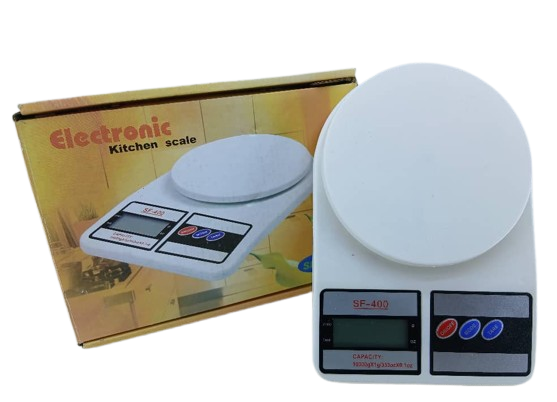
Kitchen scale
1Nice to haveA scale shows what a real portion looks like for oats, rice and nuts.
How to use it: Weigh foods for the first two weeks and your eye will learn the amounts.
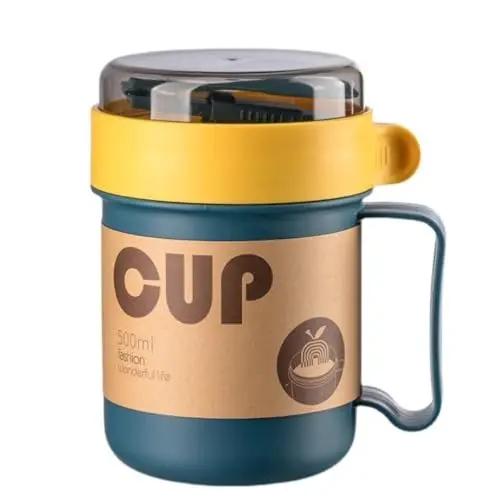
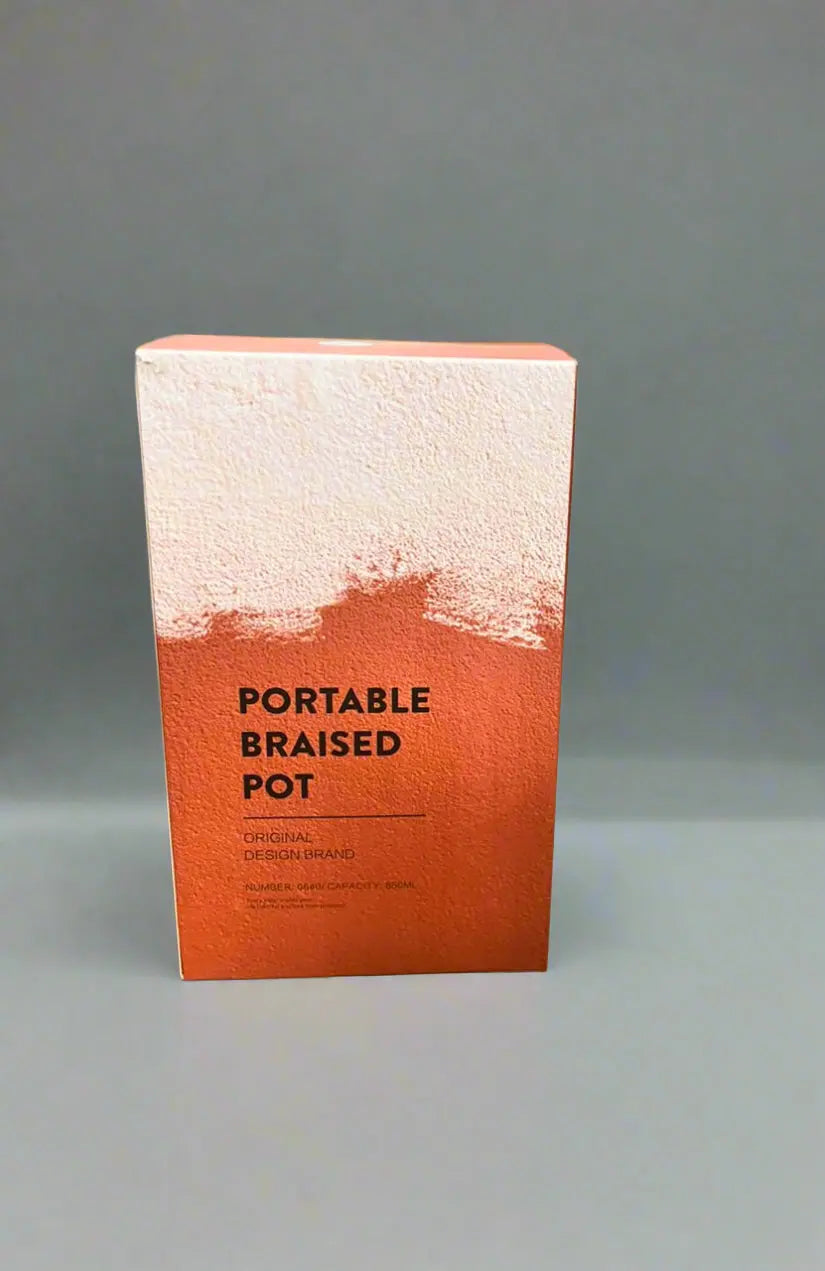
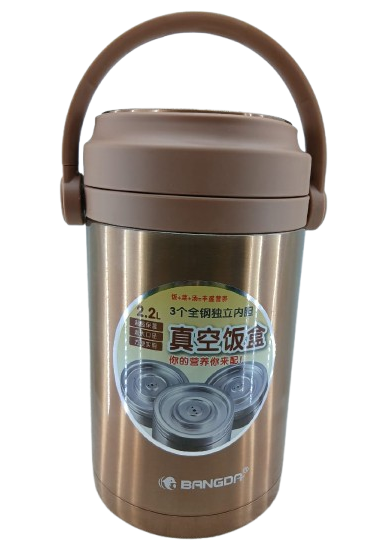
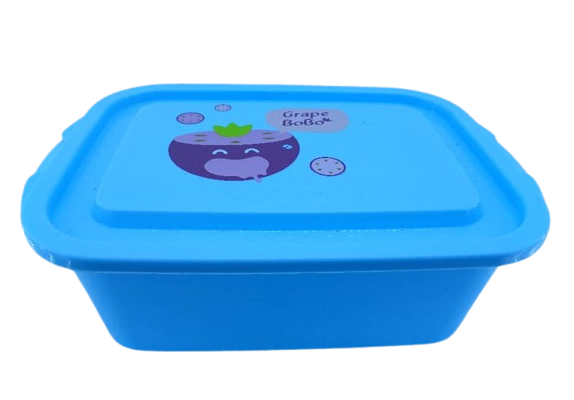
Lunch box
1 or 2 Must havePacking lunch beats buying fried food near work or school.
How to use it: Cook extra dinner and pack it the night before.
Storage containers
3 to 5Nice to haveCut vegetables and cooked beans are easier to eat when they are ready in the fridge.
How to use it: Use clear containers so you can see what is inside.
Small notebook
1Nice to haveWriting down what you eat and your weight each week shows what works.
How to use it: Write down meals, water and how you slept. Be honest and do not judge yourself.




Step by step
- 1
Before you shop
Look at what you already have. Write a list of 5 dinners and 5 breakfasts for the week.
- 2
Shop fresh food first
Buy vegetables, fruit, eggs, fish and beans first. Then add oats, rice and snacks.
- 3
Prepare on one day
Wash and cut vegetables, boil eggs and cook a pot of beans so weekdays are easy.
- 4
Fill the plate
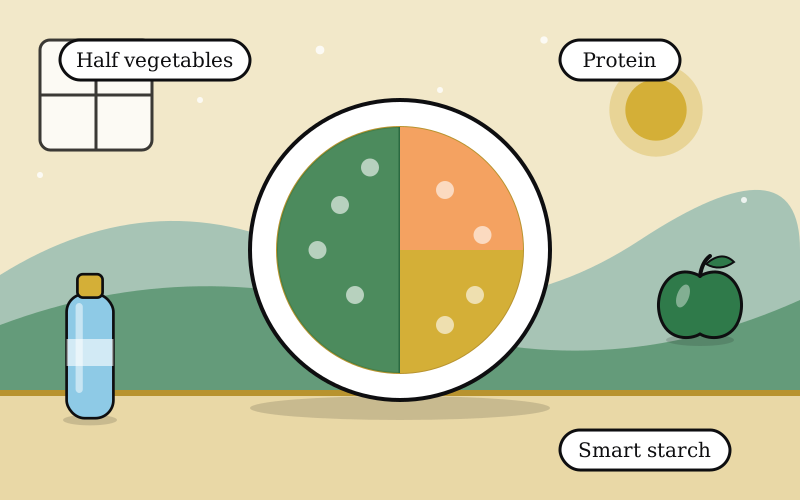
Fill half the plate with vegetables, a quarter with protein and a quarter with starch.
- 5
Review each week
Check your notebook. Keep what worked, swap what did not, and buy the same list again with small changes.
Tips that help
- Eat before you shop. Hungry shopping leads to biscuits and soda.
- Keep sweets and fried snacks out of the house and buy a small amount only for special days.
- Plan snacks as carefully as meals: fruit, peanuts or yogurt at fixed times.
- Drink a glass of water before meals and notice how much you really need.
- Cook beans in large batches and freeze them in meal sized portions.
- Walk after dinner. Food and movement together work better than food alone.
- Weigh yourself once a week at the same time, not every day.
- Ask for a medical check first if you have diabetes, high blood pressure or other health conditions.
Mistakes to avoid
- Cutting out all starch and then feeling too hungry to continue.
- Buying special diet products that are expensive and not needed.
- Skipping meals and then overeating at night.
- Drinking sugary juice and soda, which add calories without filling you.
- Copying a very strict plan from social media without asking a doctor or pharmacist.
Questions people ask
What can I eat to lose weight in Kigali?+
Beans, eggs, fish, vegetables, fruit, oats and sweet potatoes are all easy to find and filling. Mix them across meals and keep portions moderate.
Is rice bad when you want to lose weight?+
No food is bad by itself. Rice is fine in smaller portions. Brown rice has more fiber and may keep you full for longer, and a large plate of vegetables on the side helps.
What is a good cheap snack for weight loss?+
Bananas, apples, carrots and a small handful of peanuts are simple and affordable. Keep them ready so you do not reach for biscuits.
How much water should I drink?+
Drink regularly through the day and more when it is hot or when you exercise. If you are unsure about your needs, ask a doctor or pharmacist.
Do I need supplements or fat burners?+
Most people do not need them. Be careful with products that promise fast results. Ask a pharmacist or doctor before taking anything.
When should I see a doctor?+
See a doctor before changing your diet a lot if you are pregnant, breastfeeding, have a health condition or take regular medicine. Also see one if you lose weight without trying.
A good week of eating starts in the shop. Take this list, adjust it to your budget and tastes, and have it delivered to your door on Isokko so the healthy choice is also the easy one.
Shop this list
Get everything delivered in Kigali
Order from local stores on Isokko and pay with MoMo, card or cash. Same-day delivery.