
Checklist · School & students
Secondary School Shopping List for January in Kigali: Checklist
A practical secondary school shopping list for January in Kigali. Books, stationery, bag, uniform items and boarding basics, with how to buy smart.
Updated November 17, 2026 · By Isokko
January is a busy month for families. School fees, uniforms, books and a long list from the school all arrive at once, and it is easy to forget something or buy twice.
This checklist covers what most secondary students need: writing and maths tools, a bag, uniform extras, and basics for boarding. Always start with the official list from your child's school, because rules on uniforms, books and boarding items differ.
Use the must items first and add the nice ones when you can. Everything here can be delivered, so you can avoid the January shop queues.
Who it's for
Parents and students starting or returning to secondary school in January
Time needed
Shop over 1 to 2 weeks before term starts
When to shop
Buy the school's official list first, then the extras
On the list
33 items, 22 must haves
0 of 33 ready
Books and writing
The daily tools of every lesson. Buy more than you think, because exercise books fill up fast.
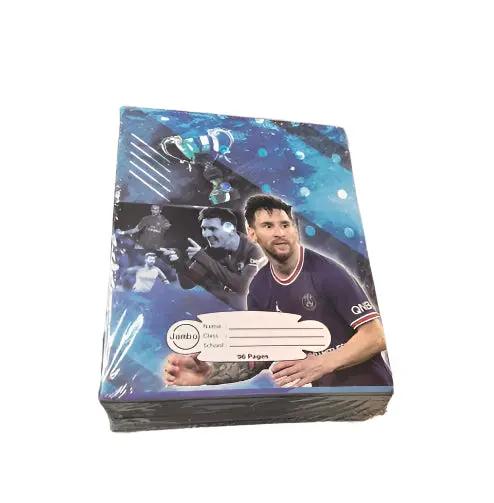
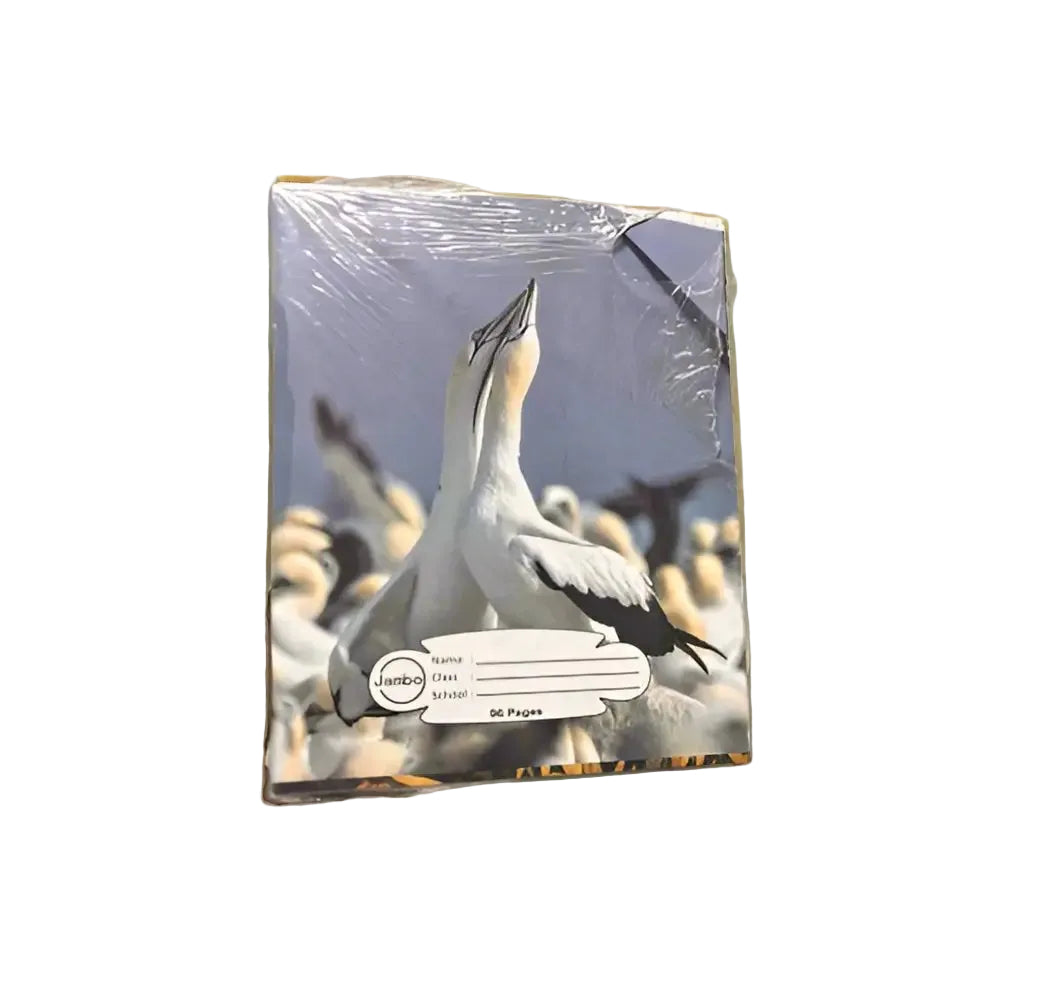
Exercise books
1 per subject plus 3 Must haveEvery subject usually needs its own book, and a student can finish one every few weeks.
How to use it: Count the subjects on the school list and buy a few extra. Label each book with the subject and name on day one.
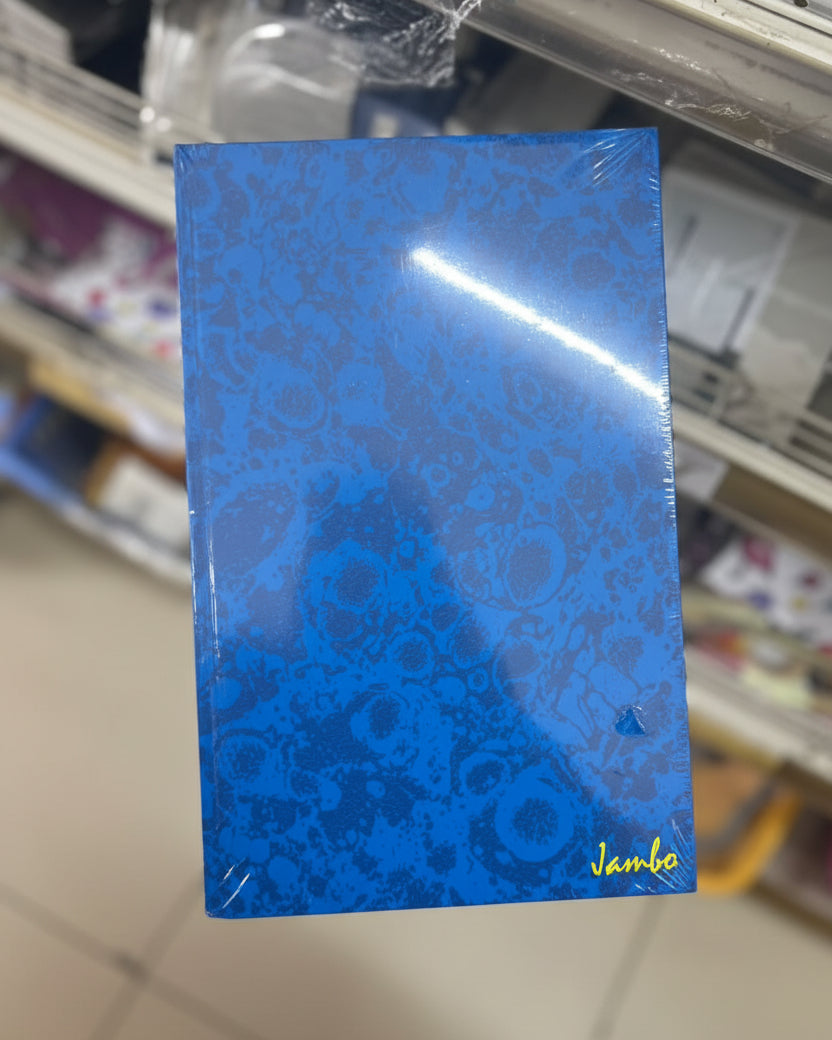
Notebooks
2 to 3 Must haveA larger notebook is good for rough work, revision notes and homework planning.
How to use it: Choose firm covers that survive a bag. Keep one just for notes taken in class.
Ball pens
1 box or 10 Must haveBlue and black pens are used every day, and students lose them often.
How to use it: Buy a box rather than singles. Keep a few spares in the bag and a few at home.
Pencils
6 to 12 Must havePencils are needed for maths, drawing and diagrams.
How to use it: Choose HB for general use. Pair them with a sharpener and eraser.
Ruler
1 or 2 Must haveA clear ruler is needed in maths, science and drawing.
How to use it: Choose a 30 cm one with clear markings. Avoid bendy ones that break.
Highlighters
1 packNice to haveHelpful for revision, marking key words and organizing notes.
How to use it: Use two or three colors only, so notes stay clear. Do not highlight whole pages.
Sticky notes
1 or 2 padsNice to haveGood for reminders, revision cards and marking pages in a textbook.
How to use it: Keep a pad in the bag and stick reminders on the study space at home.




Maths and extra stationery
Tools that students often need in the first week.
Mathematical set
1 Must haveA geometry set holds a compass, protractor and set squares, needed in maths and technical subjects.
How to use it: Check that the compass is firm and sharp. Keep it in its tin so small parts do not get lost.
Scientific calculator
1 Must haveHigher classes need one for maths, physics and chemistry exams.
How to use it: Ask the school which model is allowed. Write the student's name on the back with a marker.
Scissors
1Nice to haveUsed for projects, charts and practical lessons.
How to use it: Pick small round tip scissors, safe for a school bag.
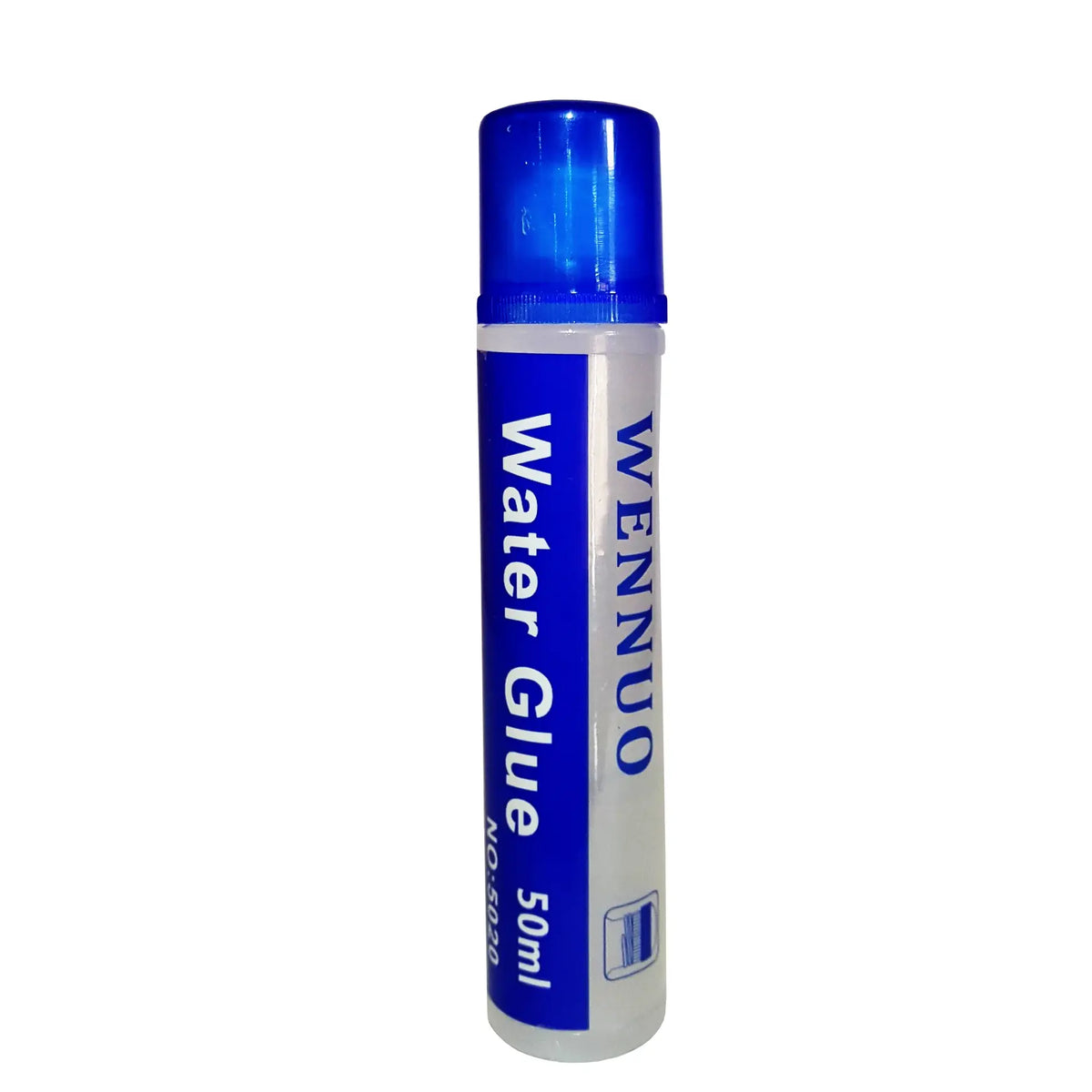
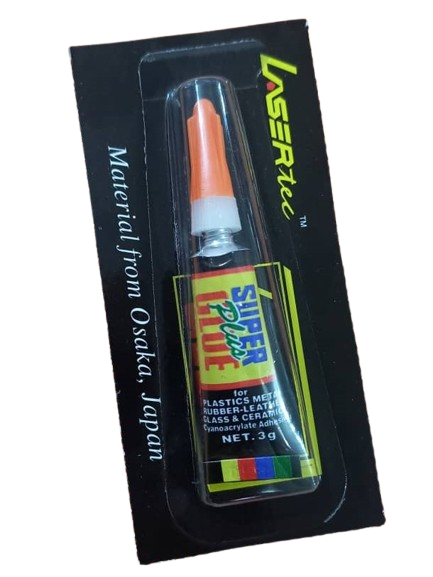
Glue
1 or 2Nice to haveNeeded for project work, posters and sticking cuttings into books.
How to use it: Choose a small bottle with a tight cap so it does not leak in the bag.
Marker pens
1 packNice to haveFor posters, group work and labeling.
How to use it: Buy a small pack of bright colors and one permanent marker for names.
Flash disk
1Nice to haveStudents may need to carry typed work, presentations and revision files.
How to use it: Label it with a name and keep a copy of important files on another device.




Bag, shoes and uniform extras
The school sets the uniform, so use this section for what to add and replace.
School bag
1 Must haveA strong bag carries books and a lunch every day. A weak bag tears in the first month.
How to use it: Look for wide padded straps and strong zips. Do not overfill, since heavy loads hurt the back.
Socks
3 to 5 pairs Must haveChildren go through socks quickly, and spare pairs matter in the rainy seasons when shoes stay wet.
How to use it: Buy extra pairs in the color the school asks for. Label them if the student boards.
Jacket or sweater
1 Must haveMornings and rainy days in Kigali can be cool, and some schools allow a sweater only in set colors.
How to use it: Check the school's uniform list on colors and style before buying.
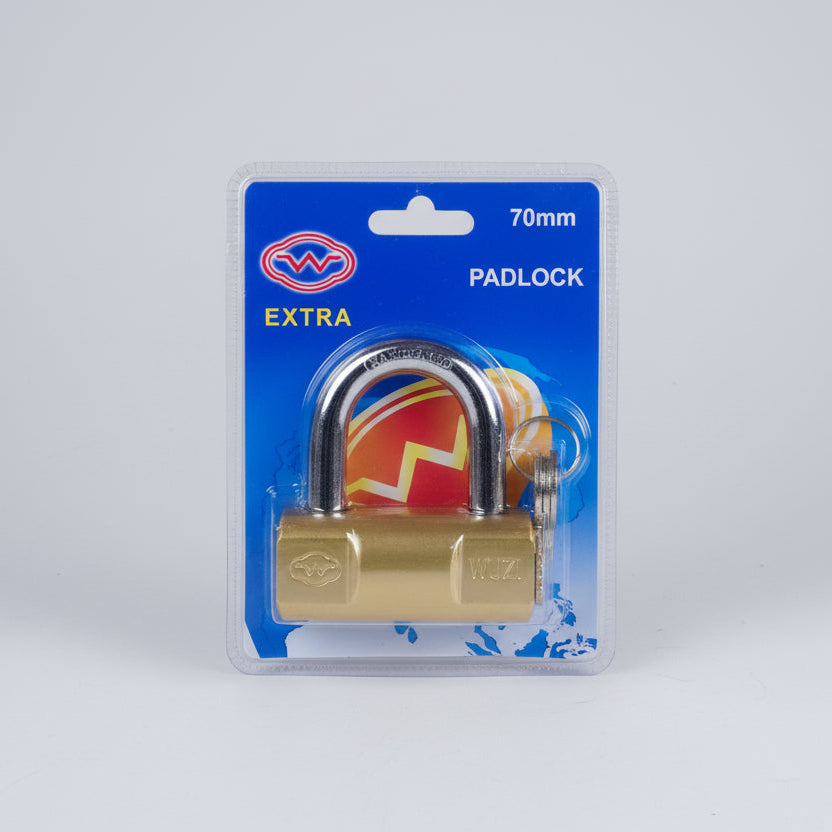
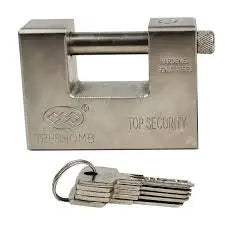
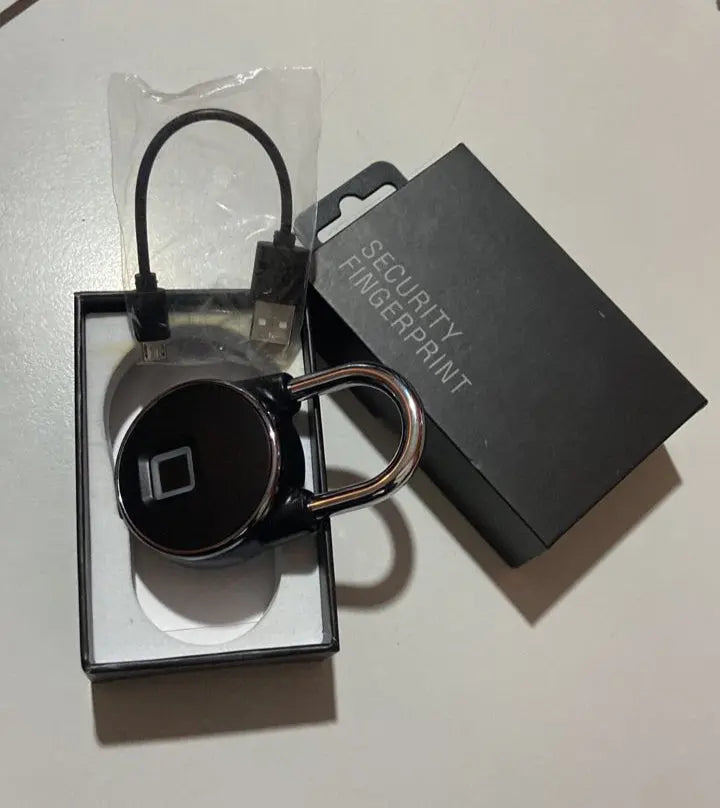
Padlock
1 Must haveA padlock secures a trunk or locker, which is common in boarding schools.
How to use it: Pick a sturdy one and keep the spare key somewhere safe at home.
Shoes
1 pair Must haveSchool shoes need to be comfortable, as students walk long distances and hills.
How to use it: Buy them a little early so the student can wear them in. Check with the school about the style and color.
Uniform from the school's tailor or supplier
1 or 2 sets Must haveThe school usually names where or how to get the correct uniform. This item is a reminder to confirm it, not a product to guess.
How to use it: Take measurements early. Ask for one spare set if your budget allows.




Boarding basics
Skip this section if your child goes home daily. Check the school's boarding list, as it varies.
Bed sheets
2 sets Must haveBeds need sheets that wash and dry easily, since the student will wash them often.
How to use it: Buy two sets so one can dry while the other is in use. Check the bed size with the school.
Blanket
1 Must haveRwandan nights can be chilly, especially during the rainy seasons.
How to use it: Choose one warm but light enough to dry quickly after washing.
Pillow
1Nice to haveA pillow is a small comfort that helps a student settle in a new place.
How to use it: Buy a washable cover and keep it clean.
Mosquito net
1 Must haveA net protects against mosquito bites at night, which matters for health.
How to use it: Check the bed size and how the school hangs nets. Ask a health worker or pharmacist about malaria prevention.
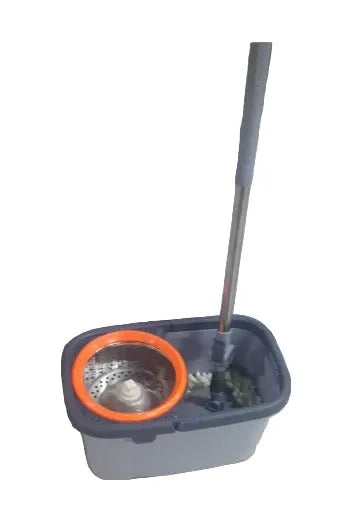
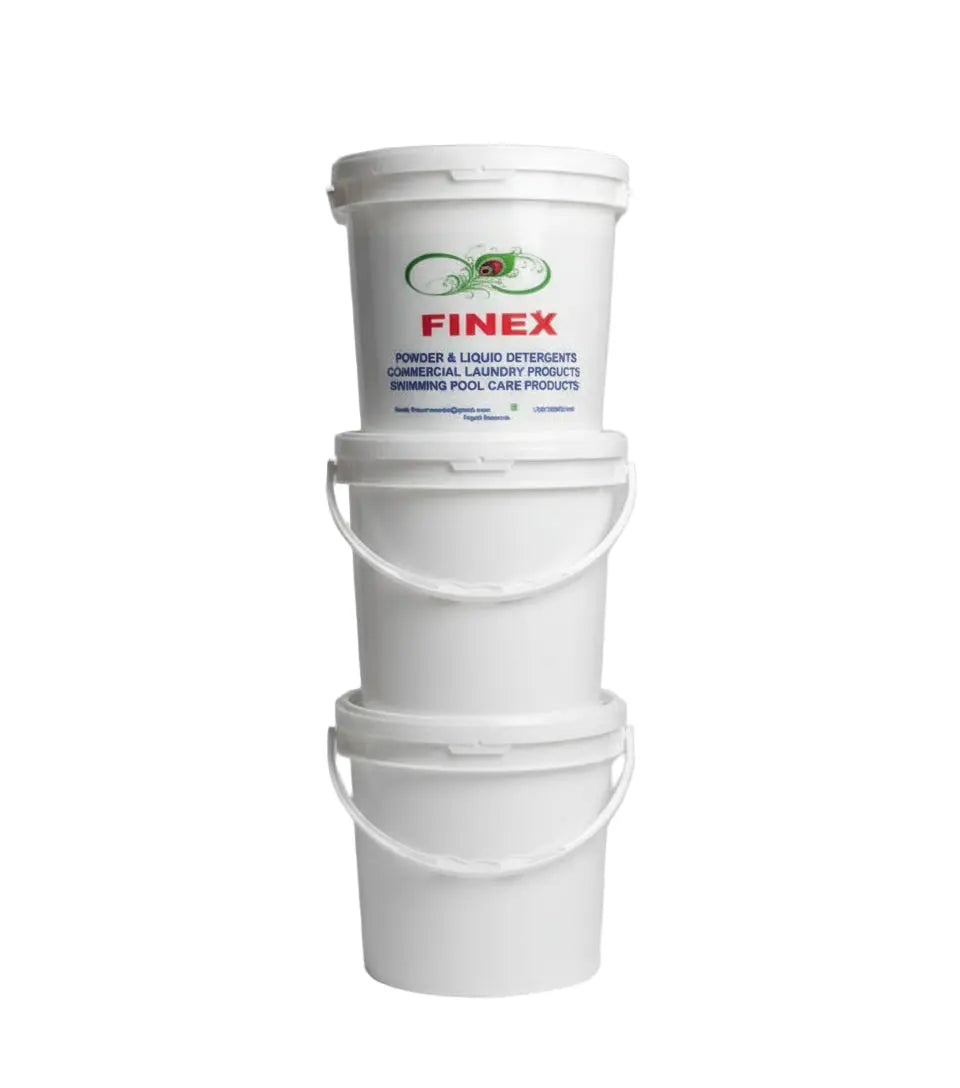
Bucket
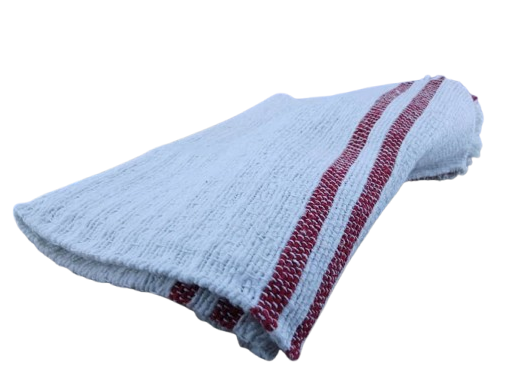
1 or 2 Must haveBoarders use a bucket for washing clothes and bathing, as rooms may not have showers.
How to use it: Choose one with a handle and a lid, and write the student's name on it.
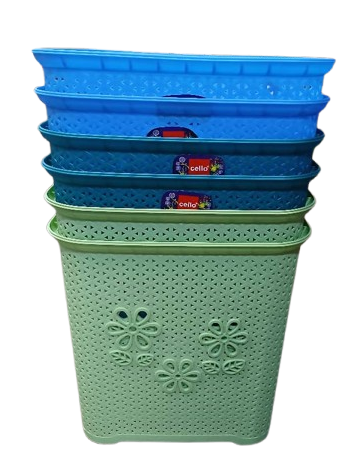
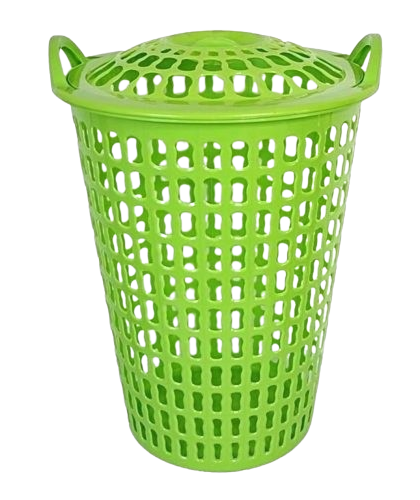
Laundry basket
1Nice to haveKeeps dirty clothes from piling on the floor and makes laundry day easy.
How to use it: Pick a light basket that fits in the trunk or under the bed.
Slippers
1 pair Must haveUsed in the dormitory and bathrooms so feet stay clean.
How to use it: Choose a pair that dries quickly. Write the student's name inside.










Personal care and laundry
Small items a student needs from the first night.
Soap
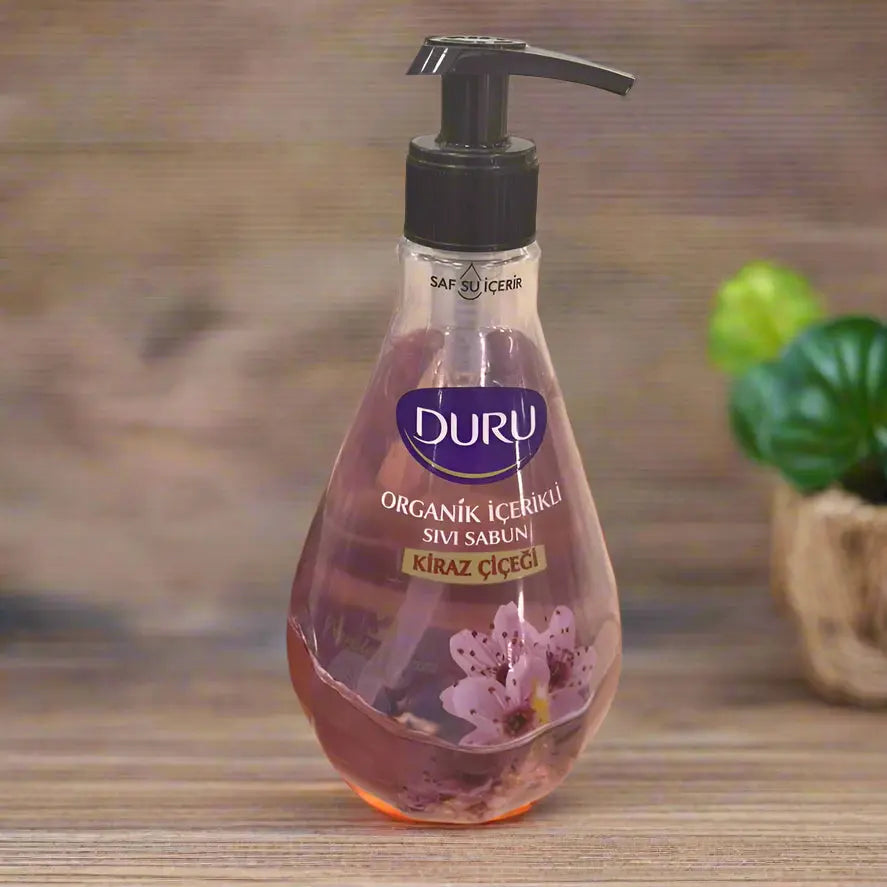
3 bars Must haveBathing and hand washing are the basic defense against sickness in a shared school.
How to use it: Buy bar soap in a small case, and one for washing clothes.
Toothpaste
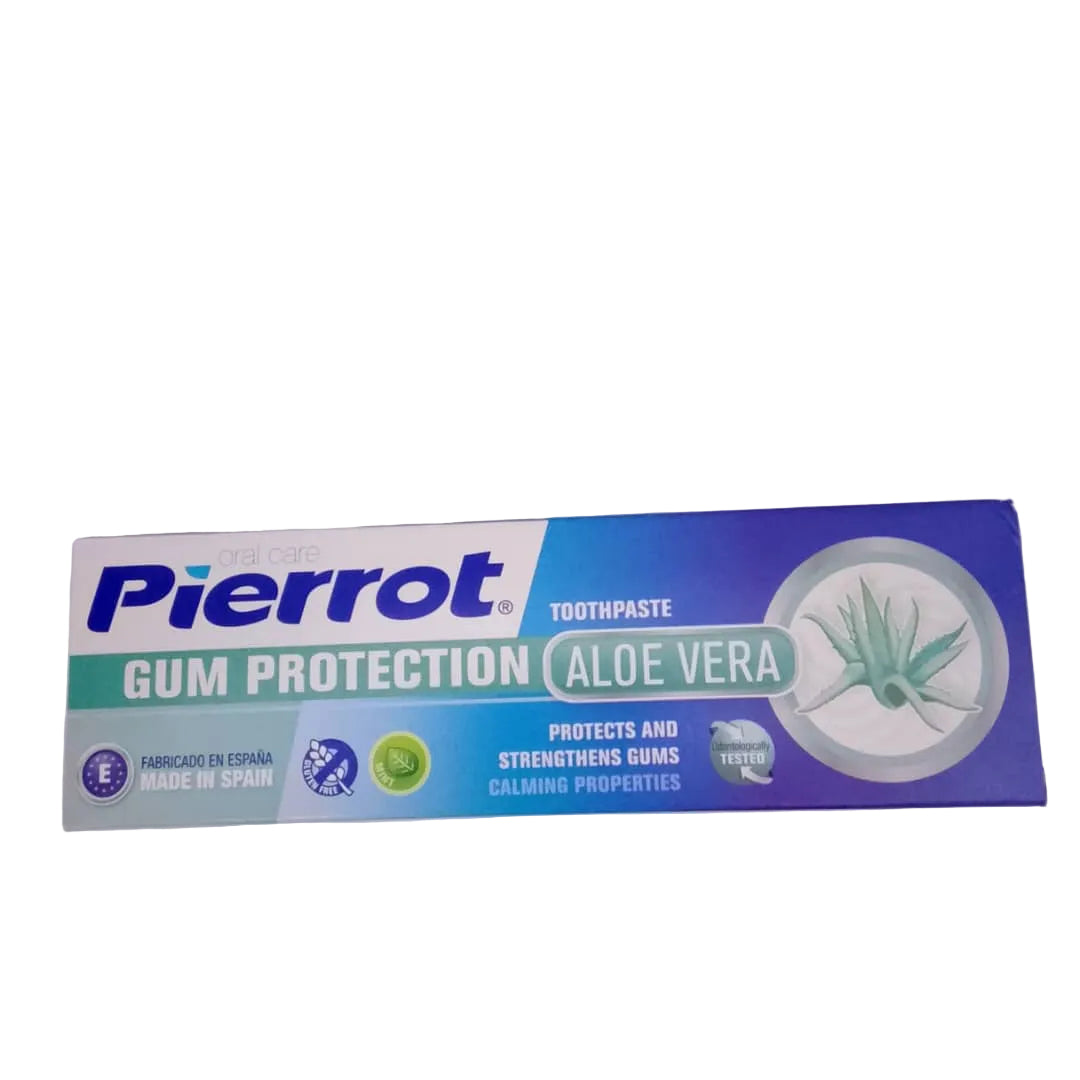
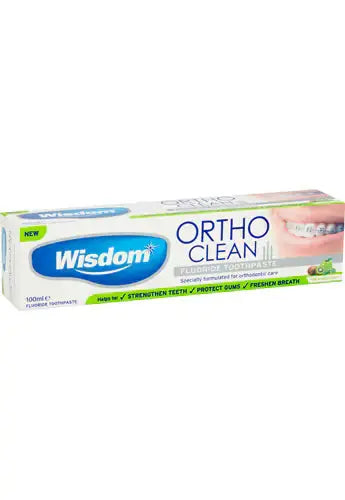
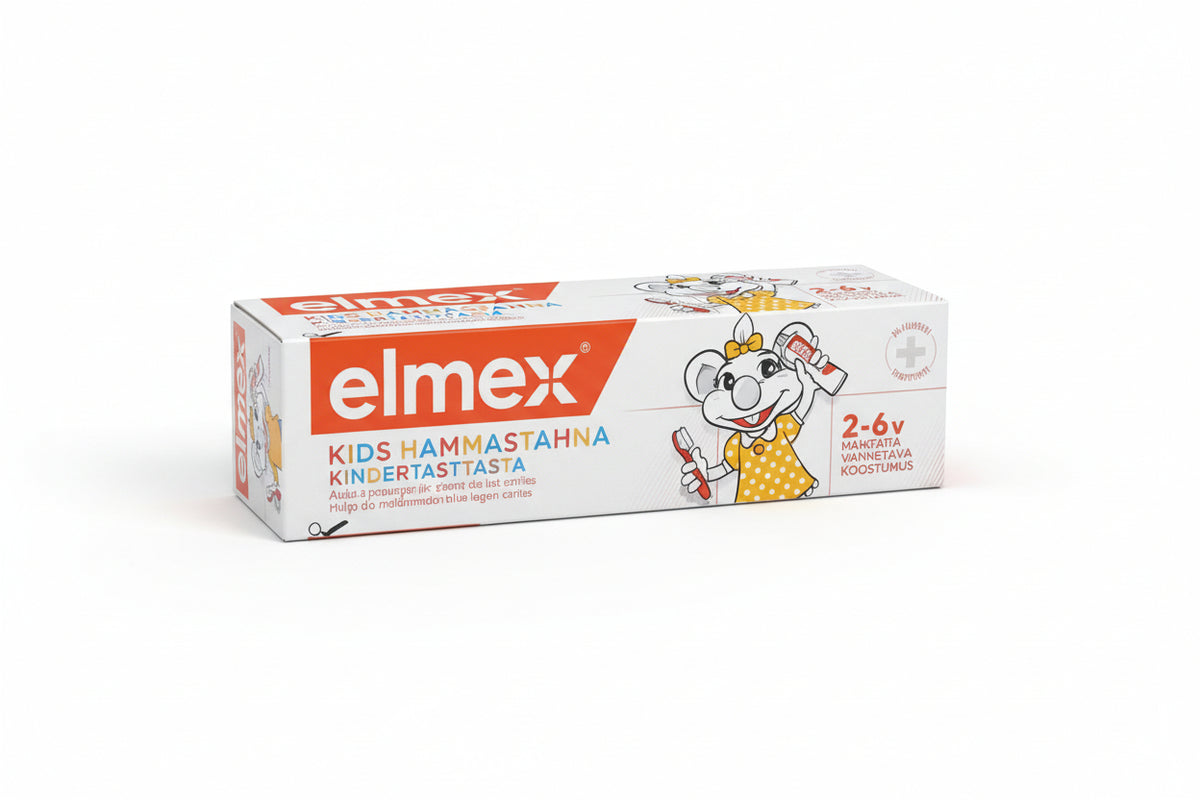
2 Must haveDaily brushing is the habit that avoids dental trouble.
How to use it: Choose a fluoride one and replace it each term.
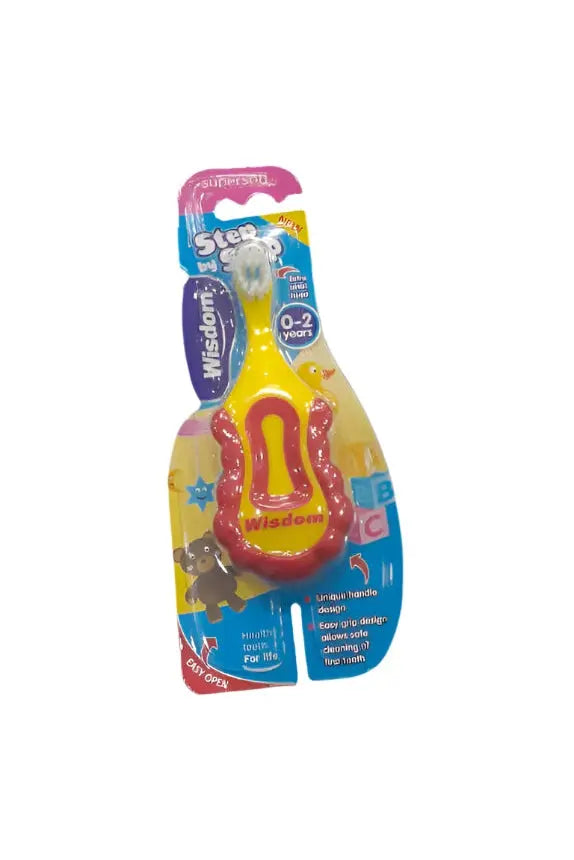
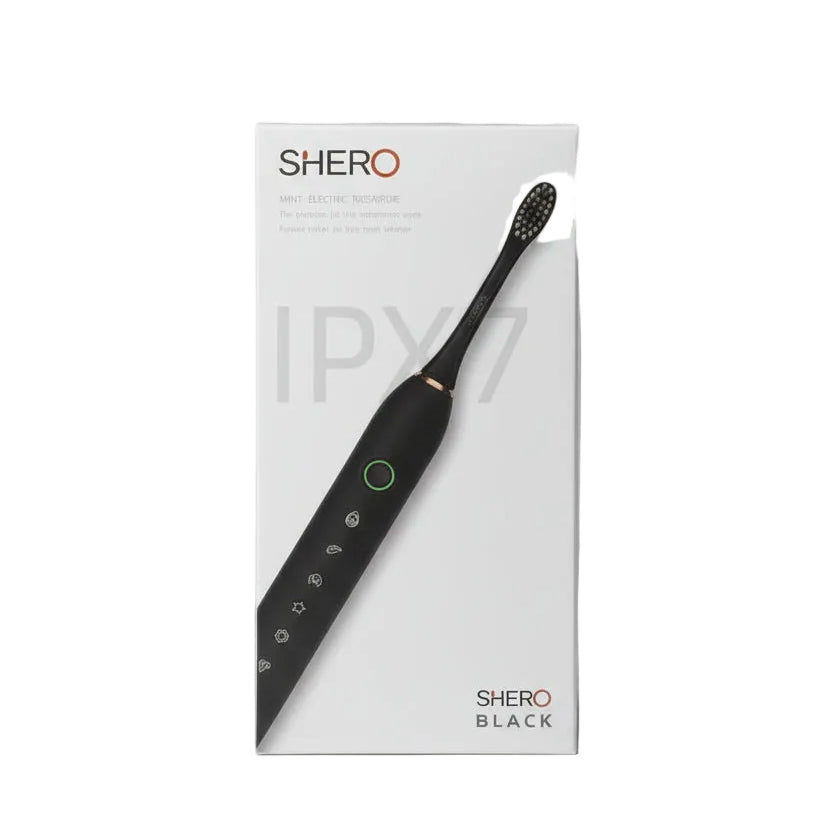
Toothbrush
2 Must haveA fresh toothbrush each term keeps teeth clean.
How to use it: Buy a cover or case so it stays clean in the bag.
Body lotion
1Nice to haveThe dry season skin gets dry and cracked, especially on the legs and hands.
How to use it: Choose a simple unscented one if skin is sensitive.
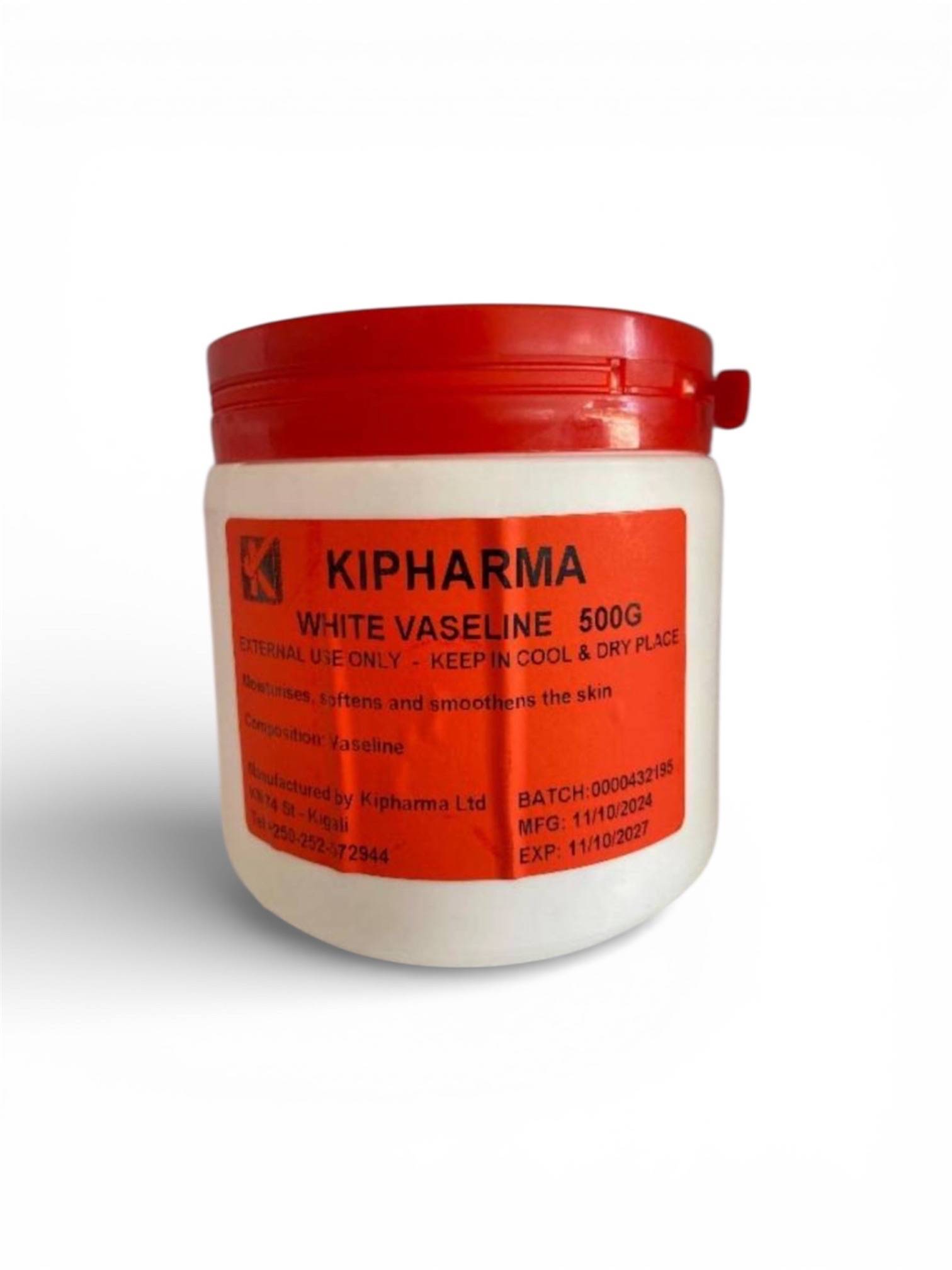
Petroleum jelly
1Nice to haveHelps with dry lips, elbows and heels.
How to use it: Use a small amount on dry areas only.
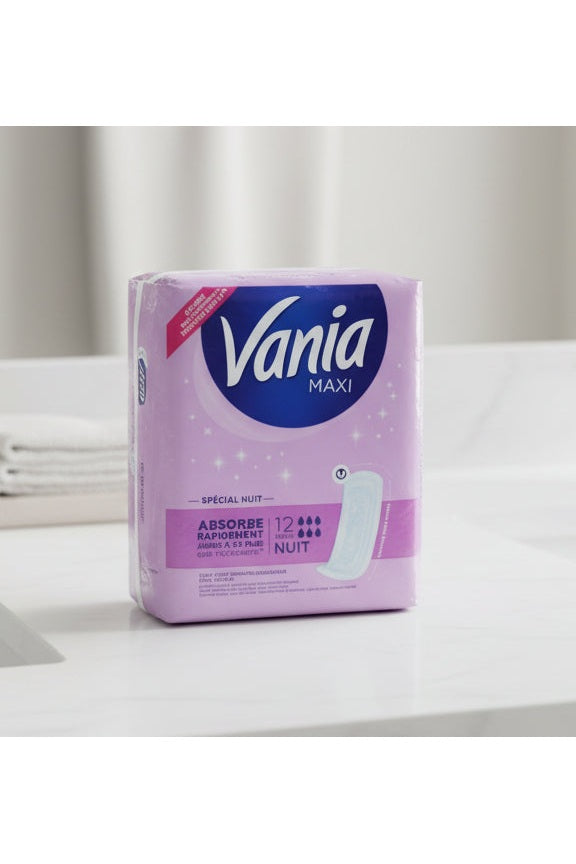
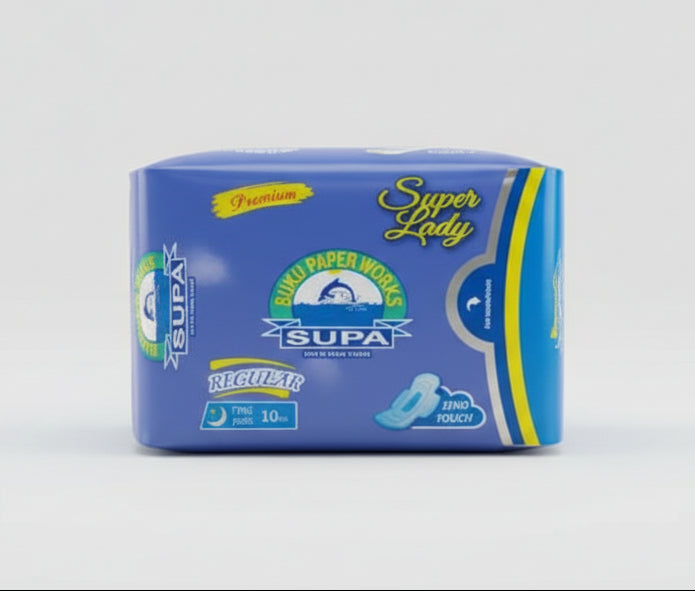
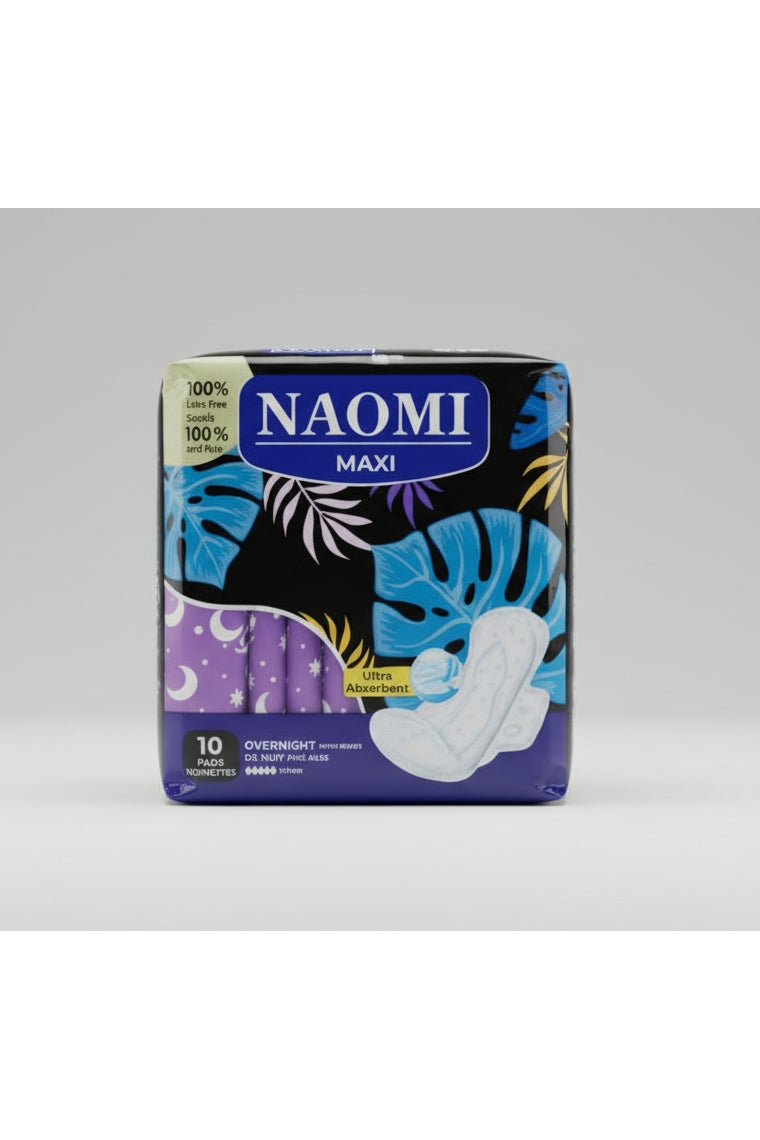
Sanitary pads
2 to 3 packs Must haveGirls should never be caught without pads at school, as periods can start early or unexpectedly.
How to use it: Pack a few in the bag and a stock in the trunk. Teach her where to dispose of them.
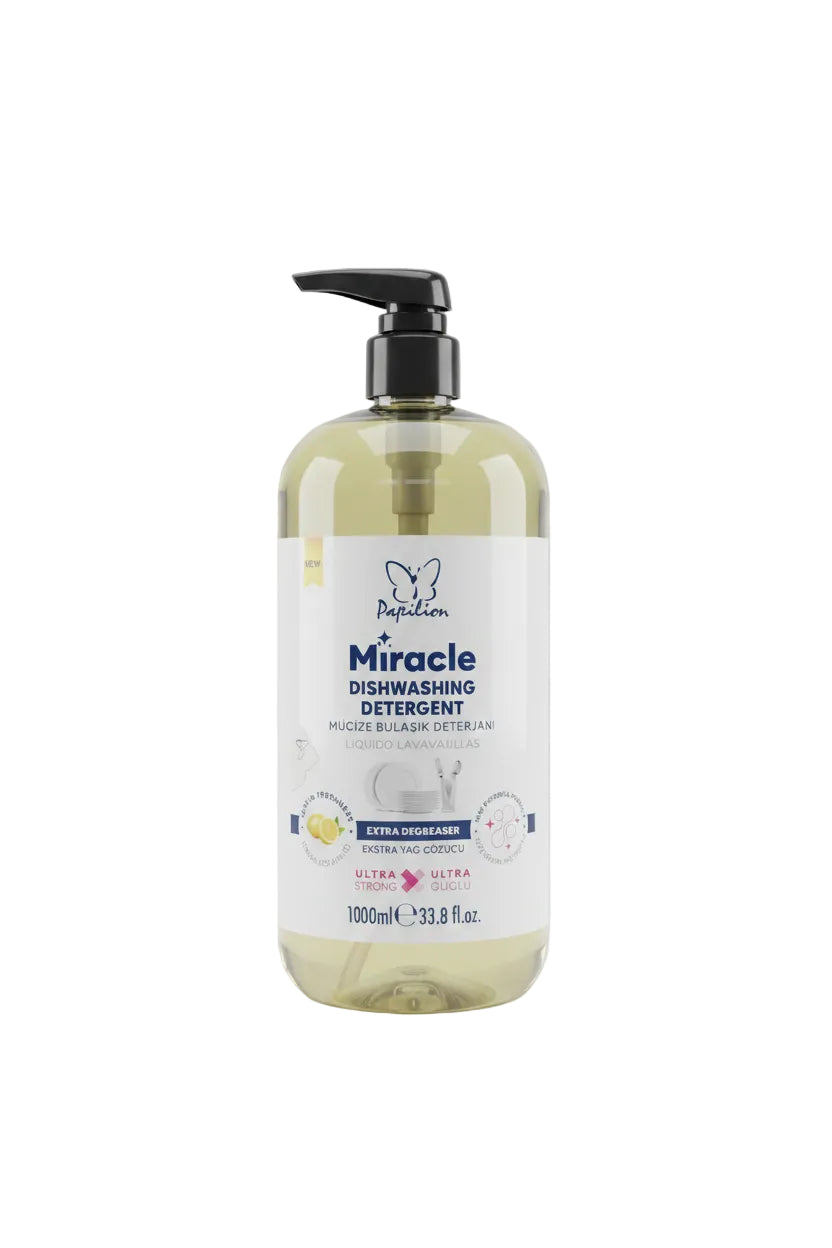
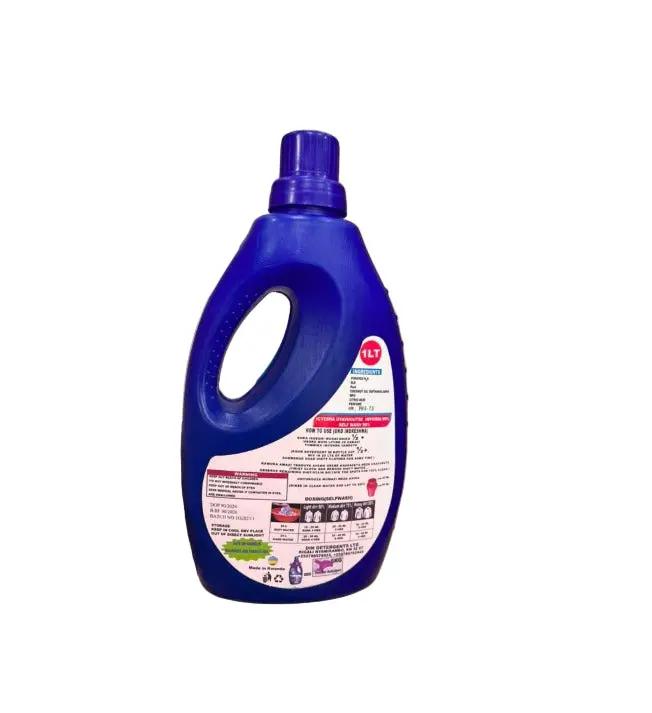
Laundry detergent
1Nice to haveBoarders often wash by hand, and a small supply makes clothes last the term.
How to use it: Choose powder or a bar in a sealed container. Write the name on it.






Step by step
- 1
As soon as you get the list
Read the school list carefully. Mark what you already own and what you must buy.
- 2
Two weeks before
Order uniforms, shoes and the bag, since sizes and stock can run out.
- 3
One week before
Buy stationery, books and the maths tools. Label everything with the student's name.
- 4
Boarding students
Pack the trunk, include sheets, a net, a bucket and toiletries, and keep a list inside.
- 5
First day
Go through the bag together. Check that pens, books and the lunch are packed.
Tips that help
- Write the student's name on every item with a permanent marker.
- Buy exercise books in bulk once, instead of a few at a time.
- Ask other parents about quality, especially for shoes and bags.
- Do not buy the largest bag. Children carry what they pack.
- Keep a small spare stationery box at home for mid term top ups.
- Plan ahead for pocket money and mobile money for school needs.
- Try the uniform on in January, since children grow between terms.
Mistakes to avoid
- Buying before reading the school's list and then buying twice.
- Choosing cheap shoes that fall apart in the first rainy season.
- Forgetting to label items, which makes losses hard to recover.
- Leaving shopping for the last weekend, when stock is low.
- Buying a calculator the school does not allow in exams.
Questions people ask
How many exercise books does a secondary student need?+
Usually one per subject plus a few spares. Count the subjects on the school list and add about three extra. Ask the school whether they want specific sizes.
When should I start shopping for January?+
Start two weeks ahead for uniform and shoes, and one week ahead for stationery. Early shopping avoids the last minute rush and gives time to fix mistakes.
What do boarders need in addition?+
Bed sheets, a blanket, a mosquito net, a bucket, slippers, a padlock and toiletries. Always check the school's boarding list, as some provide certain items.
How can I save money on school supplies?+
Buy pens and books in packs, reuse items from an older child that are in good shape, and spend more on shoes and the bag, which must last the year.
Which calculator is allowed?+
This depends on the school and the exam. Ask the school before you buy. Most students use a scientific calculator for maths and sciences.
A calm start to January begins with a clear list. Work through the groups, label everything and order what you need on Isokko, so your student walks into school ready.
Shop this list
Get everything delivered in Kigali
Order from local stores on Isokko and pay with MoMo, card or cash. Same-day delivery.