
Checklist · School & students
Back to School in September: International School Checklist
A September back to school checklist for international school students in Kigali: bag, stationery, tech, PE kit and daily items to buy.
Updated November 17, 2026 · By Isokko

International schools in Kigali often start in September, with their own supply lists, uniform rules and tech needs. Students may also arrive from abroad and need to buy the basics locally.
This checklist covers the daily kit: a good bag, writing and maths tools, tech and charging, PE and weather gear and the small items that make a school day easier. It does not replace your school's list, so check that first.
Mark what you already own, shop for the rest, and label everything. Most items can be ordered on Isokko and delivered to your home.
Who it's for
Parents and students at international schools on the September calendar in Kigali
Time needed
Shop over 1 to 2 weeks before term starts
When to shop
Check the school's supply list, then order everything that is not on it
On the list
30 items, 14 must haves
0 of 30 ready
Bags and carrying
What gets the books, lunch and water to school and back every day.
School bag
1 Must haveA bag is used every day and must hold books, a laptop sleeve and a lunch box.
How to use it: Check for padded straps, a back panel and strong zips. Try it with a full load before buying.
Lunch box
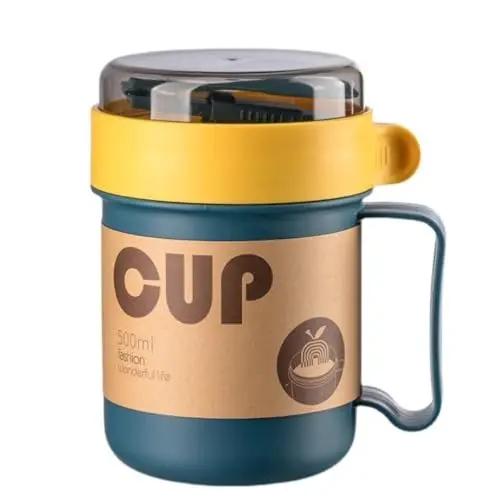
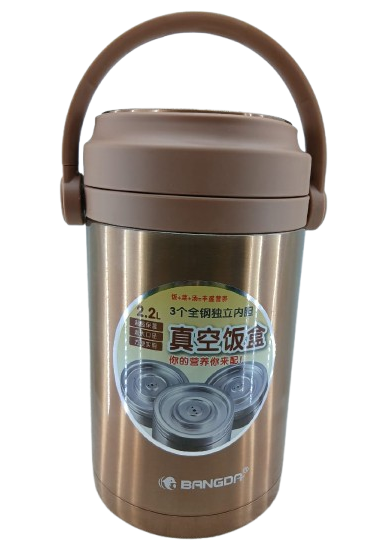
1 Must haveA sealed box keeps lunch fresh and stops leaks inside the bag.
How to use it: Pick one that fits in the bag side by side with books. Wash it every day.
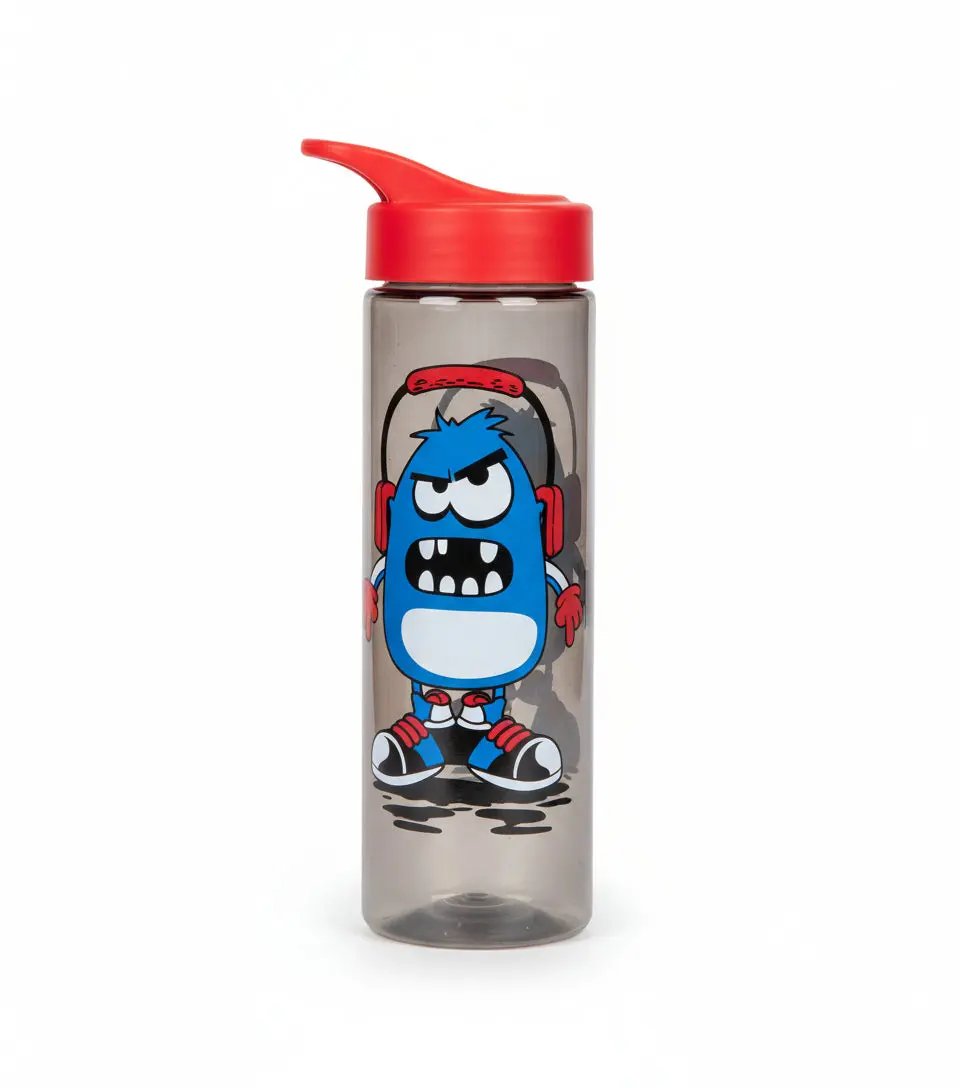
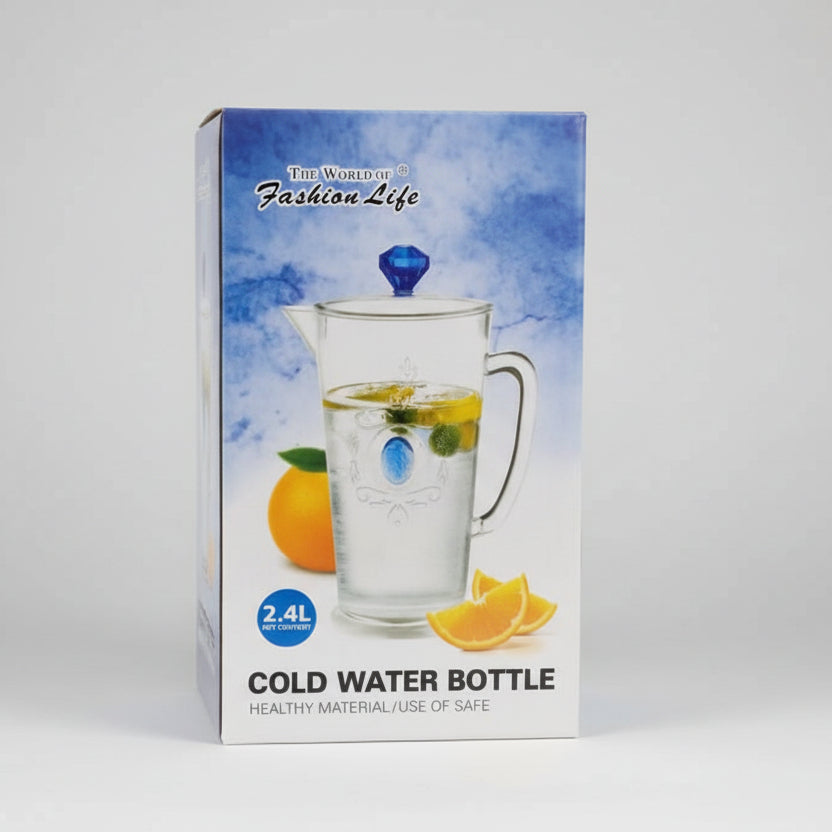
Water bottle
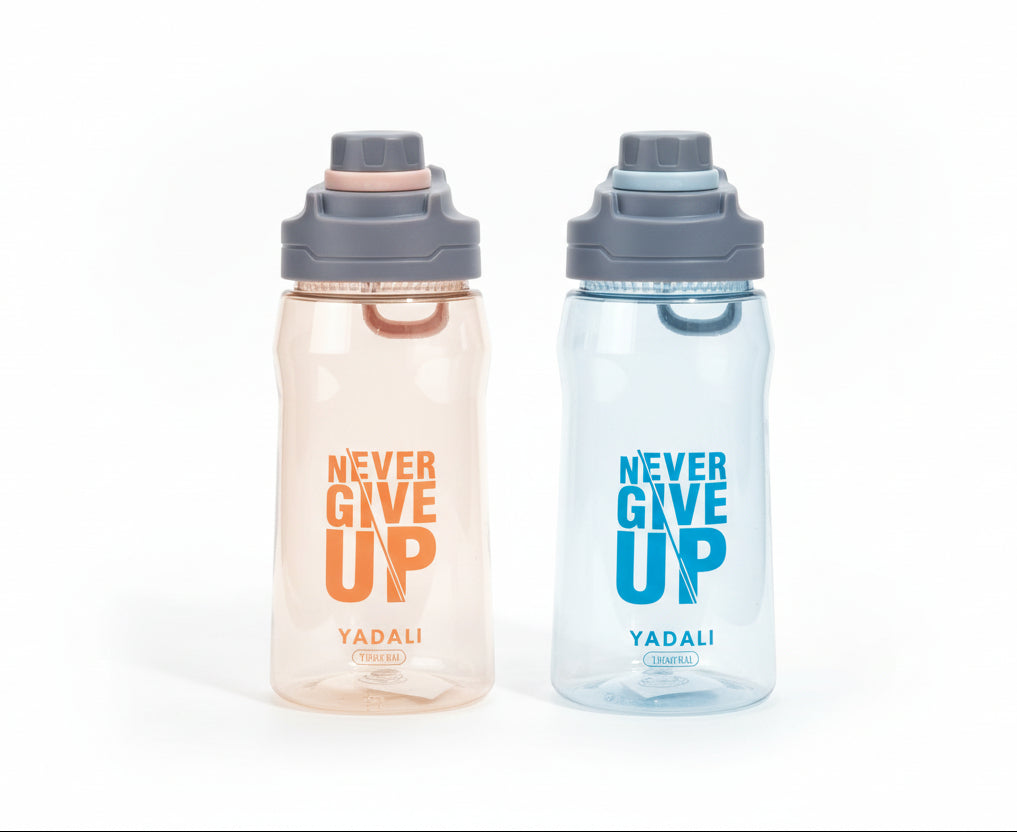
1 Must haveStudents need water between lessons, and the Kigali sun can be strong on the field.
How to use it: Choose a leak proof lid and write a name on it. Refill each morning.
Umbrella
1Nice to haveRain from March to May and from October to December can hit just as classes start or end.
How to use it: Keep a small one in the bag. Dry it before you pack it away.
Light jacket
1 Must haveMornings and evenings can be cool, and classrooms can be cold.
How to use it: Choose one that is easy to fold and check the school's rules about colors.


Writing and paper
The basics students use every day, whatever the curriculum.
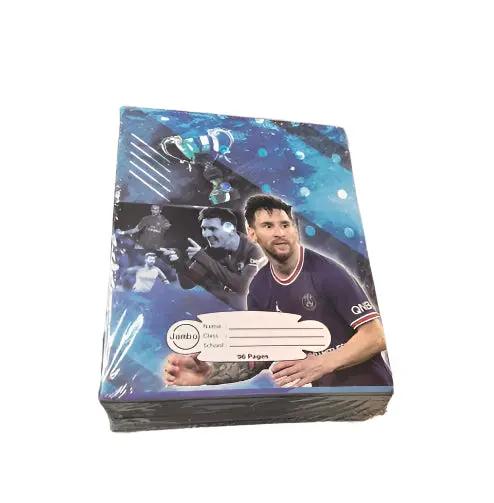
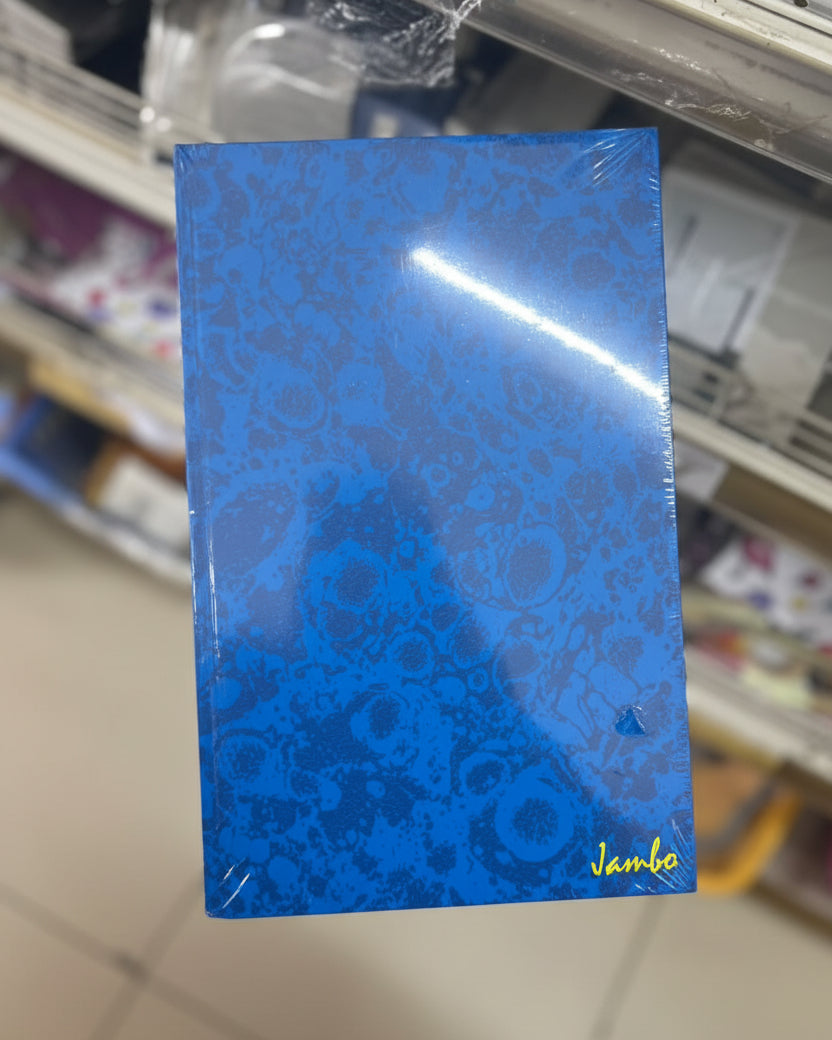
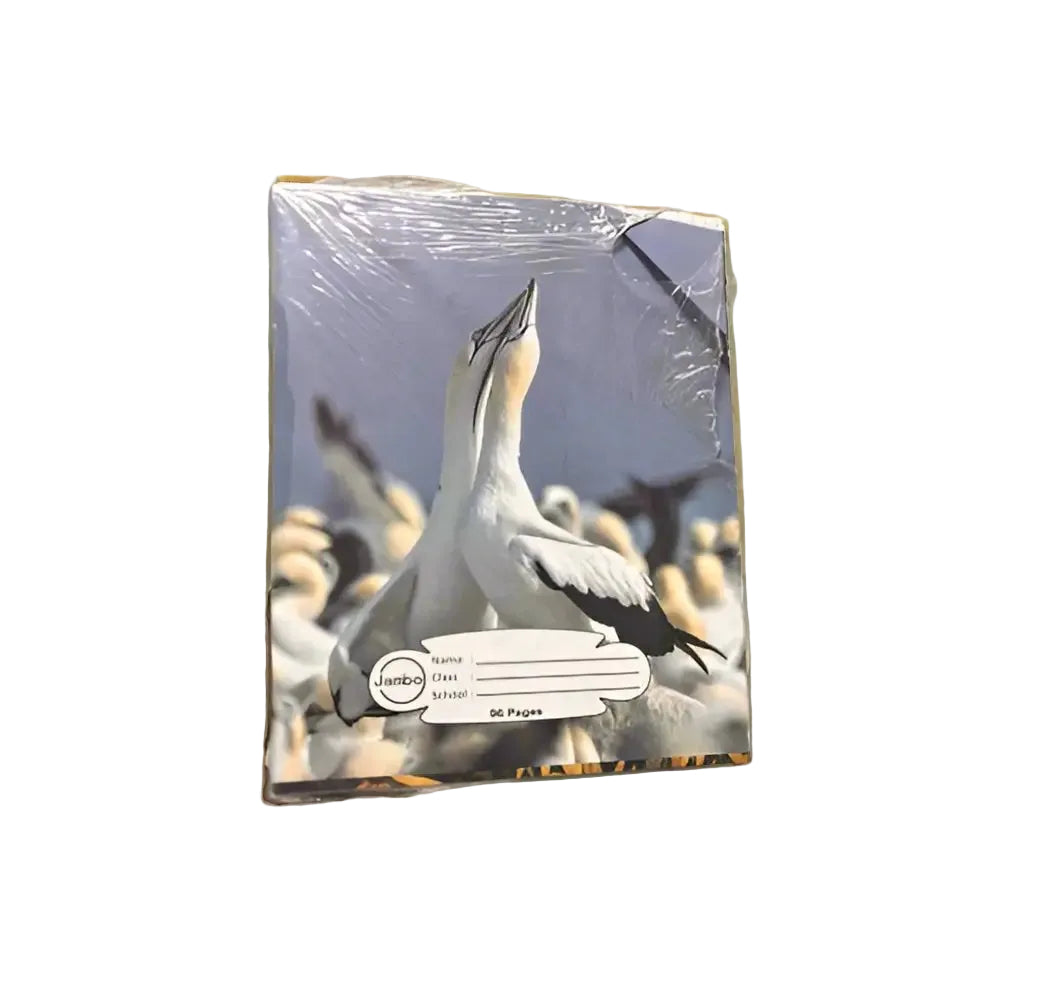
Notebooks
1 per subject plus 2 Must haveEach subject usually has its own notebook or file, and some teachers ask for a certain size.
How to use it: Check the list for the sizes. Buy a few spares and label each by subject.
Pens
1 box Must haveBlue or black pens for writing and tests. They are the most lost item in school.
How to use it: Buy a small box and keep spares at home.
Pencils
6 to 12 Must havePencils for drawing, maths and diagrams.
How to use it: Keep them sharp and pair with an eraser and a sharpener.
Highlighters
1 packNice to haveUseful for revision and for marking key points in texts.
How to use it: Limit to two or three colors, so notes stay readable.
Ruler
1 or 2 Must haveRequired for maths, science and art.
How to use it: Choose a clear 30 cm ruler and label it.
Sticky notes
1 or 2 padsNice to haveGreat for reminders, flashcards and marking pages.
How to use it: Use one color per subject for a clear system.
Marker pens
1 packNice to haveFor posters, group work and labels.
How to use it: Pick a set of bright colors and one permanent marker.


Maths and technology
Items that need to work on day one.
Scientific calculator
1 Must haveOlder students need one for maths and science, and some exams only accept certain models.
How to use it: Confirm the model with the school before buying. Add the student's name.
Mathematical set
1 Must haveA compass, protractor and set squares for geometry.
How to use it: Keep it in the tin, and check that the compass holds firm.
Flash disk
1Nice to haveFor moving work between home and school, where school rules allow.
How to use it: Label it and keep a backup of key files.
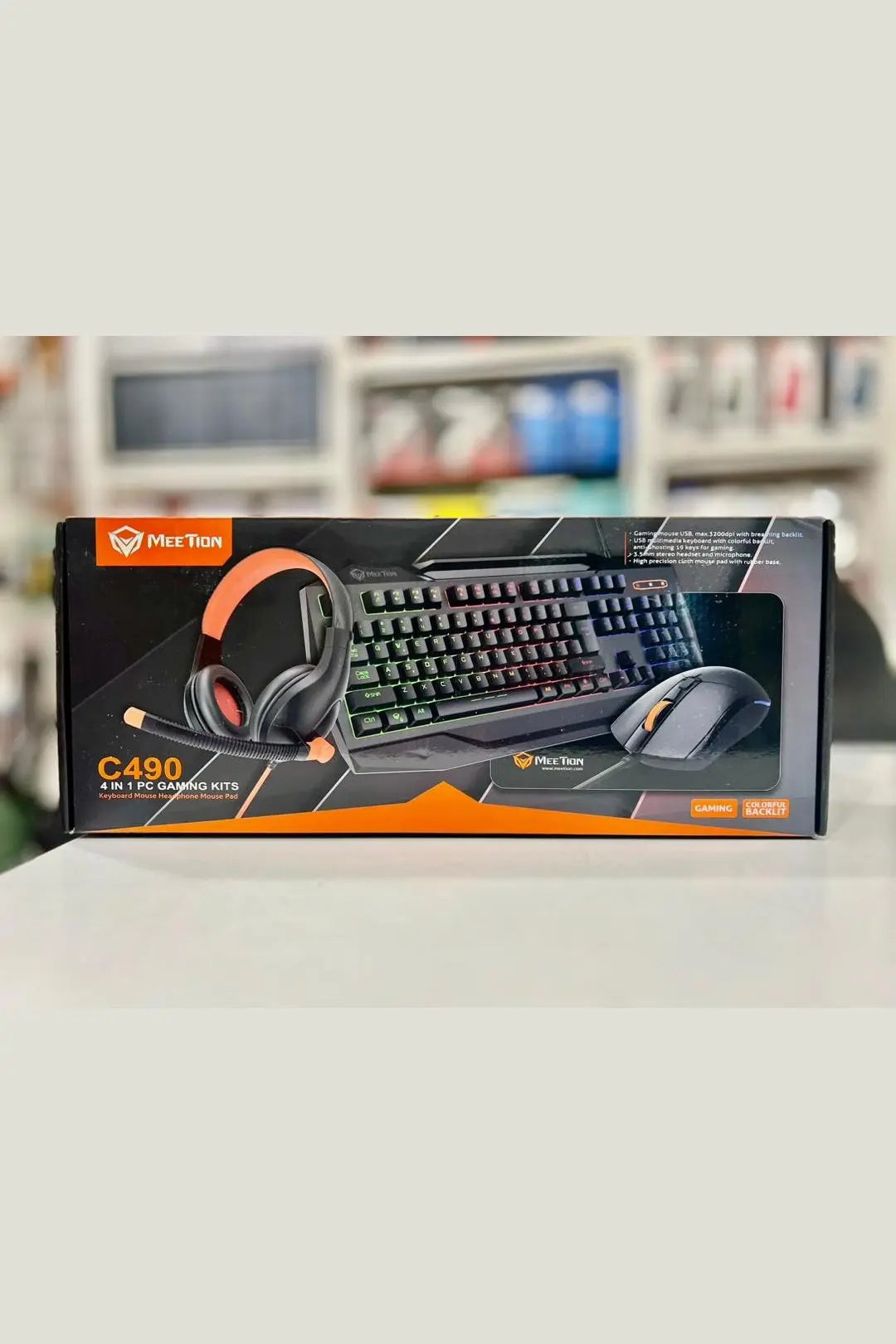
Headphones
1Nice to haveFor language lessons, videos and online study.
How to use it: Pick comfortable ones. Check the school's policy first.
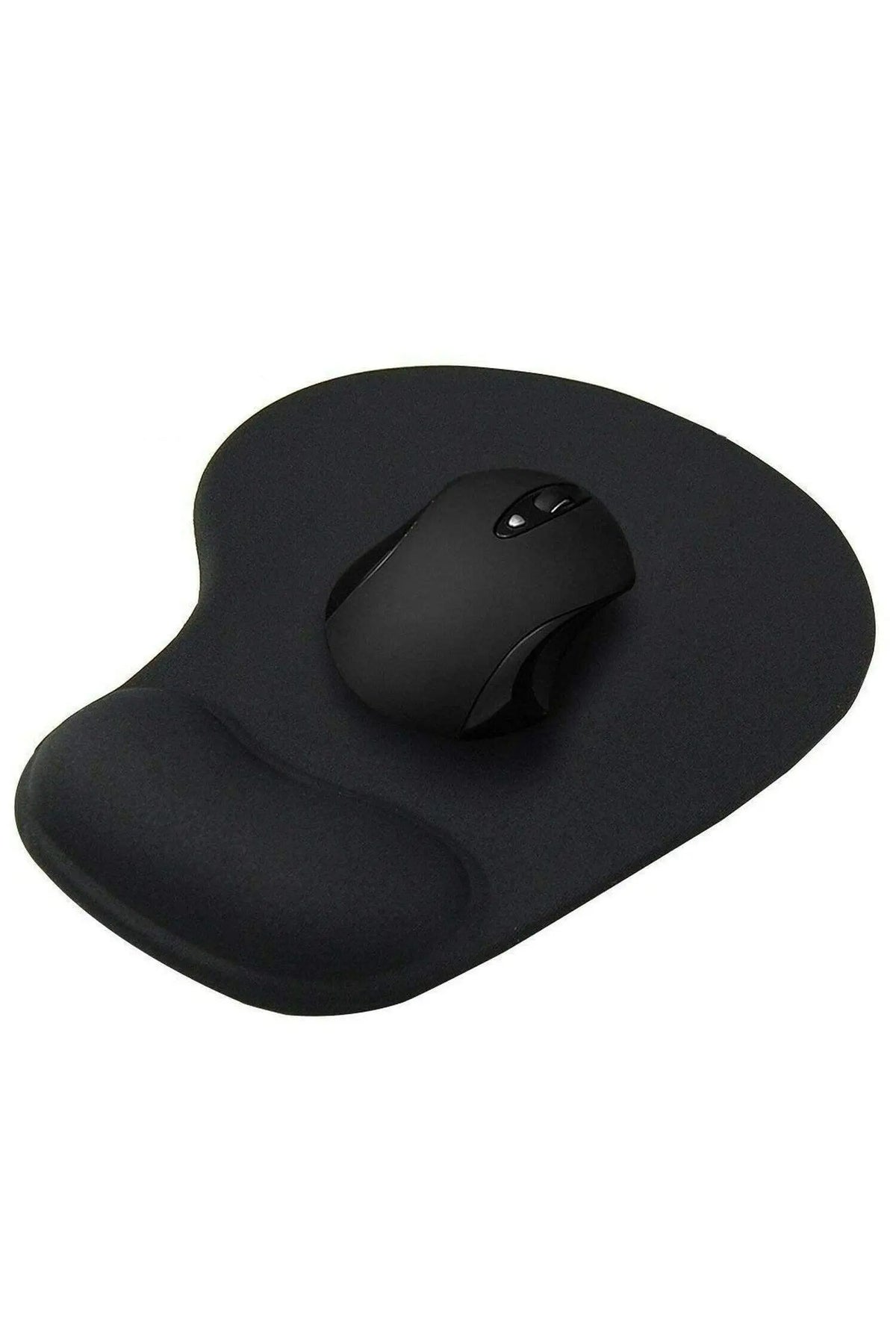
Computer mouse
1Nice to haveMakes a laptop easier to use for long work sessions.
How to use it: Choose a wired one so there are no batteries to forget.
Power bank
1Nice to havePower cuts and busy days can drain a phone or tablet before the day ends.
How to use it: Keep it charged and in the bag, and label it.
Laptop
1Nice to haveIf your school asks for a laptop, check the exact needs first.
How to use it: Ask the school for the required specs. Consider a protective sleeve and keep the charger in the bag.




Uniform and PE
Check the school's uniform shop and rules first. These fill the gaps.
PE T-shirt
2 Must haveStudents run and sweat in PE and need a clean shirt each time.
How to use it: Buy a spare so one can dry. Write the name inside.
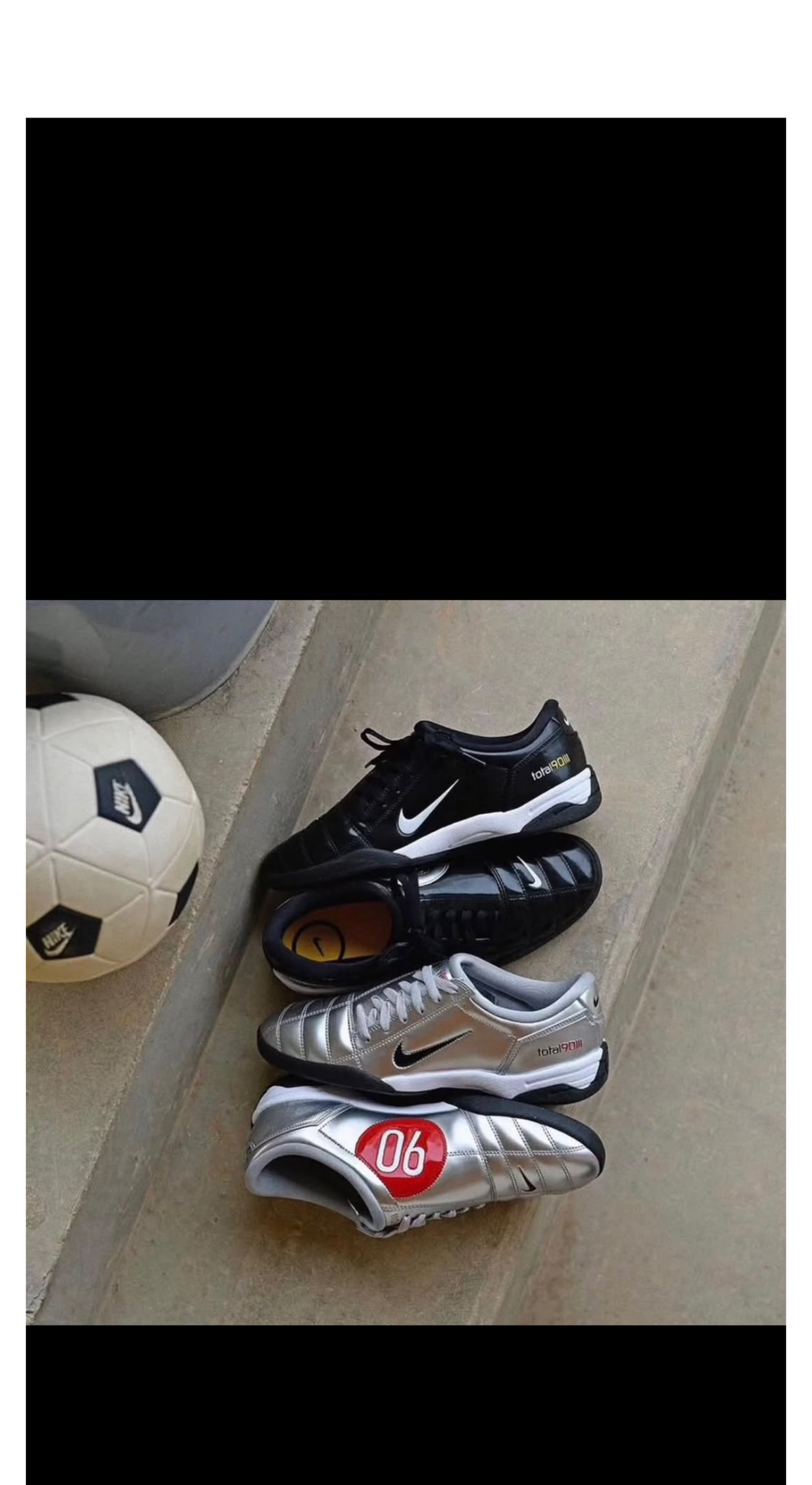
Sports shoes
1 pair Must haveGood sports shoes protect feet in PE and on hilly campuses.
How to use it: Fit them at the end of the day, when feet are largest. Leave room to grow a little.
Socks
4 to 6 pairs Must haveSpare socks matter, especially in the rainy seasons.
How to use it: Buy several pairs in the school's colors.
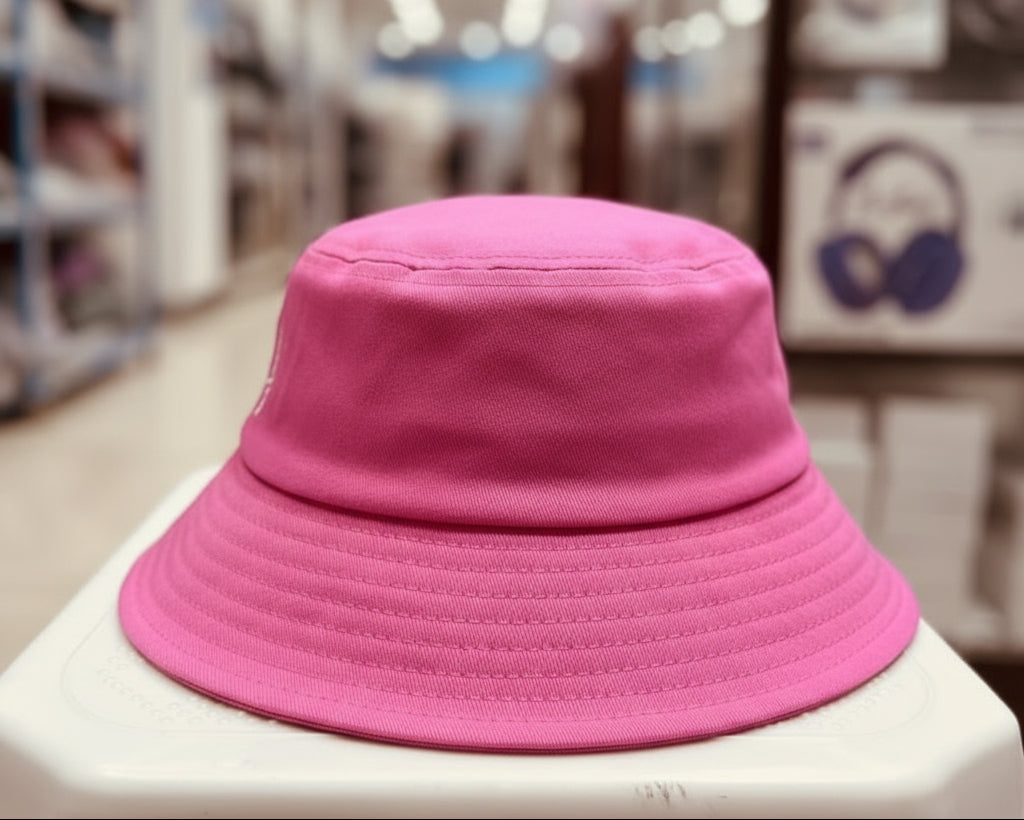
Sun hat
1Nice to haveA hat helps outdoor lessons and sports in strong sun.
How to use it: Choose one that stays on in wind and check school rules.
School uniform
1 or 2 sets Must haveInternational schools usually have their own uniform shop or supplier. This is a reminder to confirm sizes and order early.
How to use it: Ask the school what is required and plan for growth. Order a spare set if you can.





Everyday health and hygiene
Small things that make the day easier.
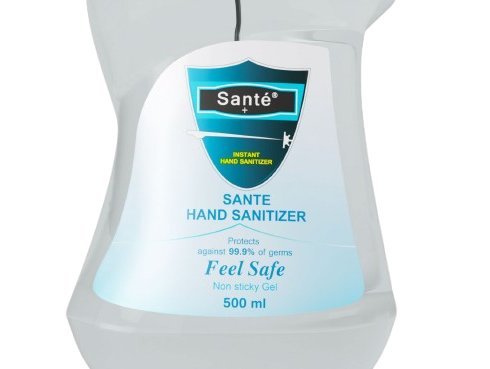
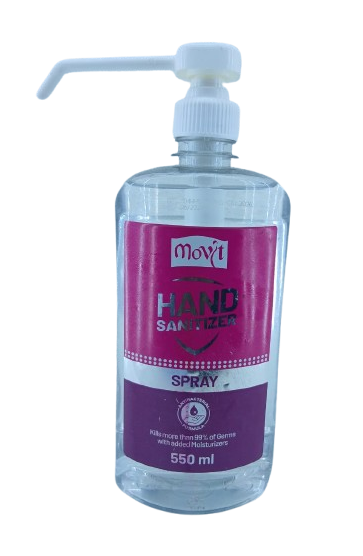
Hand sanitizer
1Nice to haveUseful before lunch when there is no soap at hand.
How to use it: Keep a small bottle in the bag and teach children to use only a little.
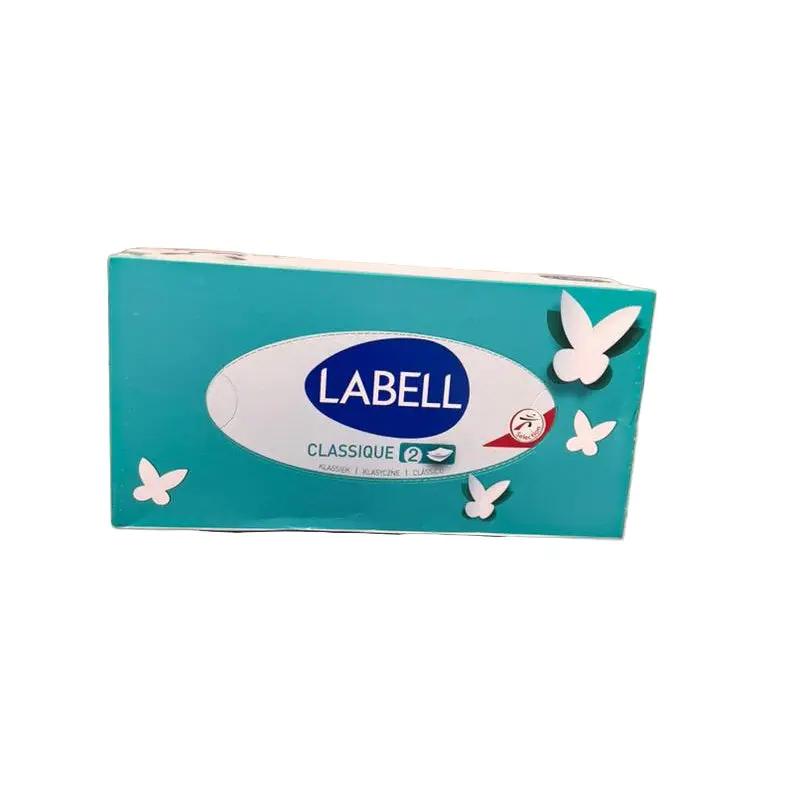
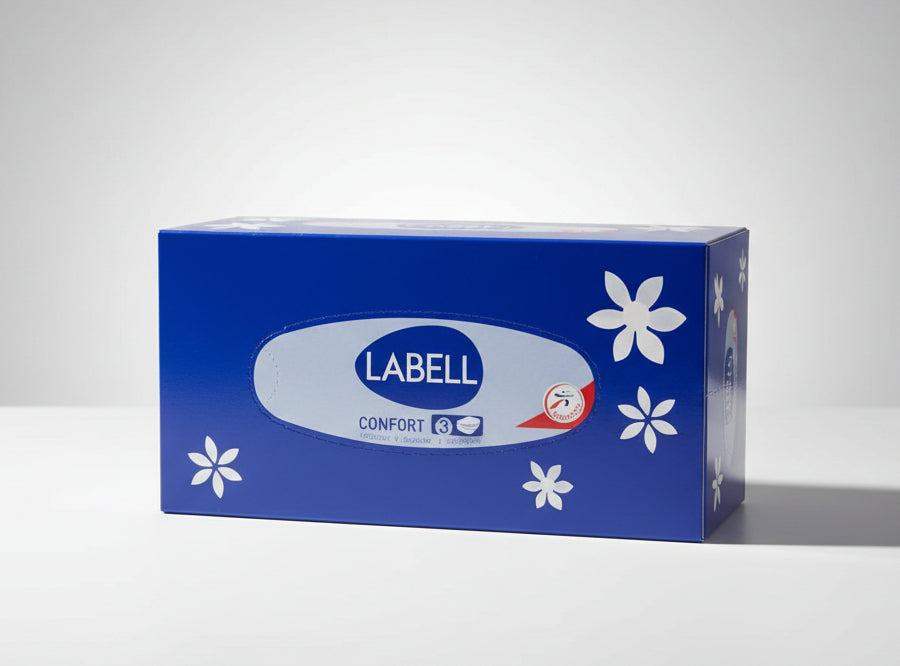
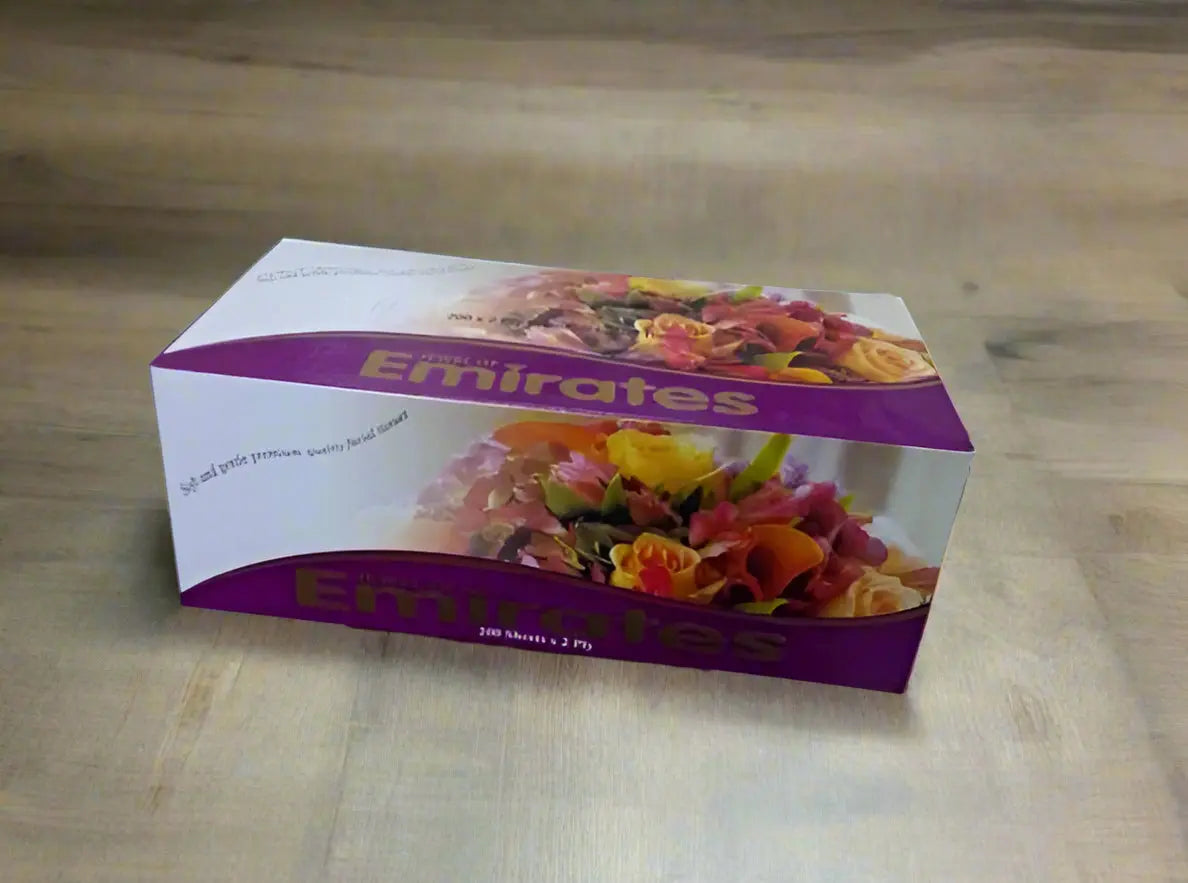
Facial tissues
1 packNice to haveFor runny noses and small spills in class.
How to use it: Keep a small pack in the bag.
Sunscreen
1Nice to haveThe sun in Kigali can be strong, especially on sports days.
How to use it: Apply in the morning. Check the label for the right age.
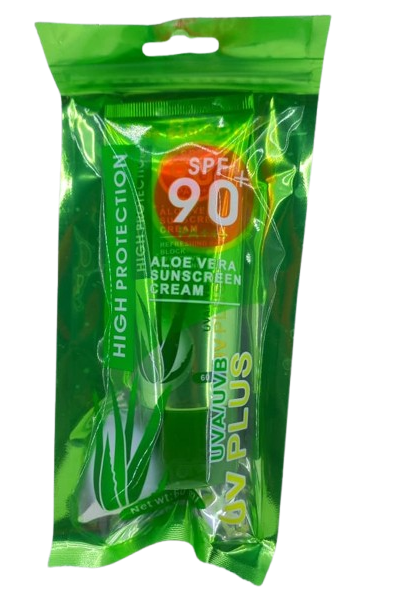 Kiss Beauty spf 90+ Aloe Vera Sunscreen Cream 60mlAmper SupermarketRWF 8,100
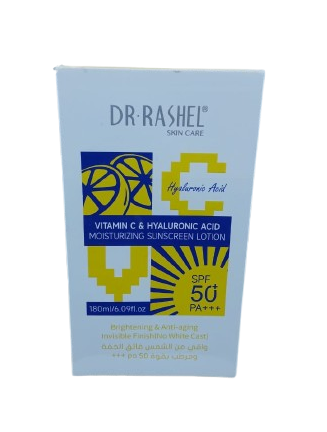 Dr.Rashel Vitamin C & Hyaluronic Acid Moisturizing Sunscreen Lotion SPF50+ PA+++180mlAmper SupermarketRWF 21,300
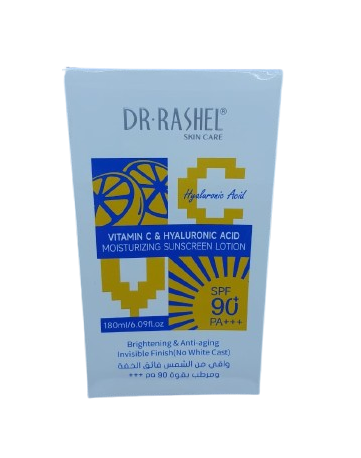 Dr.Rashel Vitamin C & Hyaluronic Acid Moisturizing Sunscreen Lotion SPF90+ PA+++180mlAmper SupermarketRWF 21,300See more on Isokko
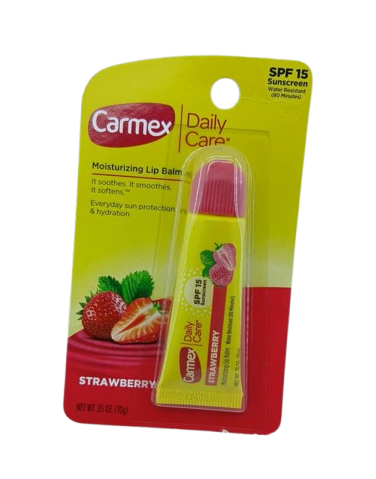
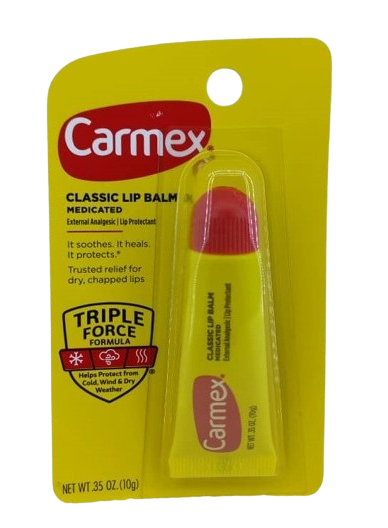
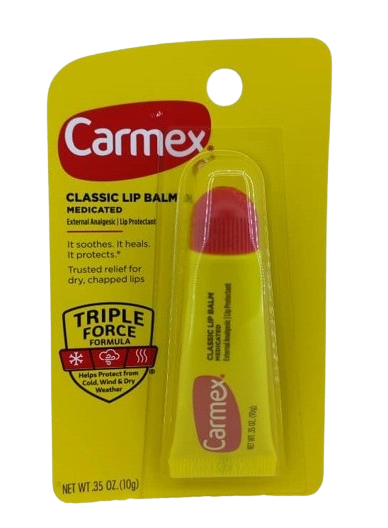
Lip balm
1Nice to haveDry season air dries lips.
How to use it: A small tube lasts a long time. Label it.
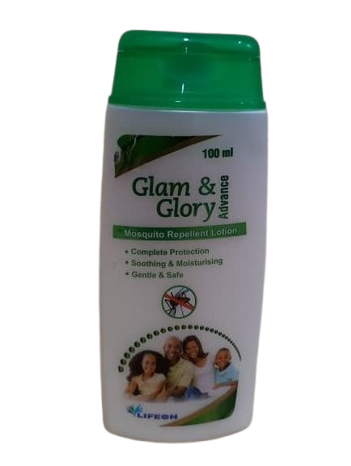
Mosquito repellent
1Nice to haveUseful for evening activities and after school clubs.
How to use it: Ask a pharmacist what suits your child's age and follow the label.
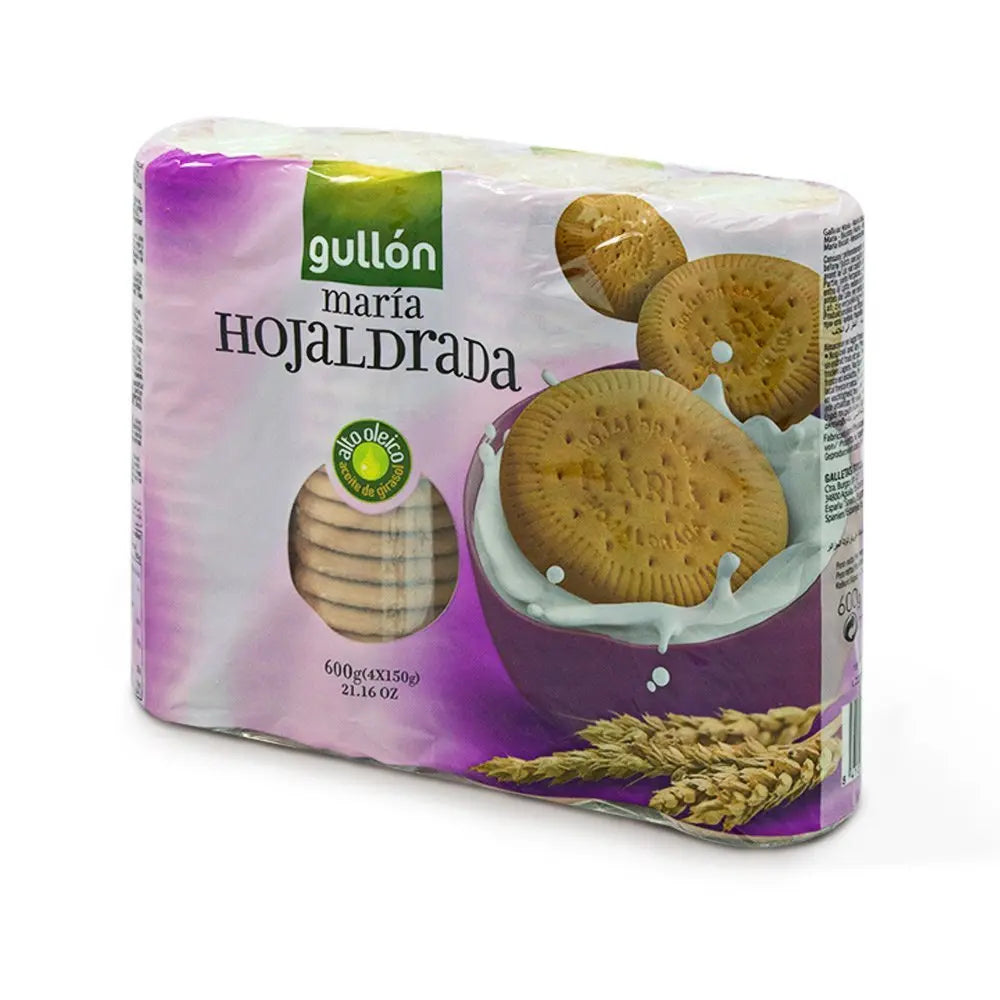
Snacks
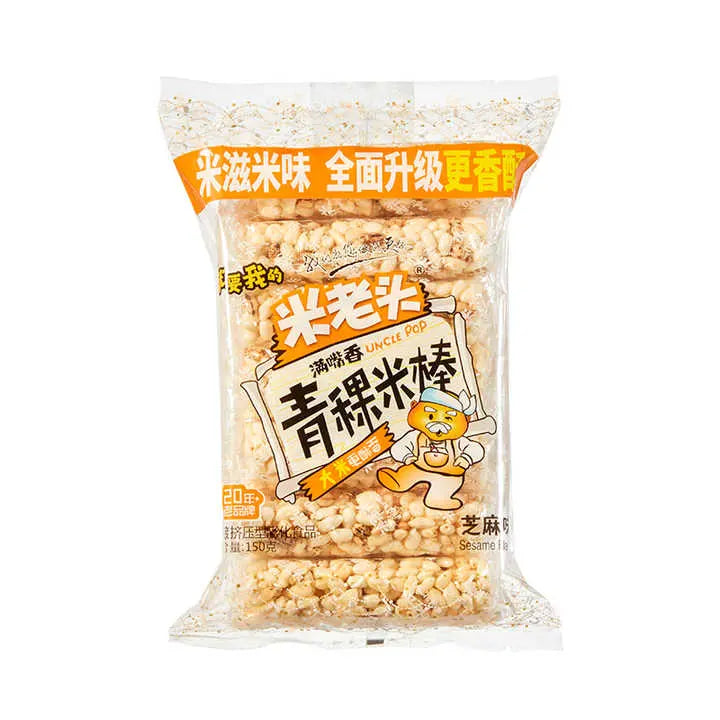
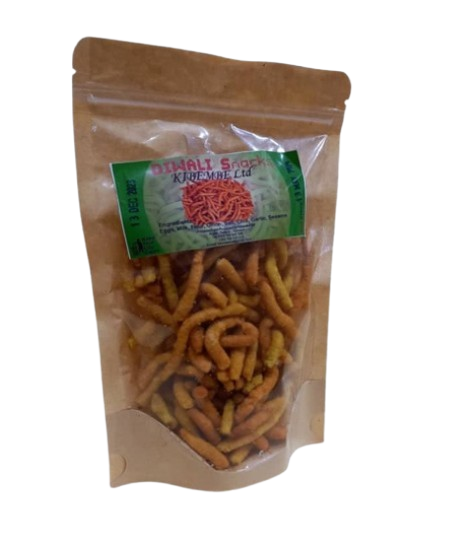
1 or 2 packsNice to haveA healthy snack helps between lessons and after sports.
How to use it: Choose dry snacks like peanuts or fruit, and check the school's rules on nuts.



Step by step
- 1
Early August
Get the school list and check what you already have from last year.
- 2
Mid August
Order uniforms, PE kit and shoes, which can take time.
- 3
Late August
Buy stationery, maths tools and tech accessories, and test devices.
- 4
The week before
Label everything and pack the bag with your child.
- 5
First week
Check what is missing and top up, since teachers often add items.
Tips that help
- Check the school's rules on devices, nuts and colors before buying.
- Label every item with the student's name and class.
- Buy a few spares of cheap items like pens and pencils.
- Test a new laptop or calculator at home before the first day.
- Order early. Stock of uniforms and shoes can run low in late August.
- Plan for the rainy season with a light jacket and umbrella in the bag.
- Keep a small box of stationery at home for mid term needs.
Mistakes to avoid
- Shopping before reading the school's list.
- Buying a calculator or laptop that does not meet the school's needs.
- Not labeling items, so losses cannot be found.
- Skipping the shoe fitting and buying the wrong size.
- Leaving uniform orders until the final week.
Questions people ask
When should I start back to school shopping for September?+
Start in early or mid August with the school list. Order uniforms and shoes first, then stationery and tech, so nothing is rushed.
Do I need to buy a laptop for international school?+
Only if the school asks for one. Ask for the exact requirements, then decide. Many schools also have rules on what devices are allowed.
Which calculator should I buy?+
Ask the school or the teacher, because some exams only allow certain models. A scientific calculator is common for older students.
What should my child pack for PE?+
A clean PE T-shirt, sports shoes, socks and a water bottle. A spare shirt helps on hot days.
How do I avoid losing school items?+
Label each item with a name and class, use a small pencil case or pouch, and do a bag check with your child each Friday.
A good September begins with a calm, labeled bag and everything in it that your child needs. Use this list to shop what the school list does not cover and order on Isokko.
Shop this list
Get everything delivered in Kigali
Order from local stores on Isokko and pay with MoMo, card or cash. Same-day delivery.