
Checklist · Work & business
Hosting a Workshop or Business Meeting in Kigali: Checklist
Plan a smooth workshop or business meeting in Kigali: room setup, AV and power, stationery, refreshments and the small things that go wrong.
Updated November 16, 2026 · By Isokko
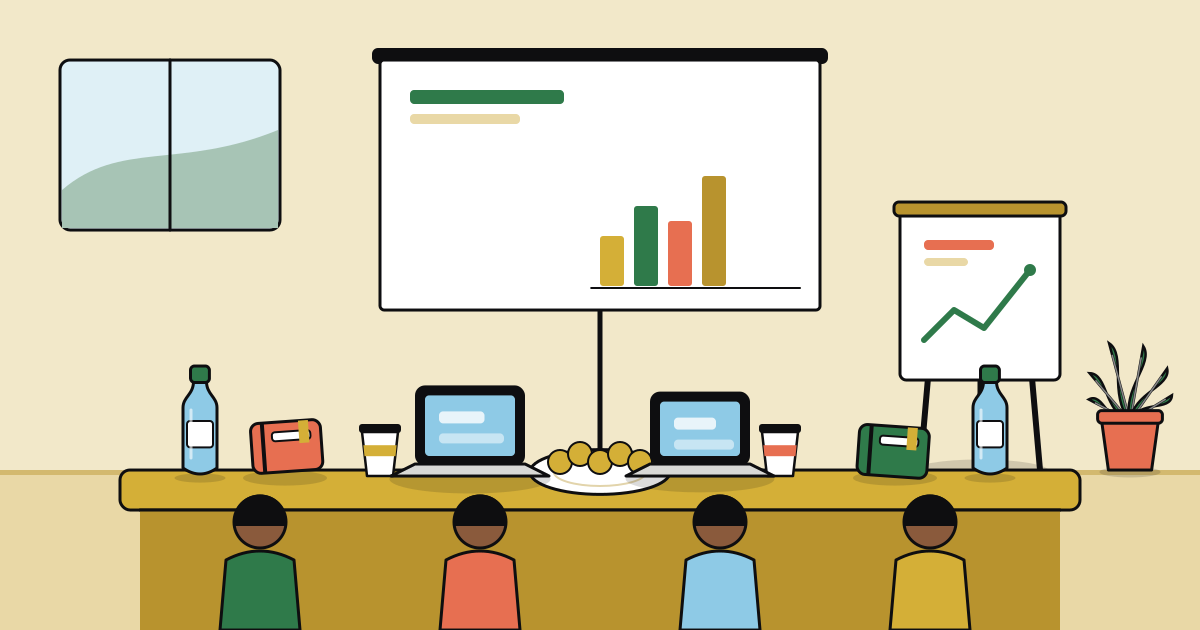
A good workshop feels effortless to the people attending. The screen works on the first try, there is a pen on every seat, the tea arrives on time and nobody has to ask where the water is. Behind that is a checklist somebody followed.
This list covers what you need to host a workshop, training or business meeting in Kigali: the room and AV setup, power backup for the inevitable outage, stationery for participants, refreshments for breaks and the small items that save the day. It works whether you host in your office, a hotel meeting room or a rented space.
Adjust the quantities to your headcount, and always plan for a few more people than confirmed.
Who it's for
Anyone running a training, workshop, board meeting or client session for 5 to 50 people in Kigali
Time needed
Plan 1 to 2 weeks ahead, set up 1 to 2 hours before
When to shop
Buy stationery and supplies a week ahead, order snacks and drinks for delivery the morning of
On the list
31 items, 17 must haves
0 of 31 ready
Screen, sound and power
Most meeting disasters are technical. Test everything and bring backups.
HDMI cable
1 to 2 Must haveThe venue's cable is often too short, broken or missing. Bringing your own avoids a slow start.
How to use it: Bring a long one and test it with the presenter's laptop before people arrive.
Display adapters
1 of each Must haveMany new laptops only have USB-C ports, and older projectors still use VGA.
How to use it: Carry a USB-C to HDMI and an HDMI to VGA adapter in your kit.
Extension sockets
1 per table plus 1 Must haveLaptops, chargers and the projector all need power, and wall sockets are rarely where you need them.
How to use it: Run one along each table and tape cables down so nobody trips.
Power banks
2Nice to havePower cuts happen in Kigali. Participants' phones and the presenter's clicker should not die halfway.
How to use it: Keep two charged power banks at the front desk for anyone who needs them.
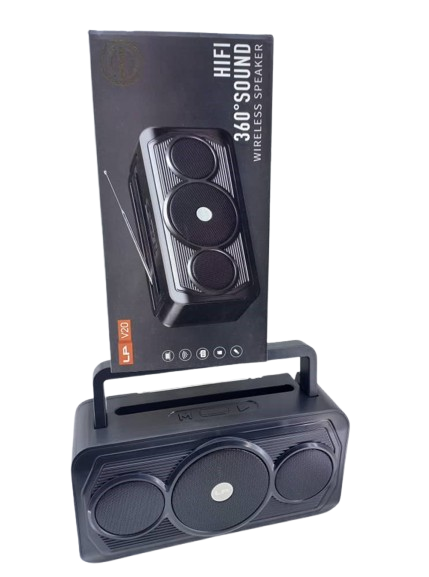
Portable speaker
1Nice to haveVideos and online speakers need more sound than a laptop gives.
How to use it: Pair and test it before the session and keep it charged.
Megaphone or microphone
1Nice to haveFor larger groups or outdoor sessions, people at the back need to hear.
How to use it: Only use it when needed and keep the volume moderate.




Participant stationery
Put a simple pack on every seat so people can start working the moment they sit down.
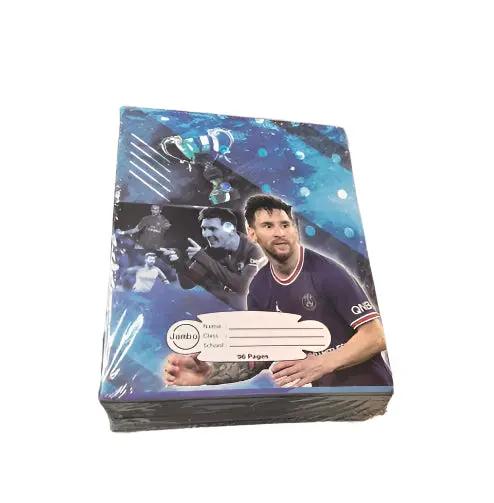
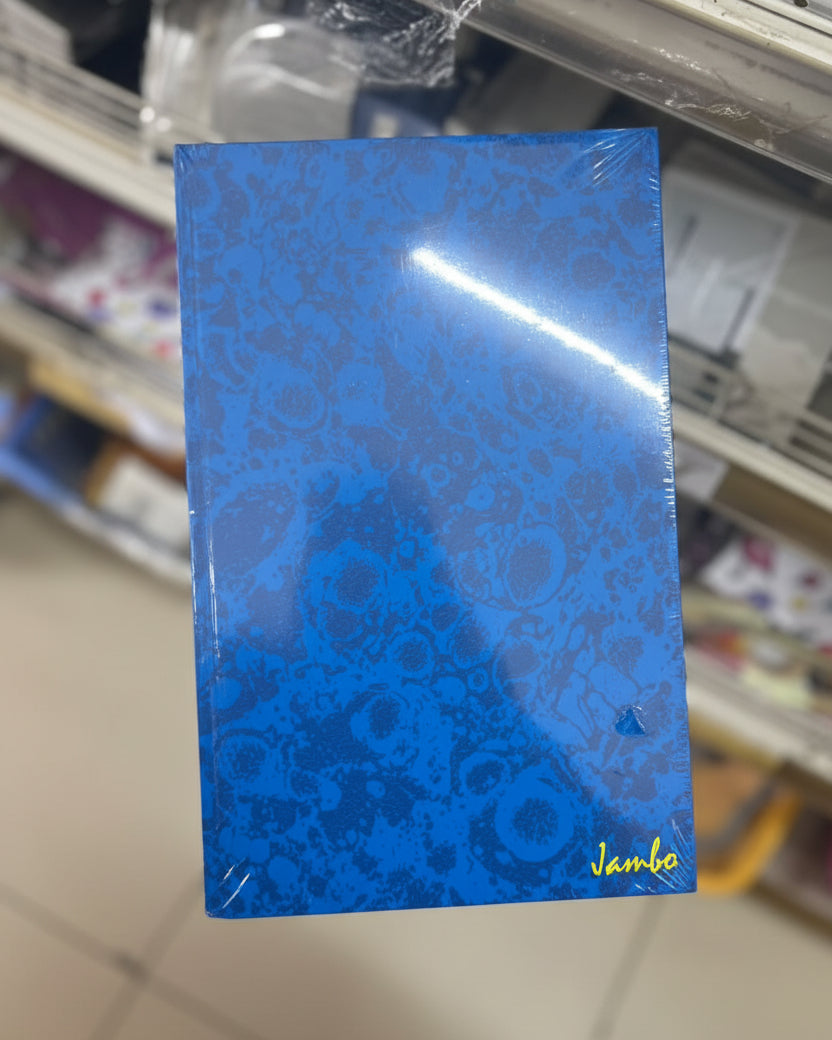
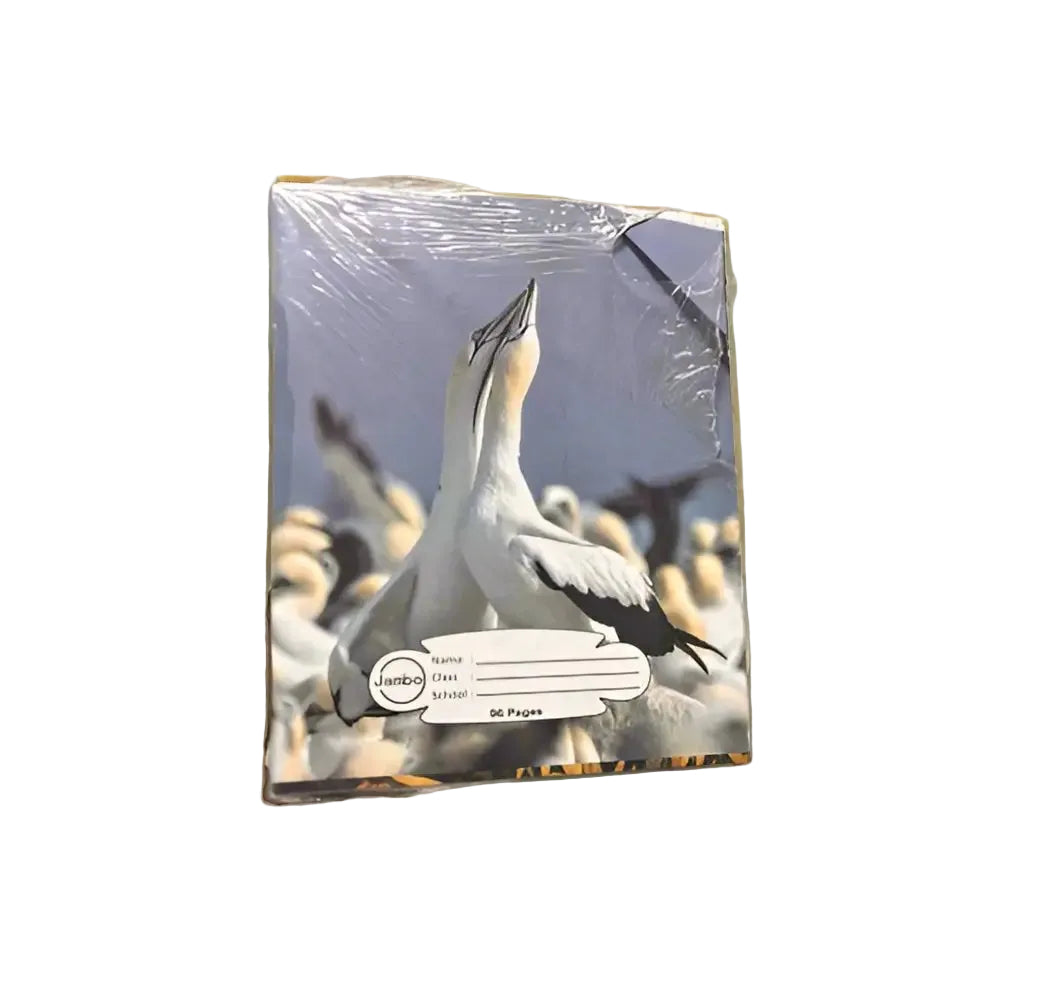
Notebooks
1 per person plus 5 Must havePeople take more notes on paper than they think, especially in training sessions.
How to use it: One per participant, placed on each seat with a pen.
Pens
1 per person plus 10 Must haveSomeone always forgets one.
How to use it: Buy a box and put one on every seat.
Sticky notes
1 pad per table Must haveEssential for brainstorming, voting on ideas and group exercises.
How to use it: Put a pad on each table in different colors for different activities.
Permanent markers
2 to 3 per table Must haveFor writing on flip chart paper and name cards that can be read across the room.
How to use it: Give each group two or three markers in dark colors.
Name tags or table cards
1 per personNice to haveHelps the facilitator call on people and helps participants network.
How to use it: Fold a card in half on each table, or use simple badges.
Envelopes for handouts
1 per personNice to haveKeeps printed materials, agendas and certificates neat and easy to hand out.
How to use it: Pack each participant's handouts in an envelope with their name on it.
Clipboards
2 to 3Nice to haveUseful for registration, attendance and sessions where people move around.
How to use it: Keep one at the registration table with the attendance sheet.


Facilitator kit
The bag of small things that keeps the session moving.
Flip chart and paper
1 stand and pad Must haveIdeas written up where everyone can see them keep group discussion focused.
How to use it: Check the venue has a stand. Bring extra paper for group work.
Tape
2 rolls Must haveFor sticking flip chart sheets on walls and taping down cables.
How to use it: Check with the venue which tape is allowed on their walls.
Scissors
1 Must haveFor cutting cards, opening packs and quick fixes.
How to use it: Keep in the facilitator bag.
Stapler
1Nice to haveFor handouts that come loose and last minute prints.
How to use it: Bring staples too.
Highlighters
1 set per tableNice to haveHelp participants mark key points in handouts.
How to use it: One set per table is enough.


Refreshments
Breaks are where a lot of the real networking happens. Plan them properly.
Bottled water
2 per person per half day Must havePeople get thirsty in warm rooms and long sessions.
How to use it: Put a small bottle at each seat and keep a case in reserve.
Tea and coffee
Enough for 2 cups per person Must haveA tea break is expected at almost every workshop in Rwanda.
How to use it: Prepare in flasks so service is quick. Offer African tea with milk and black coffee.
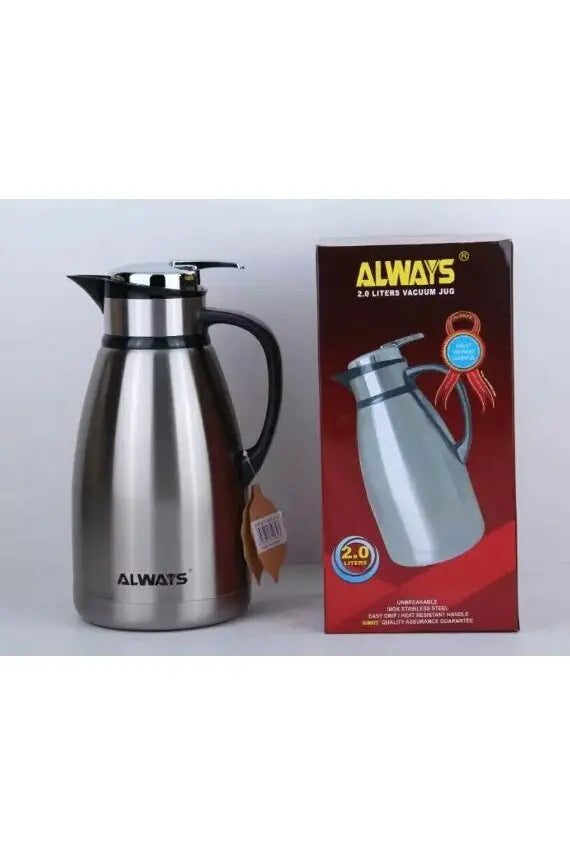
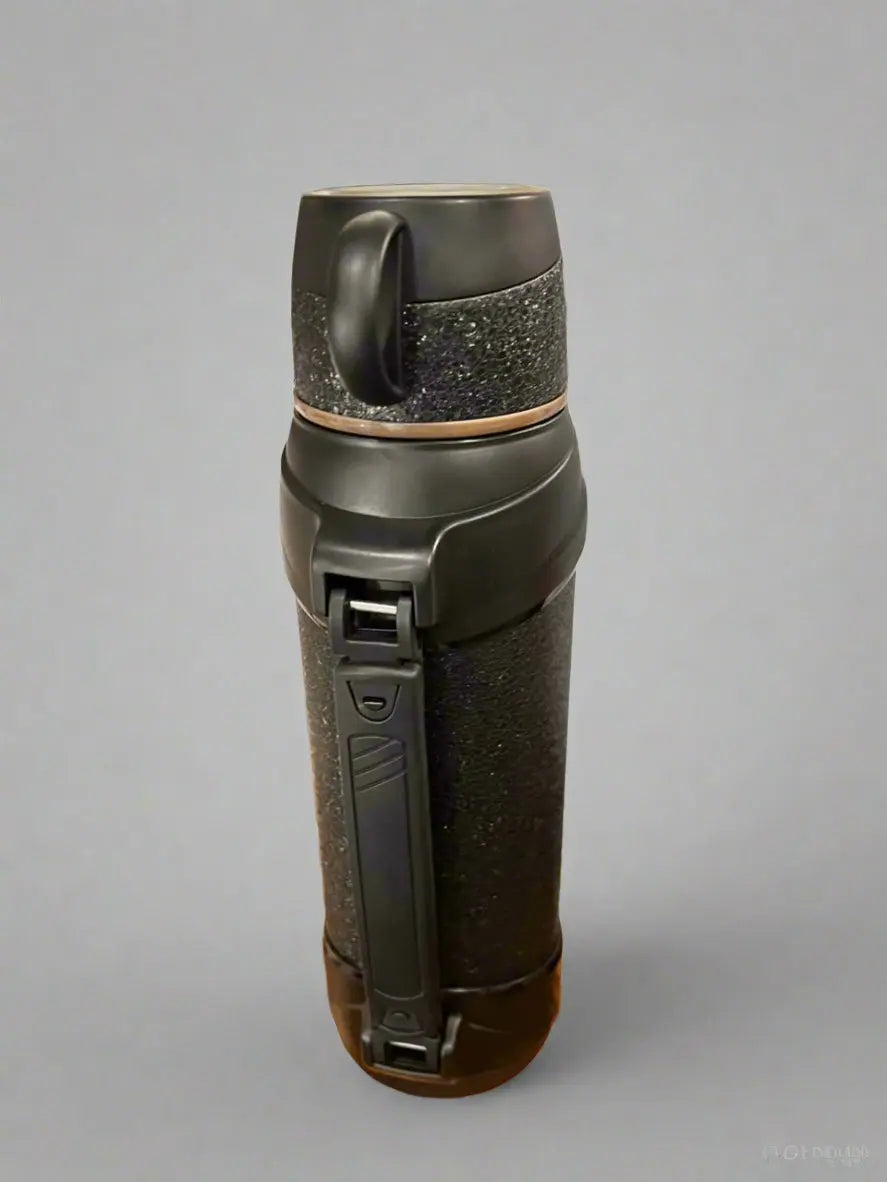
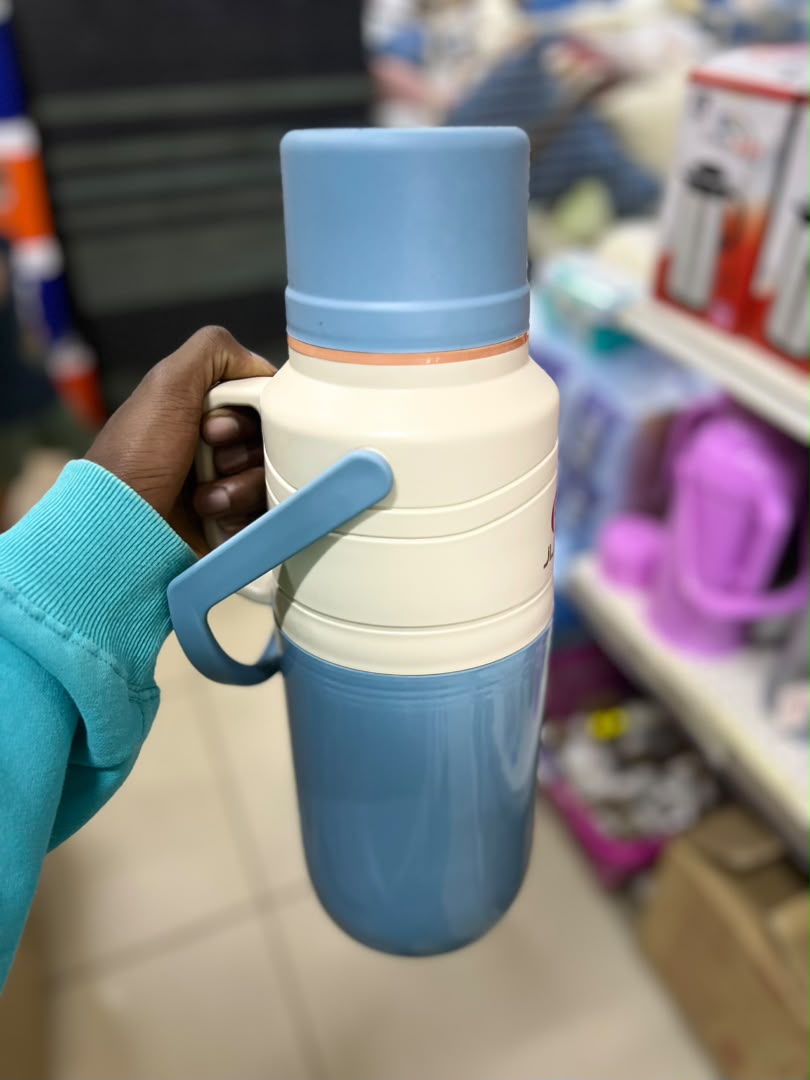
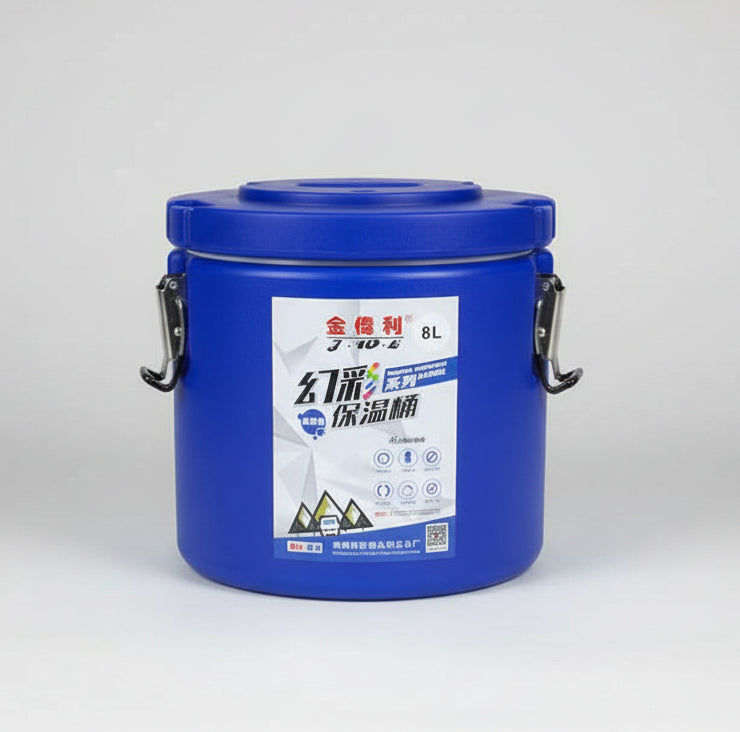
Thermos flasks
3 to 4 Must haveKeep tea, coffee and hot water hot without needing a kettle in the room.
How to use it: Fill with hot water for a few minutes first, then add the drink.
Milk powder and sugar
1 kg each Must haveFor tea and coffee. Powder does not spoil in a warm room.
How to use it: Put them in bowls with spoons next to the flasks.
Snacks for breaks
2 pieces per person per break Must haveSomething to eat with tea keeps energy up for the next session.
How to use it: Samosas, croissants, cake slices or biscuits are popular choices. Order fresh for the morning.
Fruit juice
1 cup per personNice to haveAn option for people who do not drink tea or coffee, and refreshing in the afternoon.
How to use it: Keep it cold in a cooler box if there is no fridge.
Cooler box and ice
1Nice to haveKeeps water and juice cold in venues without a fridge.
How to use it: Add ice early in the morning and drain melted water at lunch.














Serving and cleanup
Small things that make breaks smooth and leave the room tidy.
Paper cups
2 per person Must haveQuick and practical for tea breaks with many people.
How to use it: Use cups that handle hot drinks without getting soft.
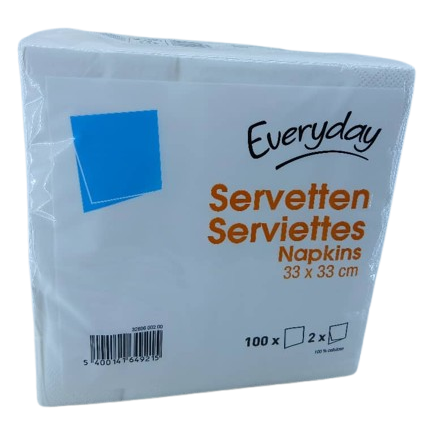
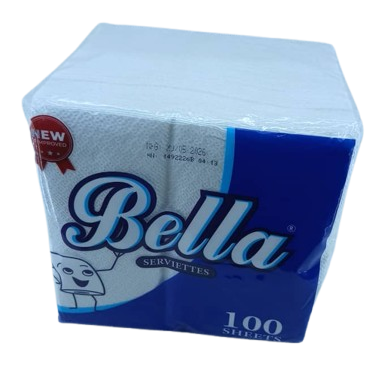
Serviettes
2 packs Must haveFor snacks and spills.
How to use it: Put a stack beside the snacks.
Paper plates
1 per person per breakNice to haveMake serving snacks fast and avoid washing up.
How to use it: Small plates are enough for break snacks.
Tablecloth
1 to 2Nice to haveMakes a plain table look professional for refreshments or the registration desk.
How to use it: Choose a washable cloth in a neutral color.
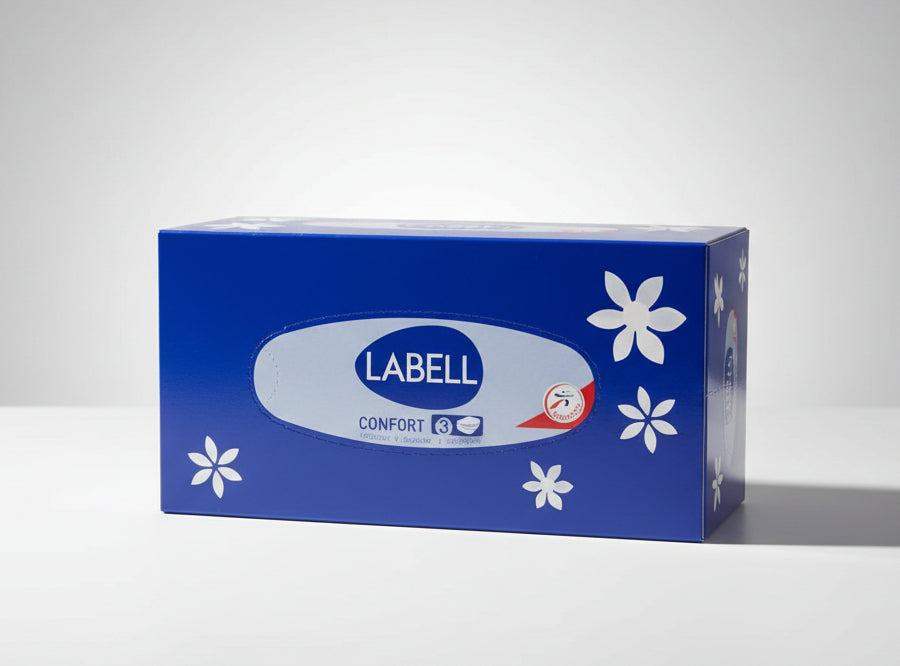
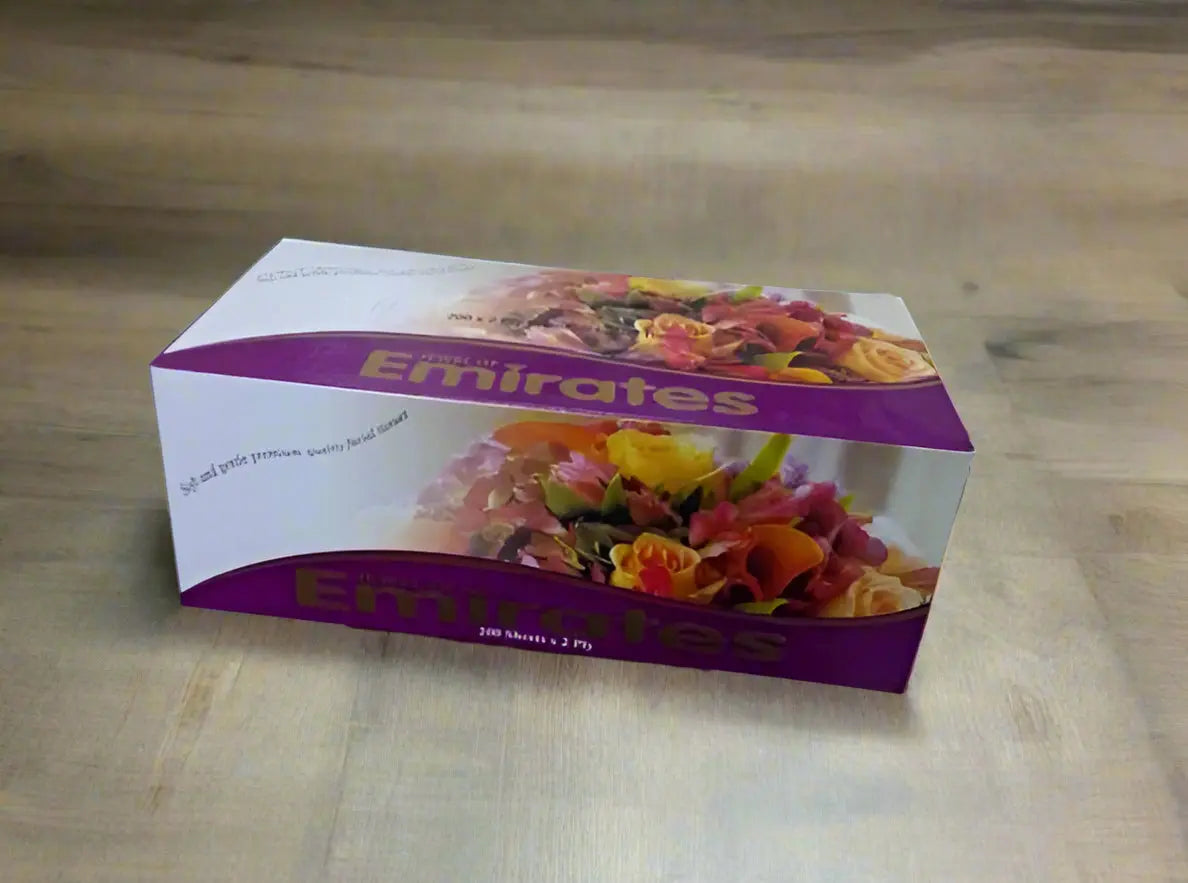
Facial tissues
1 per tableNice to haveUseful on tables during long sessions, especially in the rainy season when colds go around.
How to use it: One box per table.
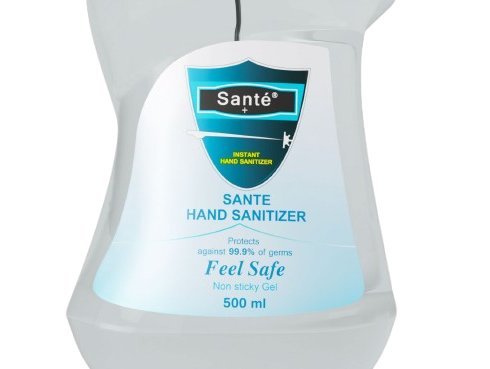
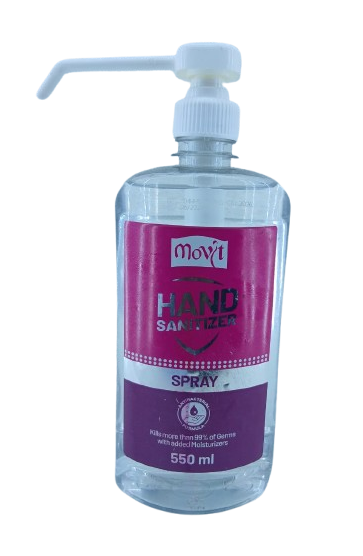
Hand sanitizer
2Nice to haveLots of handshakes and shared snacks.
How to use it: Place a bottle at registration and next to the refreshments.












Step by step
- 1
Two weeks before
Confirm the venue, headcount and agenda. Ask the venue what AV, furniture and catering they provide.
- 2
One week before
Buy stationery and the facilitator kit. Print handouts and pack participant envelopes.
- 3
Two days before
Order snacks, water and drinks for delivery on the morning. Charge power banks and the speaker.
- 4
Morning of
Arrive at least an hour early. Test the screen, sound and internet, set out stationery and arrange the registration desk.
- 5
After the session
Collect leftover supplies for next time, take photos of flip charts, and send a thank you message with the materials.
Tips that help
- Always test the presenter's own laptop with the screen, not just yours.
- Plan for a power cut: know where the venue's generator is and have power banks charged.
- Order a few extra portions of snacks. Unexpected guests are common.
- Ask about dietary needs when people register.
- Put the agenda and break times on a flip chart near the door.
- Keep a reusable box with your facilitator kit so the next event takes minutes to prepare.
Mistakes to avoid
- Assuming the venue has the right cable or adapter.
- Running long sessions with no break and no water.
- Ordering snacks too late so they arrive mid session.
- Forgetting an attendance sheet when you need one for reporting.
Questions people ask
What supplies do I need for a workshop in Kigali?+
A screen or projector with the right cables and adapters, extension sockets, notebooks and pens for each participant, sticky notes and markers, a flip chart, water, tea and coffee, and snacks for breaks.
How much food should I order for a meeting break?+
Plan about two snack pieces per person per break, plus a few extra. Add water at each seat and enough tea or coffee for two cups per person.
How do I prepare for power cuts during a workshop?+
Ask the venue about a generator, keep laptops charged, bring power banks, and have a printed copy of the key slides or agenda so the session can continue.
Should I provide stationery at a business meeting?+
For workshops and trainings, yes. A notebook and pen on each seat is expected. For short business meetings, a few spare pens and a notepad on the table are enough.
What snacks are popular at meetings in Rwanda?+
Samosas, croissants, cake slices, biscuits and fruit are common choices, with African tea and coffee. Bottled water and juice are always appreciated.
A well run workshop is mostly good preparation. Pack your kit, test the tech, keep people fed and hydrated, and they will remember the content, not the logistics. You can order stationery, cables, refreshments and supplies on Isokko and have them delivered to your venue.
Shop this list
Get everything delivered in Kigali
Order from local stores on Isokko and pay with MoMo, card or cash. Same-day delivery.