
Checklist · Home & moving
Preparing Your Home for the Long Rains in Kigali: Checklist
A practical rain season checklist for Kigali homes: roof and drains, doormats, umbrellas, damp control and laundry. Know what to buy before October.
Updated November 27, 2026 · By Isokko
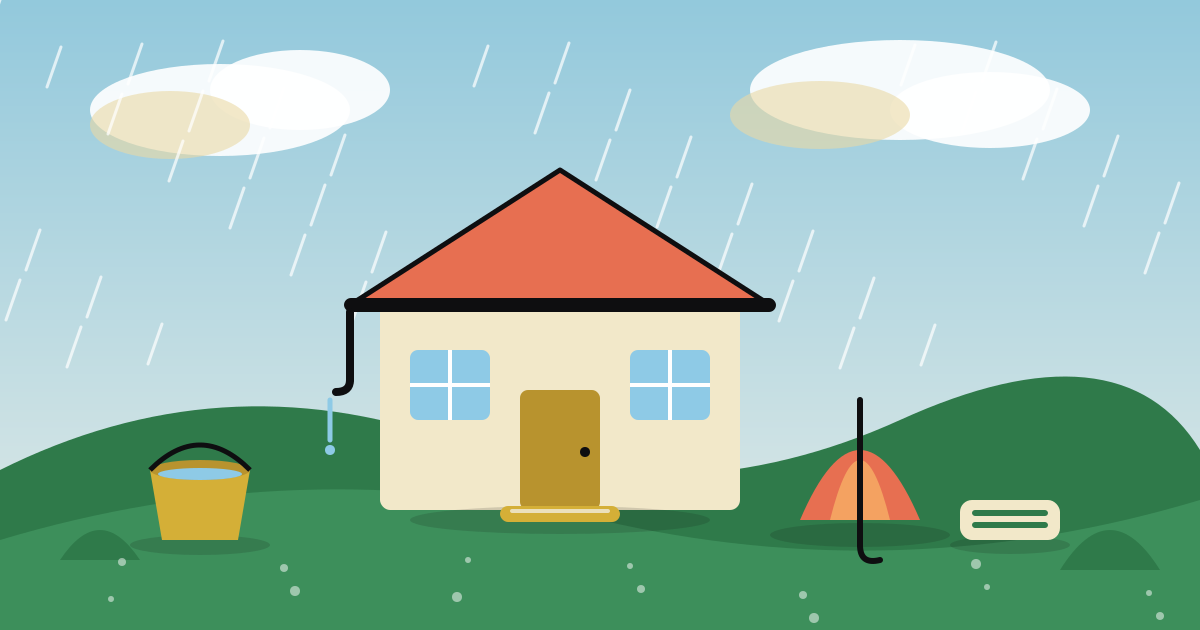
When the October rains arrive in Kigali, the hills turn muddy, roofs get tested and washing refuses to dry. A few small jobs and a short shopping list before the first heavy storm save you from leaks, mold and wet floors.
This checklist walks through the whole house, from the roof edge to the front door and the laundry line. Each item says why it matters and how to use it, so you buy only what helps.
Some jobs, like fixing a roof, belong to your landlord or a builder. Where that is the case we say so, and we list the small things you can do and buy yourself.
Who it's for
Anyone living in a house or apartment in Kigali who wants a dry, safe home during the October to December rains
Time needed
Check and shop over one to two weeks before the rains settle in
When to shop
Late September or early October, before the first heavy storms
On the list
26 items, 12 must haves
0 of 26 ready
Roof, gutters and drains
Water that cannot leave quickly will find its way indoors. Check these before the first big storm.
Roof and wall sealant
1 tube per gapNice to haveSmall cracks and gaps around windows and roof edges let in water during heavy rain.
How to use it: Clean and dry the spot first, then apply as the packaging says. Ask your landlord before working on a rented roof.
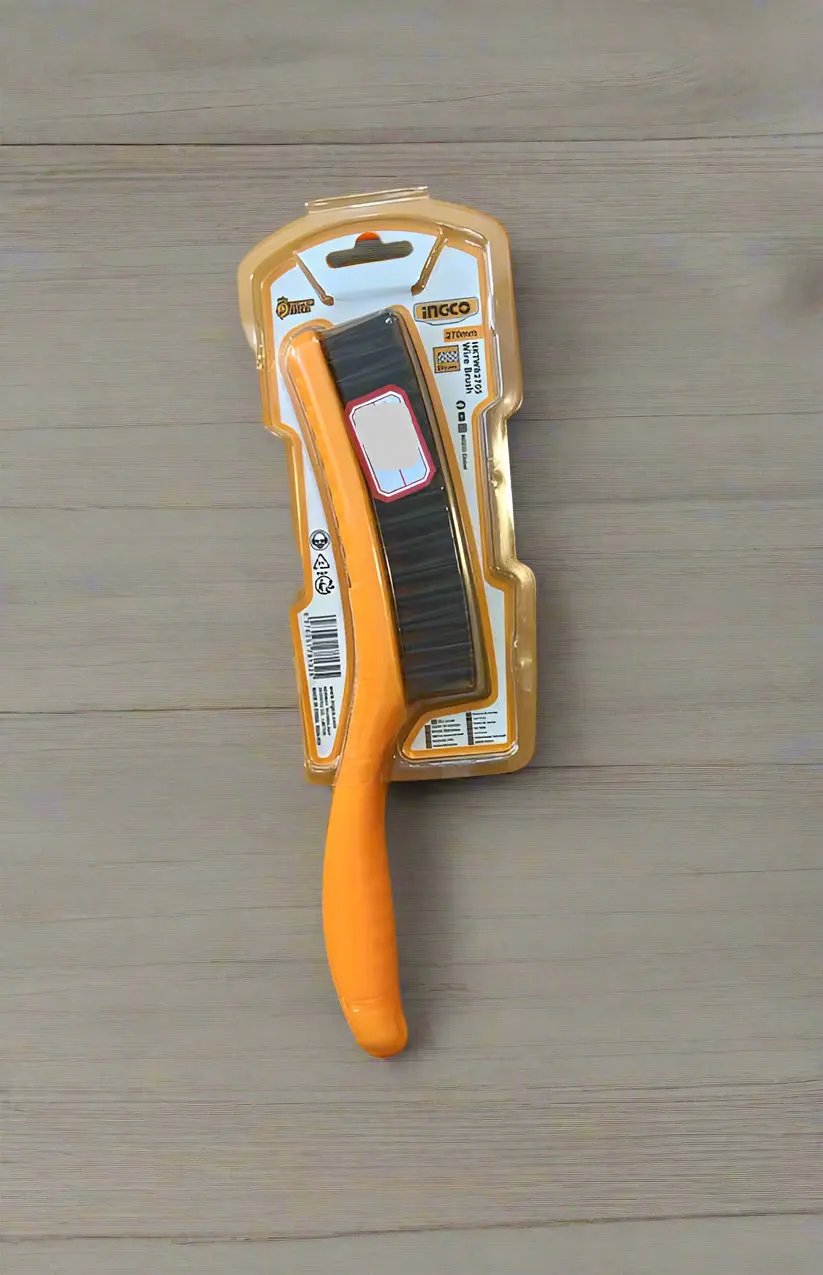
Wire brush
1Nice to haveRust and old flaking material make it hard for new sealant or paint to hold.
How to use it: Brush the area until the loose material is gone, then wipe off the dust.
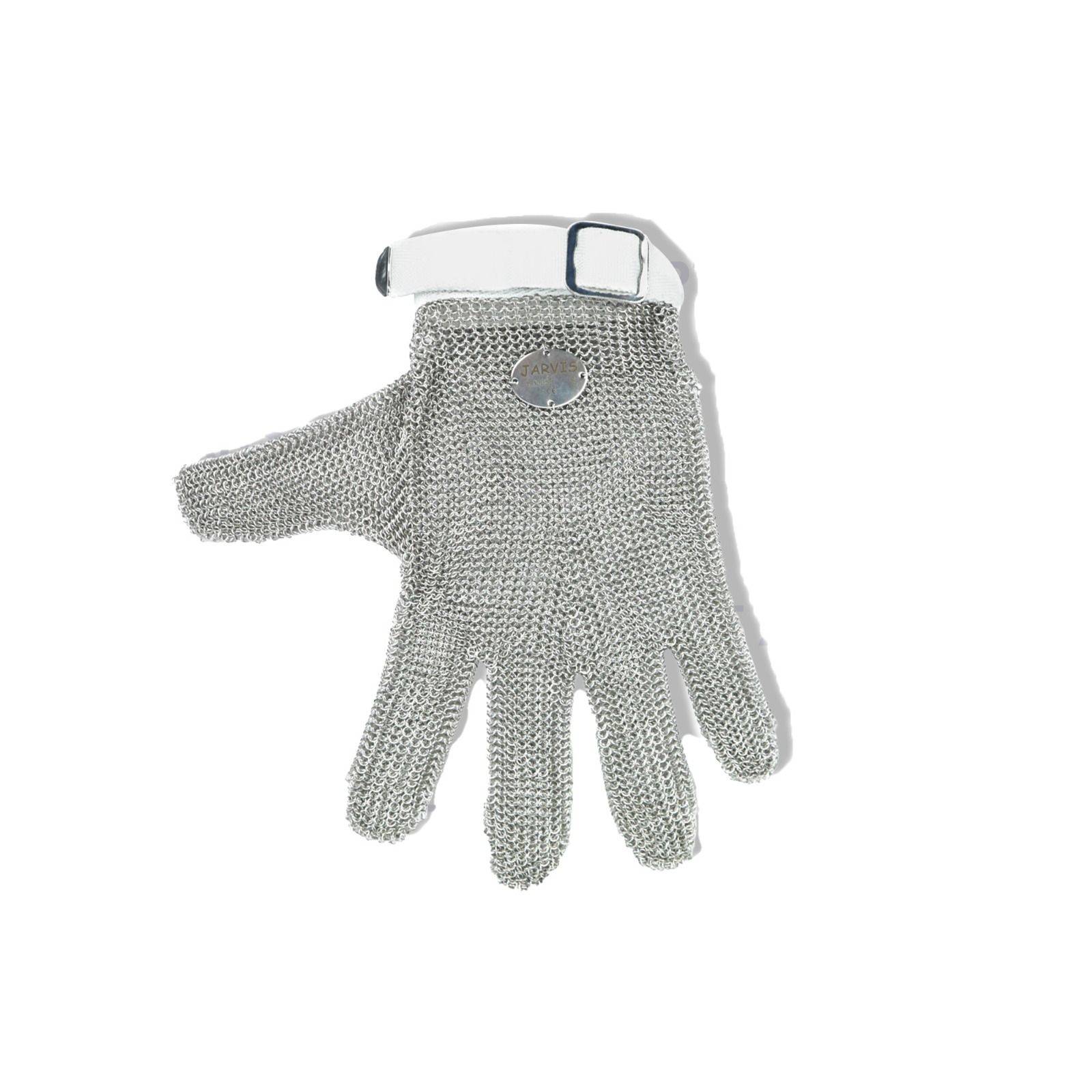
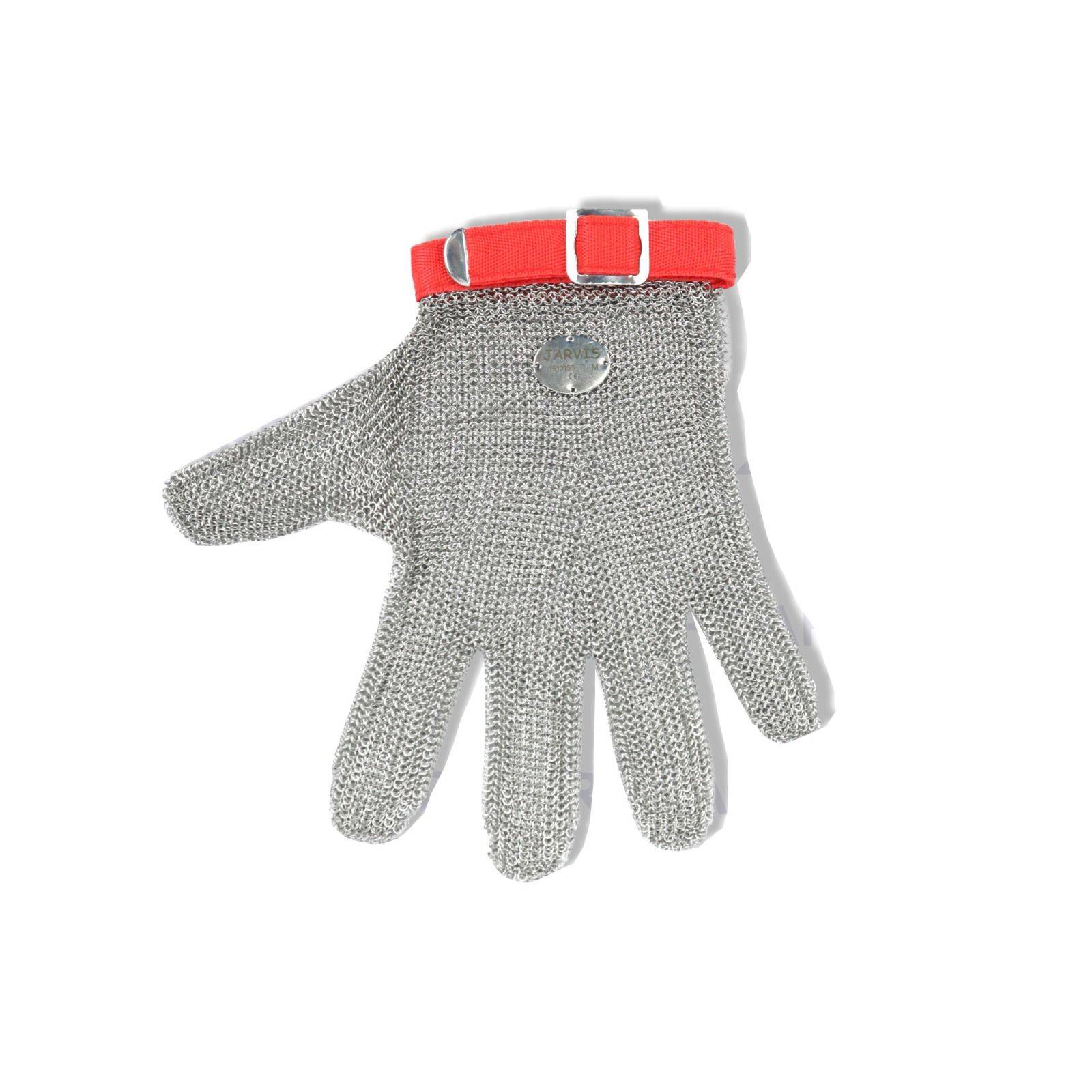
Work gloves
1 pair Must haveGutters and drains hold mud, leaves and sharp debris. Gloves protect your hands.
How to use it: Pick thick gloves that fit well. Wash them after use and let them dry.
Large bucket
1 or 2 Must haveA bucket lets you carry out mud and leaves, and catches a drip while you wait for a repair.
How to use it: Place it under a leak and empty it before it fills. Keep it away from children.
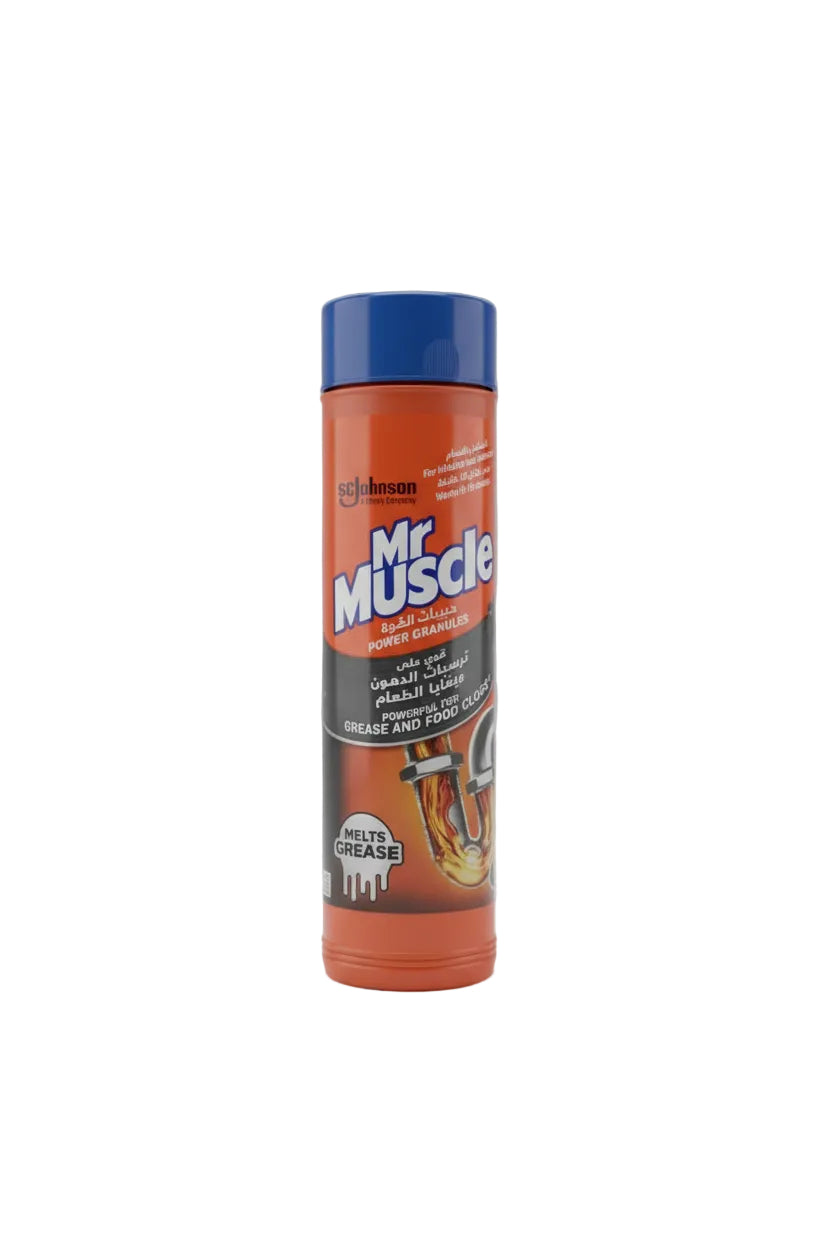
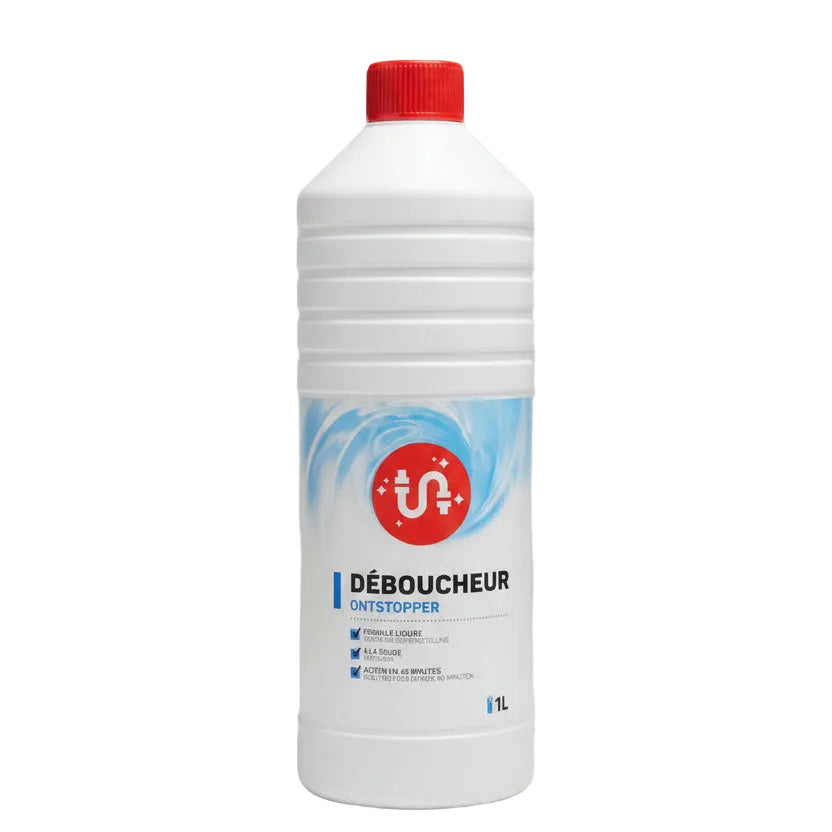
Drain cleaner
1Nice to haveBlocked drains around the compound cause standing water at the door.
How to use it: Follow the label, wear gloves and never mix cleaners. Clear leaves from the drain cover first.





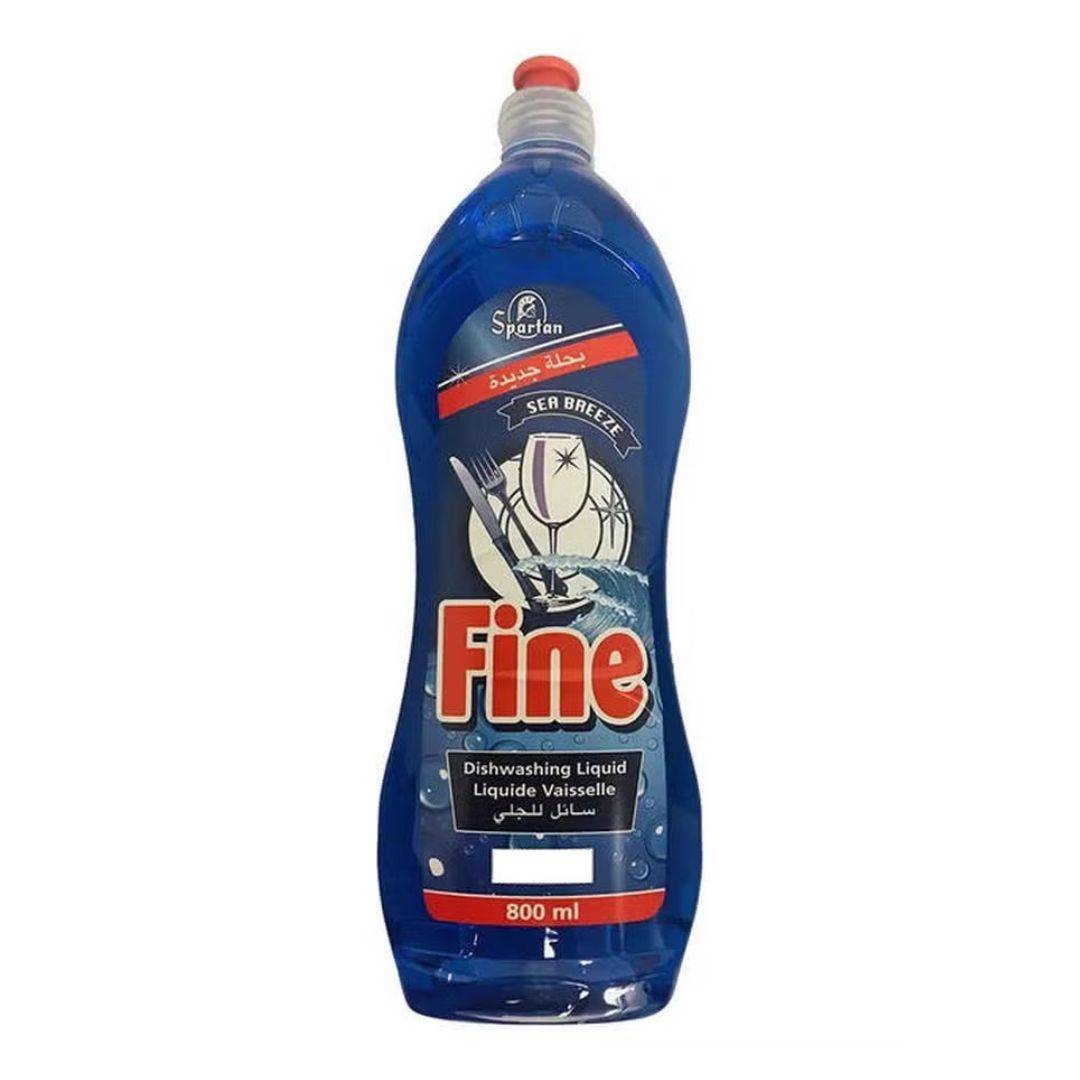
Doors and entrances
Red mud follows you indoors. Stop it at the door.
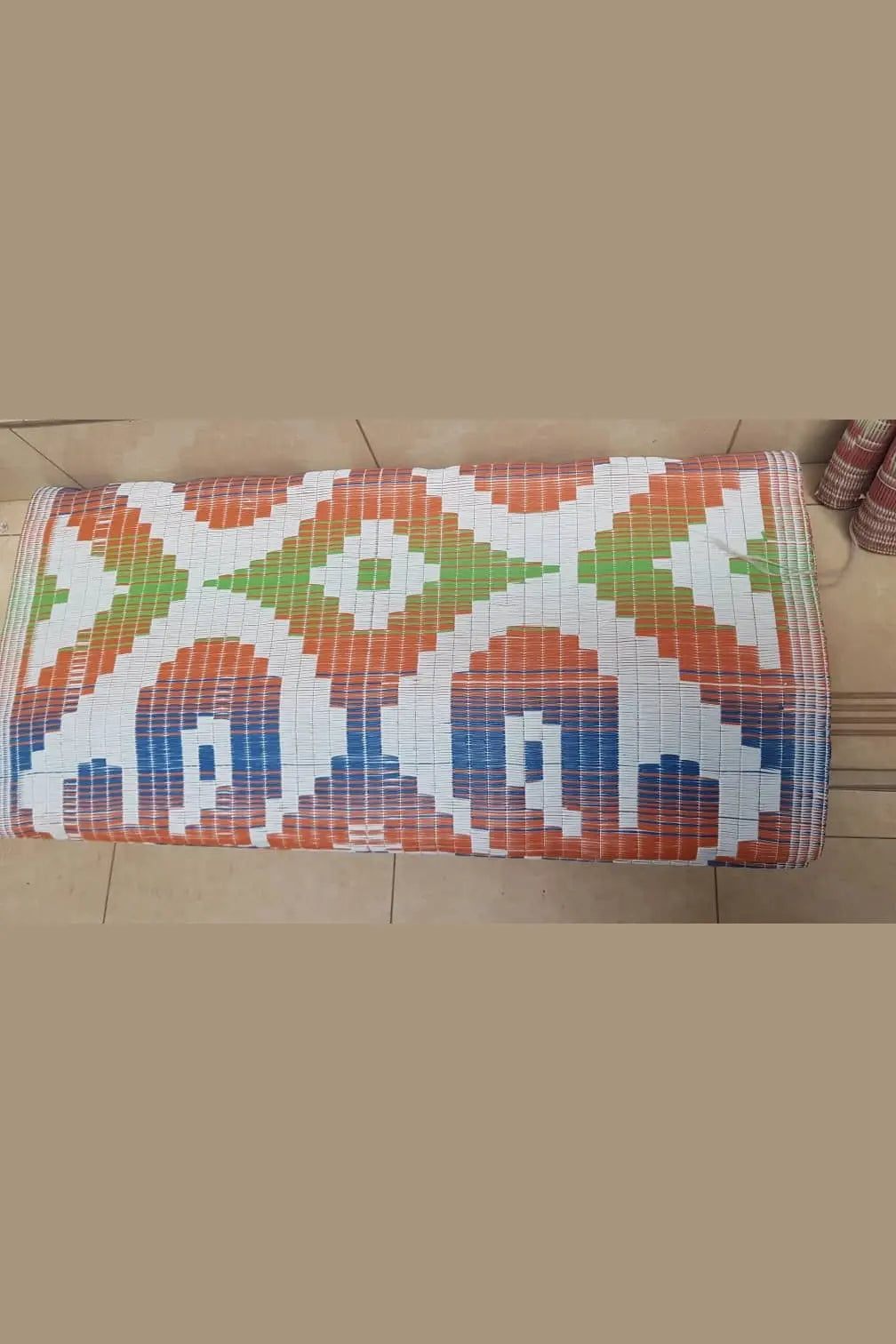
Indoor door mat
2 Must haveA good mat catches mud and water before it reaches your floors.
How to use it: Place one outside and one inside the door. Shake it out daily and wash it weekly in the wet season.
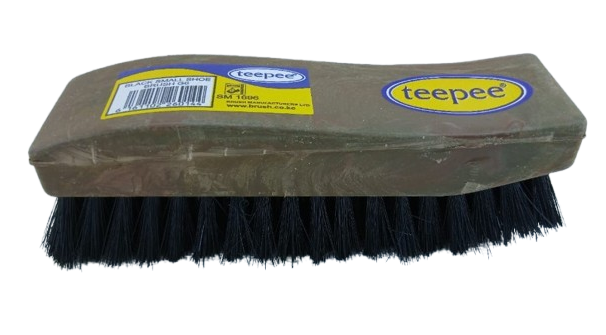
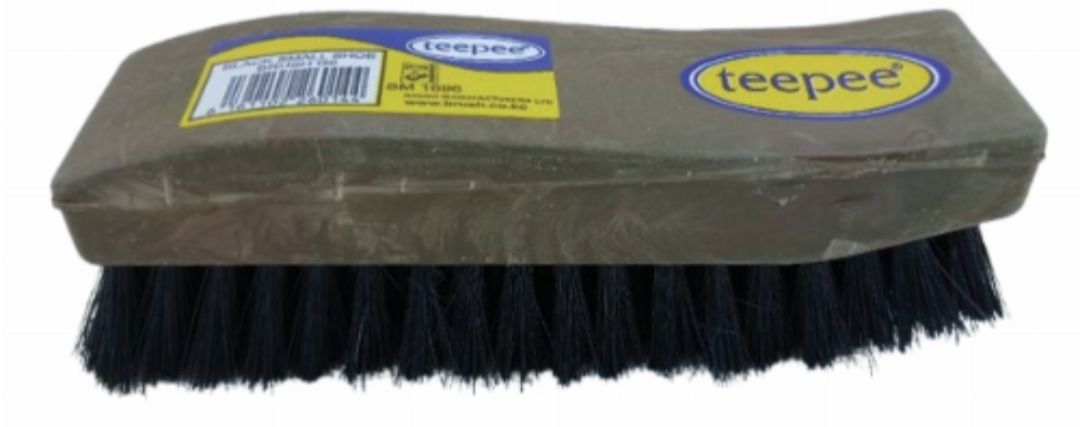
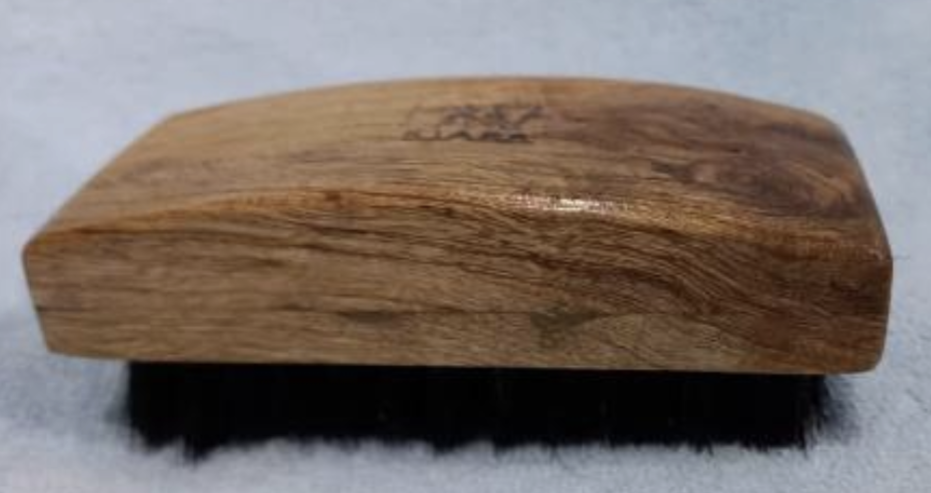
Shoe brush
1Nice to haveBrushing off mud at the door keeps floors clean and shoes lasting longer.
How to use it: Keep it near the door. Let shoes dry before you brush off the hard mud.
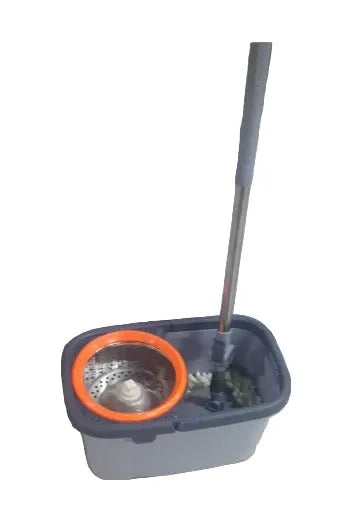
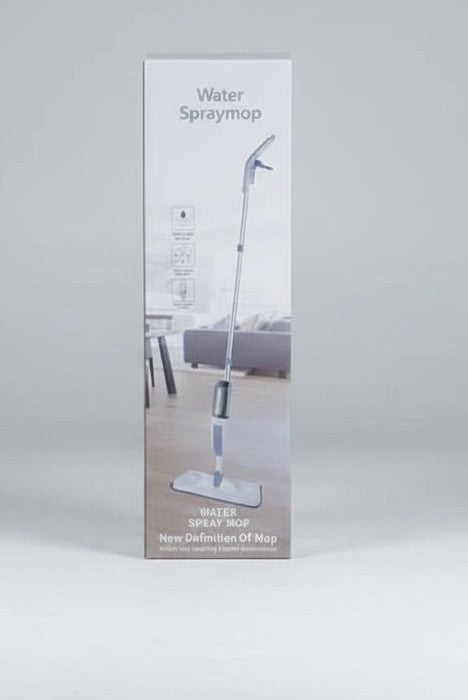
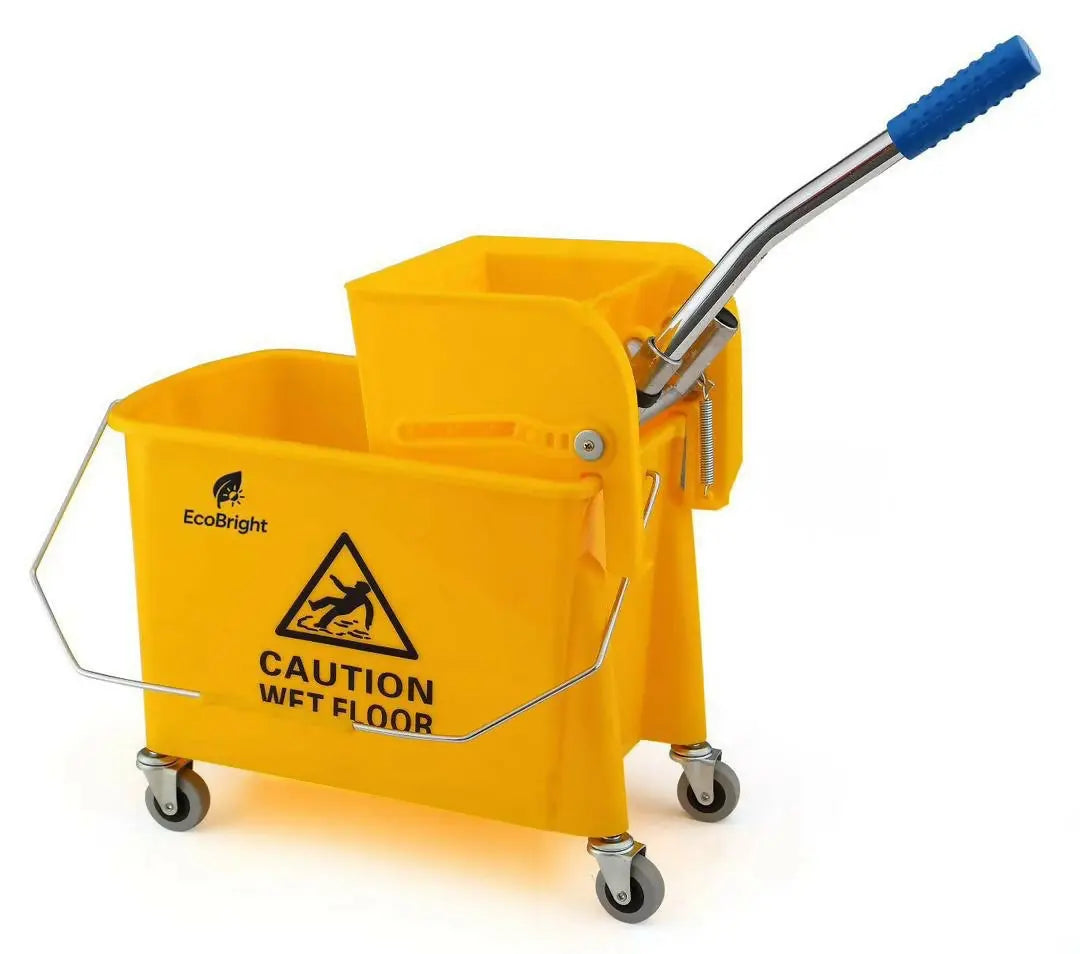
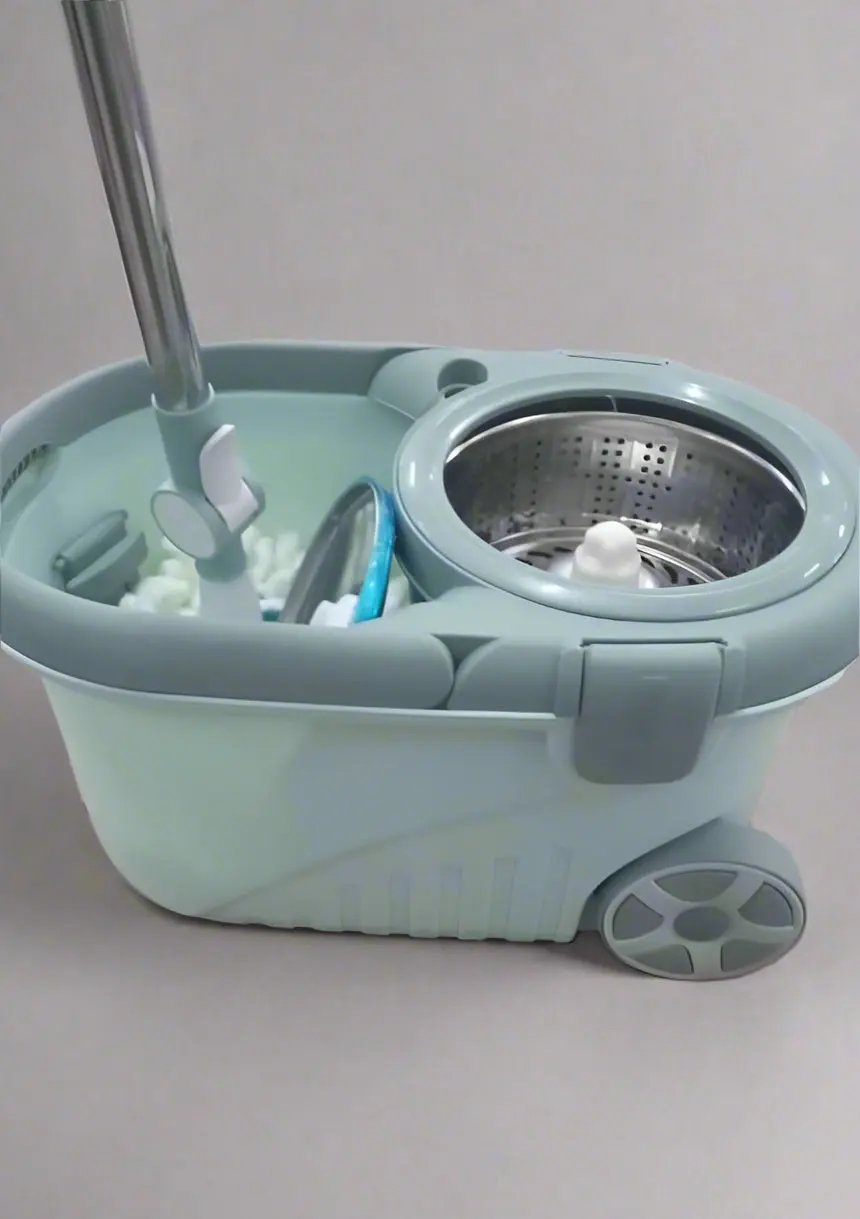
Mop
1 Must haveWet floors are slippery and dirty. A mop lets you wipe up water fast.
How to use it: Wring it well and rinse it clean after use so it does not smell.
Squeegee
1Nice to haveA squeegee pushes water off tiles and window glass faster than a cloth.
How to use it: Pull it in one direction toward a drain or the door. Wipe the rubber edge dry afterward.

Staying dry outside
Rain in Kigali can be heavy and sudden. Keep dry gear ready.
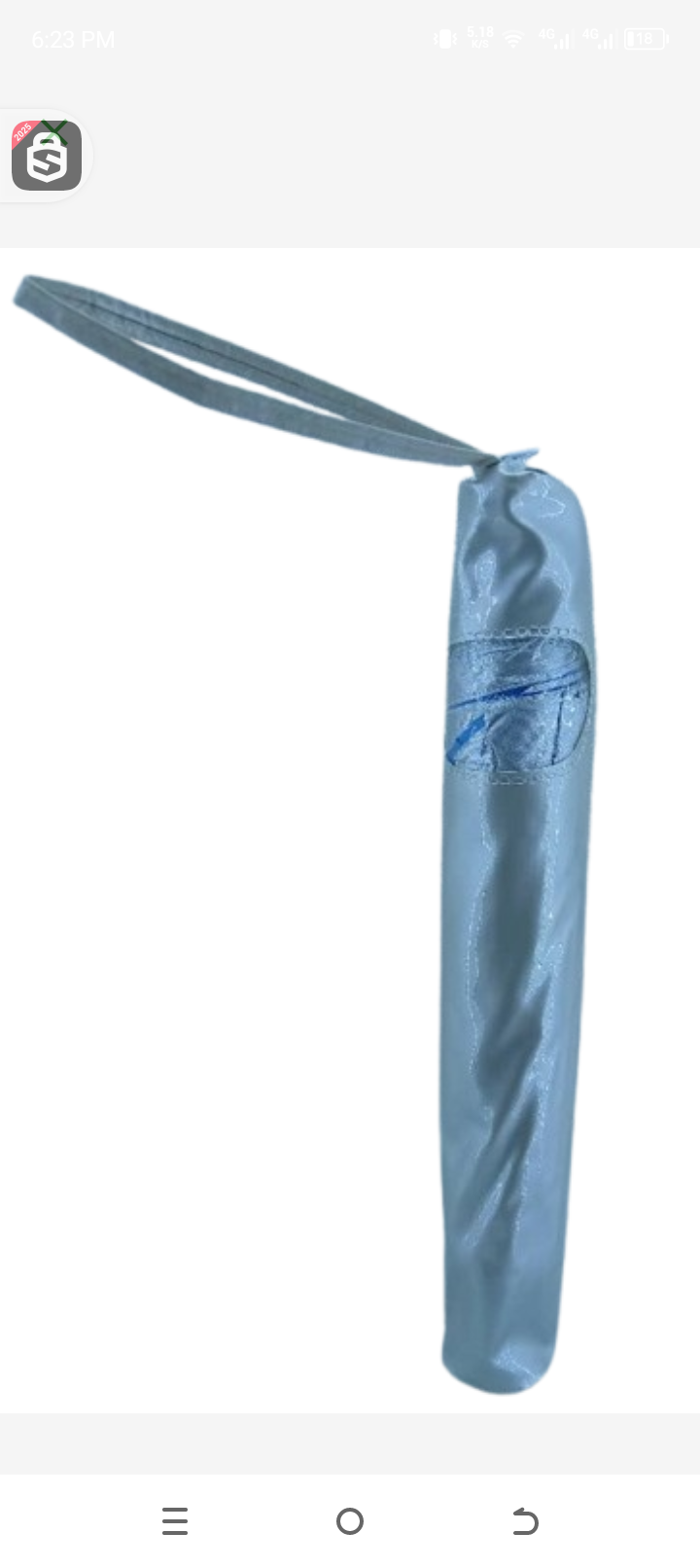
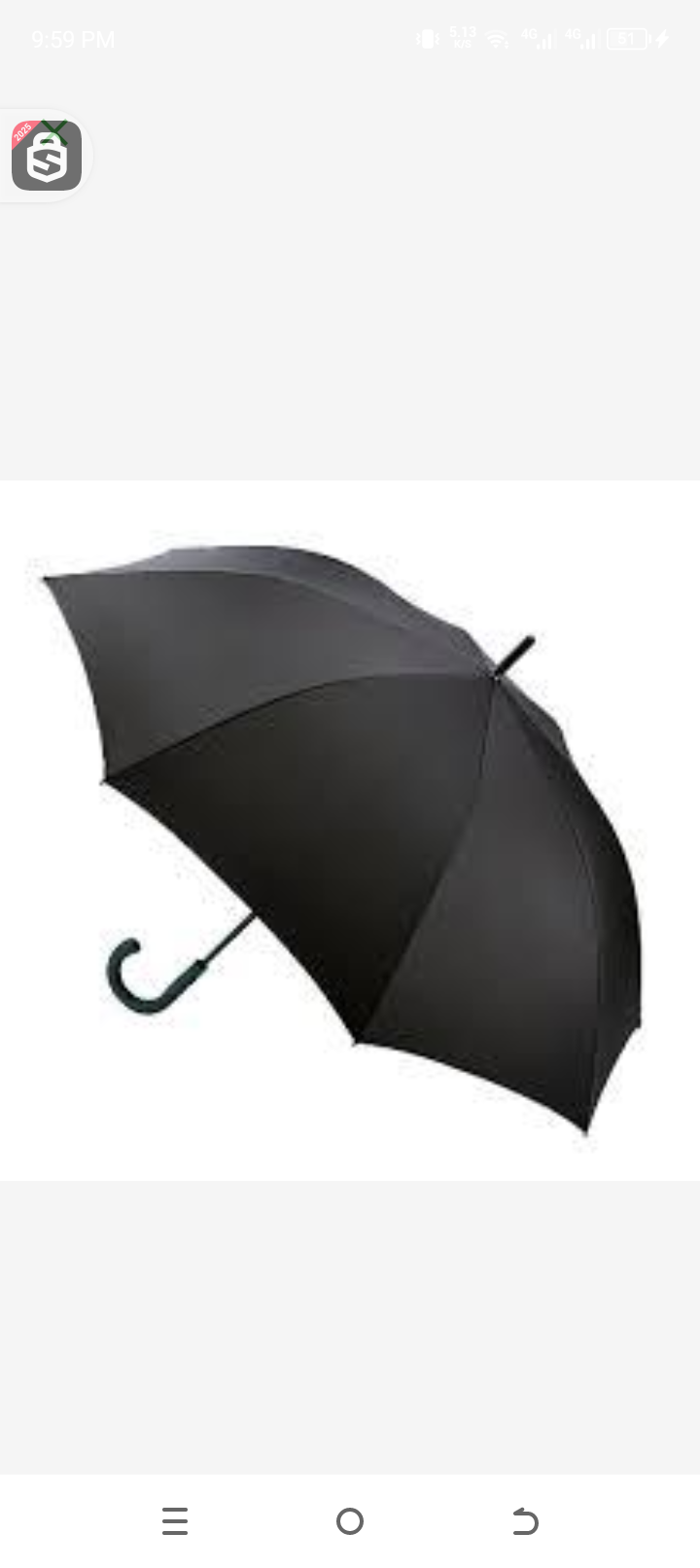
Umbrella
1 per person Must haveShowers can start without warning when you are on a moto or walking uphill.
How to use it: Keep one by the door and one in your bag. Shake it out and open it to dry indoors.
Rain coat
1 per person Must haveA coat keeps your hands free, and it is better than an umbrella on a moto or in wind.
How to use it: Hang it up to dry after use so it does not get a musty smell.
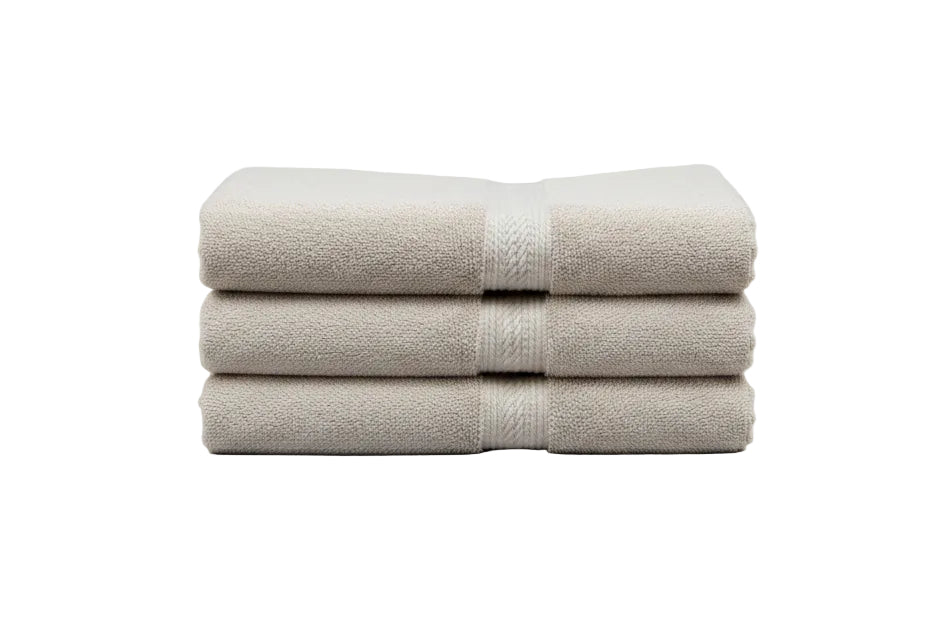
Hand towel
2Nice to haveA towel near the door lets you dry your face, hands and hair as you come in.
How to use it: Keep a clean one by the entrance and wash it often.
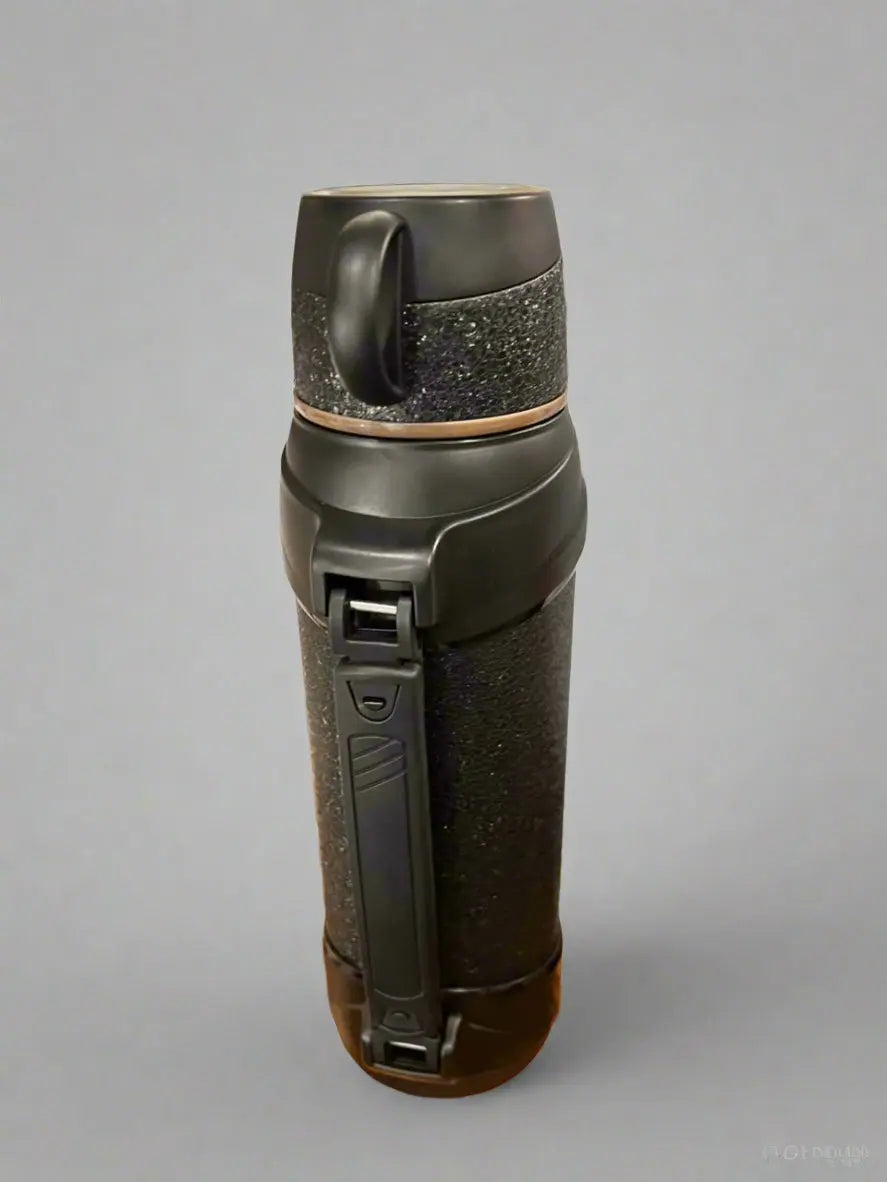
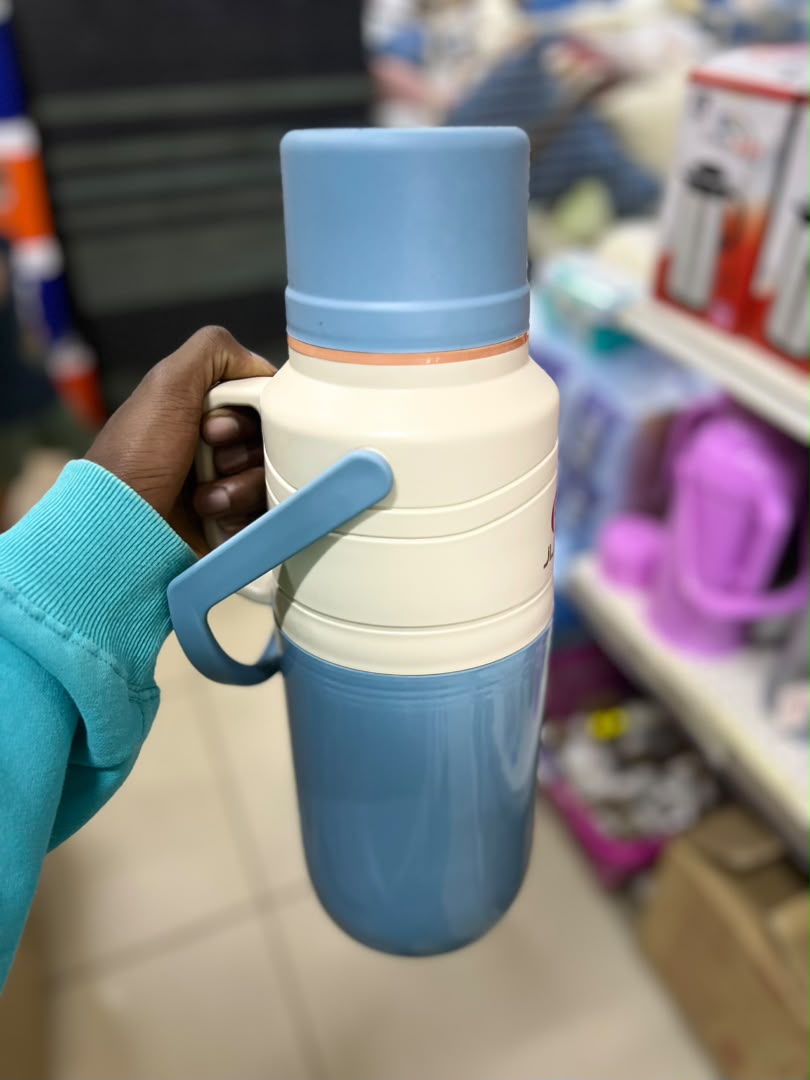
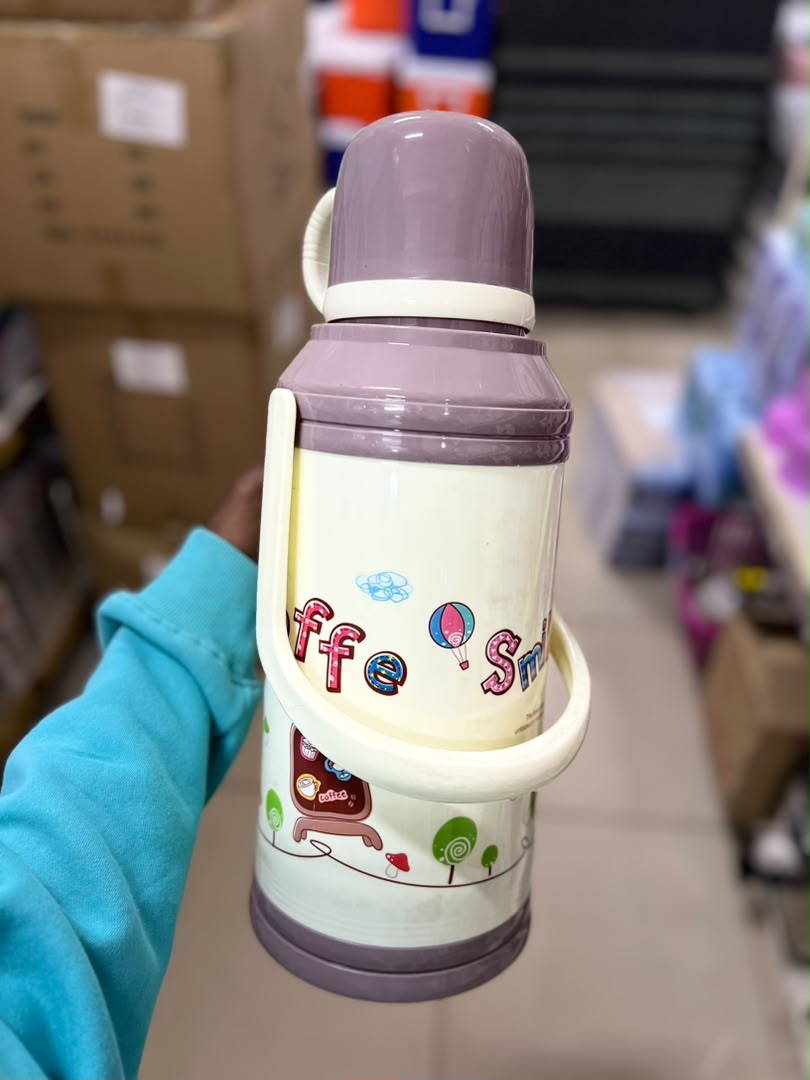
Thermal flask
1Nice to haveHot tea or water during a cold wet evening is a small comfort that helps.
How to use it: Fill with hot water in the morning. Rinse after use and leave the lid open to dry.

Damp and mold
Mold grows where air is still and walls stay wet. Prevent it early.
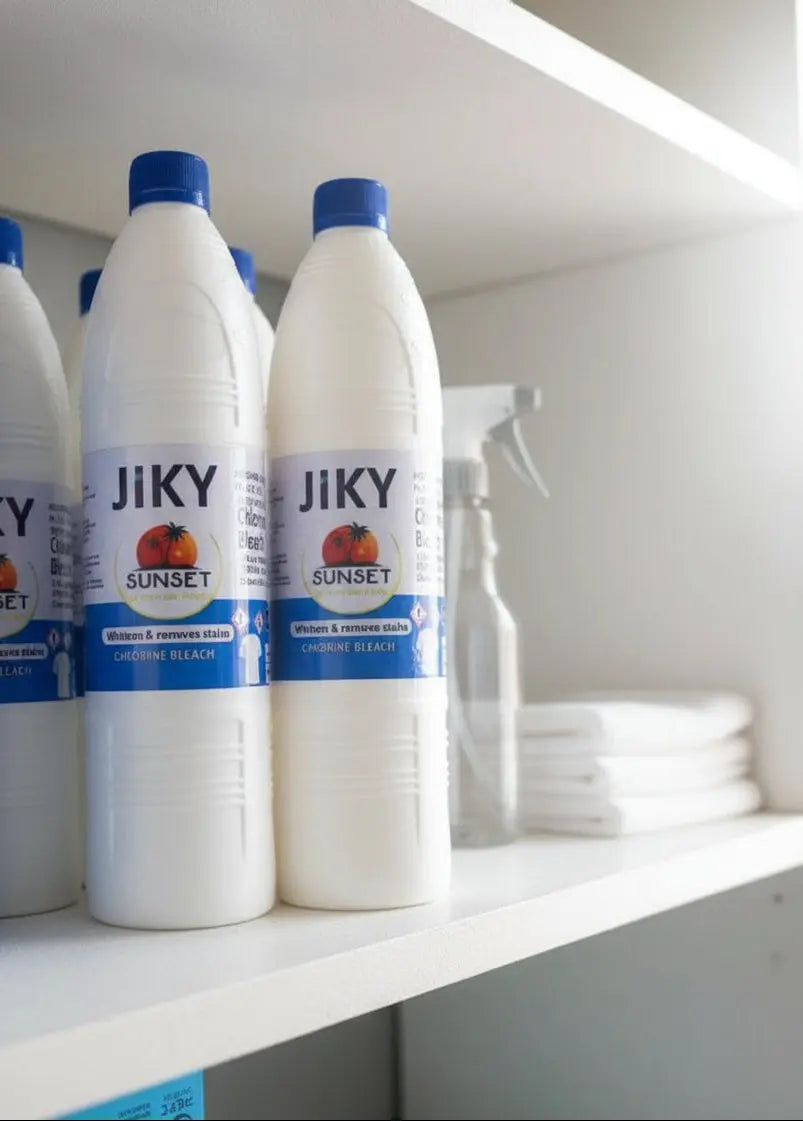
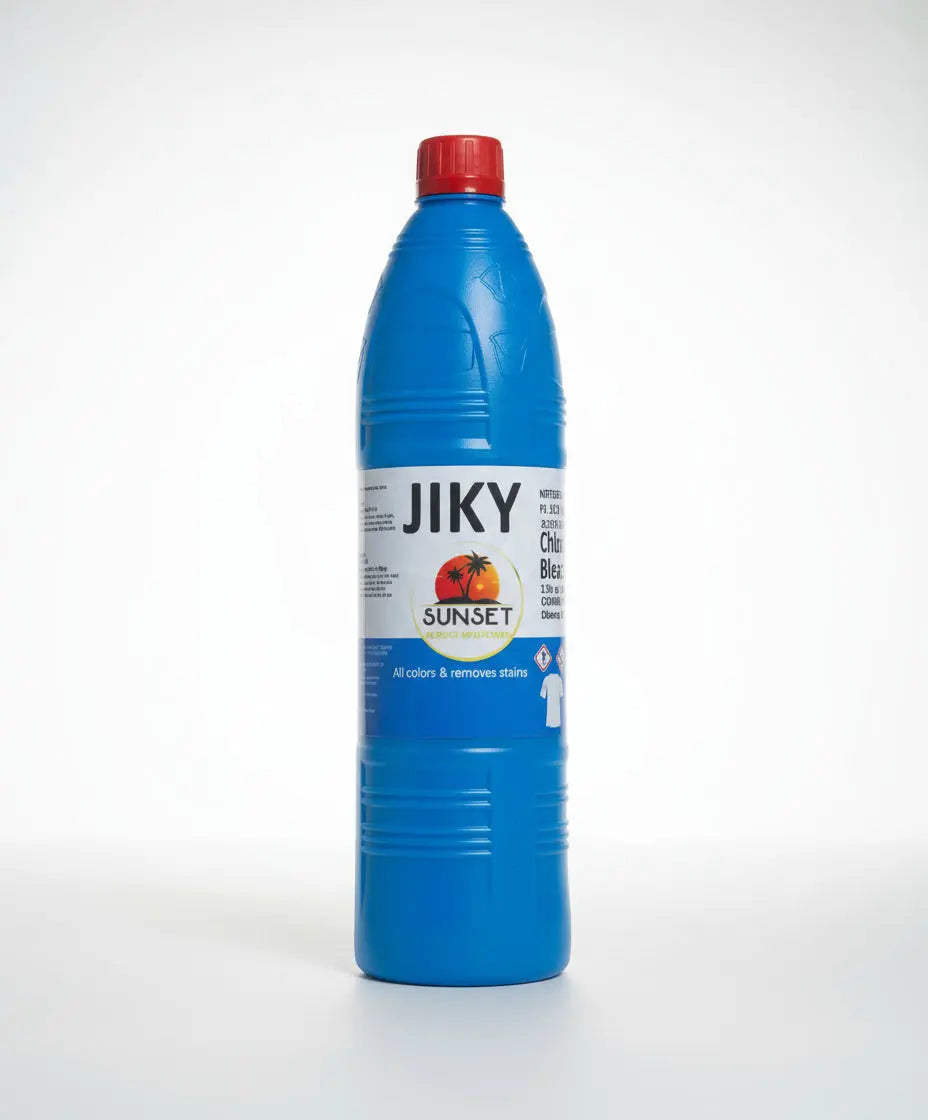
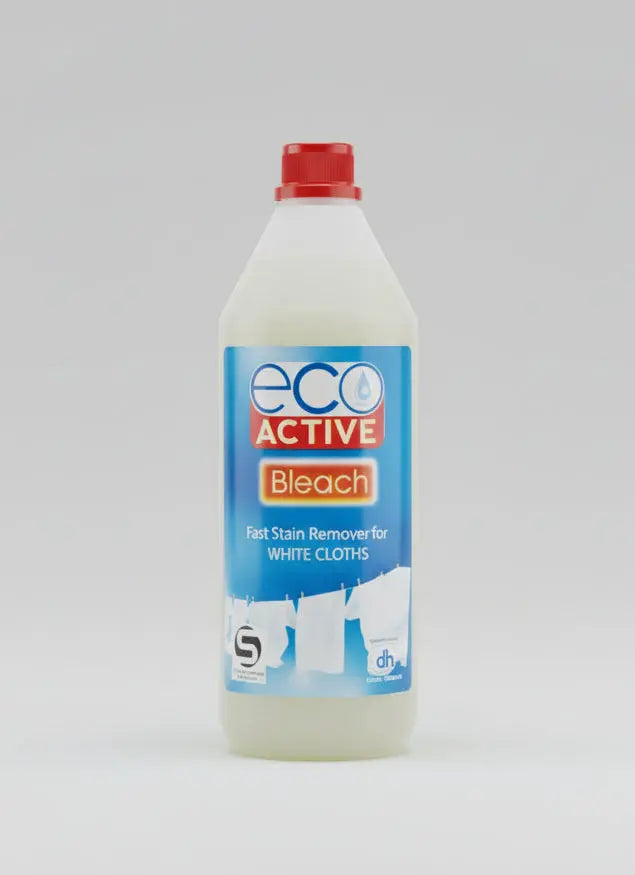
Bleach
1 bottle Must haveDiluted bleach helps remove light mold on hard surfaces such as tiles and bathroom walls.
How to use it: Follow the label, ventilate the room and wear gloves. Never mix bleach with other cleaners.
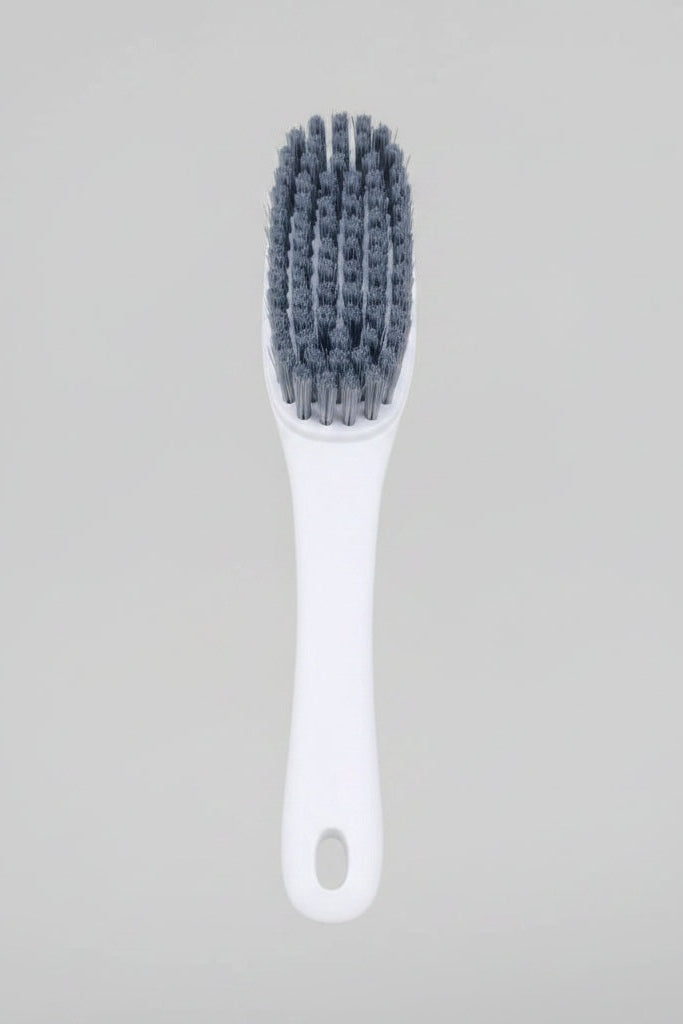
Scrub brush
1Nice to haveA firm brush removes mold and mud from grout, corners and shoes.
How to use it: Scrub in small circles and rinse with clean water.
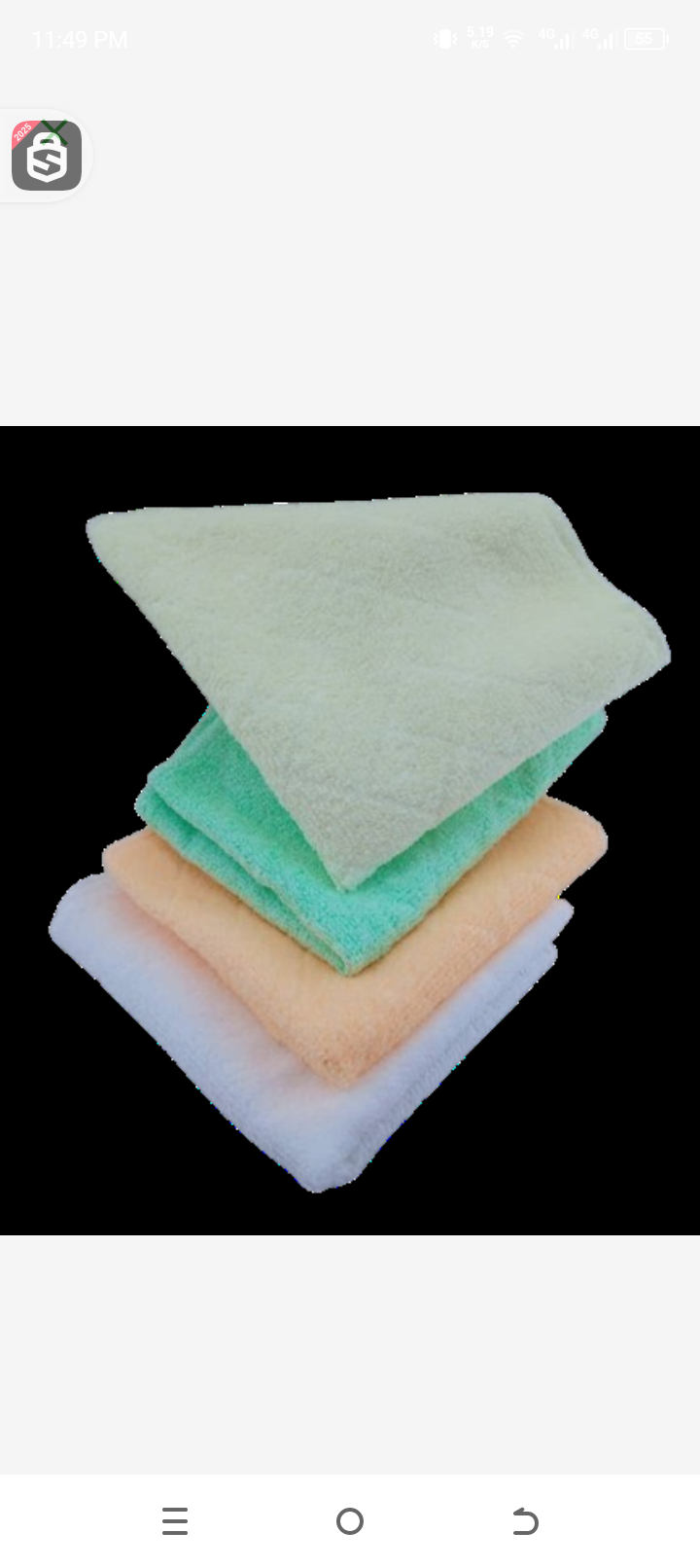
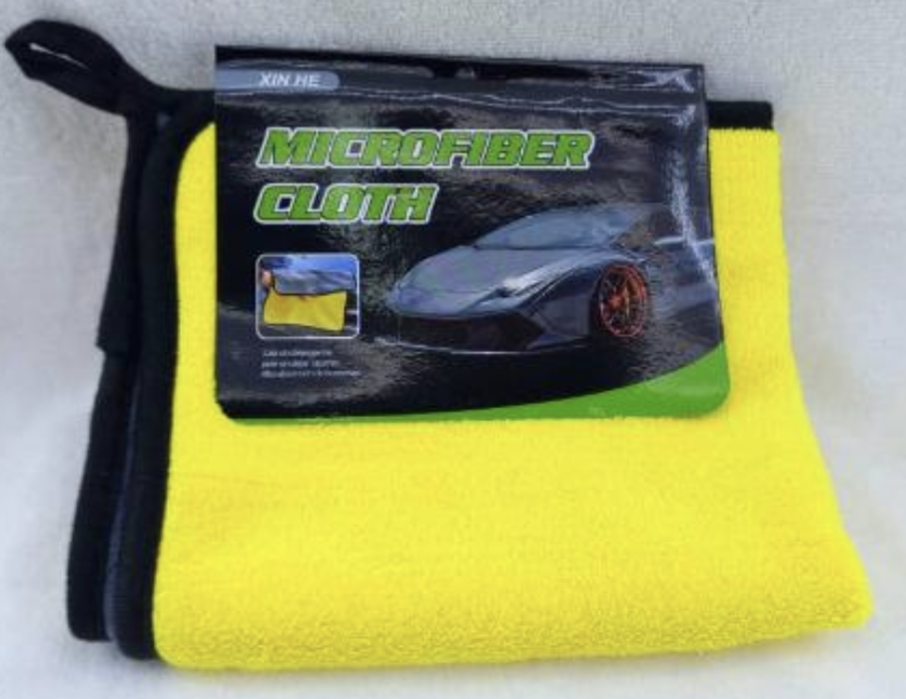
Microfiber cloth
3 to 5 Must haveA good cloth wipes wet windowsills and walls so damp does not stay.
How to use it: Wash after every use and let it dry fully.
Damp absorber
1 per roomNice to haveClosets and storage corners stay damp in the rainy season, and clothes can smell.
How to use it: Place it in a closed cupboard and replace it as the pack says. If none is on Isokko, open doors and windows between showers.
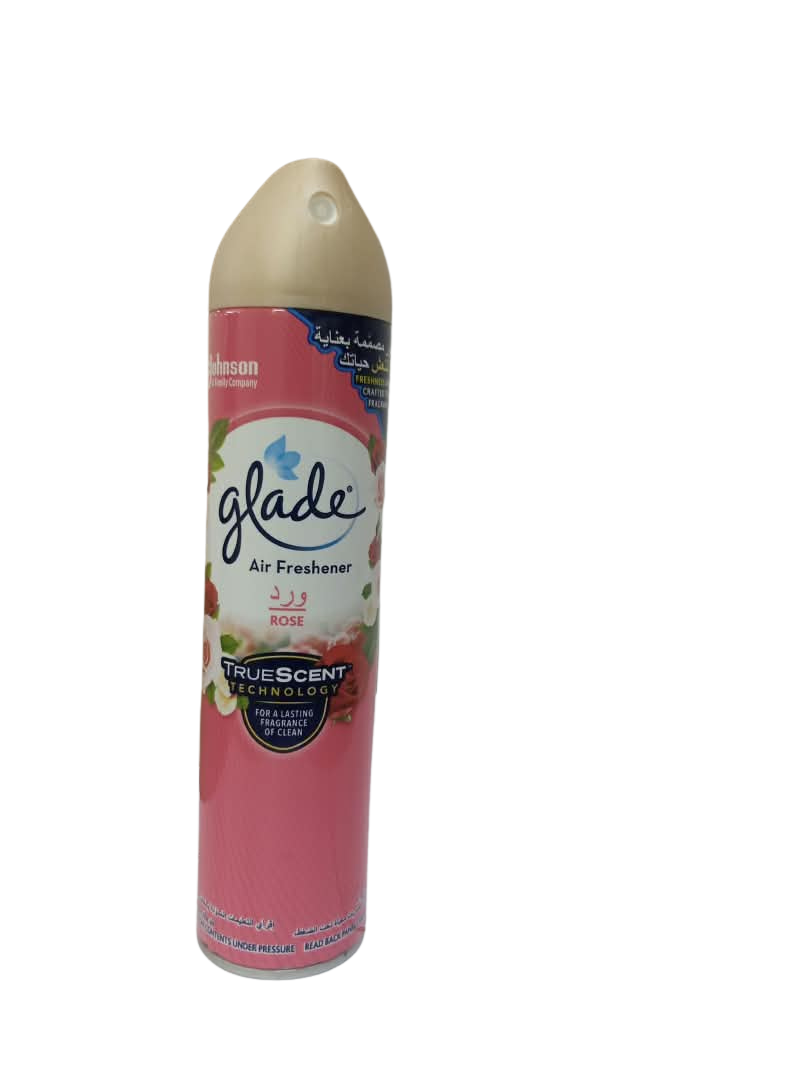
Air freshener
1Nice to haveWet weather can make rooms smell stale. A light freshener helps while you fix the cause.
How to use it: Use sparingly. It hides smell, it does not remove mold, so still clean the cause.




Laundry in the wet season
Washing can take days to dry. Plan a drying space indoors.
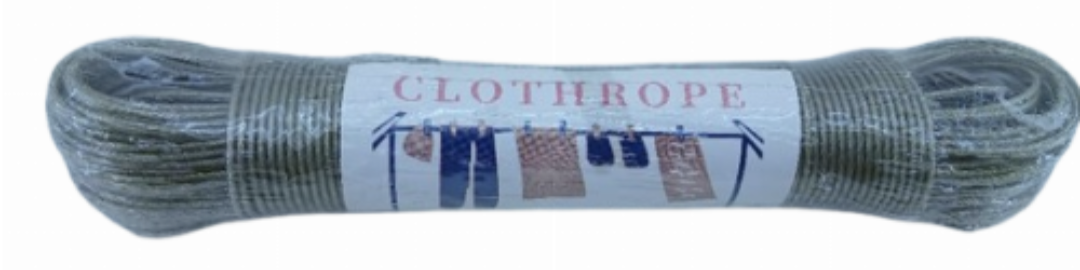
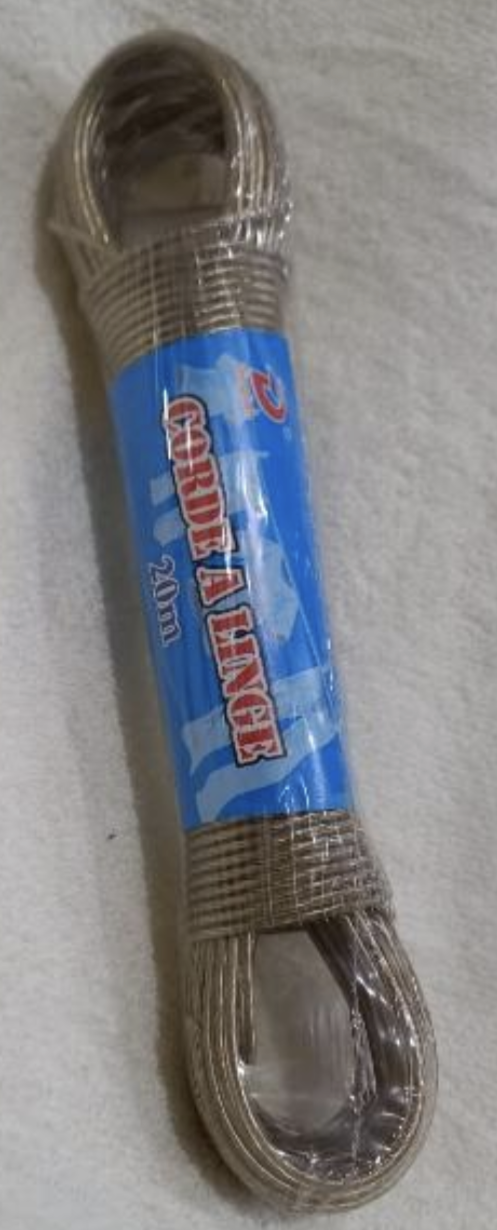
Clothesline
10 m or more Must haveA line across a covered balcony, corridor or room gives you space to dry laundry.
How to use it: Fix it to strong points. Keep clothes spaced so air can move between them.
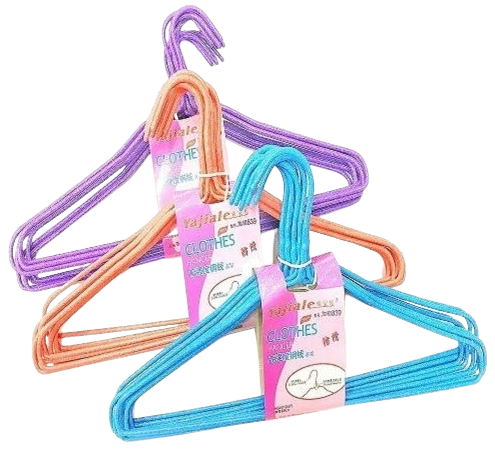
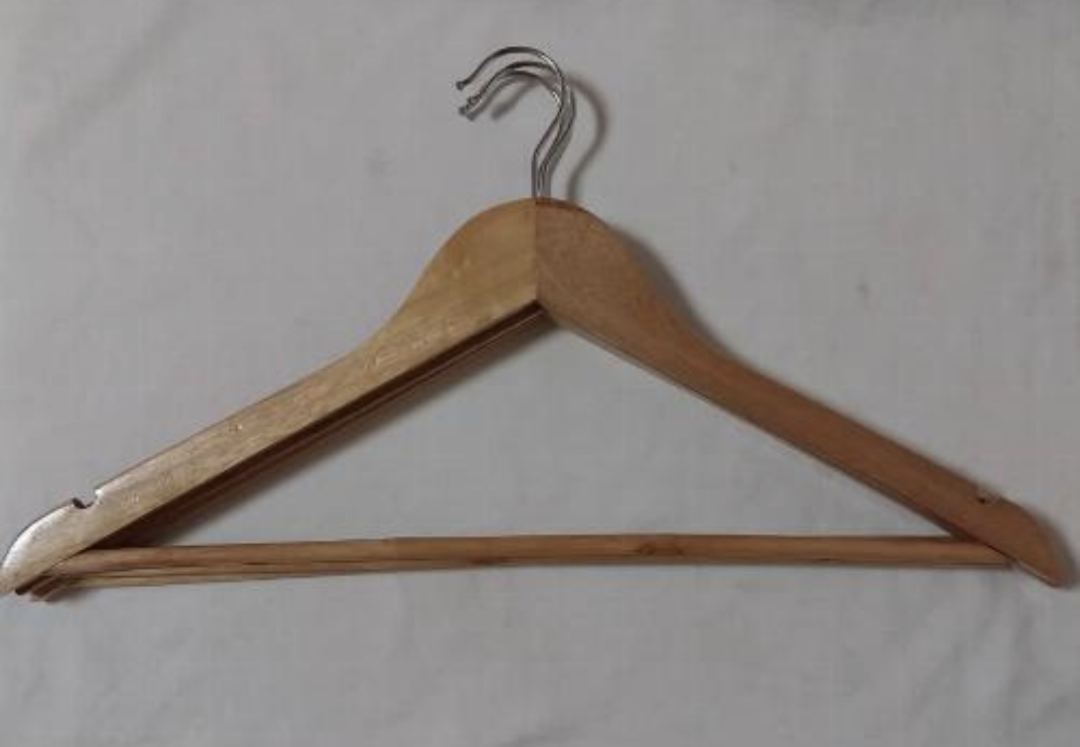
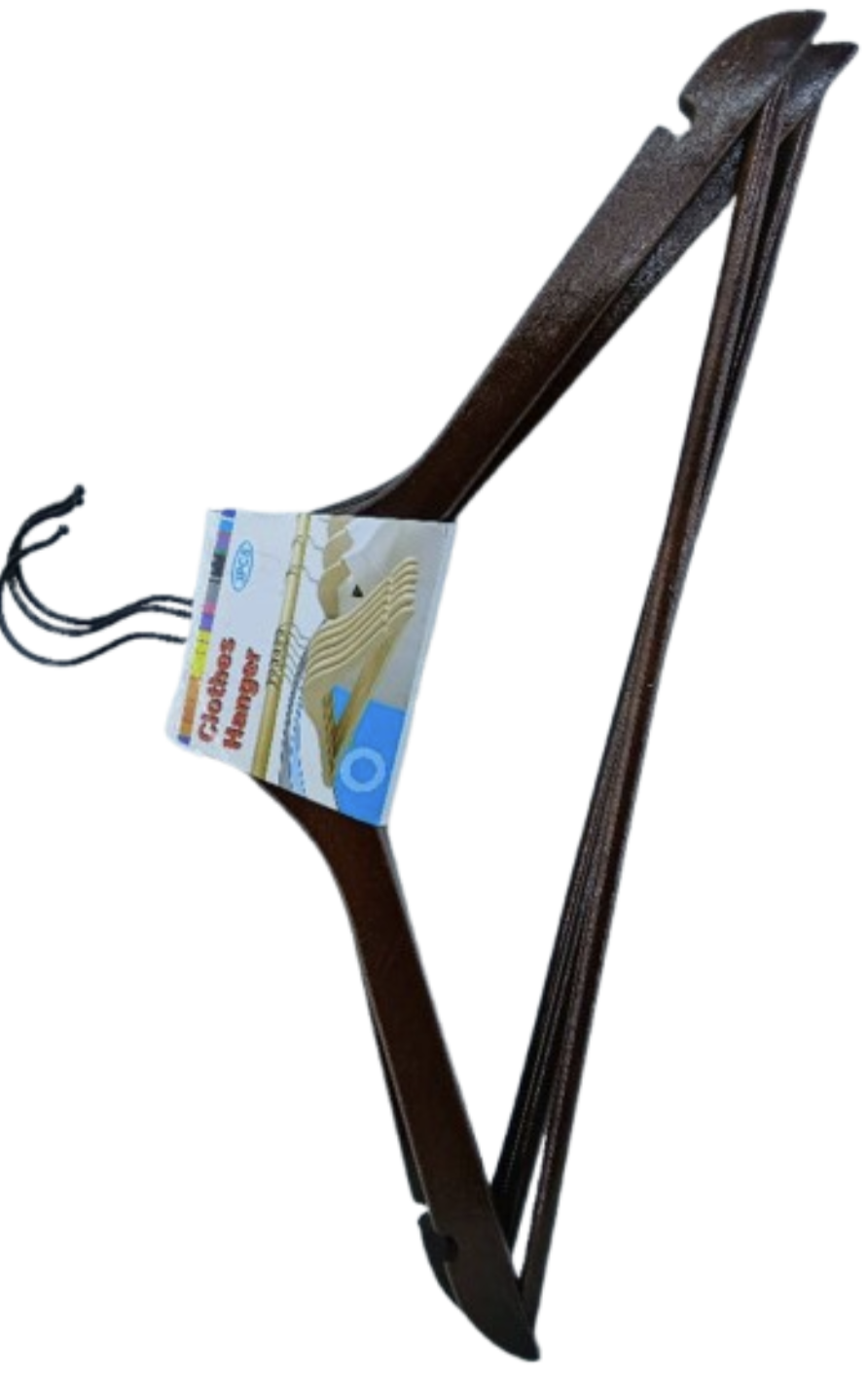
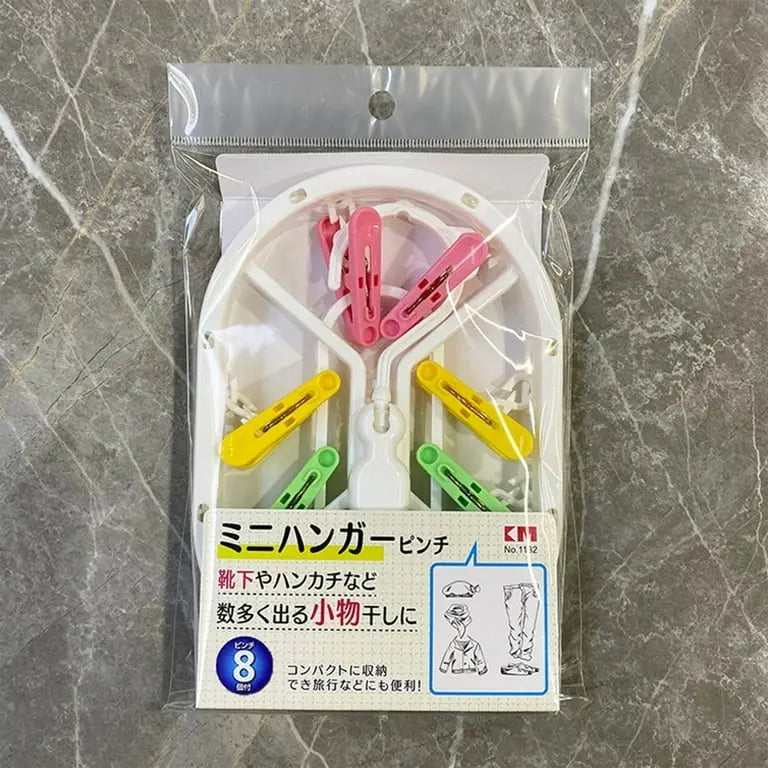
Clothes hangers
10 Must haveHanging shirts and dresses lets them dry faster than a folded pile.
How to use it: Hang them on the line or a rail near an open window.
Folding drying rack
1Nice to haveA rack dries small items such as socks and underwear in a corner of the room.
How to use it: Place it near a window with airflow. Do not stack it too full.
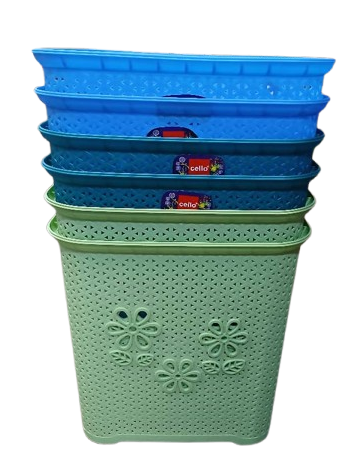
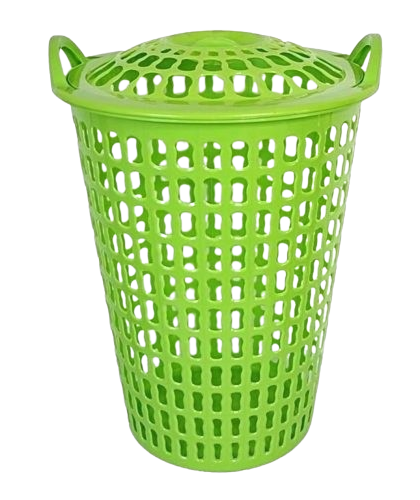
Laundry basket
1 or 2Nice to haveDamp clothes left in a pile get moldy. A basket with holes lets them breathe.
How to use it: Use one for clean clothes and one for dirty. Empty it often.


Storm and power cut basics
Storms can bring power cuts. Be ready before the evening.
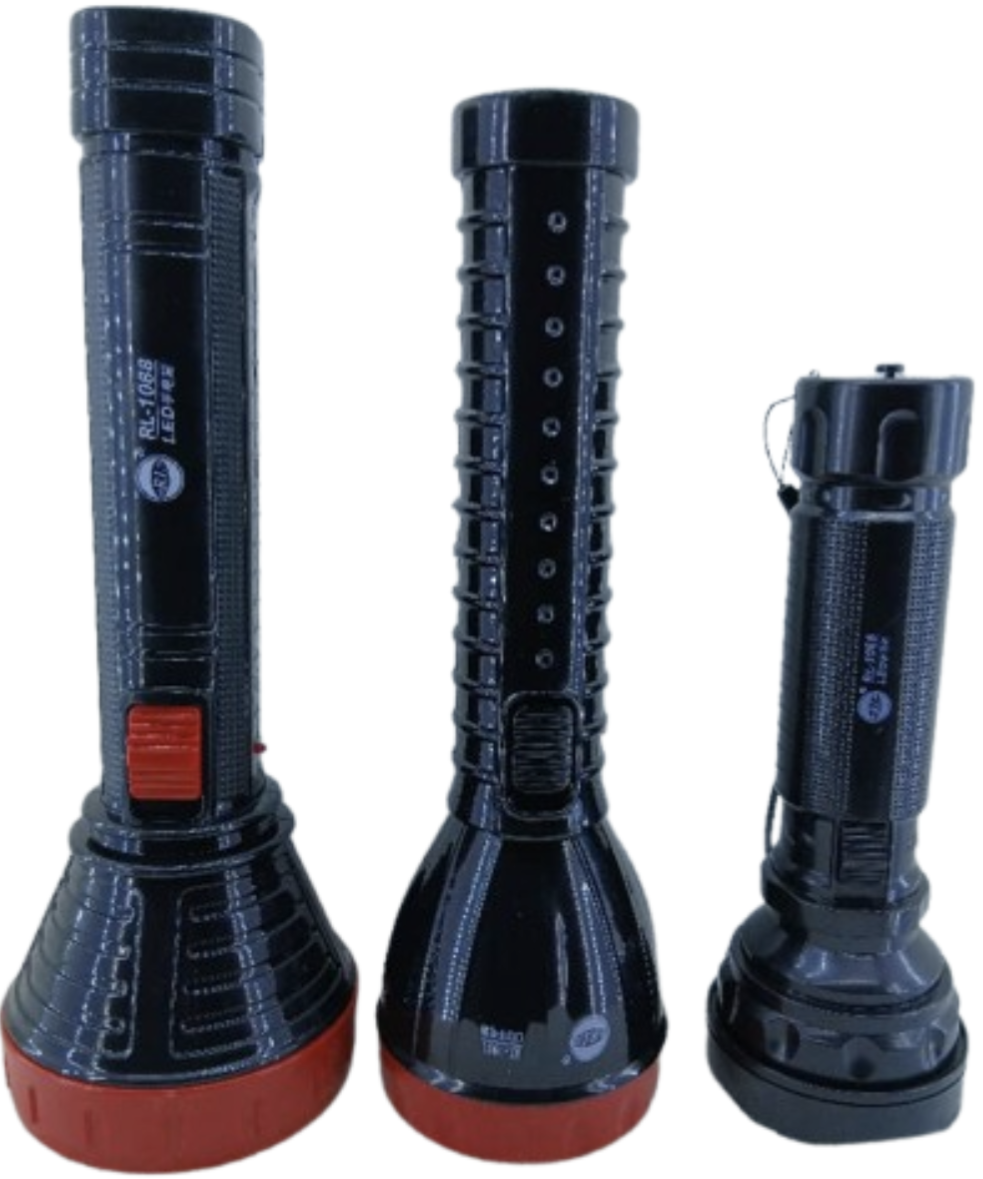
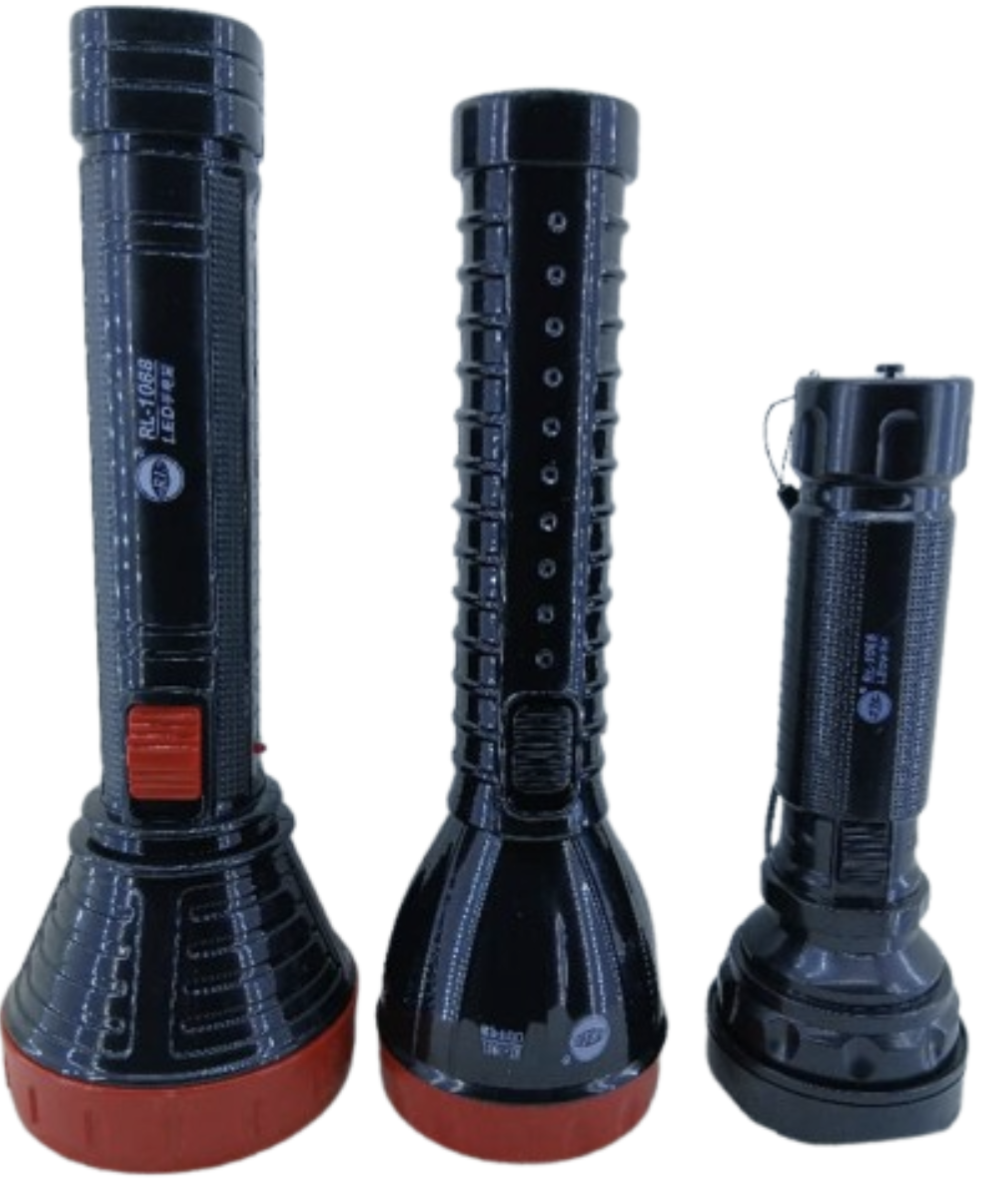
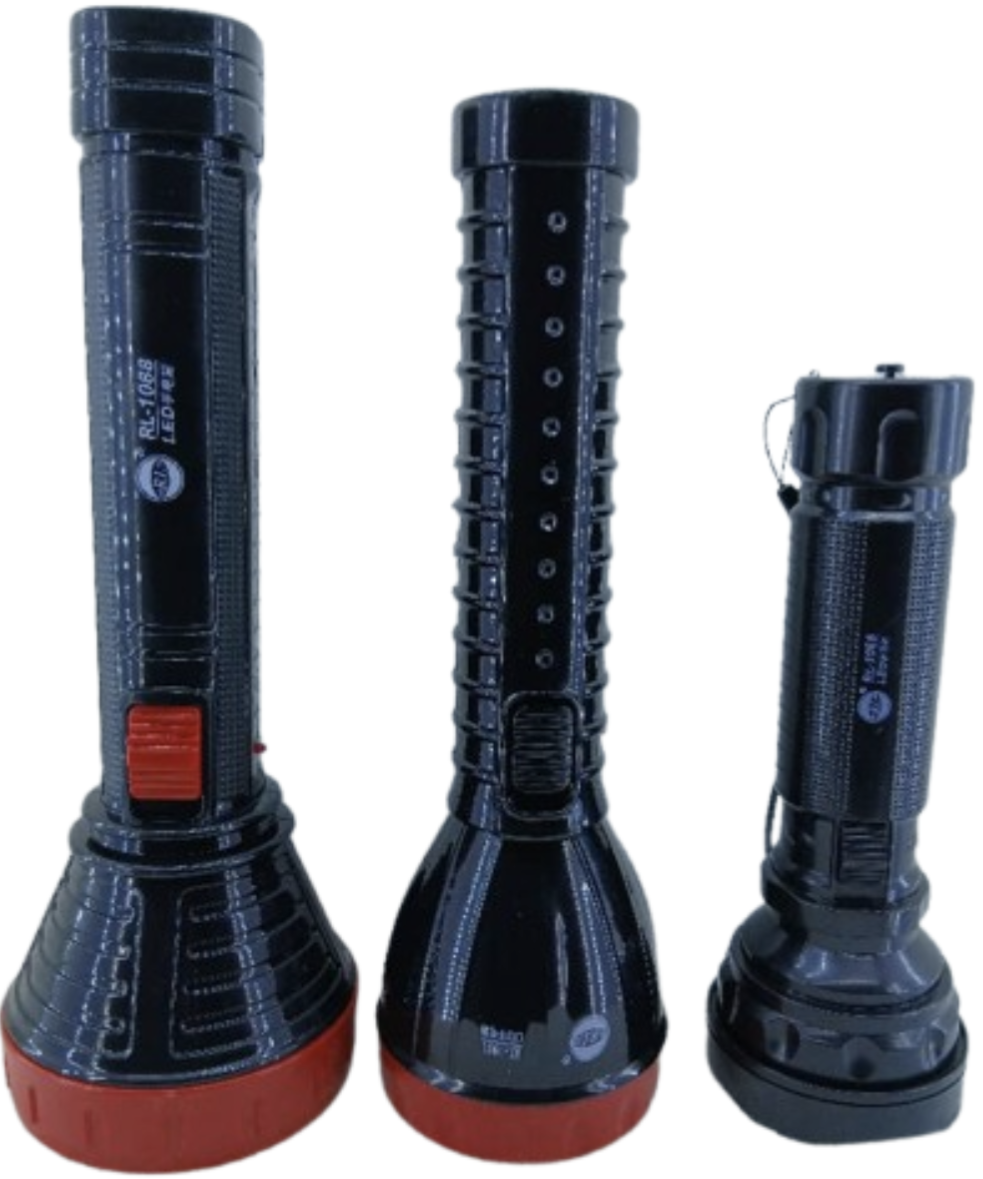
Torch
1 per adult Must haveA torch is safer than a candle for moving around the house.
How to use it: Charge it weekly and keep it in a place everyone knows.
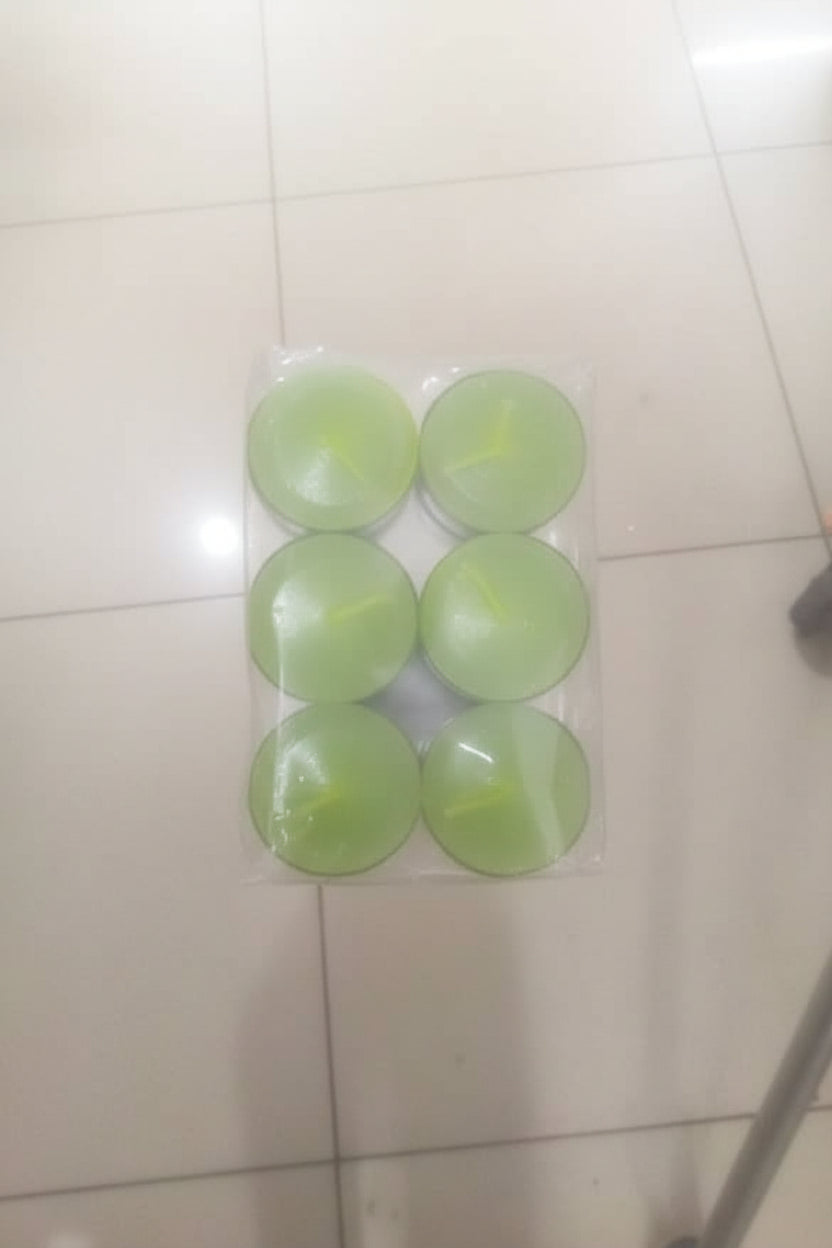
Candles
1 packNice to haveA backup light when the torch battery runs low.
How to use it: Use a stable holder, keep them away from curtains and never leave them burning when you leave the room.
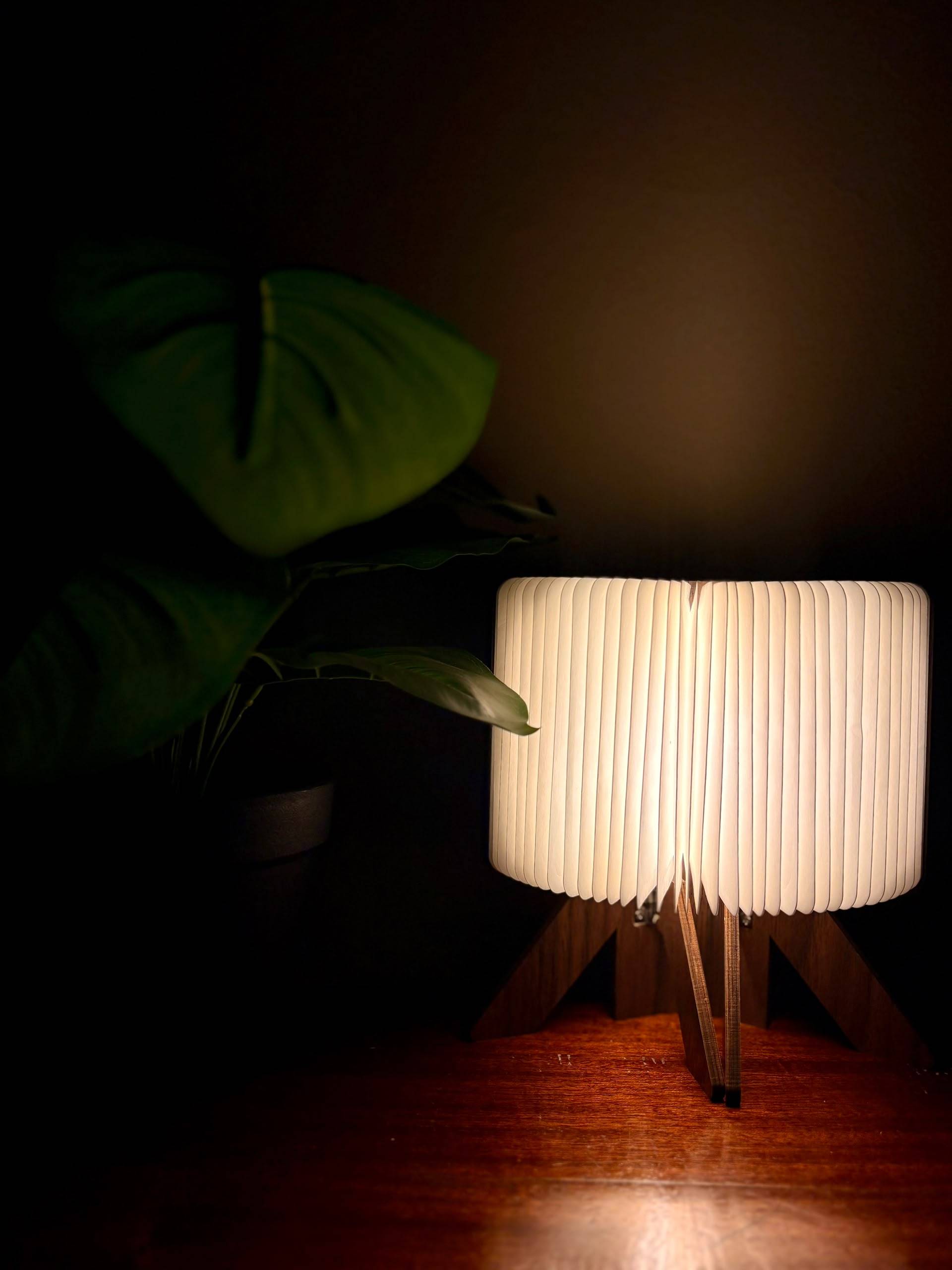
Rechargeable lamp
1 Must haveA lamp lights a whole room for a long evening when power is out.
How to use it: Charge it fully when the power is on and keep the cord in the same spot.
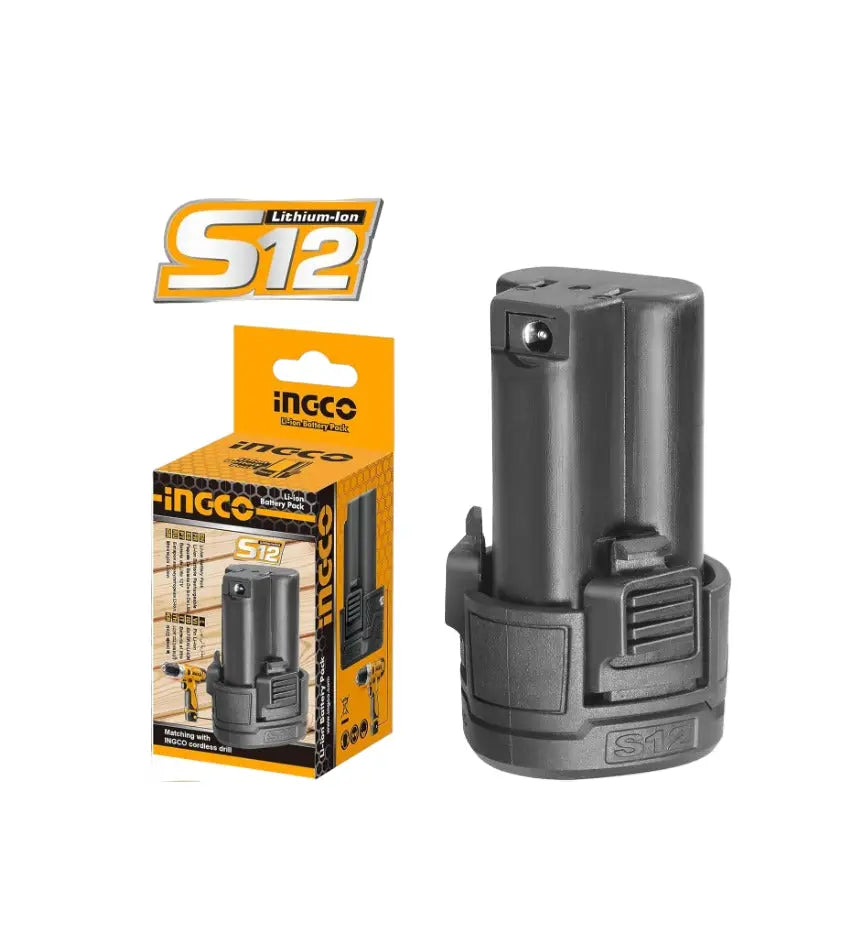
Spare batteries
2 packsNice to haveTorches and radios fail at the worst time without spares.
How to use it: Store them in a dry place, in their pack, away from metal objects.




Step by step
- 1
Two weeks before
Walk around the house and compound. Look at the roof edges, gutters, windows and drains. Write down anything leaking, blocked or cracked and ask your landlord about the roof.
- 2
One week before
Clear drains and gutters, seal small gaps you are allowed to fix, and buy mats, cloths, a mop and cleaning supplies.
- 3
Before the first storm
Put mats at the door, set up your clothesline, and place your umbrellas, rain coats and torches where everyone can find them.
- 4
Every week of the rains
Wipe damp spots, empty buckets, wash mats and check for new leaks. Small problems are easier to fix early.
Tips that help
- Check your roof after the first heavy rain, not before. That is when leaks show.
- Keep one umbrella by the door and one in your work bag so you never go without.
- Open windows between showers for ten minutes. Moving air dries rooms faster than closed ones.
- Move boxes and sacks off the floor in storage rooms. Damp rises from the ground.
- Ask neighbors about drainage problems on your street. Water problems are often shared.
- Dry mats and shoes in a covered, airy spot, not folded in a closed bag.
Mistakes to avoid
- Waiting until the first storm to look for leaks.
- Mixing bleach with other cleaners, which can create harmful fumes.
- Leaving wet clothes in a basket for days. They grow mold quickly.
- Piling drain debris next to the drain so it washes back in.
- Fixing a rented roof yourself without asking your landlord.
Questions people ask
When are the rainy seasons in Kigali?+
Kigali has two main rainy periods: roughly March to May and October to December. Dates move a little every year, so start preparing a few weeks before.
How do I stop mold in my bedroom?+
Let air move through the room, keep furniture slightly away from the walls and do not dry laundry in the bedroom. Clean light mold with diluted bleach and see your landlord if the wall stays wet.
Who should fix a leaking roof in a rented house?+
Check your rental agreement and talk to your landlord. Take photos and use a bucket to limit damage in the meantime.
How can I dry clothes fast when it keeps raining?+
Hang them on hangers with space between each piece, near an open window or a fan. Wring them well before hanging.
Is it safe to use candles during storm power cuts?+
A torch or rechargeable lamp is safer. If you use candles, put them in a stable holder away from curtains and never leave them alone.
A dry, clean home during the rains comes from small steps done early. Shop the list on Isokko, choose what you need, and have it delivered before the first big storm.
Shop this list
Get everything delivered in Kigali
Order from local stores on Isokko and pay with MoMo, card or cash. Same-day delivery.