
Checklist · Home & moving
Setting Up a Water Storage System for a Family Home in Kigali
Plan water storage for a Kigali family home with tanks, jerrycans, buckets and safe drinking tools. A practical checklist for irregular water supply.
Updated November 26, 2026 · By Isokko
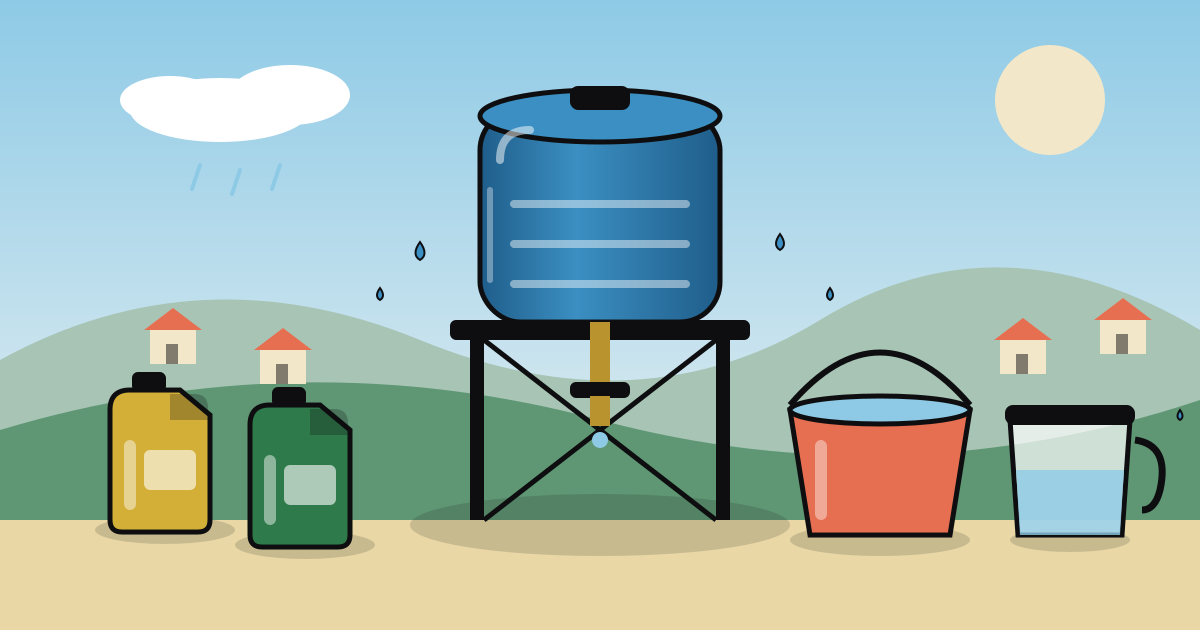
In many parts of Kigali the tap runs only at certain hours or days, and some homes wait for a water truck. A good storage system means you are never caught with an empty tank in the middle of cooking, bathing or laundry.
This checklist covers the full chain: how you collect water, where you store it, how you keep it clean and how you serve it safely for drinking. You can start small with jerrycans and buckets, then add a tank when your budget allows.
Ask your landlord or a plumber before installing a tank on the roof or connecting pipes. Water for drinking should always be treated or boiled.
Who it's for
Families in Kigali whose taps run dry for hours or days
Time needed
One weekend to plan and install, then a few minutes each week to check
When to shop
Before the dry season, or as soon as the supply becomes irregular
On the list
23 items, 10 must haves
0 of 23 ready
Collecting and carrying
Water often arrives slowly or at odd hours. The right tools make collecting quick and clean.
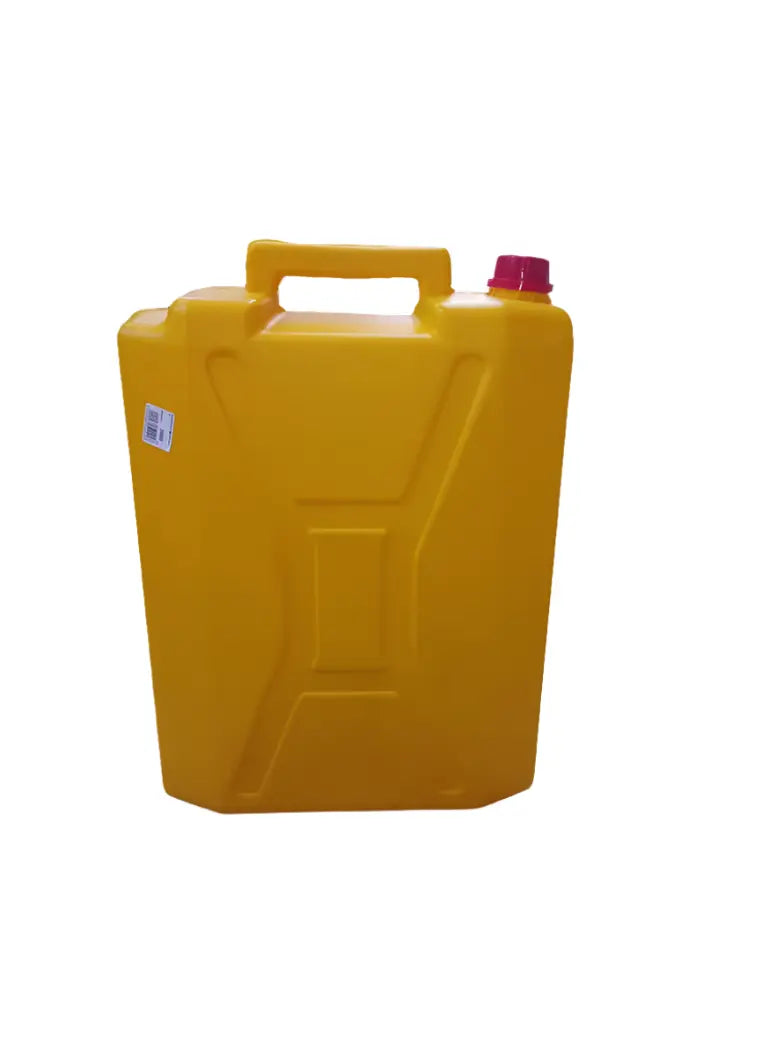
Jerrycan
2 to 4 Must haveJerrycans carry water from a tap, a neighbor or a vendor and can serve as a small store in a corner of the house.
How to use it: Wash a new can with clean water before first use. Keep a separate one only for drinking water.
Large bucket
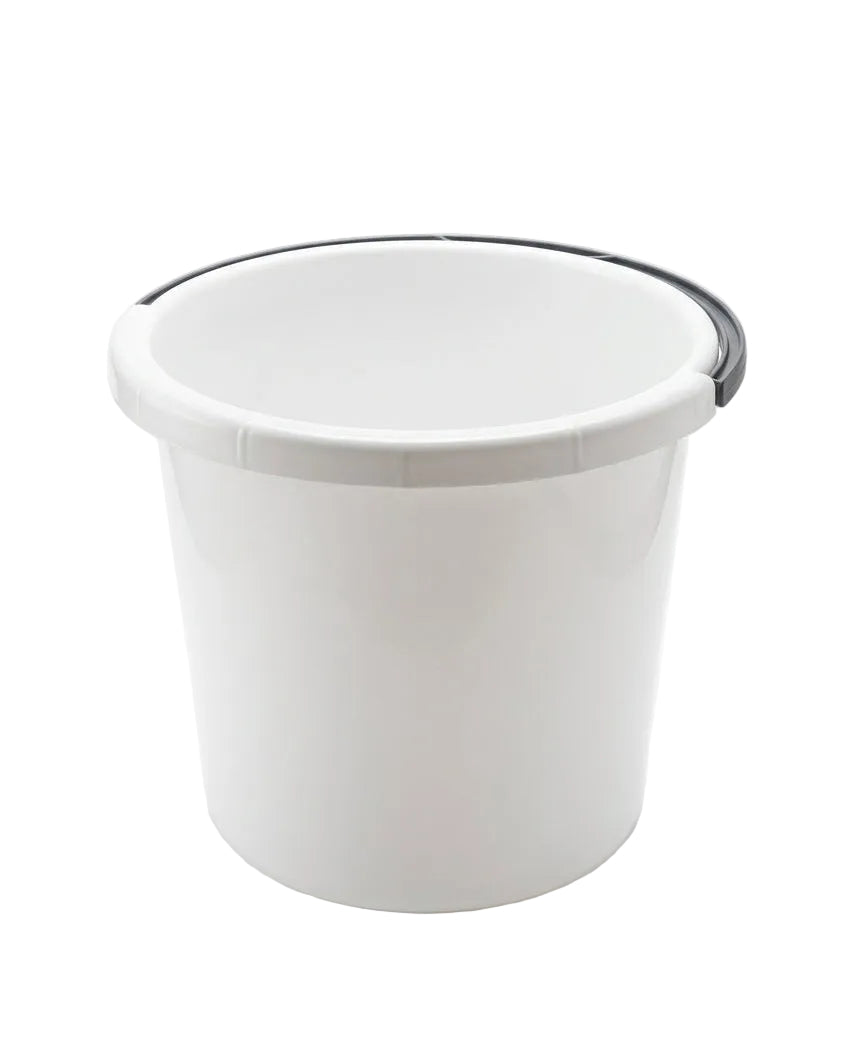
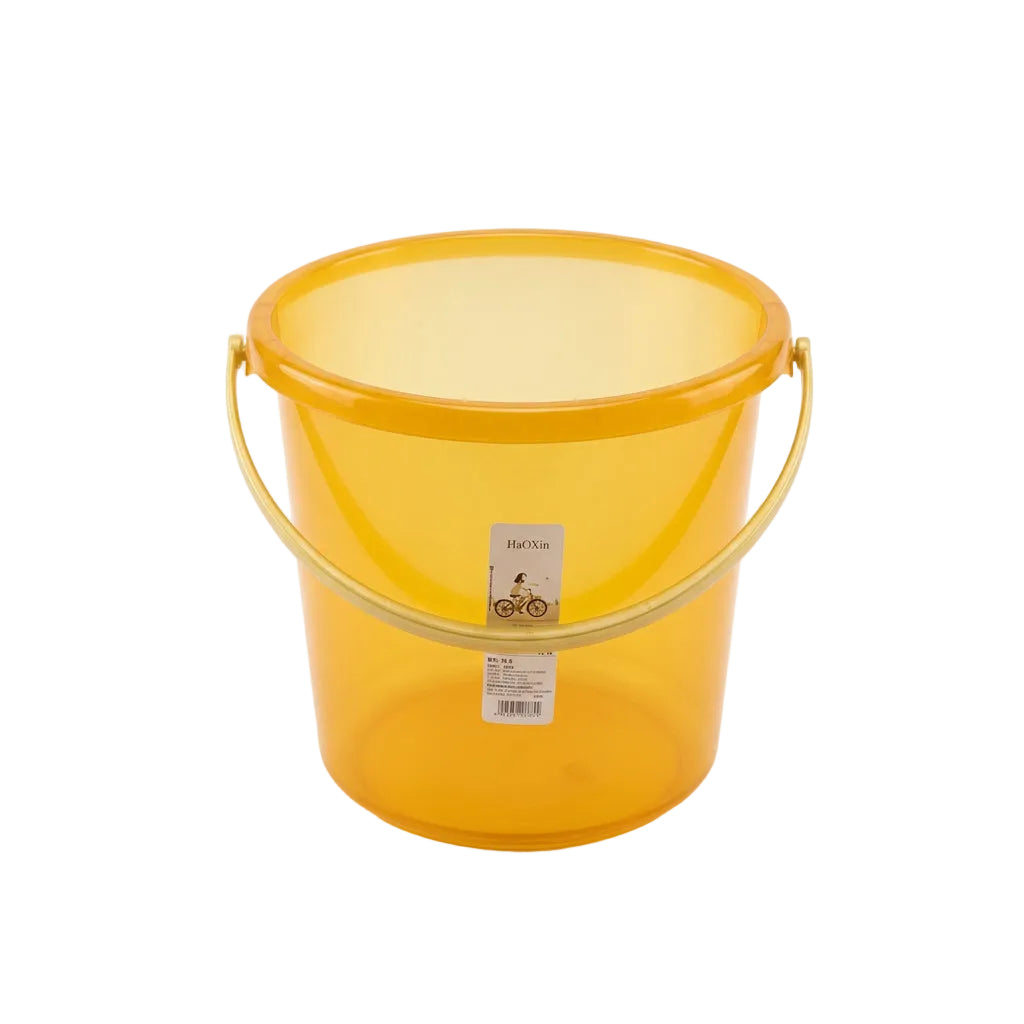
3 Must haveBuckets collect water from a slow tap and hold water for washing and flushing.
How to use it: Choose food-grade buckets with a lid for water that will be used for the body or cooking. Keep a dedicated bucket for cleaning.
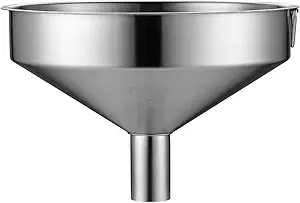
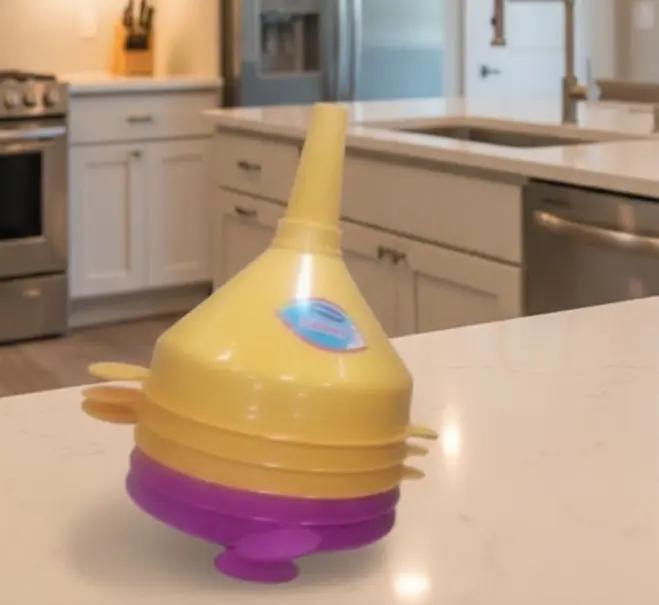
Funnel
1Nice to haveA funnel lets you pour water into narrow jerrycans or bottles without spilling.
How to use it: Wash it before use and let it dry upside down.
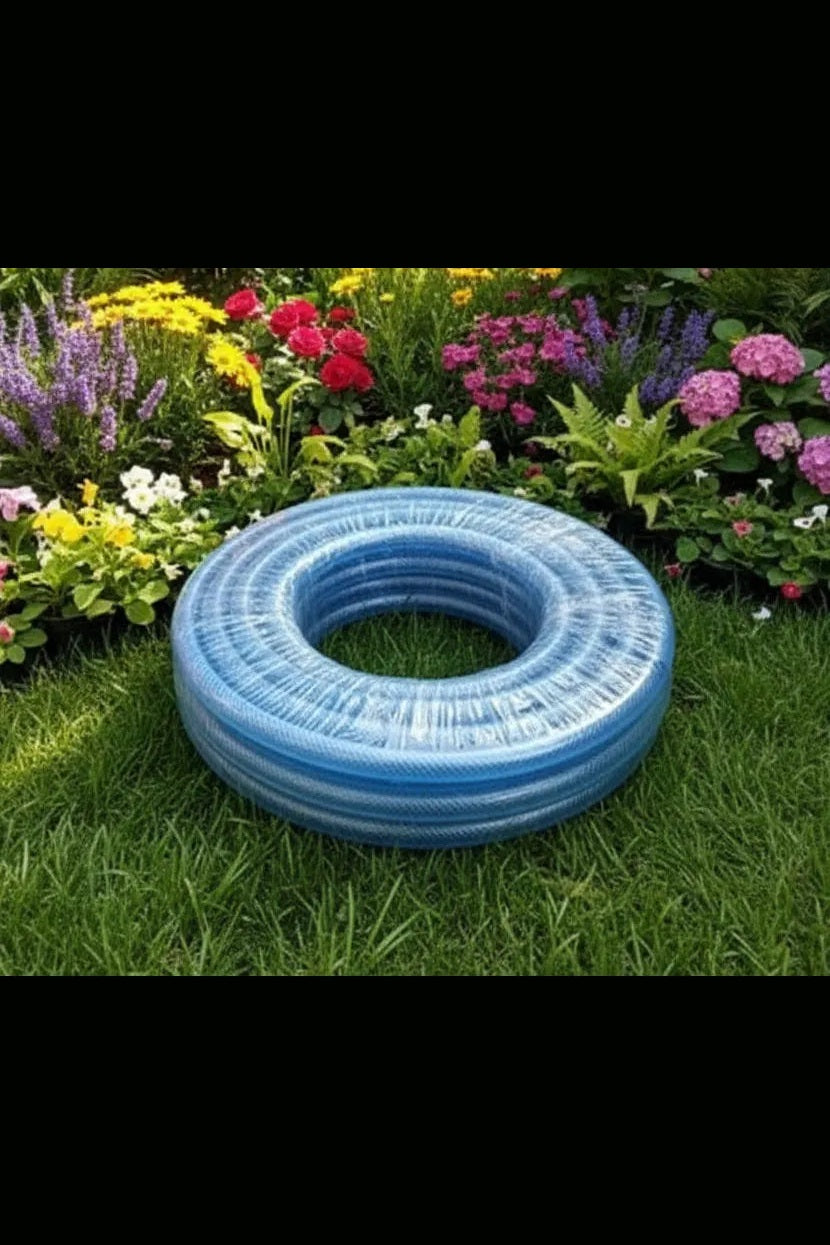
Garden hose
1Nice to haveA hose carries water from a tap to a tank or a bucket and saves many trips.
How to use it: Only use clean hoses for storage water. Check with a plumber if the tap needs a connector.
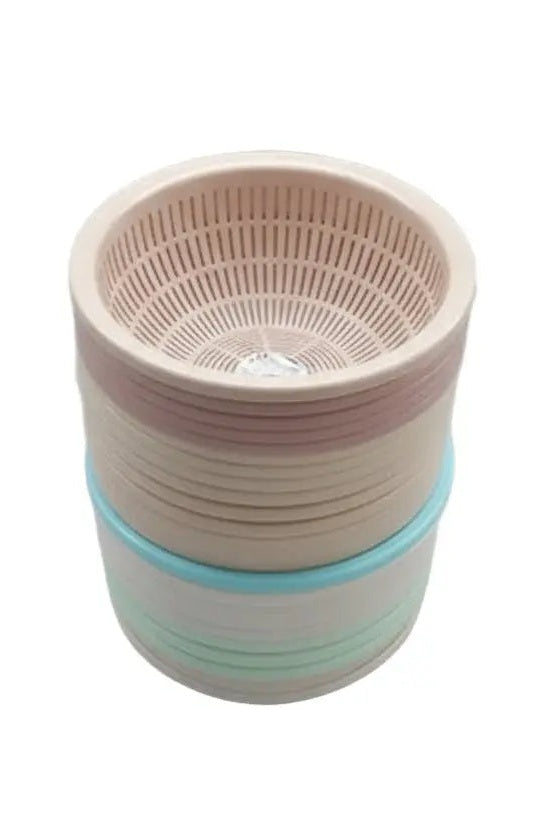
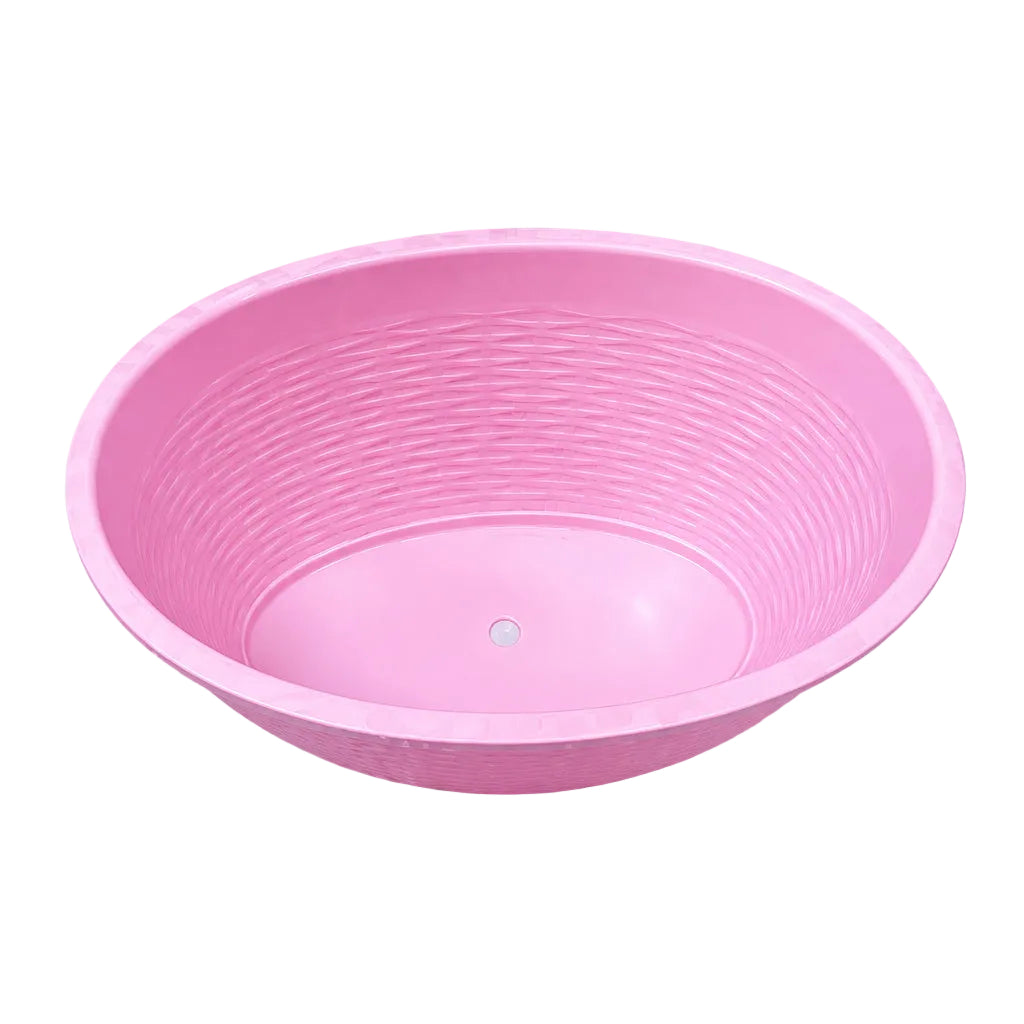
Basin
2Nice to haveBasins hold water for laundry, bathing kids and washing hands without wasting the main tank.
How to use it: Keep one for laundry and one for the kitchen so they do not mix.

Tanks and bigger storage
A tank turns a few hours of supply into days of water.
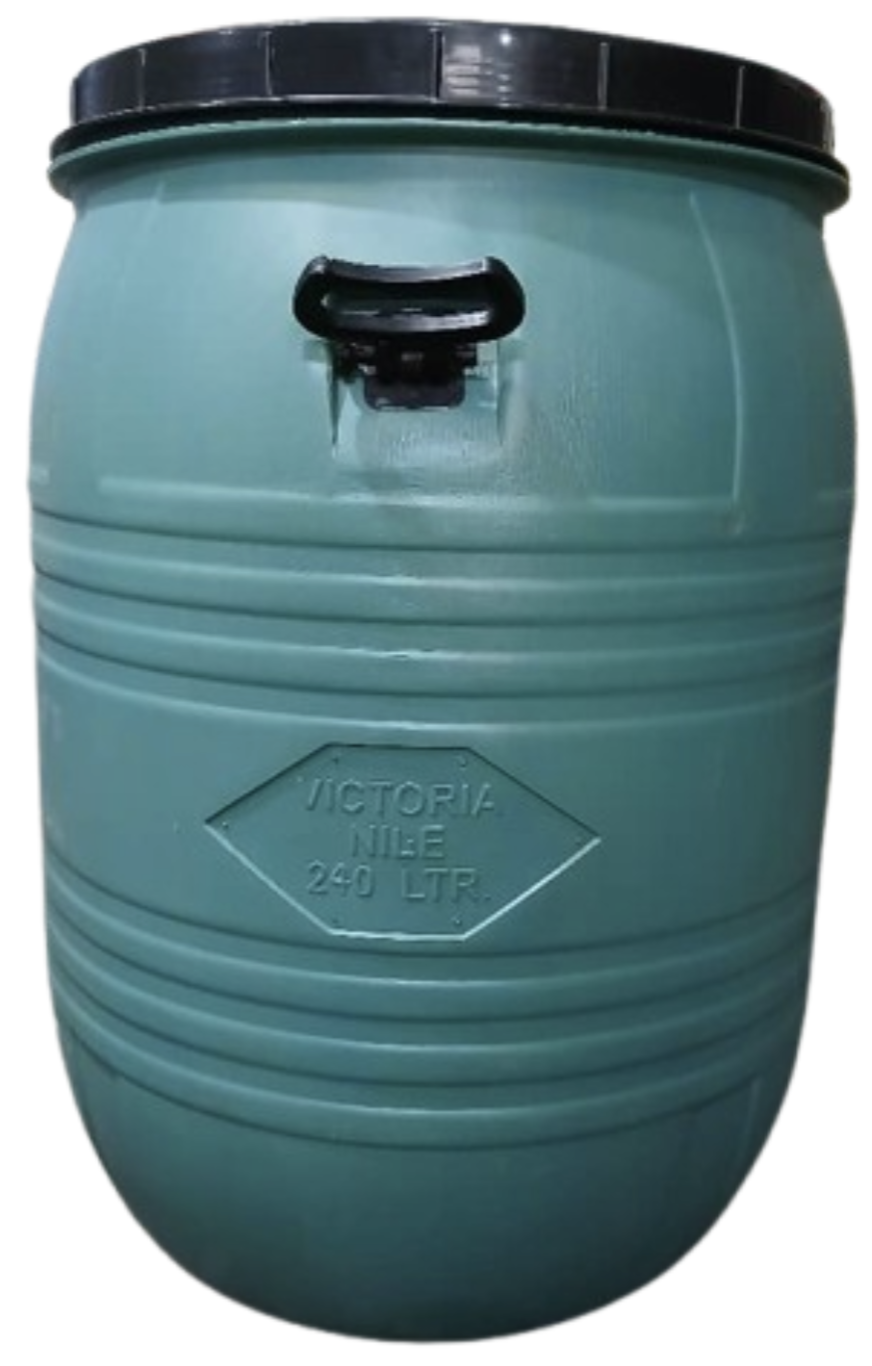
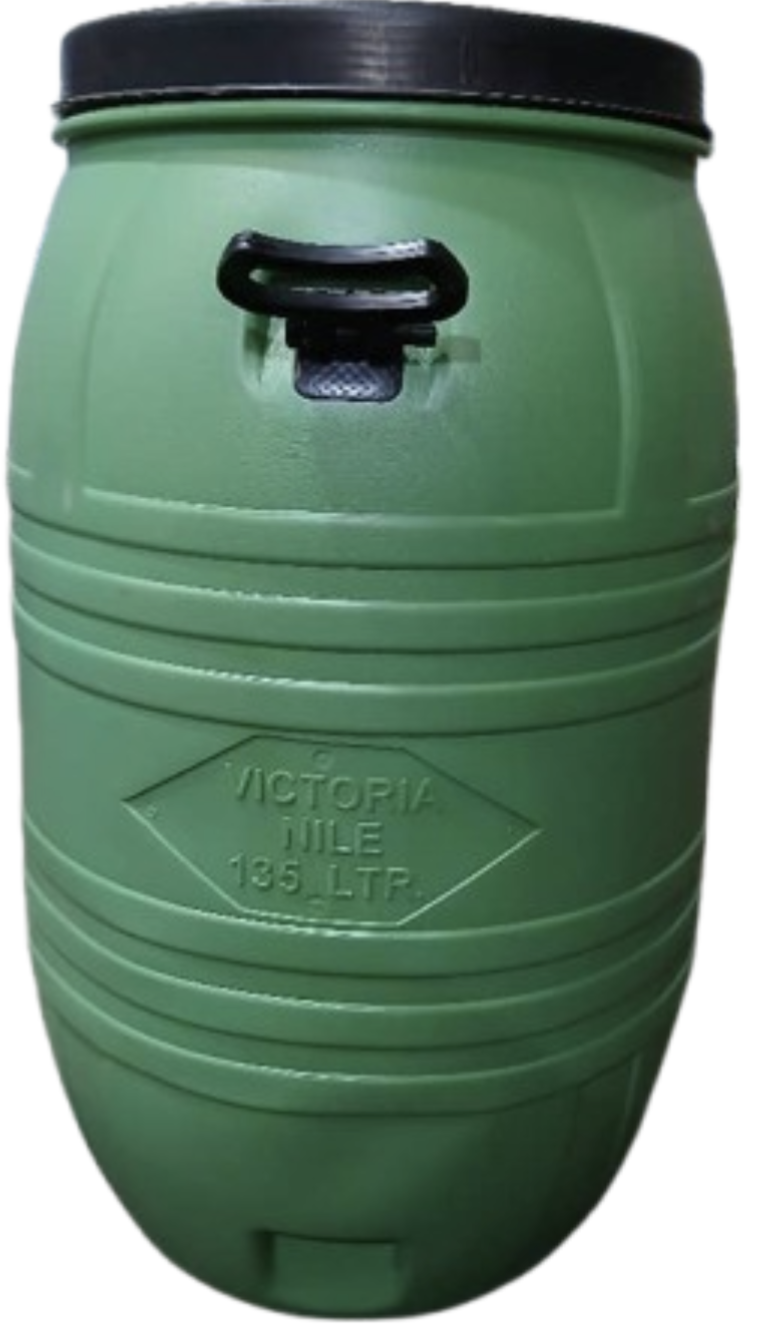
Water tank
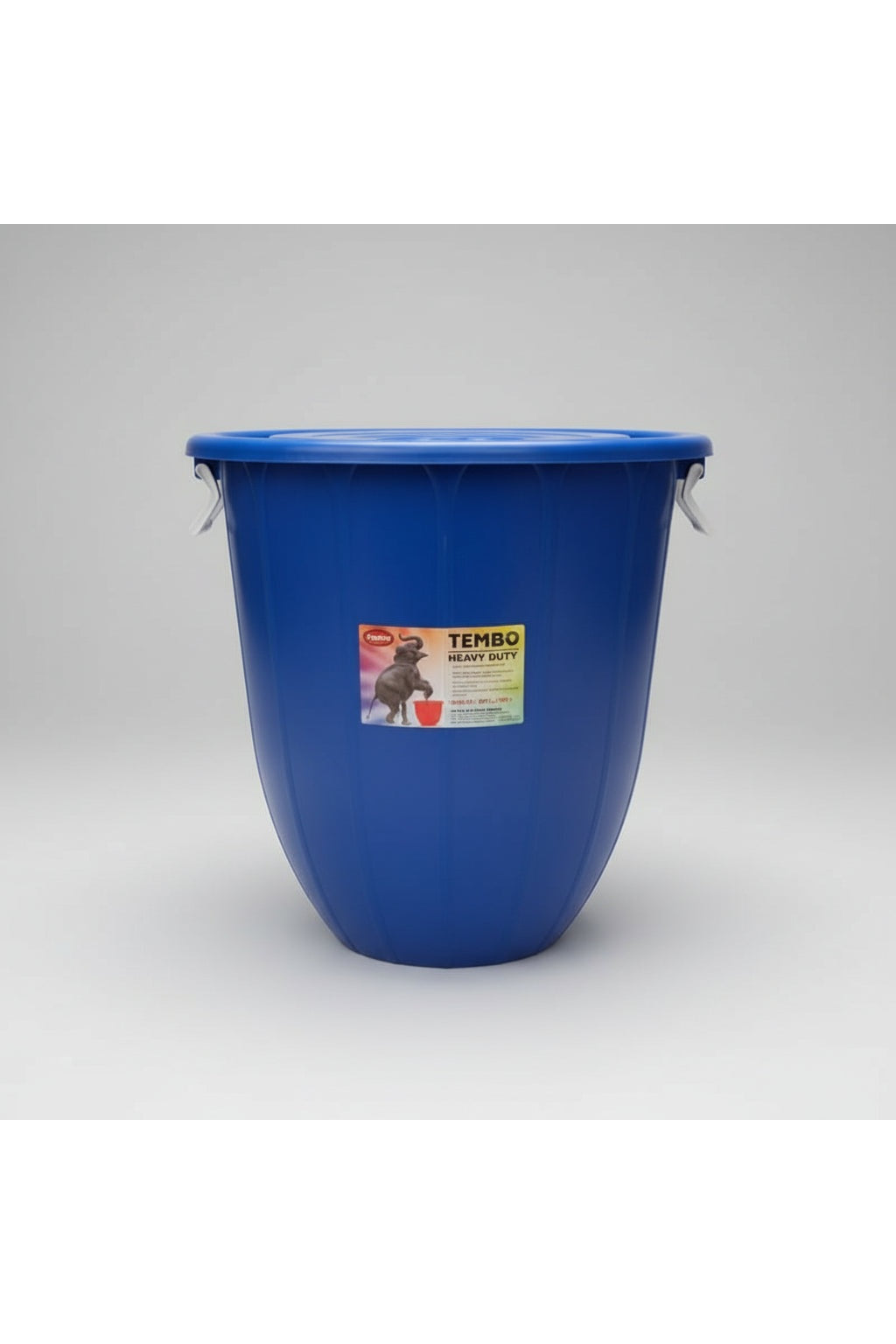
1 Must haveA tank stores water when the tap flows and releases it when it stops. It is the heart of a family system.
How to use it: Choose a size based on the number of people. Place it on a strong stand, in shade if possible, and keep the lid tight. Ask your landlord for permission and a plumber for the fitting.
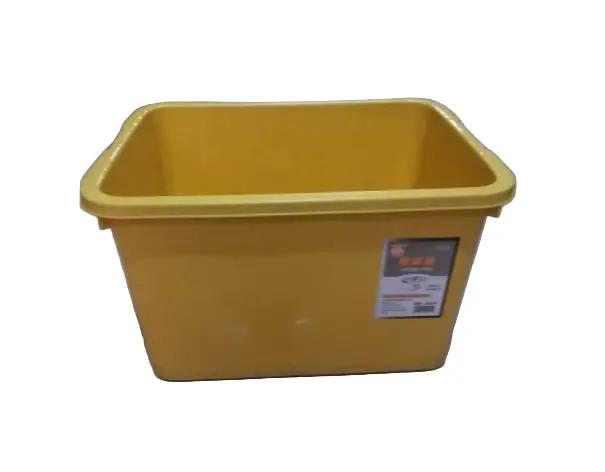
Large lidded bucket
2 Must haveA 20L bucket with a lid works as extra storage and is easy to move.
How to use it: Keep it closed and in a cool spot. Empty and rinse it each week.
Making water safe
Stored water can pick up germs. Treat drinking water before you use it.
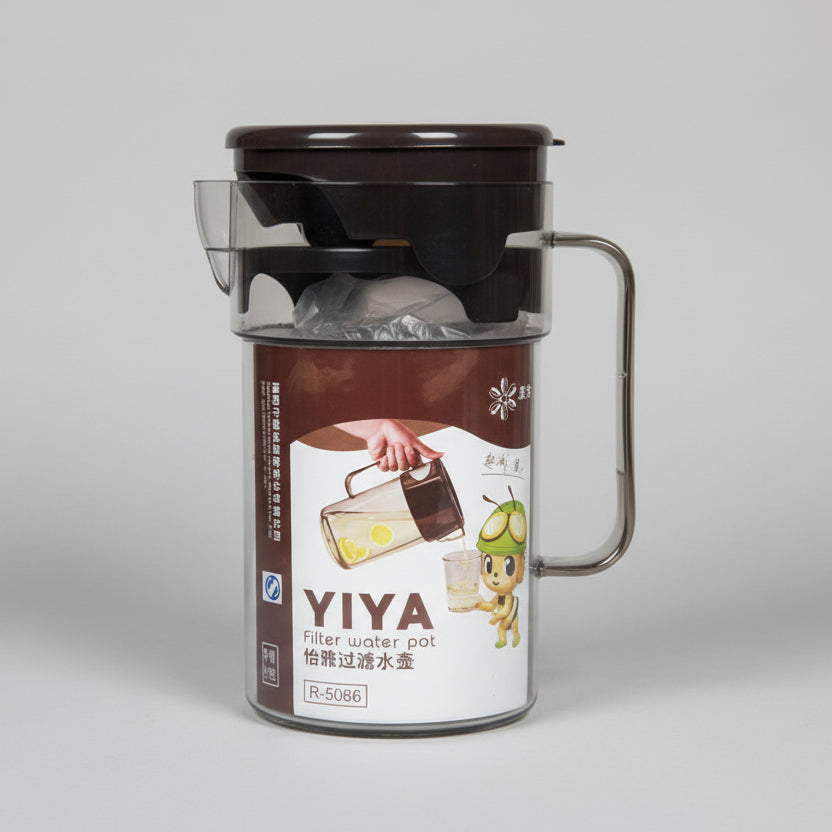
Water filter pitcher
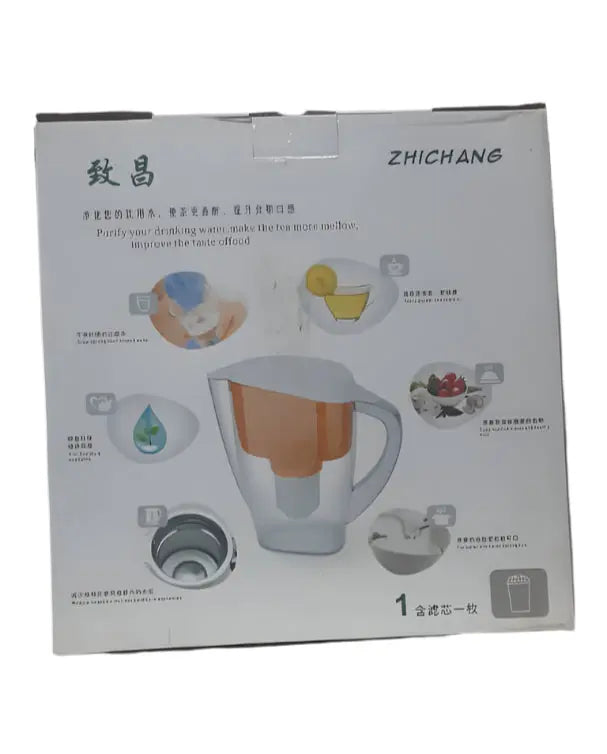
1 Must haveA pitcher filter improves drinking water at the table and is easy to move or clean.
How to use it: Rinse it and follow the guide for replacing the cartridge. Fill it from your clean storage.
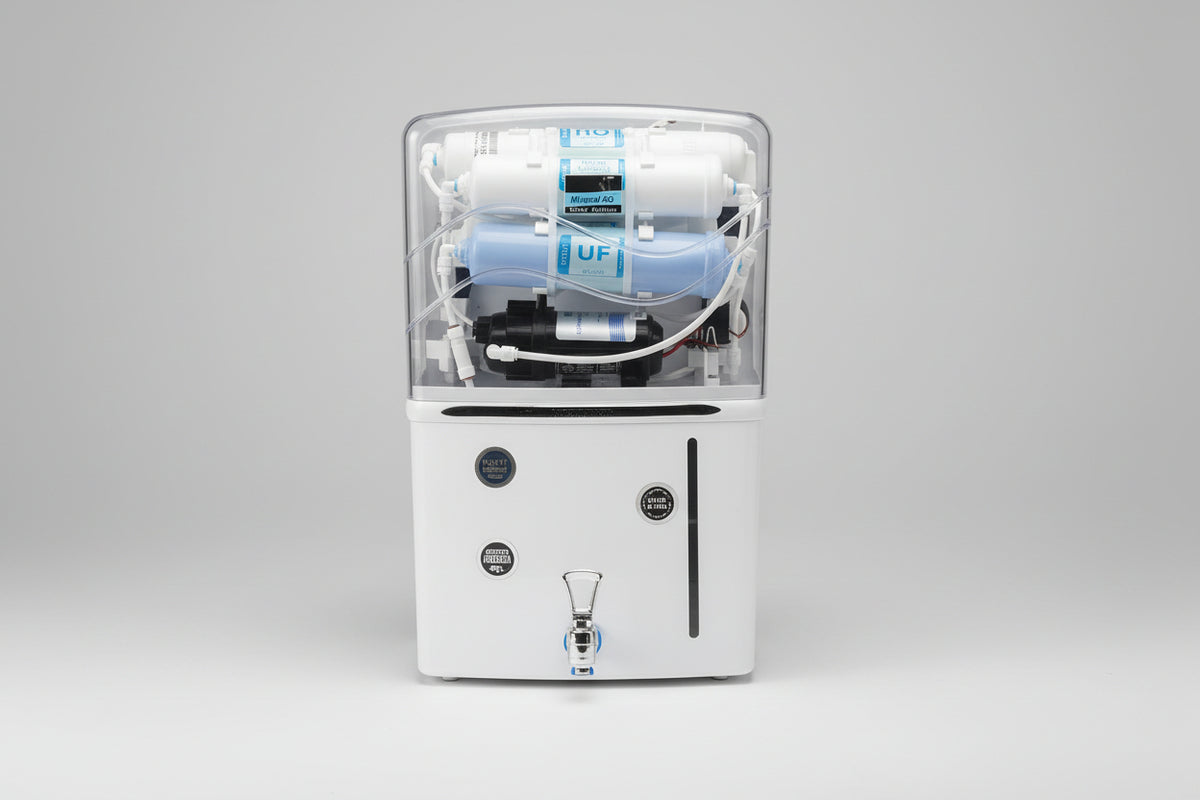
Water purifier
1Nice to haveA countertop purifier treats larger volumes for a family and fits a regular drinking spot.
How to use it: Read the guide for the type of water it can handle and when to change filters.
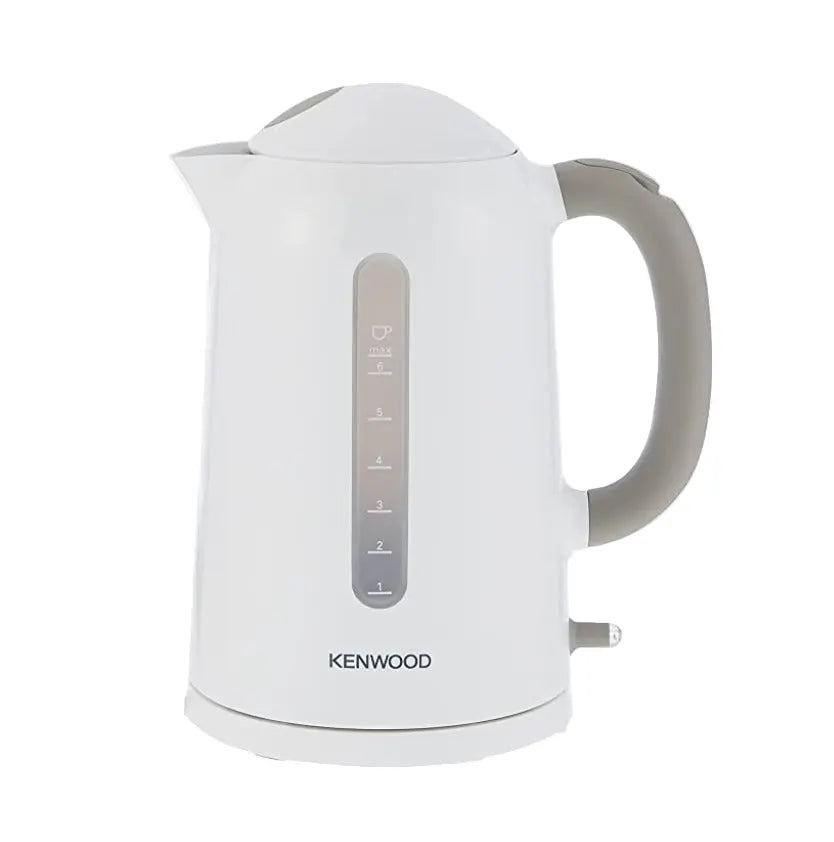
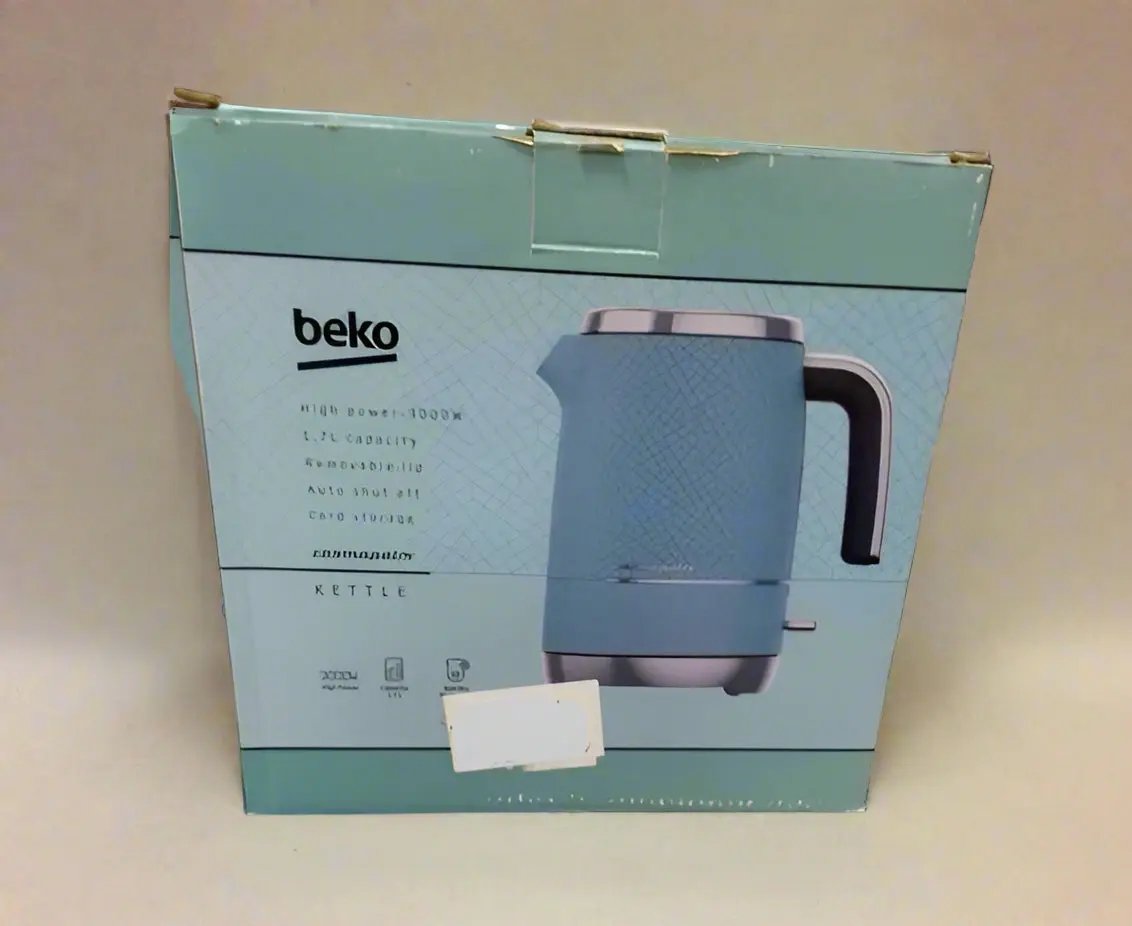
Electric kettle
1 Must haveBoiling is a simple way to make water safe for drinking when you are not sure about its quality.
How to use it: Bring water to a full rolling boil and let it cool in a clean, covered container.
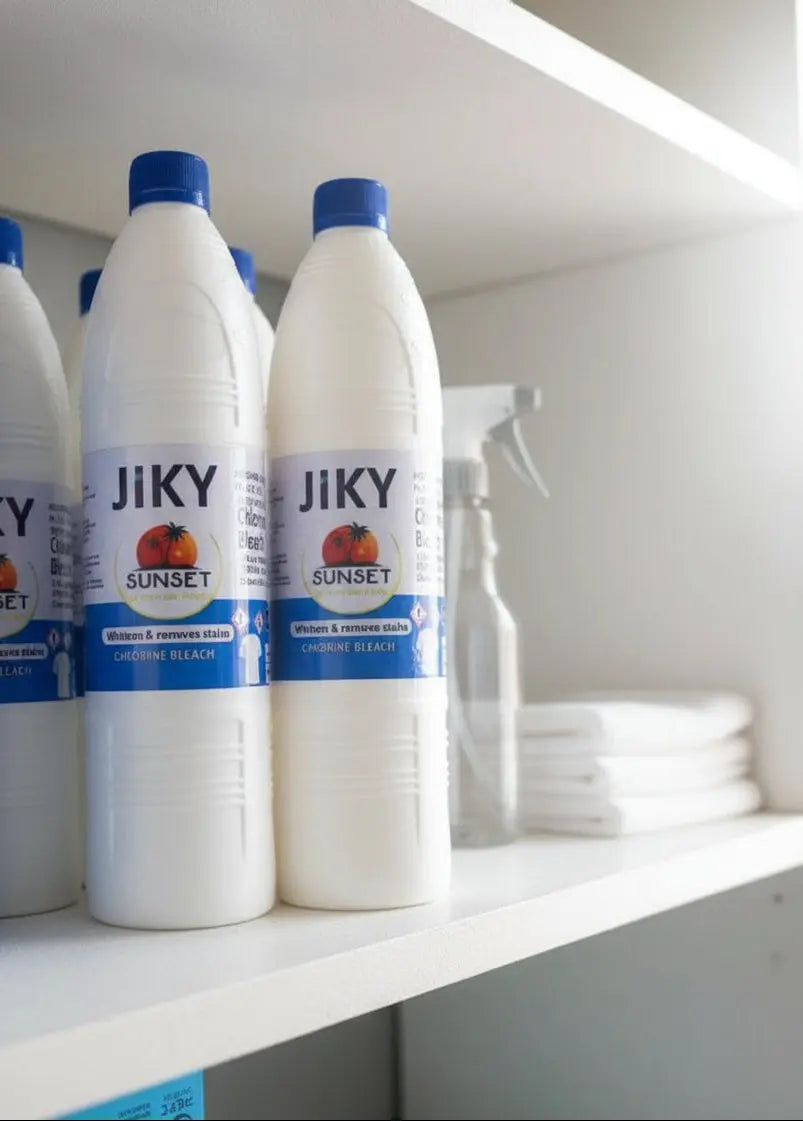
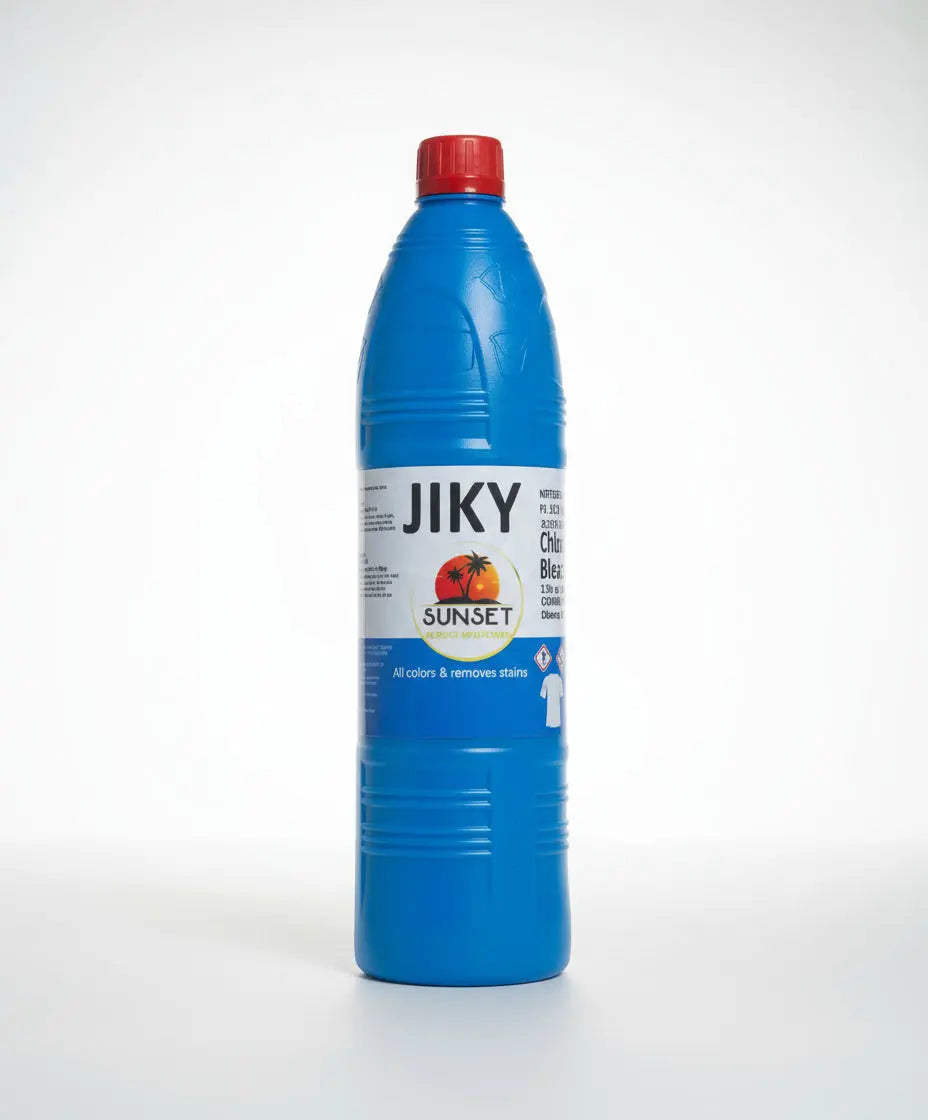
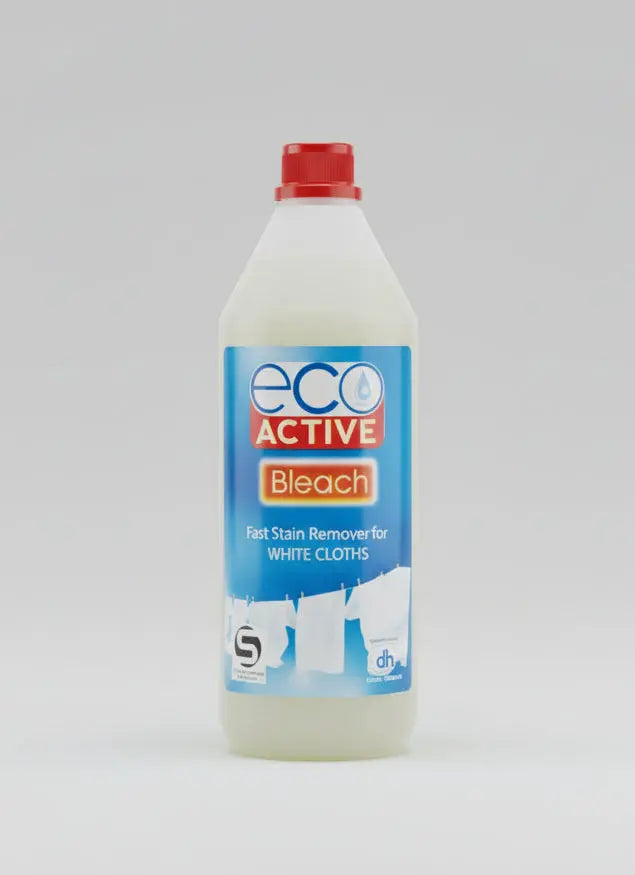
Chlorine bleach
1Nice to haveChlorine is sometimes used to treat water, but dosing must be correct.
How to use it: Do not guess the amount. Ask a pharmacist or local health worker how to use it, and never use scented bleach or bleach with additives for drinking water.
Serving and drinking
Make clean water easy to reach so the family chooses it all day.
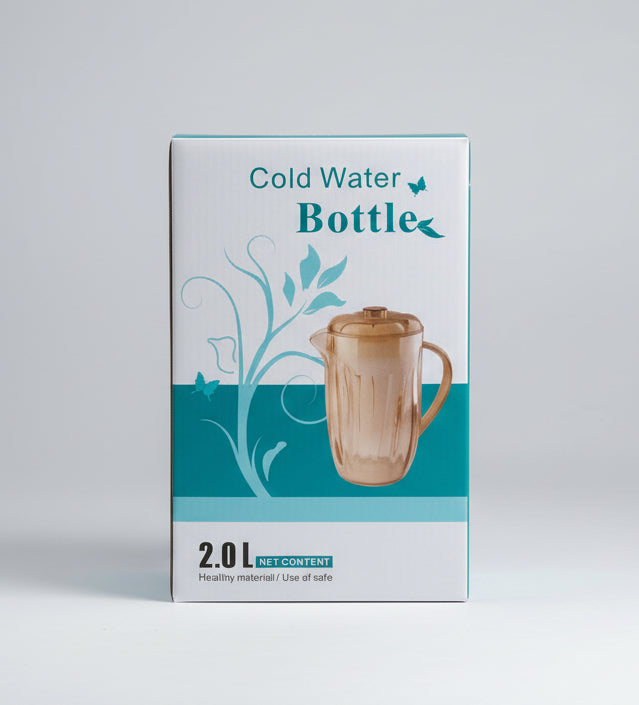
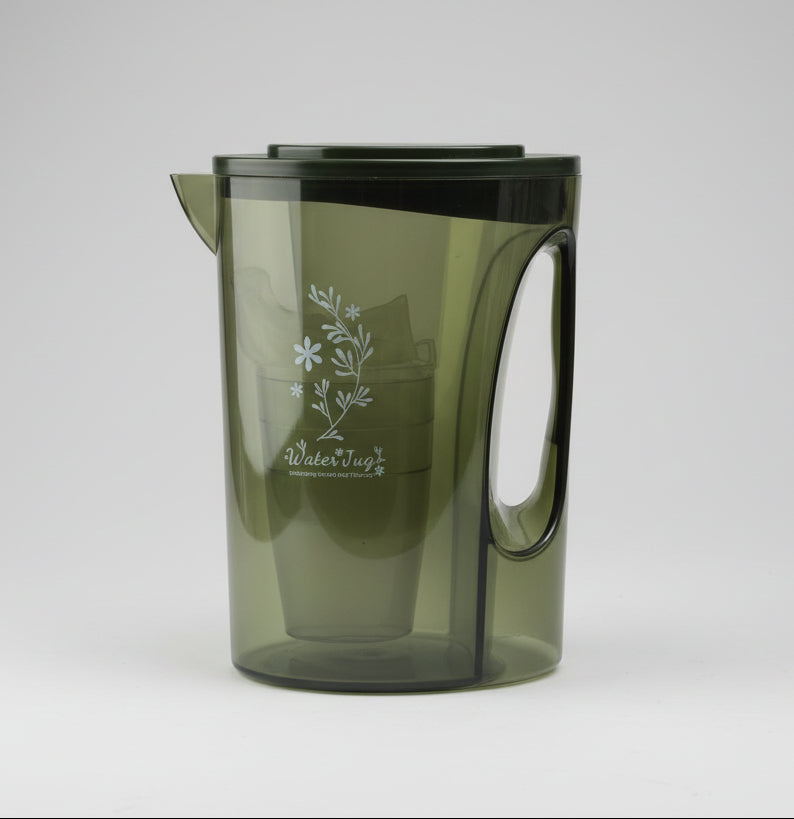
Water jug with lid
2 Must haveA jug on the table keeps filtered water covered and ready for meals.
How to use it: Wash it daily and refill from the filter or boiled water.
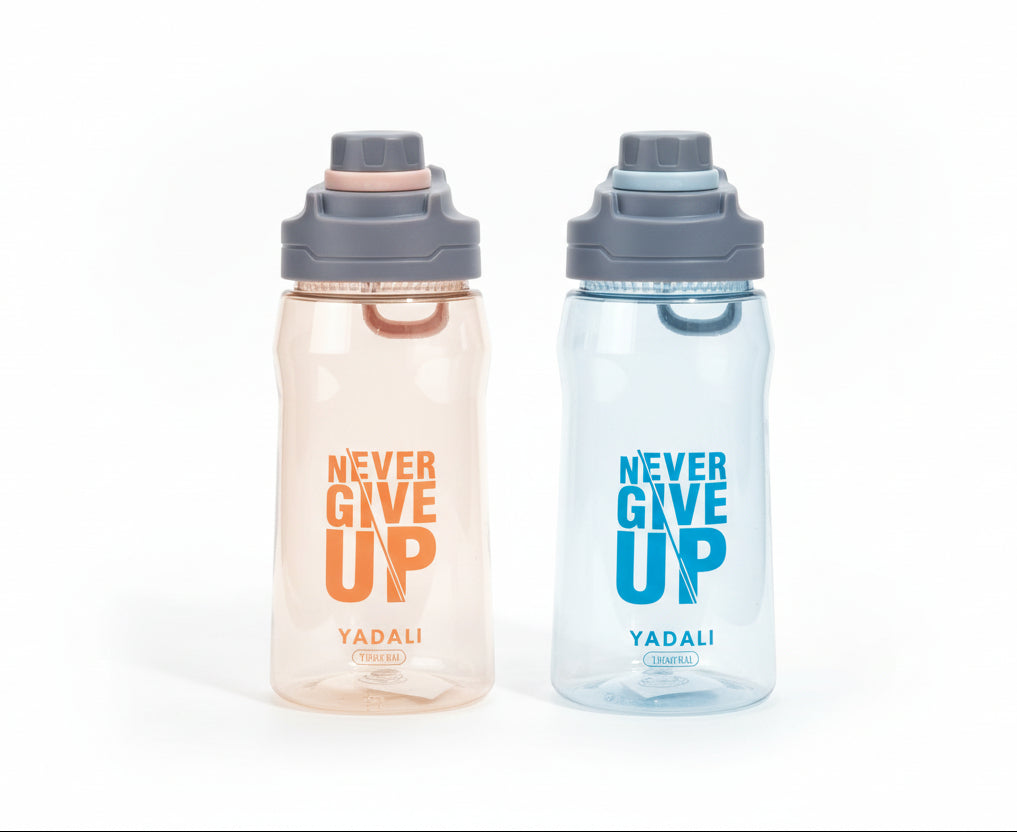
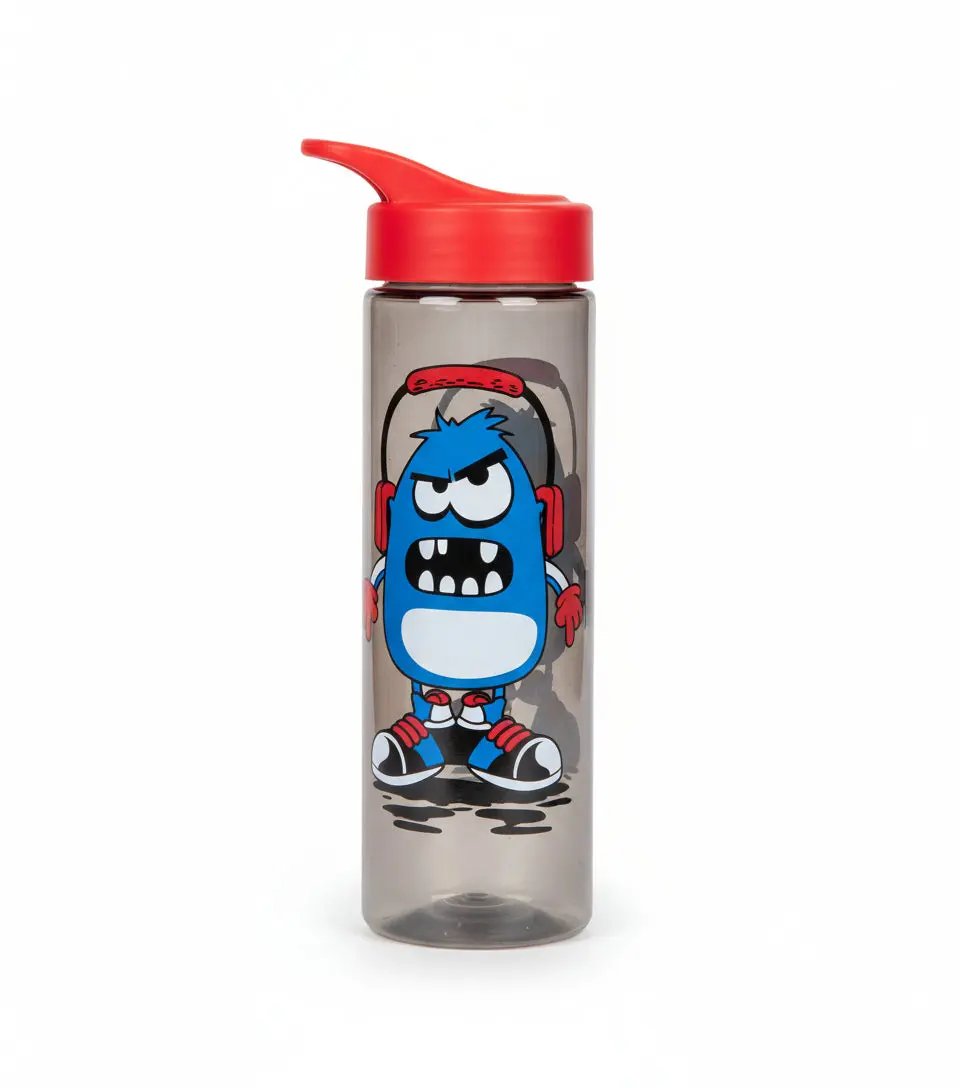
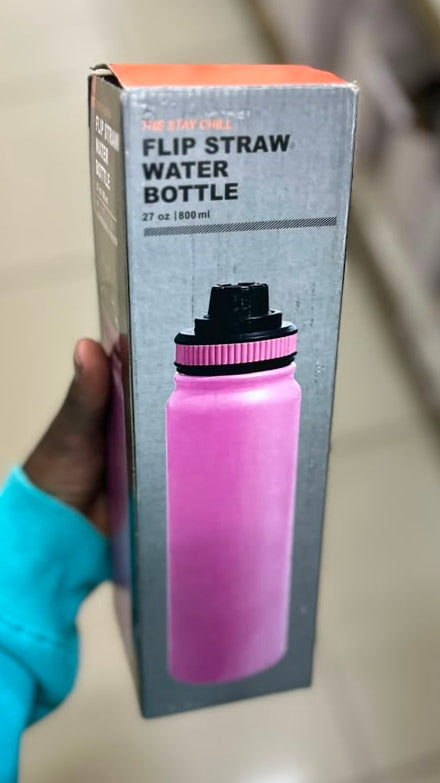
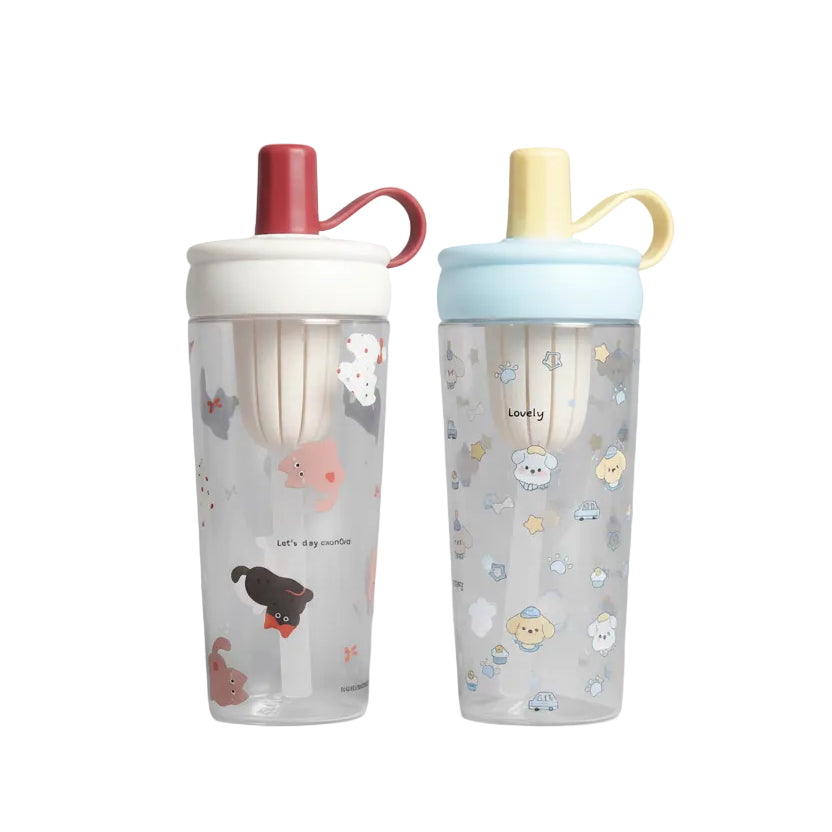
Water bottles
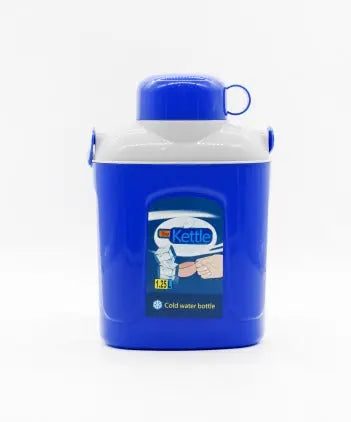
1 per person Must haveBottles let each family member carry water to school, work or on a moto trip.
How to use it: Give each person their own bottle and wash it every day.
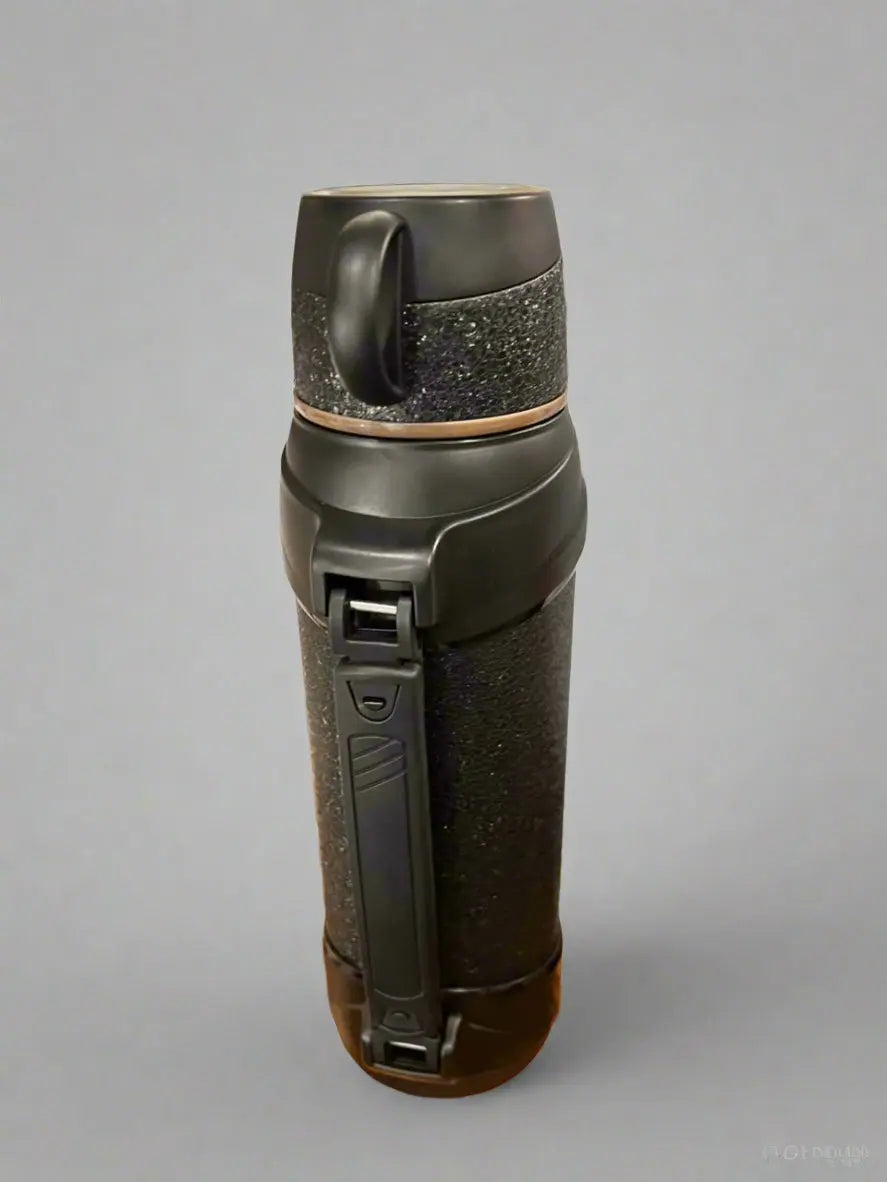
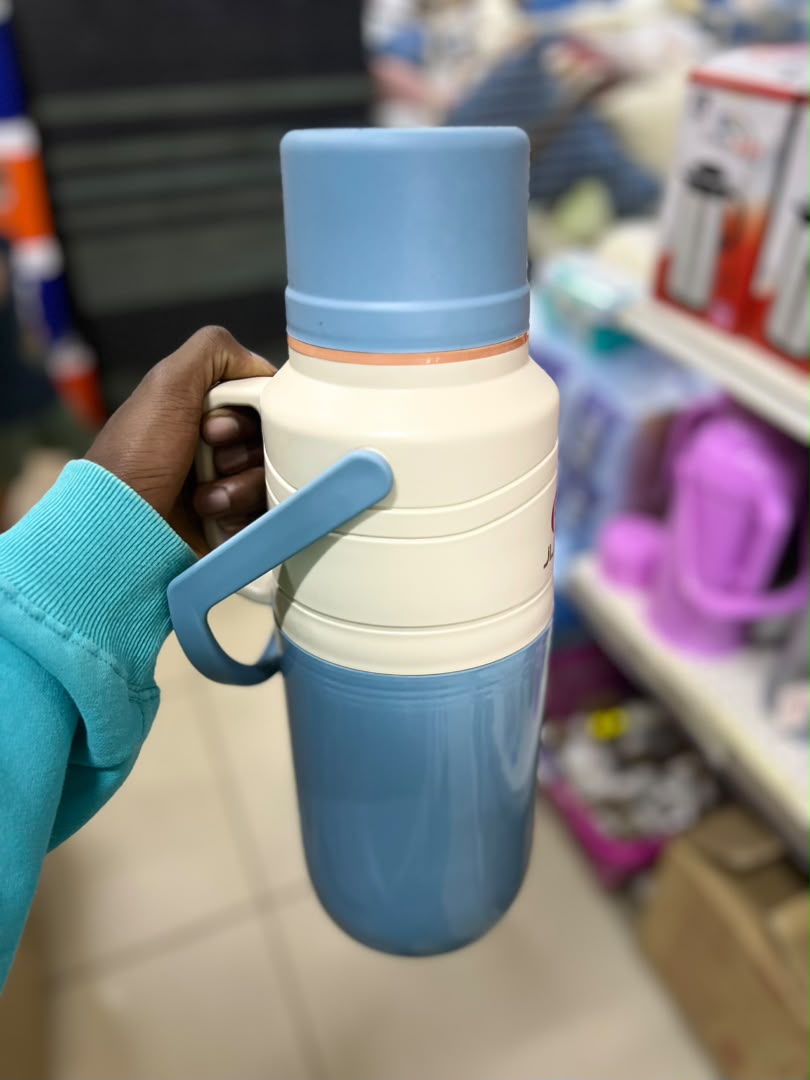
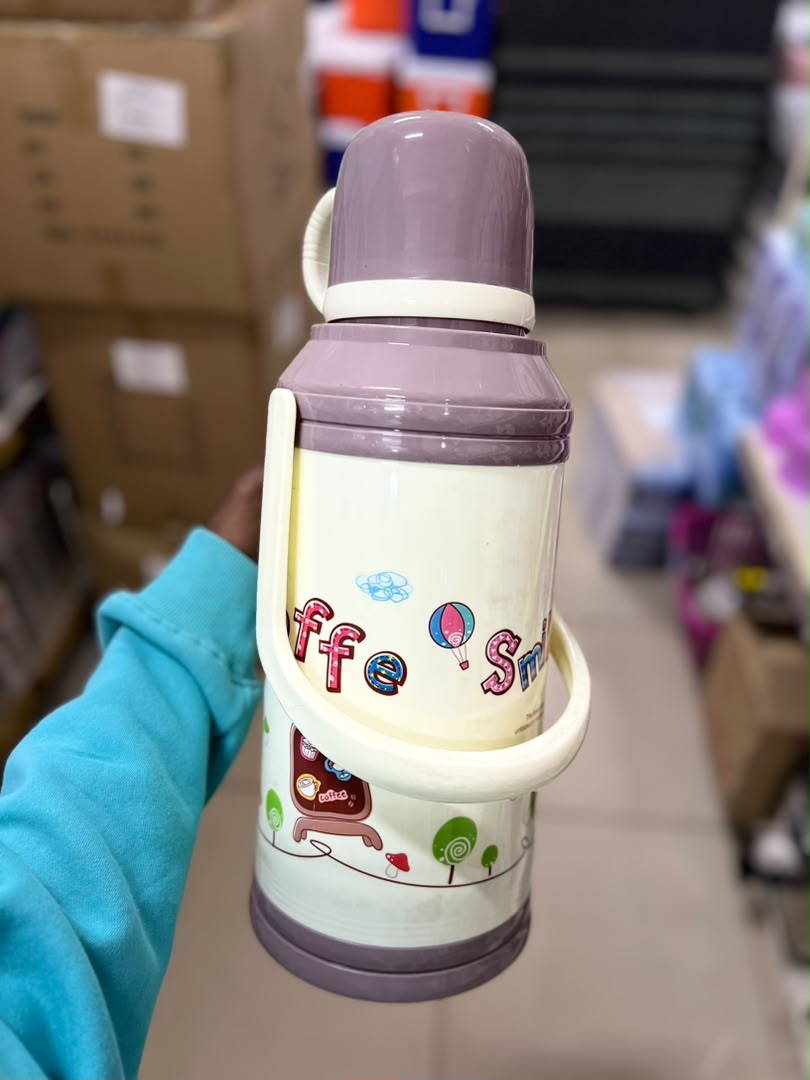
Thermal flask
1Nice to haveA flask keeps boiled water hot and saves repeated boiling and gas.
How to use it: Rinse it daily and store with the lid off.
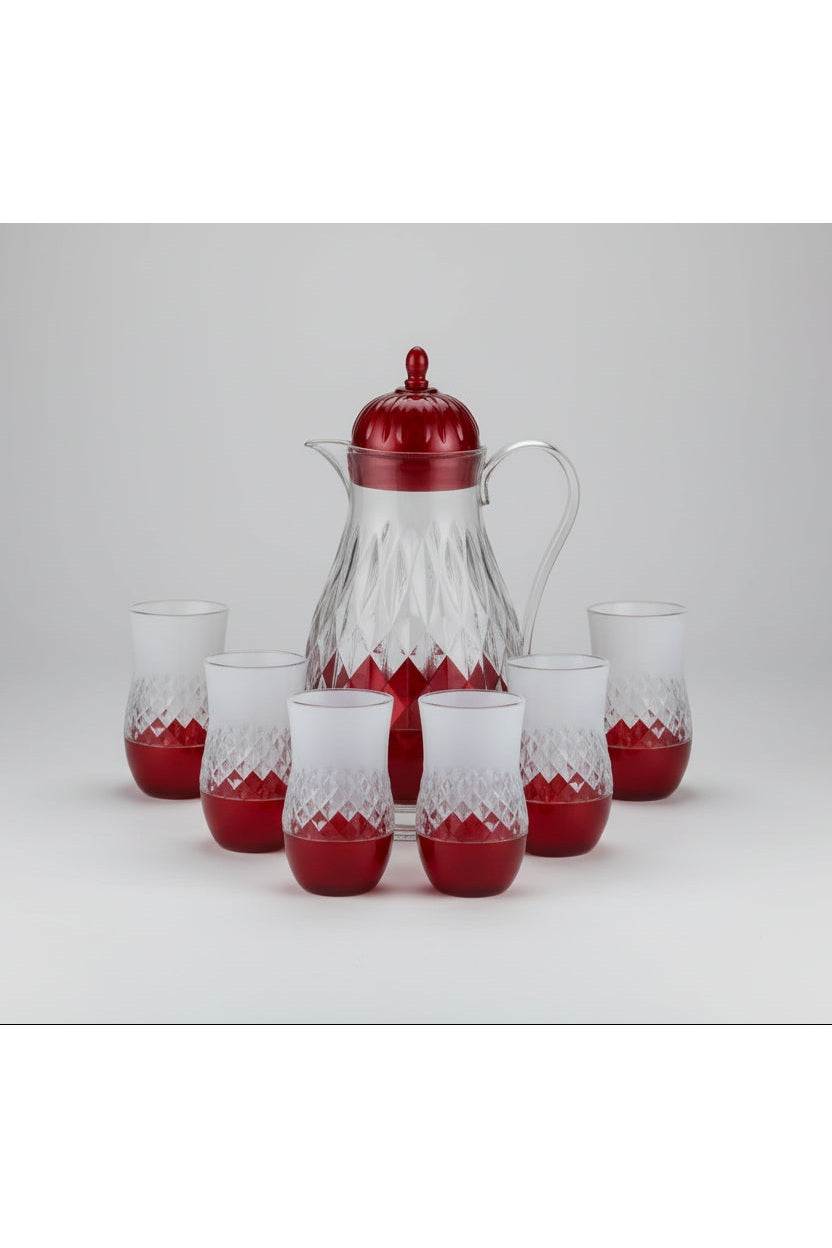
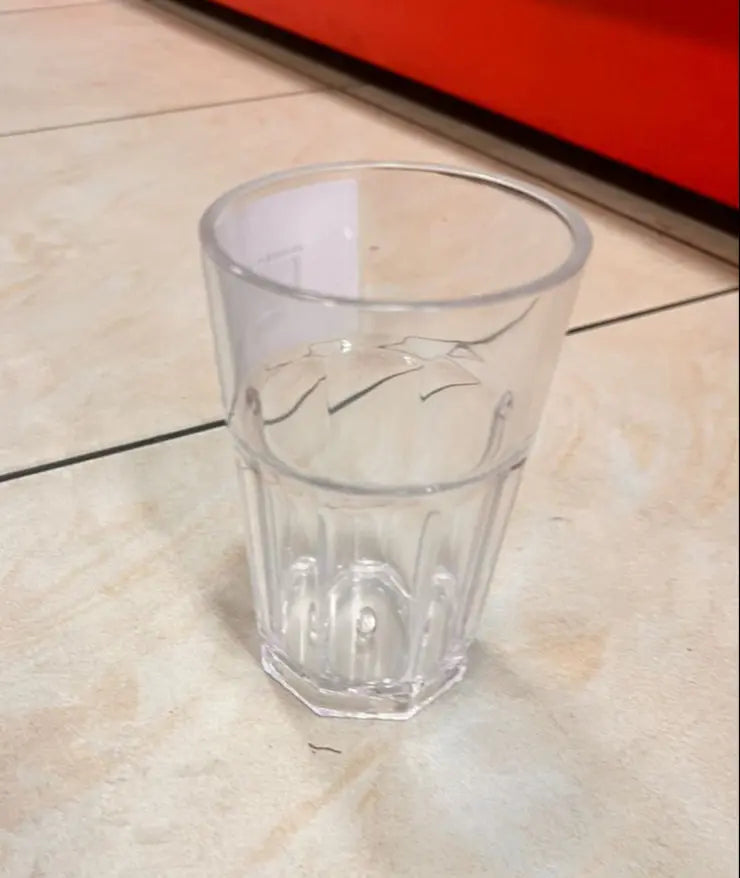
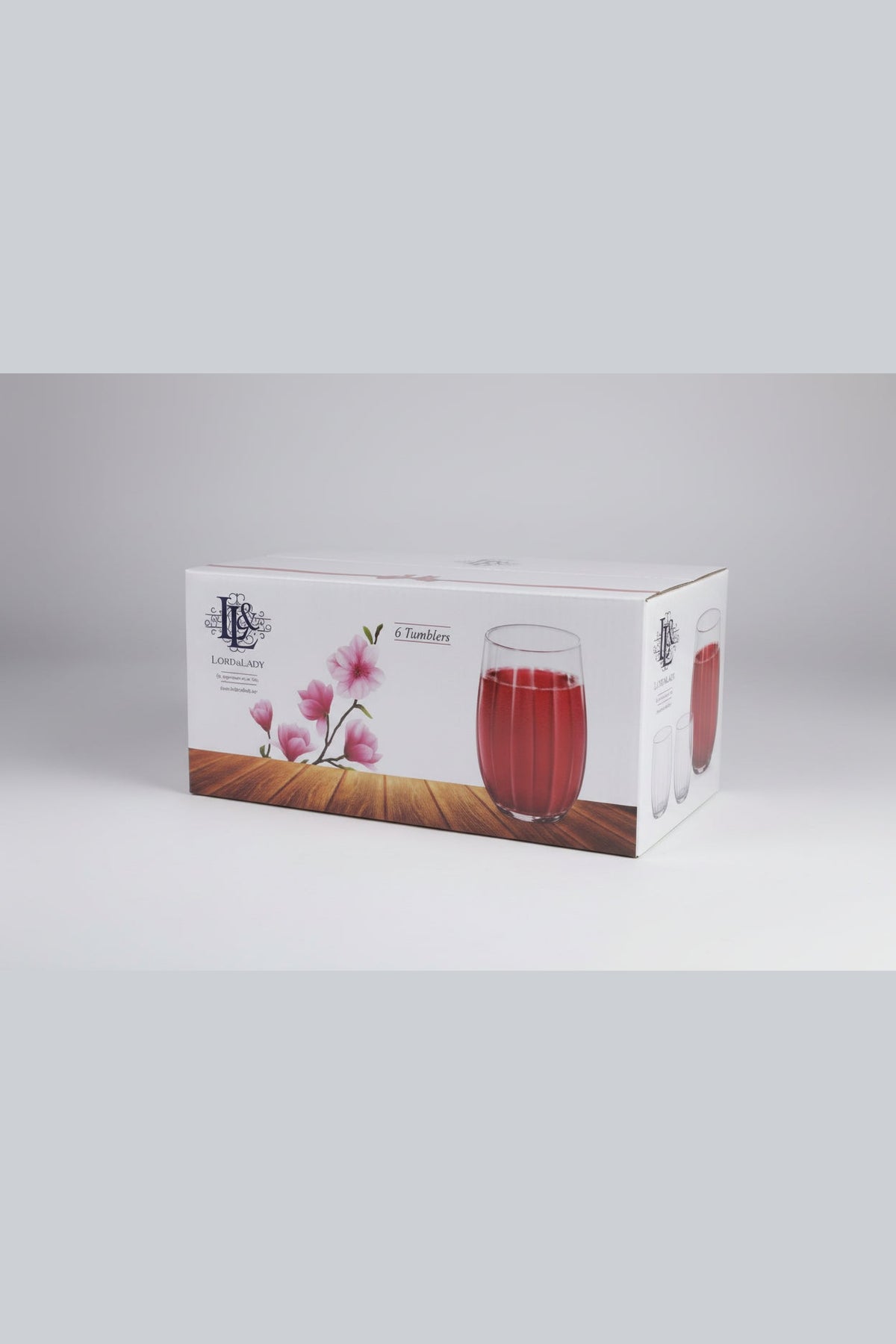
Drinking glasses
6Nice to haveGlasses at hand discourage people from drinking straight from the tap or bucket.
How to use it: Wash and dry them upside down on a rack.
Backup supply
When the tap and the tank are both empty, a backup keeps the family going.
Drinking water refill
1 to 2Nice to haveRefill stations and delivered water give a clean option in emergencies.
How to use it: Keep the empty bottles ready. Store a few liters aside for cooking and drinking.
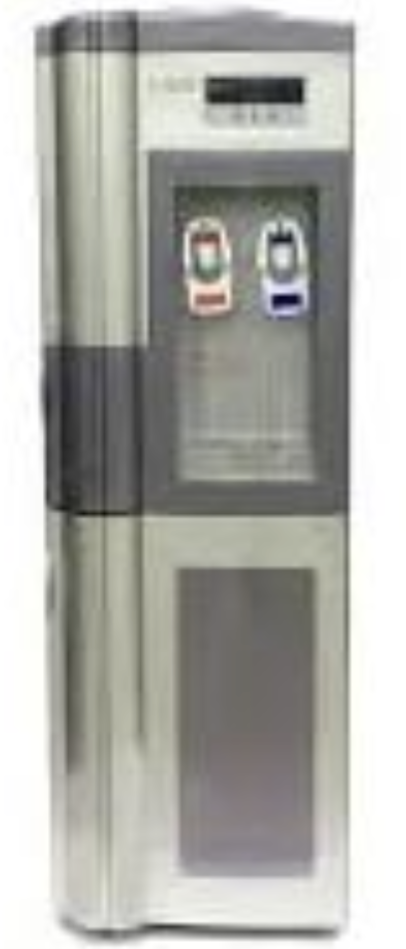
Water dispenser
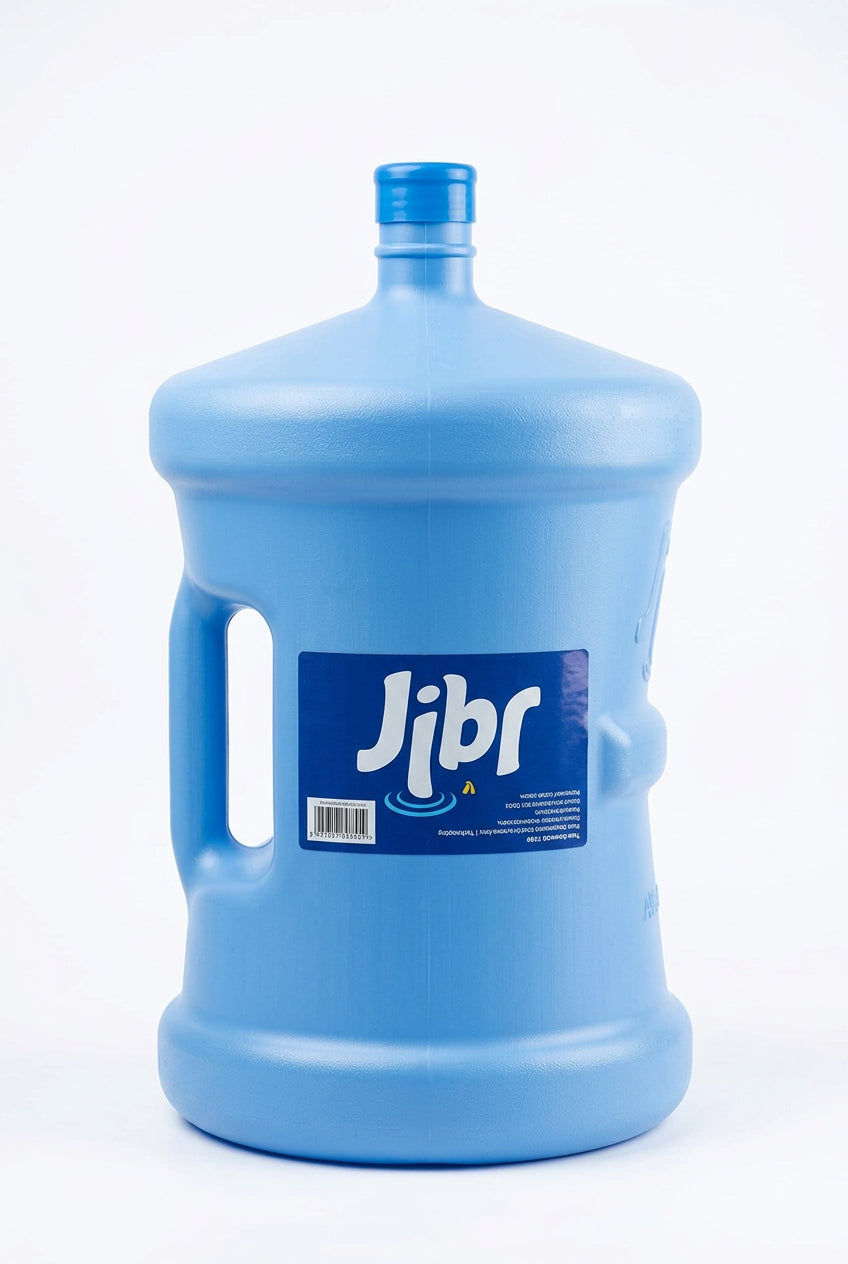
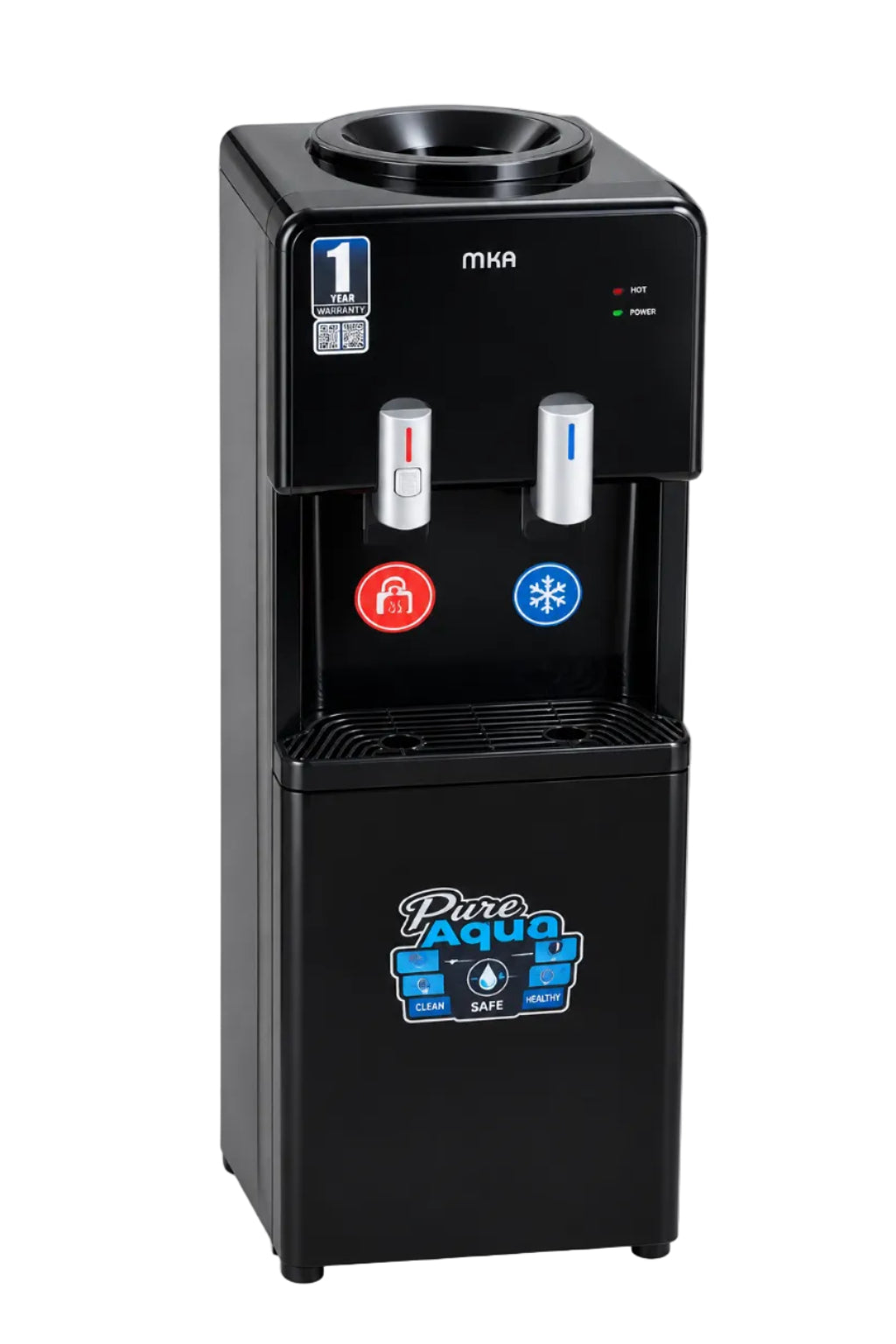
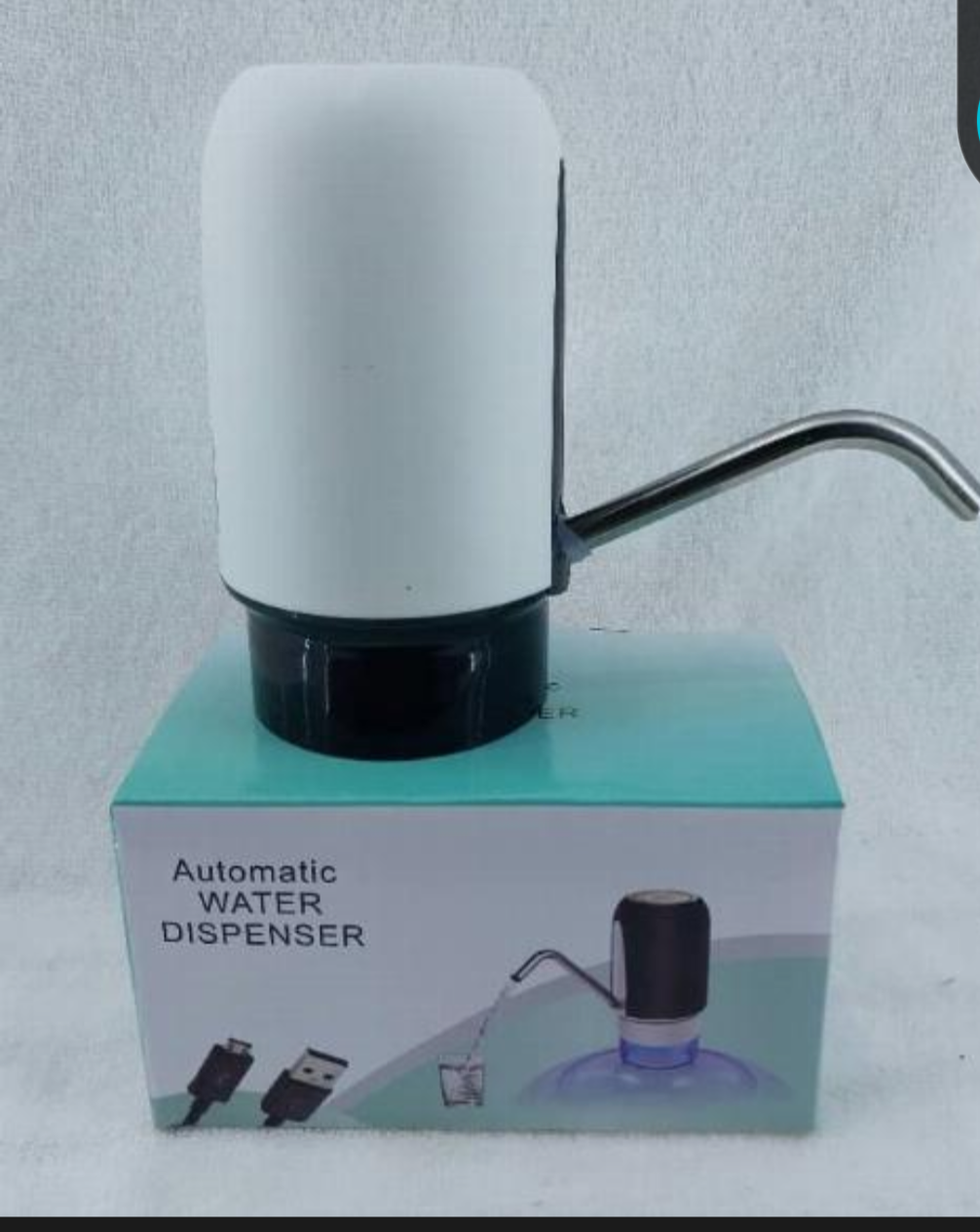
1Nice to haveA big bottle with a dispenser holds drinking water for days.
How to use it: Place it on a stable surface and keep the cap clean.
Extra jerrycans
2Nice to haveHaving more than you need on dry days means you never run out.
How to use it: Fill them as soon as water arrives and label them for drinking or cleaning.
Rain water barrel
1Nice to haveIn rainy season you can collect water from the roof for washing and cleaning.
How to use it: Use it only for laundry and cleaning unless treated. Keep it covered to avoid mosquitoes.

Keeping it clean
A water store only works if it stays clean.
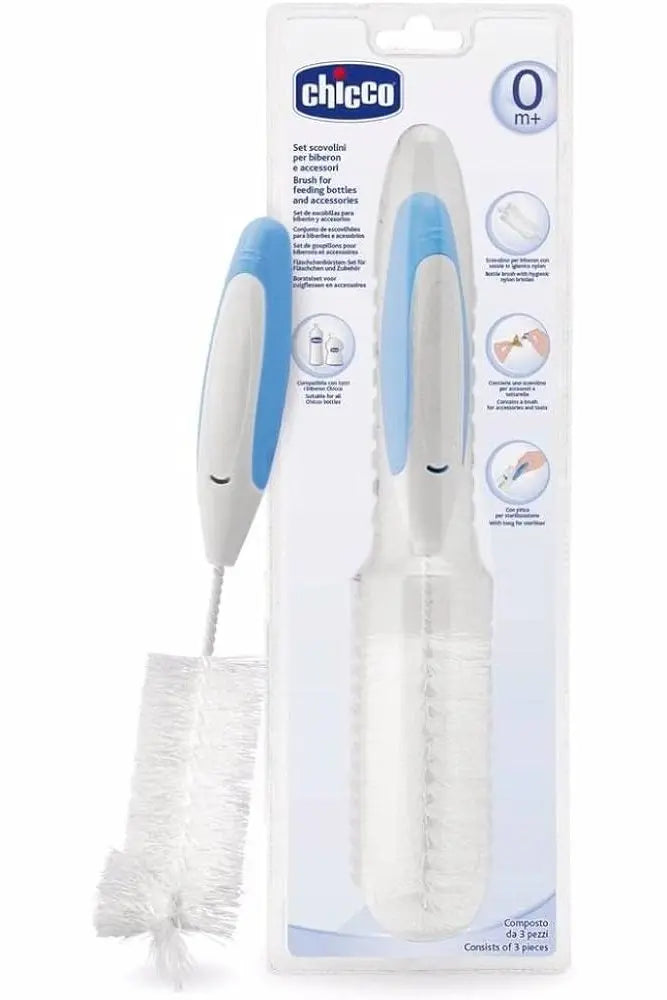
Bottle brush
1 Must haveA long brush cleans the inside of bottles and jerrycans where hands cannot reach.
How to use it: Scrub with soapy water and rinse until clear.
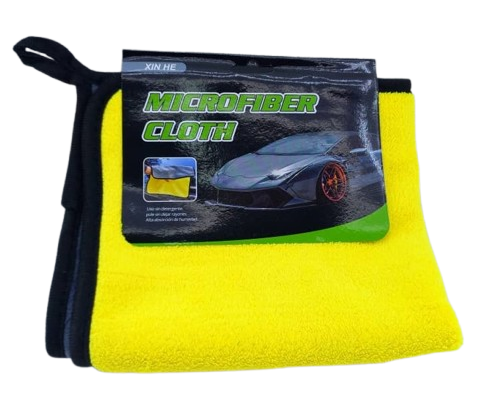
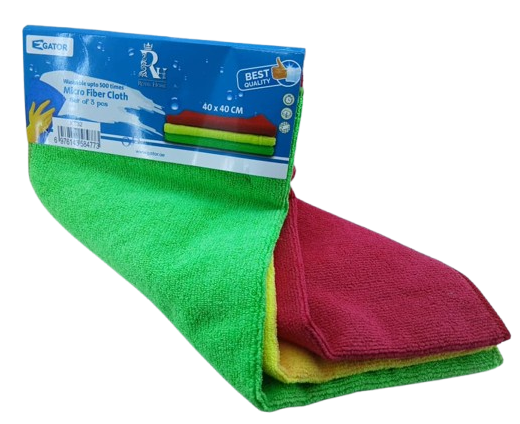
Microfiber cloth
2Nice to haveCloths wipe the outside of tanks, lids and taps.
How to use it: Keep a clean cloth only for water containers.
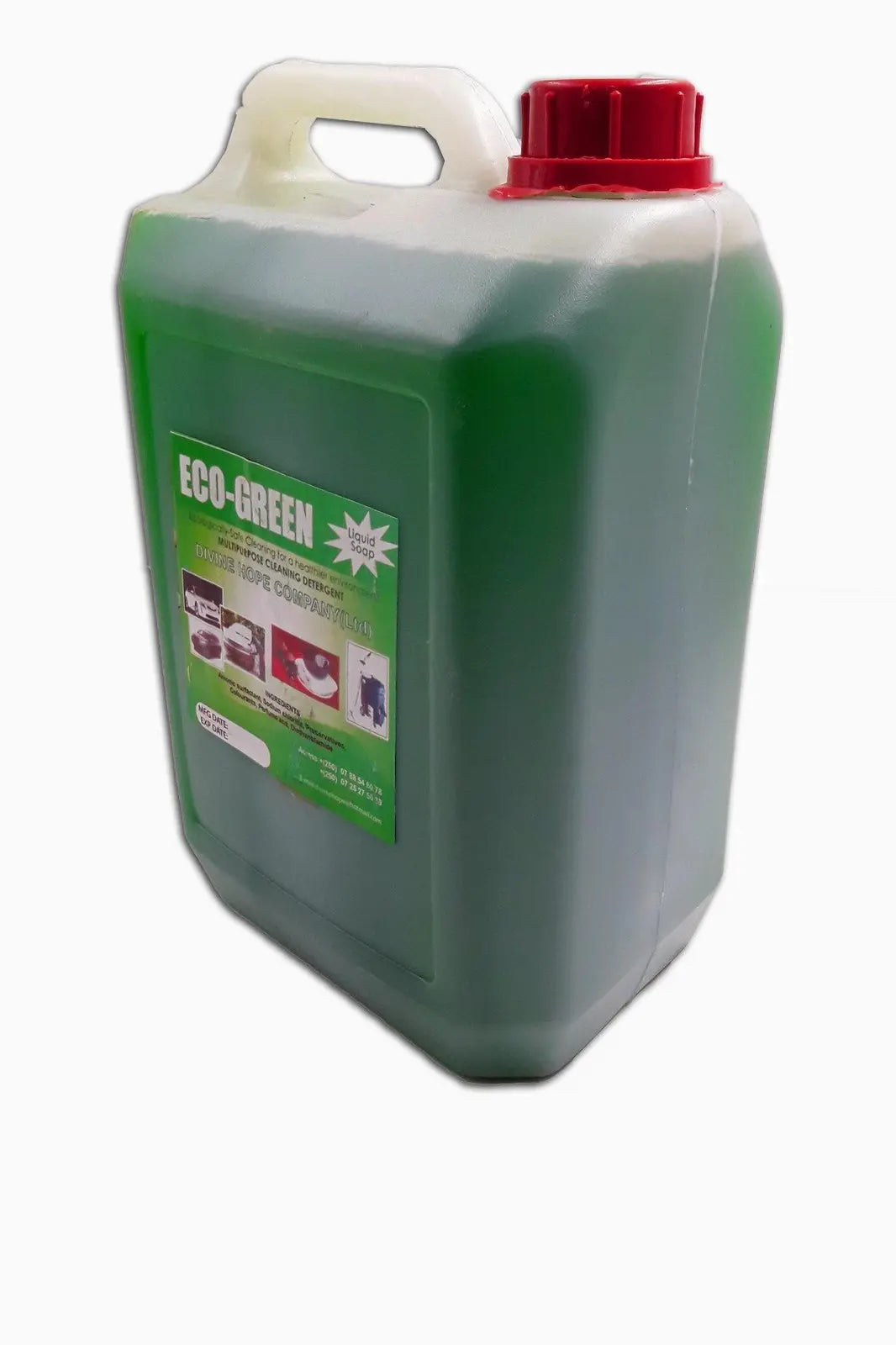
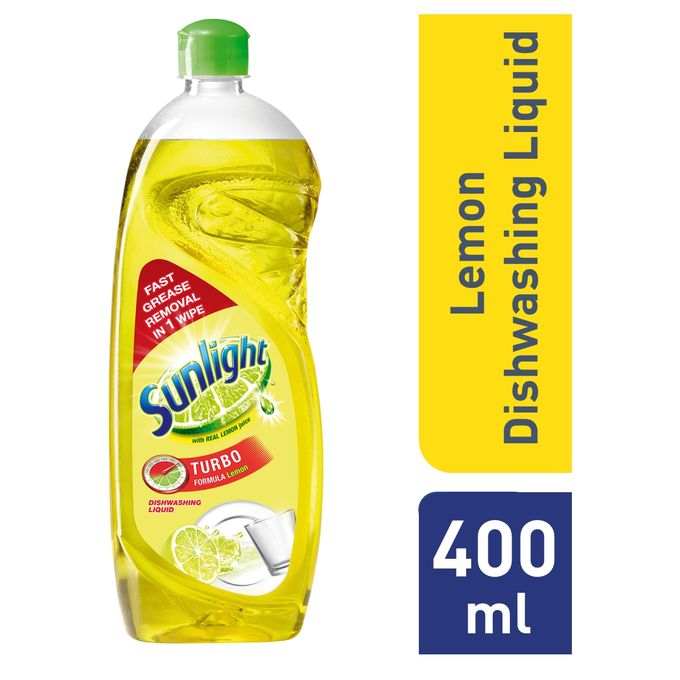
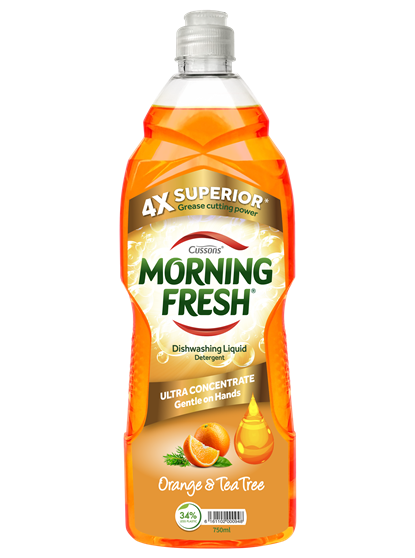
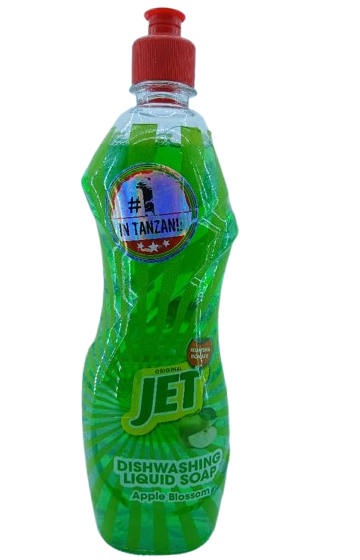
Dishwashing liquid
1 Must haveA little soap helps to clean containers before rinsing.
How to use it: Use a small amount and rinse fully so no foam is left.
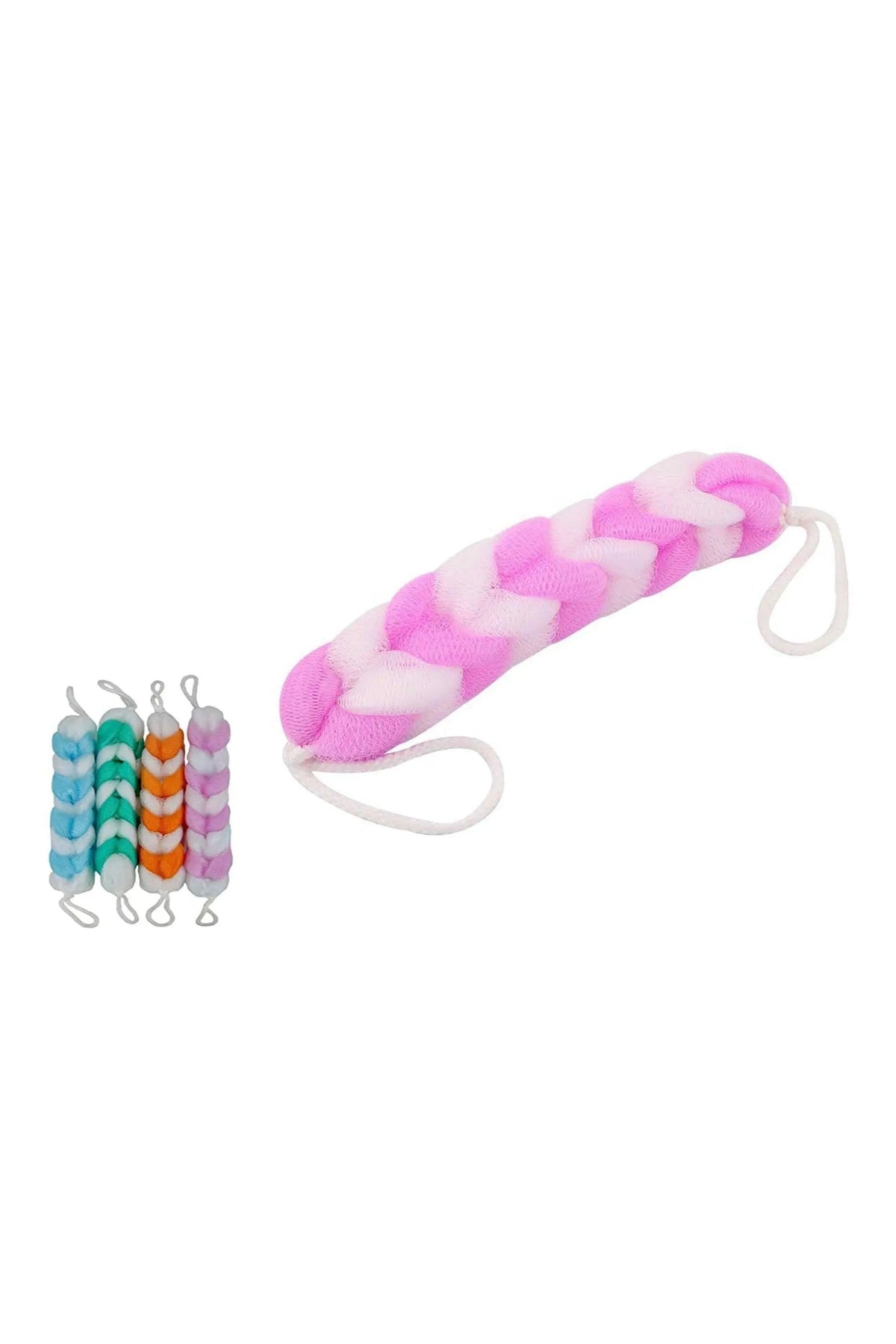
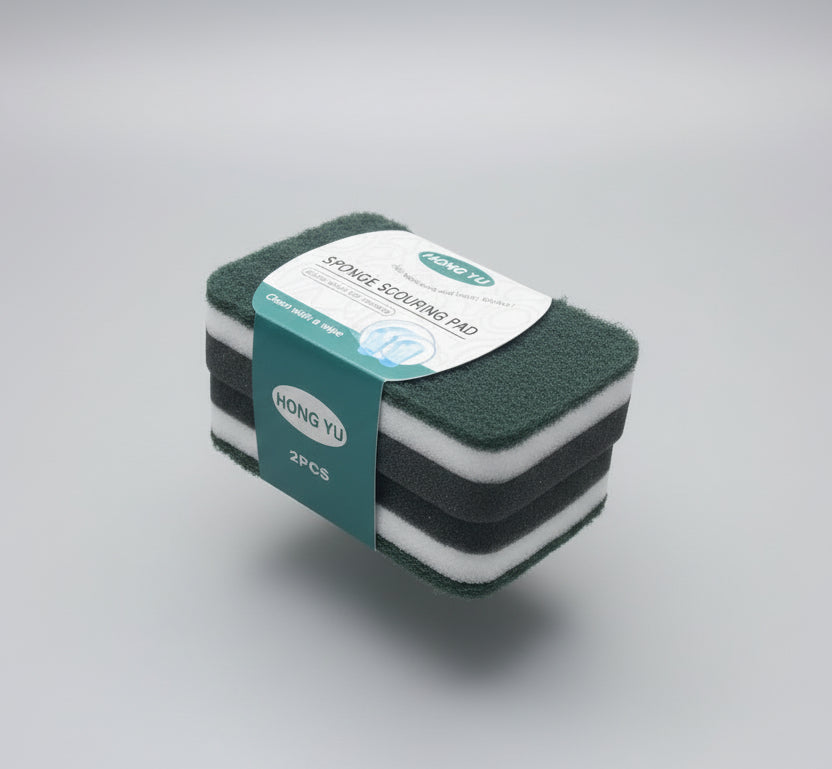
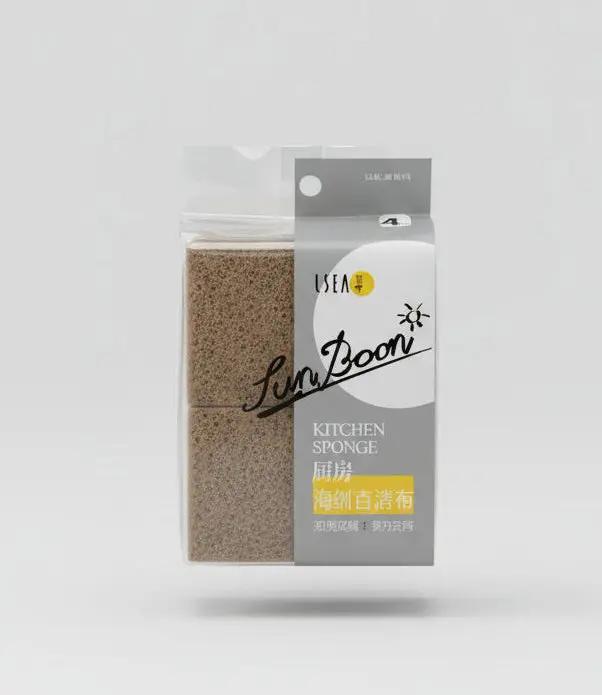
Scrubbing sponge
2Nice to haveA sponge cleans buckets and basins.
How to use it: Keep it away from the kitchen sponge.
Step by step
- 1
Count your needs
Count the people in your home and think about how many liters you use a day. Note how long the tap stays dry at the worst times.
- 2
Start with containers
Buy jerrycans, buckets and basins so you can store water from the next supply day.
- 3
Add a tank
Choose a tank size, find a good place and ask your landlord and a plumber to help with the fitting.
- 4
Make water safe
Choose a filter, a kettle or a purifier and set a simple routine for drinking water.
- 5
Clean on schedule
Pick one day a week to empty, scrub and refill your containers.
Tips that help
- Fill every container as soon as the tap runs, not when you need water.
- Keep drinking water separate from washing water and label each container.
- Cover everything with tight lids to keep out dust, insects and mosquitoes.
- Place tanks and cans in the shade to keep water cooler and clearer.
- Clean your tank and containers on a regular schedule.
- Ask neighbors about when the supply usually returns in your area.
- Keep a small emergency supply of water that nobody uses except in real need.
Mistakes to avoid
- Drinking stored water without boiling, filtering or treating it.
- Leaving buckets and tanks open, which invites mosquitoes and dust.
- Using old fuel or chemical containers for water.
- Buying a tank that is too big for your roof or stand to support.
- Never cleaning the tank, so slime and sediment build up.
Questions people ask
What size water tank does a family need in Kigali?+
It depends on the number of people and how long the supply is cut. Count roughly how much your family uses in a day and multiply by the number of dry days. Ask a plumber or supplier for advice.
Is stored tap water safe to drink?+
Not always. Stored water can pick up germs. Boil it, filter it or treat it properly before drinking, and keep containers clean and covered.
How often should I clean a water tank?+
Clean it on a regular schedule and whenever you see dirt or smell something. Ask the tank supplier for the recommended method.
Can I use any jerrycan for water?+
Use only clean, food-grade containers that never held fuel or chemicals. Label them for drinking or washing use.
Do I need my landlord's permission to install a tank?+
Yes, in a rented home you should always ask. Tanks are heavy and may need pipes, so agree on where it goes and who pays.
Reliable water starts with a few good containers and a simple routine. Pick what fits your home from this list, order on Isokko and get it delivered to your door in Kigali.
Shop this list
Get everything delivered in Kigali
Order from local stores on Isokko and pay with MoMo, card or cash. Same-day delivery.