
Checklist · Work & business
Starting a Home Bakery Business in Kigali: What to Buy Checklist
Everything to buy to start a home bakery in Kigali: ingredients, ovens, pans, packaging and hygiene basics, with a clear order to shop in.
Updated November 23, 2026 · By Isokko

You have a recipe people love and friends keep saying you should sell it. A home bakery in Kigali can start small, but the first purchases decide how smooth the first month feels. Buy the wrong pan or run out of baking powder on an order day and you lose time and money.
This checklist walks you through ingredients, tools, pans, packaging and the clean basics a customer expects. Each item says why it matters and how to use it, so you can buy what you need now and leave the rest for later.
Start with a short menu of two or three products. Buy for those only, test them for a week, then grow the list as orders come in.
Who it's for
Anyone in Kigali who wants to sell cakes, bread, mandazi or cookies from a home kitchen
Time needed
Plan 2 to 3 weeks to buy, test recipes and set up
When to shop
Buy tools first, then ingredients in small amounts once your recipes are tested
On the list
43 items, 28 must haves
0 of 43 ready
Core baking ingredients
These are the items almost every product uses. Buy in sizes you will finish while they are fresh.
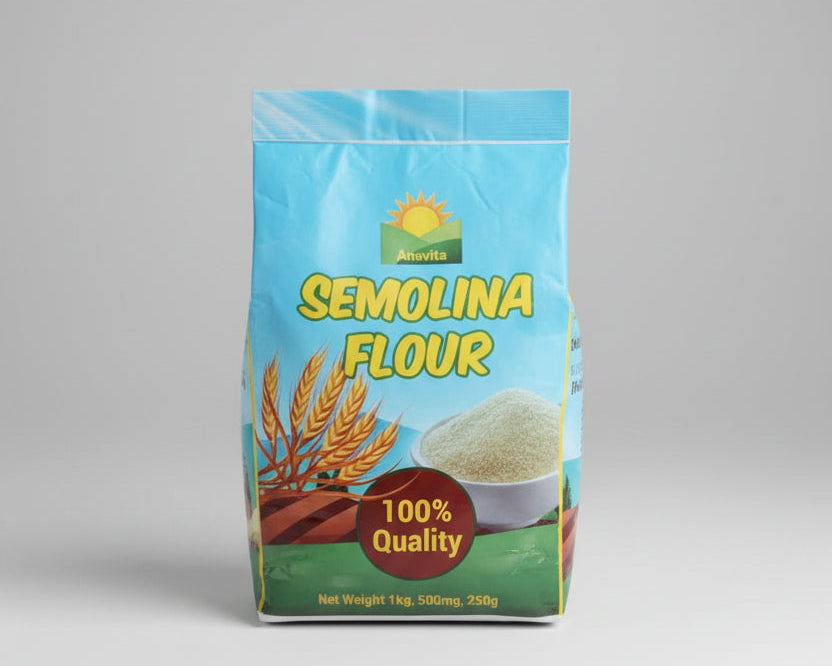
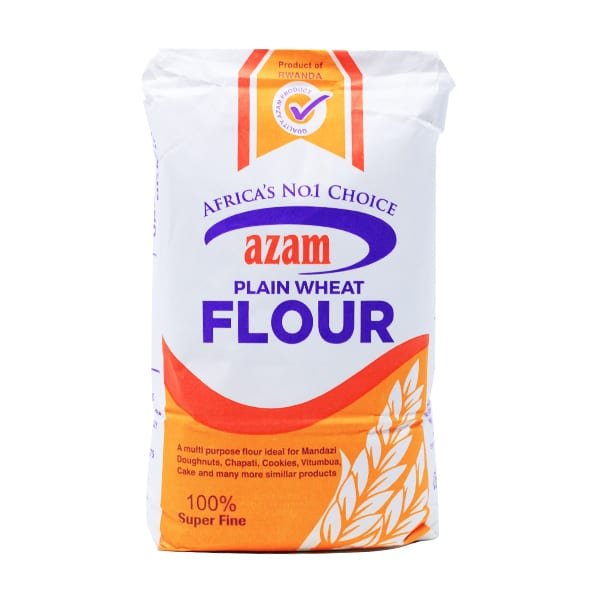
Wheat flour
2 to 5 kg Must haveFlour is the base of cakes, bread, mandazi and cookies, and it is your biggest ingredient cost.
How to use it: Store it in a sealed container off the floor. Buy a few kilograms first and check how it behaves in your recipe before buying a large bag.
White sugar
2 kg Must haveSugar sweetens and also helps cakes brown and stay soft.
How to use it: Measure it by weight with a scale for the same result every time. Keep it dry and covered so ants stay away.
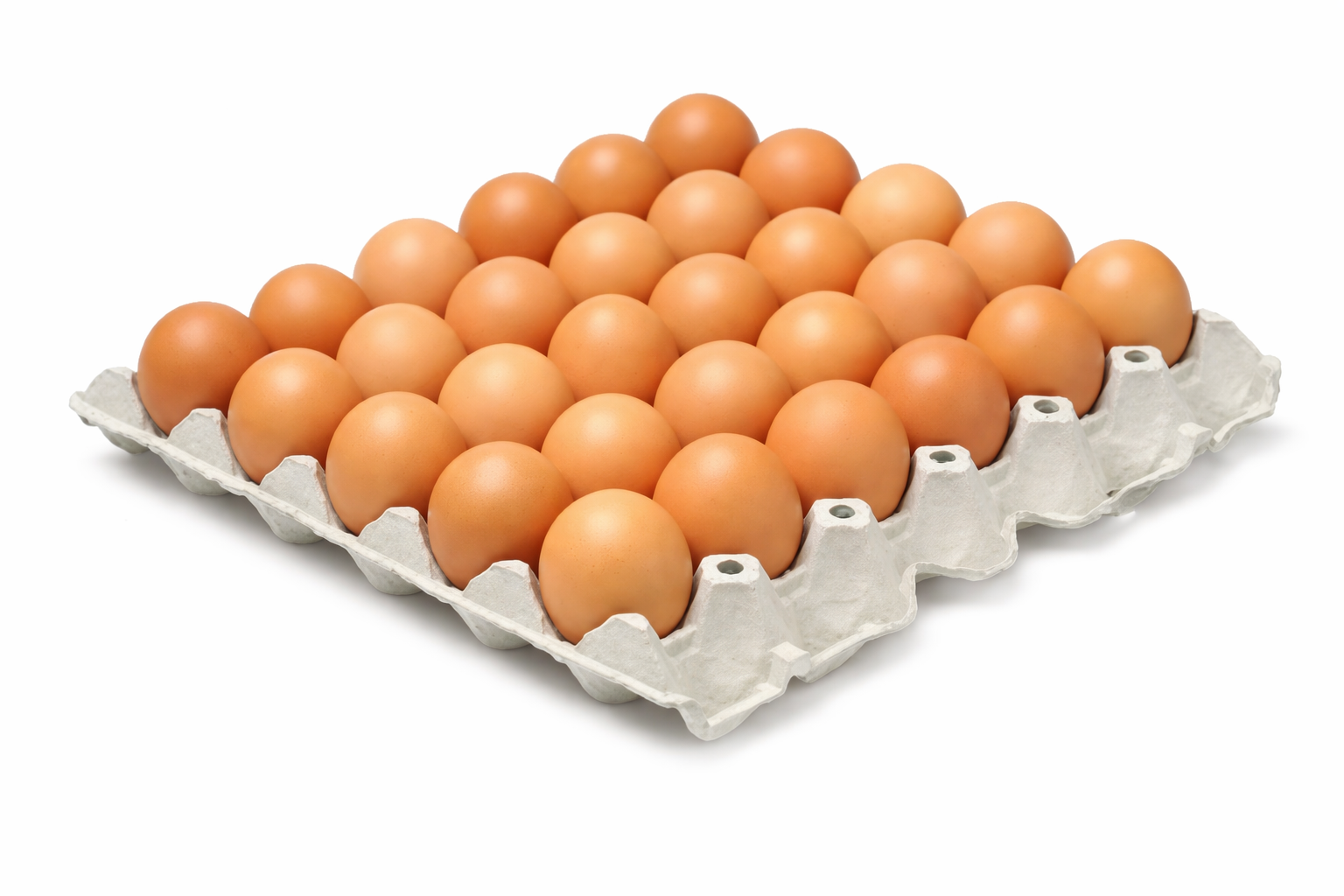
Eggs
1 tray Must haveEggs hold cakes together and make them rise and stay moist.
How to use it: Buy a tray from a source you trust and use the oldest first. Keep them cool and away from raw meat.
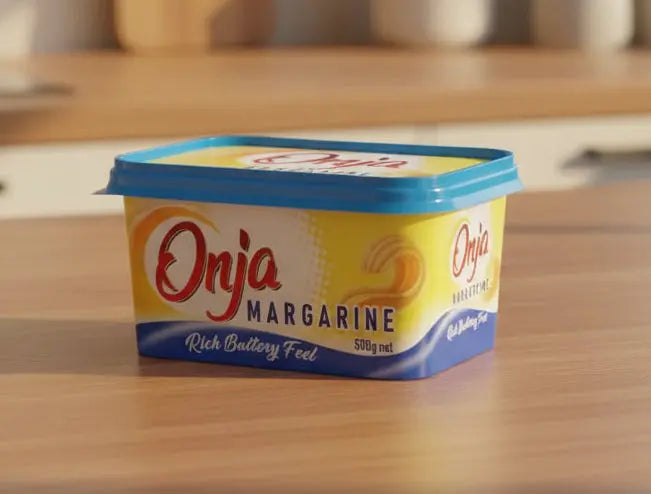
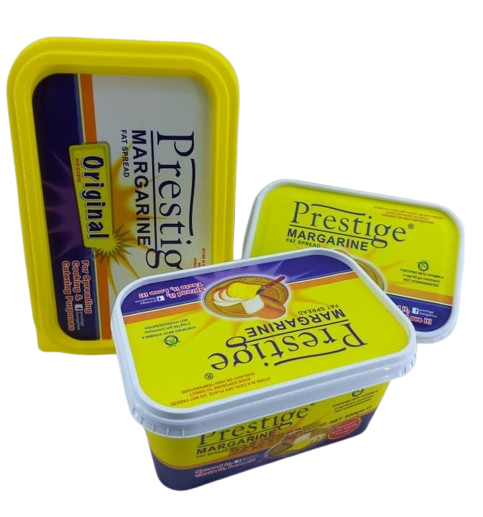
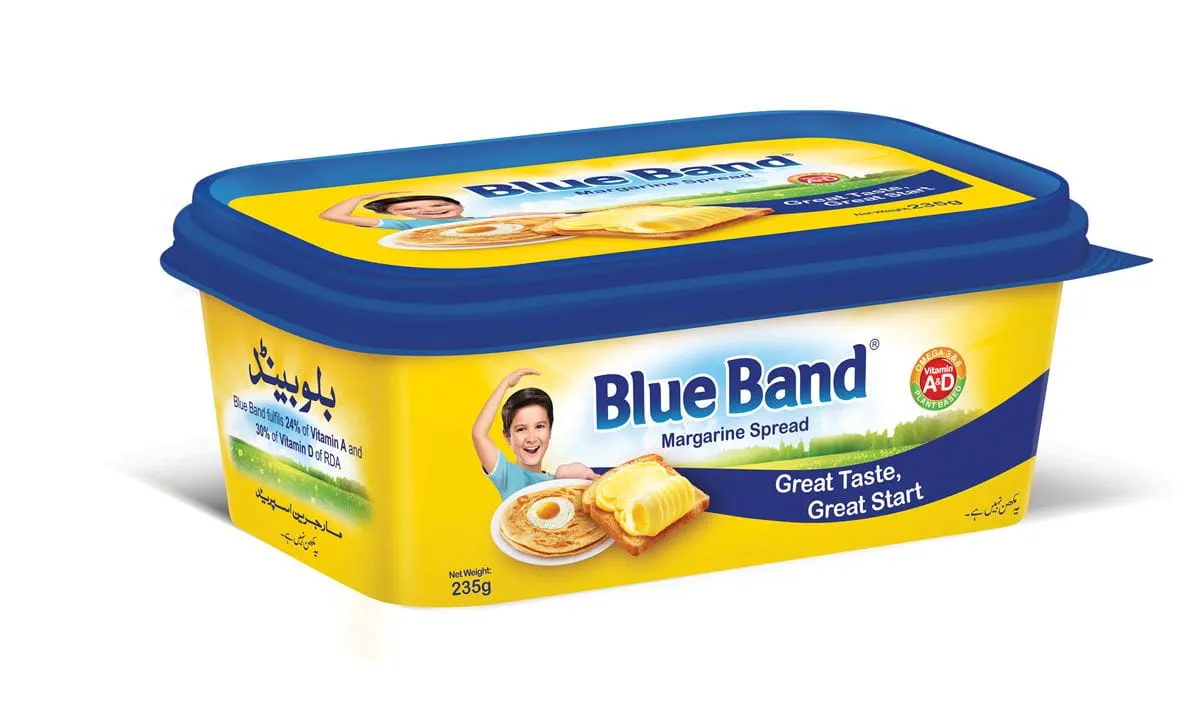
Margarine or butter
500 g Must haveFat makes cakes soft and gives cookies and pastry their texture.
How to use it: Take it out of the fridge before creaming so it mixes smoothly. Use the same brand for steady results.
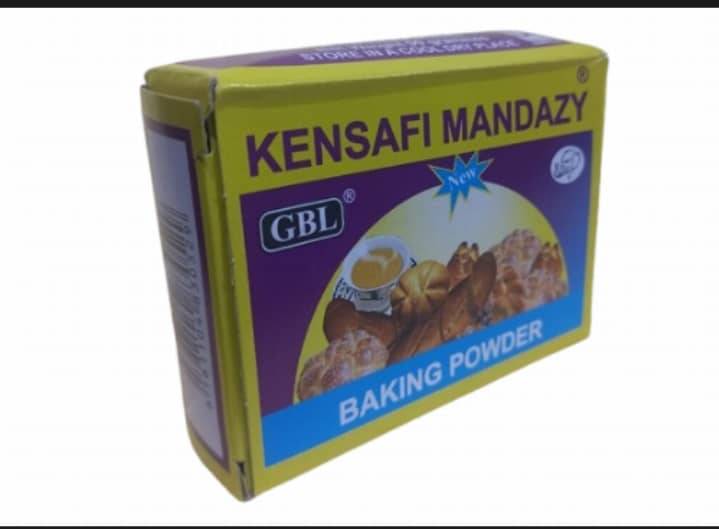
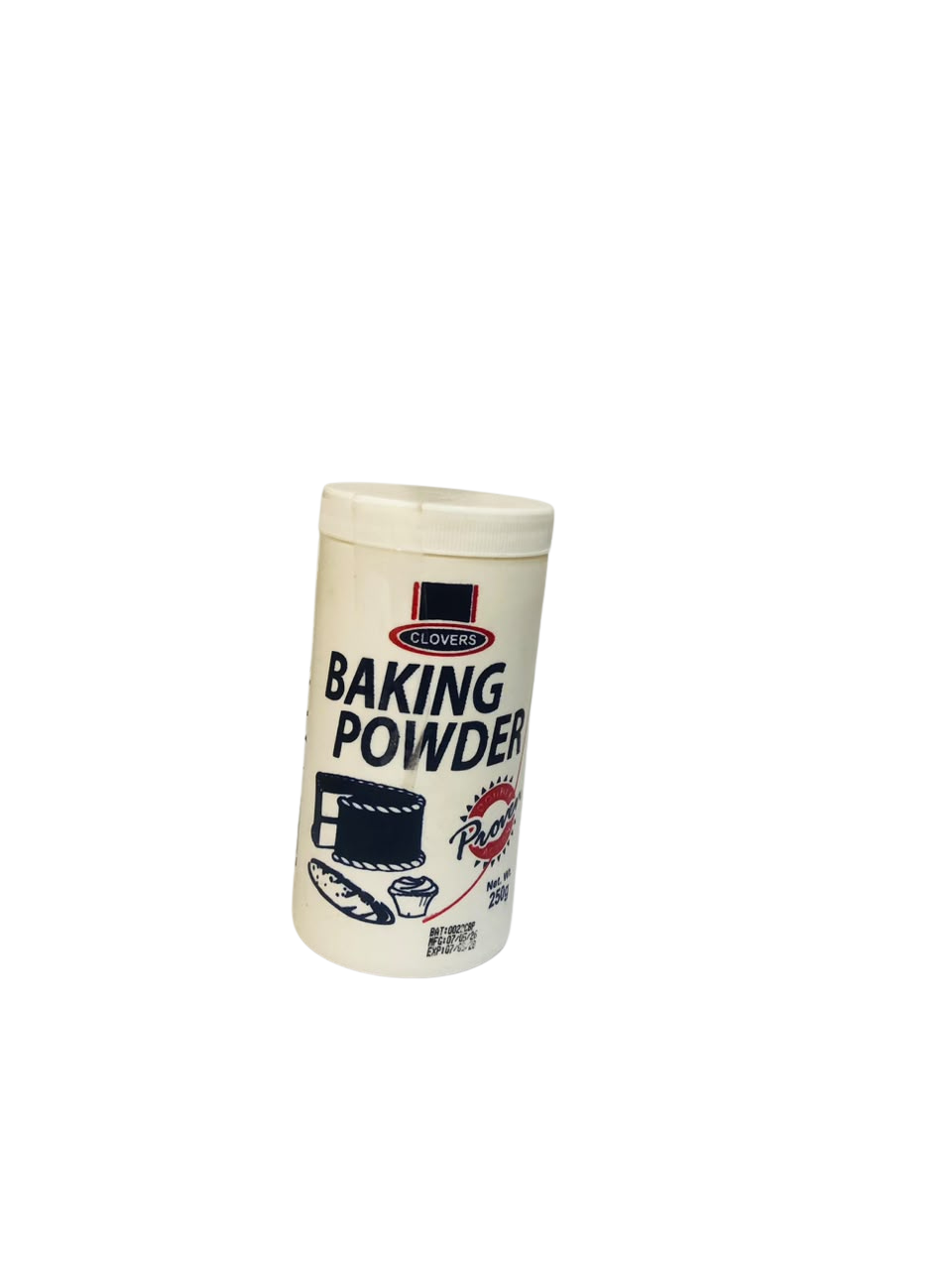
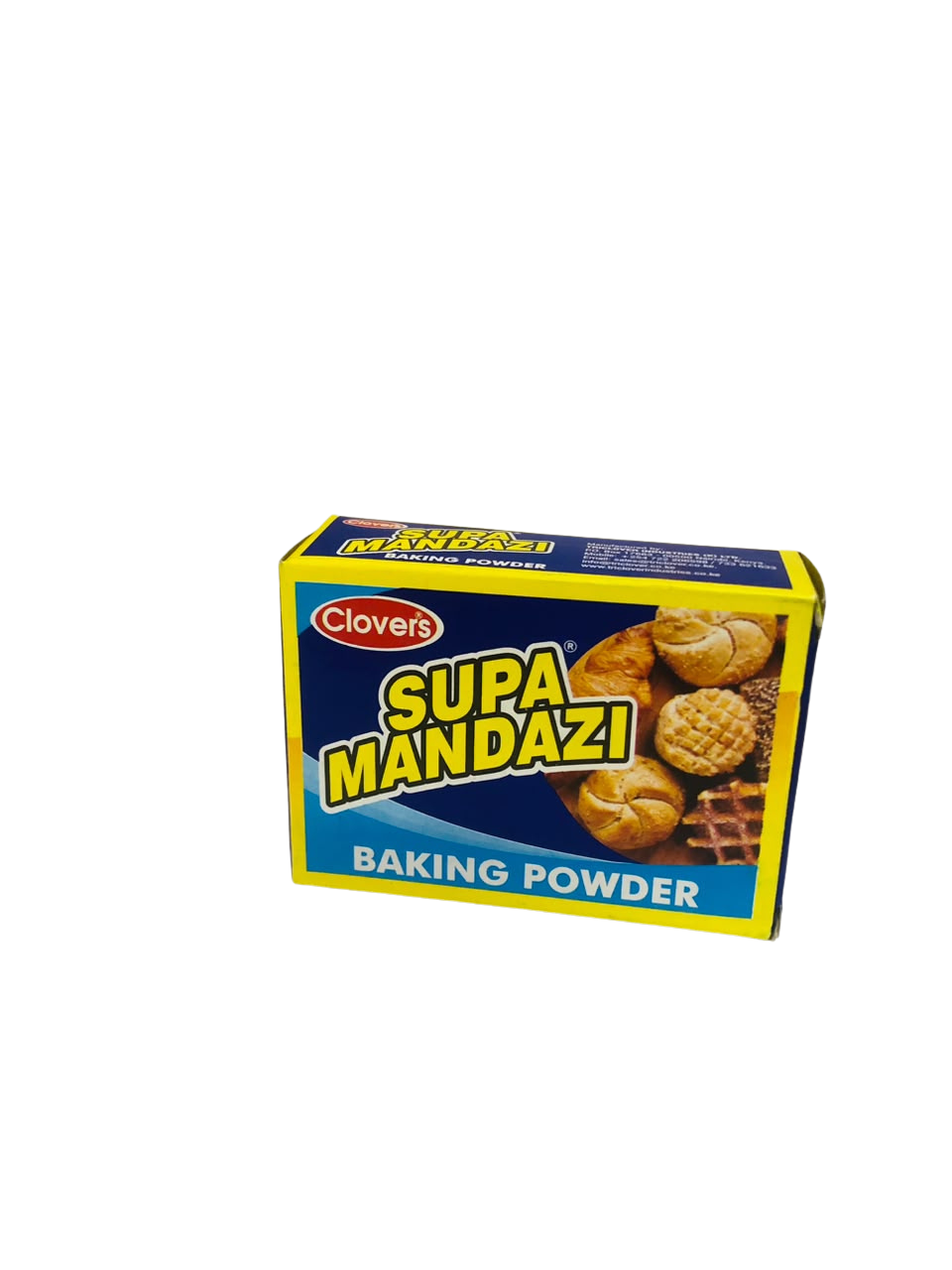
Baking powder
1 to 2 tins Must haveIt makes cakes, mandazi and muffins rise without yeast.
How to use it: Measure with a level spoon, not a heaped one. Too much leaves a bitter taste and makes cakes collapse.
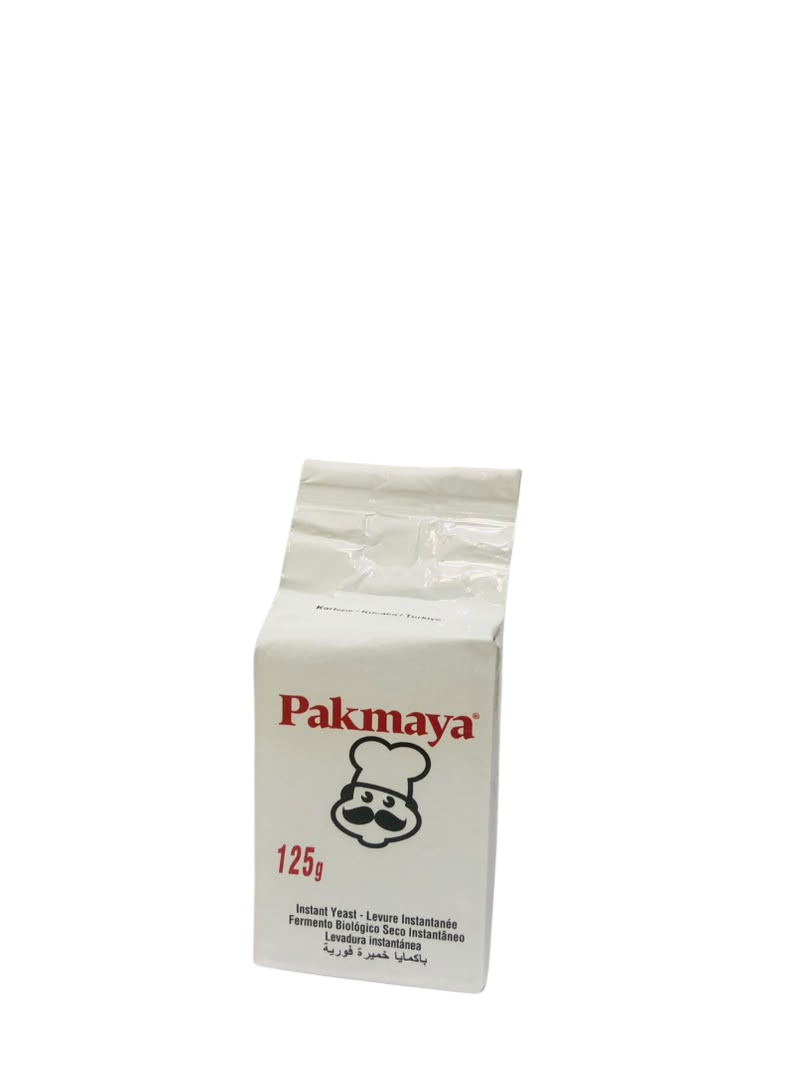
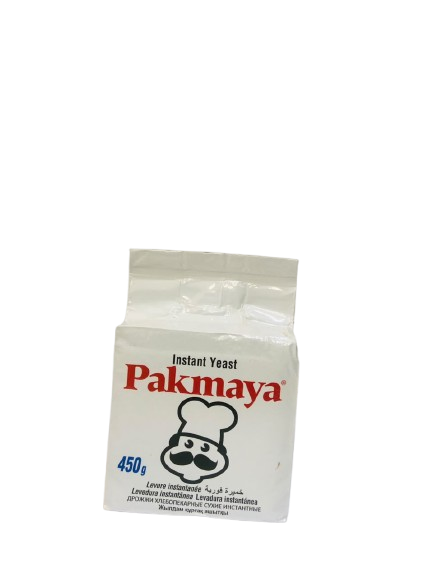
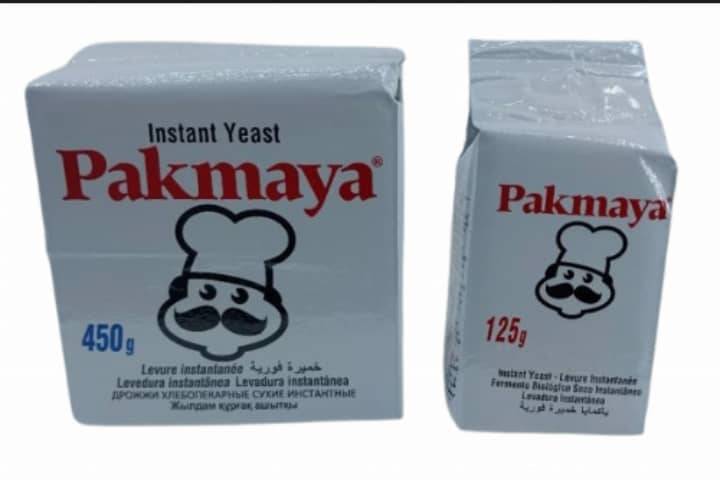
Dry yeast
125 gNice to haveNeeded for bread, buns and soft rolls.
How to use it: Keep the packet closed and cool. Mix with warm, not hot, water and a pinch of sugar, and wait for foam before using.
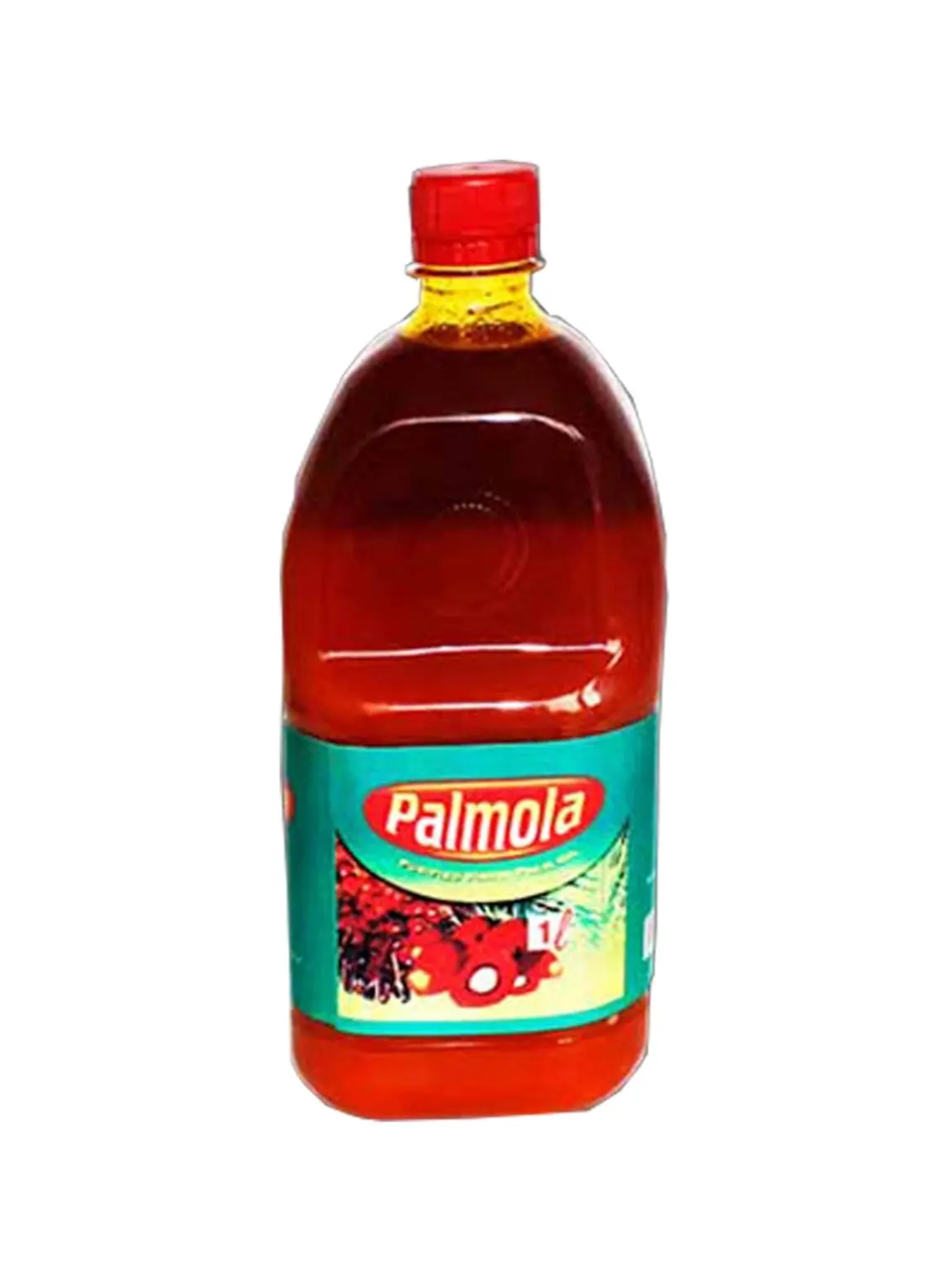
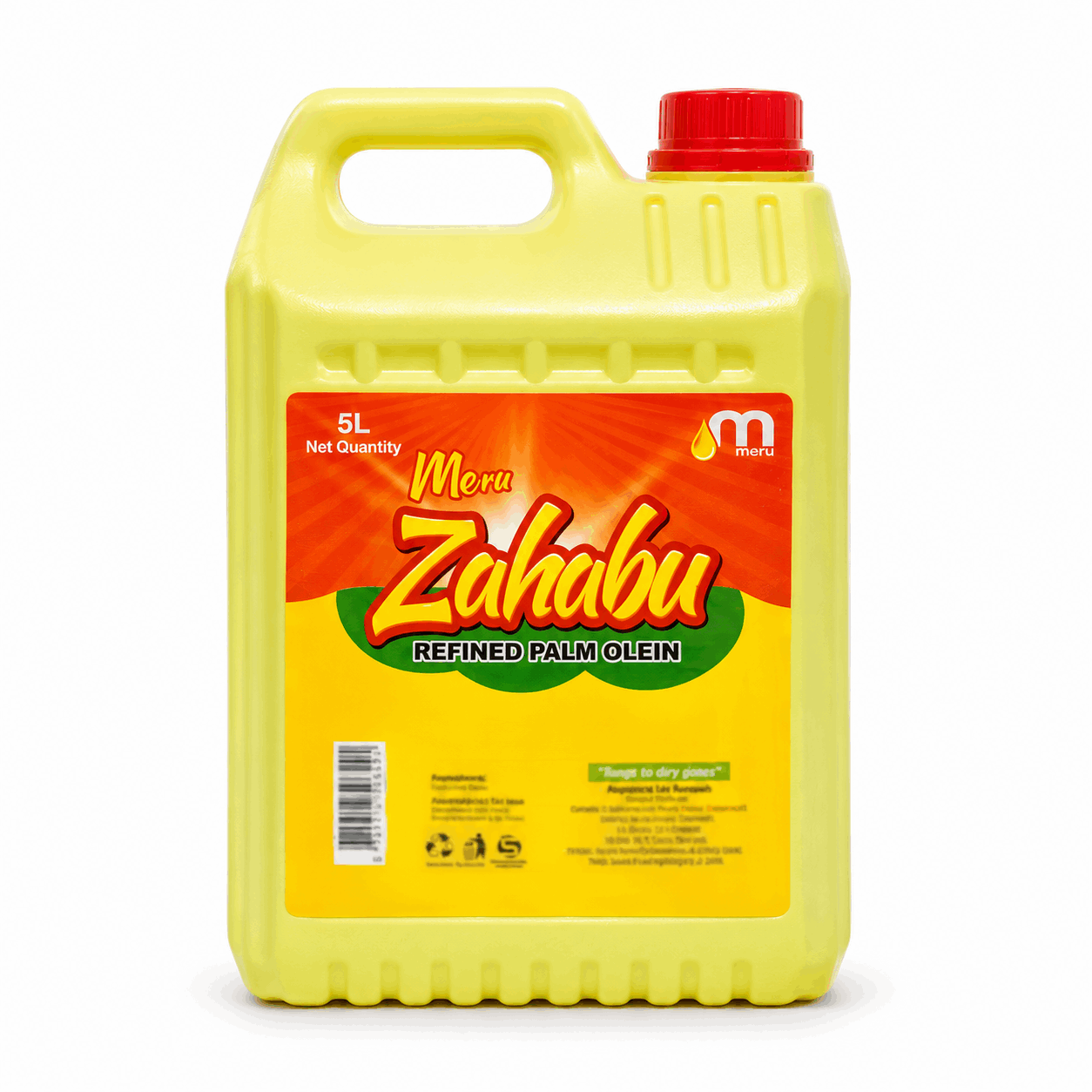
Cooking oil
1 to 3 L Must haveUsed for mandazi, some cakes and greasing pans.
How to use it: Choose a neutral oil with no strong smell. Do not reuse frying oil many times for sweet products.
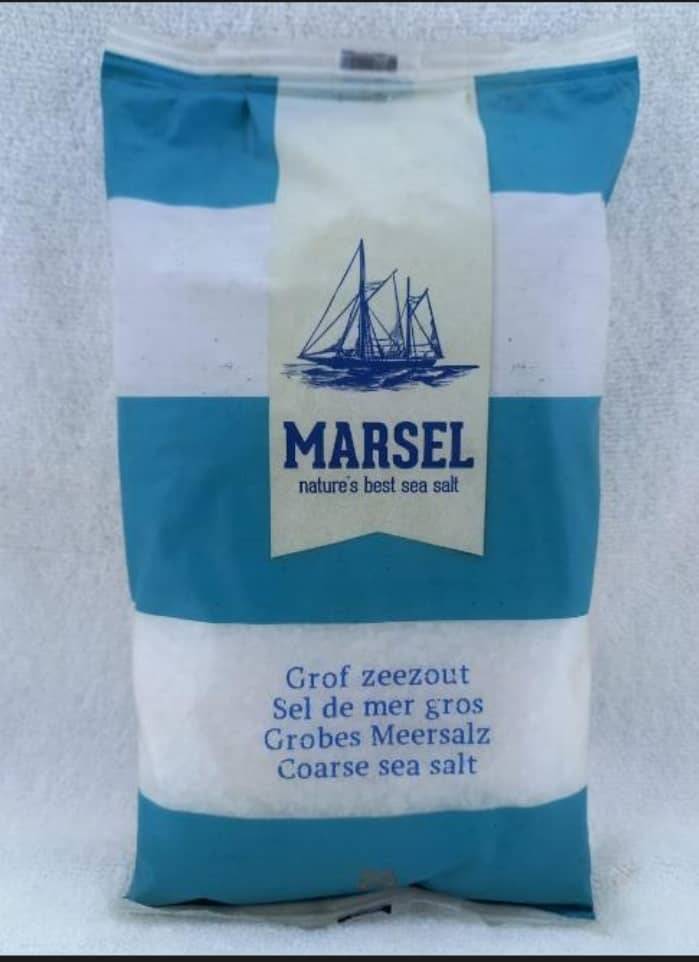
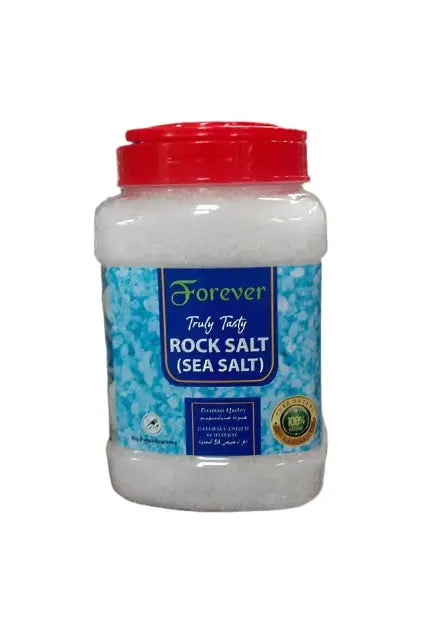
Salt
1 packet Must haveA small pinch brings out flavor in bread, cakes and cookies.
How to use it: Use fine salt so it mixes evenly. Add it to the flour, not on top of the yeast.


Flavor and decoration
Small extras that make a plain cake look and taste like something worth paying for.
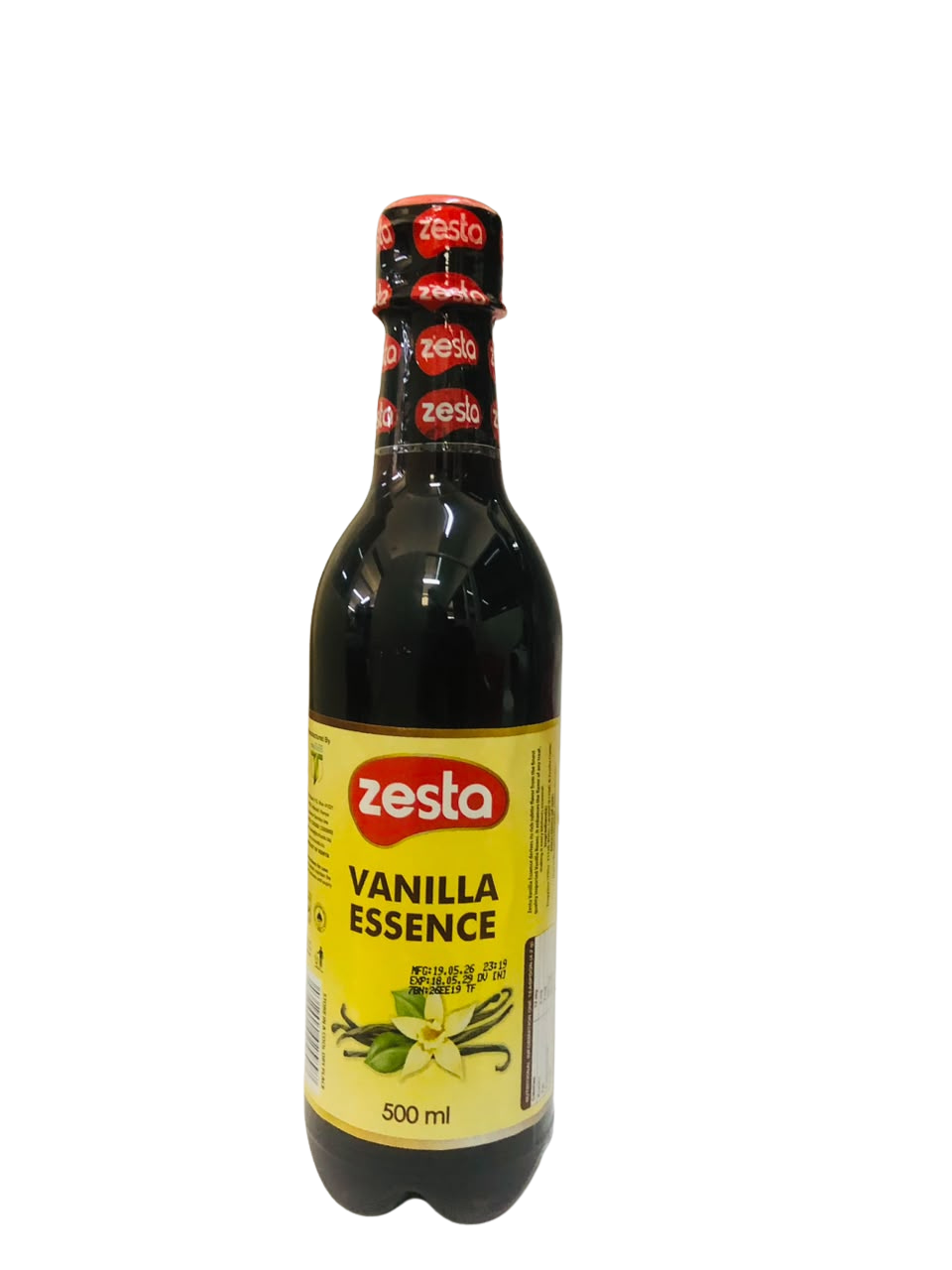
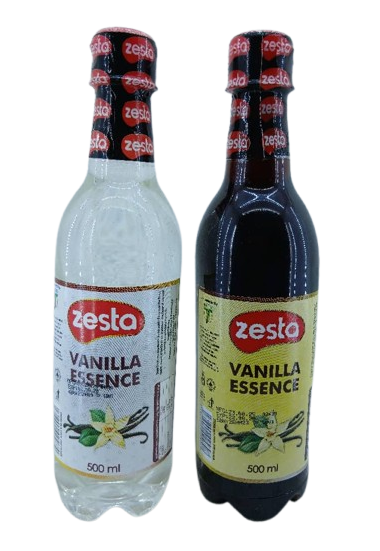
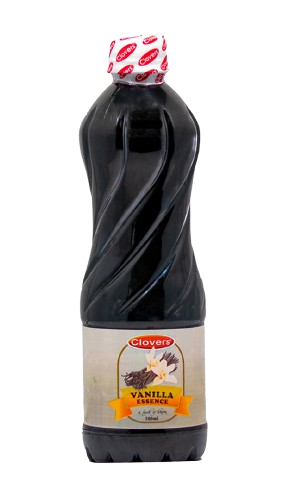
Vanilla essence
1 bottle Must haveA few drops lift the flavor of almost every cake and cookie.
How to use it: Add it to the wet mix, not the dry flour. A little goes a long way, so measure carefully.
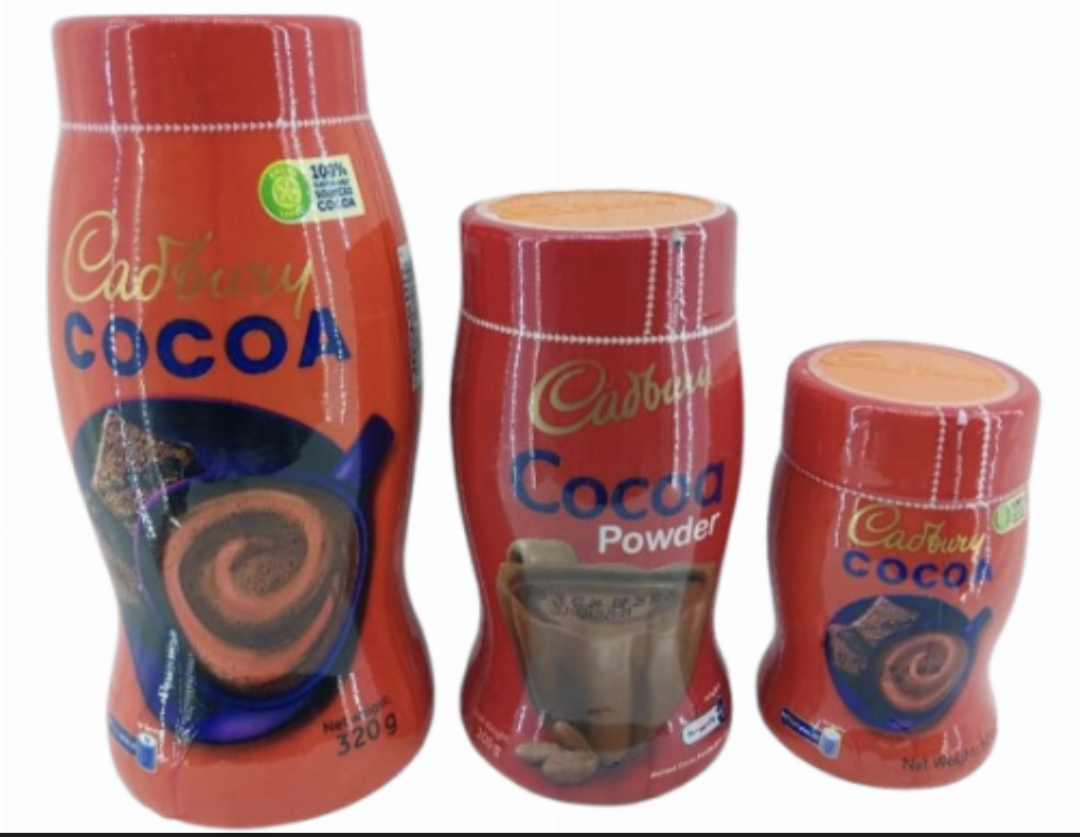
Cocoa powder
1 tinNice to haveGives chocolate cakes, brownies and cookies their flavor.
How to use it: Sift it with the flour to avoid dry lumps. Use unsweetened cocoa and add sugar as the recipe says.
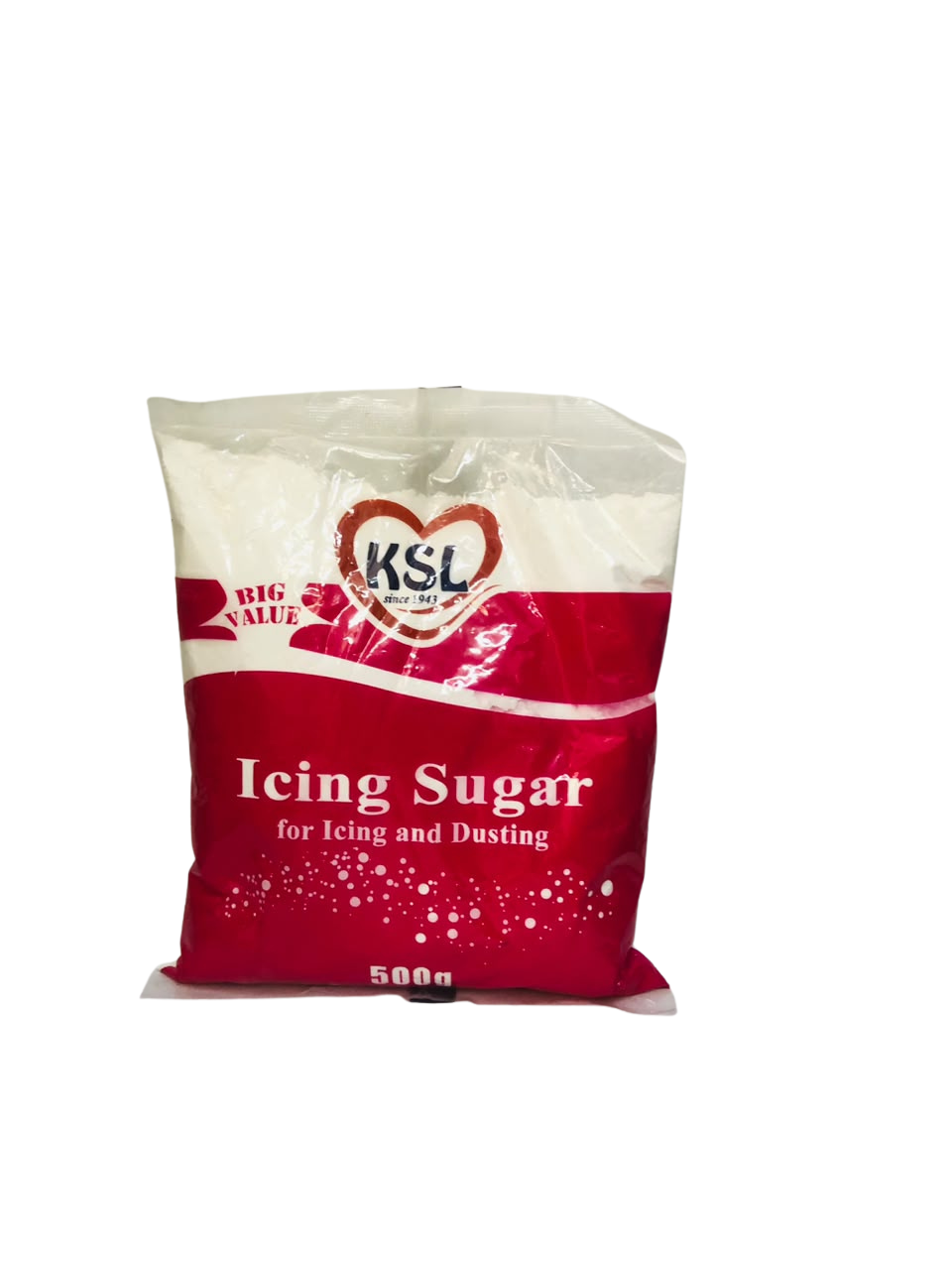
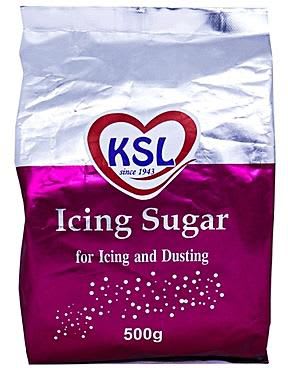
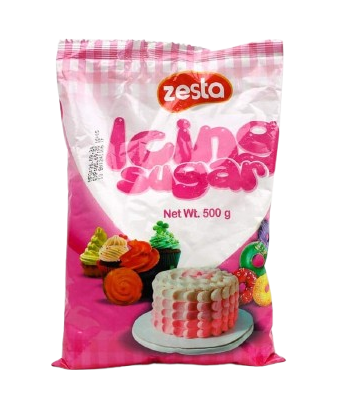
Icing sugar
500 g Must haveFor smooth frosting, glaze and dusting on top of cakes and buns.
How to use it: Sift before mixing to avoid lumps. Add liquid a little at a time until it is thick but spreadable.
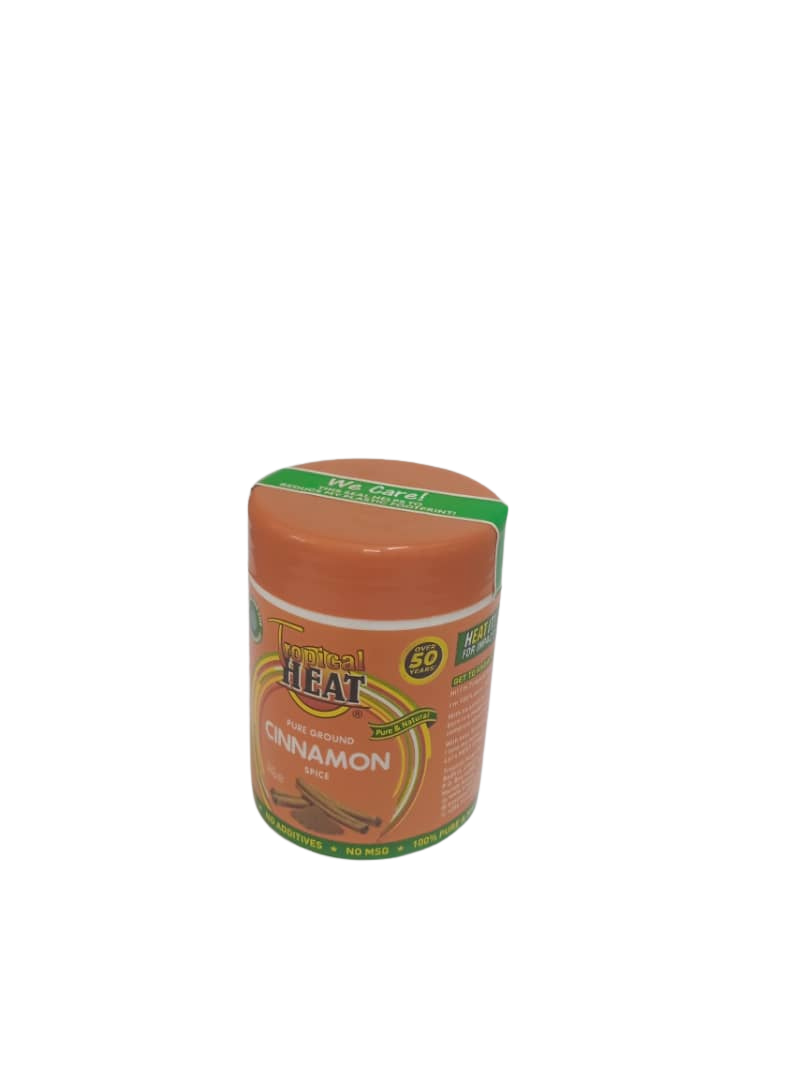
Ground cinnamon
1 small packNice to haveAdds warm flavor to buns, mandazi and cookies.
How to use it: Mix a small spoon into the flour. Keep the jar closed so it keeps its smell.
Sprinkles
1 packNice to haveA quick, cheap way to make cupcakes and birthday cakes look cheerful.
How to use it: Add them right before serving or boxing, because they run in warm, damp frosting.
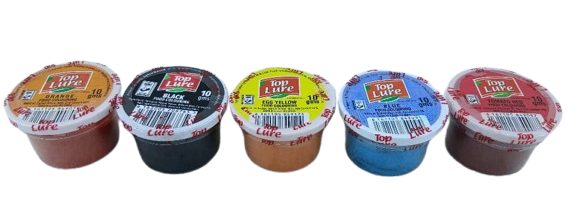
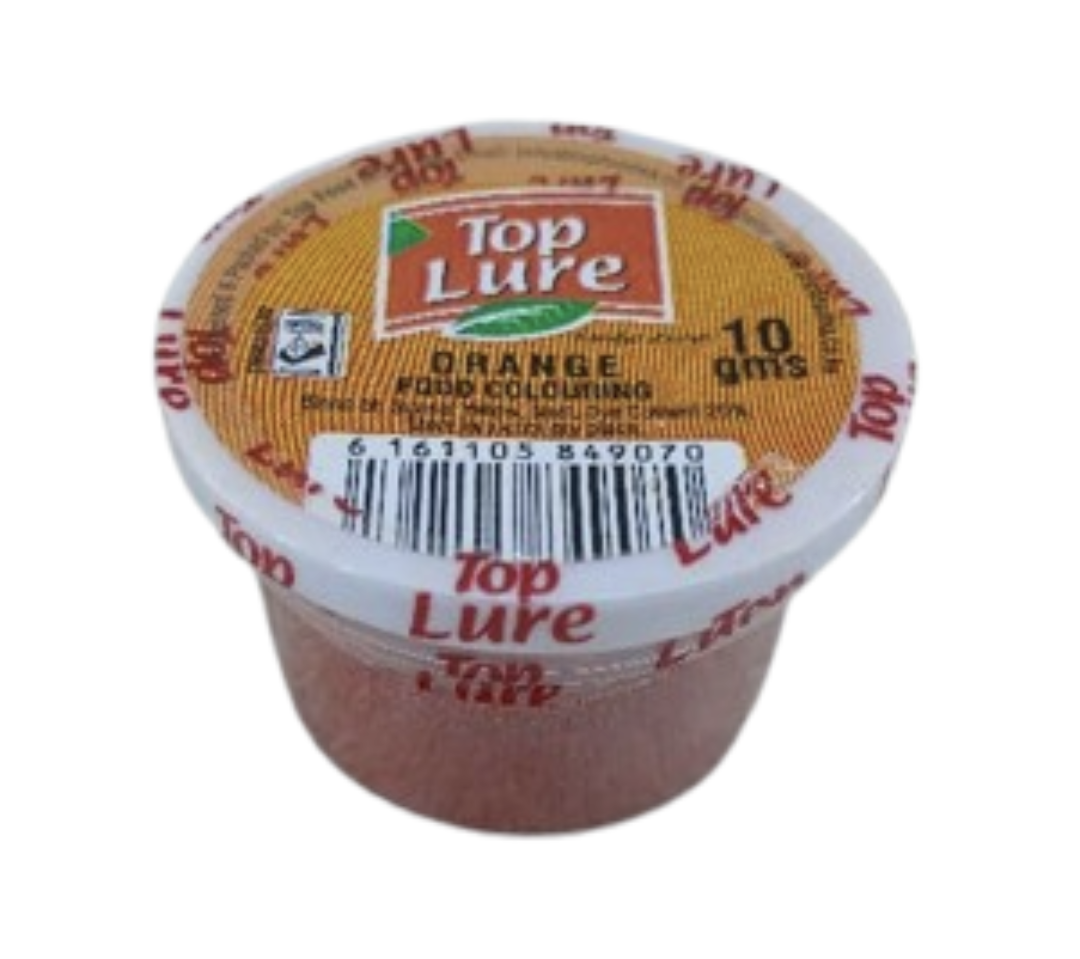
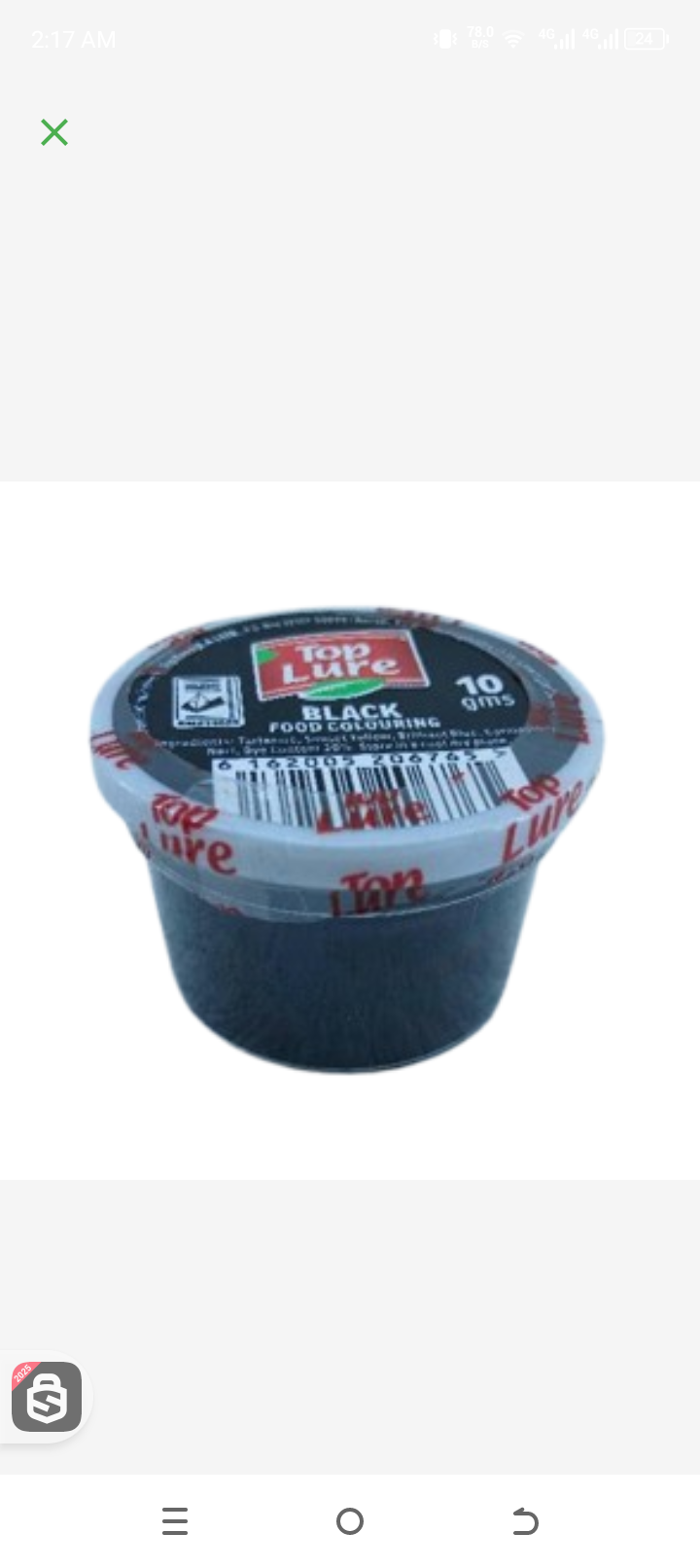
Food coloring
2 or 3 colorsNice to haveLets you match a cake to a birthday theme or a customer's favorite color.
How to use it: Use a drop at a time on a toothpick. Mix well before adding more, as the color deepens while it rests.

Baking tools
Good measuring and mixing tools save time and make every batch match the last one.
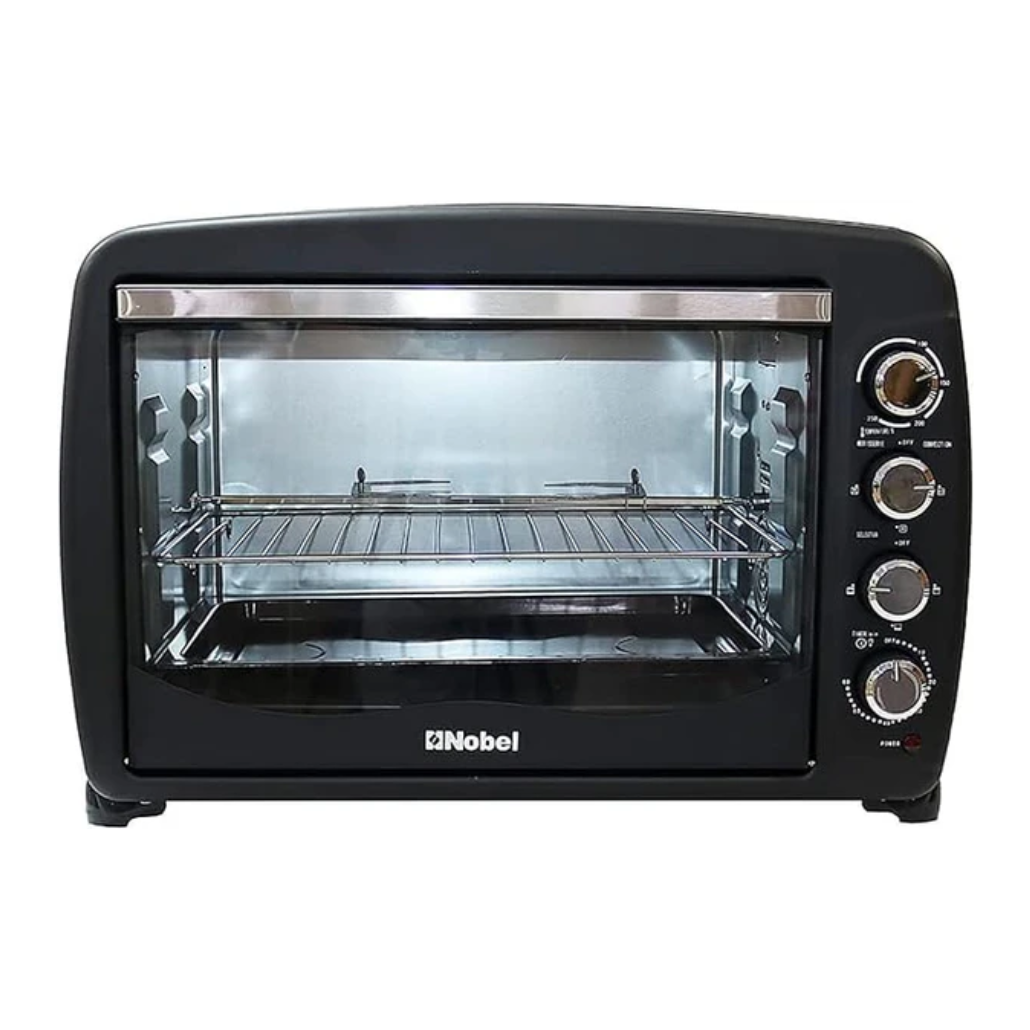
Oven
1 Must haveA reliable oven is the heart of the business. Check how many trays it holds and whether it heats evenly.
How to use it: Test it with a plain sponge cake before taking orders. Turn trays halfway if one side browns faster.
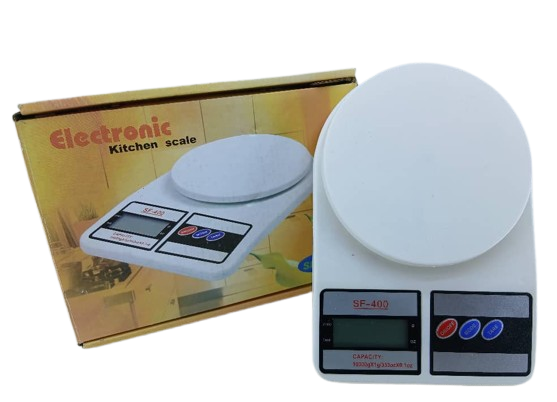
Kitchen scale
1 Must haveWeighing flour and sugar gives the same cake every time, which is what repeat customers notice.
How to use it: Place the bowl on the scale and reset to zero before each ingredient.
Measuring cups
1 or 2 Must haveHandy for liquids such as milk, water and oil.
How to use it: Read the line at eye level on a flat table. Wash and dry fully so no oil is left behind.
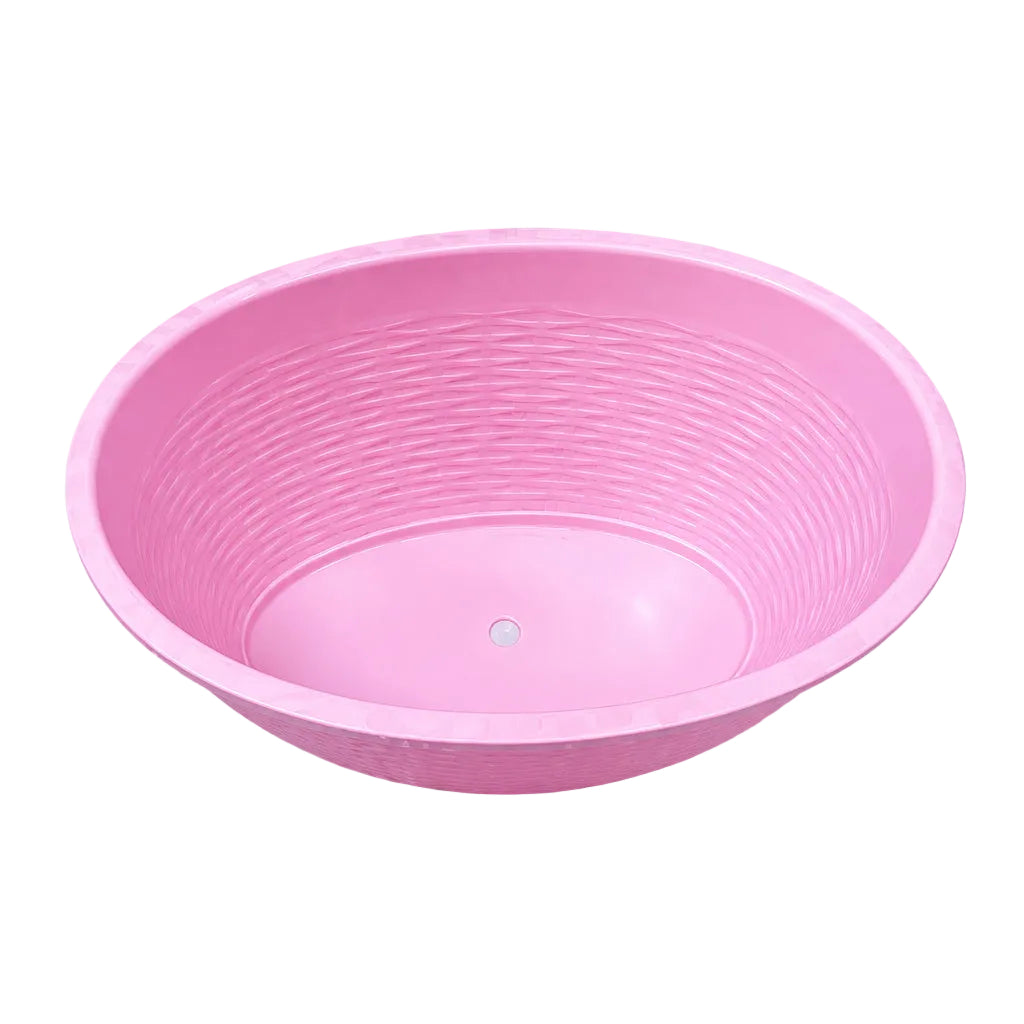
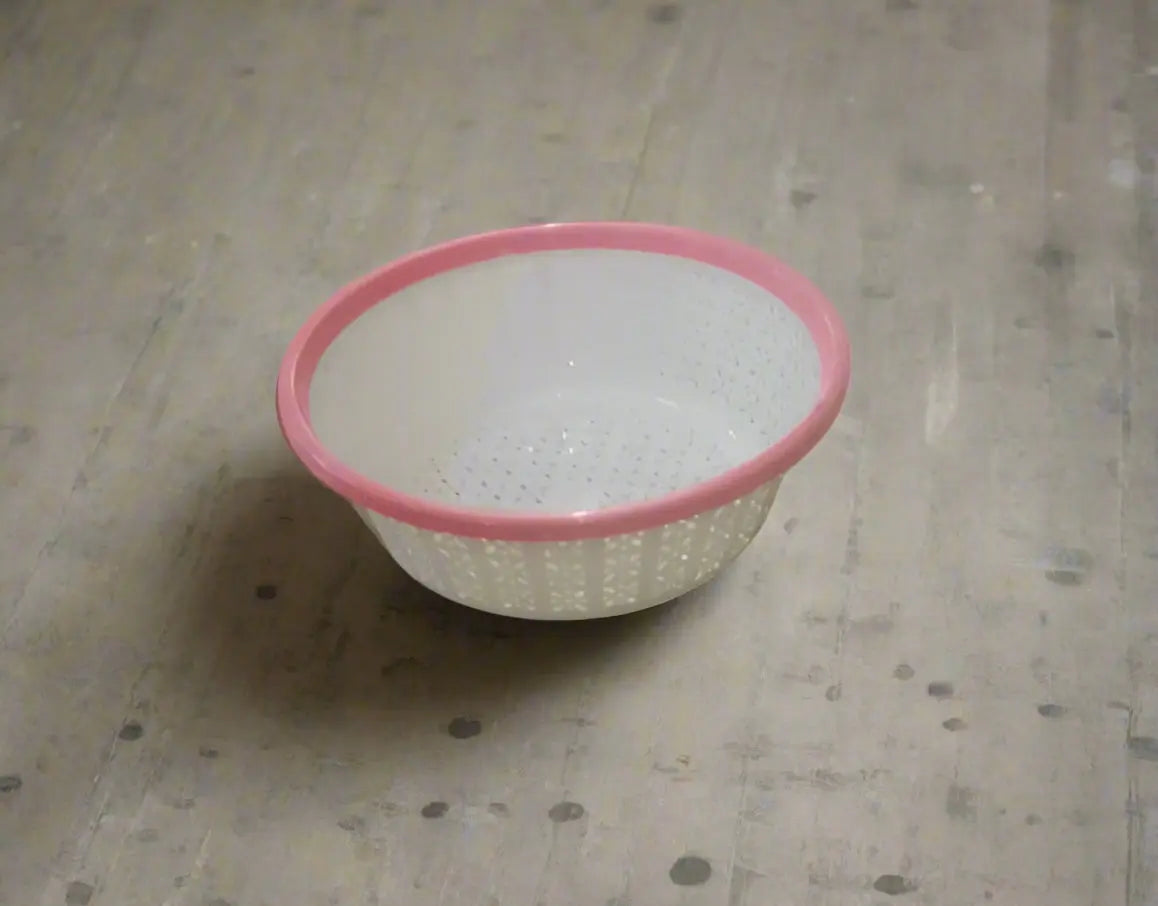
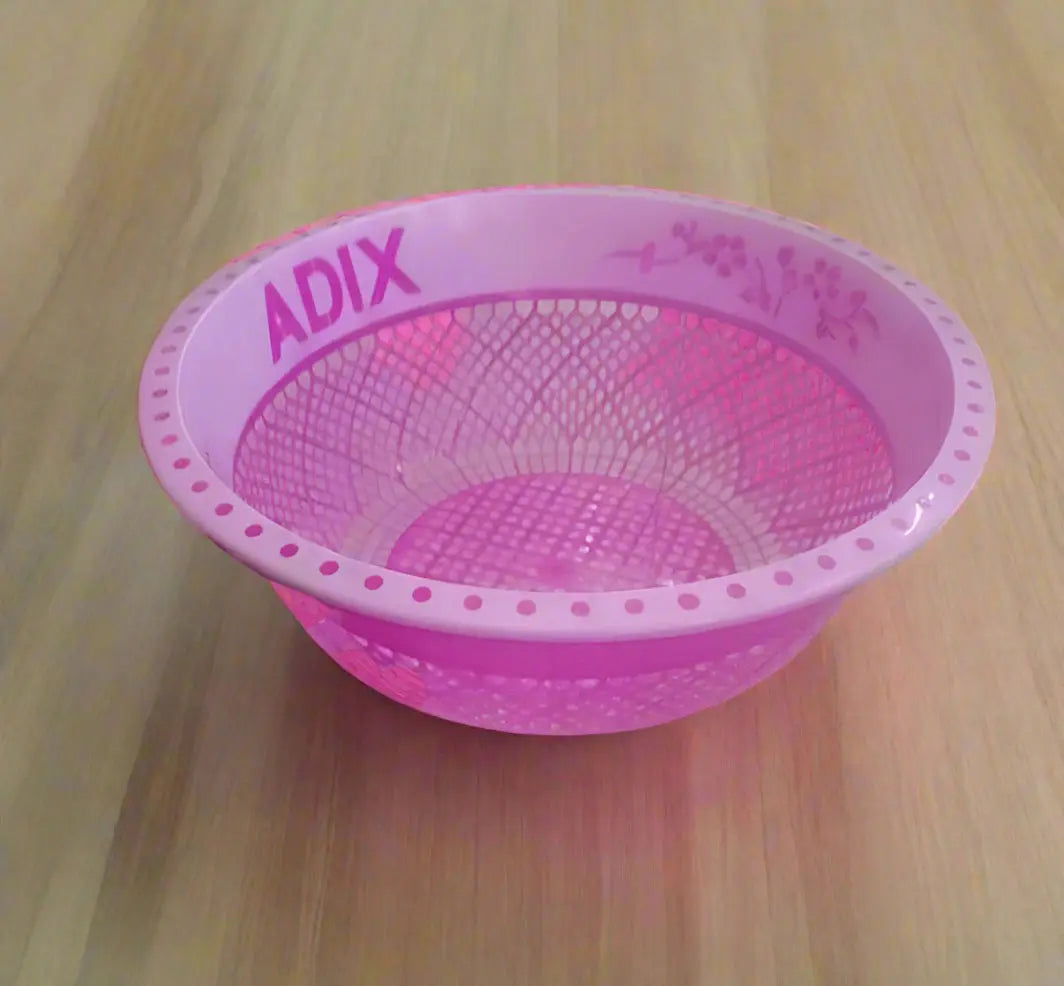
Large mixing basin
2 Must haveYou need room to mix without flour flying out.
How to use it: Choose a wide, deep basin that is easy to hold. Keep one only for baking and one for washing.
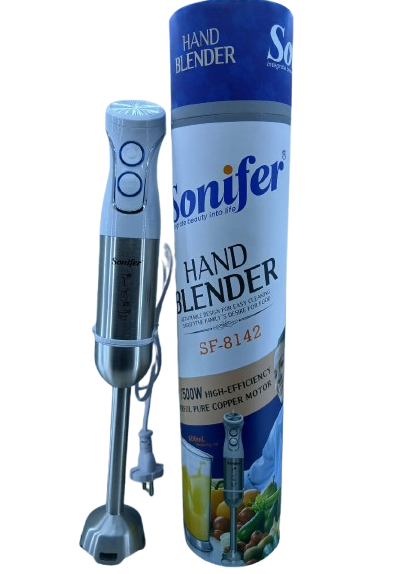
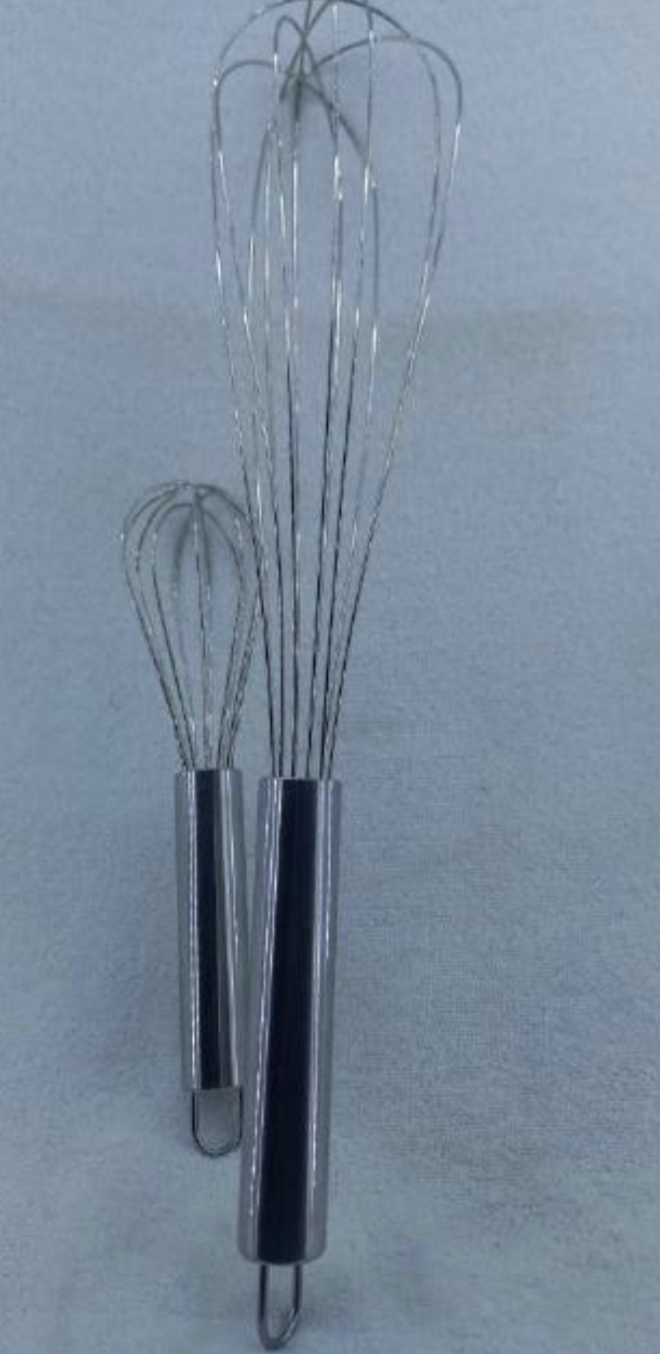
Hand mixer
1Nice to haveWhips eggs and butter quickly and saves your arm when you bake several cakes a day.
How to use it: Start on low speed so flour does not fly, then increase. Stop as soon as the batter is smooth.
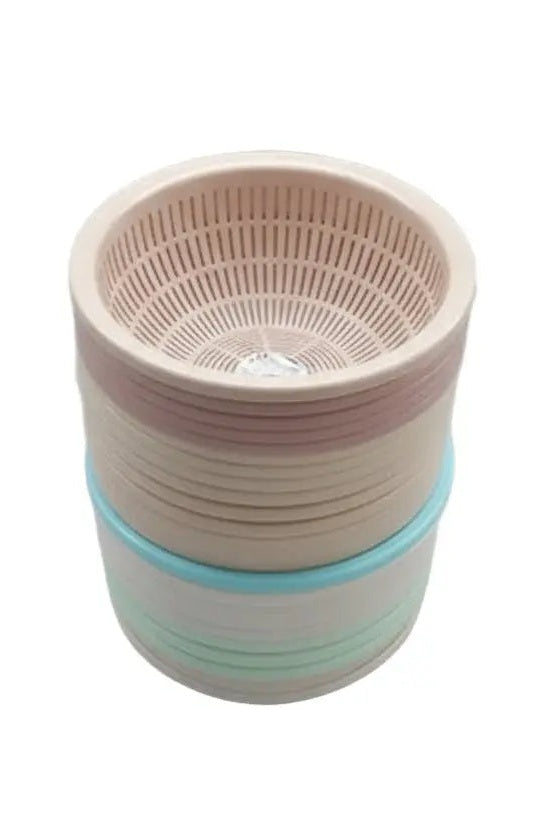
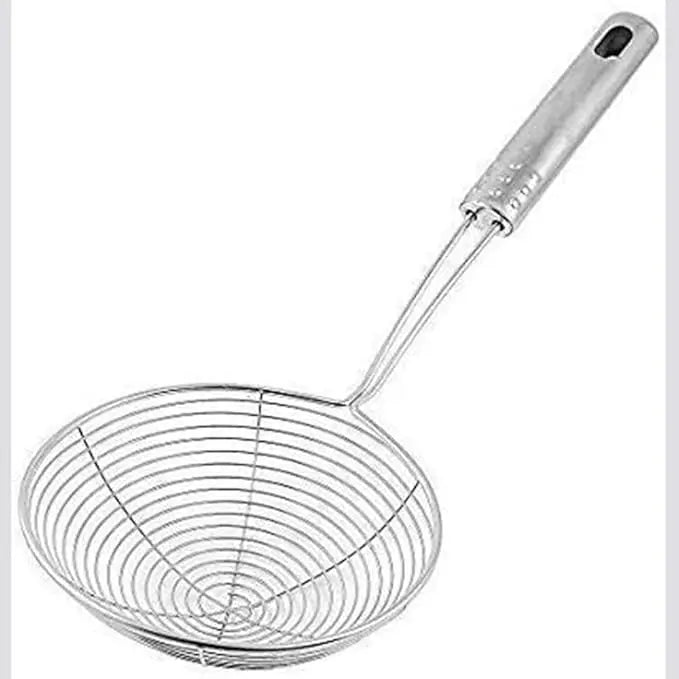
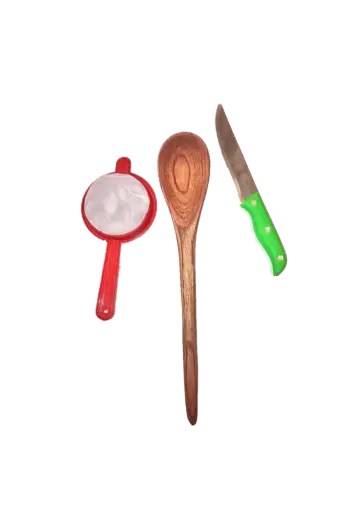
Flour strainer
1 Must haveRemoves lumps and mixes air into dry ingredients for lighter cakes.
How to use it: Sift flour, baking powder and cocoa together over the bowl before adding wet ingredients.
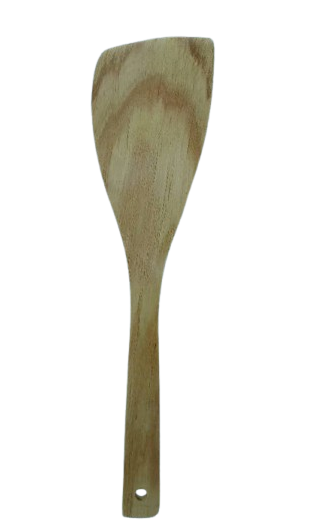
Spatula
2 Must haveScrapes the bowl clean and folds batter gently.
How to use it: Fold from the bottom up in slow strokes so the air stays in the batter.
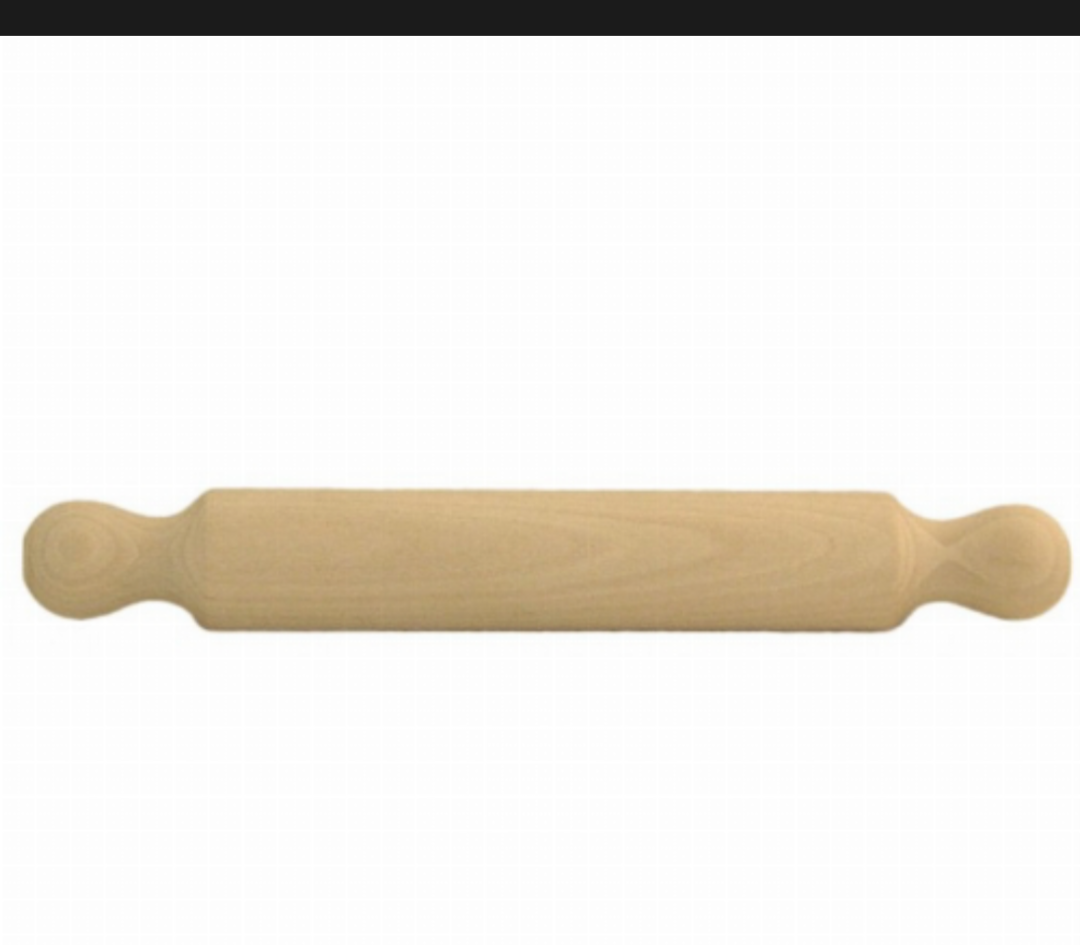
Rolling pin
1Nice to haveNeeded for cookies, pastry, samosa sheets and some breads.
How to use it: Dust it and the table with a little flour so the dough does not stick.



Pans, trays and oven helpers
Your pans decide the shape and size of what you sell.
Cake pans
2 Must haveRound pans make standard cakes. Having two the same size lets you bake layers together.
How to use it: Grease and line the base with baking paper. Let the cake rest a few minutes before turning it out.
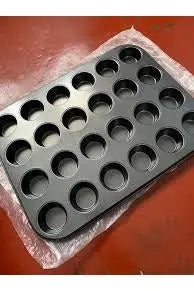
Muffin or cupcake tray
1 or 2Nice to haveLets you sell small, easy portions that are popular for offices and parties.
How to use it: Fill each hole two thirds full so the tops do not spill over.
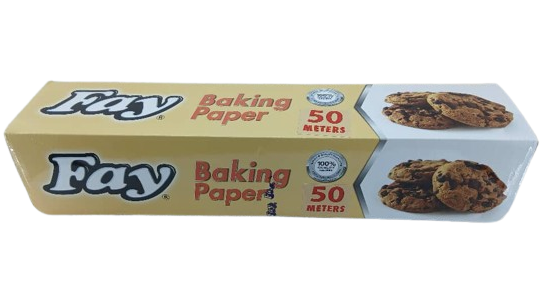
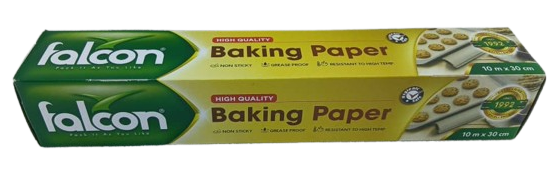
Baking paper
1 roll Must haveStops cakes and cookies sticking and makes cleaning easy.
How to use it: Cut it to fit the pan before you start mixing. Do not let it touch the oven heater.
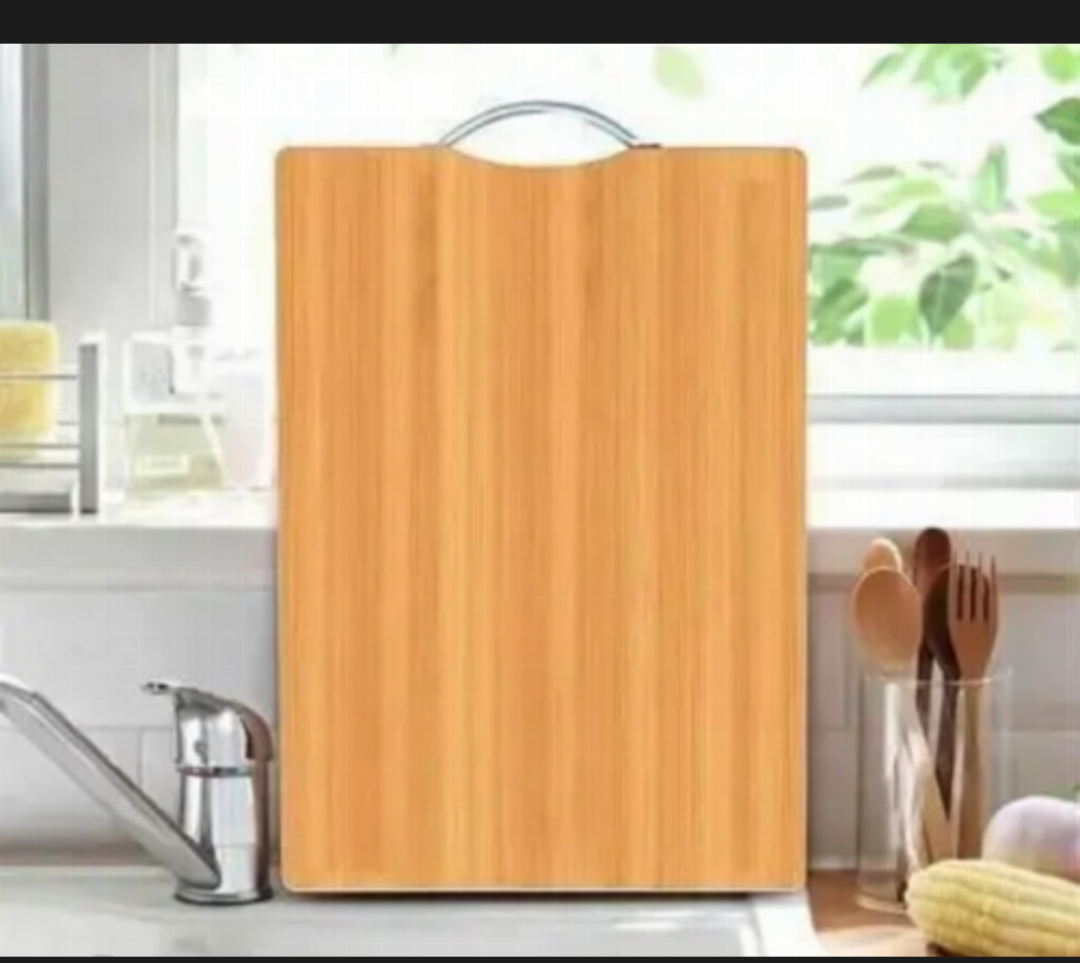
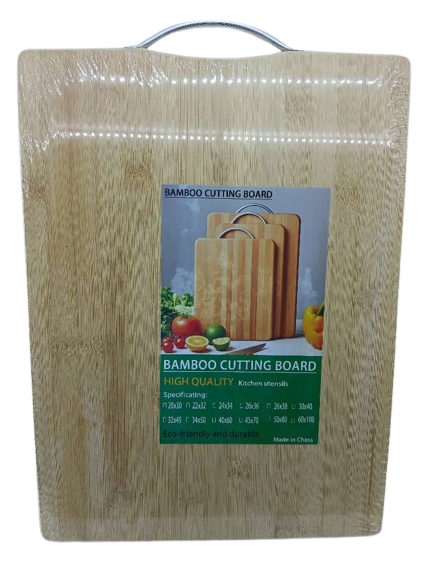
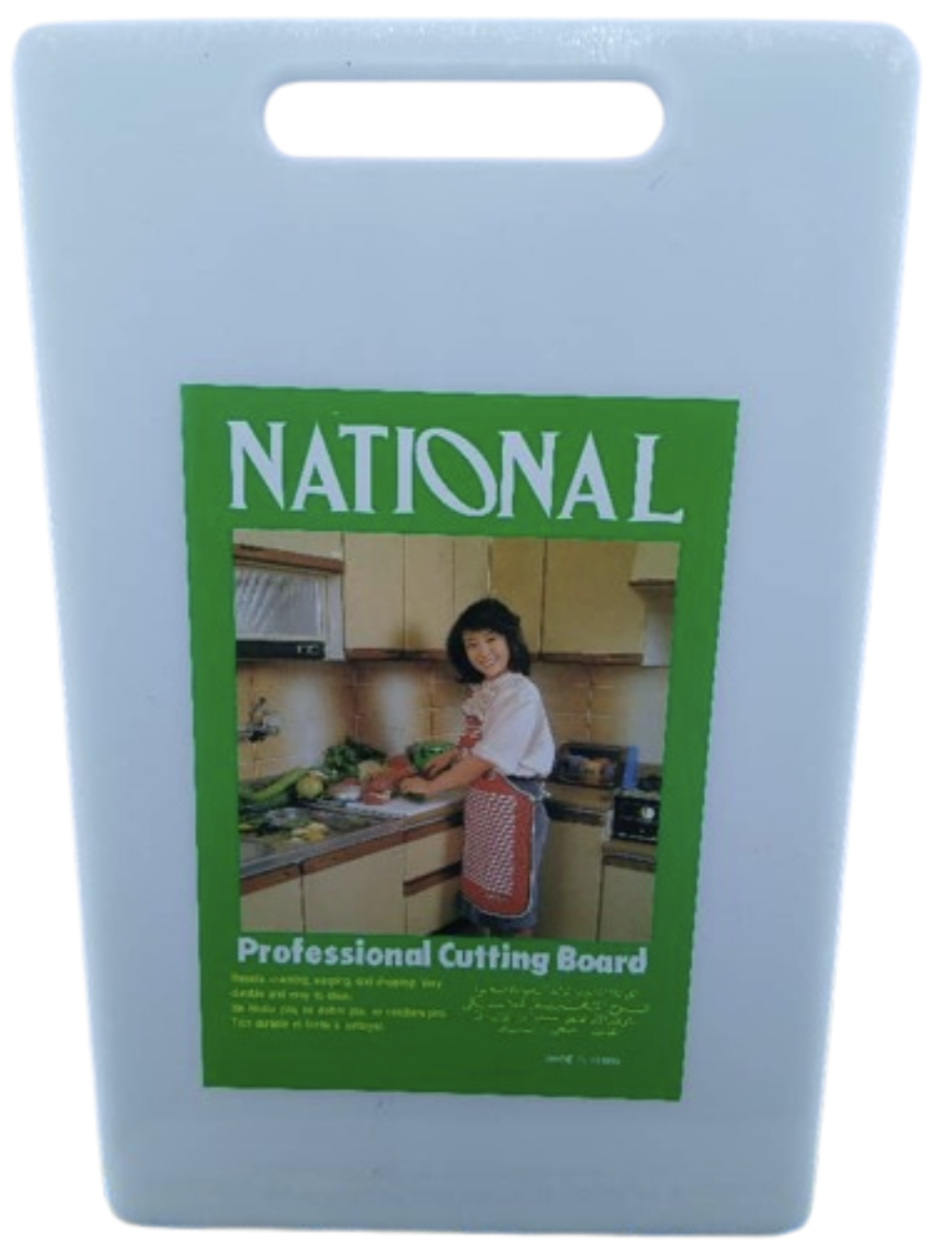
Cutting board
1 Must haveA clean surface for cutting cakes, bread and fillings.
How to use it: Keep one board only for food and wash it with hot water and soap after use.
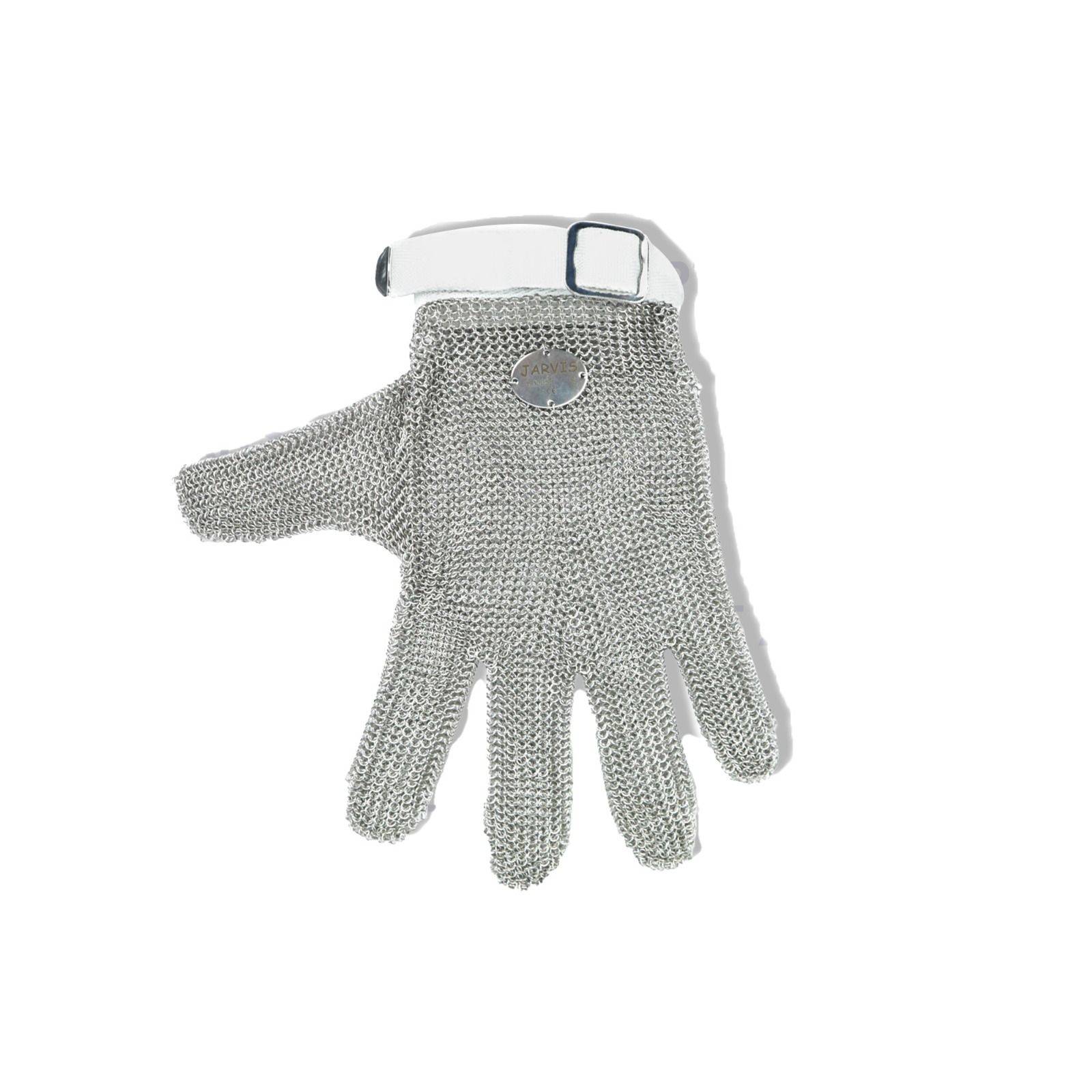
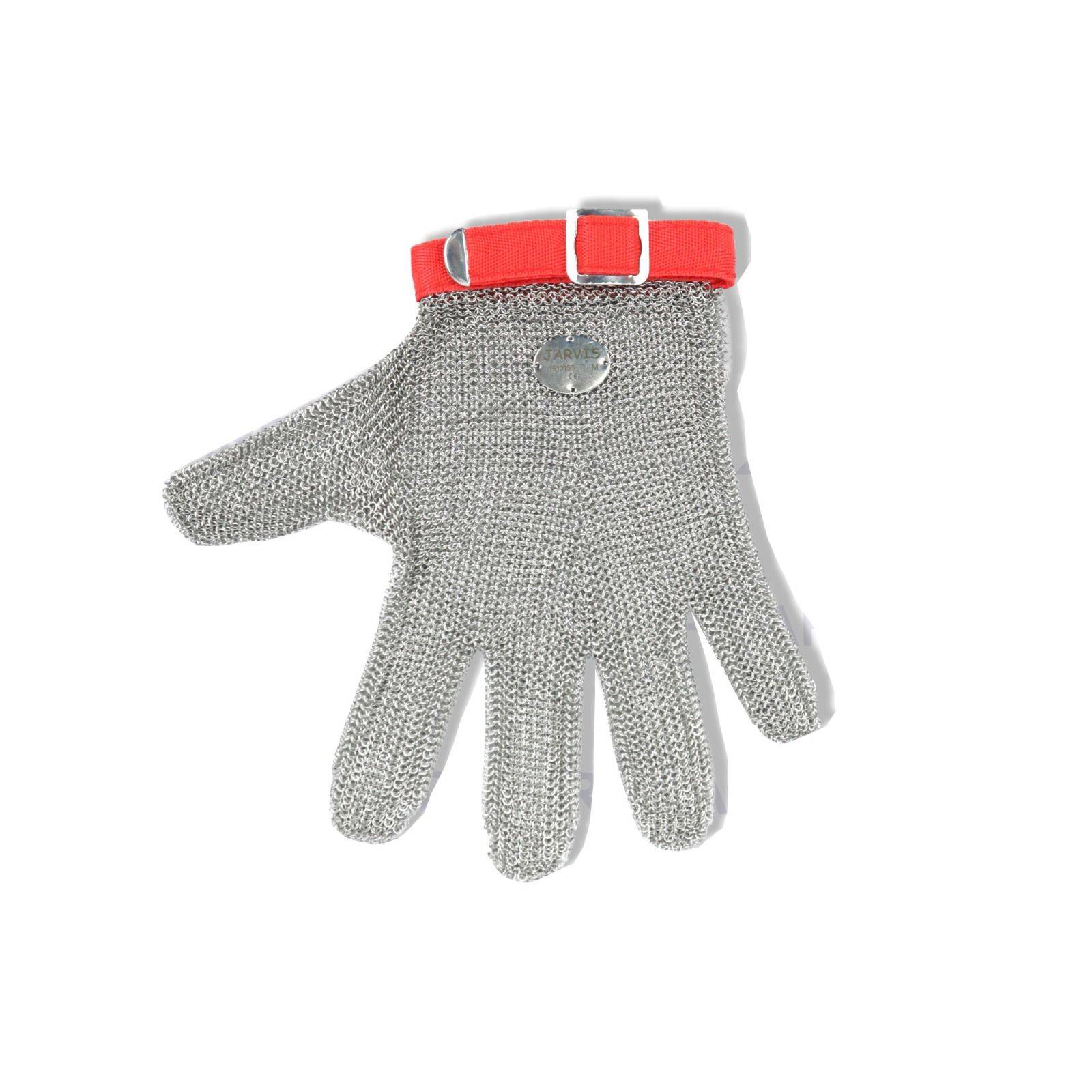
Oven gloves
1 pair Must haveProtect your hands when you take hot trays out.
How to use it: Replace them when they get thin or wet, because wet cloth carries heat fast.

Packaging
Packaging protects the product and is the first thing a customer sees. Keep it simple and clean.
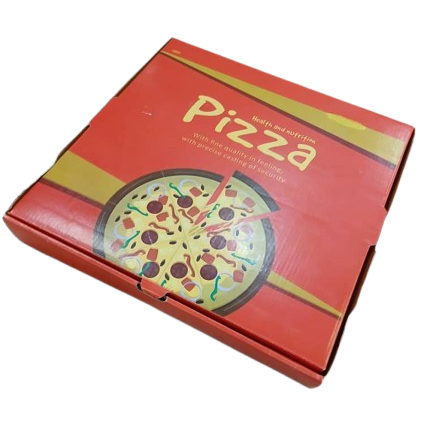
Cake boxes
5 to 10 Must haveA sturdy box keeps a cake safe on a moto or in a car on Kigali's hilly roads.
How to use it: Choose a size slightly bigger than the cake. Chill the cake first so the frosting is firm during delivery.
Cupcake boxes
5Nice to haveHold small cakes upright so frosting is not smudged.
How to use it: Pick boxes with holes sized for your muffin cups and close them gently.
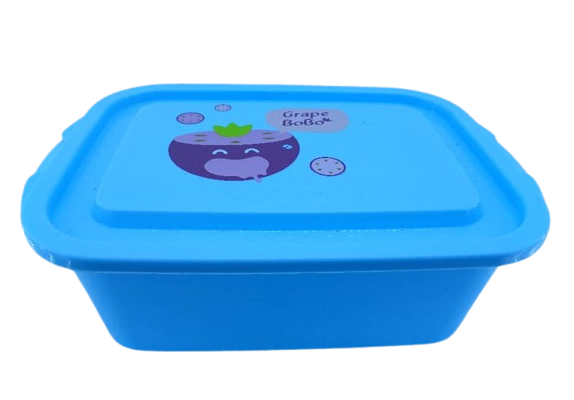
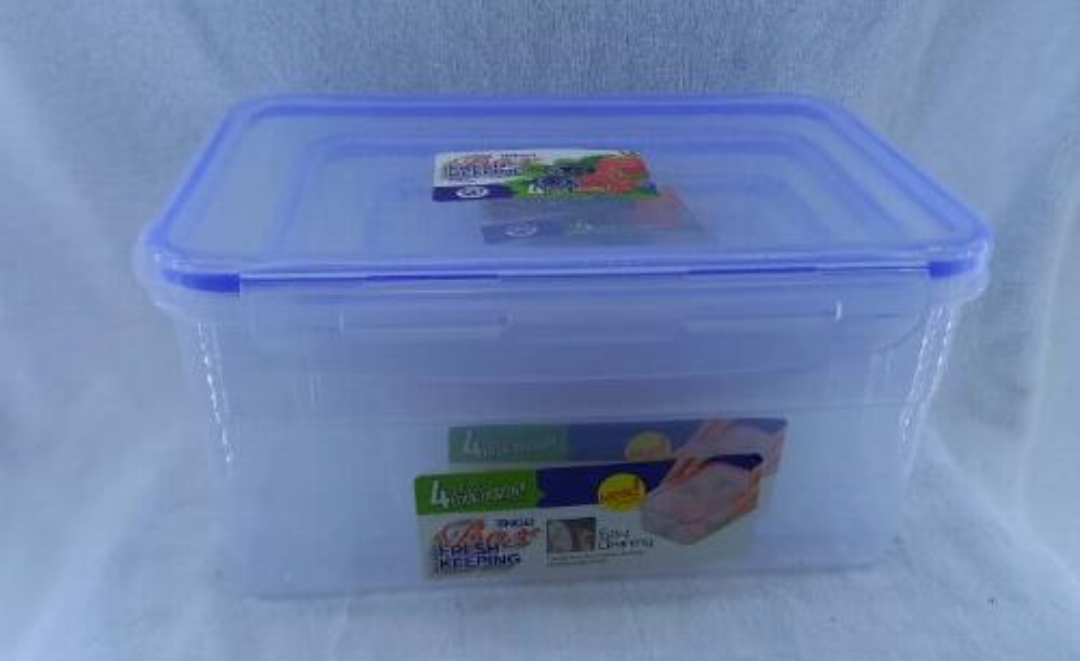
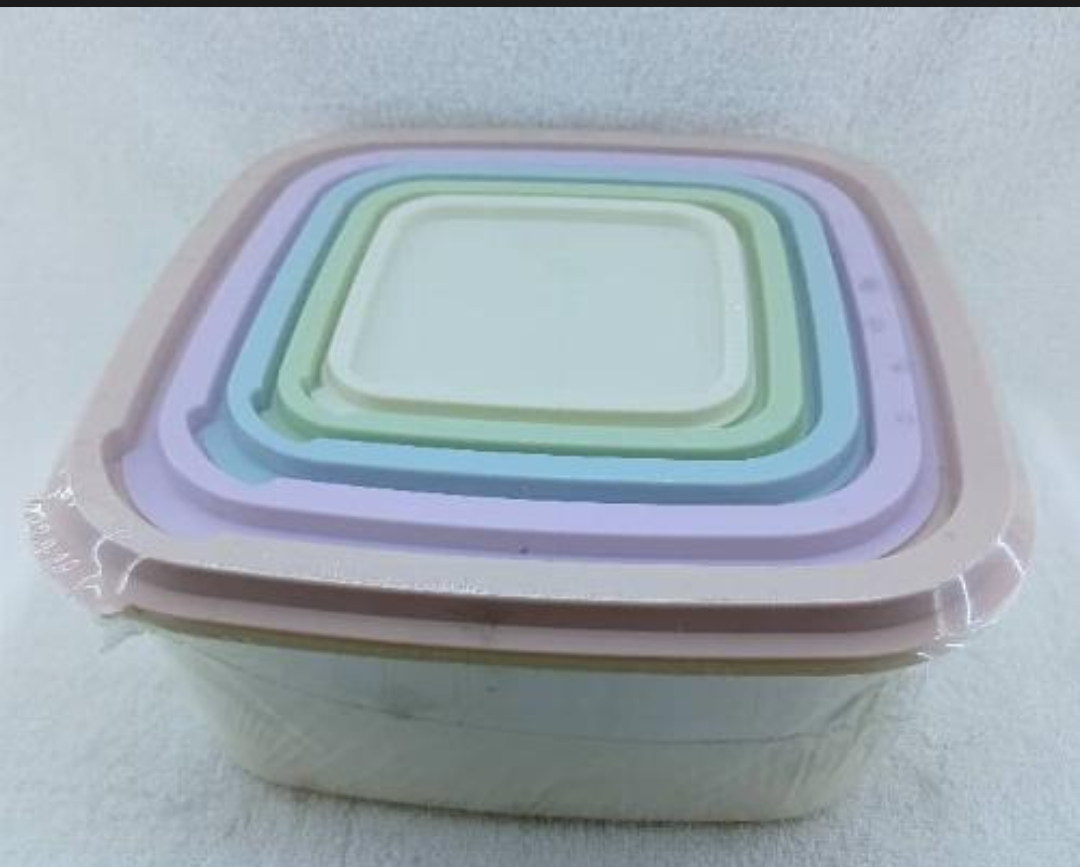
Plastic food containers
10 Must haveFor cookies, mandazi and slices that customers carry home.
How to use it: Let food cool completely before closing the lid, or steam will make it soggy.
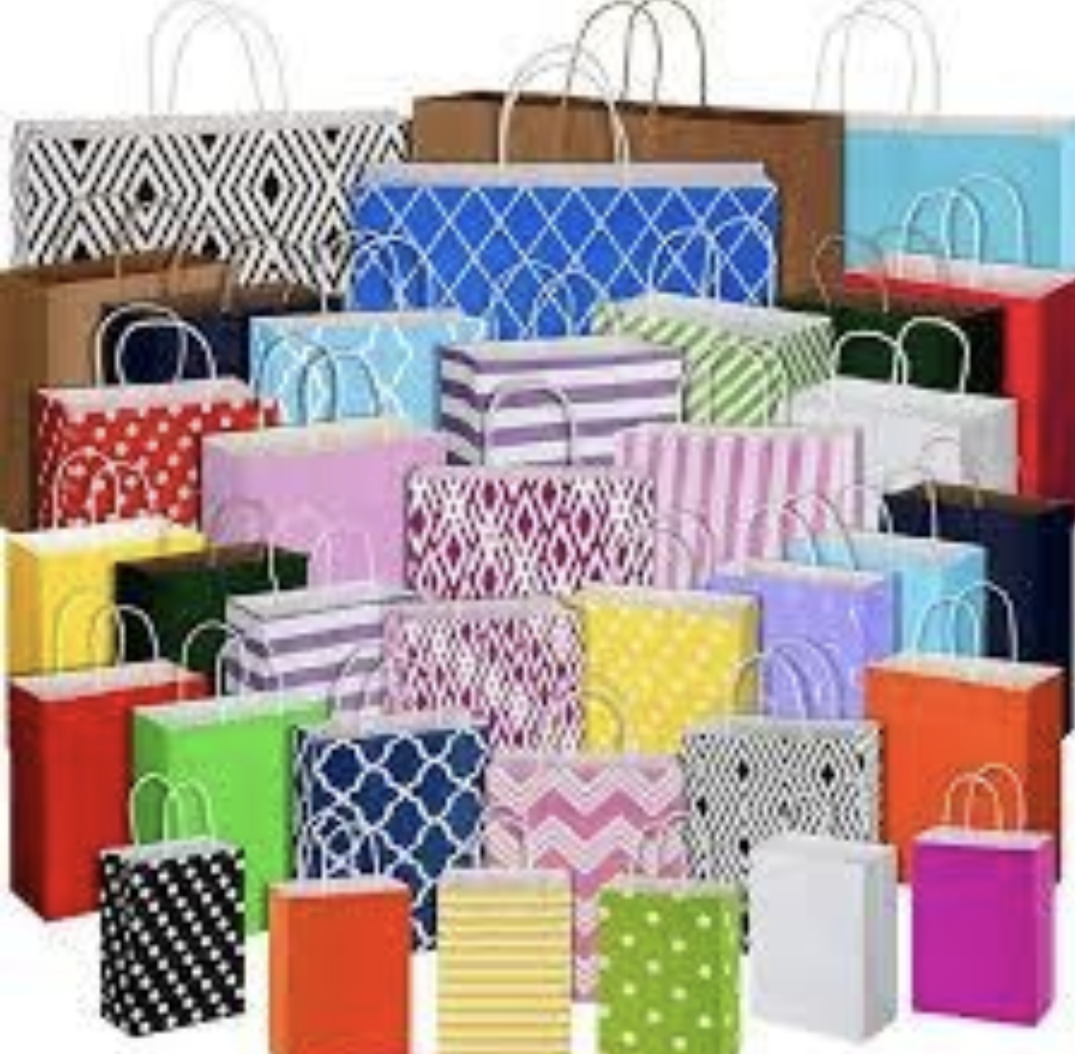
Gift bags
5Nice to haveMake a plain box look special and are easy to carry.
How to use it: Keep a few sizes so one cake box and one small box both fit.
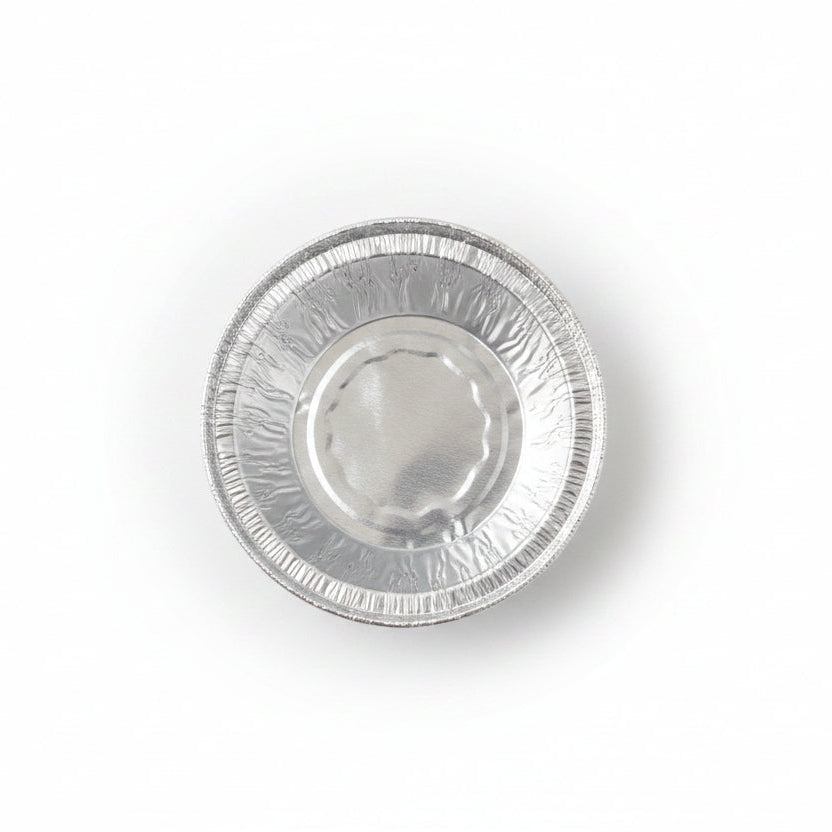
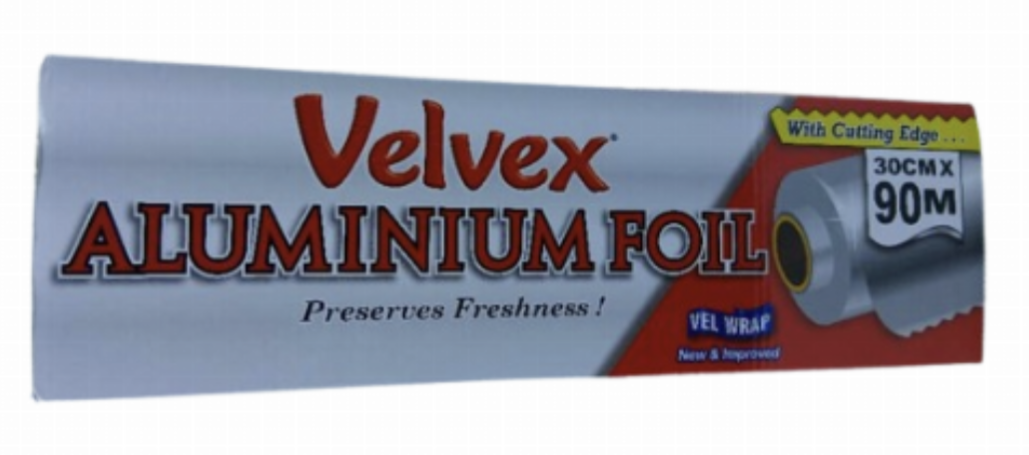
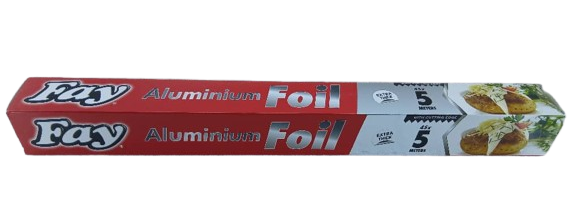
Aluminum foil
1 rollNice to haveWraps bread and keeps trays covered in transport.
How to use it: Keep the roll in a dry place and tear off only what you need.
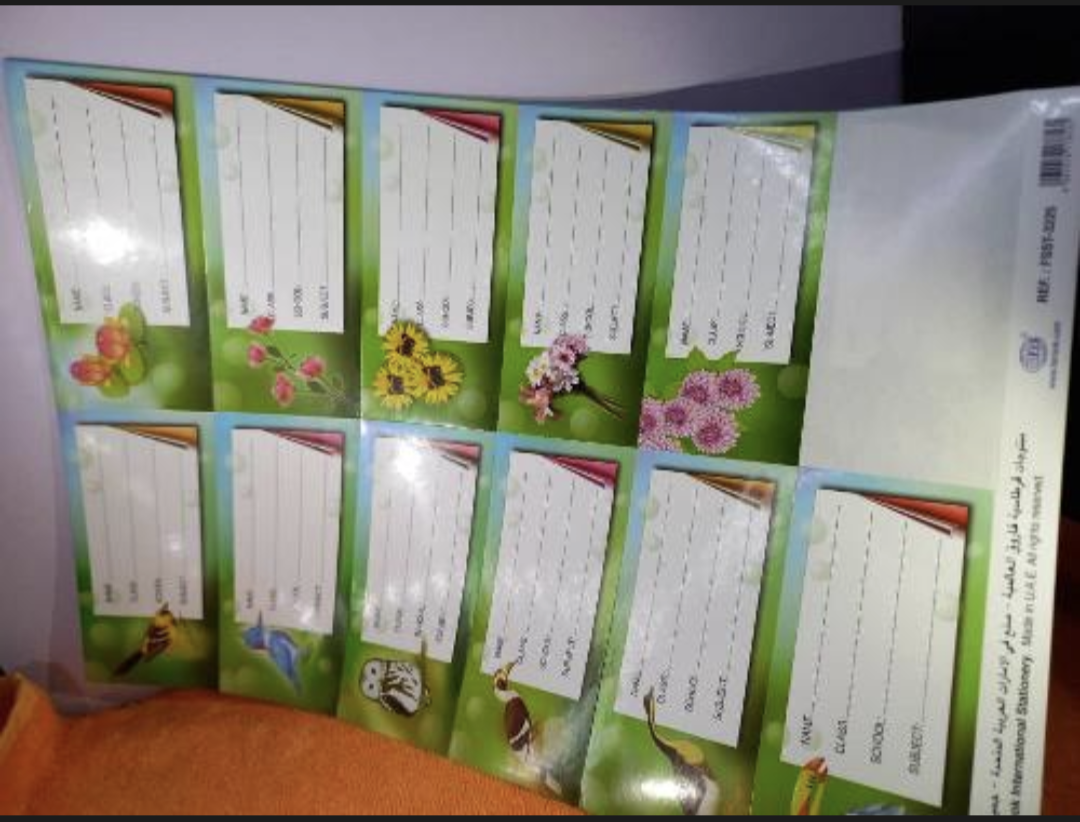
Stickers
1 packNice to haveA simple sticker with your name and phone number helps people find you again.
How to use it: Print your WhatsApp number clearly. Stick it on the lid so it does not touch the food.
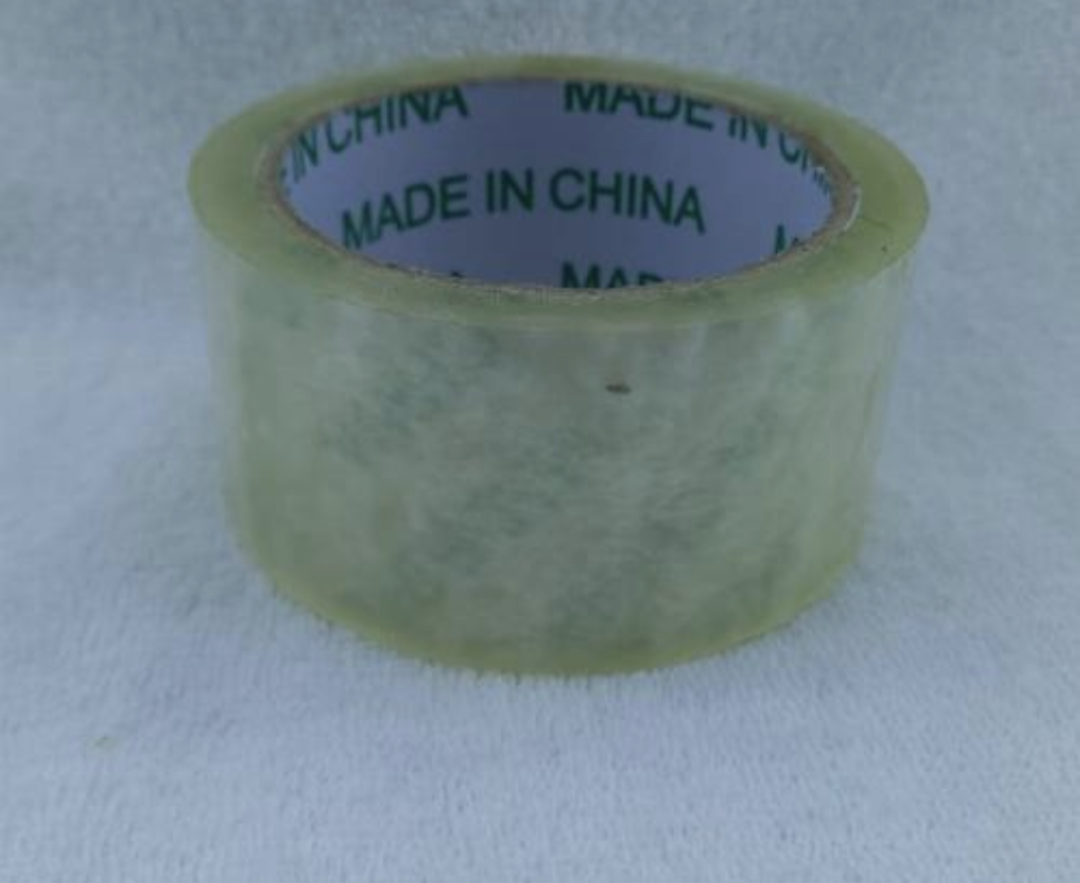
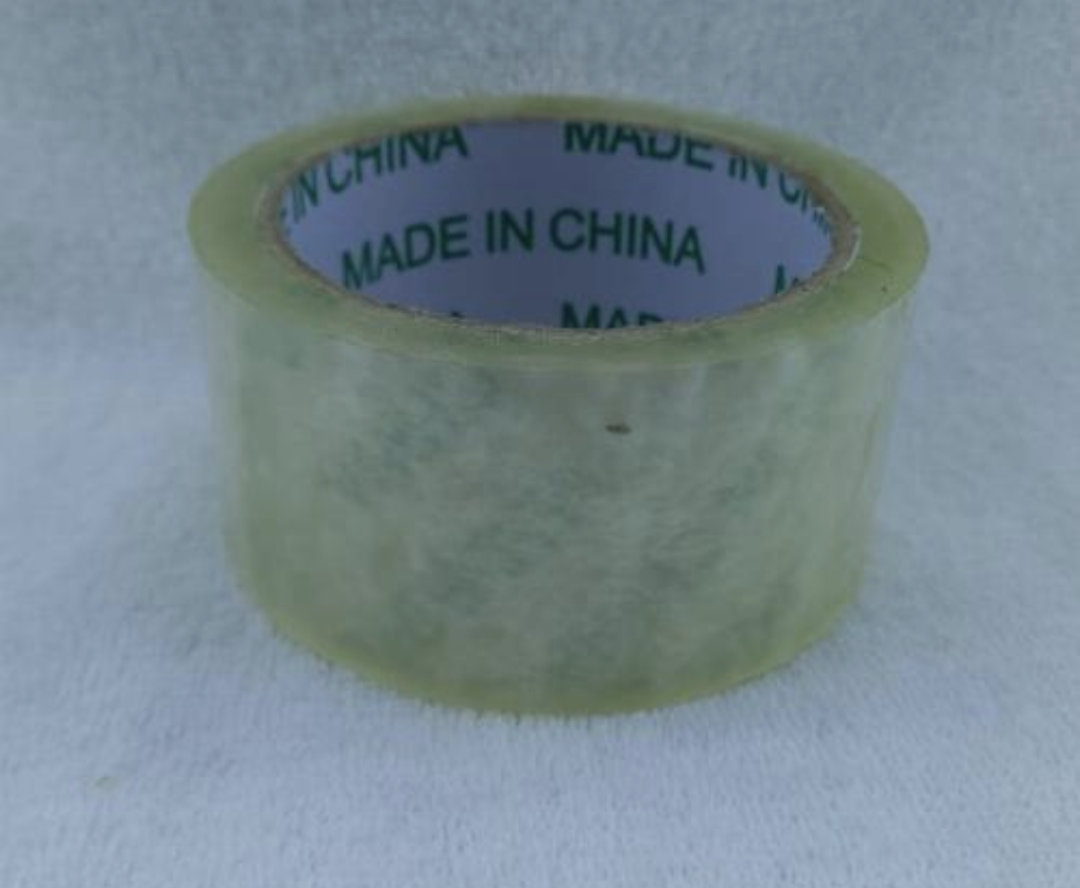
Packing tape
1 rollNice to haveCloses boxes and bags so nothing opens in transit.
How to use it: Seal the box edges but keep the cake off the tape.


Clean kitchen
Customers trust a clean kitchen. These are the daily basics.
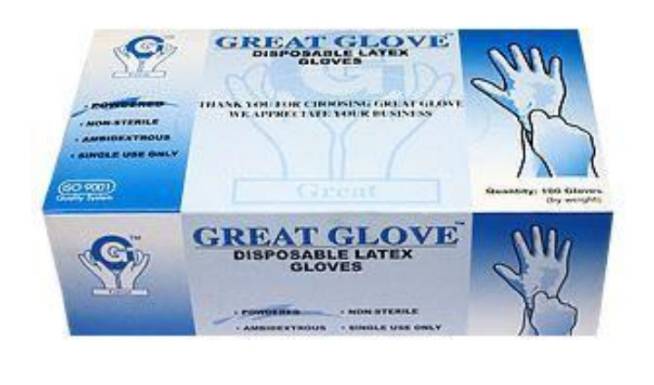
Disposable gloves
1 box Must haveUse them when you decorate or pack food that will not be cooked again.
How to use it: Change them after touching your phone, face or money. Wash hands before putting them on.
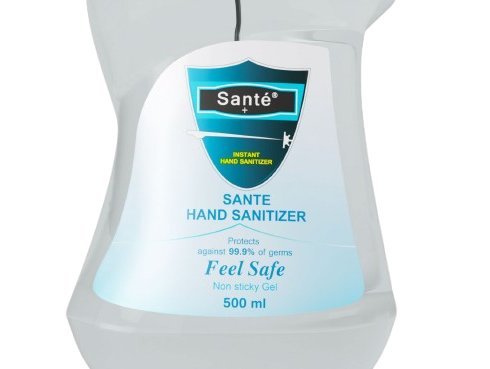
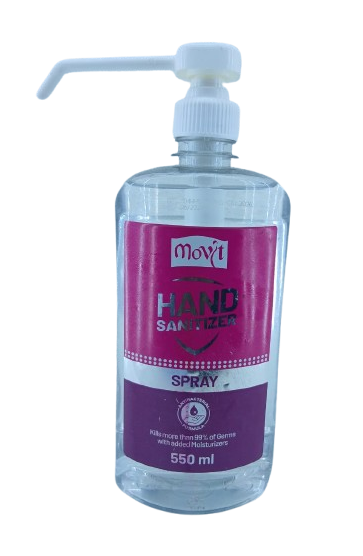
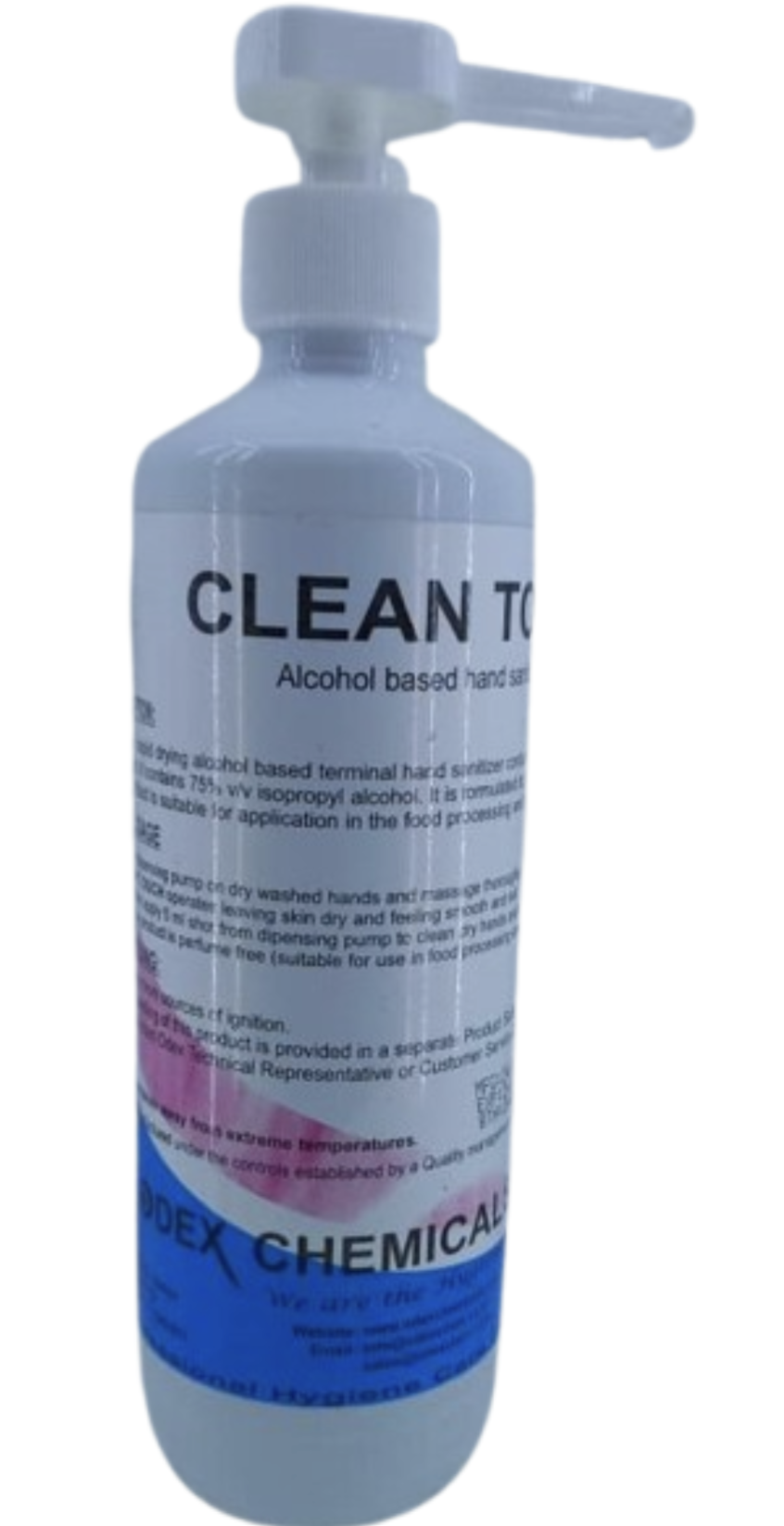
Hand sanitizer
1 bottleNice to haveA quick clean when you cannot get to a sink.
How to use it: Use it on clean, dry hands and let it dry fully. It does not replace washing hands with soap.
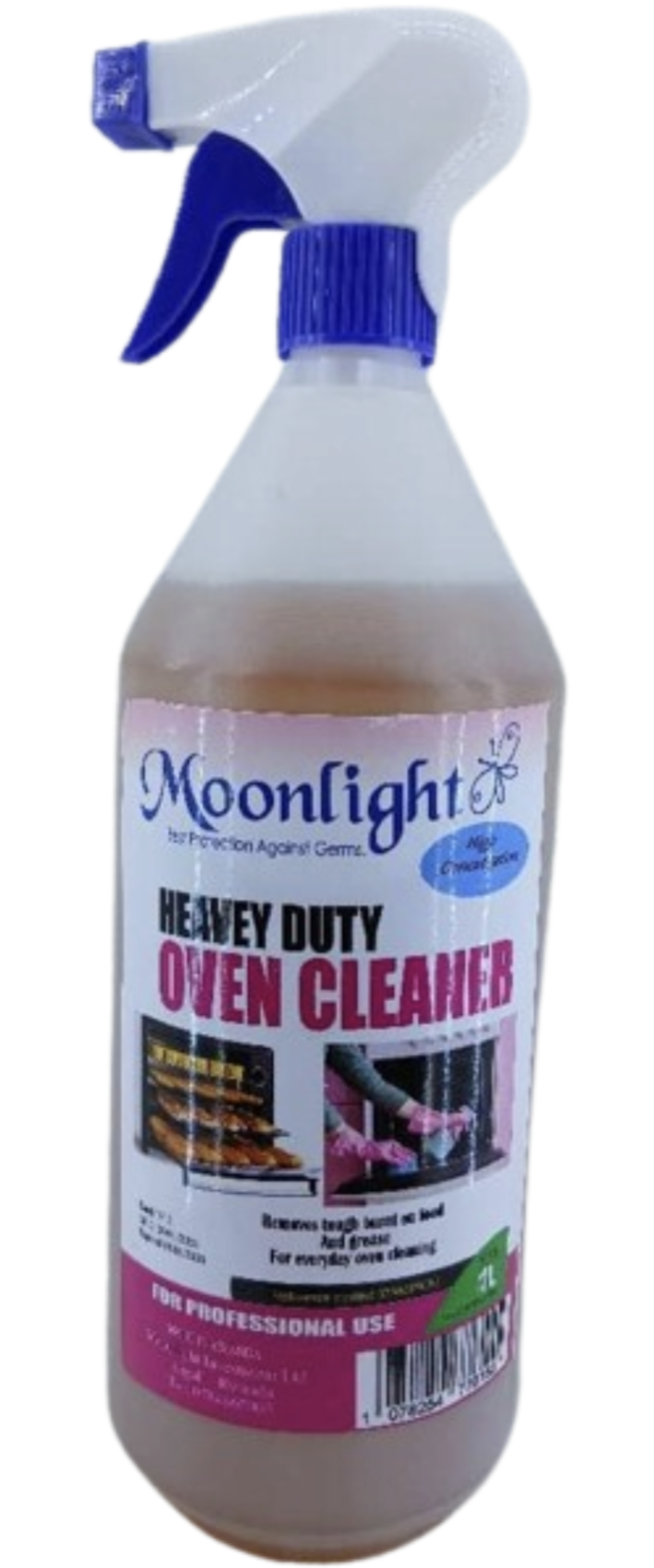
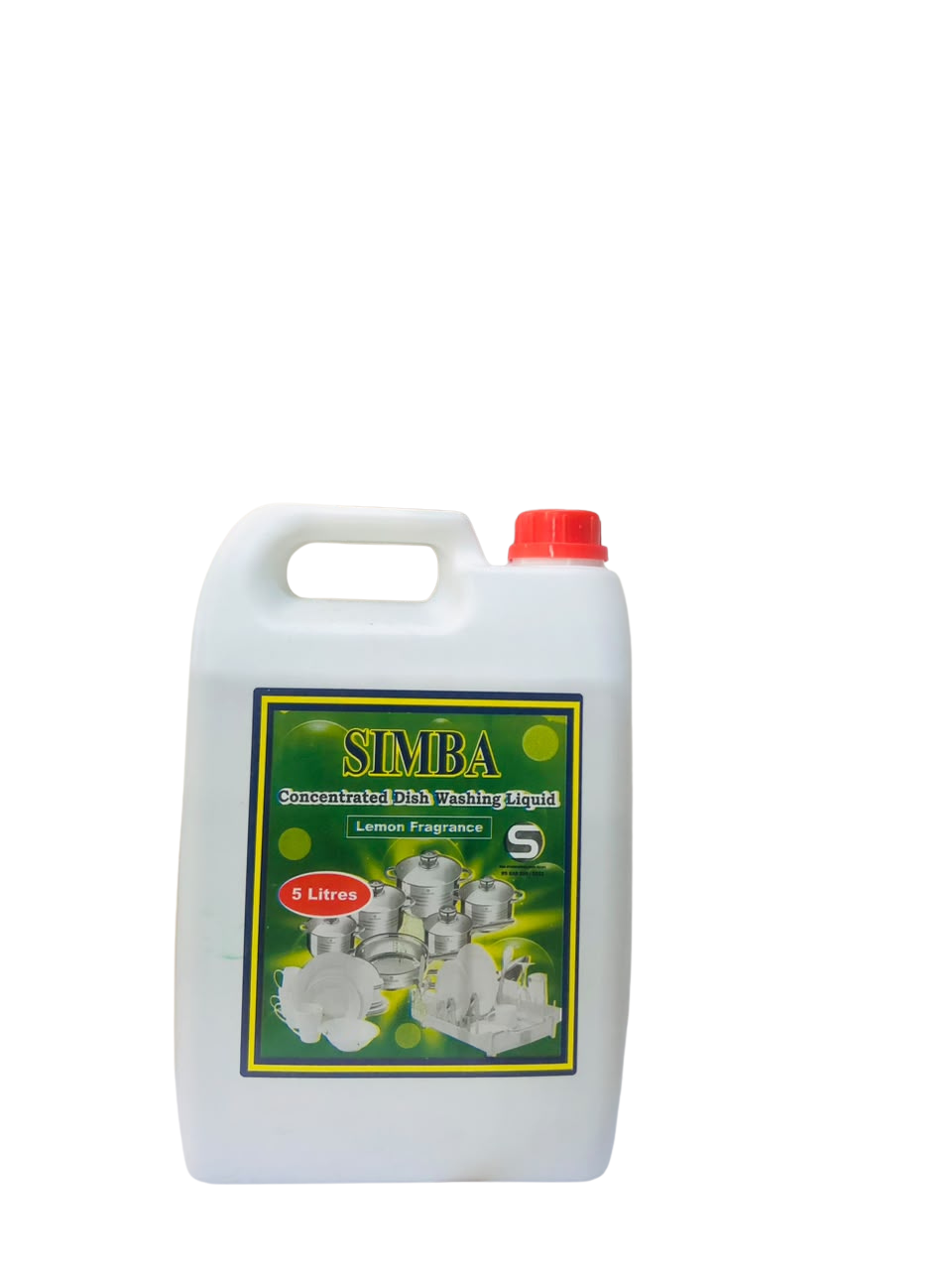
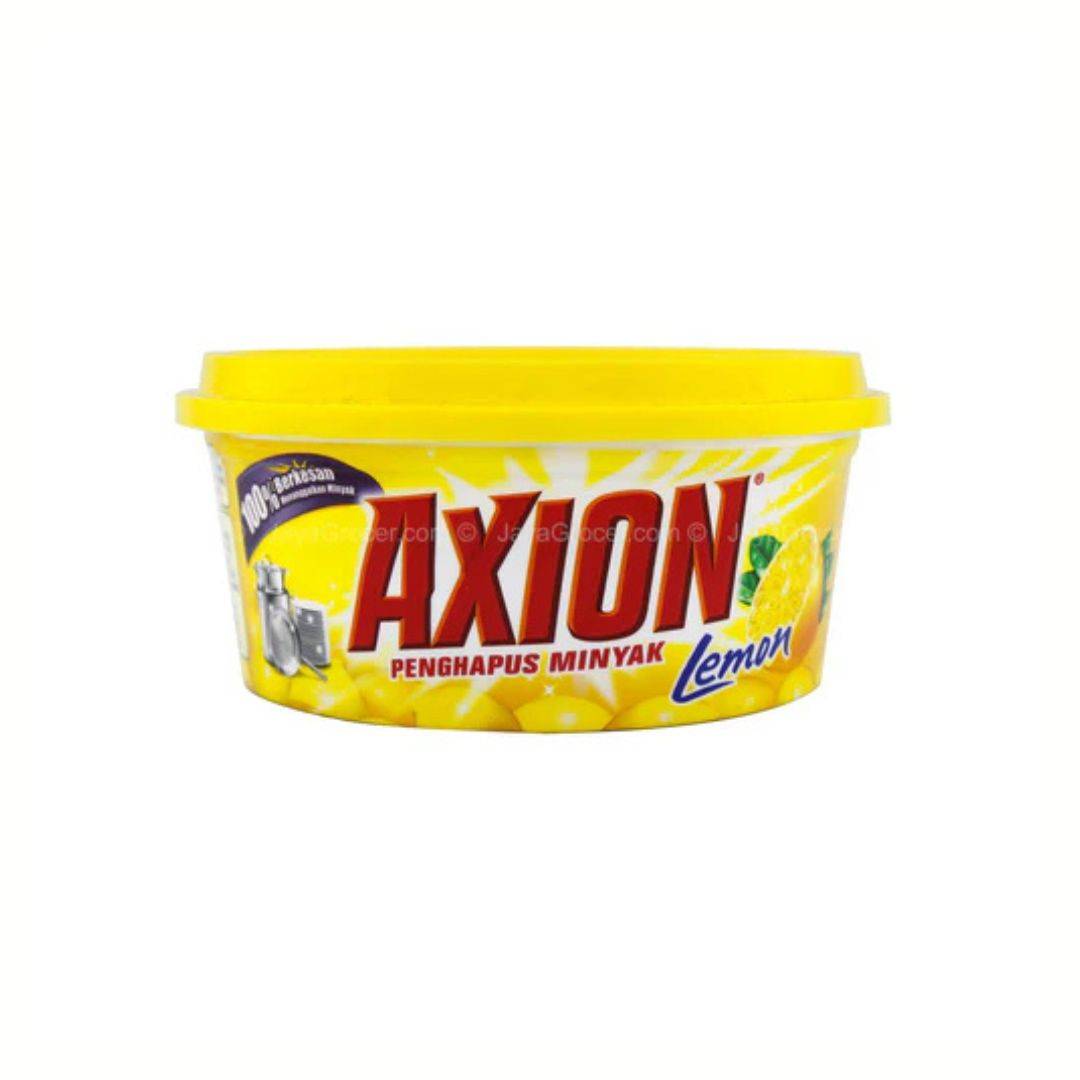
Dish washing liquid
1 L Must haveCuts through fat and sugar on pans, bowls and tools.
How to use it: Wash in hot water, rinse well and let tools air dry on a clean rack or cloth.
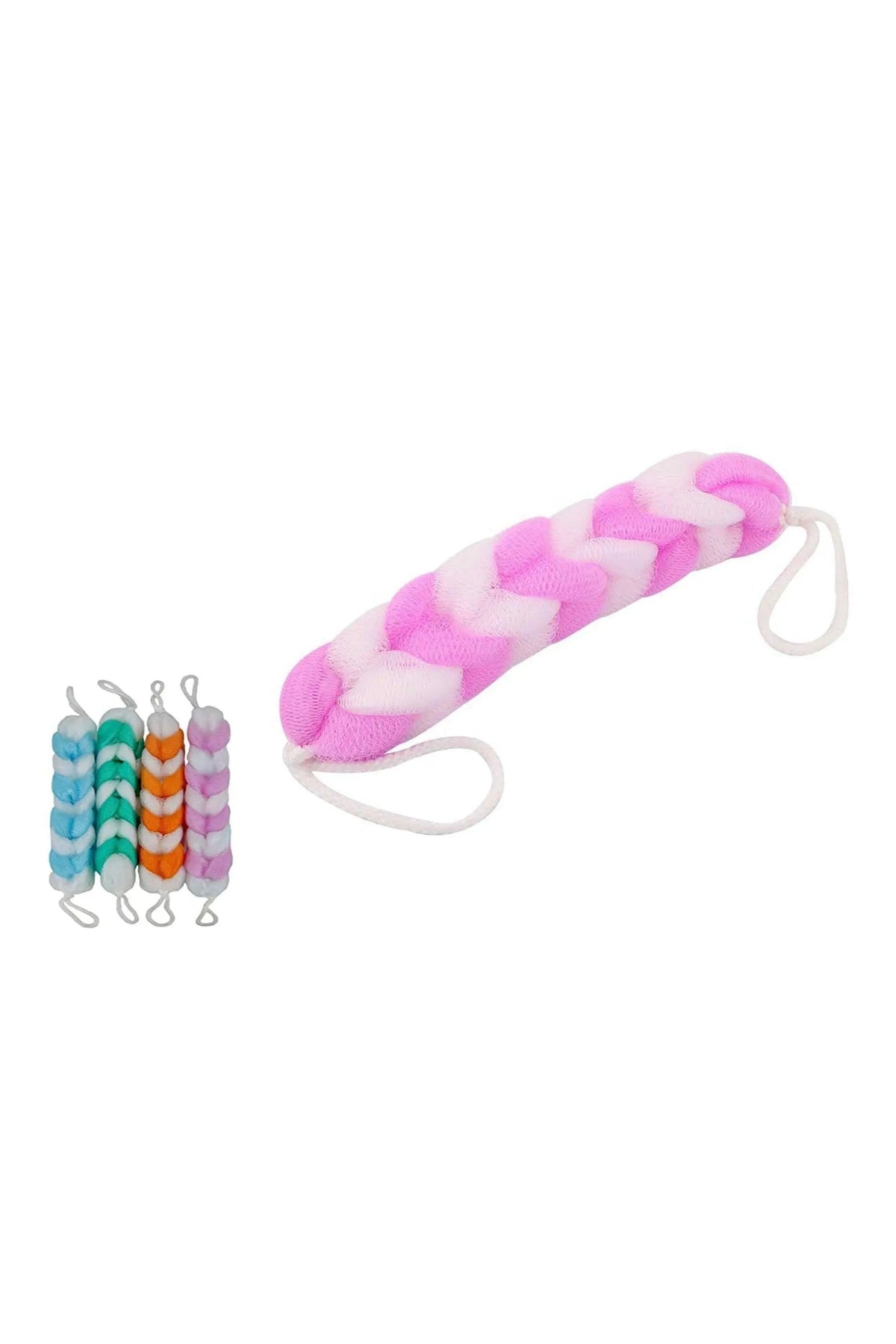
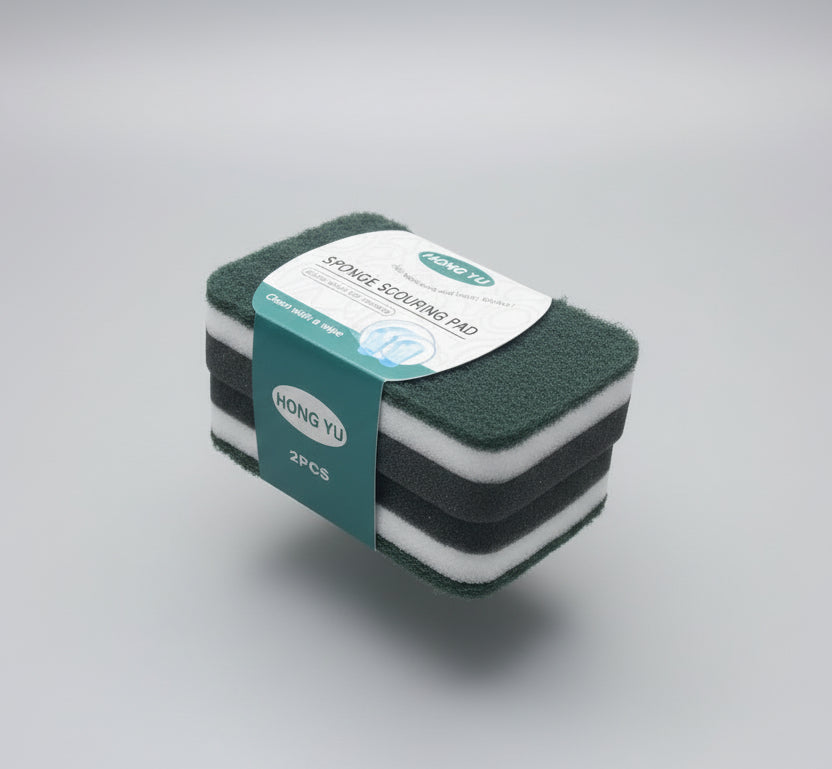
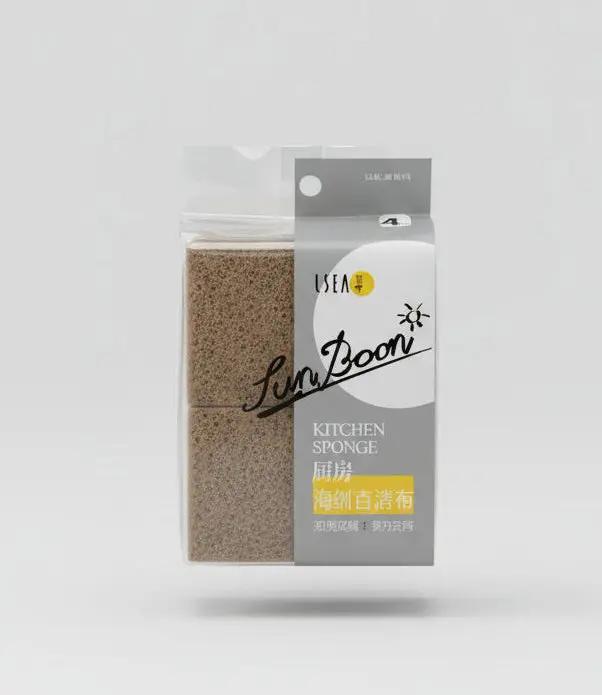
Sponges
3 Must haveScrub baked on batter without scratching your pans.
How to use it: Use one sponge for dishes only. Replace it when it smells or starts to fall apart.
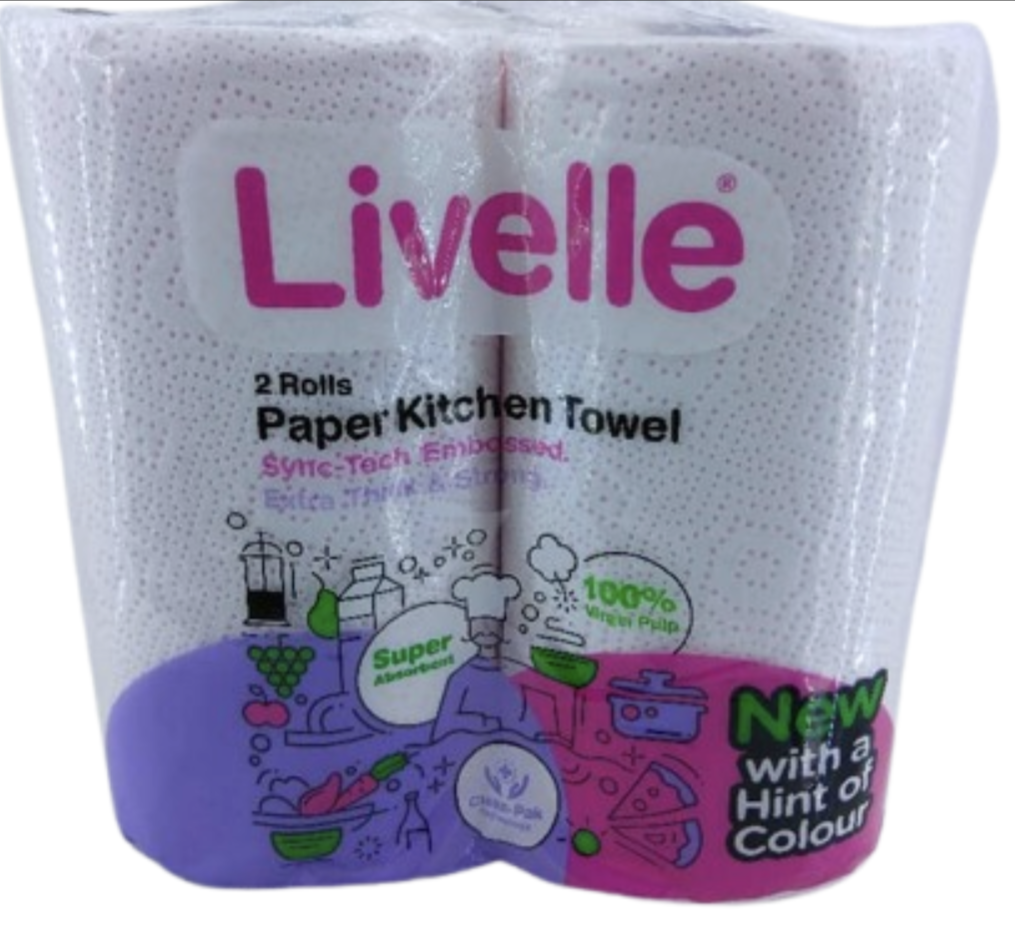
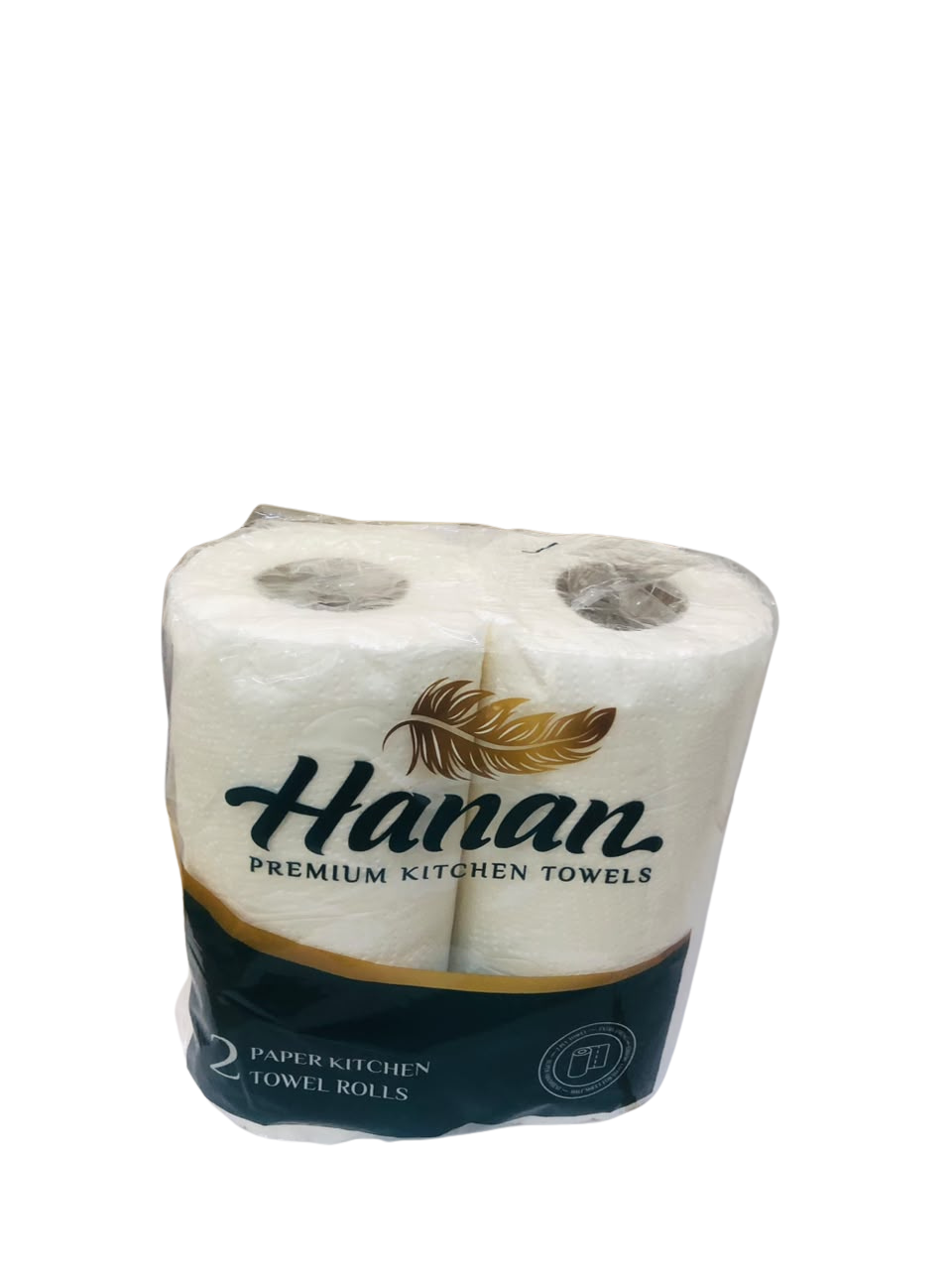
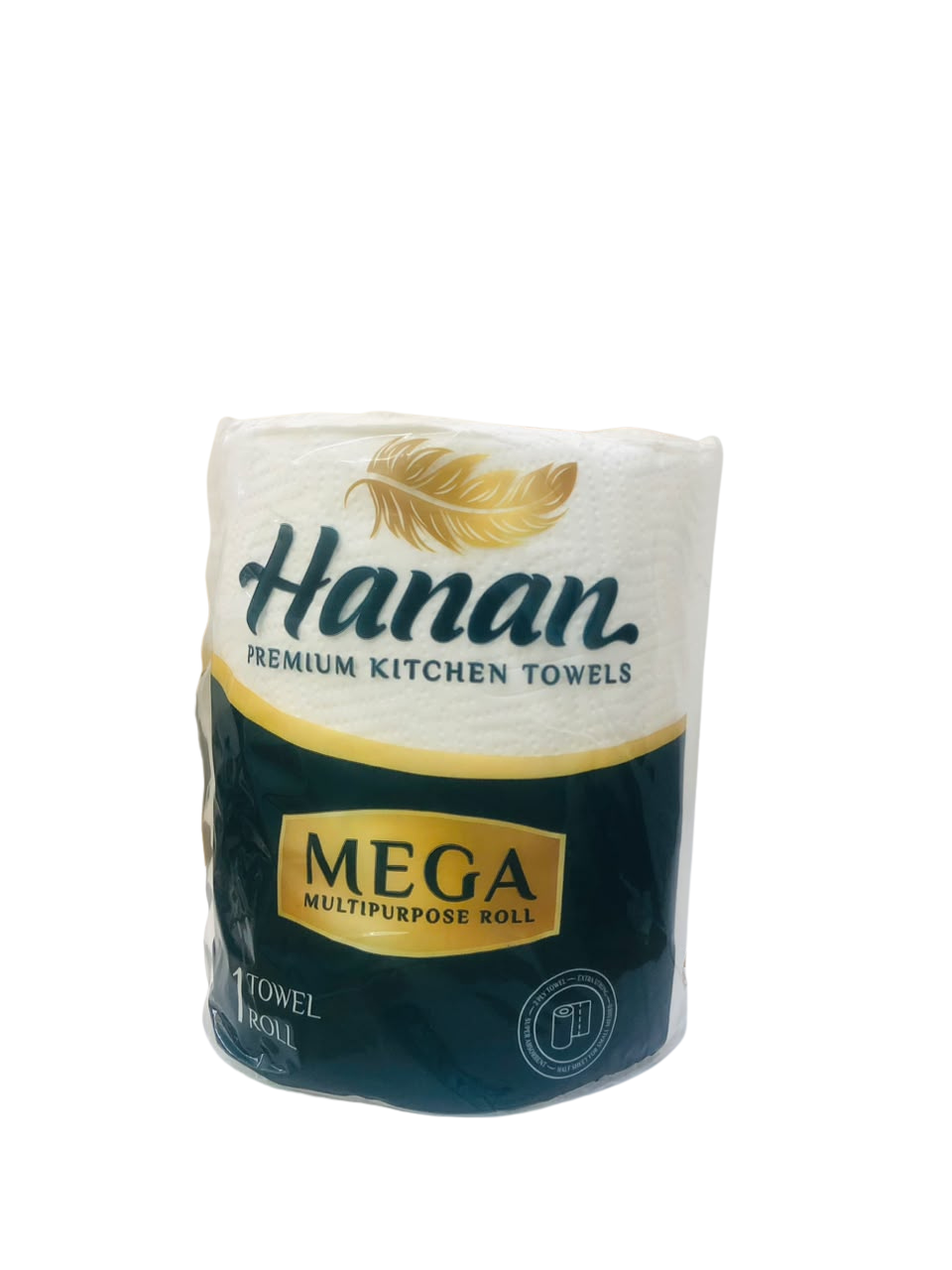
Kitchen towels
2 rolls Must haveFor wiping surfaces, drying hands and soaking up spills.
How to use it: Use paper towels for raw egg spills and throw them away straight after.
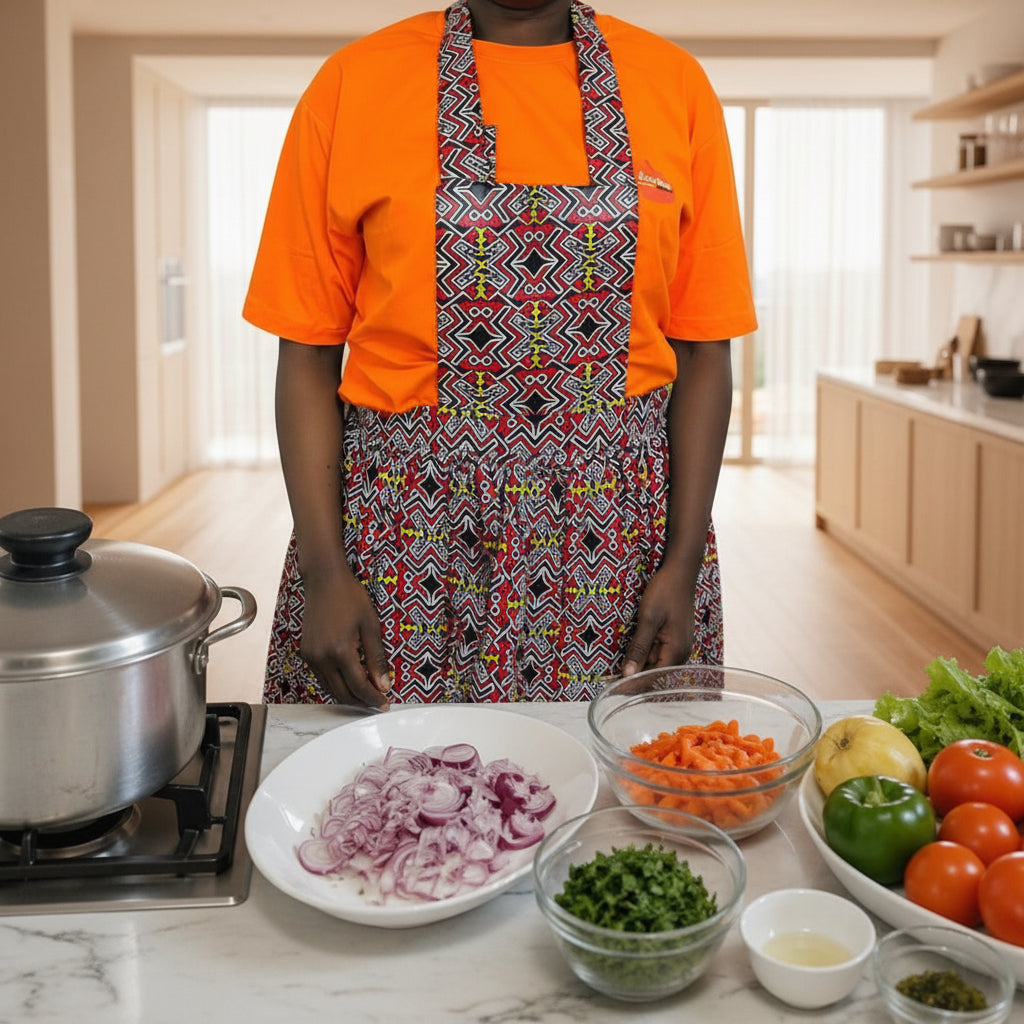
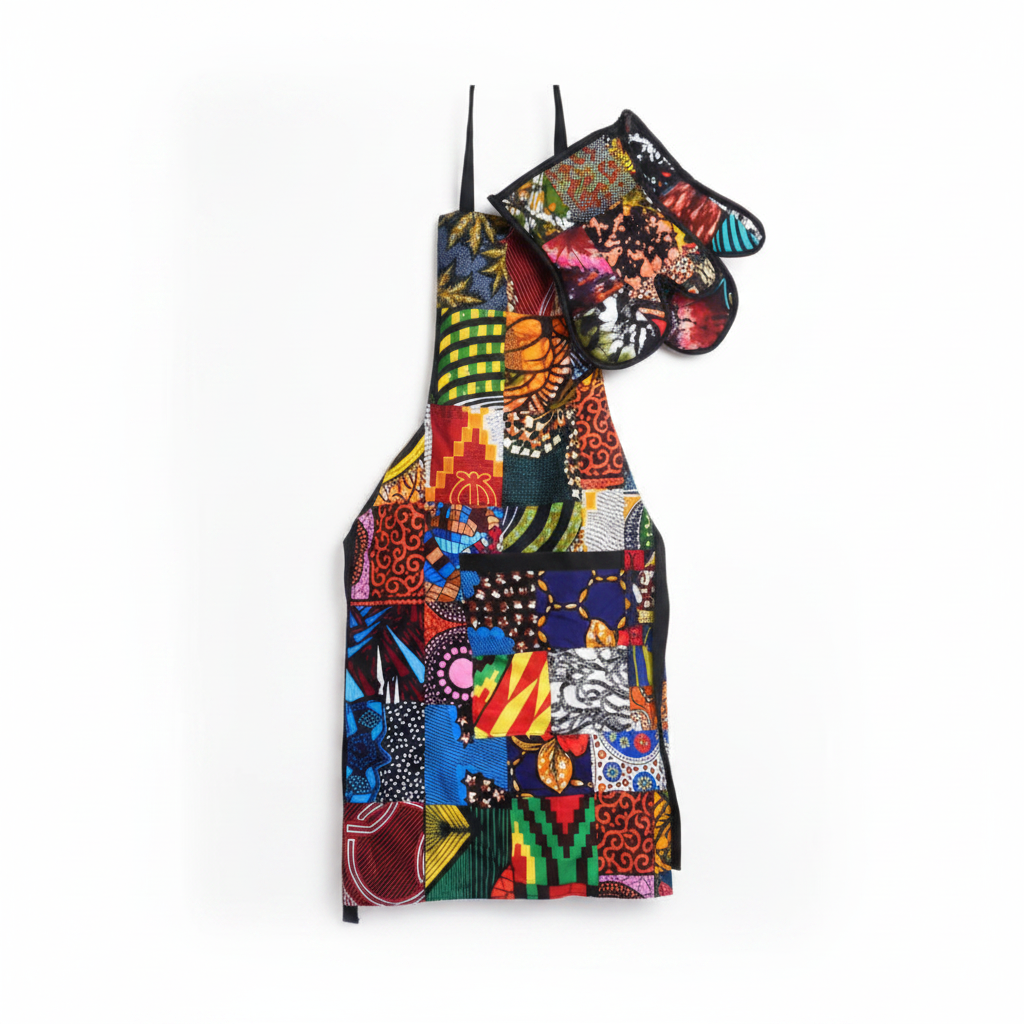
Apron
2 Must haveKeeps your clothes clean and looks professional in photos you share with customers.
How to use it: Wash it after every baking day, and keep a spare for busy weeks.


Records and business basics
Even a small bakery needs a clear idea of what it costs and earns.
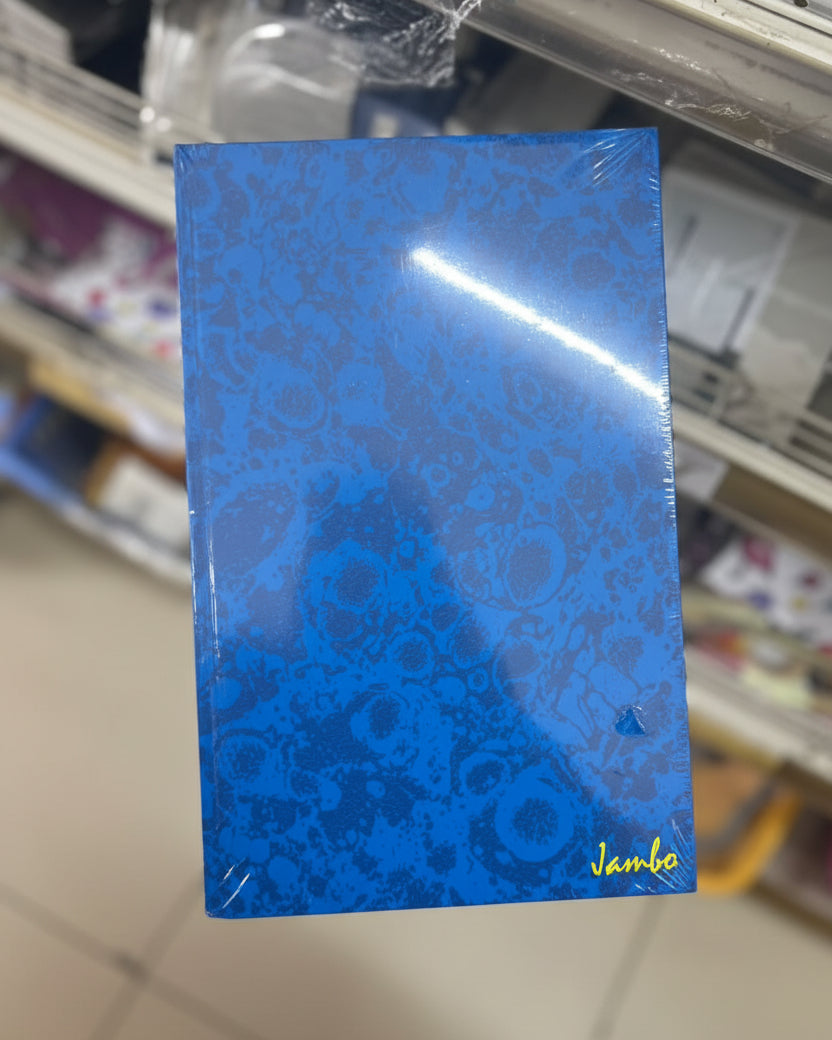
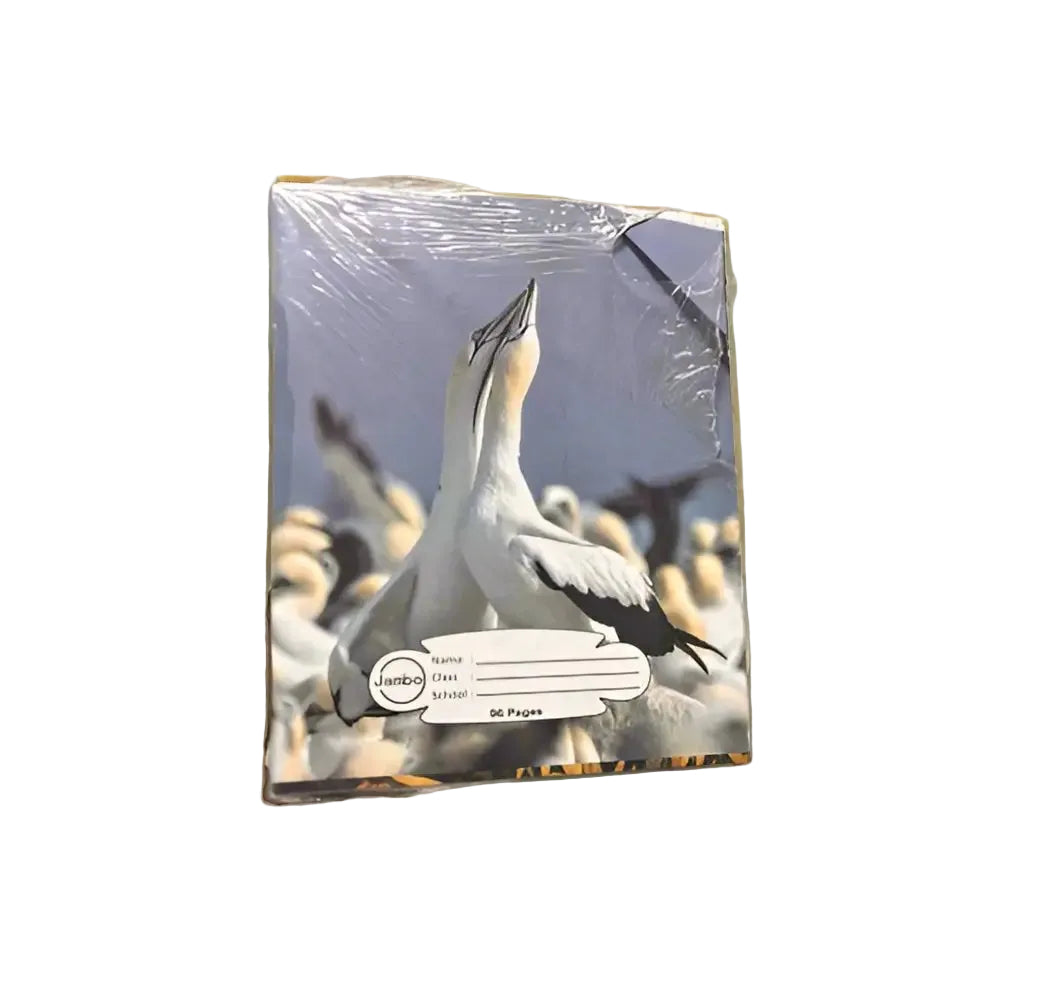
Notebook
1 Must haveWrite orders, deposits, pick up times and the cost of each recipe.
How to use it: Record every sale and every purchase the same day. You will see quickly which products make money.
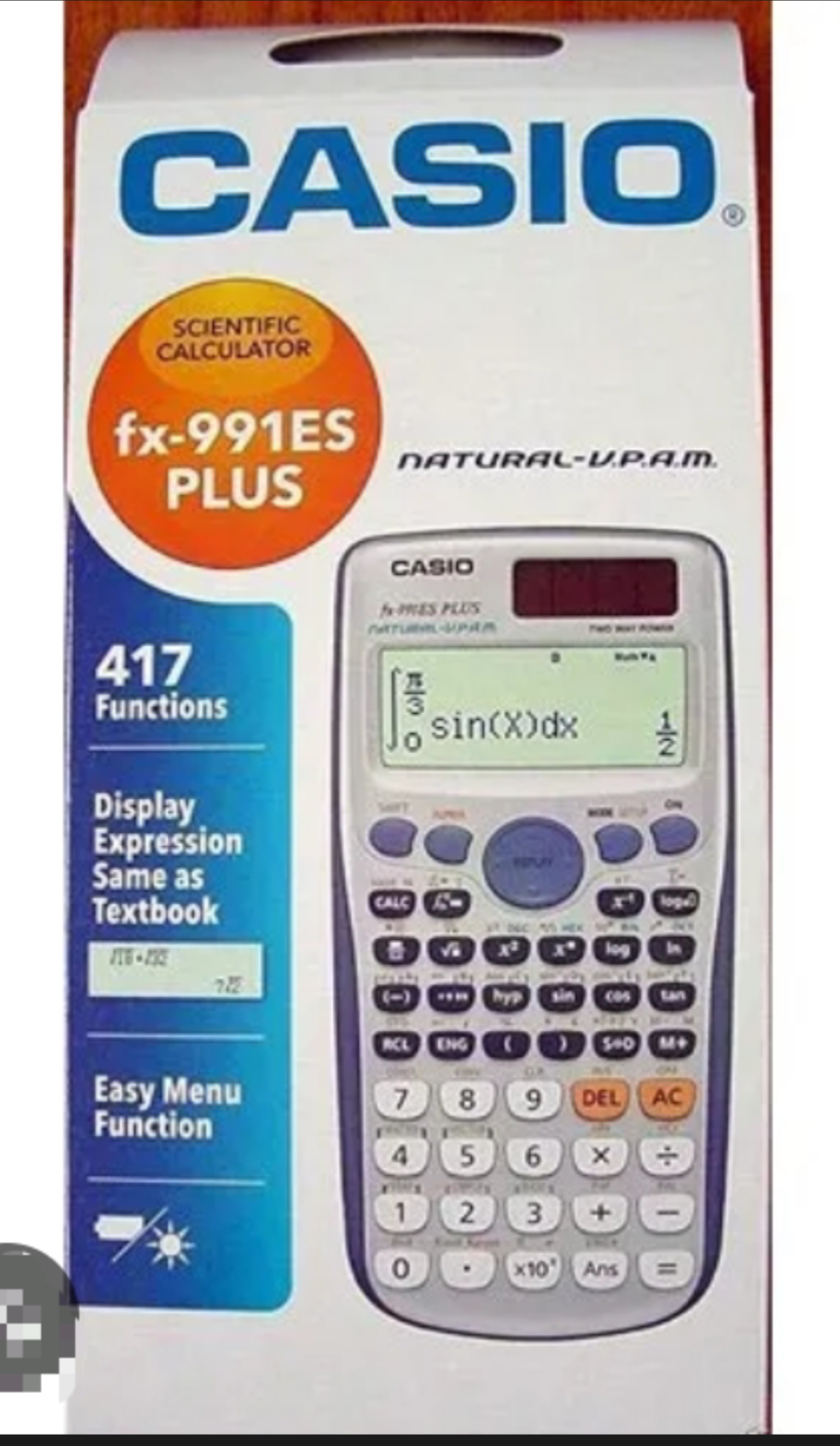
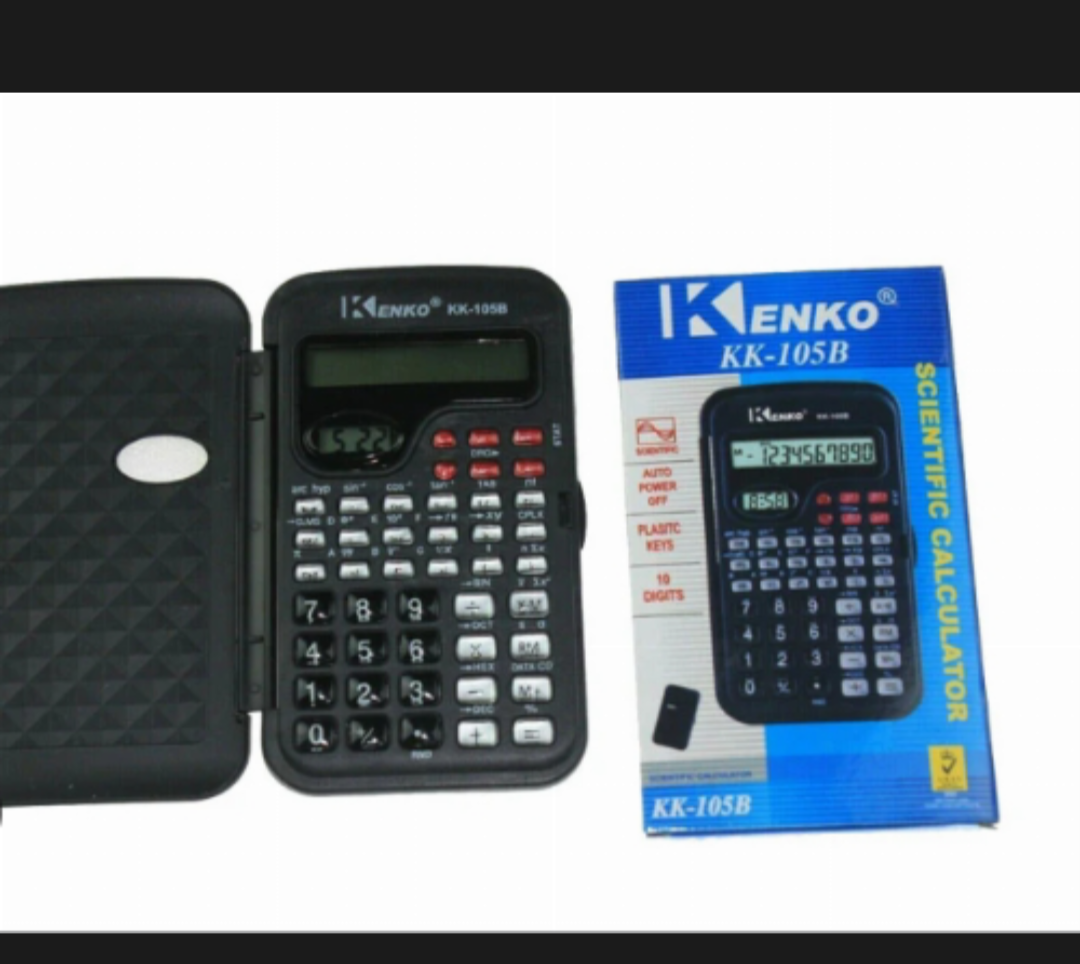
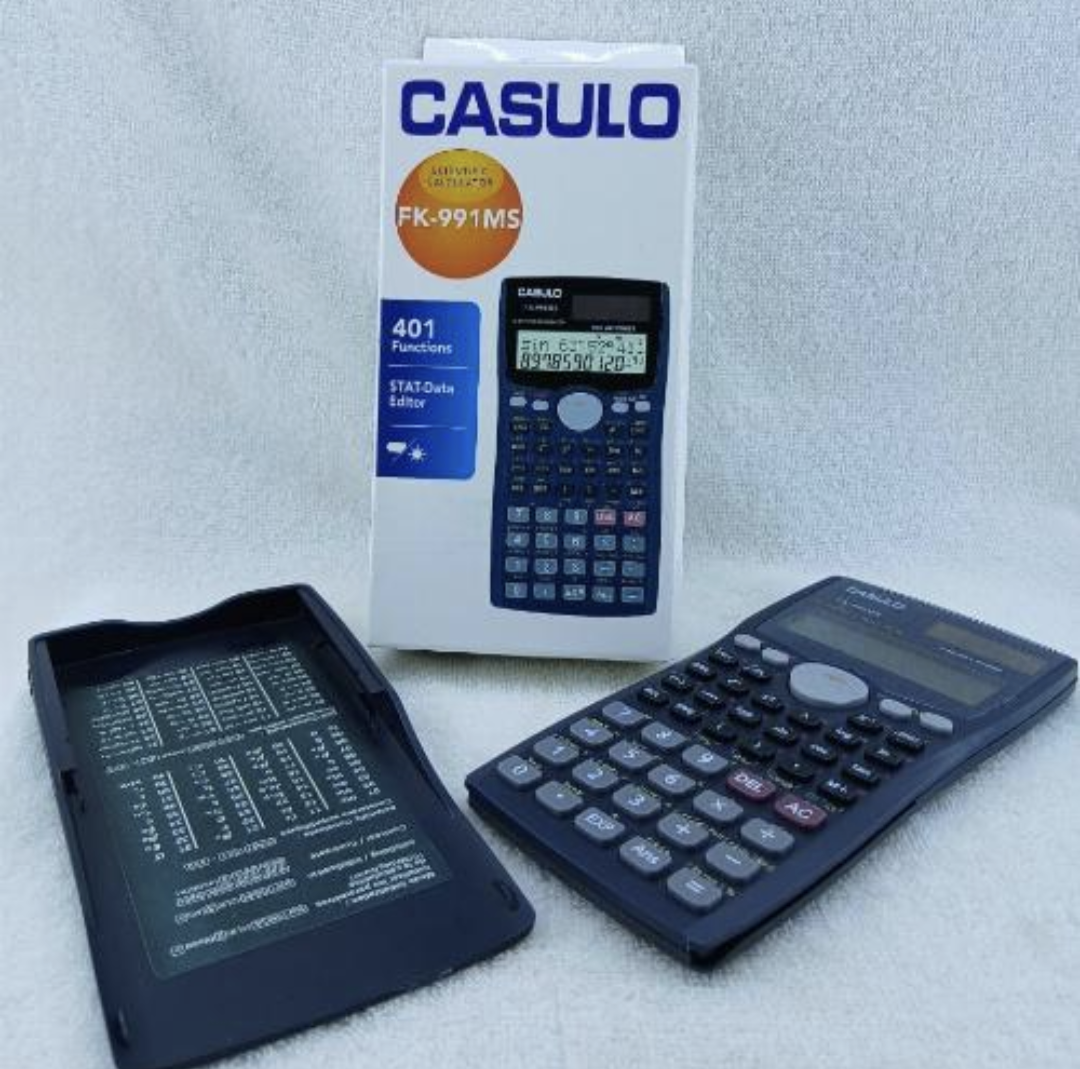
Calculator
1 Must haveHelps you price each cake by adding ingredients, gas or power, packaging and your time.
How to use it: Divide the total cost by the number of slices or pieces, then add your profit.
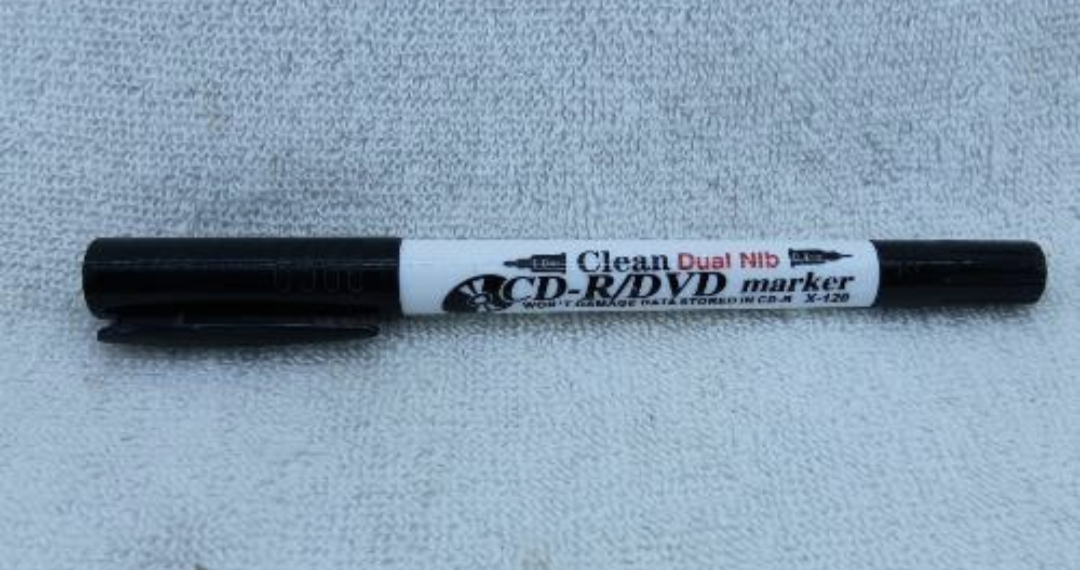
Permanent marker
2Nice to haveFor writing names and dates on boxes and containers.
How to use it: Write the baking date on the lid so you and the customer know it is fresh.

Step by step
- 1
Test one menu
Pick two or three products and bake them at home until the result is steady.
- 2
Buy tools first
Get the oven check, scale, pans and basin before you spend on ingredients.
- 3
Price each product
Add up ingredients, power or gas, packaging and your time, then add a profit.
- 4
Order packaging
Buy a small stock of boxes and bags so you are ready for first orders.
- 5
Take the first orders
Start with friends and neighbors, ask for feedback and fix problems early.
Tips that help
- Weigh ingredients instead of using cups for the best match from batch to batch.
- Buy small amounts of flour and yeast at first so nothing goes stale.
- Keep power or gas ready on order days, as cuts can ruin a cake in the oven.
- Take clear photos of every cake you sell and share them on WhatsApp.
- Ask for a deposit on large orders so you can buy ingredients with confidence.
- Check with your landlord and your local sector office about running a food business from home.
- Keep receipts for what you buy so you can see your real costs.
- Order boxes that fit a moto rider's bag if most customers are across town.
Mistakes to avoid
- Buying every tool at once before you know which products will sell.
- Pricing by feel and forgetting to count gas, power and packaging.
- Skipping a test bake before a big order.
- Storing flour and sugar open, which invites ants and damp.
- Using the home oven at full load without knowing how it heats.
Questions people ask
How much money do I need to start a home bakery in Kigali?+
It depends on your menu and whether you already own an oven. Start small with two or three products and spend only on what those need. Write down every cost so you can see your real budget.
Do I need a license to sell baked goods from home?+
Rules can change and depend on your business size and location. Ask your sector office and your landlord before you start, and ask about food safety requirements.
What is the best first product for a home bakery?+
Choose something you already bake well and that has easy to find ingredients, such as plain cakes, cupcakes, mandazi or bread. Simple products make it easier to keep quality steady.
Where can I buy baking ingredients and packaging in Kigali?+
You can order most ingredients, tools and basic packaging on Isokko and have them delivered to your door. Check the product cards below each item for what is available now.
How do I keep cakes fresh during delivery?+
Chill the cake so frosting is firm, use a sturdy box and keep it flat. Ask the rider to avoid bumpy shortcuts if possible and keep the box out of direct sun.
A small, well planned kit is enough to start. Shop this list on Isokko, bake your first test batch and see what your neighbors say. You can add tools and flavors as orders grow.
Shop this list
Get everything delivered in Kigali
Order from local stores on Isokko and pay with MoMo, card or cash. Same-day delivery.