
Checklist · School & students
Turning a Spare Room Into a Kids' Homework Room: Checklist
Set up a quiet homework room in a spare room in Kigali: desk, lamp, school supplies and storage. A simple checklist for study time at home.
Updated November 27, 2026 · By Isokko
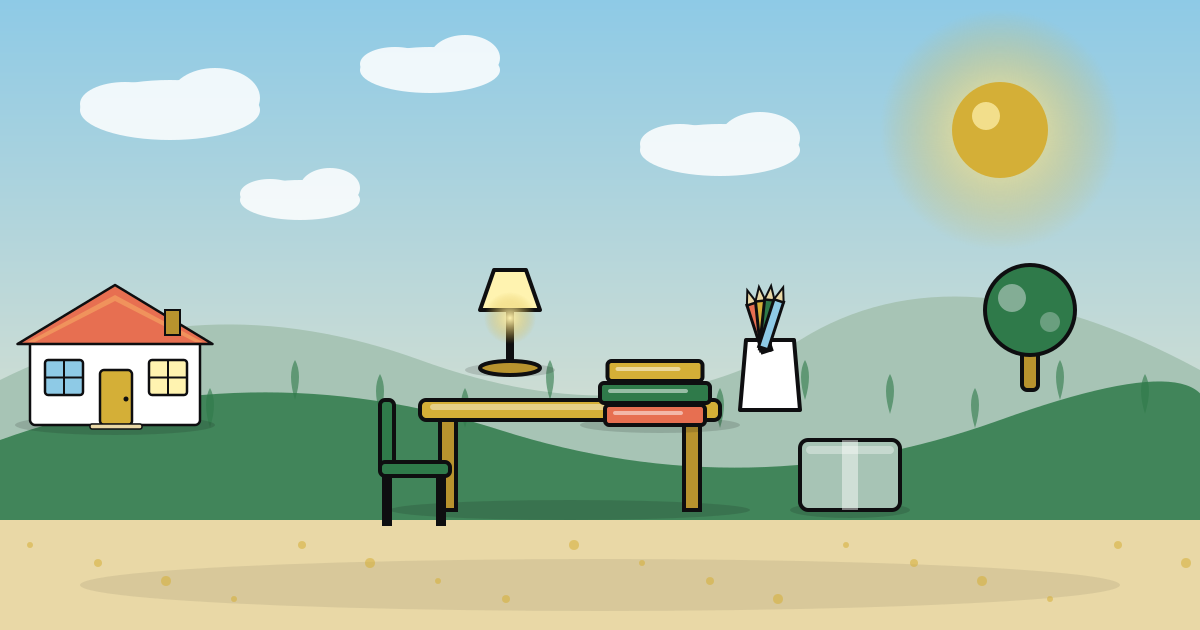
Homework goes better when a child has one calm place for it. A spare room is a good start, but a room alone is not enough. Children need a desk at the right height, good light, supplies within reach and a place to put books away.
This checklist walks through the room in order: furniture, light and power, school supplies, storage and small comforts. Each item says why it matters and how to use it.
You do not have to buy everything. Start with a table, chair and lamp, then add the rest as you see what your child needs.
Who it's for
Parents and guardians in Kigali setting up a study space for one or more children
Time needed
One weekend to set up, and a few days to shop
When to shop
Order before the school term starts so the room is ready on day one
On the list
33 items, 14 must haves
0 of 33 ready
Desk and seating
A child who sits well can focus for longer.
Study table or desk
1 per child or 1 shared Must haveA table big enough for an open book and a notebook gives your child a proper place to work.
How to use it: Place it near a window, with the child facing a wall or window, not the TV or door.
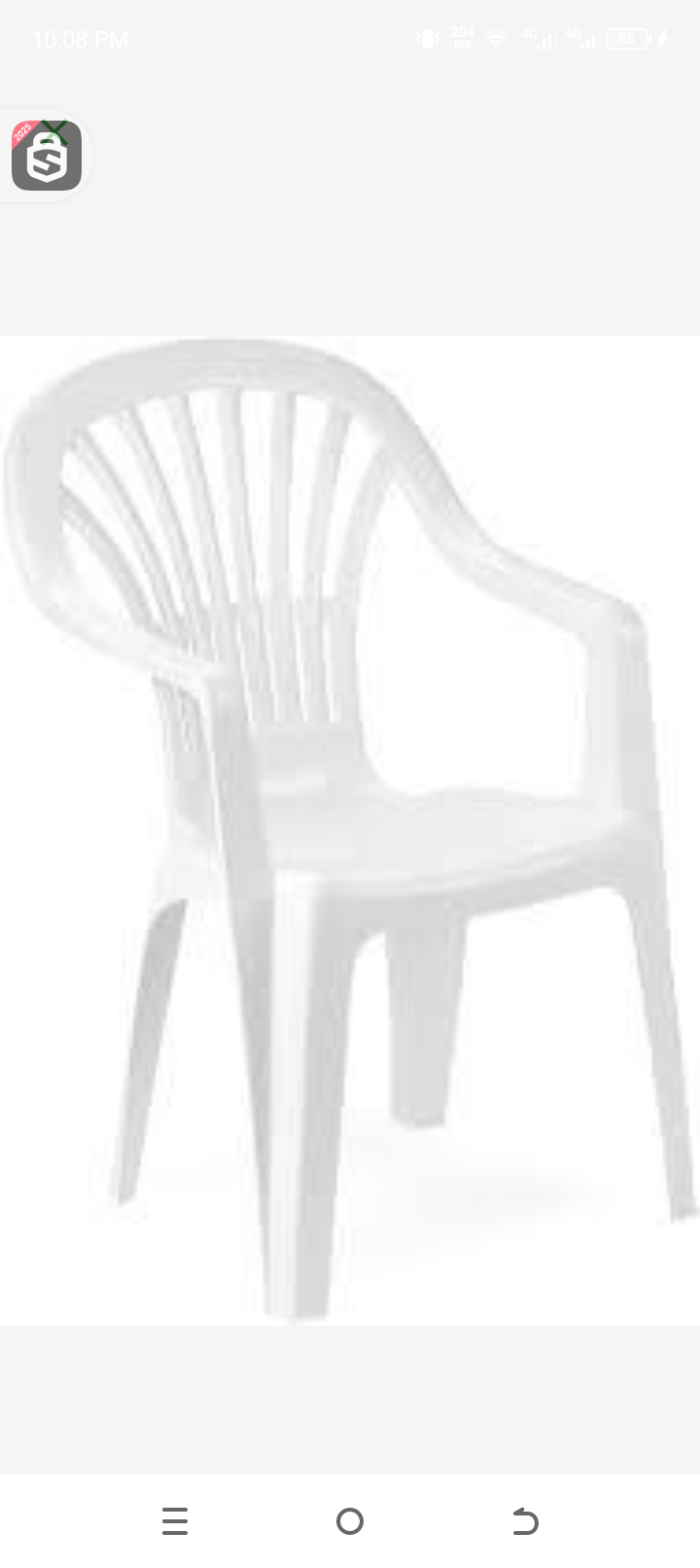
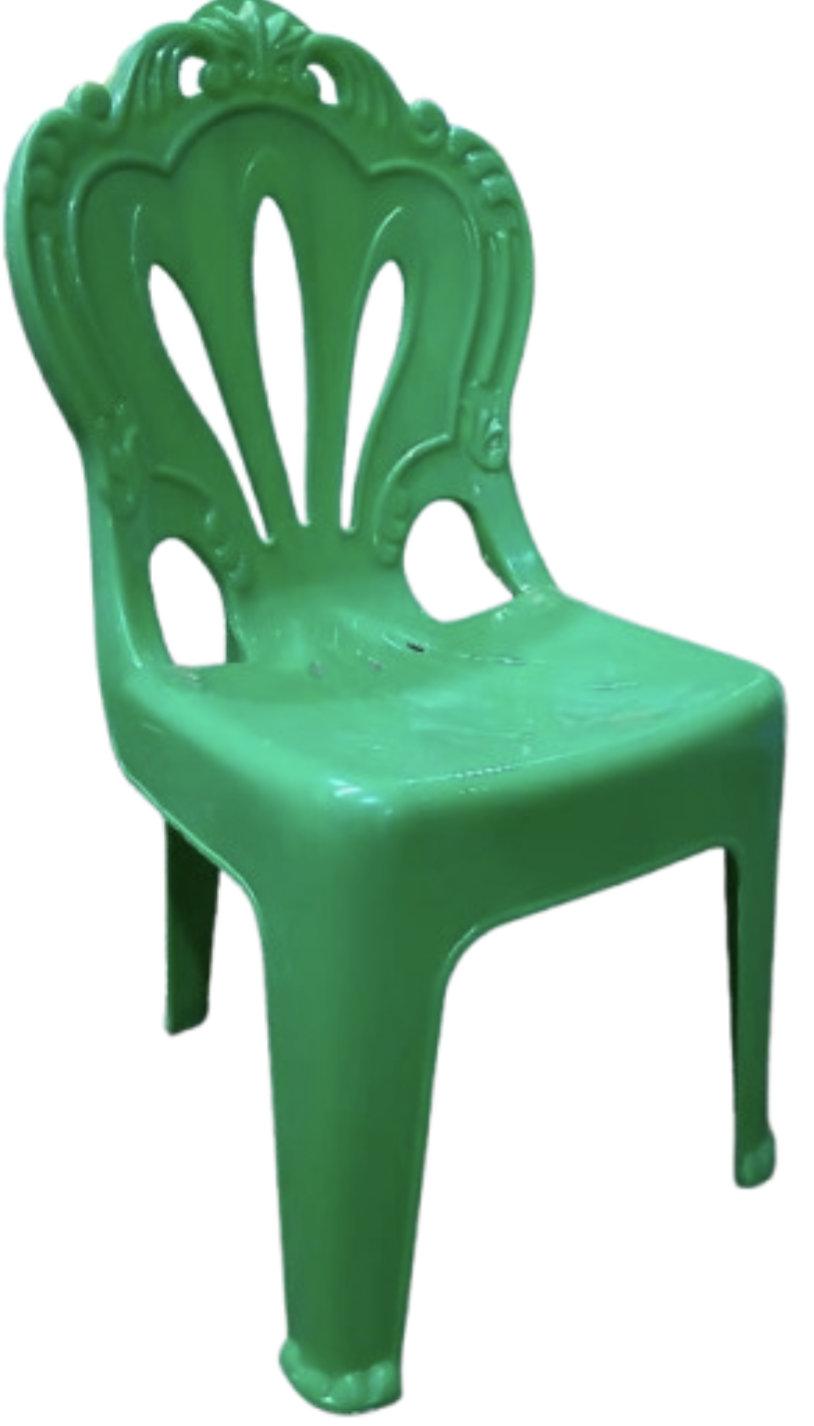
Chair that fits
1 per child Must haveA chair that is too low or too high causes slouching and tired backs.
How to use it: Feet should rest flat on the floor and elbows should rest near table height. Add a cushion if needed.
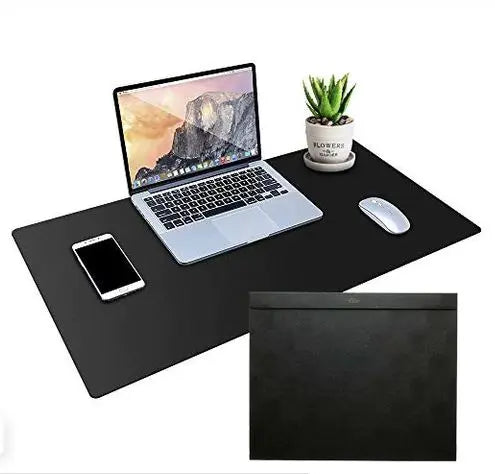
Desk mat
1Nice to haveIt protects the table from pen marks and gives a smooth writing surface.
How to use it: Wipe it with a damp cloth once a week.
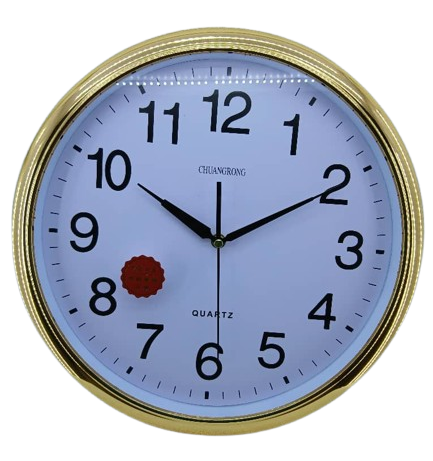
Wall clock
1Nice to haveA visible clock helps children plan a study session and learn about time.
How to use it: Hang it where the child can see it without turning around.
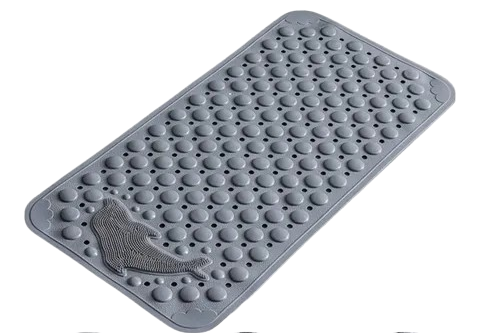
Small rug or mat
1Nice to haveA mat softens the floor for reading on the ground and makes the room feel warm.
How to use it: Choose a washable one, as dust is common in Kigali.



Light and power
Good light protects eyes and keeps children alert, especially in the evening.
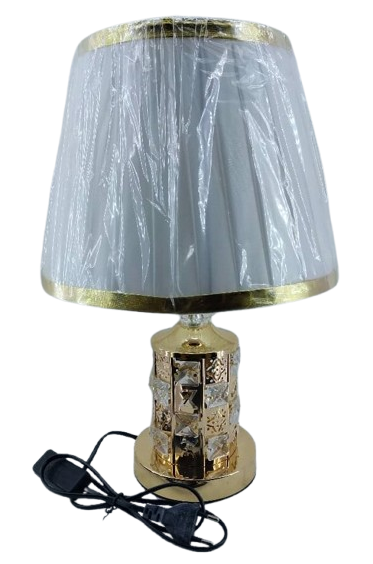
Desk lamp
1 per desk Must haveEvenings come early, and power cuts happen. A lamp near the desk helps with reading and writing.
How to use it: Place it on the side opposite the writing hand to avoid shadows.
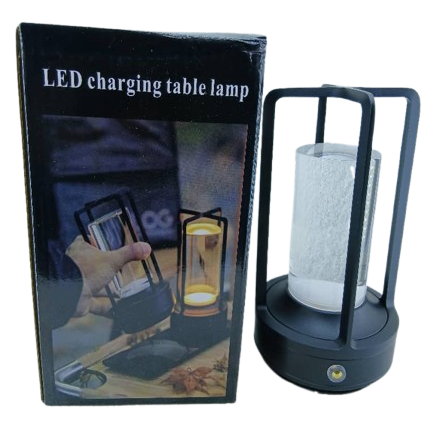
Rechargeable lamp
1 Must haveA rechargeable lamp keeps homework going during a power cut.
How to use it: Charge it every day. Keep it in the room so you do not need to search for it.
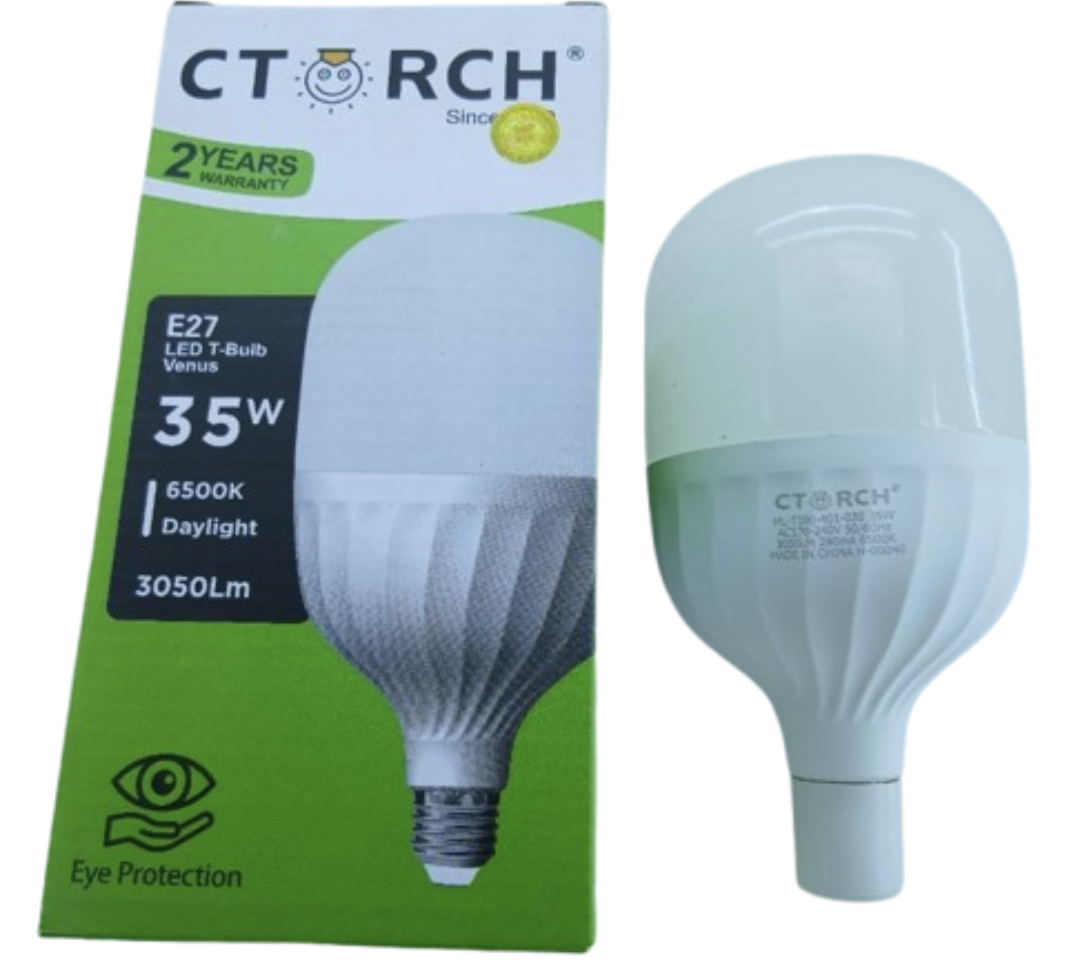
Light bulbs
2 spare Must haveA bright, even bulb in the ceiling fitting helps the whole room feel awake.
How to use it: Keep one or two spares so a burnt bulb does not stop study time.
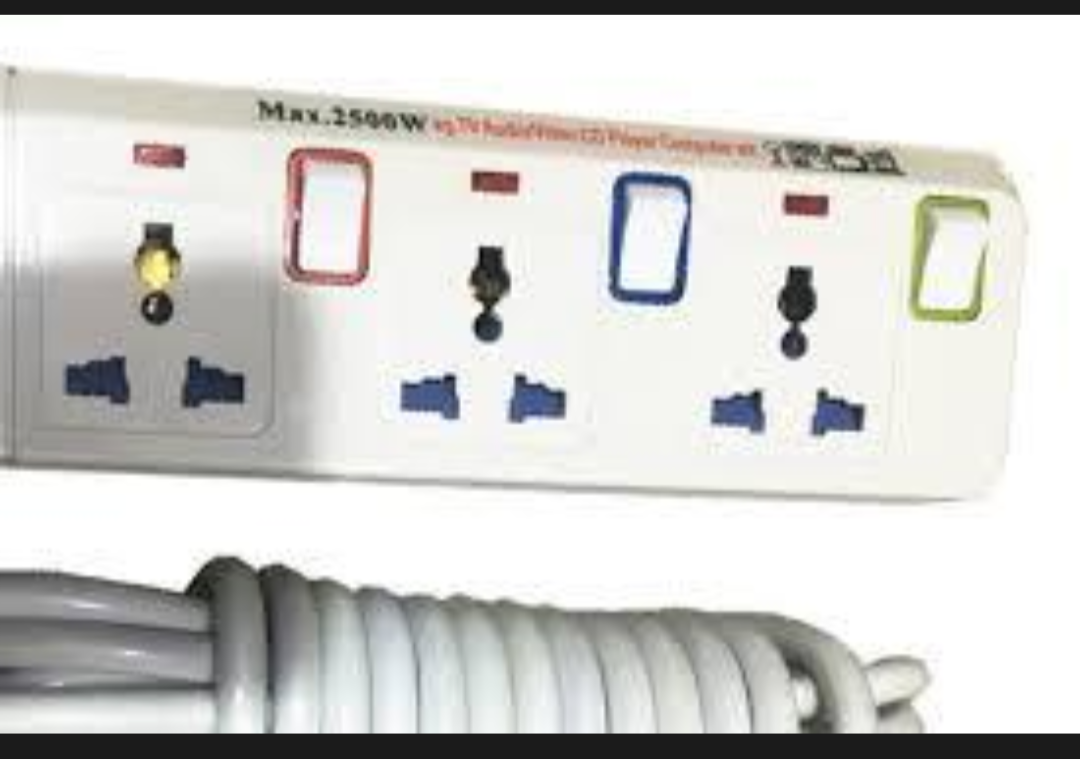
Extension socket
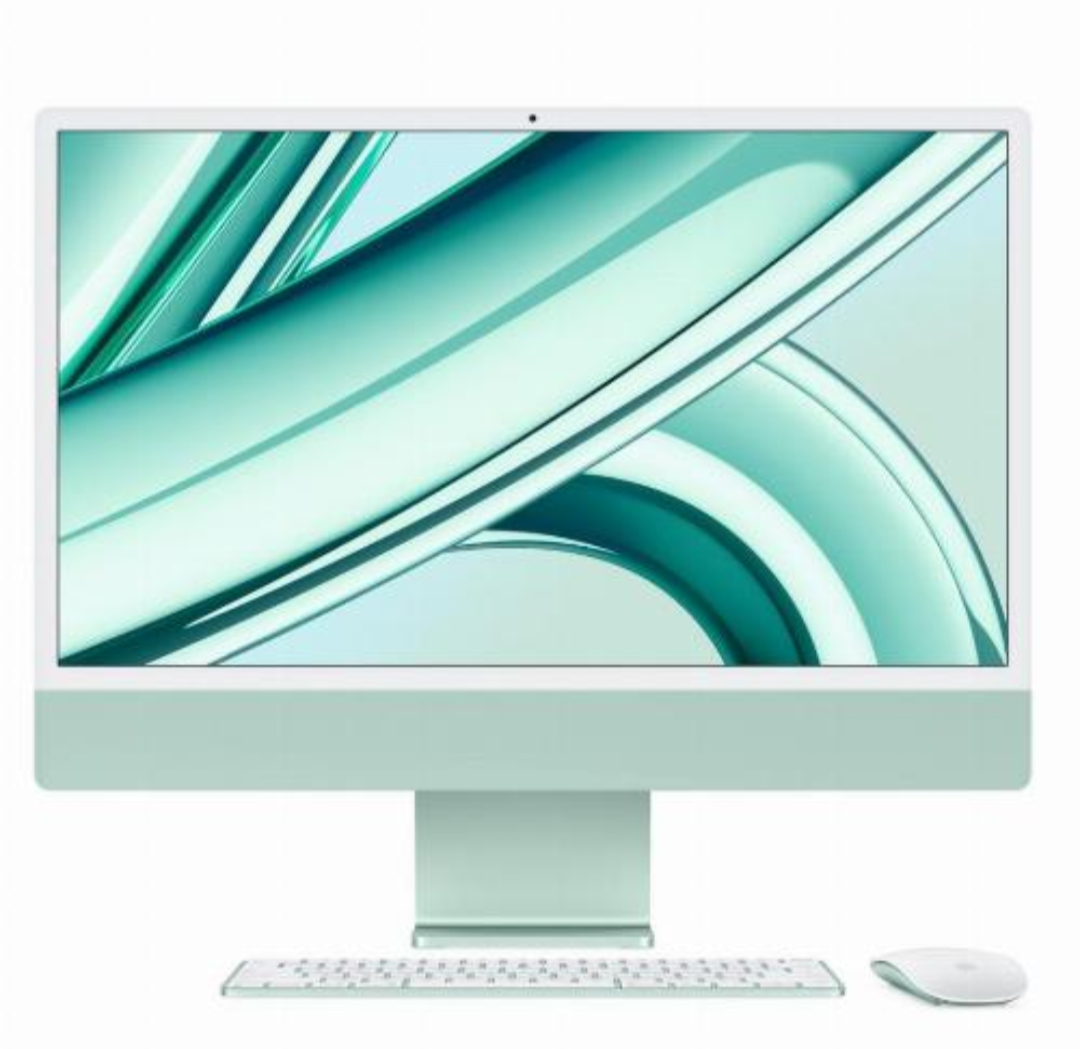
1 Must haveA tablet, laptop and lamp may all need to be plugged in near the desk.
How to use it: Keep the cable off the floor and out of the way of small feet.
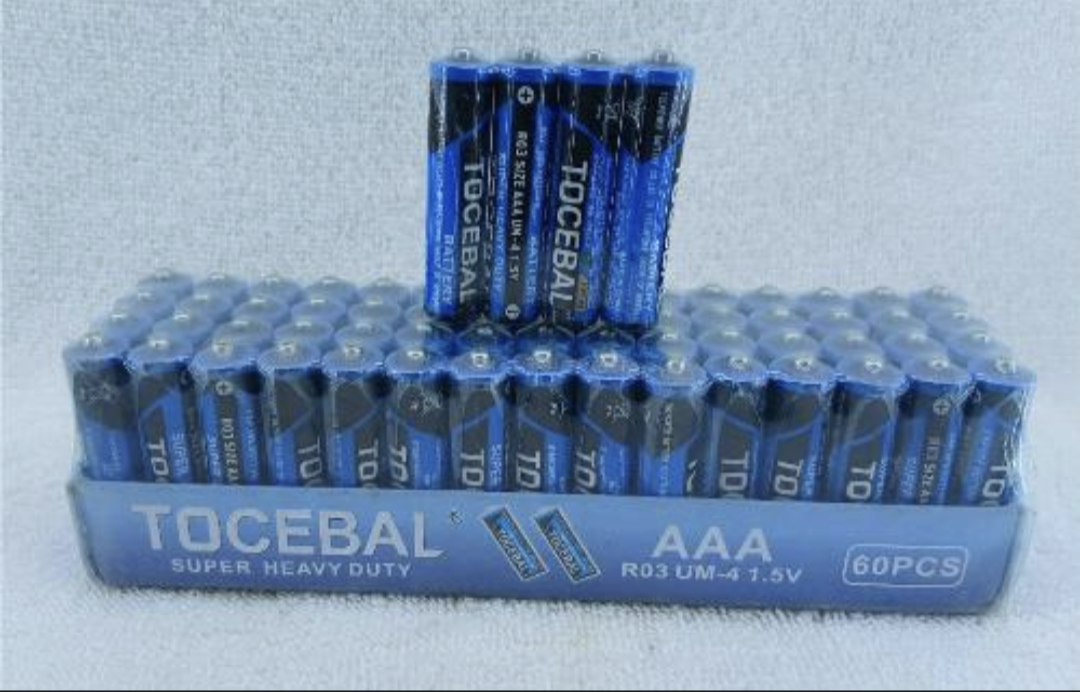
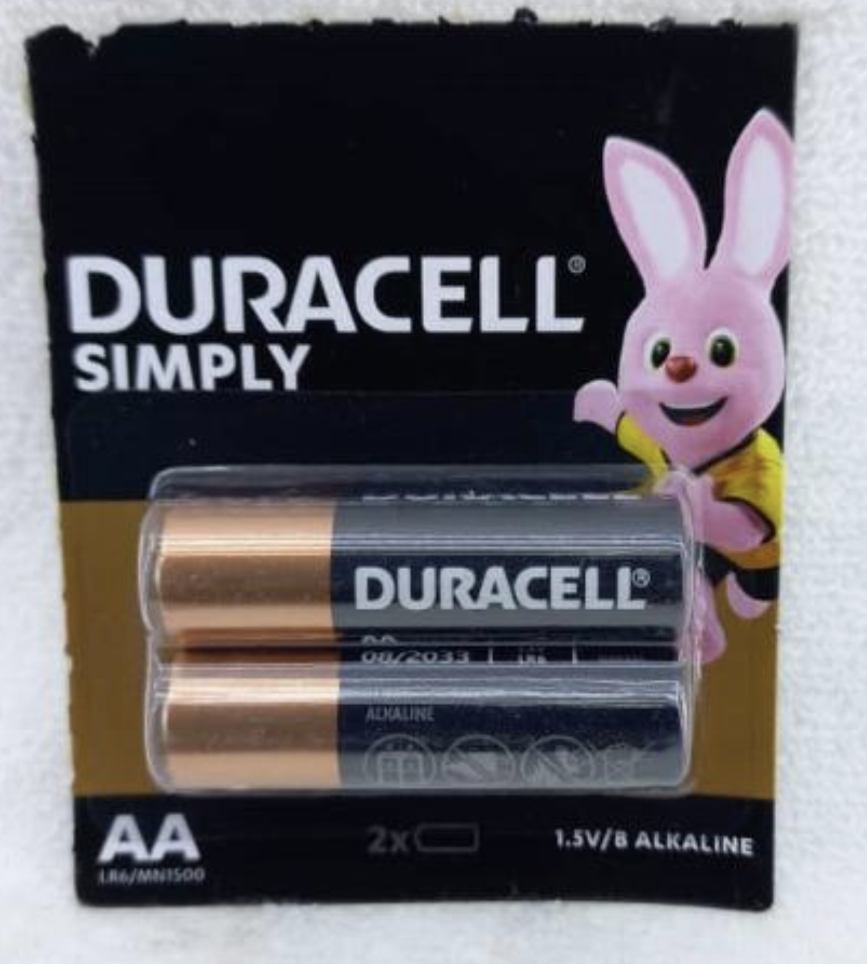
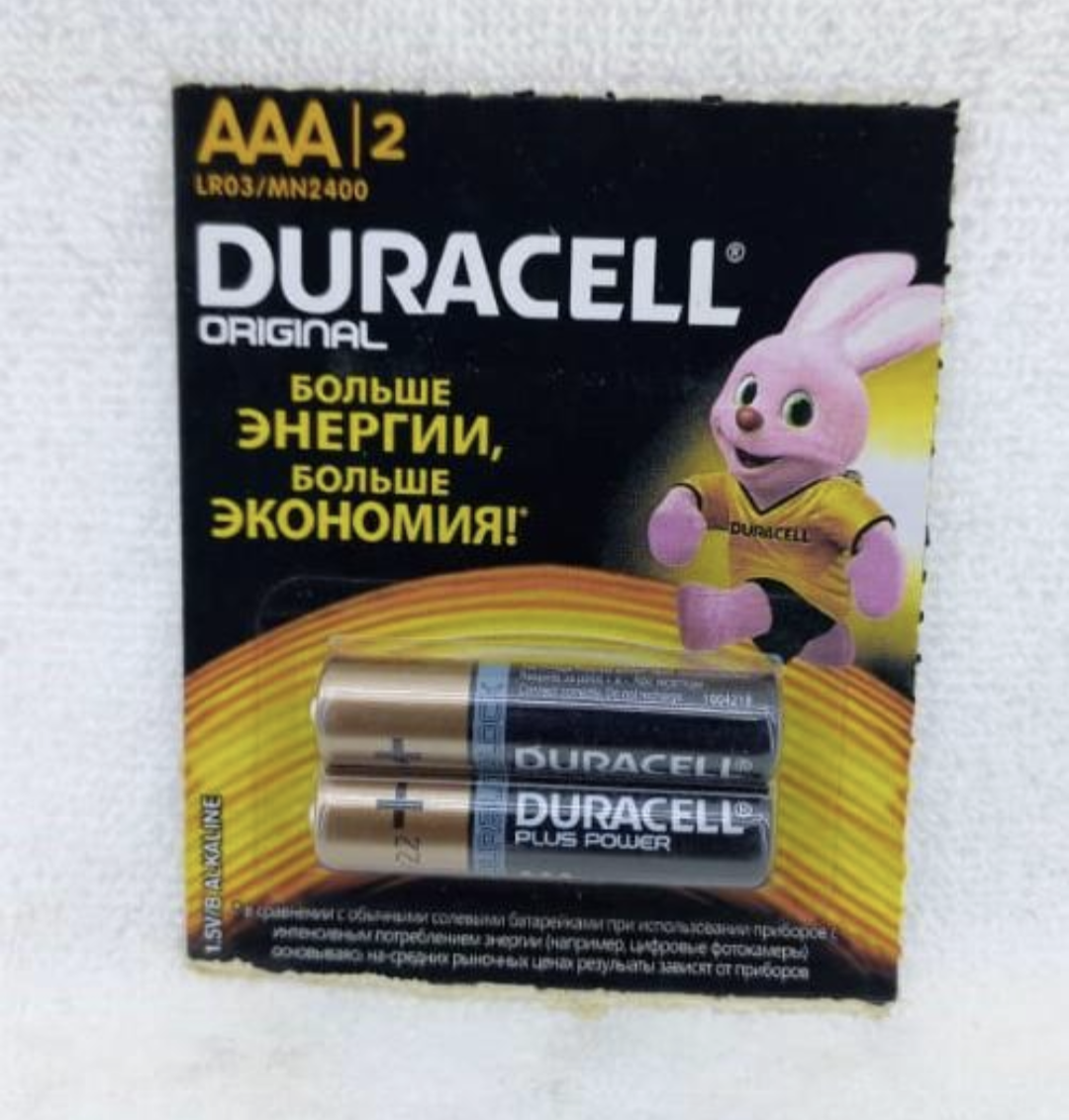
Batteries
1 packNice to haveA calculator, clock or torch may need them.
How to use it: Keep a spare pack of AA and AAA.
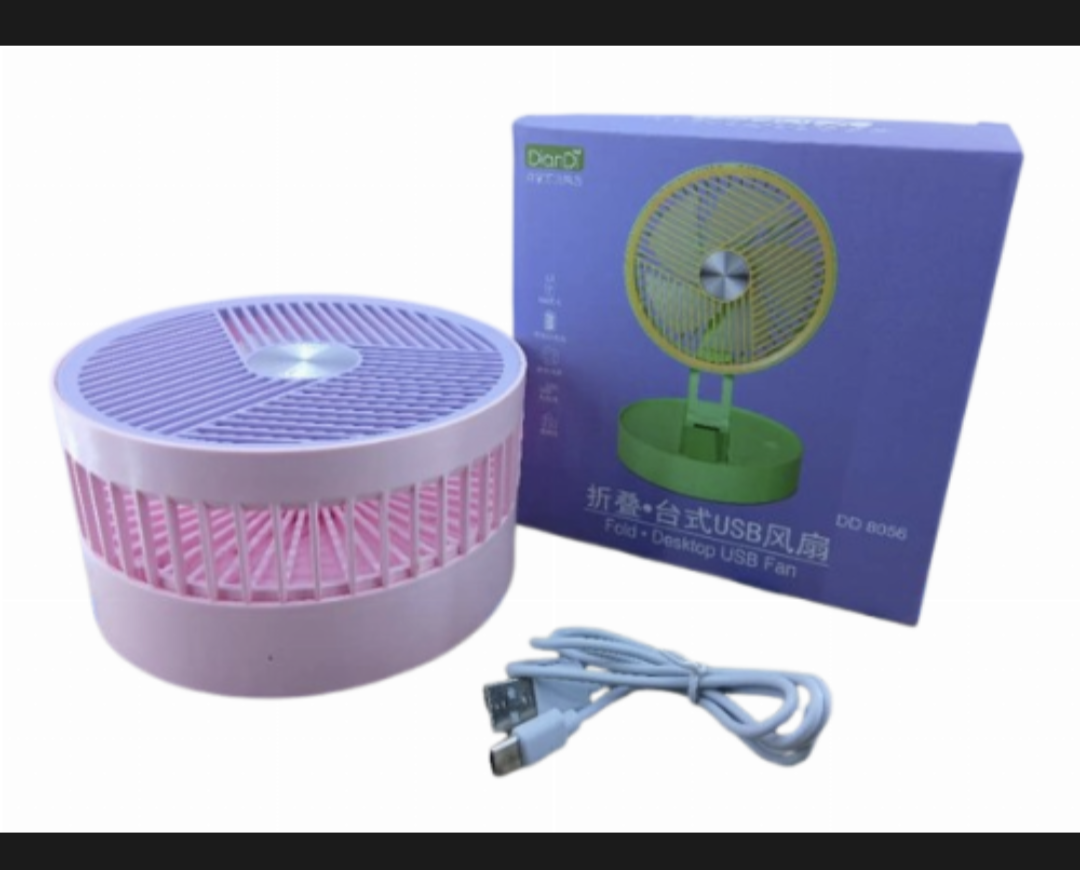
Desktop fan
1Nice to haveOn warm afternoons, a small fan keeps a room comfortable without noise.
How to use it: Point it away from the papers on the desk.




School supplies
Put the basics in one place so no one has to hunt for a pencil.
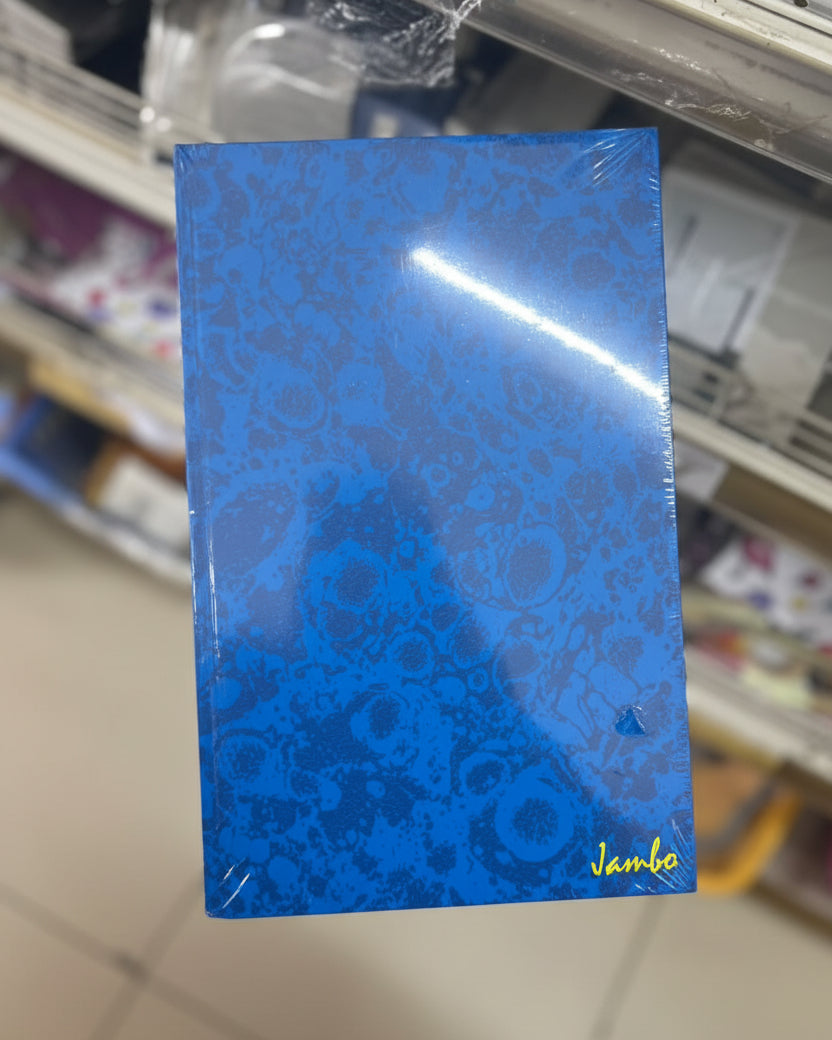
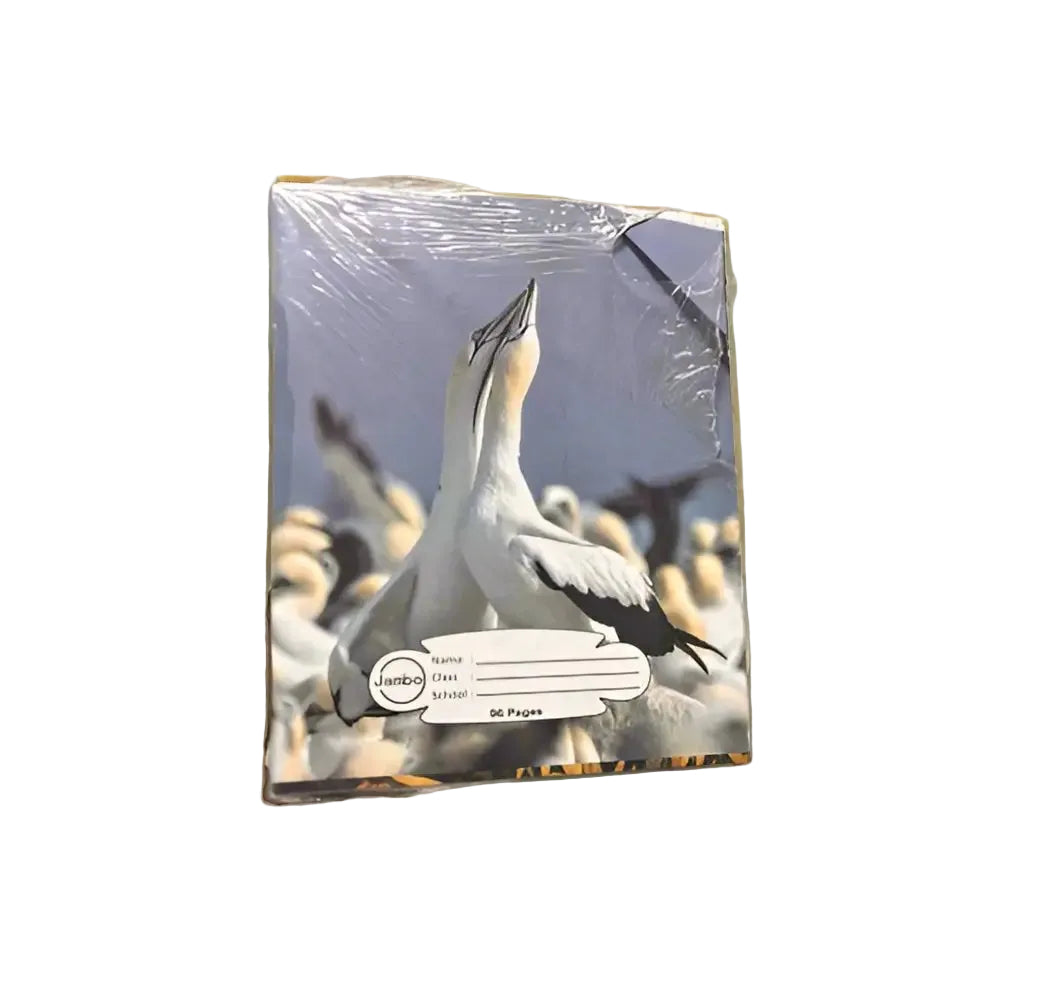
Exercise notebooks
1 per subject, plus spares Must haveEach subject needs its own notebook. Spare ones prevent last minute panic.
How to use it: Label each notebook on the cover with the child's name and subject.
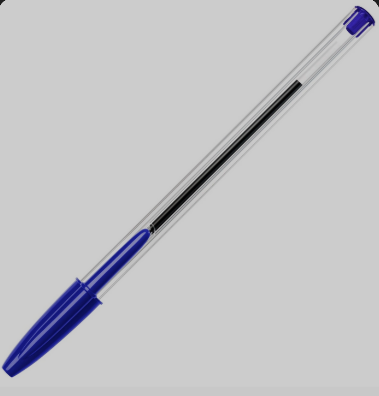
Ballpoint pens
10 or more Must havePens are lost quickly. A small supply means homework does not wait.
How to use it: Keep blue or black pens for writing and a red one for corrections.
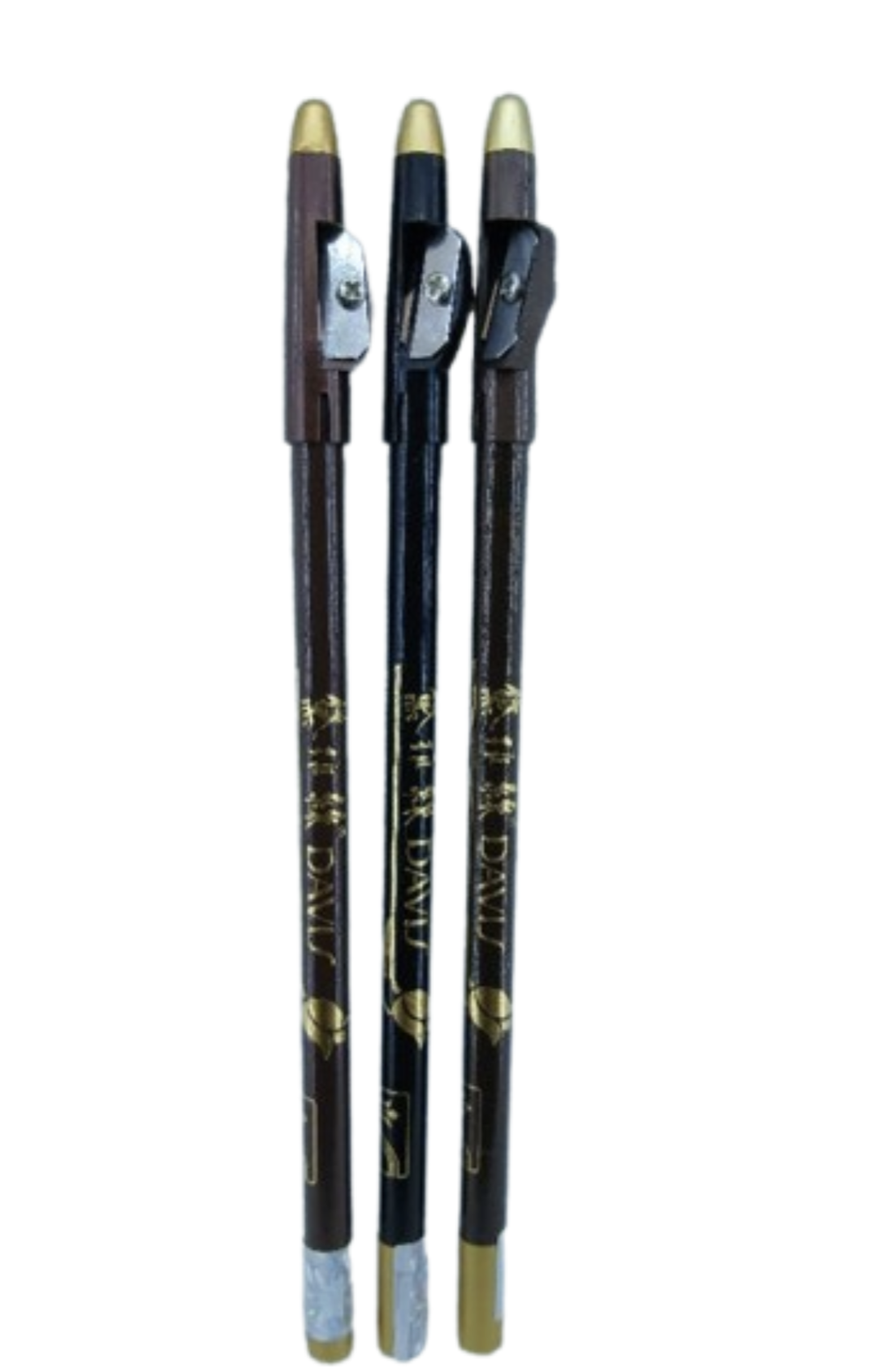
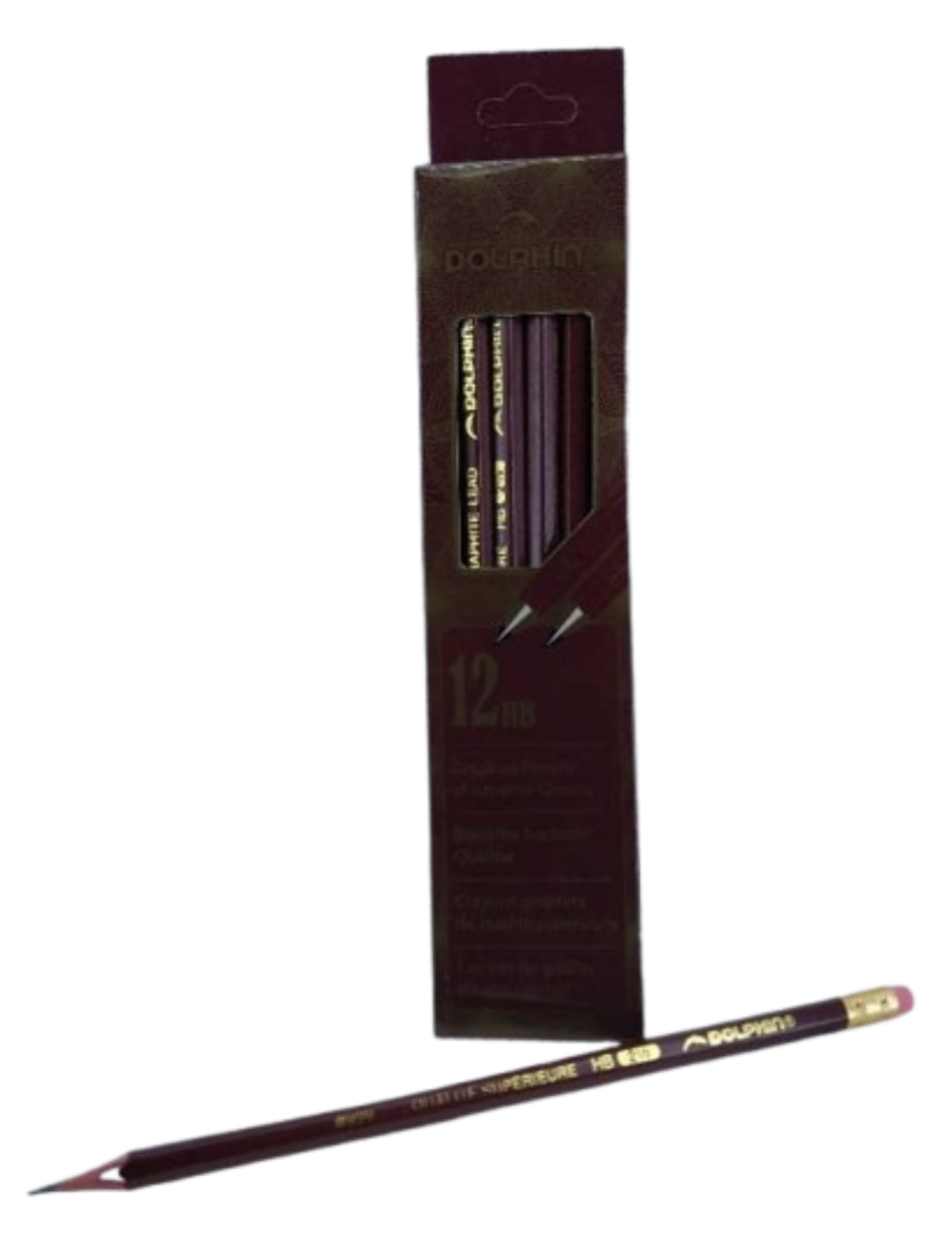
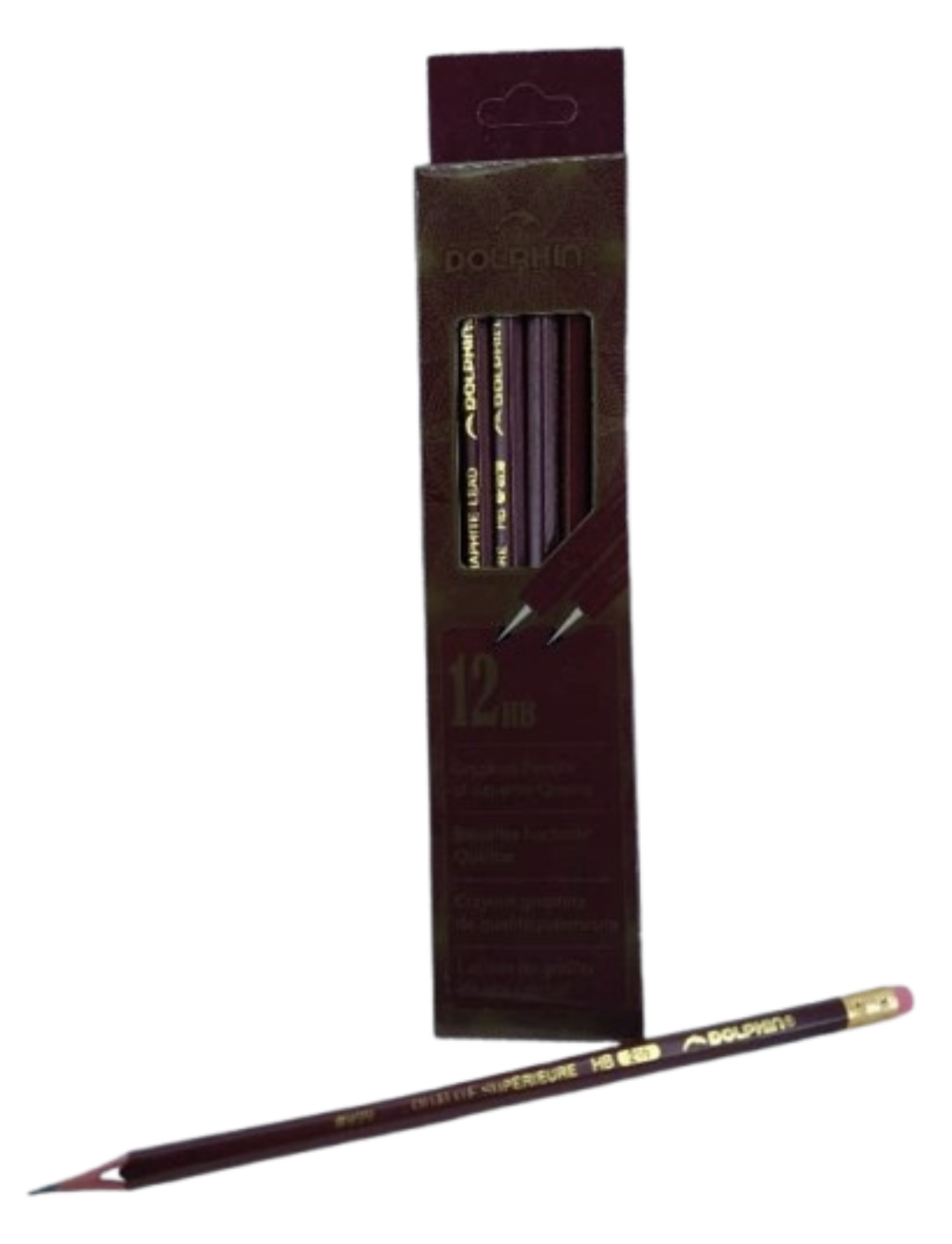
Pencils
12 Must haveYounger children need pencils for drawing and writing.
How to use it: Check the points before each study session.
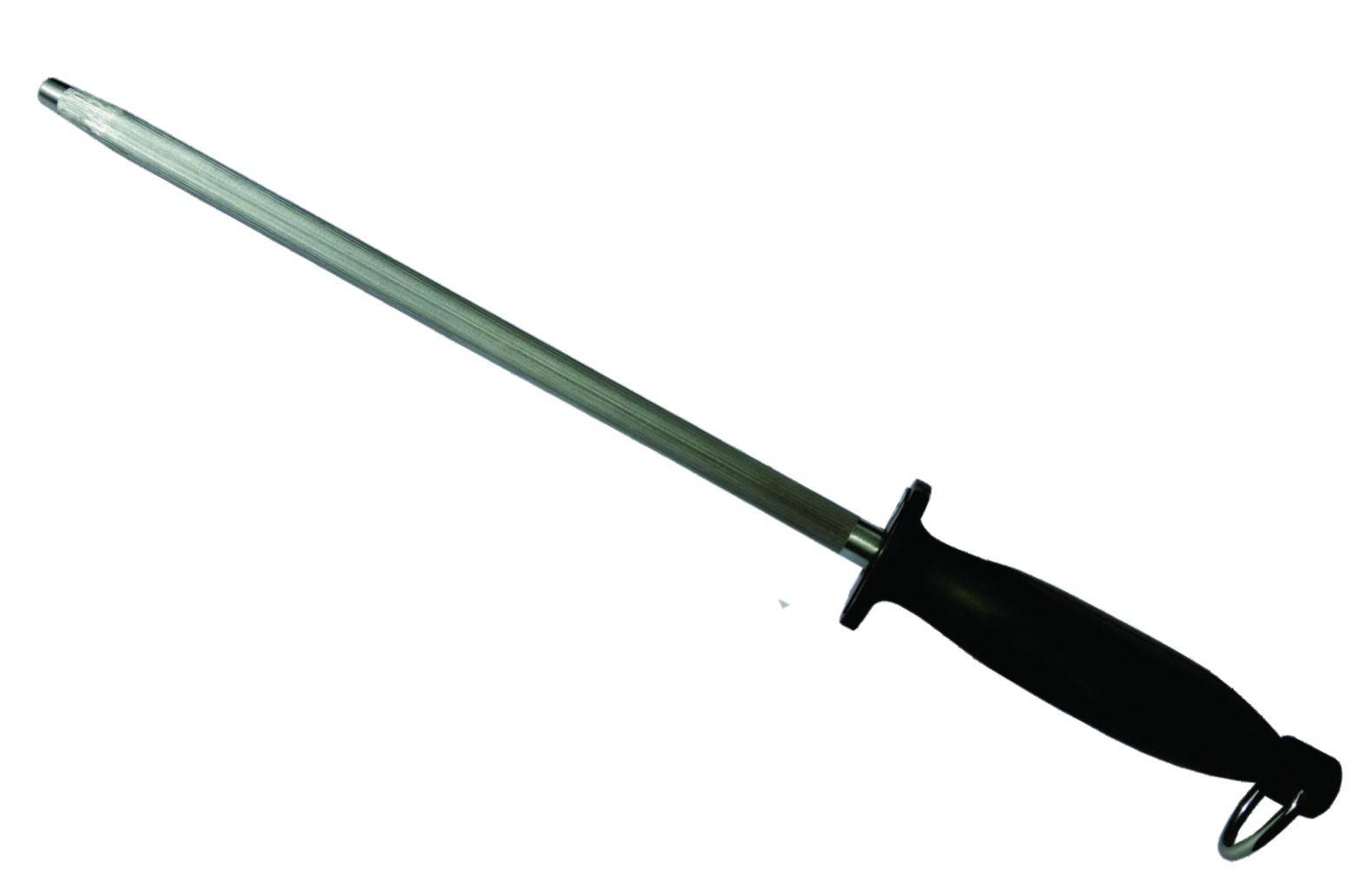
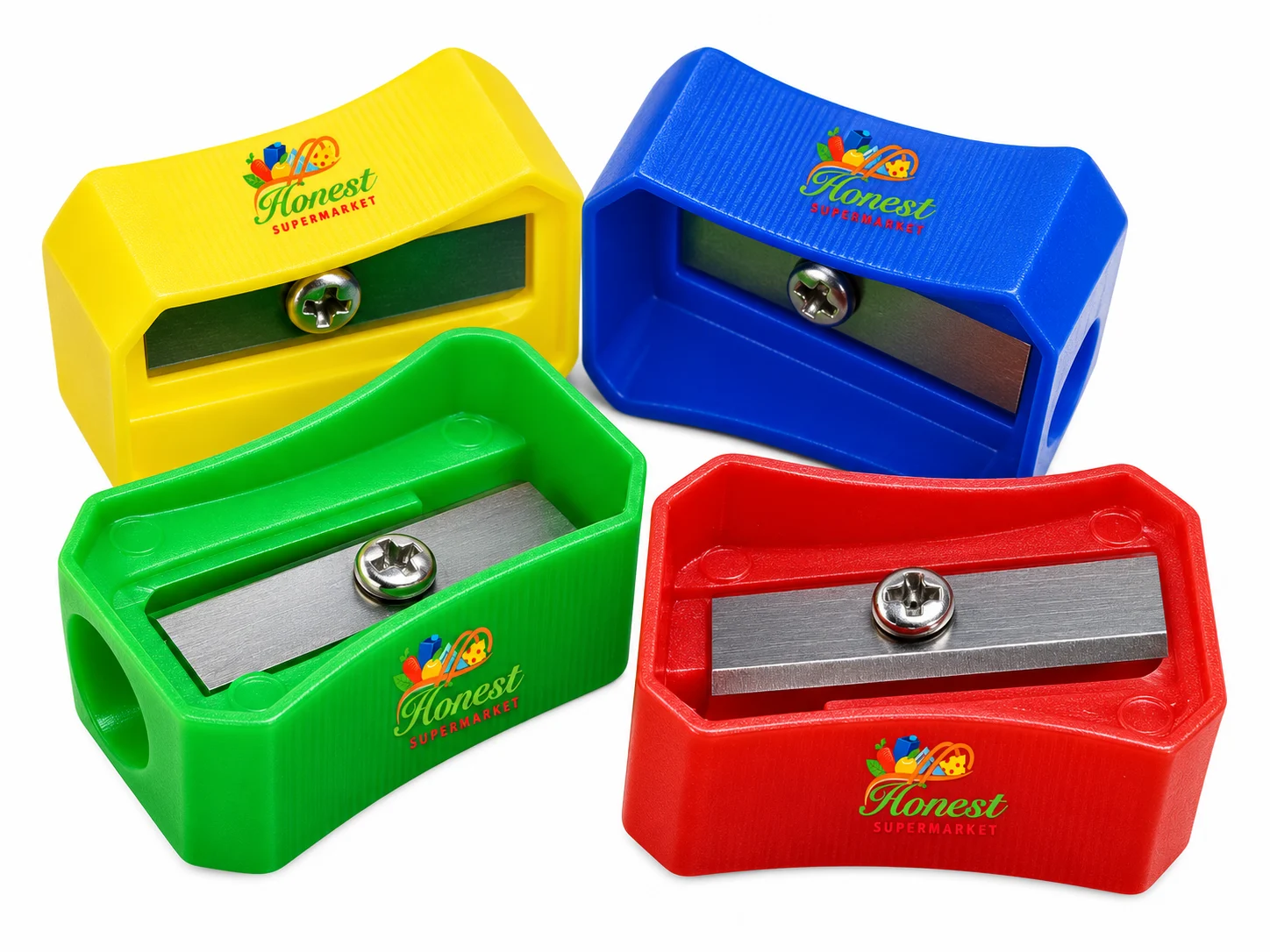
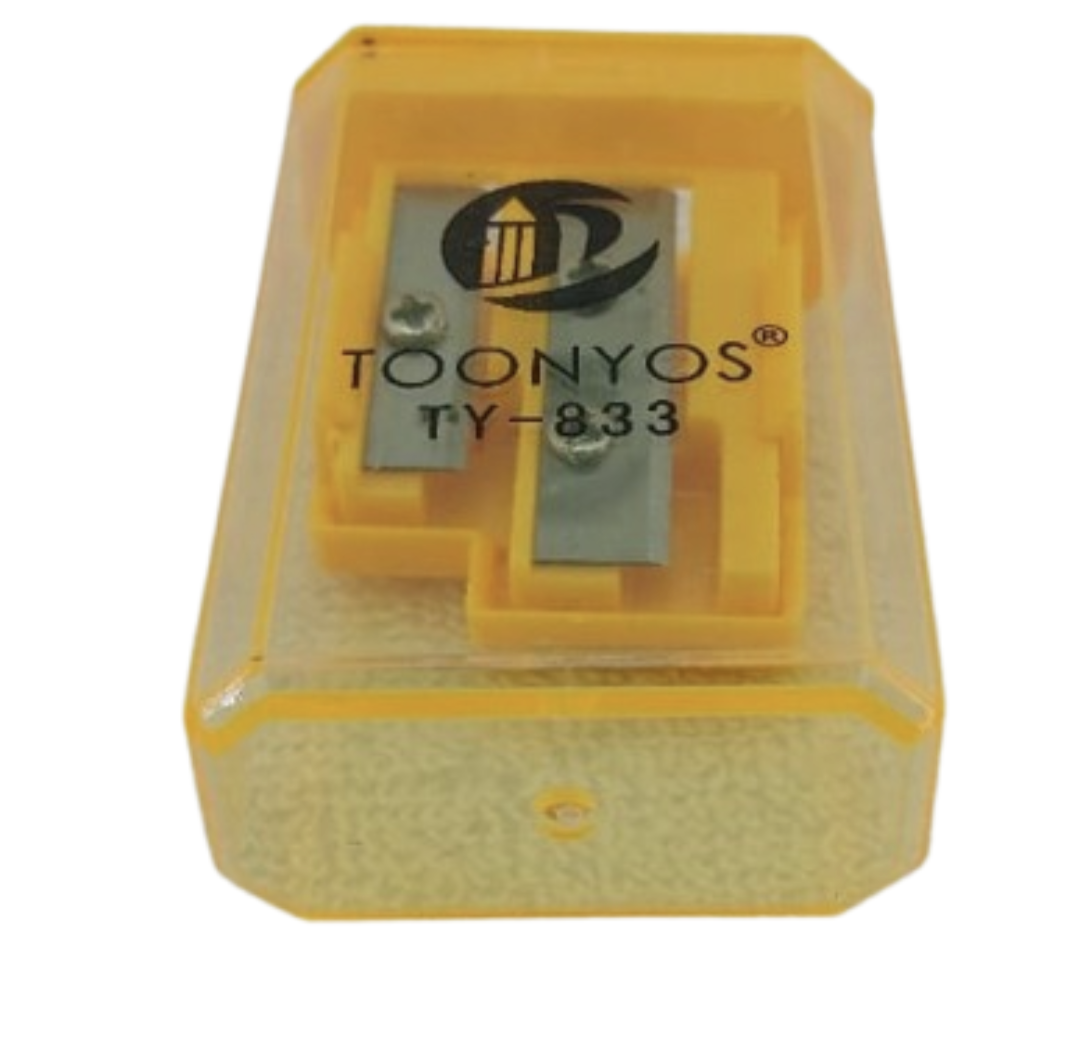
Pencil sharpener
1 or 2 Must haveA blunt pencil is a common reason for messy writing.
How to use it: Keep it in a cup so shavings do not fall everywhere.
Erasers
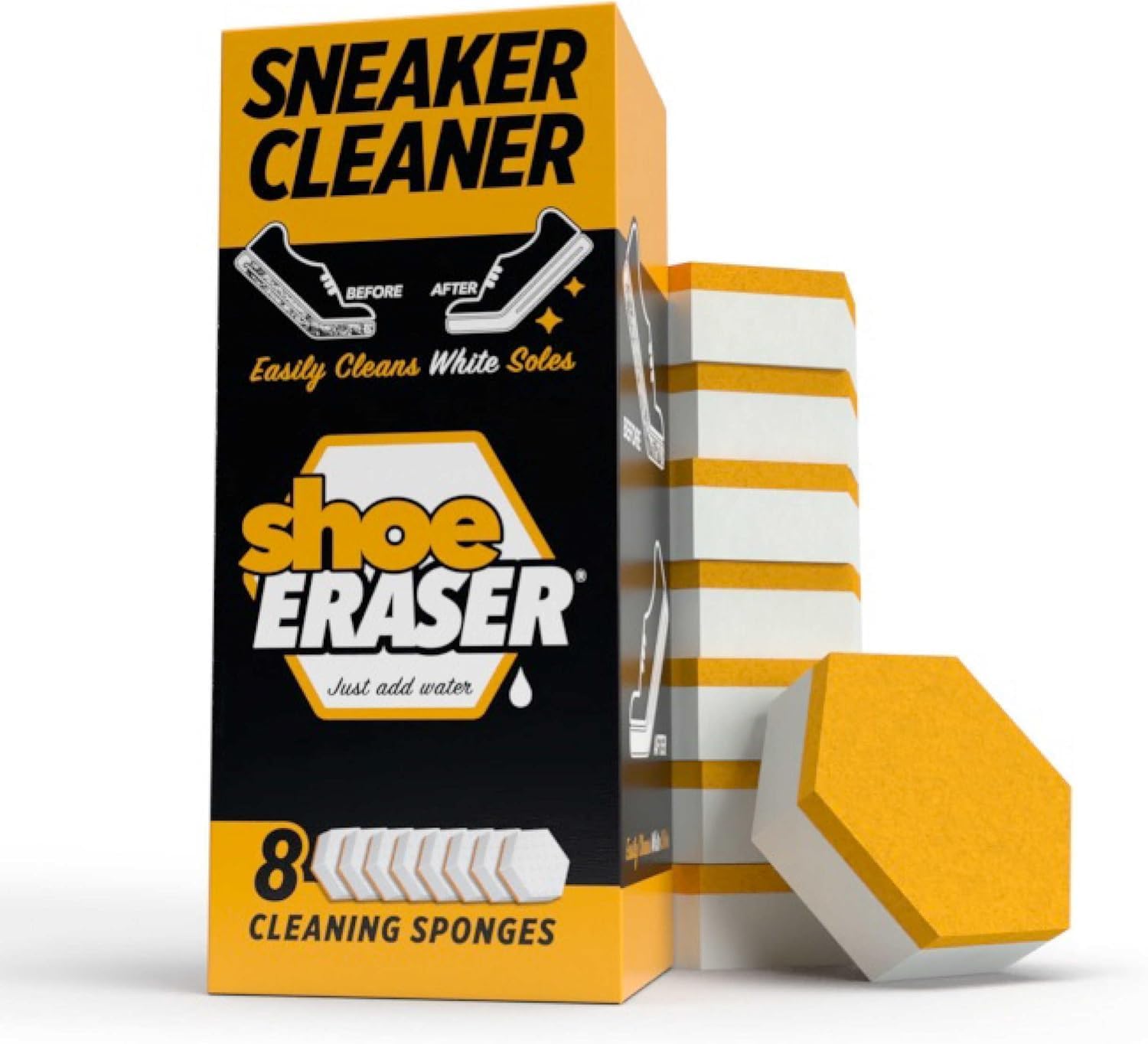
2 or 3 Must haveMistakes are part of learning. A good eraser prevents torn paper.
How to use it: Choose a soft, white one.
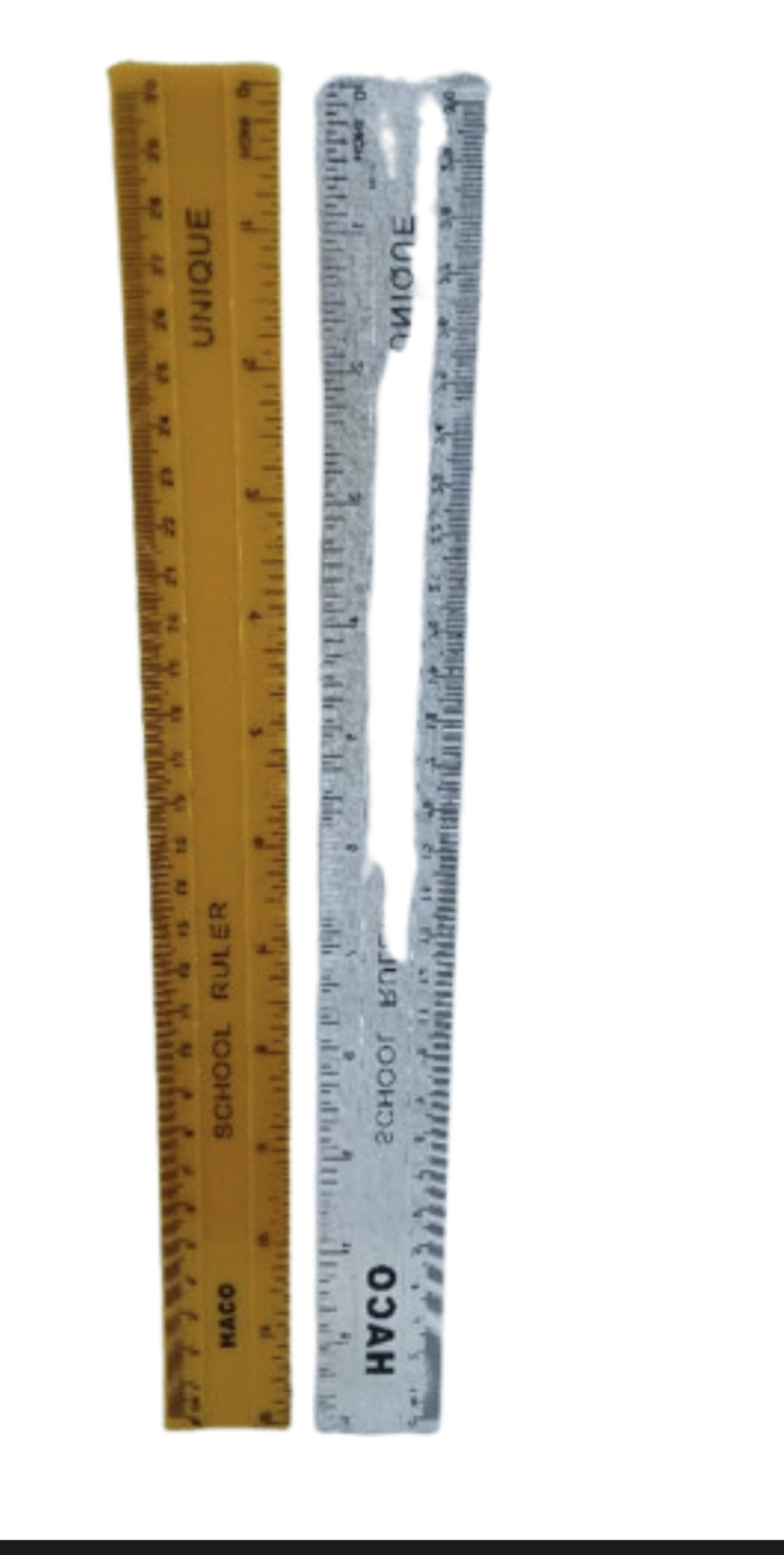
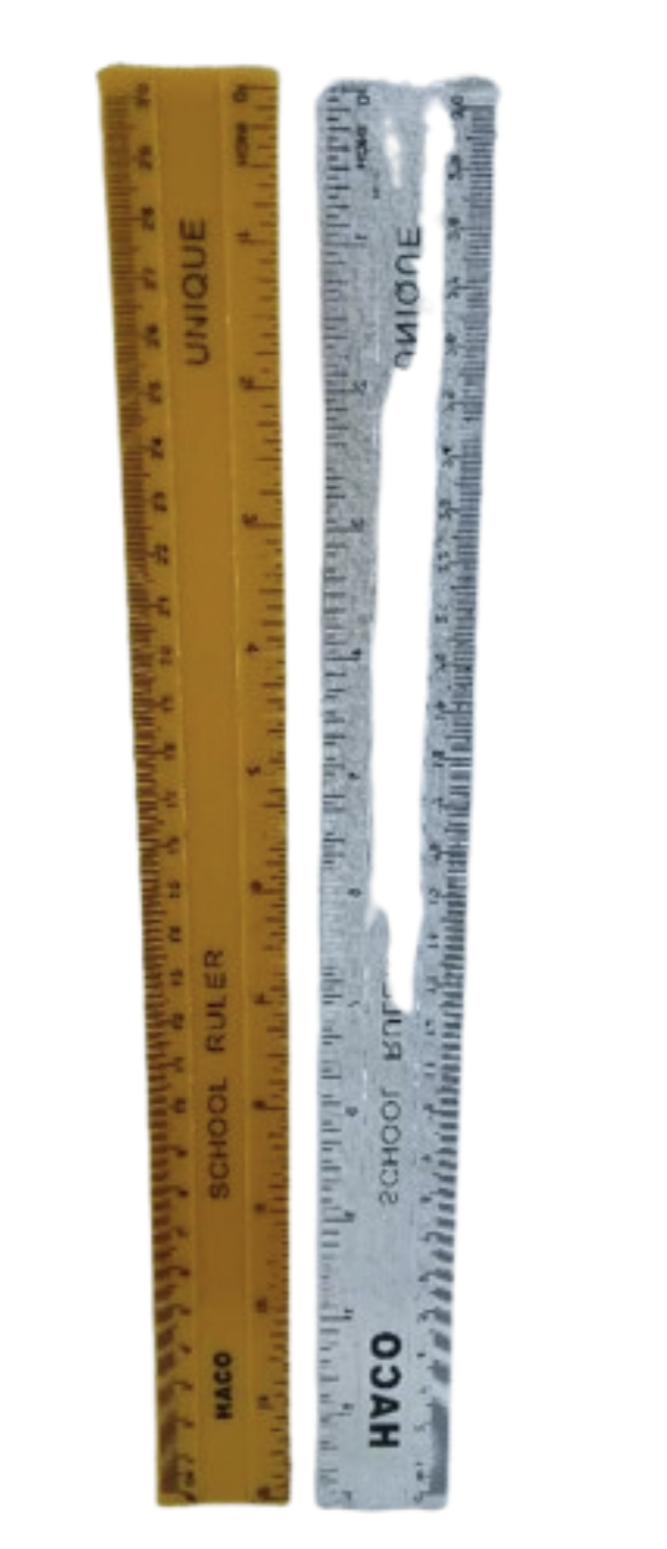
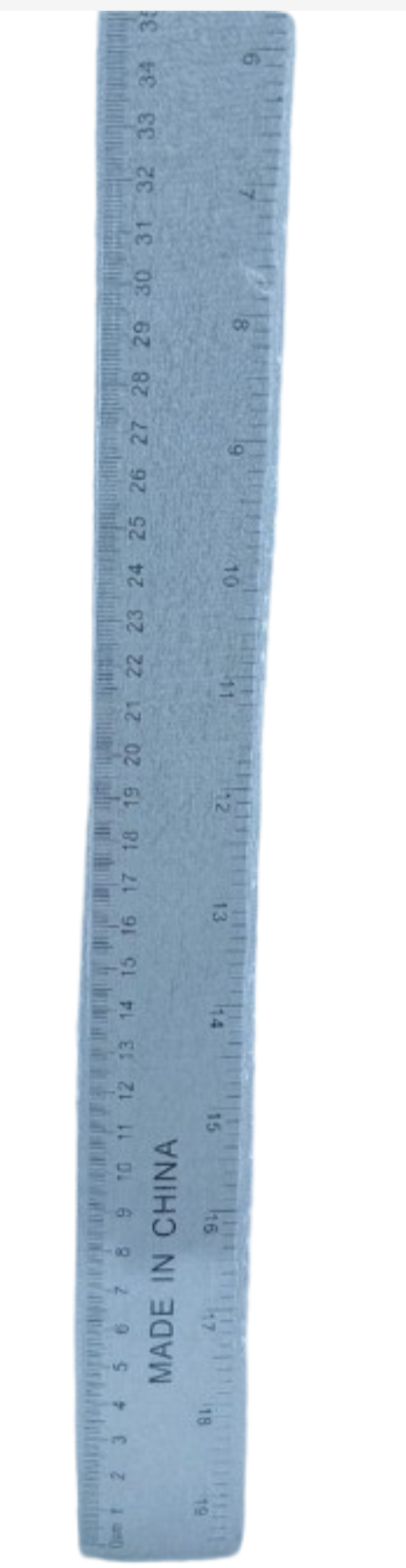
Ruler
1 Must haveMaths and drawing need a straight line.
How to use it: A clear 30 cm ruler works well.
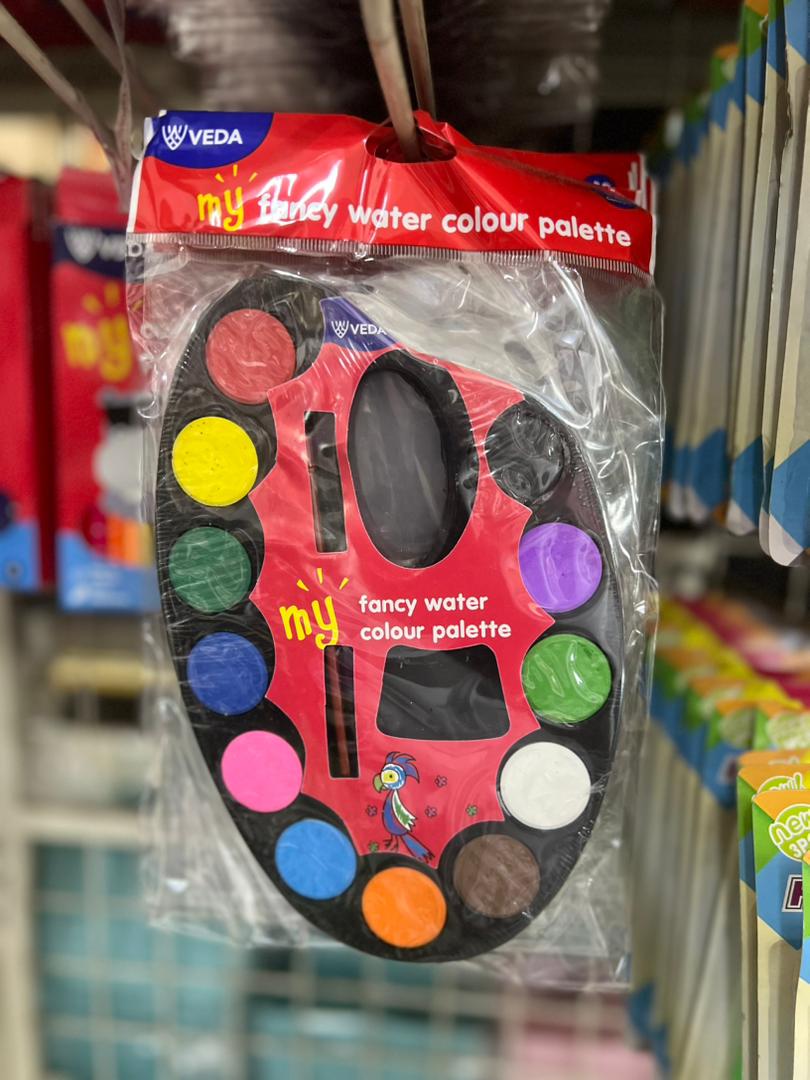
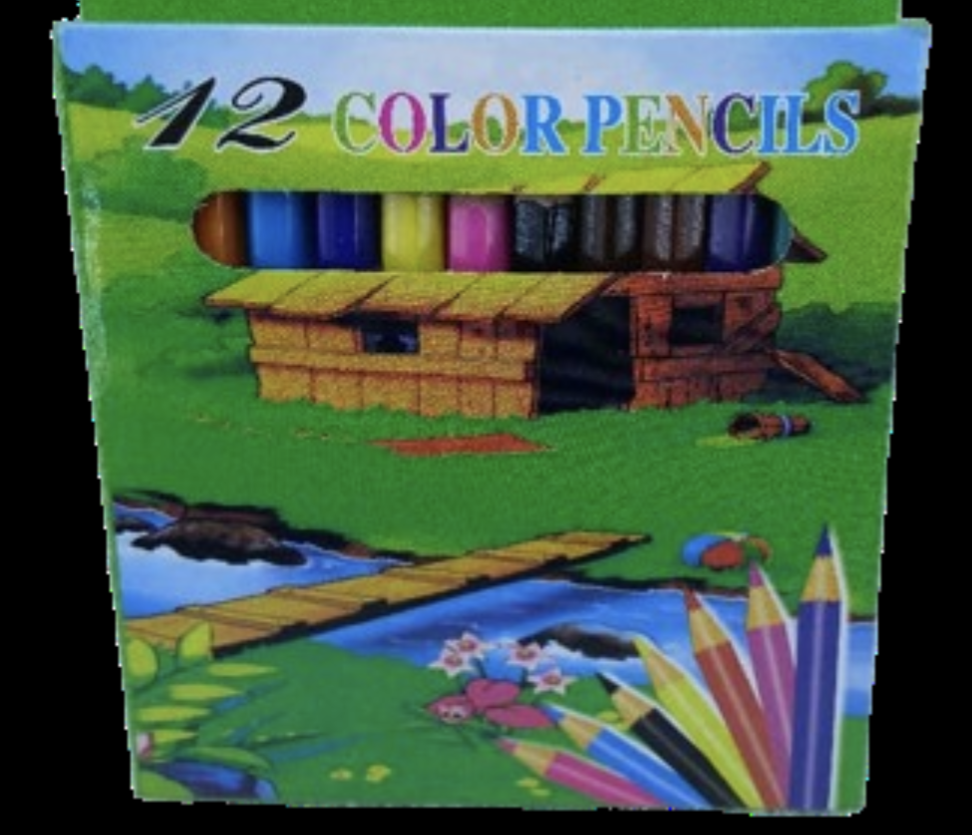
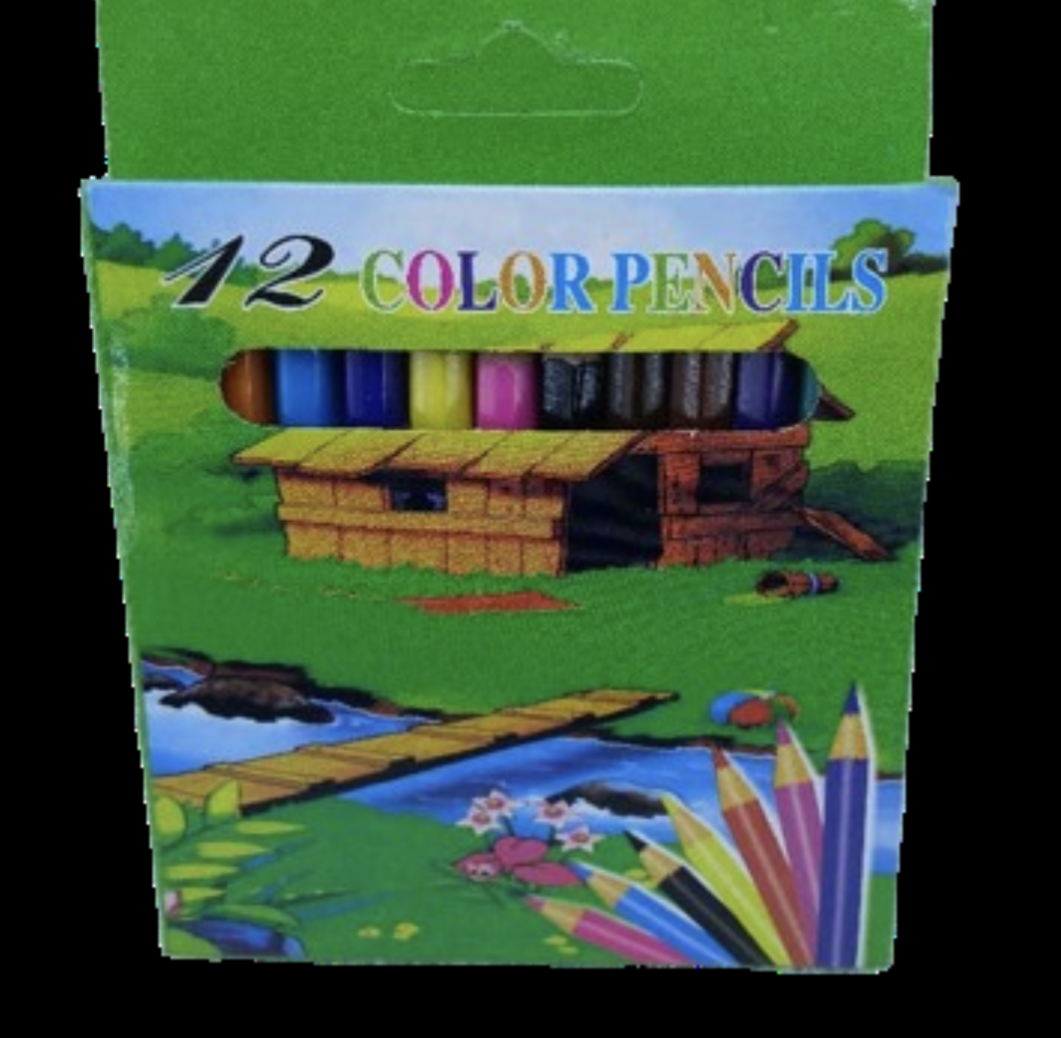
Colored pencils
1 setNice to haveMaps, diagrams and drawings are easier to read in color.
How to use it: Keep them in a pouch or box.
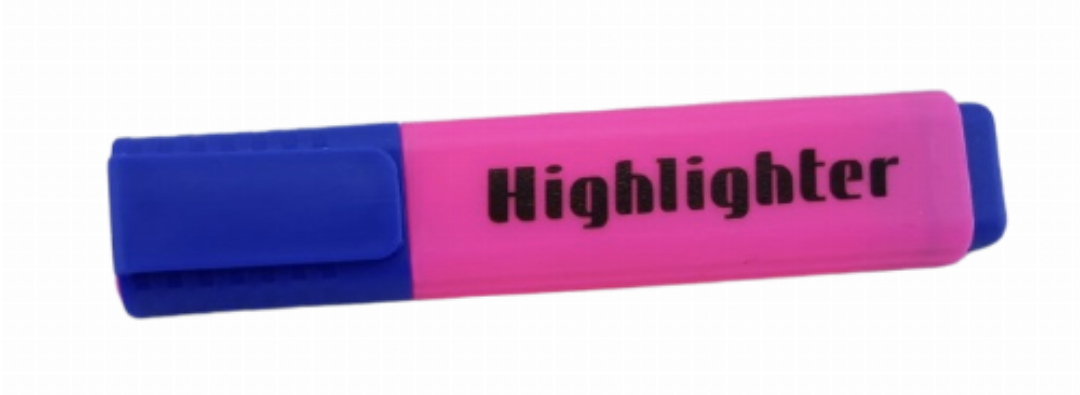
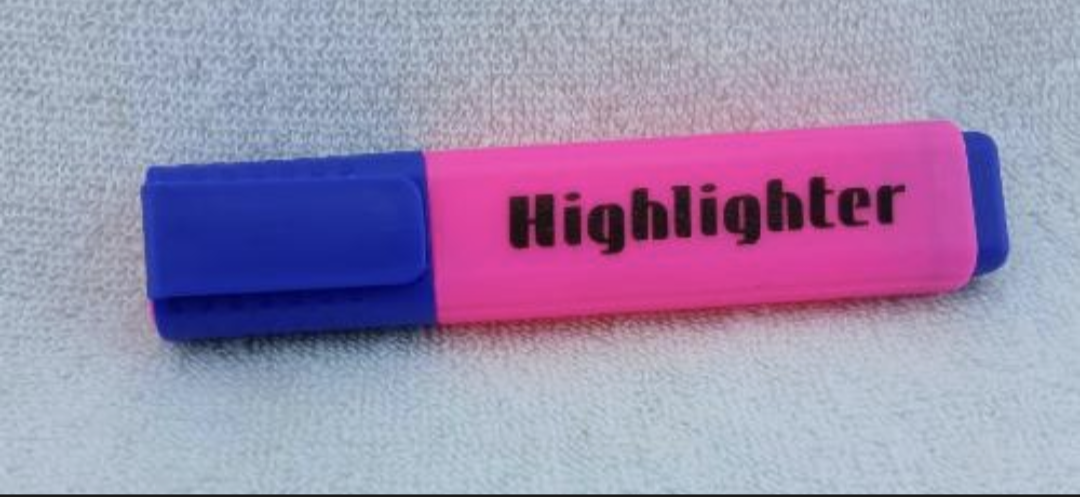
Highlighters
1 packNice to haveThey help older children mark key words and revise.
How to use it: Teach them to highlight only the main points.
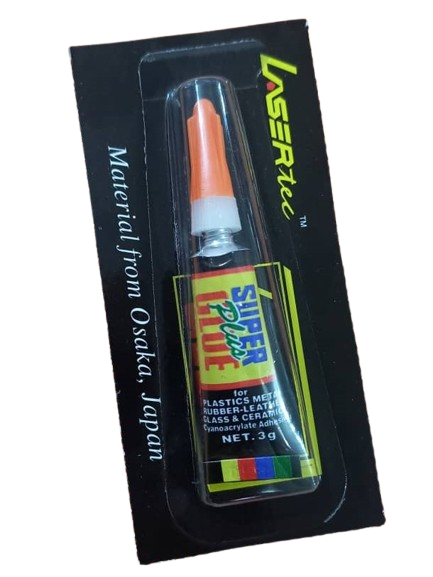
Glue and scissors
1 eachNice to haveCraft work and projects need both.
How to use it: Store scissors in a safe place for young children.
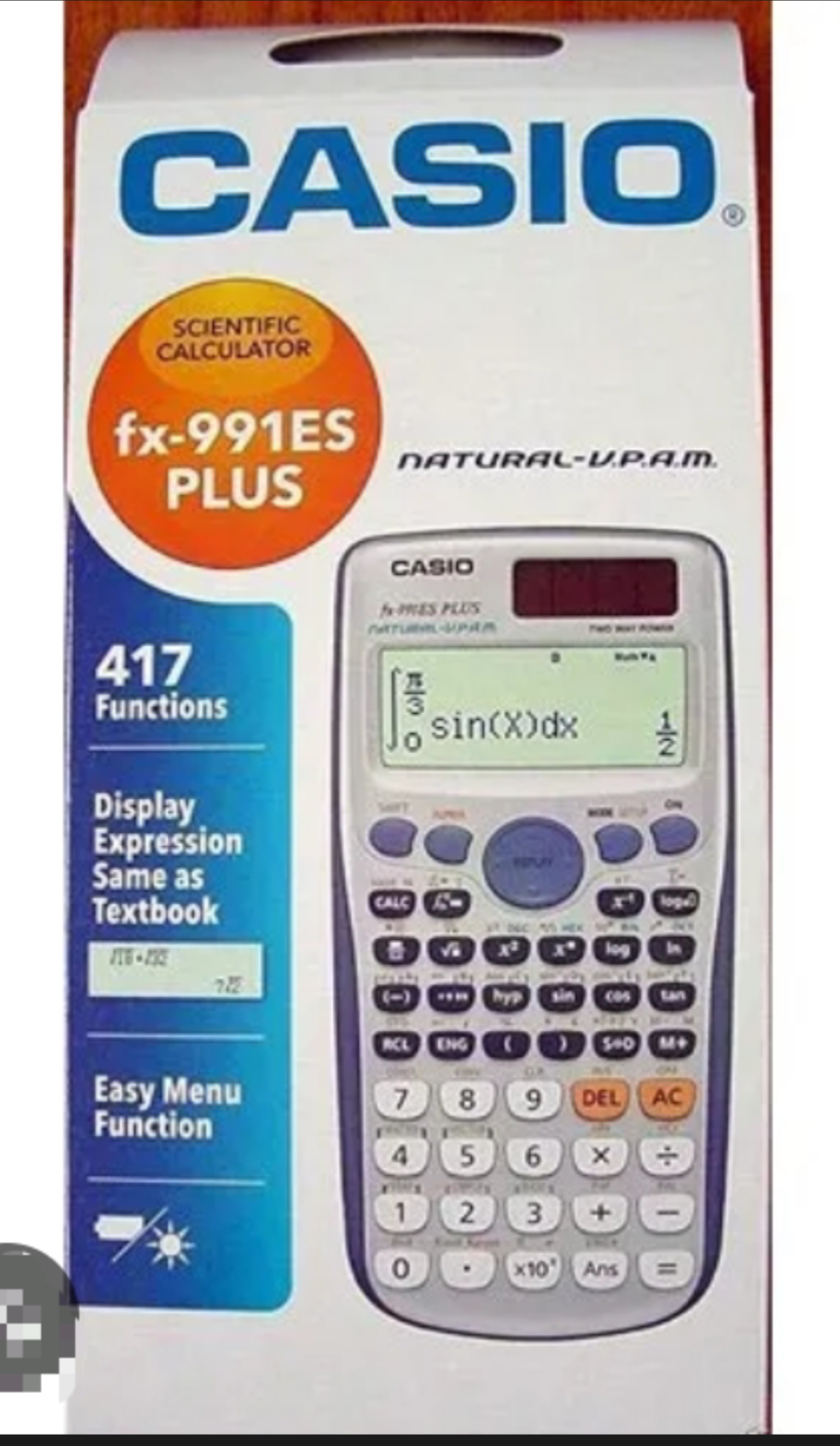
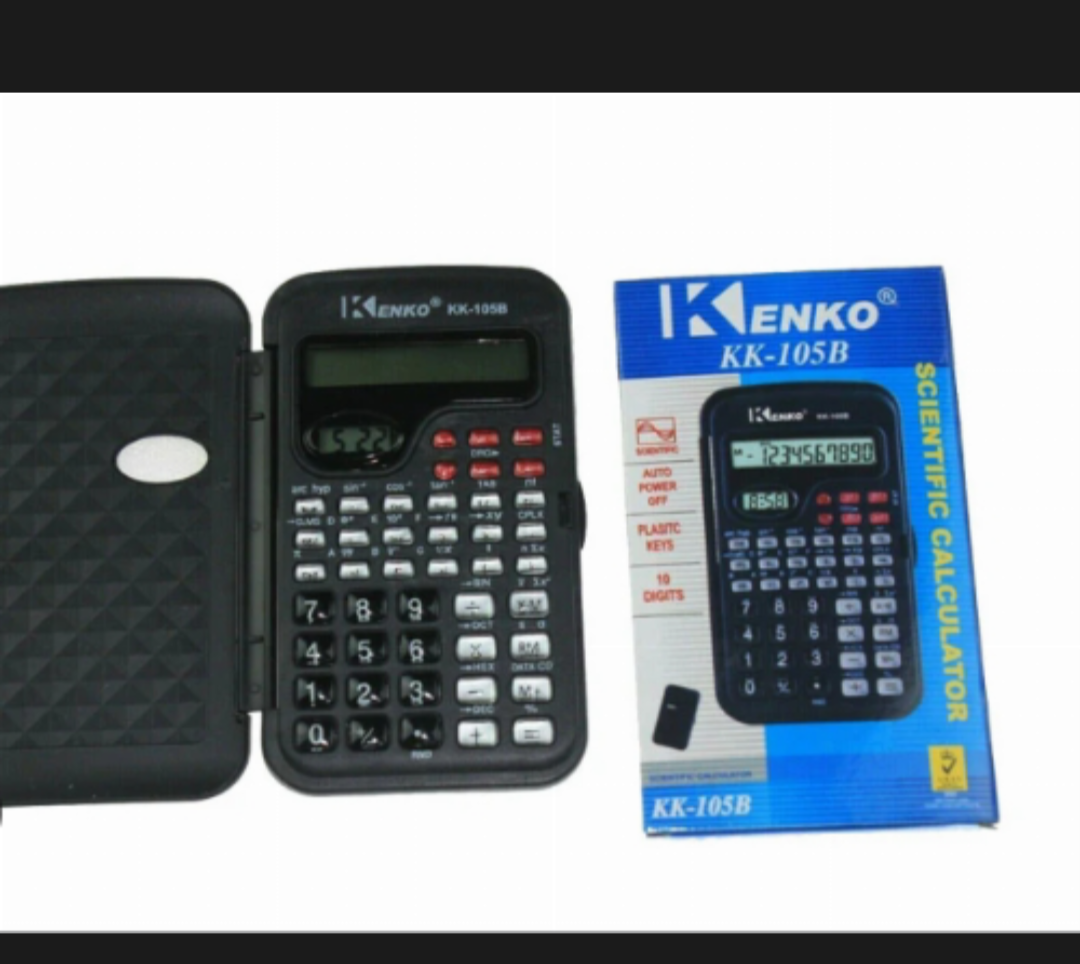
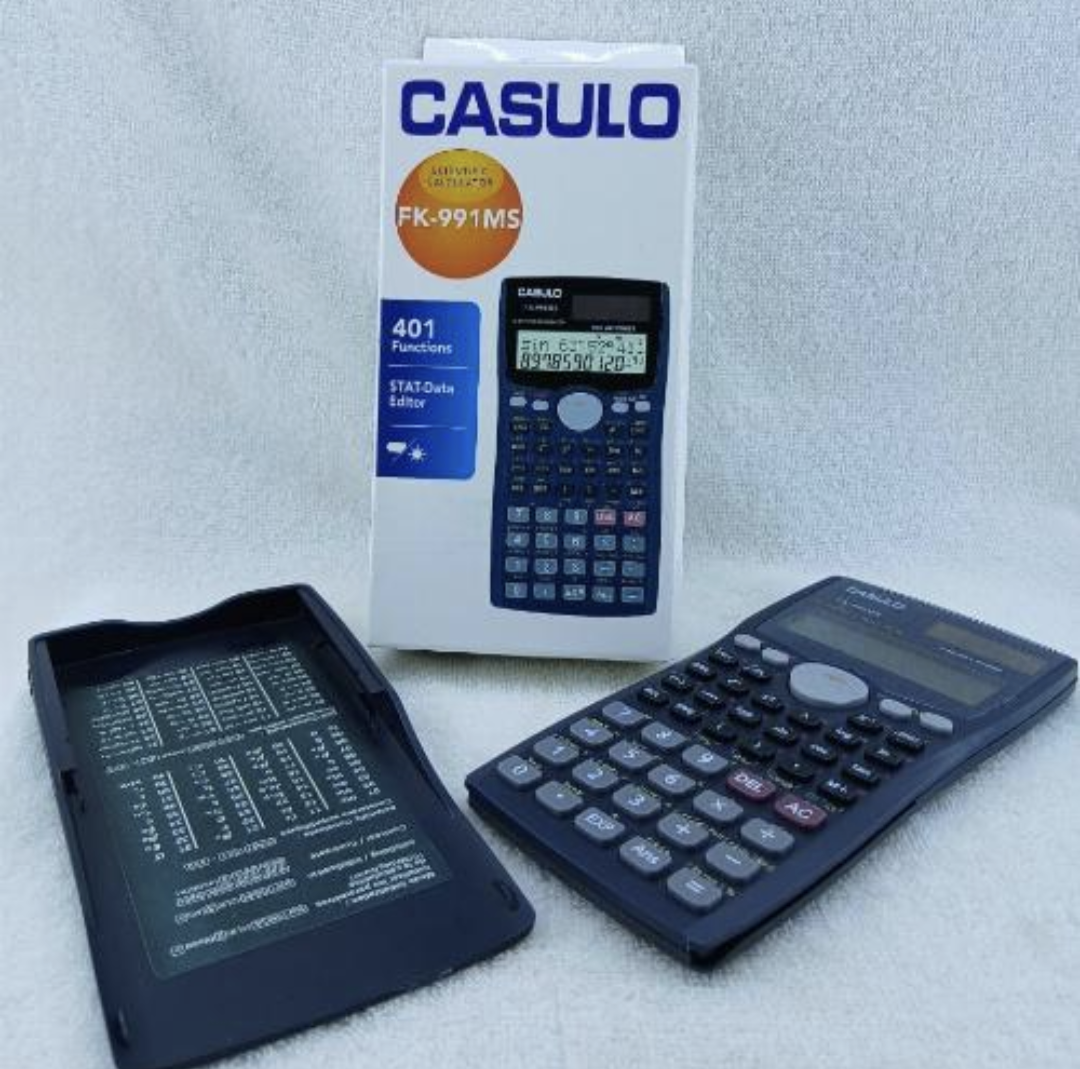
Calculator
1Nice to haveOlder students need one for maths and science.
How to use it: Check what the school requires before buying.
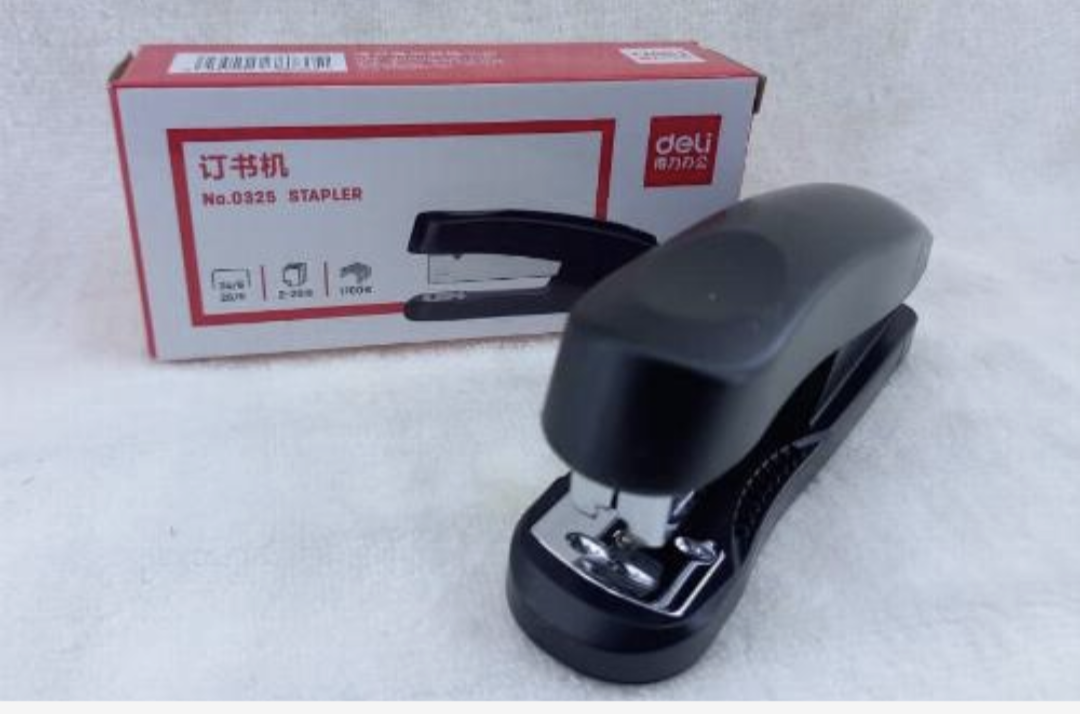
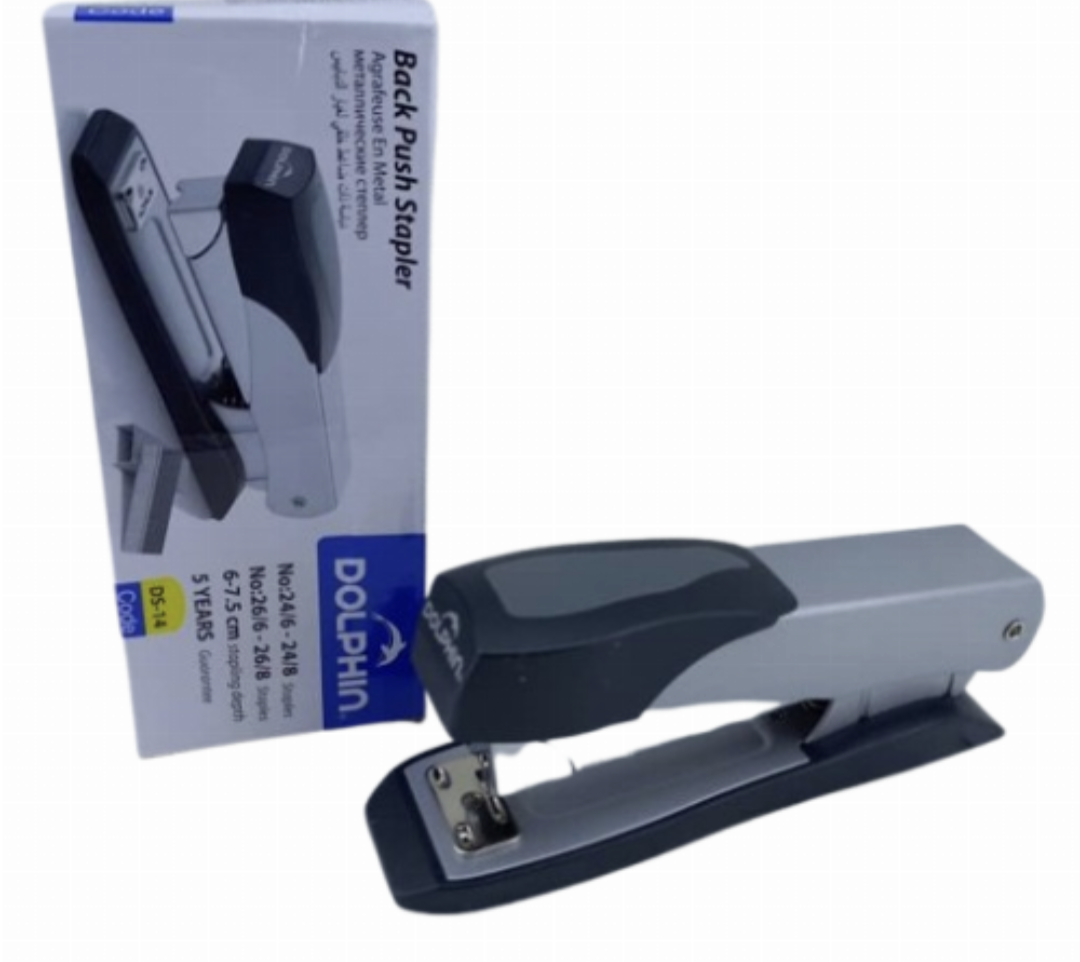
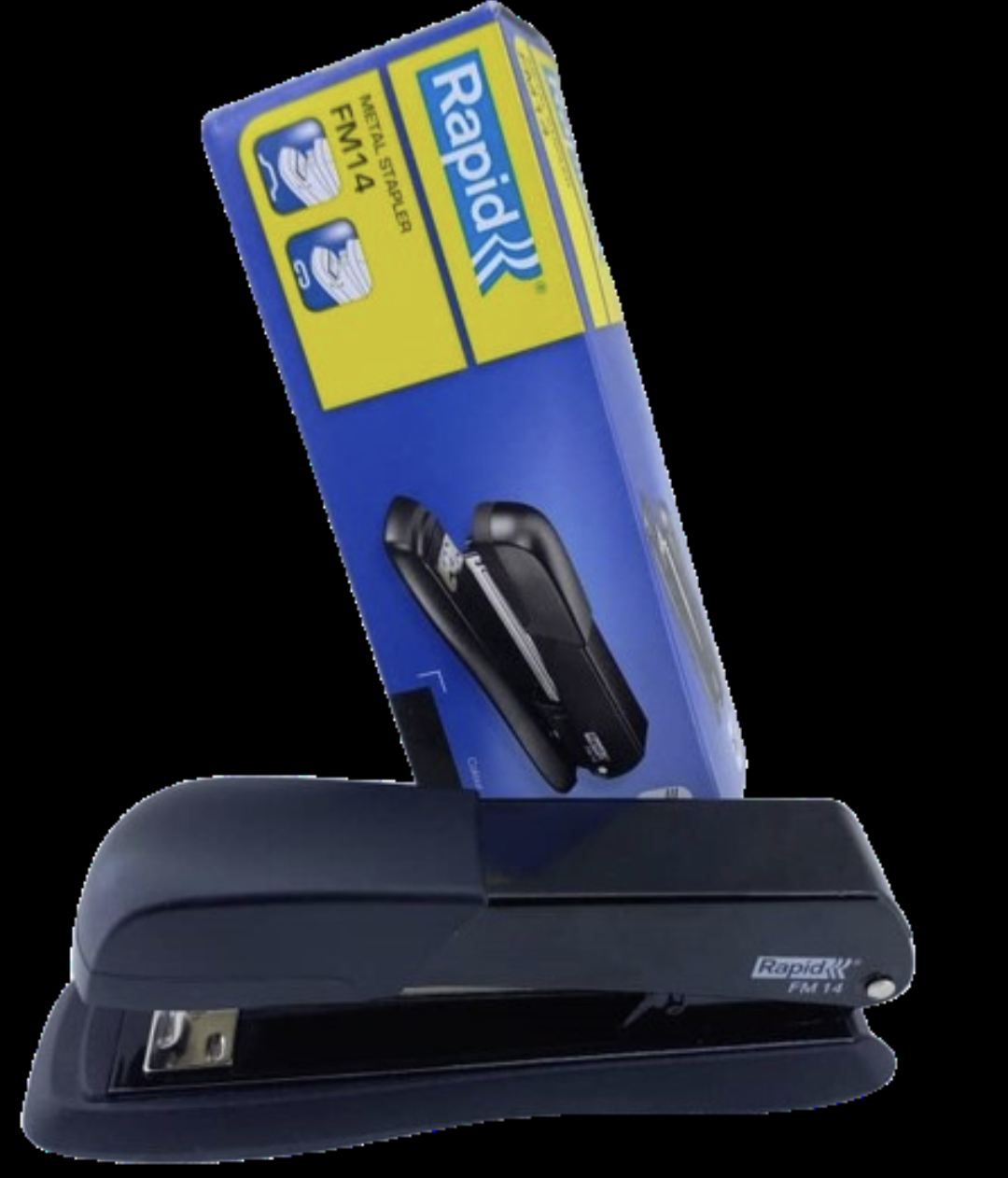
Stapler
1Nice to haveIt keeps loose homework sheets together.
How to use it: Keep staples in the same drawer.




Storage and order
A tidy room is easier to study in and quicker to clean.
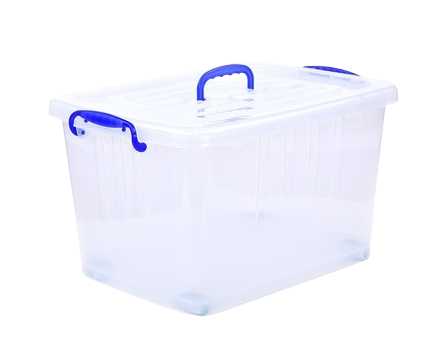
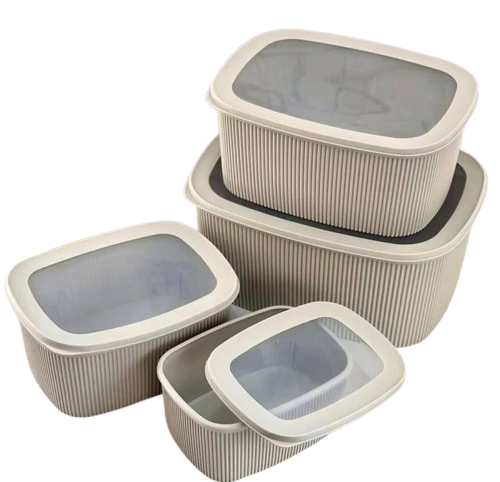
Storage boxes
2 to 4 Must haveBoxes for each child or subject keep notebooks and supplies from spreading across the desk.
How to use it: Label each box and keep it on a shelf near the desk.
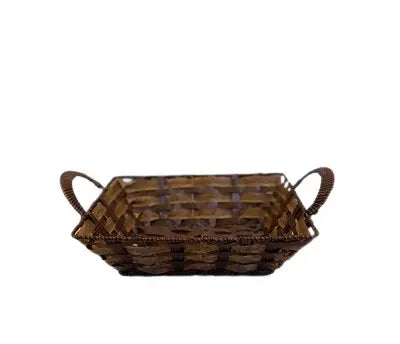
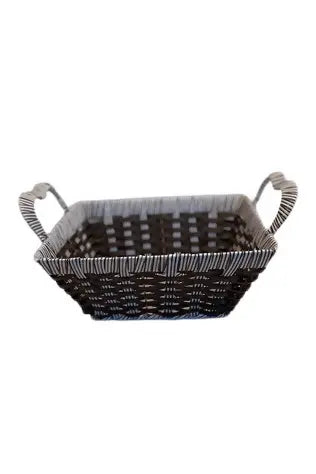
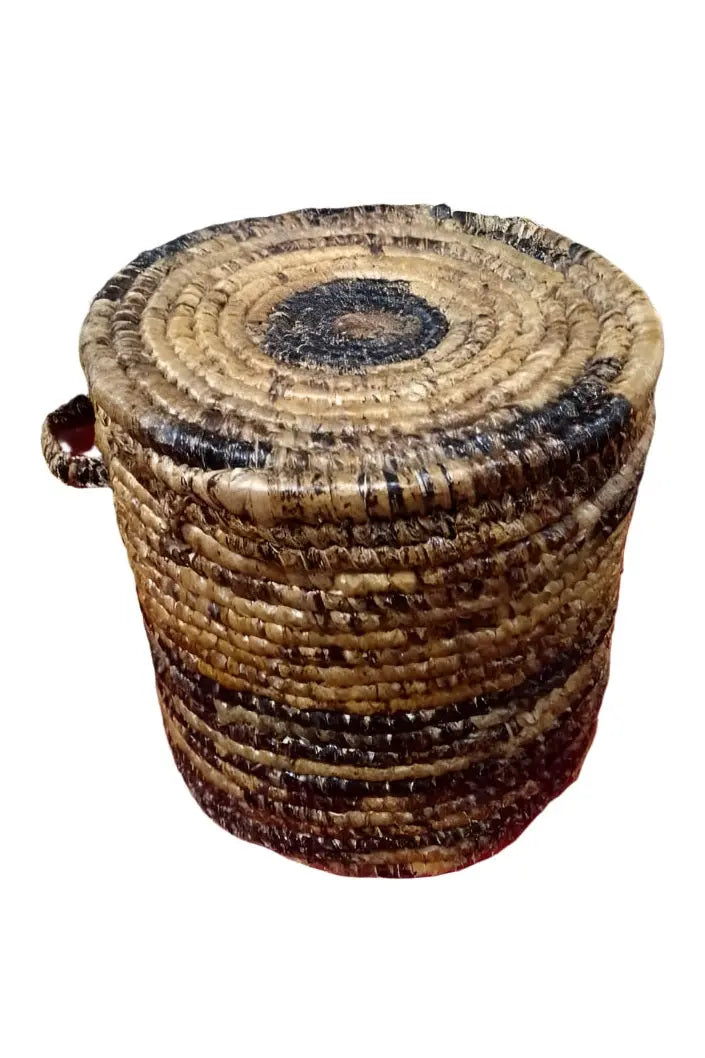
Basket for books
1Nice to haveA basket holds library books, storybooks and tablets neatly.
How to use it: Place it near the reading corner.
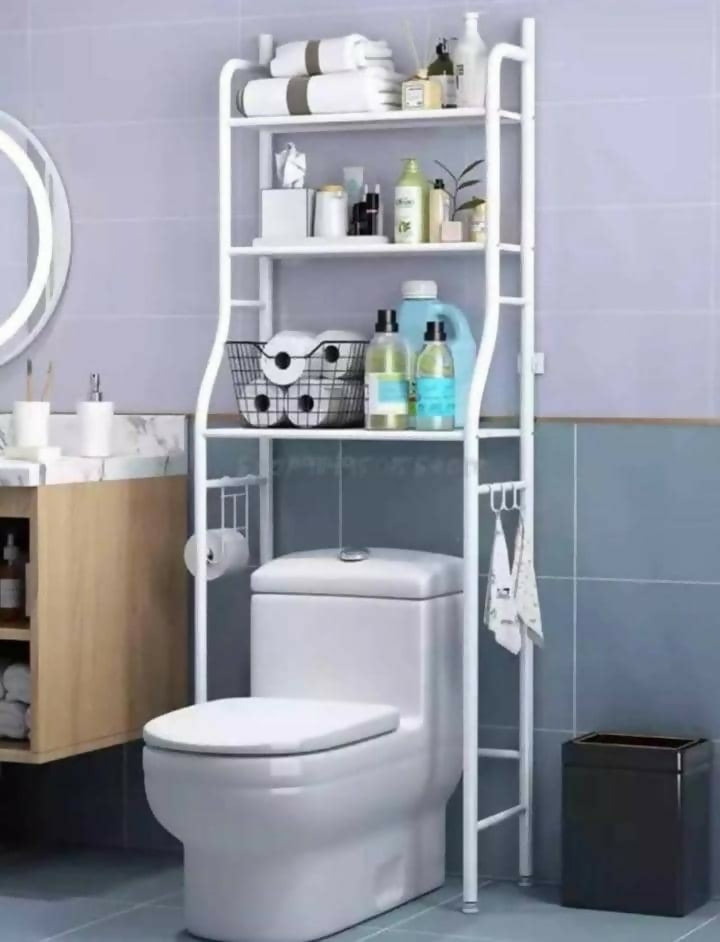
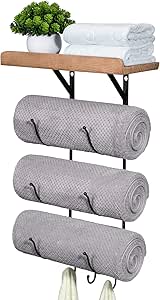
Shelf or rack
1Nice to haveBooks stored upright last longer and are easier to find.
How to use it: Fix a shelf to the wall or use a sturdy rack, away from damp areas.
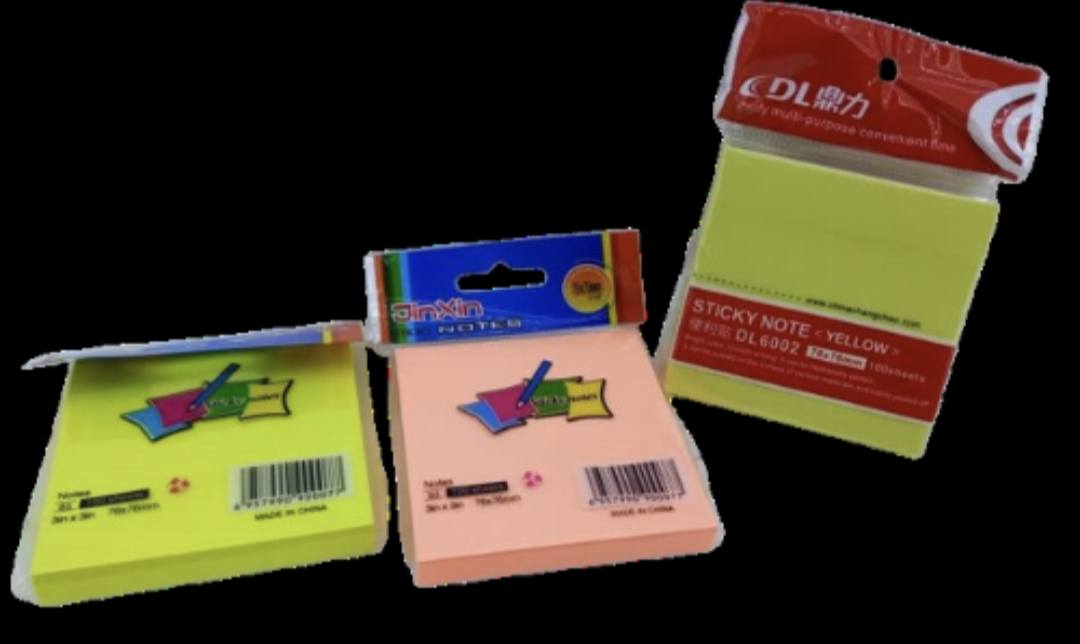
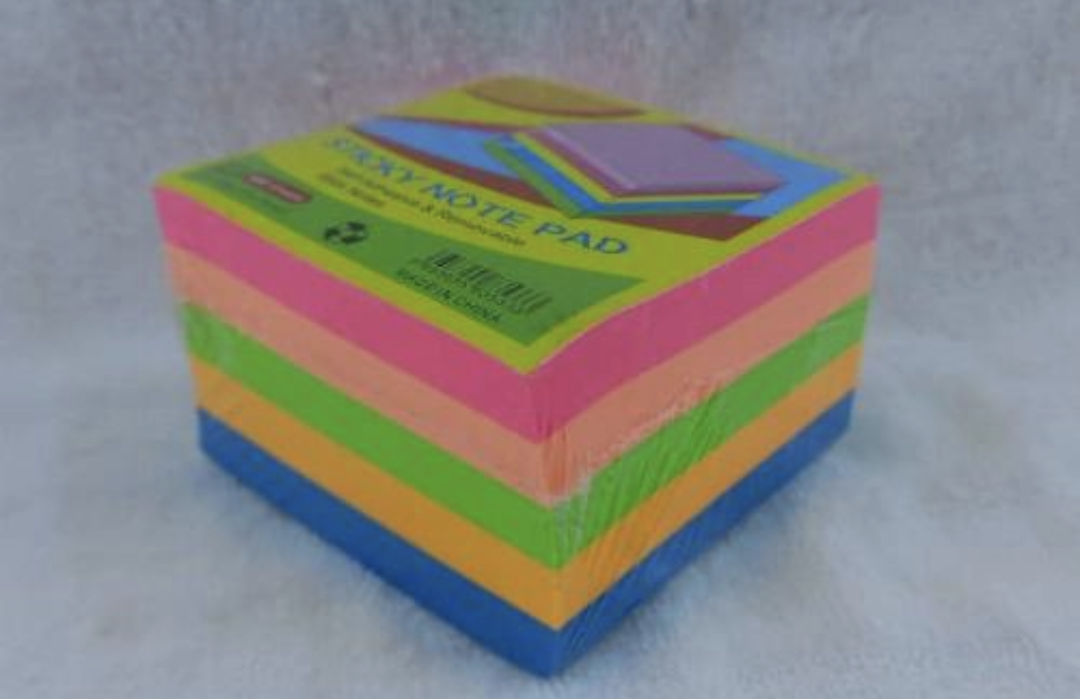
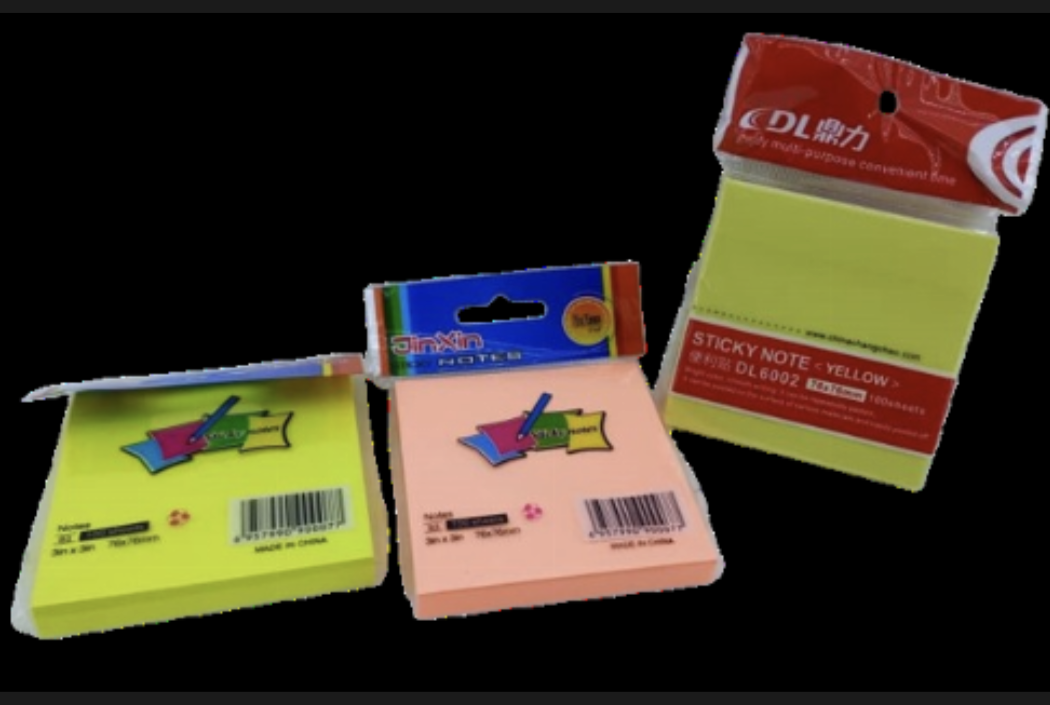
Sticky notes
1 packNice to haveChildren can write reminders about homework and test dates.
How to use it: Stick them on the edge of a shelf, not on the notebooks.
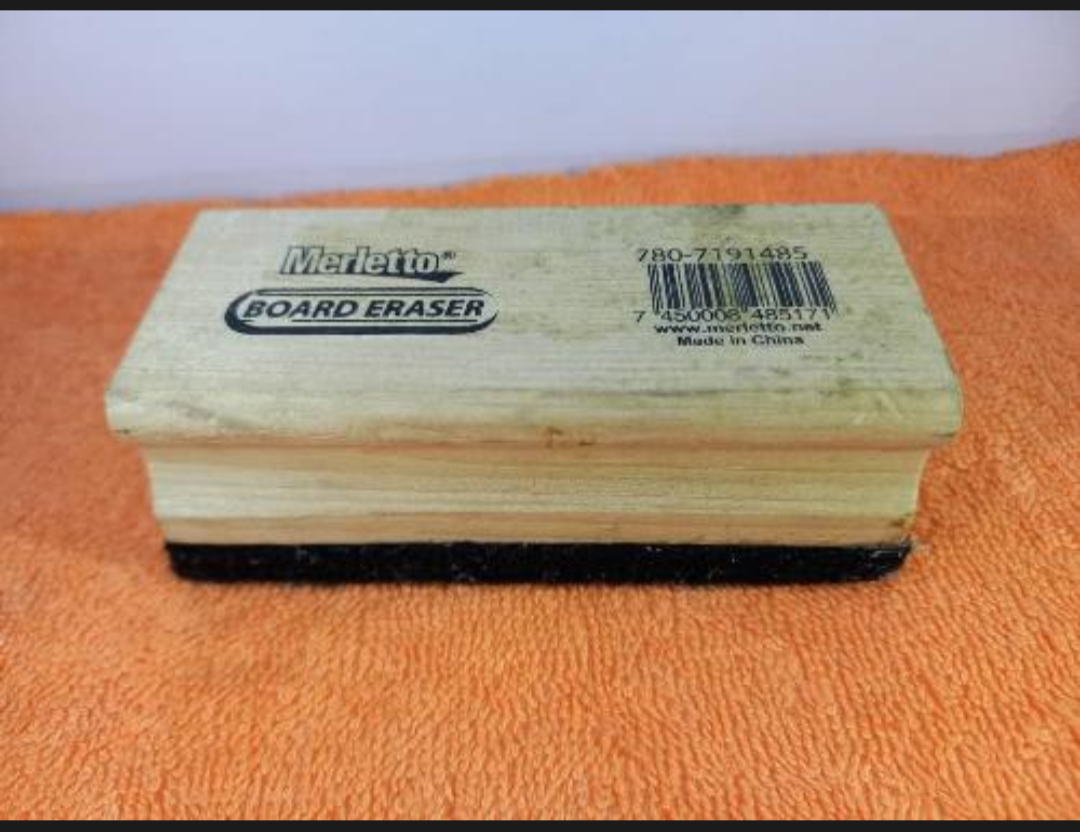
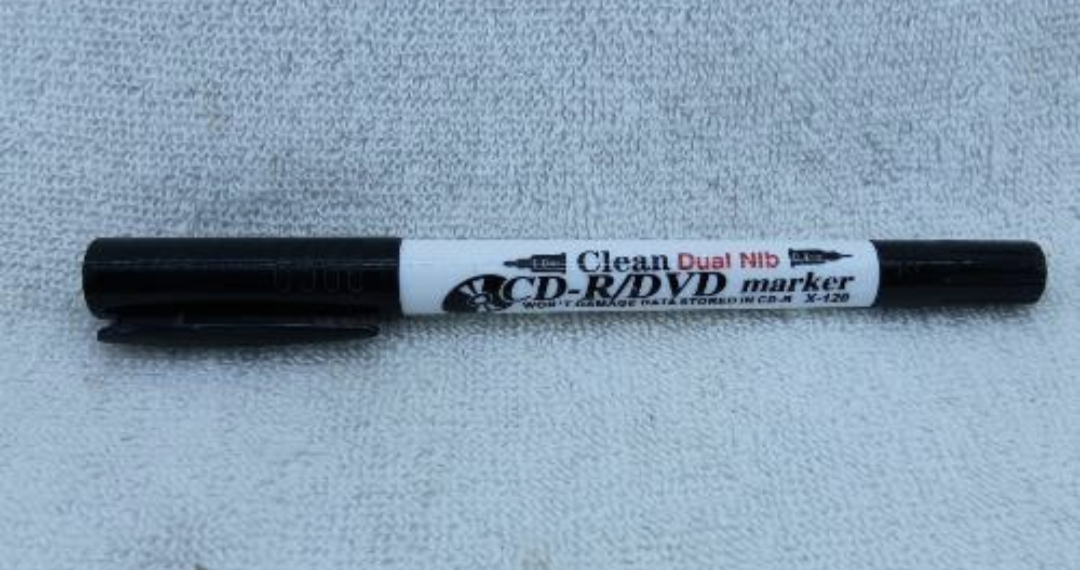
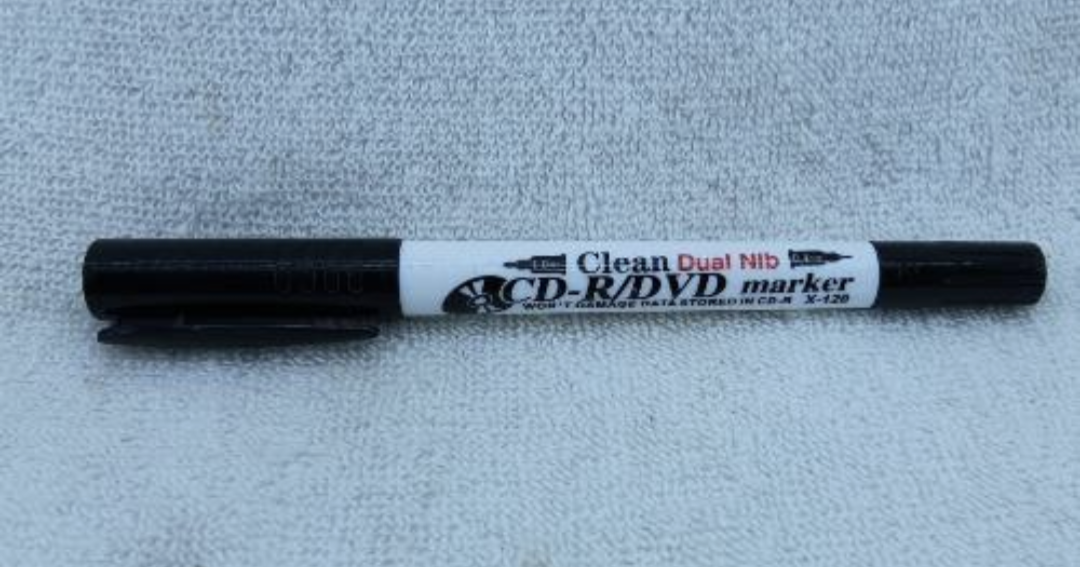
Marker pens for a board
1 packNice to haveA small board for a weekly timetable or spelling words helps children track tasks.
How to use it: Wipe the board clean at the end of each week.
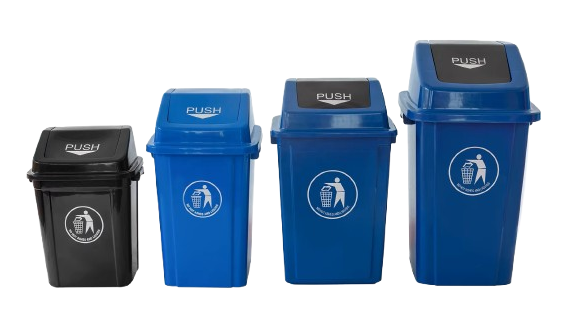
Dustbin
1Nice to haveA small bin for paper scraps and pencil shavings keeps the desk clear.
How to use it: Empty it every day after homework.


Comfort and focus
Small comforts help a child stay in the room long enough to finish.
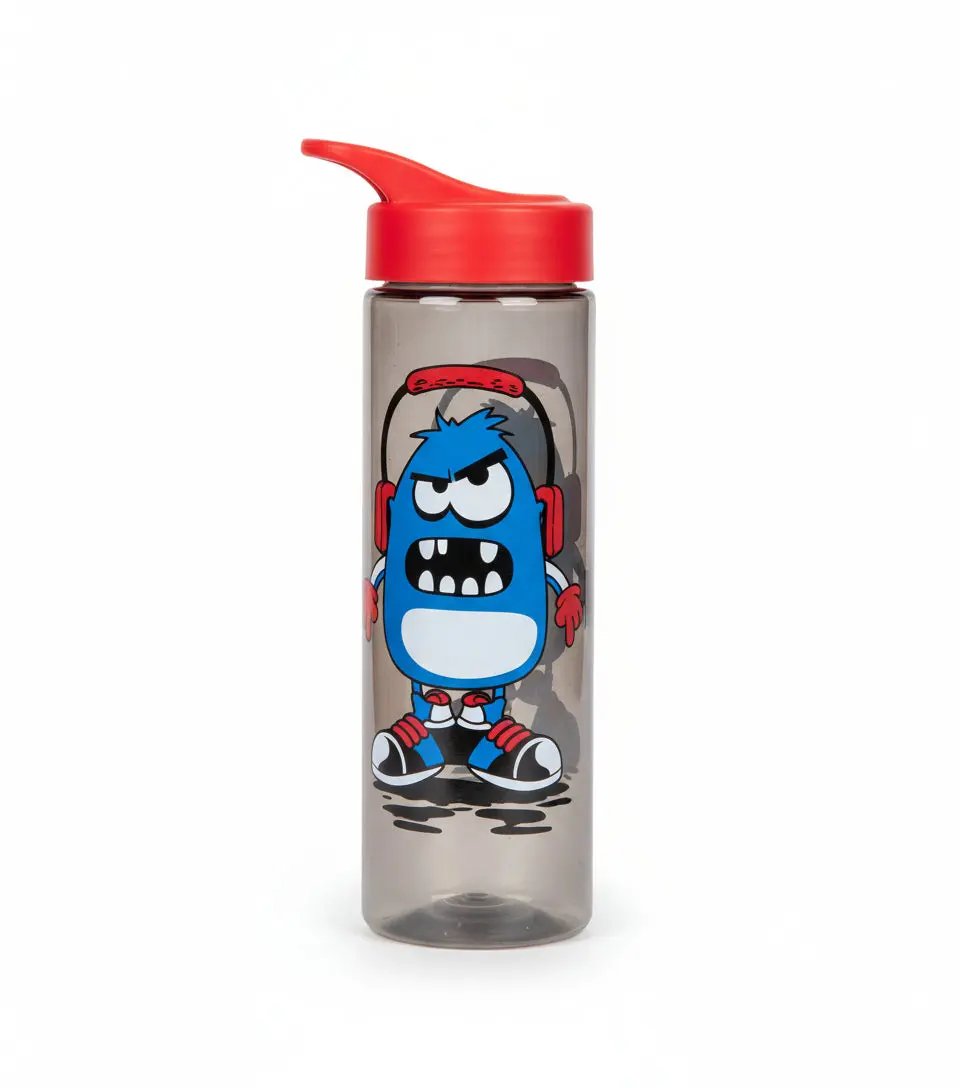
Water bottle
1 per child Must haveChildren concentrate better when they have water close.
How to use it: Fill it before study time and wash it daily.
Healthy snacks
As neededNice to haveA small snack between school and homework keeps energy up.
How to use it: Choose fruit, peanuts or a plain biscuit rather than sweets.
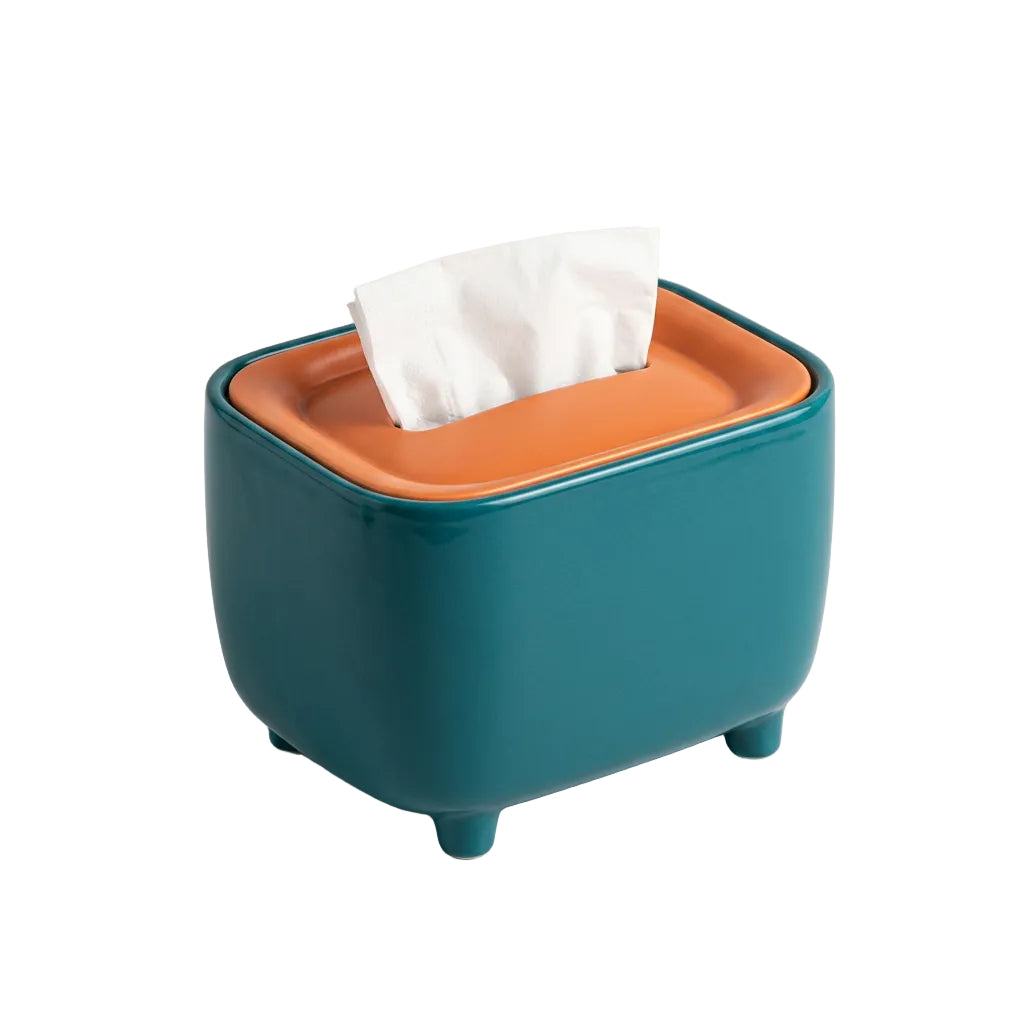
Tissues
1 boxNice to haveDust and colds are common. Tissues help when a nose runs.
How to use it: Keep a box on the desk.
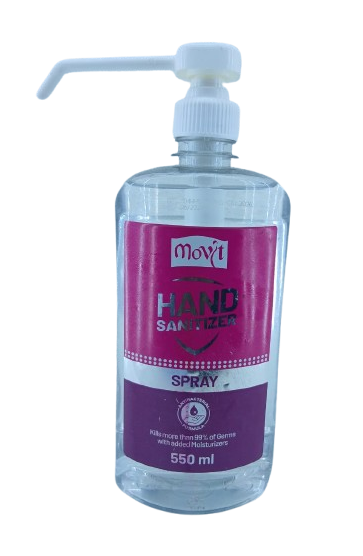
Hand sanitizer
1 bottleNice to haveA quick hand clean before homework helps keep shared supplies clean.
How to use it: Use as the label says and keep it away from young children who might swallow it.
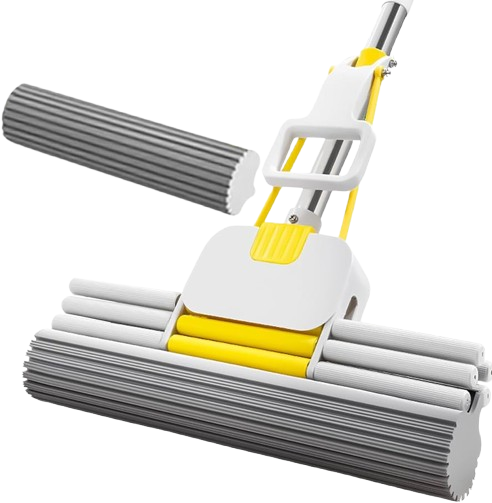
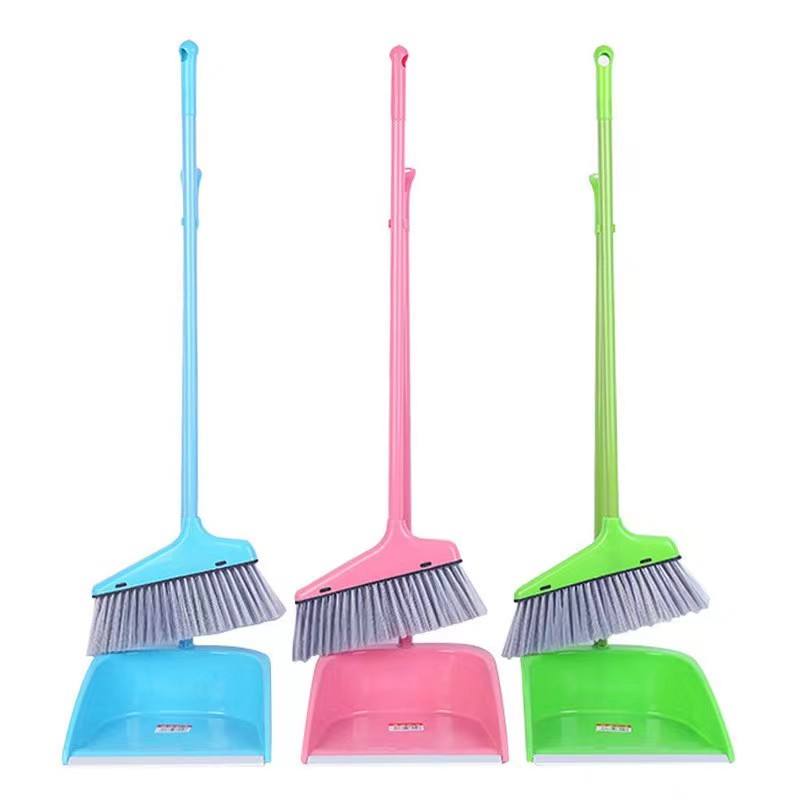
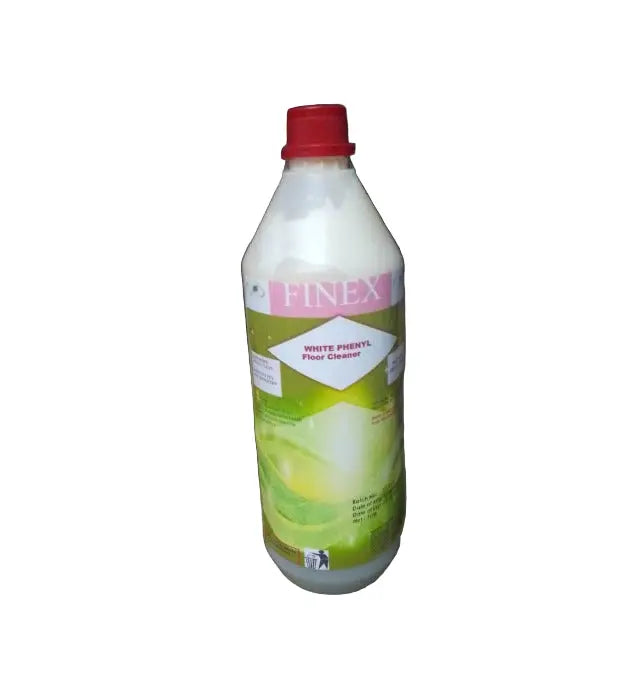
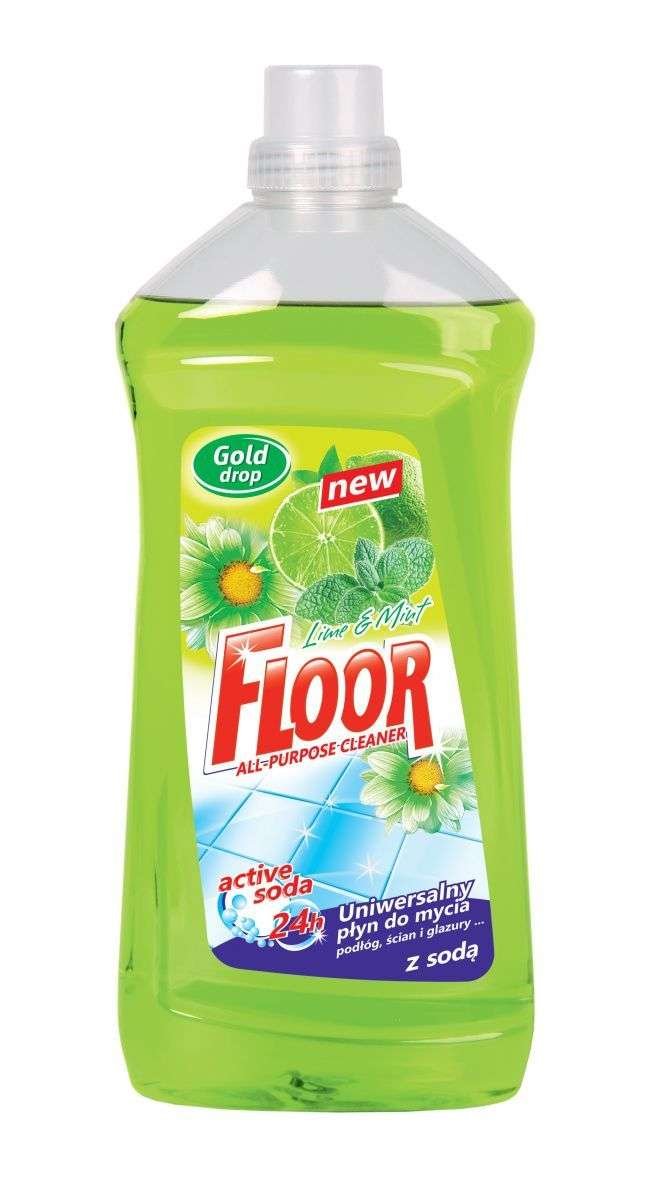
Floor cleaner
1 bottleNice to haveA clean room is more inviting, and dust can set off sneezing.
How to use it: Mop the room once a week.








Step by step
- 1
Choose the room
Pick a quiet room with natural light and space for a desk. Empty out items that do not belong.
- 2
Clean and fix
Sweep, mop and check windows, sockets and bulbs. Fix what is broken.
- 3
Set up furniture
Place the desk near the window with a chair at the right height.
- 4
Add light and supplies
Add a lamp, a spare light for power cuts and a basic supply kit in one box.
- 5
Make a routine
Agree on a daily study time and keep the room for homework only.
Tips that help
- Keep the TV and loud games out of the homework room.
- Set a regular study time, even for 30 minutes a day.
- Let your child choose a color or poster for the wall so it feels like theirs.
- Check the room at the end of each week and refill supplies.
- Put the room's light and fan on a power strip for quick switching off.
- Keep a spare notebook and pen in your bag for emergencies.
- Use a small shelf for each child if they share, so supplies do not get mixed up.
Mistakes to avoid
- Using a table or chair that is the wrong height for the child.
- Having only one dim light at night.
- Keeping the TV in the same room.
- Buying too many supplies at once, which then get lost.
- Forgetting a plan for power cuts.
Questions people ask
What is the best place for a kids' homework room at home?+
A quiet room or corner with natural light, away from the TV and kitchen noise. A spare bedroom works well if it has enough space for a desk.
How tall should a child's desk be?+
Your child's elbows should rest near the desk height when sitting with feet flat on the floor. Use a cushion or footrest if the chair is too high or low.
How do I keep homework going during power cuts?+
Keep a rechargeable lamp or torch in the room and charge it daily. Plan to do reading or writing near a window in daylight when possible.
How many school supplies should I keep at home?+
Keep a small stock of notebooks, pens, pencils and erasers. Refill when you see the supply running low, rather than buying a lot at once.
Can two children share one homework room?+
Yes. Give each child their own space on the desk or their own desk if there is room, with their own storage box, and set quiet rules for study time.
A simple, well lit room with the right supplies can change how your child feels about homework. Use this checklist and shop what you need on Isokko, delivered to your door in Kigali.
Shop this list
Get everything delivered in Kigali
Order from local stores on Isokko and pay with MoMo, card or cash. Same-day delivery.